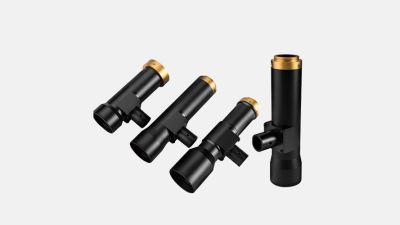
In the world of industrial tech, things are changing pretty rapidly, and picking the right Industrial Lenses can really make a difference when it comes to boosting productivity and efficiency. I mean, Dr. Sarah Thompson from OptiTech Solutions, who’s pretty much an expert in this field, stresses that "the quality of lenses directly impacts how accurate your industrial processes will be." That really highlights how important it is to make informed choices when selecting lenses for different industrial tasks.
Now, the thing is, Industrial Lenses come in all sorts of types and specs, which can make the whole selection process a bit of a headache. Thanks to tech advancements, manufacturers now offer options designed for pretty much every specific job. But with so many choices out there, it’s easy to get overwhelmed. Professionals in the industry really need to sort through these options carefully, keeping in mind key factors like optical quality, durability, and whether the lens is suitable for their particular application.
So, when you're out there shopping for Industrial Lenses, take your time to do a bit of research. Not all lenses are created equal, and choosing the right one can really up your game—whether that means better precision in your work or just smoother operation overall. Think about your specific needs and application details as much as you consider the tech specs. The decision you make now could lead to sharper, more accurate results—or it could hold you back, especially if you go for something without doing your homework first.

Understanding Industrial Lenses: Key Features to Consider
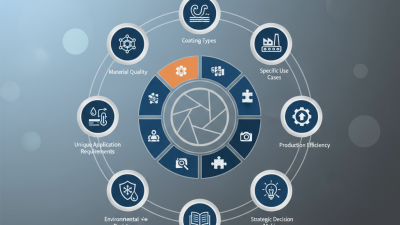
When selecting industrial lenses, understanding their key features is crucial. The material of the lens often impacts durability and clarity. Opt for lenses made from high-quality glass or specialized polymers. These materials resist scratches and provide optimal light transmission. Consider the coating. Anti-reflective coatings enhance visibility by reducing glare. This is essential in environments with harsh lighting.
Focus on the focal length and aperture size. The focal length determines how far the lens can focus on objects. A shorter focal length captures wider scenes, while a longer one isolates specific details. Aperture size affects depth of field. A larger aperture allows more light, which is beneficial in low-light situations.
Whenever you evaluate a lens, think about its intended application. Not all lenses suit every setting. Industrial environments vary widely, impacting the lens's effectiveness. Remember, no lens is perfect. Some might distort colors, while others may not perform well under temperature changes. Balancing these aspects is vital for making an informed choice.
Evaluating Optical Quality: Resolution and Clarity Essentials
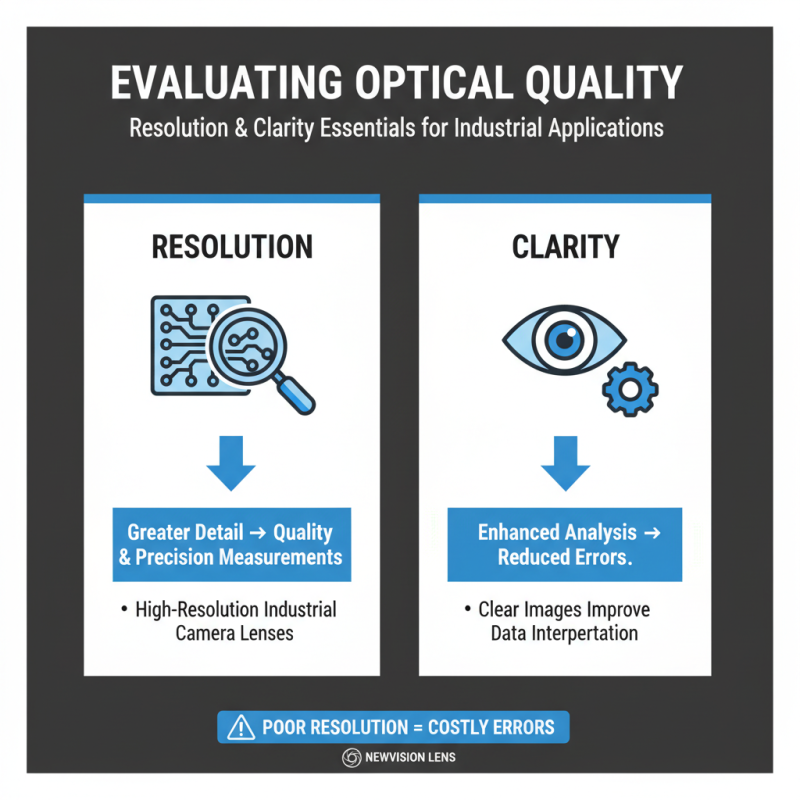
When evaluating optical quality for industrial applications, resolution and clarity are paramount. High-resolution Industrial Camera Lenses provide greater detail. This is crucial for applications like quality control and precision measurements. A lens that delivers clear images can significantly enhance the analysis process. Poor resolution can lead to misinterpretation of data, causing costly errors.
Consider the impact of clarity on your results. Subpar lenses may introduce aberrations, resulting in distorted images. This can obscure vital details that could affect your workflow. Spotting these imperfections early on is essential. Ensure that you can evaluate the clarity of the images produced. Testing lenses in real-world conditions helps identify potential flaws.
It's also important to reflect on environmental factors. Conditions such as temperature fluctuations and humidity can affect lens performance. Not all lenses are designed to withstand harsh environments, which is a vital consideration. Conduct thorough testing under varied circumstances. This approach will help you make an informed decision about your industrial camera lenses. A careful evaluation of both resolution and clarity will lead to optimal performance in your industrial settings.
Material Selection: Glass vs. Plastic Lenses
When selecting industrial lenses, the material plays a crucial role. Glass and plastic lenses both have unique advantages and drawbacks. Glass lenses are known for their superior optical clarity. They resist scratches and provide excellent protection against harsh environments. However, glass is heavier and can break more easily than plastic. This is a significant consideration in industries where lens durability is essential.
On the other hand, plastic lenses are lightweight and less prone to shattering. They can be engineered to provide high-impact resistance, making them suitable for various applications. However, they are more likely to scratch than glass. The choice between glass and plastic may depend on specific industrial needs. For example, if weight is a concern, plastic may be the better option. Conversely, for environments demanding high clarity and durability, glass might be preferable. Each material has its place in industrial applications, and the decision should reflect the operational demands and conditions.
Coatings and Treatments: Enhancing Lens Performance
Selecting industrial lenses involves careful consideration of their coatings and treatments. These enhancements can significantly improve performance. For instance, anti-reflective coatings can reduce glare by up to 99%. This feature is especially critical in environments with high illumination, where visibility is paramount.
In terms of durability, coatings such as scratch-resistant layers are vital. The market report from Smith Research indicates that lenses with these treatments last 20% longer than standard models. Such longevity can lead to reduced replacement costs over time. Environmental factors also play a role. Lenses with water-repellent coatings aid in maintaining clarity. They prevent liquids from adhering and refraction issues from occurring.
However, not all coatings are equal. Understanding the specific application is crucial. Each lens treatment serves a distinct purpose. There may be trade-offs between clarity, durability, and cost. Some coatings may not be suitable for extreme temperatures or chemical exposure. Therefore, you should evaluate the operational environment carefully to ensure the lens meets all operational needs.
Compatibility: Ensuring Lenses Fit Your Equipment
When selecting industrial lenses, compatibility is key. Ensure that the lenses fit your equipment perfectly. A mismatch can lead to inefficiencies. You might lose focus or experience distortions. This is especially true with
C Mount Industrial Lenses, which require precise fitting. Measure the mounting interface carefully.
A small deviation can impact performance significantly.
Consider the specifications of your equipment. Different machines have unique requirements. Look into the lens’ focal length and sensor sizes. This knowledge helps in making informed choices.
Always check user manuals and technical documents. They offer valuable insights that can prevent potential issues.
Testing lenses before finalizing your choice can be beneficial. Mount a few options and evaluate their performance. Sometimes, what seems ideal on paper may not work in practice. Reflecting on past experiences can guide better decisions.
Compatibility ensures your setup runs smoothly without unexpected challenges.
Budgeting: Cost-Effective Options Without Sacrificing Quality
When selecting Industrial Cameras Lenses, budget is a key factor. You need quality without breaking the bank. Explore affordable options that still deliver excellent performance. Research is crucial here. Look for recommendations from industry professionals or forums where users share their honest experiences. Sometimes, lesser-known brands offer hidden gems.
Consider the lens specifications. Center resolution, distortion levels, and material quality matter. Opting for lenses made from robust materials can save costs long-term. They may have a higher upfront price but tend to last longer, reducing replacement frequencies.
Trialing different lenses in real-world conditions helps too. Notice how they handle lighting changes or motion. Gather data from field tests. If things don’t perform as expected, reflect on why. Adapting your choices based on hands-on use can save money and enhance quality.
Consulting Experts: When to Seek Professional Guidance
When navigating the world of industrial lenses, consulting experts is crucial. They bring valuable experience and knowledge to the table. For instance, if you’re unsure about lens specifications, a professional can clarify key details. They understand how various lenses interact with Industrial Light sources, ensuring you make informed decisions.
There are moments when DIY solutions may fall short. Relying entirely on online research can lead to misunderstandings. An expert will offer insights tailored to your specific needs. They can guide you on aspects like lens coatings and material quality. These details can drastically affect performance in industrial environments.
Engaging with experts also helps avoid costly mistakes. A wrong lens choice can compromise efficiency. It can also lead to safety concerns in the workplace. Seeking professional guidance not only enhances your understanding but also boosts overall reliability in your industrial light applications. Don’t hesitate to reach out for help when in doubt.
Maximizing Precision: The Role of 1.1" (18.5mm) Oversized Target Surface Telecentric Lenses in Advanced Imaging Applications
The evolving landscape of advanced imaging applications demands higher precision and adaptability from optical components. Among the key players in this arena are the 1.1" (18.5mm) oversized target surface telecentric lenses, which have become essential for delivering exceptional imaging performance. These lenses are designed to maintain consistent magnification and minimize distortion across a wide field of view, making them ideal for critical applications in fields such as industrial inspection, robotics, and automated quality control.
Featuring a working distance of up to 110mm and a maximum field of view reaching 46.7 x 34.3mm, these lenses are compatible with various industrial cameras, including 2/3", 1", and 1.1" formats. This versatility allows for seamless integration into existing imaging systems, ensuring that users can capture detailed images with minimal aberrations. The optical performance is also impressive, boasting a maximum resolution of MTF greater than 0.3 at 170 lp/mm, thereby enabling precise measurements and analysis in complex imaging tasks.
Incorporating telecentric designs into imaging solutions is crucial for reducing perspective errors and enhancing measurement accuracy. These characteristics significantly benefit applications that rely on accurate dimensional assessments, such as semiconductor inspection or component measurement in manufacturing. As industries continue to push the boundaries of automation and intelligence, the adoption of sophisticated telecentric optics will be pivotal, ensuring that precision remains at the forefront of technological advancements.
FAQS
: Anti-reflective coatings can reduce glare by up to 99%, improving visibility in bright environments.
Scratch-resistant layers can help lenses last 20% longer than standard models, reducing replacement costs.
Water-repellent coatings prevent liquids from sticking to lenses, maintaining clarity and preventing refraction issues.
No, some coatings may not withstand extreme temperatures or chemical exposure. Evaluate your operational needs carefully.
Consult an expert when you are uncertain about lens specifications or coatings to ensure informed decisions.
Relying only on online information may lead to misunderstandings and potentially costly mistakes with lens choices.
Professional guidance helps avoid wrong lens choices, which can compromise efficiency and create safety concerns.
Consider factors like clarity, durability, application purpose, and cost when selecting lens treatments for specific needs.
Conclusion
When selecting the best industrial lenses, it’s crucial to understand their key features, including optical quality, material selection, coatings, compatibility, and budgeting. High-resolution and clarity are essential for optimal performance, while choosing between glass and plastic lenses can significantly impact durability and weight. Coatings can enhance lens functionality, providing protection against scratches and improving light transmission.
Compatibility with your equipment is another critical factor to ensure that the industrial lenses fit seamlessly. Additionally, finding cost-effective options doesn't have to mean sacrificing quality; consider all features carefully within your budget. Finally, consulting experts can provide valuable insights, especially when navigating complex requirements or specific applications. Making informed choices will lead to successful outcomes in your industrial endeavors.
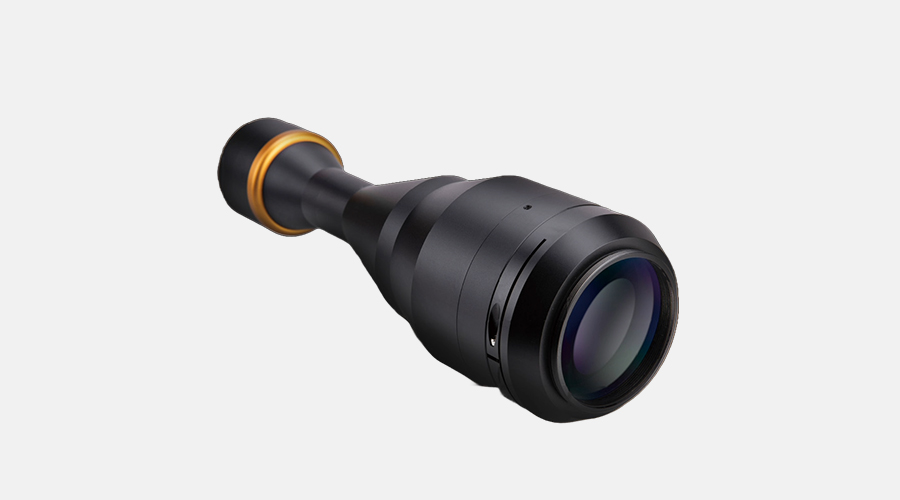 Compatible with 7.2mm-82mm chips
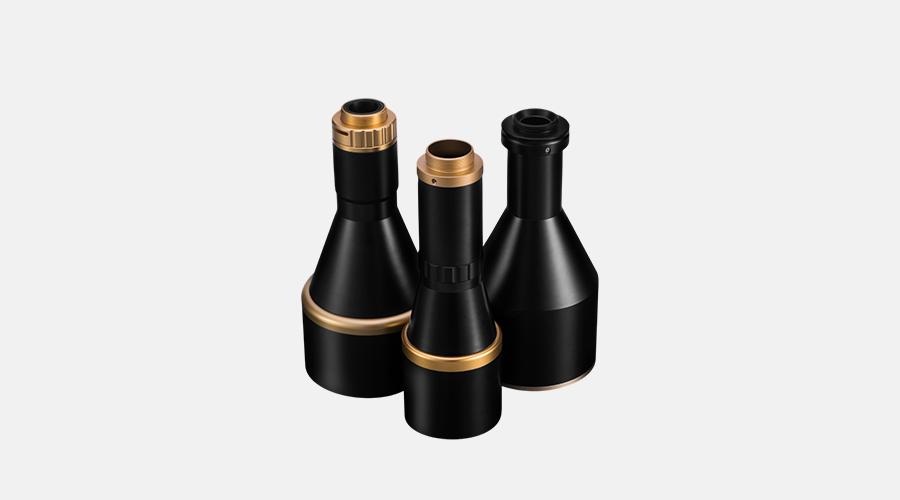 High/Low Working Distance
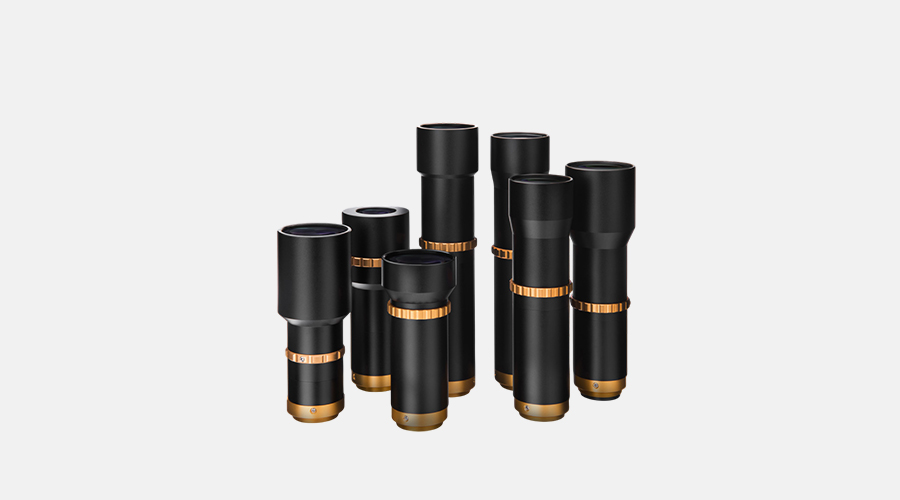 Aperture telecentric lens
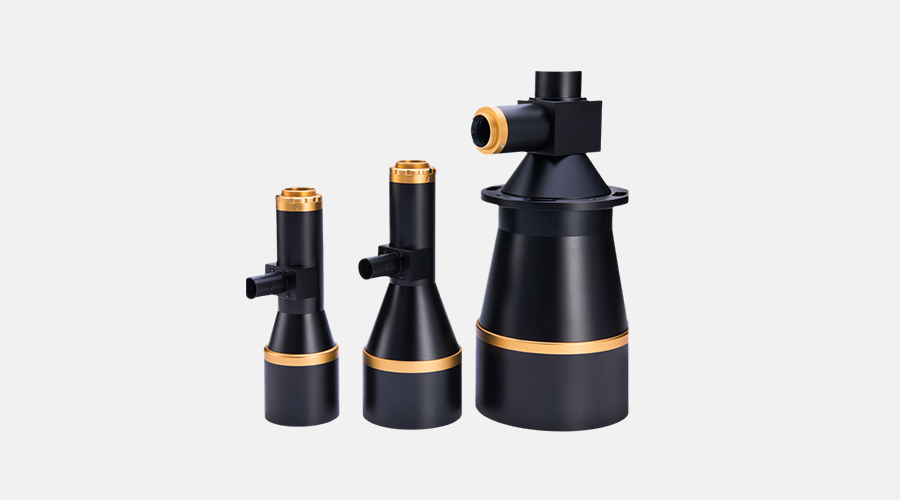 Measuring lens
 Maximum support 1.1" chips
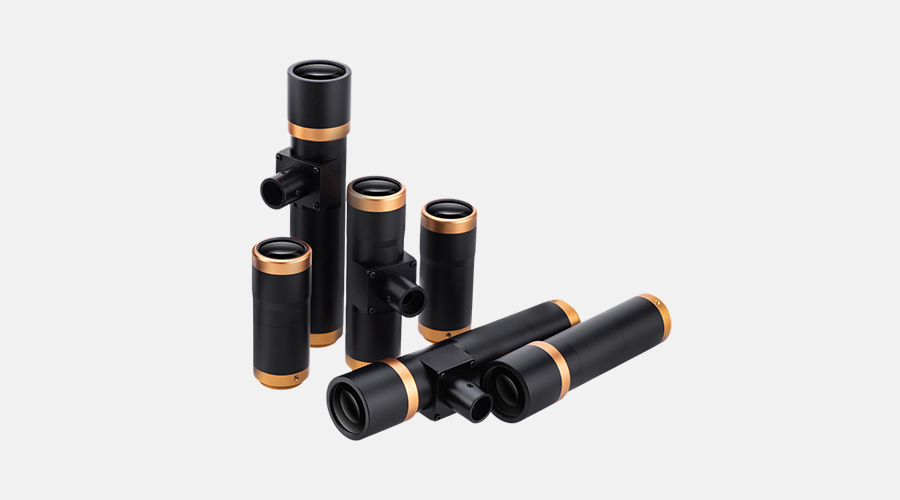 Maximum support 1.2" chips
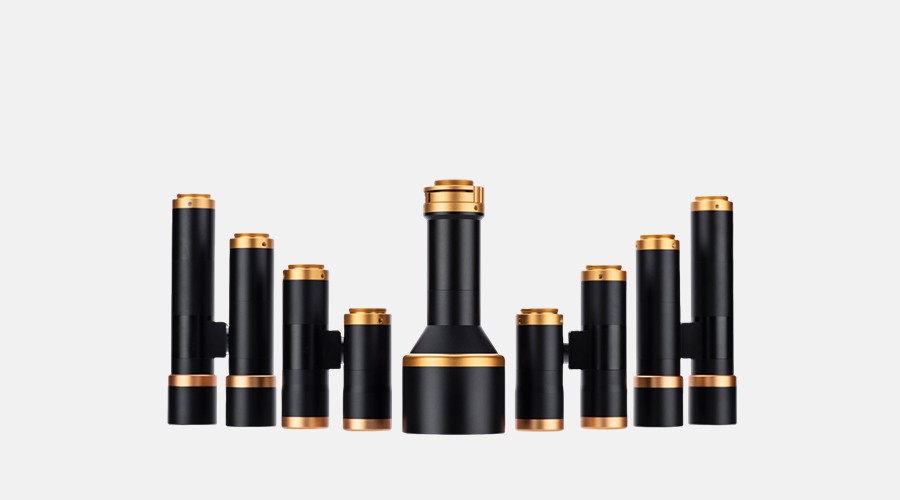 Maximum support 2/3" chips
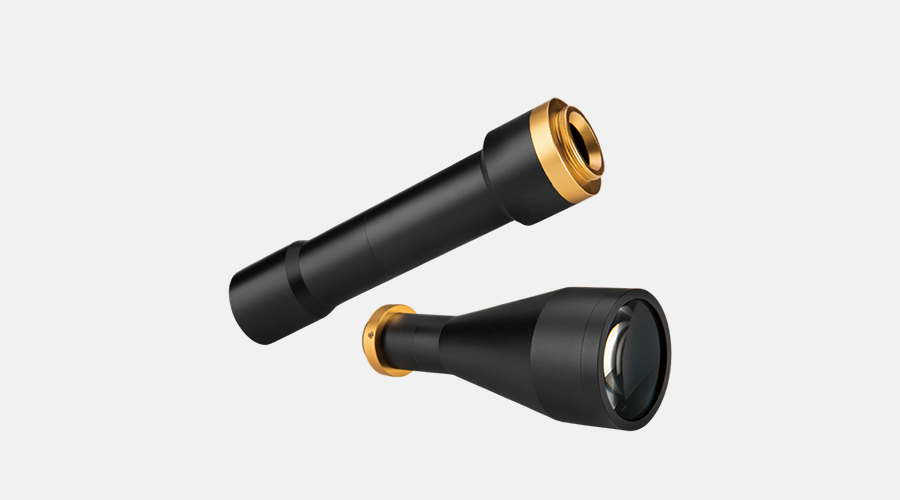 Long Working Distance
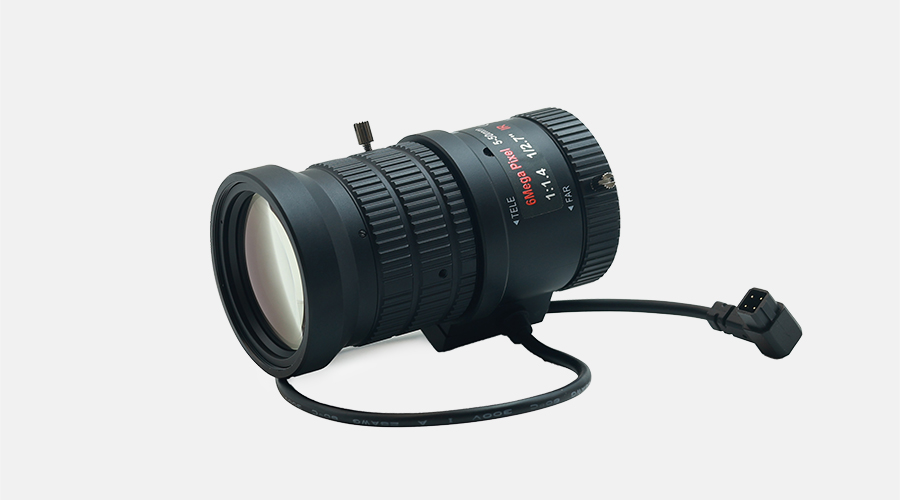 CS mount Varifocal lens
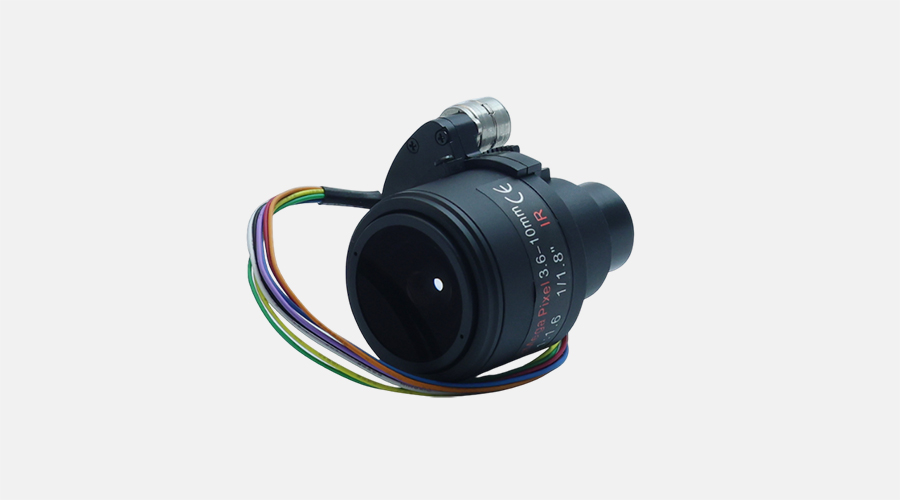 Varifocal board lens
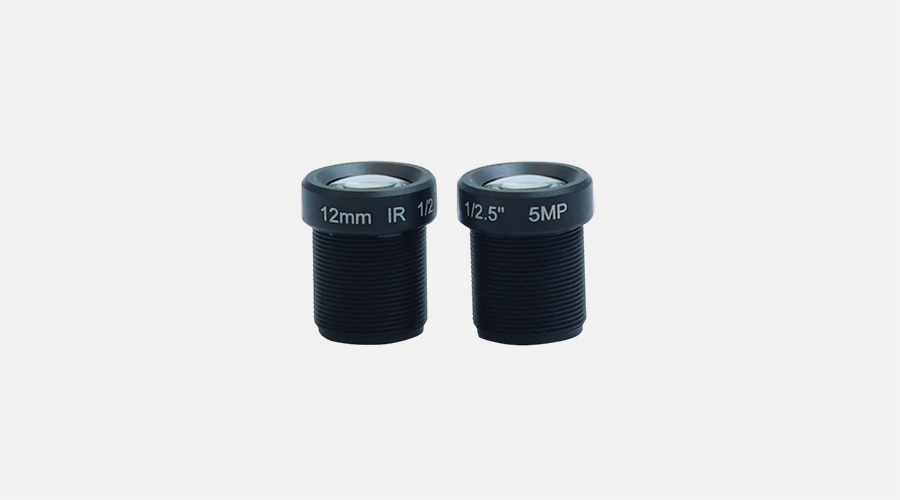 S mount lens
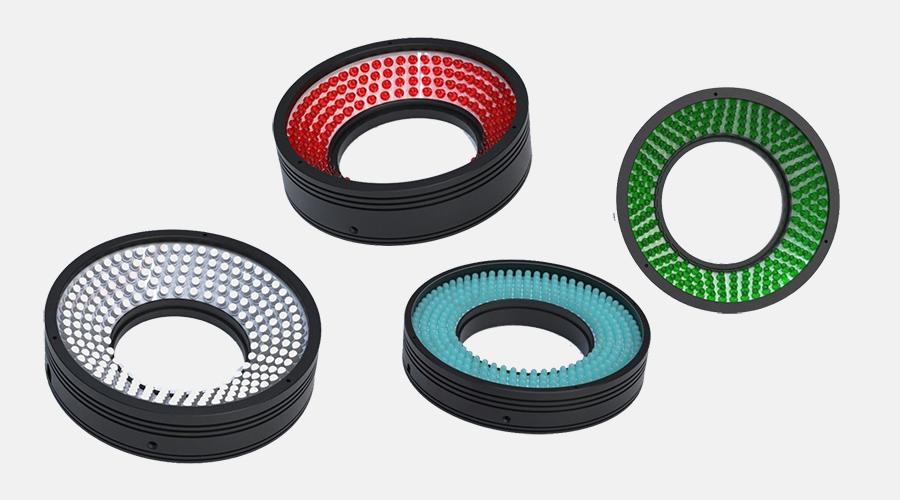 Ring light
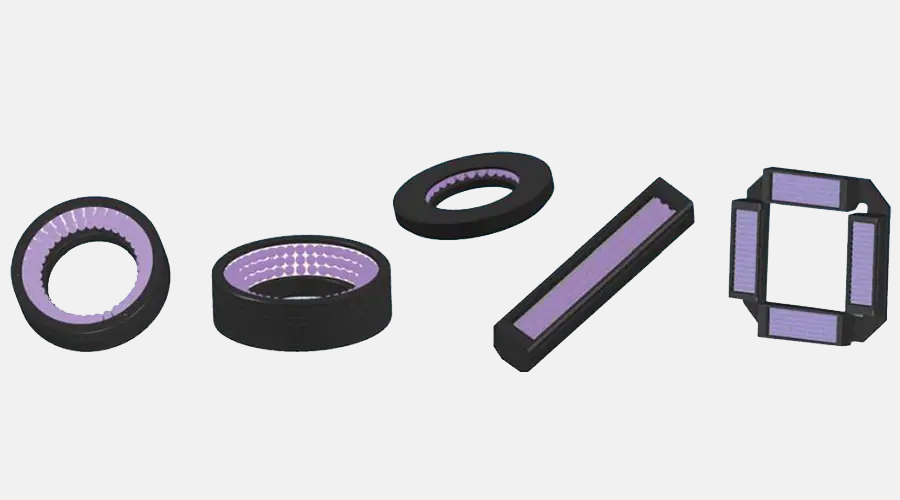 UV/IR Light
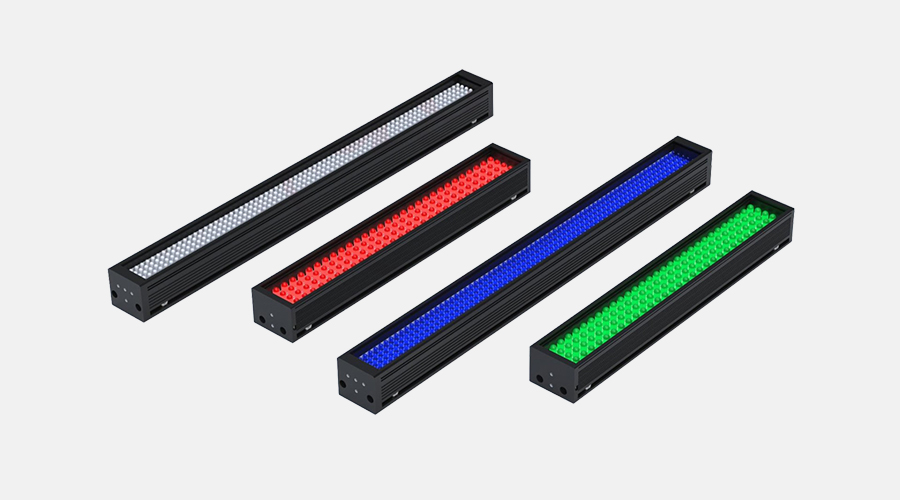 Bar light
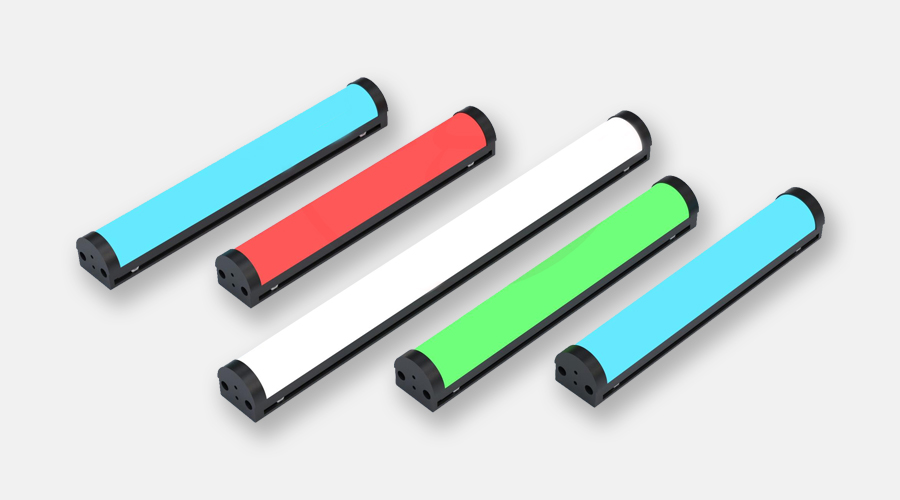 Arcuate high uniformity light
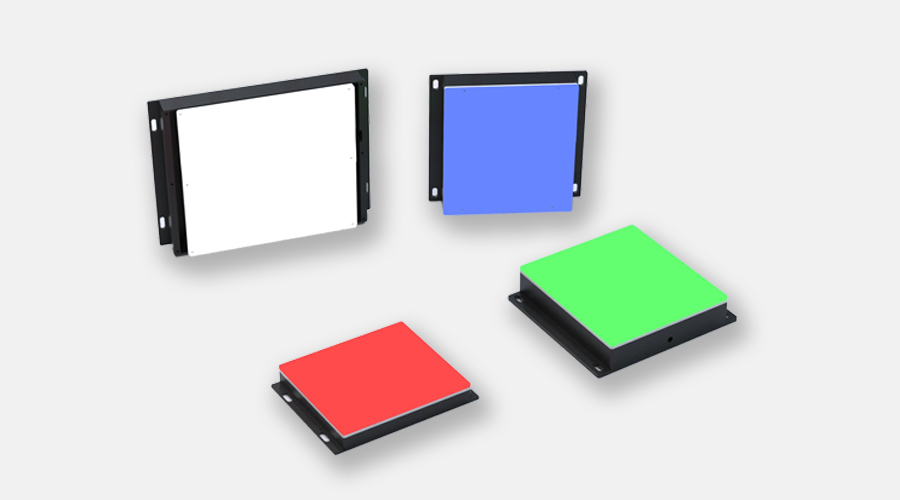 Back light
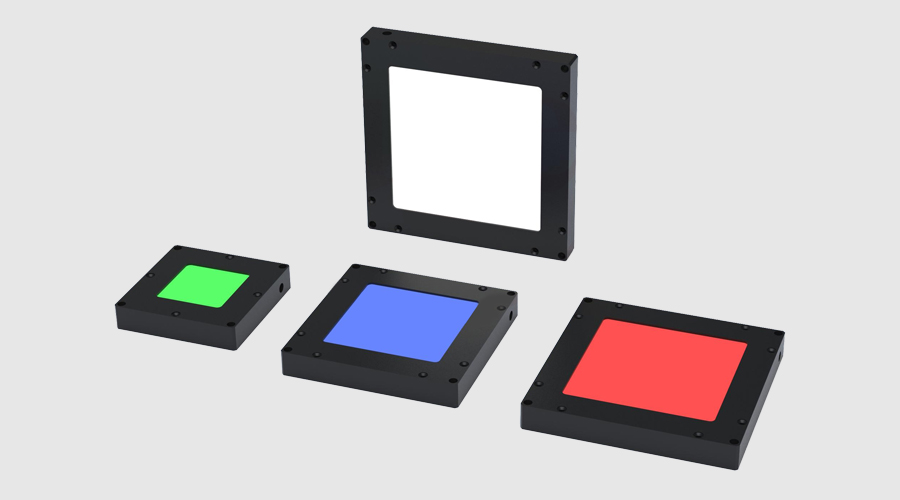 Flat light
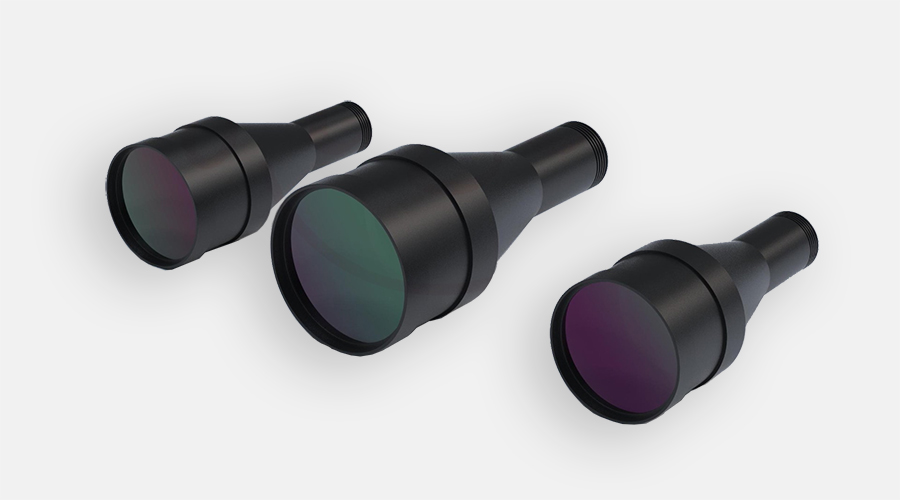 Collimated light
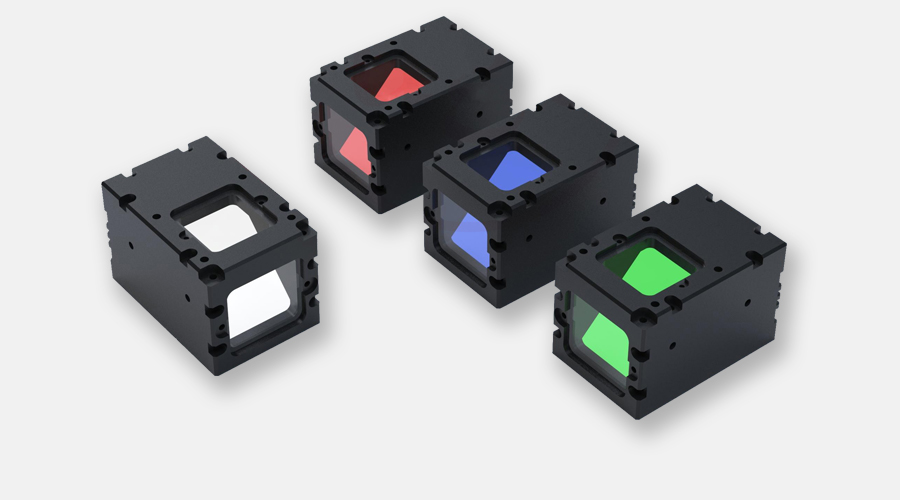 Coaxial light
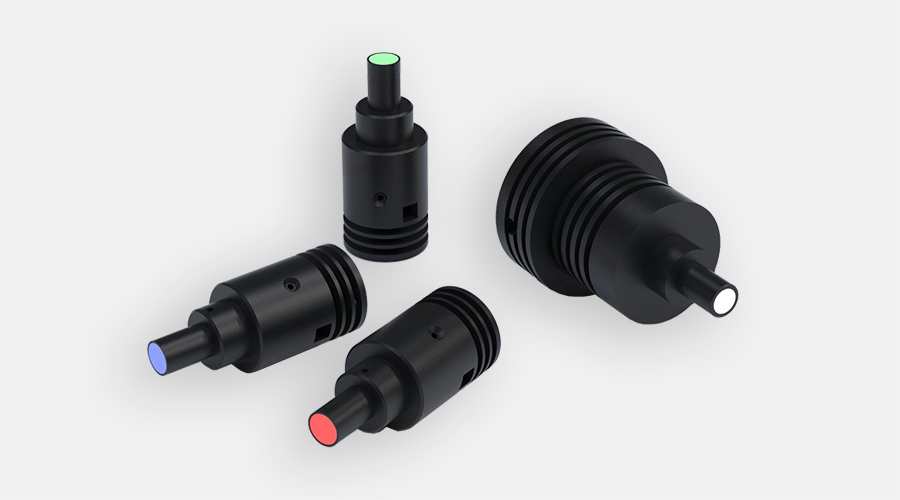 Spot light
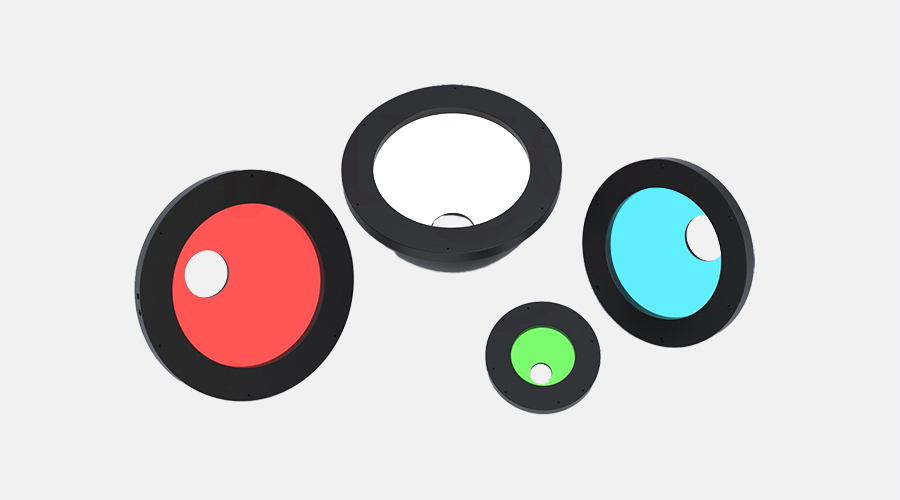 Dome light
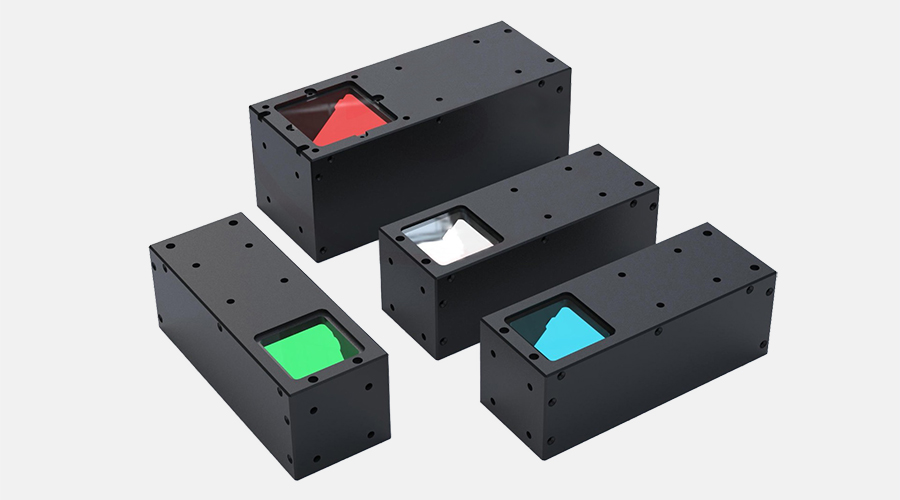 Collimated Coaxial light
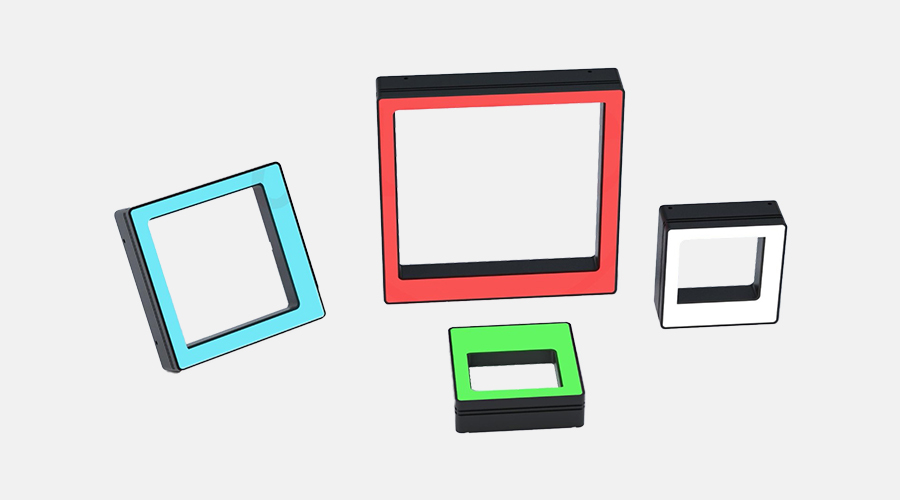 Shadowless square light
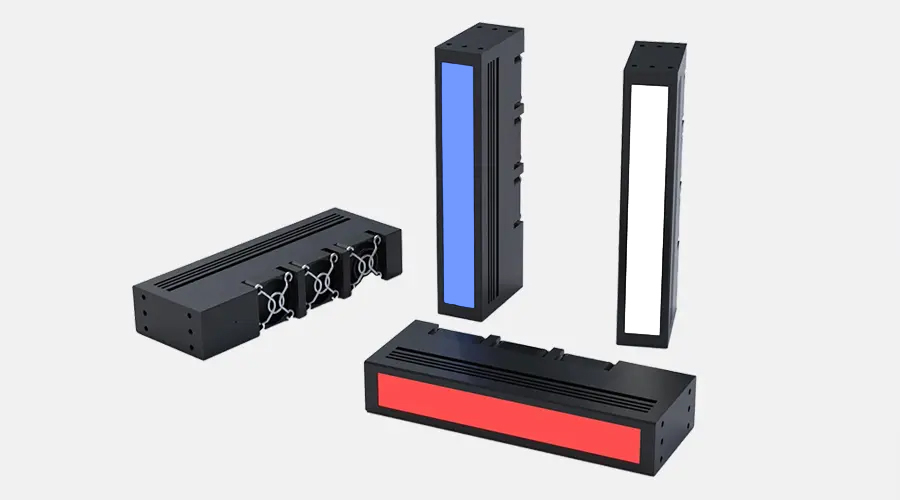 Scan light
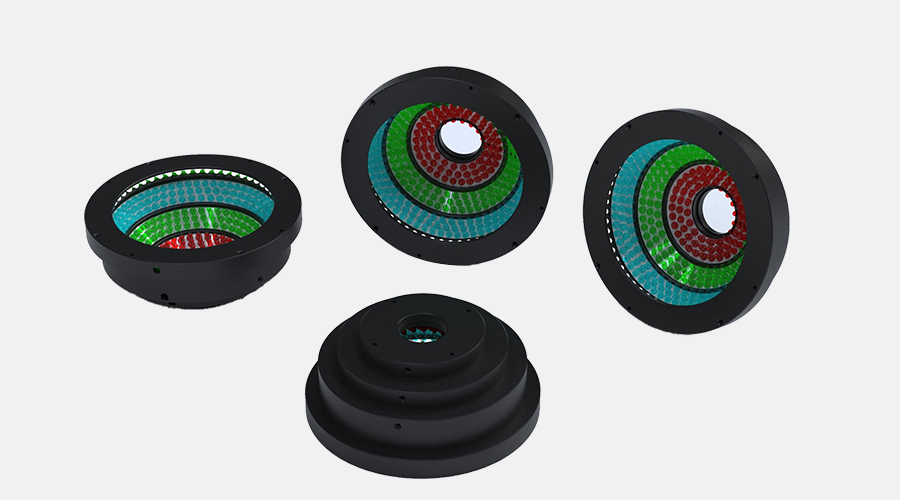 AOI light
 Analog controller
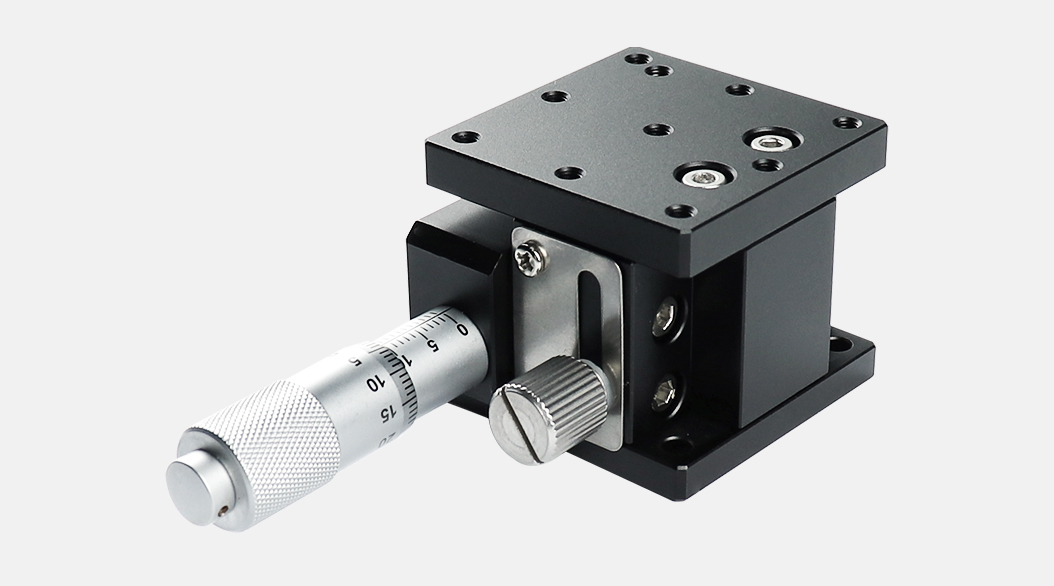 Crossed-Roller Linear guide type
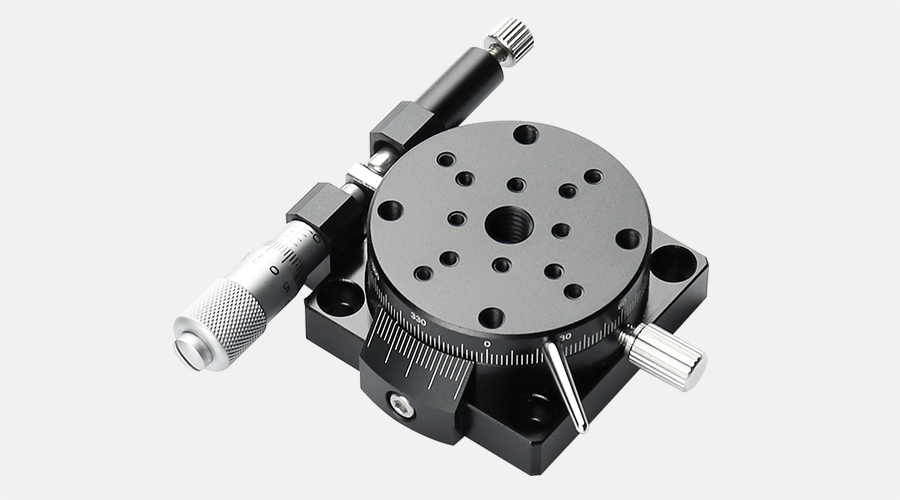 Rotary Stages XRS series
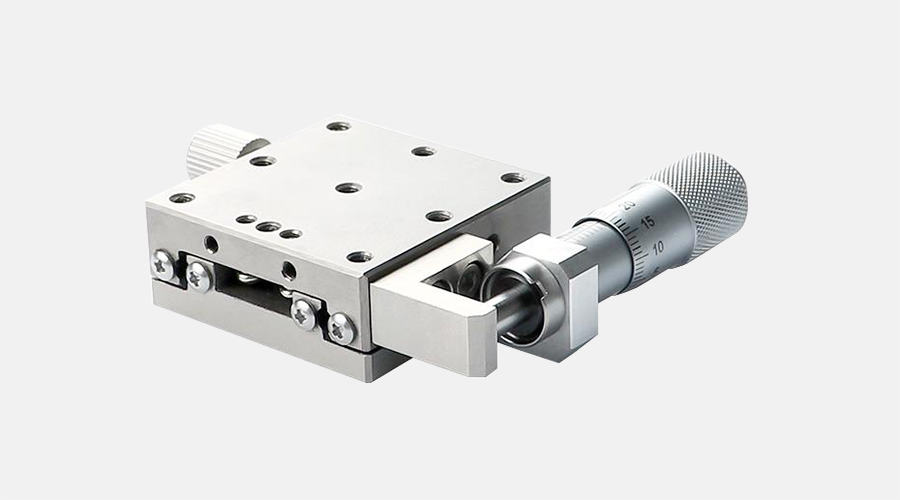 Stainless Steel Ball Bearing Linear Translation Stages
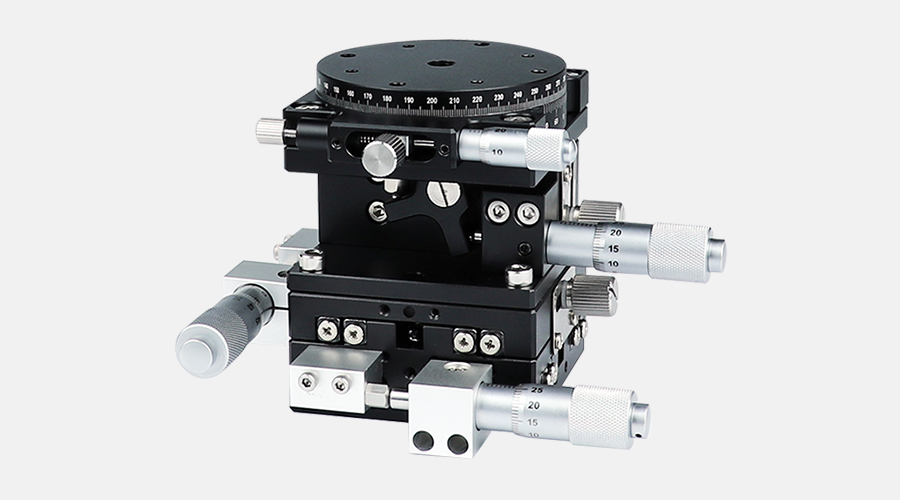 Multi-axis Translation stages
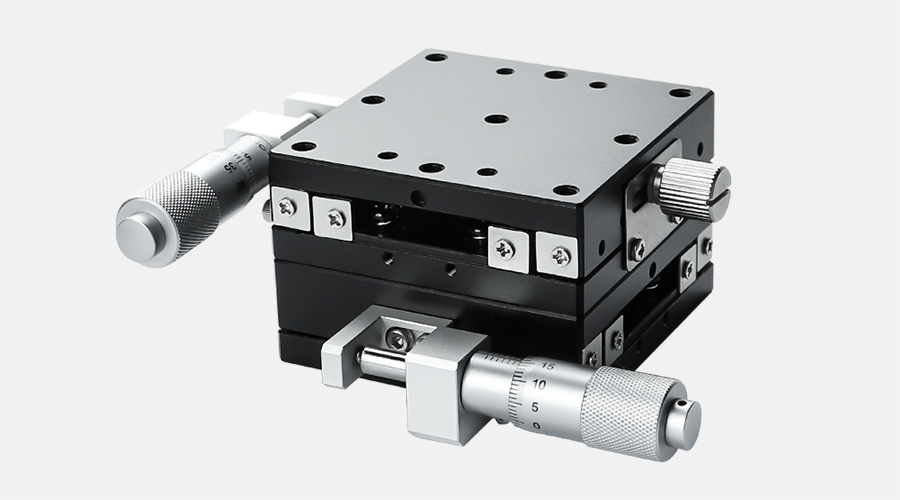 steel bar ball bearing stages
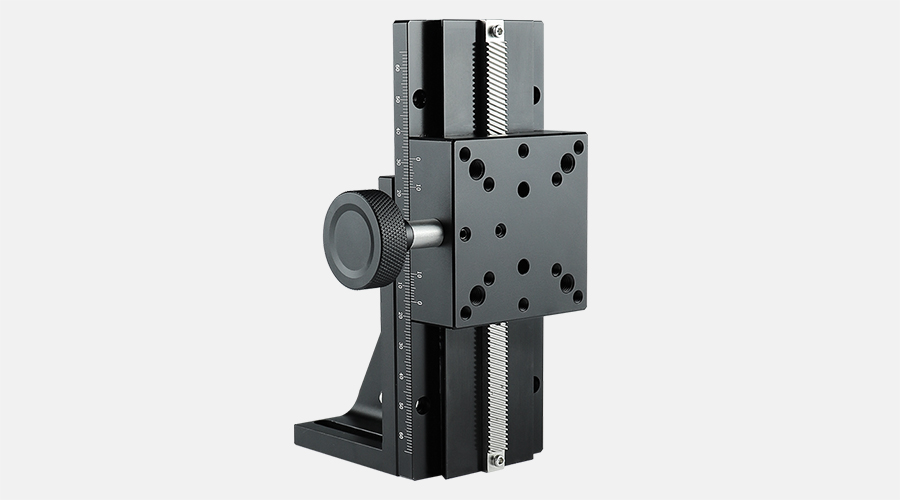 Dovetail Type Rack&Pinion Positioning Stage
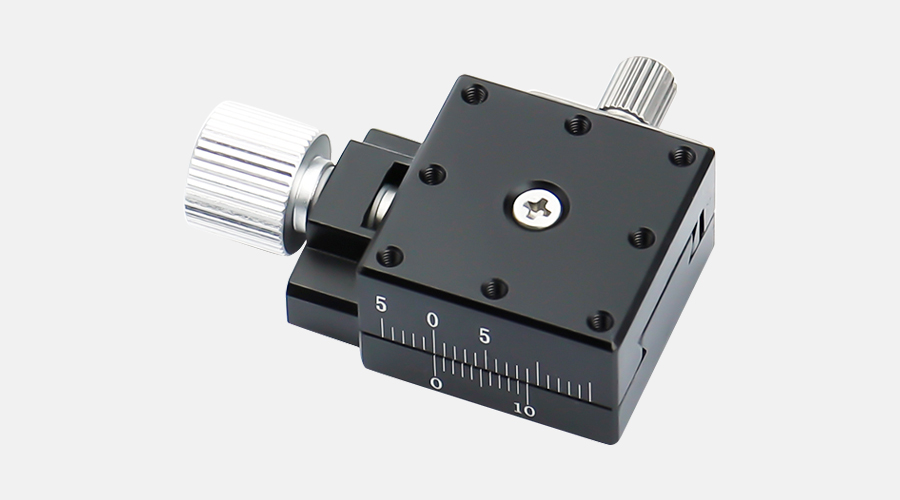 Dovetail groove high-precision screw slide