Inquiry
Leave Your Message
0%

In the fast-changing world of quality control, 3D Vision Inspection has really become a game-changer. Industry experts like Dr. Emily Carter from VisionTech Industries often highlight just how important it is. She’s been quoted saying that 3D Vision Inspection totally transforms the way we spot defects and make sure products meet standards.

You see, modern manufacturing pretty much demands pinpoint accuracy. The old-school methods? Well, they often fall short when it comes to capturing all the tiny details of complex parts. That’s where 3D Vision Inspection steps in, offering a level of detail that’s hard for us humans to match. It uses cutting-edge imaging tech to find flaws that might slip past the naked eye. But here’s the thing—just relying on tech alone isn’t the full story. Human experts still play a vital role in making sense of the data.

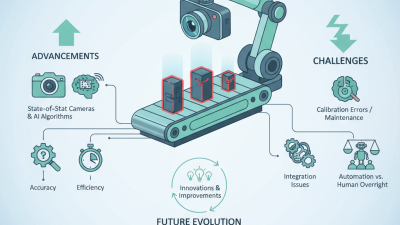
While 3D Vision Inspection is definitely impressive and offers tons of benefits, it’s not perfect. Tech glitches or software bugs can happen, so organizations need to stay on top of their systems and regularly evaluate how things are going. The best results come from a good mix of high-tech tools and skilled judgment. After all, machines shouldn’t be the only judges of quality. Finding the right balance between technology and human intuition is really the secret to achieving top-notch quality standards.
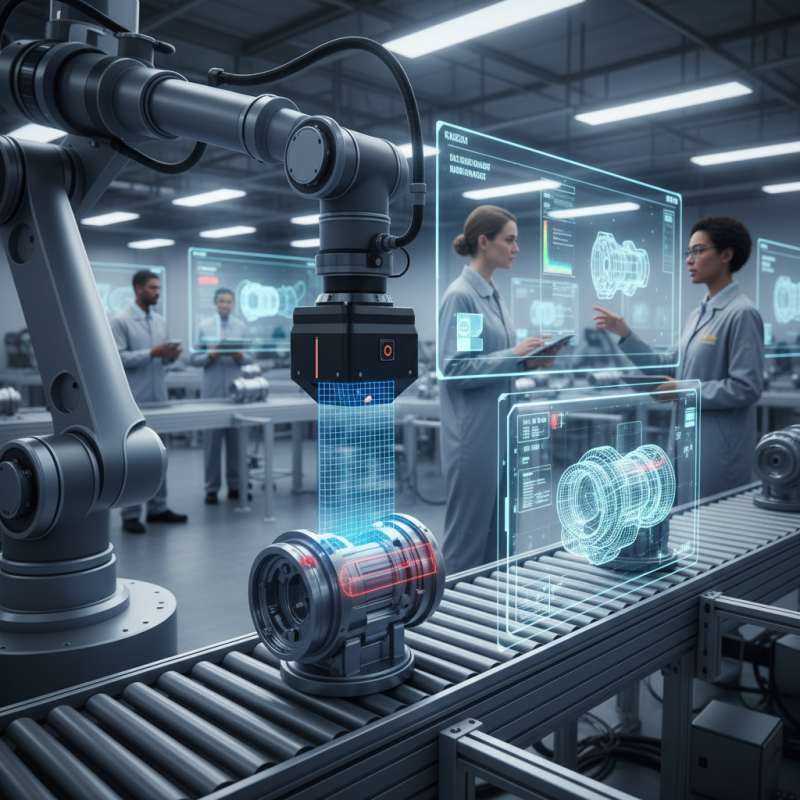
How to Use 3D Vision Inspection for Quality Control?

Understanding 3D Vision Inspection Technology

3D vision inspection technology represents a significant leap in quality control processes. It utilizes advanced imaging to analyze products in three dimensions. This method improves accuracy compared to traditional inspection techniques. With enhanced depth perception, engineers can identify defects that might go unnoticed. The technology relies on high-resolution cameras and effective lighting setups, which capture detailed images of items from multiple angles.

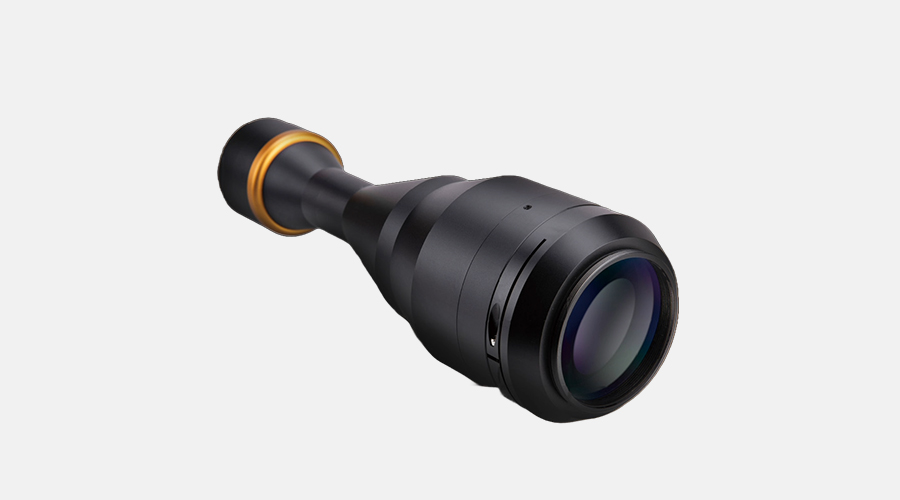
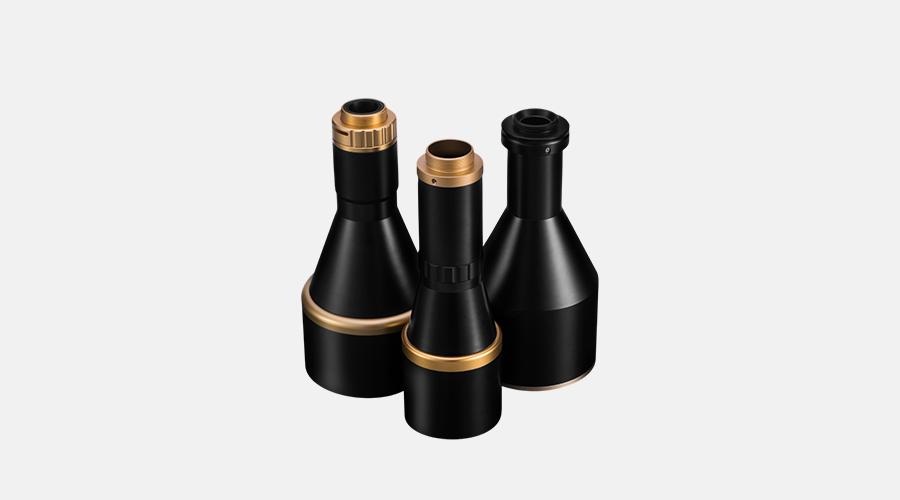
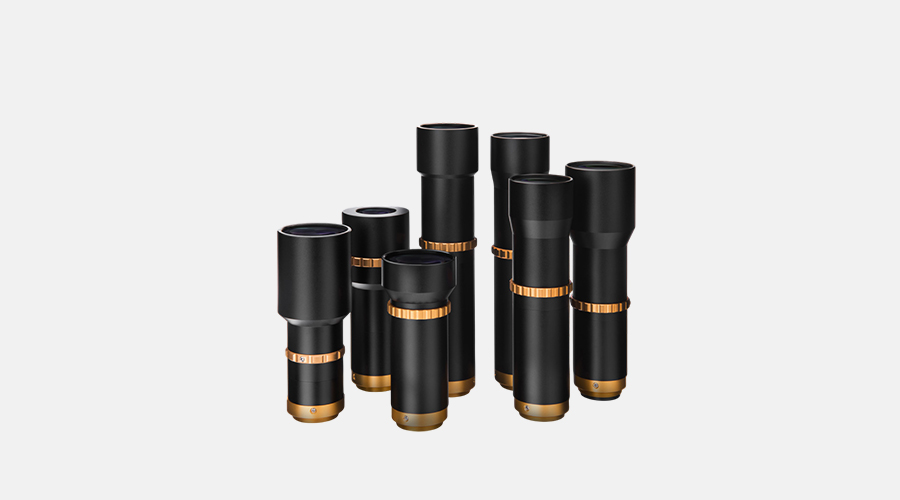
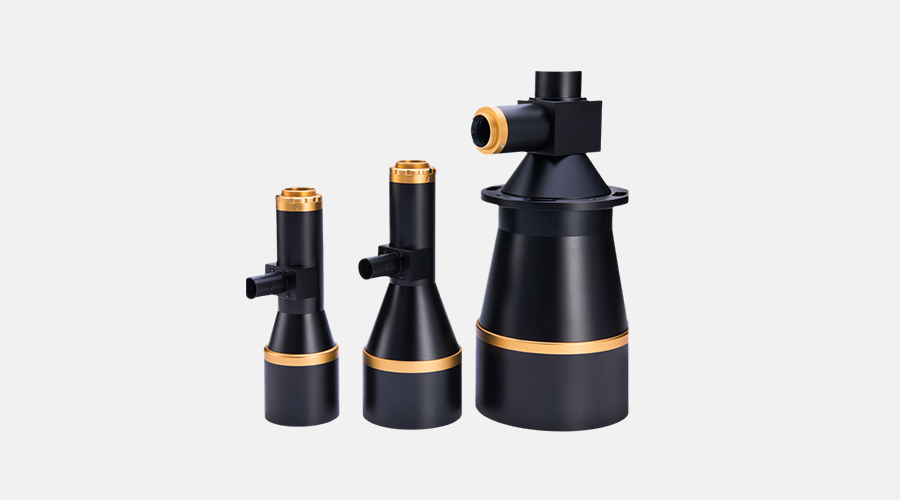
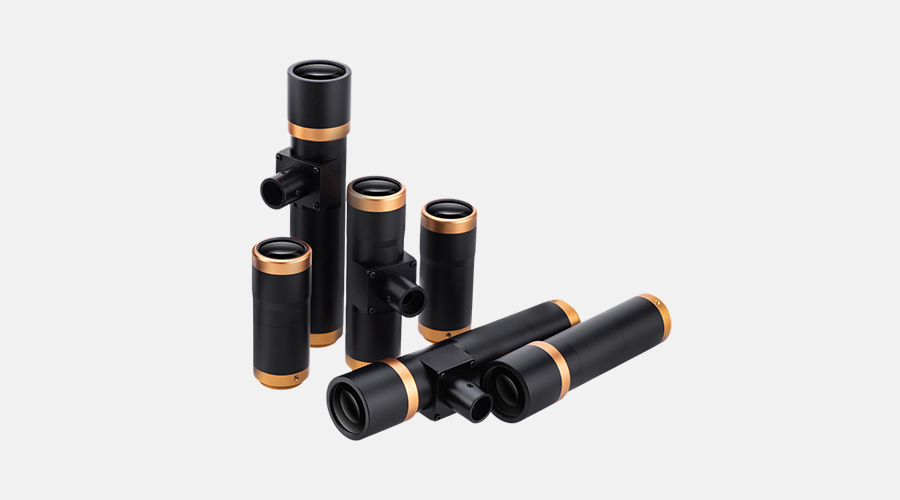
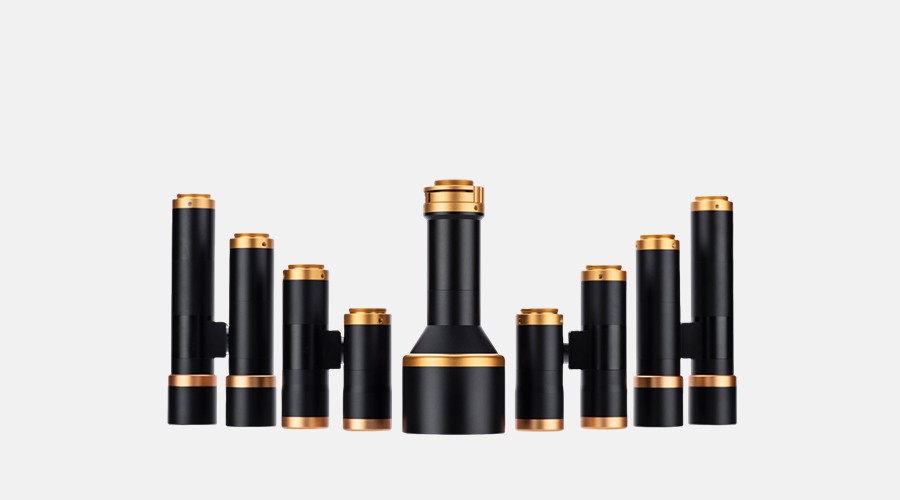
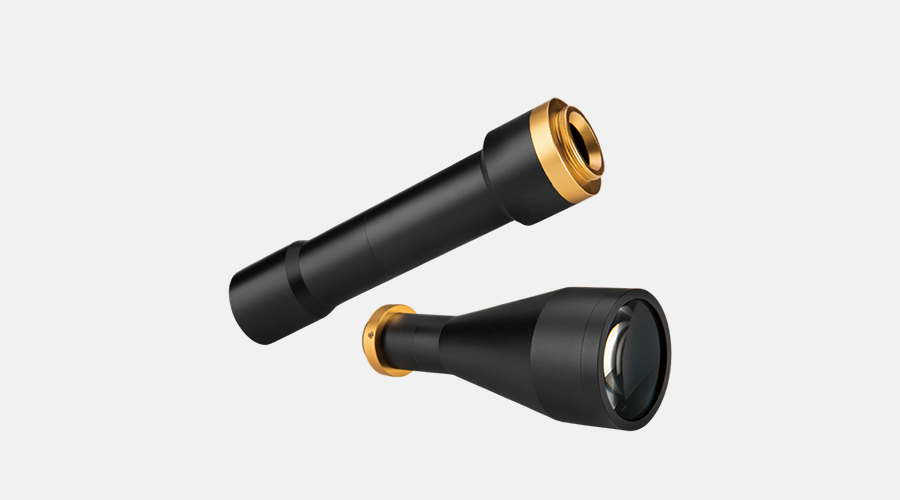
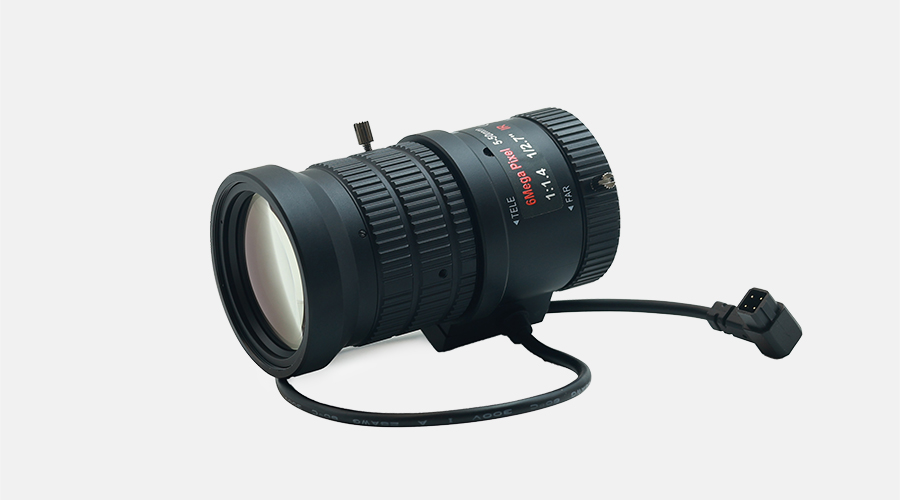
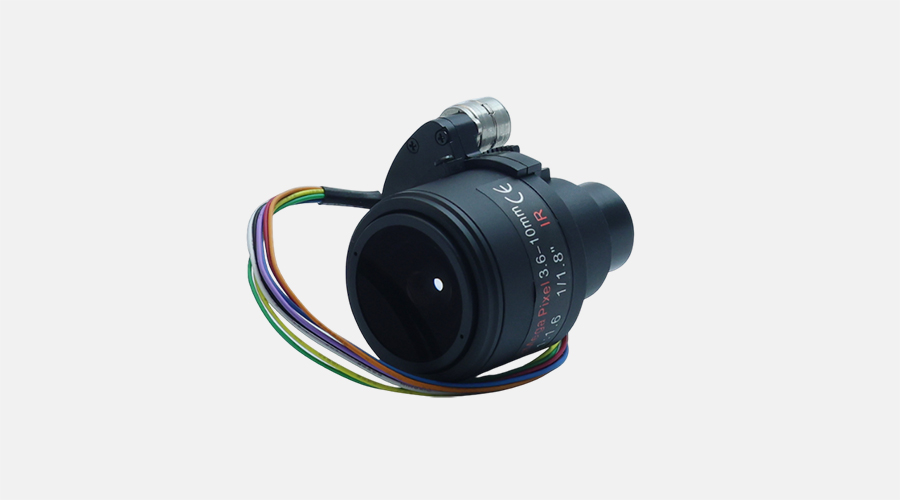
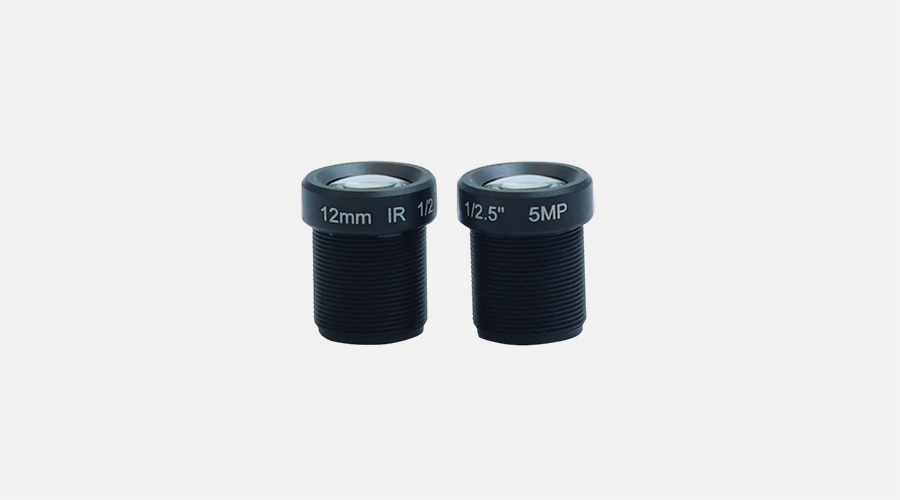
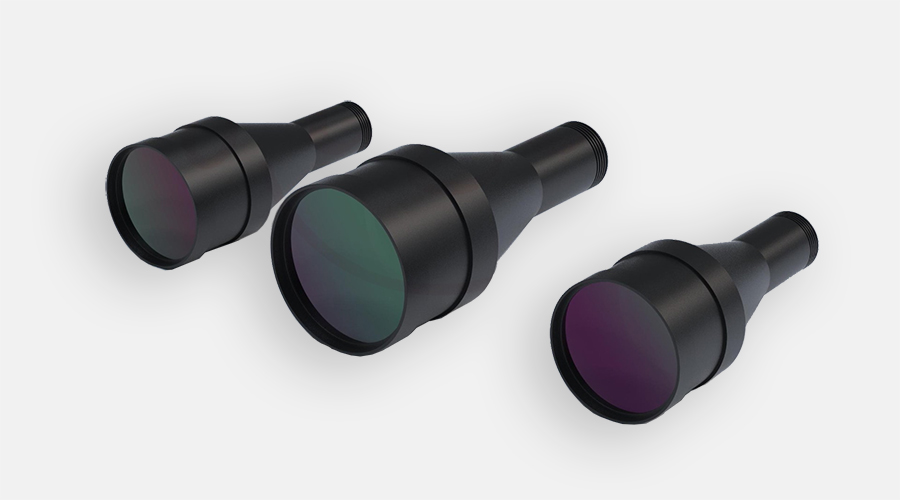
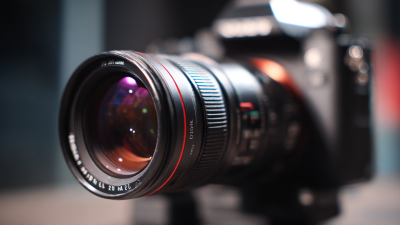
Tips: When selecting a Vision Inspection Lens, consider the field of view. A wider view can aid in inspecting larger areas quickly, but it may reduce detail. Adjusting the focus is crucial for capturing the finest features in products. Don't overlook lighting, as it affects image clarity significantly.

Implementing 3D vision systems can be challenging. Training staff is essential, but initial challenges may arise. Users should expect to troubleshoot software issues and calibration settings. Continuous refinement of your inspection protocols is vital for success. Embrace feedback from the inspection outcomes to improve your processes. By iterating on the technology application, businesses can achieve better quality control.

3D Vision Inspection Quality Control Data

This chart displays the defect rates in different manufacturing processes using 3D vision inspection technology over a period of six months. The data illustrates the effectiveness of the technology in reducing defects.

Key Components of 3D Vision Systems

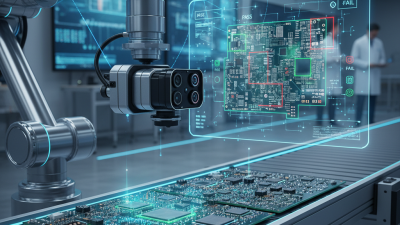
3D vision systems are transforming quality control in manufacturing. These systems incorporate key components that enhance inspection accuracy and efficiency. A crucial element is the 3D camera. These cameras capture images from various angles, providing detailed depth information. They enable the identification of flaws that traditional 2D systems might miss.

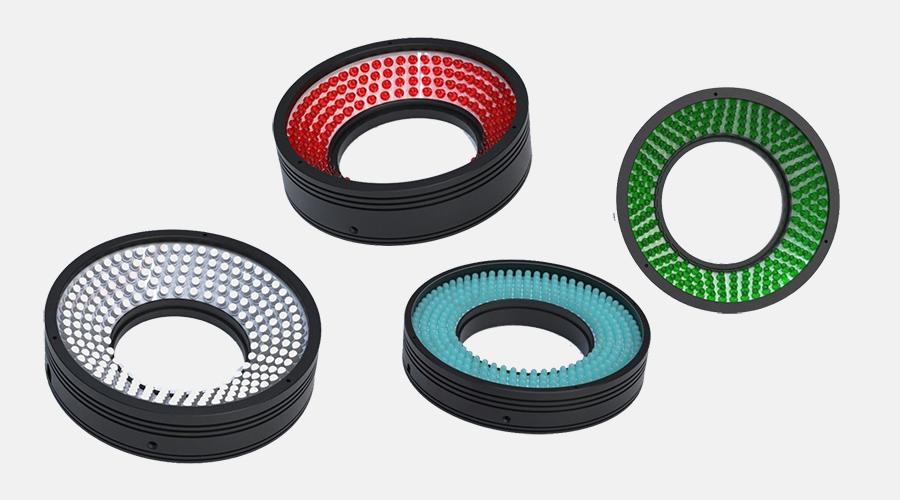
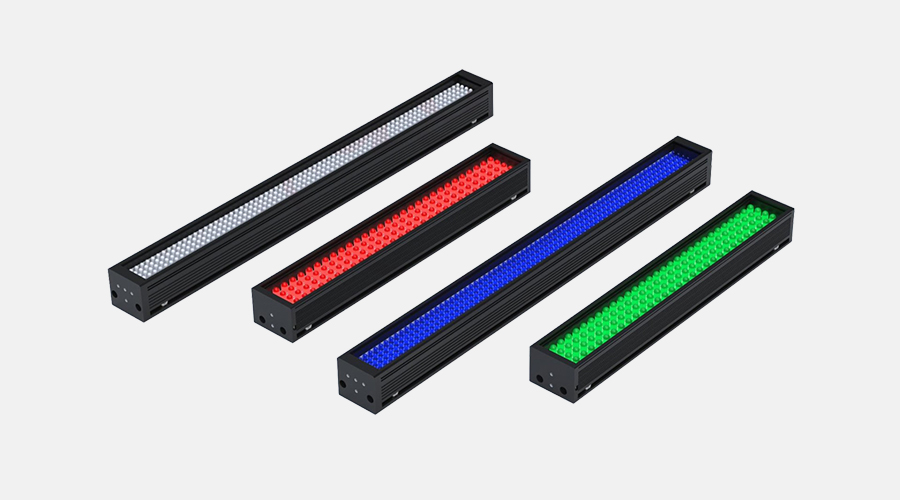
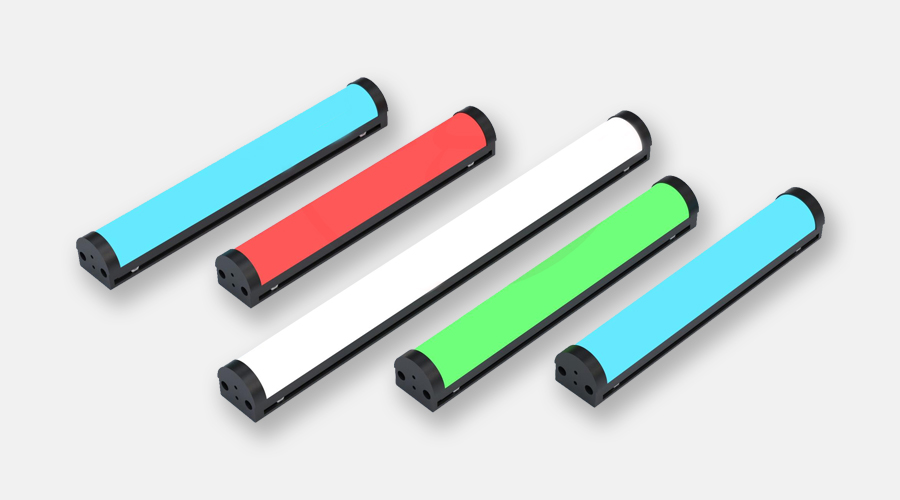
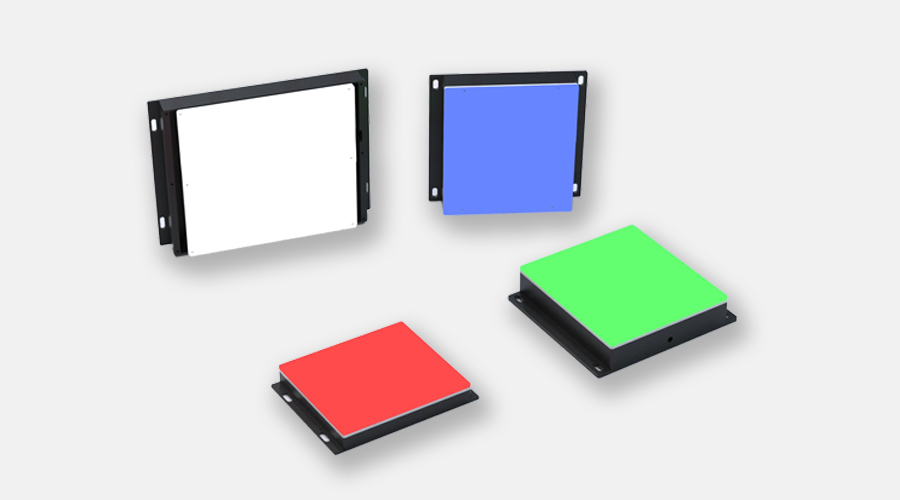
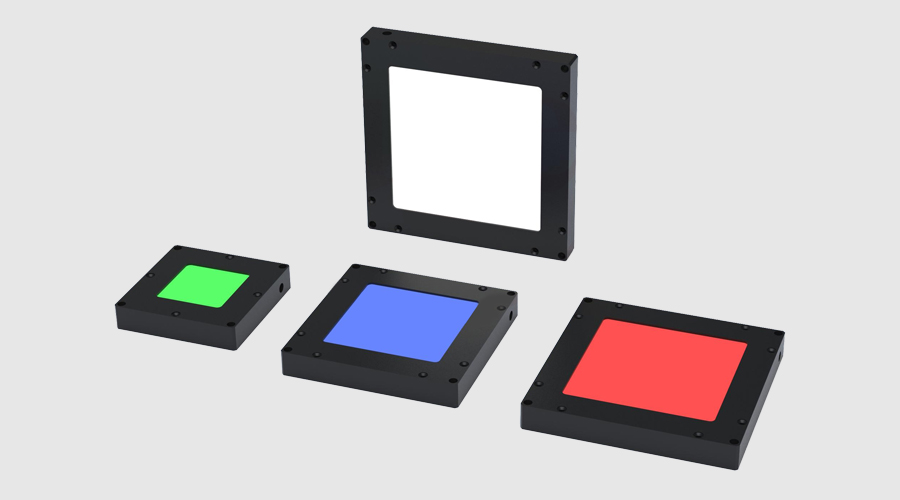
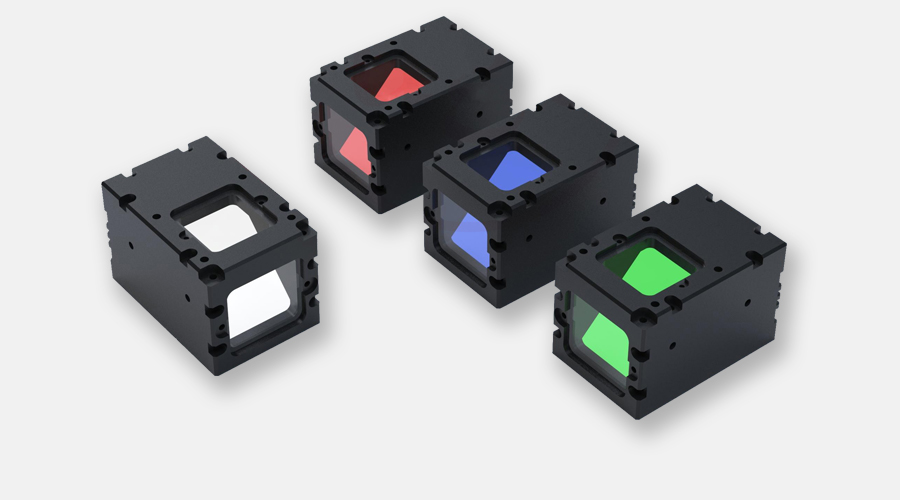
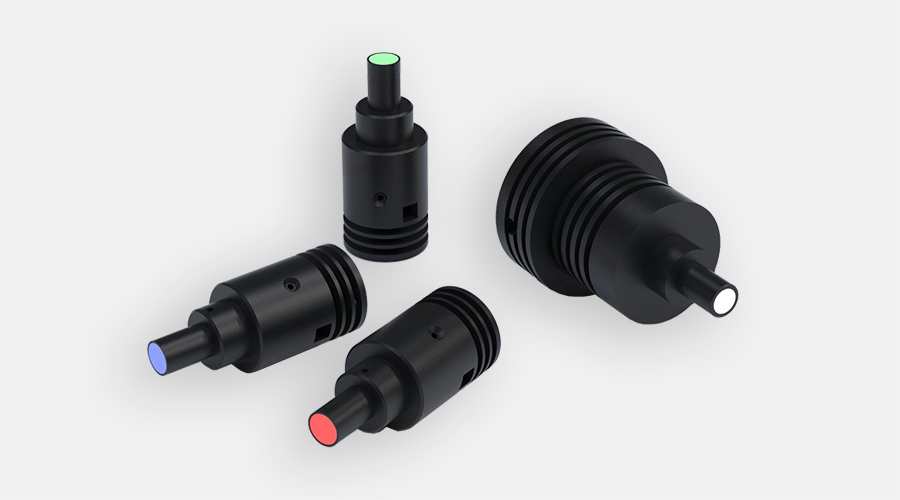
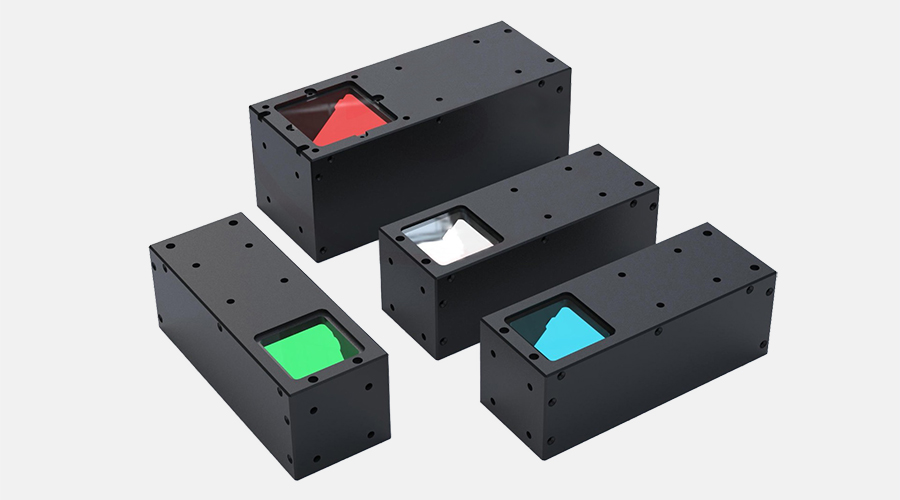
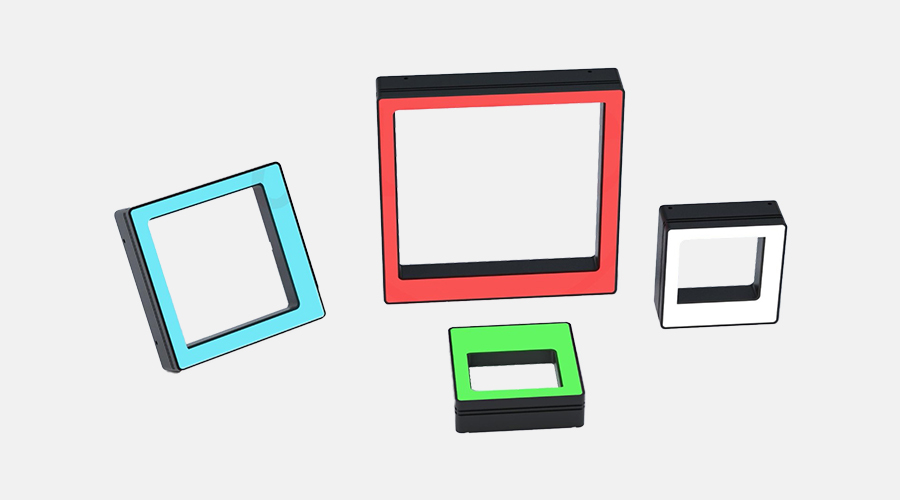
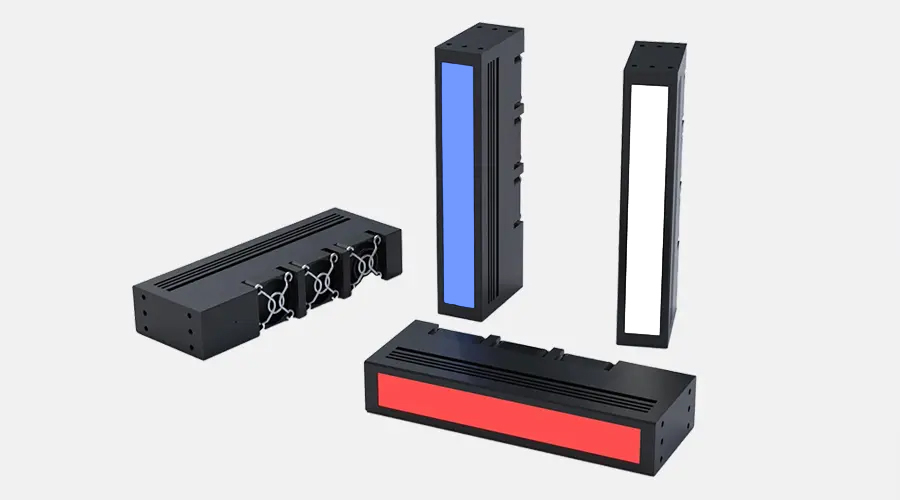
Another critical component is the lighting system. Proper lighting is essential for achieving accurate measurements. It helps eliminate shadows and highlights surface defects. Choosing the right type of lighting can be challenging. Poor lighting can lead to incorrect assessments, making it an area for improvement in any inspection setup.

Processing software ties everything together. It analyzes the 3D images to detect deviations from specifications. However, software must be regularly updated to incorporate new algorithms. An outdated software system can become a bottleneck in the inspection workflow. Regularly evaluate these components to ensure optimal performance. Quality control is an evolving process that requires constant reflection and adaptation.

How to Use 3D Vision Inspection for Quality Control? - Key Components of 3D Vision Systems

Component Description Function Applications
3D Cameras Devices that capture three-dimensional images using various technologies like stereo vision, laser triangulation, or time-of-flight. To acquire detailed 3D models of objects for inspection. Automated inspection, robotics, and quality assurance in manufacturing.
Lighting Systems Illumination setups designed to enhance the visibility of features on objects for better image capture. To minimize shadows and maximize contrast in images. Surface inspection, precision measurement, and defect detection.
Processing Software Software tools that analyze and interpret data from 3D cameras, enabling decision-making based on inspections. To perform measurements, detect deviations, and analyze features. Quality control, assembly verification, and dimensional analysis.
Mounting Systems Mechanical fixtures used to securely position cameras and lighting for optimal viewing angles. To stabilize imaging equipment and maintain repeatability in inspections. Integration into automated systems and on-line inspection setups.
Calibration Tools Devices or software used to align and calibrate 3D systems, ensuring accurate measurements. To ensure precision in measurements and inspections. Routine quality checks and maintenance of 3D vision systems.

Benefits of Using 3D Vision for Quality Control

How to Use 3D Vision Inspection for Quality Control?

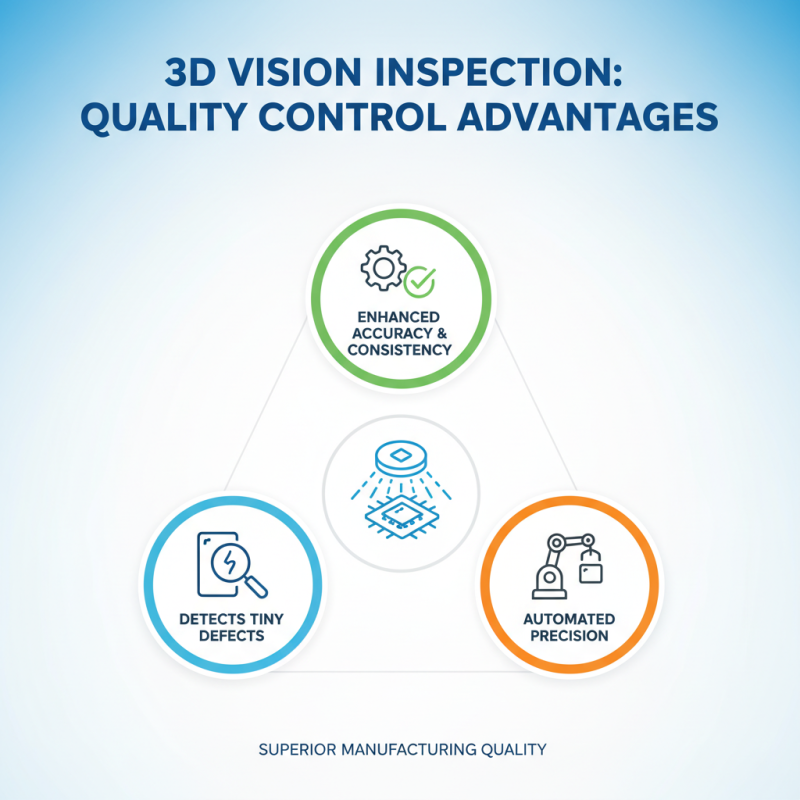
3D Vision Inspection offers numerous benefits for quality control in manufacturing. One advantage is its ability to detect defects that the human eye might miss. For example, it can identify tiny cracks or surface irregularities on products. This technology ensures consistency and accuracy in inspections.

Using 3D inspection can enhance efficiency as well. Traditional methods may require significant time and labor, while automated inspections can process items quickly. With the help of Robotic Vision Inspection systems, businesses can streamline their workflow. This technology reduces human error, increasing overall production reliability.

Here are some tips for implementing 3D Vision Inspection effectively. Ensure proper lighting to enhance image quality. Poor lighting can lead to misinterpretations. Regularly calibrate your systems to maintain accuracy. A small calibration error may result in undetected flaws. Lastly, consider training your staff on the technology. A well-informed team can maximize the benefits of 3D vision techniques and improve quality control processes.

How 3D Vision Inspection Works: A Step-by-Step Process

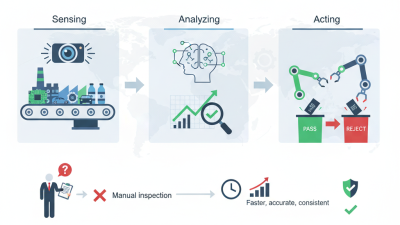
3D vision inspection is transforming quality control processes. This technology captures images in three dimensions, providing detailed analysis. It enables precise measurements and detects subtle defects in products. The system often uses advanced cameras and lighting techniques. These elements work together to create a 3D model of the item being inspected.

The inspection process begins with capturing images. Cameras scan the item from various angles. The software then constructs a 3D representation. This model displays any imperfections, such as misalignment or surface flaws. Inspectors can easily identify problematic areas. However, this technology is not infallible. Factors like lighting or camera positioning can affect accuracy. It's vital to regularly assess system performance.

Next, data from the inspection is analyzed. Patterns emerge, helping teams understand recurring issues. Comparing this data with past inspections can reveal trends. Mistakes can occur, leading to oversight. Continuous learning is essential for improvement. Adjustments may be needed in both hardware and software settings. Emphasis on training staff is crucial, as human error can still play a role.

Integrating 3D Vision Systems into Existing Quality Control Processes

Integrating 3D vision systems into existing quality control processes can revolutionize manufacturing. This technology enhances accuracy and efficiency. According to a recent report by the International Society of Automation, companies using 3D vision inspection saw a 30% reduction in defects. Such systems detect imperfections that traditional methods often miss.

Implementing 3D vision needs careful planning. First, the company must assess existing workflows. Not all processes seamlessly fit new technology. For instance, while some machines can easily integrate with 3D cameras, others might require upgrades. This leads to potential downtime and costs.

Training staff is equally crucial. Employees need to understand how to operate new systems effectively. A 2022 survey from the Association for Manufacturing Technology reported that inadequate training leads to a 20% decrease in performance. Failing to consider this can result in frustration and reduced output. Continuous evaluation of the integration process is necessary to address these challenges.

Common Applications of 3D Vision in Various Industries

3D vision technology is transforming quality control across various industries. In manufacturing, it helps detect defects on production lines. A report from the International Society of Automation states that 60% of manufacturers use some form of vision inspection. This shift enhances product quality and reduces waste.

In the automotive sector, 3D vision systems ensure precise alignment of parts. These systems can identify misalignments within 0.1 millimeters. The use of Machine Vision Inspection in this industry has increased efficiency by up to 30%. However, challenges remain in adaptively programming these systems to handle different parts.

The food industry also benefits from 3D inspection technology. It accurately measures sizes and weights, ensuring compliance with health standards. A study by Deloitte shows that up to 20% of food waste occurs due to quality control failures. While 3D systems enhance monitoring, they require constant updates and maintenance. Adapting to new food products introduces complexity. Thus, it’s essential to continually refine these inspection processes.

Challenges and Solutions in Implementing 3D Vision Inspection

How to Use 3D Vision Inspection for Quality Control?

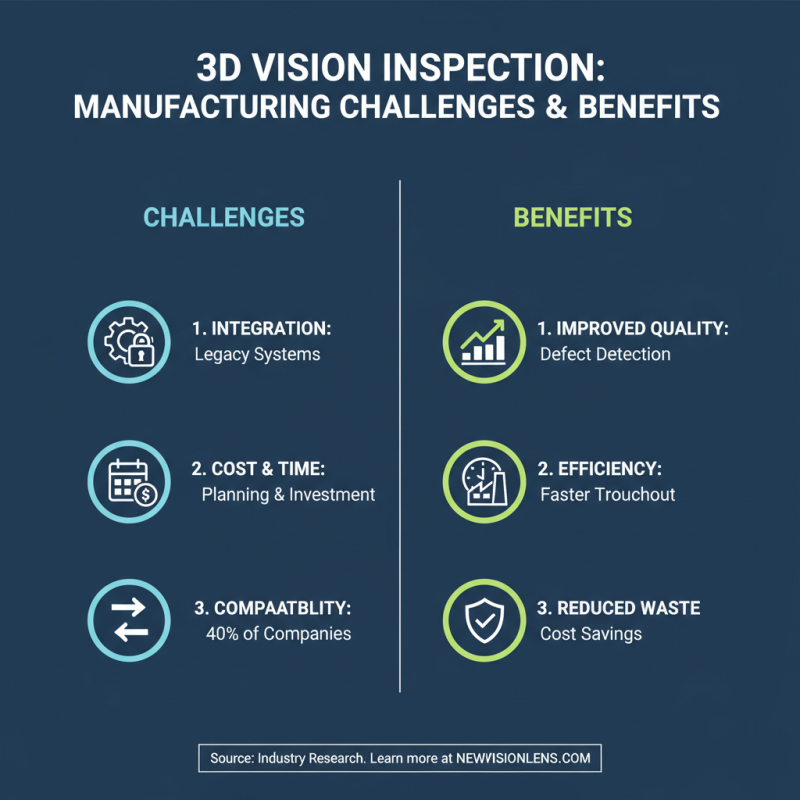
Implementing 3D vision inspection poses various challenges in the manufacturing sector. One major issue is the integration with existing processes. Many companies have legacy systems that do not easily accommodate new technologies. Transitioning requires careful planning and investment. Research shows that over 40% of companies face compatibility issues during implementation. These problems can delay the adoption of Automated Vision Inspection.

Another significant challenge is the need for skilled personnel. Training employees to effectively use 3D vision systems demands time and resources. Industry reports indicate that nearly 30% of organizations struggle with a lack of expertise in this area. Additionally, there are concerns about data management and processing. Storing and analyzing the data generated by automated vision inspection systems can overwhelm current infrastructures, leading to potential data loss or inaccuracies.

Despite these hurdles, the benefits can be substantial. Companies implementing 3D vision systems often report a 20% increase in defect detection rates. However, it’s crucial to remain realistic. Not every deployment runs smoothly, and unexpected issues can arise. Continuous evaluation and adaptation will be necessary for success in this rapidly evolving field. Balancing ambition with a realistic approach is key.

Optimizing Machine Vision Surface Defect Inspection with Multi-Angle DOME Line Lighting Solutions

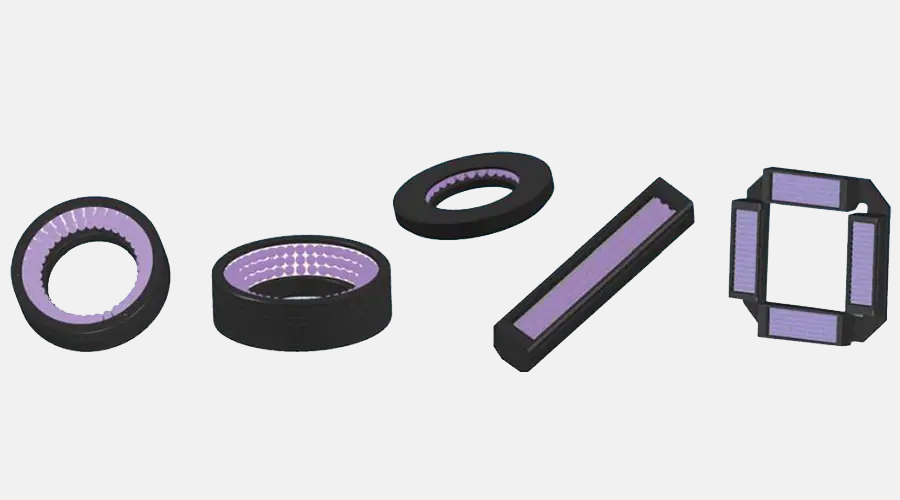
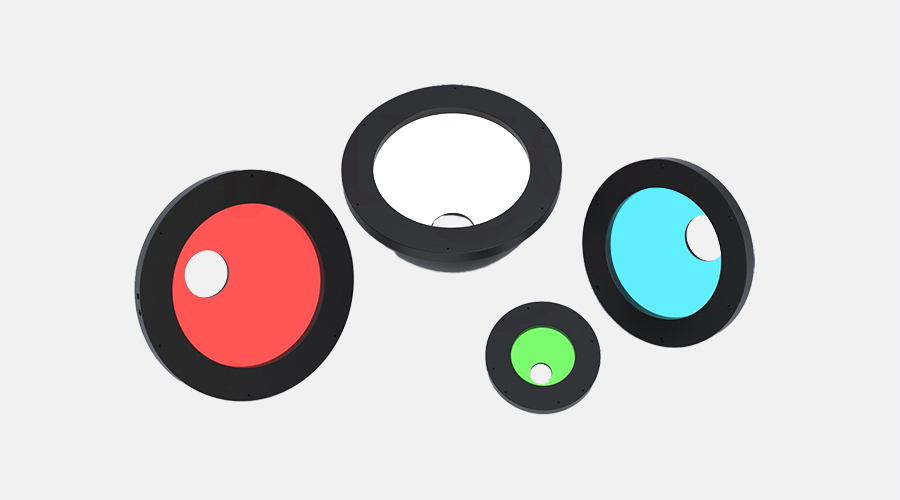
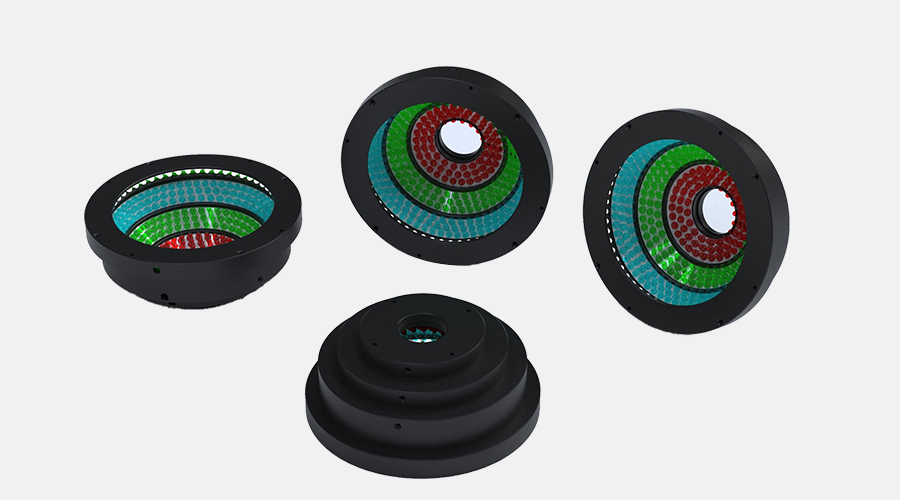
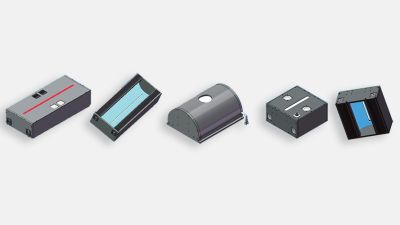
In the realm of machine vision, effective surface defect inspection is critical for ensuring product quality in various industries including manufacturing, automotive, and electronics. The implementation of multi-angle DOME line lighting solutions has transformed the way defects are detected. Utilizing high-intensity line DOME lights formed by high density, high-power LED particles allows for uniform light distribution, which significantly enhances the visibility of surface imperfections.

According to a recent industry report, the global machine vision market is projected to reach $13.1 billion by 2026, with lighting solutions playing a pivotal role in this growth. The curved inner wall of the DOME light's outer shell contributes to the even and soft illumination from multiple angles, reducing shadows and increasing contrast on the inspected surfaces. This design feature is crucial in identifying subtle defects that could otherwise go unnoticed, thus improving the overall efficiency of quality control processes.

Furthermore, advanced lighting techniques are shown to increase detection rates by up to 30%, as noted in several studies that emphasize the significance of lighting in machine vision applications. By optimizing light conditions with sophisticated solutions like multi-angle DOME lighting, industries can not only enhance their defect detection capabilities but also reduce operational costs and waste, ultimately leading to greater customer satisfaction and market competitiveness.

FAQS

: What are the main benefits of adopting a healthy lifestyle?

: A healthy lifestyle can improve physical health. It boosts energy and mood too. You may feel more productive daily.

How important is regular exercise?

Regular exercise is crucial. It helps maintain a healthy weight. It also reduces the risk of chronic diseases.

What role does diet play in health?

Diet significantly impacts health. Eating balanced meals helps your body function well. It provides essential nutrients for growth.

Can mental health affect physical health?

Yes, mental health influences physical well-being. Stress and anxiety can lead to various physical issues. It's essential to address both.

How much sleep do adults need?

Adults typically need 7-9 hours of sleep per night. Quality sleep affects mood and cognitive function. Lack of sleep can be harmful.

What are some common barriers to healthy living?

Time and motivation are common barriers. Many find it hard to stay committed. Reflecting on personal goals can help overcome these.

Is hydration really that important?

Hydration is vital for overall health. It aids digestion and helps regulate body temperature. Drink water regularly, especially during hot weather.

How do stress management techniques help?

Stress management techniques can improve mental clarity. They may also enhance emotional resilience. Different methods work for different people.

What should I consider before starting a health plan?

Consider your current health status, lifestyle, and goals. Setting realistic expectations is key. It's important to be patient with yourself.

Can I make changes gradually?

Yes, gradual changes are often more sustainable. Small steps lead to lasting habits. Reflect on what works best for you.

Conclusion

3D Vision Inspection technology has revolutionized quality control processes across various industries by providing highly accurate and efficient inspection methods. This system integrates key components such as cameras, lighting, and software to capture and analyze three-dimensional images of products. The benefits of employing 3D Vision Inspection include enhanced detection of defects, reduced human error, and improved production efficiency.

Implementing 3D Vision Inspection involves a systematic process that integrates seamlessly with existing quality control measures. Although there are challenges in adopting this technology, such as initial costs and the need for skilled operators, solutions like training and phased integration can help overcome these hurdles. Overall, 3D Vision Inspection serves as a vital tool in maintaining high standards of quality, ensuring products meet stringent specifications in various sectors.
Oliver

Oliver

Oliver is a skilled marketing professional at New Vision, an innovative company dedicated to the production and sales of core components for machine vision. With a deep expertise in the company's cutting-edge products, he plays a crucial role in communicating the unique advantages of New Vision's......
Previous How to Achieve Professional Quality with C Mount Camera Fa Lenses in Your Projects