- Home
- Products
- About Us
- Customized Services
- News
- Contact Us
 Compatible with 7.2mm-82mm chips
 High/Low Working Distance
 Aperture telecentric lens
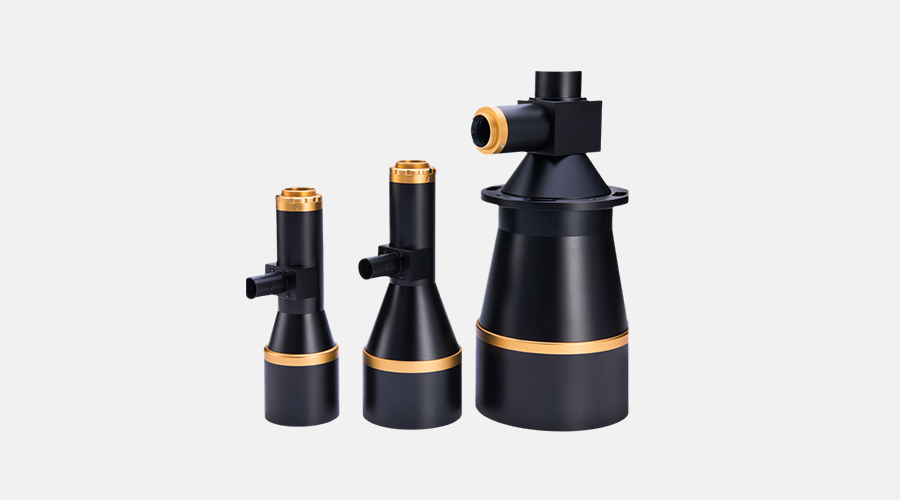 Measuring lens
 Maximum support 1.1" chips
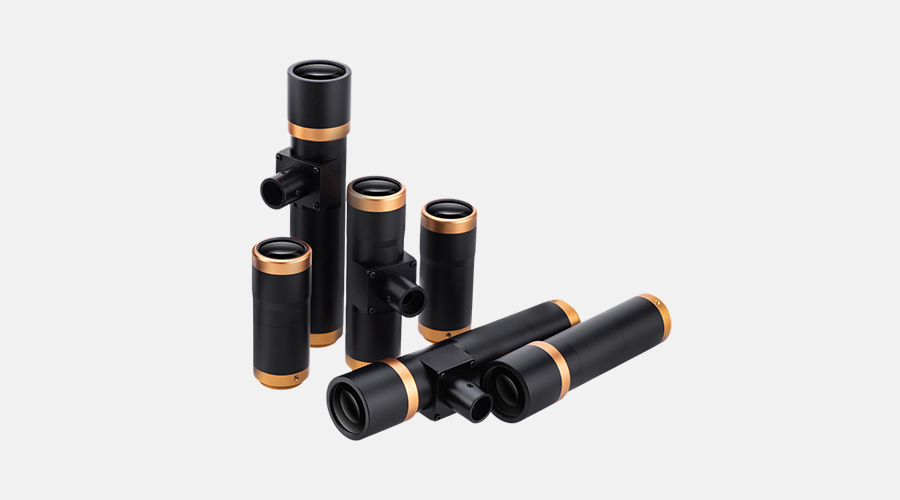 Maximum support 1.2" chips
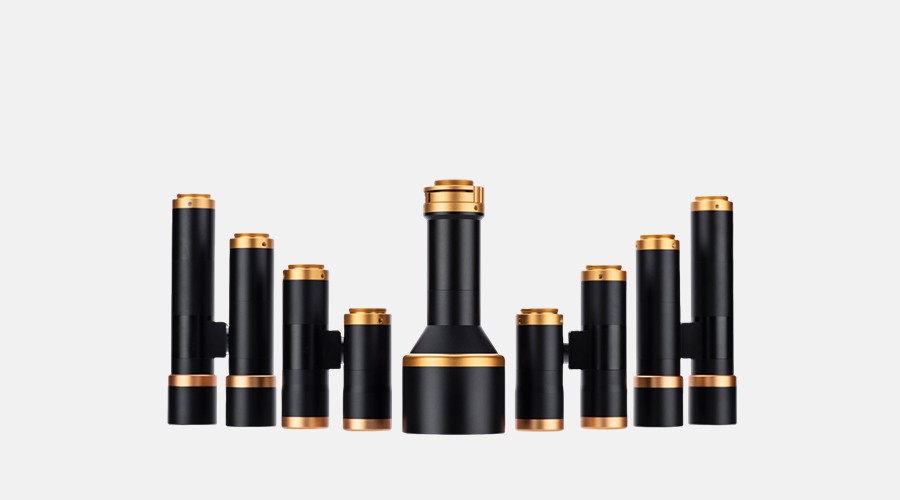 Maximum support 2/3" chips
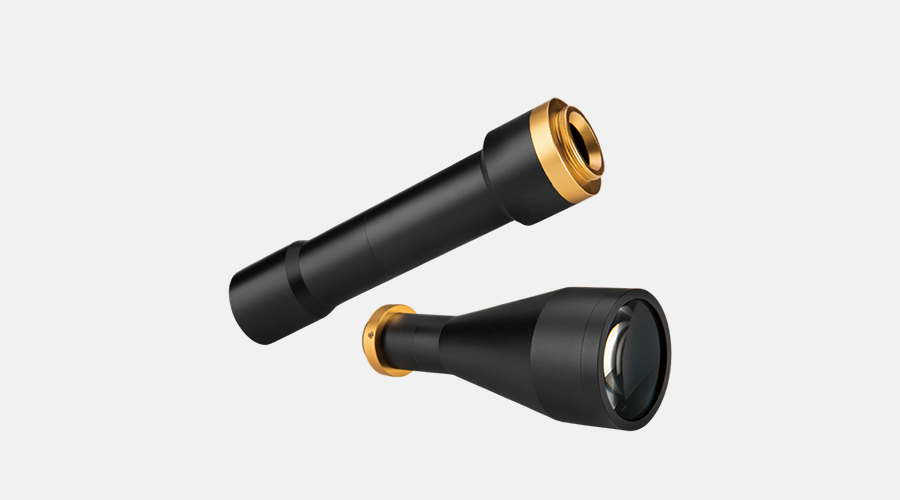 Long Working Distance
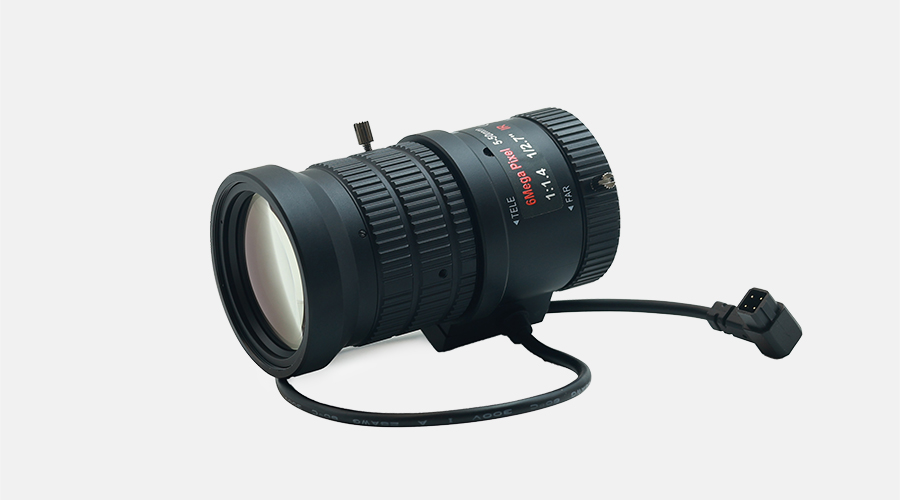 CS mount Varifocal lens
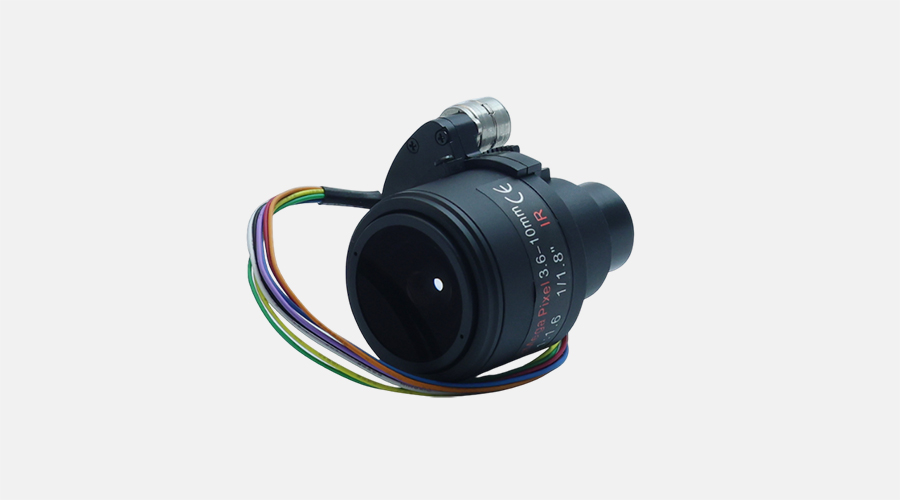 Varifocal board lens
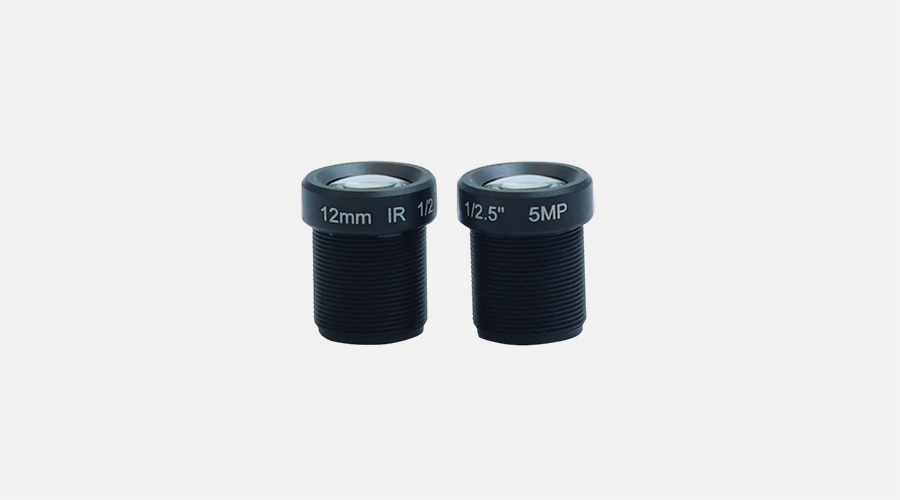 S mount lens
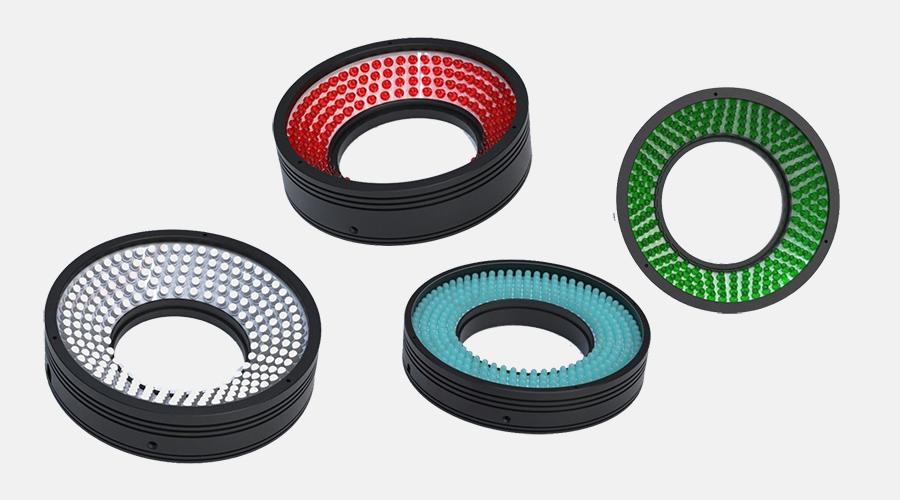 Ring light
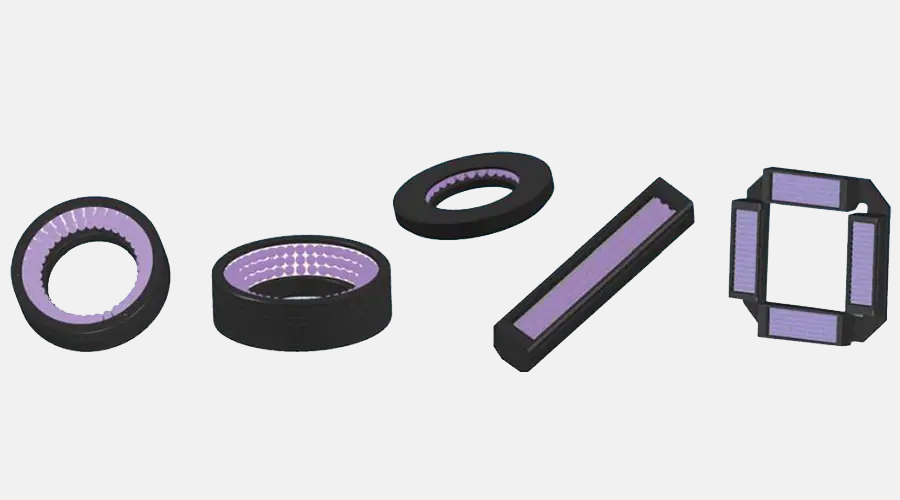 UV/IR Light
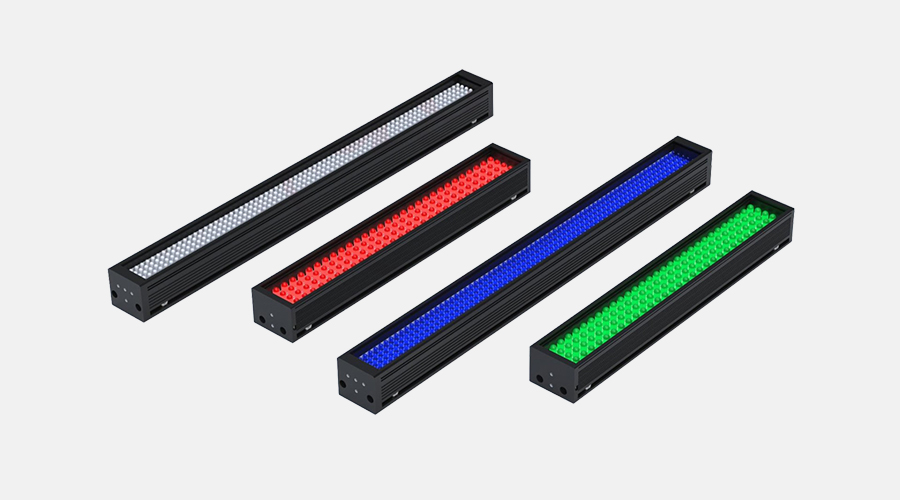 Bar light
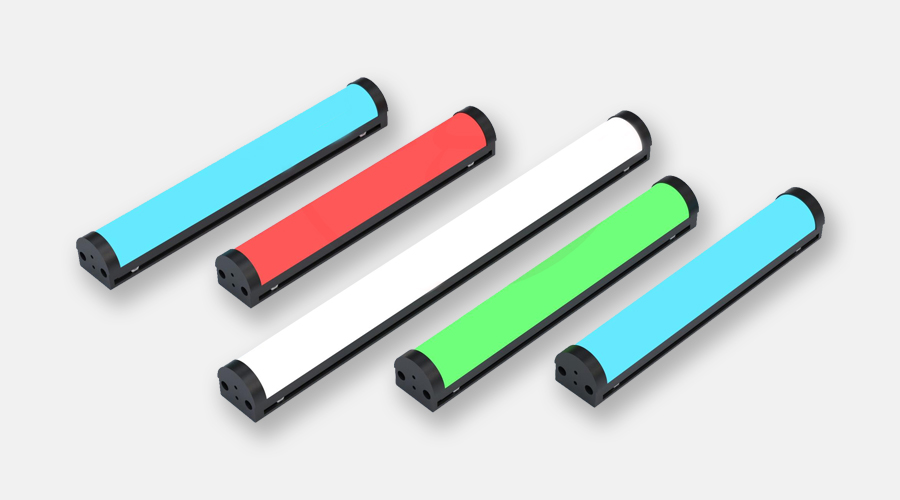 Arcuate high uniformity light
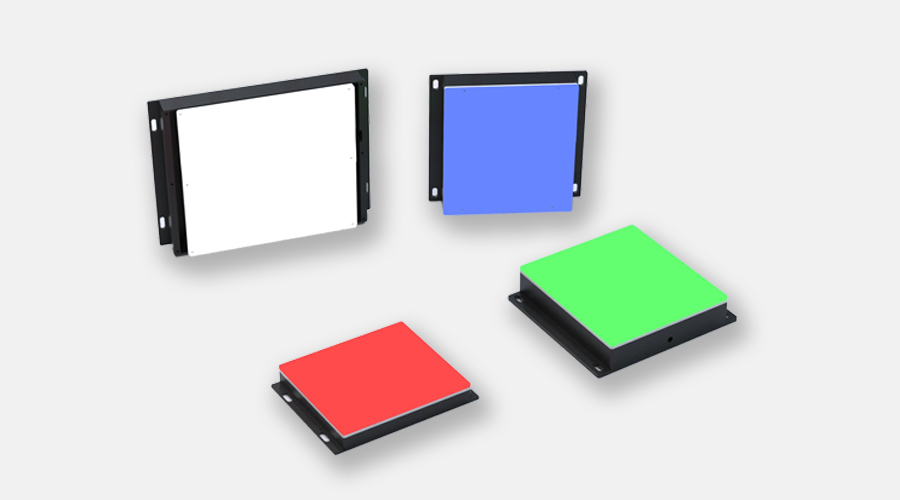 Back light
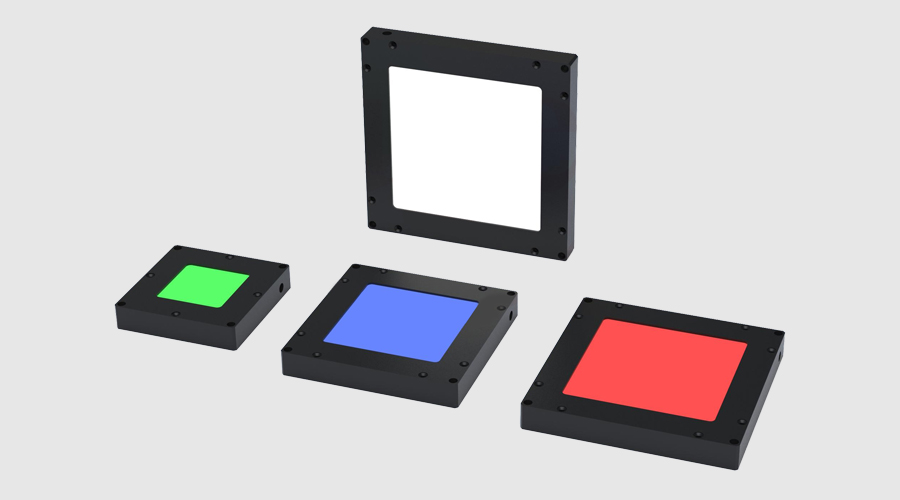 Flat light
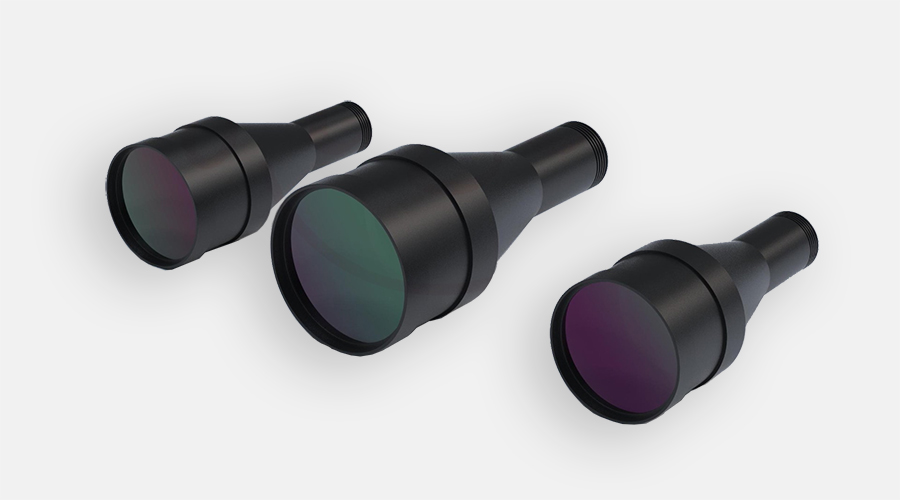 Collimated light
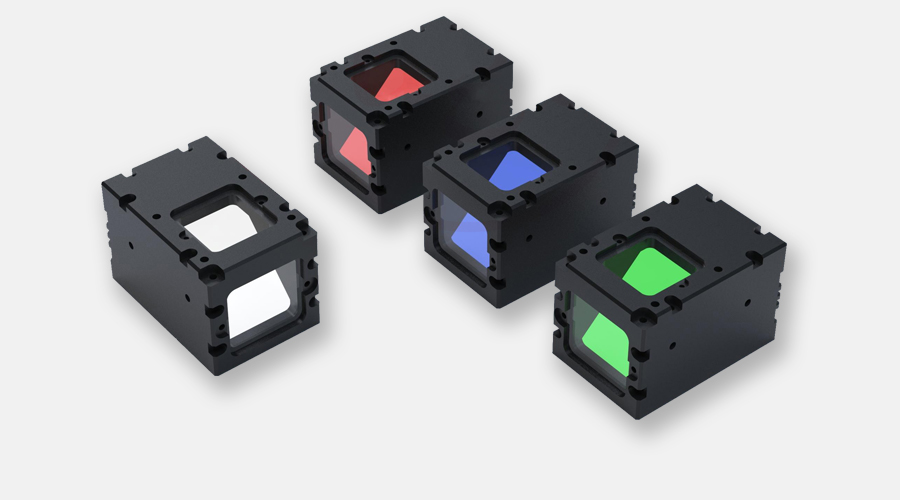 Coaxial light
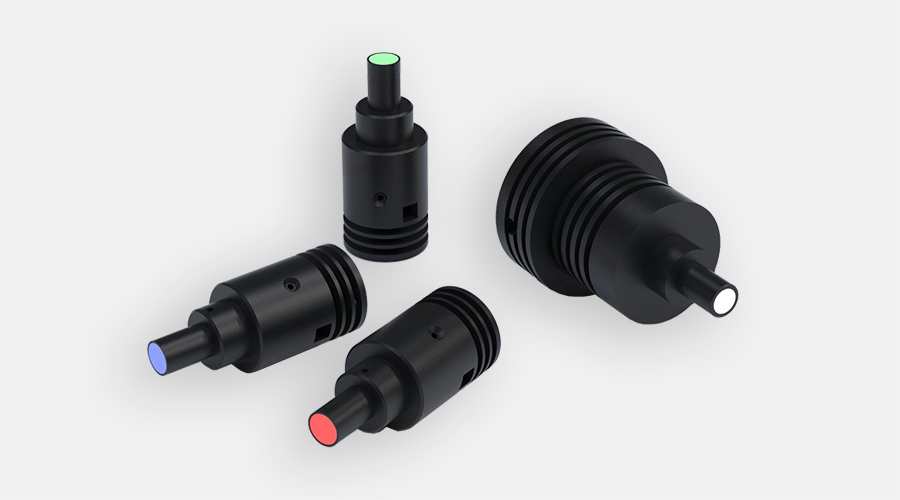 Spot light
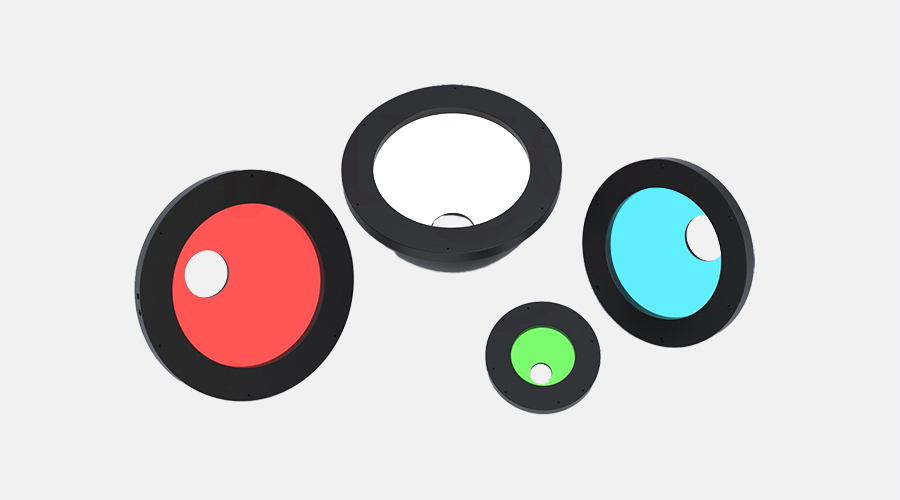 Dome light
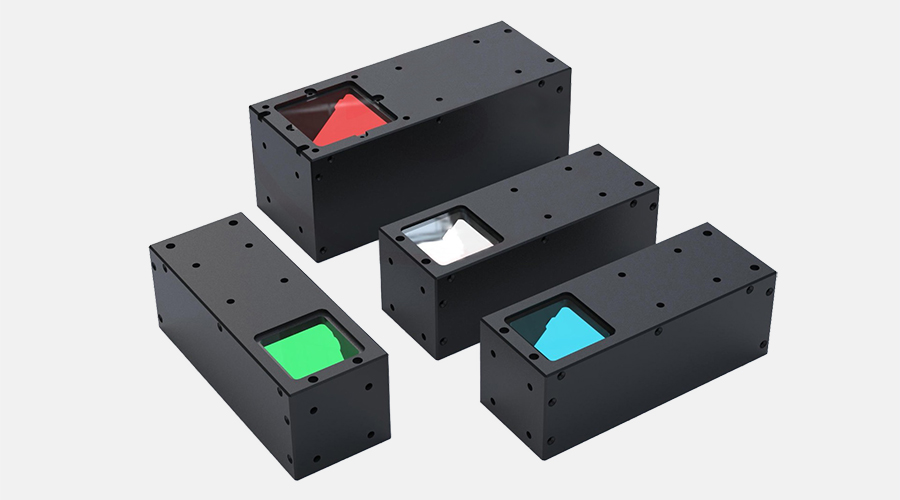 Collimated Coaxial light
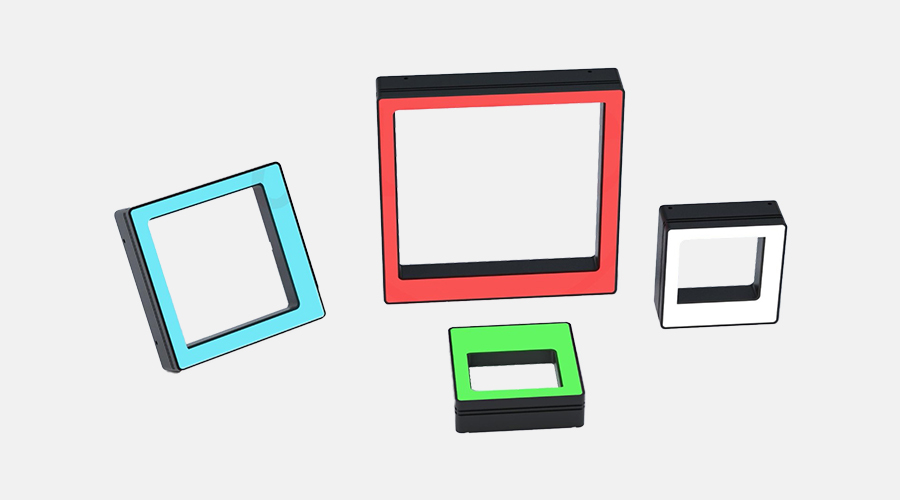 Shadowless square light
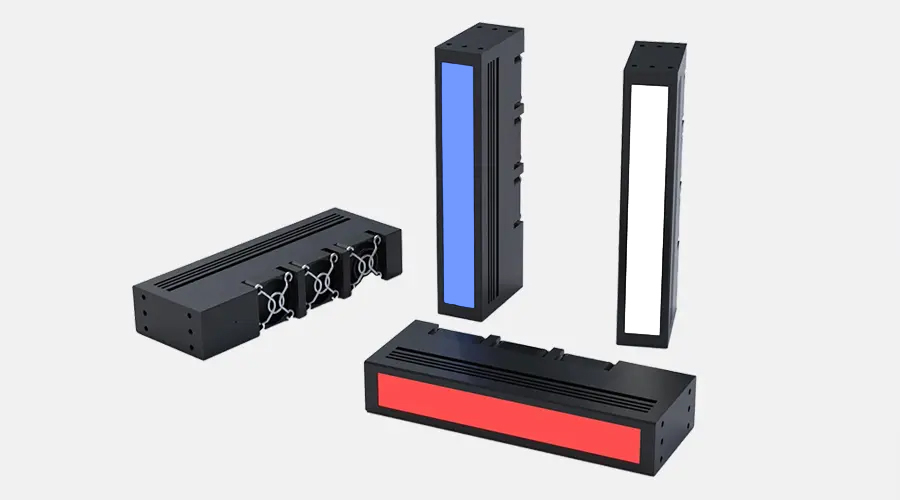 Scan light
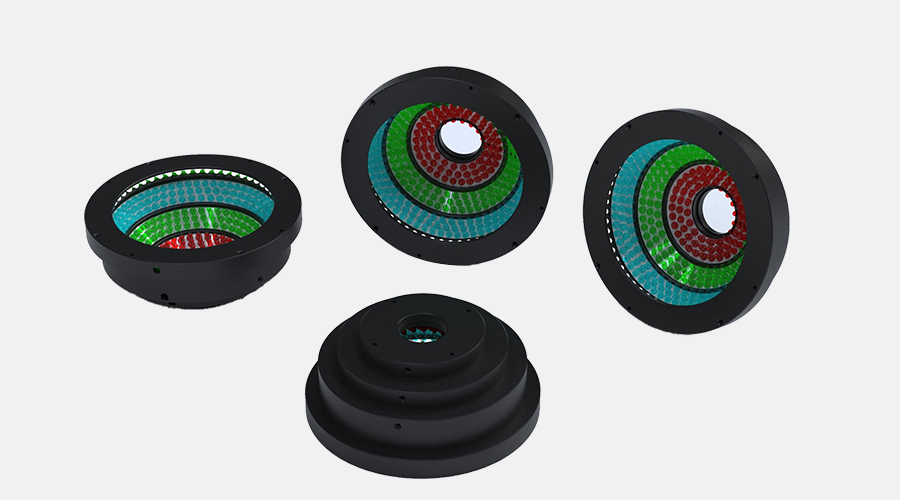 AOI light
 Analog controller
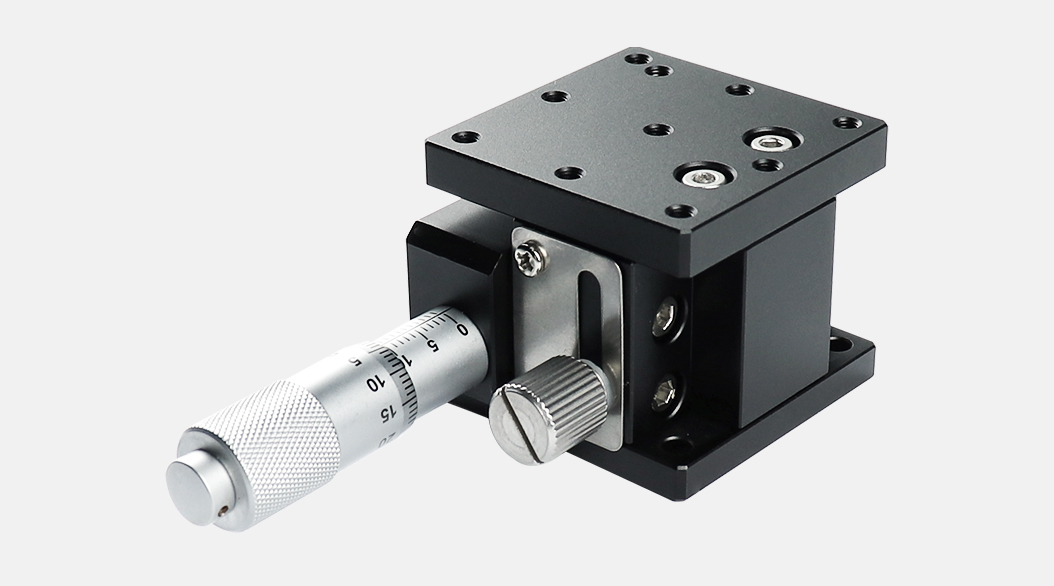 Crossed-Roller Linear guide type
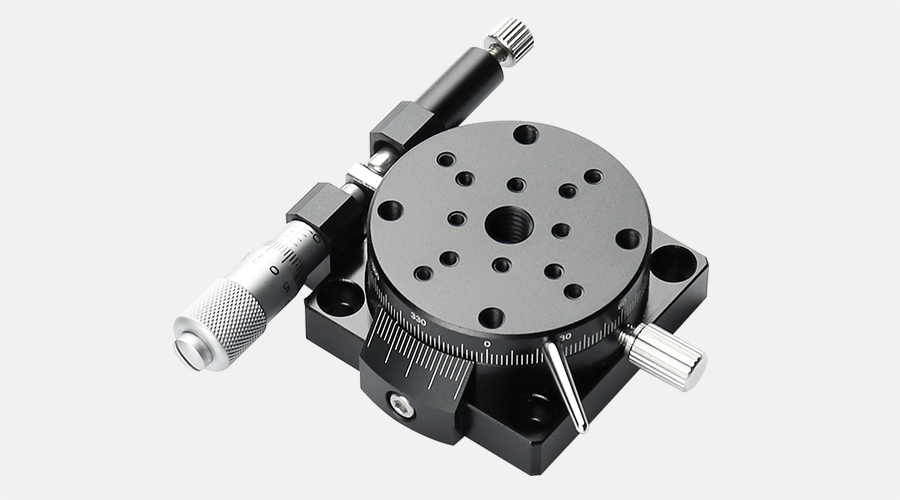 Rotary Stages XRS series
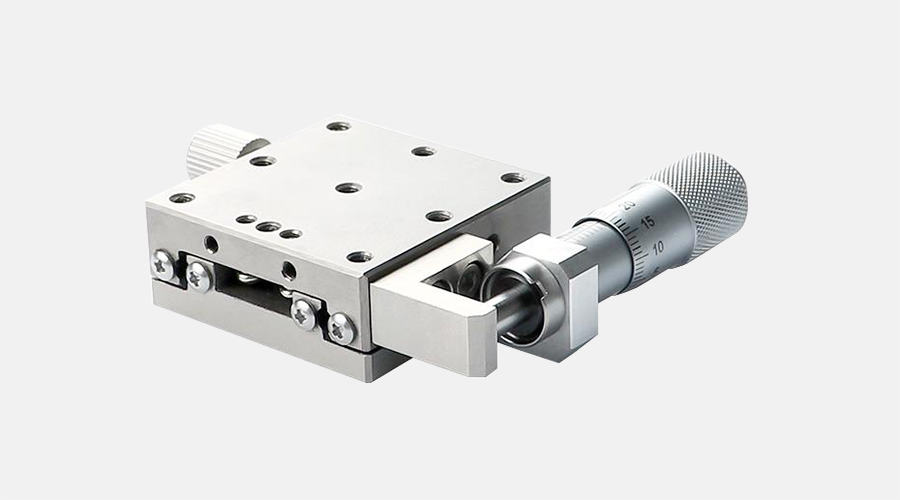 Stainless Steel Ball Bearing Linear Translation Stages
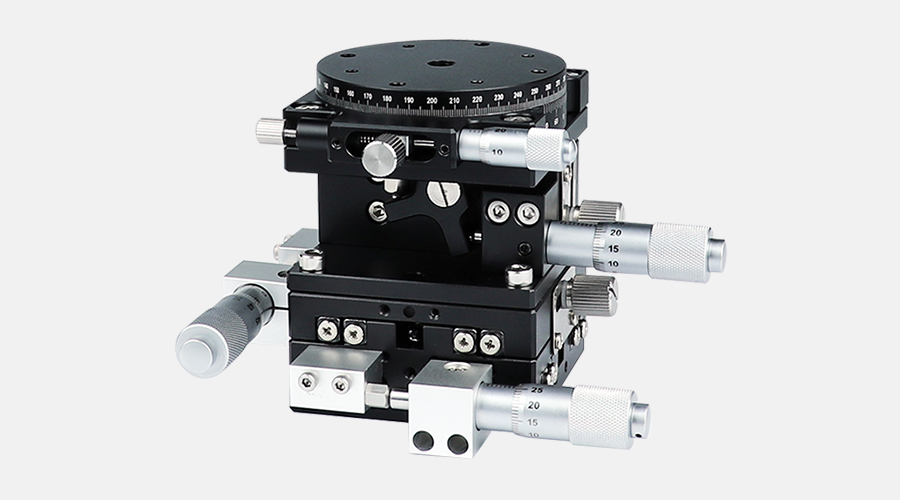 Multi-axis Translation stages
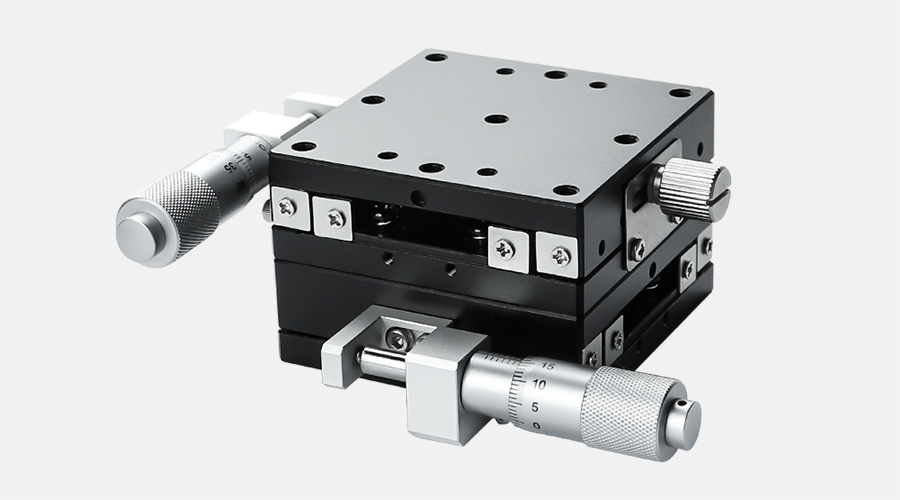 steel bar ball bearing stages
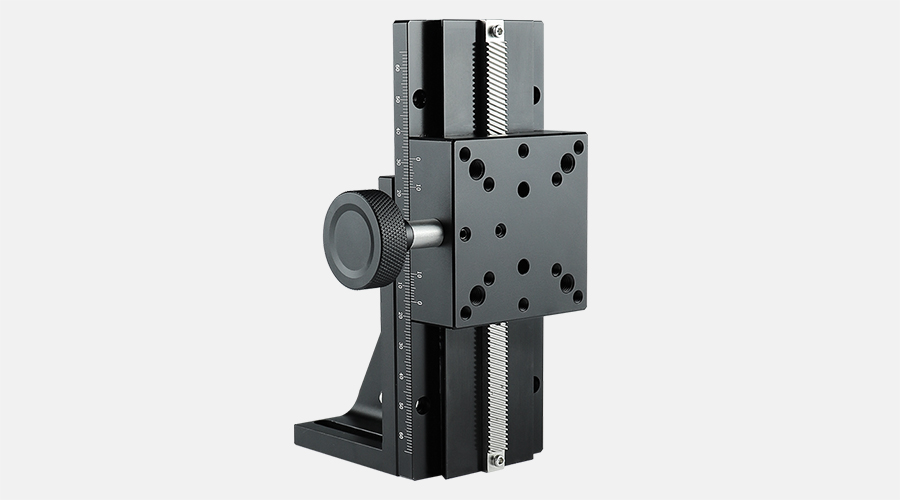 Dovetail Type Rack&Pinion Positioning Stage
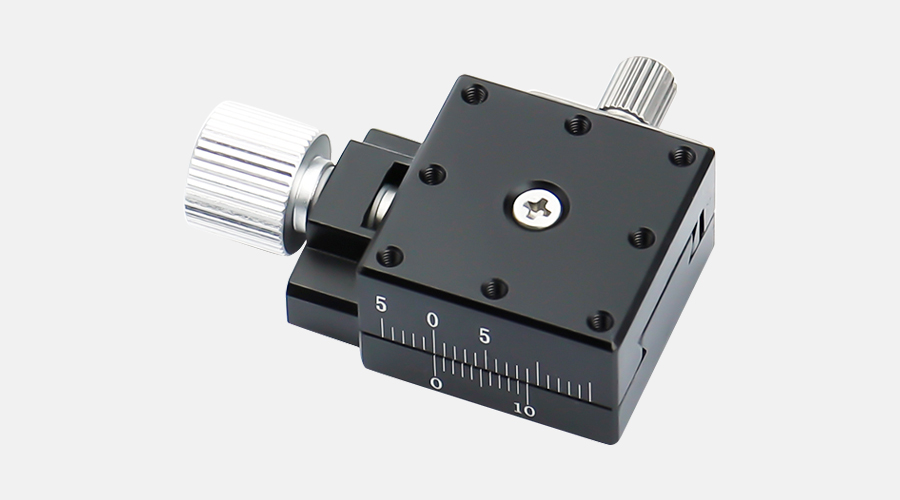 Dovetail groove high-precision screw slide
Leave Your Message
Getting quotes for a custom Rotating Sliding Stage can sometimes feel pretty overwhelming. I know, it can be a bit daunting trying to figure out the best options. A lot of businesses are on the lookout for quick and efficient ways to handle this. Honestly, understanding the ins and outs of the whole process is pretty important if you're aiming to make a smart choice.
My advice? Reach out to a few different suppliers. Every company tends to have their own pricing setup, and doing a bit of comparison—like, a thorough one—is definitely worth the effort. Sometimes those quotes can take longer than you'd hope, which can get pretty frustrating. So, try to be as detailed as possible when you send your specs—that can really help speed things up.
Oh, and don’t forget—price isn’t everything. Just because you get a lower quote doesn’t automatically mean it’s the best deal. Some manufacturers might cut corners or use cheaper materials, and that can end up affecting the durability of the stage. Doing a little homework on the supplier’s background will give you a better idea of what you’re getting. Take your time, and don’t feel pressured to decide right away. It’s worth considering every detail to make sure you’re happy with your choice.

Finding reputable wholesale custom stage manufacturers can be challenging. Industry data shows that about 40% of companies face difficulties in sourcing reliable suppliers. Many manufacturers promise high-quality products but fail to deliver. This discrepancy stresses the need for thorough research.
Look for manufacturers with positive reviews and verified certifications. According to a recent survey, 75% of successful procurement managers rely on supplier ratings. Attend industry trade shows or exhibitions to meet manufacturers directly. Face-to-face interactions build trust and provide opportunities to inspect the product quality firsthand.
Utilize online platforms but remain cautious. Many listings appear legitimate, yet only a fraction are trustworthy. Examine their previous projects and request references. A lack of transparency often indicates potential issues down the line. While seeking the best deals, remember that affordable prices can sometimes compromise quality. Prioritize finding a balance between cost and reliability. Ensuring this balance can lead to fruitful long-term partnerships.
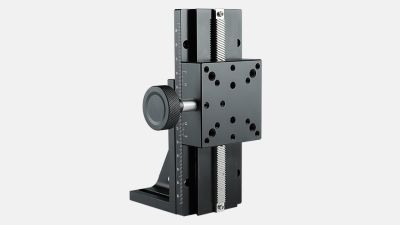
The Z-axis dovetail type rack and pinion positioning stage is a critical component in the realm of precision motion control. Its design seamlessly integrates a robust dovetail groove structure with a precise rack and pinion transmission system, creating a mechanical module that excels in achieving accurate linear adjustments along the vertical axis. This distinctive structural feature not only enhances the stability of the system but also provides exceptional control accuracy, making it ideal for a wide range of precision applications.
One of the standout advantages of the Z-axis dovetail groove gear rack type manual slide table is its ability to facilitate smooth and controlled vertical movements. This is particularly beneficial in environments where precision is paramount, such as in machining, assembly, and testing processes. The manual slide feature allows for adjustments to be made with care and intent, giving operators the confidence that their settings will remain stable during operation. As a result, this positioning stage plays an essential role in enhancing the efficiency and effectiveness of various mechanical setups across diverse industries.
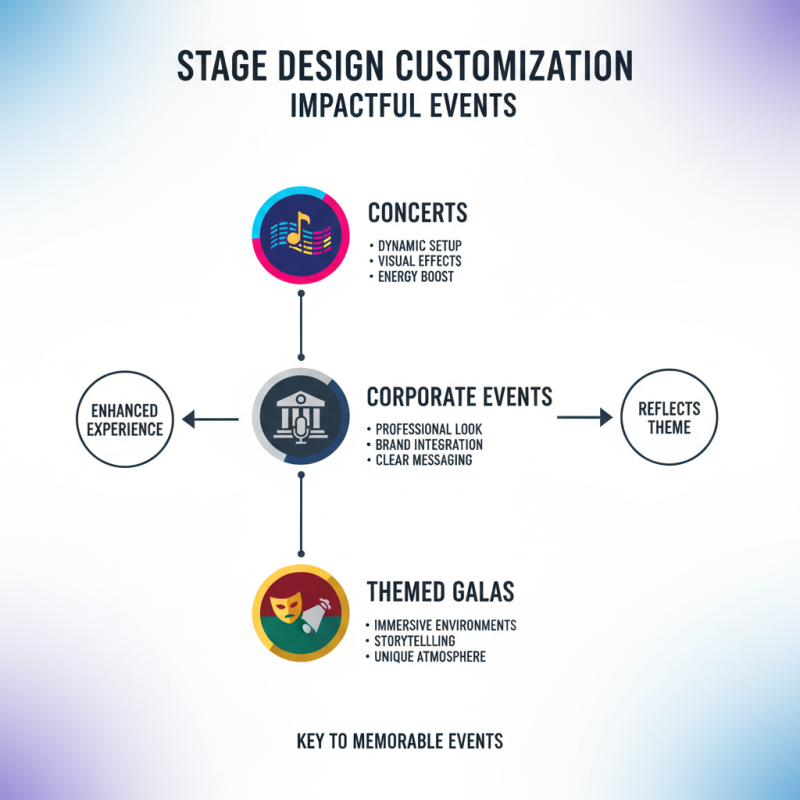
: Customization enhances experiences for performers and audiences, making events more impactful and memorable.
Each design should align with the event's theme, like vibrant setups for concerts and professional looks for corporate events.
Important aspects include dimensions, color schemes, and materials to meet specific event requirements.
Engaging with designers early and maintaining open communication can lead to better outcomes and address any potential issues.
Design uncertainty, overwhelmed by choices, can stifle creativity and lead to confusion about the best options.
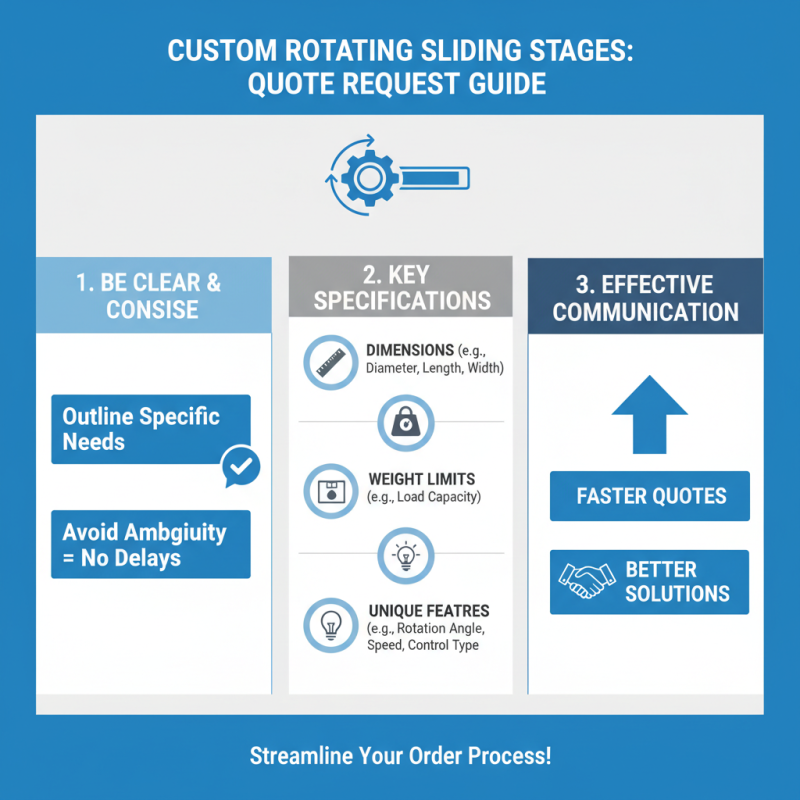
Be clear and concise about your needs, including dimensions and unique features, to avoid confusion and delays.
Diagrams or reference images help clarify your vision and encourage better understanding with suppliers.
Expect follow-up questions from suppliers who may need more details to provide accurate assessments for your request.
Reflecting on previous misunderstanding can help ensure your requests include all necessary information to enhance clarity.
It's normal to feel overwhelmed; embracing imperfections can lead to growth and improved future designs.
In the process of obtaining wholesale custom quotes for Rotating Sliding Stages, it is crucial to identify reputable manufacturers who specialize in custom stage designs. Understanding the significance of customization allows buyers to tailor their requests according to specific needs, ensuring the final product meets their requirements. Moreover, several key factors influence the cost of these stages, including materials, design complexity, and production timelines.
To effectively gather quotes, it is essential to provide accurate specifications and maintain open communication with potential suppliers. When analyzing quotes, consider aspects beyond just the price, such as the quality of materials and craftsmanship. Evaluating lead times and delivery options also plays a vital role in the decision-making process, ensuring that the custom Rotating Sliding Stage is delivered promptly for the intended event.