
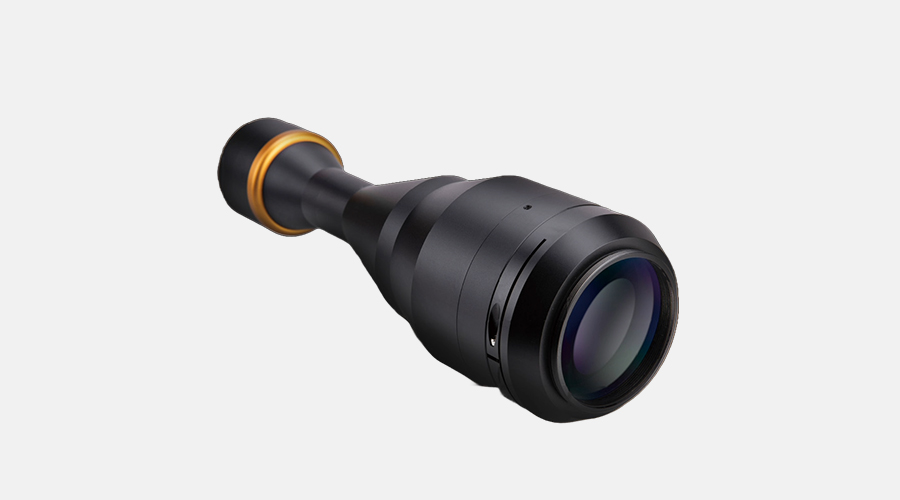
 Compatible with 7.2mm-82mm chips
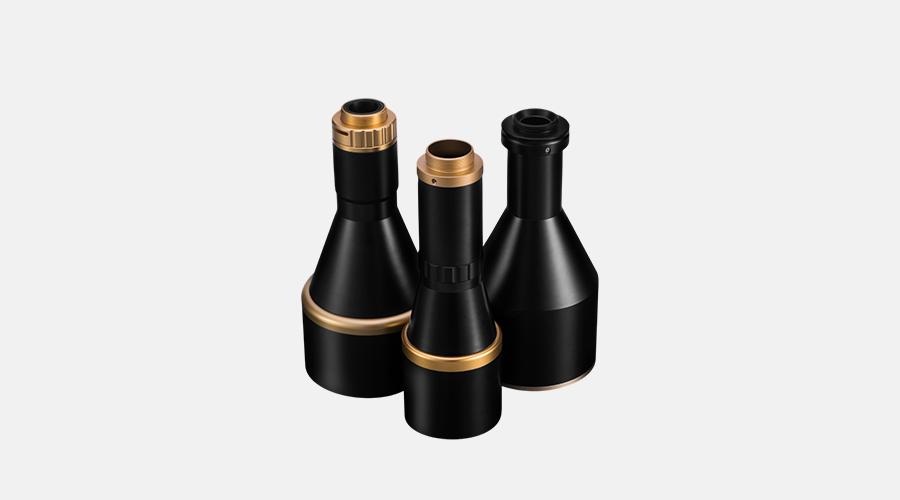 High/Low Working Distance
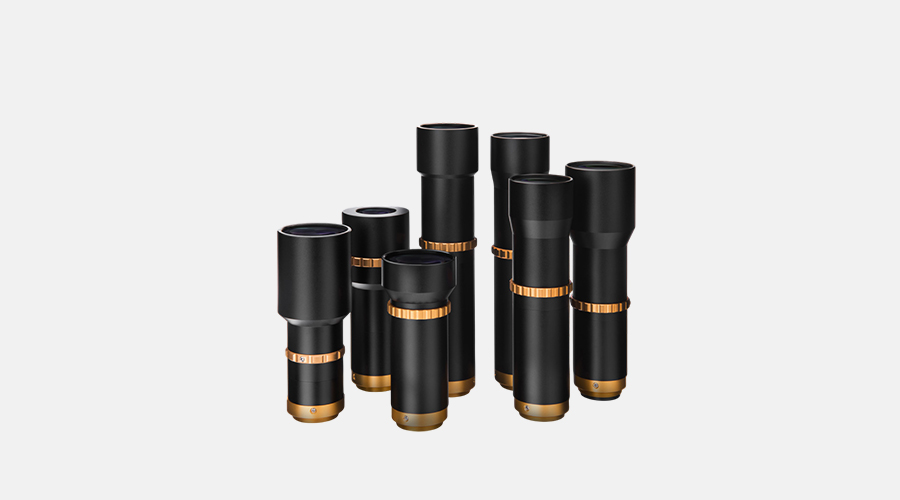 Aperture telecentric lens
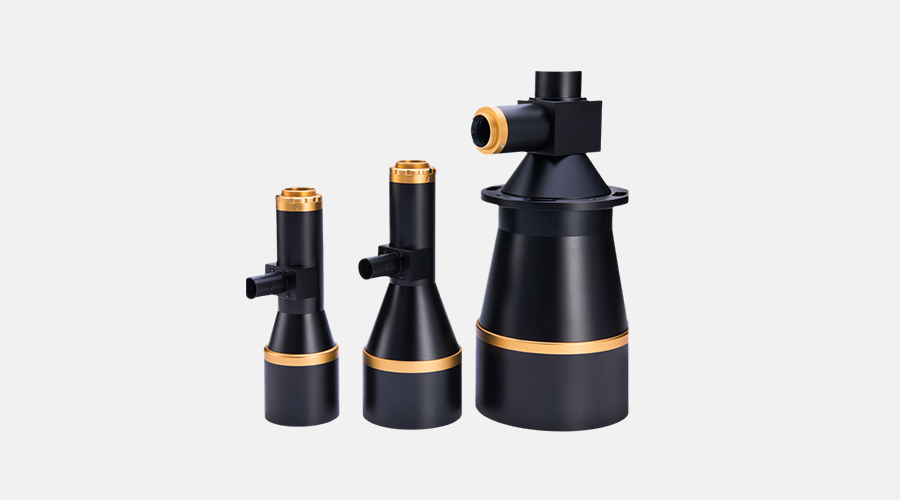 Measuring lens
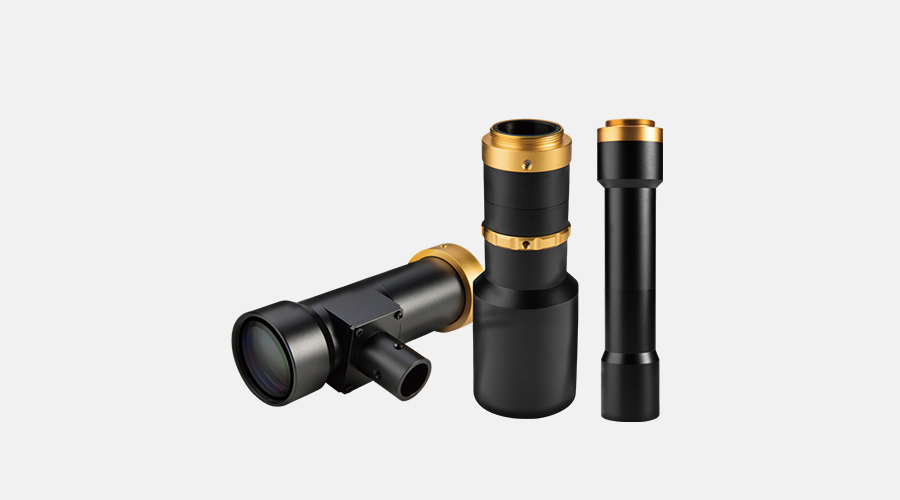 Maximum support 1.1" chips
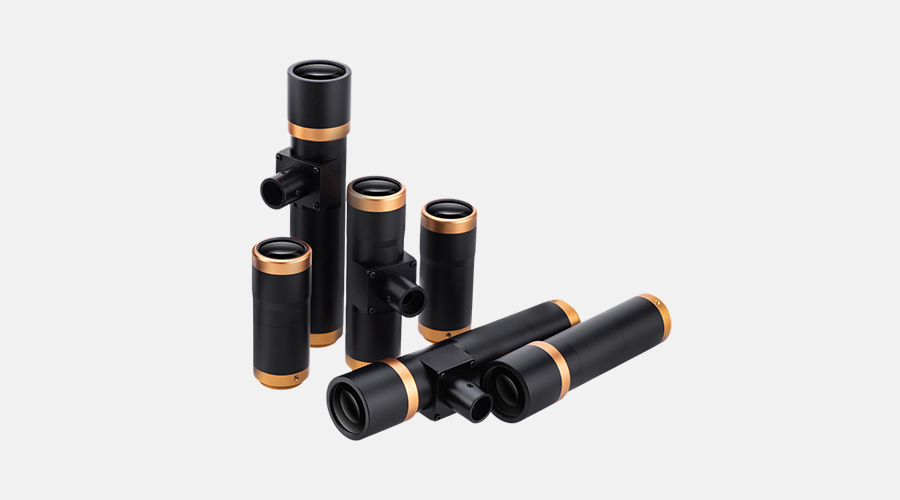 Maximum support 1.2" chips
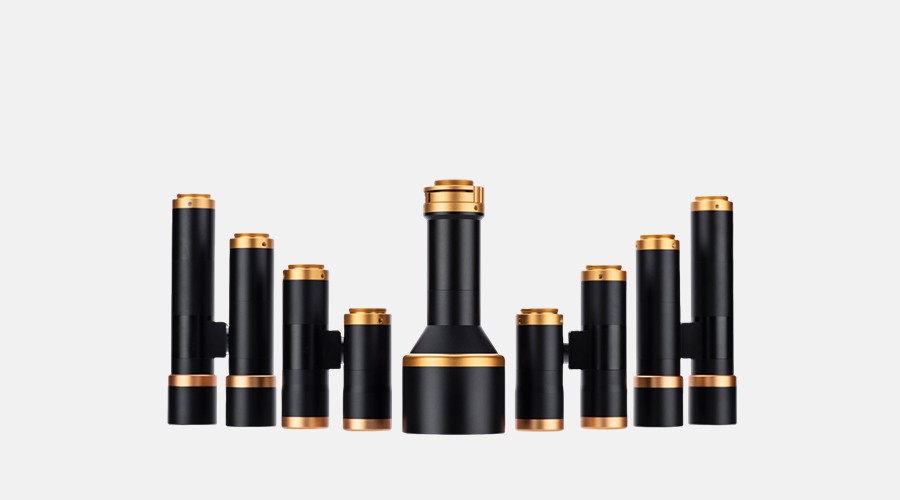 Maximum support 2/3" chips
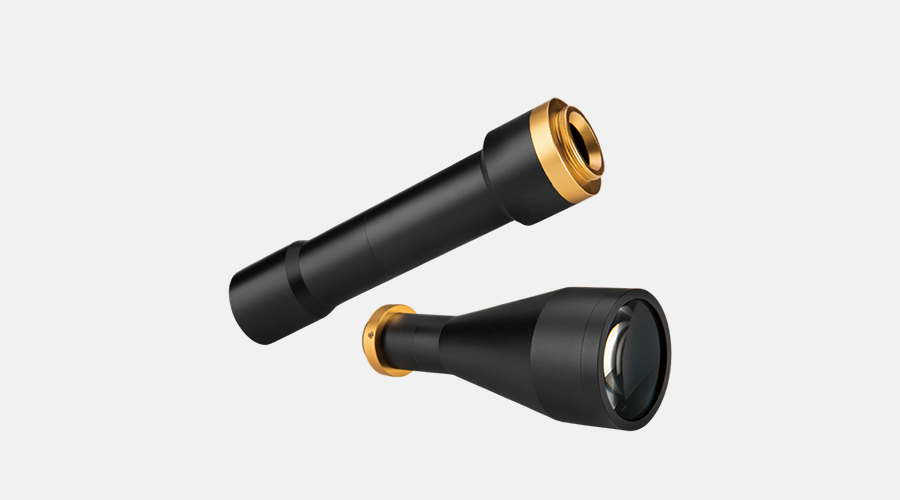 Long Working Distance
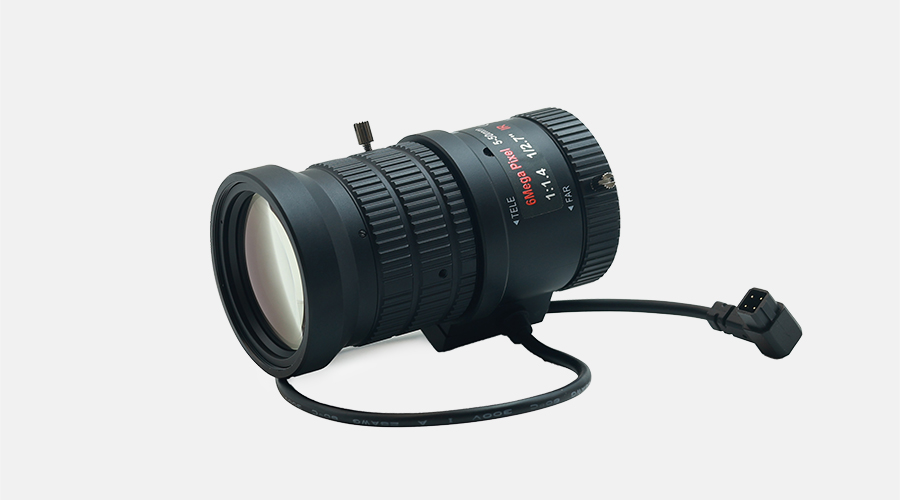 CS mount Varifocal lens
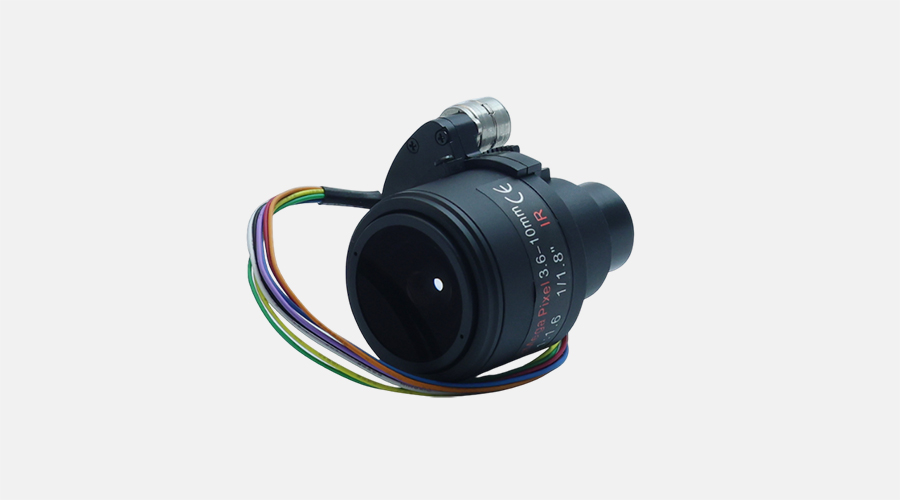 Varifocal board lens
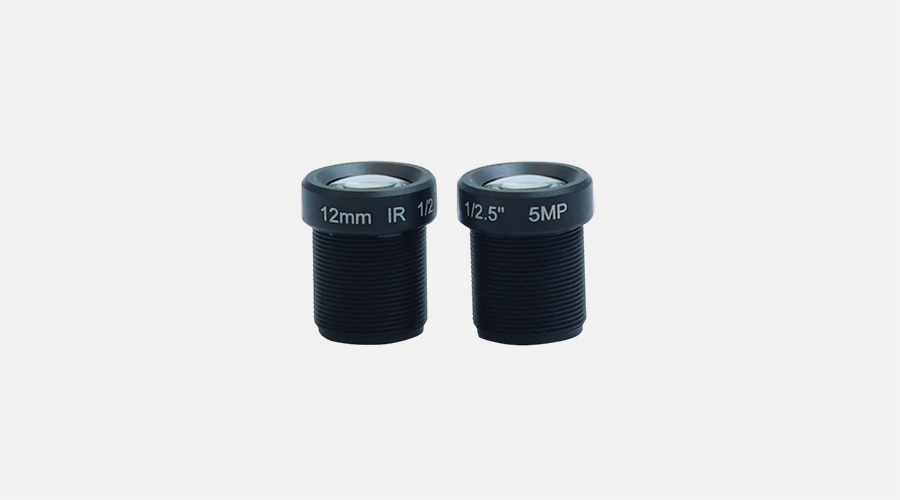 S mount lens
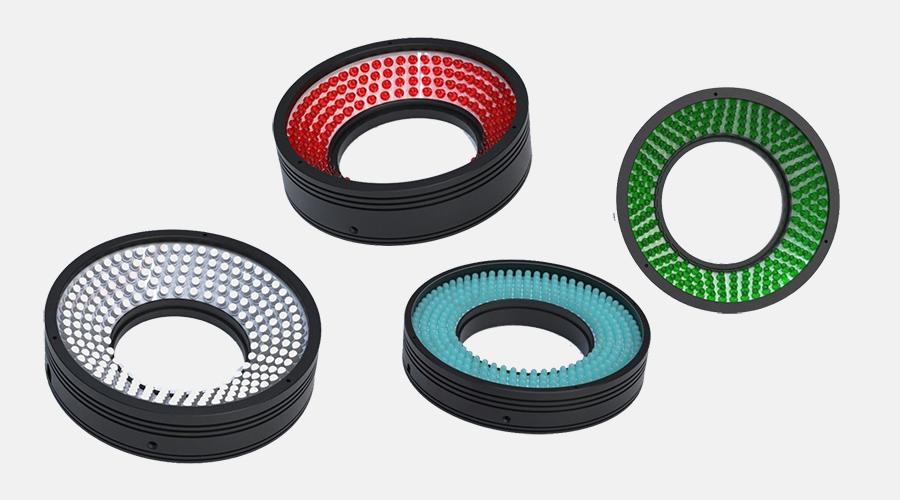 Ring light
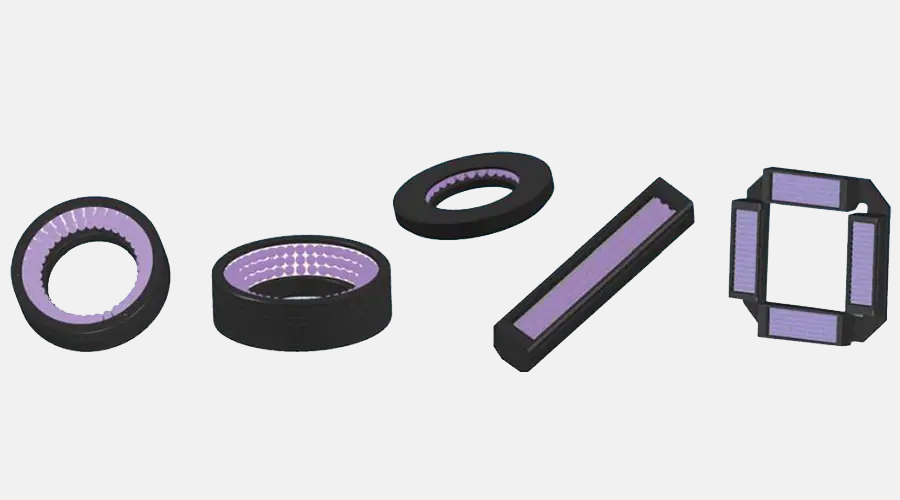 UV/IR Light
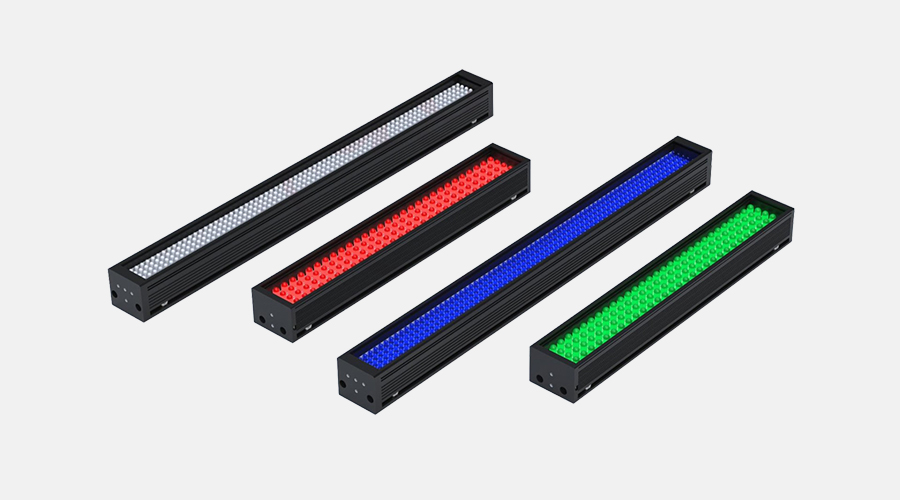 Bar light
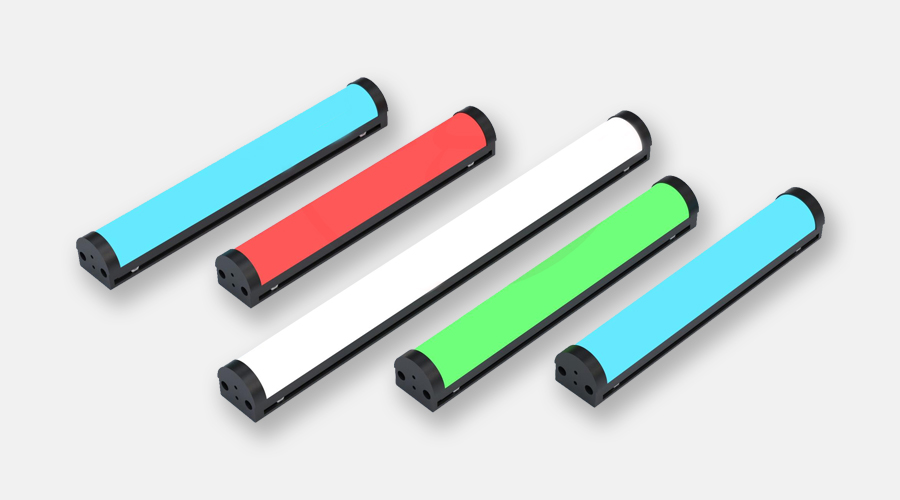 Arcuate high uniformity light
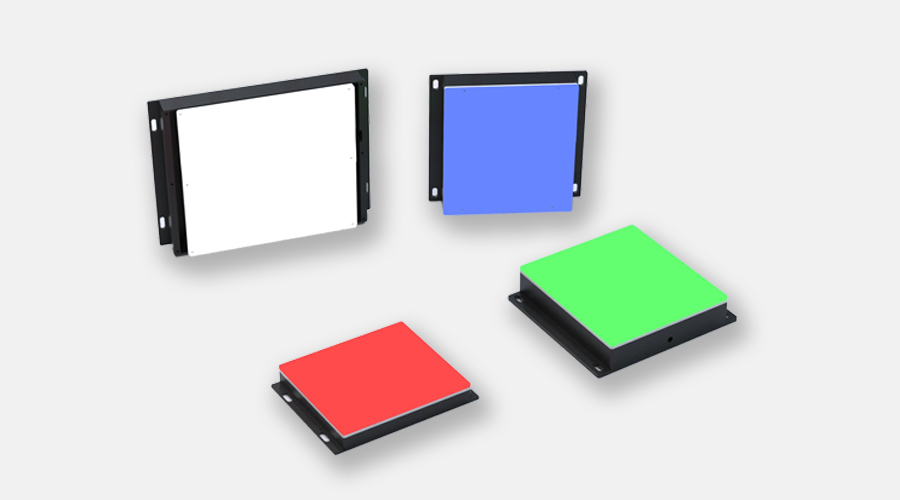 Back light
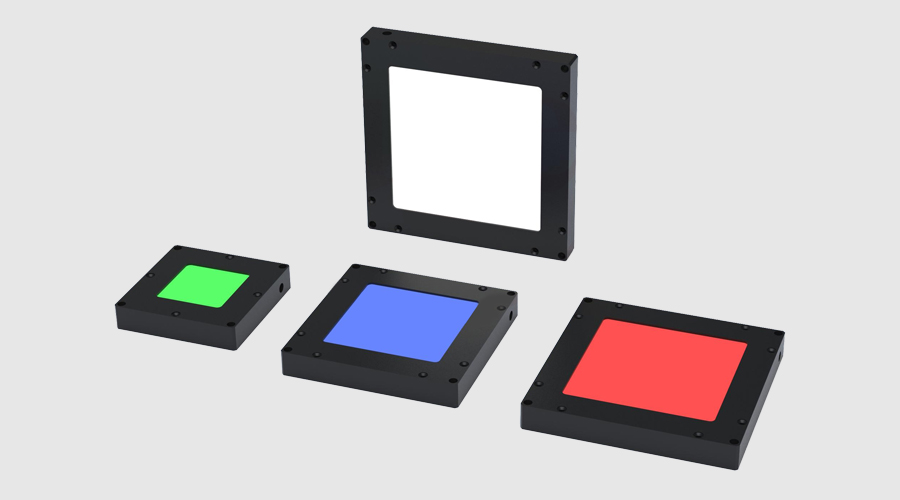 Flat light
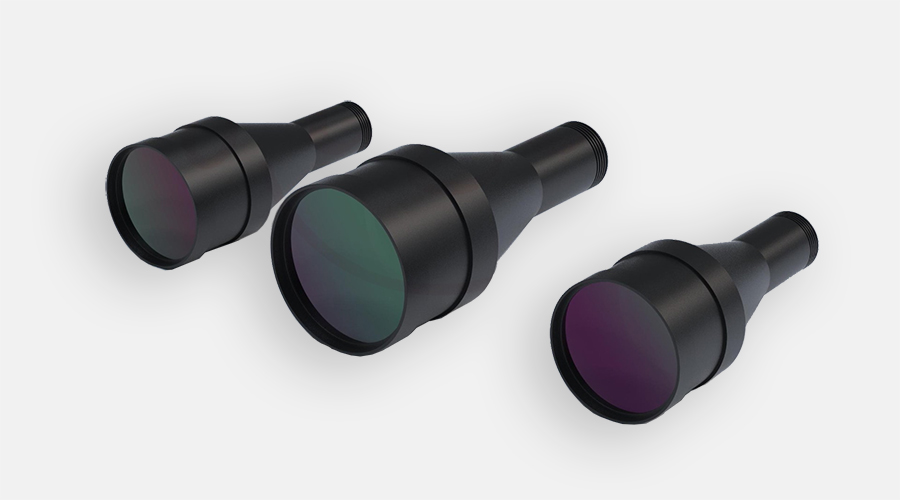 Collimated light
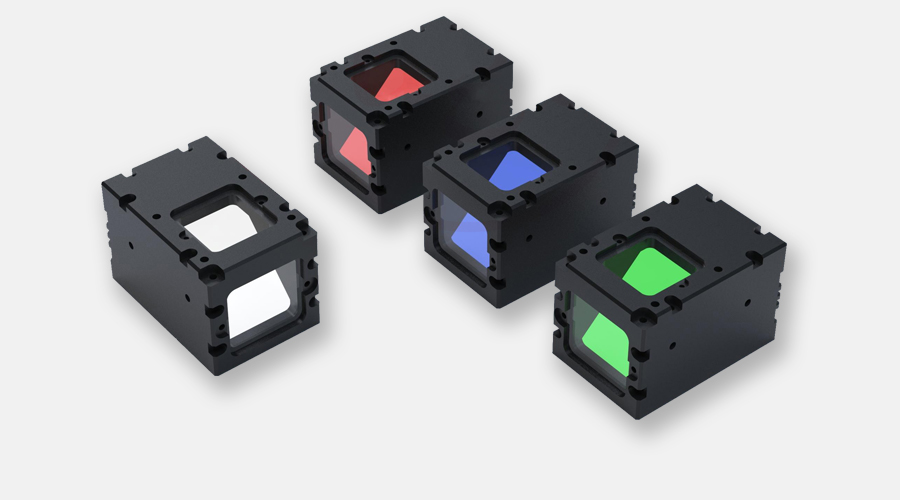 Coaxial light
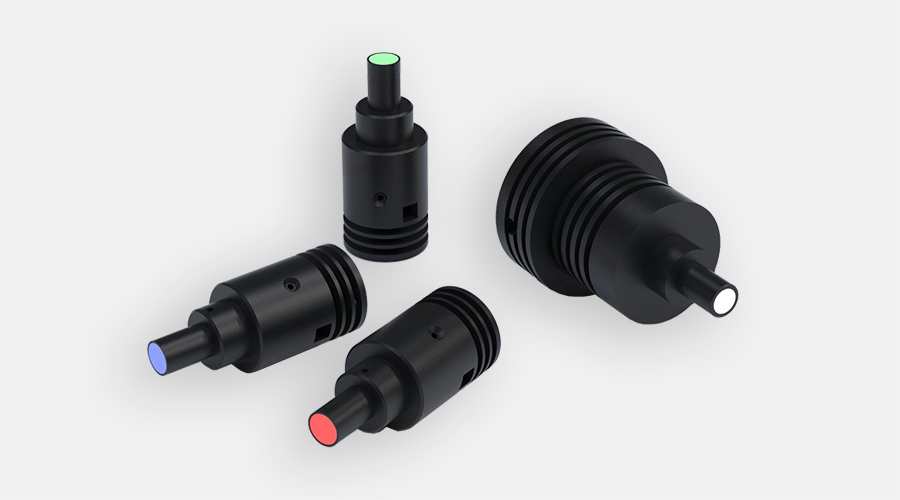 Spot light
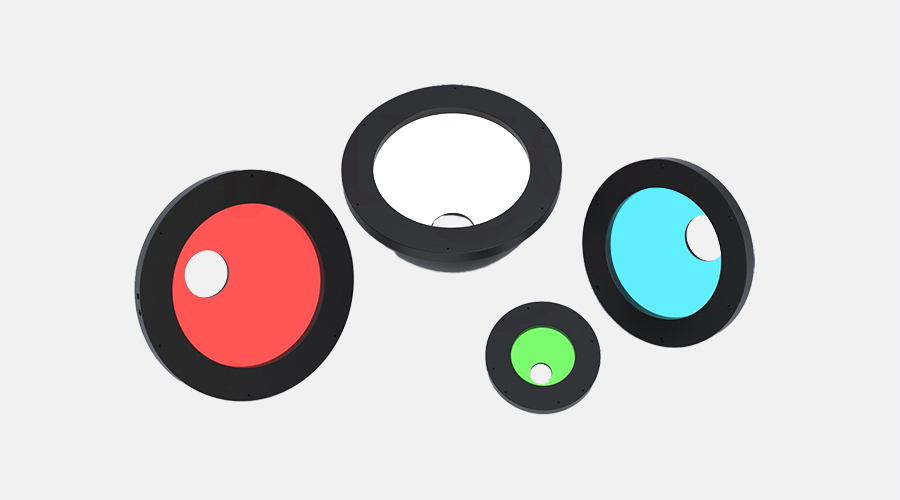 Dome light
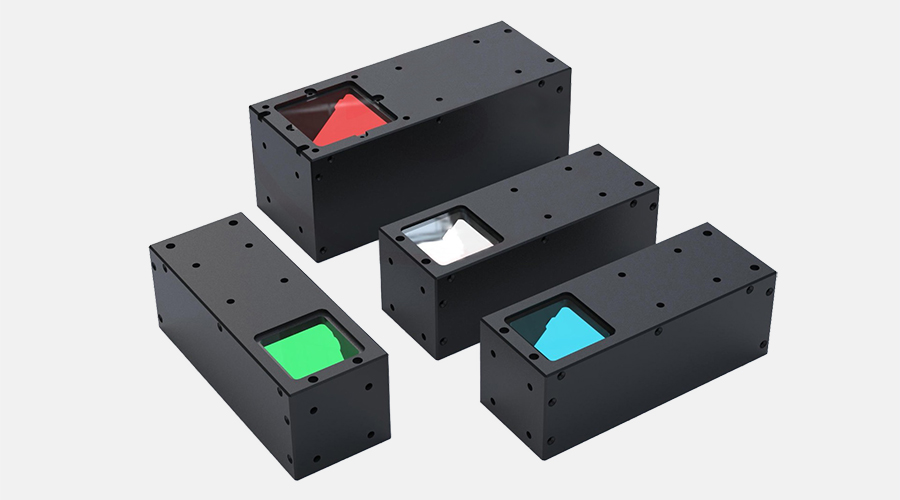 Collimated Coaxial light
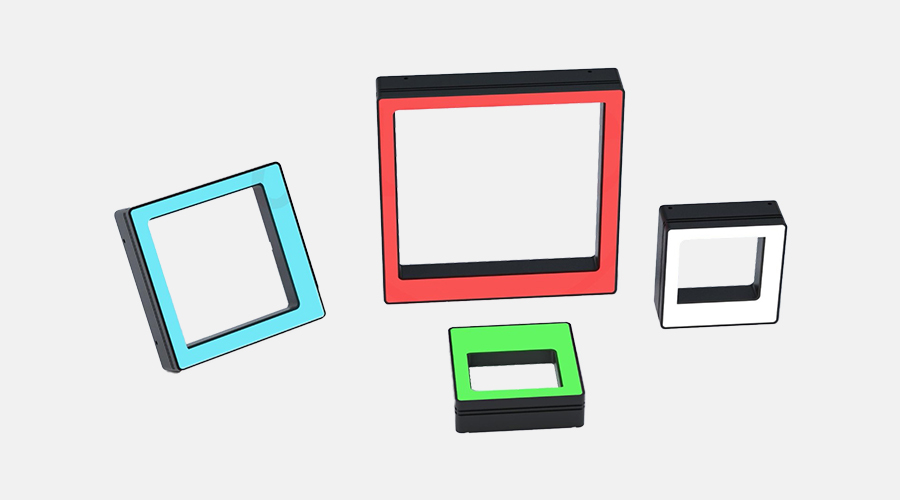 Shadowless square light
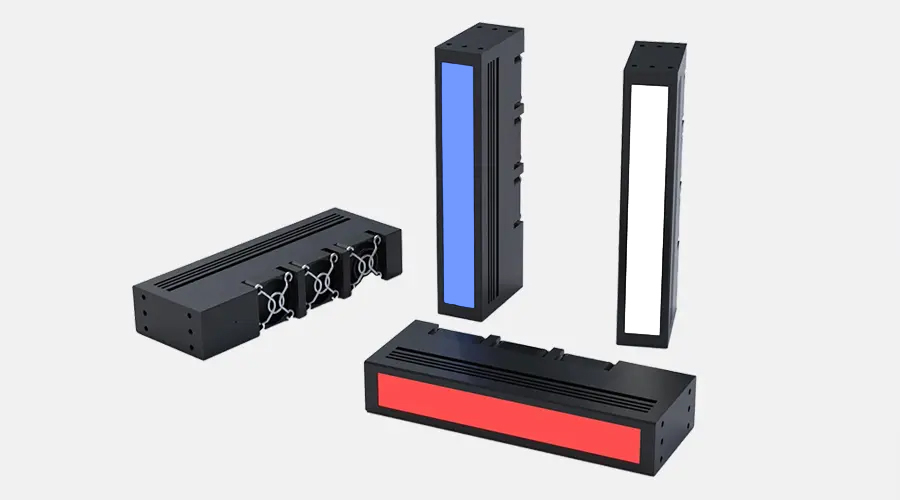 Scan light
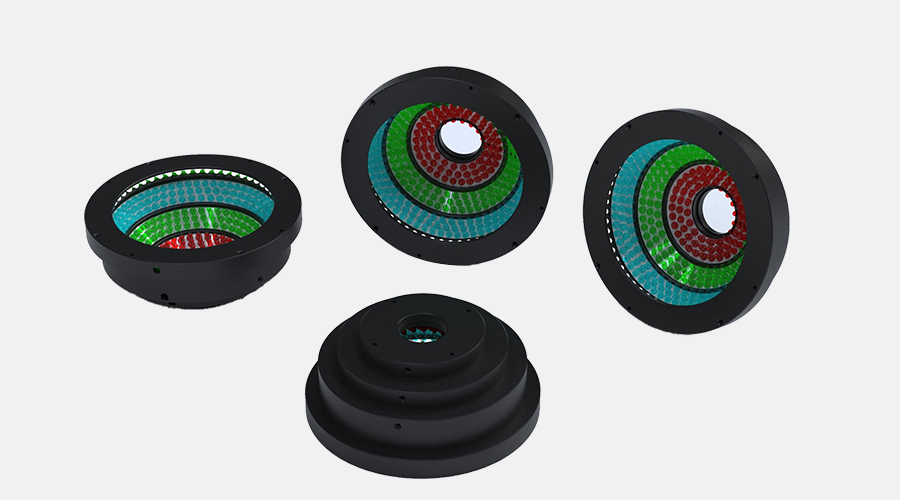 AOI light
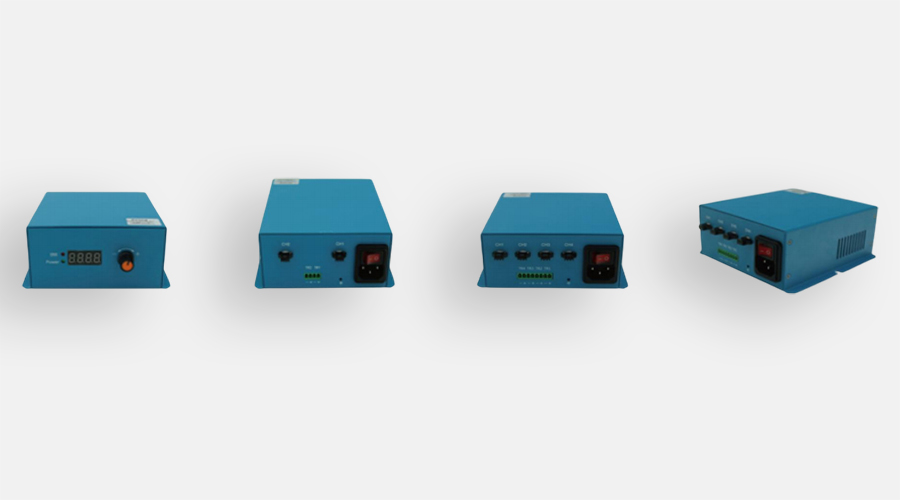 Analog controller
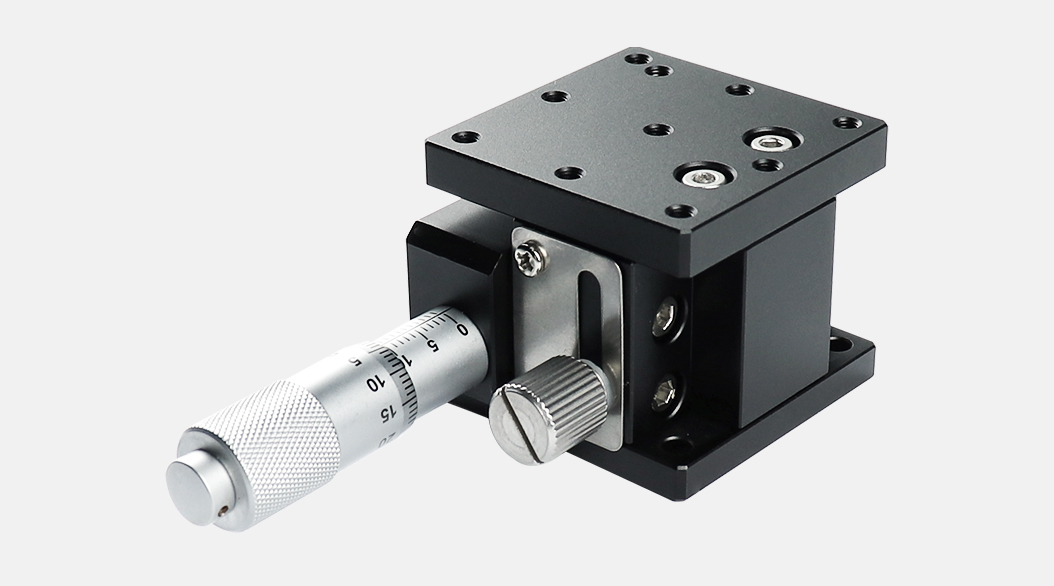 Crossed-Roller Linear guide type
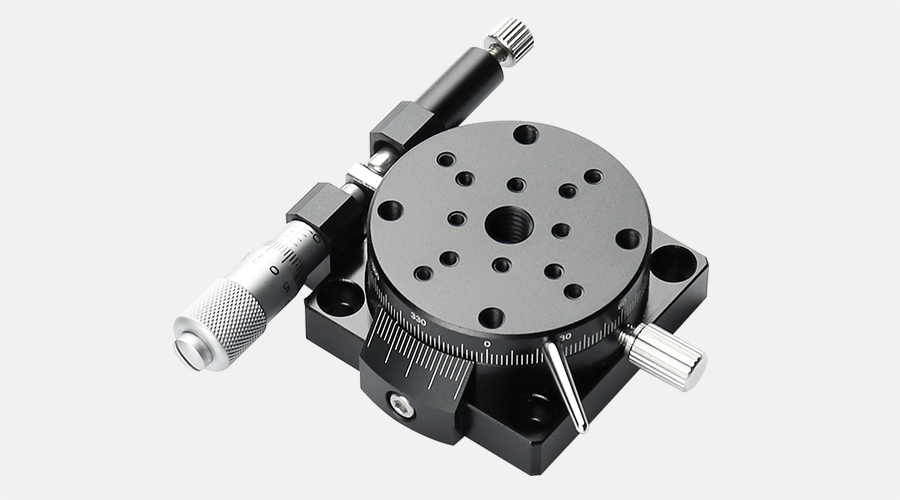 Rotary Stages XRS series
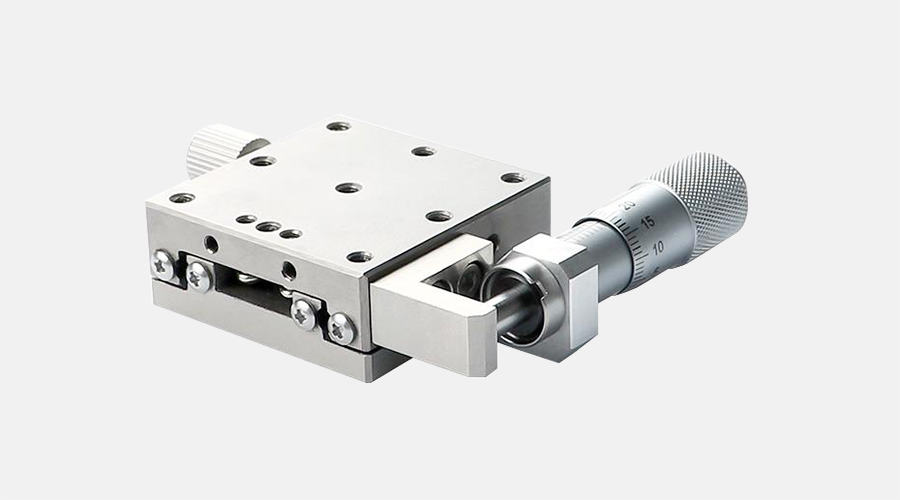 Stainless Steel Ball Bearing Linear Translation Stages
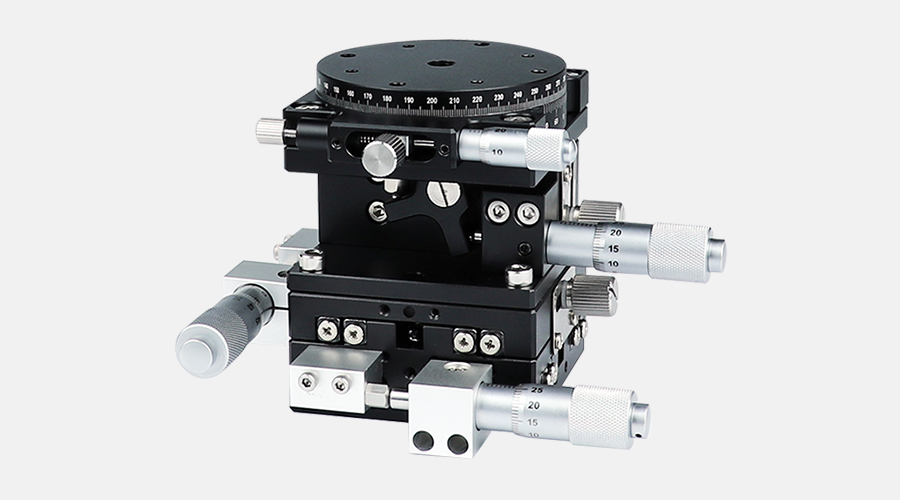 Multi-axis Translation stages
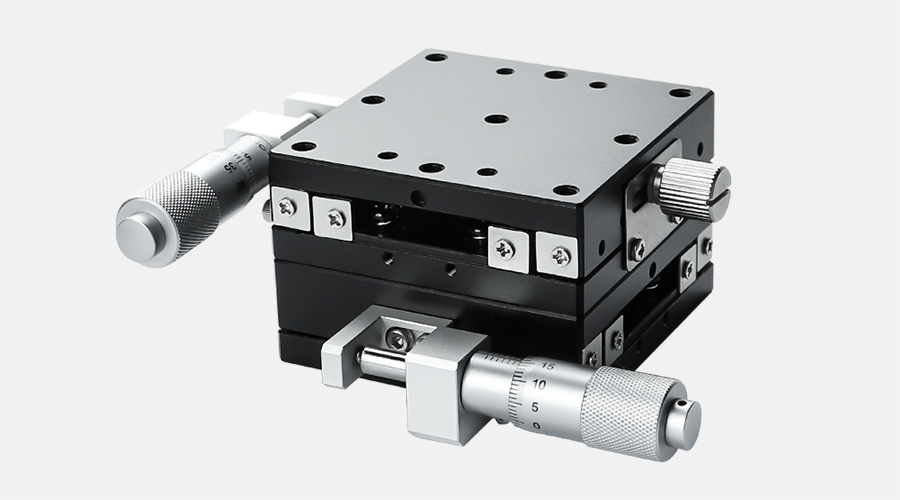 steel bar ball bearing stages
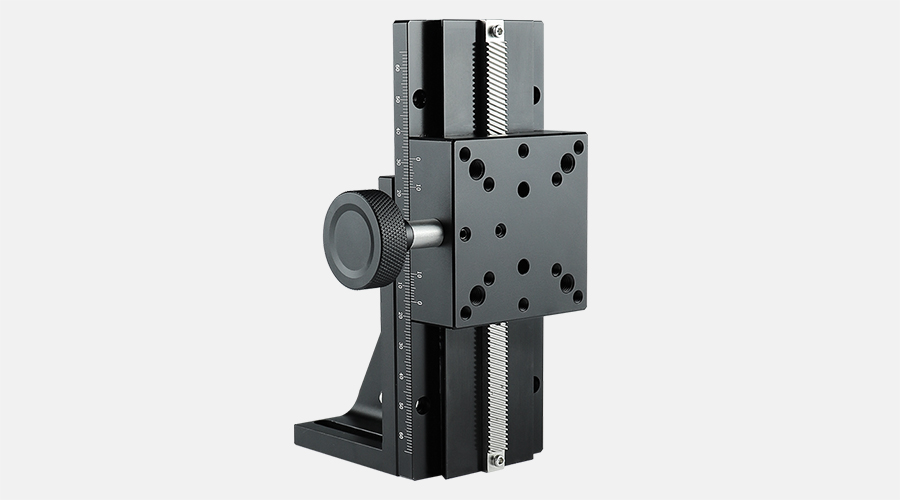 Dovetail Type Rack&Pinion Positioning Stage
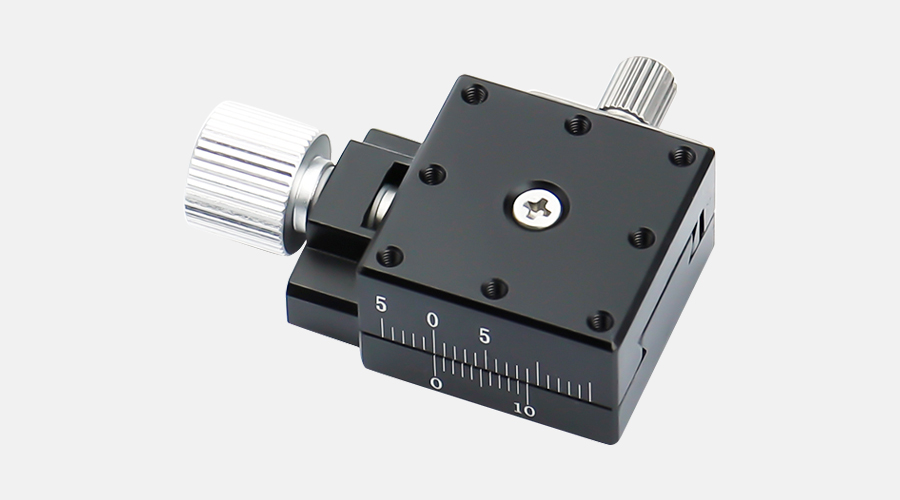 Dovetail groove high-precision screw slide
NEW VISlON OPTICS-Customized solutions to meet your needs
Based on market feedback, we have identified that various industries have specific technical requirements for the lenses they utilize, some of which surpass conventional industry standards. To effectively address the diverse needs of professional users, we offer a comprehensive range of high-performance lenses and complementary products, ensuring their optimal performance across a wide variety of application scenarios.
| Imaging Lens Technical Specification Requirements Form | |||
|---|---|---|---|
| NO. | Parameter Name | Value | Notes |
| Basic System Parameters | |||
| 1 | Working Distance(mm) | Distance from the front end of the lens to the object being imaged | |
| 2 | Back Focal Length - Mechanical(mm) | Distance from the last mechanical end of the lens to the sensor | |
| 3 | Total Object to Image Distance(mm) | Distance from the object to the sensor. This parameter determines the space required for the lens to function properly. | |
| 4 | Focal Length(mm) | ||
| 5 | Entrance Pupil Diameter(mm) | Effective aperture for imaging | |
| 6 | Working Wavelength Range(nm) | Optical spectrum range in which the lens operates | |
| 7*1 | Full Field of View Angle(°) | The total observable angular extent of the object under inspection | |
| 8*2 | Full Field of View(mm) | The total observable area of the object under inspection | |
| 9 | Sensor Size(mm x mm) | Size of the detector's target surface | |
| 10 | Primary Magnification | Ratio between the sensor size and the field of view | |
| 11 | Zoom Ratio | Ratio of sensor size to field of view at different focal lengths for a zoom lens | |
| Optical Performance | |||
| 12 | Transmittance(%) | The attenuation rate of the imaging beam intensity by the lens | |
| 13 | Relative Illumination(%) | Ratio of the illumination at the periphery to the illumination at the center | |
| 14 | Modulation Transfer Function(%@lp/mm) | Contrast at a specified spatial frequency, e.g., lines per mm | |
| 15 | Distortion(%) | Ratio of the difference between the actual and ideal image point heights for off-axis beams to the ideal image height | |
| Detector Parameters | |||
| 16 | Target Surface Size(mm x mm) | Size of the detector's target surface | |
| 17 | Horizontal/Vertical Resolution(px x px) | Number of horizontal and vertical pixels of the detector | |
| 18 | Horizontal/Vertical Pixel Size(um x um) | ||
| Interface Requirements | |||
| 19 | Total Lens Length(mm) | ||
| 20 | Entrance Pupil Position(mm) | Distance from the entrance pupil to the mechanical front of the lens | |
| 21 | Entrance Pupil Size(mm) | Diameter of the lens's entrance pupil | |
| 22 | Maximum Diameter(mm) | ||
| 23 | Weight(kg) | ||
| Illumination*3 | |||
| 24 | Object Luminous Intensity Function | Function describing the variation of the object's luminous intensity with emission angle | |
| 25 | Illumination Characteristics Function | Function describing the variation of the light source's luminous intensity with emission angle | |
| 26 | Object Reflection Characteristics | Function describing the reflective properties of the object under illumination | |
| Environmental Requirements | |||
| 27 | Operating Temperature Requirement(°C) | Ambient temperature range within which the lens can operate normally | |
| 28 | Storage Temperature Requirement(°C) | Ambient temperature range for storing the lens | |
| 29 | Vibration(g) | Maximum vibration acceleration the lens must withstand during normal operation | |
| 30 | Shock(g) | Maximum shock acceleration the lens must withstand | |
| 31 | Other Environmental Requirements | Humidity, acidity/alkalinity, sealing, etc. | |
Keep In Touch
Working With Us
· Cooperation with New Vision Optics begins when you contact our sales team. After initial communication, we can provide regional pricing. For bulk or custom projects, we can arrange online meetings to discuss the project and explore options.
· For customized needs, we work directly with customers and always strive to establish direct communication via email or phone. We schedule discussions to ensure we deliver the right products and configurations.

