
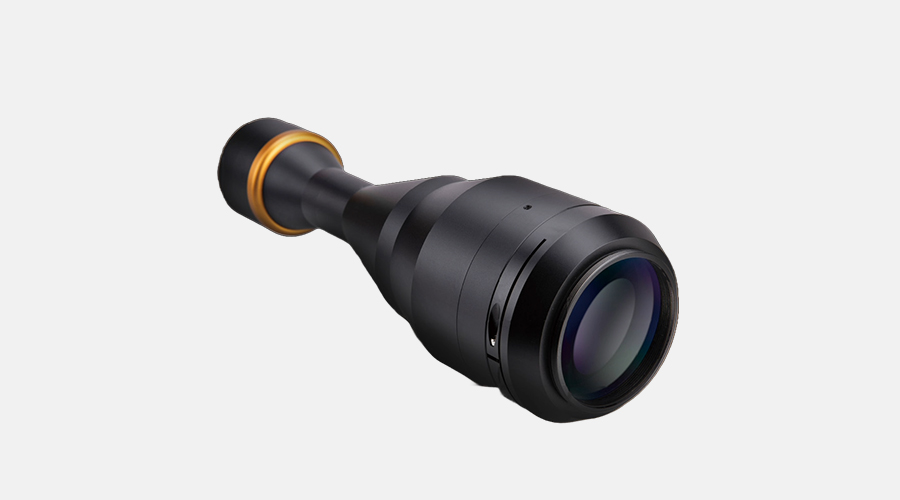
 Compatible with 7.2mm-82mm chips
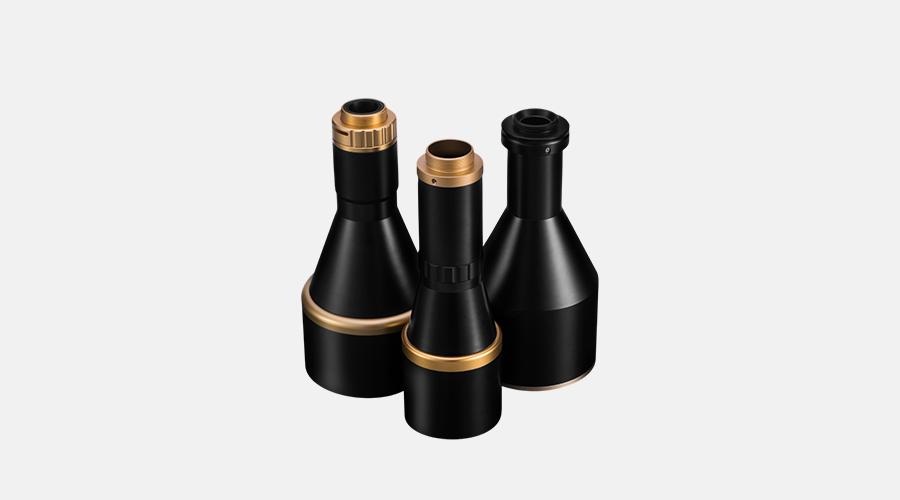 High/Low Working Distance
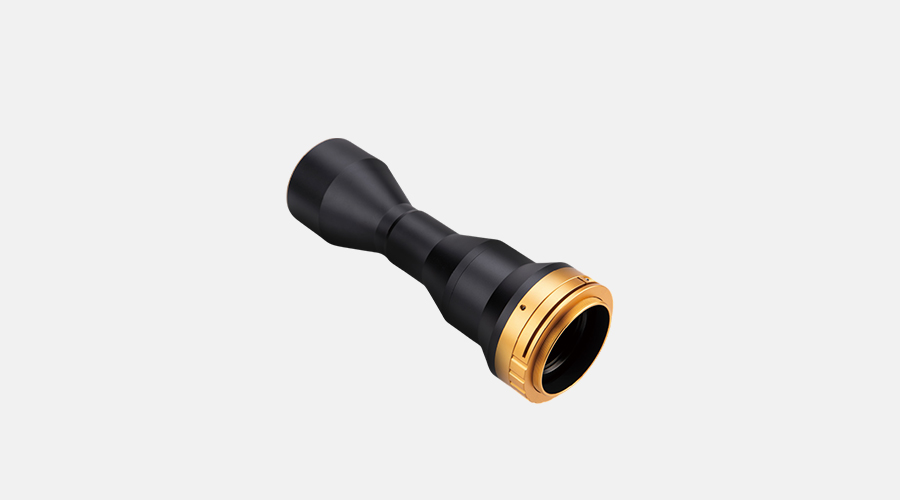
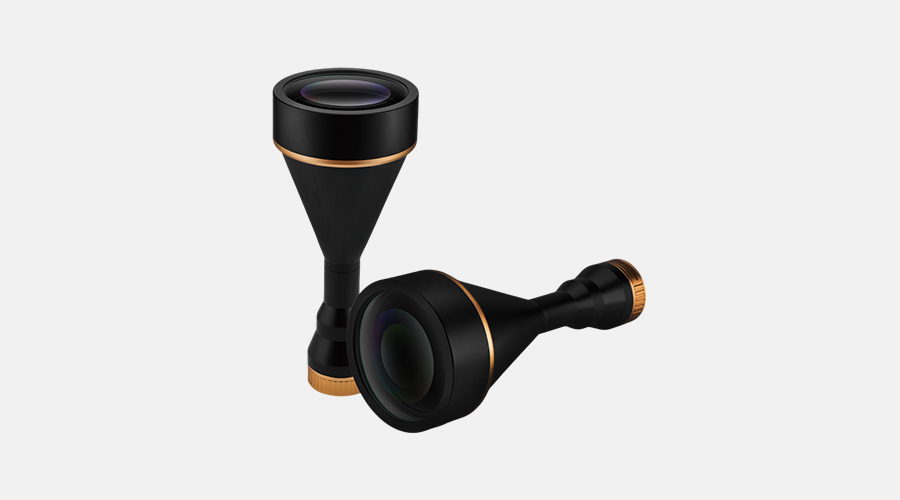
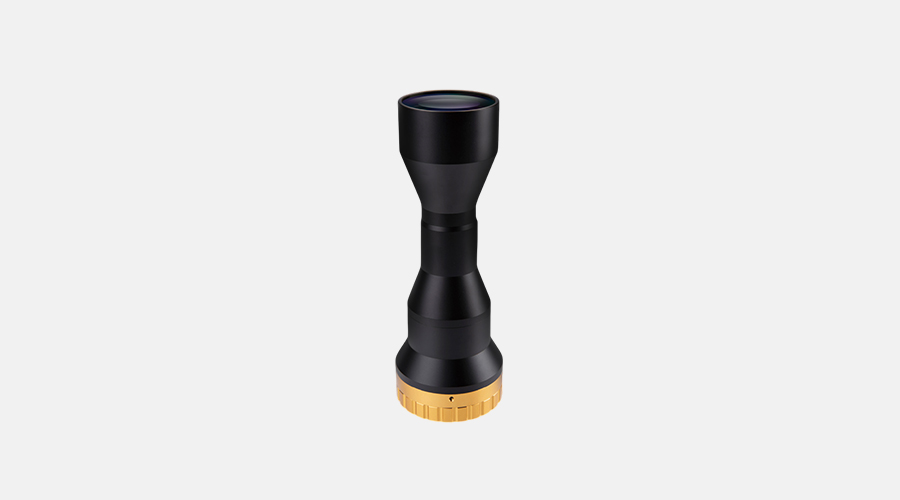
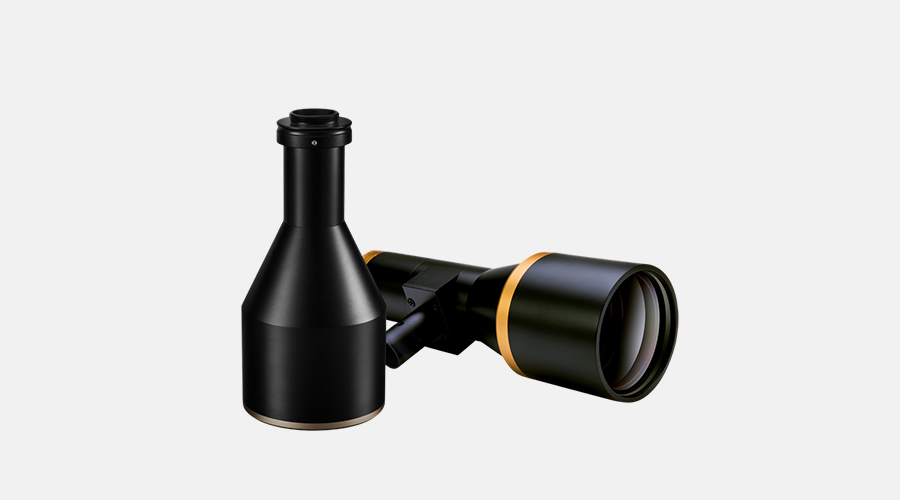
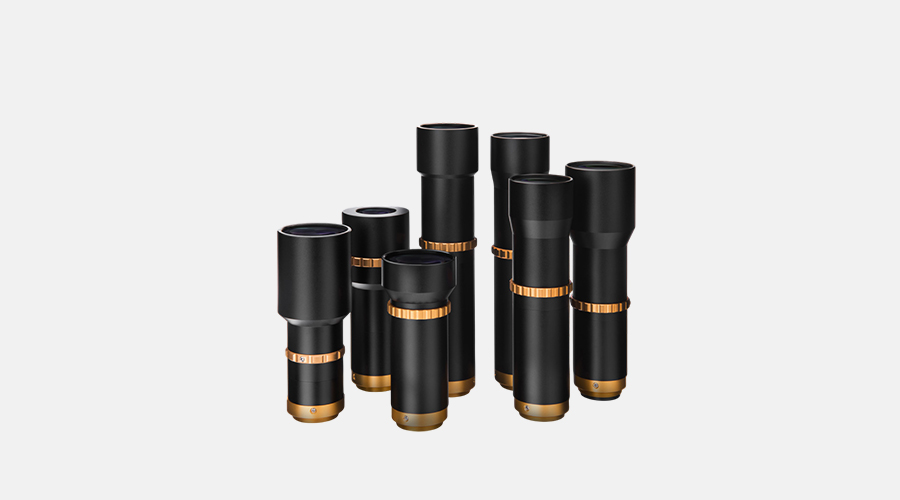 Aperture telecentric lens
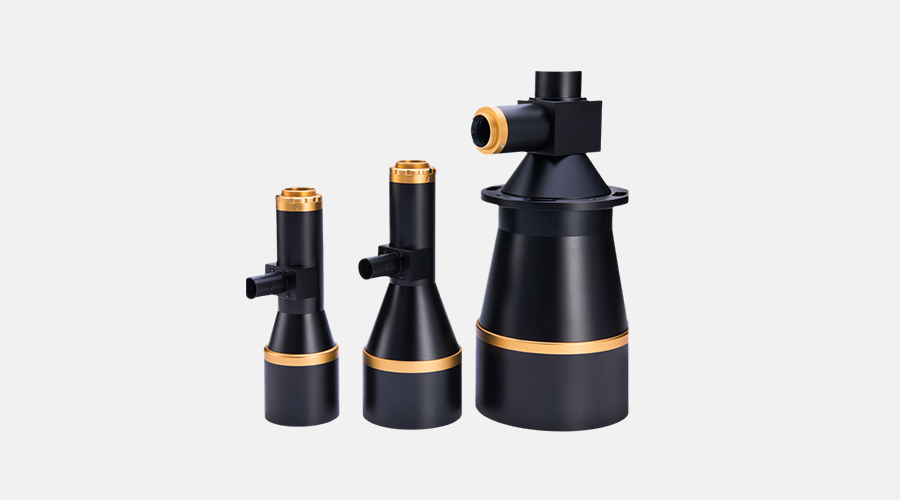 Measuring lens
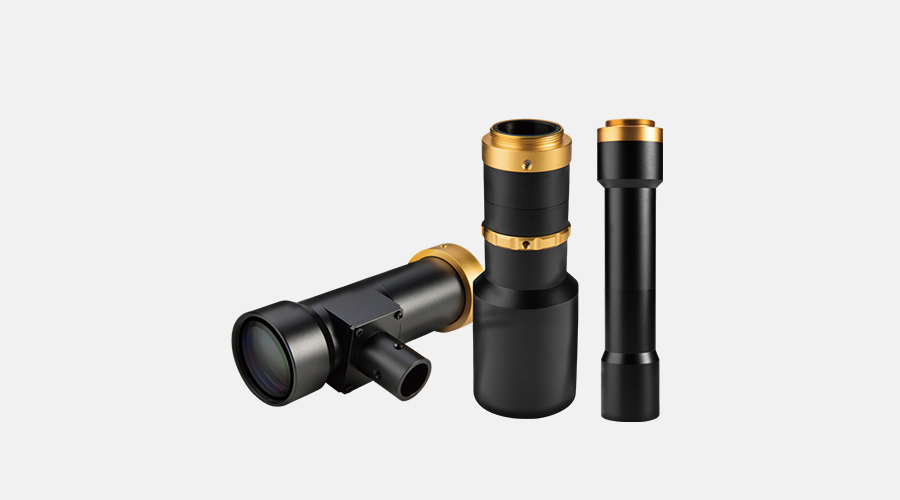 Maximum support 1.1" chips
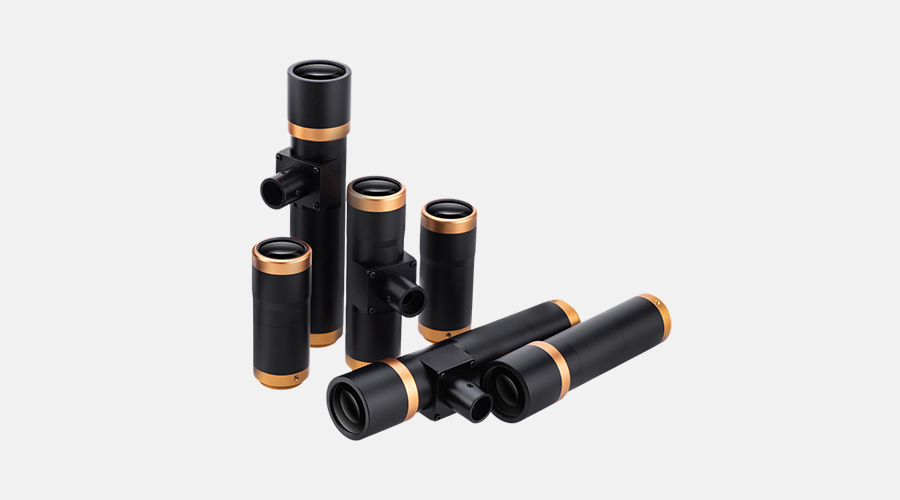 Maximum support 1.2" chips
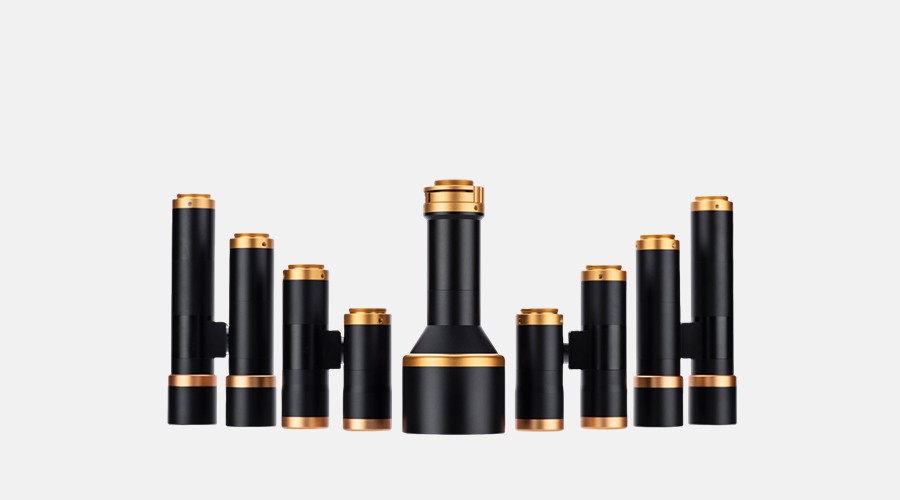 Maximum support 2/3" chips
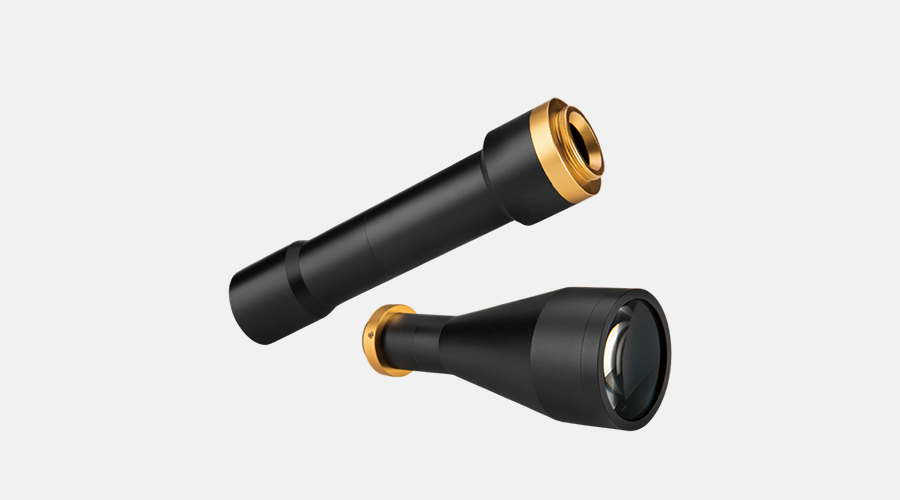 Long Working Distance
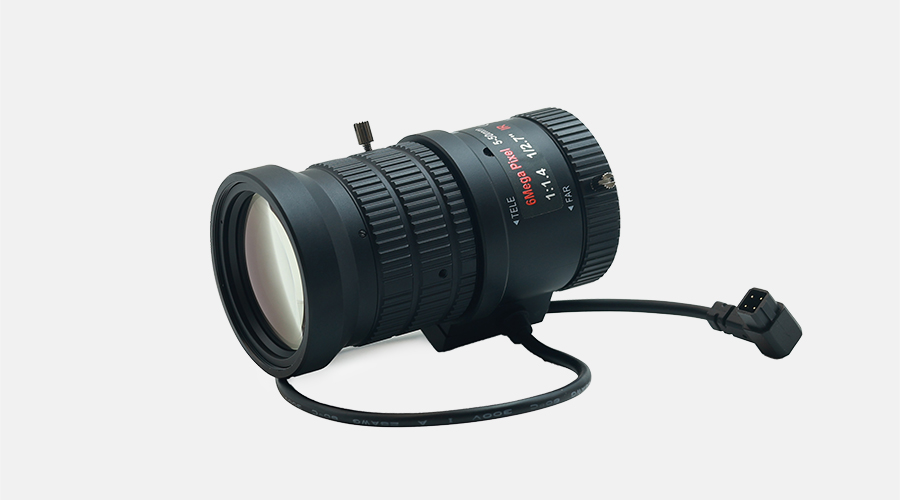 CS mount Varifocal lens
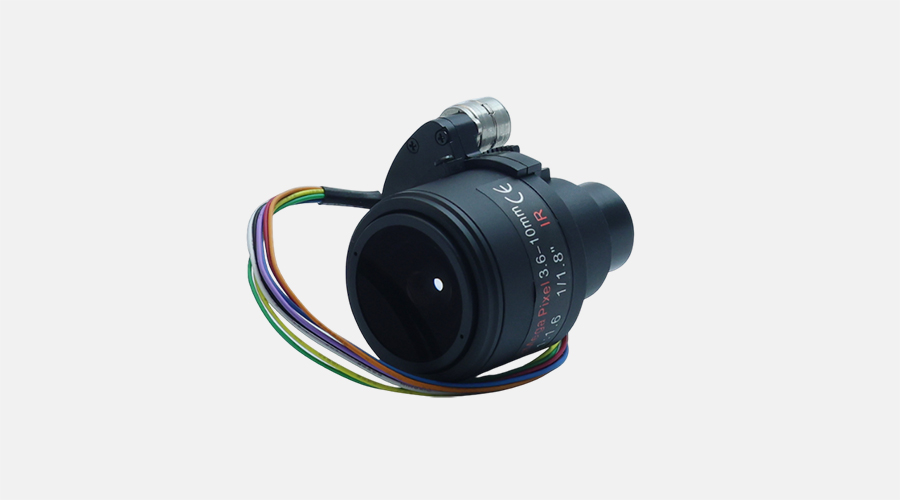 Varifocal board lens
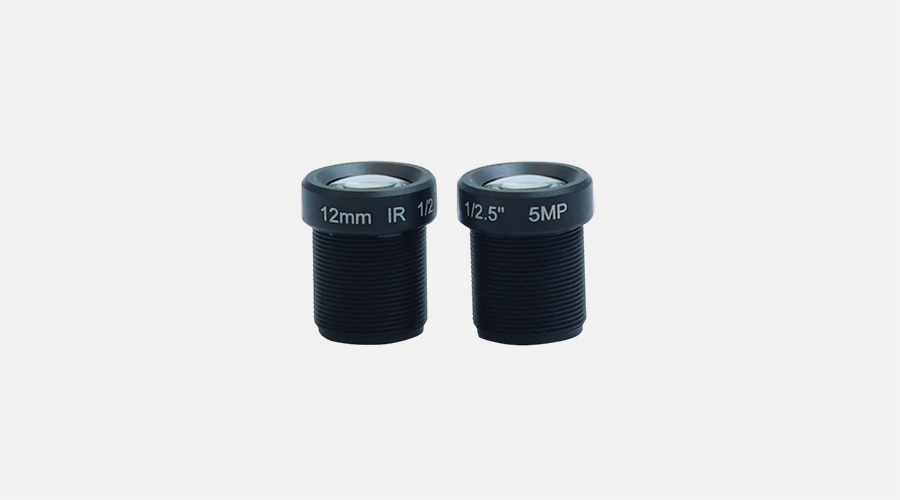 S mount lens
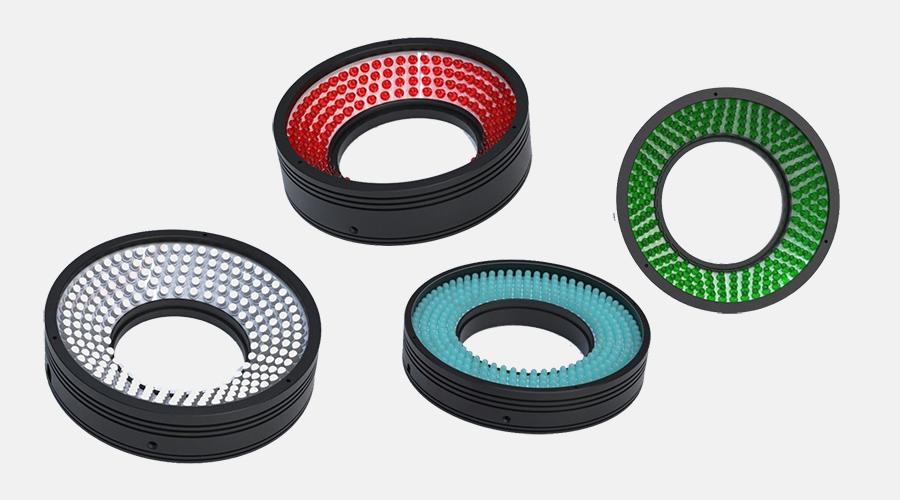 Ring light
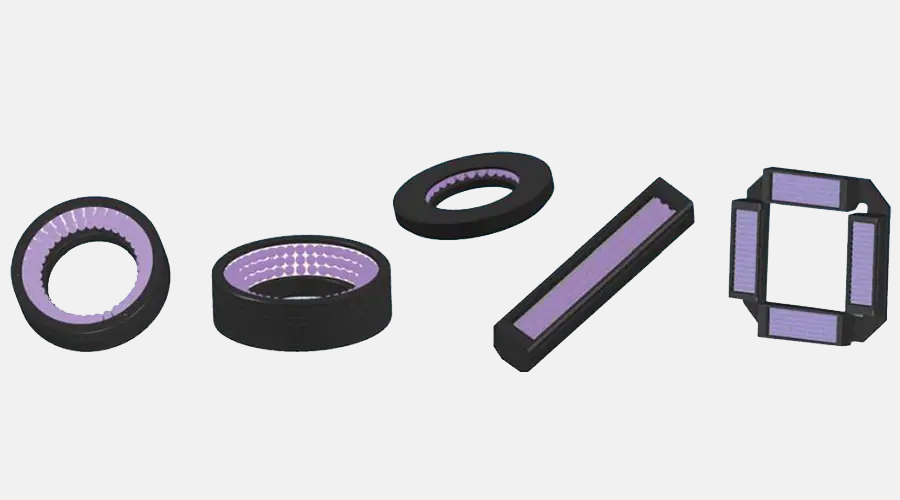 UV/IR Light
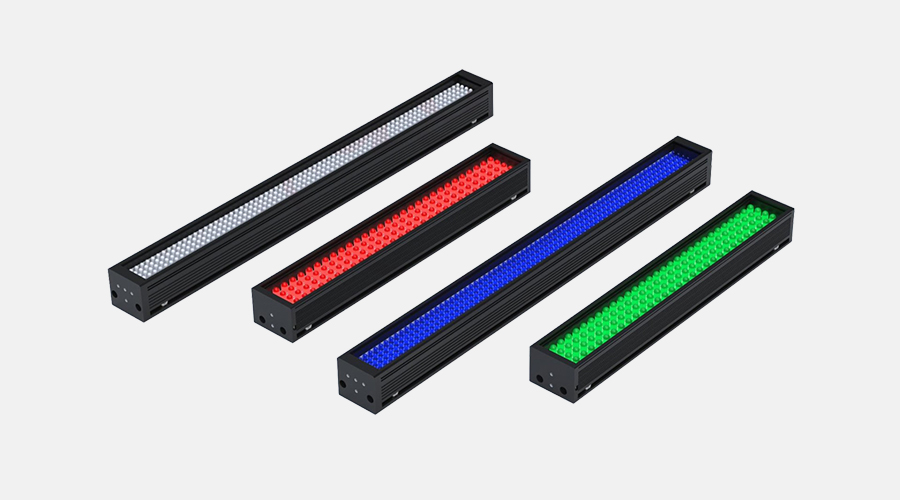 Bar light
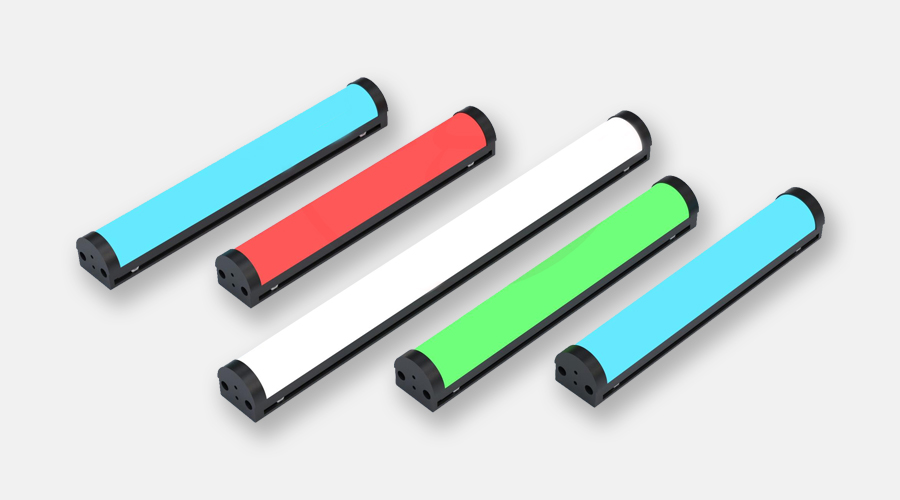 Arcuate high uniformity light
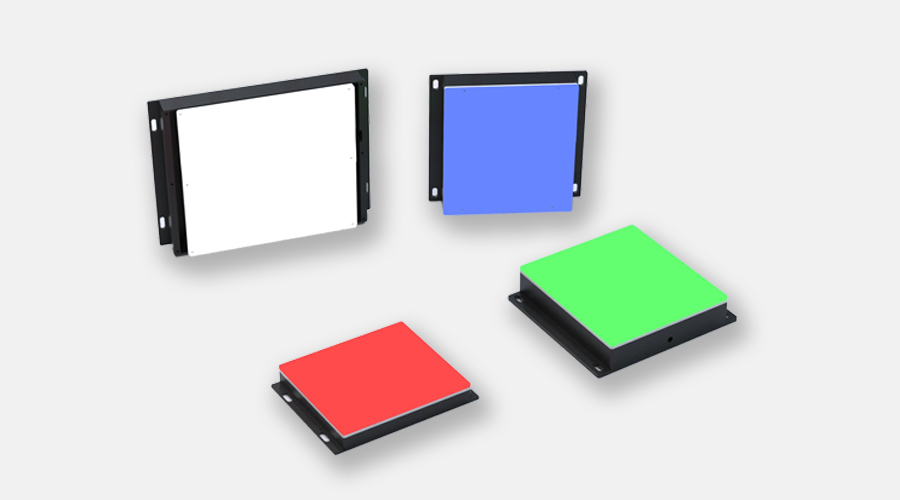 Back light
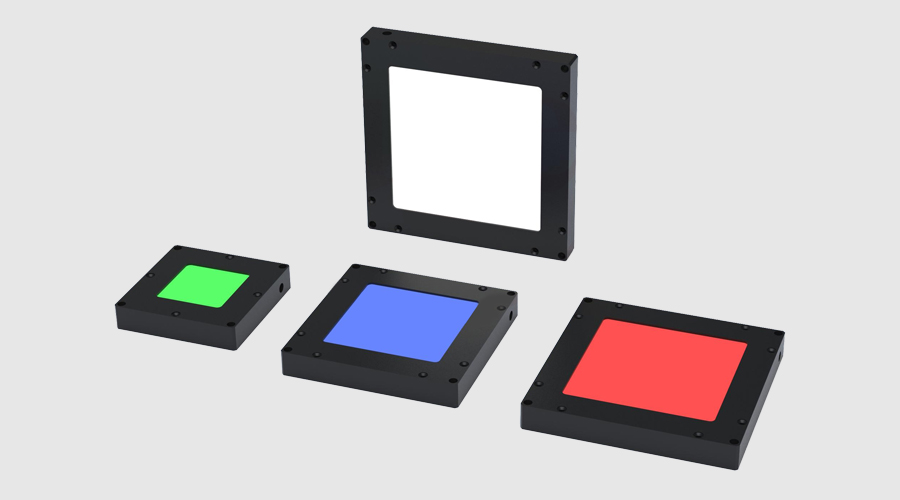 Flat light
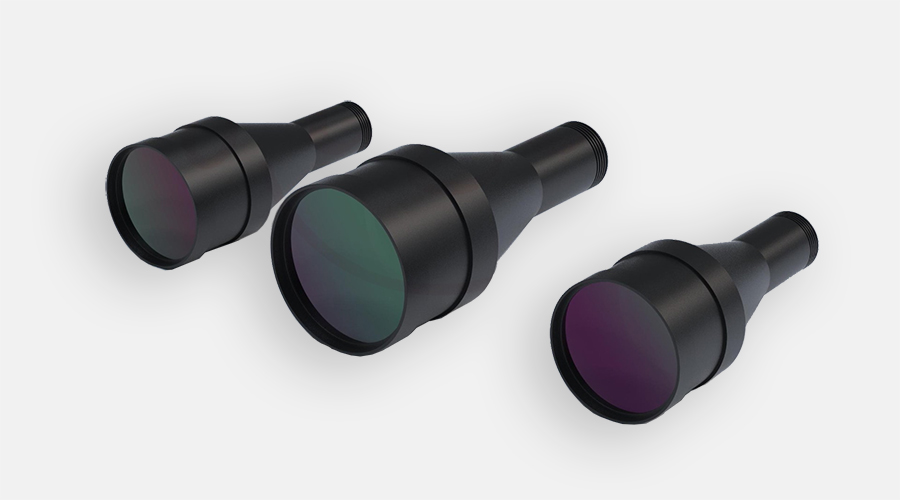 Collimated light
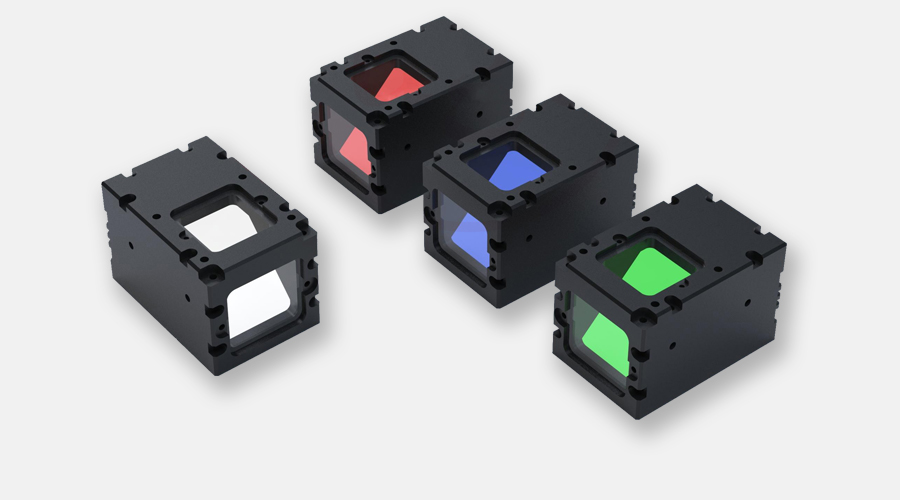 Coaxial light
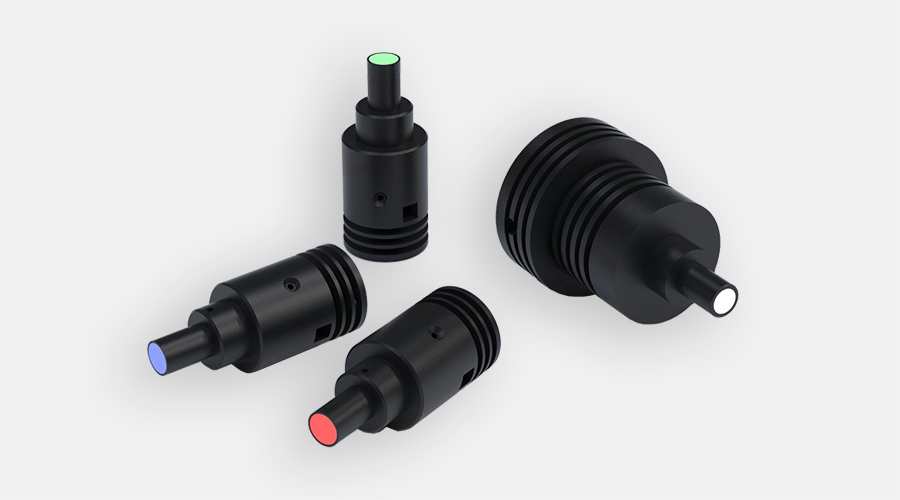 Spot light
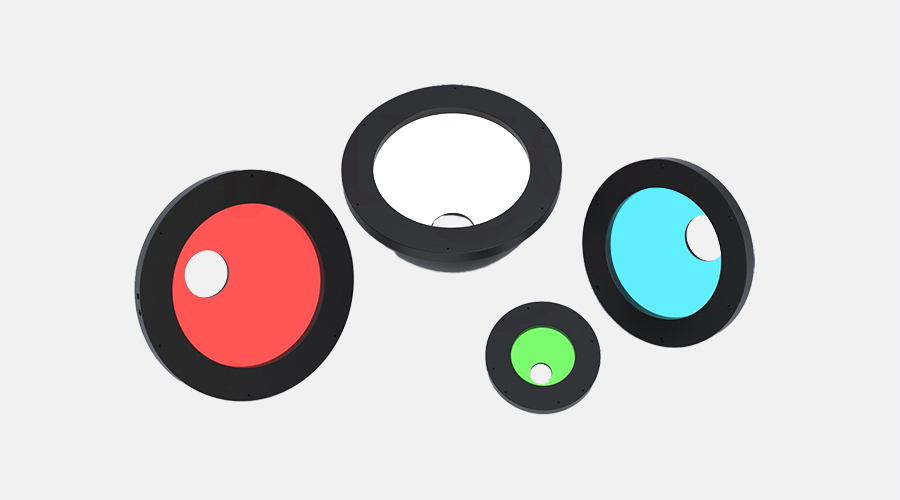 Dome light
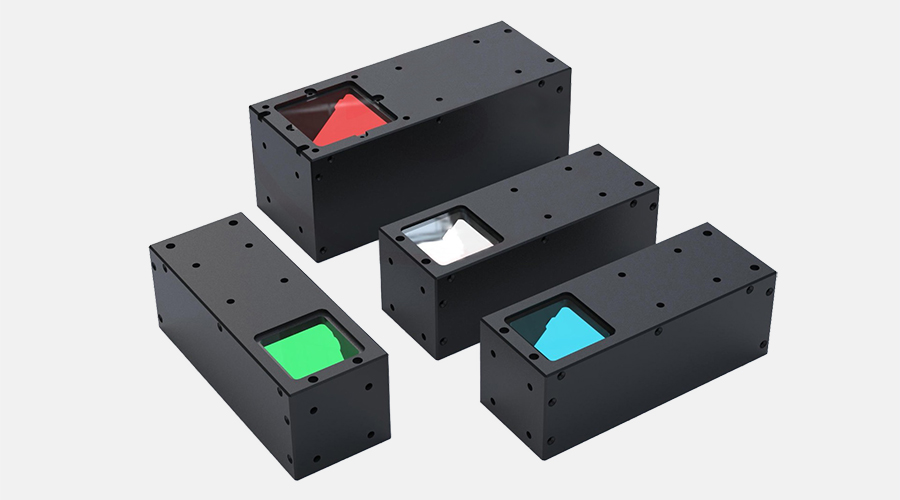 Collimated Coaxial light
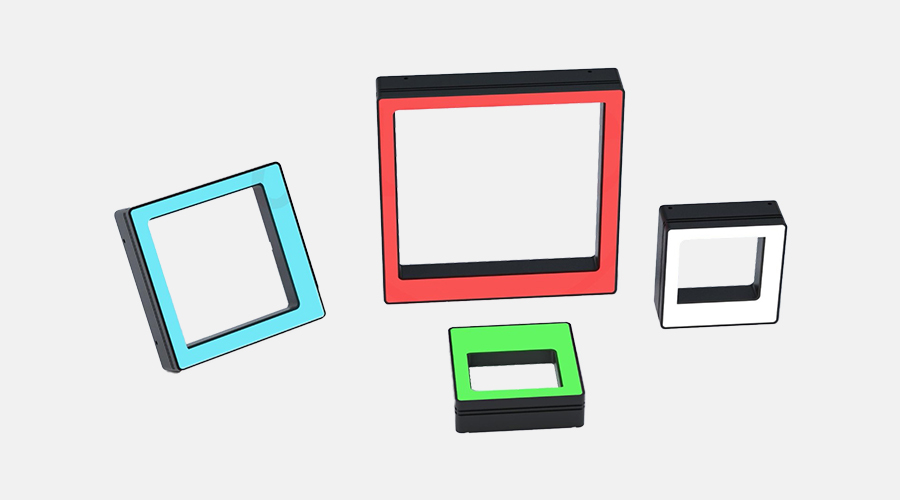 Shadowless square light
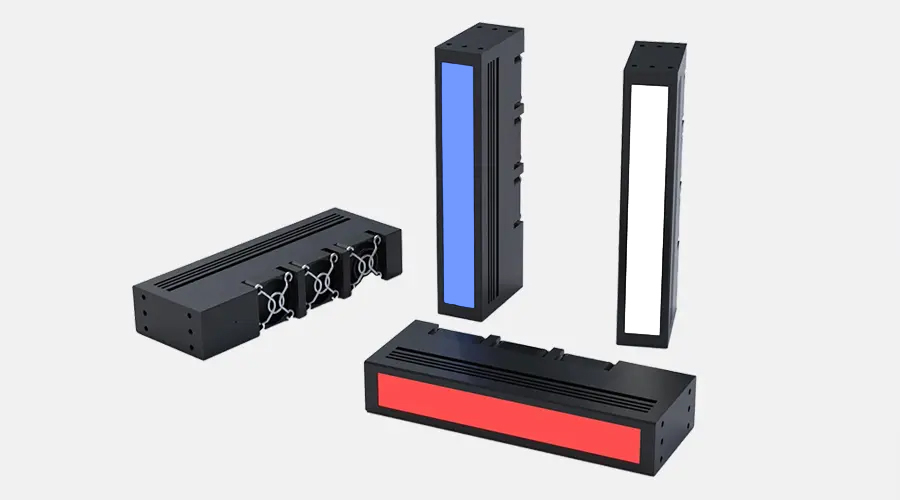 Scan light
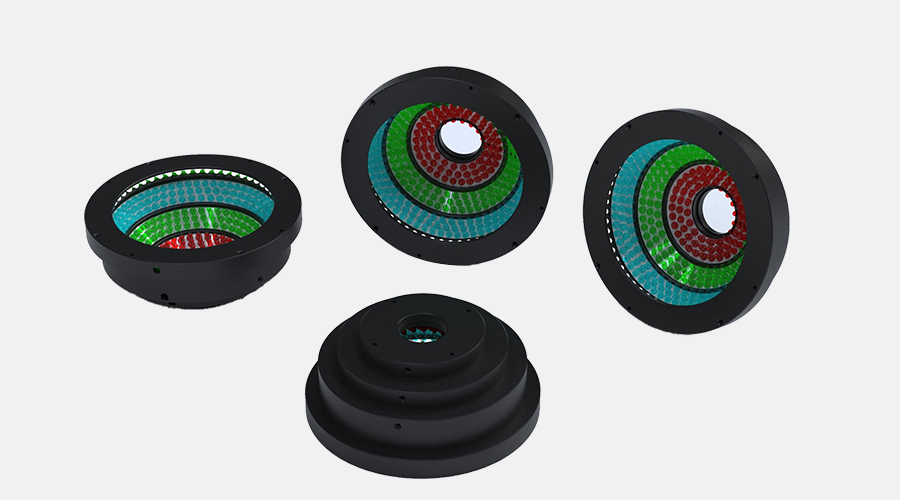 AOI light
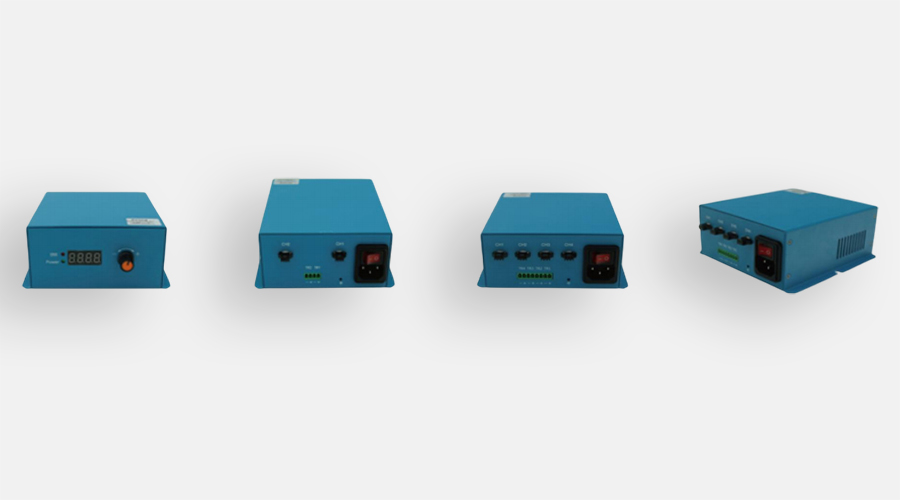 Analog controller
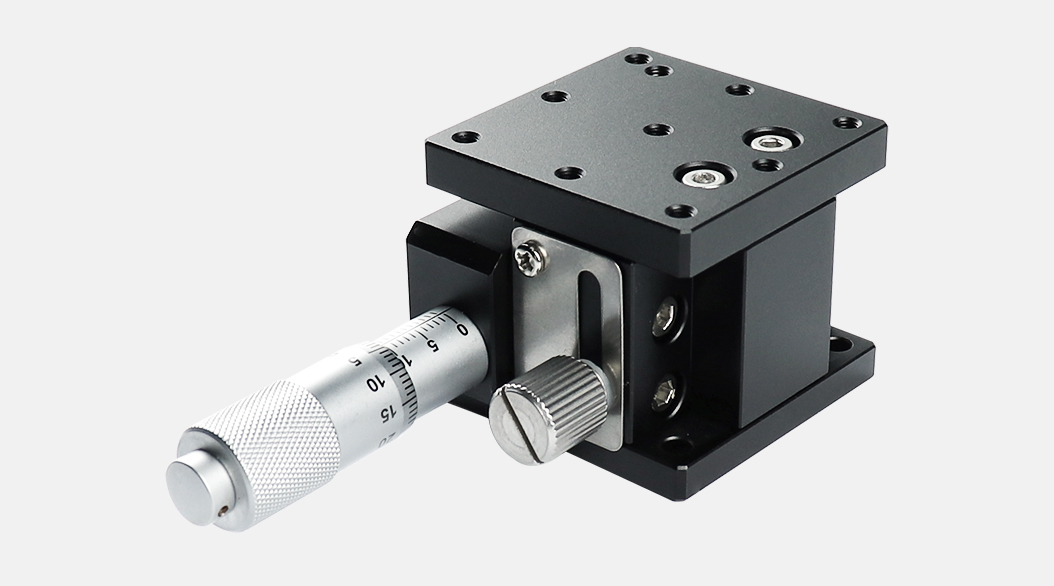 Crossed-Roller Linear guide type
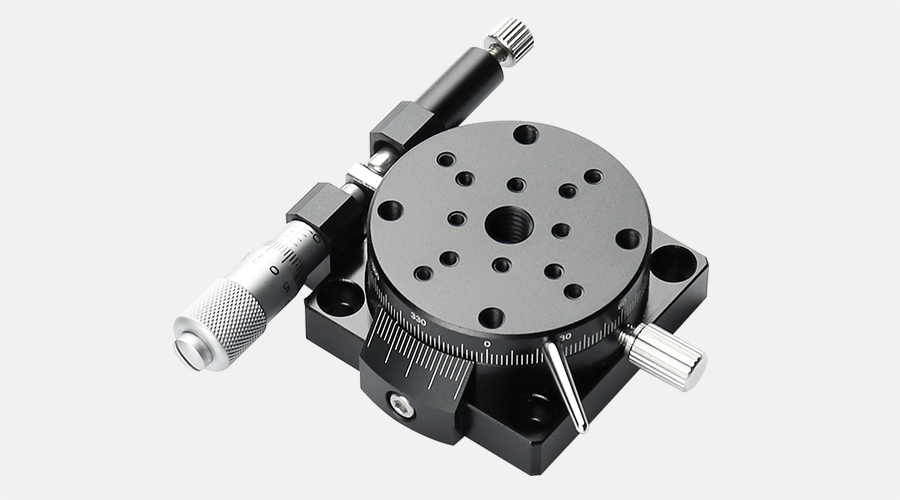 Rotary Stages XRS series
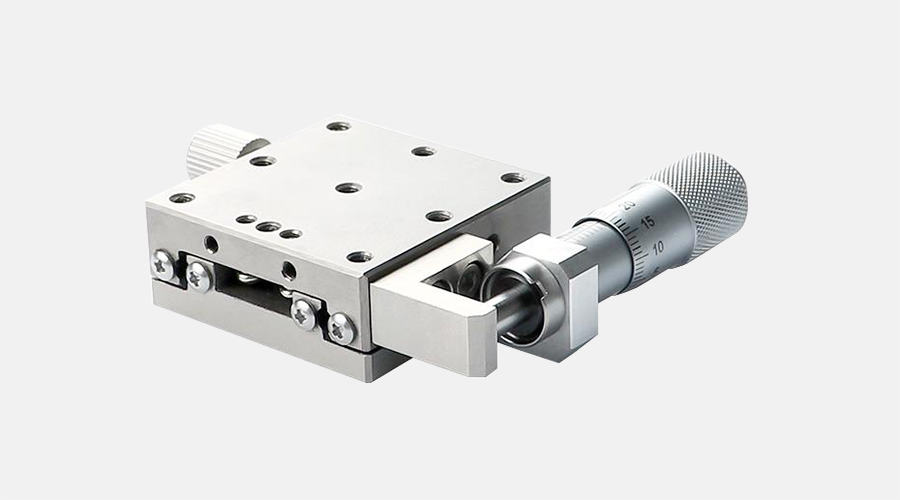 Stainless Steel Ball Bearing Linear Translation Stages
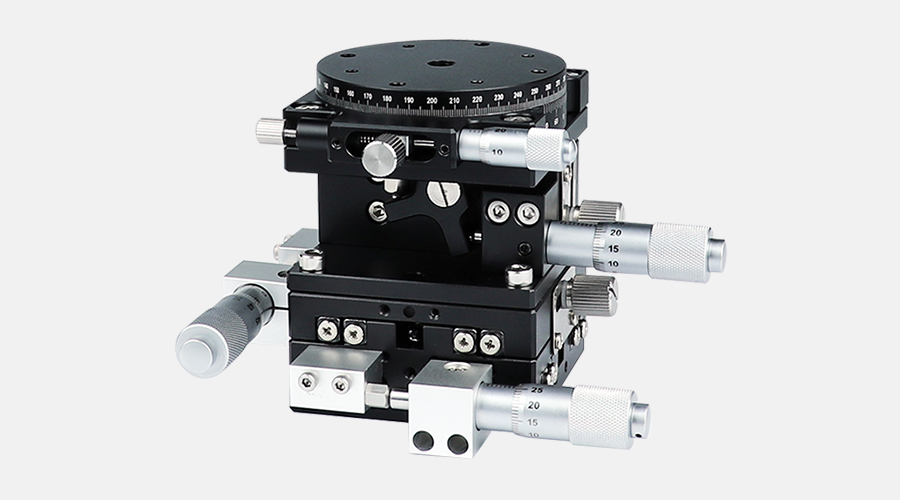 Multi-axis Translation stages
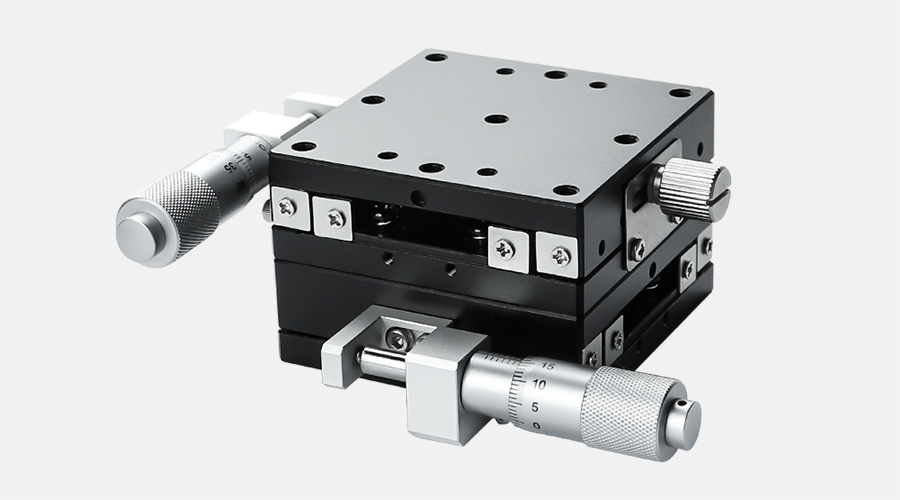 steel bar ball bearing stages
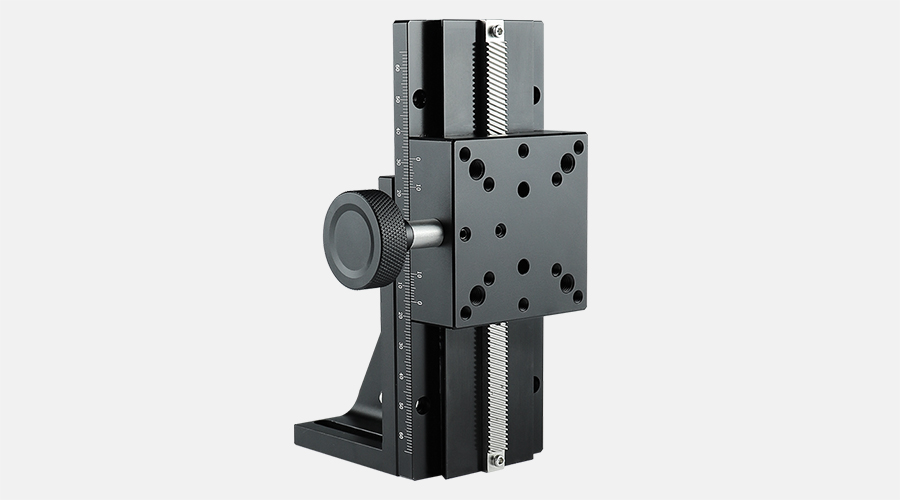 Dovetail Type Rack&Pinion Positioning Stage
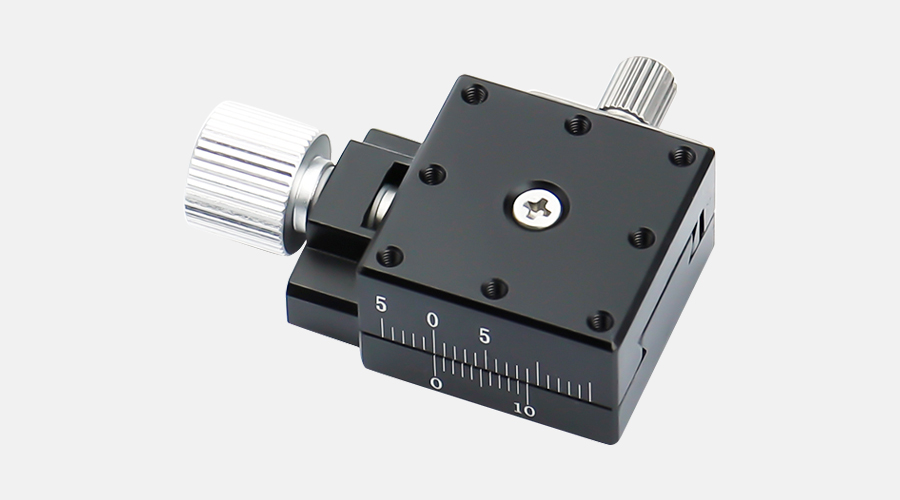 Dovetail groove high-precision screw slide

High/Low Working Distance
- Telecentric Lens
- Security camera lens
- Industrial light source
-
Manual Stages and Slides
- Crossed-Roller Linear guide type
- Rotary Stages: XRS series
- High-precision Rotary stages: XRSP series
- Stainless Steel Ball Bearing Linear Translation Stages: XLB series
- Multi-axis Translation stages
- steel bar ball bearing stages: XLG series
- Dovetail Type Rack&Pinion Positioning Stage
- dovetail groove high-precision screw slide
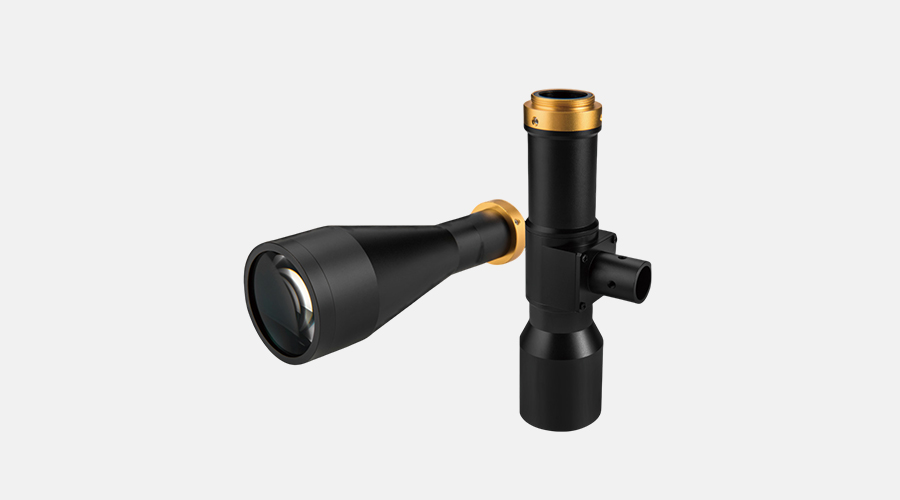
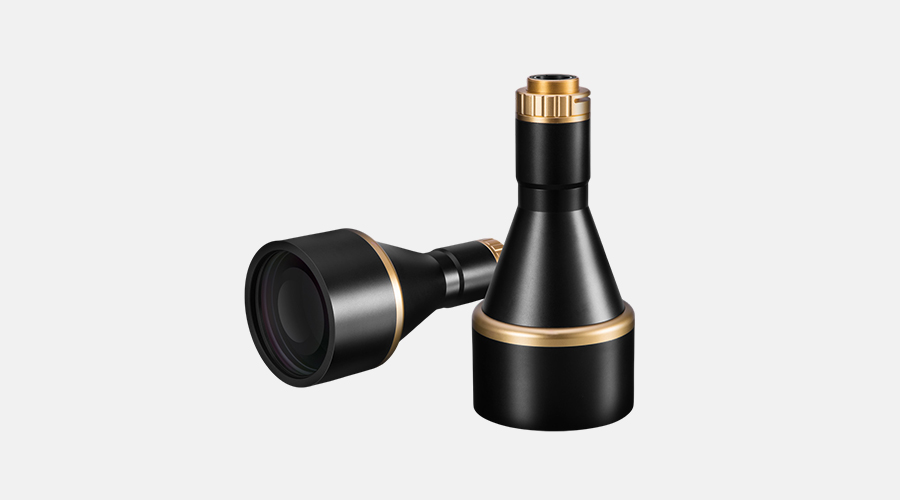
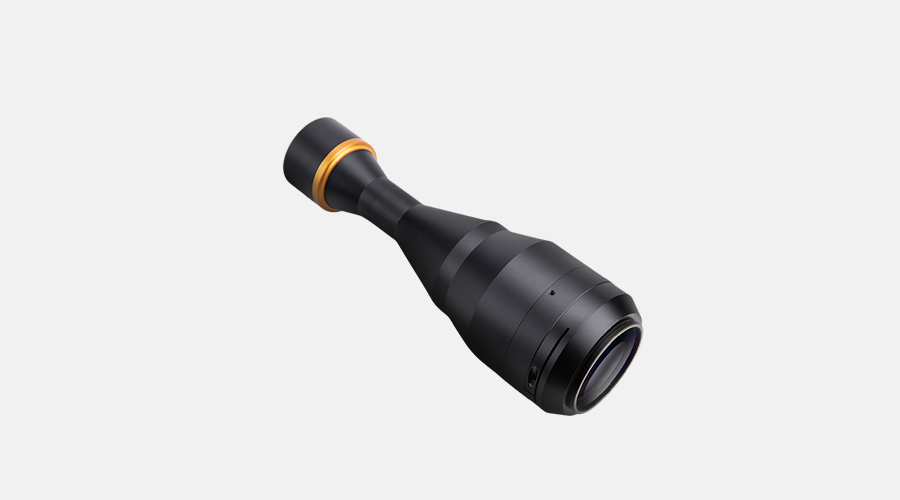
-
What is the working principle of a coaxial telecentric lens?
Light travels parallel to viewing axis, reflects off 45 degree beam splitter. Specular reflections return along same path and are redirected away from sensor. -
What surface requirements apply to coaxial lens inspection?
-
Are coaxial lenses suitable for inspecting polished metal surfaces?
-
Why does a coaxial lens have reduced brightness?
-
How do I set up backlight inspection with a coaxial lens?
-
What is the maximum sensor size supported by coaxial telecentric lenses?
-
Why can't standard lenses work at ultra-long working distances?
-
What is the typical magnification range at ultra-long WD?
-
How do I handle vibration in ultra-long WD inspection?
-
What is the minimum detectable feature at 1200mm WD?
-
Can one variable-WD lens replace multiple fixed-WD lenses?
-
What special design requirements exist for ultra-long WD?