
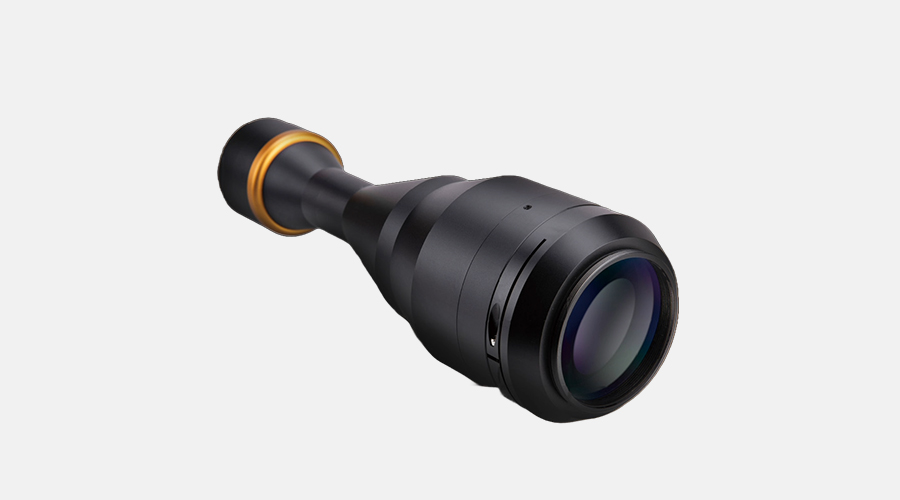
 Compatible with 7.2mm-82mm chips
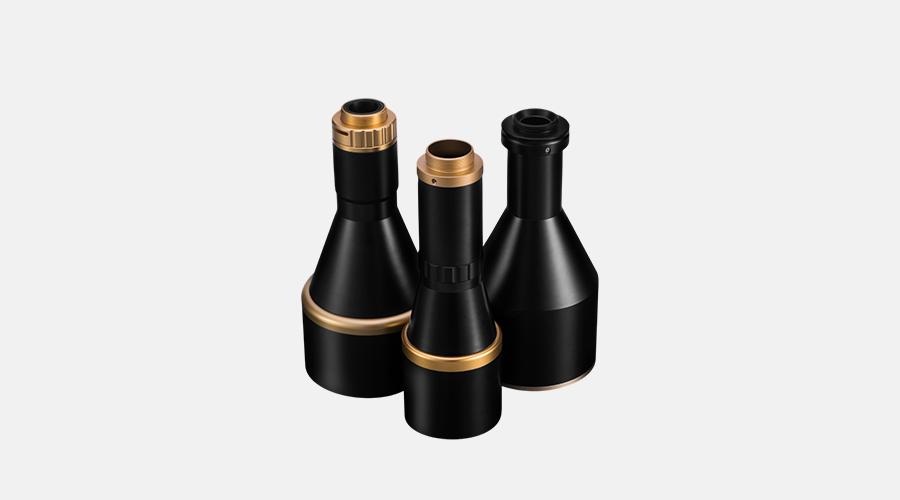 High/Low Working Distance
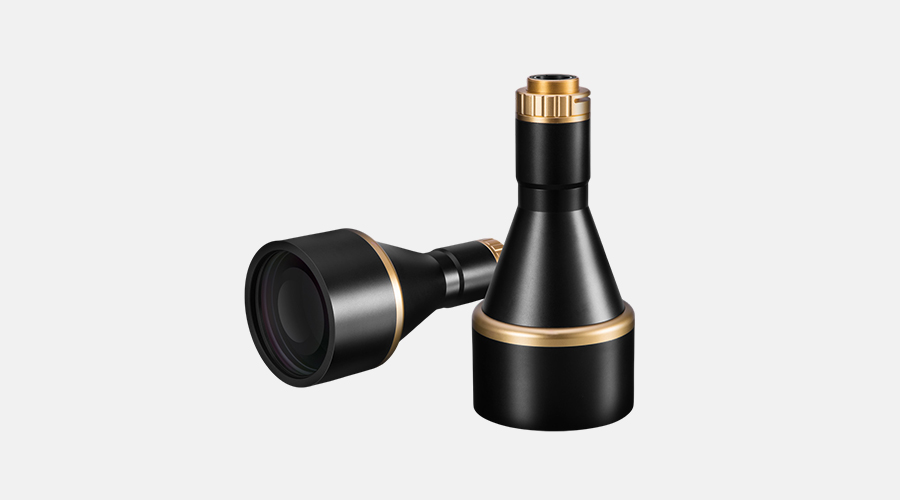
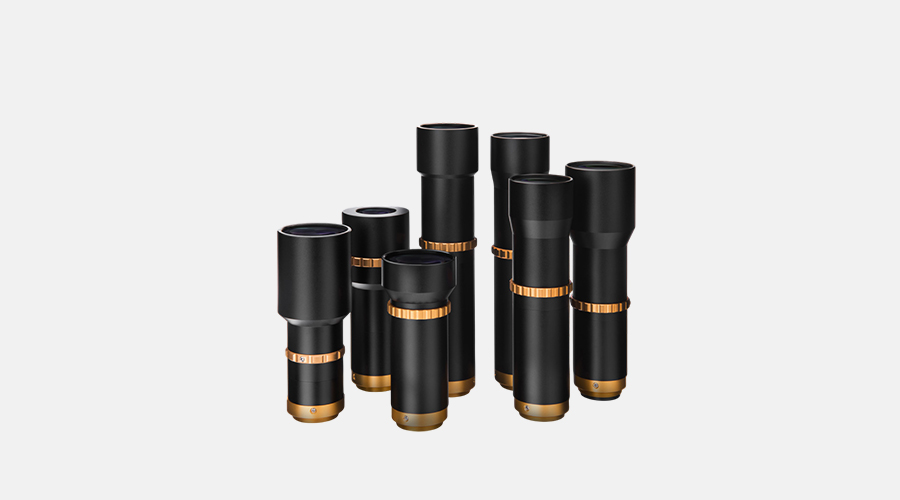 Aperture telecentric lens
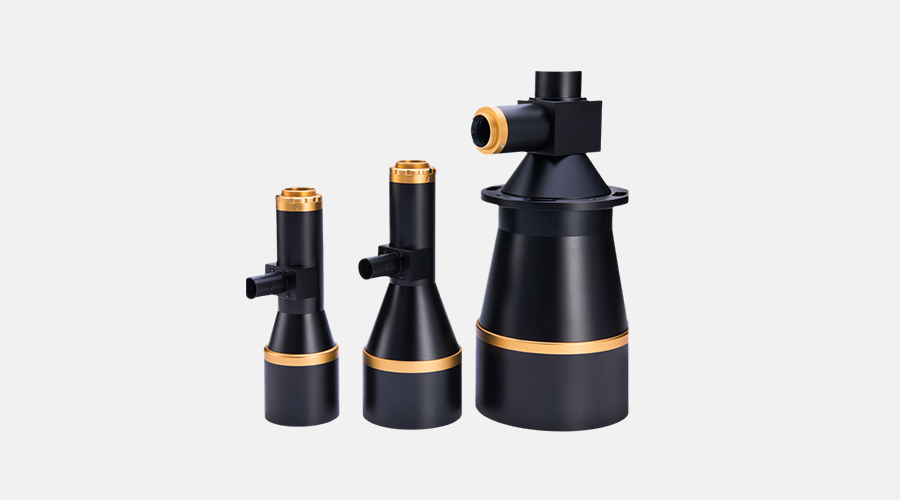 Measuring lens
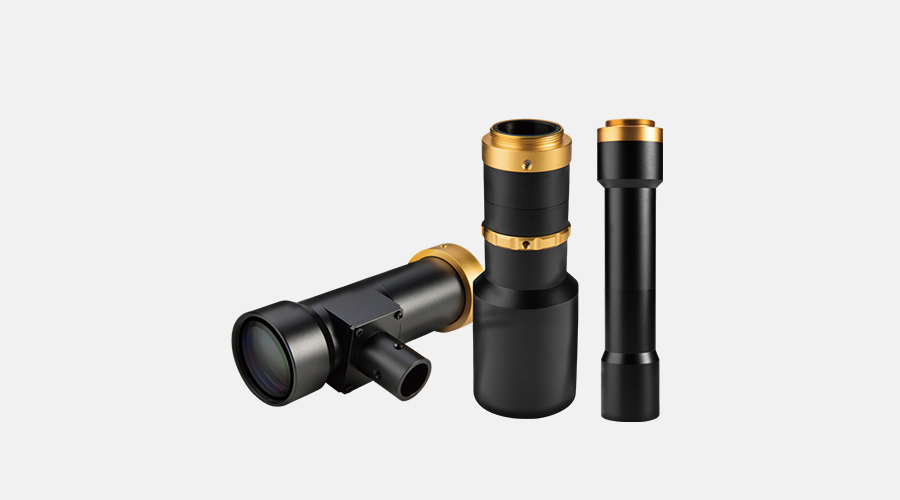 Maximum support 1.1" chips
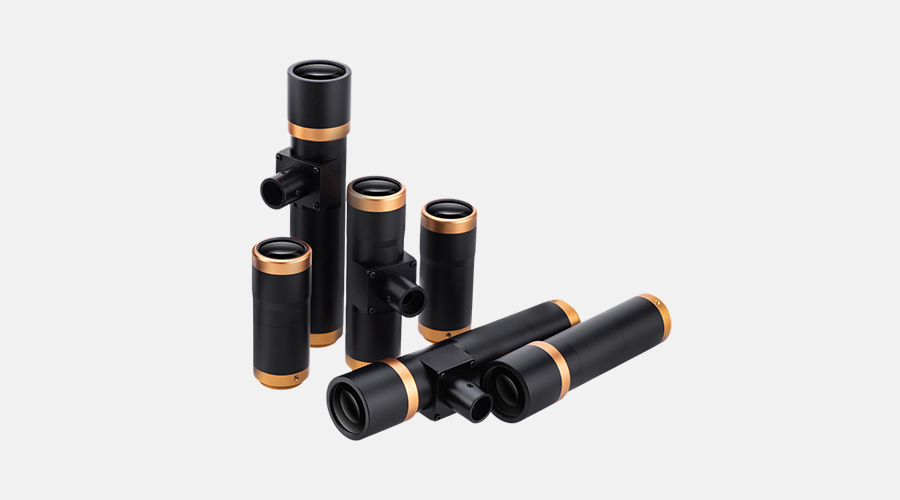 Maximum support 1.2" chips
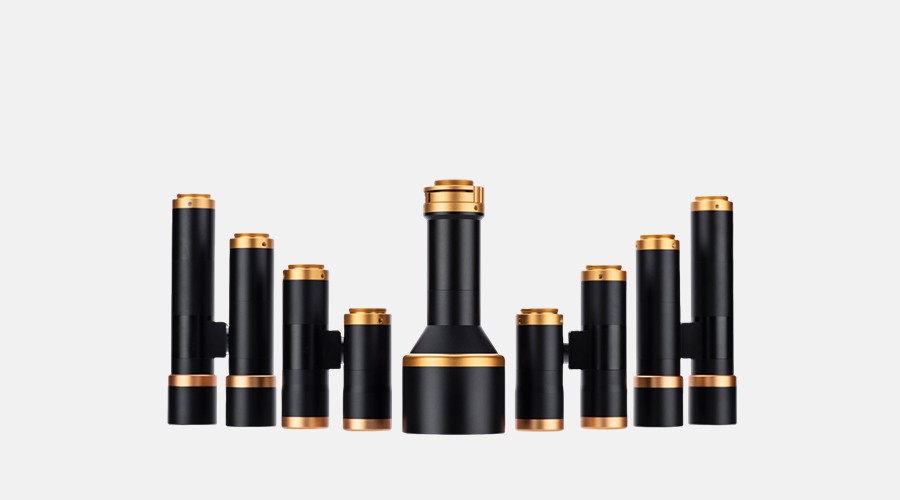 Maximum support 2/3" chips
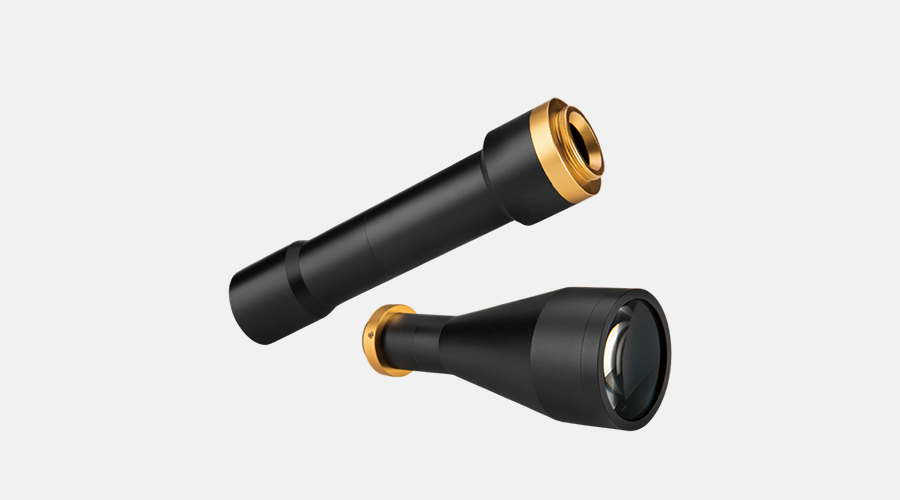 Long Working Distance
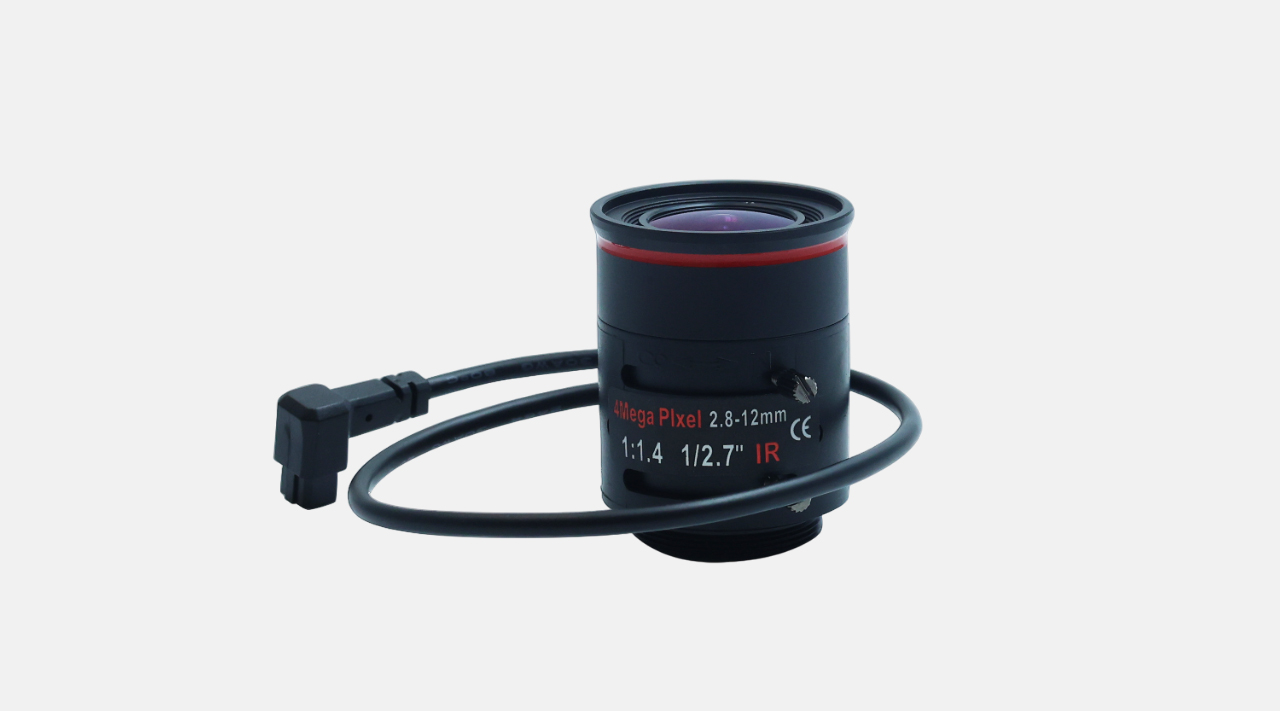
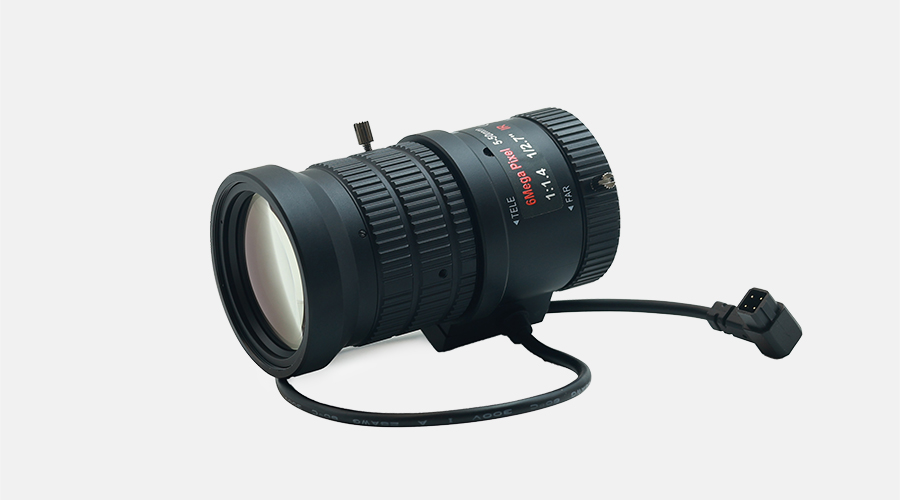 CS mount Varifocal lens
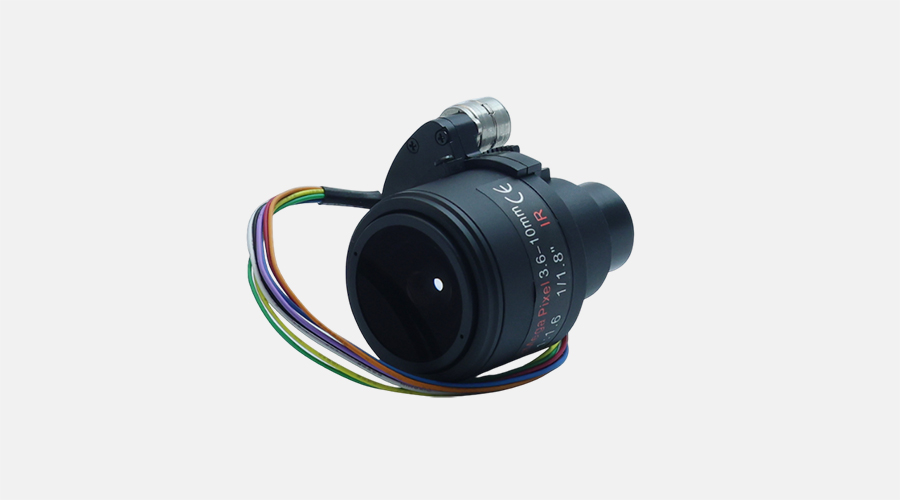 Varifocal board lens
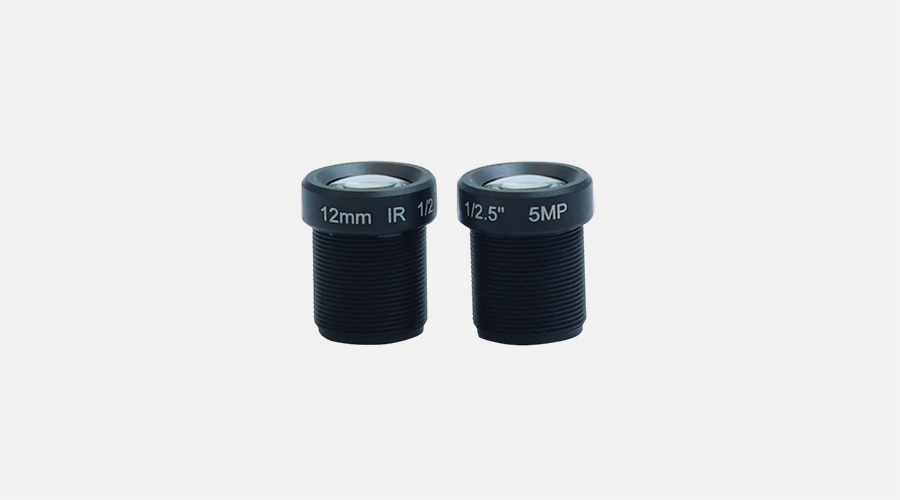 S mount lens
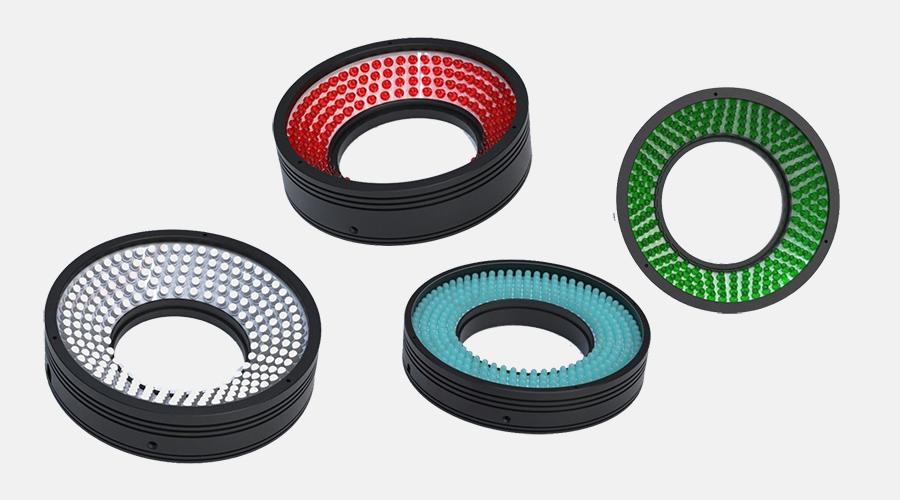 Ring light
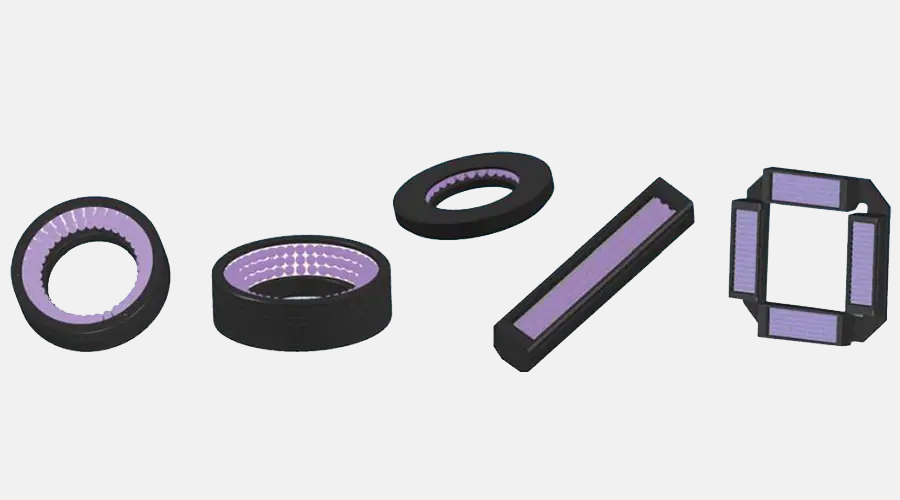 UV/IR Light
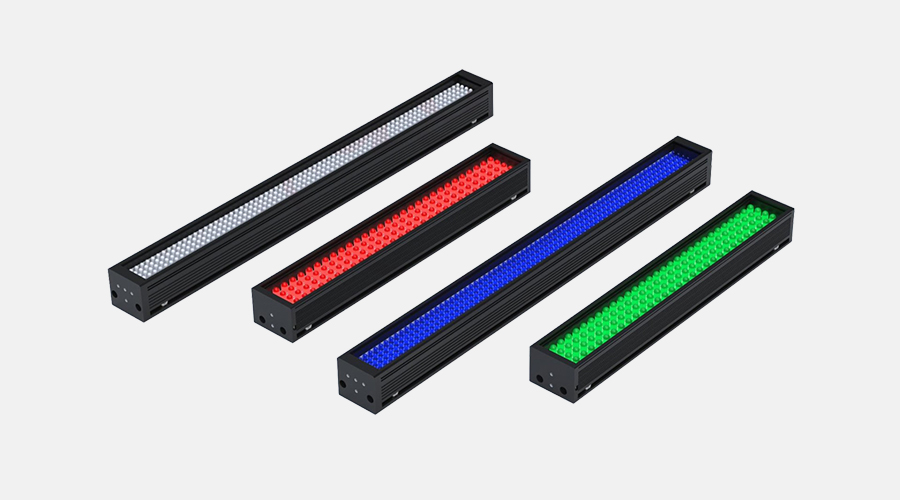 Bar light
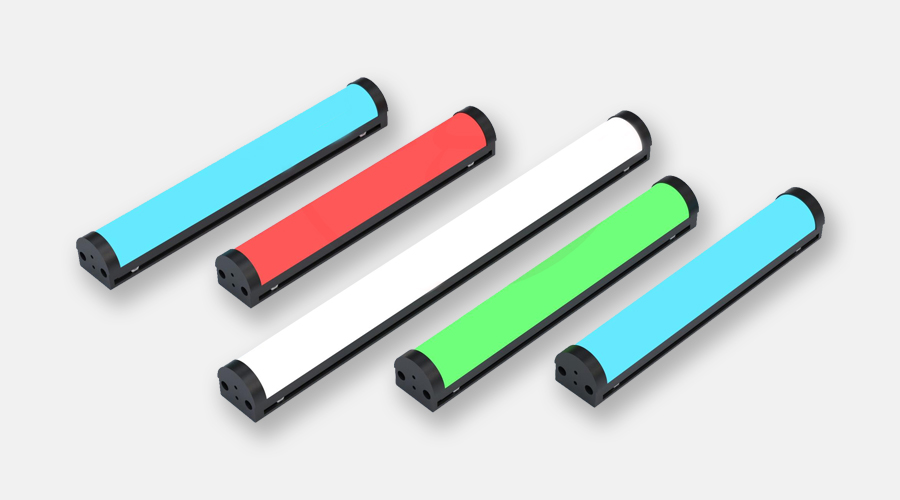 Arcuate high uniformity light
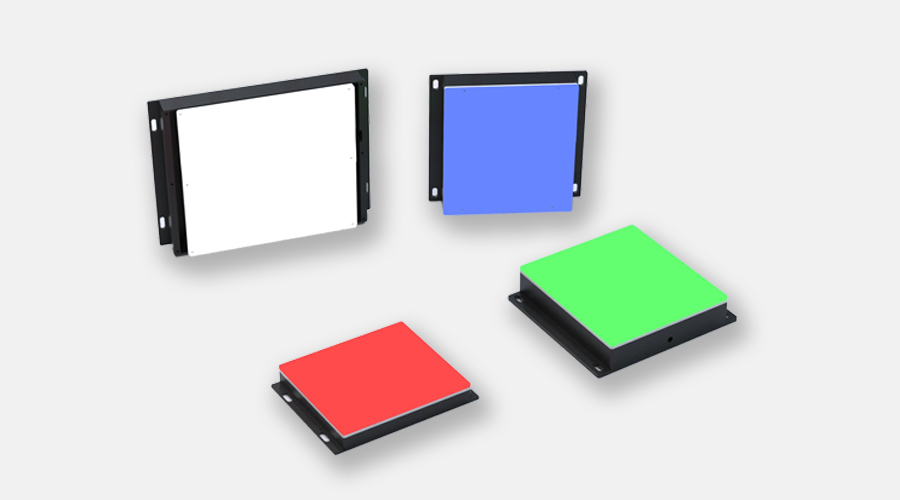 Back light
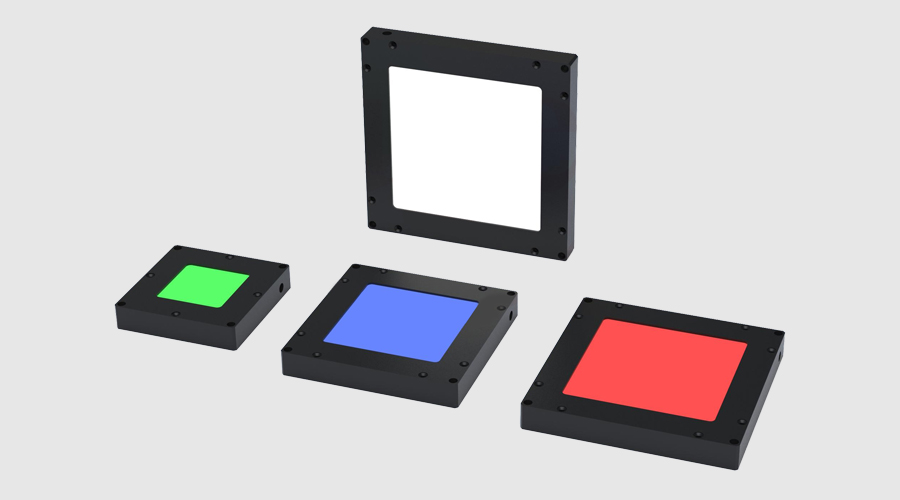 Flat light
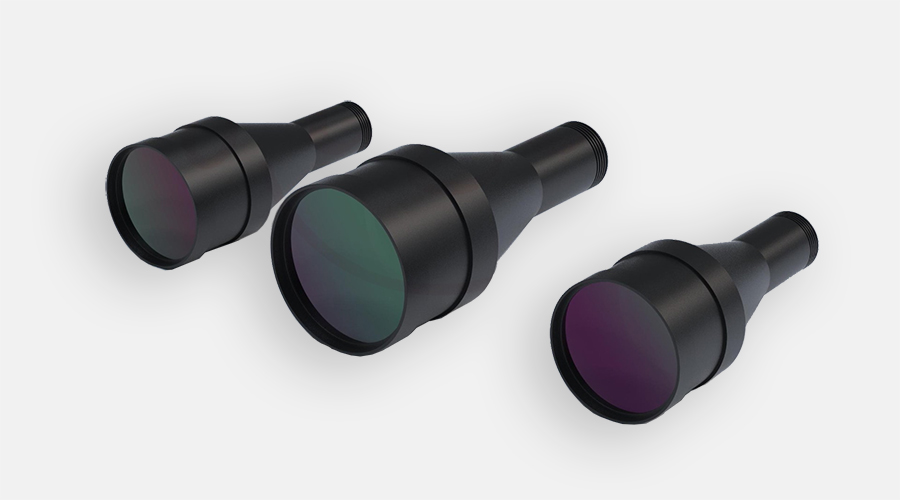 Collimated light
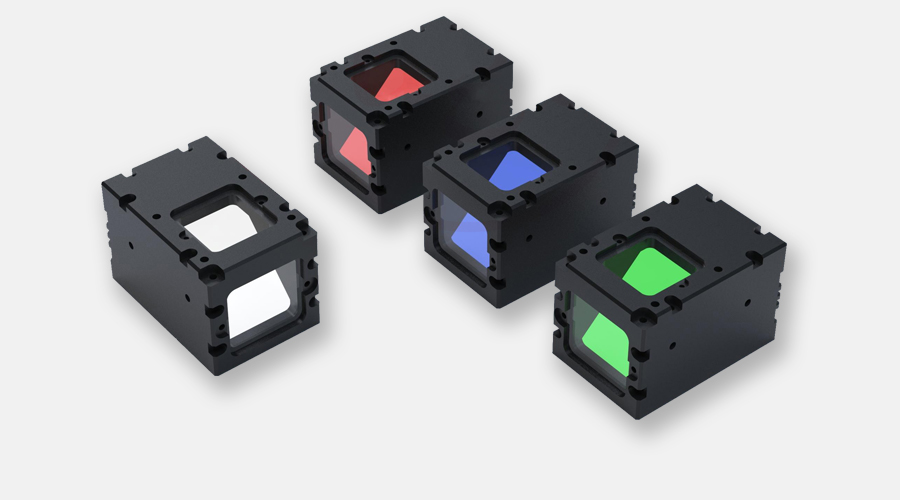 Coaxial light
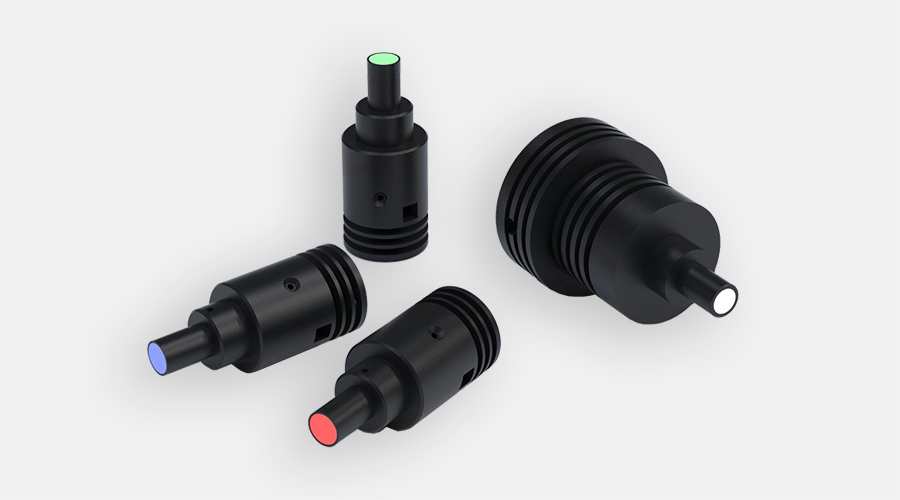 Spot light
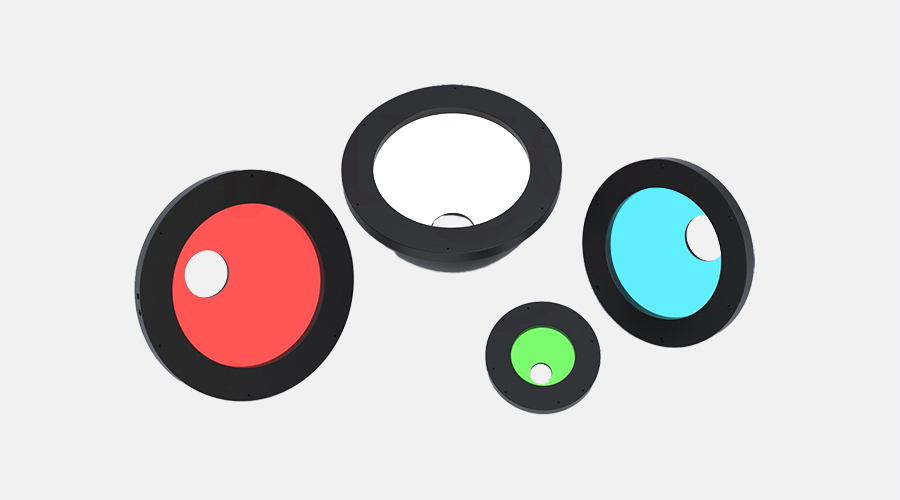 Dome light
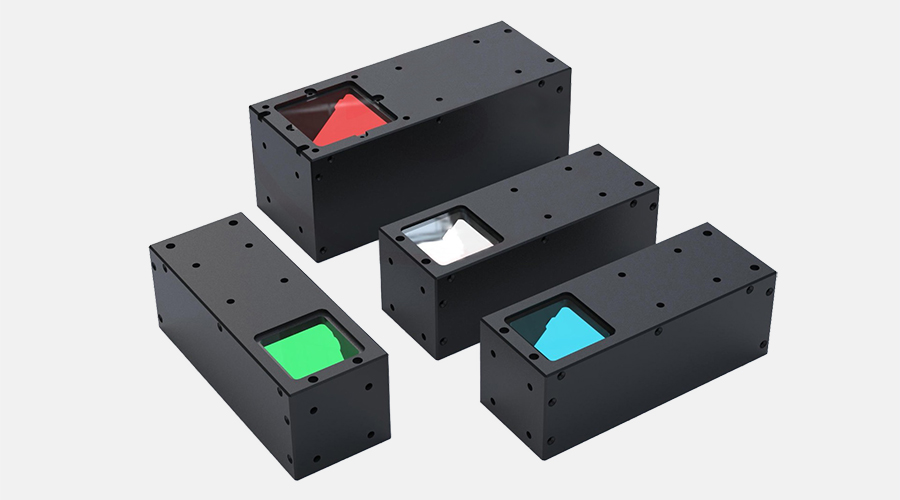 Collimated Coaxial light
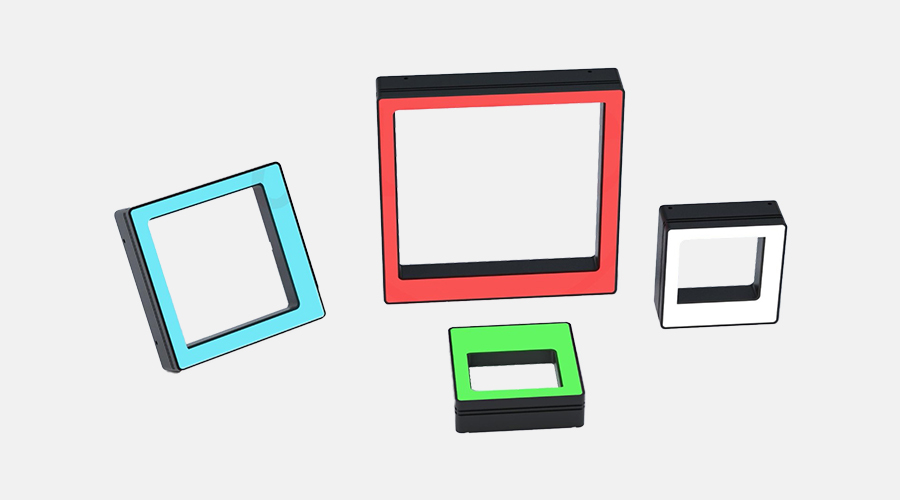 Shadowless square light
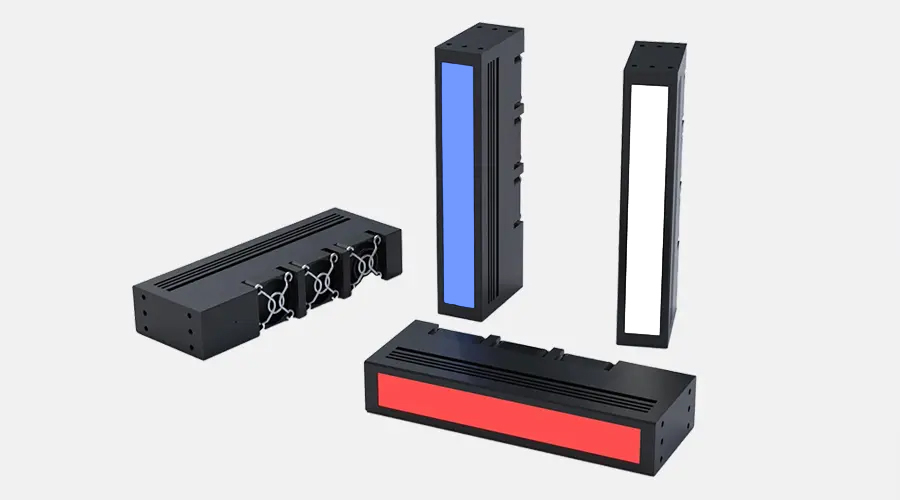 Scan light
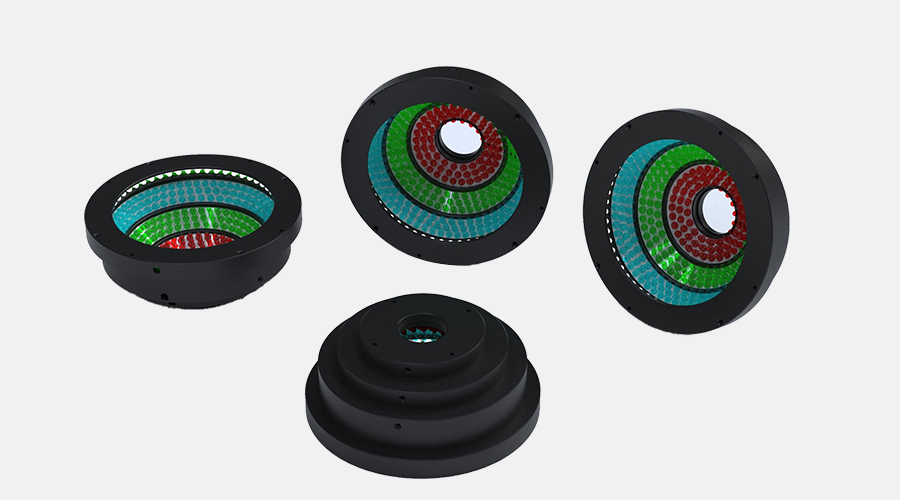 AOI light
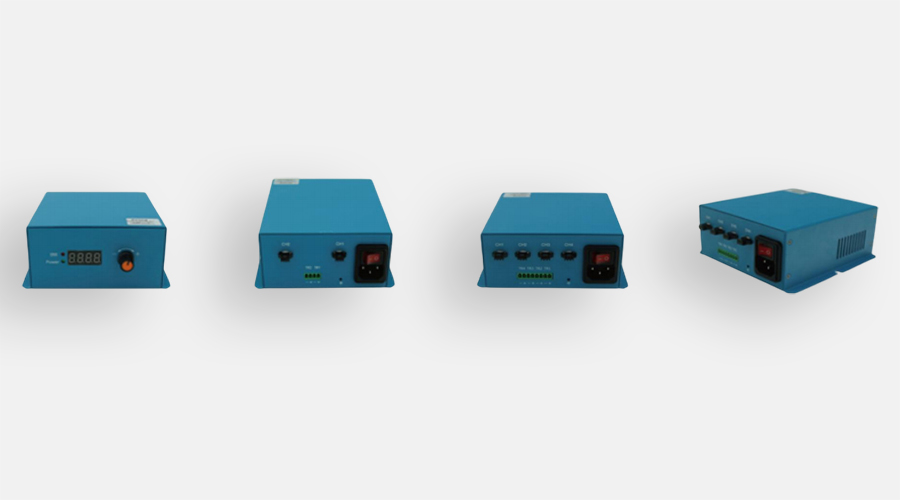 Analog controller
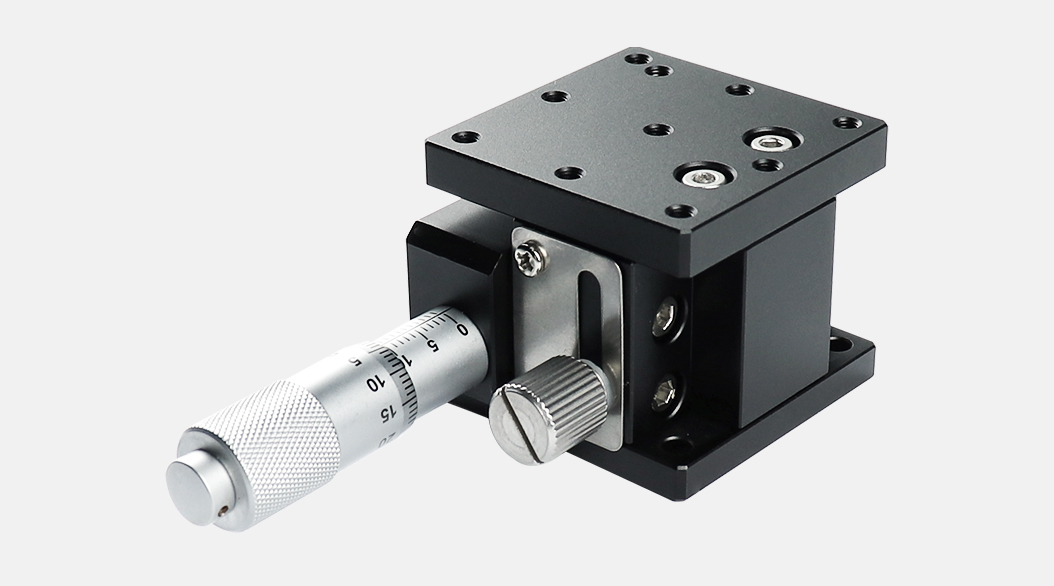 Crossed-Roller Linear guide type
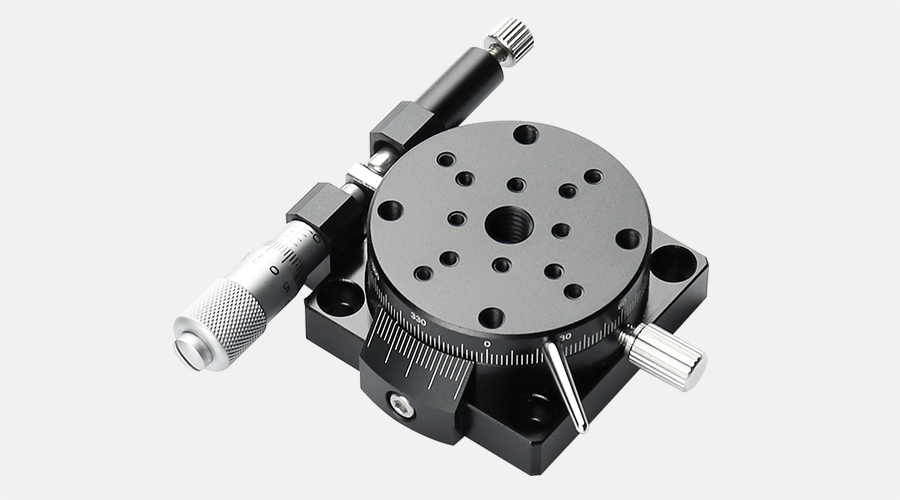 Rotary Stages XRS series
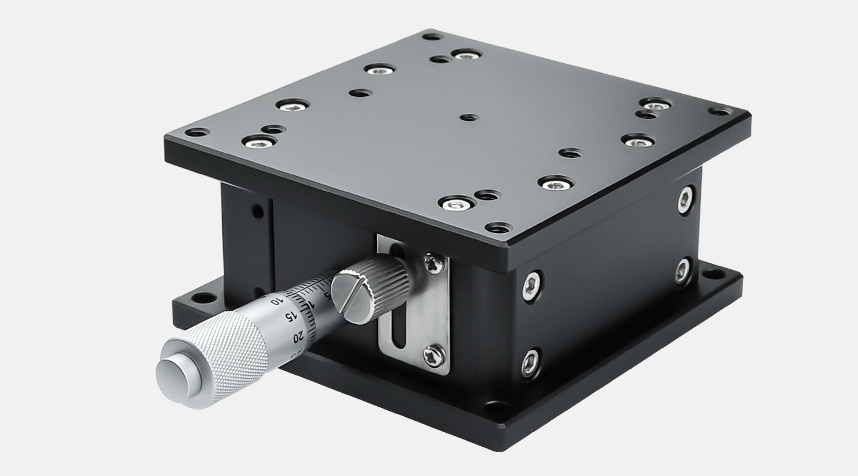
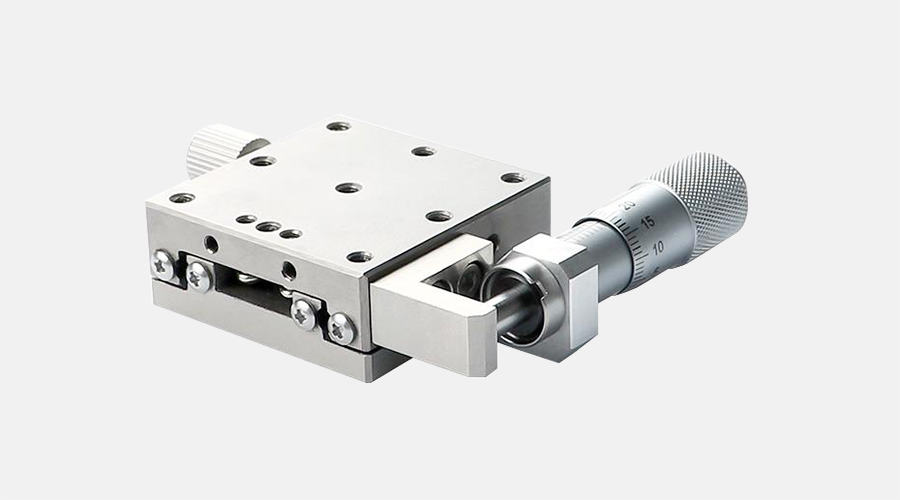 Stainless Steel Ball Bearing Linear Translation Stages
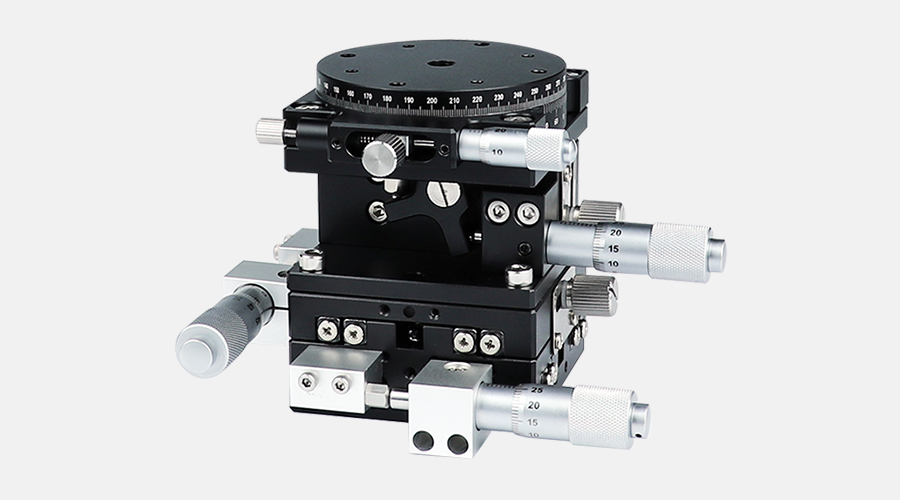 Multi-axis Translation stages
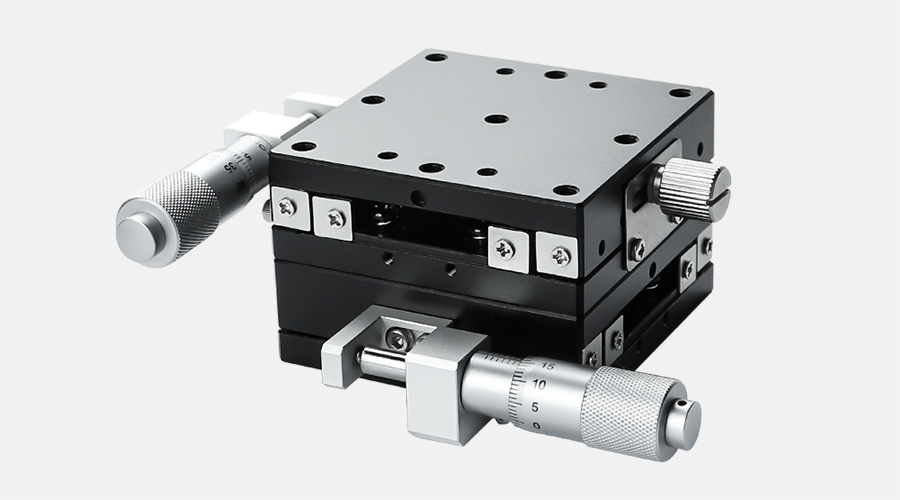 steel bar ball bearing stages
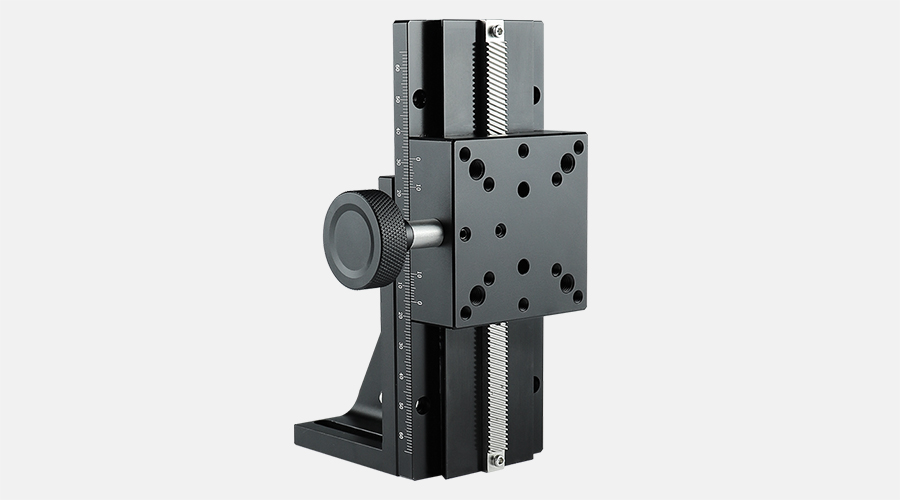 Dovetail Type Rack&Pinion Positioning Stage
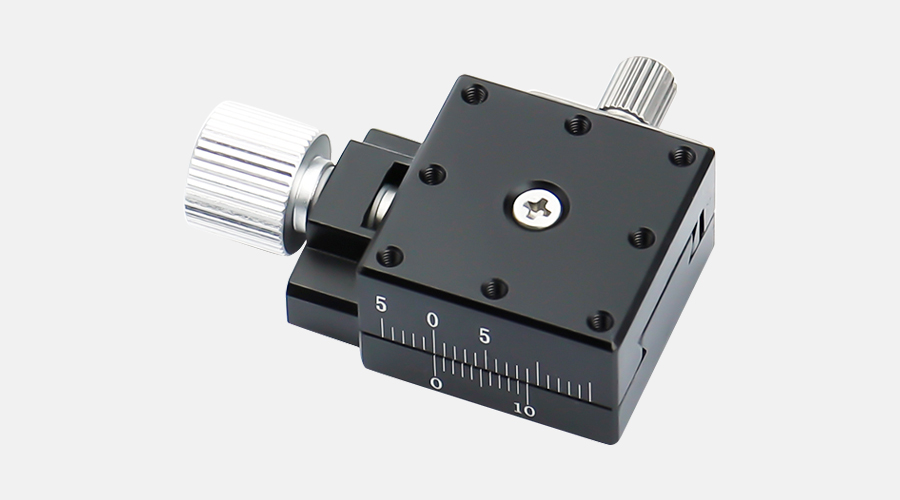 Dovetail groove high-precision screw slide

Industrial Lenses for Precise Vision: Enhance Performance & Productivity
When I think about enhancing optical performance, Industrial Lenses immediately come to mind. I understand the significance of precision and reliability in B2B applications, which is why I trust Fuzhou New Vision Technology Co., Ltd. for my lens solutions. Their range of industrial lenses caters to diverse needs, ensuring that every product meets industry standards. Whether you're in manufacturing, engineering, or research, these lenses provide clarity and accuracy that can elevate any project, From anti-reflective coatings to custom designs, they seem to have it all, and that gives me confidence as a buyer. I’ve found that their commitment to quality and innovation truly stands out in the market. If you're aiming to boost productivity and improve visual outcomes, exploring what Fuzhou New Vision Technology has to offer could be the next step for your business. Let’s connect and see how these lenses can transform your operations!

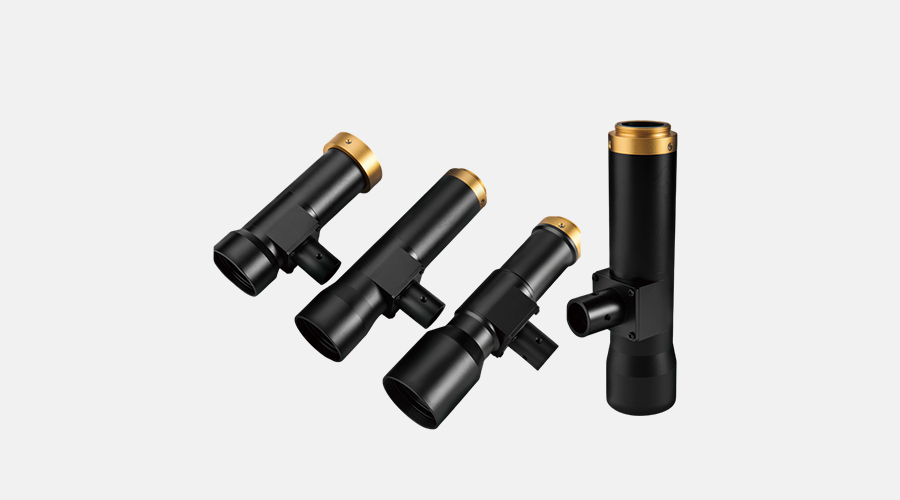
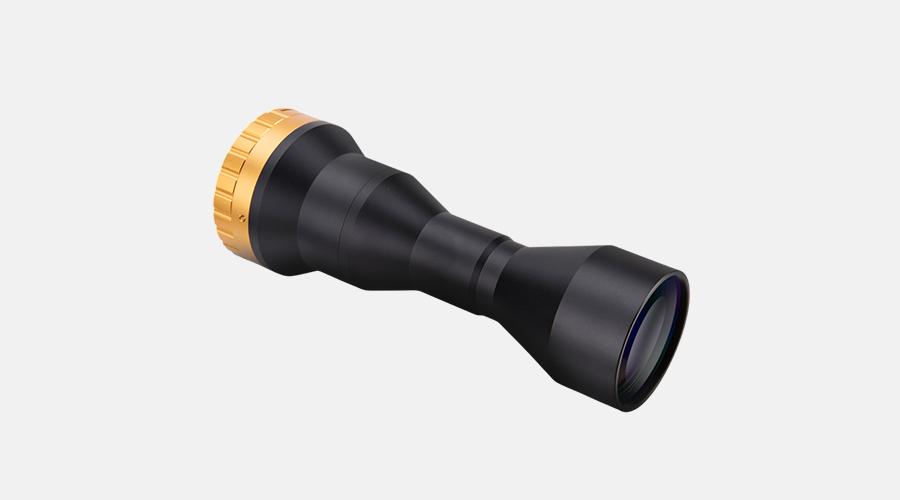
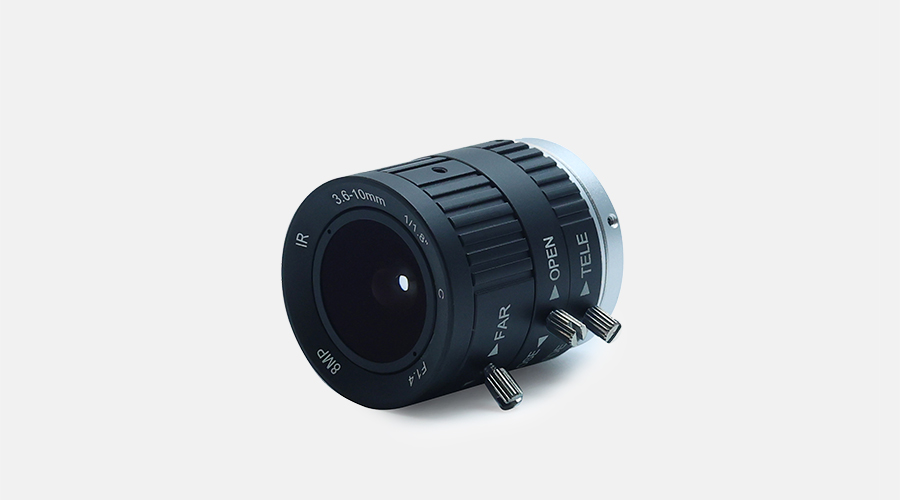
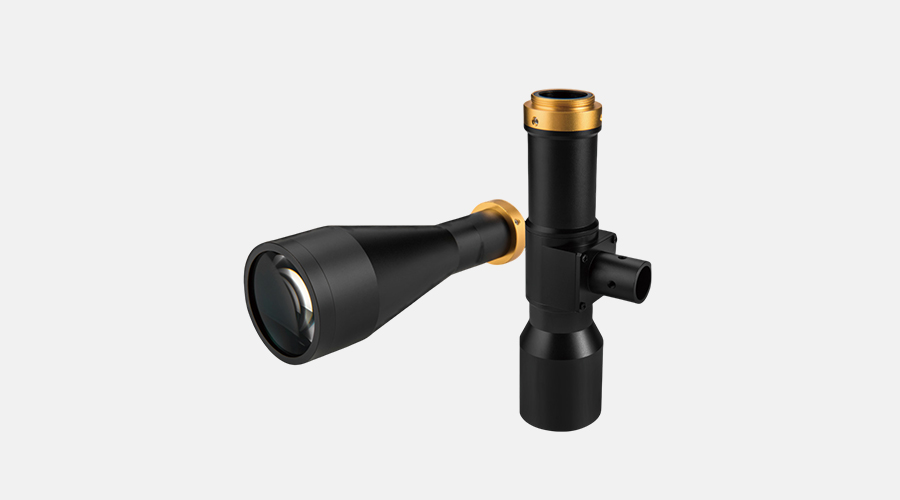
Practical Methods To Industrial Lenses From Concept to Delivery Service
In the fast-evolving landscape of automation and smart manufacturing, sourcing high-quality industrial lenses is critical for enhancing machine vision systems. The journey from concept to delivery service involves several practical methods that ensure the integrity and performance of these essential components. Understanding the specific requirements of your application is the first step; this involves assessing factors such as resolution, sensitivity, and environment. Engaging closely with experienced manufacturers allows for tailored solutions that align precisely with your operational needs.
Once clear specifications are established, leveraging advanced design tools and prototyping techniques becomes essential. These methods streamline the development process, enabling rapid iterations and adjustments based on real-time testing and feedback. A comprehensive quality control system is crucial during production, guaranteeing that each lens meets stringent performance standards. Furthermore, establishing a reliable logistics strategy ensures timely delivery, minimizing delays and supporting seamless integration into your operations.
By focusing on a collaborative approach throughout the entire process—from initial concept discussions to post-delivery support—purchasers can achieve optimal results. This pathway not only enhances the efficacy of machine vision applications but also fosters long-term partnerships with suppliers committed to innovation and excellence in service delivery. Embracing these practical methods positions businesses to thrive in the competitive landscape of global manufacturing.
Practical Methods To Industrial Lenses From Concept to Delivery Service
| Stage | Description | Timeframe | Key Considerations |
|---|---|---|---|
| Concept Development | Identifying market needs and potential applications for industrial lenses. | 2-4 weeks | Market research, user feedback, feasibility studies. |
| Design Phase | Creating detailed designs and specifications for the lenses. | 4-6 weeks | Material selection, optical performance, CAD modeling. |
| Prototyping | Building functional prototypes for test and evaluation. | 3-5 weeks | Iteration, preliminary tests, initial adjustments. |
| Testing & Validation | Conducting rigorous tests to ensure compliance and performance. | 4-6 weeks | Optical quality, durability, environmental factors. |
| Production Planning | Setting up manufacturing processes and supply chain logistics. | 2-3 weeks | Supplier selection, manufacturing timelines, cost analysis. |
| Delivery and Support | Final production and delivery to customers along with after-sales support. | Ongoing | Logistics, customer service, feedback loops. |
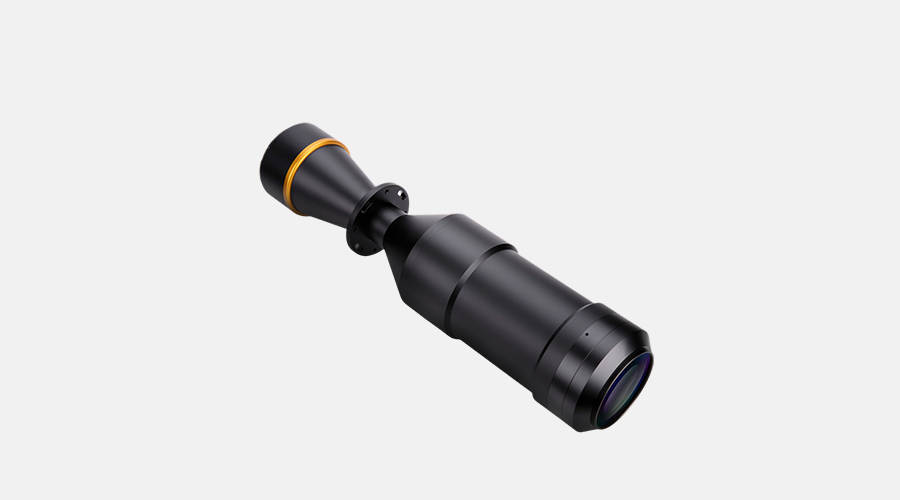
Why Professionals Prefer Industrial Lenses Service Backed by Expertise Outperforms the Competition
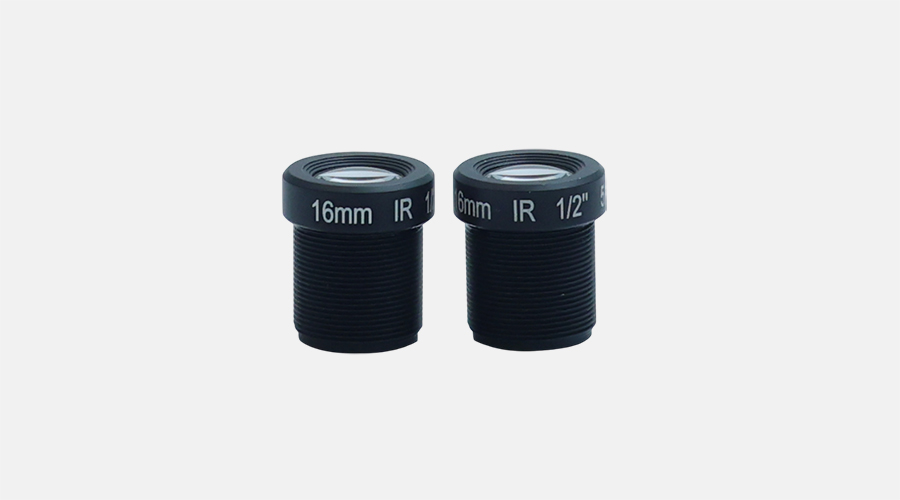
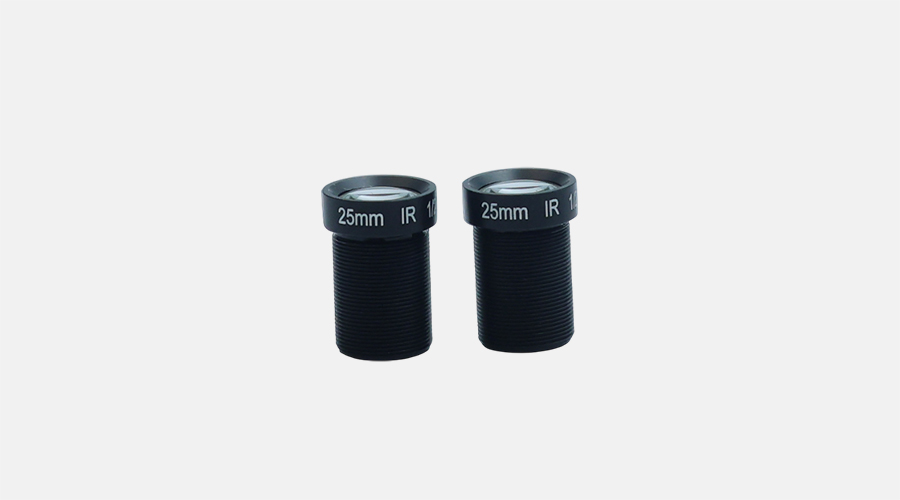


N
Nicholas Harris
Impressive quality! The post-purchase service was exceptionally thorough and professional.
07
June
2025
C
Christopher Baker
Impressive quality! The professionalism displayed by staff during follow-up was exceptional.
25
May
2025
P
Patricia Rodriguez
The quality is what I expected and more! Customer service was incredibly supportive and professional.
12
May
2025
A
Angela Hill
What a pleasant shopping experience! Product quality was high, and service was outstanding and professional.
23
June
2025
S
Stephen Harris
Impressive durable quality! The staff was very knowledgeable and professional.
16
May
2025
K
Kevin Lee
Fantastically crafted product! The service team handled everything with expertise and professionalism.
30
May
2025