
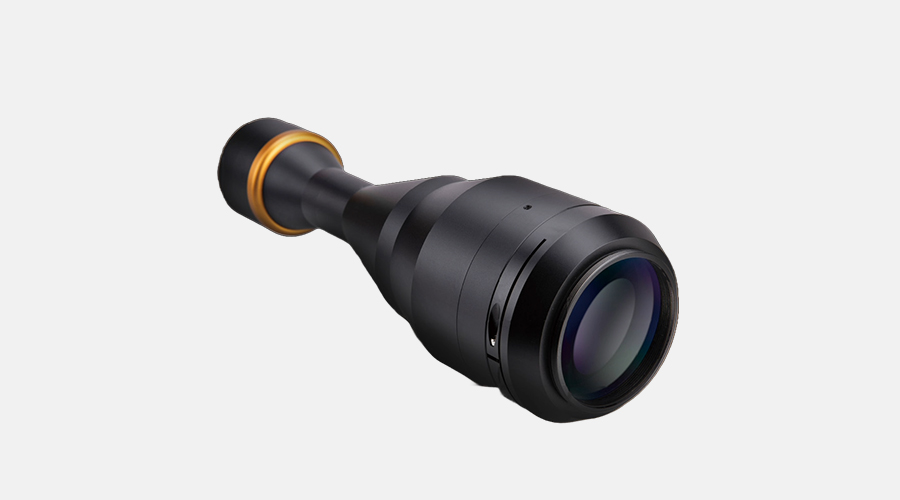
 Compatible with 7.2mm-82mm chips
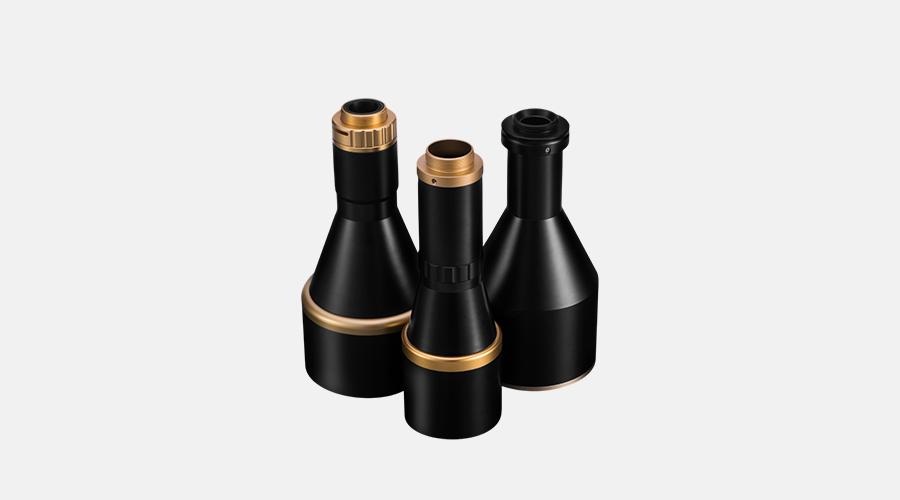 High/Low Working Distance
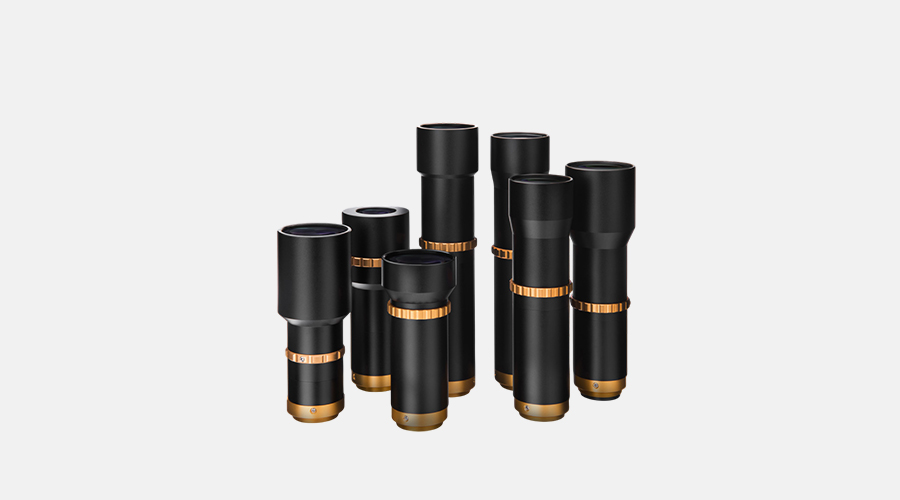 Aperture telecentric lens
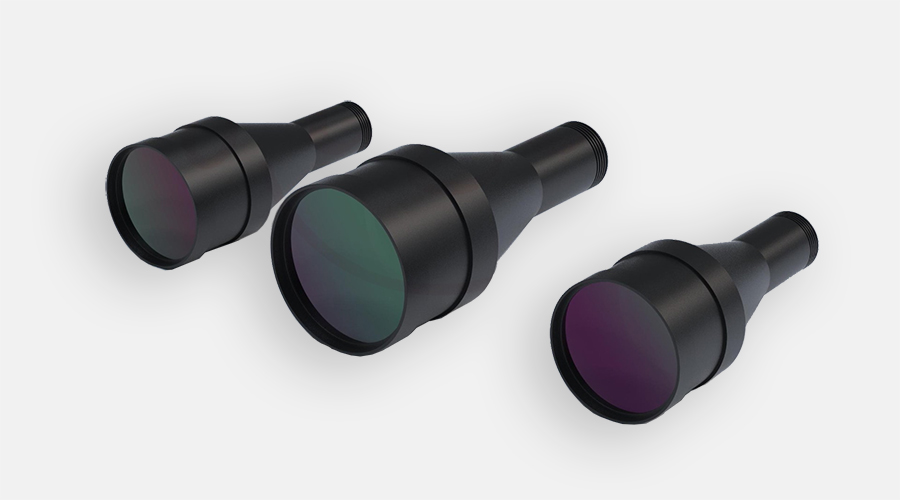
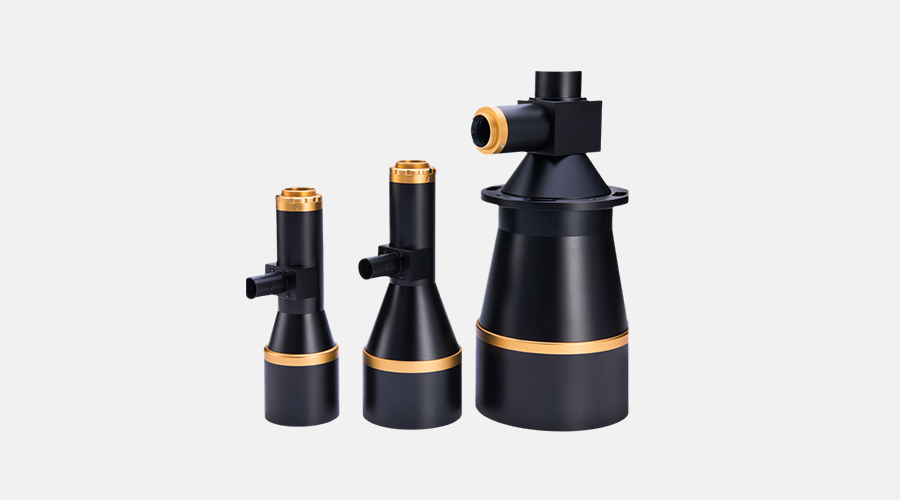 Measuring lens
 Maximum support 1.1" chips
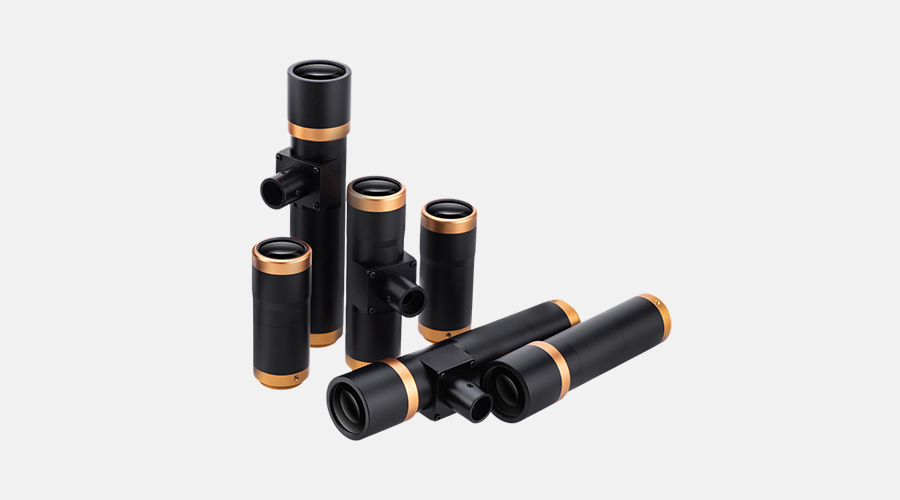 Maximum support 1.2" chips
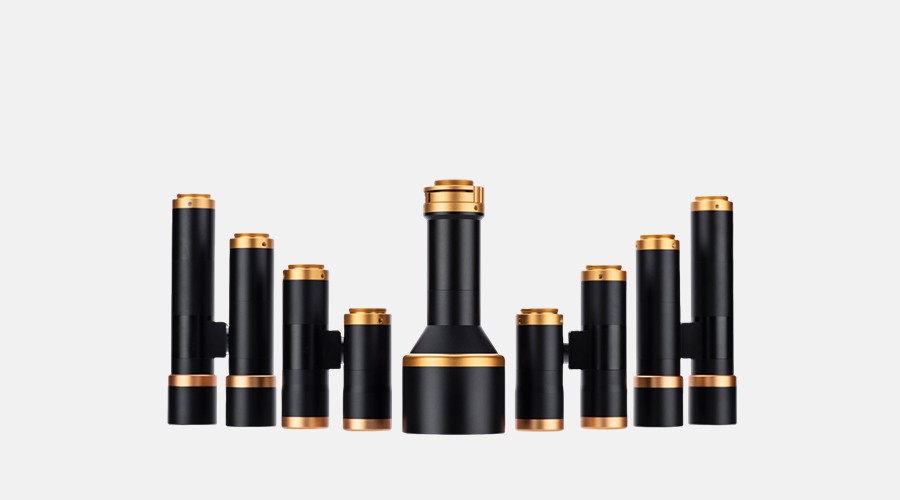 Maximum support 2/3" chips
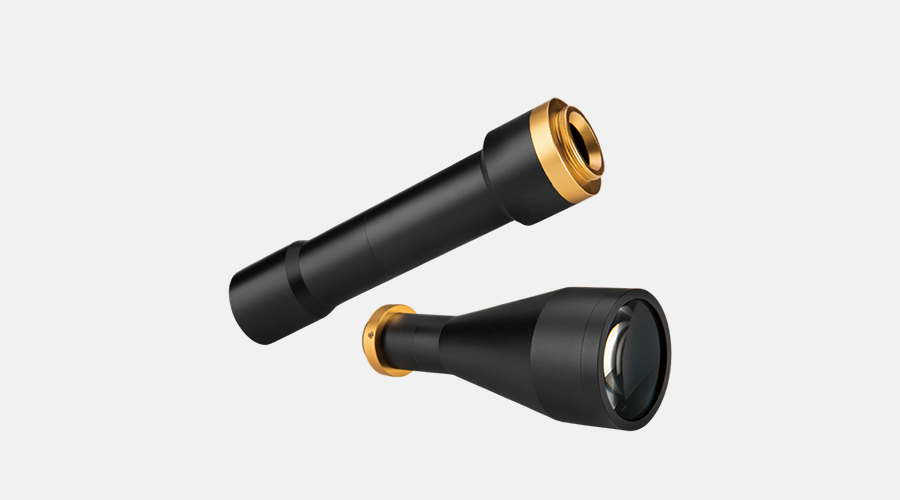 Long Working Distance
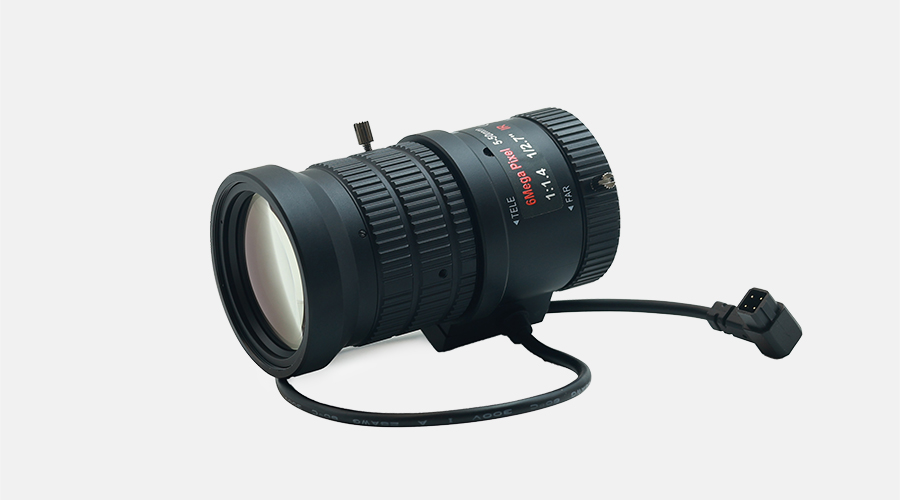 CS mount Varifocal lens
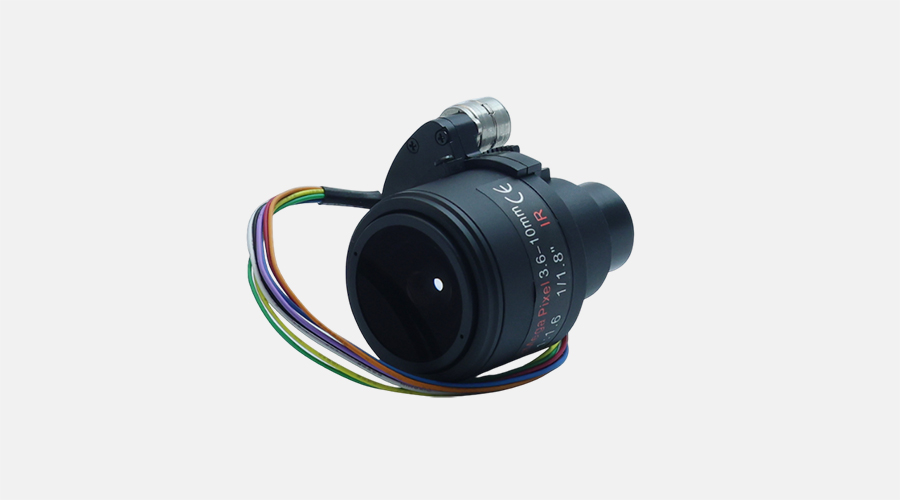 Varifocal board lens
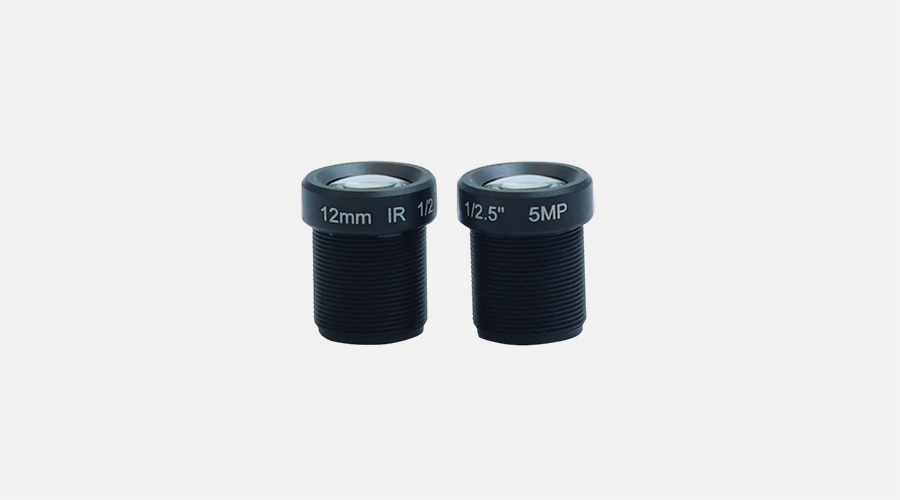 S mount lens
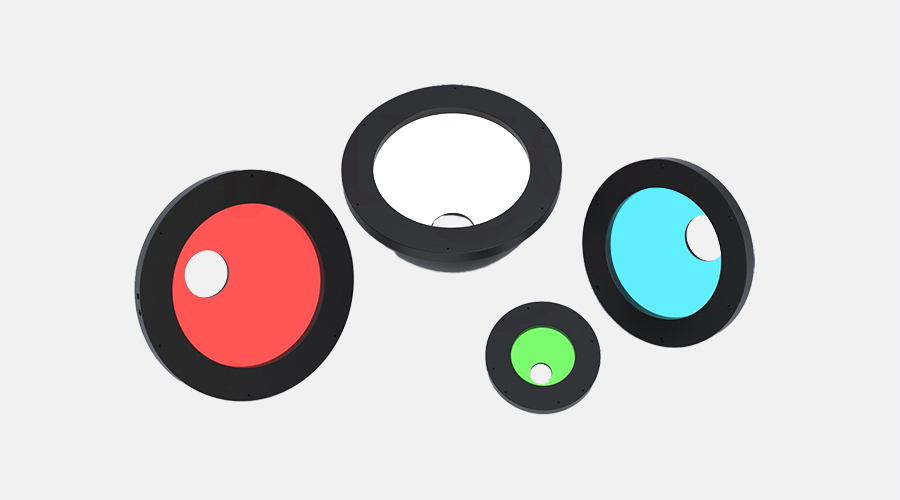
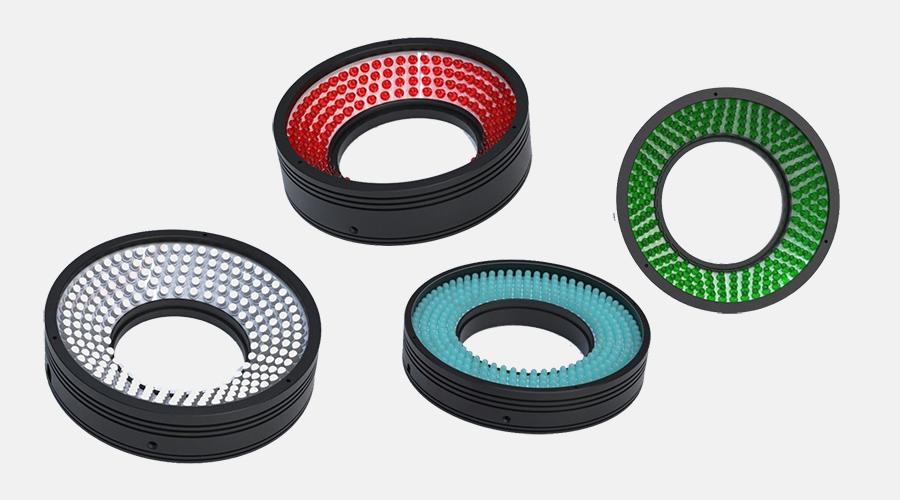 Ring light
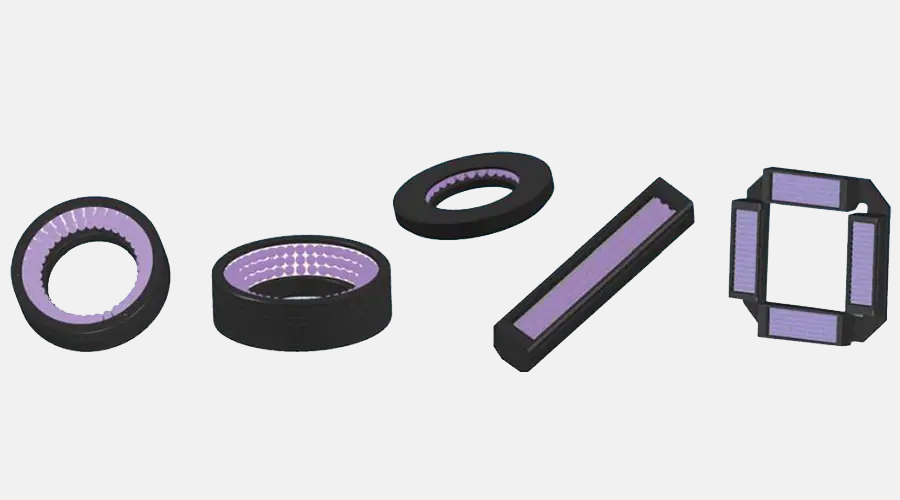 UV/IR Light
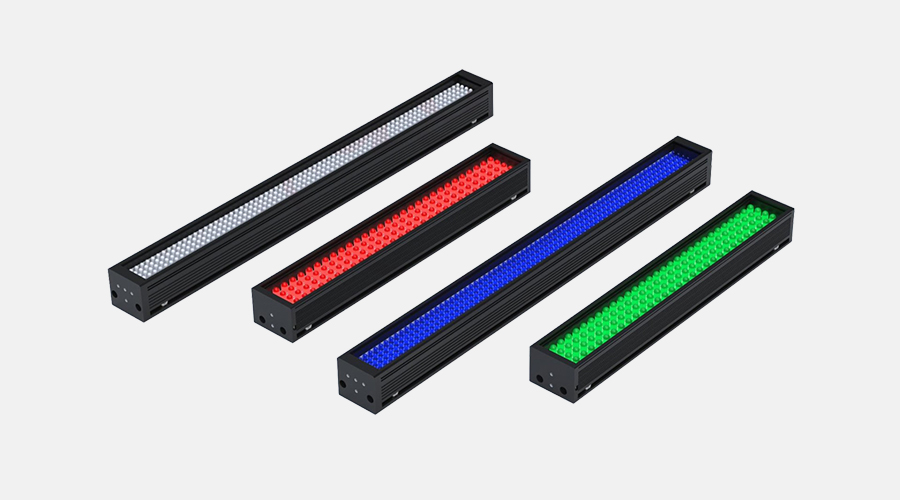 Bar light
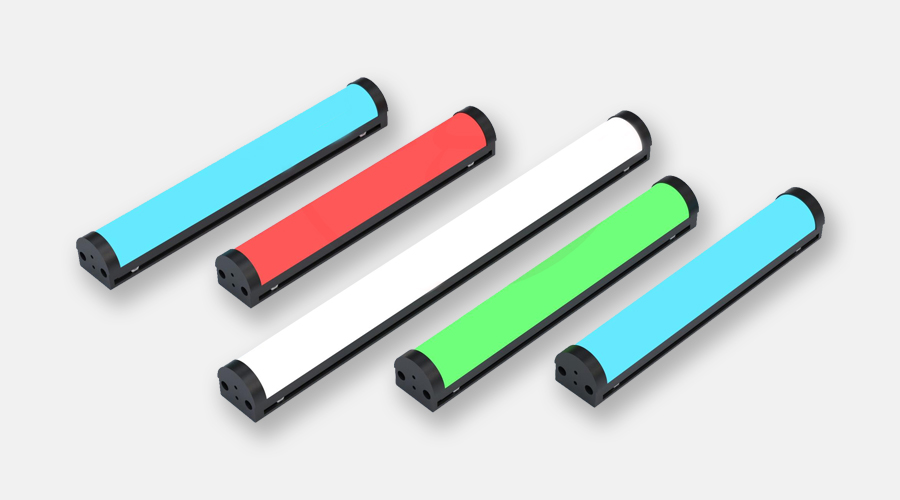 Arcuate high uniformity light
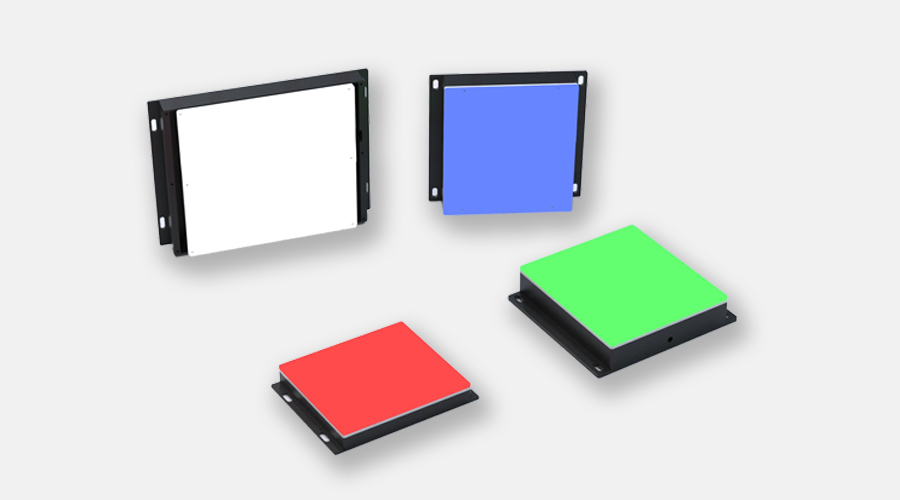 Back light
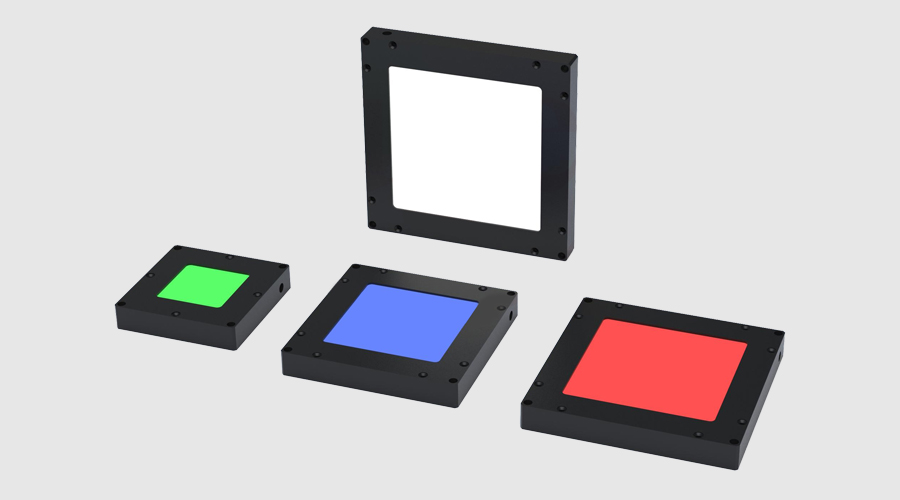 Flat light
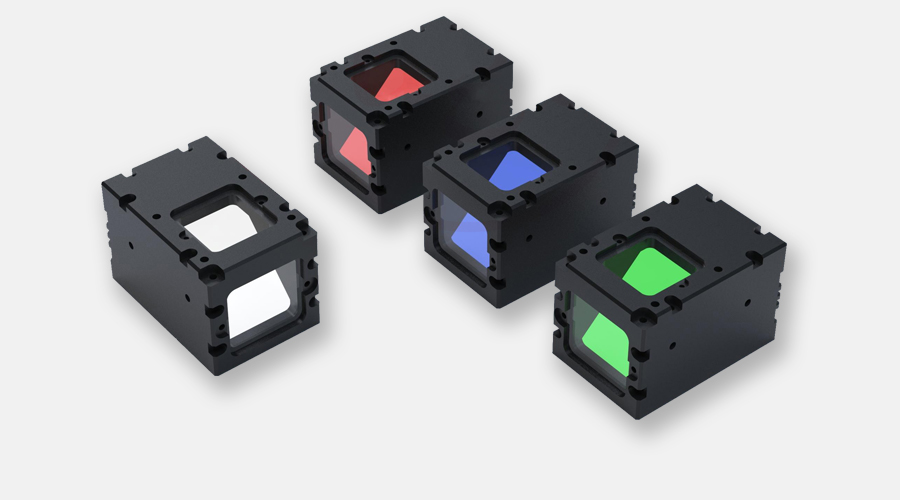
 Collimated light
 Coaxial light
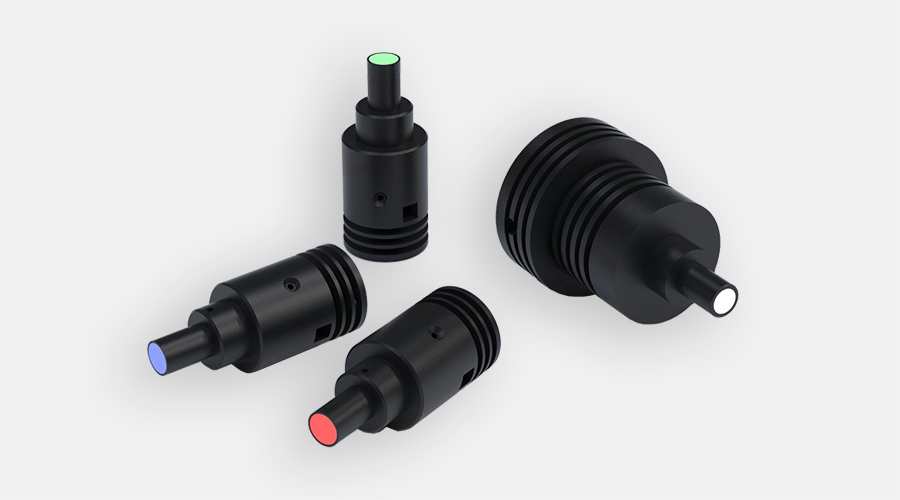 Spot light
 Dome light
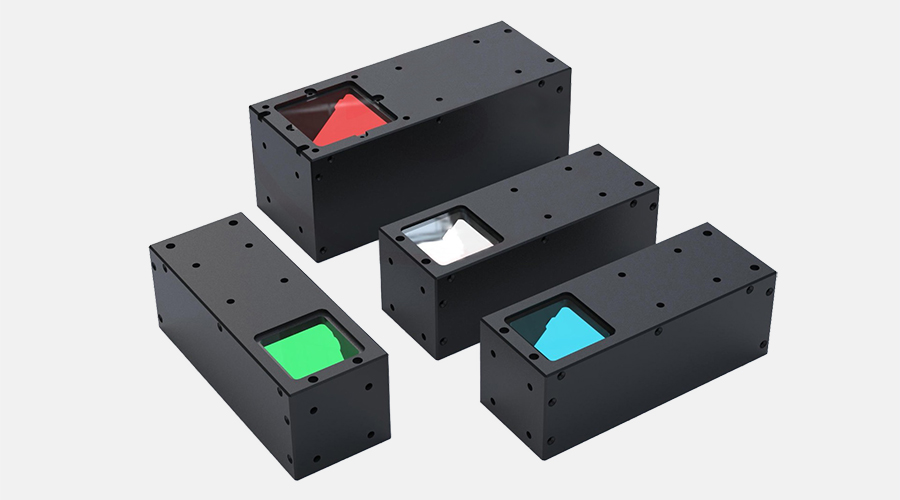 Collimated Coaxial light
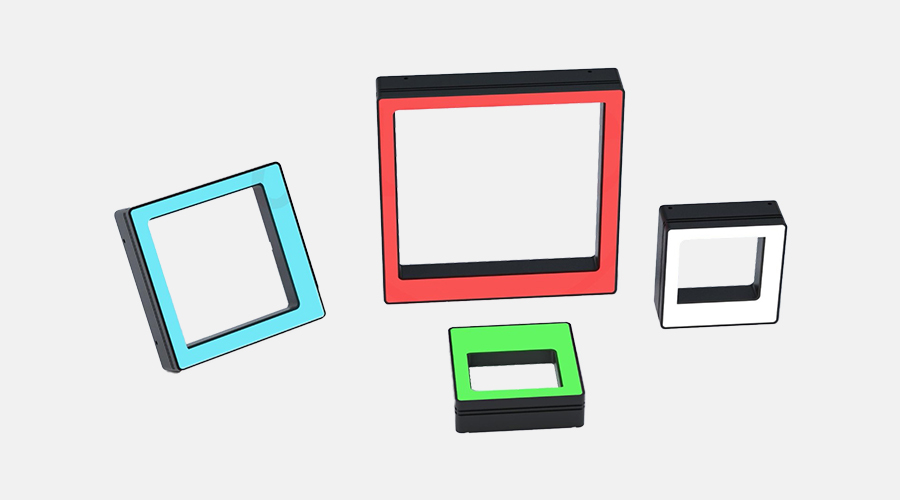 Shadowless square light
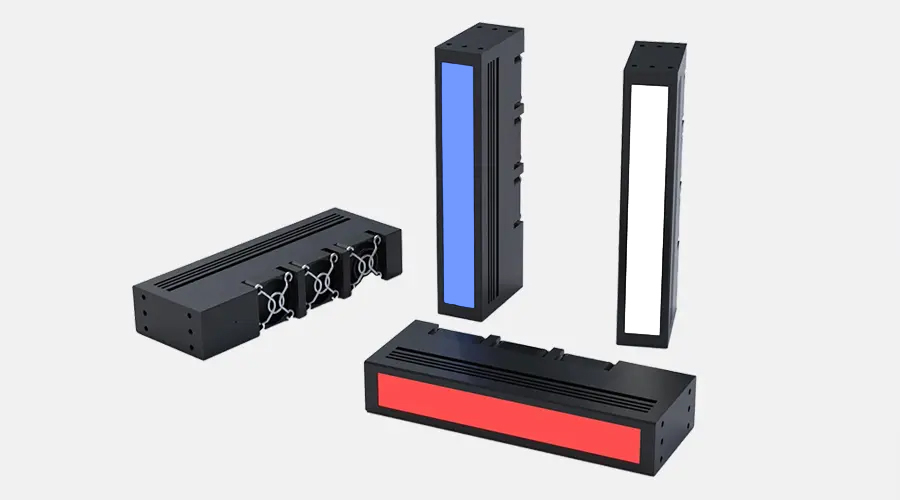 Scan light
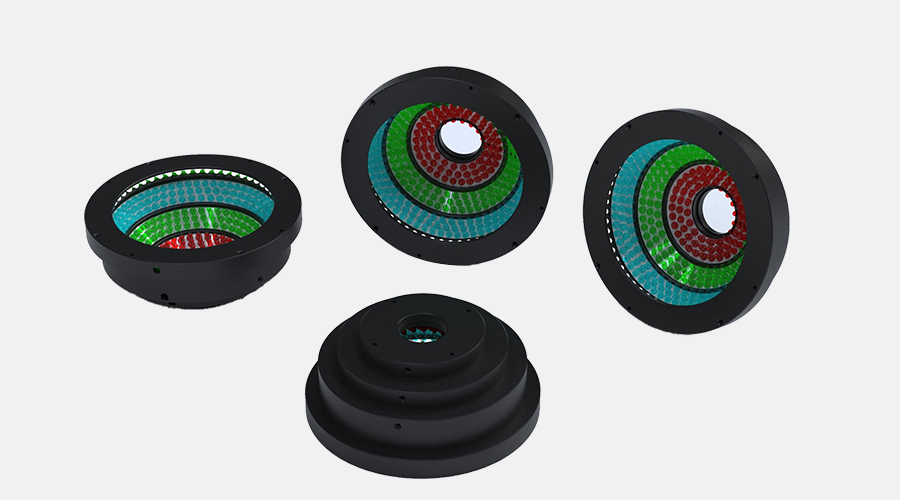 AOI light
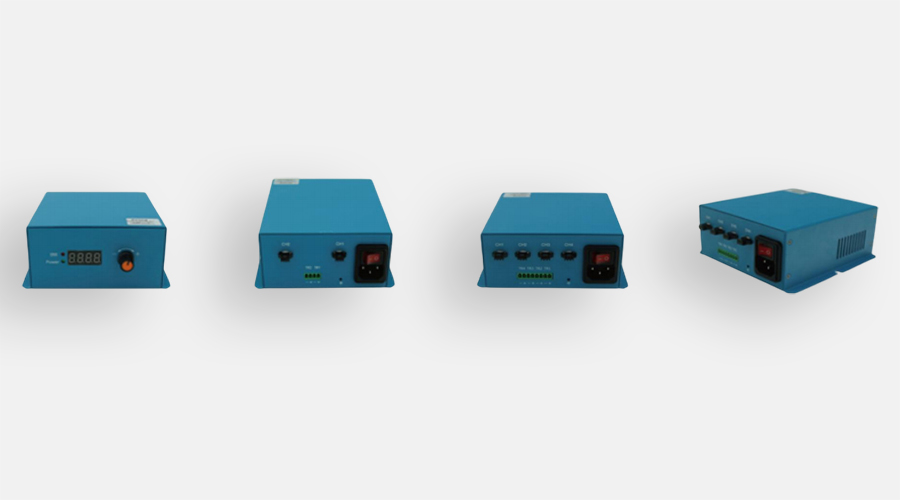 Analog controller
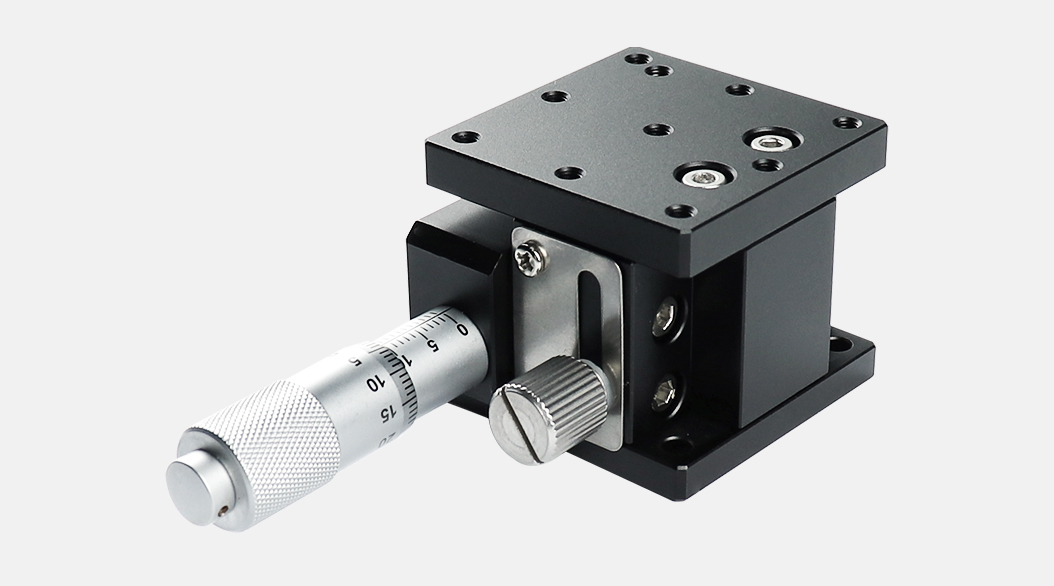 Crossed-Roller Linear guide type
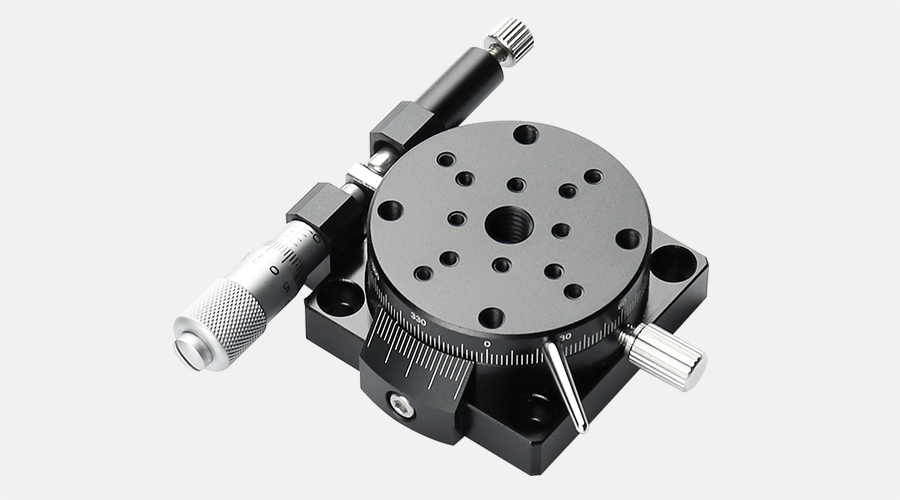 Rotary Stages XRS series
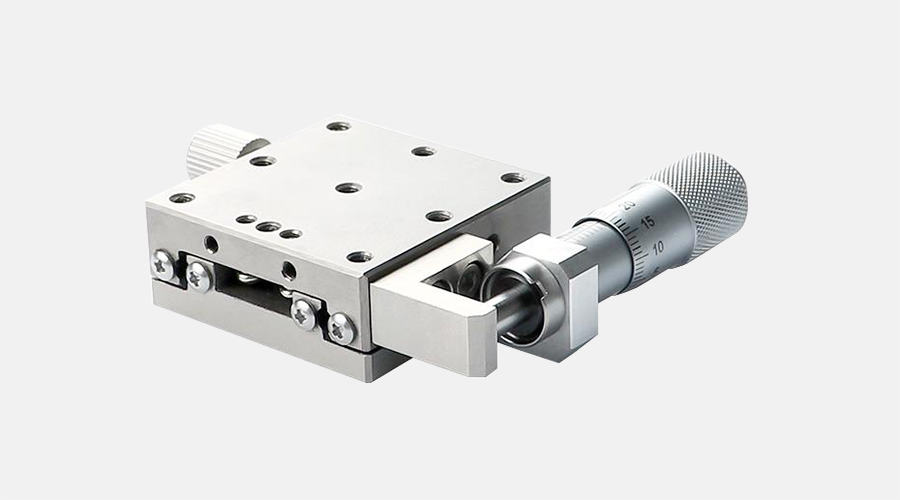 Stainless Steel Ball Bearing Linear Translation Stages
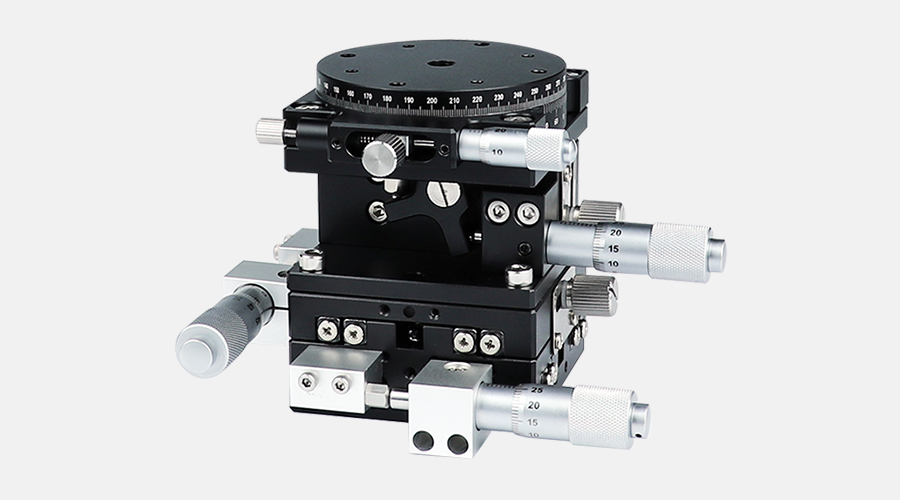 Multi-axis Translation stages
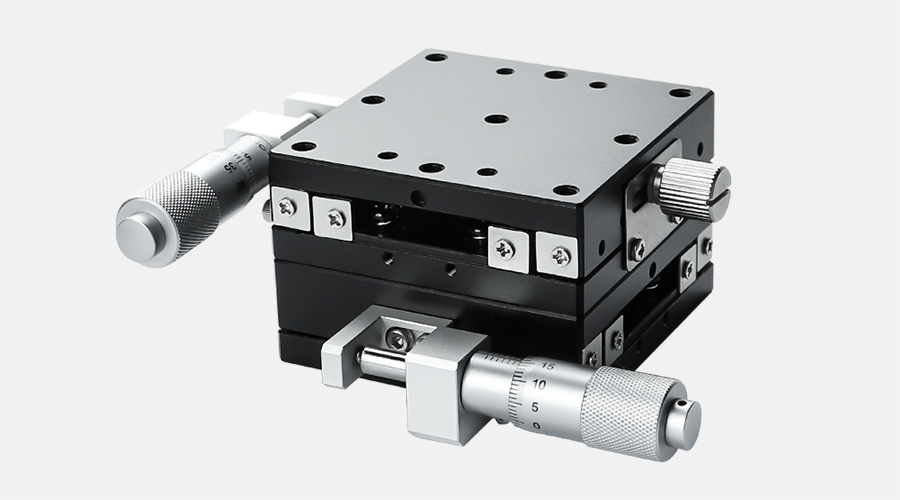 steel bar ball bearing stages
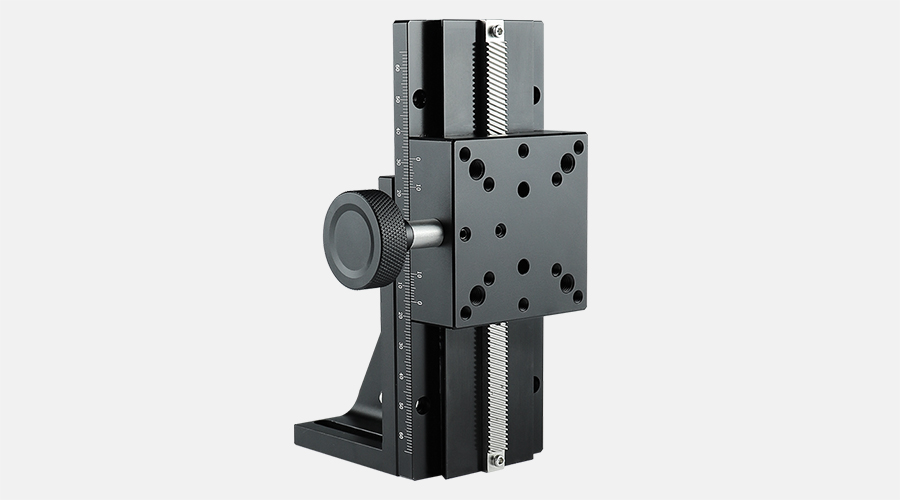 Dovetail Type Rack&Pinion Positioning Stage
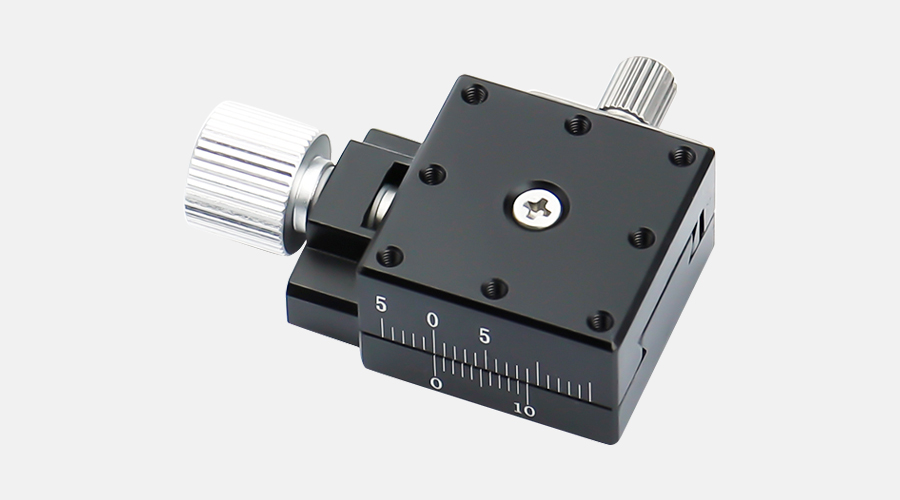 Dovetail groove high-precision screw slide
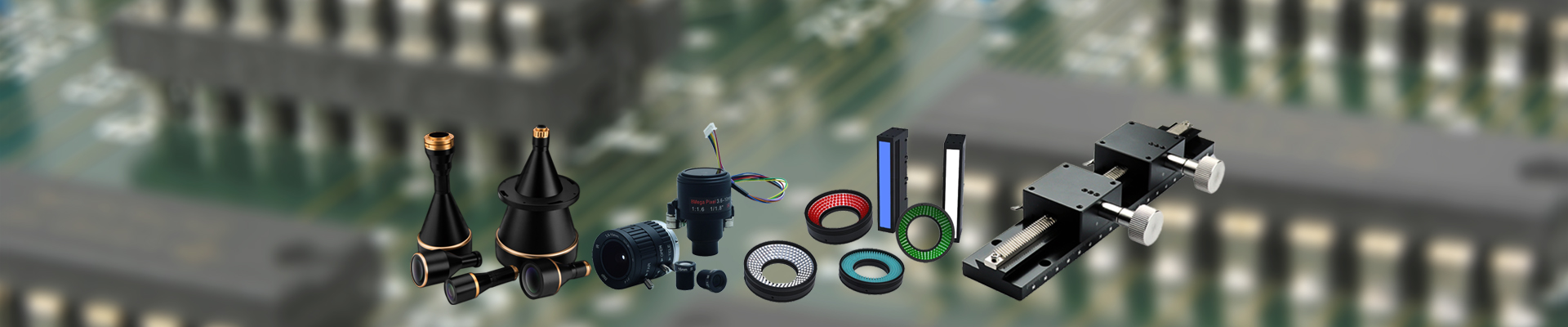
Measuring lens
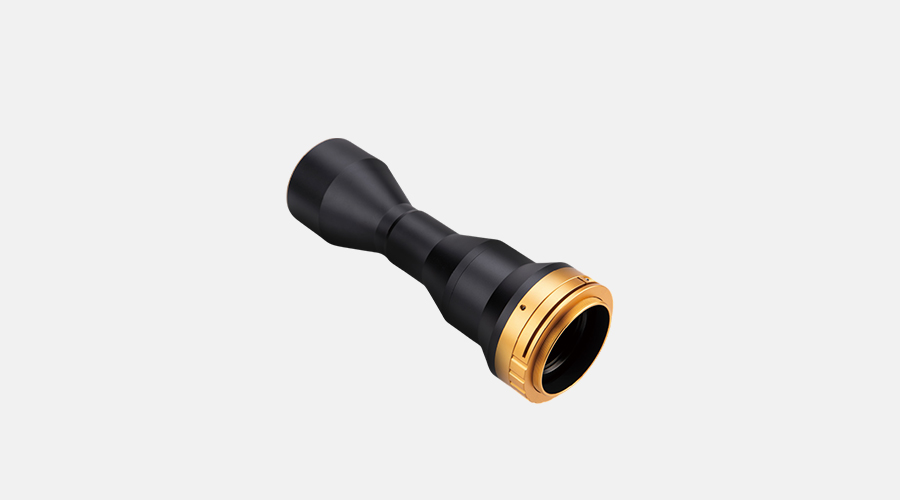
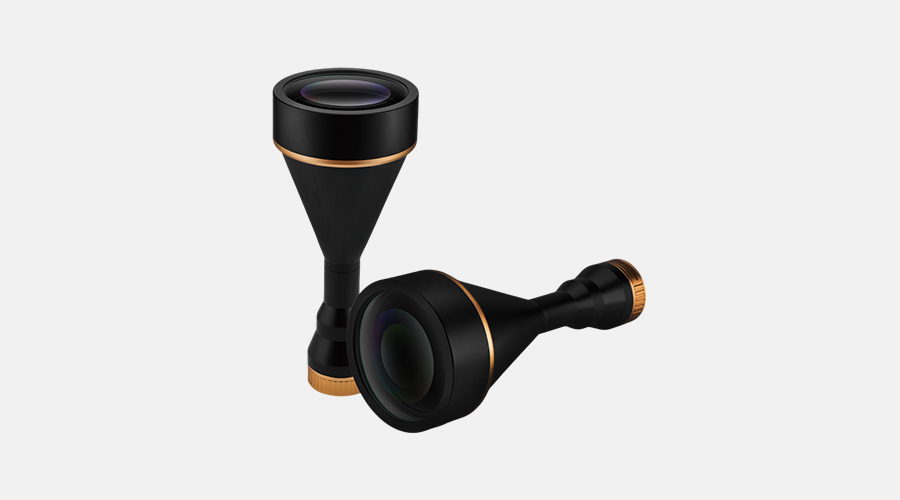
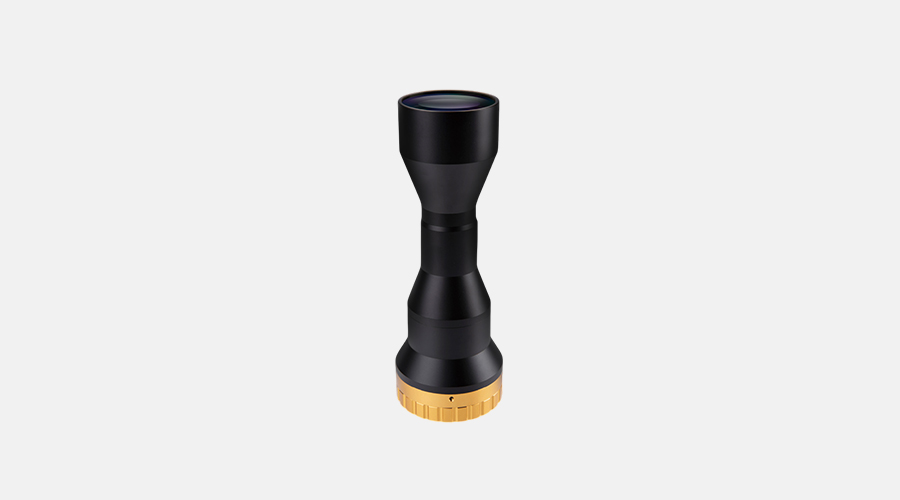
- Telecentric Lens
- Security camera lens
- Industrial light source
-
Manual Stages and Slides
- Crossed-Roller Linear guide type
- Rotary Stages: XRS series
- High-precision Rotary stages: XRSP series
- Stainless Steel Ball Bearing Linear Translation Stages: XLB series
- Multi-axis Translation stages
- steel bar ball bearing stages: XLG series
- Dovetail Type Rack&Pinion Positioning Stage
- dovetail groove high-precision screw slide
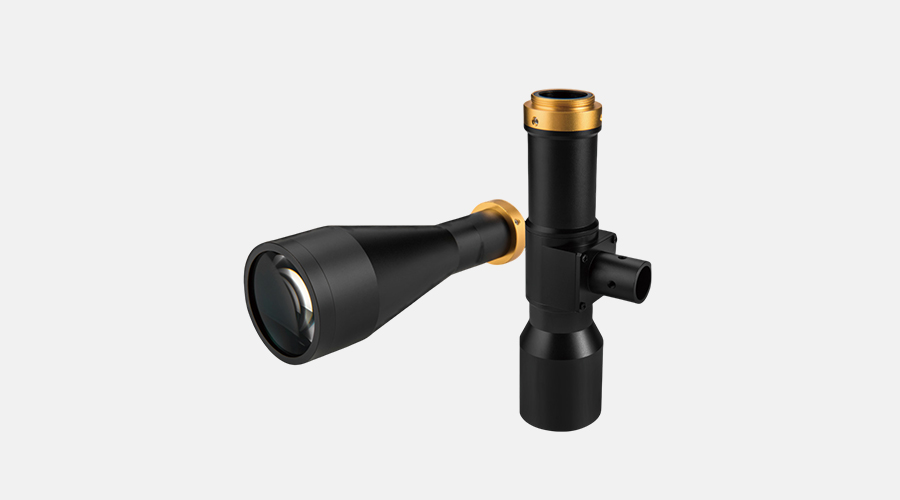
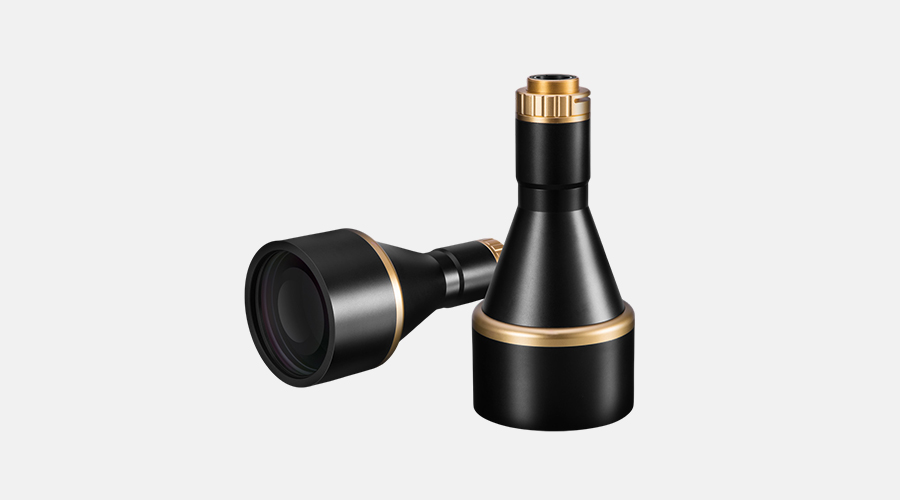
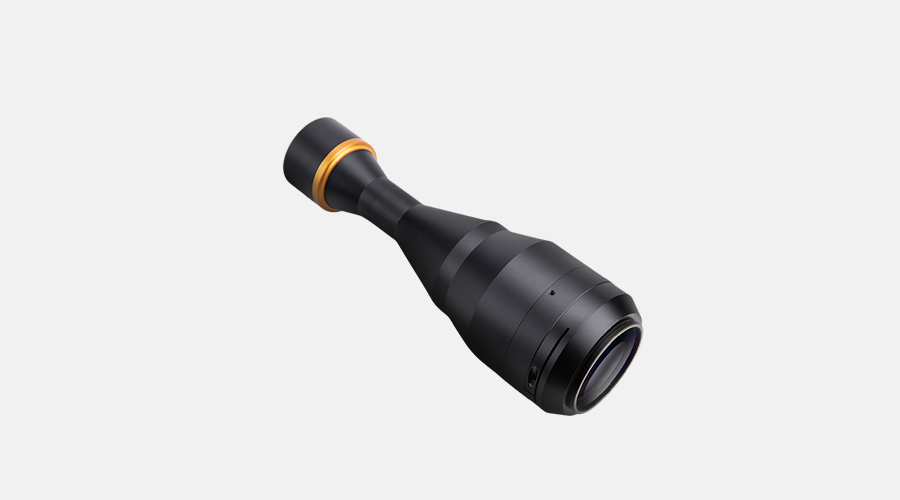
-
What is the optical structure of a bi-telecentric lens?
Aperture stop at infinity on both object and image sides. Chief rays parallel to optical axis on both sides. -
When must I use a bi-telecentric lens?
-
When is a single-sided telecentric lens sufficient?
-
Why does bi-telecentric maintain stable magnification through the DOF range?
-
What is the main disadvantage of bi-telecentric lenses?
-
How do bi-telecentric lenses avoid perspective distortion?
-
What different roles do distortion and telecentricity play in measurement?
-
How do I test whether a telecentric lens meets distortion specifications?
-
What other factors limit the measurement system even with a perfect lens?
-
What effect does defocus have on measurement accuracy?
-
Why does a monochrome light source improve measurement accuracy?
-
How should I schedule calibration for precision measurement?