Inquiry
Leave Your Message

Blog

What Is a Heavy Duty Linear Slide and How Does It Work?

What Is a Heavy Duty Linear Slide and How Does It Work?

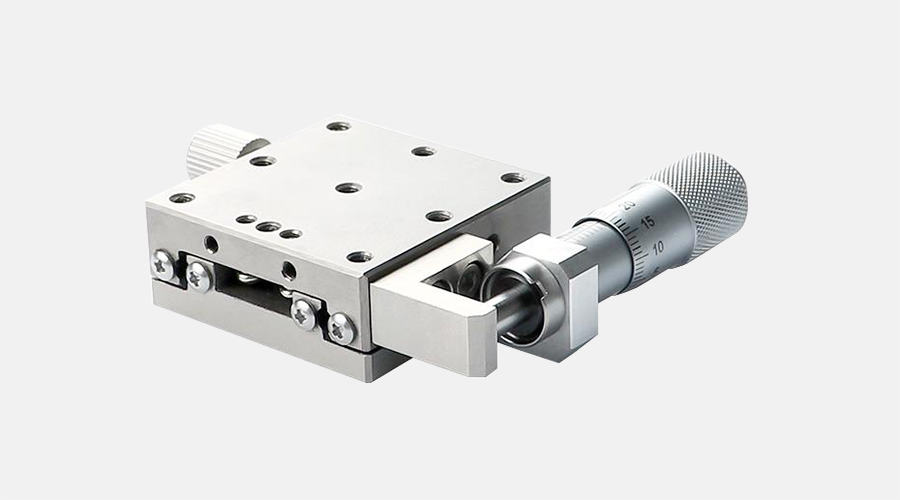
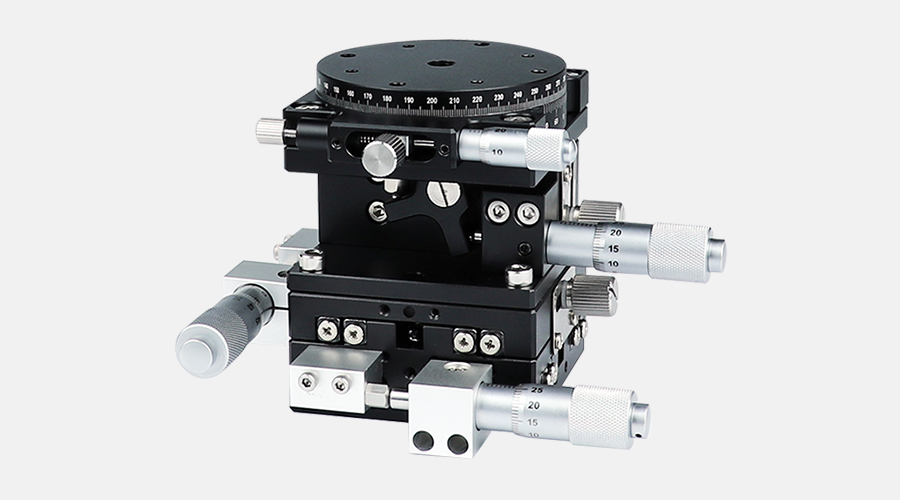
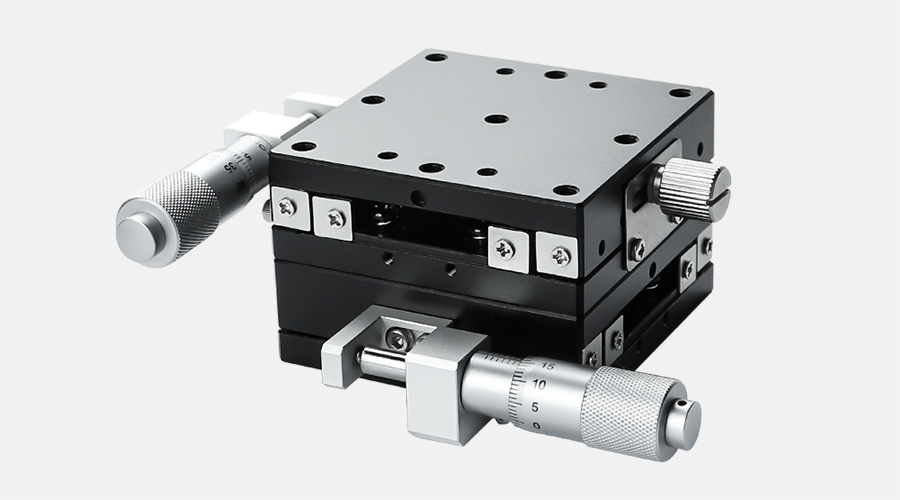
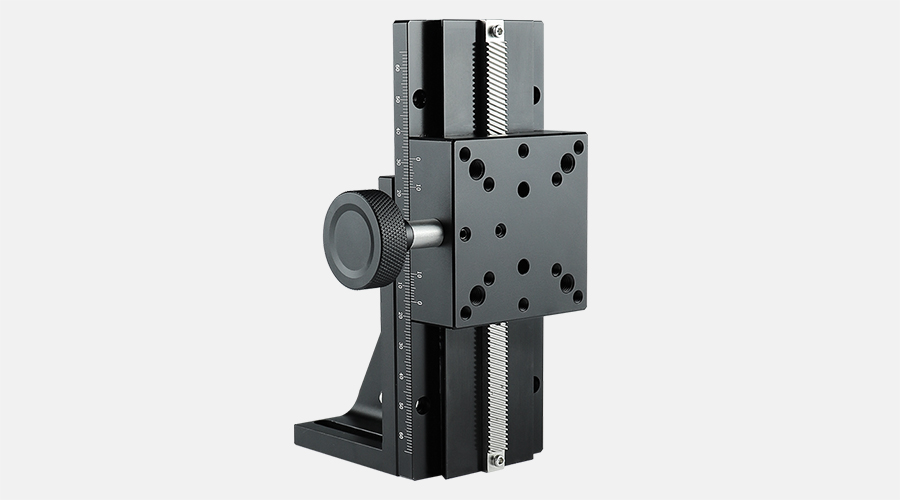
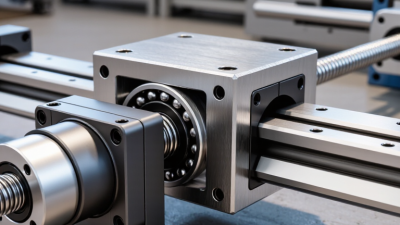
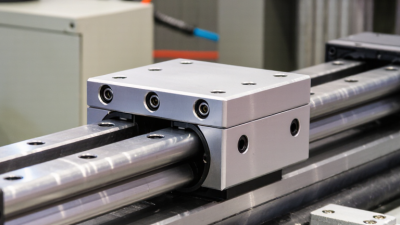
So, what is a heavy duty linear slide? Think of it as a guided mechanical system built to move big loads with smooth, controlled, and repeatable motion. Usually, it's made up of a rigid rail, a carriage, some bearing elements, and a drive mechanism. That drive could be a ball screw, lead screw, rack, belt, or even a pneumatic actuator. The rail carries the load; the drive makes it move; and the bearing system keeps friction and unwanted play down. Demand for reliable linear motion is still strong in factory automation, packaging, robotics, medical equipment, and material handling. Grand View Research's Linear Motion Market report points to automation and precision manufacturing as key growth drivers. MarketsandMarkets also ties linear motion demand to smart manufacturing, robotics, and compact machine design. But here's the thing: those reports talk about broad market categories, not every single heavy duty linear slide application. That distinction matters. A market forecast can't replace a real load calculation. In the real world, engineers look at static load, dynamic load, moment forces, stroke length, speed, acceleration, duty cycle, and contamination. ISO 14728-1 gives helpful guidance for rating linear rolling bearings. Manufacturer data from THK, Bosch Rexroth, and Schaeffler can help with selection, but catalog ratings need careful reading. A carriage carrying a steel fixture might look well within capacity. Then side loading comes along and changes the result fast. Poor alignment can also lead to noise, heat, and premature wear. The calculation is rarely perfect. Real machines vibrate, collect dust, and see uneven loading. Heavy Duty Linear Slides work best when structure, lubrication, mounting accuracy, and maintenance all get equal attention. This article walks through their construction, how they operate, what to consider when selecting one, and where the practical limits show up.
Read more »
Ethan By:Ethan - October 7, 2026
How to Choose an Automated Vision Inspection System

How to Choose an Automated Vision Inspection System

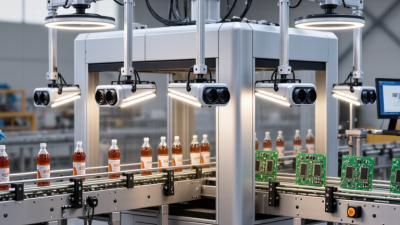
Picking out an Automated Vision Inspection system isn't just about the brand of camera—it's all about matching the system to your specific production needs. Think of it like this: what works for a beverage plant might not be the best fit for electronics manufacturing. For example, a tiny 0.5-millimeter crack on a cap could be a huge deal in one setting, but maybe a wrinkle on a label isn’t as critical. These little details actually influence how you set up lighting, optics, sensors, software, and even how the system rejects defects. And honestly, nothing beats real-world testing. Running small trials with both good and defective samples can reveal issues that brochures just can’t show—like glare, dust, vibrations, or unexpected color changes. Experienced teams will check how accurately the system detects flaws under actual operating conditions, not just in a lab. They’ll track false rejects and missed detections, and make sure the inspection window matches the conveyor speed in your plant, not a tidy, controlled setup. When talking to suppliers, you want them to lay out everything in plain language—training steps, calibration routines, maintenance needs, and what the system can and can’t do. Also, features like traceability, image storage, and clear alarms are key for making trustworthy quality calls. Because hey, if the system doesn’t play nice with existing controls or production software, even the fanciest camera won’t do much good. And let’s not forget about cost—it's more than just what you pay upfront. Things like lighting replacement, downtime, operator training, and ongoing software support can add up quickly. No system is perfect, either. Even the best models might struggle with certain challenges—like transparent plastics, shiny metals, or unfamiliar defects. So, your first test might not be perfect—and honestly, that’s okay. It’s all part of figuring out what works. Humans still have a role here—reviewing results and doing scheduled validations are crucial. The key is having a clear comparison for your trials, understanding what assumptions you're making, and asking the tough questions. Is the defect clearly defined? Will your team be able to maintain the system? Will it stay reliable six months down the line? At the end of the day, the best choice isn’t always the most high-tech or expensive. It’s the one that provides consistent, verifiable evidence, fits nicely into your line, and earns the trust of everyone relying on it.
Read more »
Oliver By:Oliver - October 1, 2026
China Top Linear Axis Manufacturers for Global Buyers

China Top Linear Axis Manufacturers for Global Buyers

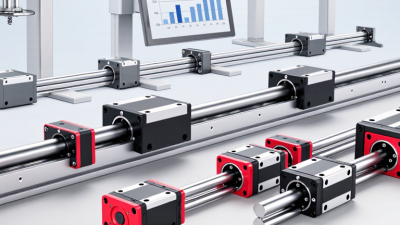
Picking a Linear Axis manufacturer isn’t just about logos or brand names—it's a real engineering decision. You gotta think about matching stroke length, payload capacity, speed, accuracy, and duty cycle to what your actual machine needs. Sometimes, a rail that looks super sturdy in a catalog can still bend or deflect if you’re applying an off-center load. And that small, sleek actuator? It might fit in perfectly, but it could overheat if you’re running it continuously. Details really do matter. This guide takes a look at manufacturers who serve buyers worldwide, focusing on their product options, customization capabilities, documentation, quality checks, and after-sales support. We also discuss what specs you should be asking for before you start comparing quotes—think repeatability data, test conditions, and maintenance needs. These points help you figure out which setup is truly suitable, rather than just looking good on paper. But keep in mind, they’re not a substitute for keeping an eye on your specific application engineering. Shigeo Shingo, a manufacturing engineer legend, once warned, “The most dangerous kind of waste is the waste we do not recognize.” Now, that might not be about linear motion directly, but it’s still pretty insightful. Hidden costs can pop up in things like extra alignment work, delays in getting spare parts, or confusing technical info. So, it’s really important for buyers to verify manufacturer claims directly and ask for proof of critical performance specs. Use this guide as a starting point—it's not a guarantee. Capabilities change, and published specs might not cover every real-world situation. And honestly, even a well-curated shortlist can miss something. That’s just part of the game, and it’s worth admitting upfront.
Read more »
Ethan By:Ethan - September 28, 2026
Top 10 Automated Inspection Equipment Manufacturers

Top 10 Automated Inspection Equipment Manufacturers

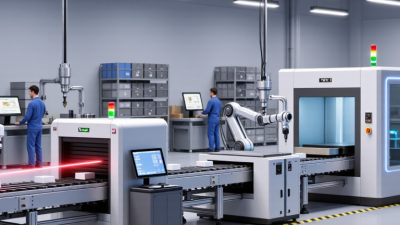
You might think automated inspection tools only check finished parts under bright factory lights, but that's really not the case anymore. These days, you’ve got cameras, laser sensors, X-ray systems, and measurement software that can examine products right on the production line, even as things are running. The right setup can quickly spot a misplaced label, a tiny hairline crack, or an out-of-spec dimension. But if you pick the wrong system, you risk triggering false rejects that can be pretty costly. So, yeah, every detail counts. W. Edwards Deming, a real pioneer when it came to quality, once said, "Quality comes not from inspection, but from improvement of the production process." And that still hits home. While inspections can catch defects, they can’t really fix the process itself. That’s why it’s important to compare different manufacturers and their equipment, instead of treating everything as the same. For example, Cognex and Keyence are well-known for machine-vision solutions, while Hexagon leans more into measurement and metrology. Then you have Omron and SICK, which also provide sensing and inspection tech suitable for factories. Just keep in mind—what works best really depends on your specific needs, the products, and how you plan to integrate everything. But let’s be honest—just putting a camera on the line isn’t the whole story. Lighting, resolution, how fast the inspection needs to be, software compatibility, and how well your team knows the system—these all play a huge role in getting accurate results. So, before you pick a system, it's smart to test it out with actual parts that are representative of what you produce. And it’s a good idea to set clear expectations on what level of errors are acceptable. This list I’ve put together should just be seen as a starting point, not the final decision. Because, in real life, things are often messier than what the product specs suggest. A closer look is definitely worth it.
Read more »
Liam By:Liam - September 25, 2026
10 Machine Vision Quality Inspection Tips for Global Buyers?

10 Machine Vision Quality Inspection Tips for Global Buyers?

Global buyers often find themselves facing a pretty tough question: can a machine vision system really spot defects reliably across different factories, suppliers, and production scales? Machine Vision Quality Inspection provides a practical answer, but only if buyers take the time to look at the entire inspection process closely. Robert J. Shillman, the guy who founded Cognex, once called machine vision “the eyes of the factory,” and honestly, that’s a pretty fitting analogy. Cameras can check surfaces, dimensions, labels, and how things are assembled—without ever getting tired. But here’s the thing: just having a clear picture doesn’t automatically mean you’ll get perfect decisions. Things like lighting, lens choices, software tweaks, product variations, and even how well operators are trained all play a role in the final results. In this guide, I’m sharing ten tips for quality inspection that matter for global buyers. We’re focusing on real, measurable details—stuff like defect size, how fast inspections need to be, false rejections, traceability, and whether the system stays stable over time. For example, a scratched metal edge might look fine under seemingly good lighting, but that’s not always the case. Or a printed code can look totally readable to us, but dust on the lens might make it unreadable once the system runs. Little gaps or imperfections might seem minor but can end up costing a ton in the long run. Of course, no checklist is perfect—production lines are always changing, after all. That’s why it’s smart to request sample testing using actual products, not just perfect samples. Compare results across different shifts and suppliers too. And be cautious about claims that sound a bit too optimistic without solid data backing them up. The key to a trustworthy Machine Vision Quality Inspection system is having performance documented clearly, hardware that’s easy to maintain, and solid technical support from companies like Cognex, Keyence, or Omron. Bottom line? The best purchase isn’t always the fanciest or most advanced system. It’s the one that gives you consistent, reliable evidence, manageable costs, and meaningful results right on the factory floor.
Read more »
Oliver By:Oliver - September 22, 2026
What Is a Heavy Duty Linear Slide and How Does It Work?

What Is a Heavy Duty Linear Slide and How Does It Work?

A Heavy Duty Linear Slide is basically built to handle controlled movements even when loads are heavy. It guides equipment along a straight line and resists vibrations, twisting, and impacts that happen over and over. You'll often see these slides in things like automated assembly lines, CNC machines, packaging setups, or industrial inspection devices. The idea might sound simple—just move stuff from point A to B—but the actual design is pretty complex. Most of these systems are made with hardened rails, a reinforced carriage, and rolling parts like ball bearings or rollers. When a motor, a cylinder, or even a manual handle applies force, the carriage moves along the rail smoothly with minimal friction. Heavy Duty Linear Slides can carry pretty hefty loads, but how much they can handle really depends on which way the load’s going, how fast it moves, the acceleration, and how precisely everything is mounted. It’s best to follow the manufacturer’s load charts—guesswork here can get really costly. Getting the installation right is just as important as the slide itself. Making sure it's mounted on a level surface helps avoid jamming or binding. Proper lubrication reduces wear around the moving parts, and seals can keep dust, chips, and moisture out of the internal mechanisms. Honestly, I can't stress enough how often people underestimate contamination in actual workshops. Even a machine that looks clean might still be dragging tiny abrasive particles into the bearings. This guide will walk you through how a Heavy Duty Linear Slide works and why each part really matters. We’ll look at load ratings, preload, alignment, maintenance, and signs of problems. Sometimes, a slide looks really solid and reliable, but if the support frame isn’t sturdy, it won’t last long—that’s often overlooked in basic explanations. The key is to check the entire motion system, not just the carriage. Achieving good results means paying attention to the actual forces involved, realistic duty cycles, and doing regular inspections. Of course, no design is perfect, so a careful review is always worth the effort.
Read more »
Oliver By:Oliver - September 18, 2026
7 Best Machine Vision Quality Inspection Systems

7 Best Machine Vision Quality Inspection Systems

Picking out the right Machine Vision Quality Inspection system isn't just about snagging the most expensive camera out there. Truly, it’s more about matching the inspection performance to what your actual production environment looks like. For instance, a shiny metal surface can throw off even the most polished algorithms, and dust? That tiny nuisance can turn a perfectly clean image into a false alarm. Don’t forget, conveyor speed is also a factor—speed can make or break your inspection accuracy. In this guide, we’re diving into seven top systems, including options from Cognex, KEYENCE, Omron, Teledyne FLIR, Zebra Technologies, Basler, and IDS Imaging. We’ll look at each one through practical lenses: how clear the images are, how well they detect defects, processing speed, how user-friendly the software is, how easily they integrate into your existing setup, how much maintenance they require, and what the total running costs look like. We also take into account how these systems handle changes in lighting, slight product variations, or quick operator adjustments—because, let’s be honest, those little details often tip the scale. Now, it’s important to remember: no one system is perfect for everything. For example, a setup that works great on bottle caps might stumble a bit with transparent film. One system might give you amazing analytics but need more engineering work upfront, while another might be super easy to deploy but a little limited when it comes to complex inspections. So yeah, those trade-offs matter — and you should consider them honestly. Our shortlist is a helpful starting point, but it’s not the be-all and end-all. Your best bet is to do some real-world testing, sample inspections, and get support from suppliers before making the call. Make sure you ask for demo tests with your products, review false-reject data, and check how well the system plays with your existing PLC, MES, and traceability setups. At the end of the day, reliable inspection isn’t just about finding defects; it’s about making consistent, trustworthy, and understandable quality decisions that you can count on.
Read more »
Oliver By:Oliver - September 15, 2026
2026 Best FA Manual Iris Lens for Global Buyers?

2026 Best FA Manual Iris Lens for Global Buyers?

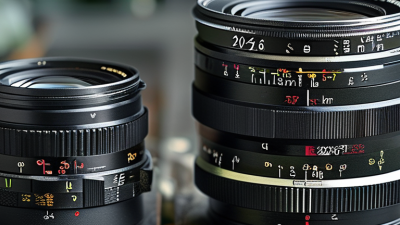
Picking out the best Fa Manual Iris Lens for global buyers isn't just about scanning price lists. Honestly, a good quality lens should give you precise control over the aperture, steady optical performance, and a mechanical build that holds up over time. When we’re inspecting these lenses, most people tend to shine bright inspection lamps on them — that's when uneven blades or jerky rotation become pretty obvious. Little details like that really do make a difference. When we evaluate these lenses, it’s more than just looking at specs on paper. We get our hands on samples, talk directly with suppliers, and check out optical specs along with how well they’ll hold up in the long run. We look at the aperture range, mounting options, how well they cover the image sensor, coating quality, and whether adjustments are smooth or wonky. We also peek into how manufacturers handle quality control — that’s often just as important. Big names like Edmund Optics and Thorlabs set good benchmarks, but even then, every single lens needs its own test. Just because it’s a familiar brand doesn’t automatically mean it’s the right one. Global buying means thinking about practical stuff too. The packaging needs to keep the lens safe from dust, shocks, and moisture during long trips. It helps if technical drawings, sample photos, and tolerance measurements are clear — better to avoid surprises when it’s time to set things up. But let's be real, specs on a datasheet only tell part of the story. A lens might look fantastic on paper but feel stiff or poorly responsive when you actually use it repeatedly. That’s something you shouldn’t overlook. This guide is aimed at camera builders, machine-vision teams, labs, and industrial buyers. We’ll talk about which features matter most in 2026 and which claims need to be double-checked. We’ll also cover how responsive suppliers are, how easy it is to get samples approved, customization options, and what sort of after-sales support you can expect. Not everyone needs the fanciest lens out there — sometimes, a simpler model actually offers better value and less fuss down the line. The key is matching the lens with your specific needs, testing thoroughly, and considering real-world conditions. But, hey, even with all that, things can change once you’re out in the field — different cameras, lighting setups, or installation quirks can make a difference.
Read more »
Oliver By:Oliver - September 10, 2026
How to Choose the Best 3d Vision Inspection Systems in 2026?

How to Choose the Best 3d Vision Inspection Systems in 2026?

In the ever-changing world of manufacturing, picking the right 3D Vision Inspection system isn’t always straightforward — trust me, it can be pretty overwhelming. Industry veteran Dr. Emily Chen from VisionTech Inc. points out, “The best inspection system is really the one that suits your specific needs.” With technology progressing so quickly, making a choice can sometimes feel like navigating a maze. These 3D Vision systems are absolutely essential when it comes to quality control, helping to ensure things stay precise and efficient. But here’s the thing — a lot of companies overlook some key factors when they’re shopping around for these systems. One common mistake? Not really checking whether it plays nicely with what they already have going on — a mistake many make. Taking a step back to think it through can save you a bunch of headaches and money in the long run. Looking ahead to 2026, things are gonna get even more interesting with new challenges and opportunities. Adding AI into the mix with 3D Vision Inspection can really level up data analysis. But don’t forget — you also gotta think about training and ongoing support for your team. Making the wrong call here could slow things down or cause other operational hiccups. So, it’s super important to honestly assess your own capabilities and what you’re aiming for before diving in. It’s all about finding that sweet spot and setting yourself up for success.
Read more »
Liam By:Liam - September 5, 2026
China Top Robotic Vision Inspection Solutions for Global Buyers?

China Top Robotic Vision Inspection Solutions for Global Buyers?

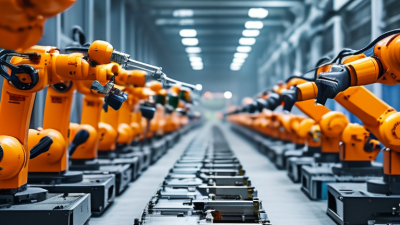
As more folks are really looking for top-notch quality control and smarter, more efficient processes, the spotlight on Robotic Vision Inspection has definitely been shining brighter. I mean, according to MarketsandMarkets, the worldwide market for these systems is projected to hit around $4.3 billion by 2027, growing at a pretty solid rate of about 10.5% annually. That kind of growth really shows just how essential automation has become across different industries like manufacturing and logistics—everyone’s jumping on the bandwagon. Industry veteran Dr. Jane Smith puts it nicely, saying, “Robotic Vision Inspection helps us get things just right, while also cutting down on human errors.” Companies like Cognex and Keyence are really out there pushing the envelope with innovative solutions, using super advanced algorithms for visual recognition to make inspections more reliable. But, it’s not all smooth sailing. Bringing these technologies into play requires a big investment and, of course, proper training to get everyone up to speed. You can see that there’s a real need for continuous improvement. A lot of organizations are still figuring out how to shift from old-school inspection methods to automation—it's a work in progress. The potential of Robotic Vision Inspection? Massive. But unlocking all that potential means carefully planning the move and thinking through every step. It’s an exciting time, but definitely one that calls for patience and smart strategy.
Read more »
Oliver By:Oliver - September 2, 2026
2026 Best 3D Vision Inspection Solutions for Global Buyers?

2026 Best 3D Vision Inspection Solutions for Global Buyers?

As industries keep focusing more and more on quality control, the importance of 3D Vision Inspection solutions has never been clearer. I mean, if you look at the numbers, a report from MarketsandMarkets predicts that the 3D vision systems market could hit around $3.5 billion by 2026. That's mainly thanks to rising demand from sectors like manufacturing and automotive industries. It really highlights how crucial it is to have innovative inspection tech that’s both precise and efficient—nothing less will do when it comes to meeting global standards. Dr. Emily Chen, who's pretty much a go-to expert on machine vision tech, once said, "3D Vision Inspection is totally changing the game when it comes to quality assurance in manufacturing." Her point hits home—these 3D imaging systems can spot defects that might slip past traditional inspection methods. But of course, even with all this cool new tech, there are still hurdles. A lot of companies struggle to smoothly add 3D systems into their existing workflows, which can sometimes lead to inconsistent results. Choosing the right 3D Vision Inspection solution can feel a bit overwhelming, honestly. Factors like cost, compatibility with current tech, and how tricky it is to train staff are all big things to consider. Making a well-informed decision can really help you avoid headaches down the road and get the most out of your investment. Looking ahead to 2026, as we check out the top 3D Vision Inspection options for global buyers, understanding both what these systems can do—and where they might fall short—will be super important.
Read more »
Ethan By:Ethan - August 29, 2026