
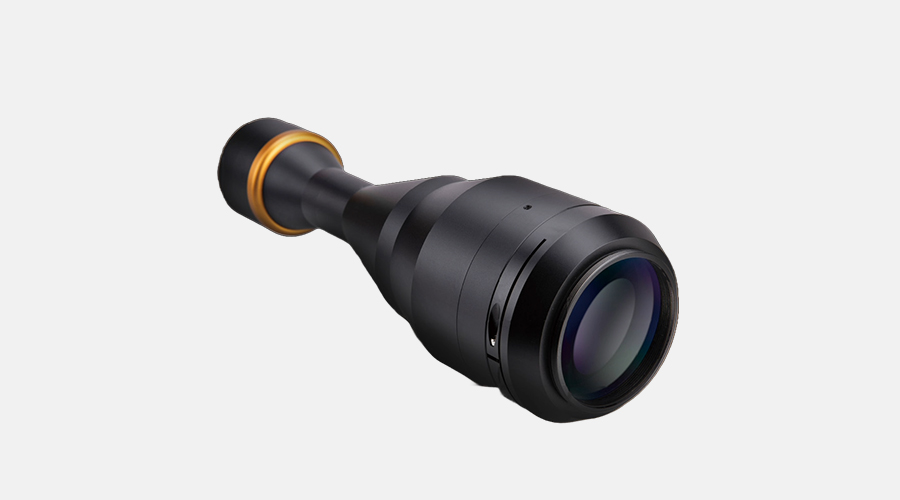
 Compatible with 7.2mm-82mm chips
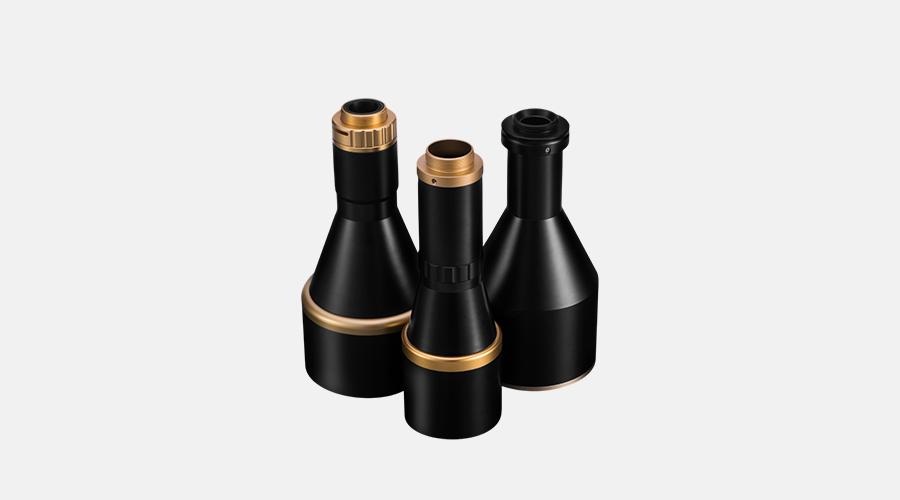 High/Low Working Distance
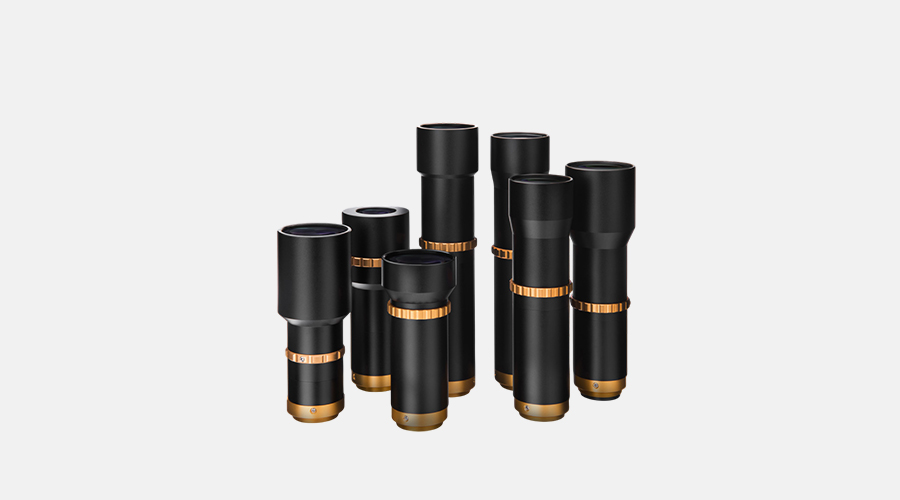 Aperture telecentric lens
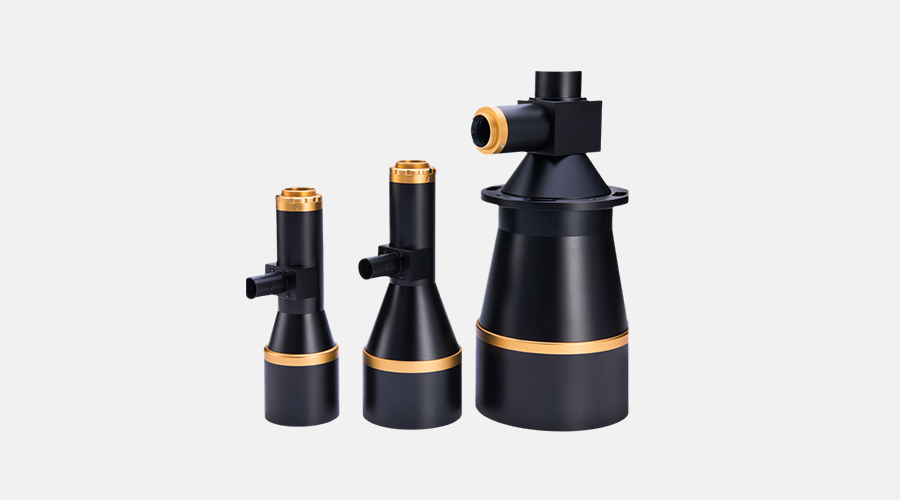 Measuring lens
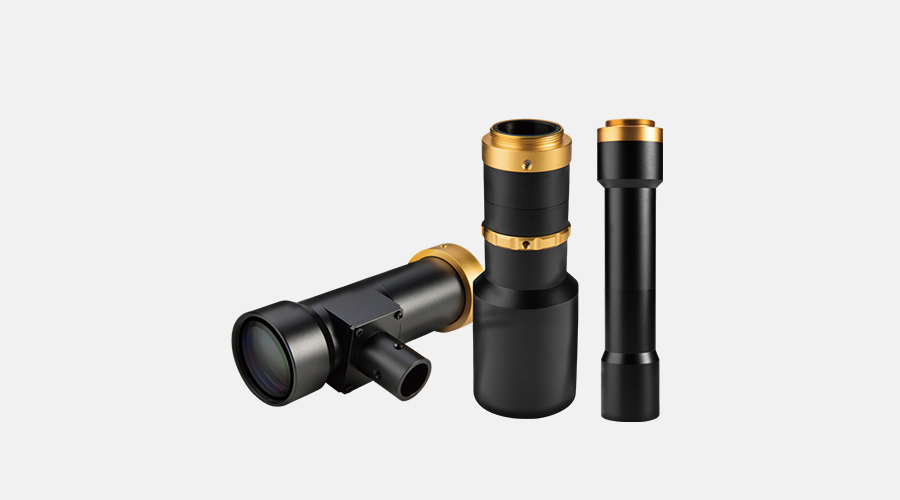 Maximum support 1.1" chips
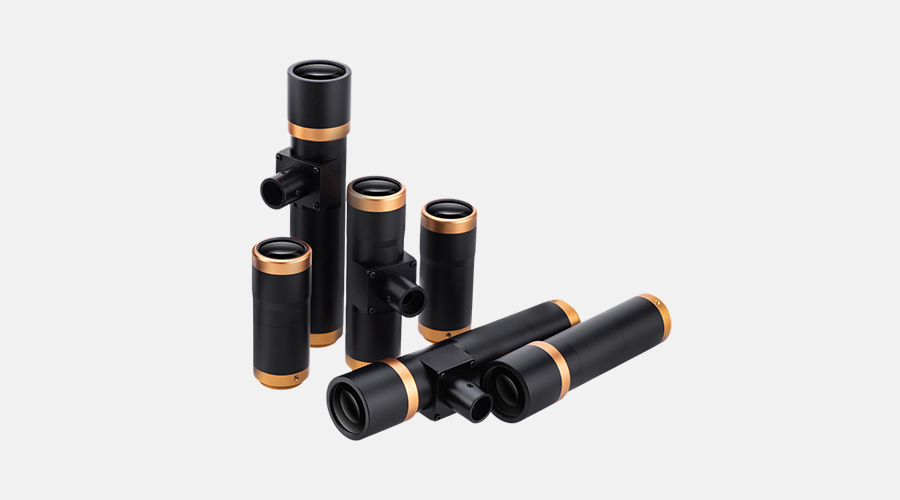 Maximum support 1.2" chips
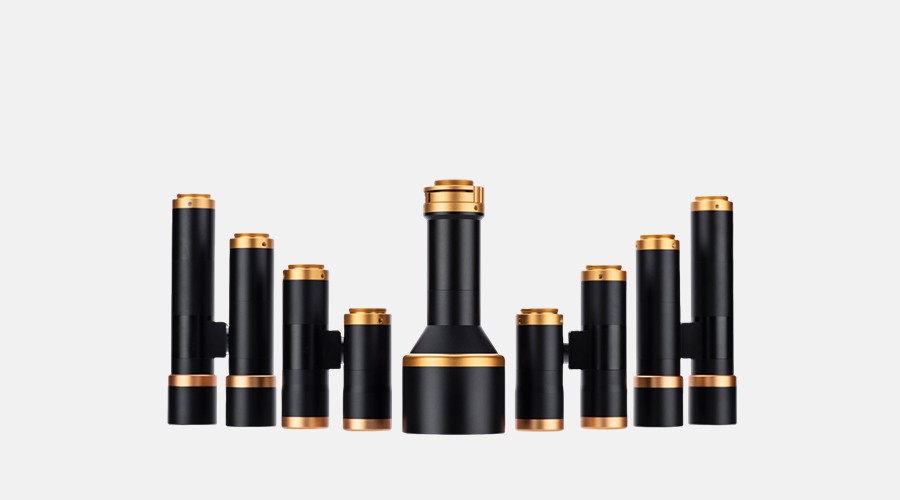 Maximum support 2/3" chips
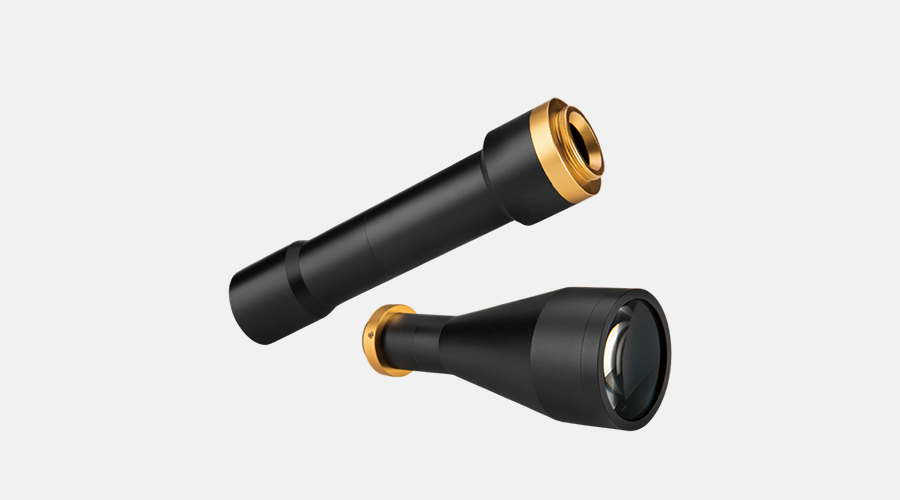 Long Working Distance
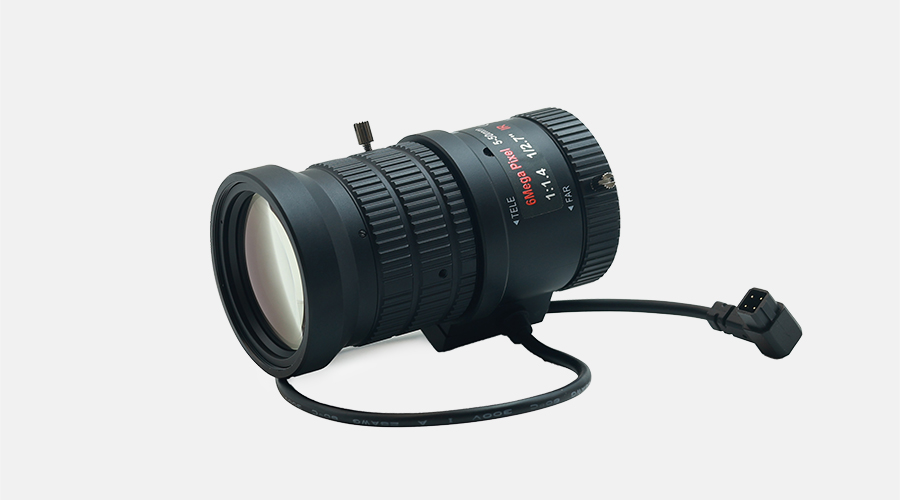 CS mount Varifocal lens
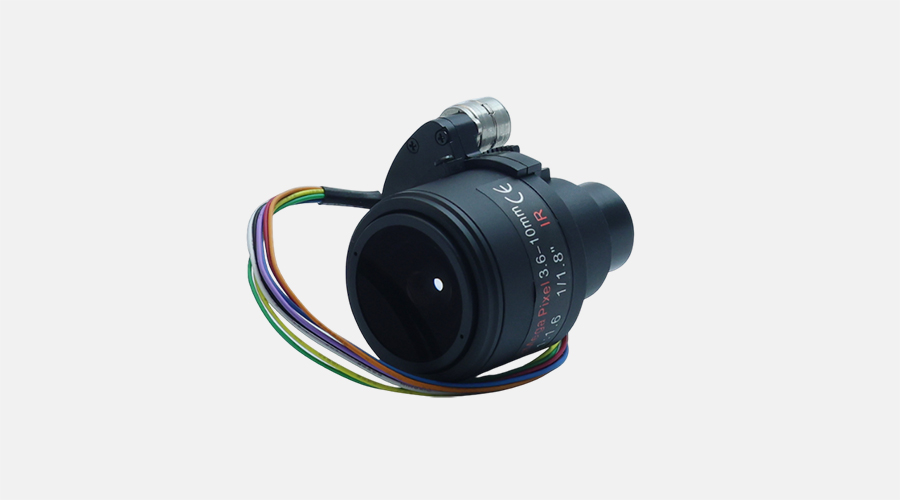 Varifocal board lens
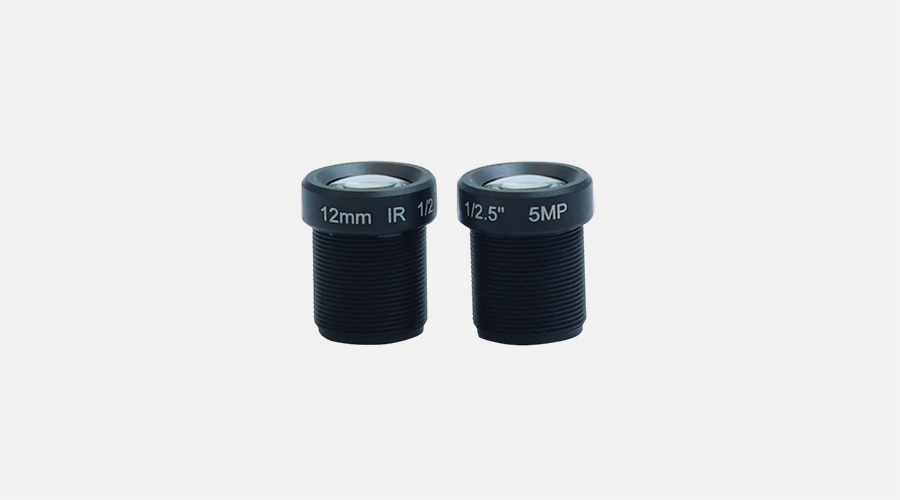 S mount lens
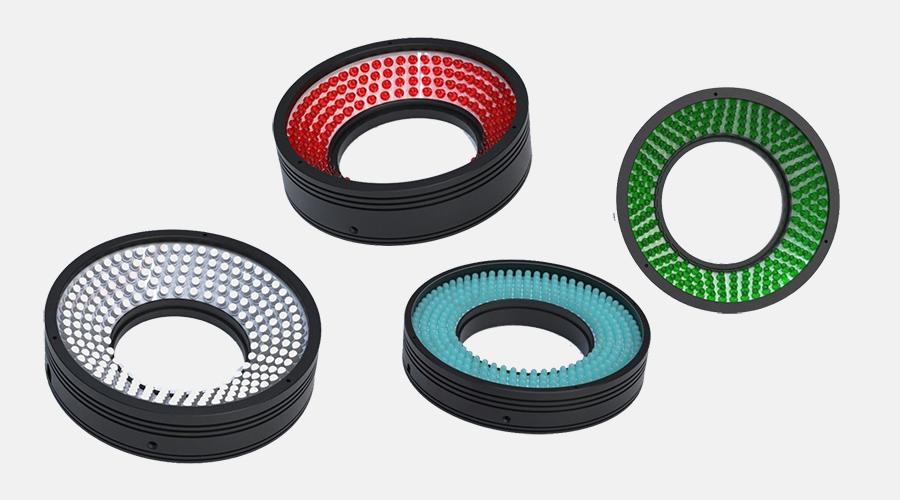 Ring light
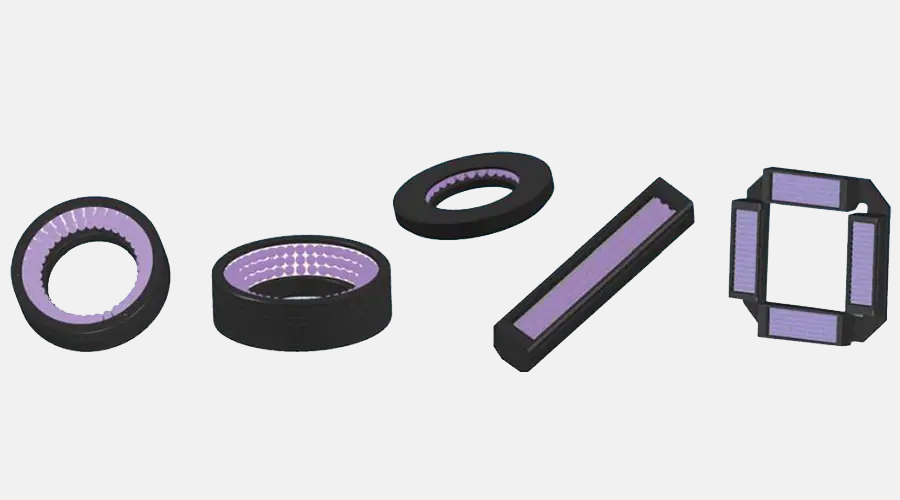 UV/IR Light
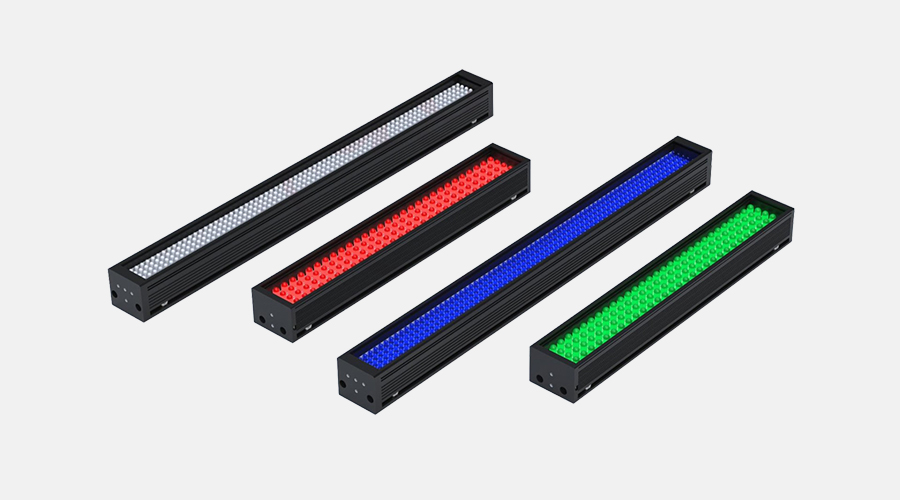 Bar light
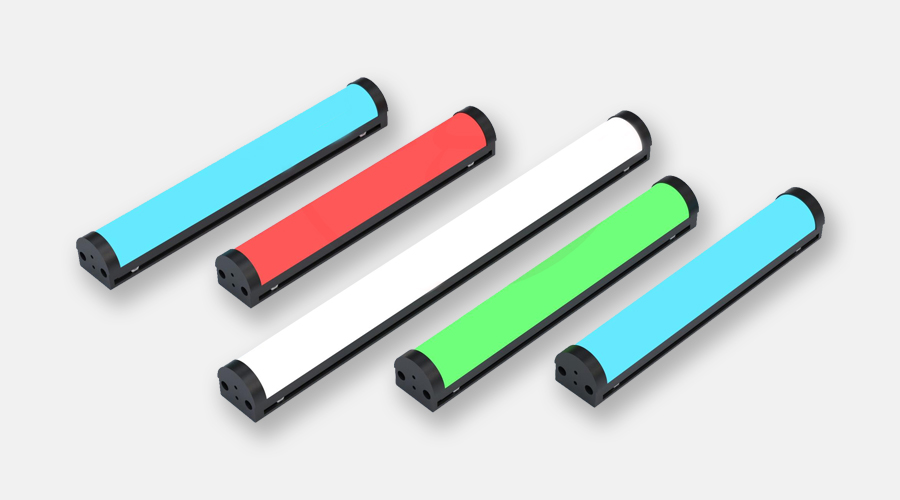 Arcuate high uniformity light
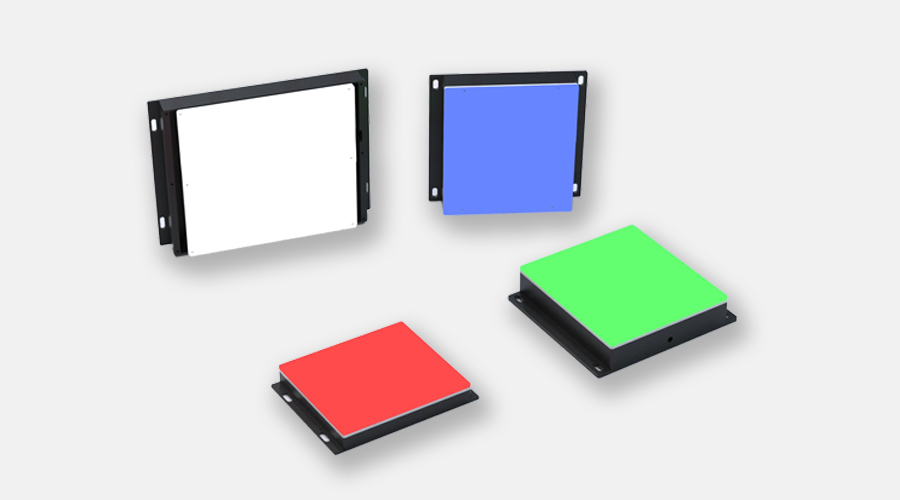 Back light
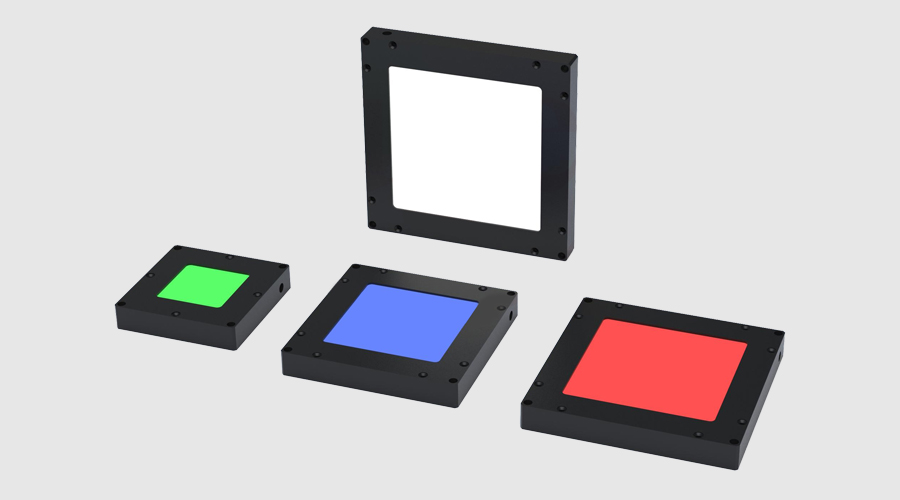 Flat light
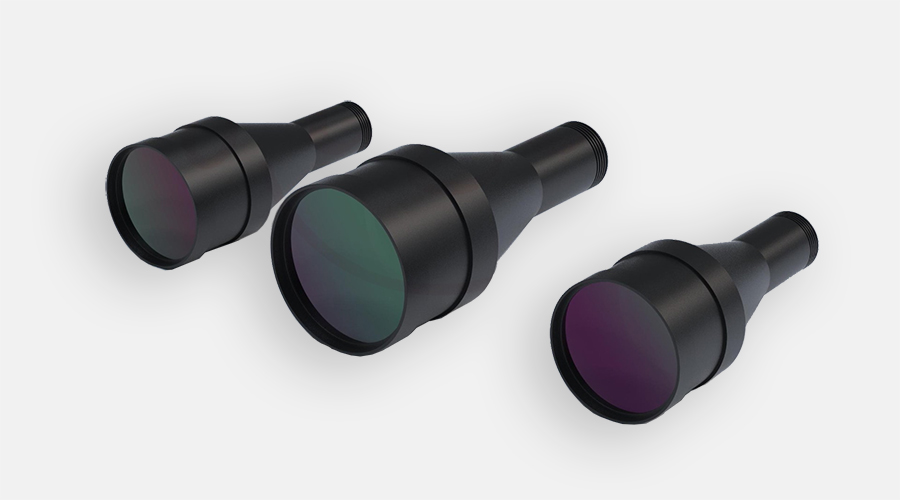 Collimated light
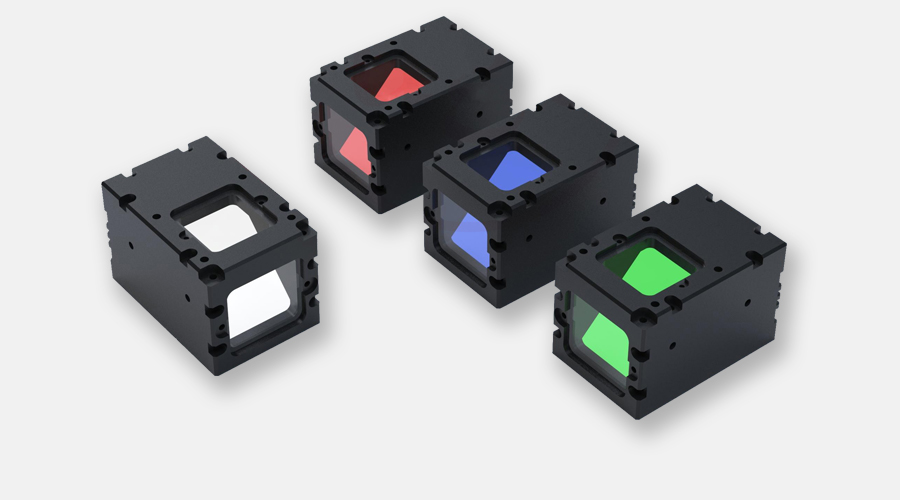 Coaxial light
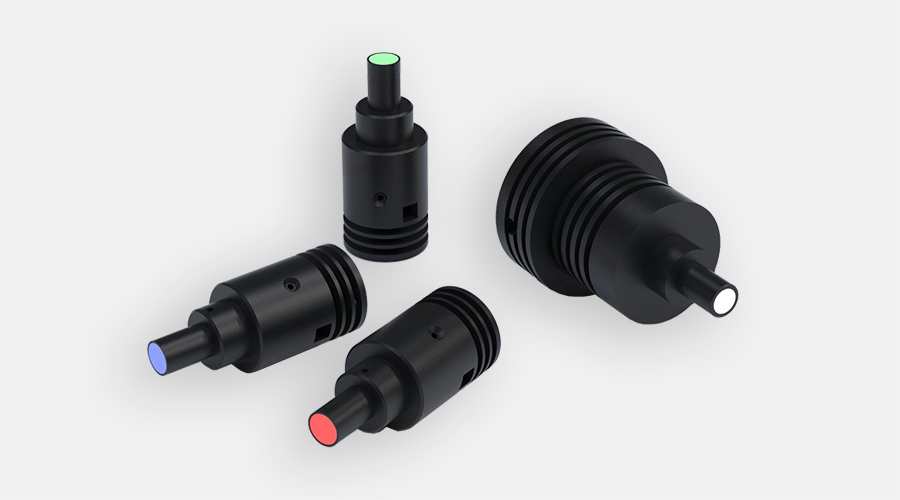 Spot light
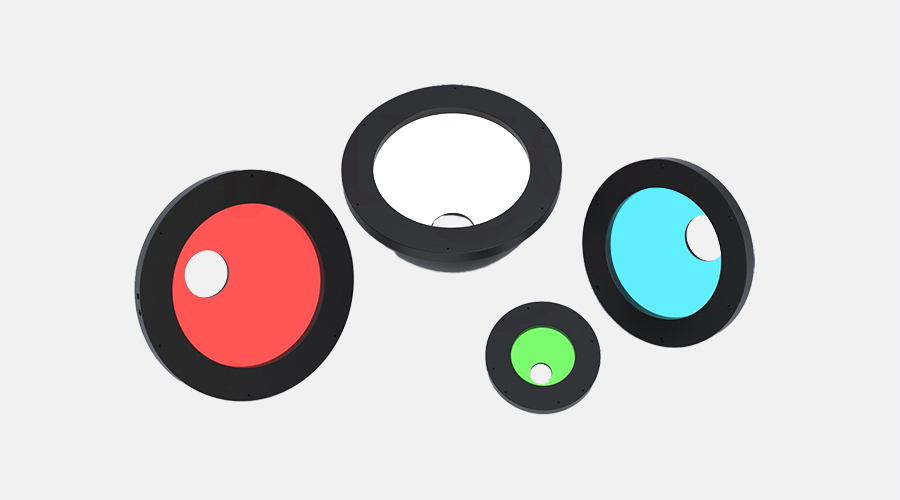 Dome light
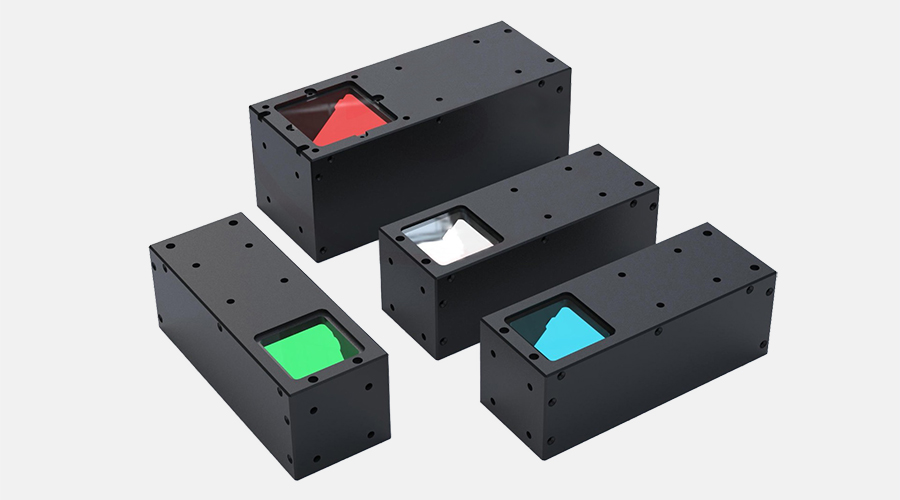 Collimated Coaxial light
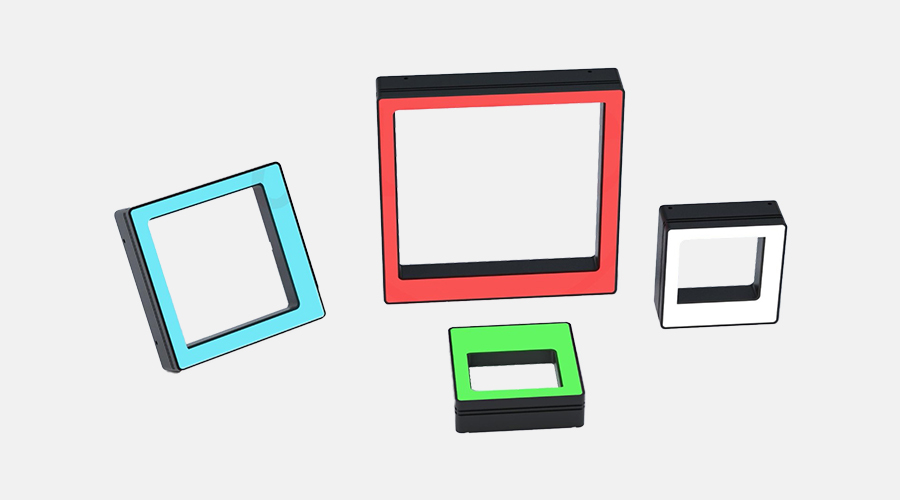 Shadowless square light
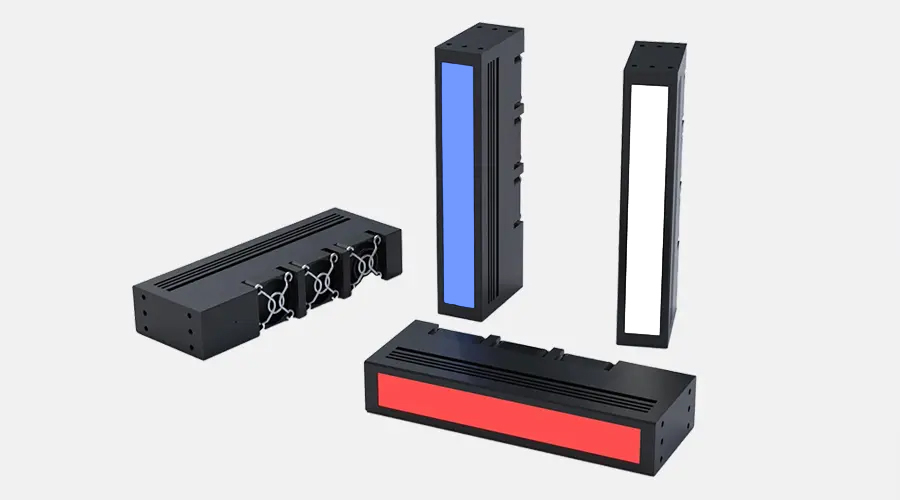 Scan light
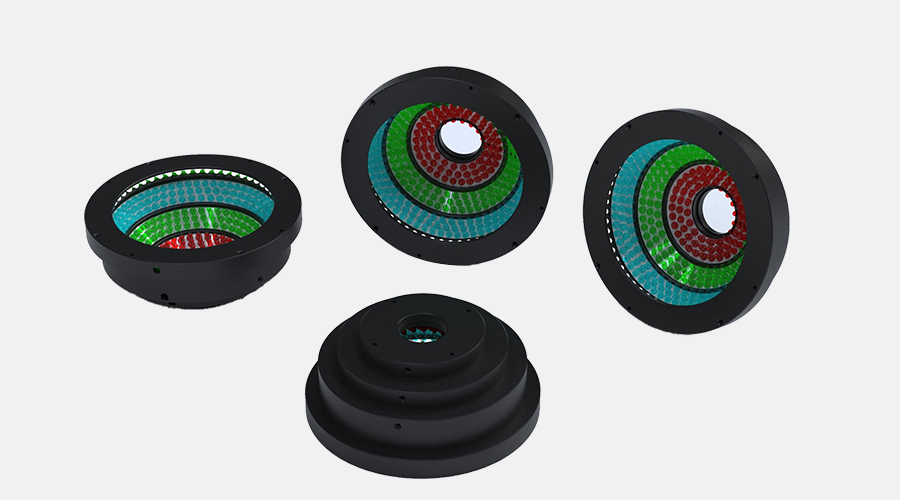 AOI light
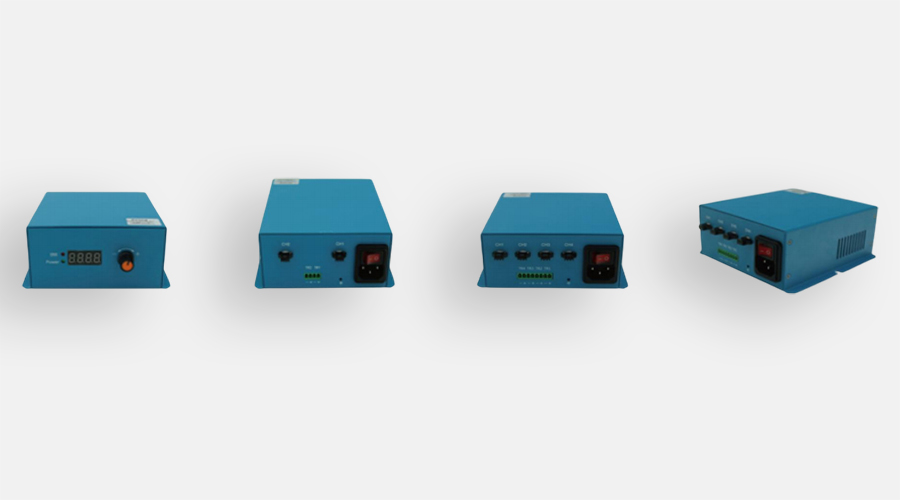 Analog controller
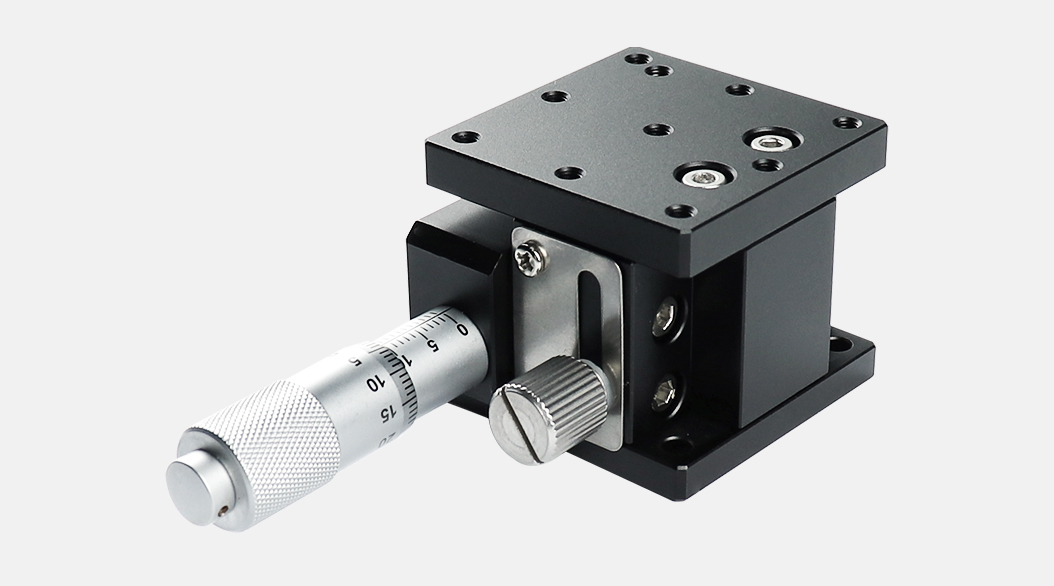 Crossed-Roller Linear guide type
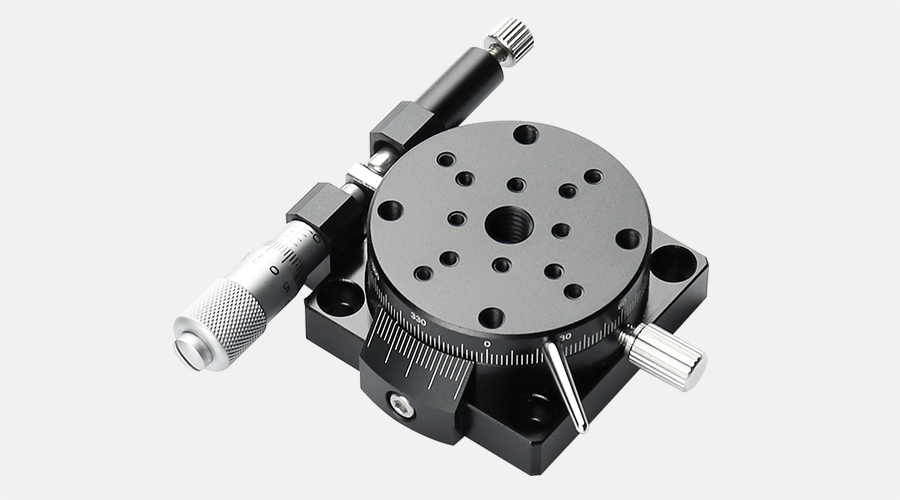 Rotary Stages XRS series
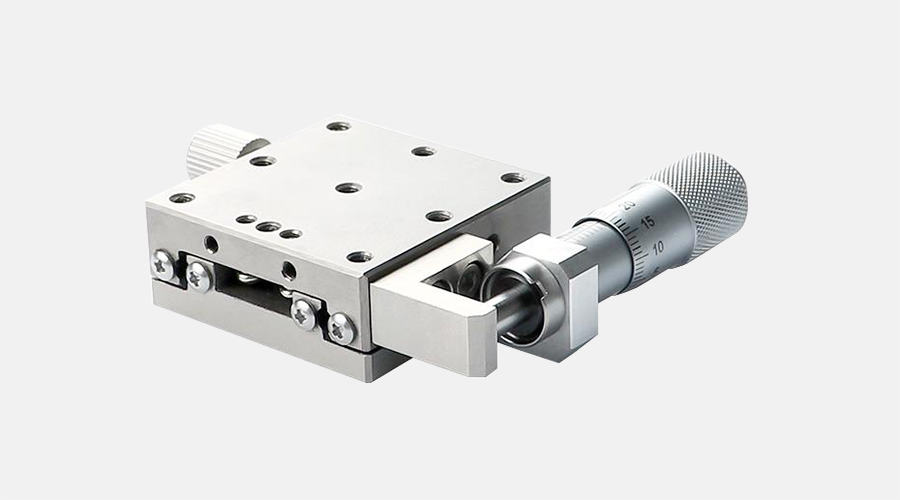 Stainless Steel Ball Bearing Linear Translation Stages
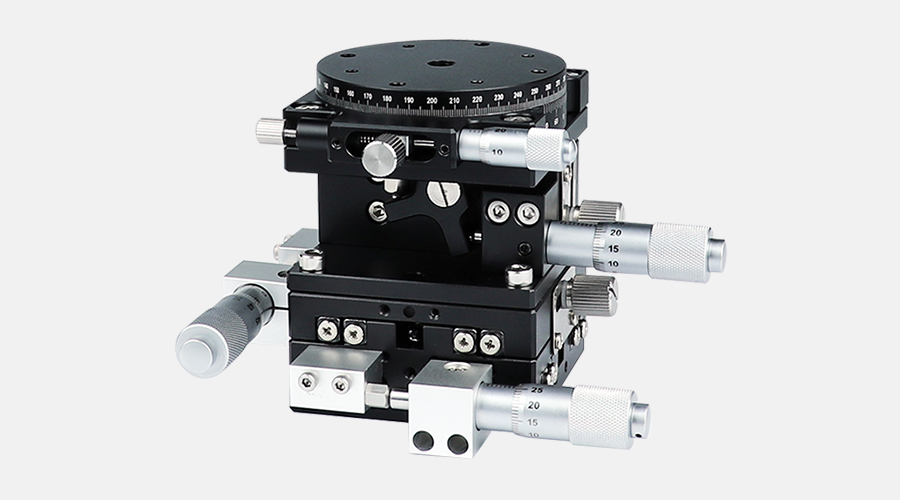 Multi-axis Translation stages
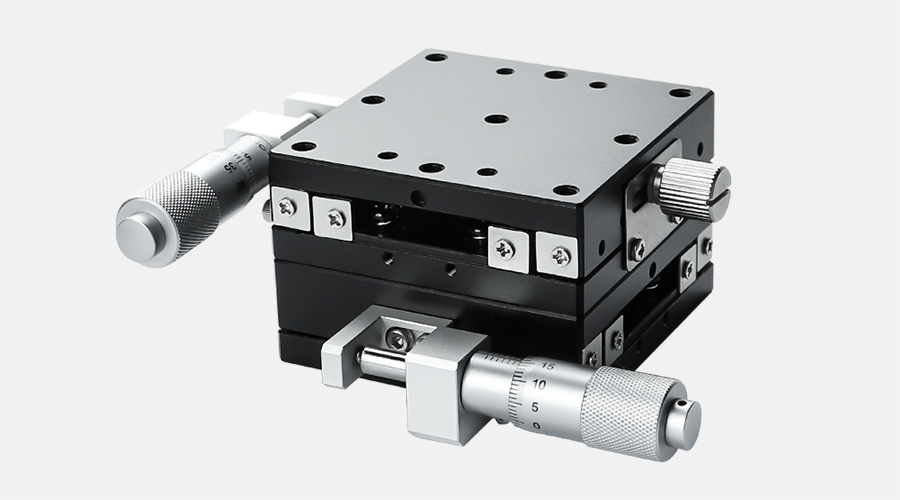 steel bar ball bearing stages
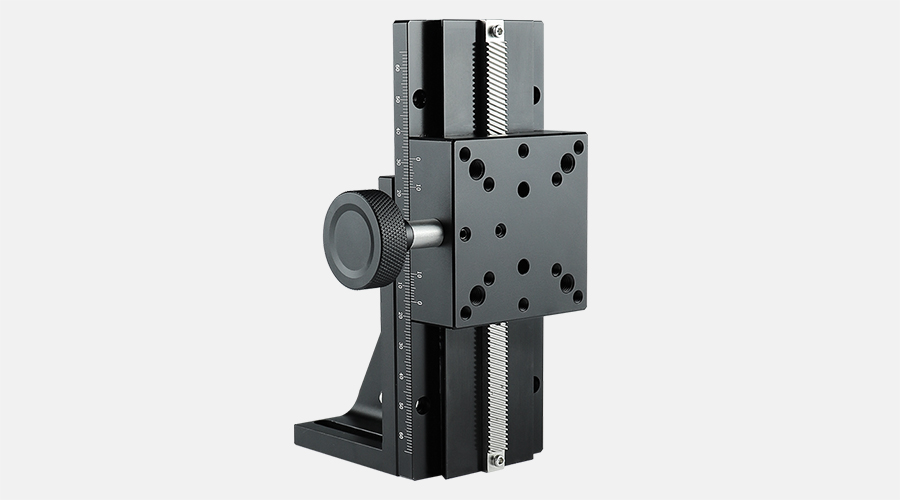 Dovetail Type Rack&Pinion Positioning Stage
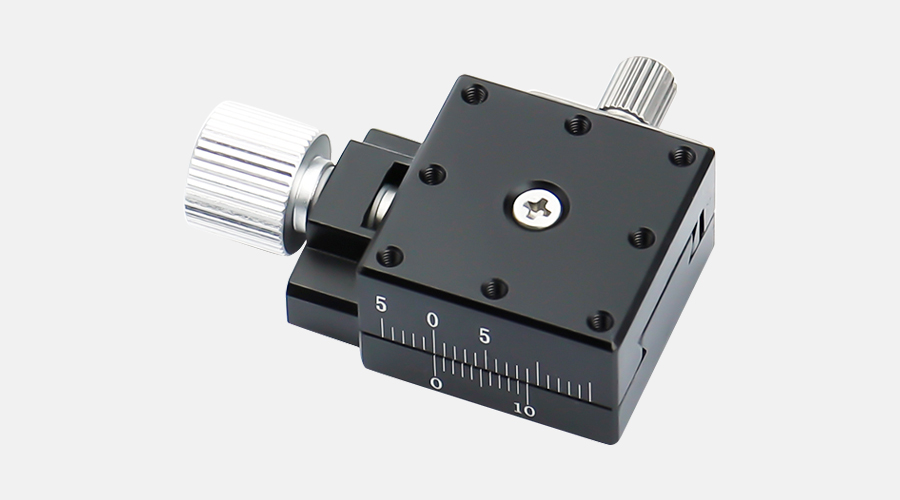 Dovetail groove high-precision screw slide

Industrial light source
An excellent lighting device can effectively reduce image noise and improve the signal-to-noise ratio. Industrial light sources are essential components in machine vision systems, as they provide consistent brightness and adjustable illumination directions.
These features help eliminate interference caused by ambient light fluctuations, ensure consistent imaging conditions, and enhance the accuracy of visual inspections.
- Telecentric Lens
- Security camera lens
- Industrial light source
-
Manual Stages and Slides
- Crossed-Roller Linear guide type
- Rotary Stages: XRS series
- High-precision Rotary stages: XRSP series
- Stainless Steel Ball Bearing Linear Translation Stages: XLB series
- Multi-axis Translation stages
- steel bar ball bearing stages: XLG series
- Dovetail Type Rack&Pinion Positioning Stage
- dovetail groove high-precision screw slide
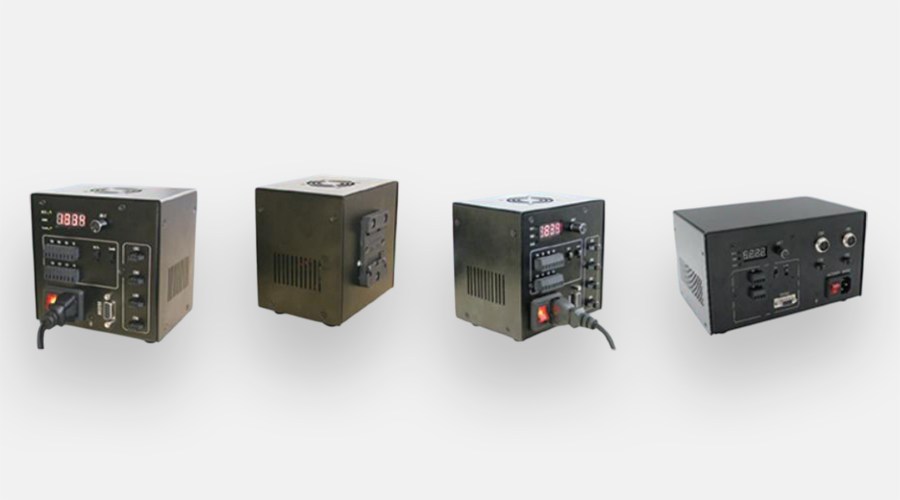
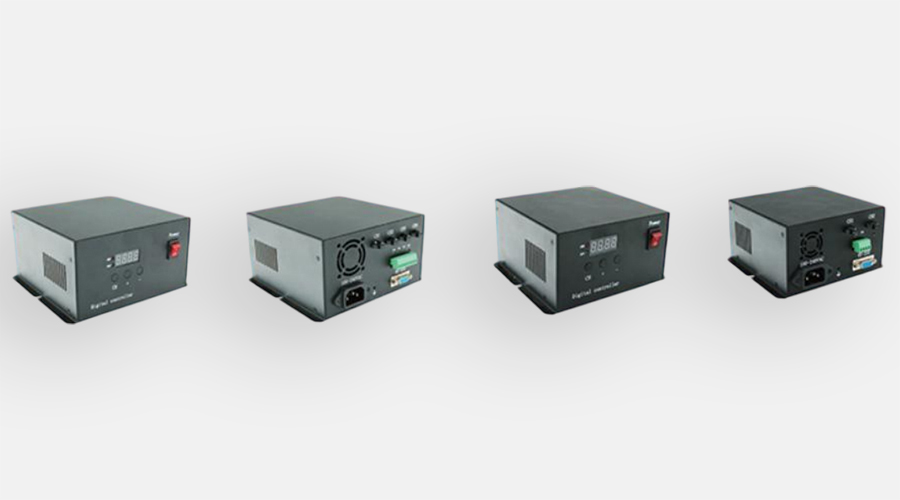
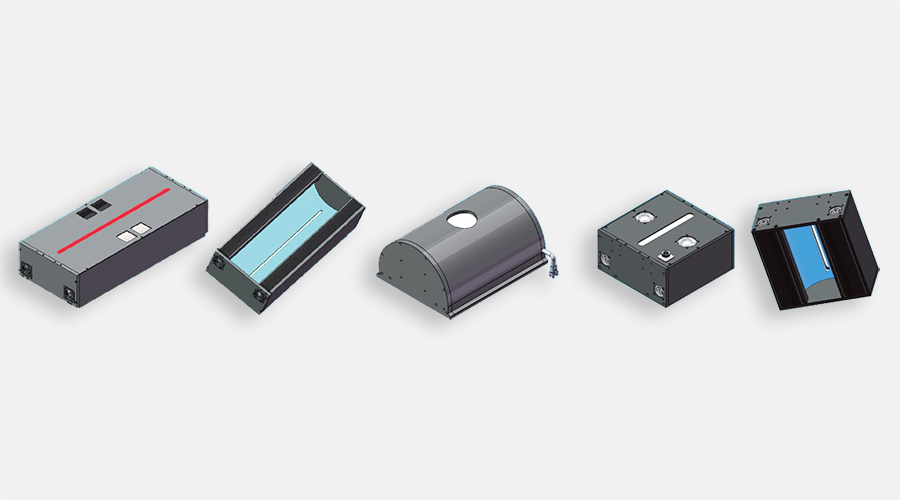
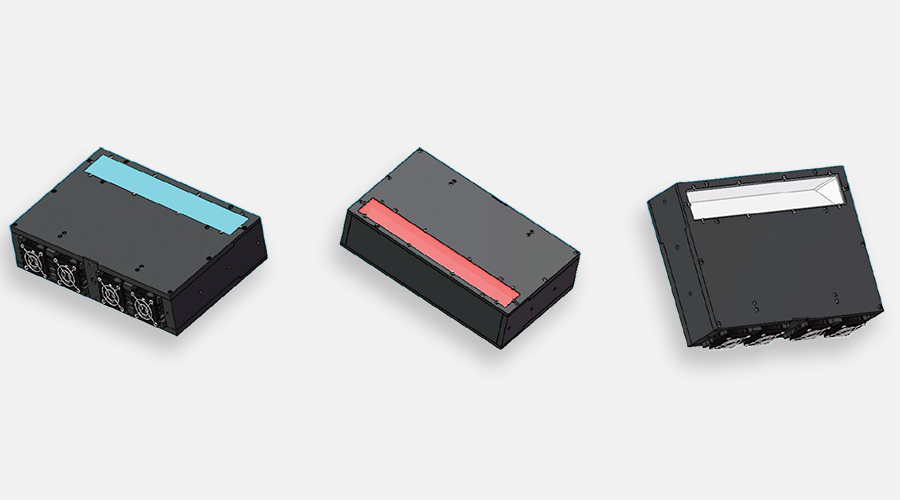
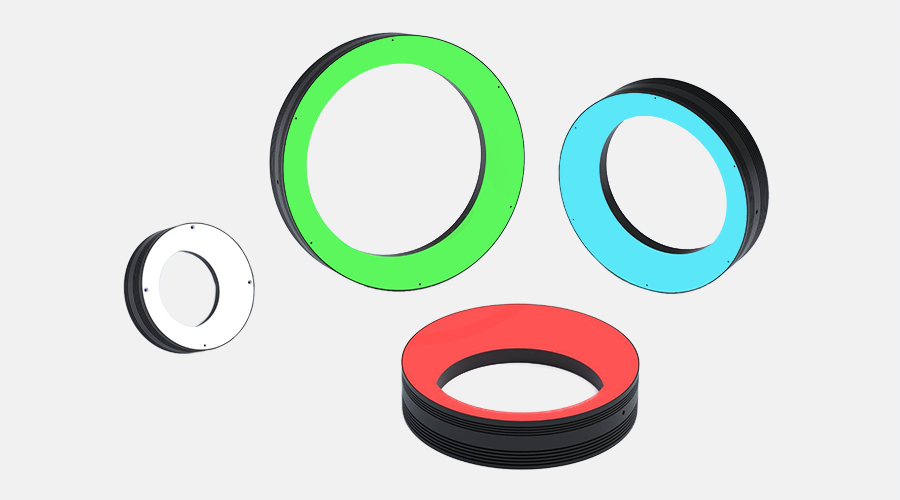

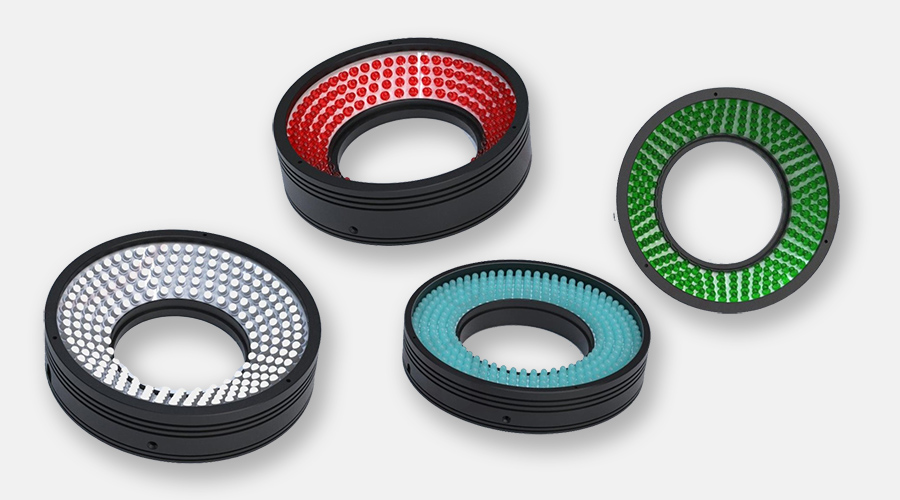
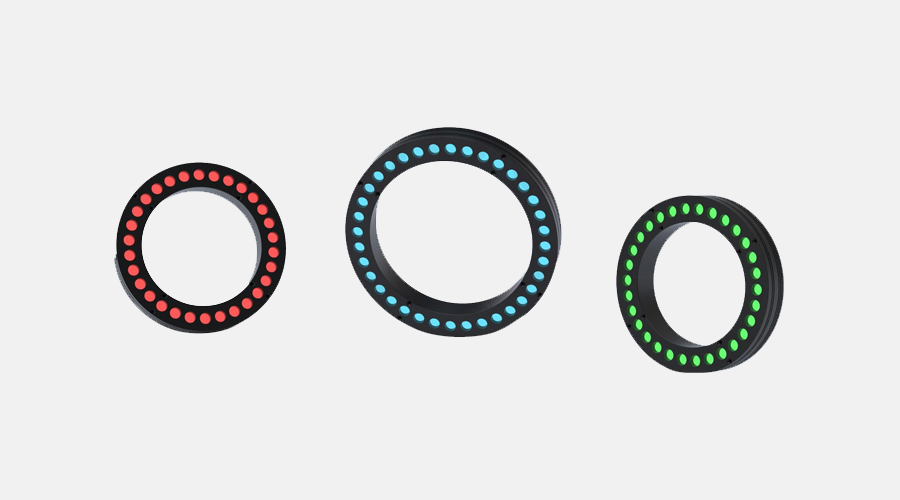
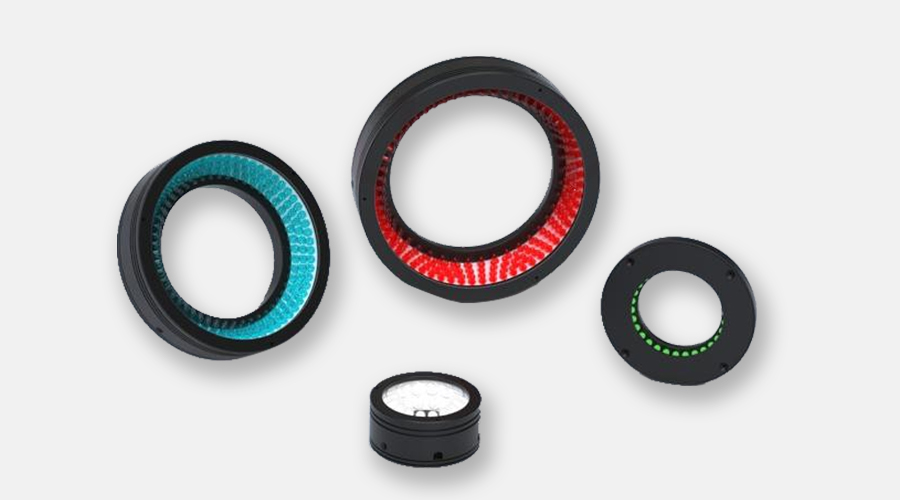
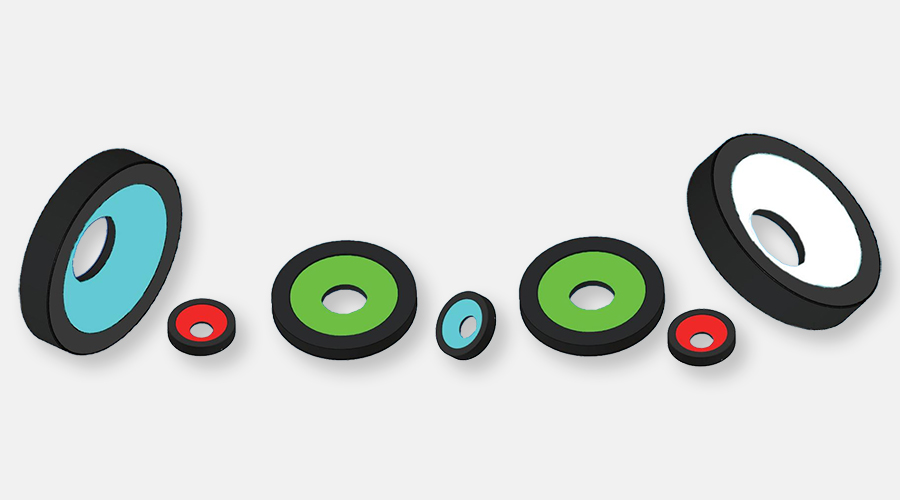
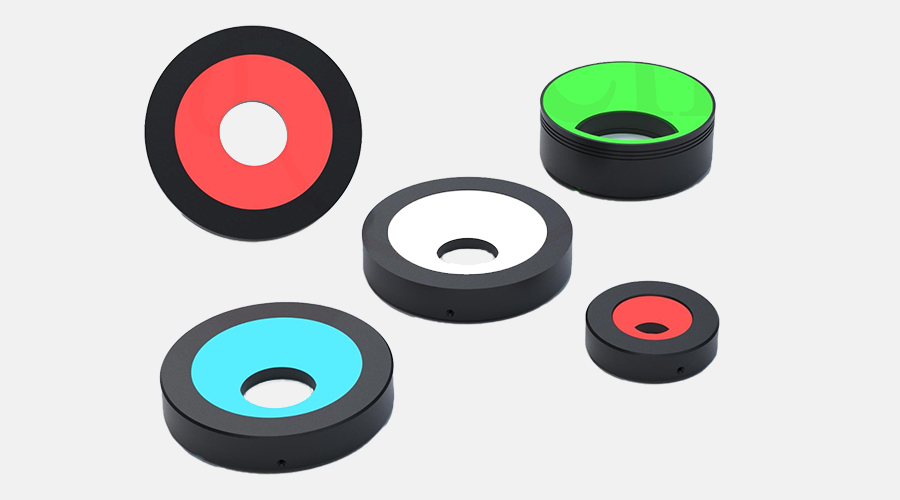
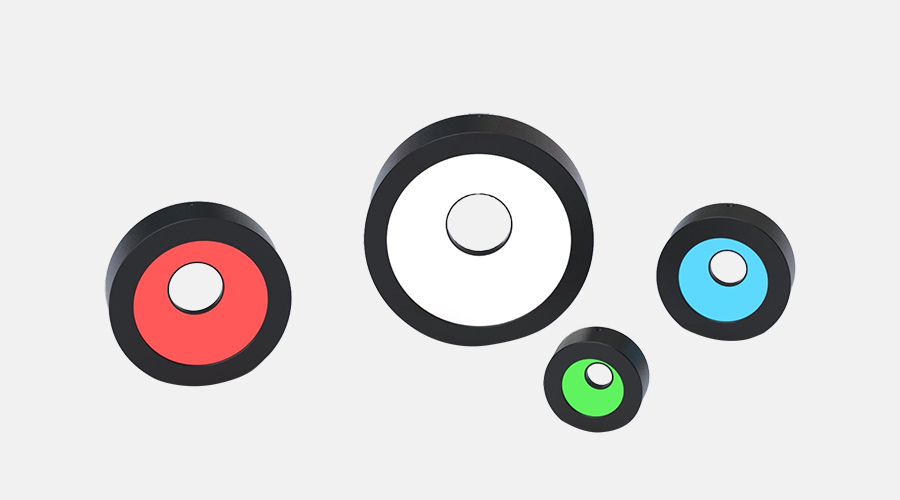
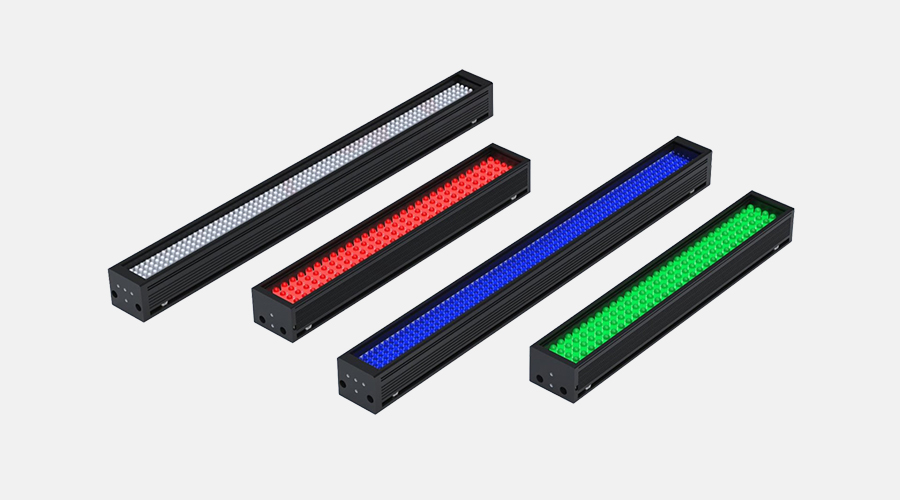
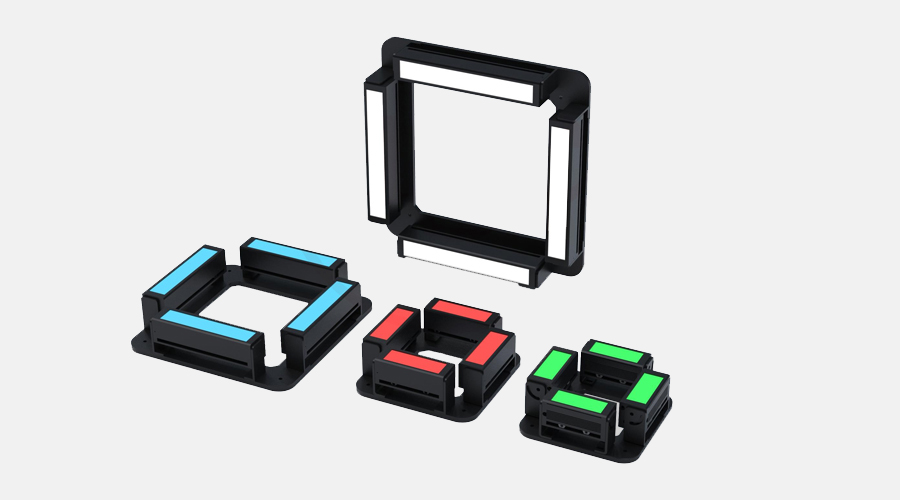
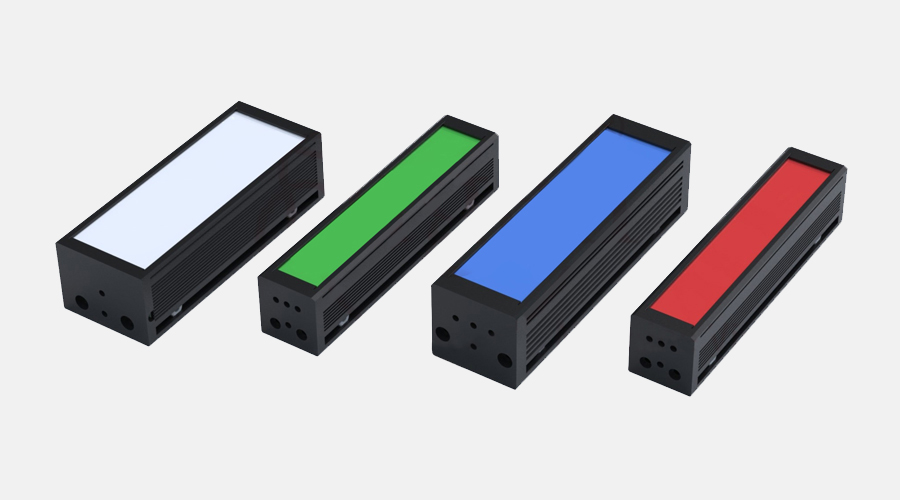
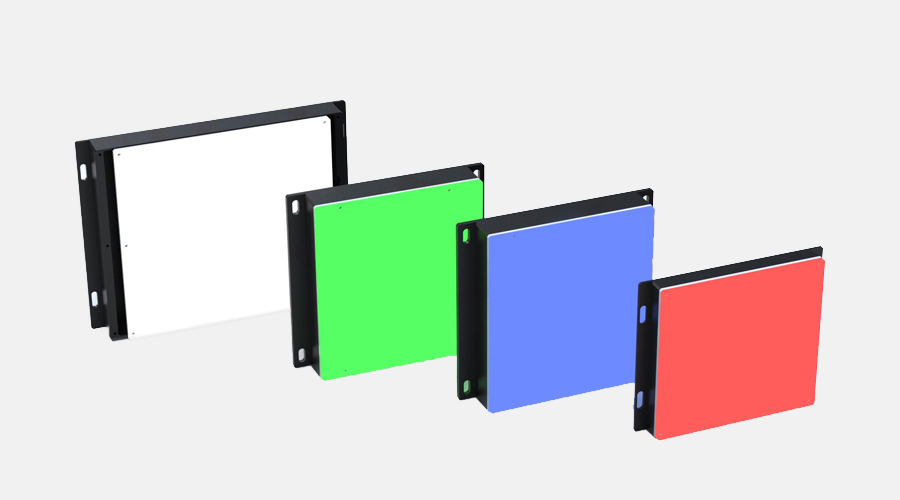
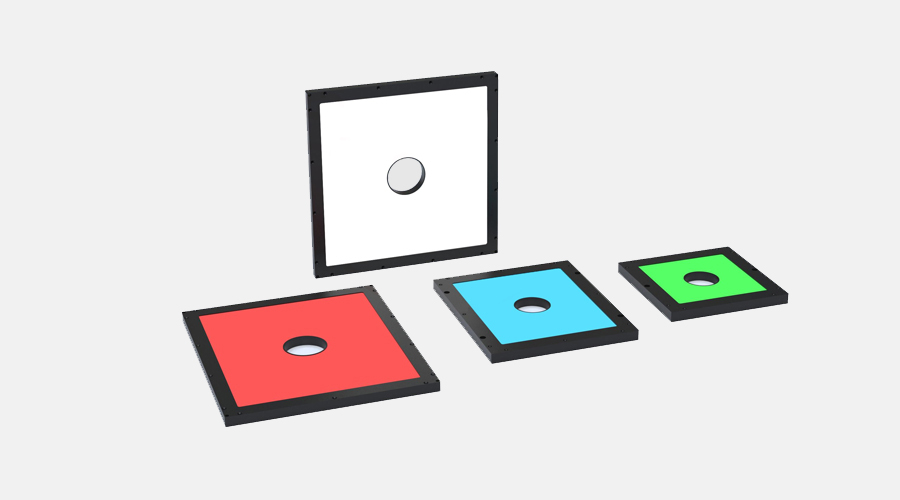
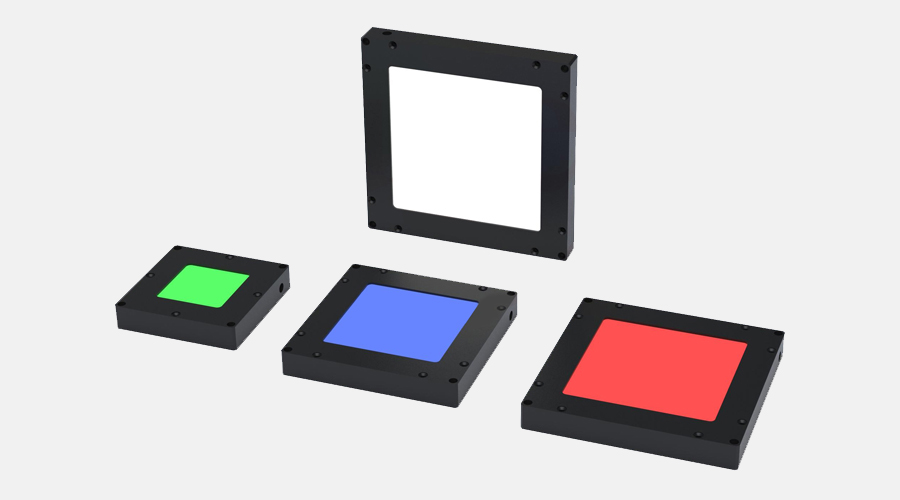
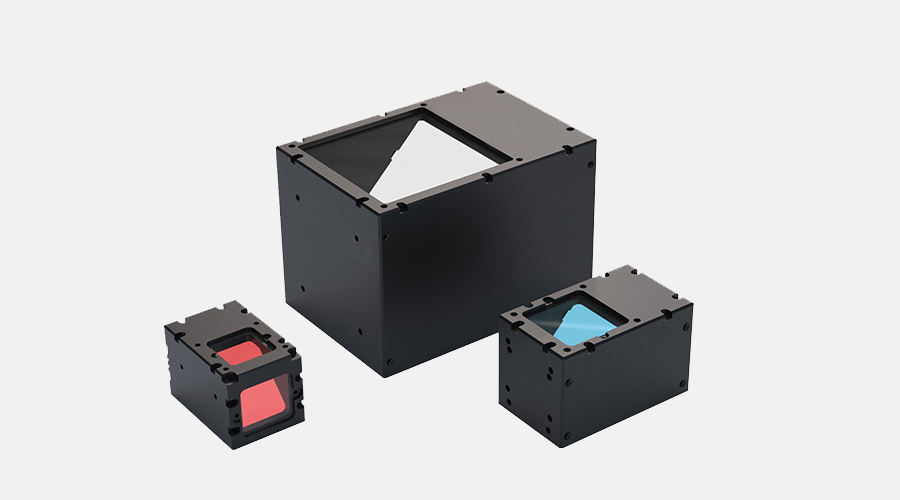
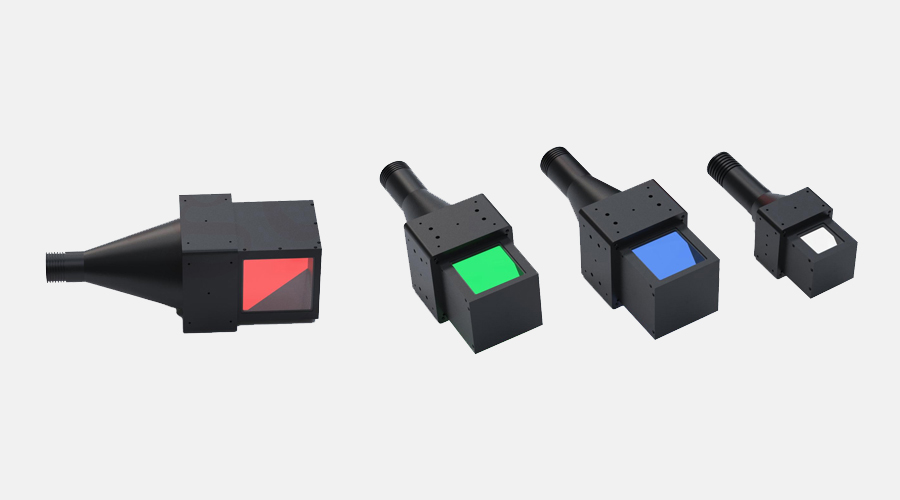
Parametric effects of industrial light source
By establishing a stable and reliable imaging environment, industrial lighting highlights the features of the target object while suppressing background interference, thereby simplifying subsequent image processing tasks.
Industrial light sources are more than just "lighting lamps"; they determine what an industrial camera captures and act as a critical link between the physical world and digital imaging. Without appropriate illumination, even the most advanced cameras and algorithms may fail to perform at their full potential.
Furthermore, we offer customized lighting solutions tailored to specific requirements, addressing unique needs in terms of spectral characteristics, size constraints, or application scenarios. Supported by professional technical services and optimized component selection and integration, these solutions significantly improve image quality and increase the overall success rate of machine vision systems.
-
What parameters should be considered when choosing a machine vision light source?
-
How to choose the shape, size and Angle of the light source?
-
How to choose the color of the light source?
The color of industrial light sources should be selected based on detection targets, material characteristics, and environmental interference.
Detection of Target Characteristics
• Surface Defect Detection:
1. Blue Light (450–495 nm): Short wavelength and high scattering make it ideal for detecting fine scratches or fingerprints on metal and glass.
2.Green Light (495–570 nm): Visible to the human eye, it enhances surface details of dark objects like black rubber.
3. Red Light (620–750 nm): Reduces reflection and penetrates materials, making it suitable for inspecting transparent or semi-transparent items like glass and plastic.
• Internal Structure Inspection:
1. Infrared Light (above 750 nm): Penetrates deeply and detects internal features such as bubbles in silicone.
Material Property Adaptation
• Metal Detection:
1.Blue light highlights solder joint textures.
2.Red light reveals internal structures by penetrating packaging.
• Plastic/Film Testing:
1. Green light identifies surface defects.
2. Infrared light detects internal impurities through material penetration.
Response to Environmental Interference
• In Complex Lighting:
1. Red light matches sensor sensitivity, reducing visible light interference.
• In Low Light:
1. Infrared with specialized cameras supports night vision monitoring.
Performance Requirements for Light Sources
• Uniformity: Ensures even lighting to avoid grayscale variations that affect image quality.
• Stability: Stable light sources ensure continuous and reliable inspections. -
When illuminated by special light sources (such as ultraviolet or infrared), can a regular camera be used?
-
Do all light sources require controllers?