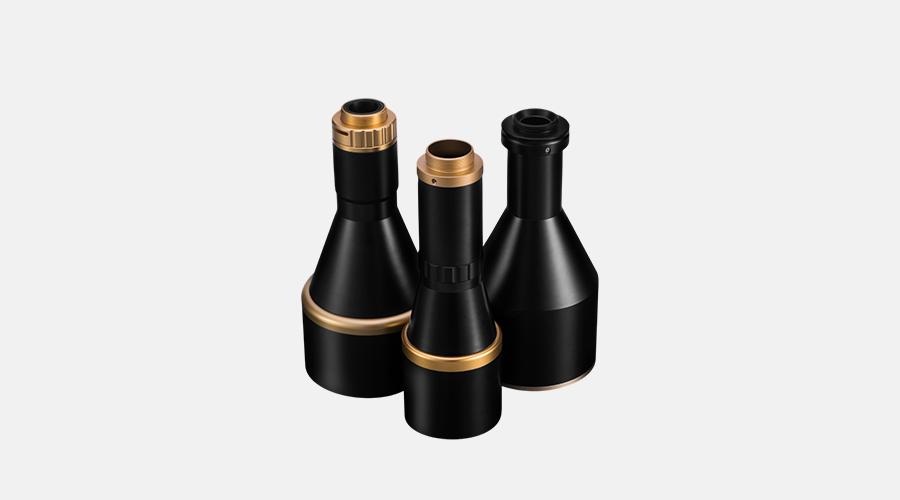
 High/Low Working Distance
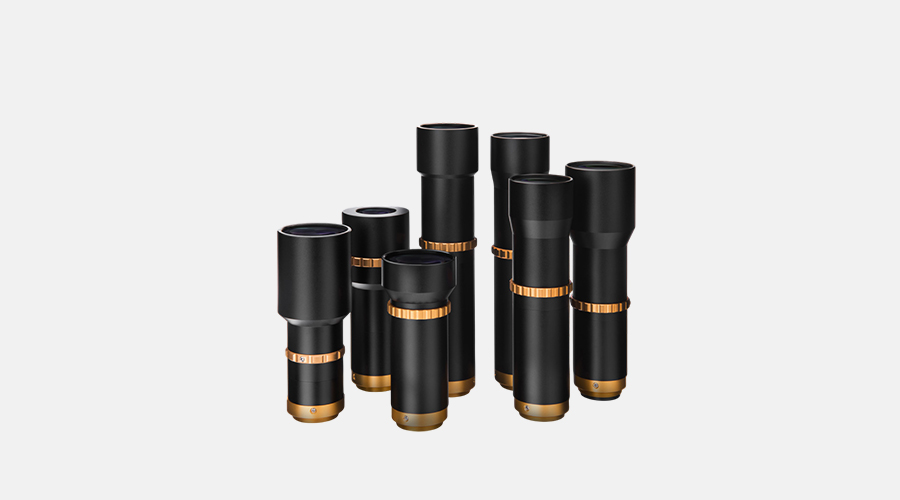 Aperture telecentric lens
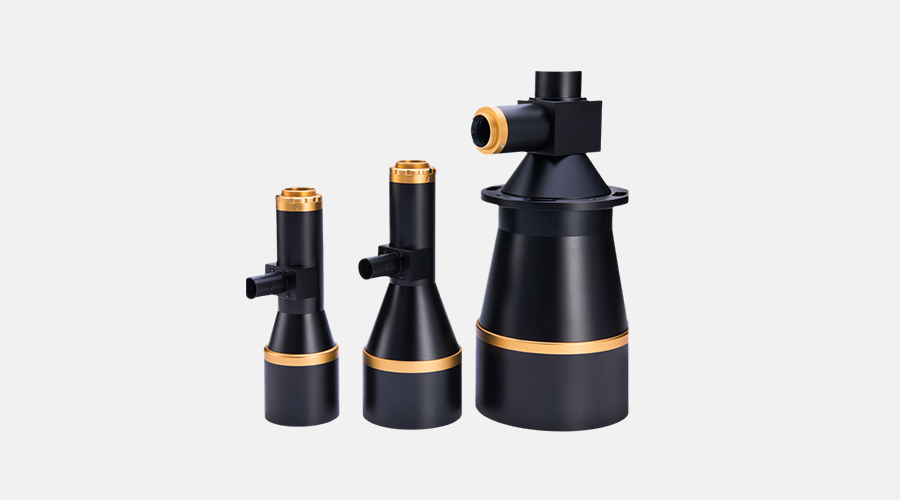 Measuring lens
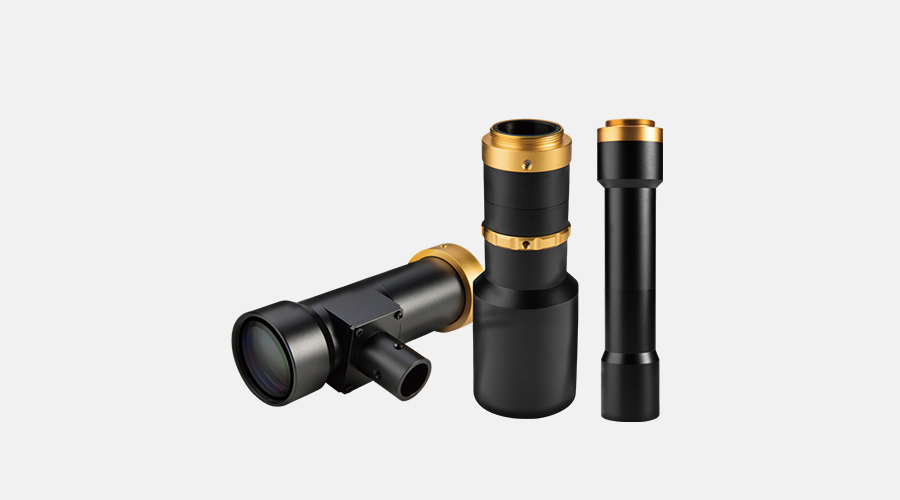 Maximum support 1.1" chips
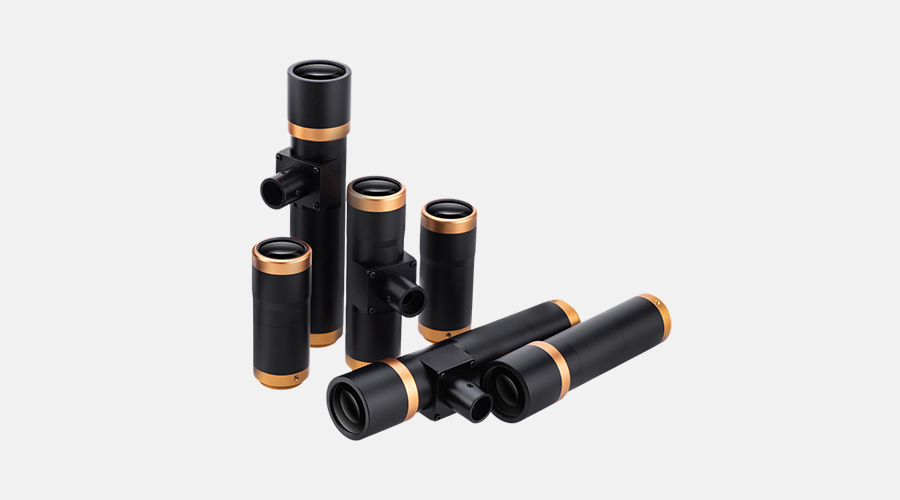 Maximum support 1.2" chips
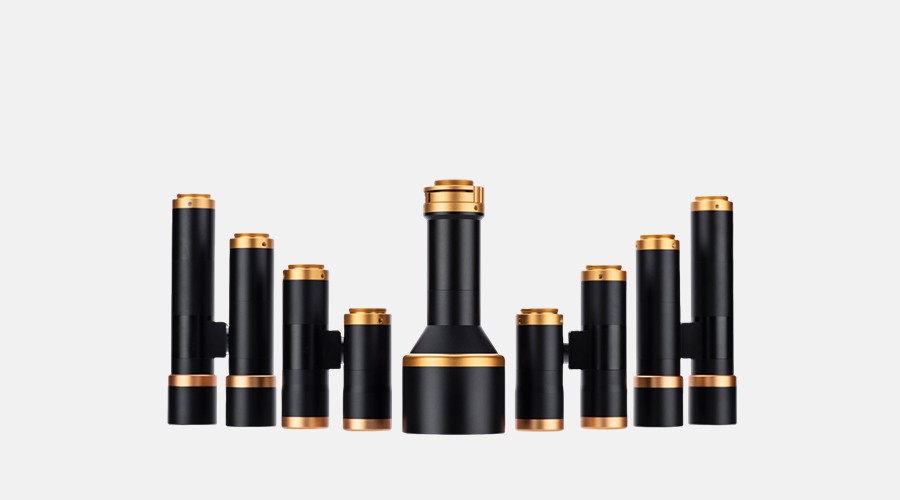 Maximum support 2/3" chips
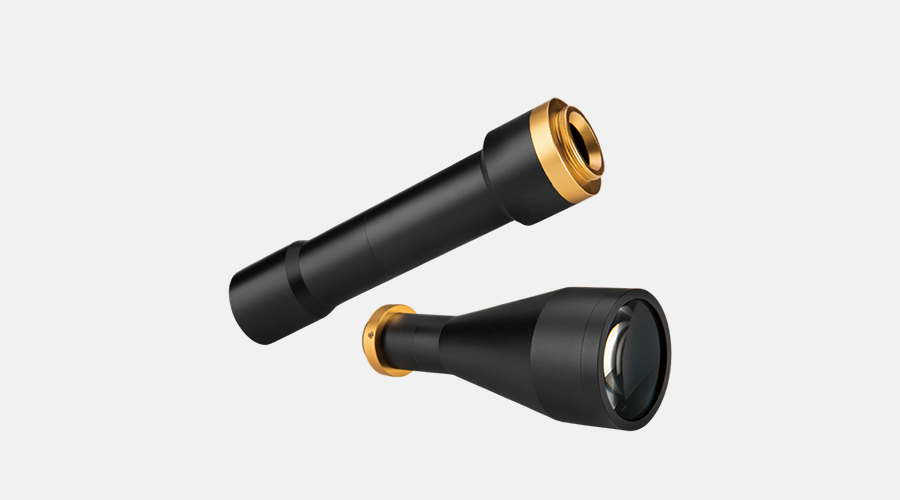 Long Working Distance
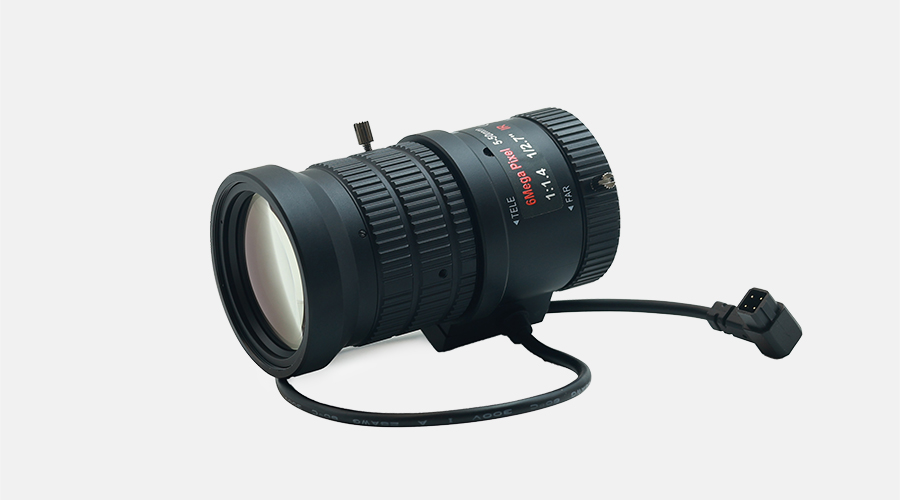 CS mount Varifocal lens
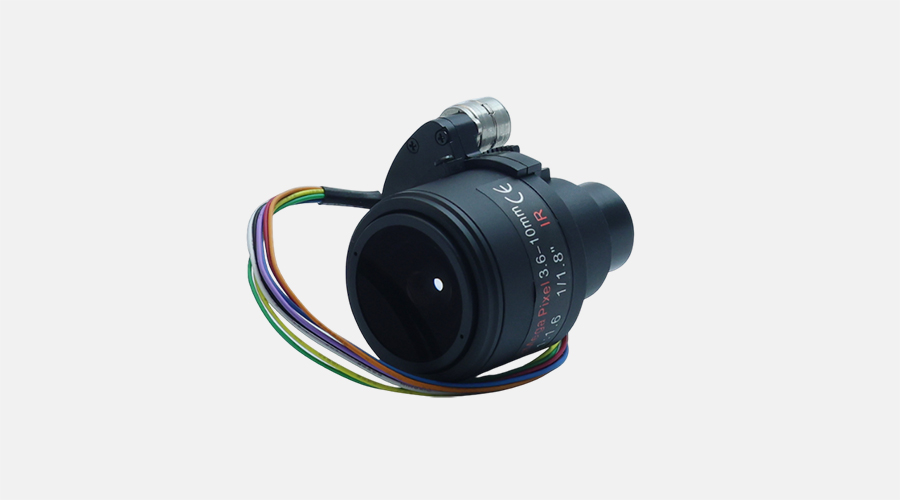 Varifocal board lens
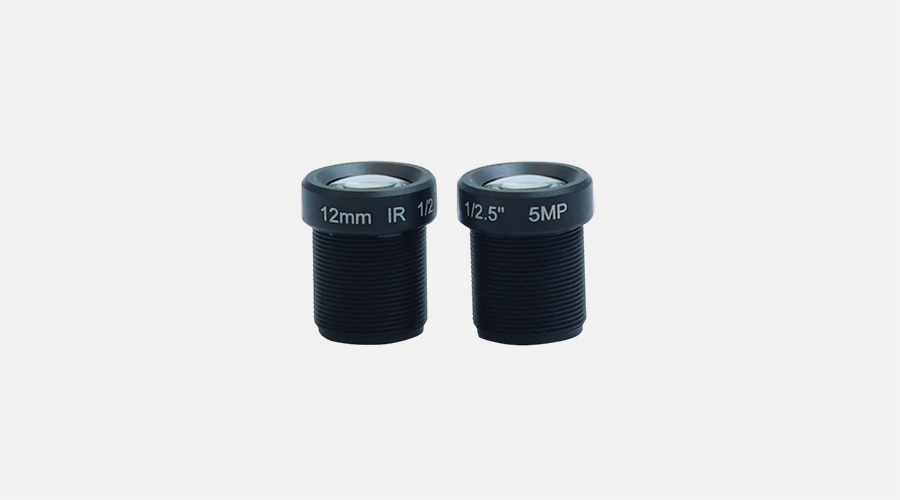 S mount lens
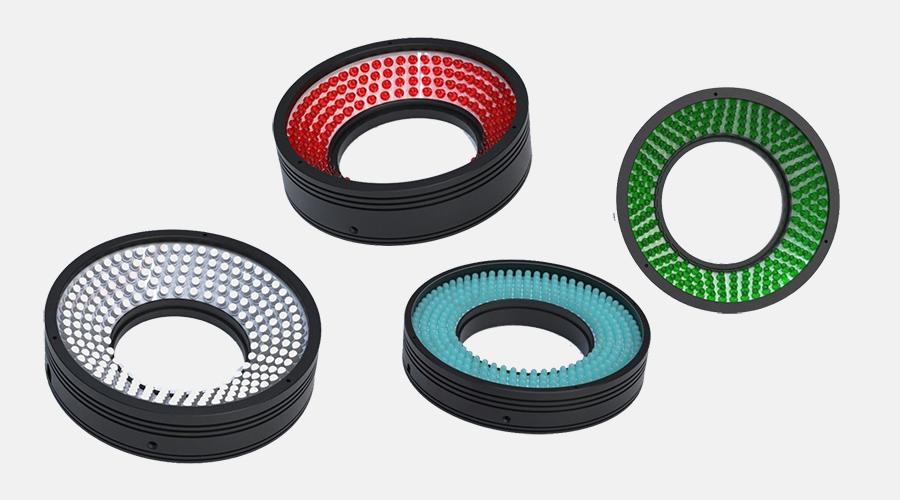 Ring light
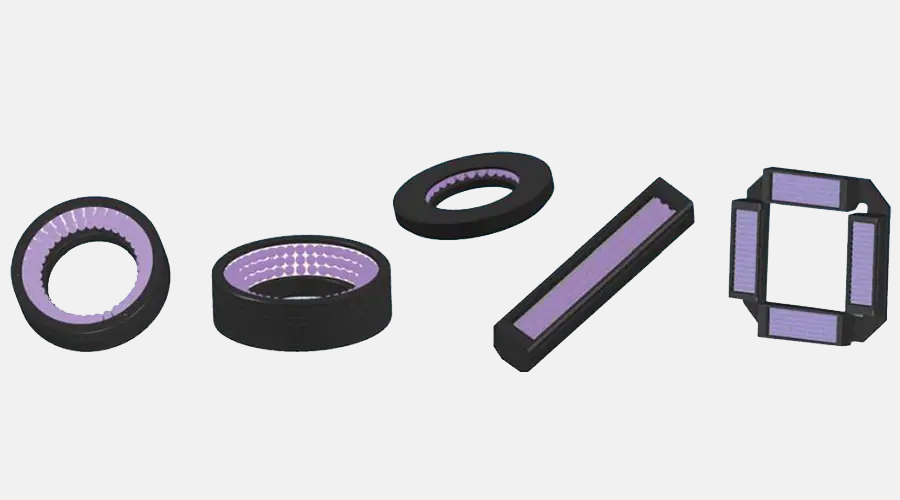 UV/IR Light
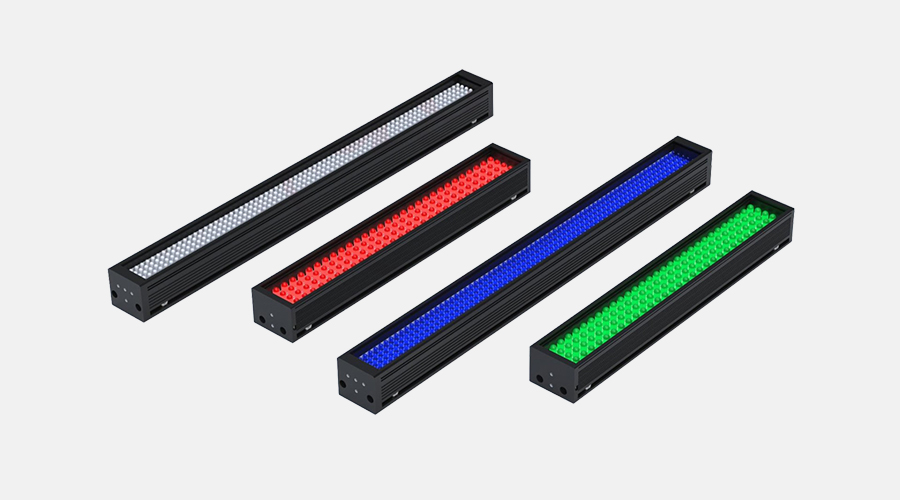 Bar light
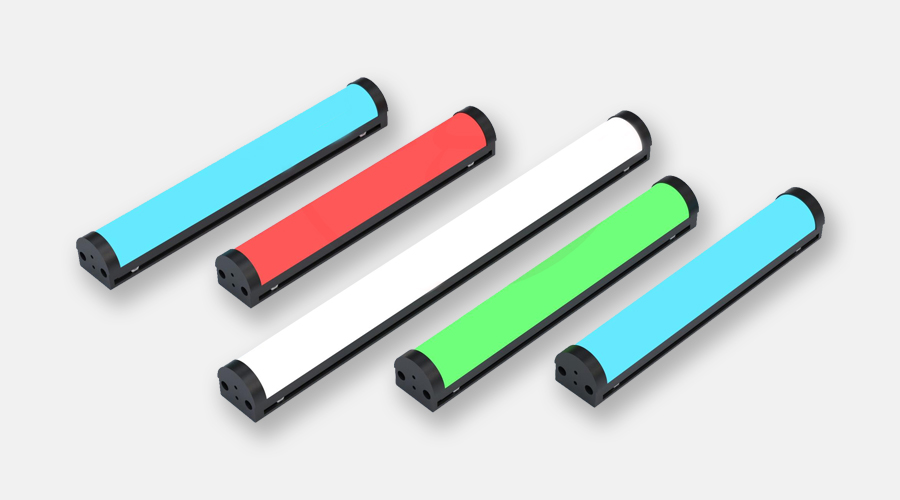 Arcuate high uniformity light
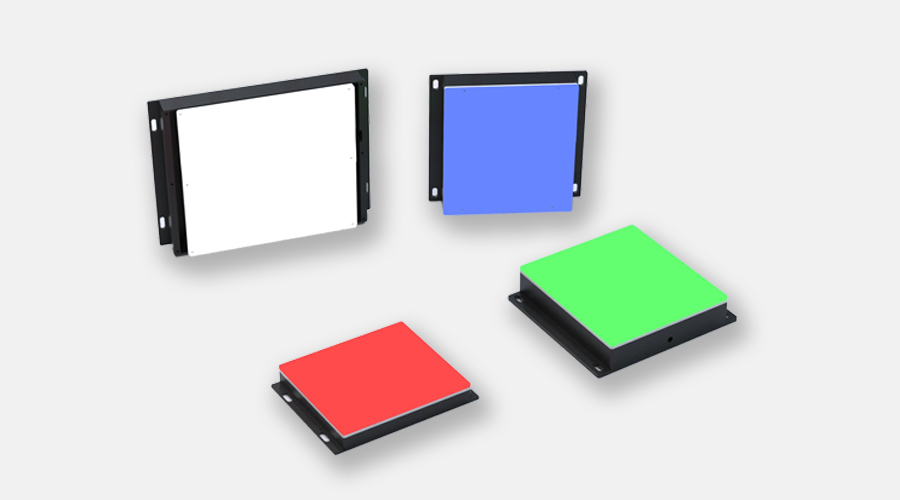 Back light
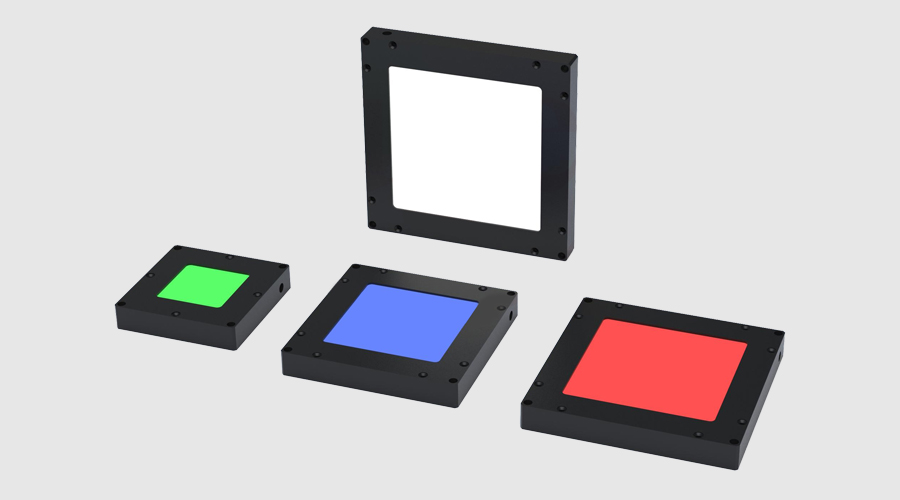 Flat light
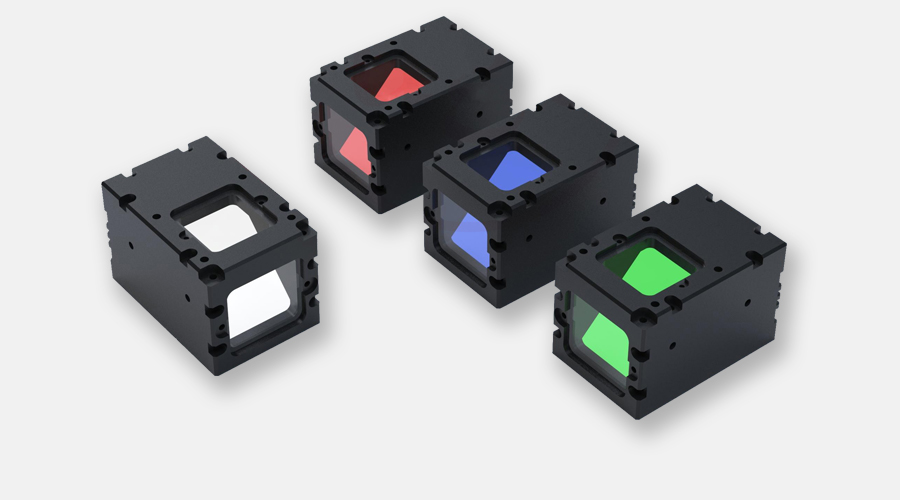 Coaxial light
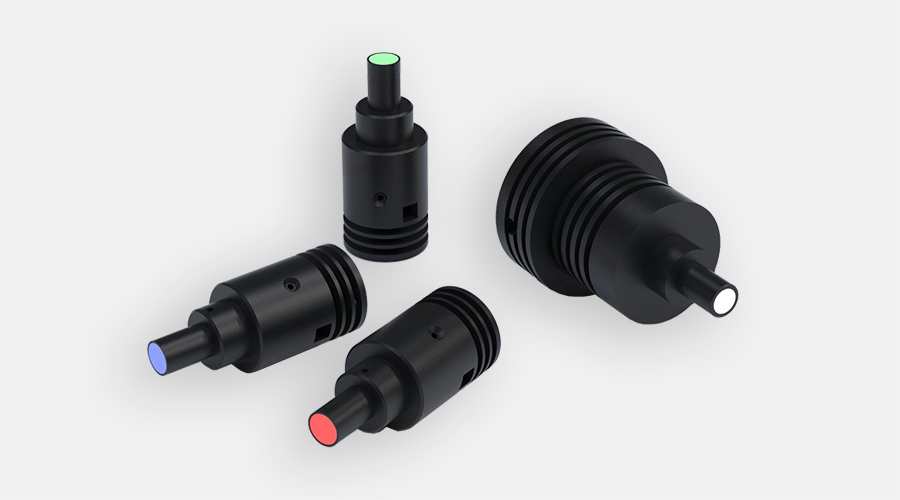 Spot light
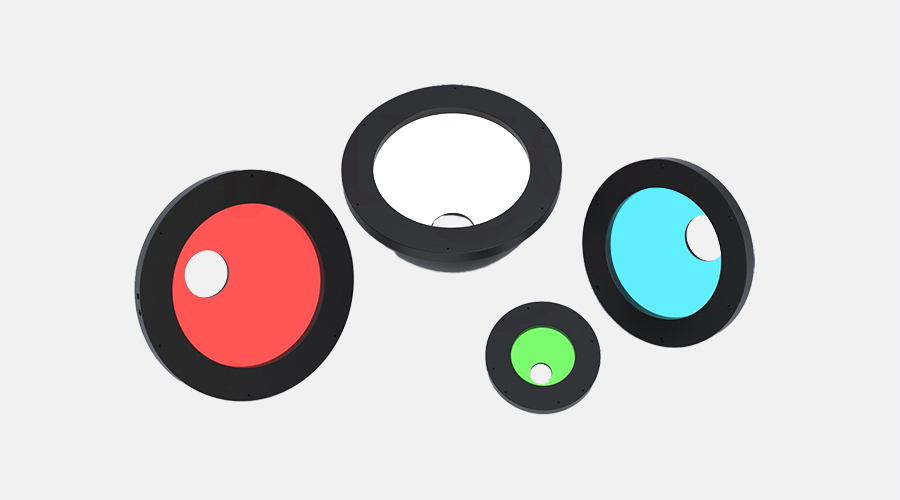 Dome light
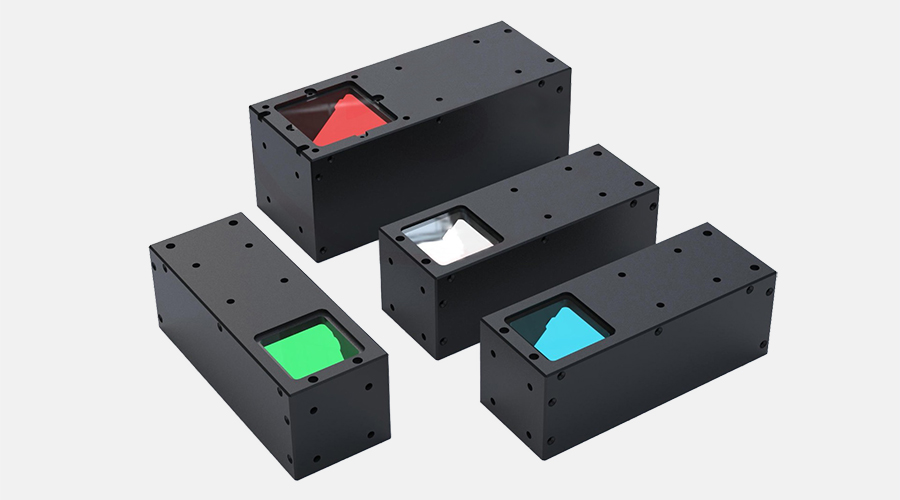 Collimated Coaxial light
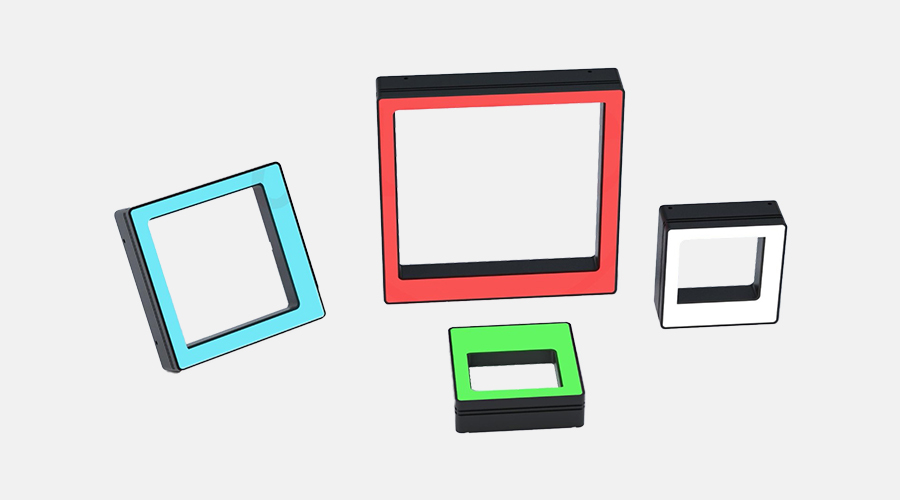 Shadowless square light
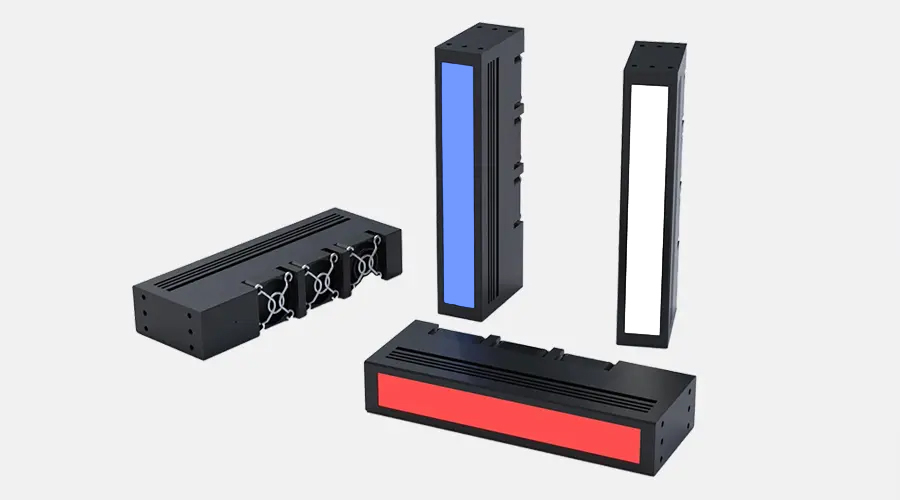 Scan light
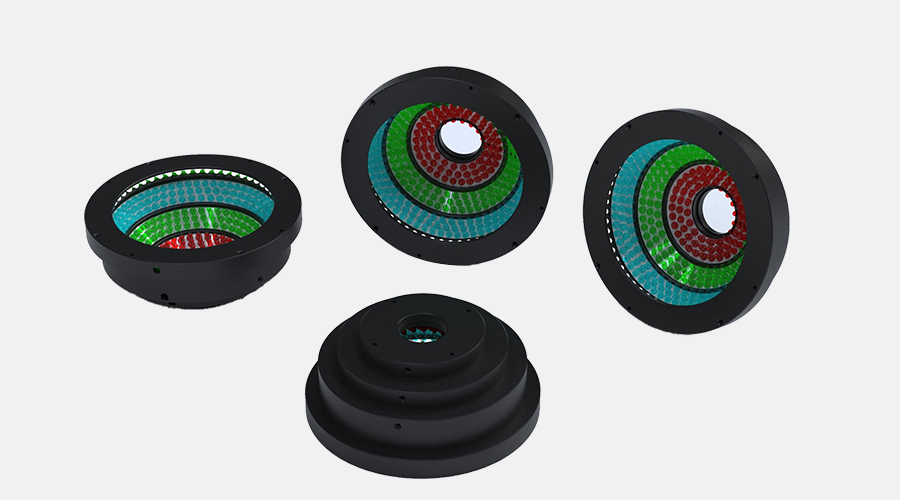 AOI light
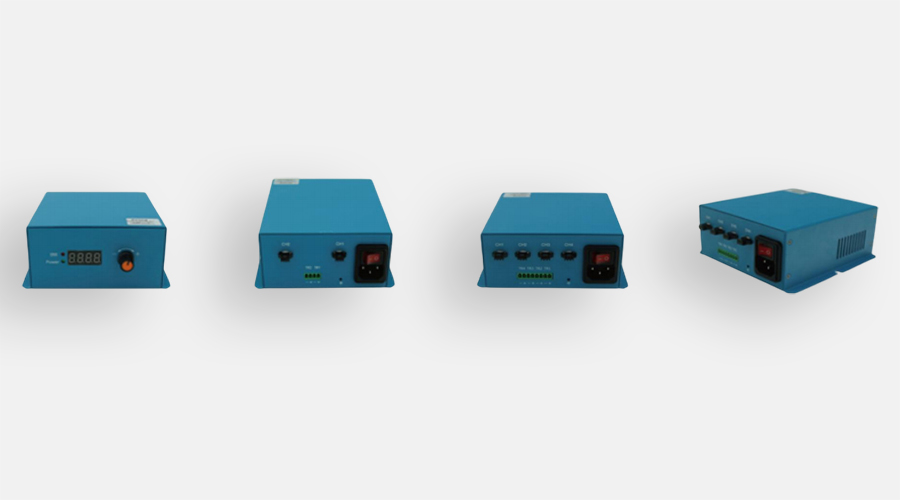 Analog controller
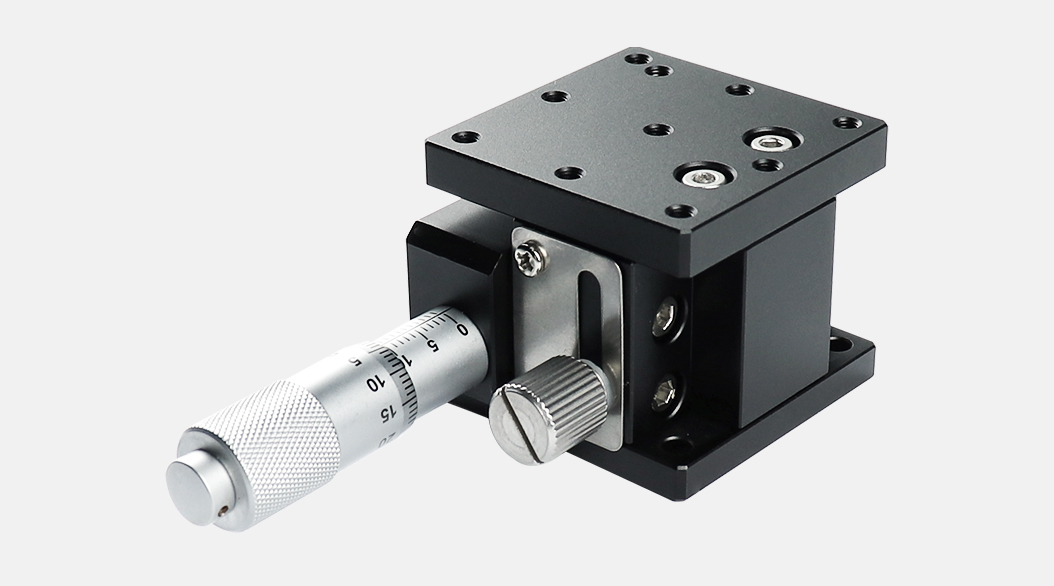 Crossed-Roller Linear guide type
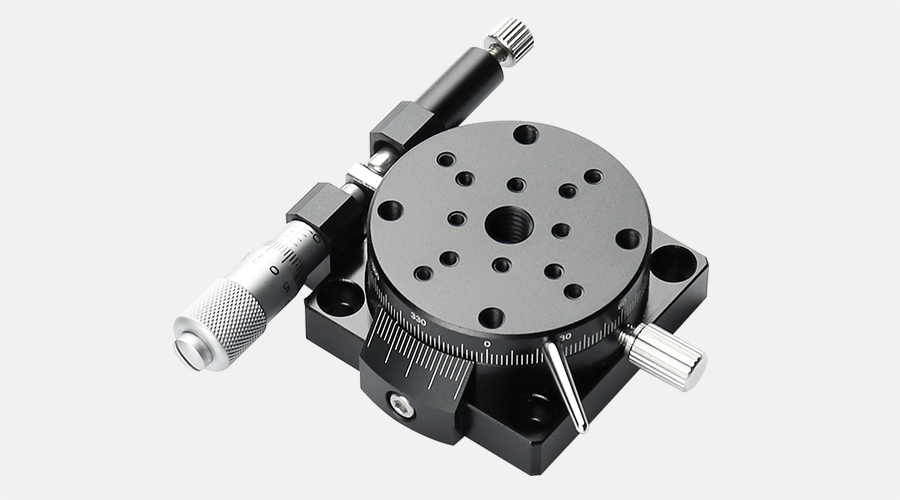 Rotary Stages XRS series
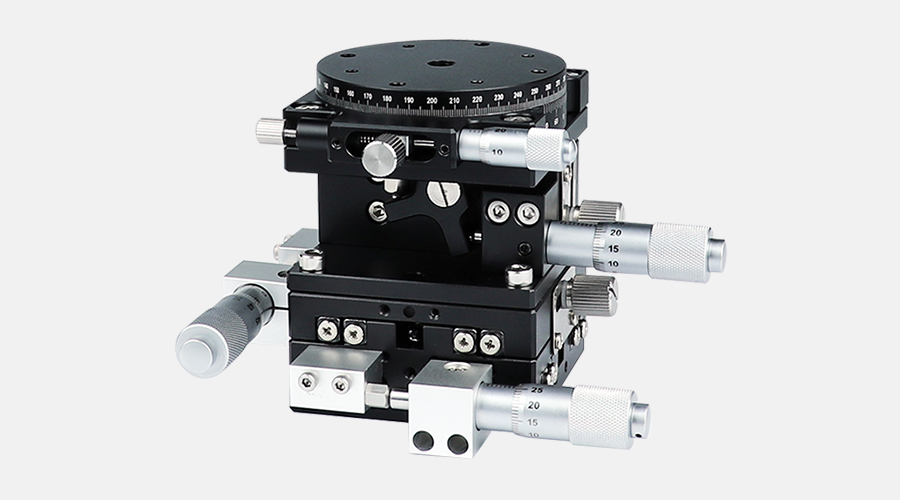 Multi-axis Translation stages
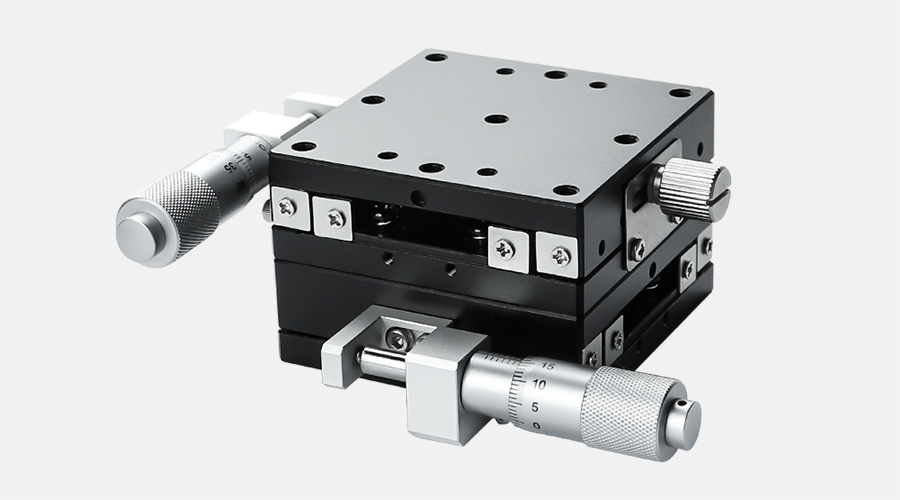 steel bar ball bearing stages
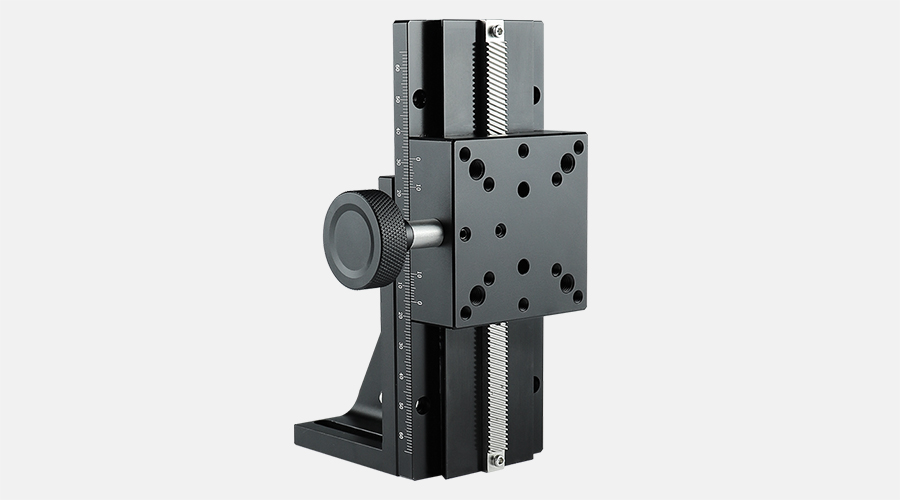 Dovetail Type Rack&Pinion Positioning Stage
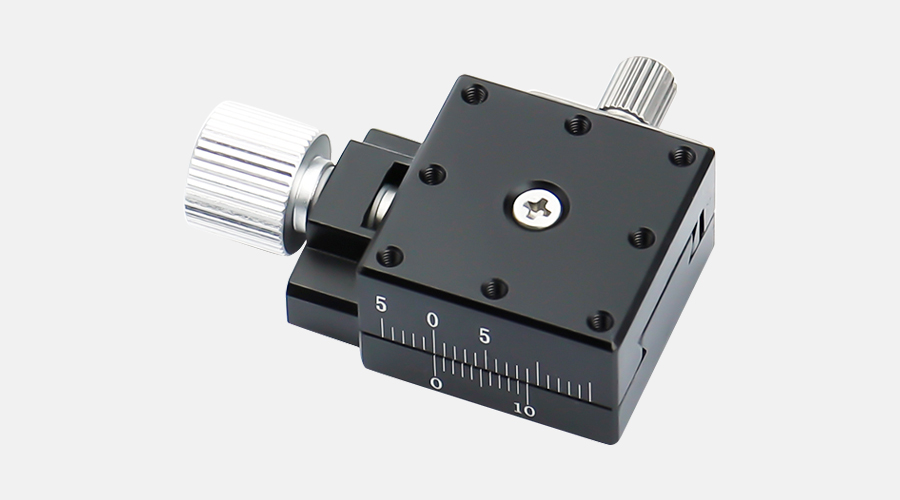 Dovetail groove high-precision screw slide
Optical Solutions for Machine Vision, Security Imaging & Precision Positioning
Application solutions for telecentric imaging, security surveillance, machine vision illumination, and manual optical positioning. Suitable products can be selected based on the imaging task, sensor, field of view, working distance, focal length, illumination, and positioning requirements.
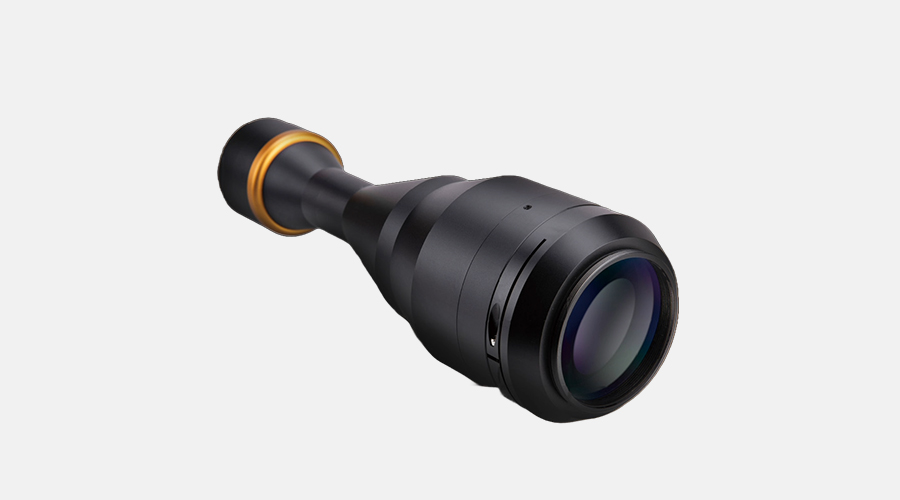
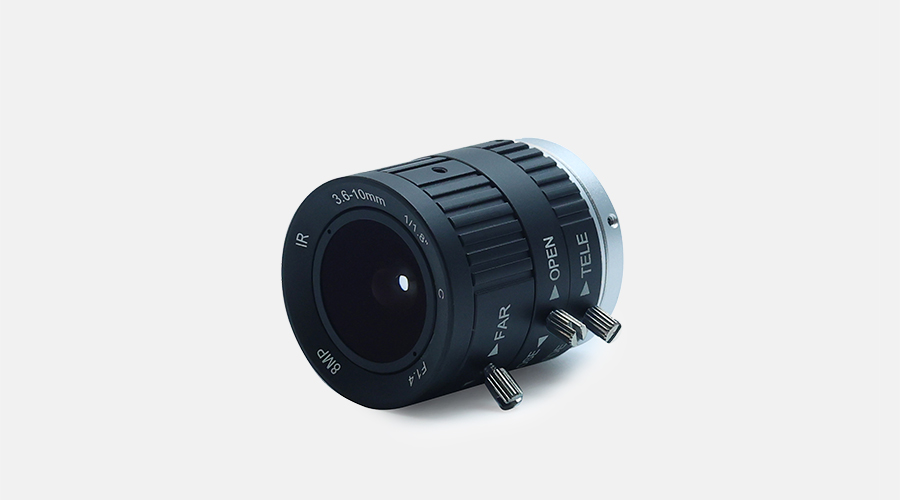
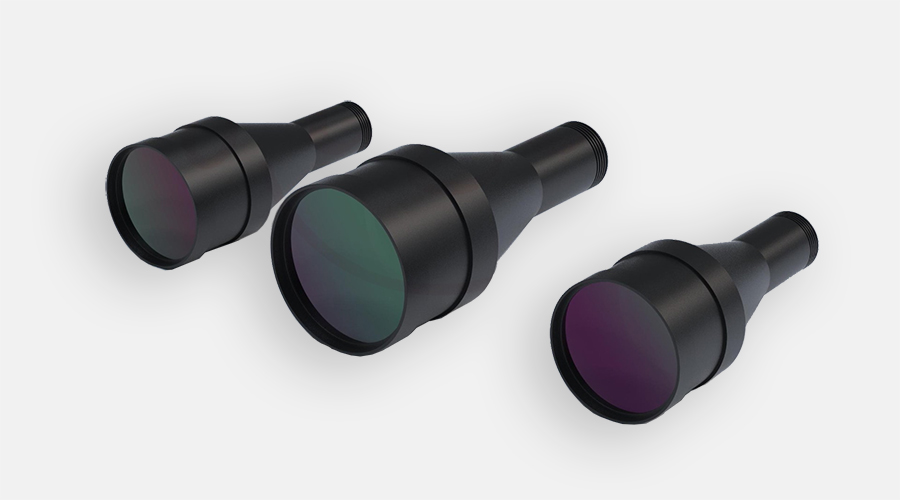
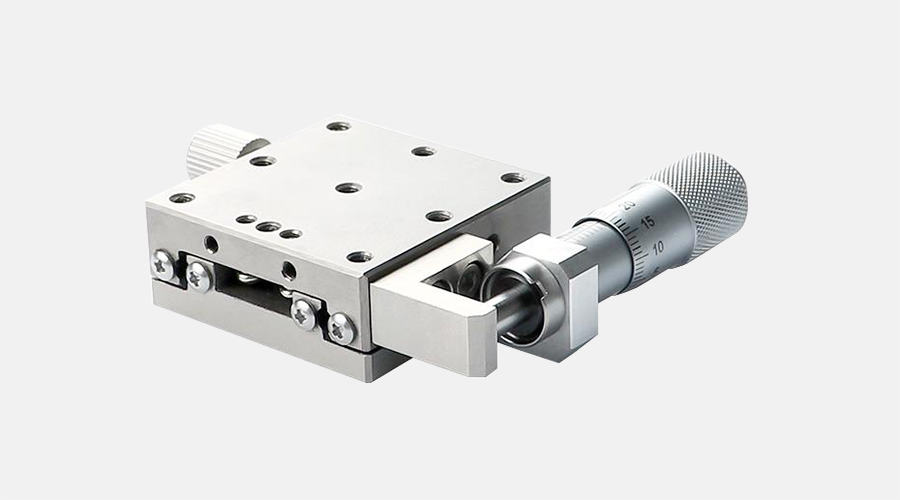
Developing machine vision optical solutions tailored to practical inspection requirements
By comprehensively matching telecentric lenses with illumination solutions based on practical parameters such as sensors, field of view (FOV), magnification, working distance, MTF, distortion and workpiece surface characteristics, we configure the most suitable optical combinations for different machine vision inspection systems.
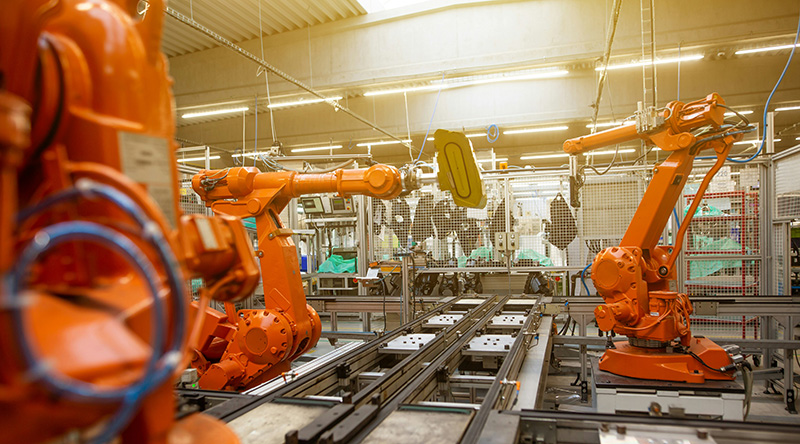
Optical Configuration Matched to the Inspection Task
Different machine vision inspection systems have different requirements for sensor size, field of view, magnification, working distance, and imaging resolution. We evaluate these parameters together based on the actual inspection task, then match the appropriate telecentric lens and optical configuration rather than selecting solely by magnification or product series.
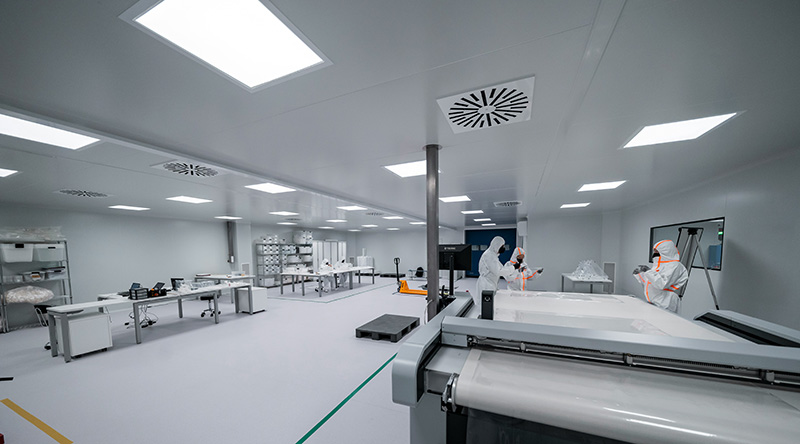
Reliable machine vision imaging depends not only on the lens, but also on how the object is illuminated.
Based on the features to be inspected and the surface reflectivity of the workpiece, telecentric lenses can be evaluated together with backlights, collimated lights, coaxial lights, dome lights, ring lights, AOI lights, and other machine vision illumination options.
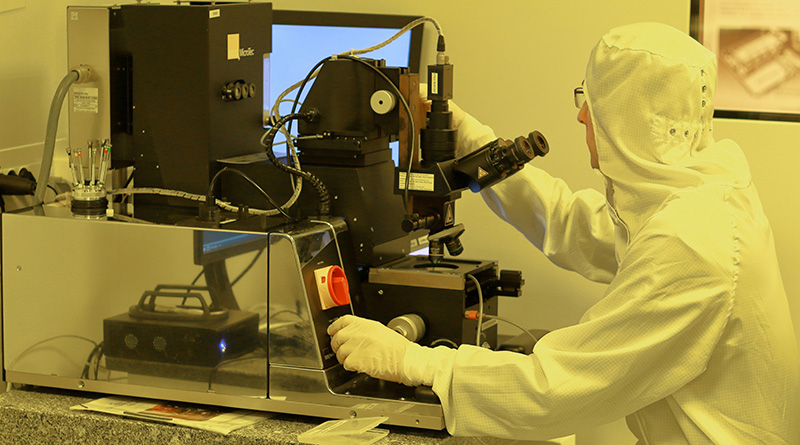
Customized Evaluation Around Actual System Parameters
Parameters may include working distance, field of view, sensor size, magnification, MTF, distortion, wavelength range, mechanical dimensions, illumination conditions, and environmental requirements, allowing the optical configuration to be developed around the actual machine vision system.
FAQ
-
Should a surveillance project use a 3.6–10 mm lens or a 5–50 mm lens?
The shorter focal-length range provides a wider field of view, while the longer focal-length range narrows the field and places more pixels on a smaller area. The choice should therefore be evaluated together with installation distance and sensor size. -
When should a large-format telecentric lens be used instead of a standard C-Mount telecentric lens?
A large-format telecentric lens should be evaluated when the actual sensor size or required image circle of the industrial camera exceeds the coverage of a standard compact C-Mount lens, or when a larger object-side field of view is required. -
When is a crossed-roller stage more suitable than a rack-and-pinion stage?
The two structures serve different priorities. Crossed-roller stages mainly use crossed-roller guides and micrometer heads for smooth, fine manual adjustment, while dovetail rack-and-pinion stages use a handwheel and rack-and-pinion mechanism for compact, convenient manual positioning. -
When should a dimensional measurement system use collimated backlighting instead of standard backlighting?
Collimated light uses a parallel optical path to reduce edge halo caused by scattered backlight, making it more suitable for demanding profile and edge imaging applications. -
Does far-focus imaging mean that information about the hole wall, side wall or thickness direction must be completely lost?
Far-focus imaging can only significantly reduce the perspective and side wall display, but it cannot guarantee that the information about the hole wall, side wall or thickness direction will be completely lost. -
Does IR Correction mean that the lens has a fixed night-vision distance?
No. IR Correction is mainly intended to reduce focus shift between visible-light and infrared imaging conditions. Actual night-time performance also depends on the camera sensor, IR illumination wavelength and power, illumination distance, exposure, filter configuration, and scene reflectivity. -
When is a spot light more suitable than a ring light or bar light?
A spot light can be evaluated when the inspection field of view is small, installation space is limited, or a concentrated light beam needs to be coupled into a coaxial optical path.