
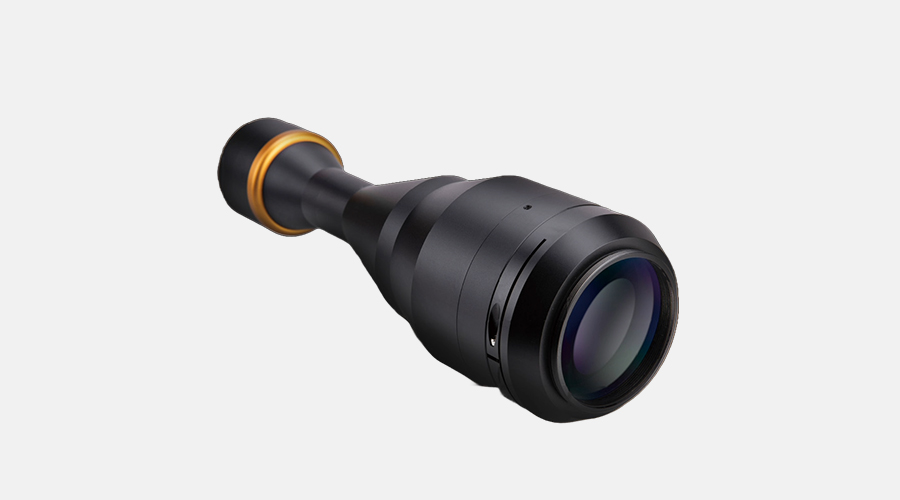
 Compatible with 7.2mm-82mm chips
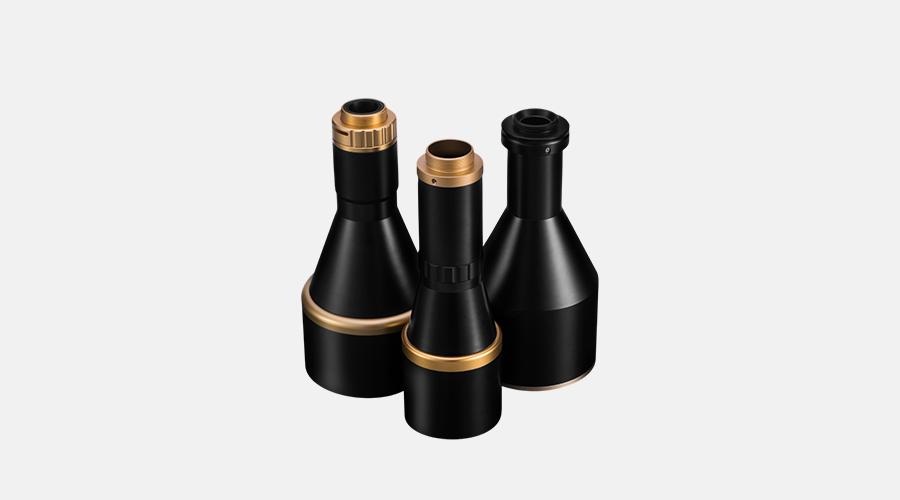 High/Low Working Distance
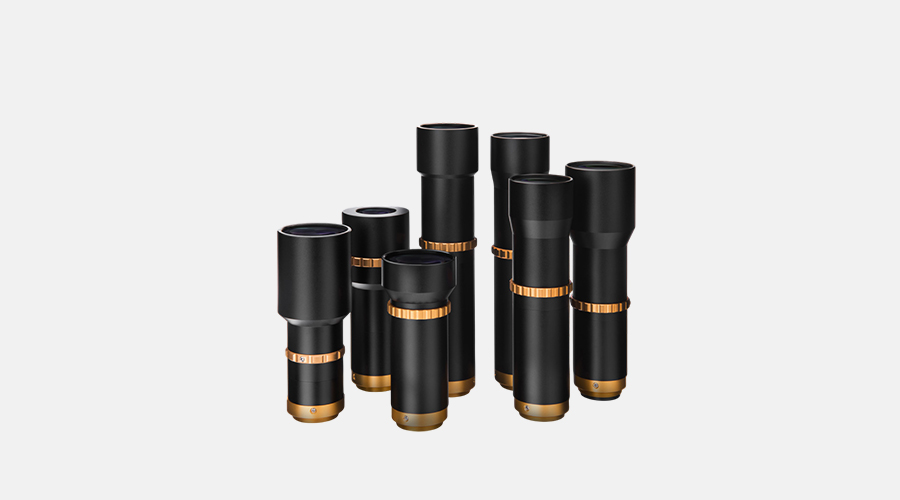 Aperture telecentric lens
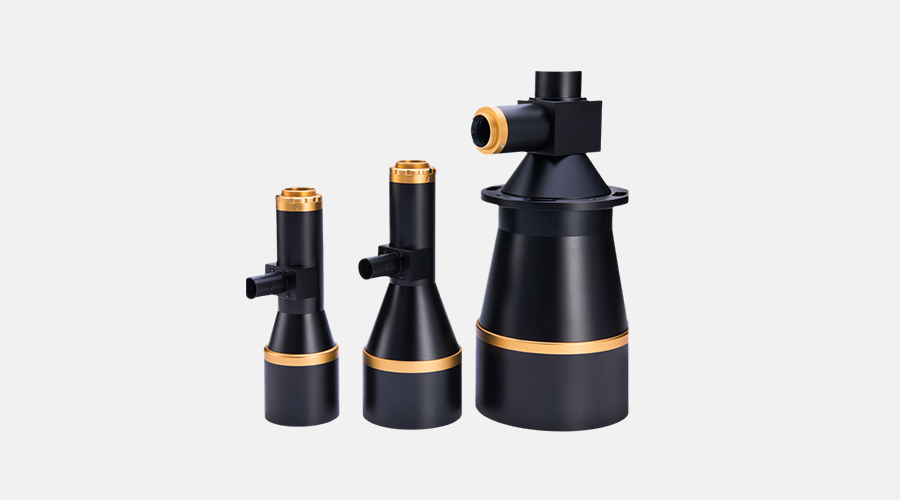 Measuring lens
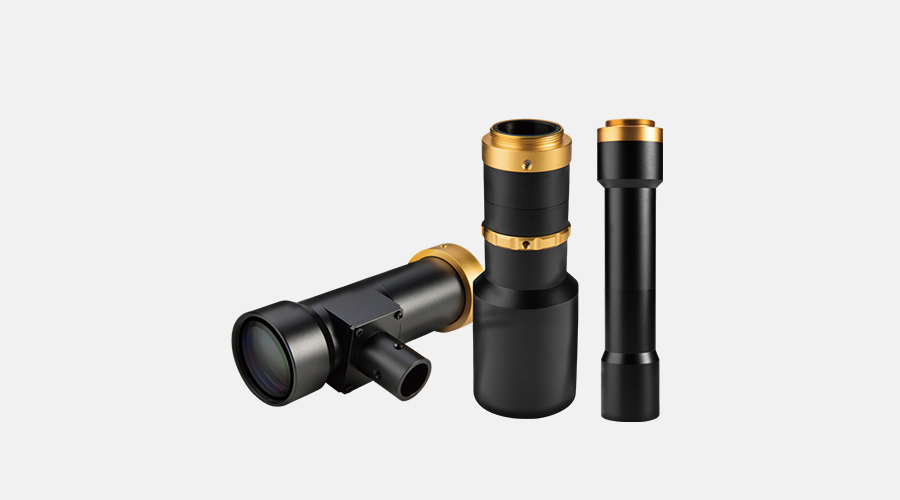 Maximum support 1.1" chips
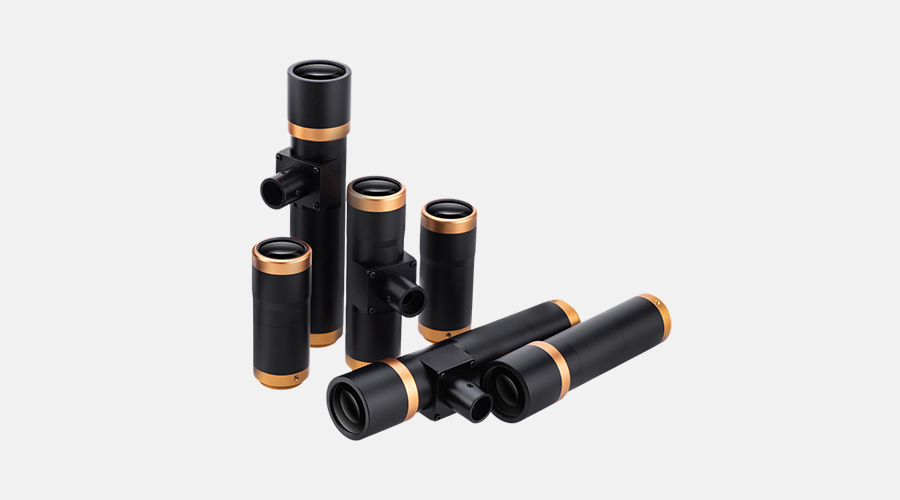 Maximum support 1.2" chips
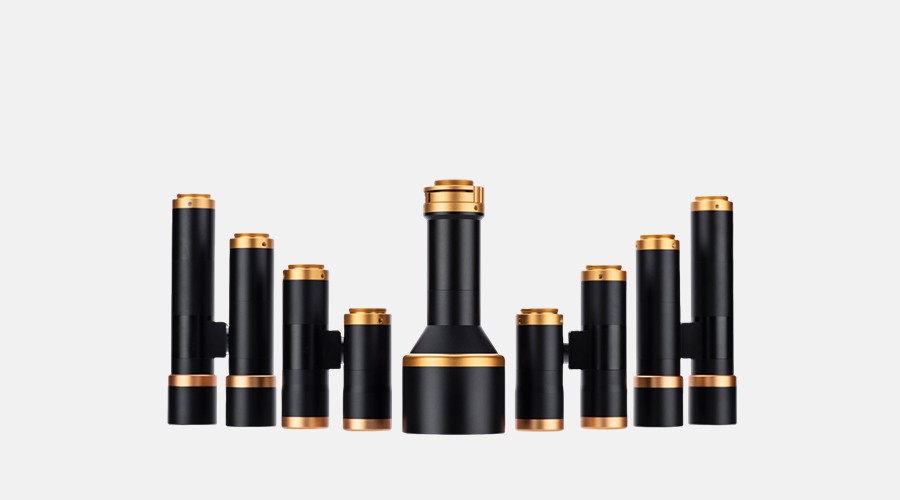 Maximum support 2/3" chips
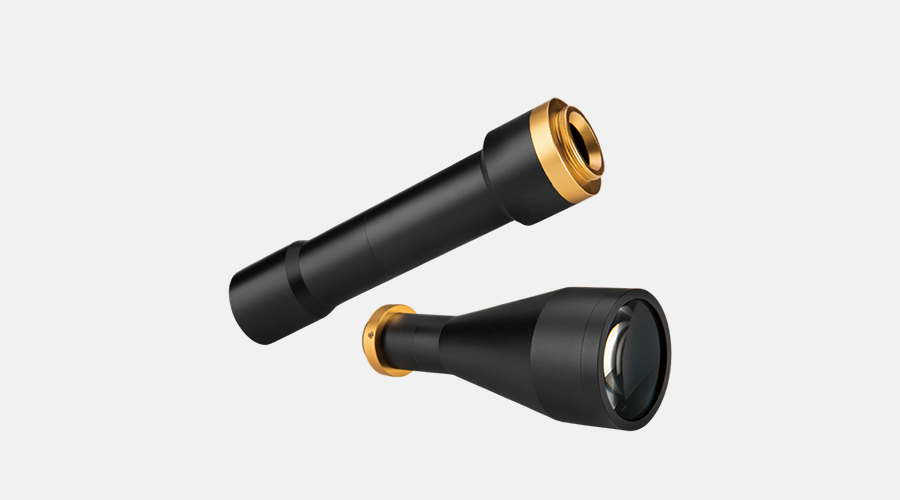 Long Working Distance
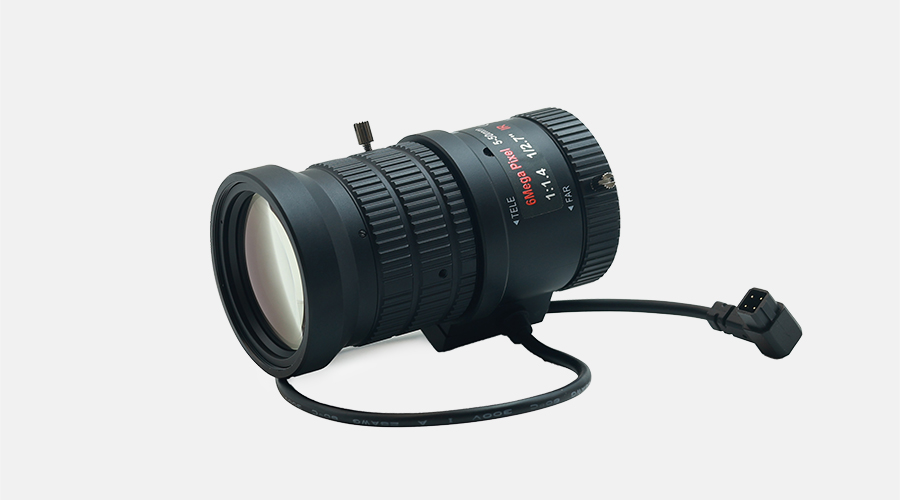 CS mount Varifocal lens
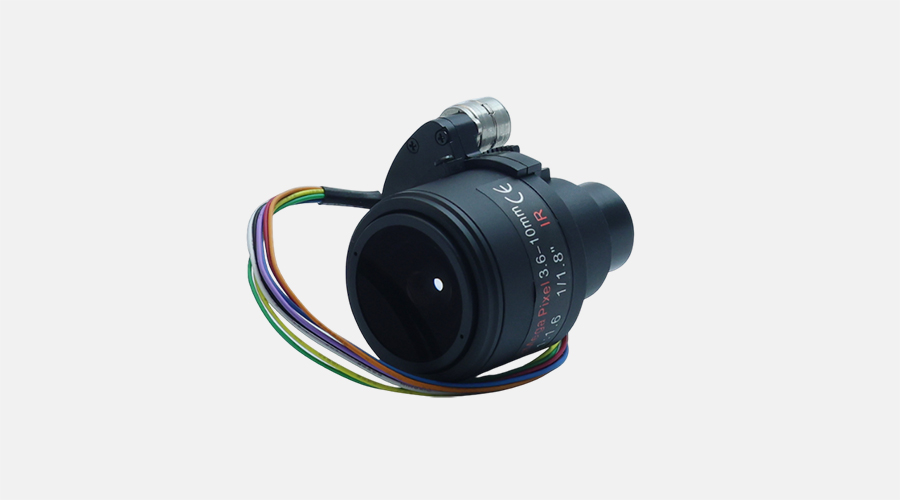 Varifocal board lens
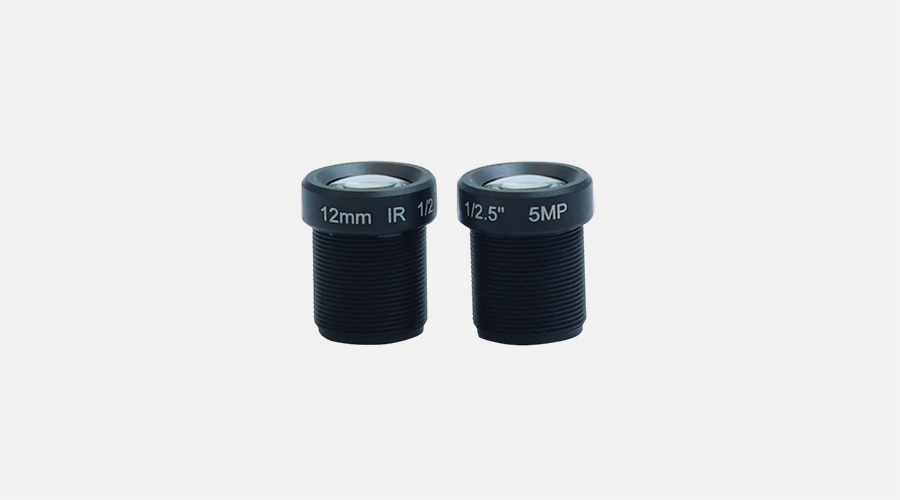 S mount lens
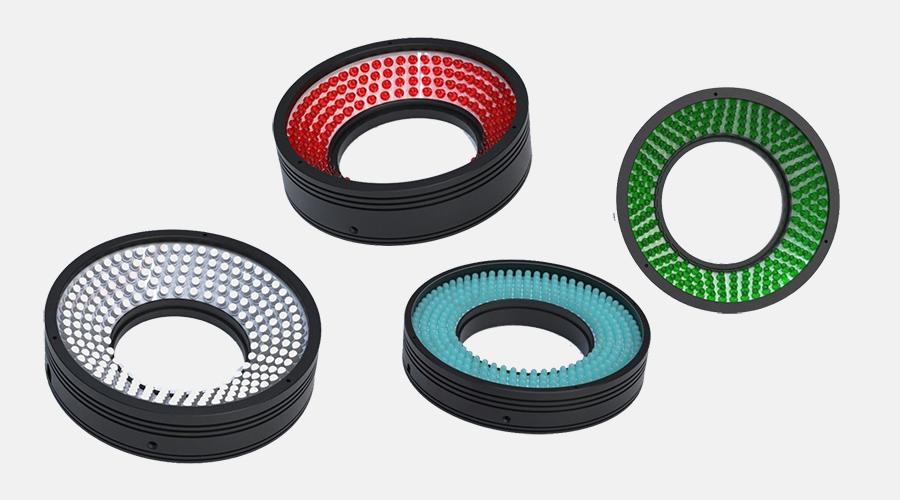 Ring light
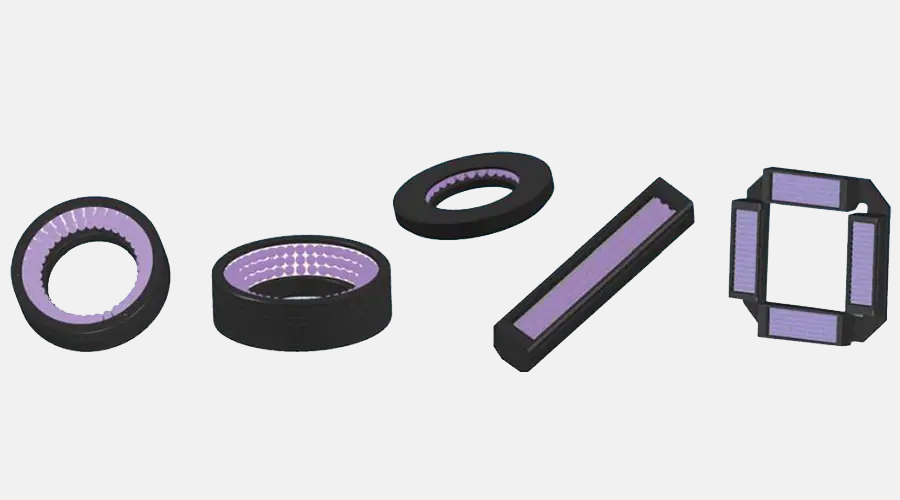 UV/IR Light
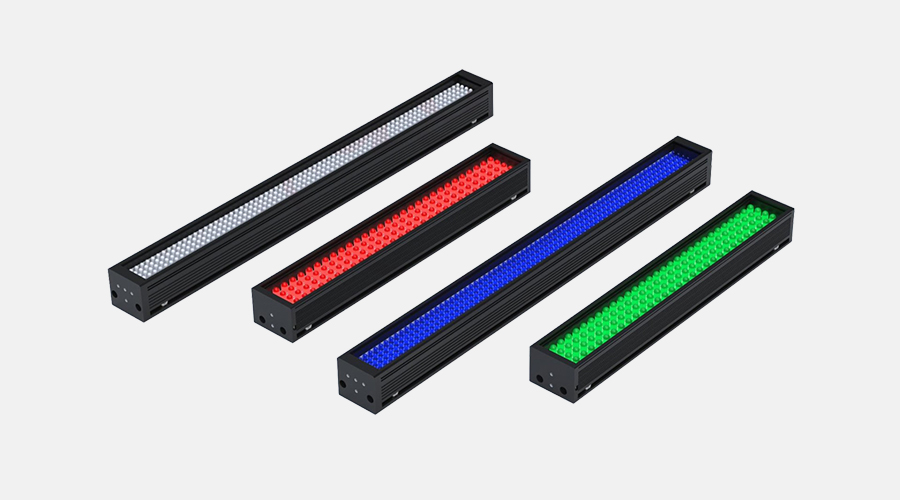 Bar light
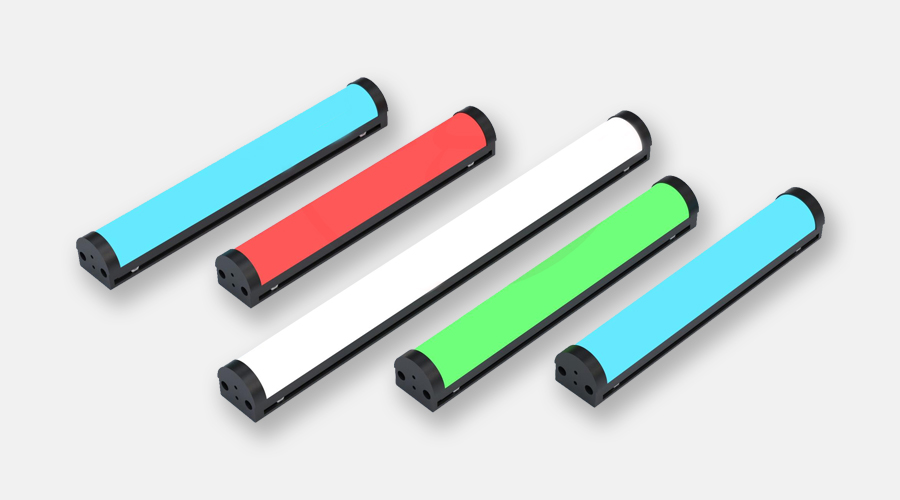 Arcuate high uniformity light
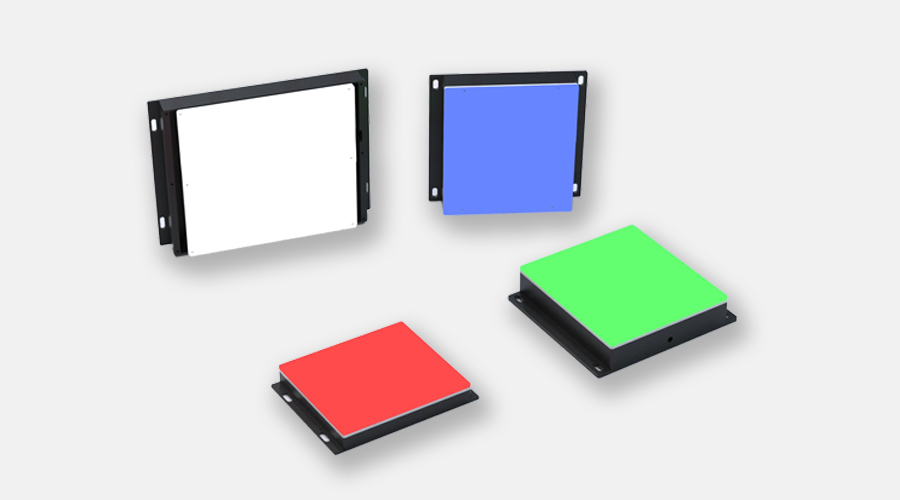 Back light
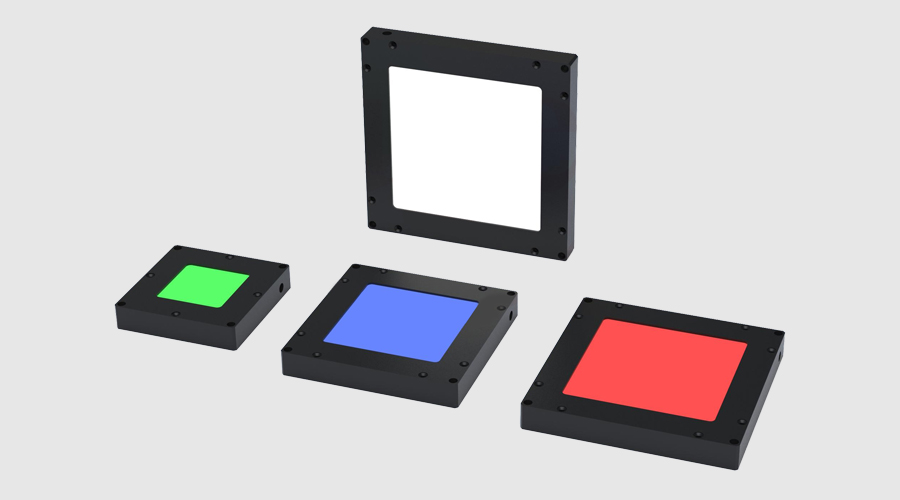 Flat light
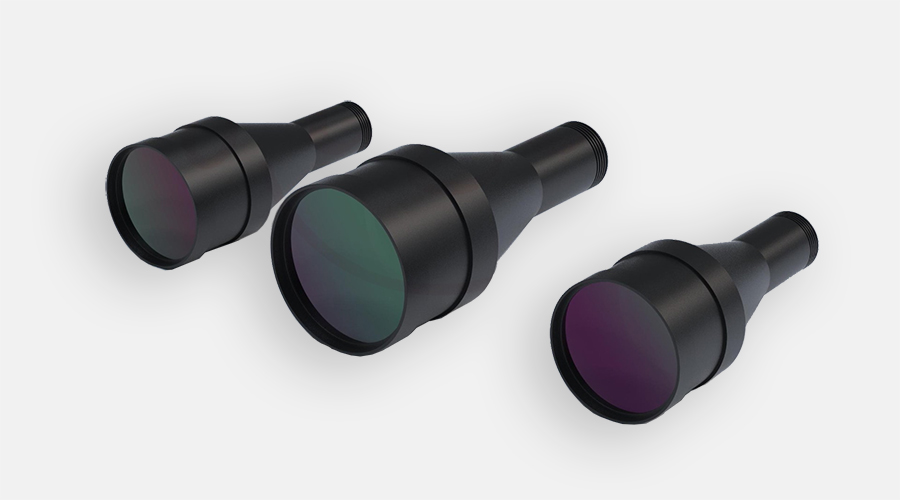 Collimated light
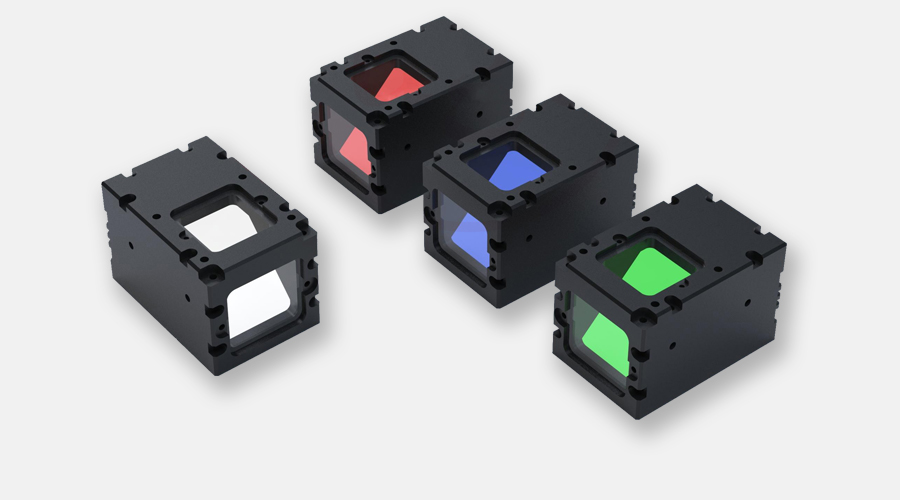 Coaxial light
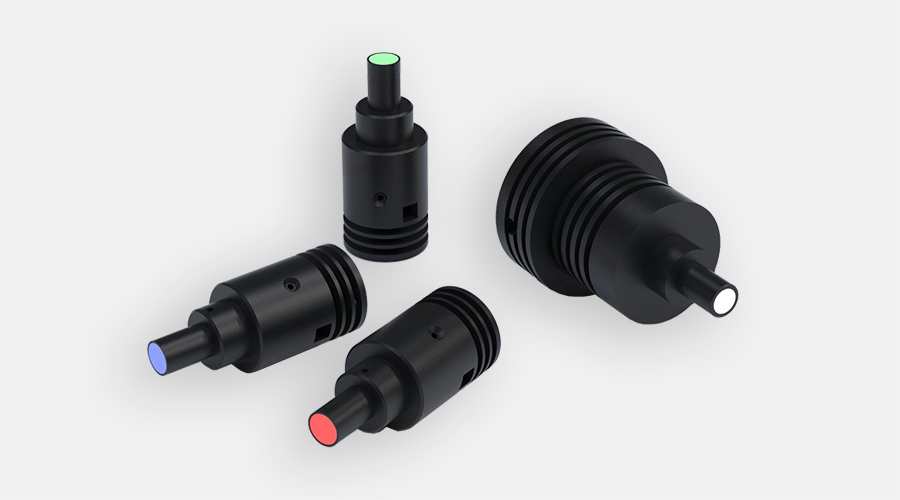 Spot light
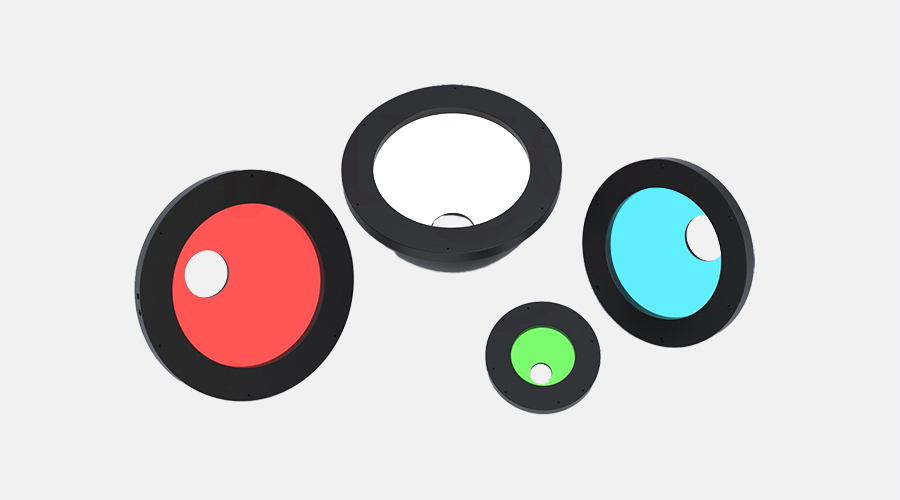 Dome light
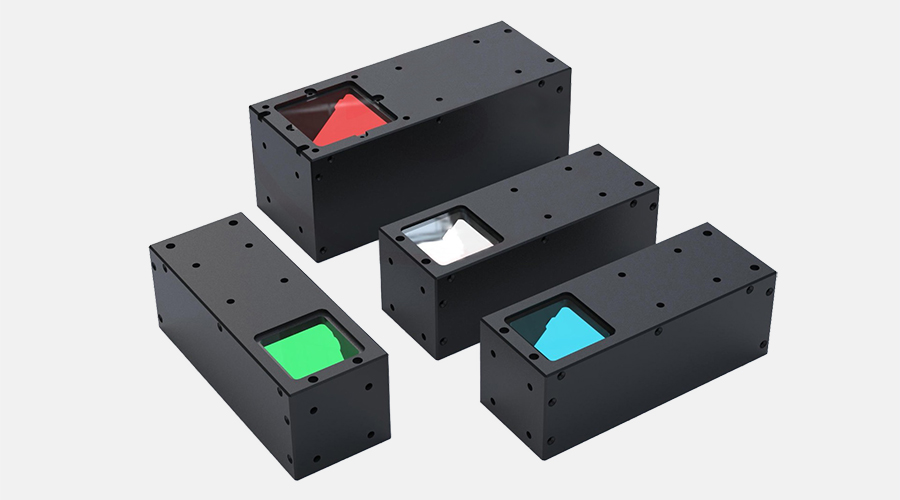 Collimated Coaxial light
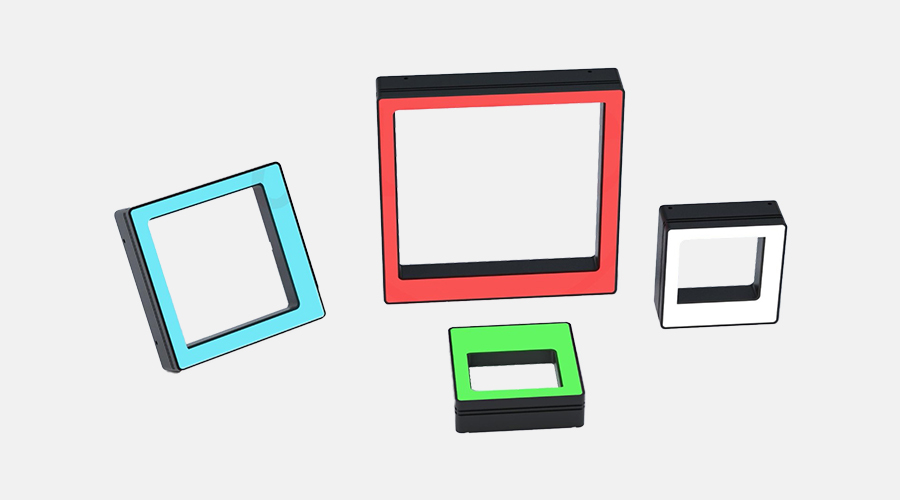 Shadowless square light
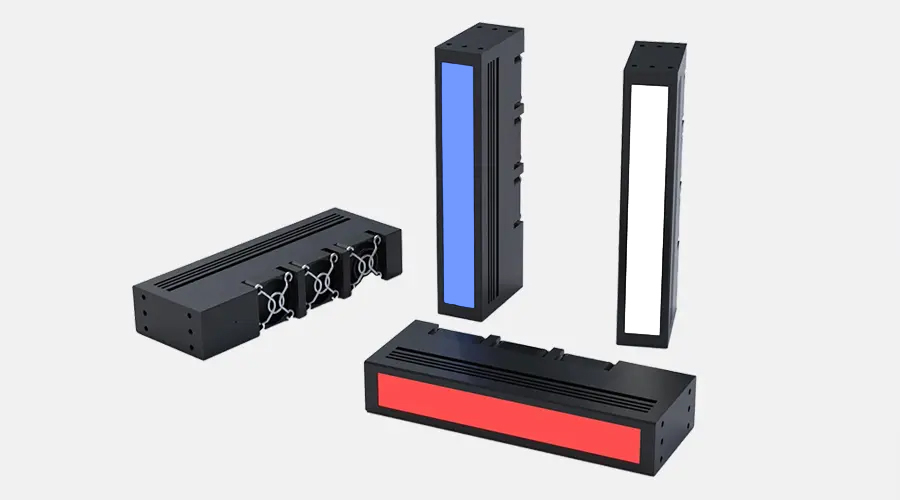 Scan light
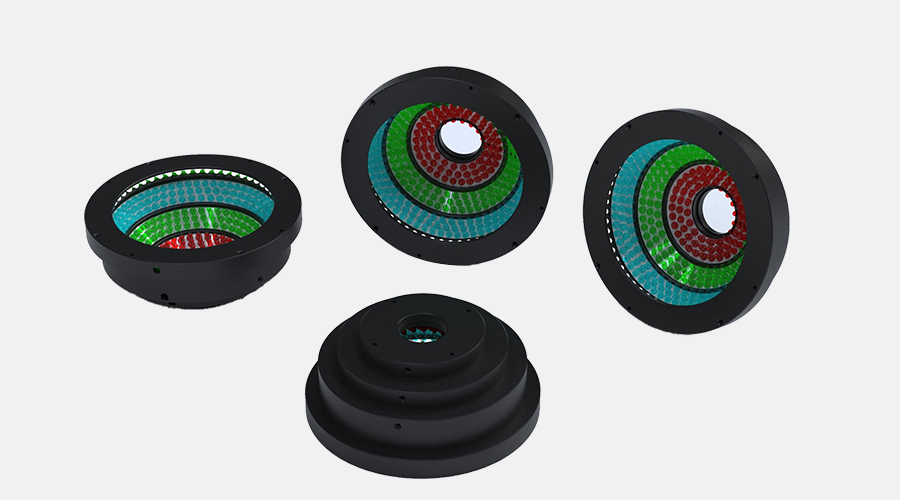 AOI light
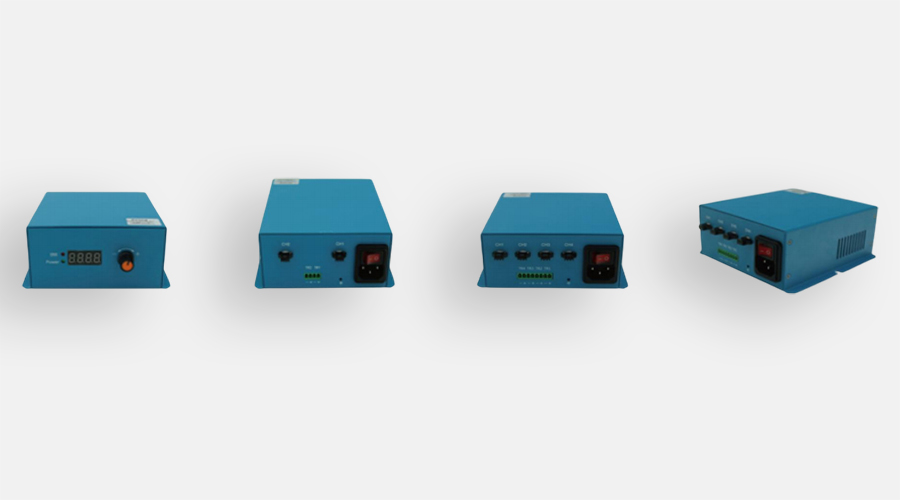 Analog controller
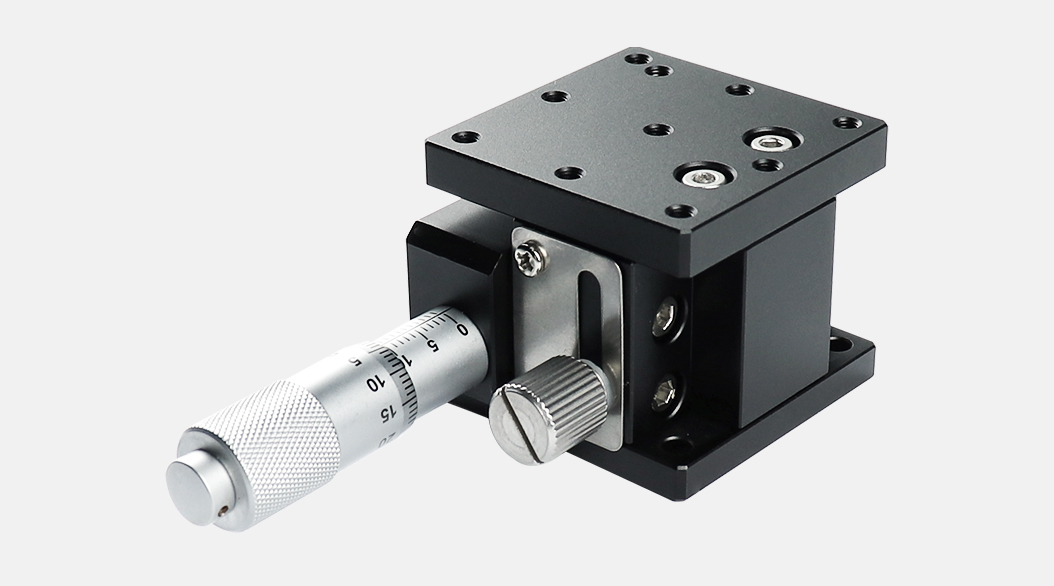 Crossed-Roller Linear guide type
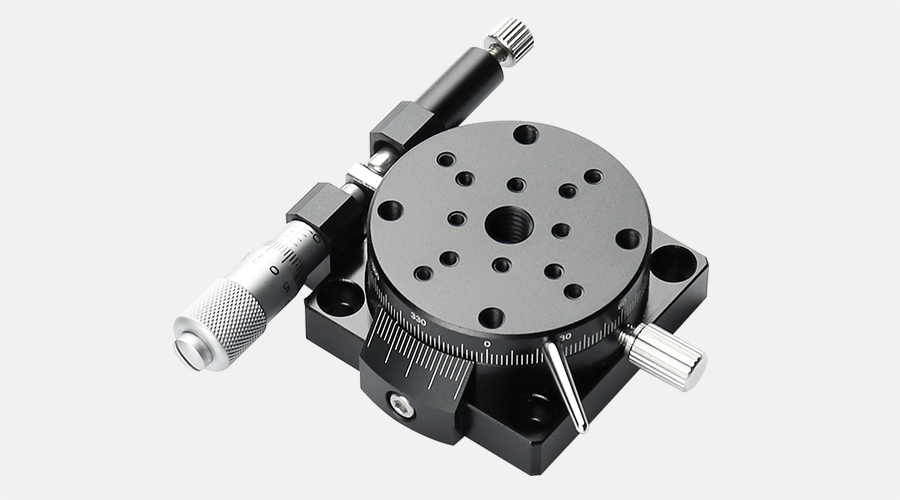 Rotary Stages XRS series
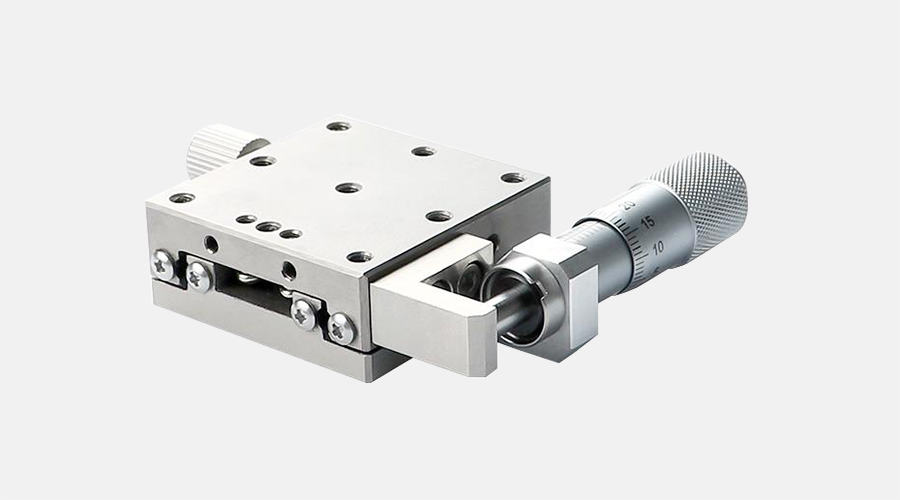 Stainless Steel Ball Bearing Linear Translation Stages
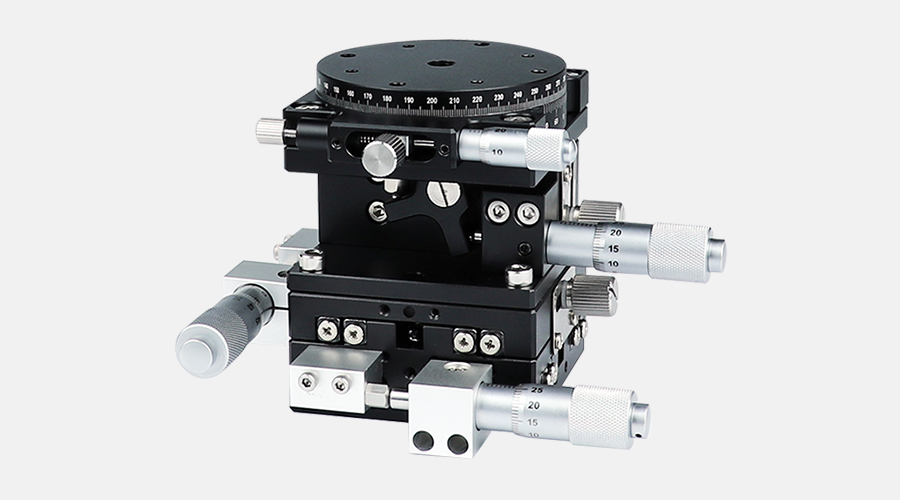 Multi-axis Translation stages
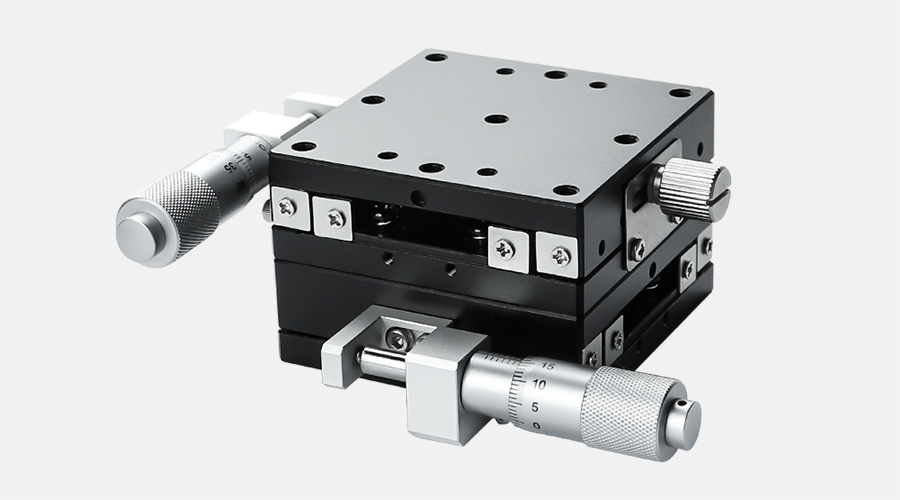 steel bar ball bearing stages
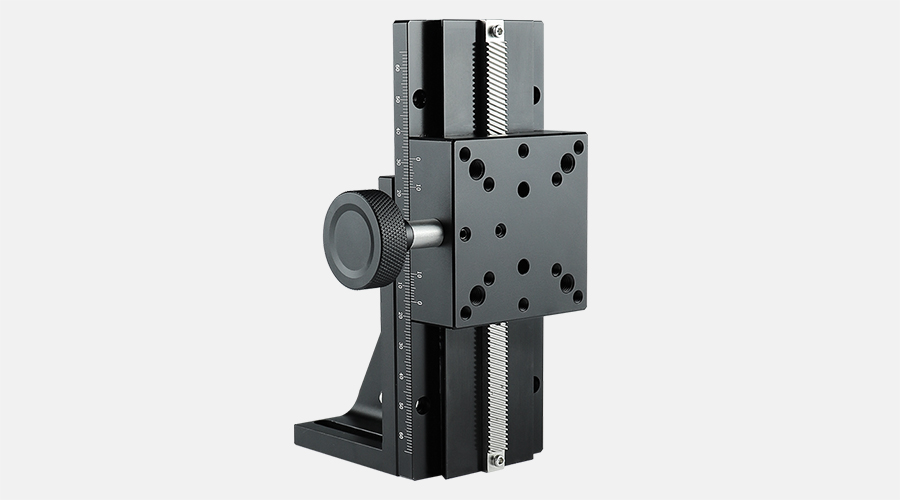 Dovetail Type Rack&Pinion Positioning Stage
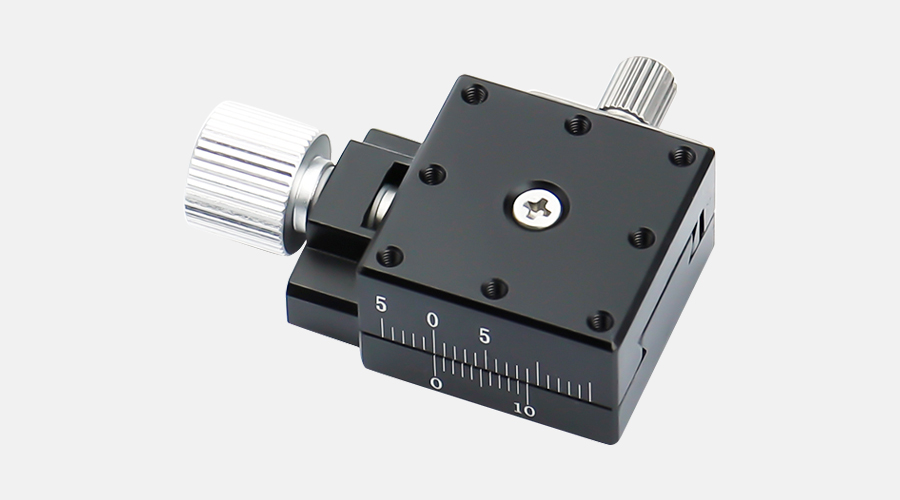 Dovetail groove high-precision screw slide

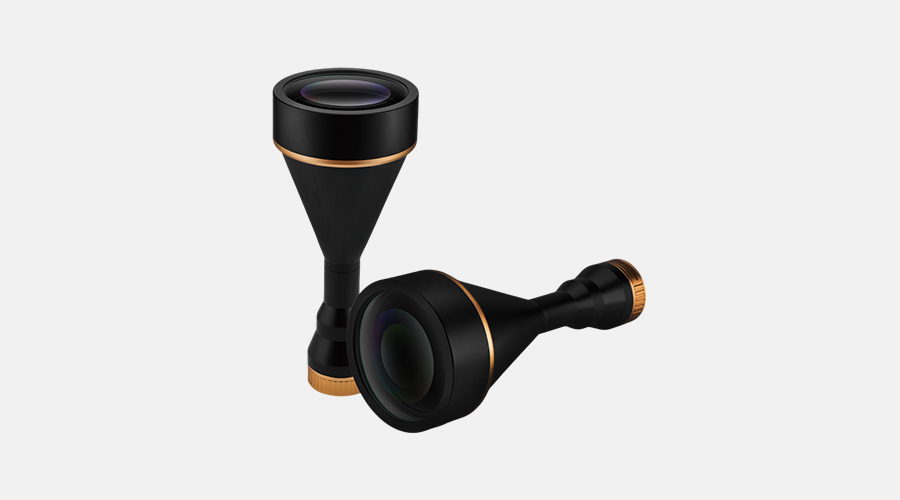
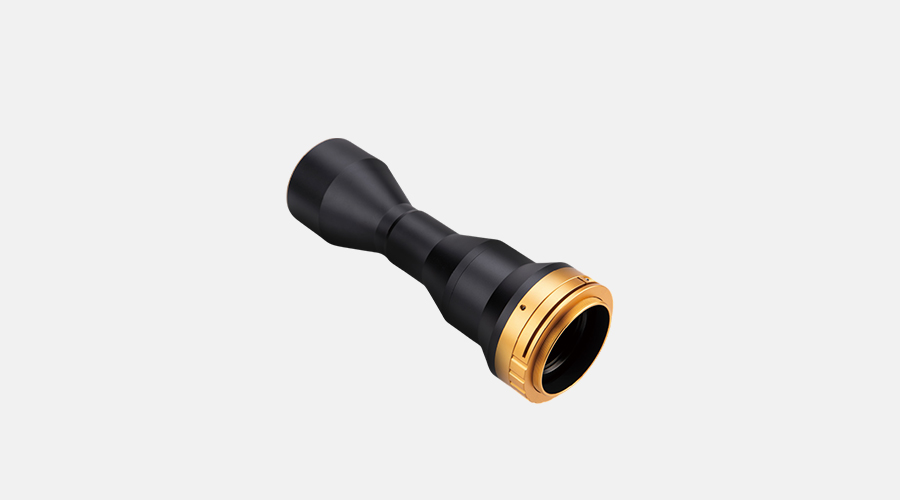
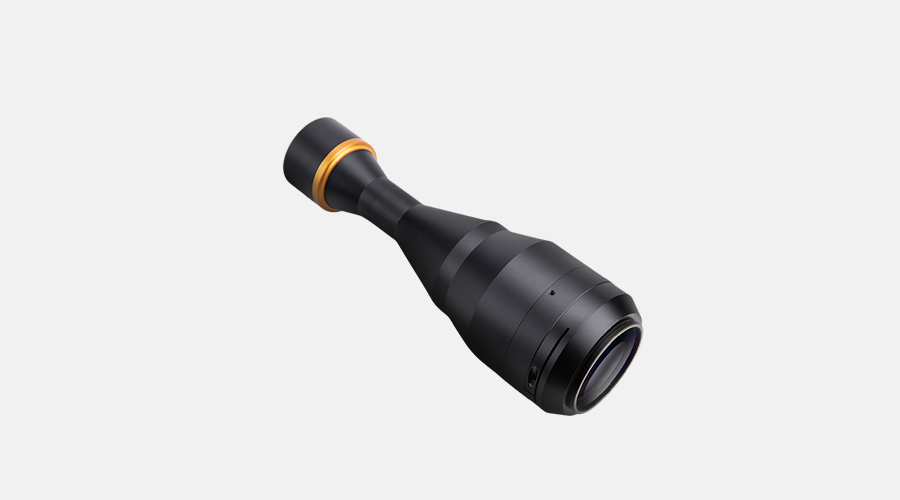
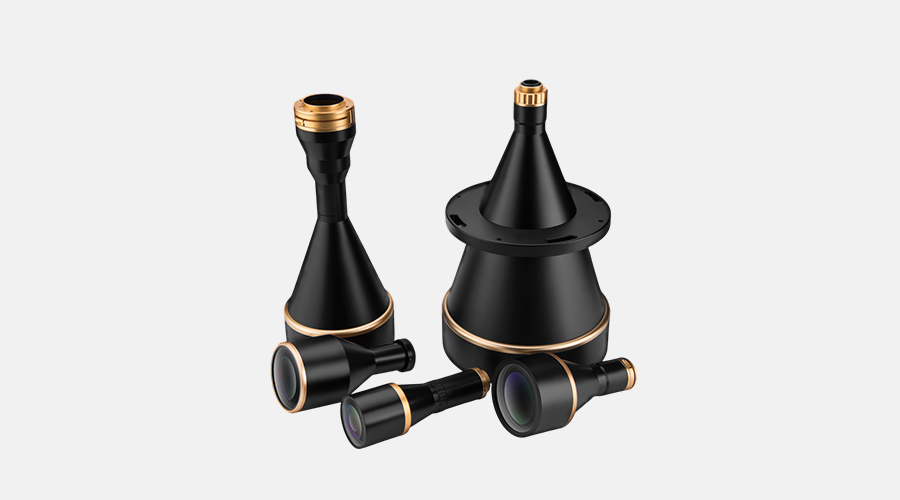
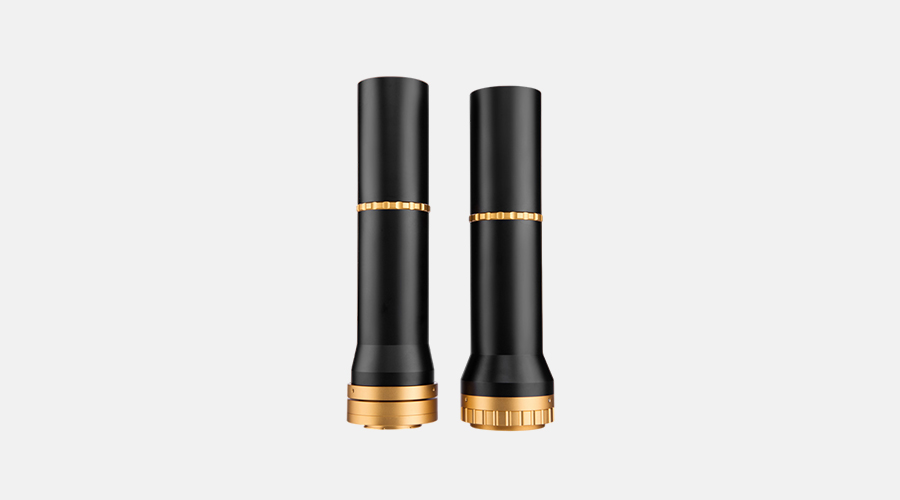
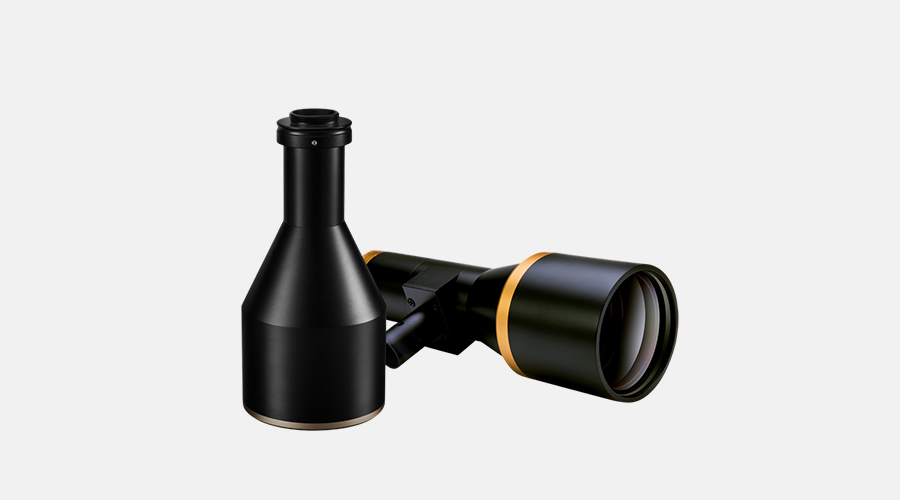
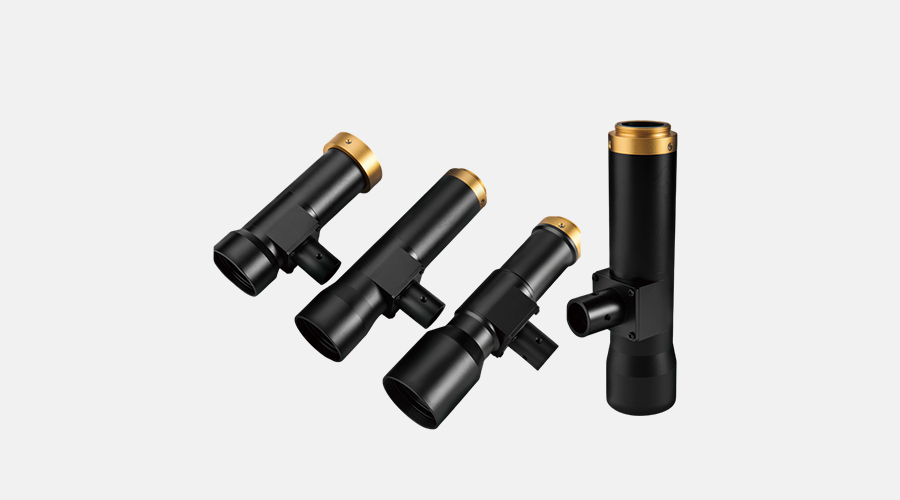
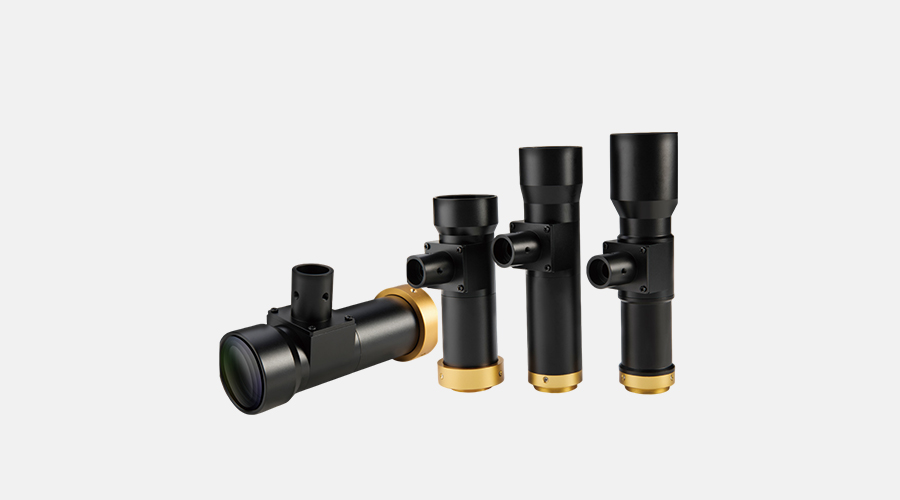
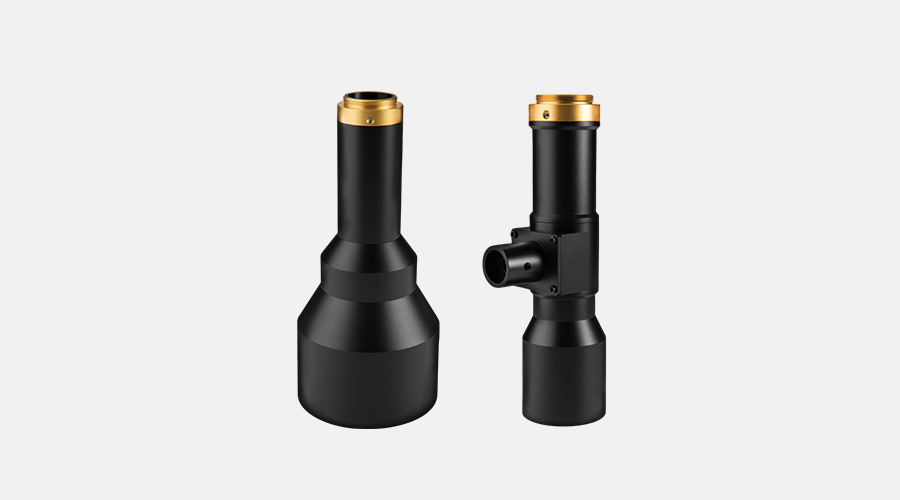
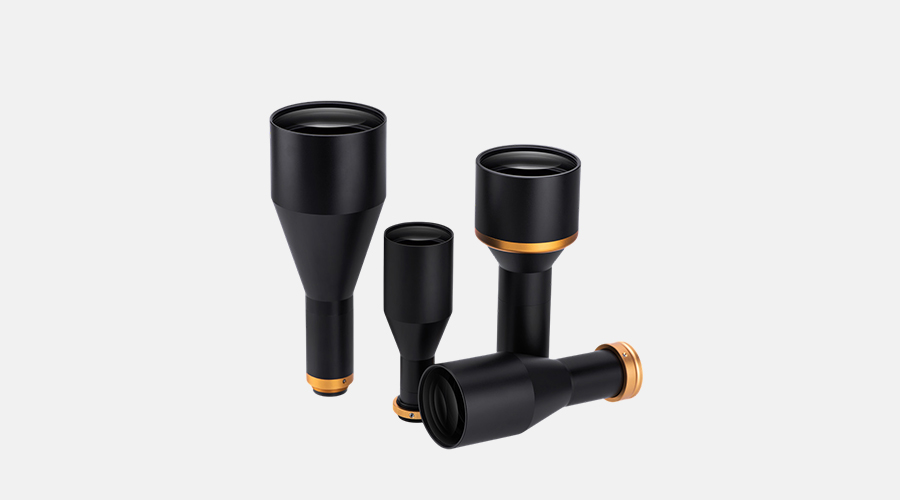
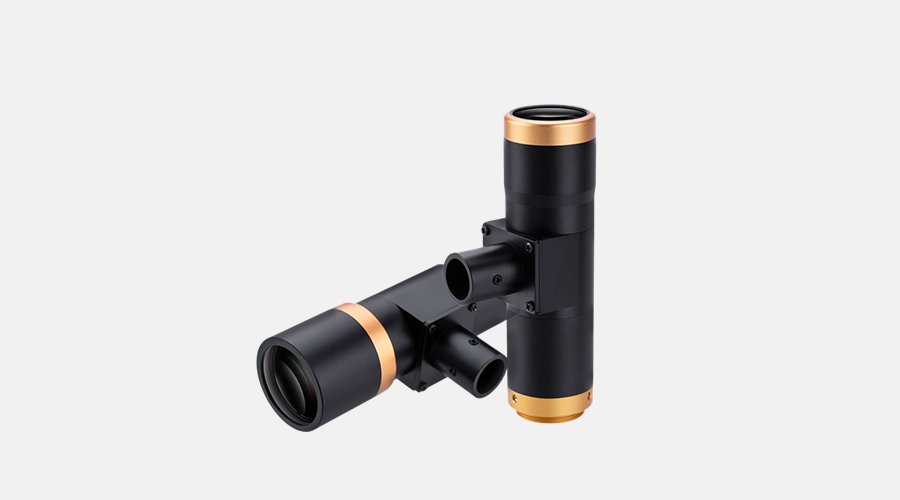
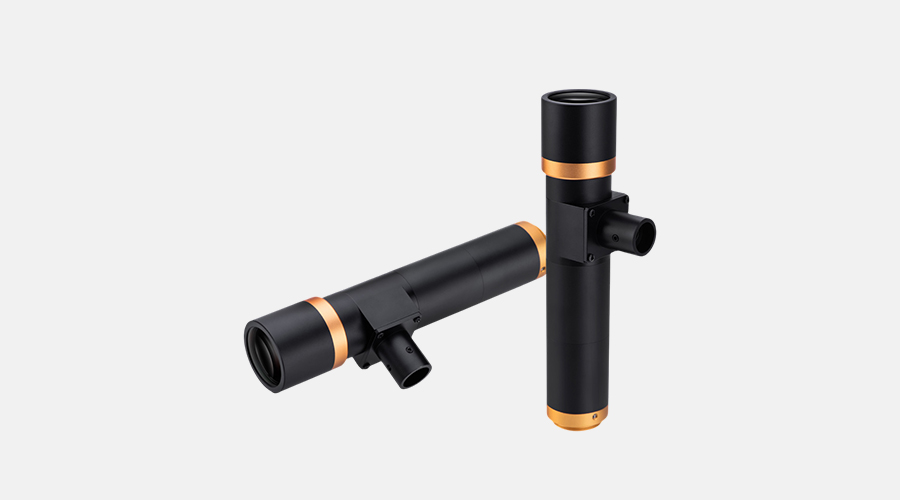
Telecentric Lens
The original purpose of designing a telecentric lens was to address the parallax issue that may occur during the imaging process. A telecentric lens ensures that the imaging performance remains consistent within a certain range of object distances, regardless of variations in the object's position relative to the lens.
Based on its unique optical properties—such as high resolution, ultra-wide depth of field, ultra-low aberration, and a distinctive parallel light path design—the telecentric lens significantly enhances the accuracy and quality of machine vision inspection systems.
- Telecentric Lens
- Security camera lens
- Industrial light source
-
Manual Stages and Slides
- Crossed-Roller Linear guide type
- Rotary Stages: XRS series
- High-precision Rotary stages: XRSP series
- Stainless Steel Ball Bearing Linear Translation Stages: XLB series
- Multi-axis Translation stages
- steel bar ball bearing stages: XLG series
- Dovetail Type Rack&Pinion Positioning Stage
- dovetail groove high-precision screw slide
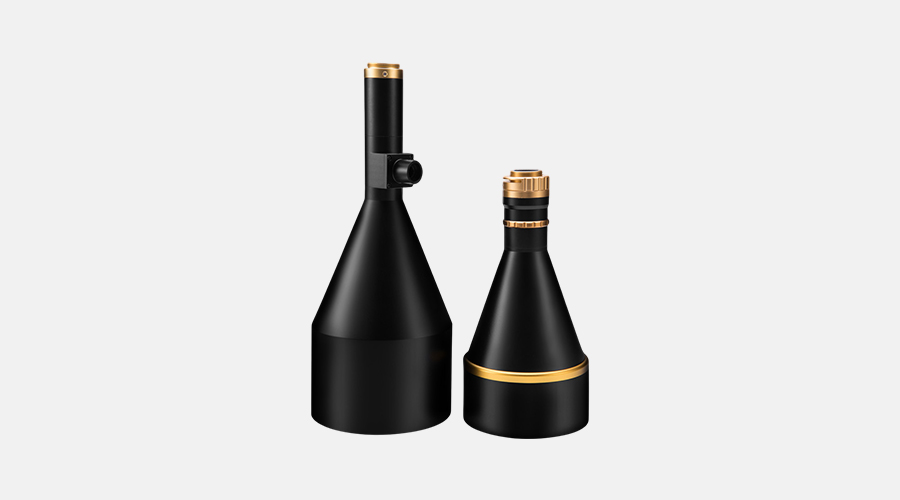
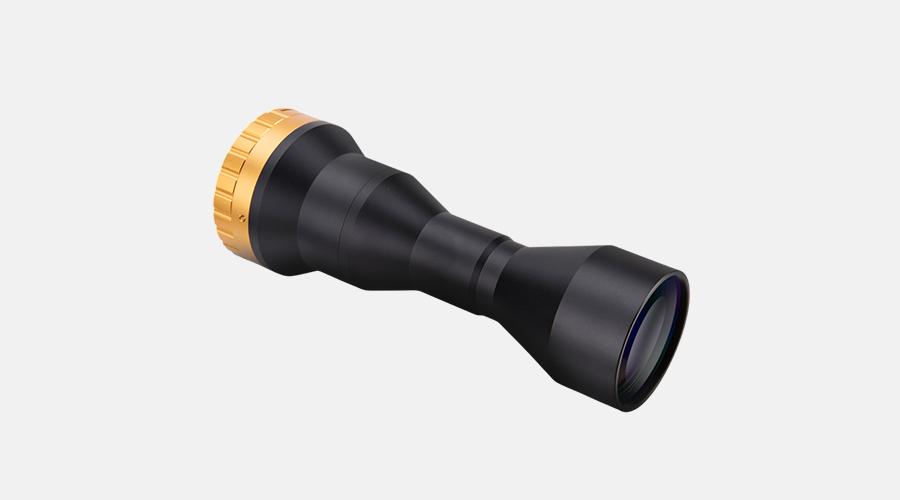
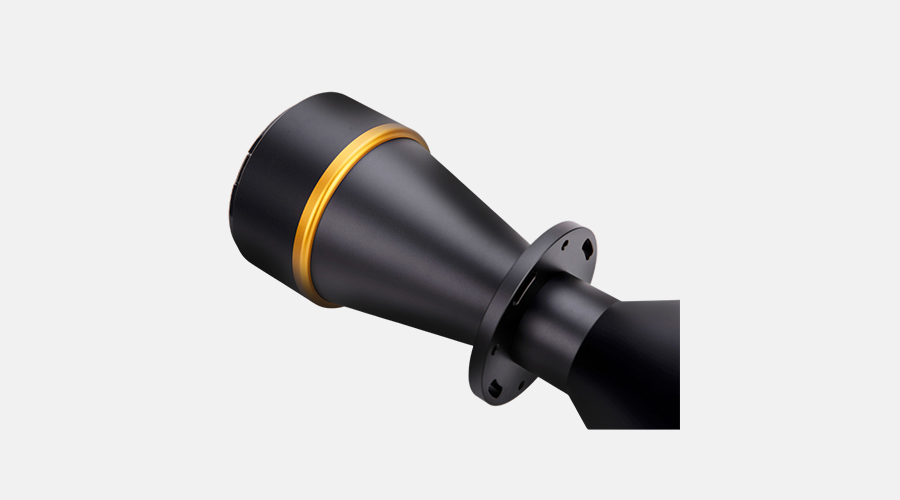
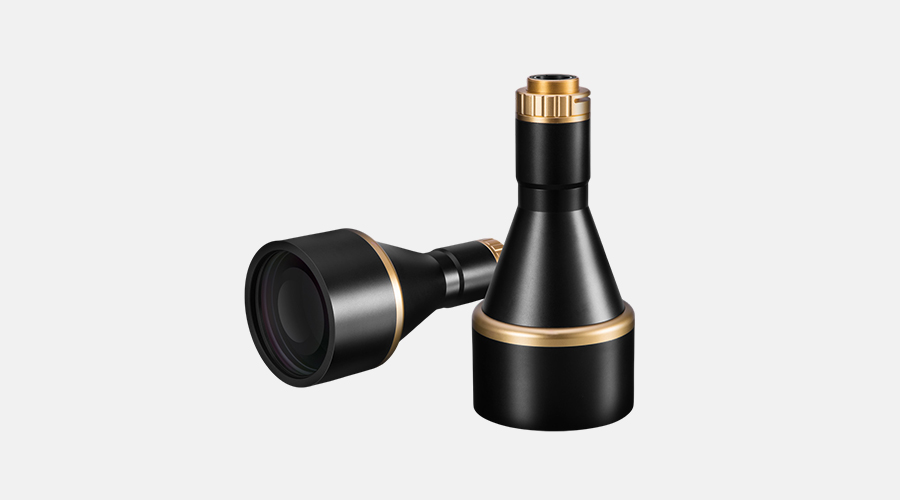
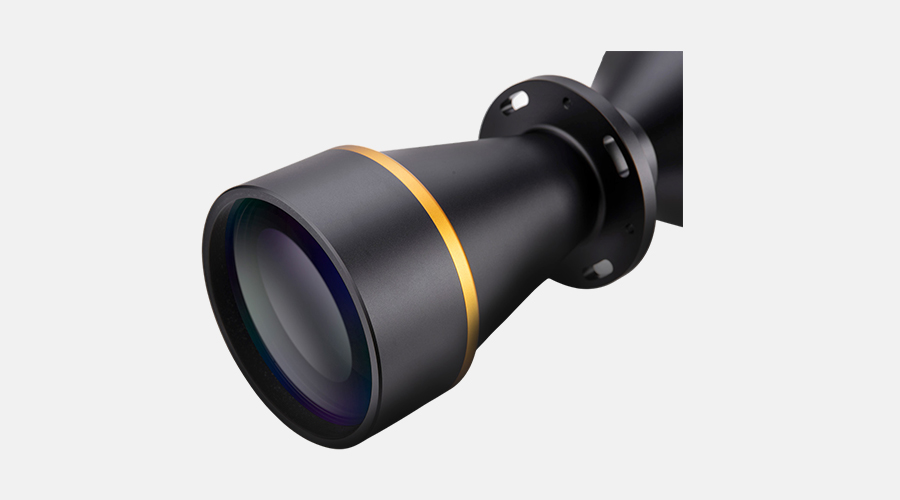
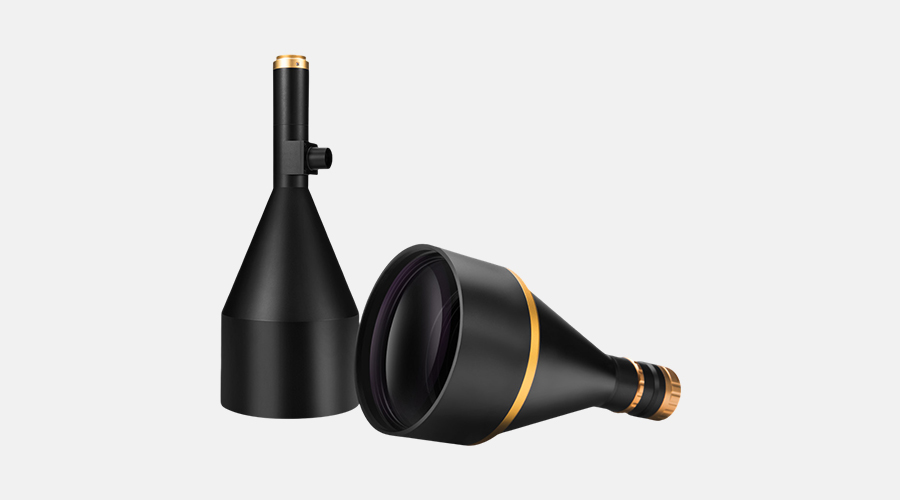
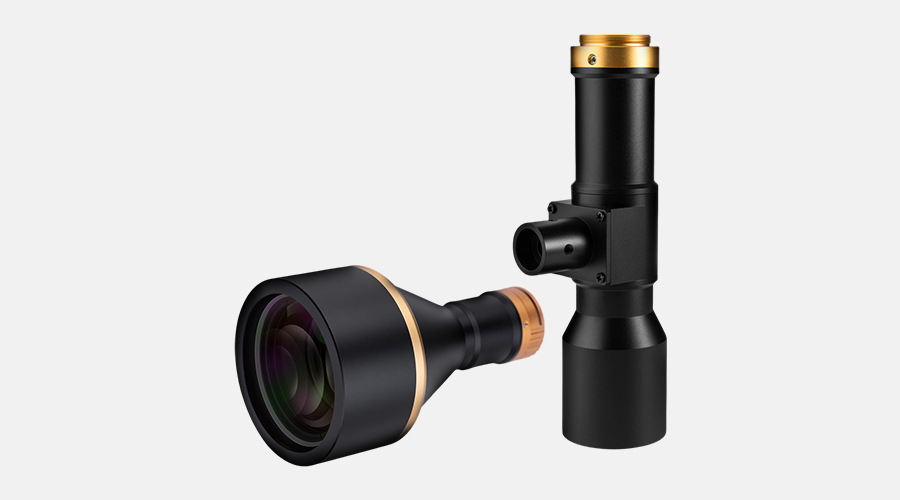
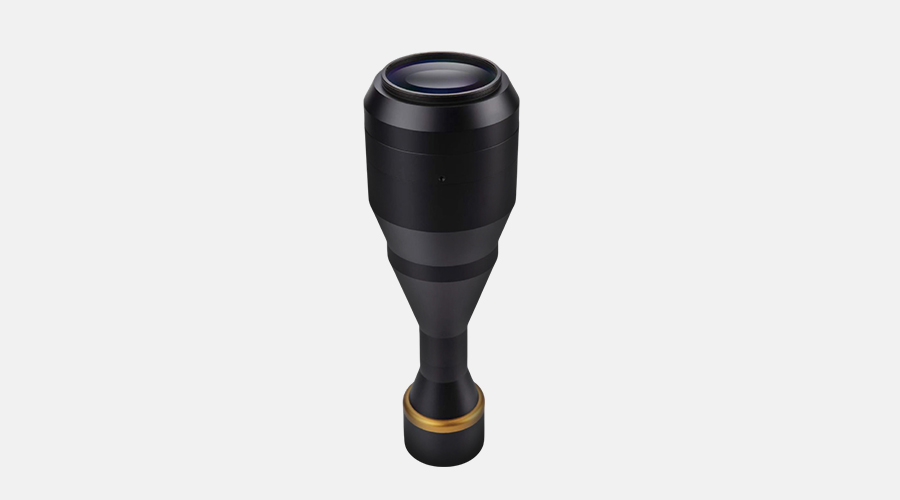
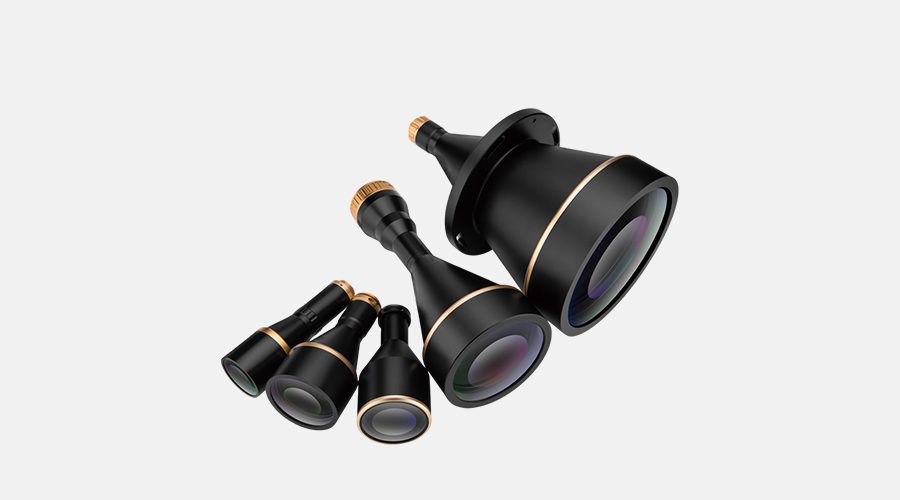
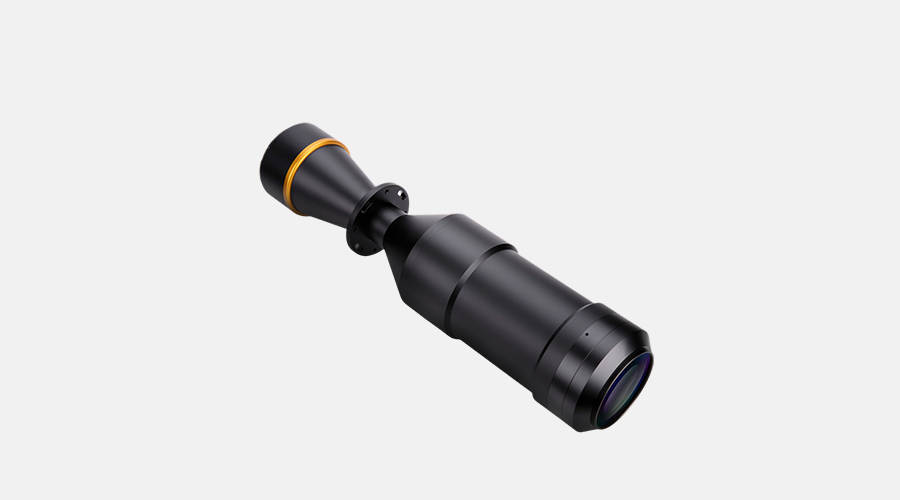

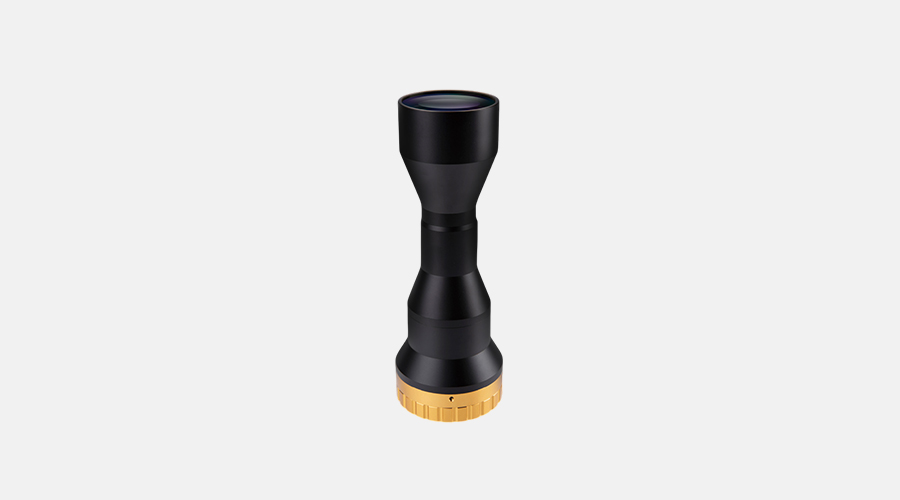
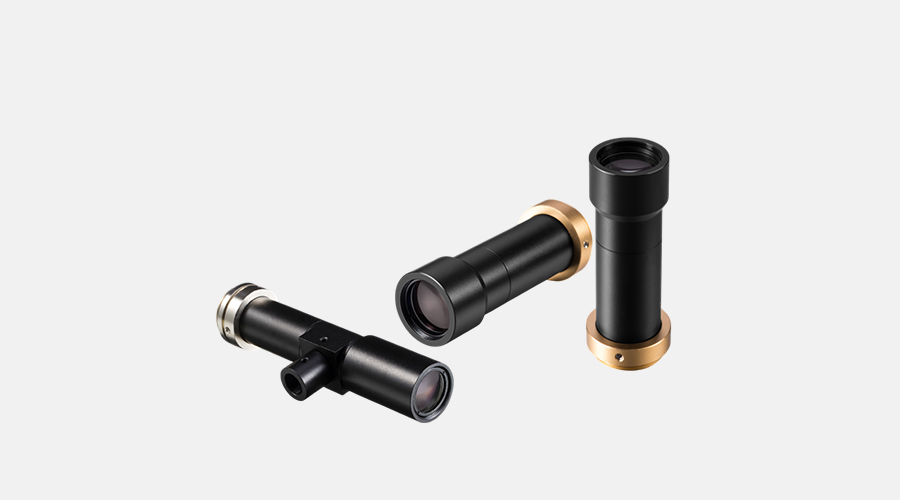
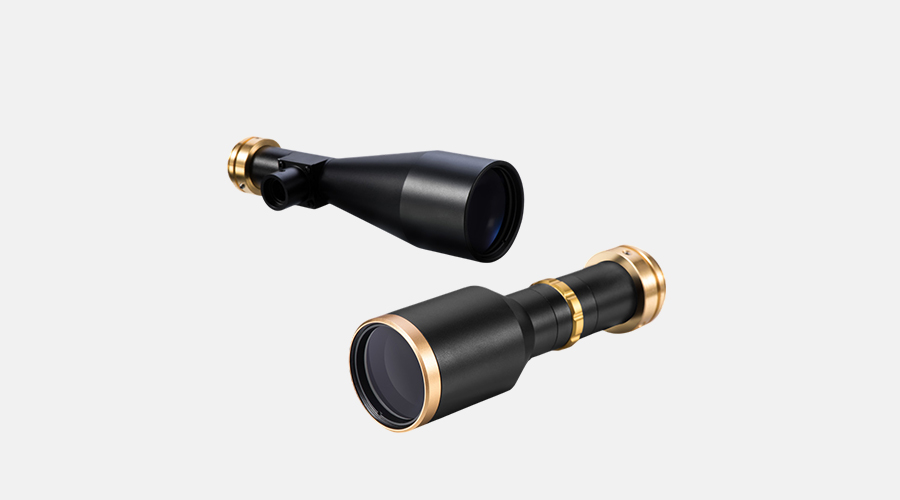
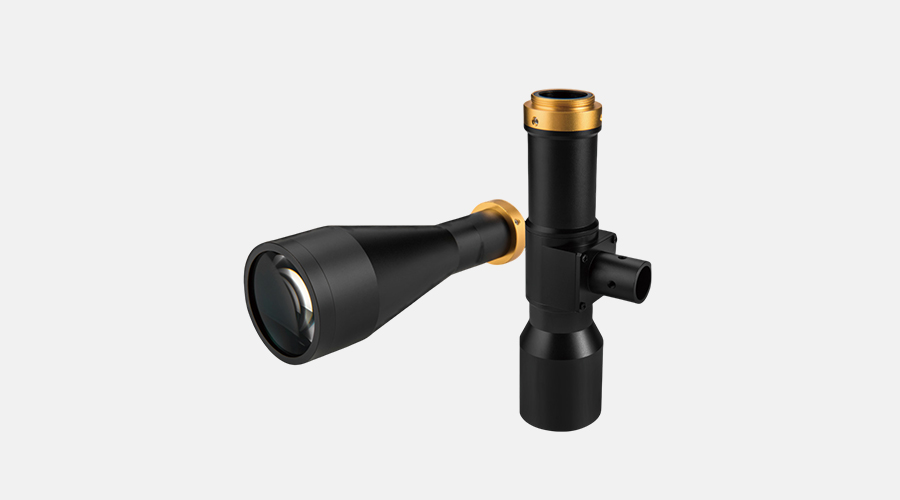
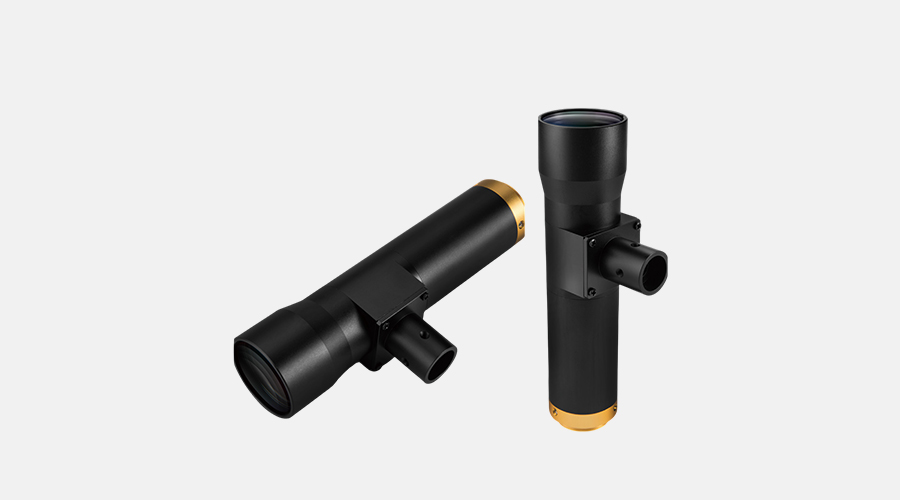
Parametric effects of telecentric lenses
(1) High image resolution
Image resolution is generally measured in terms of CTF (Contrast Transfer Function) that quantifies the contrast of the established spatial frequency of the image sensor, in lp/mm (line couplings per millimetre). Most of the machine vision integrators are often just a collection of a large number of cheap low-pixel, low-resolution lenses, and in the end can only generate blurred images. With AFT telecentric lenses, even with small pixel image sensors (e.g., 5.5 megapixels, 2/3-inch), high-resolution images can be generated.
(2) Near-zero distortion
The distortion factor is the percentage difference between the physical size and the image size of the image sensor. Ordinary machine lenses usually have an aberration higher than 1~2%, which may seriously affect the level of accuracy when measuring. In contrast, telecentric lenses through strict processing and manufacturing and quality inspection, this error is strictly controlled below 0.1%.
(3) No perspective error
When making precision linear measurements in metrology applications, it is often necessary to observe from the standard front side of an object (excluding the side at all). In addition, many mechanical parts can not be placed accurately, the measurement time distance is also constantly changing. Software engineers, on the other hand, need images that accurately reflect the physical object. Telecentric lenses are the perfect solution to this confusion: because the incident pupil can be located at infinity, the image will only receive the main rays parallel to the optical axis.
(4) Telecentric Design and Ultra-Wide Depth of Field
The double telecentric lens not only enhances the natural depth of field by using the aperture and magnification, but also has an optical effect that is unparalleled in non-telecentric lenses: the image remains unchanged when the object is moved within a certain object distance, i.e., the magnification remains unchanged.
-
When choosing a telecentric lens, some common problems should be avoided?
Selecting only based on magnification without checking sensor size: If the sensor and lens do not match correctly, this may cause vignetting or incomplete image coverage. Ignore the depth of field requirements for minor 3D objects: If the lens lacks the depth of field suitable for your application, objects with height variations may appear blurry. When high precision is of critical importance, neglect the eccentricity tolerance: For precise measurement, if the eccentricity is not strict enough, even a very small angular deviation can cause significant errors. Using the lens at an inappropriate working distance: Telecontrol lenses are specifically designed for a specific field of view (FOV) and a specific working distance (WD). Using beyond this range may cause the image to be out of focus or distorted. -
What factors might affect the blurriness of the surveillance lens during use?
-
Why are low-magnification telecentric lenses actually more expensive?
-
Can telecentric lenses be used in conjunction with the 2x magnification lenses used by CCTV?
-
Why can't the depth of field of a telecentric lens be very long?
-
How to choose the right telecentric lens