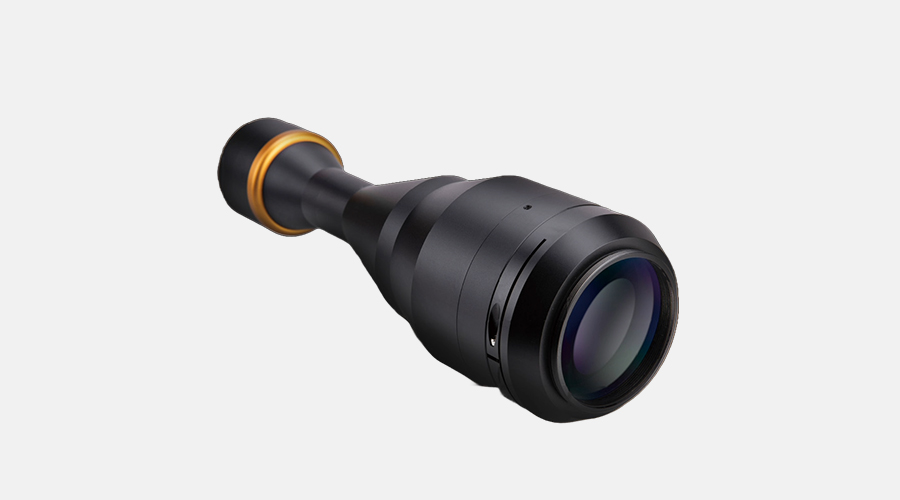
 Compatible with 7.2mm-82mm chips
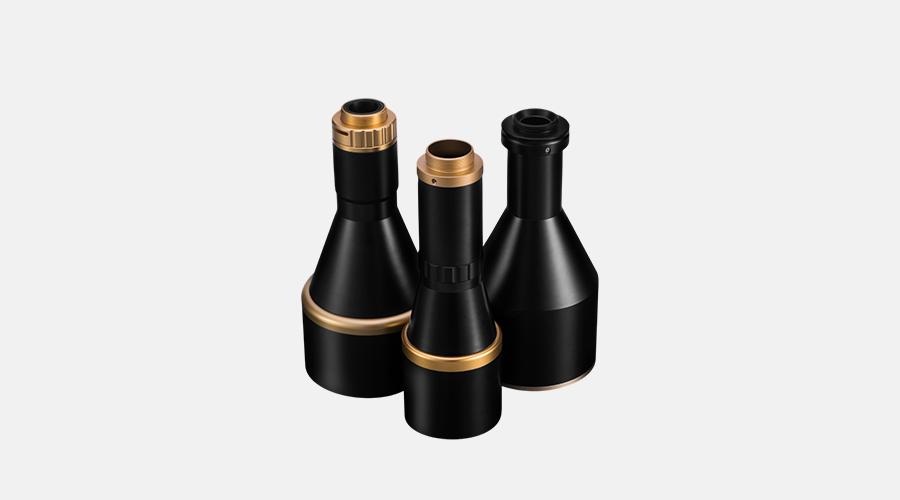 High/Low Working Distance
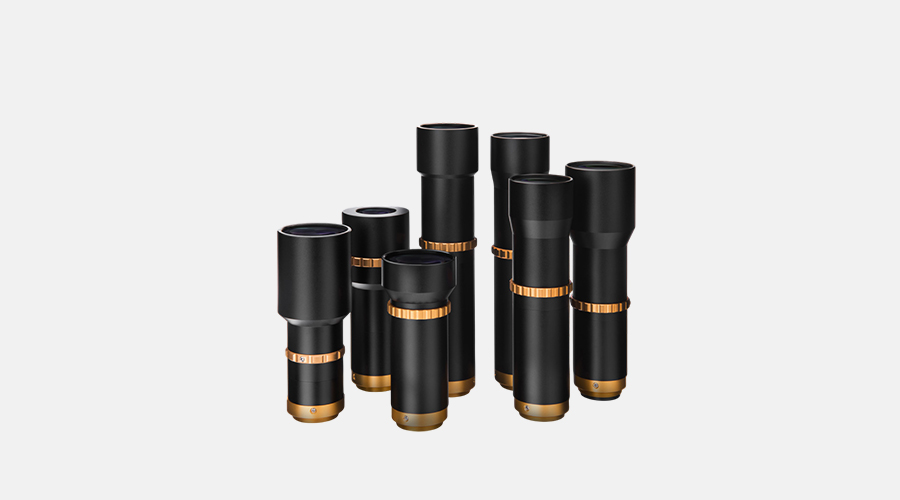 Aperture telecentric lens
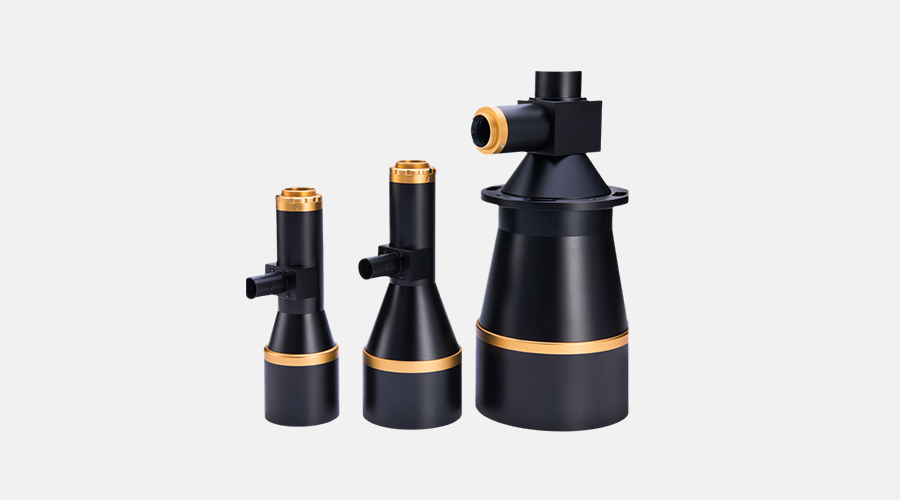 Measuring lens
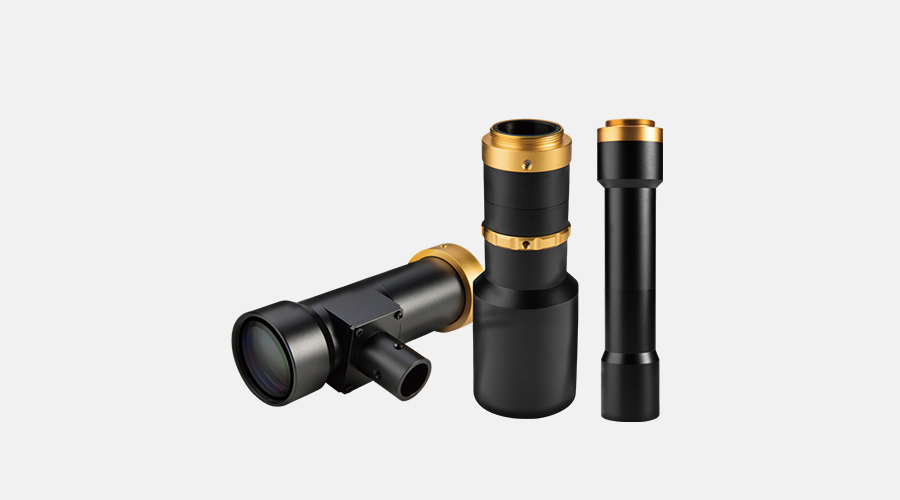 Maximum support 1.1" chips
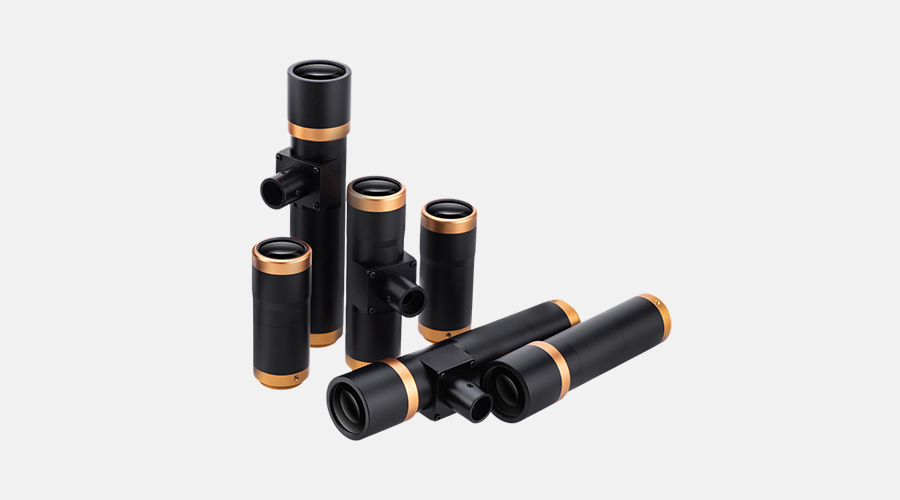 Maximum support 1.2" chips
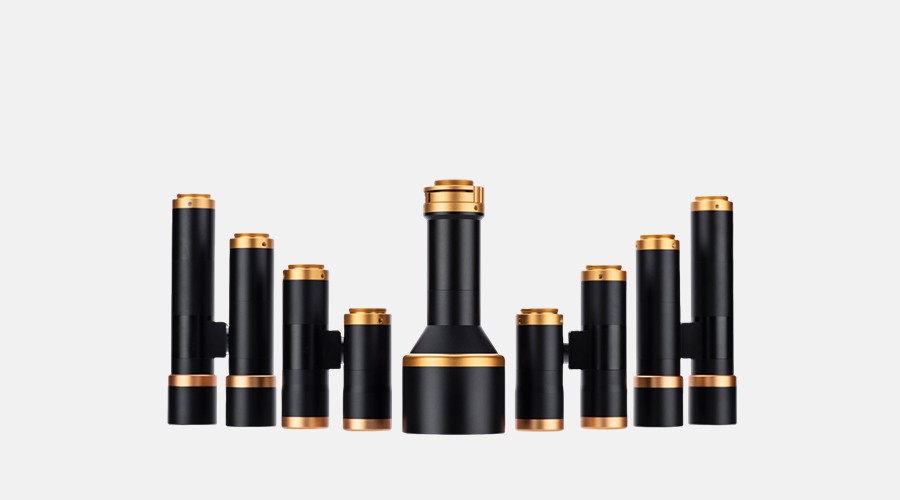 Maximum support 2/3" chips
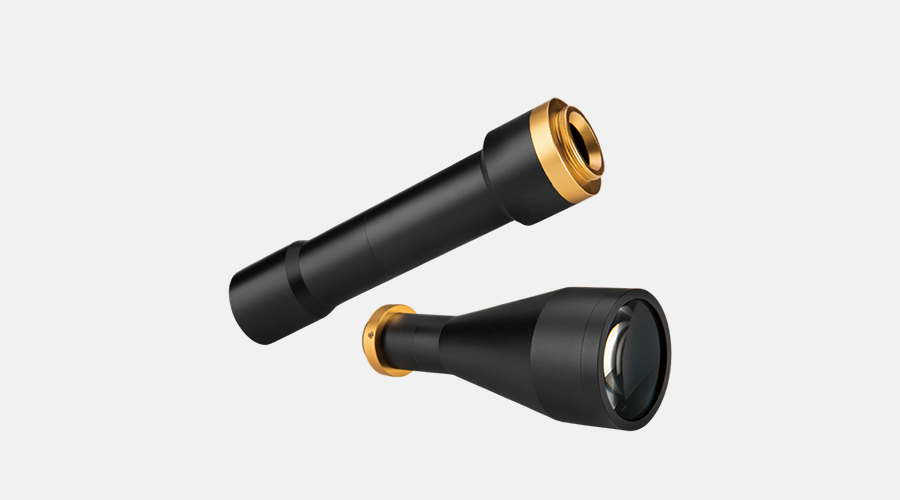 Long Working Distance
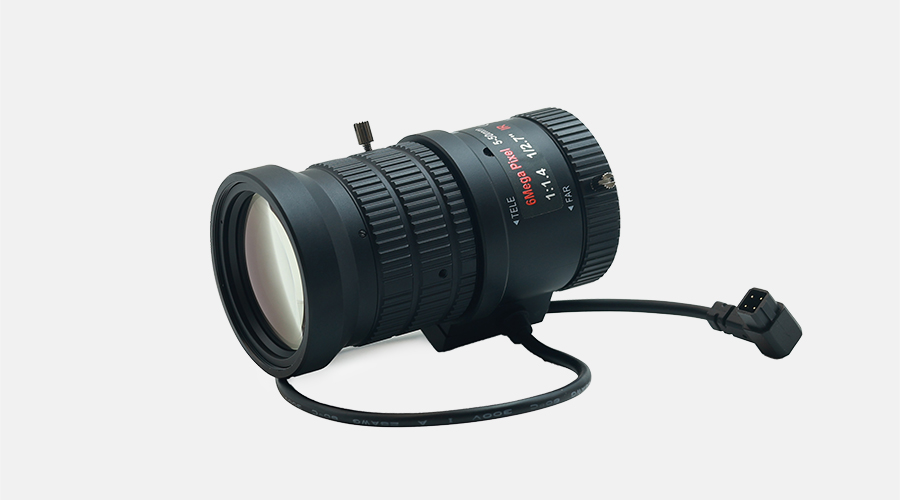 CS mount Varifocal lens
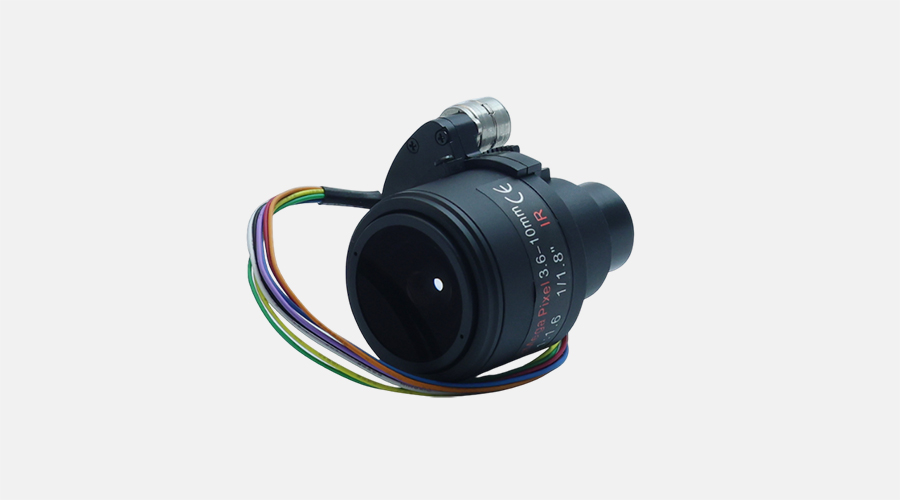 Varifocal board lens
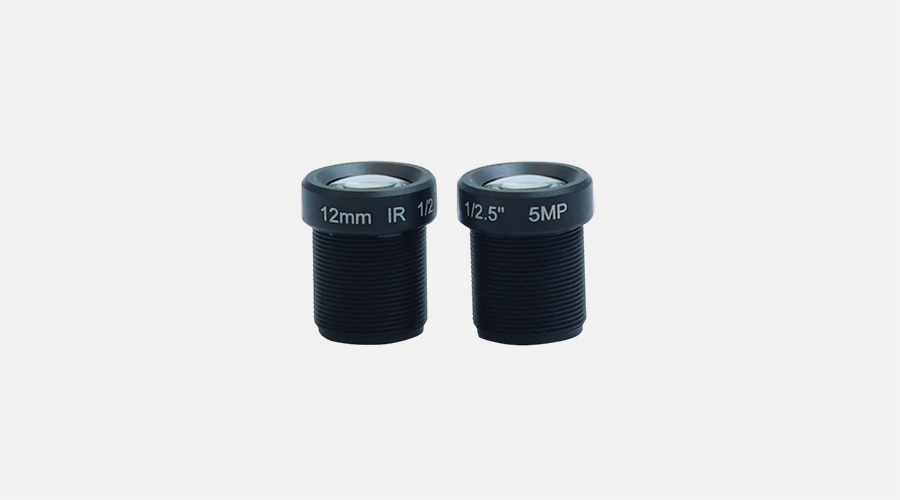 S mount lens
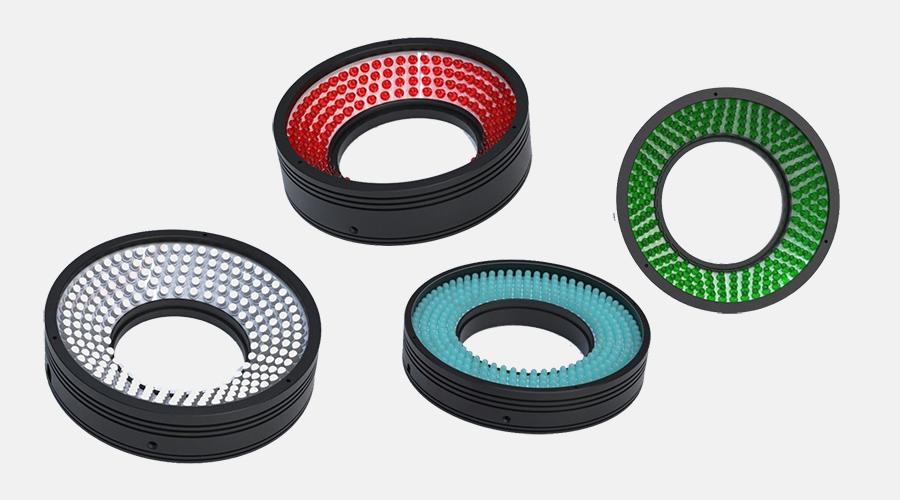 Ring light
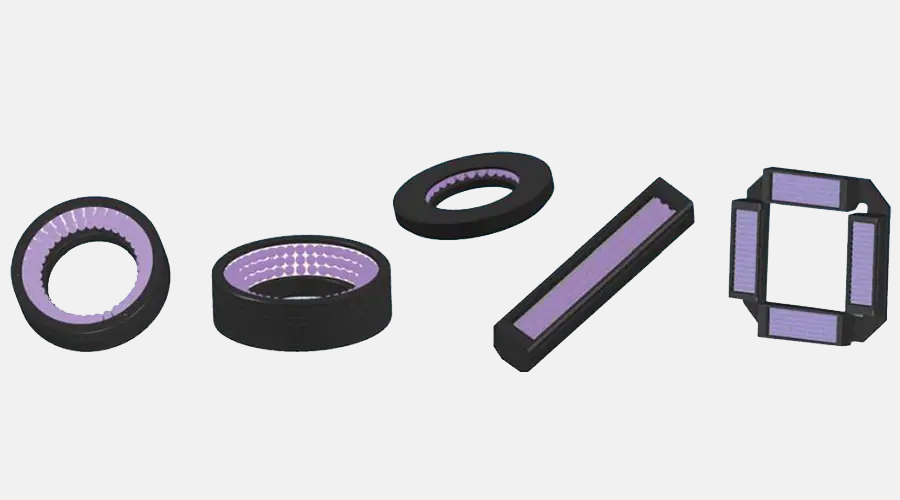 UV/IR Light
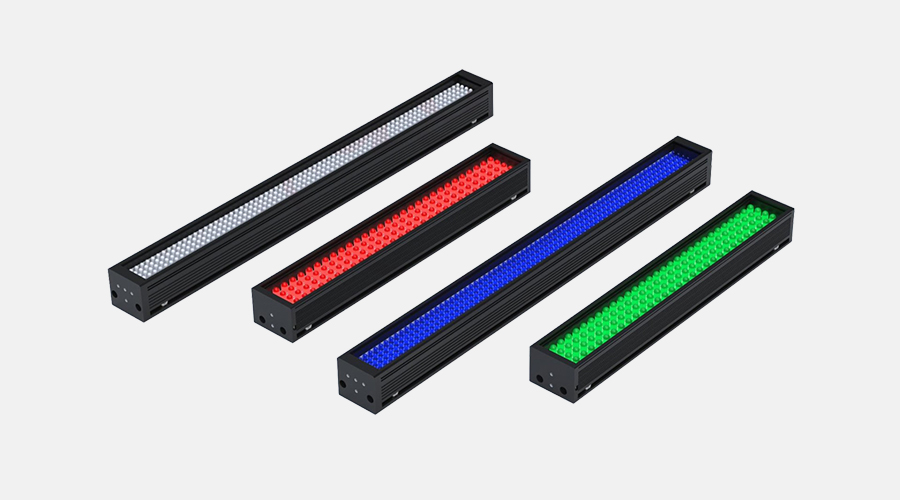 Bar light
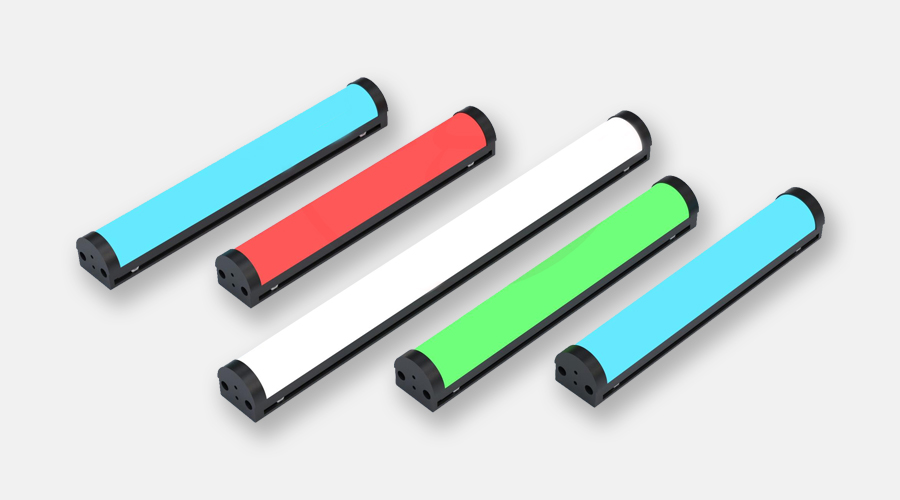 Arcuate high uniformity light
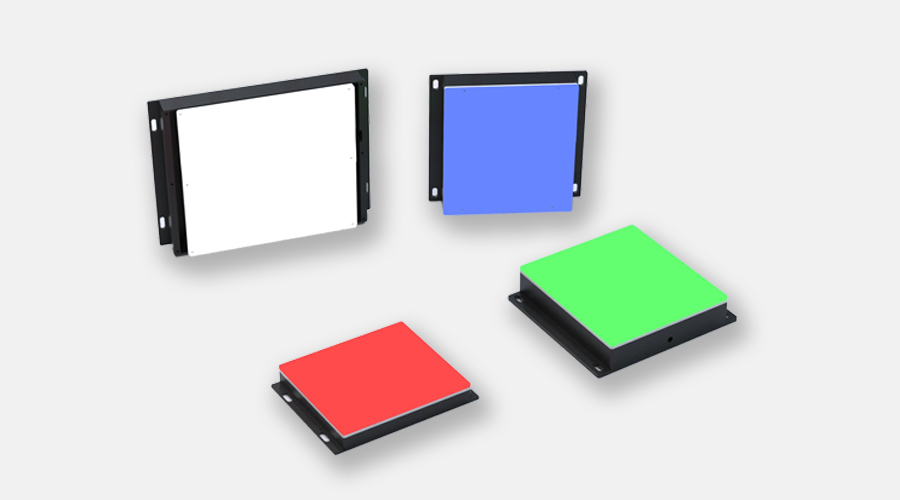 Back light
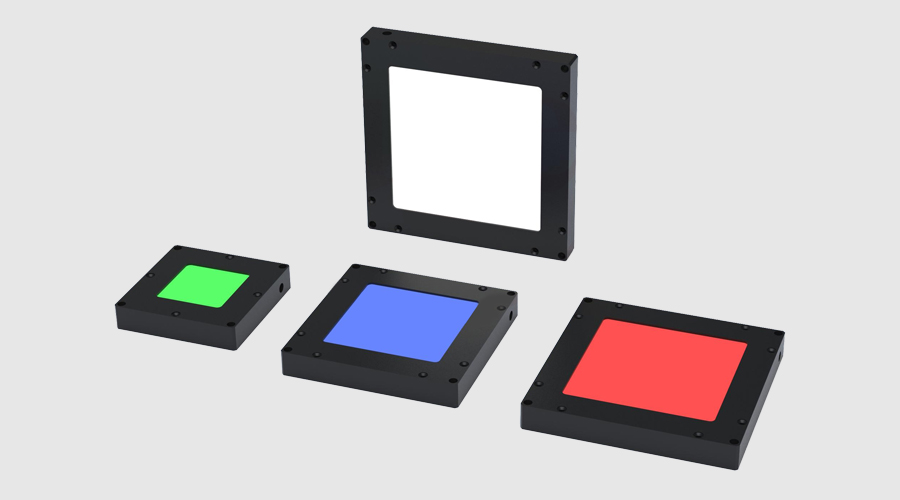 Flat light
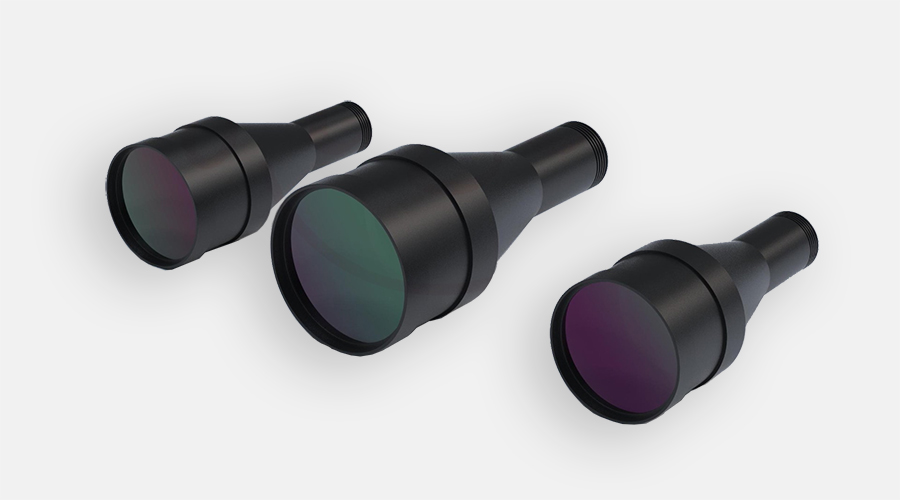 Collimated light
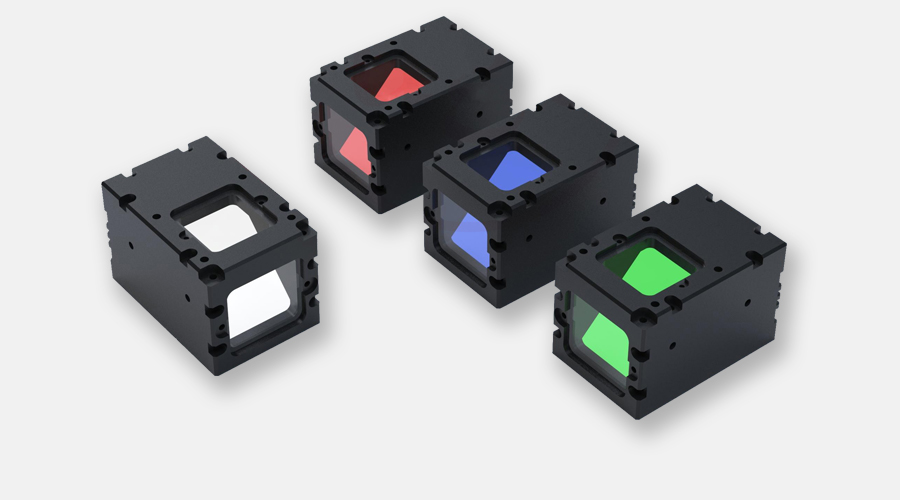 Coaxial light
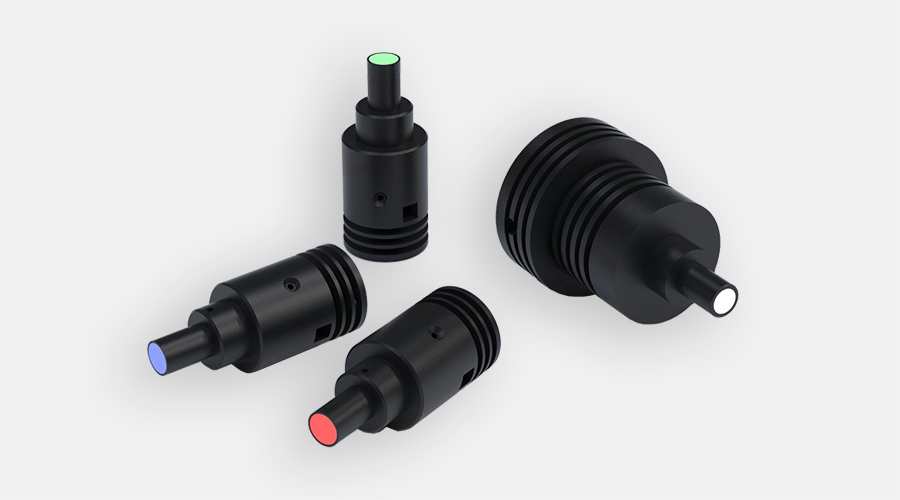 Spot light
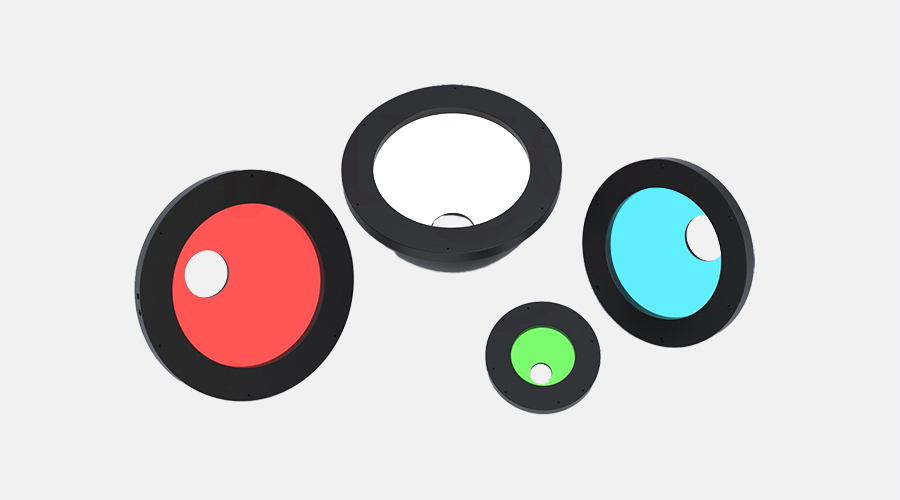 Dome light
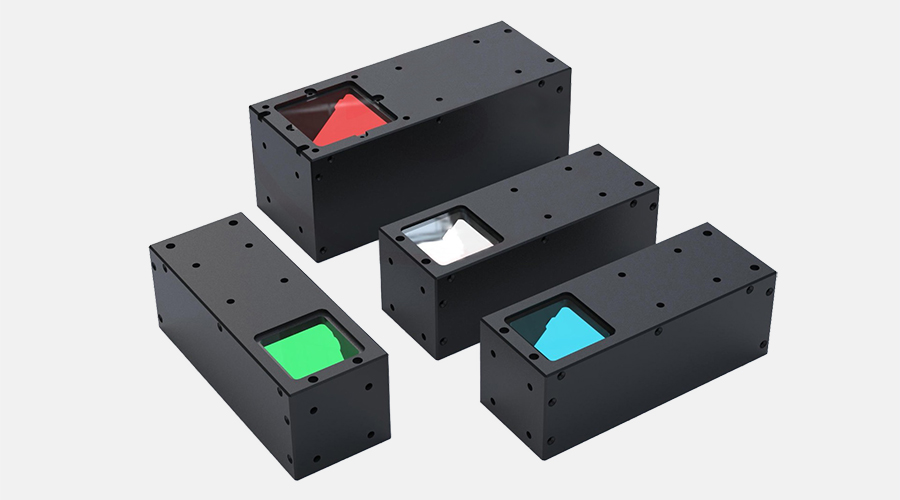 Collimated Coaxial light
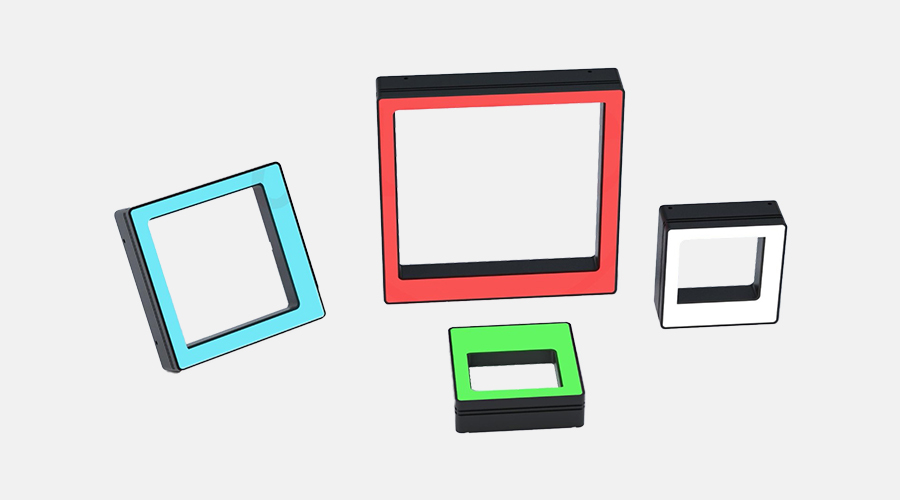 Shadowless square light
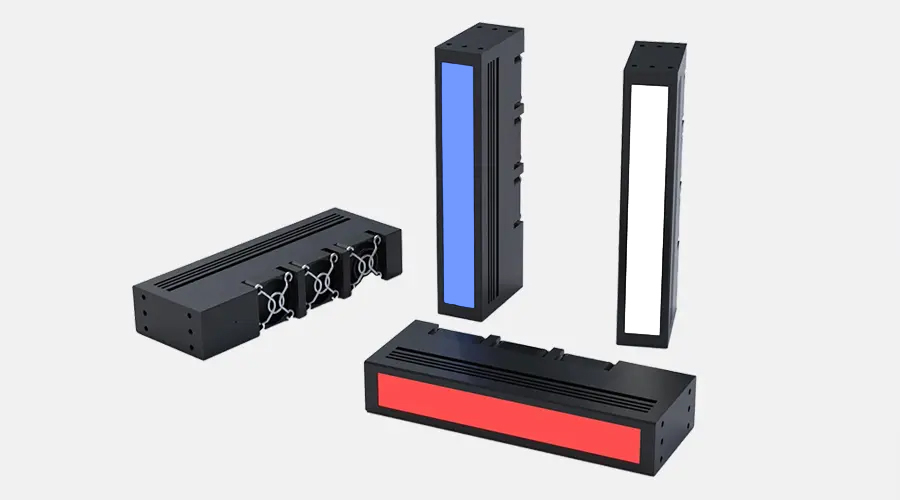 Scan light
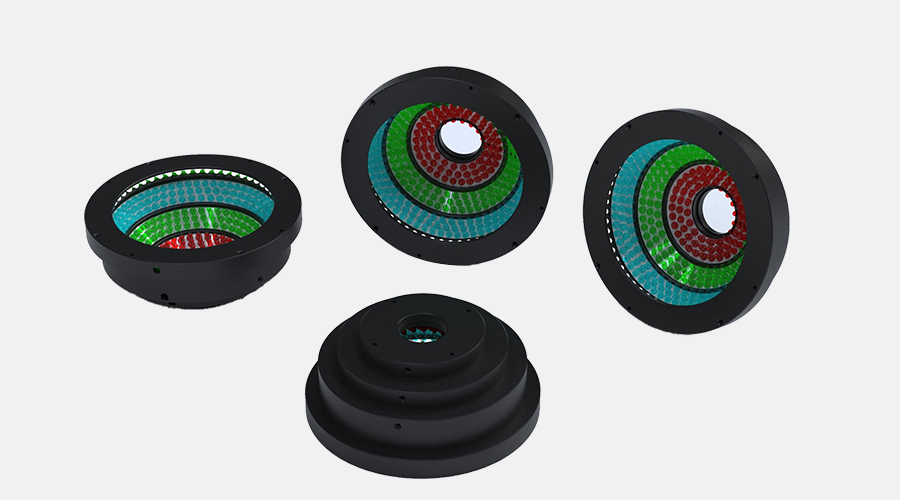 AOI light
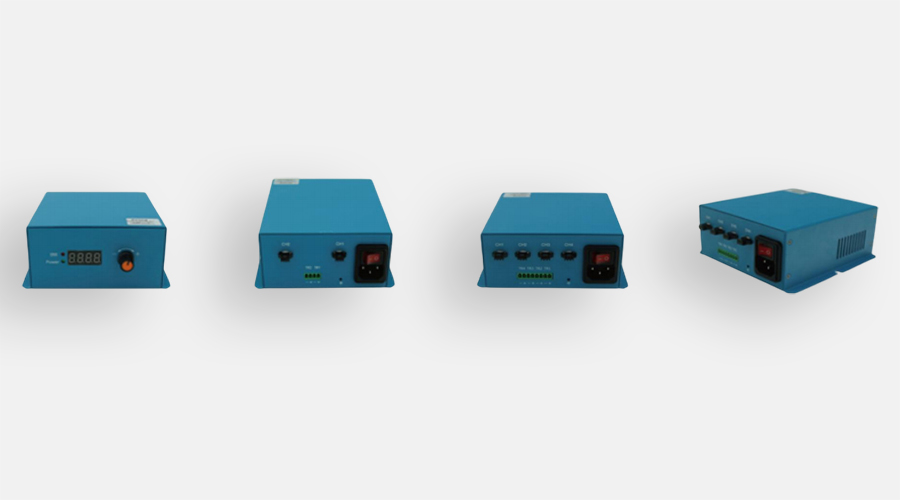 Analog controller
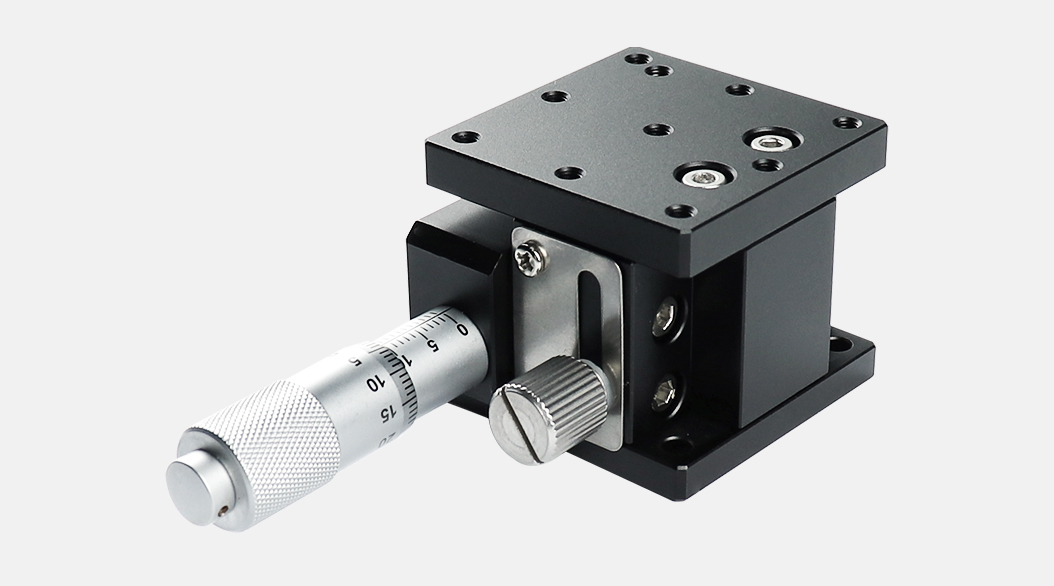 Crossed-Roller Linear guide type
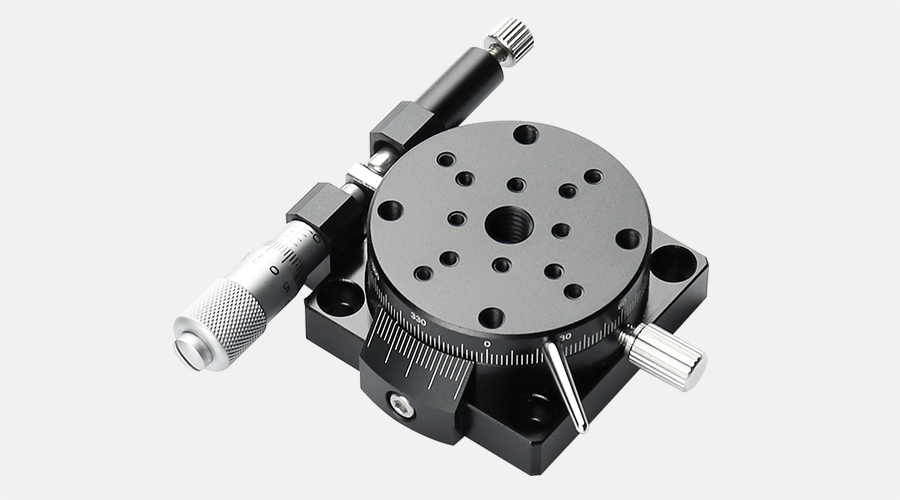 Rotary Stages XRS series
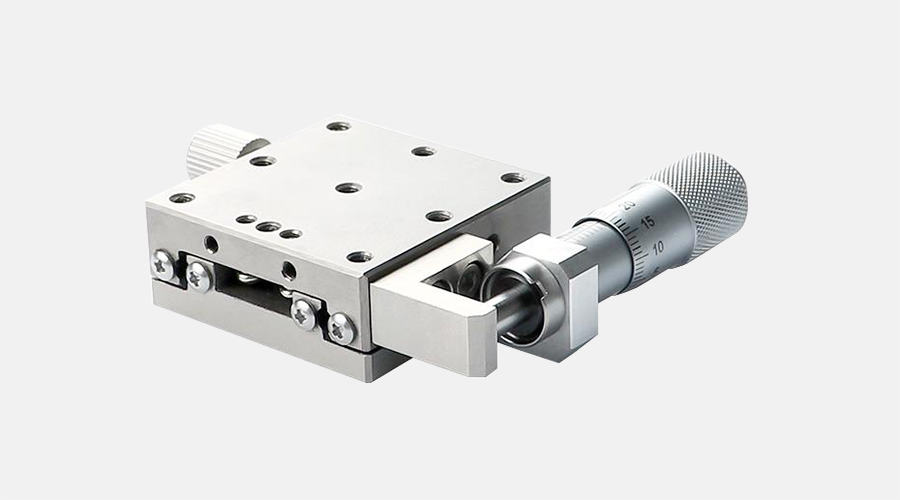 Stainless Steel Ball Bearing Linear Translation Stages
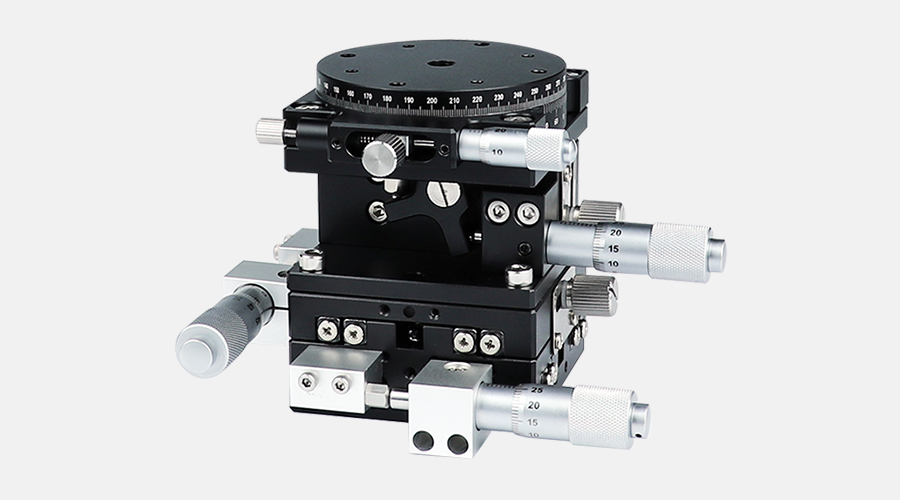 Multi-axis Translation stages
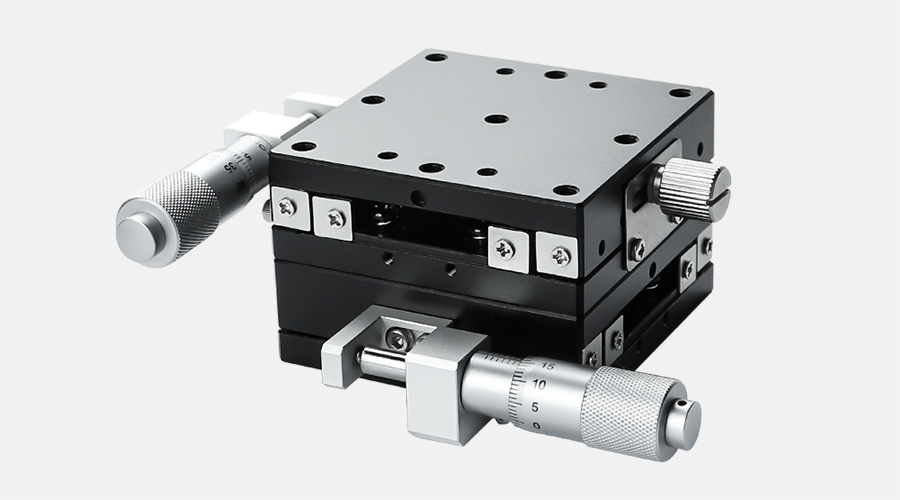 steel bar ball bearing stages
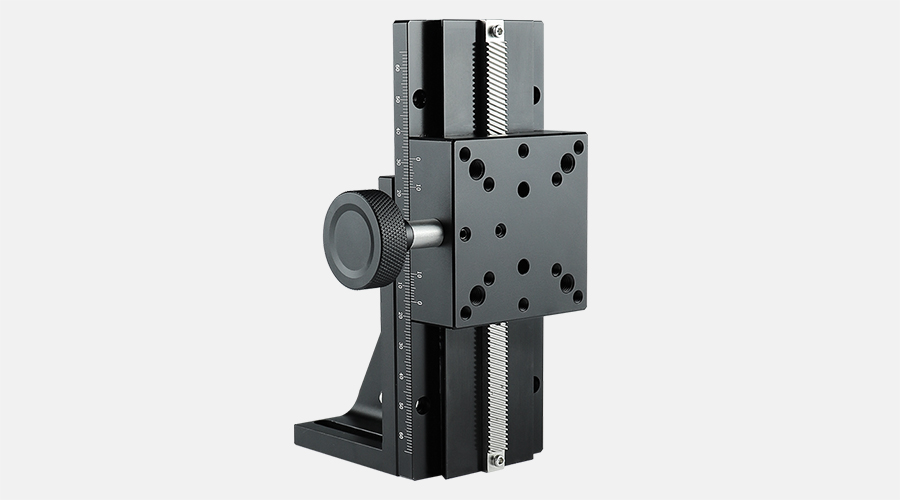 Dovetail Type Rack&Pinion Positioning Stage
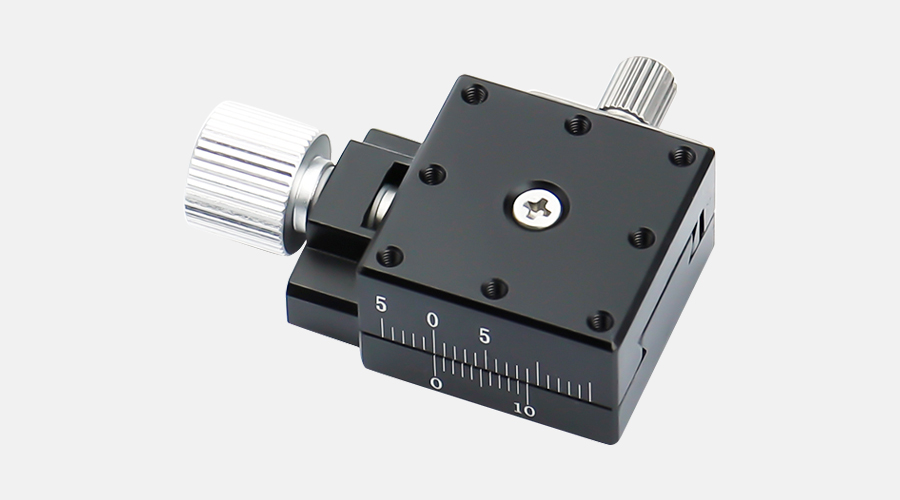 Dovetail groove high-precision screw slide
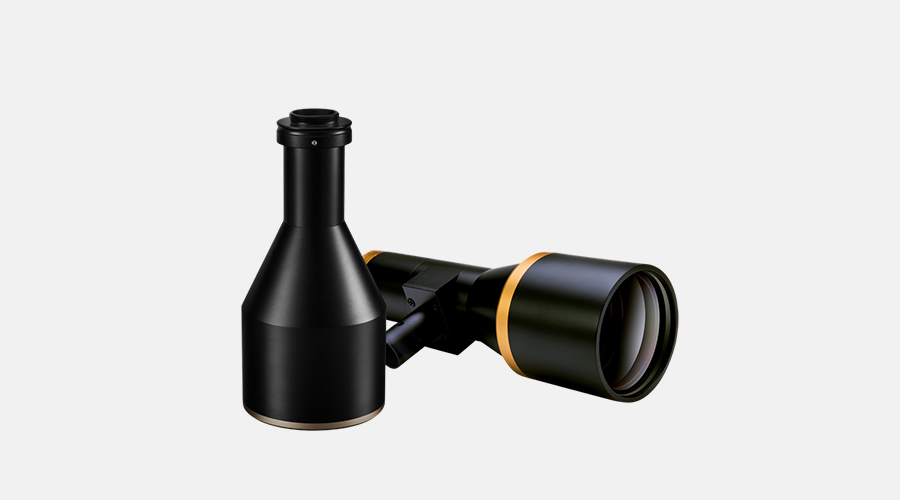

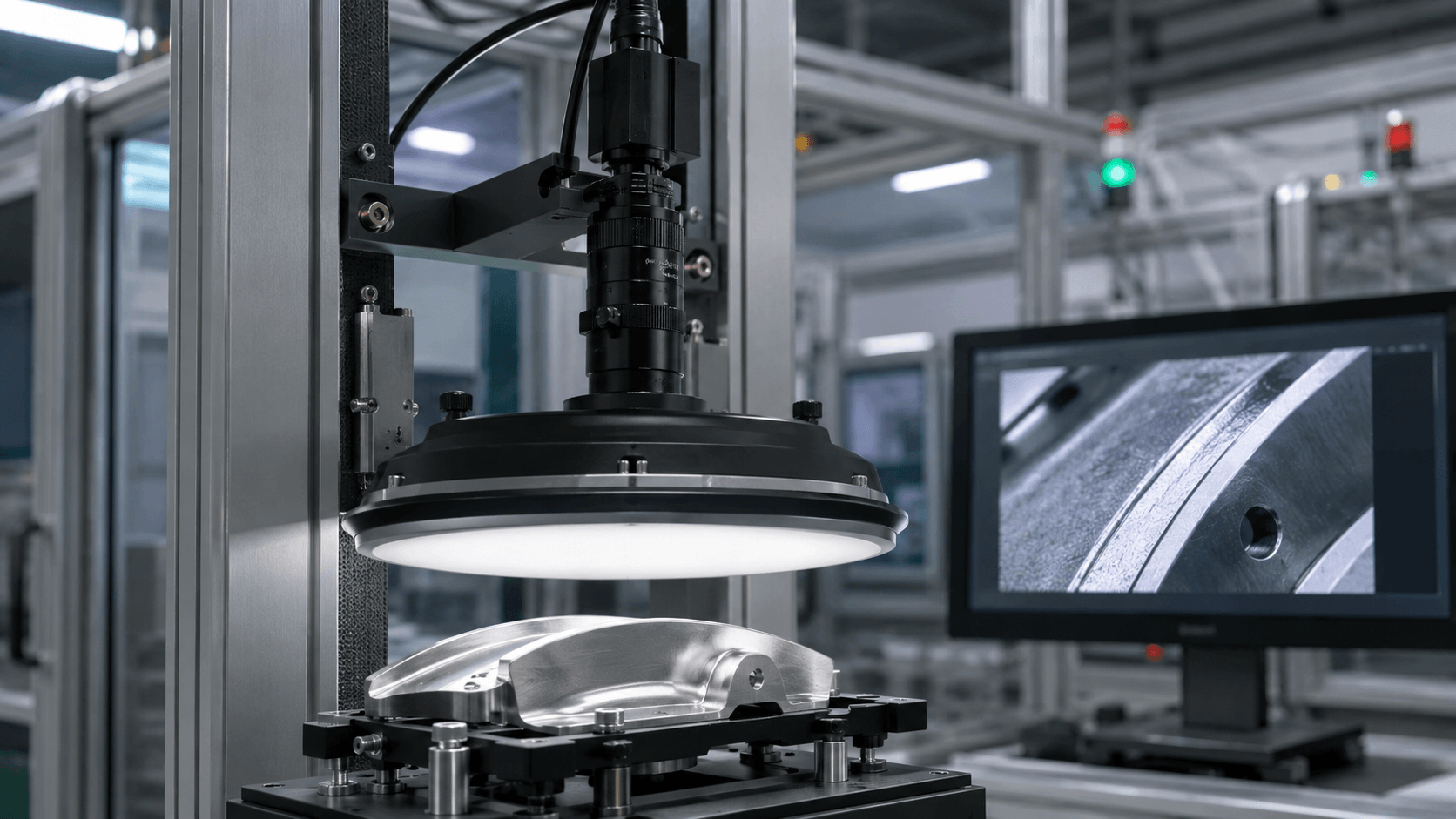
Can Manual Stages Fit Custom Telecentric Lens Systems?
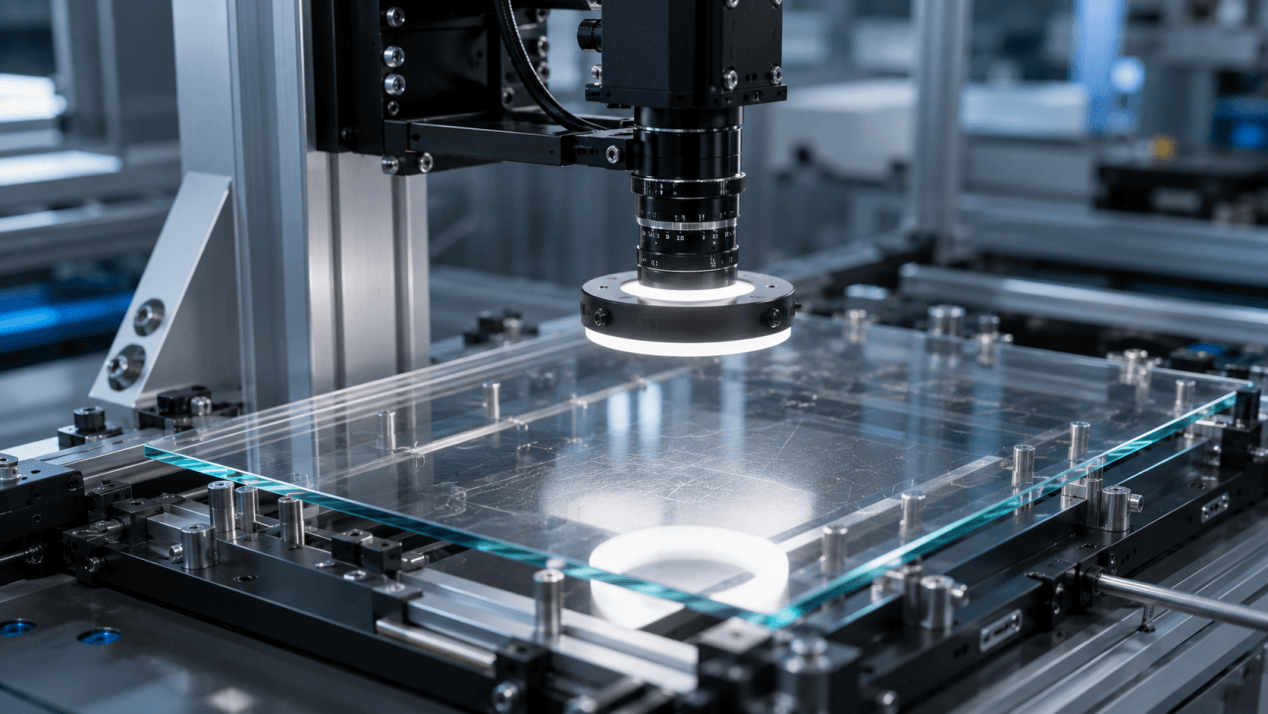
A machine vision system may require a telecentric lens with specific optical parameters while the equipment itself has limited installation space or defined positioning requirements. In these cases, choosing the lens and positioning mechanism separately can make system integration more difficult.
A Telecentric Lens determines the optical conditions for imaging, while a Manual Stage provides mechanical movement for optical setup, sample positioning, and equipment adjustment. When the required lens specifications and mechanical conditions do not match standard configurations, Customized Optical Design can be considered to evaluate the complete system requirement.
New Vision Optics provides telecentric lenses, manual stages and slides, and customized optical services covering design evaluation, optimization, prototyping, and production.
What Does a Telecentric Lens Need From the Mechanical Setup?
A Telecentric Lens is selected according to several optical parameters rather than the lens name alone. Working distance, magnification, field of view, sensor size, and optical performance all influence the required installation arrangement.
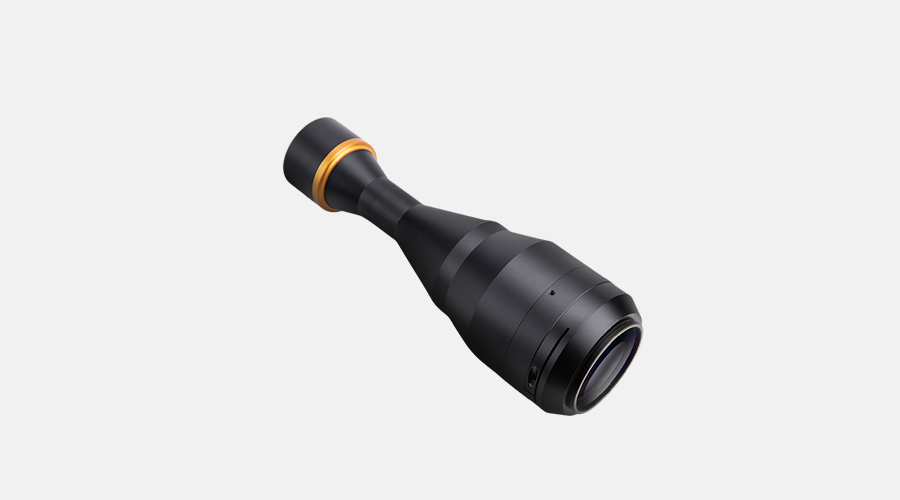
New Vision's telecentric lens range includes measuring lenses, aperture telecentric lenses, long working distance options, and models compatible with different sensor sizes. The product range therefore covers different combinations of imaging requirements.
The mechanical structure around the lens also needs to provide enough space for the selected configuration. The position of the lens, camera, and inspected object needs to correspond with the optical design.
This is where mechanical positioning becomes relevant. A stage does not alter the optical specification of the lens. Instead, it provides a way to adjust the position of the lens, camera, or sample during system setup.
How Can a Manual Stage Support Optical Setup?
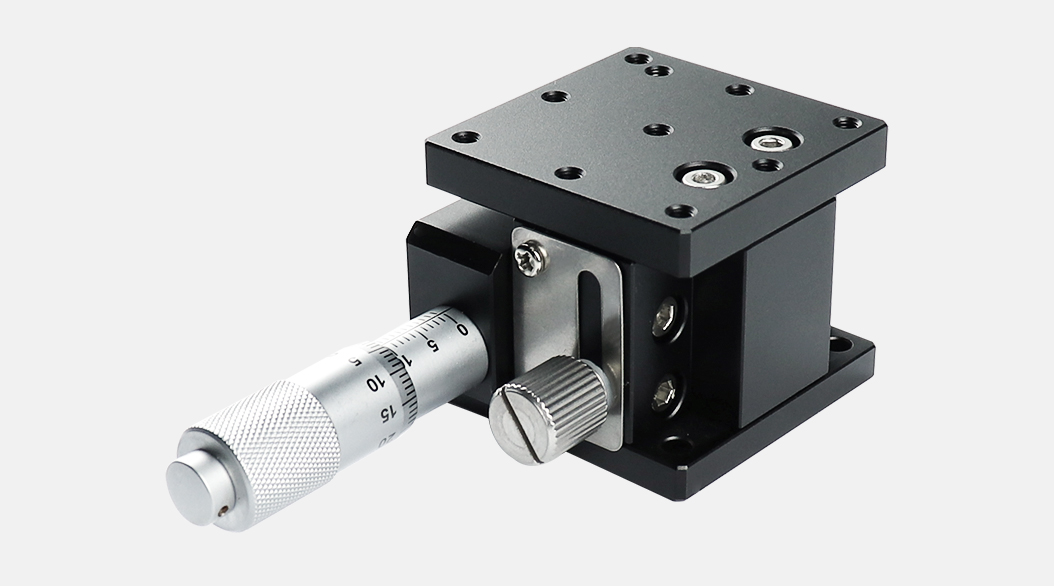
A Manual Stage provides manually controlled movement for positioning and adjustment. New Vision describes its manual slide stages for optical system setup, machine vision system integration, sample positioning, and equipment adjustment.
The required stage configuration depends on the direction of movement.
A single-axis configuration can be considered when the setup requires movement along one direction. An XZ configuration provides horizontal and height adjustment, while an XYZ configuration provides three-axis translation. New Vision also lists XYθ and XYZθ configurations for applications requiring rotational adjustment in addition to linear movement.
This makes the stage a mechanical component within the optical system rather than a replacement for the lens.
How Should Stage Configuration Be Matched to a Telecentric Lens?
The number of axes should be determined by the actual adjustment requirements.
For example, if the optical assembly only needs height adjustment during installation, a Z-axis stage may provide the required movement. If the sample needs to be positioned horizontally and vertically, an XY configuration may be more appropriate.
New Vision's manual stage range includes crossed-roller linear guide stages, rotary stages, stainless steel ball-bearing linear translation stages, multi-axis translation stages, steel bar ball-bearing stages, and dovetail positioning stages.
The stage should also be checked against the available installation space. Table dimensions, travel direction, load requirements, mounting orientation, and the surrounding structure can affect whether a particular stage fits the system.
This becomes more important when a telecentric lens has a defined working distance and the machine structure leaves limited space around the optical path.
Why Should Optical and Mechanical Requirements Be Defined Together?
A lens can satisfy the required field of view but still be difficult to integrate into an existing machine.
For example, a project may specify a particular sensor size, magnification, and working distance. At the same time, the machine may have restrictions on lens diameter, total lens length, camera position, or available adjustment space.
These requirements should therefore be considered together.
New Vision's application information describes optical configuration around parameters including sensor, field of view, magnification, working distance, MTF, distortion, and workpiece characteristics. Its customized service also collects mechanical and environmental information as part of the lens specification process.
For a system using both a Telecentric Lens and Manual Stage, this means the optical requirements and positioning requirements can be defined before the final configuration is selected.
When Is a Standard Telecentric Lens Not Enough?
Standard products can cover many machine vision requirements, but some projects have combinations of parameters that do not correspond closely with an existing model.
Possible requirements include:
- A specific working distance
- A defined field of view
- A particular sensor size
- A required magnification
- Restricted lens dimensions
- Specific MTF or distortion requirements
- Defined environmental conditions
- Mechanical integration limitations
New Vision's customized service specifically provides an Imaging Lens Technical Specification Requirements Form covering these types of requirements. The form includes working distance, back focal length, total object-to-image distance, focal length, field of view, sensor size, magnification, MTF, distortion, lens dimensions, weight, illumination conditions, and environmental requirements.
This information provides a more detailed starting point than selecting a lens based only on magnification or sensor compatibility.
How Does Customized Optical Design Address These Requirements?
Customized Optical Design becomes relevant when the optical system needs to be developed around a defined application rather than selected entirely from standard specifications.
New Vision states that its customization process includes feasibility studies, design specification verification, preliminary design, design optimization, cost and performance analysis, prototyping, and mass production.
The process can begin by reviewing the required optical and mechanical parameters.
For example, a customer may already have a machine structure with limited space for the lens and camera. The required field of view and sensor format may also be fixed. In this situation, the optical design needs to be evaluated against those physical conditions rather than treating the lens as an isolated component.
The same principle applies when a manual positioning stage needs to be installed around the optical assembly. The stage dimensions and movement range need to work within the available mechanical structure.
What Information Should Be Provided for a Custom Lens?
The more clearly the system requirements are defined, the easier it is to evaluate the optical configuration.
New Vision's specification form includes several groups of parameters.
Basic system parameters include working distance, back focal length, total object-to-image distance, focal length, field of view, sensor size, magnification, and zoom ratio.
Optical performance parameters include transmittance, relative illumination, MTF, and distortion.
Interface requirements include total lens length, entrance pupil position, entrance pupil size, maximum diameter, and weight.
The form also includes illumination and environmental requirements such as object reflection characteristics, operating temperature, storage temperature, vibration, shock, humidity, acidity/alkalinity, and sealing requirements.
For a custom machine vision project, these details can help connect the optical design with the physical equipment requirements.
Can Manual Stages Be Part of a Custom Optical Setup?
A Manual Stage can be useful when the optical system requires physical adjustment during installation, testing, or equipment development.
New Vision's manual stages are positioned for optical system setup, machine vision system integration, sample positioning, and equipment adjustment.
The stage configuration can be selected according to the required degrees of freedom instead of automatically choosing the model with the largest number of axes.
For example, an XZ stage can address horizontal and height adjustment, while an XYZ configuration provides three translational directions. If angular adjustment is required in addition to linear movement, an XYθ or XYZθ configuration can be considered.
This approach keeps the mechanical configuration related to the actual task.
What Should Be Checked Before Customizing the System?
The first step is to define the imaging requirement. Sensor size, field of view, magnification, working distance, and optical performance provide the basis for evaluating the Telecentric Lens.
The next step is to define the mechanical conditions. Available installation space, movement direction, stage dimensions, mounting conditions, and adjustment requirements determine how the Manual Stage can be integrated.
Environmental conditions should also be included when the equipment will operate under defined temperature, vibration, shock, humidity, or sealing requirements.
When these parameters cannot be satisfied by an existing standard configuration, the information can be used as the basis for Customized Optical Design.
This creates a more direct connection between the optical component, positioning mechanism, and machine structure instead of treating each component as an independent selection.
FAQ
Can a manual stage change a telecentric lens specification?
No. A manual stage provides mechanical positioning. The lens's working distance, magnification, and other optical specifications remain defined by the lens design.
Which manual stage is suitable for a telecentric lens setup?
The choice depends on the required movement. New Vision provides single-axis and multi-axis configurations, including XZ, XYZ, XYθ, and XYZθ stages.
When should a telecentric lens be customized?
Customization can be considered when the required optical, dimensional, mechanical, or environmental parameters do not correspond well with a standard lens configuration.
What information is needed for custom optical design?
Working distance, field of view, sensor size, magnification, MTF, distortion, lens dimensions, environmental conditions, and other system parameters can be included in the technical specification.
Can manual stages be used for optical system setup?
Yes. New Vision describes its manual stages for optical system setup, machine vision system integration, sample positioning, and equipment adjustment.