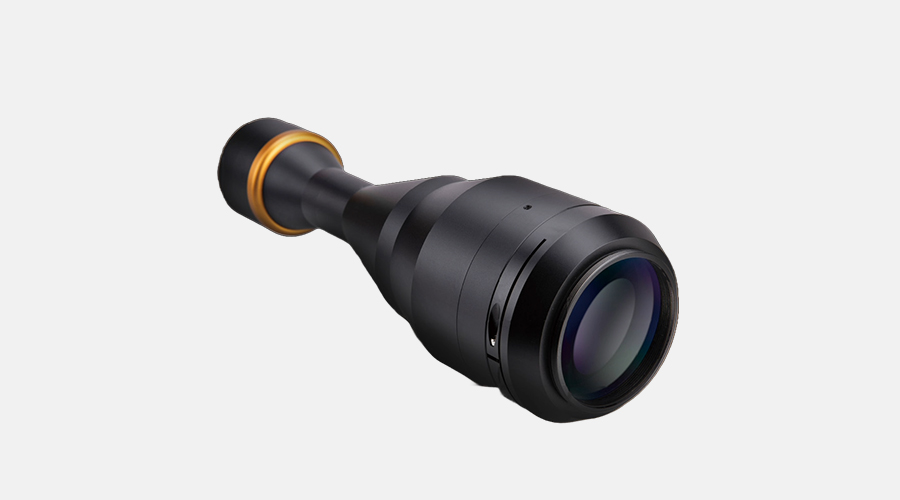
 Compatible with 7.2mm-82mm chips
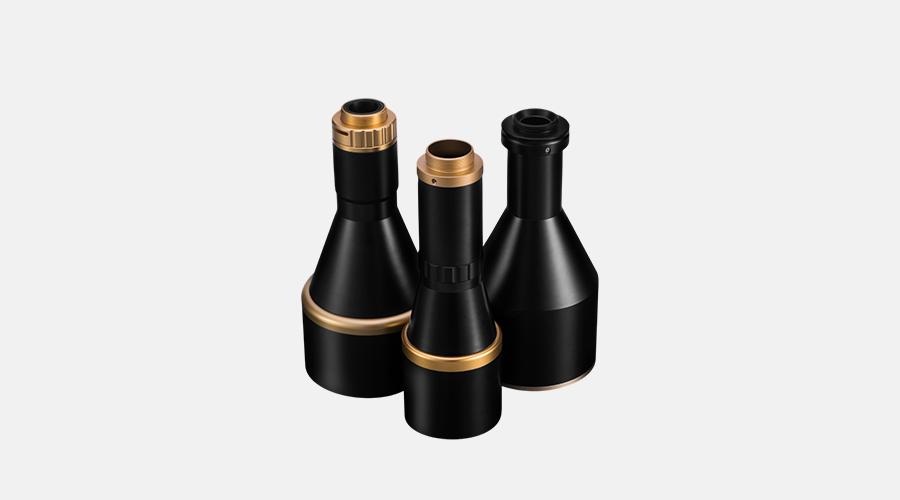 High/Low Working Distance
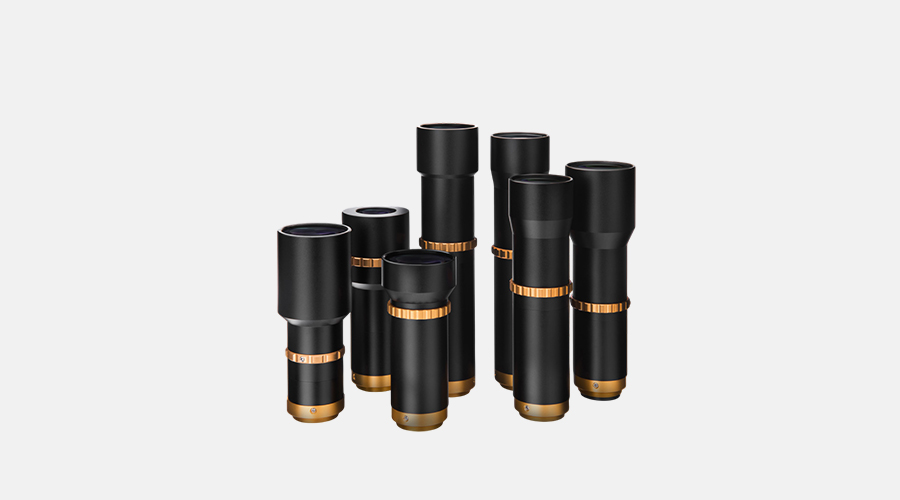 Aperture telecentric lens
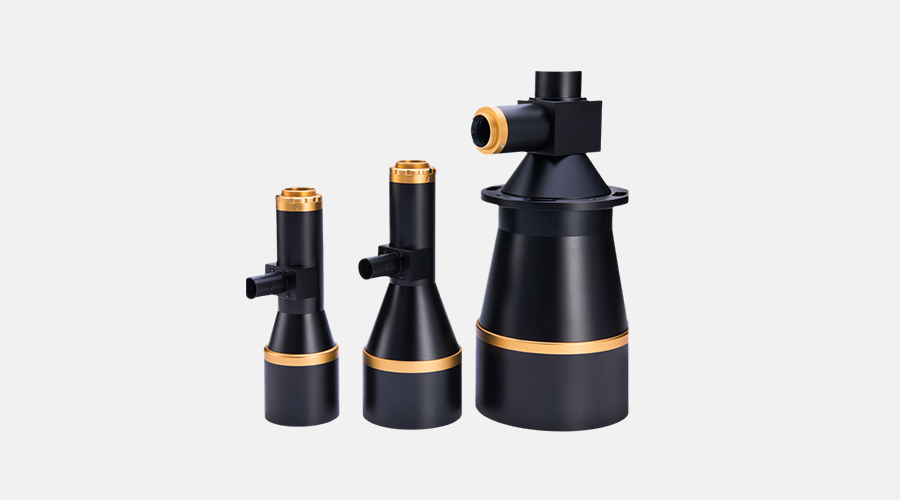 Measuring lens
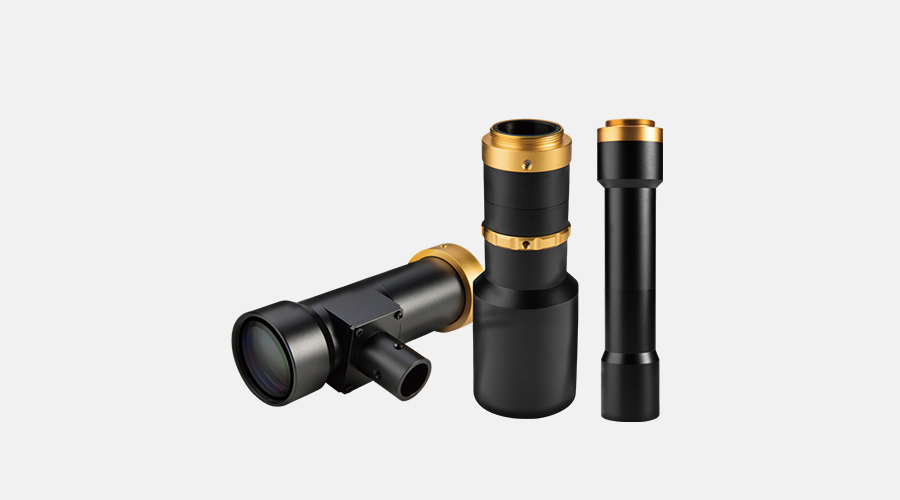 Maximum support 1.1" chips
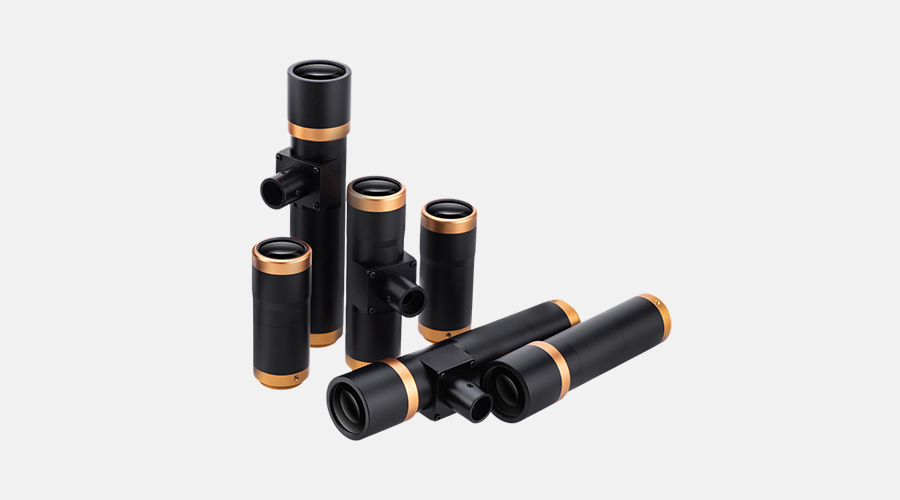 Maximum support 1.2" chips
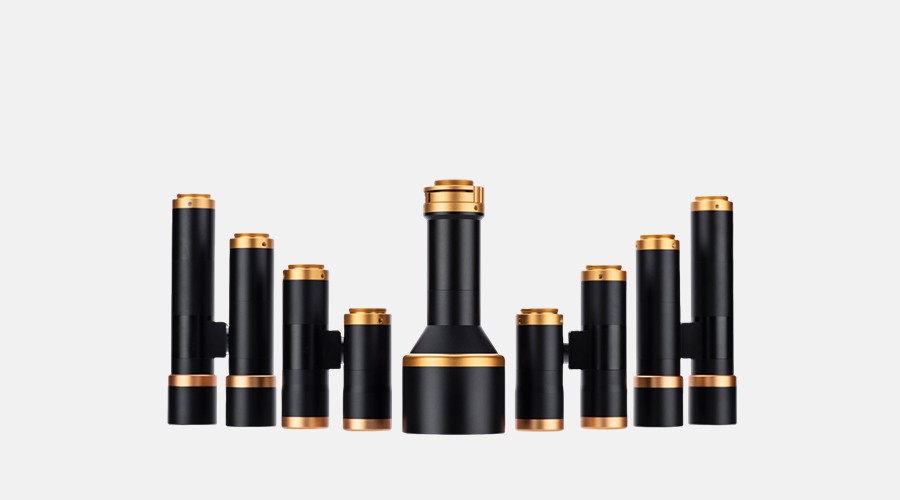 Maximum support 2/3" chips
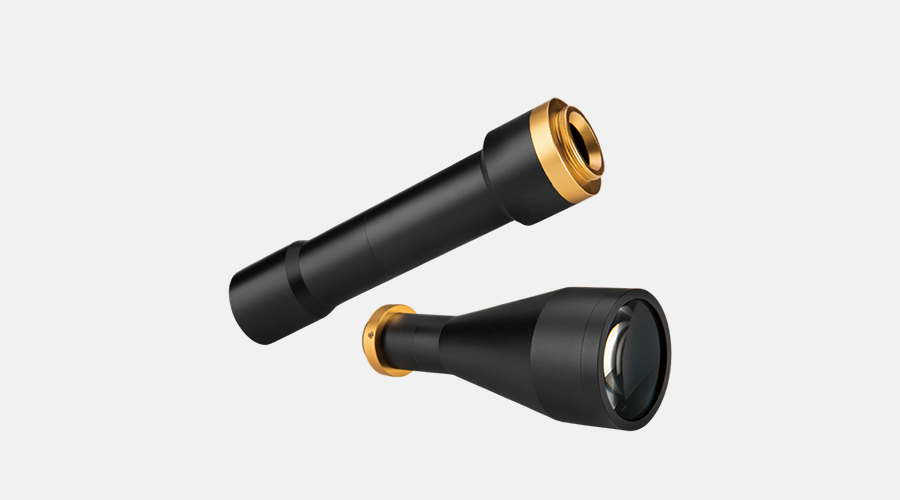 Long Working Distance
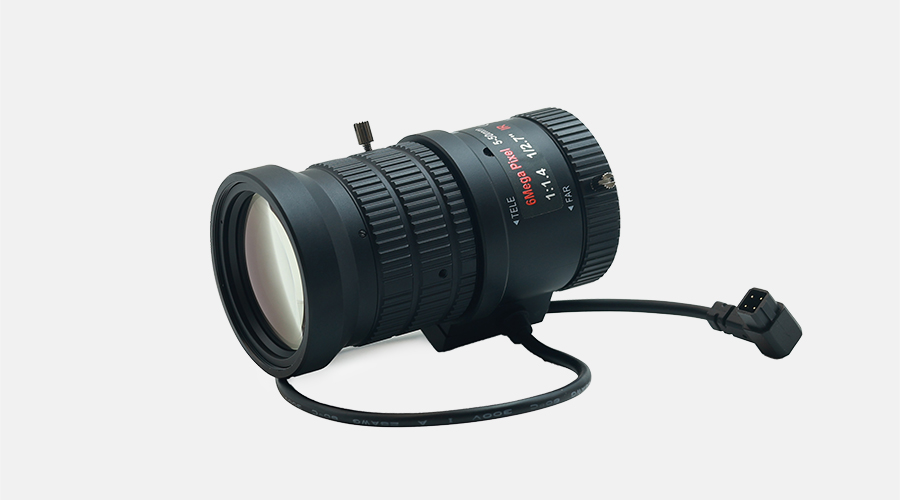 CS mount Varifocal lens
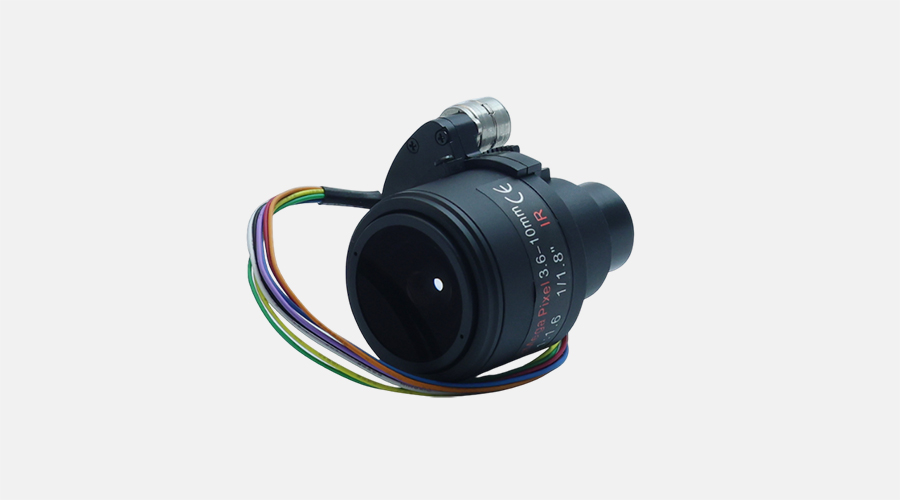 Varifocal board lens
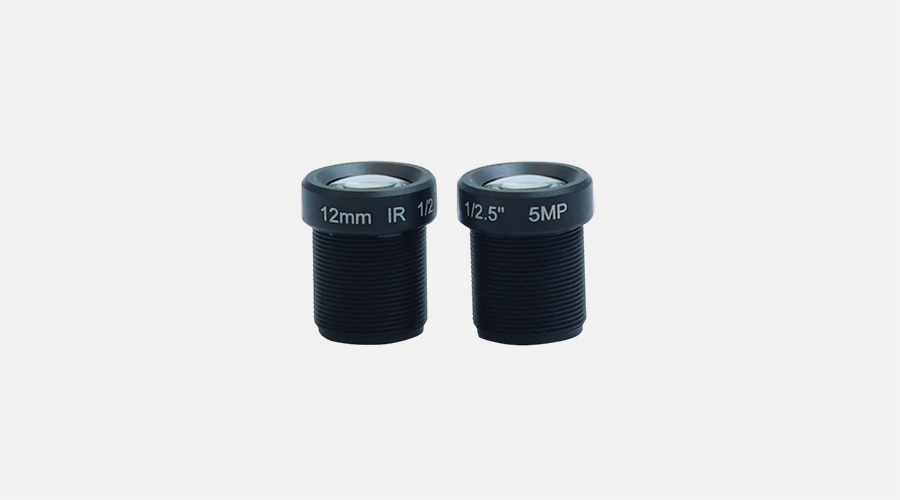 S mount lens
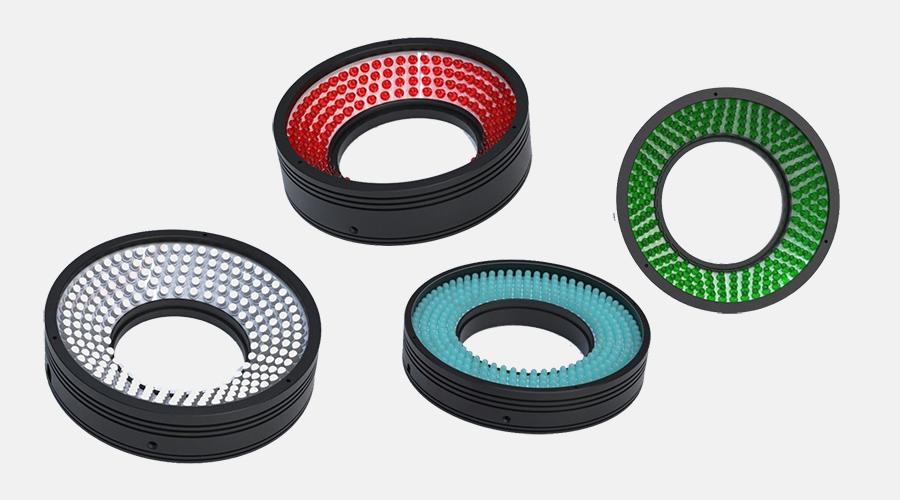 Ring light
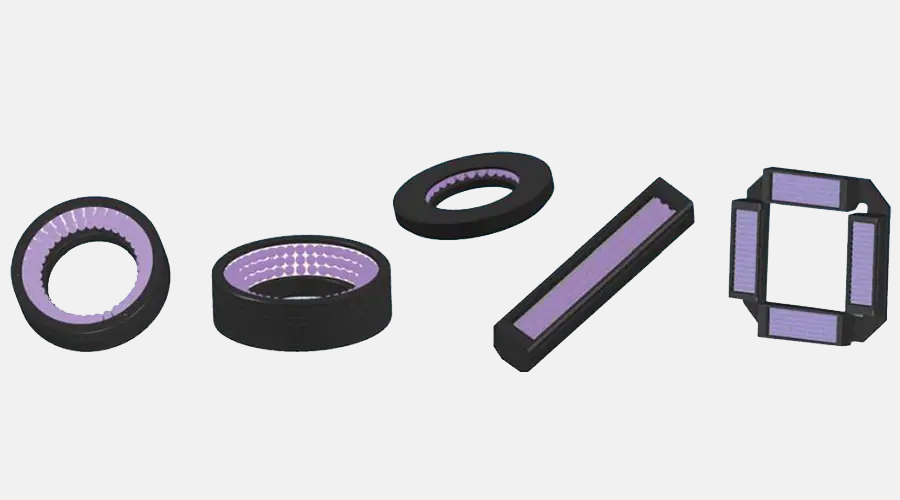 UV/IR Light
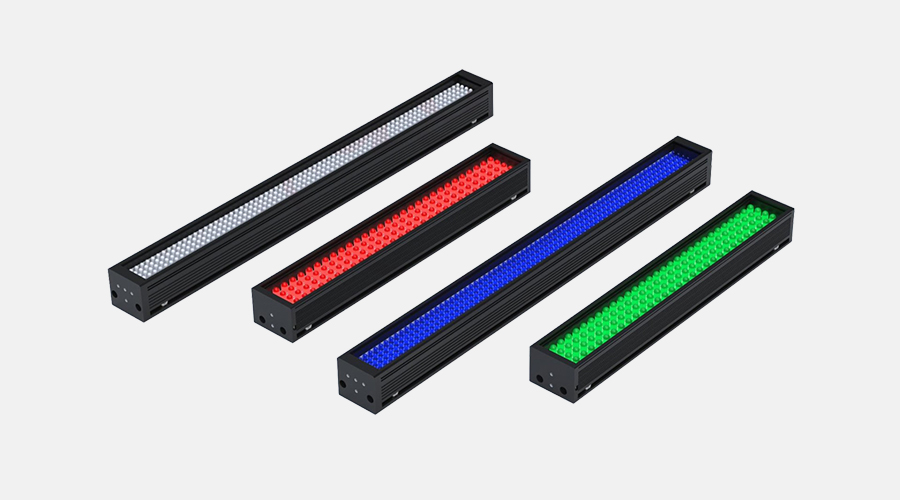 Bar light
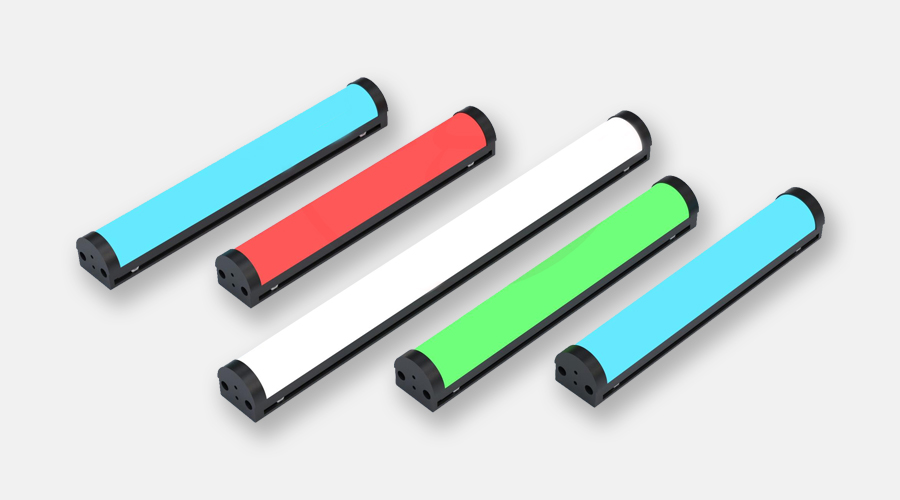 Arcuate high uniformity light
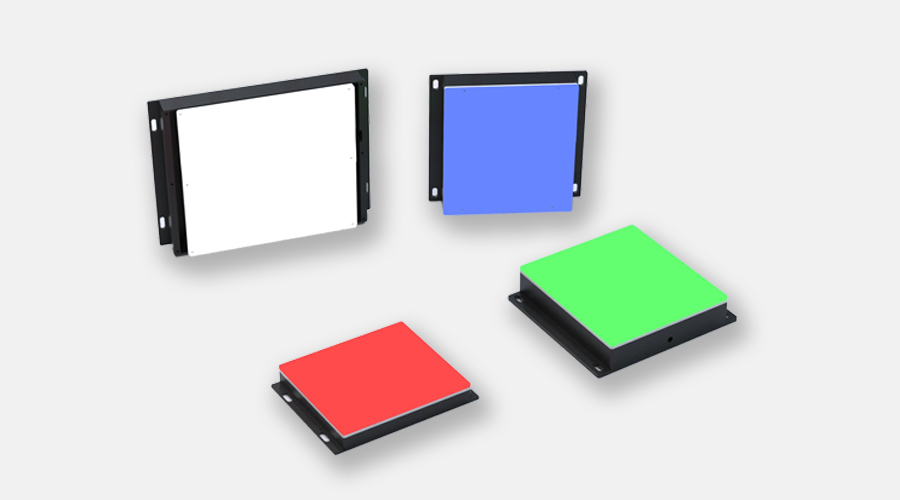 Back light
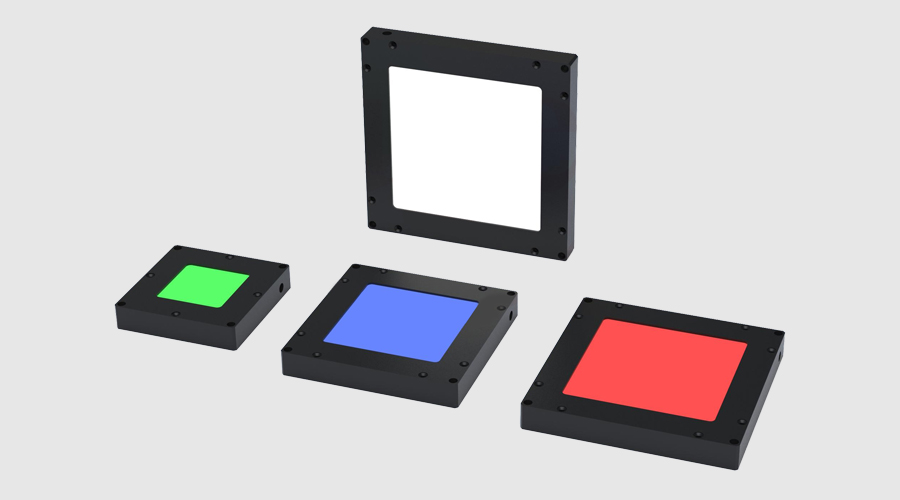 Flat light
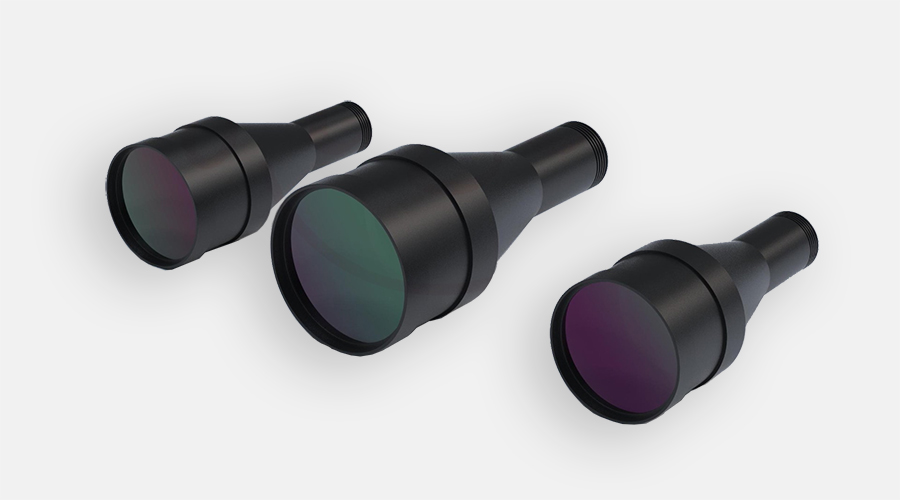 Collimated light
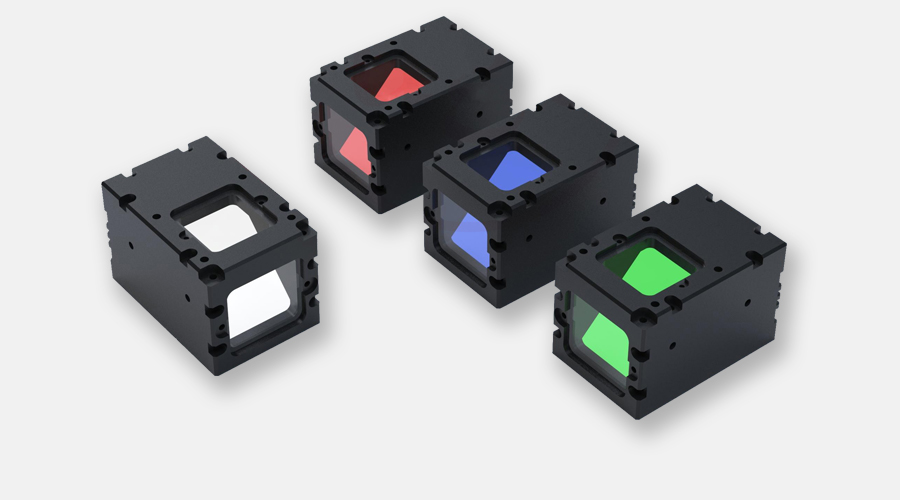 Coaxial light
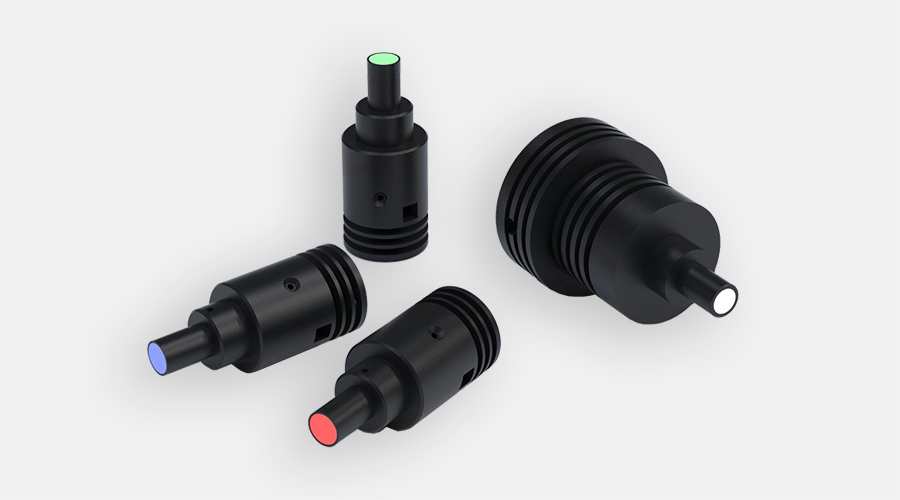 Spot light
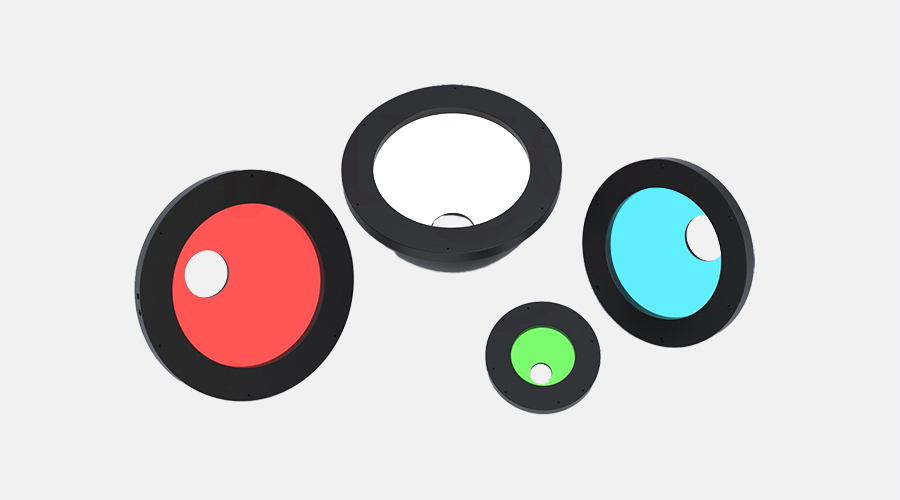 Dome light
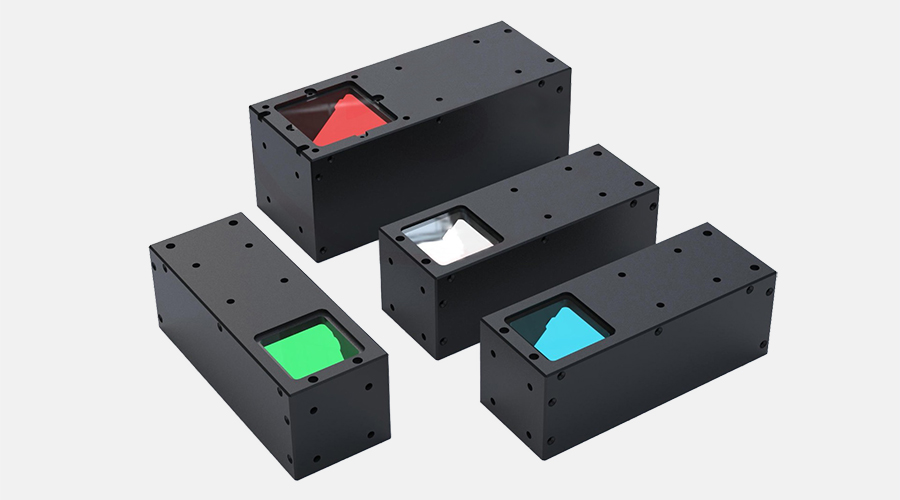 Collimated Coaxial light
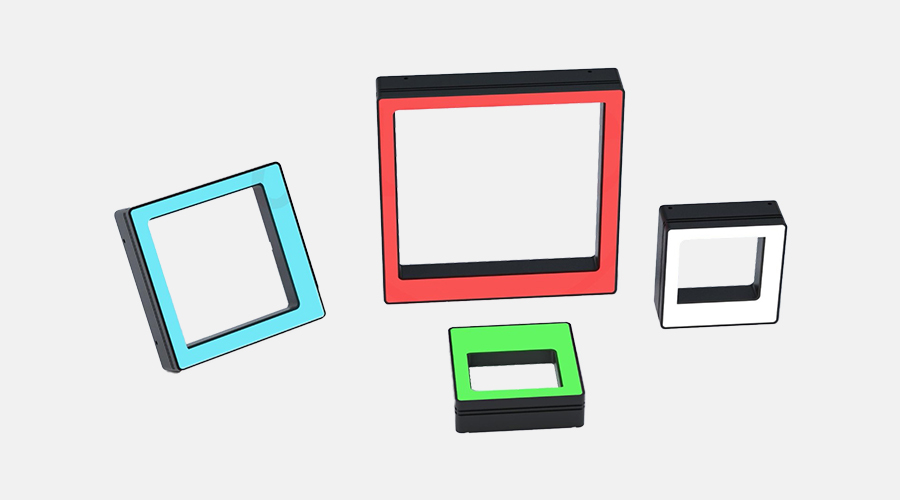 Shadowless square light
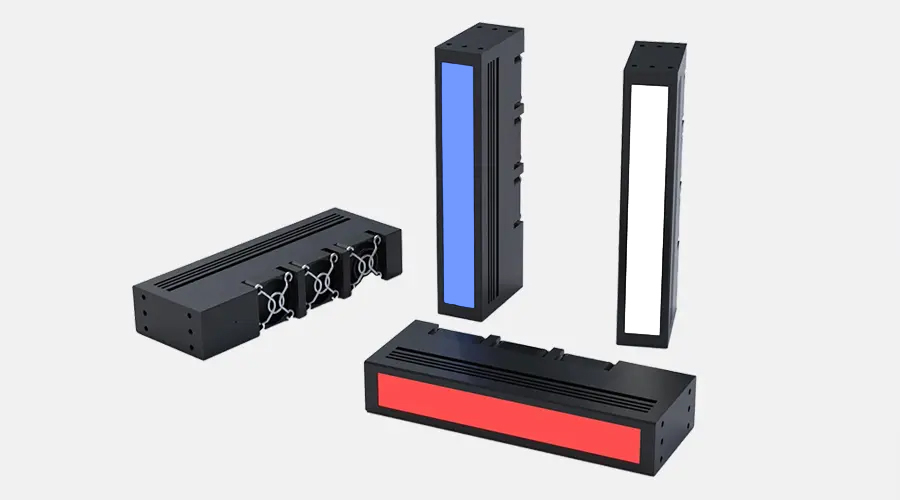 Scan light
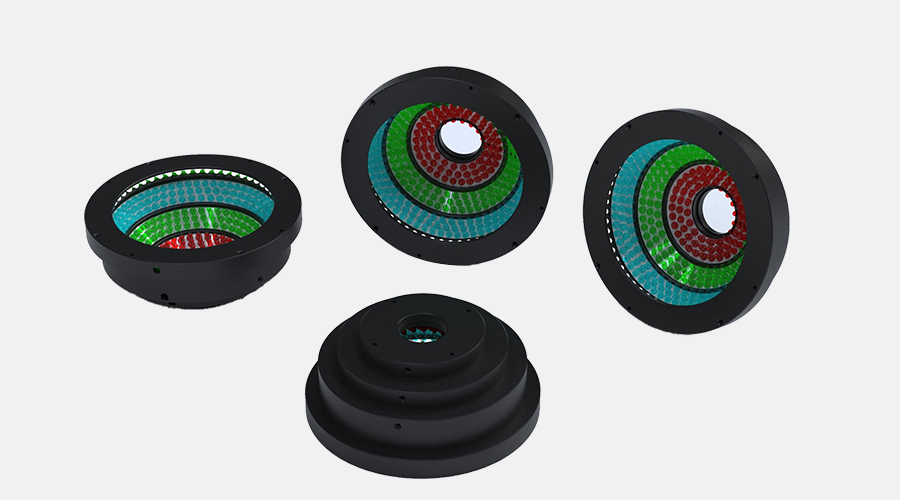 AOI light
 Analog controller
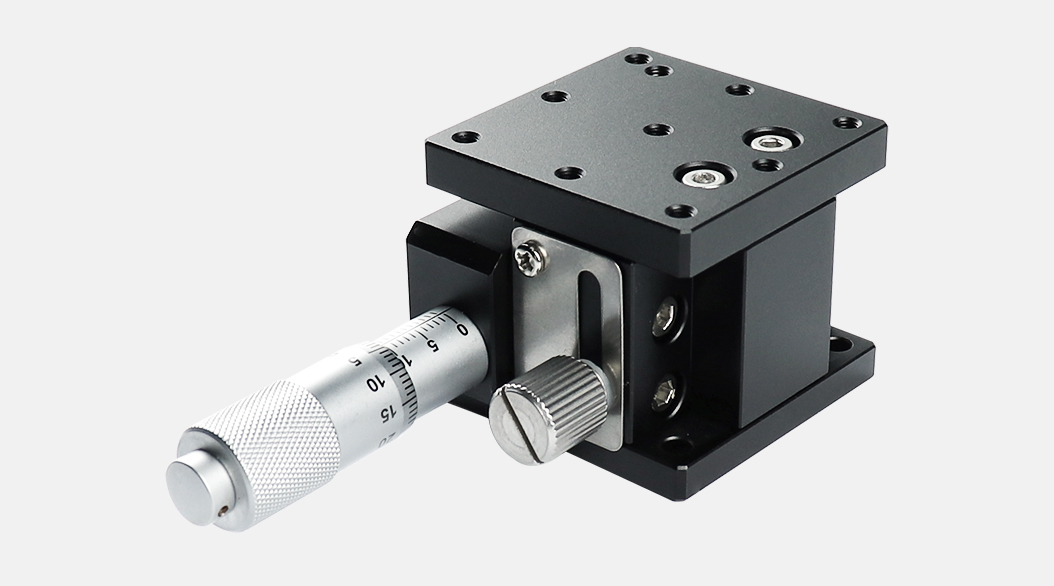 Crossed-Roller Linear guide type
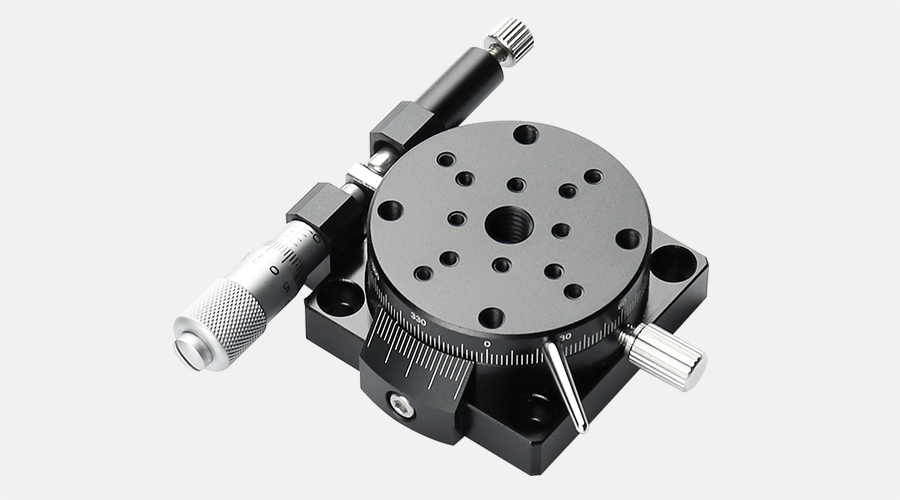 Rotary Stages XRS series
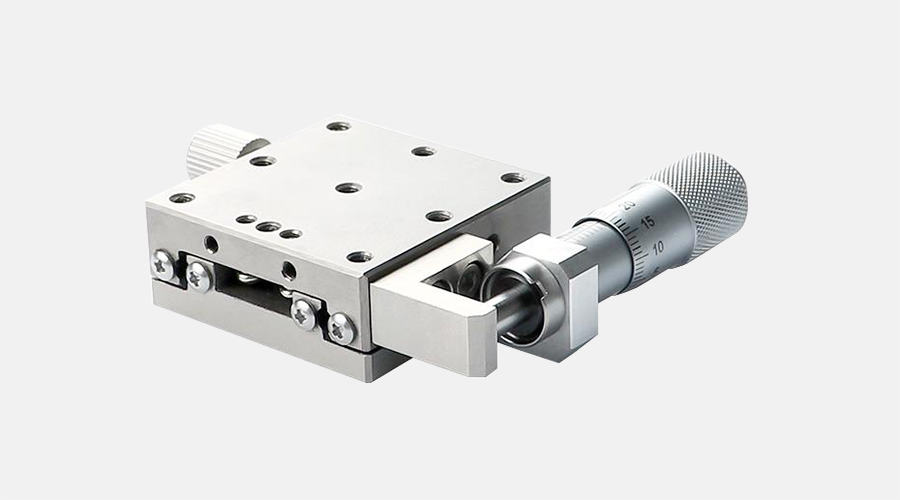 Stainless Steel Ball Bearing Linear Translation Stages
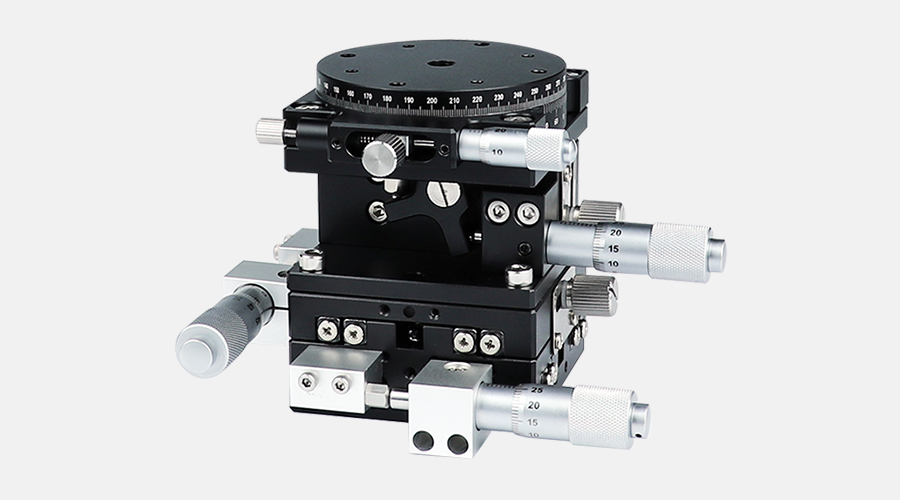 Multi-axis Translation stages
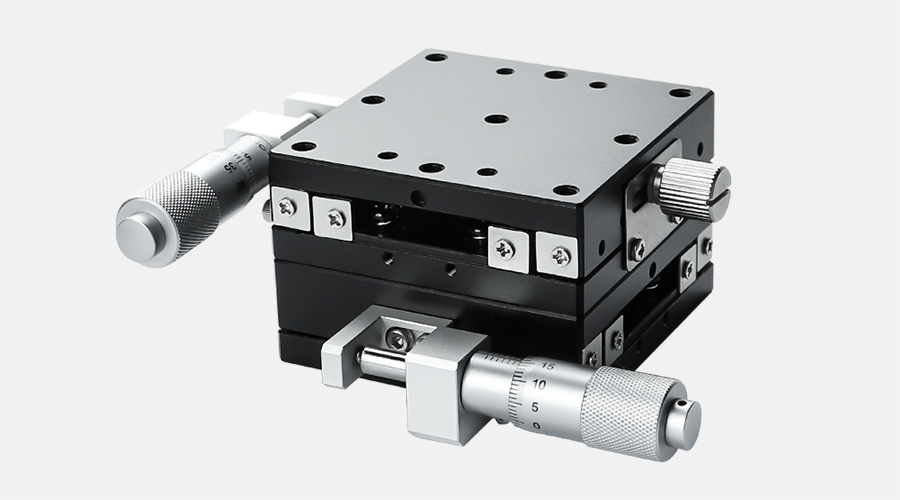 steel bar ball bearing stages
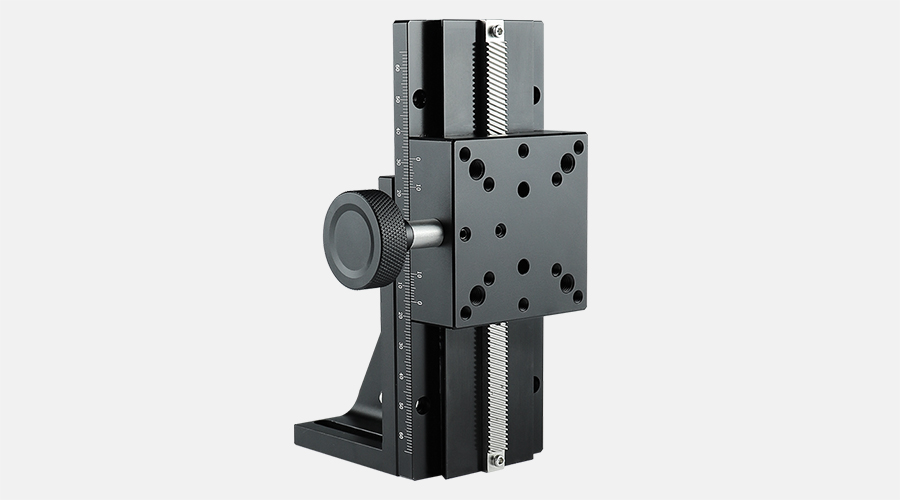 Dovetail Type Rack&Pinion Positioning Stage
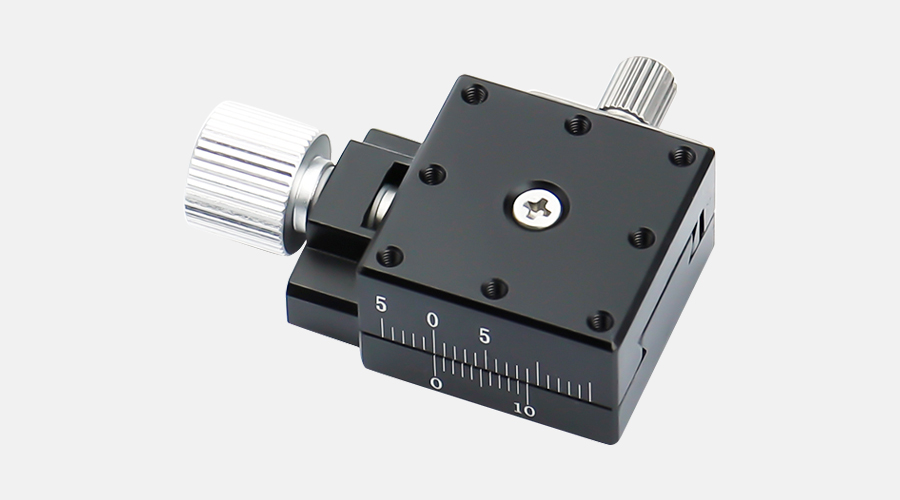 Dovetail groove high-precision screw slide
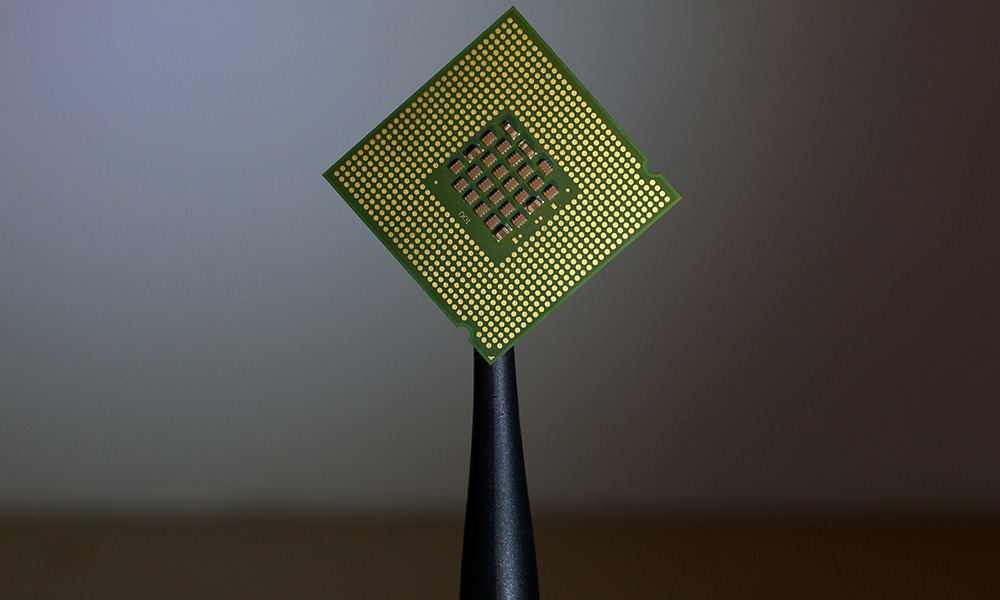
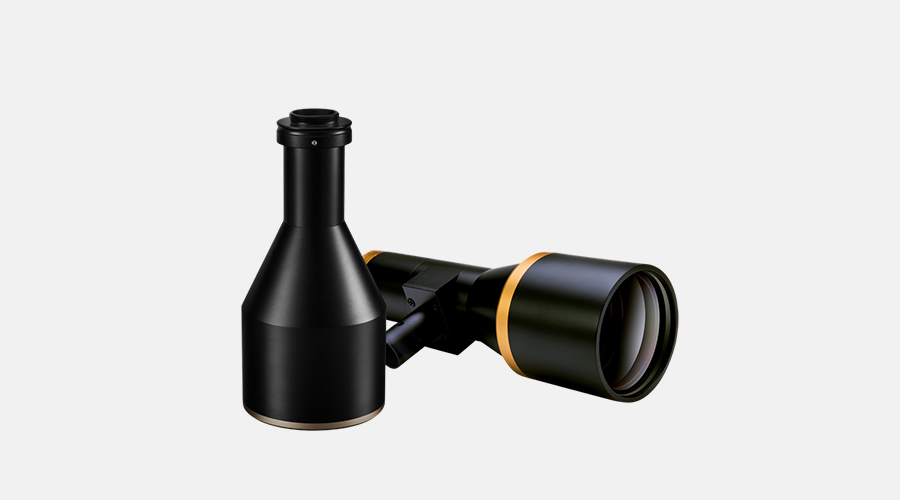
How Do Telecentric Lenses and Dome Lights Inspect Reflective Components?
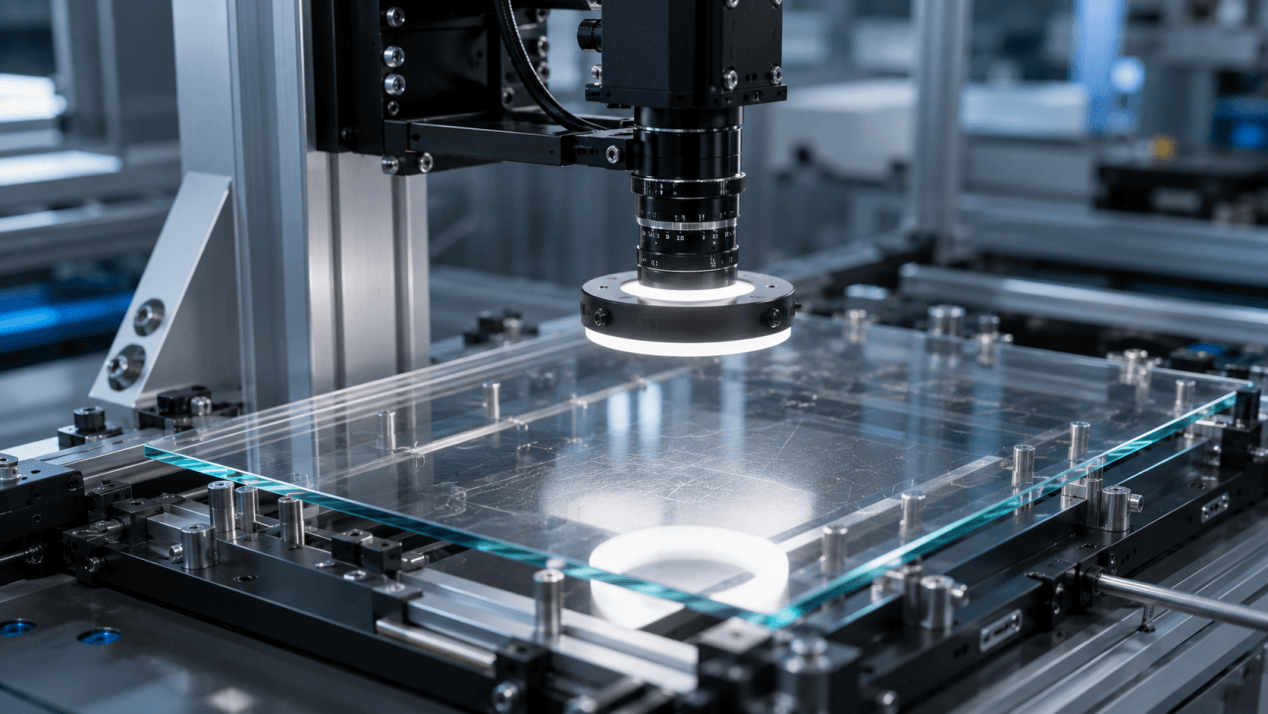
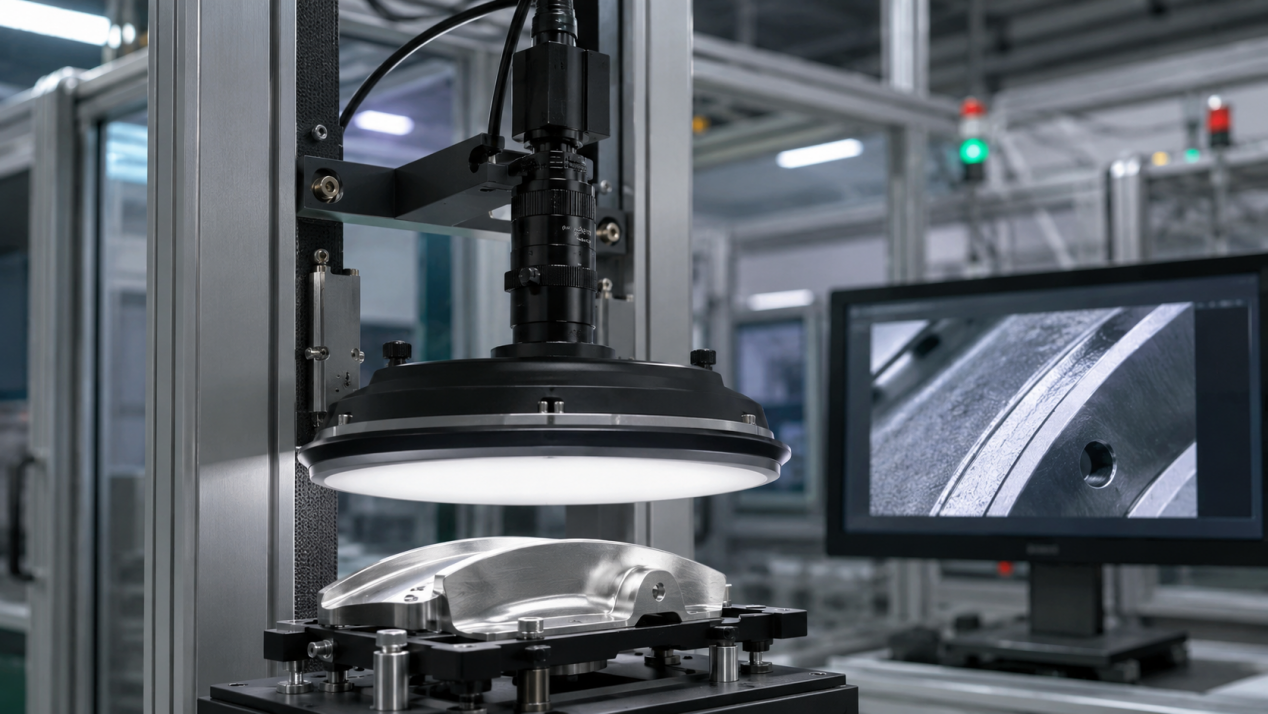
Reflective components can present uneven brightness during machine vision inspection, especially when the target has a curved metal surface. Changes in surface direction can alter how light reaches the camera, making some areas appear brighter than others. A Telecentric Lens and a Dome Light address different parts of this imaging process. The lens provides controlled optical imaging, while the dome light uses diffuse illumination from multiple directions to create a more even lighting condition on suitable reflective surfaces.
Why Are Reflective Components Challenging to Inspect?
The appearance of a reflective part depends on its material, surface shape, and the position of the light source. A curved metal housing, for example, can contain several surface angles within the same field of view. Directional lighting may emphasize one section while producing darker areas elsewhere.
This variation can affect the visibility of edges, surface irregularities, and dimensional features. The problem is therefore not only related to camera resolution. The relationship between the target, light source, and lens also affects the captured image.
For machine vision inspection, lighting and optics need to be considered separately. The light determines how the target is illuminated, while the lens controls how the illuminated object is formed on the camera sensor.
How Does a Dome Light Illuminate Curved Surfaces?
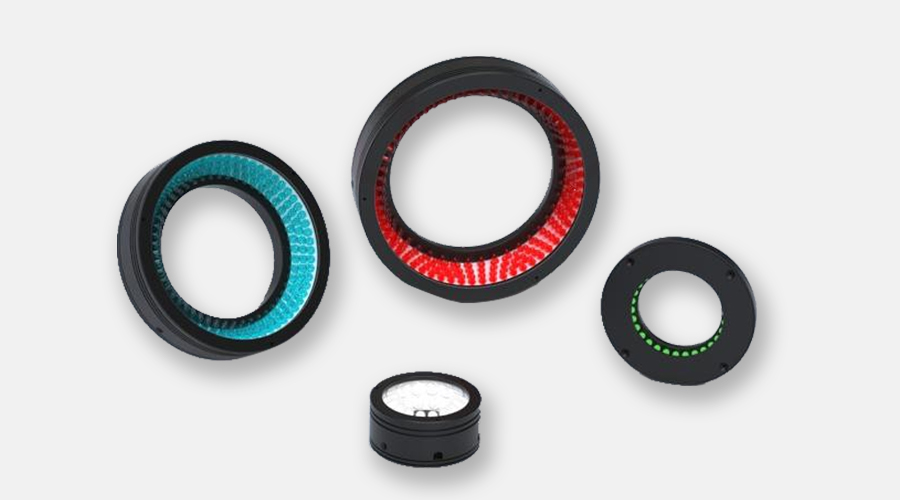
A Dome Light uses a curved structure to create diffuse reflection from multiple angles. According to the product information, LED light passes through the curved surface and reaches the target through multi-angle diffuse illumination. This produces a high-uniformity, shadowless lighting condition.
This design is particularly relevant to reflective curved metal products. Instead of directing illumination from one specific position, the dome structure distributes light around the target. Different portions of a curved surface can therefore receive illumination from different directions.
The resulting image can have a smoother brightness distribution across the inspection area. This is useful when an uneven surface needs to be distinguished from the surrounding material.
The lighting objective should still be defined by the inspection feature. A surface defect, edge, groove, or dimensional feature may require different image conditions, so the dome light should be evaluated with the actual target.
What Does a Telecentric Lens Contribute?
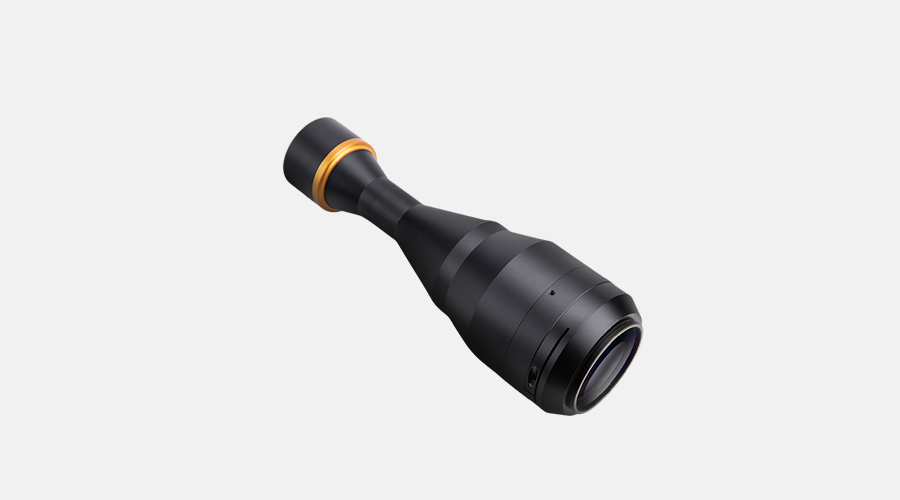
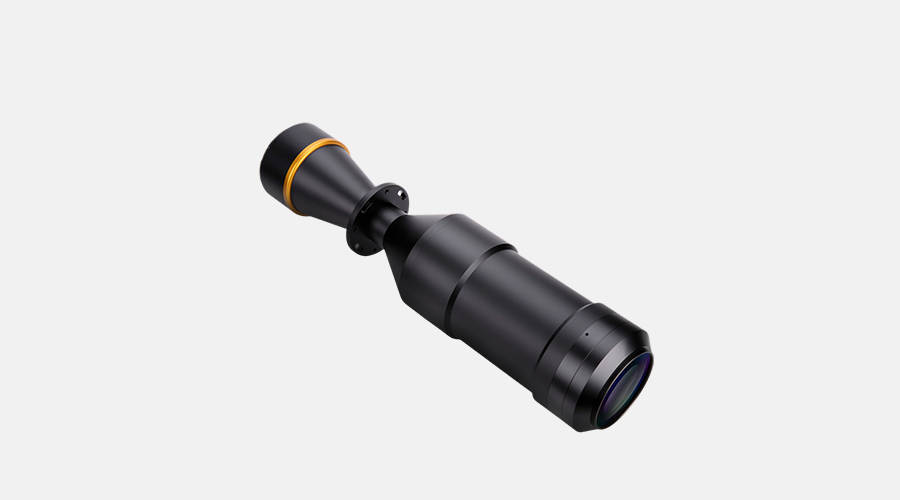
A Telecentric Lens works on the optical side of the inspection system. Its original design purpose is to address parallax that can occur during imaging. The product information also describes characteristics such as high resolution, low aberration, and a parallel optical path for machine vision inspection.
For reflective components, this can be relevant when the inspection includes dimensions, contours, or positional relationships rather than surface appearance alone.
A telecentric lens does not control the illumination pattern. Its role is to form the image under the selected optical conditions. The appropriate model therefore depends on the camera sensor, target size, magnification, working distance, and required field of view.
The available telecentric lens range covers different sensor formats and working-distance requirements, including measuring lenses, long-working-distance models, and configurations supporting larger image sensors.
How Do the Two Products Work Together?
The lens and light perform different functions within the same inspection system.
- Telecentric Lens: controls the optical imaging relationship.
- Dome Light: provides diffuse, multi-angle illumination.
- Industrial Camera: records the image.
- Inspection Software: evaluates the captured information.
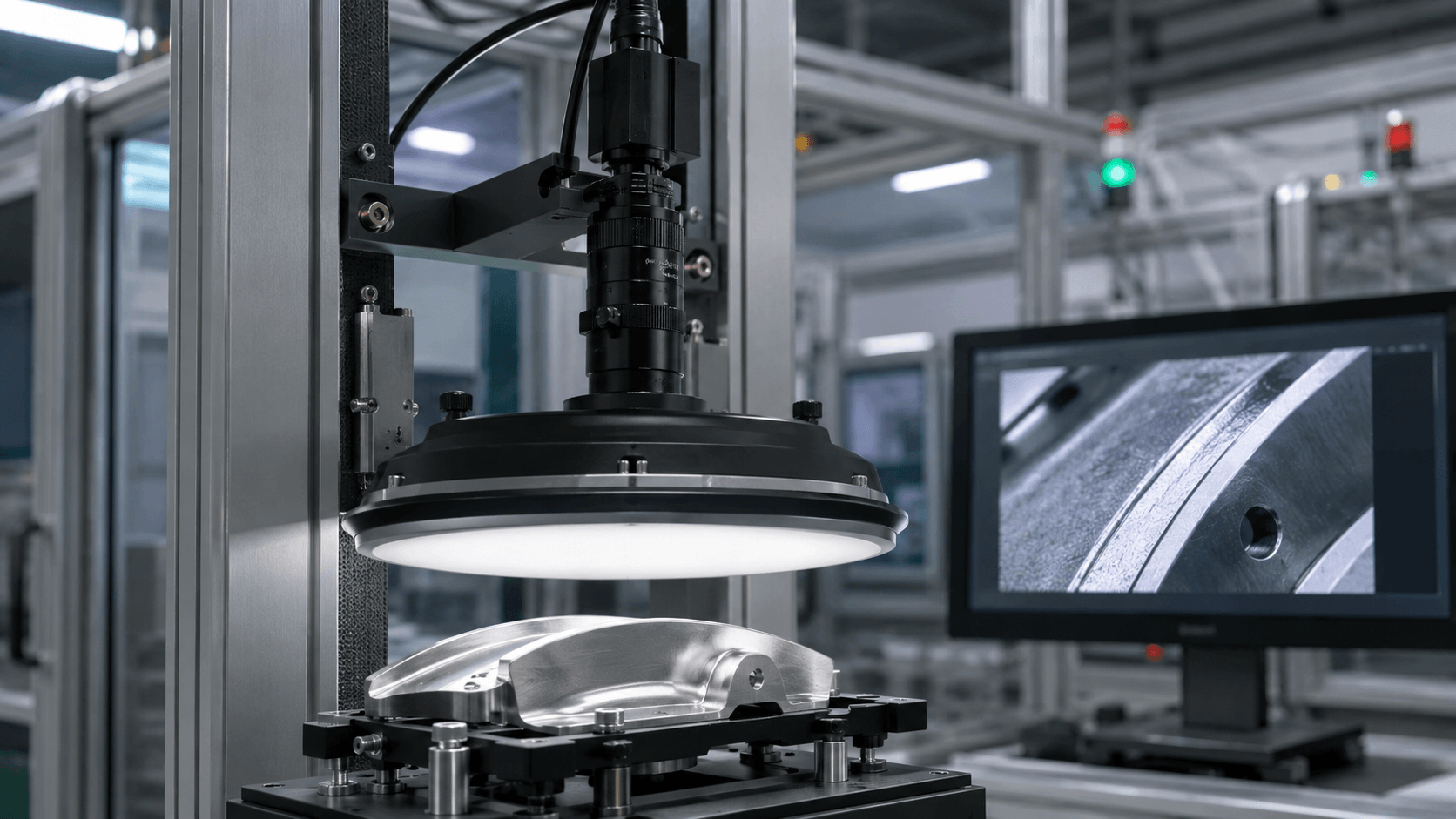
Consider a curved metal component with an uneven exterior and defined dimensional features. The dome light can provide diffuse illumination around the curved area, while the telecentric lens captures the target through a controlled optical path.
If the main problem is uneven brightness caused by the surface, the lighting arrangement becomes an important consideration. If the image does not provide the required dimensional information, the lens and camera configuration may need to be reviewed.
This division of functions helps identify which part of the imaging setup needs adjustment.
Which Reflective Components Can Be Considered?
The dome light is specifically described for reflective curved metal products, so the application should remain focused on components with similar surface characteristics.
Curved Metal Housings
Curved housings contain different surface orientations within one inspection area. Multi-angle diffuse illumination can provide a more consistent lighting condition across these areas.
Machined Metal Components
Machined parts may contain edges, grooves, flat sections, and curved surfaces. A dome light can be considered when the surface geometry produces uneven illumination under a more directional setup.
Reflective Surface Features
The dome light is also relevant when an uneven surface needs to become more visible in the captured image. The actual imaging result depends on the material, surface condition, feature size, camera, and optical arrangement.
Can Dome Lighting Help With Surface Inspection?
Dome illumination can be useful when the surface shape causes noticeable variations in brightness. Its diffuse, multi-angle structure changes how light reaches the target and can provide a softer image across curved reflective areas.
For example, an uneven section on a curved metal surface may appear differently when illuminated from multiple directions rather than from a single directional source. This can provide a more suitable image condition for subsequent inspection.
However, lighting requirements depend on the feature being evaluated. Scratches, edges, dents, grooves, and dimensional boundaries do not necessarily respond to the same illumination. The light should therefore be selected according to the target feature rather than simply the material.
How Does the Telecentric Lens Support Measurement?
When a reflective component also requires dimensional inspection, the optical characteristics of the lens become important.
A telecentric lens can maintain consistent imaging characteristics within its specified object-distance range and can reduce the influence of parallax on the image. This is useful for applications where the dimensions or position of a feature are evaluated from the captured image.
Lens selection should consider:
- Sensor format
- Magnification
- Working distance
- Field of view
- Required image resolution
For a small feature, the required magnification may differ from that of a larger component. Likewise, the working distance needs to fit the physical arrangement of the camera, lens, lighting, and target.
How Should the Lens and Dome Light Be Matched?
The two products should be selected around the same inspection target but according to different requirements.
For the Telecentric Lens, focus on the relationship between the camera sensor, target size, magnification, working distance, and field of view.
For the Dome Light, consider the surface curvature, reflectivity, inspection area, illumination distance, and desired image contrast.
The size and position of the light also need to fit the optical arrangement. The industrial light source information recommends considering the shape and size of the target and field of view when selecting a lighting configuration, while illumination angle should be chosen according to the required imaging effect.
For curved objects, multi-angle illumination is specifically identified as a suitable approach for producing softer illumination.
What Should Be Checked Before Integration?
Before combining a Telecentric Lens with a Dome Light, define the feature that needs to be inspected.
If the primary requirement is dimensional or positional evaluation, the lens and camera combination should be considered first. If surface curvature and reflection create uneven brightness, the illumination arrangement deserves closer attention.
For a reflective component requiring both types of inspection, the setup can be evaluated in this order:
Inspection feature → surface characteristics → illumination method → lens and camera selection → image evaluation
This keeps the lighting and optical components focused on their respective functions while allowing them to operate as one machine vision inspection system.
FAQ
Why use a Dome Light for curved metal parts?
It provides diffuse, multi-angle illumination for suitable reflective surfaces.
What does a Telecentric Lens provide?
It provides controlled imaging for machine vision and measurement applications.
Can Dome Light improve surface visibility?
Its diffuse illumination can make uneven areas more noticeable on suitable targets.
What should be inspected with this combination?
Reflective curved metal parts with surface or dimensional features can be considered.
How should the products be selected?
Match the lens to imaging needs and the light to surface characteristics.