
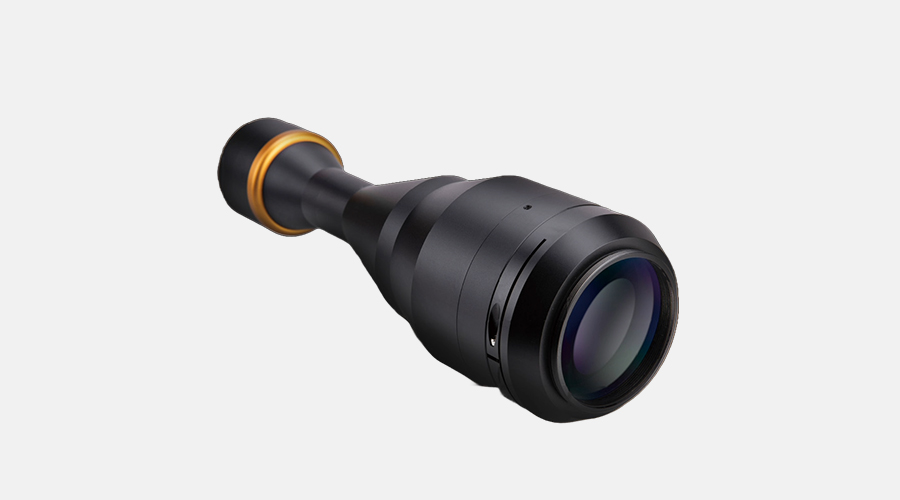
 Compatible with 7.2mm-82mm chips
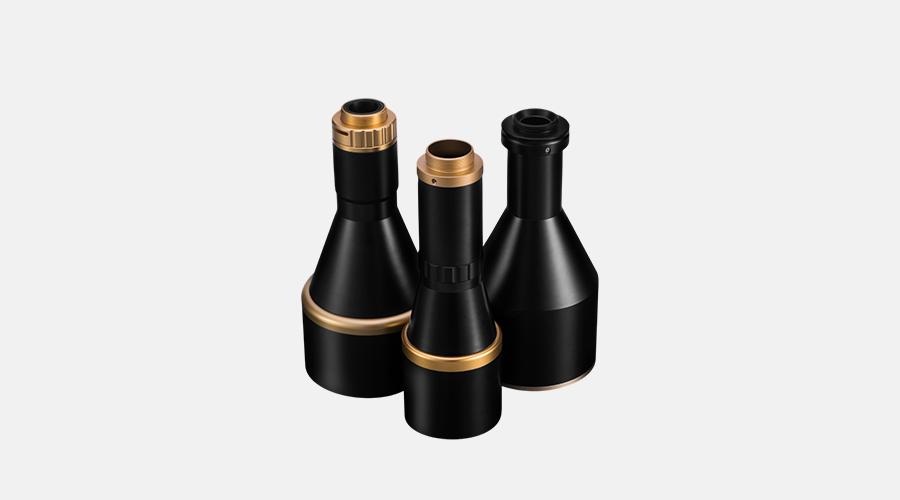 High/Low Working Distance
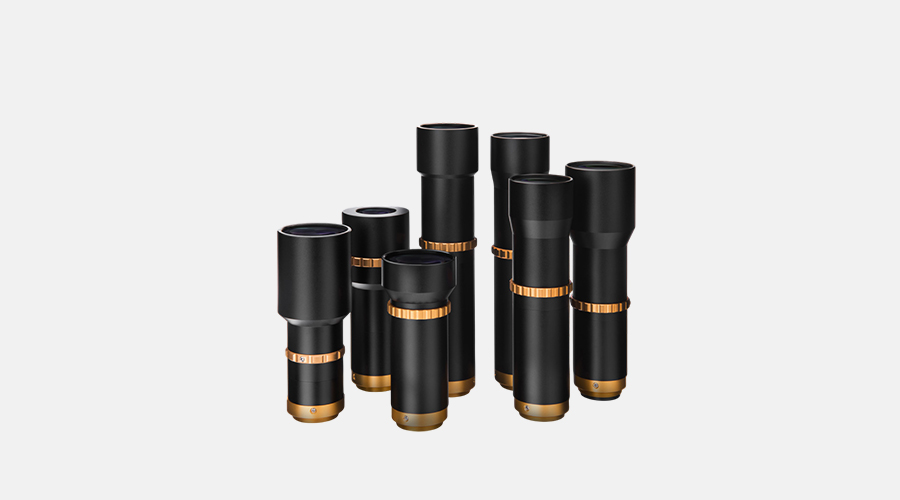 Aperture telecentric lens
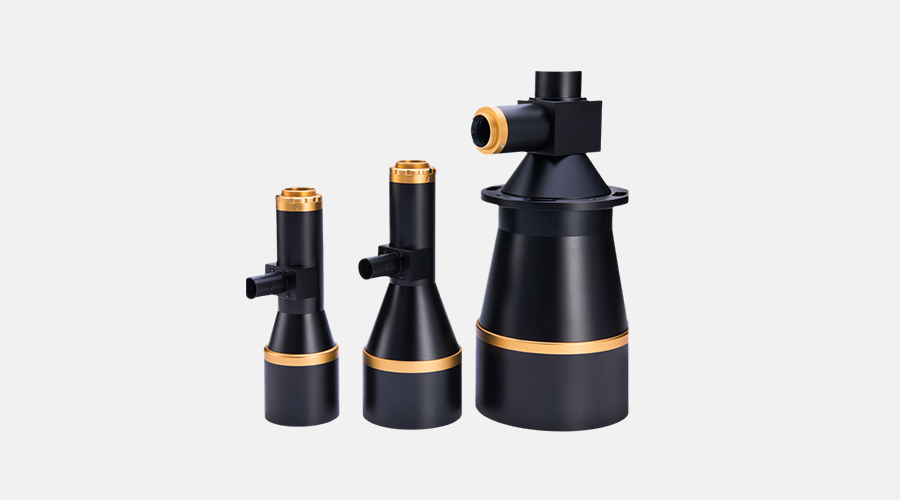 Measuring lens
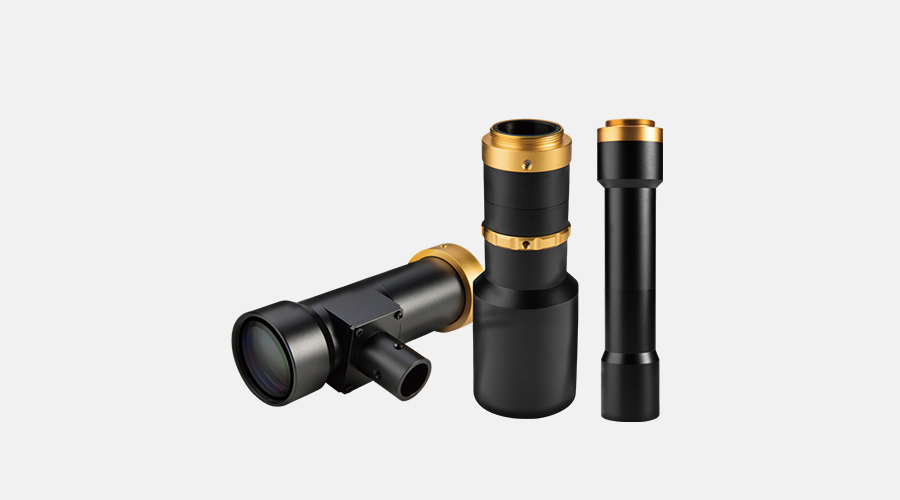 Maximum support 1.1" chips
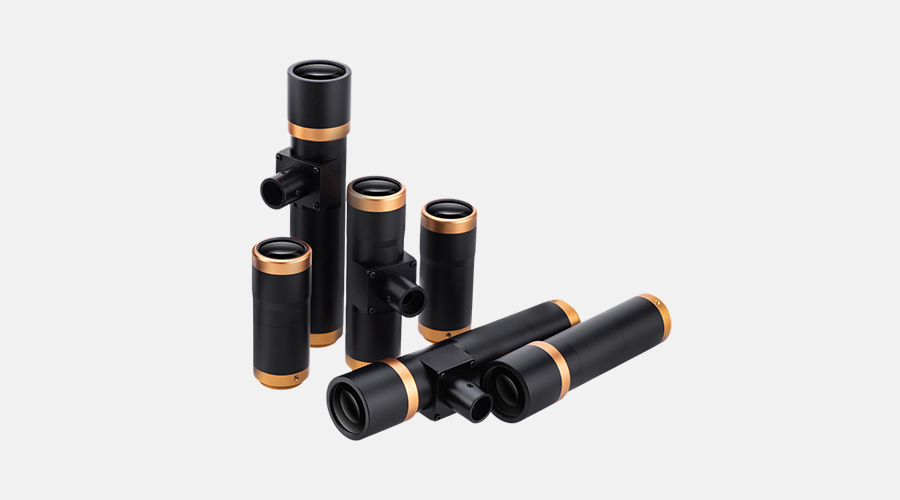 Maximum support 1.2" chips
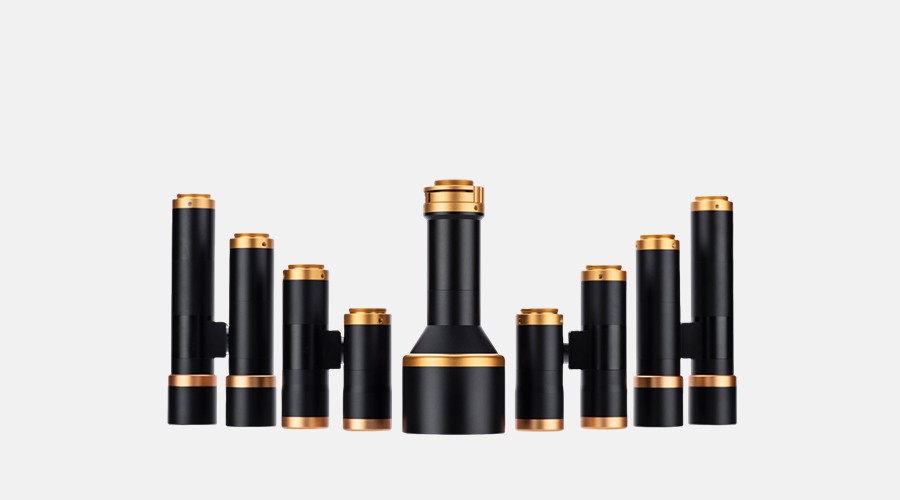 Maximum support 2/3" chips
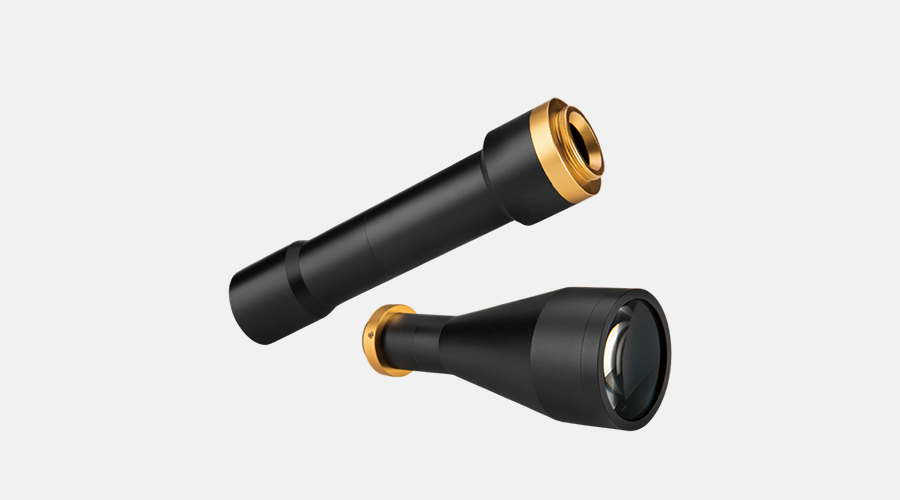 Long Working Distance
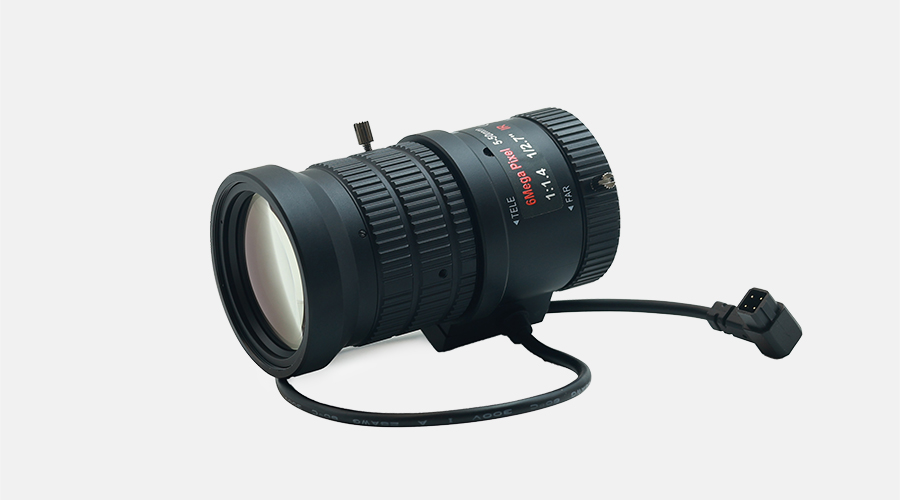 CS mount Varifocal lens
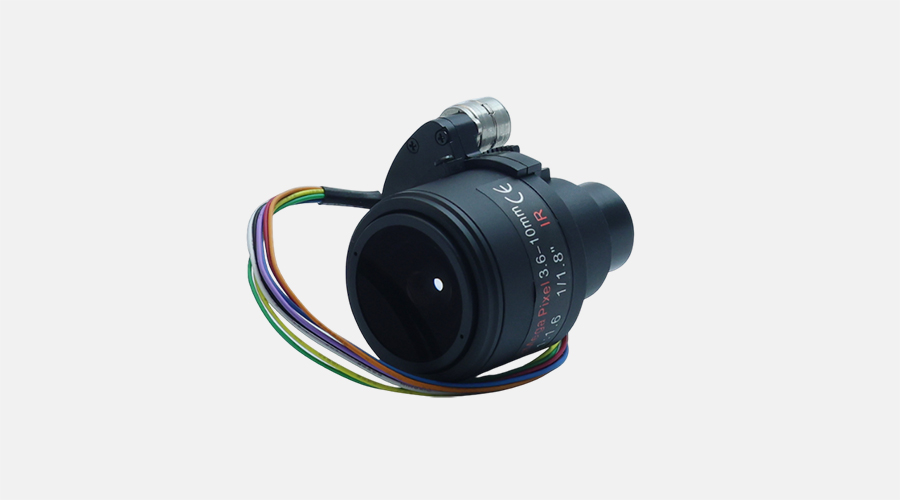 Varifocal board lens
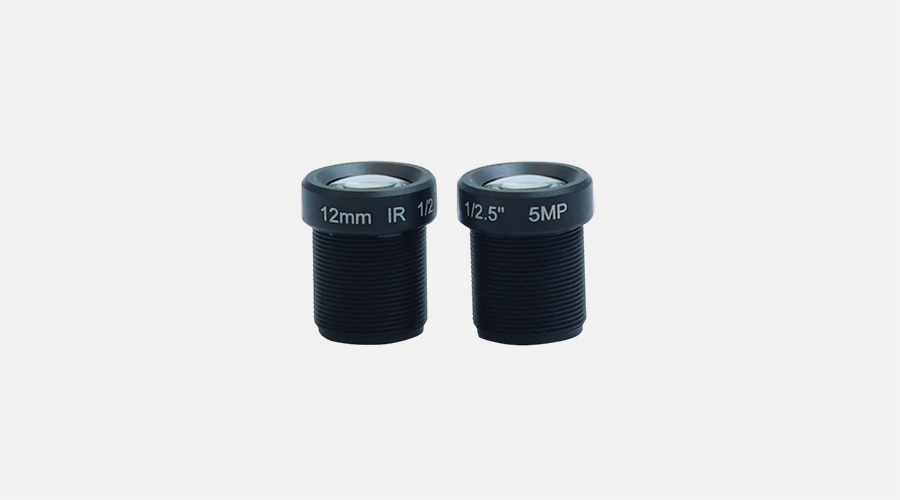 S mount lens
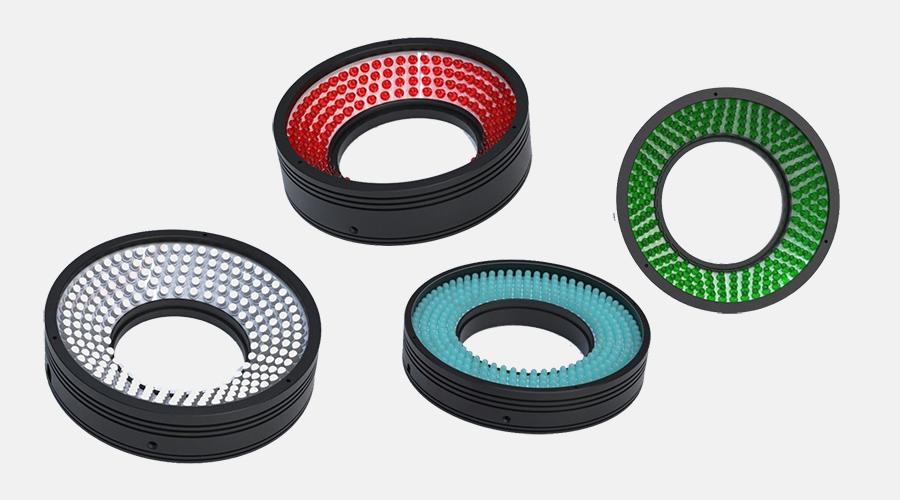 Ring light
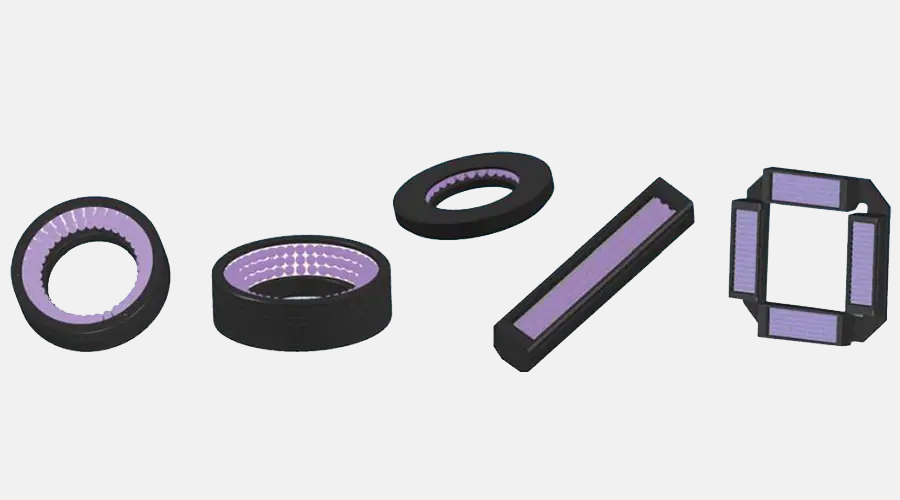 UV/IR Light
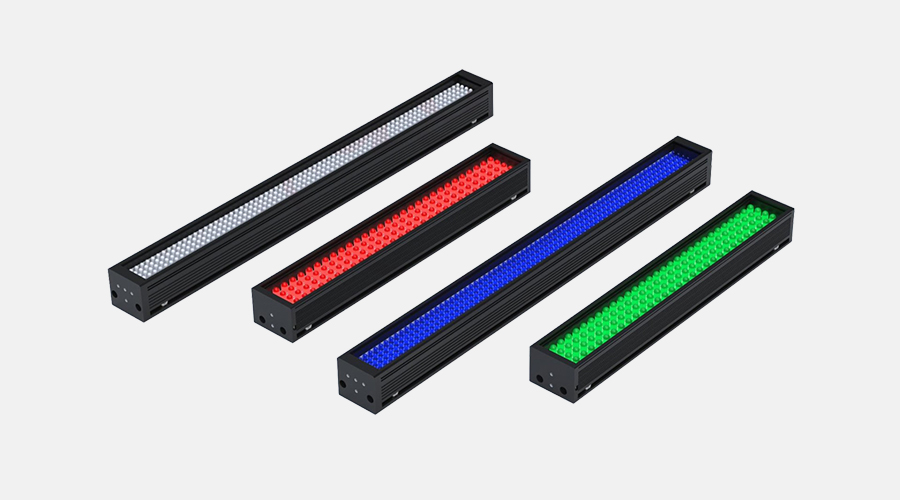 Bar light
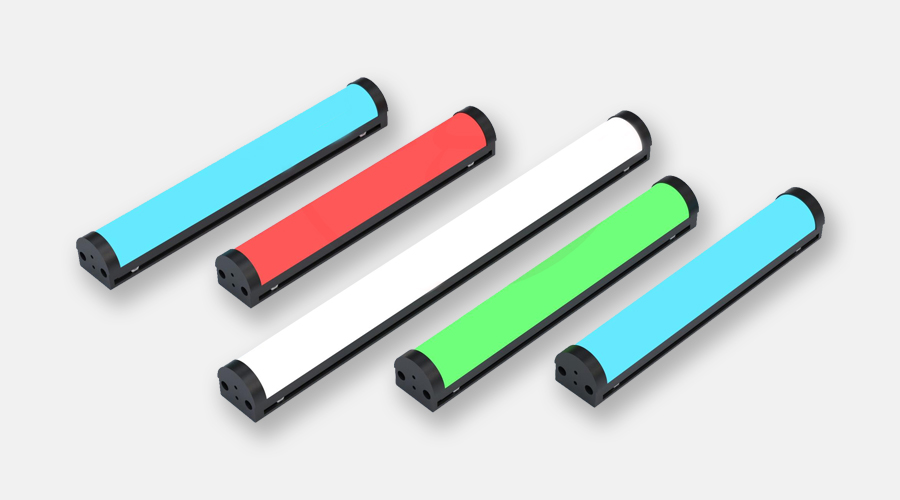 Arcuate high uniformity light
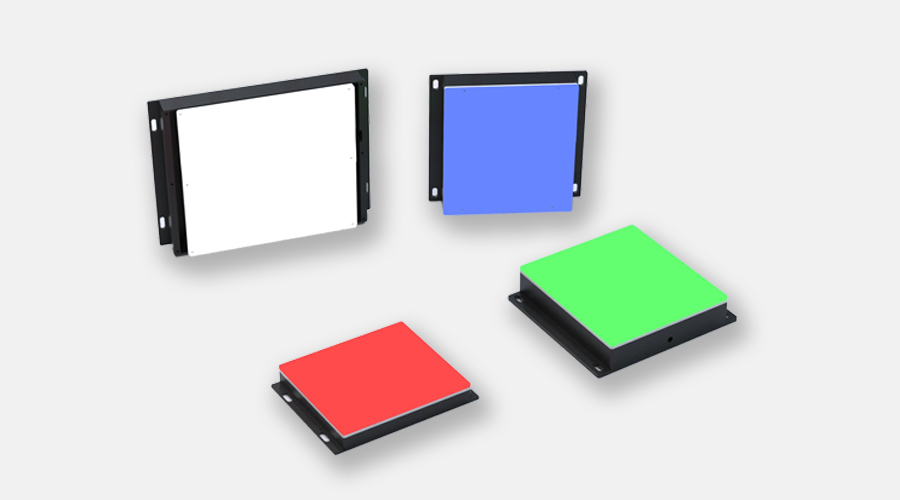 Back light
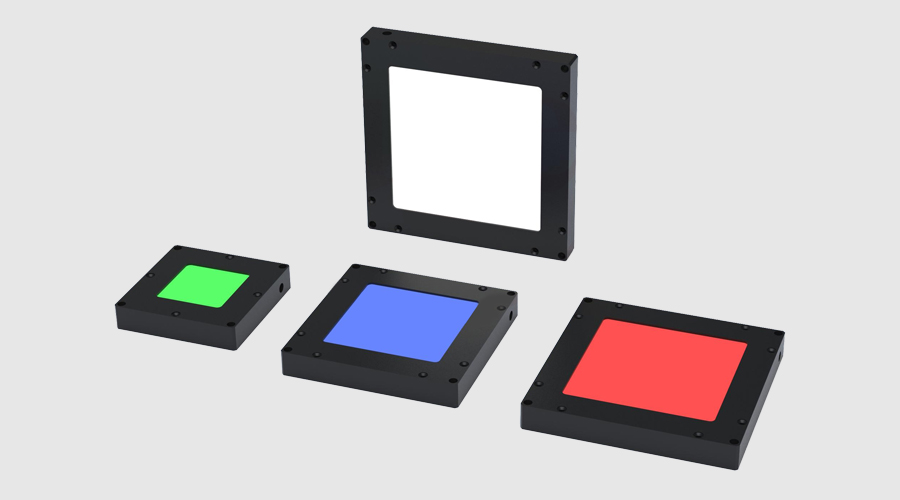 Flat light
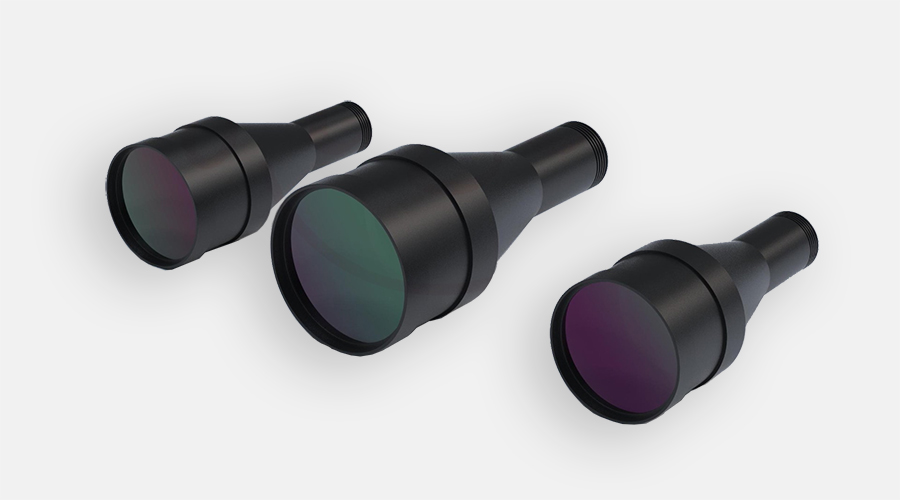 Collimated light
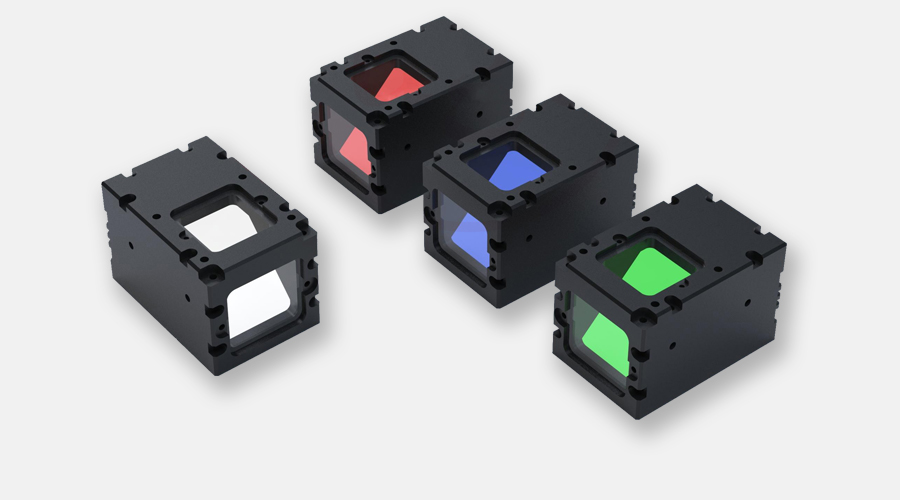 Coaxial light
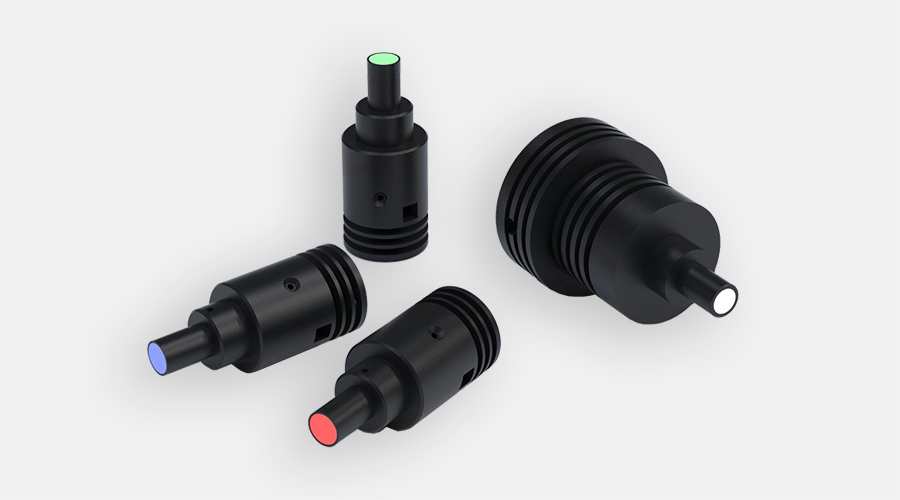 Spot light
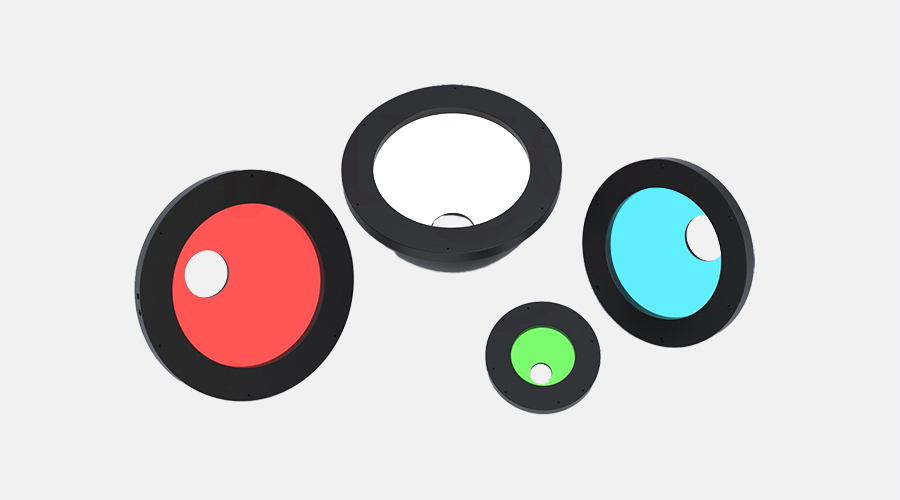 Dome light
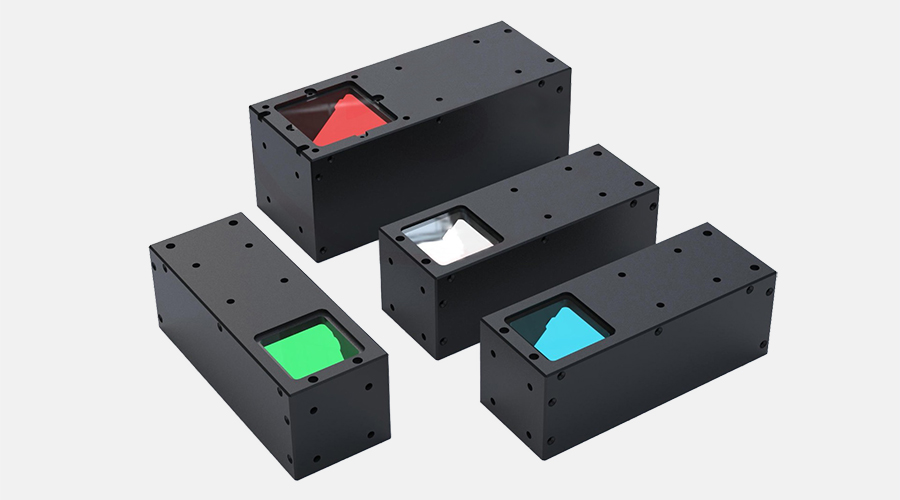 Collimated Coaxial light
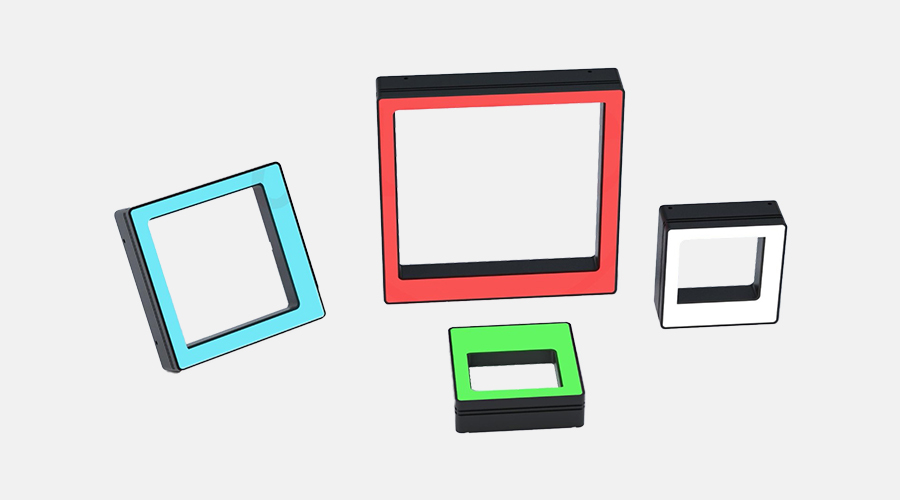 Shadowless square light
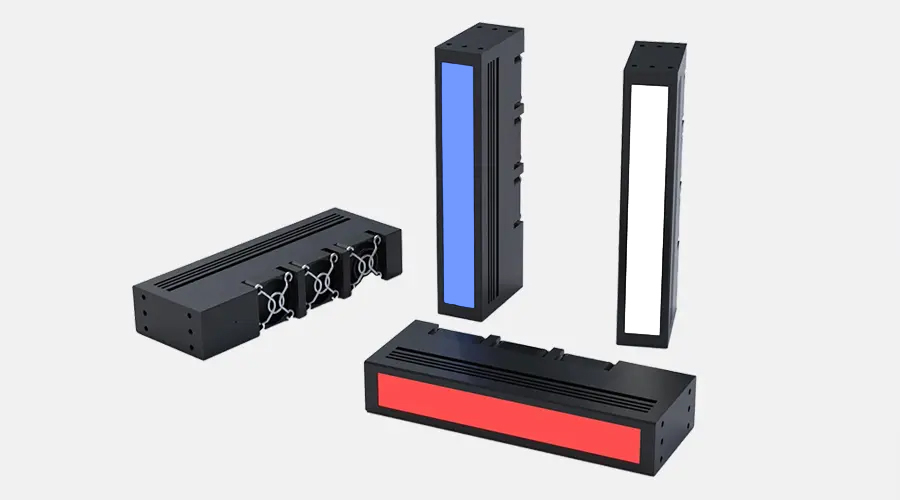 Scan light
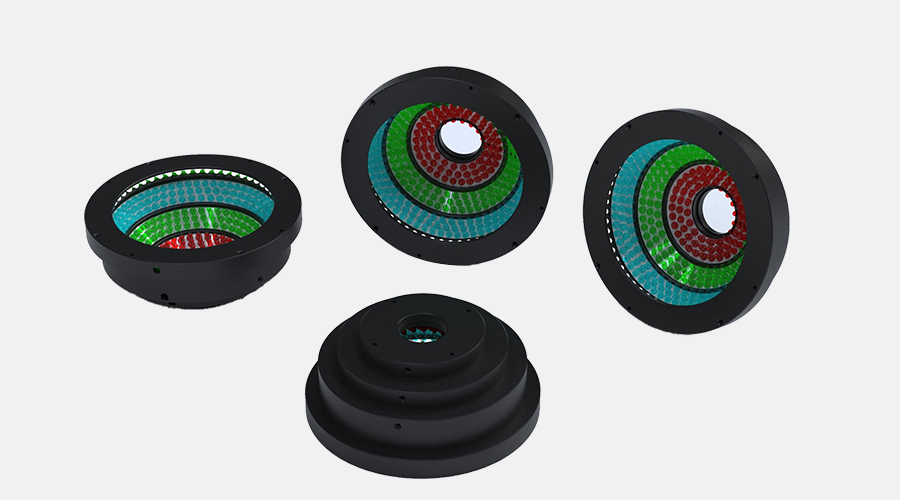 AOI light
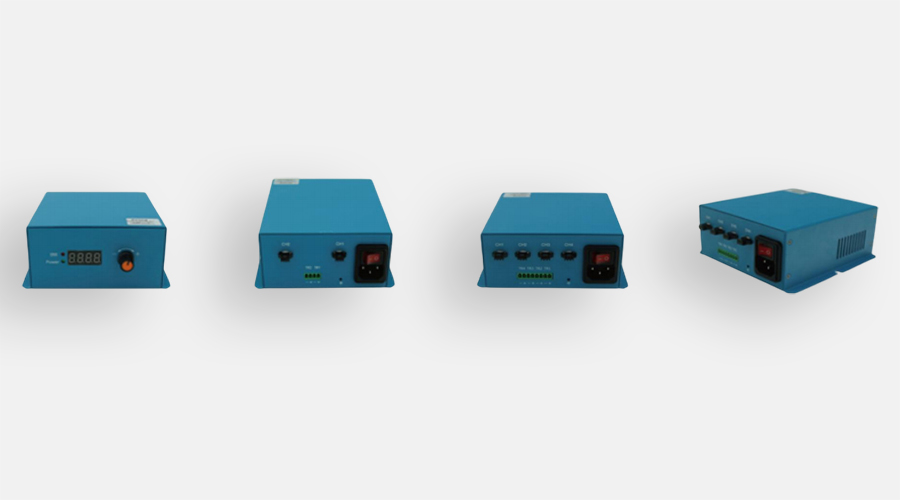 Analog controller
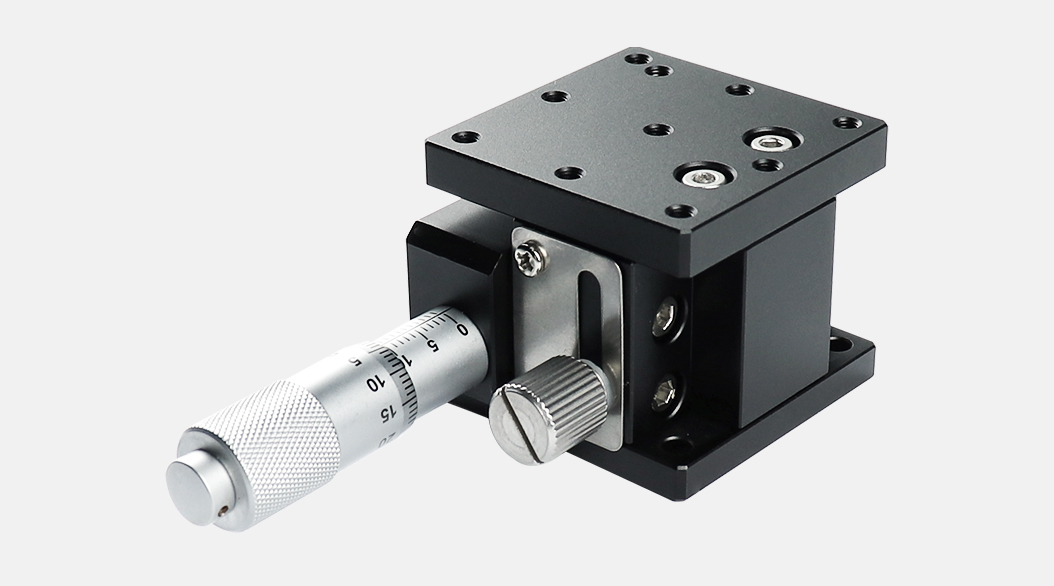 Crossed-Roller Linear guide type
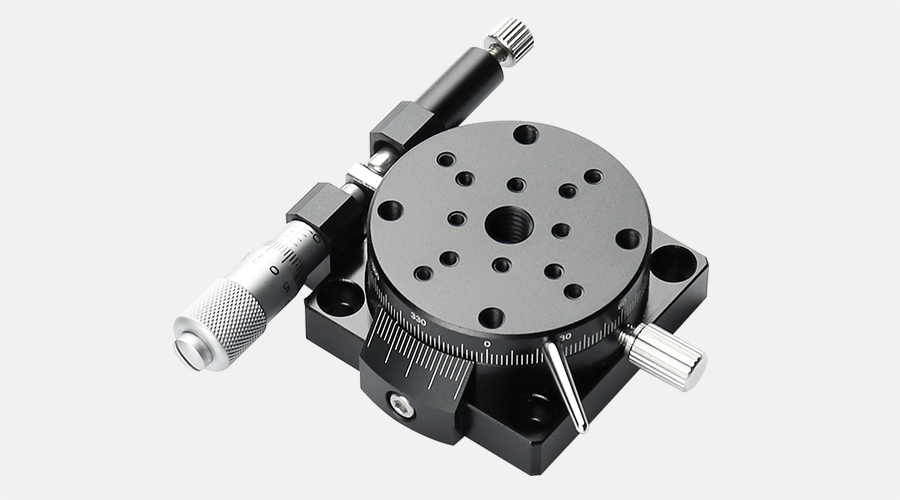 Rotary Stages XRS series
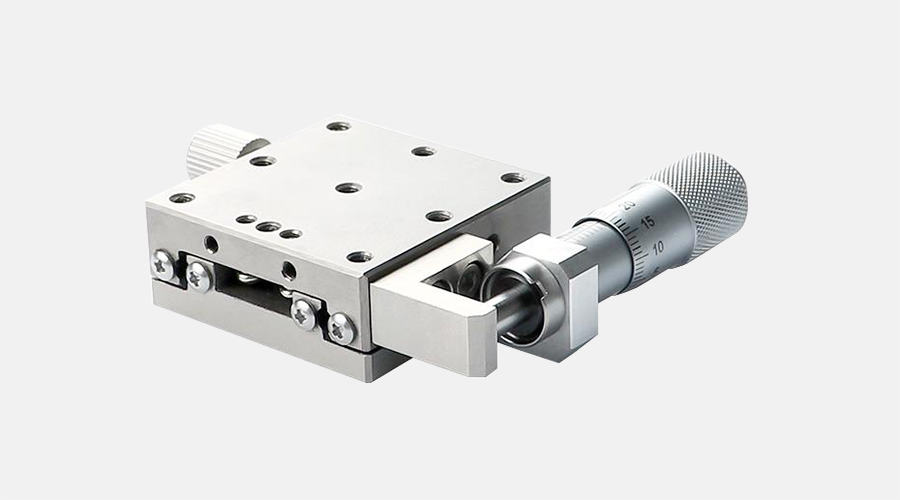 Stainless Steel Ball Bearing Linear Translation Stages
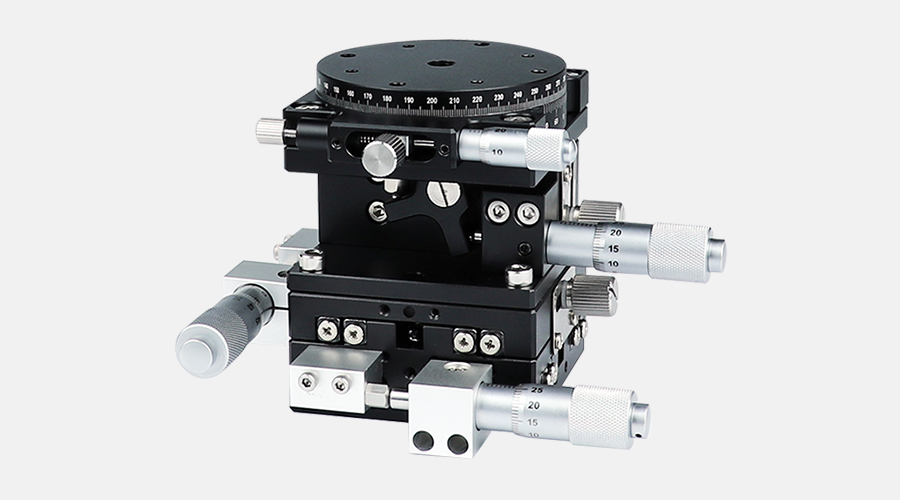 Multi-axis Translation stages
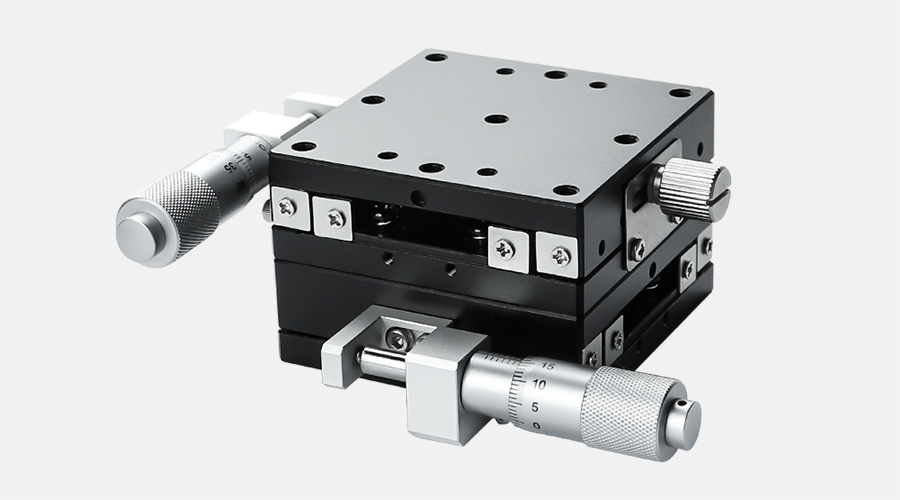 steel bar ball bearing stages
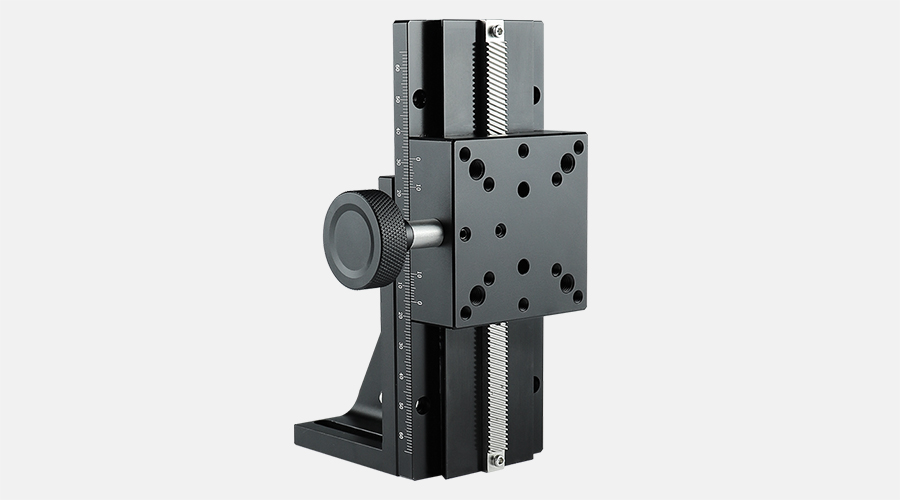 Dovetail Type Rack&Pinion Positioning Stage
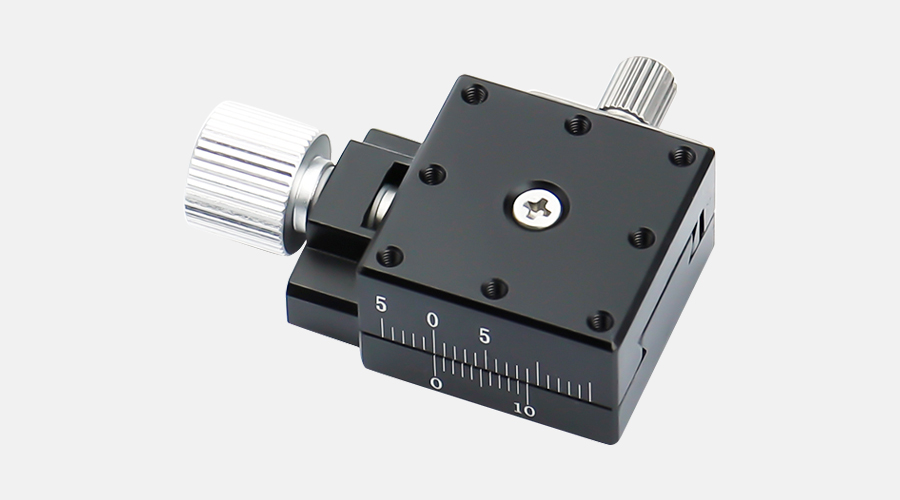 Dovetail groove high-precision screw slide
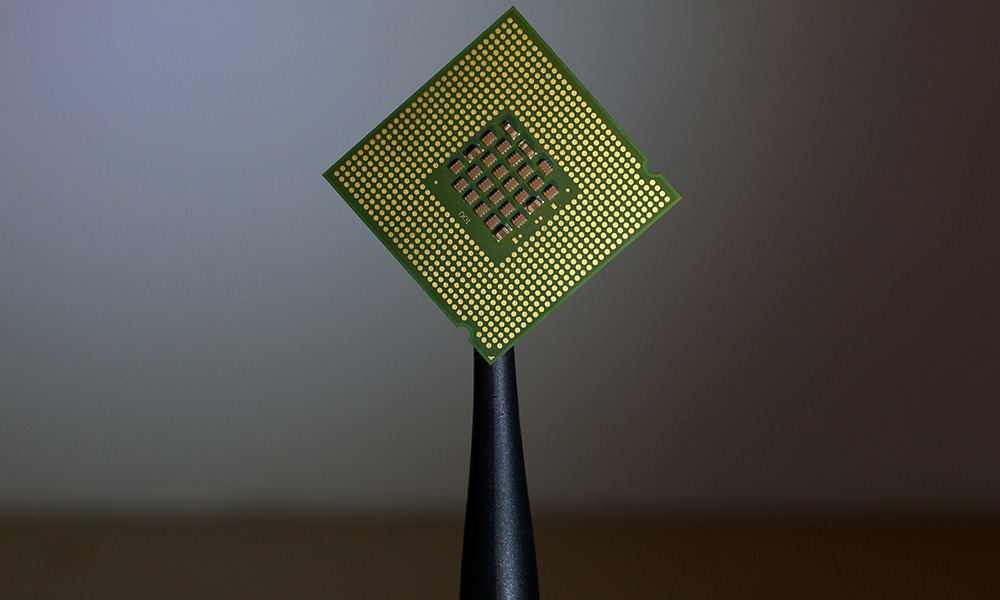

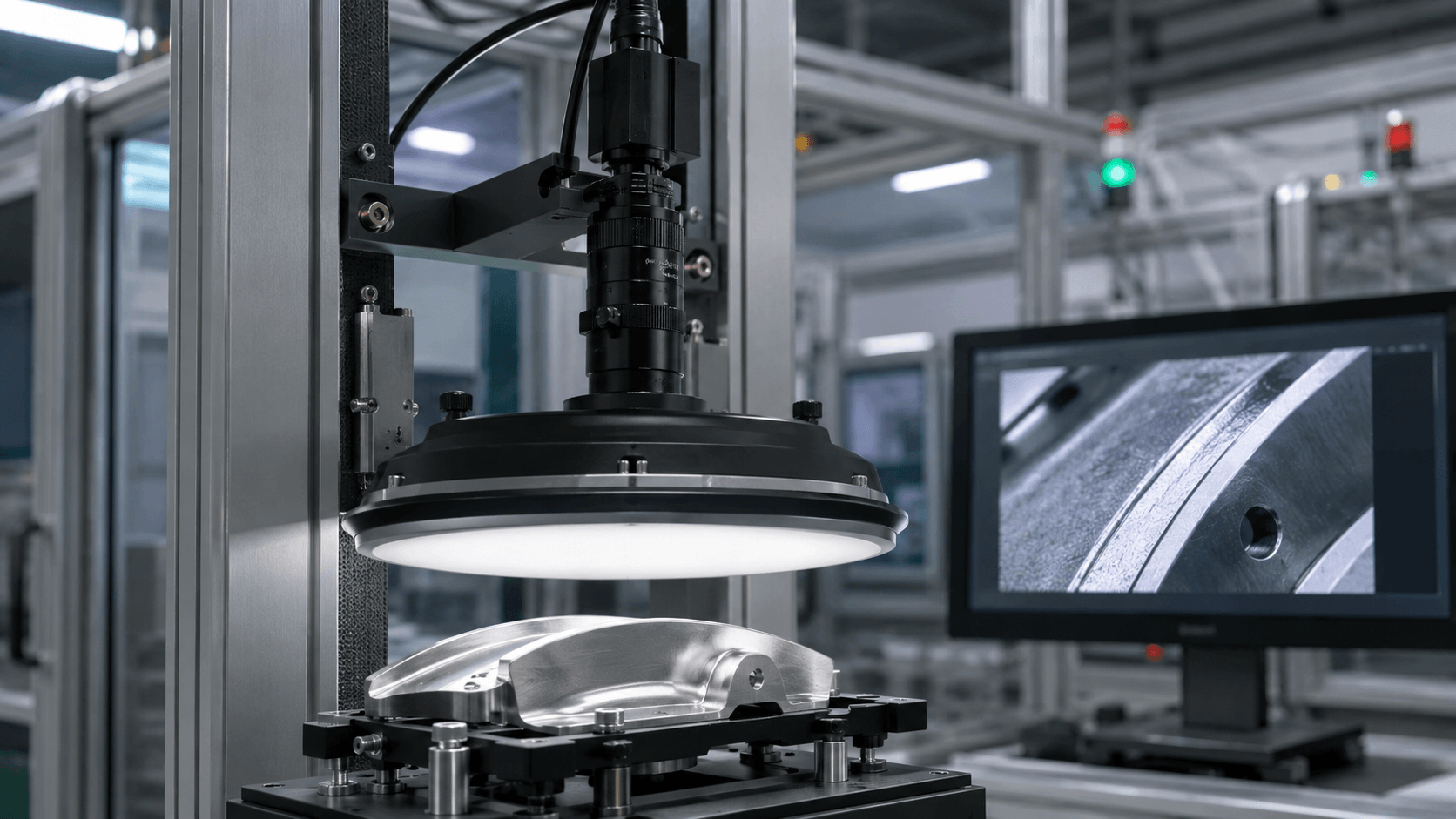
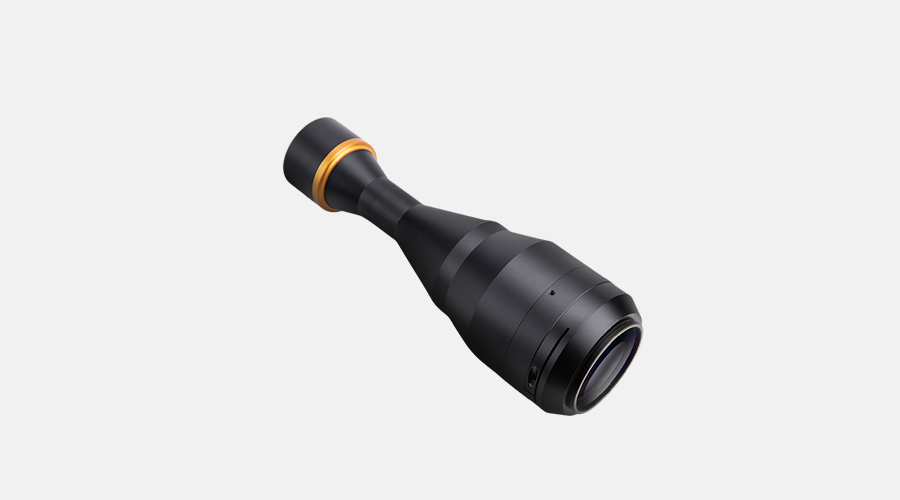

How Do C Mount Lenses and Ring Lights Work Together for Variable-Size Inspection?
Machine vision inspection may involve workpieces with different dimensions, shapes, or inspection areas. A production line can handle large components while also checking smaller parts or specific features on the same type of product. In these applications, lens selection and lighting need to be considered together.
A C Mount Lens determines the image area captured by the industrial camera, while a Ring Light provides illumination around the inspection area. When workpiece dimensions change, the relationship between field of view, magnification, working distance, and lighting coverage becomes important.
A practical selection sequence is:
Workpiece Size → Inspection Area → FOV → Lens and Magnification → Working Distance → Ring Light Coverage and Geometry
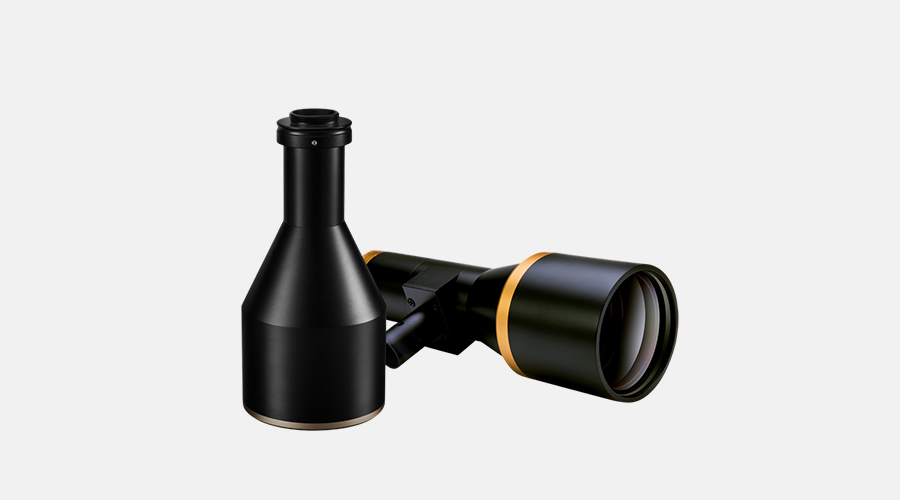
Why Do C Mount Lenses and Ring Lights Need to Be Matched?
The lens and light perform different jobs, but both affect the final inspection image. A C Mount Industrial Lens determines the optical field presented to the camera. The Industrial Light Source determines how the surface and inspection features are illuminated within that field.
The overall size of a workpiece does not necessarily determine the required image area. A large component may only need a small mounting hole or edge to be inspected. A smaller component, on the other hand, may require most of its surface to appear in the image.
These two applications can therefore require different optical and lighting arrangements.
For this reason, Ring Light selection should be based on the actual inspection area and the lens configuration. The useful question is not only how large the workpiece is, but how much of it needs to be captured and illuminated.
How Does FOV Change with Inspection Size?
Field of view, or FOV, connects the physical inspection area with the optical system. A larger FOV allows more of a workpiece to appear in one image. A smaller FOV concentrates the image on a more limited area and can be useful when the inspection focuses on a particular feature.
Lighting coverage needs to follow the same requirement.
Suppose a system changes from inspecting a small component to checking a larger surface area. The camera may need a wider FOV, and the Ring Light needs to provide suitable illumination across that field. If the inspection remains focused on a small feature, expanding the lighting area simply because the workpiece itself is large may not be necessary.
Several Ring Light designs are available for different inspection conditions. High-power Ring Lights are intended for applications involving longer working distances or larger inspection areas, while other designs provide different illumination angles and configurations.
The required FOV should therefore be established before determining the appropriate lighting coverage.
How Do Magnification and Sensor Size Affect the Lens Choice?
Changes in workpiece size can also change the required magnification.
When the inspection area becomes larger, the camera needs to capture more of the workpiece. When the inspection moves toward a smaller feature, image detail becomes more important. Magnification, sensor size, and FOV need to be considered together to achieve the required image field.
For example, a small feature on a large component may require a narrower FOV than the full component size would suggest. The lens is selected according to the area that actually needs to be inspected rather than simply according to the external dimensions of the workpiece.
C Mount Industrial Lenses can be evaluated according to the camera sensor, required FOV, working distance, and inspection detail. Once these parameters are established, the Ring Light can be selected to illuminate the same inspection region.
This helps prevent a common mismatch: an optical system that captures the required feature but a lighting system that does not adequately cover or illuminate that feature.
Why Does Working Distance Matter for Both the Lens and Ring Light?
Working distance affects how the camera, lens, lighting, and workpiece are physically arranged.
A C Mount Lens needs to be suitable for the working distance available in the machine. The Ring Light also needs enough space to be positioned correctly around the imaging area. This becomes more important when different workpiece sizes require changes to the inspection field.
For instance, increasing the required inspection area may affect the camera position or lens configuration. At the same time, the available installation space may limit the position of the Ring Light.
Ring Light products cover different working and illumination arrangements. Low-angle Ring Lights are designed to direct light toward the inspection area from a lower angle. High-power configurations are available for larger areas and longer working distances.
Working distance should therefore be checked for both the lens and the lighting system rather than treated as a lens-only specification.
How Does Ring Light Geometry Affect Different-Size Workpieces?
The size of a workpiece does not fully determine the lighting configuration. Surface finish, feature location, reflection, and the direction from which light reaches the surface can also affect the inspection image.
Ring Lights are available in different geometries for these conditions. High-density LED arrangements can direct light toward the center from multiple directions. Low-angle designs place the illumination closer to the lower direction of the inspection area.
For surfaces where shadows or reflections need to be managed, shadowless Ring Light designs use light-guide structures to produce more diffuse illumination. The product range includes high-angle, low-angle, and multi-direction shadowless configurations.
This is relevant when the workpiece size changes because the feature being inspected may also move within the image field. A lighting direction that suits one inspection area may not produce the same image characteristics when the inspection position or surface geometry changes.
The Ring Light should therefore be selected according to the feature being inspected, the FOV, and the available working distance.
Why Does Resolution Still Matter When Workpiece Size Changes?
A larger inspection area does not necessarily mean that the inspection itself is less demanding.
A large component may contain small holes, edges, surface marks, or dimensional features that still need to be identified. Increasing the FOV to capture more of the component can reduce the amount of image detail available for a small feature if the optical configuration is not suitable.
The opposite situation can also occur. When inspection is concentrated on a smaller feature, the system can be configured around that feature rather than the dimensions of the complete workpiece.
High-resolution C Mount lenses can be evaluated according to sensor format, FOV, working distance, and the required inspection detail. The Ring Light should then provide suitable illumination for those same features.
In practical terms, the lens determines the detail captured by the camera, while the Ring Light supports the visibility of those details through appropriate illumination.
How Should a C Mount Lens and Ring Light Be Selected Together?
A useful selection process starts with the inspection requirement rather than with the lens or light itself.
1. Define the inspection feature
Determine what the camera needs to detect, measure, or inspect. This may be an edge, hole, surface feature, dimensional characteristic, or another specific area.
2. Define the inspection area
Determine how much of each workpiece needs to appear in the image. The required area may be smaller than the physical size of the product.
3. Determine the FOV
Use the inspection area to establish the required field of view. Different workpiece sizes may require different fields even when they are processed on the same production line.
4. Select the lens and magnification
Consider the camera sensor, FOV, working distance, and required image detail when choosing the C Mount Lens.
5. Match the Ring Light
Check whether the Ring Light provides suitable coverage, illumination direction, and working distance for the selected imaging field.
6. Recheck the arrangement when dimensions change
If the workpiece size, inspection area, feature position, or working distance changes significantly, review the lens and lighting configuration again.
This order keeps the optical and lighting decisions tied to the same inspection requirements.
What Should Be Reassessed When Workpiece Size Changes?
Changing workpiece dimensions does not automatically require a completely different machine vision system. The important question is whether the new workpiece changes the optical or illumination requirements.
Several parameters should be reviewed:
- Required inspection area
- FOV
- Camera sensor compatibility
- Lens magnification
- Working distance
- Required image resolution
- Ring Light coverage
- Illumination angle
- Surface reflection and shadow conditions
- Available installation space
If the inspection feature remains within a suitable FOV and the Ring Light continues to illuminate that area effectively, the existing arrangement may remain suitable.
If the required inspection area becomes substantially larger or smaller, the lens configuration may need to change. The Ring Light should then be reassessed at the same time to make sure its coverage and illumination geometry remain appropriate.
For variable-size inspection, the most useful approach is to treat the lens and lighting system as connected parts of the same imaging setup.
FAQ
1. Why combine a C Mount Lens with a Ring Light?
The C Mount Lens controls the camera's imaging field, while the Ring Light provides illumination for the inspection area. Matching the two helps align the captured field with the illuminated area.
2. Does FOV affect Ring Light selection?
Yes. When the FOV changes, the inspection area captured by the camera changes as well. The Ring Light should provide suitable coverage for that field.
3. Why is working distance important?
Working distance affects the position and imaging conditions of the lens and also determines how the Ring Light can be positioned relative to the workpiece.
4. Can one system inspect workpieces of different sizes?
It can when the required inspection areas, FOV, lens configuration, working distance, and lighting coverage remain suitable for the different workpieces.
5. What should be defined first?
Start with the inspection feature and required inspection area. Then determine the FOV, select the lens and magnification, and match the Ring Light to the resulting imaging arrangement.