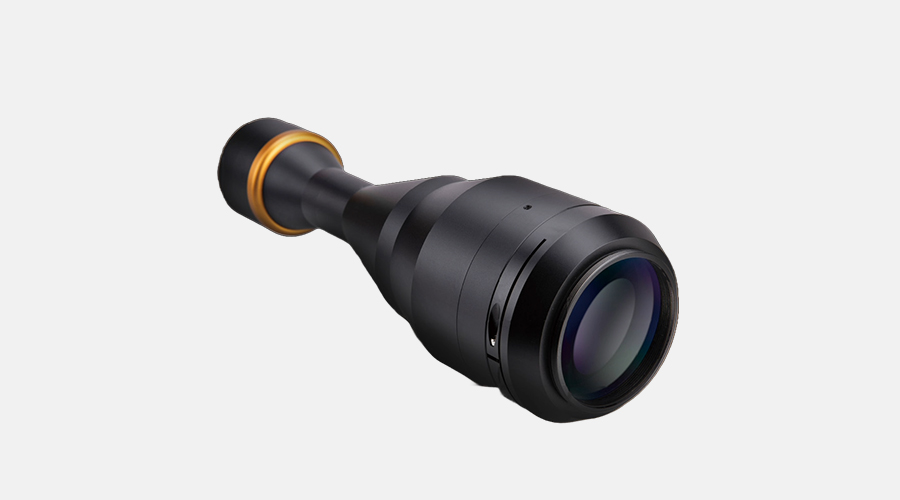
 Compatible with 7.2mm-82mm chips
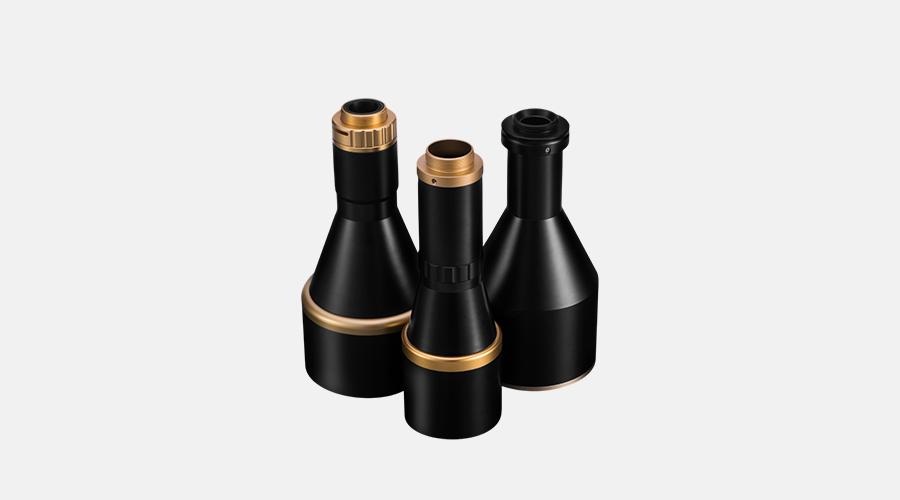 High/Low Working Distance
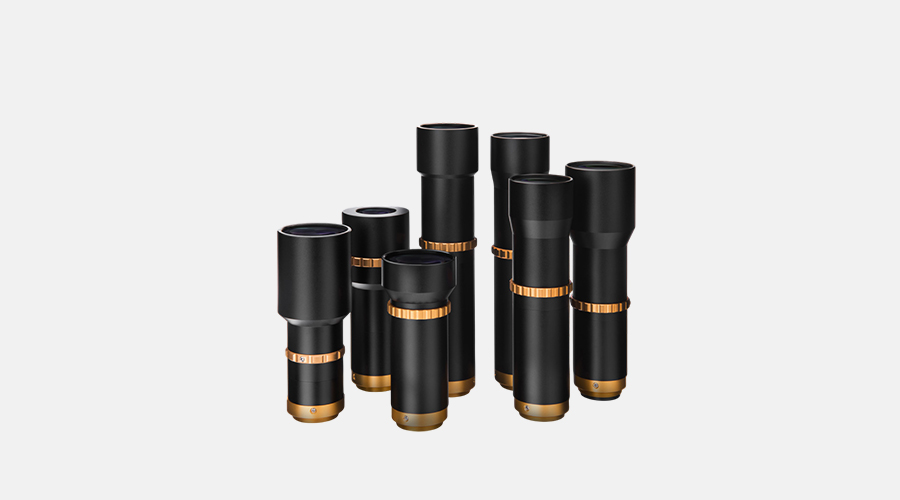 Aperture telecentric lens
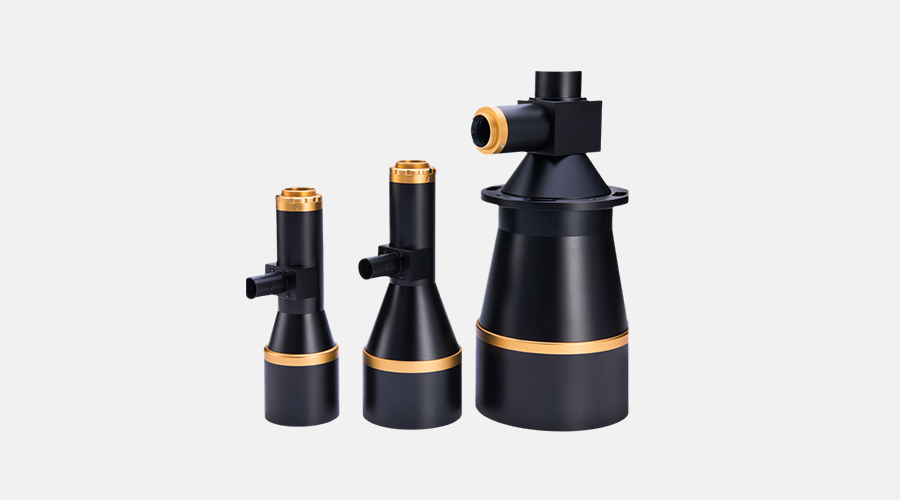 Measuring lens
 Maximum support 1.1" chips
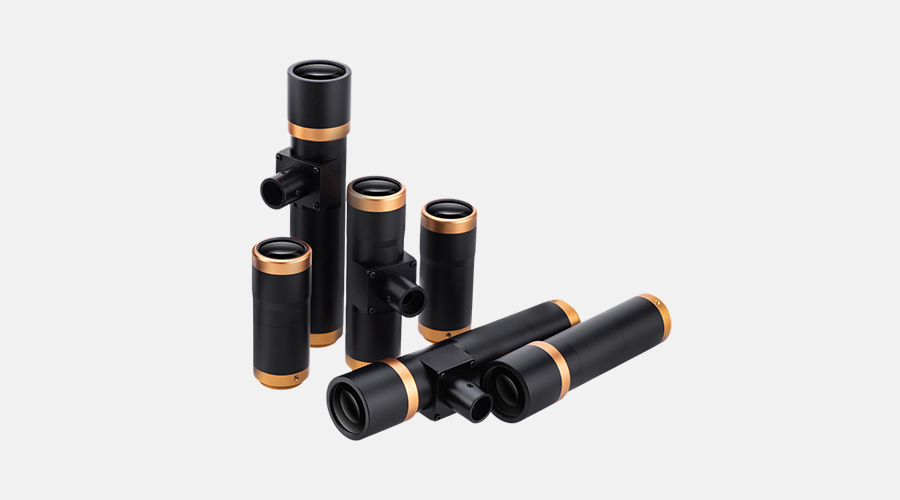 Maximum support 1.2" chips
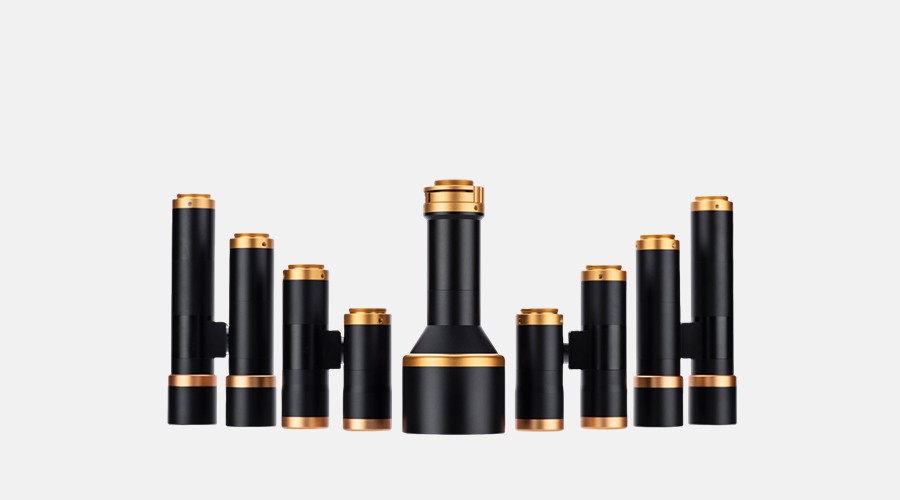 Maximum support 2/3" chips
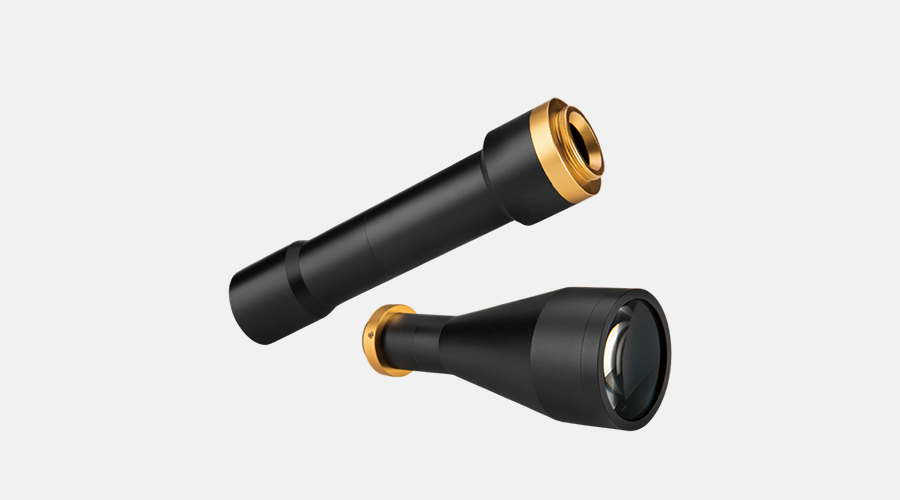 Long Working Distance
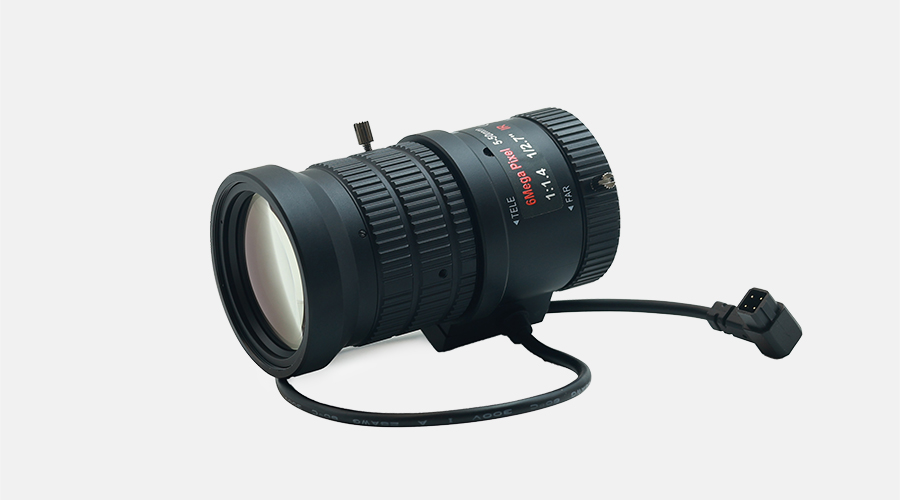 CS mount Varifocal lens
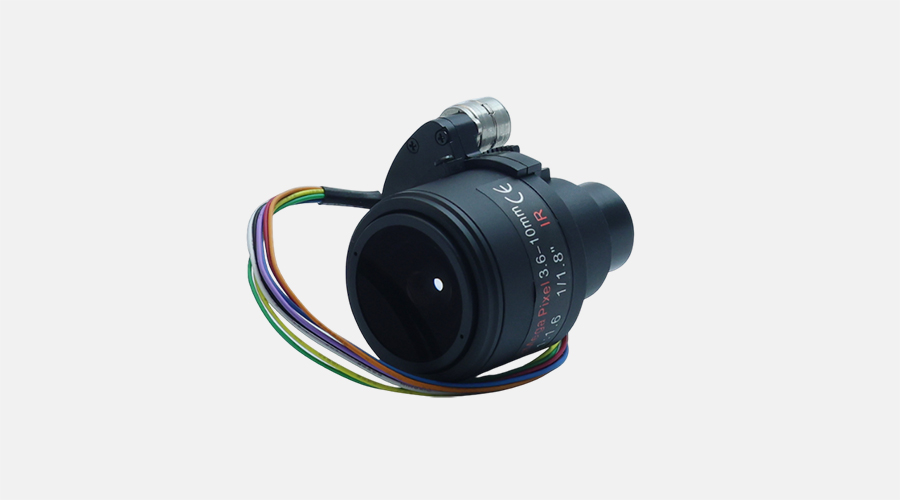 Varifocal board lens
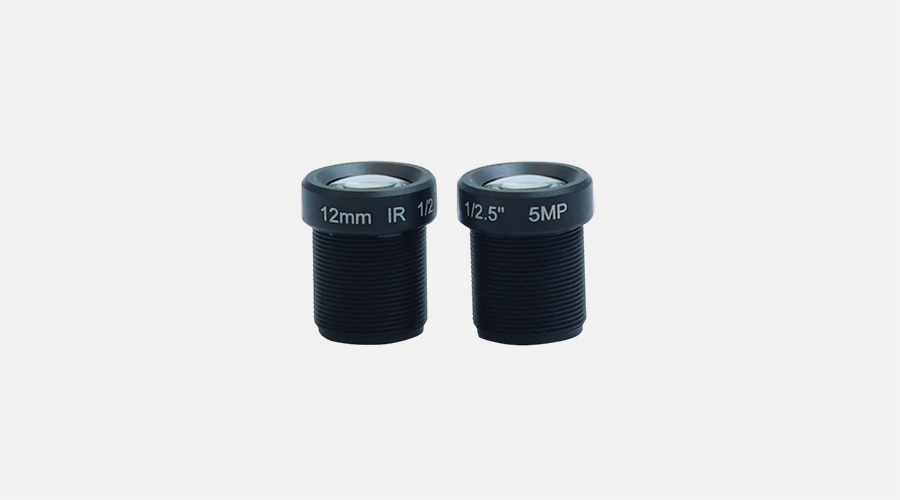 S mount lens
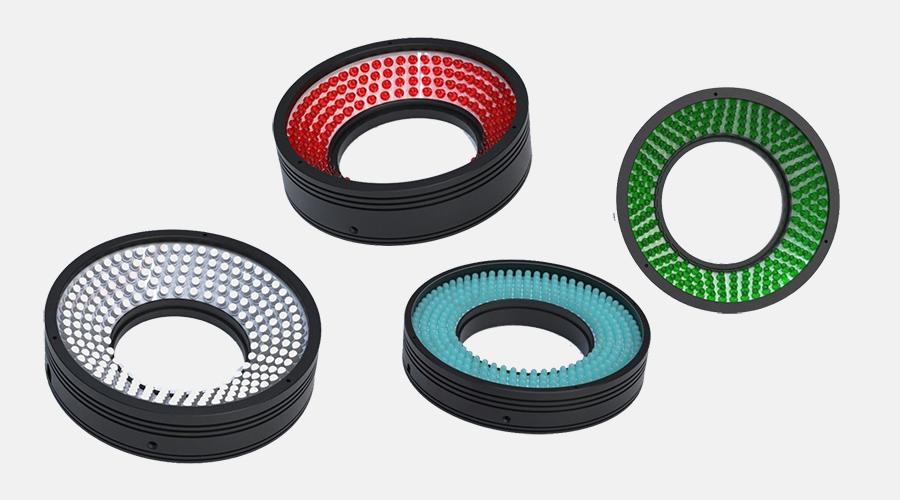 Ring light
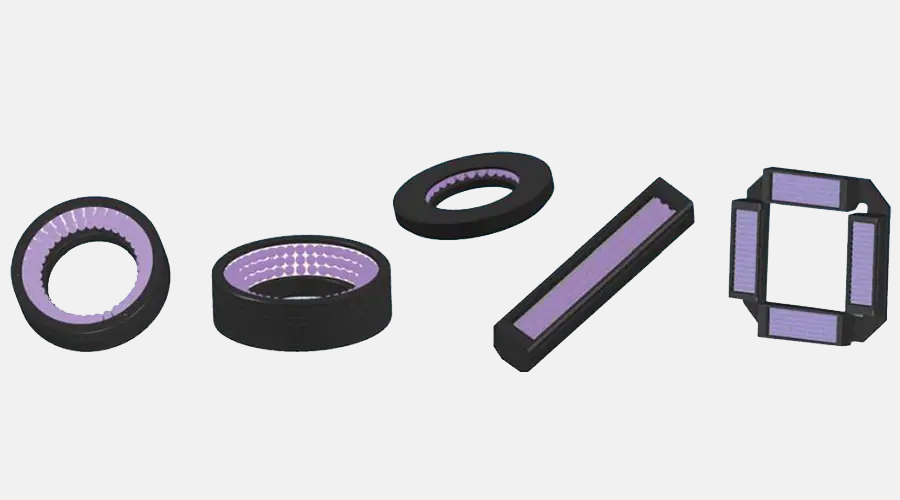 UV/IR Light
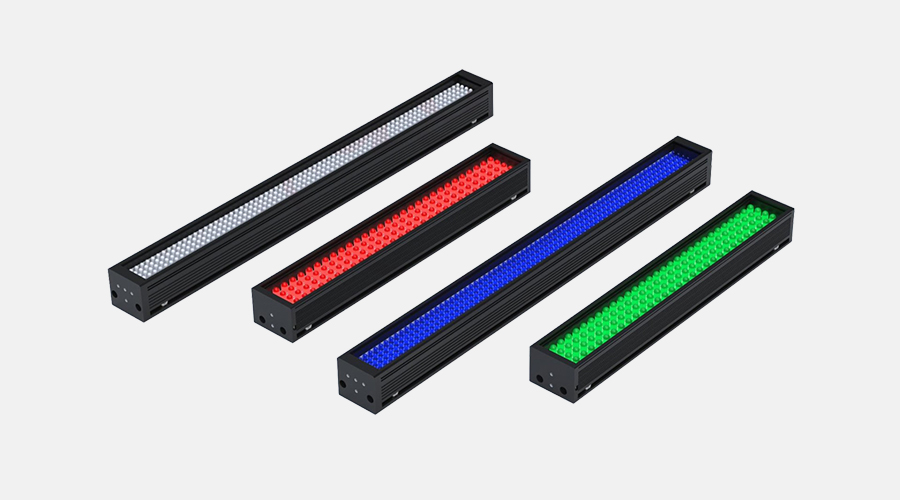 Bar light
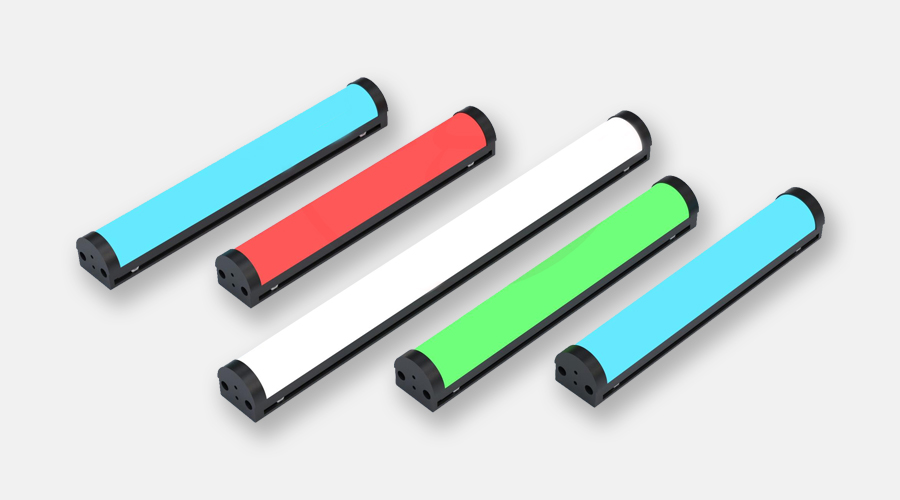 Arcuate high uniformity light
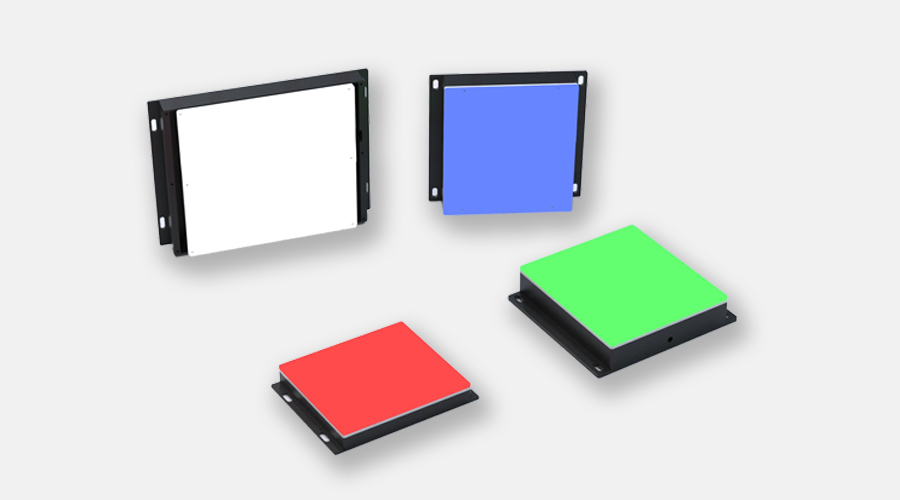 Back light
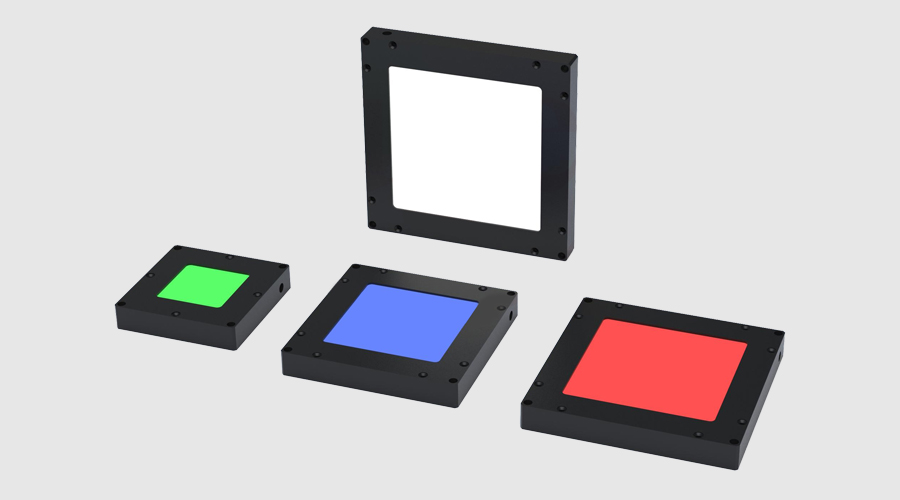 Flat light
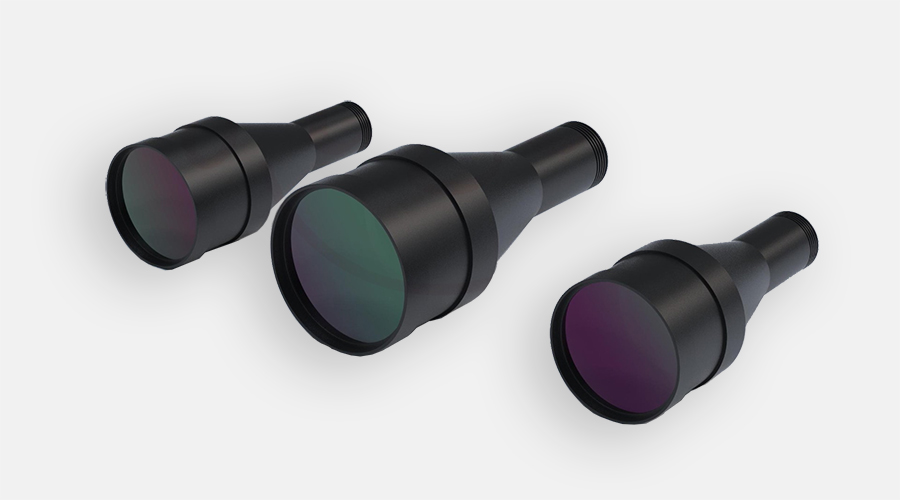 Collimated light
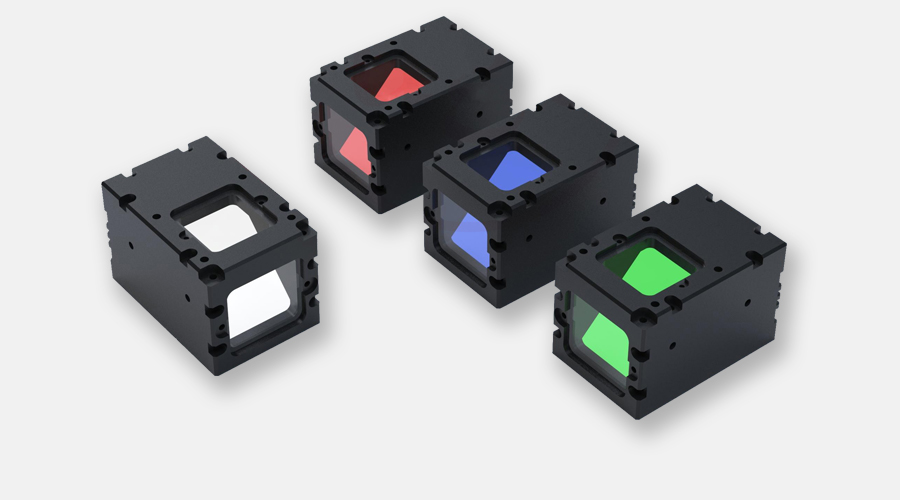 Coaxial light
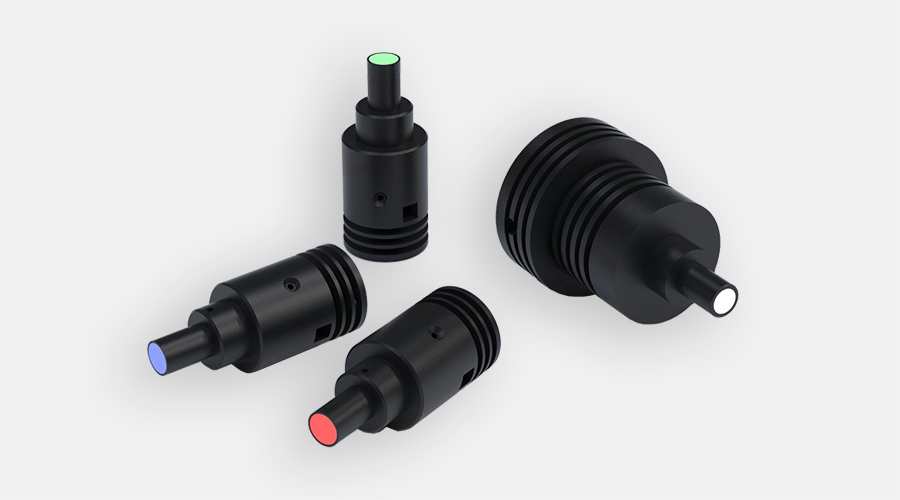 Spot light
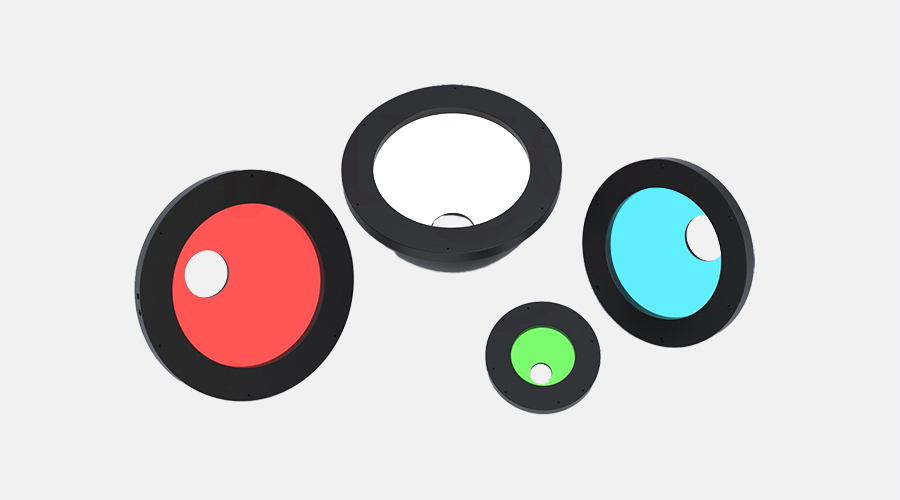 Dome light
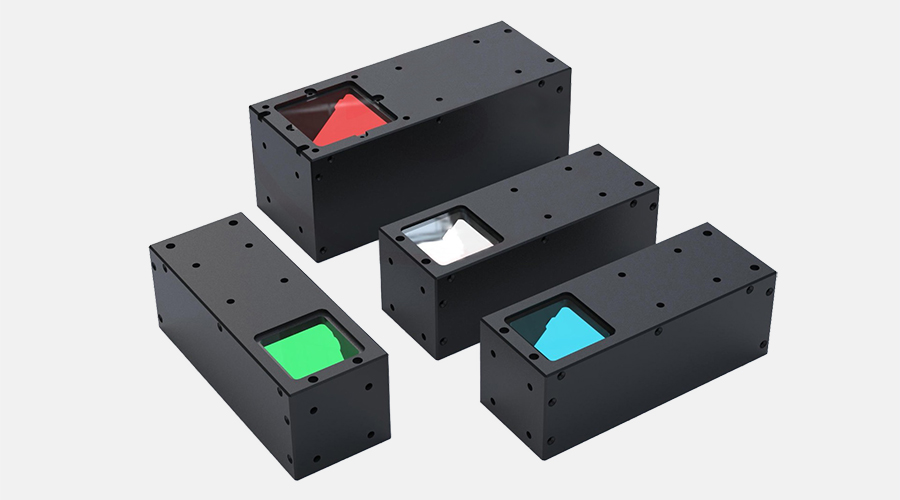 Collimated Coaxial light
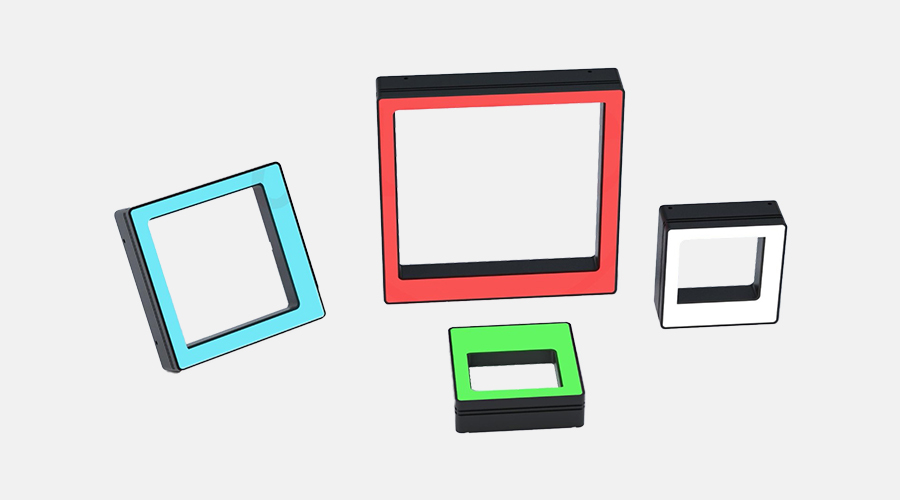 Shadowless square light
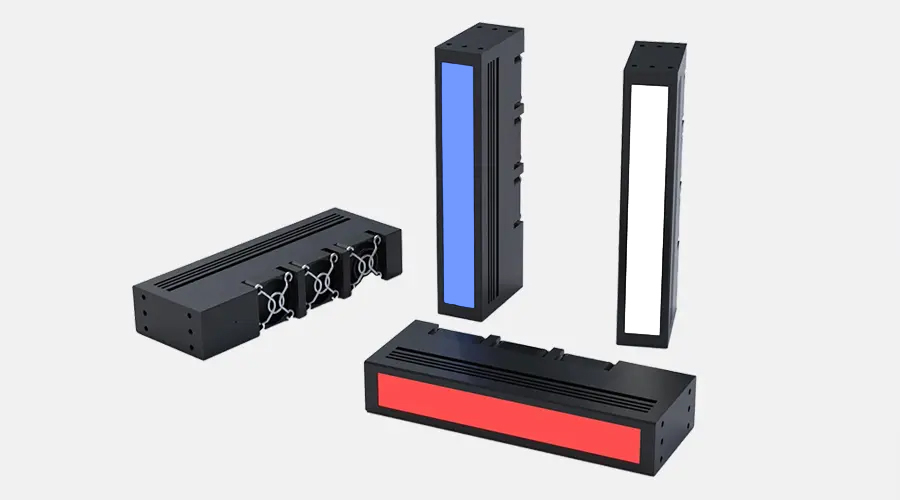 Scan light
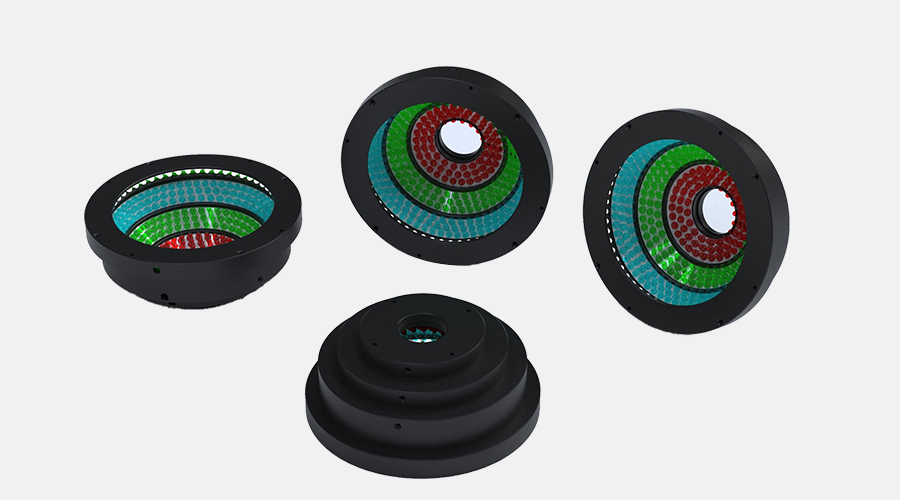 AOI light
 Analog controller
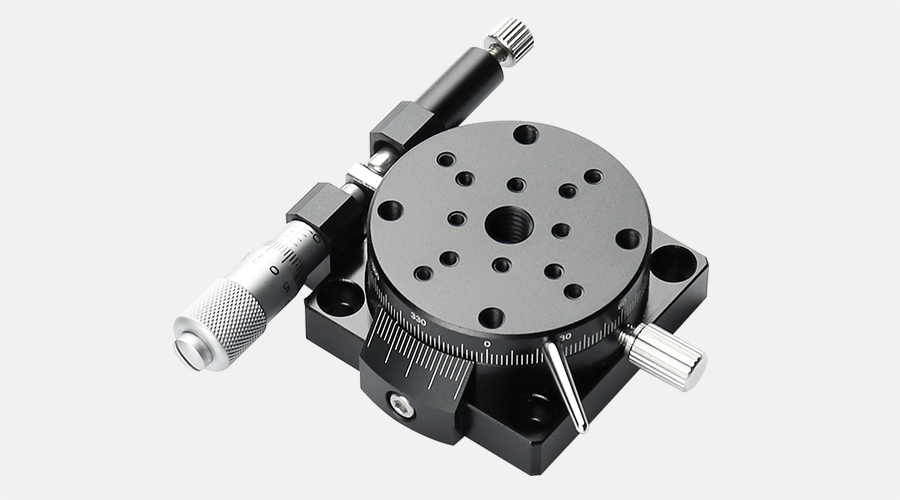 Rotary Stages XRS series
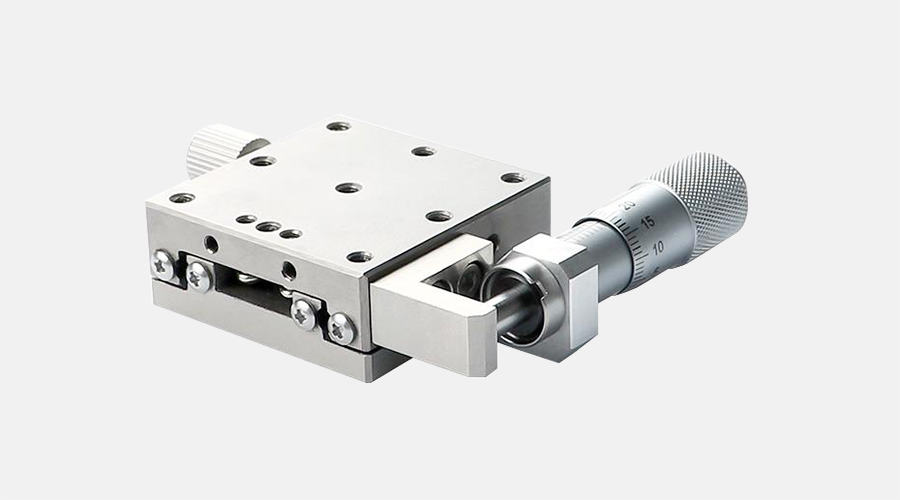 Stainless Steel Ball Bearing Linear Translation Stages
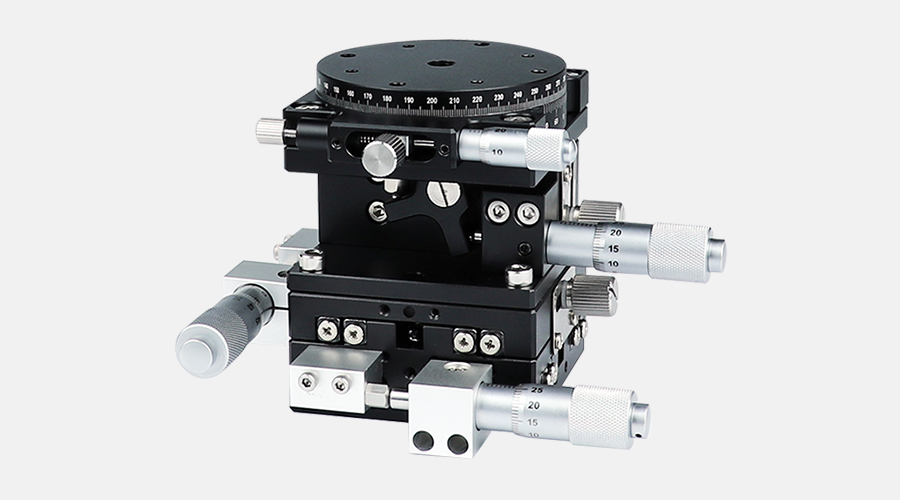 Multi-axis Translation stages
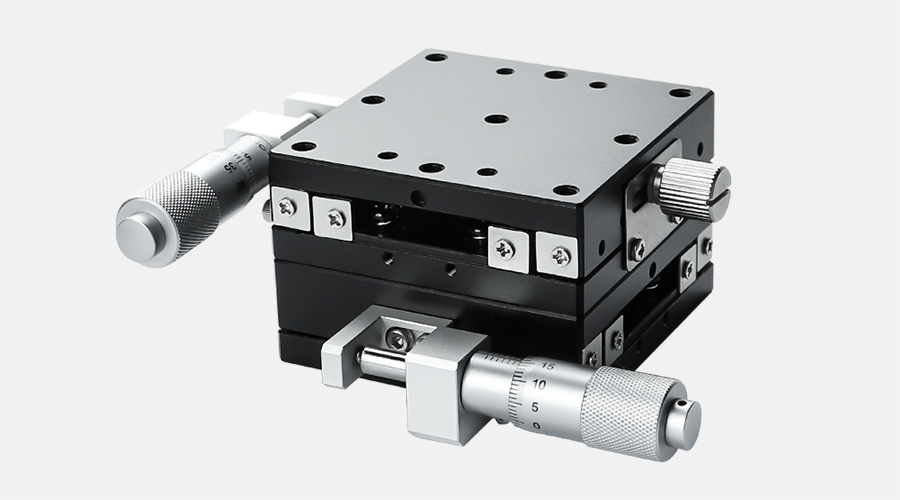 steel bar ball bearing stages
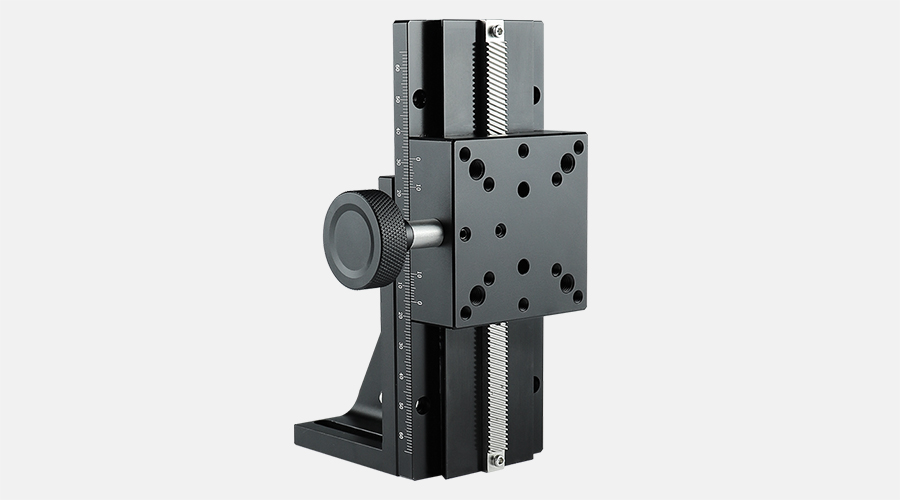 Dovetail Type Rack&Pinion Positioning Stage
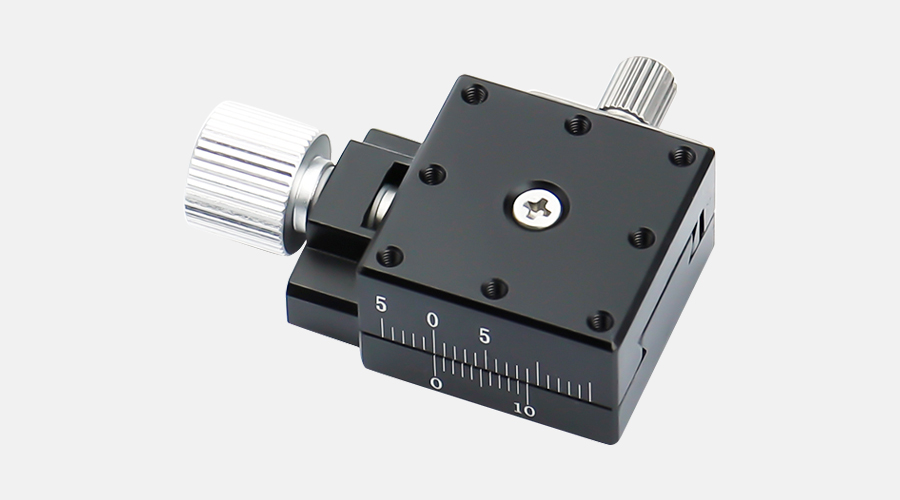 Dovetail groove high-precision screw slide

How Can Telecentric Lenses Support Automated Measurement?
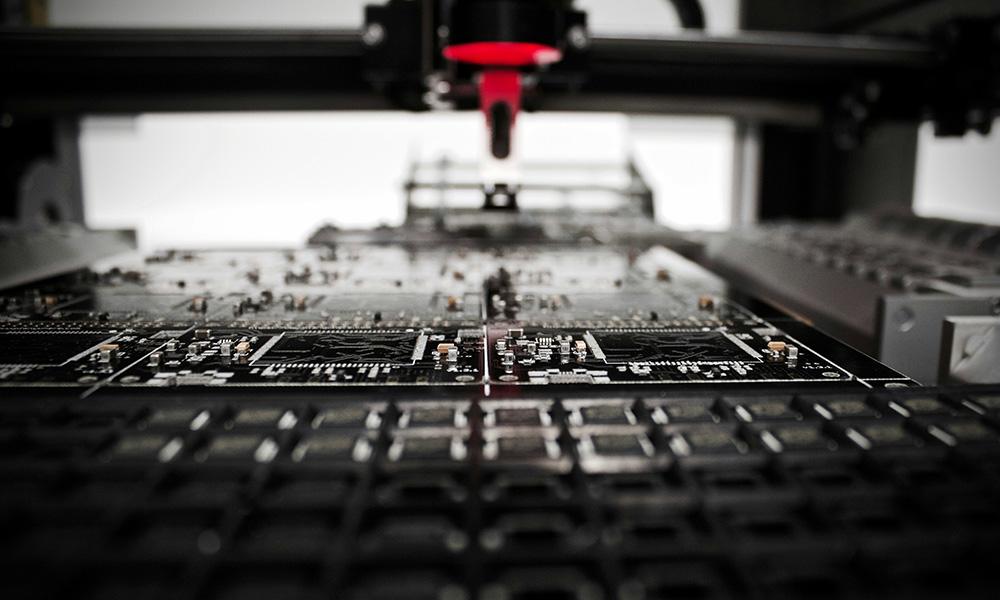
Automated measurement systems need a suitable combination of imaging and positioning. A Telecentric Lens can be used for dimensional inspection where controlled optical geometry is important, while a Linear Translation Stage provides a way to adjust the position of a sample or optical assembly. Combining the two can be useful when a machine vision setup needs to inspect different areas of a workpiece without changing the basic optical arrangement.
Why Combine Telecentric Lenses and Linear Stages?
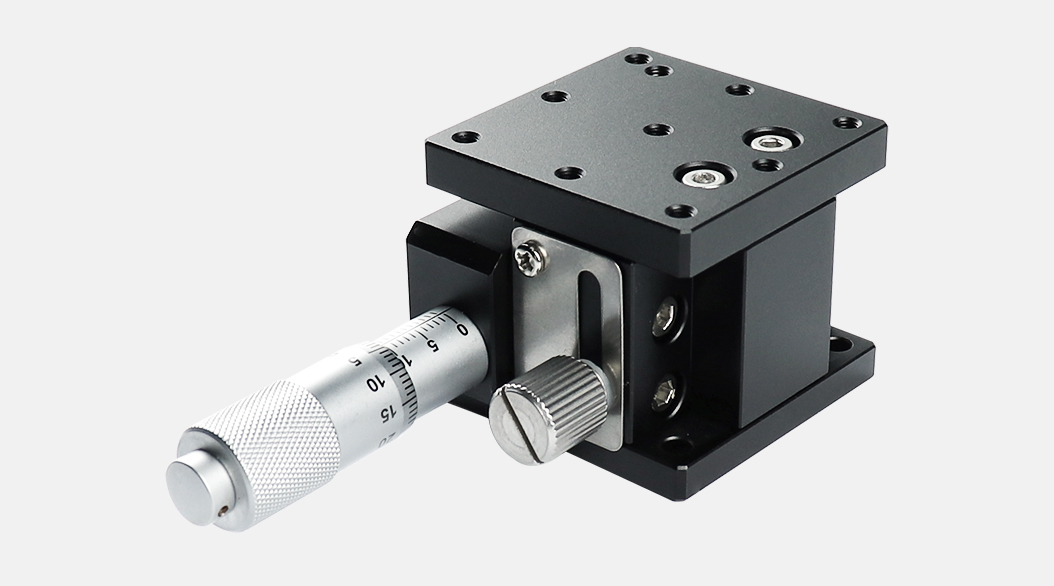
A telecentric lens and a linear stage have different jobs in a measurement system. The lens determines how the target is imaged, while the stage provides mechanical movement for positioning or adjustment.
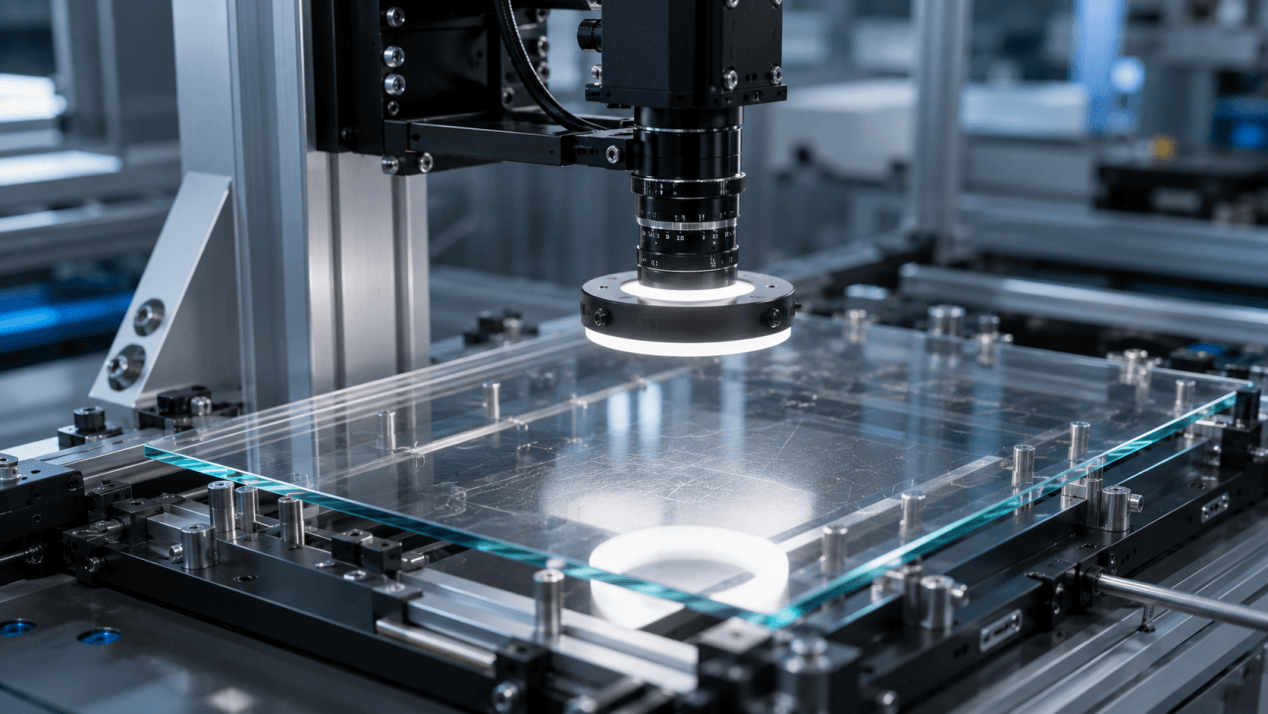
This becomes useful when an inspection task involves several measurement locations. A workpiece can be repositioned along a defined axis with the stage, while the telecentric lens remains part of the imaging system. The camera can then capture the required inspection area after the position has been adjusted.
Here, the Linear Translation Stage should be understood as a positioning component. When the stage is a manual model, it does not independently execute an automated measurement sequence. Automation depends on the complete machine vision system, including the camera, lens, lighting, software, and mechanical arrangement.
How Does a Telecentric Lens Support Measurement?
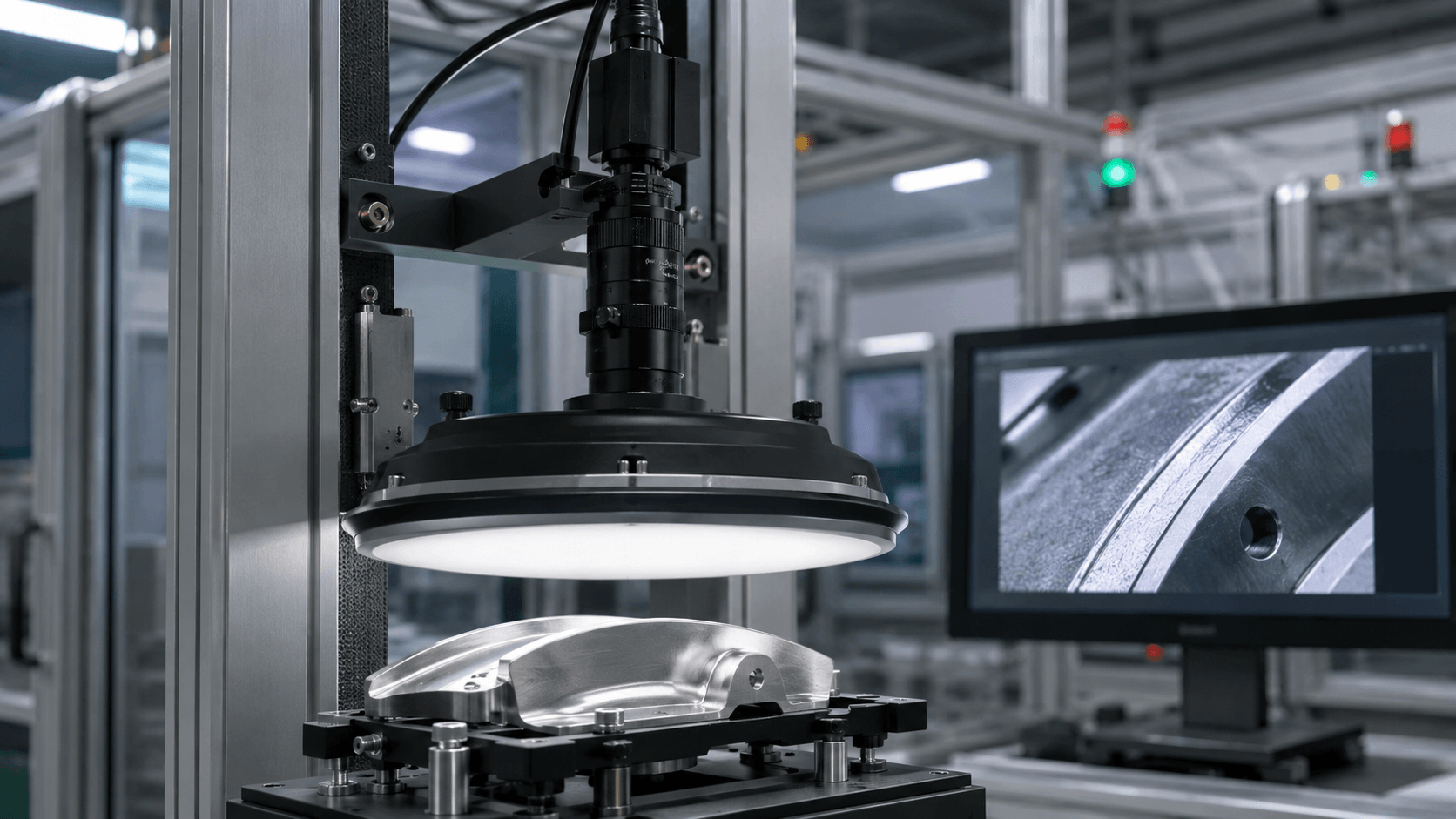
A Telecentric Lens is commonly used for machine vision applications involving dimensional inspection. Its optical design can help limit perspective-related changes under suitable operating conditions, which is useful when the dimensions or contours of a target need to be evaluated from an image.
The required lens depends on the camera sensor and inspection area. Magnification, working distance, field of view, distortion, and sensor format need to be considered together.
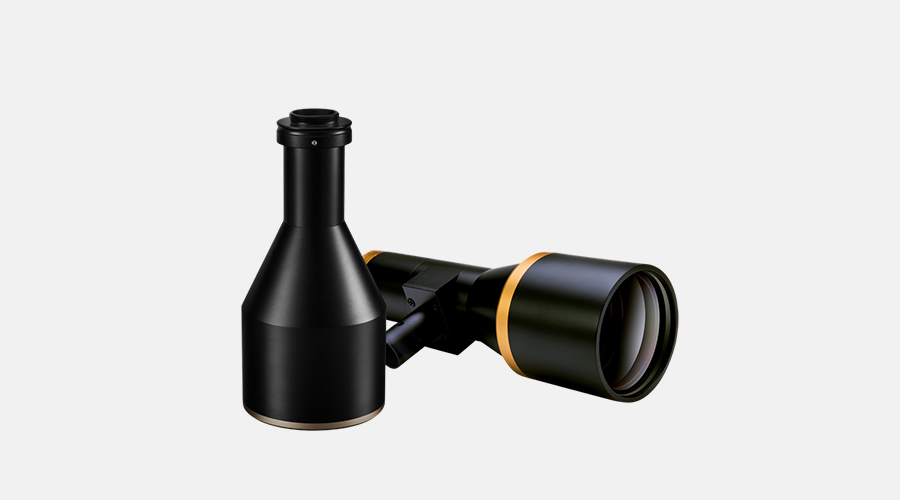
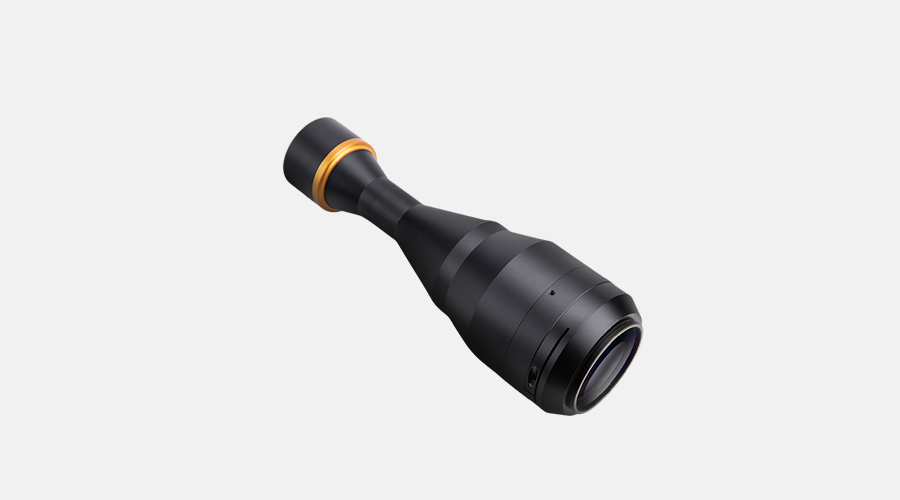
Telecentric lens configurations include measuring lenses, 2/3-inch chip telecentric lenses, 1.1-inch and 1.2-inch compatible lenses, and long-working-distance options. These configurations can be selected according to different machine vision requirements rather than relying on one lens for every inspection setup.
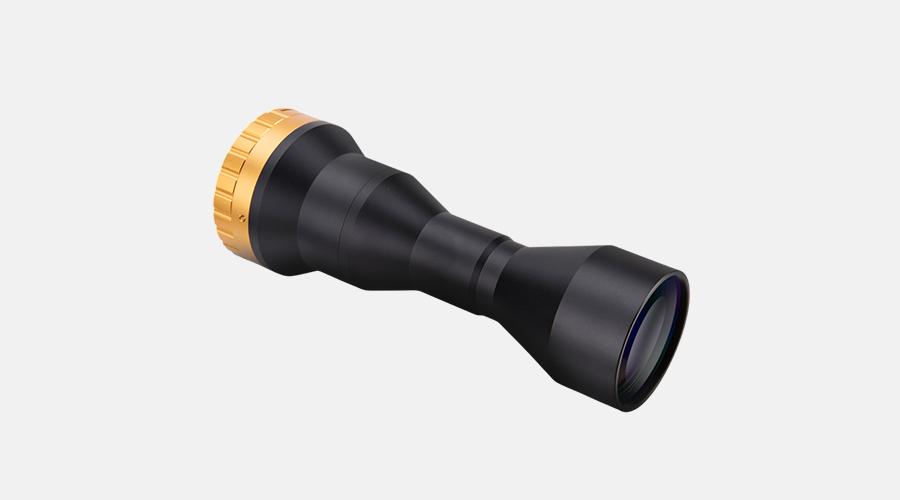
For example, the DZ Series 66mm Telecentric Lens has a 66 mm working distance and a customizable 0.3–10X magnification range. The lens supports 2/3-inch, 1/2-inch, and 1/3-inch industrial camera sensors and can be used for precision dimensional inspection and semiconductor measurement applications.
How Does a Linear Stage Support Positioning?
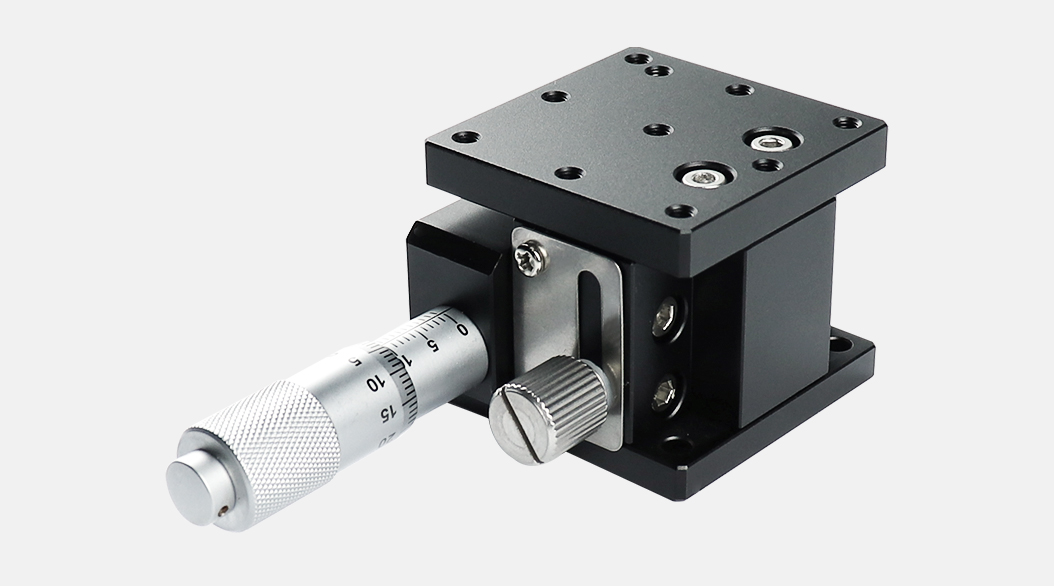
A Linear Translation Stage handles the mechanical positioning side of the system. It can move a sample or optical assembly along a selected axis, making it possible to adjust the inspection position without changing the entire mounting arrangement.
Manual stage options include crossed-roller and ball-bearing linear translation stages. The XLV Series Crossed-Roller Linear Translation Stage, for instance, uses a crossed-roller guideway and micrometer head drive. Its listed table sizes range from 40 to 90 mm, with travel ranges of ±6.5 to ±12.5 mm and load capacities of 19.6 to 39.2 N.
For an optical inspection setup, these characteristics can be relevant when fine manual displacement is required. The suitable stage depends on the required travel, load, table size, and adjustment direction.
How Do the Lens and Stage Work Together?
The relationship between the two becomes clearer when looking at a practical inspection arrangement.
Consider a component with several areas that need to be checked. The linear stage can be used to move the sample or optical assembly so that the required feature enters the inspection area. Once the position has been established, the industrial camera captures the image through the telecentric lens for subsequent analysis.
Each part of the system therefore has a defined function:
- Telecentric Lens: provides the optical imaging conditions.
- Linear Translation Stage: provides mechanical positioning.
- Industrial Camera: captures the image.
- Measurement Software: evaluates the captured image.
This separation also helps when selecting components. The stage does not determine the optical quality of the image, and the lens does not provide mechanical movement. Their specifications need to be considered together with the requirements of the complete inspection system.
Why Does Positioning Matter in Dimensional Inspection?
Positioning can become important when a workpiece contains multiple inspection areas or when the optical assembly requires adjustment during setup.
For example, a stage can move the sample by a defined distance to bring another feature into the field of view. This can be more practical than repeatedly repositioning the complete fixture by hand.
The travel of the stage should correspond to the movement required by the inspection task. If only a small adjustment is needed, a compact single-axis stage may be sufficient. If the optical system requires movement in several directions, a multi-axis configuration can provide additional adjustment.
The stage should provide the amount and direction of displacement required by the inspection layout.
Which Stage Configuration Should Be Considered?
A single-axis Manual Linear Stage can be suitable when positioning is required along one direction. This type of arrangement can be used for sample positioning or optical adjustment.
For applications requiring additional movement, multi-axis manual configurations such as XZ, XYZ, XYθ, and XYZθ stages can be considered. The appropriate configuration depends on how the sample or optical assembly needs to be adjusted.
Travel range, load capacity, table size, movement direction, and mounting conditions should be checked before selecting a stage. A more complex stage configuration is useful when the inspection requires additional movement axes.
How Should the Lens and Stage Be Matched?
The optical and mechanical requirements should be evaluated together.
For the telecentric lens, the main considerations include sensor format, magnification, working distance, field of view, and distortion. These determine whether the lens can cover the required inspection area and provide suitable imaging characteristics.
For the stage, travel range, load capacity, table size, and movement axes are more relevant. The physical dimensions of the stage also need to fit the fixture and optical arrangement.
Working distance is particularly important when the two products are integrated. The lens needs sufficient space from the target, while the stage must provide the required movement without interfering with the lens, camera, fixture, or other equipment.
Where Can This Combination Be Used?
A Telecentric Lens and Linear Translation Stage combination can be considered for machine vision inspection setups involving dimensional inspection, sample positioning, optical adjustment, or inspection of multiple areas on a workpiece.
For a fixed target that remains in one position, a stage may not be necessary. When the target or optical assembly needs to be repositioned, a suitable stage can provide the mechanical adjustment while the telecentric lens remains responsible for imaging.
The final configuration should therefore be selected around the actual inspection task. Sensor size, field of view, working distance, required movement, load, and mounting arrangement all have a role in determining whether a particular lens and stage combination is appropriate.
FAQ
Can a telecentric lens replace a linear stage?
No. The lens handles imaging, while the stage provides mechanical positioning.
What does a linear translation stage do?
It provides controlled movement for positioning a sample or optical assembly.
Can a manual stage perform automated measurements?
No. It provides positioning within a broader machine vision measurement system.
How should a telecentric lens be selected?
Consider sensor format, magnification, working distance, field of view, and inspection needs.
When is a multi-axis stage useful?
It can be considered when positioning or optical adjustment requires several movement directions