
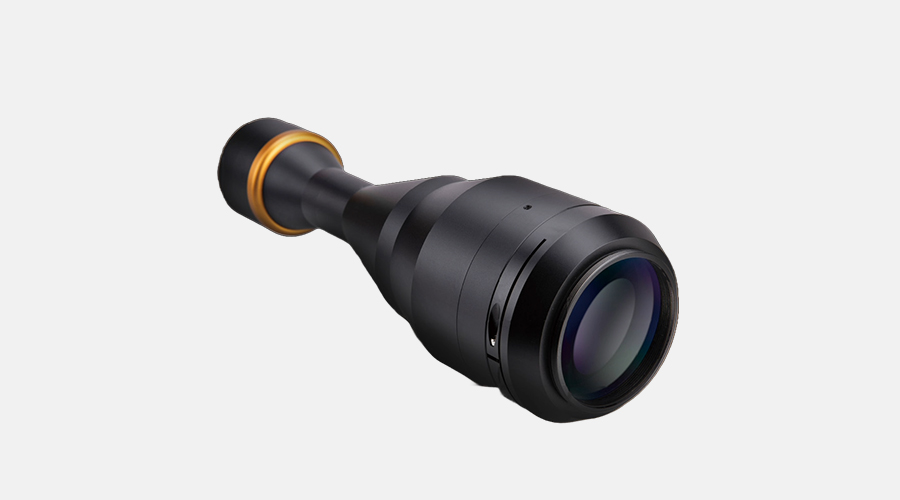
 Compatible with 7.2mm-82mm chips
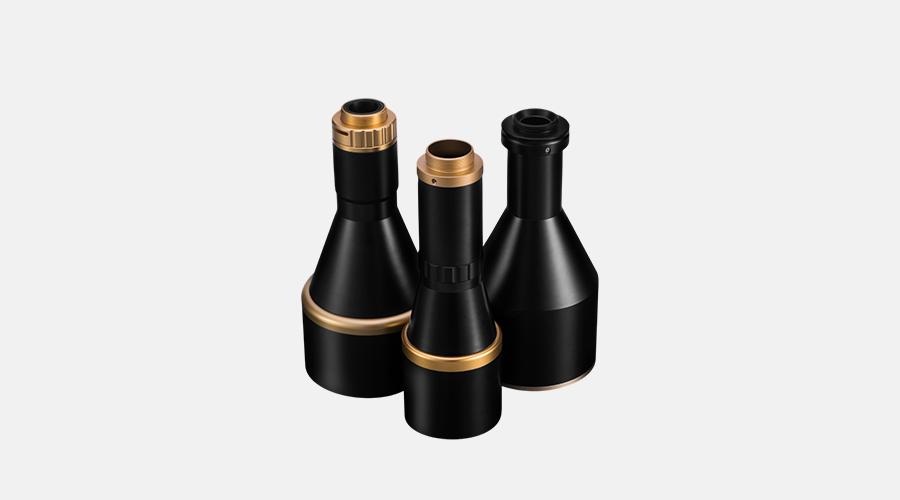 High/Low Working Distance
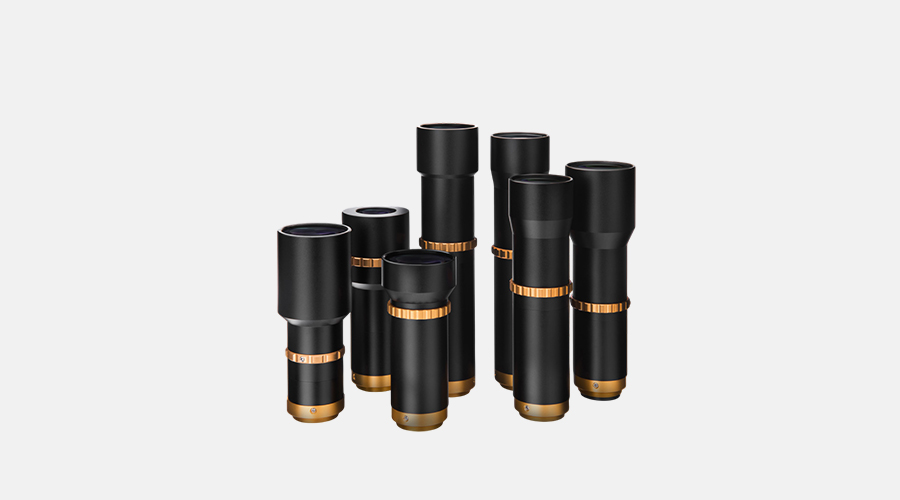 Aperture telecentric lens
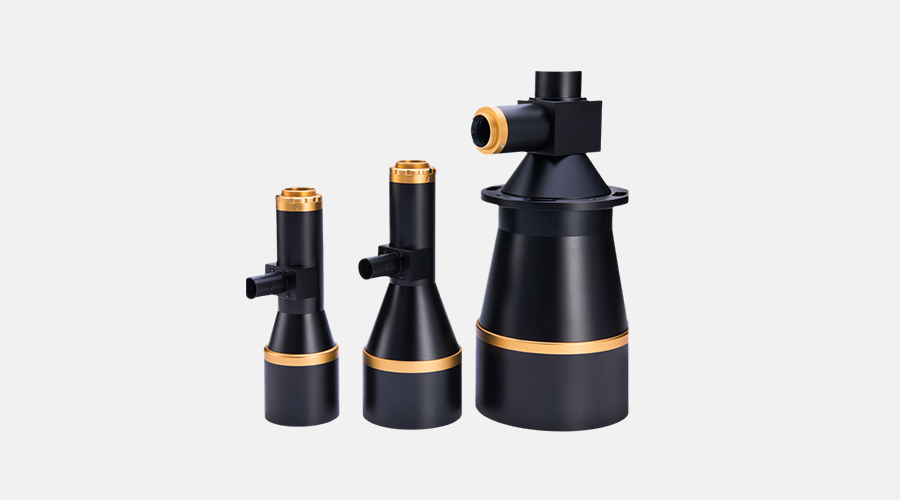 Measuring lens
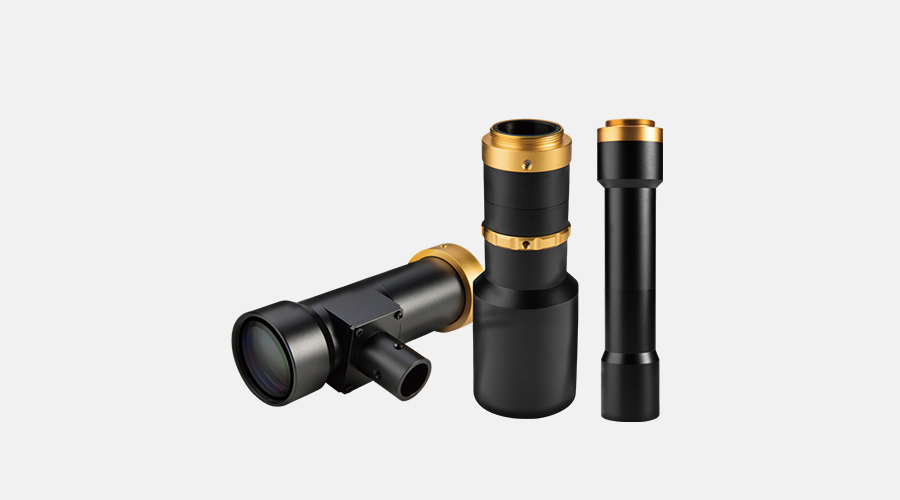 Maximum support 1.1" chips
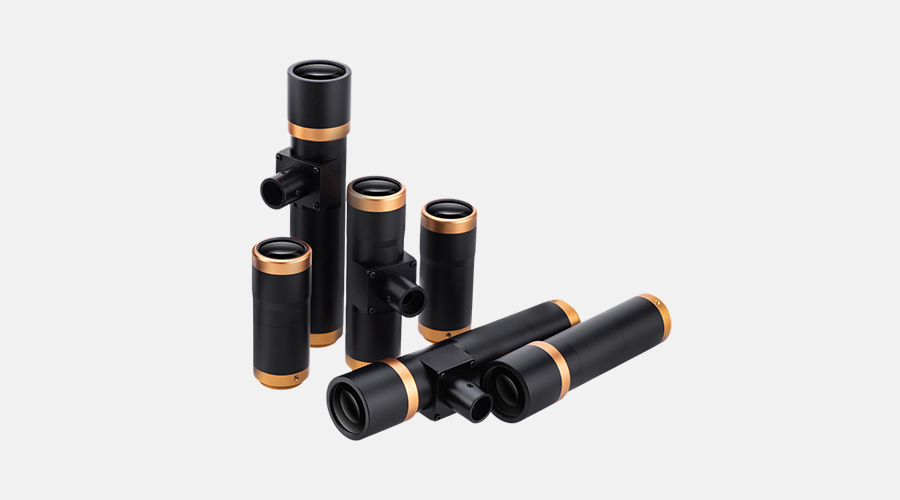 Maximum support 1.2" chips
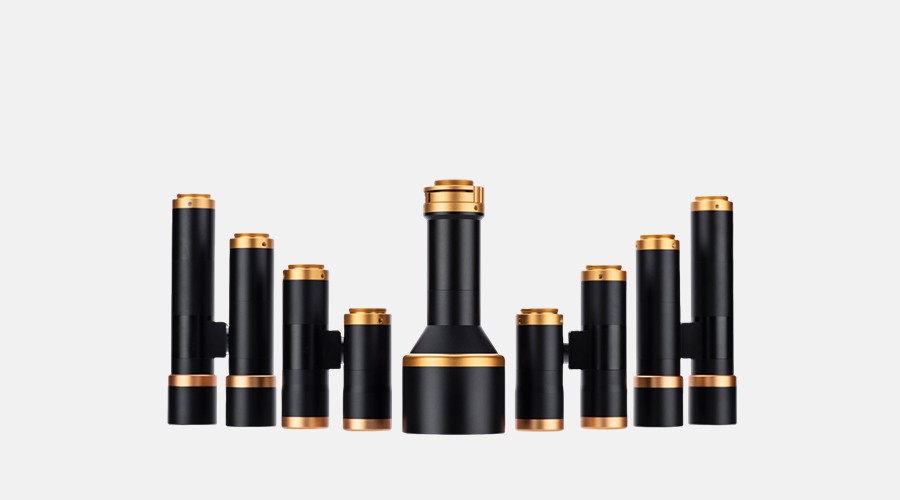 Maximum support 2/3" chips
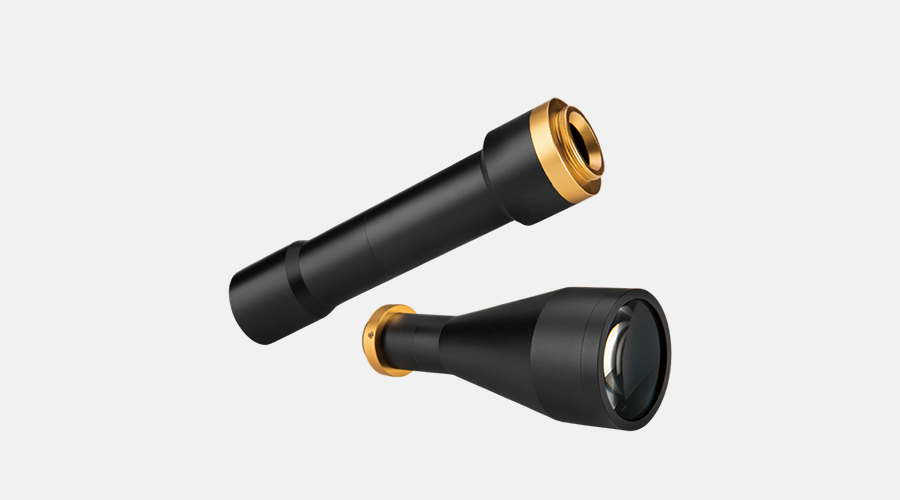 Long Working Distance
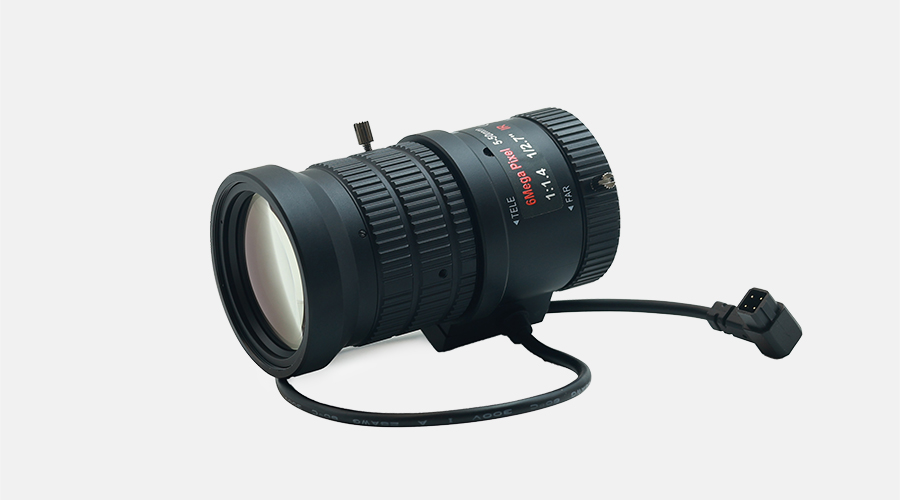 CS mount Varifocal lens
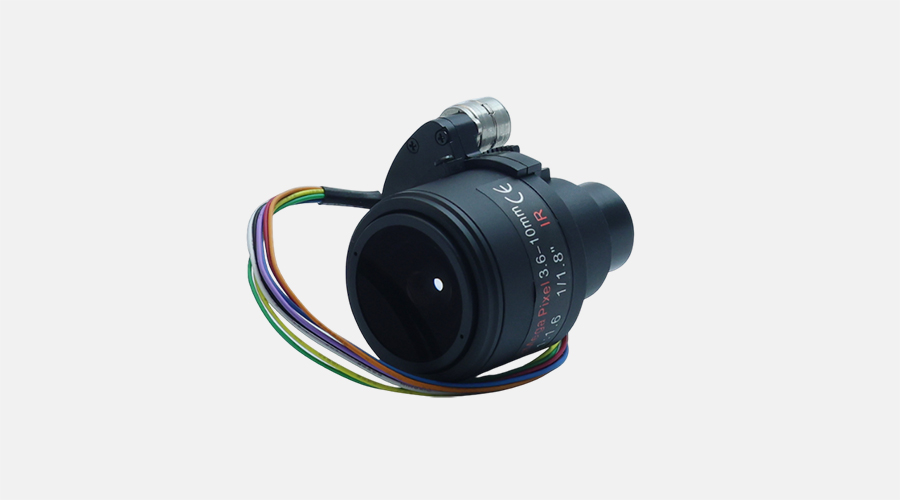 Varifocal board lens
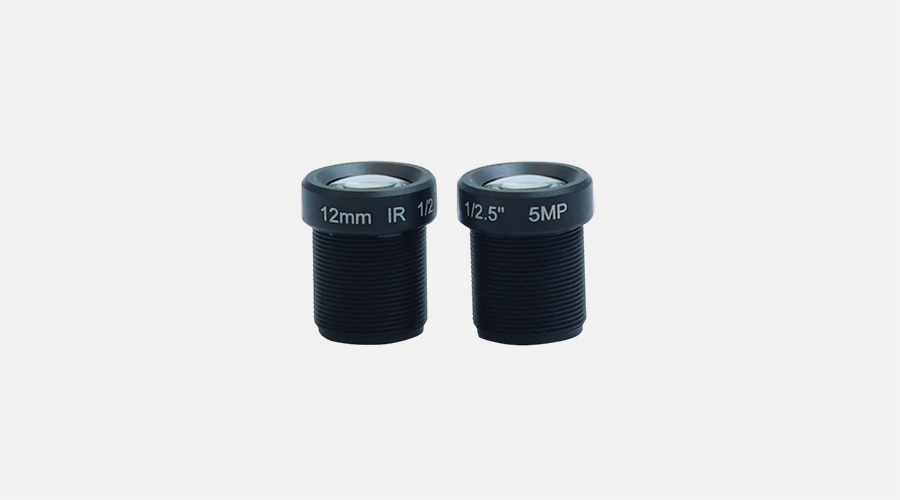 S mount lens
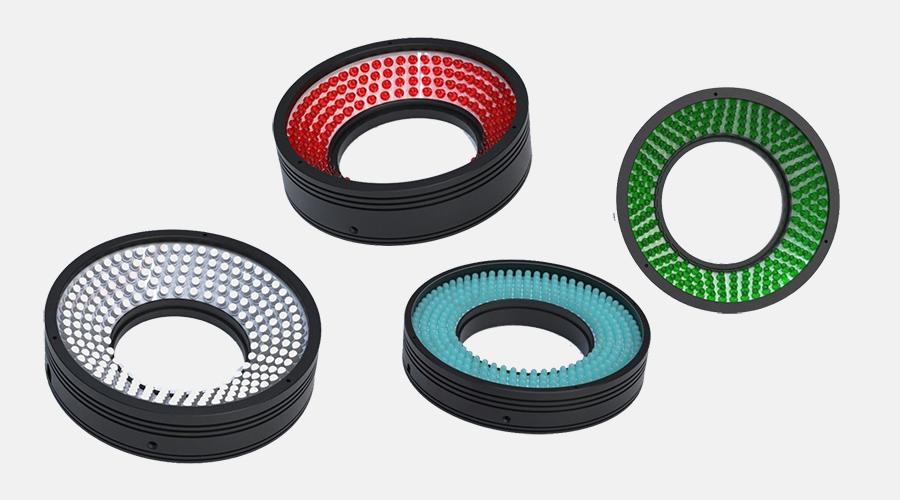 Ring light
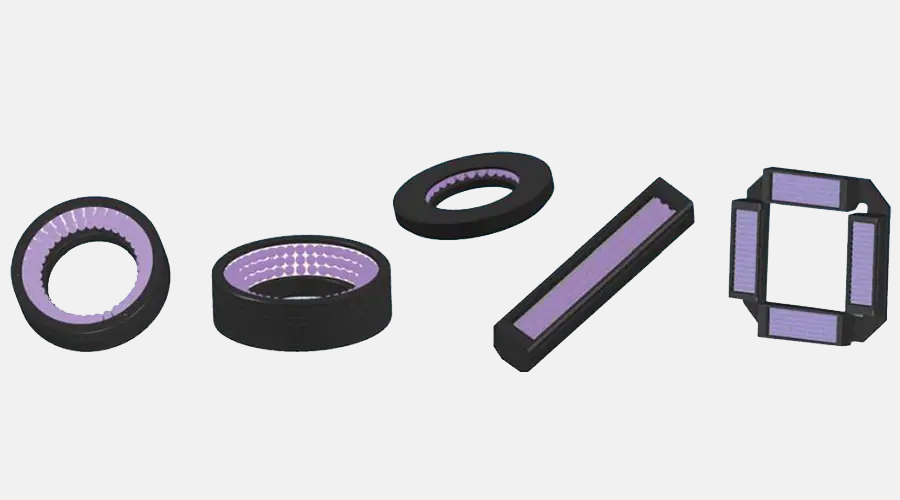 UV/IR Light
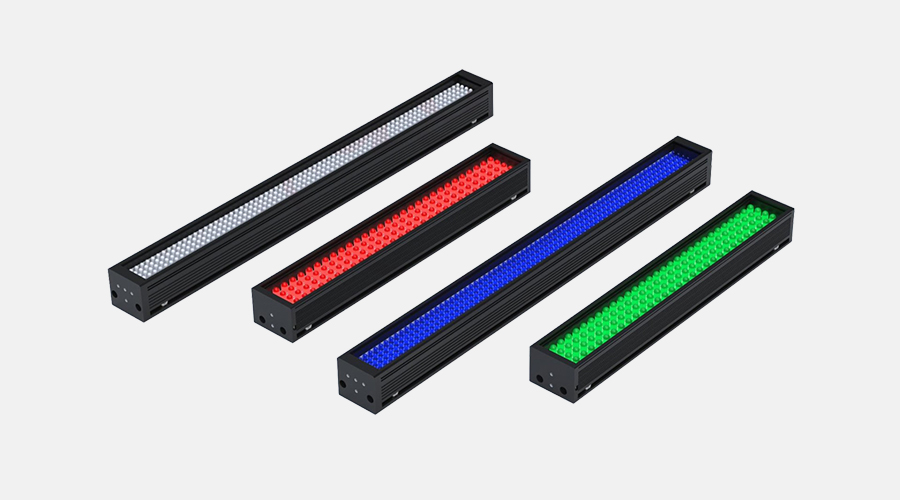 Bar light
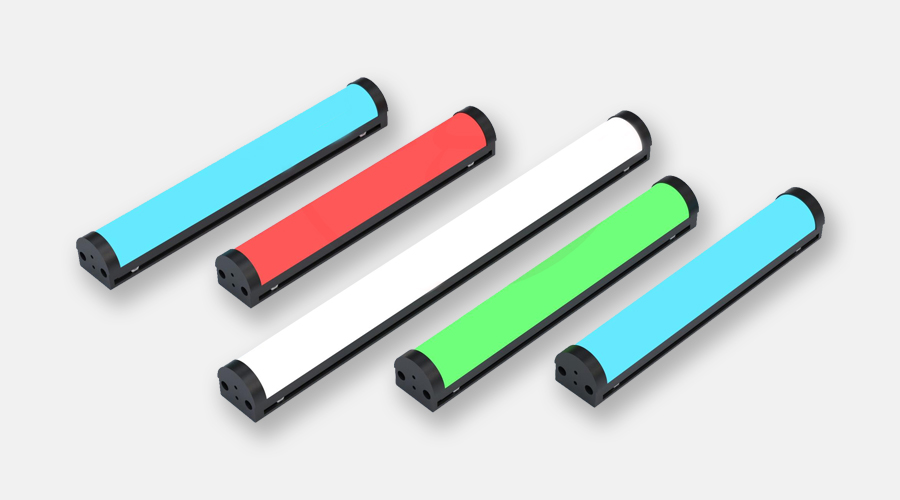 Arcuate high uniformity light
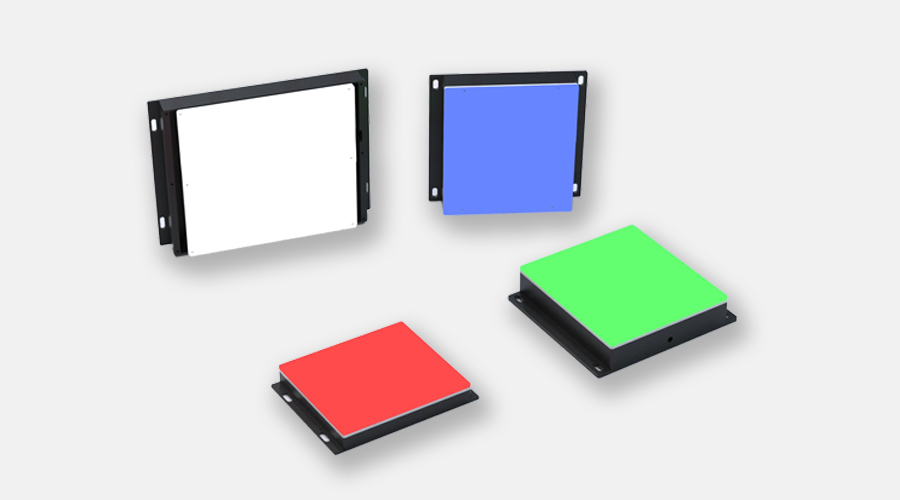 Back light
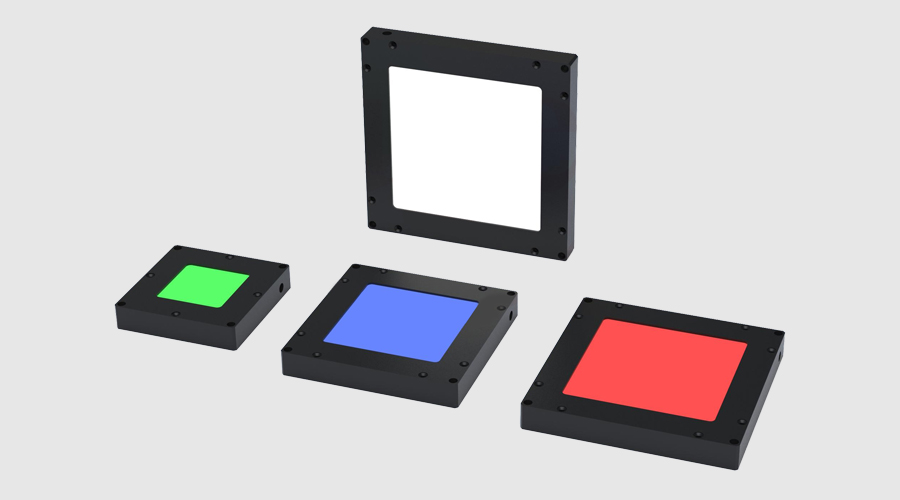 Flat light
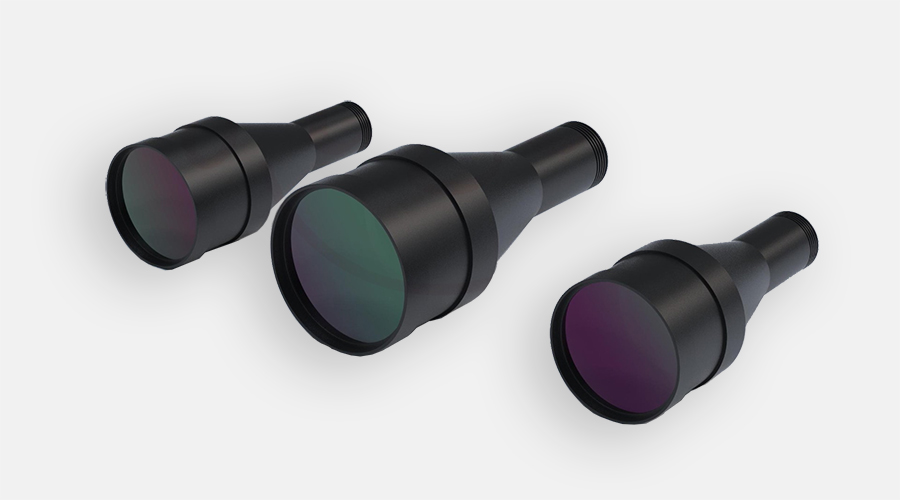 Collimated light
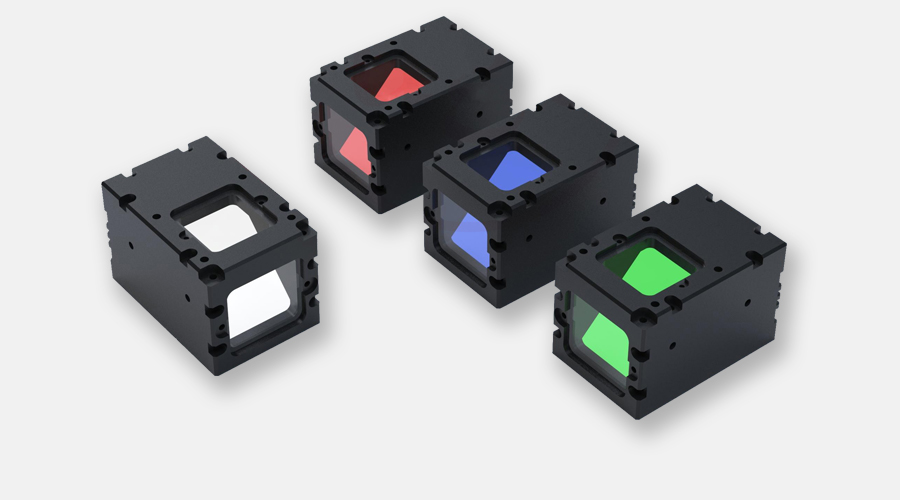 Coaxial light
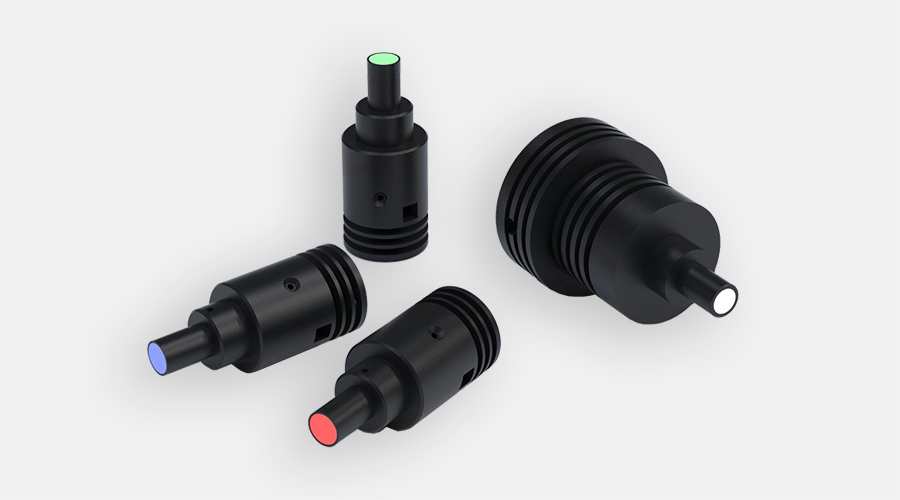 Spot light
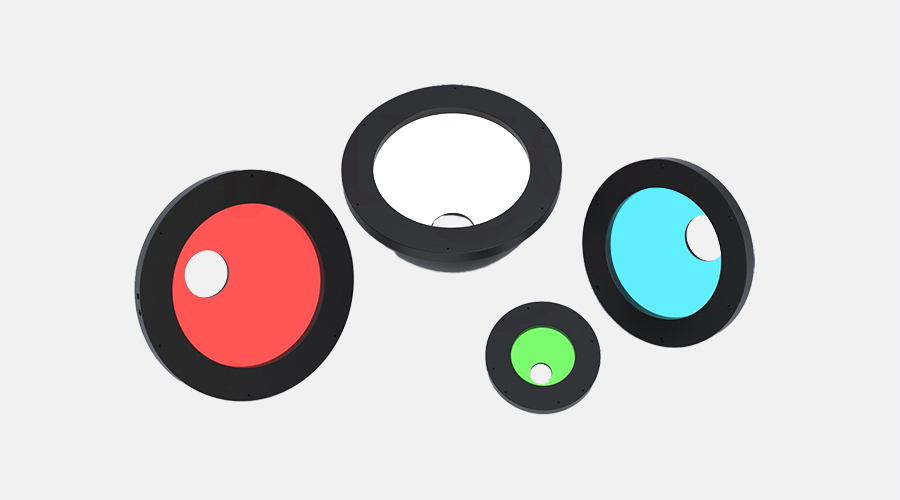 Dome light
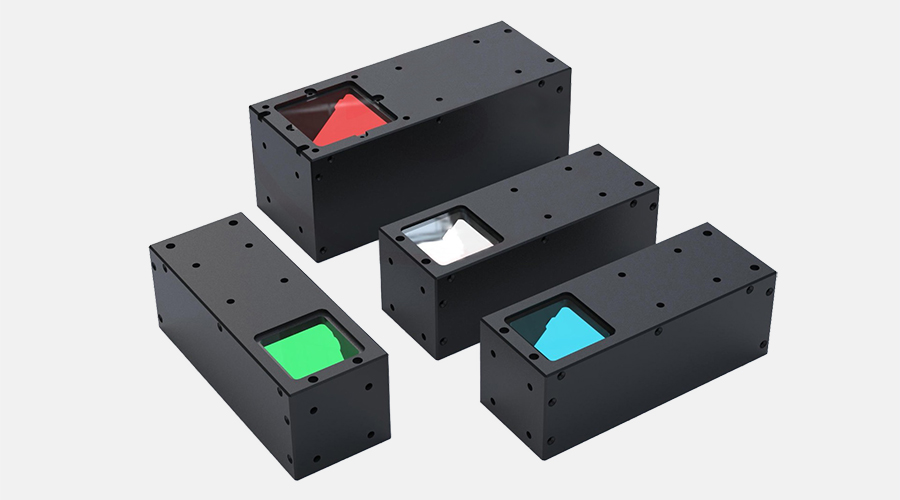 Collimated Coaxial light
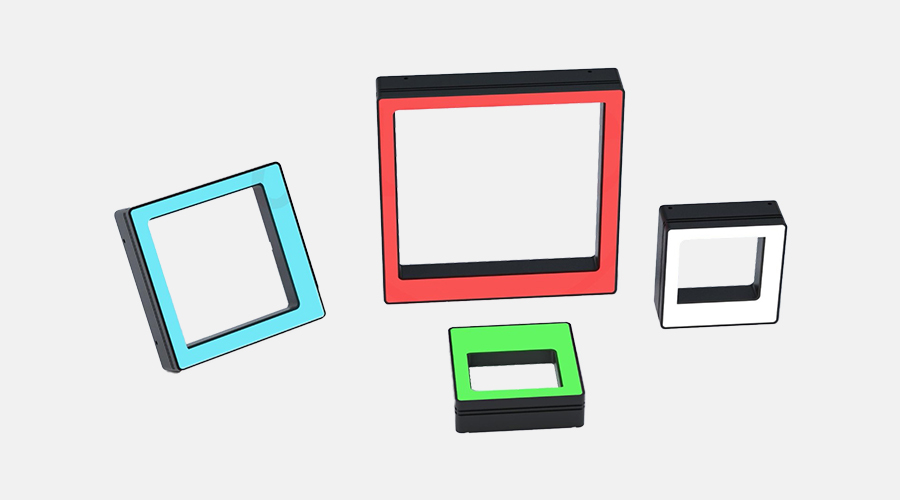 Shadowless square light
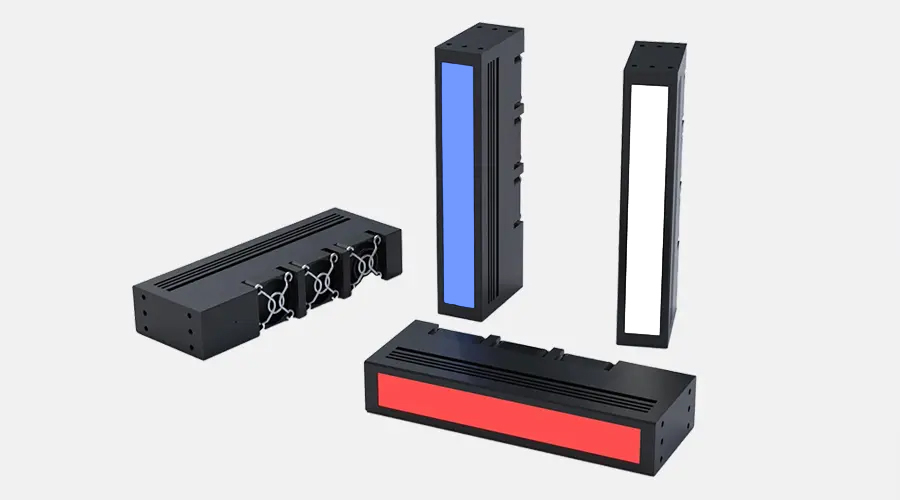 Scan light
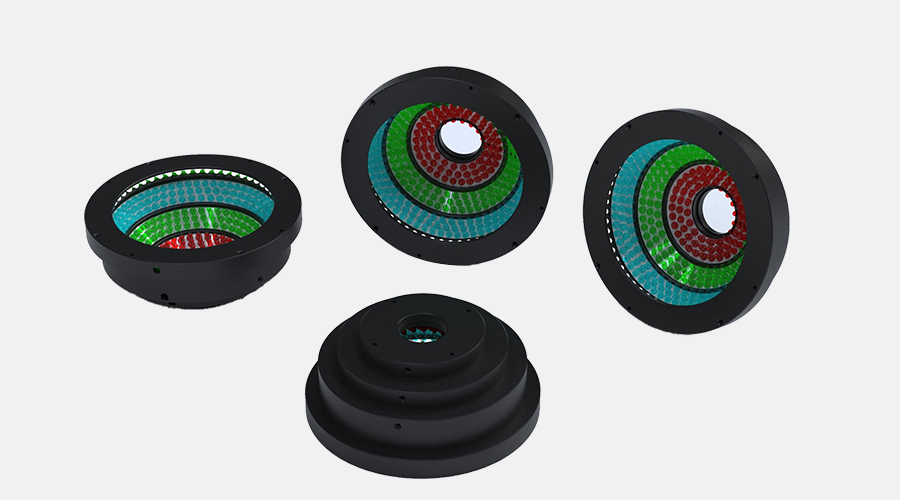 AOI light
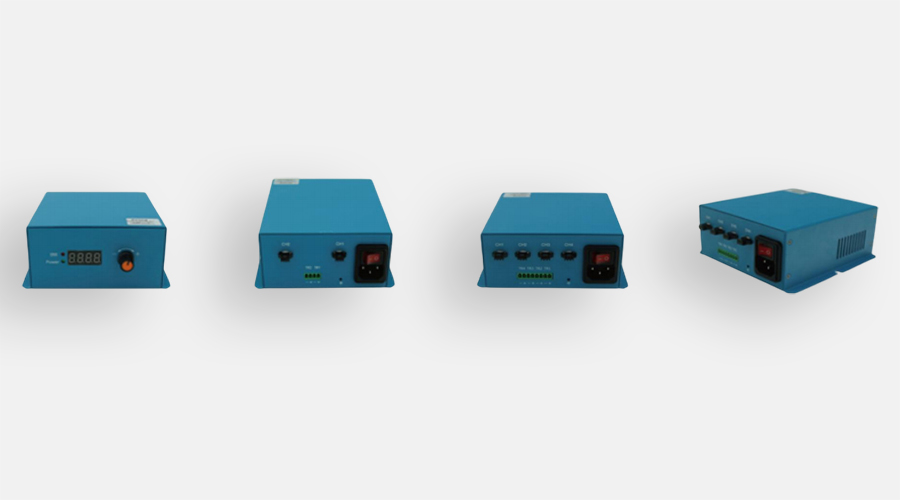 Analog controller
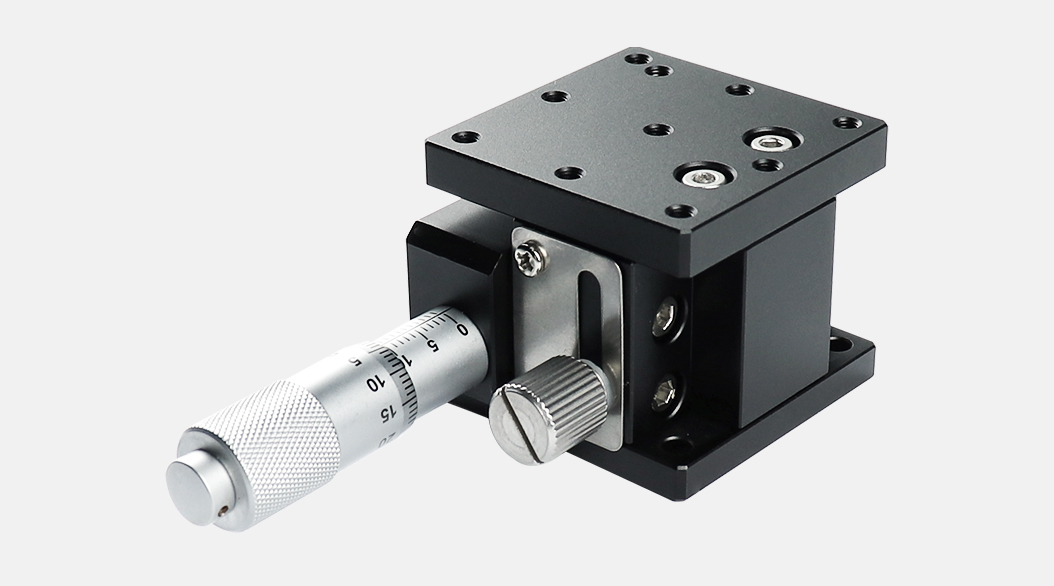 Crossed-Roller Linear guide type
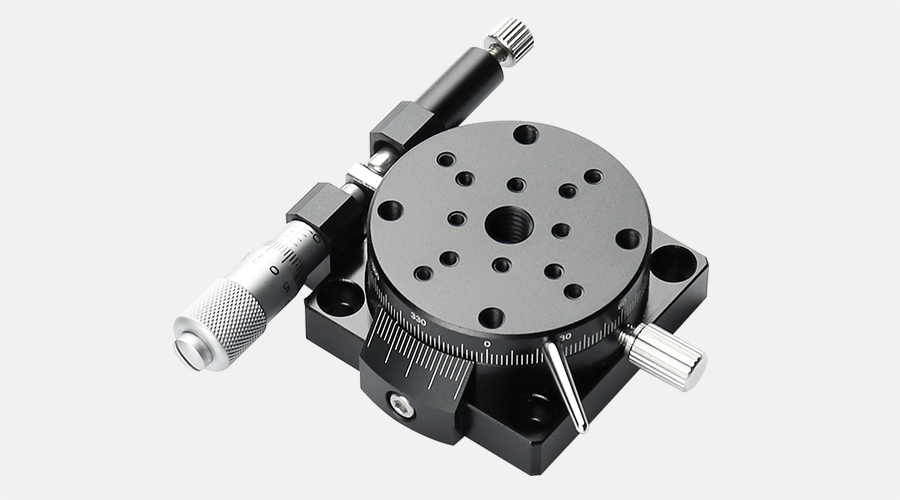 Rotary Stages XRS series
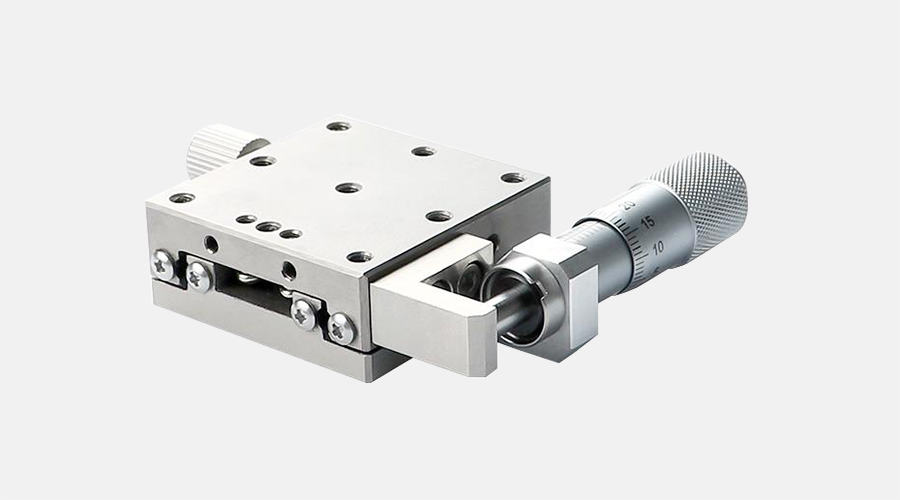 Stainless Steel Ball Bearing Linear Translation Stages
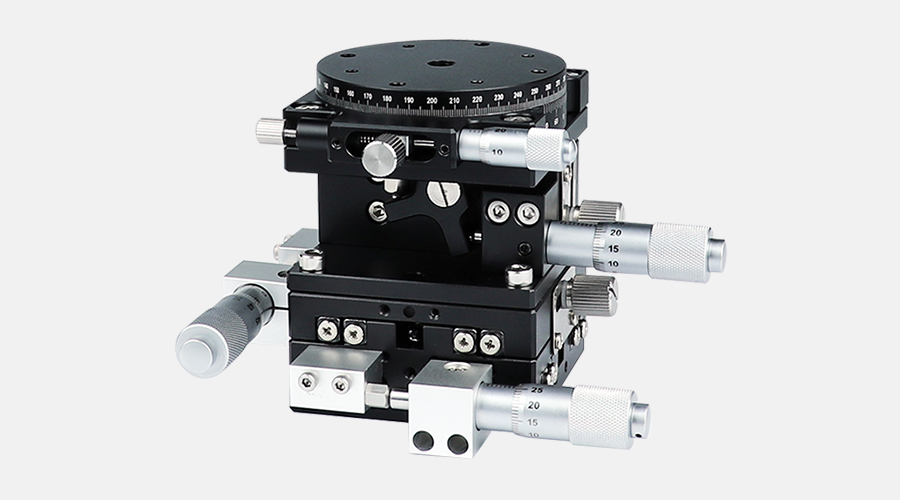 Multi-axis Translation stages
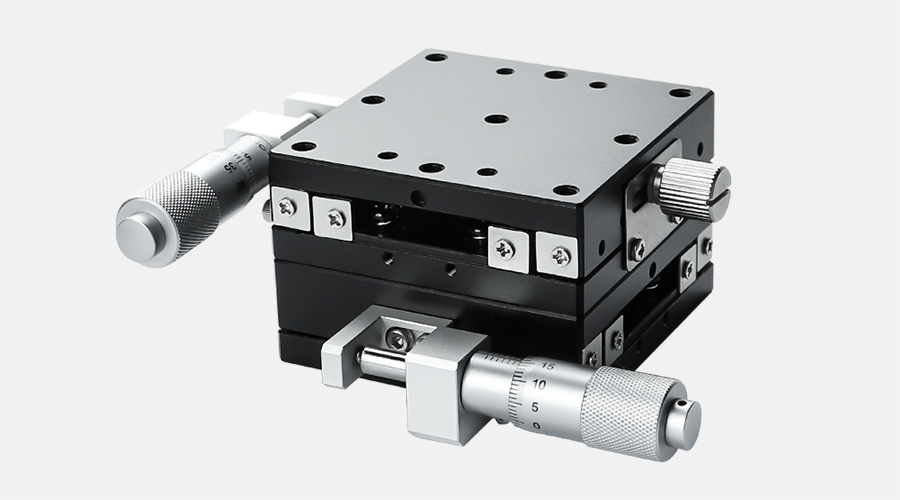 steel bar ball bearing stages
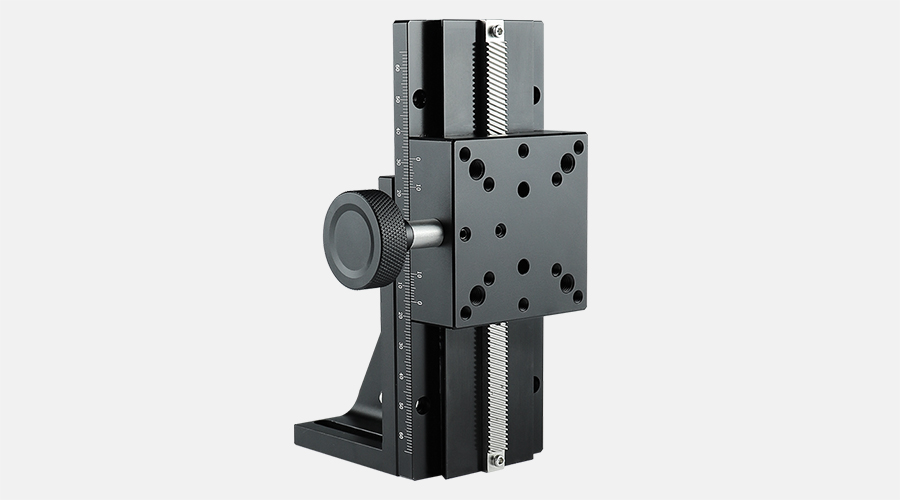 Dovetail Type Rack&Pinion Positioning Stage
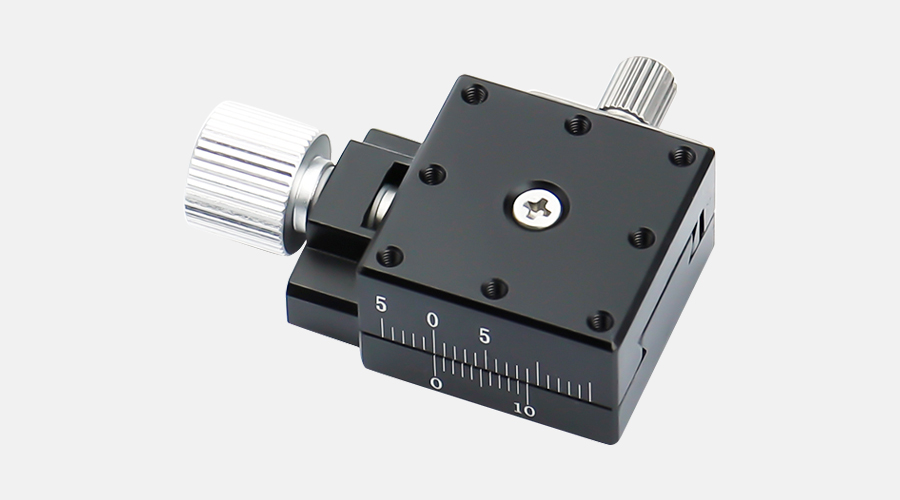 Dovetail groove high-precision screw slide

How Does Sensor Size Affect Telecentric Lens and Lighting Selection?
How Does Sensor Size Affect Telecentric Lens and Machine Vision Lighting Selection?
In machine vision inspection, sensor size influences how a lens uses its image circle and how much of the object can be captured. Together with magnification, it affects the resulting field of view (FOV), which then determines the inspection area that the lighting system needs to cover.
For applications using a Telecentric Lens, sensor size is therefore one part of a larger optical relationship. The camera sensor, lens, magnification, working distance, and Machine Vision Lighting need to be considered according to the inspection feature and required image area.
Why Does Sensor Size Matter in Machine Vision?
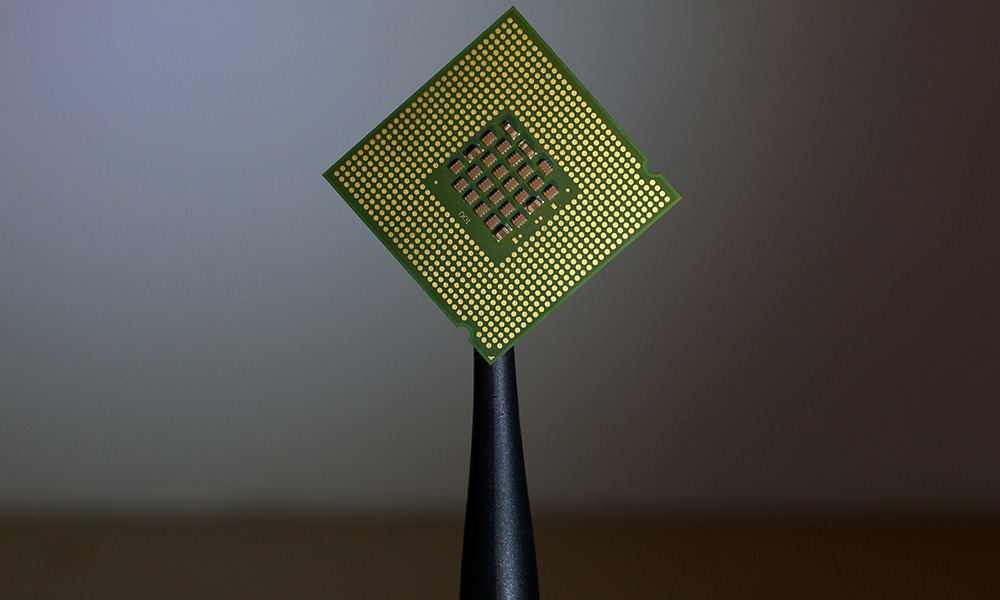
The camera sensor captures the image formed by the lens. Its physical dimensions determine how much of the available image circle is used.
Changing the sensor format can alter the usable image area and, together with magnification, the resulting FOV. A lens designed for one sensor format may not provide the same usable field when paired with a sensor of a different size.
This relationship is important in Machine Vision Inspection, where the system may need to capture a specific inspection area while maintaining sufficient detail around the target feature.
Sensor size is therefore not just a camera specification. It needs to be checked against the optical coverage provided by the selected lens.
How Does Sensor Size Affect Telecentric Lens Selection?
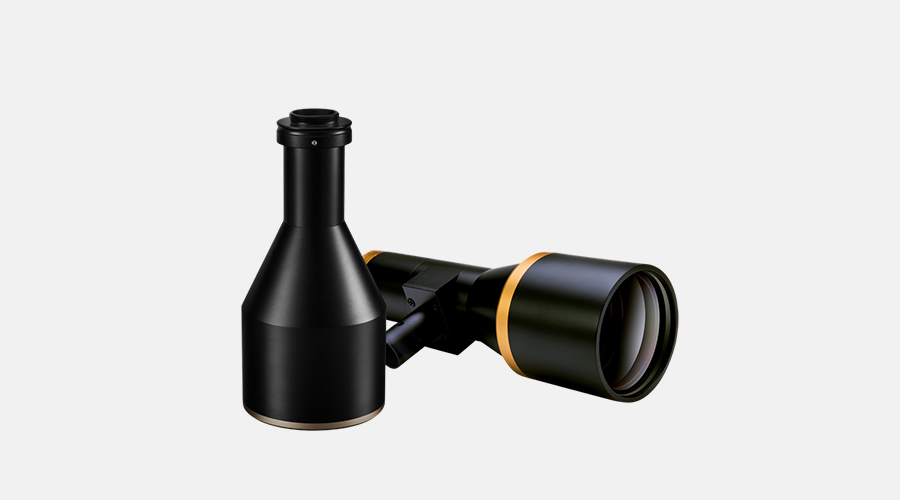
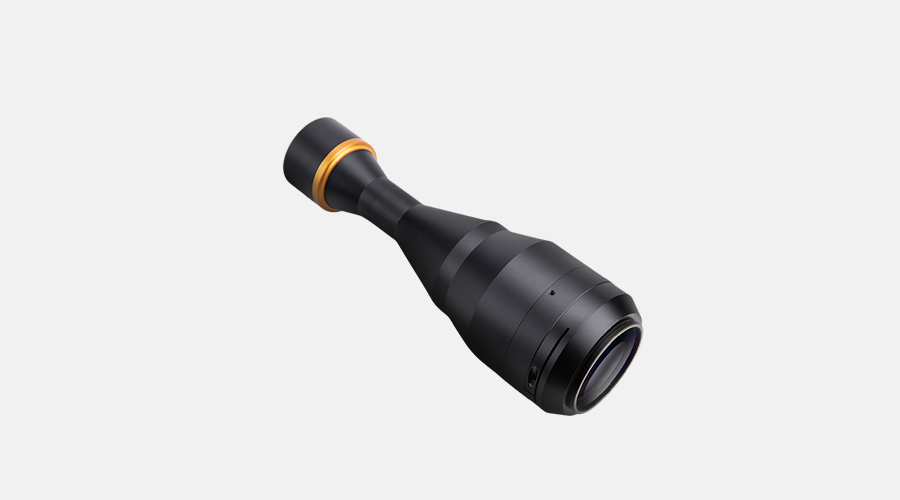
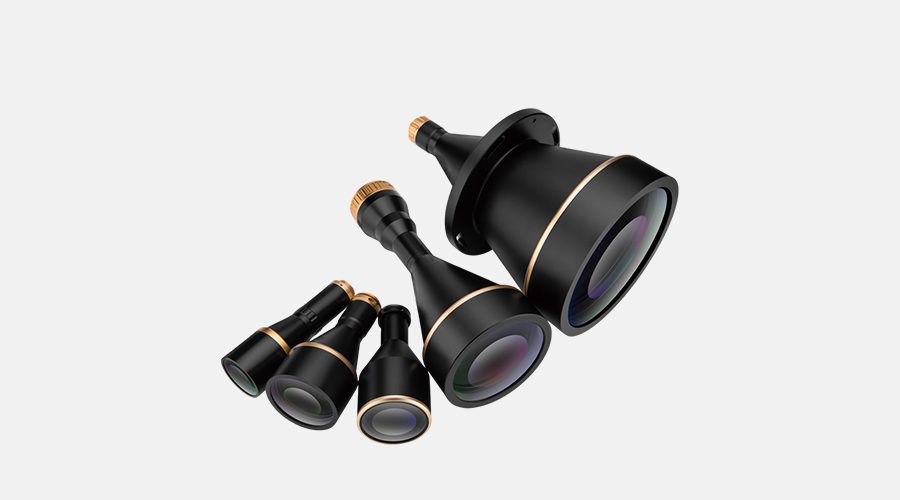
Sensor compatibility is one of the first specifications to check when selecting a Telecentric Lens. Different telecentric lens configurations support different sensor formats, including 2/3-inch, 1.1-inch, and 1.2-inch options.
Magnification also affects the final image field. Higher magnification can make a small feature occupy more of the sensor area, while lower magnification can cover a larger object area. The appropriate magnification depends on the feature size and required FOV.
For this reason, sensor format alone does not define the lens selection. The required FOV, magnification, working distance, sensor compatibility, and optical performance should be considered together.
For dimensional inspection, the same considerations apply when evaluating a Measuring Lens or High Resolution Telecentric Lens. The selected configuration needs to provide the required image area while maintaining the optical characteristics needed for the inspection task.
How Does Sensor Size Affect Field of View?
The relationship between sensor size and FOV is an important part of optical system design.
When magnification remains unchanged, changing the sensor size changes the amount of the object that can be captured. A larger sensor can use a larger portion of the image circle when the lens is designed to support that sensor format.
Consider two telecentric lenses with the same magnification but different sensor compatibility. Their usable fields of view can differ because the sensors use different portions of the available image circle.
For this reason, the required FOV should be established before choosing a lens based only on magnification. The target inspection area provides a more useful starting point for determining the required combination of sensor, magnification, and lens.
Does a Larger Sensor Always Need a Larger Lens?
Not necessarily. Sensor size and lens size are related, but the physical dimensions of the lens housing do not by themselves determine whether a sensor can be used with it.
The more relevant specification is the optical image coverage provided by the lens. A lens designed for a larger sensor can have an image circle suitable for that format, while a lens designed for a smaller sensor may not provide full coverage for a larger sensor.
Sensor compatibility should therefore be checked against the lens specification before the camera and lens are combined. This helps establish the intended imaging area and avoid using a sensor that extends beyond the usable image circle.
How Does Sensor Size Affect Machine Vision Lighting?
The effect of sensor size on lighting is mainly indirect.
Sensor size works together with the lens and magnification to establish the FOV. The FOV determines the area that appears in the image, and that area becomes the reference for lighting coverage.
The relationship can be expressed as:
Sensor Size → Lens and Magnification → FOV → Inspection Area → Lighting Coverage
When the sensor or magnification changes, the resulting inspection field may change as well. A different lighting arrangement may then be appropriate depending on the size, position, and surface characteristics of the feature being inspected.
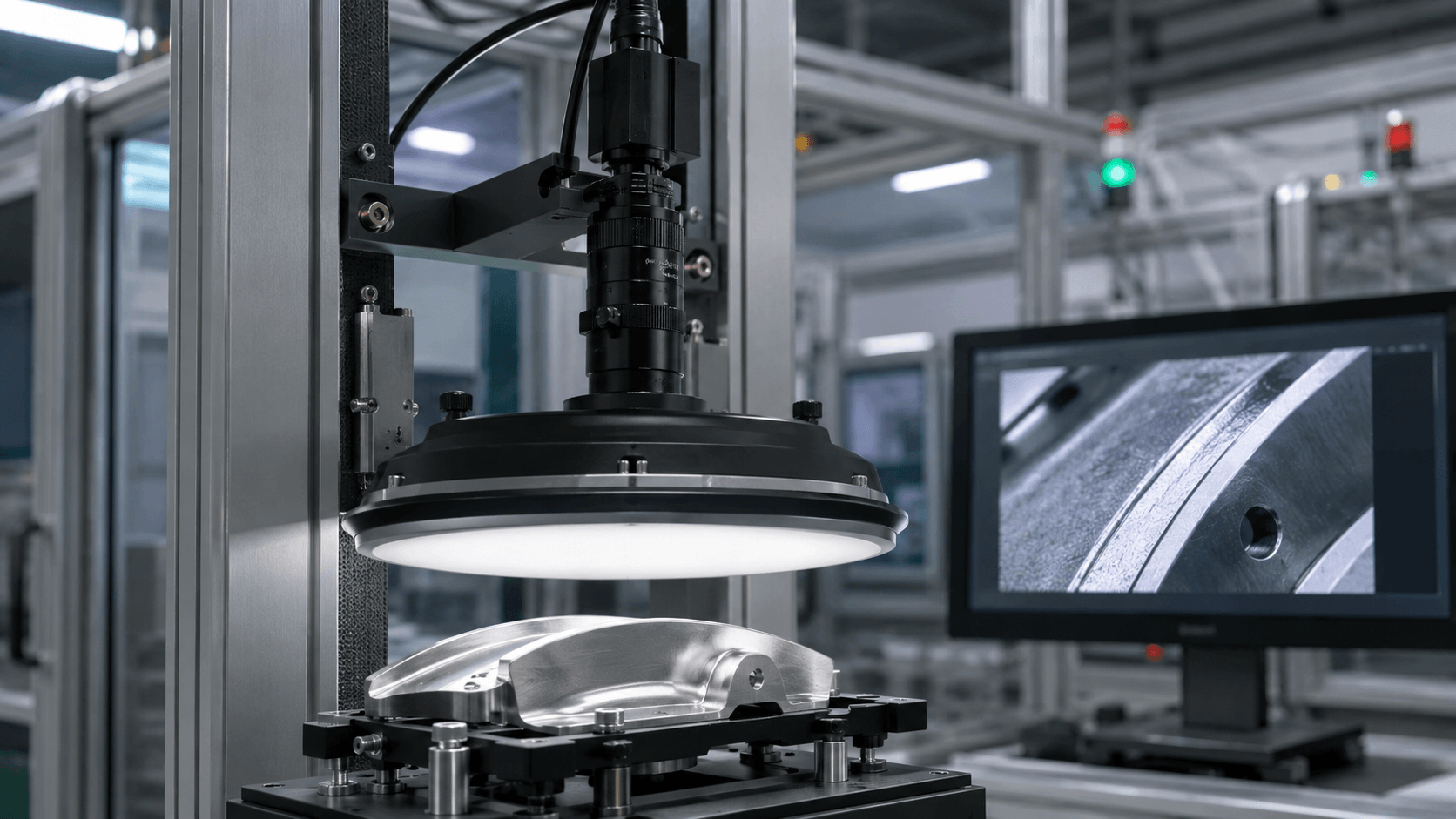
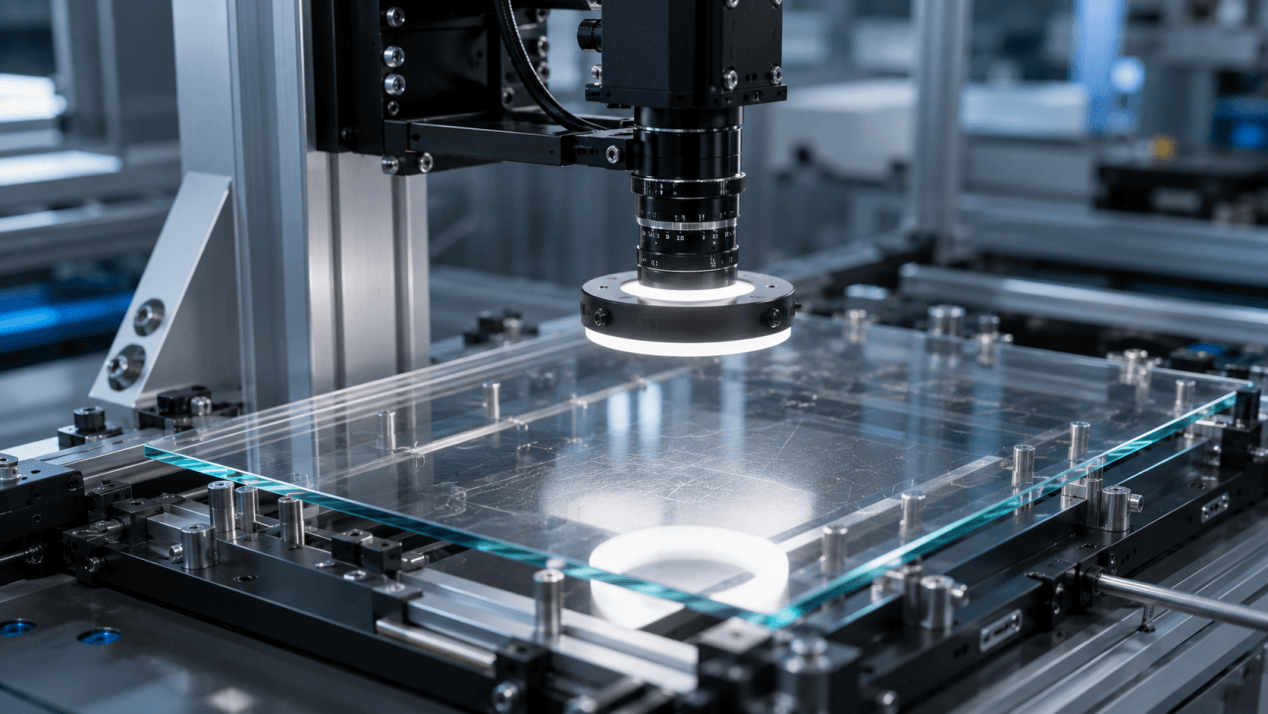
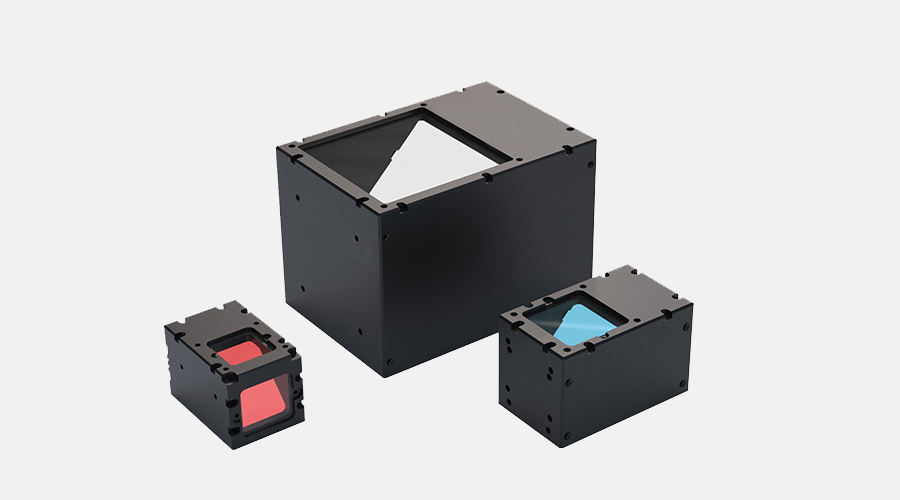
An Industrial Light Source can include Coaxial Light, Ring Light, Bar Light, Back Light, Dome Light, and AOI Light. These lighting types serve different illumination requirements, so the choice should consider the inspection feature, surface condition, illumination direction, and the area covered by the final FOV.
For example, a reflective flat surface may call for a different illumination arrangement from an edge or surface feature that requires directional lighting.
Why Is Working Distance Important?
Working Distance (WD) is the distance between the lens and the inspected object. It becomes an important consideration after the required sensor format, FOV, and magnification have been established.
Telecentric Lens models can have different working distance ranges. A longer working distance can provide additional space around the inspection area for lighting, fixtures, or mechanical movement, depending on the system configuration.
The working distance also affects how the lighting is positioned. A Ring Light, Bar Light, or other Industrial Light Source needs to fit within the available space while providing suitable illumination for the inspection field.
WD should therefore be evaluated alongside the lens and lighting arrangement rather than treated as an isolated lens specification.
How Does Resolution Fit Into Sensor Size Selection?
A larger sensor does not automatically produce higher inspection resolution.
The level of detail visible in an image depends on the combined performance of the sensor, lens, magnification, and optical system. A large sensor can provide a larger image area, but small inspection features still require suitable optical resolution.
For applications involving fine dimensional details or small features, a High Resolution Telecentric Lens or Ultra High Resolution Telecentric Lens can be considered according to the required optical performance.
The relationship between image coverage and detail is particularly important when selecting a sensor. Increasing sensor size may expand the usable FOV, but the system still needs to resolve the features that matter to the inspection.
Machine Vision Lighting also contributes to the visibility of those features. Suitable illumination can help define edges, surface variations, and other inspection characteristics within the captured field.
How Should Sensor Size, Lens, and Lighting Be Selected Together?
A practical selection process can start with the inspection requirement and work toward the complete optical arrangement.
1. Define the inspection feature.
Identify the feature that needs to be detected, measured, or inspected and determine how much detail the image needs to show.
2. Establish the required FOV.
Define the area that needs to appear in the image. The required FOV may be considerably smaller than the physical dimensions of the complete workpiece.
3. Select the sensor format.
Choose a sensor that provides suitable image coverage when paired with the intended optical system.
4. Determine magnification.
Match magnification to the required FOV and feature size.
5. Evaluate the Telecentric Lens.
Check sensor compatibility, FOV, working distance, resolution, telecentricity, and distortion before finalizing the lens.
6. Select the Machine Vision Lighting.
Once the optical field has been established, choose the lighting according to the inspection area, surface characteristics, illumination direction, and available installation space.
For example, Coaxial Light can be considered for certain reflective flat surfaces, while Ring Light, Bar Light, Back Light, Dome Light, or AOI Light can be used for different inspection conditions.
This sequence keeps sensor, lens, and lighting decisions tied to the same inspection requirements.
What Should Be Checked Before Finalizing the System?
Before finalizing a machine vision inspection system, the following parameters should be reviewed together:
- Sensor size and lens compatibility
- Required FOV
- Magnification
- Working distance
- Optical resolution
- Telecentricity and distortion
- Lighting coverage
- Illumination direction
- Workpiece surface characteristics
- Mechanical installation space
A change in sensor size can affect the usable image area, but its practical impact depends on the selected lens and magnification. The resulting FOV then determines how much of the workpiece needs to be illuminated.
For this reason, sensor size is best evaluated as part of the complete optical path:
Sensor → Lens → Magnification → FOV → Inspection Area → Lighting
This relationship provides a more practical basis for selecting a Telecentric Lens and Machine Vision Lighting for dimensional and feature inspection.
FAQ
1. Why does sensor size matter for a Telecentric Lens?
It affects lens compatibility and, together with magnification, influences the usable FOV.
2. Does a larger sensor mean a larger FOV?
It can, depending on the lens image circle, sensor compatibility, and magnification.
3. Does sensor size directly determine lighting selection?
Not directly. Its effect on lighting is mainly through the FOV and resulting inspection area.
4. Why is working distance important?
It defines the space between the lens and inspected object and also affects the available arrangement for lighting and fixtures.
5. How should a machine vision system be selected?
Start with the inspection feature and required FOV, then match the sensor, magnification, lens, working distance, and lighting to those requirements.