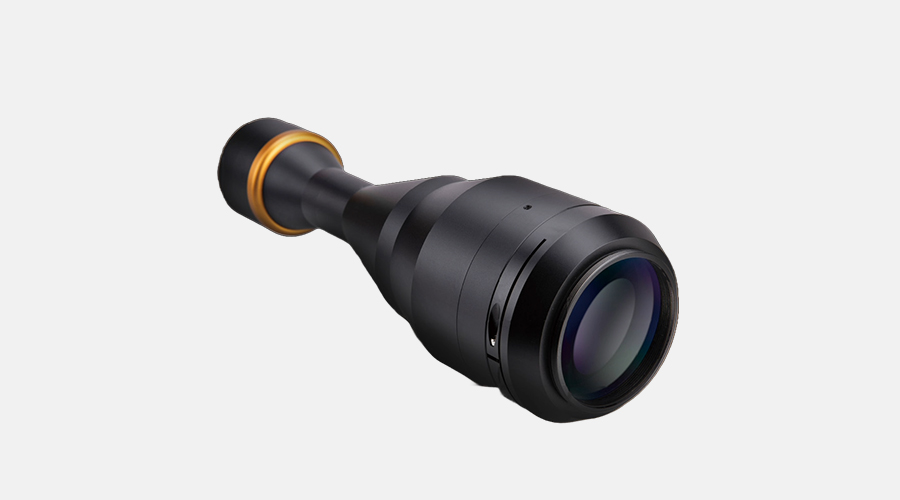
 Compatible with 7.2mm-82mm chips
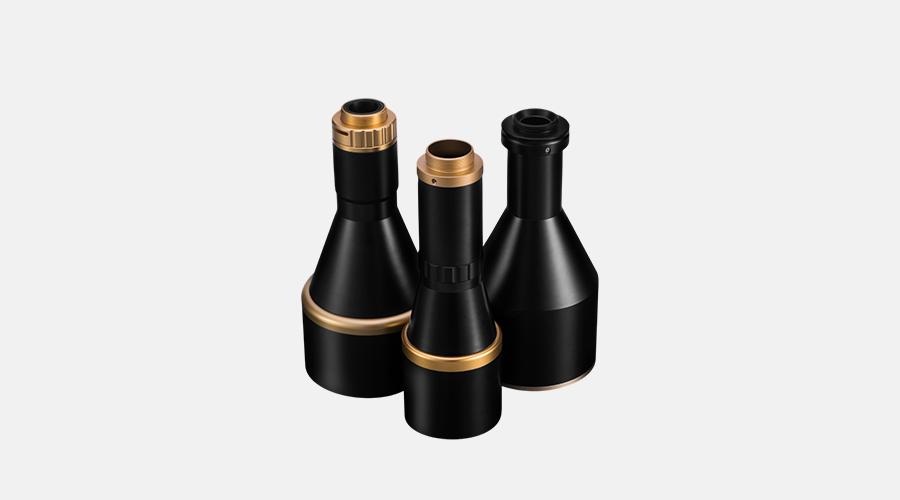 High/Low Working Distance
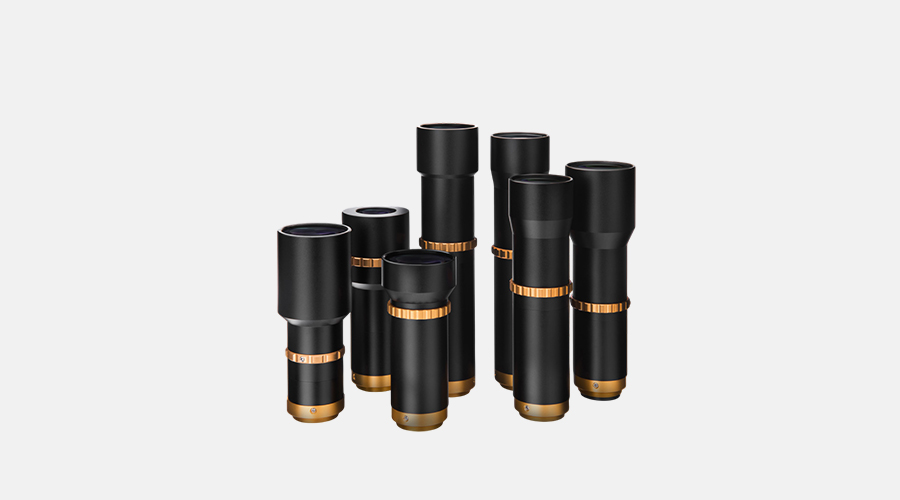 Aperture telecentric lens
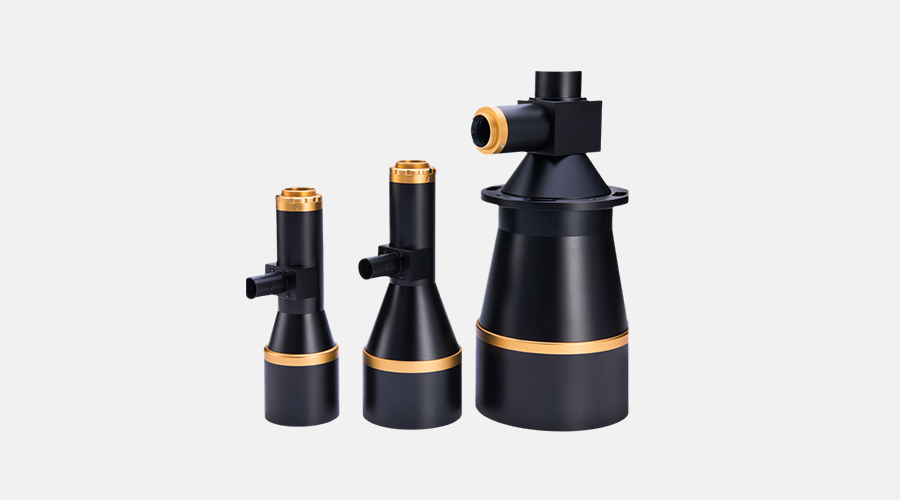 Measuring lens
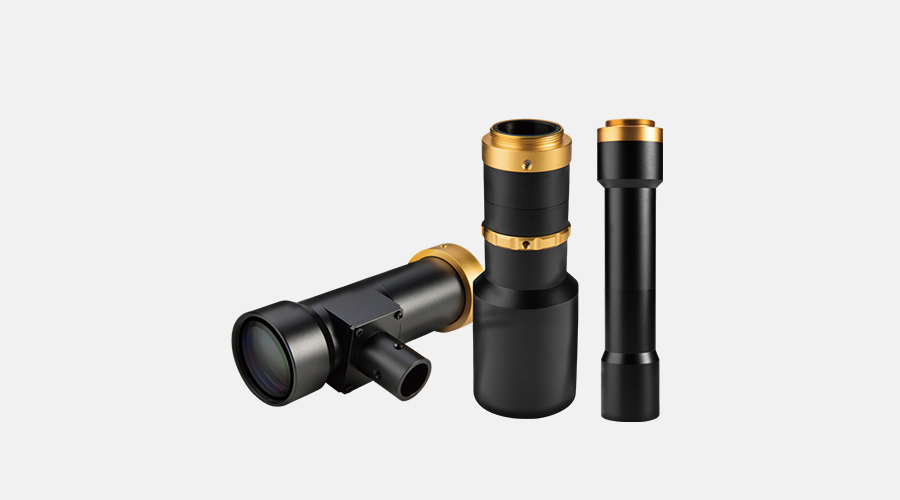 Maximum support 1.1" chips
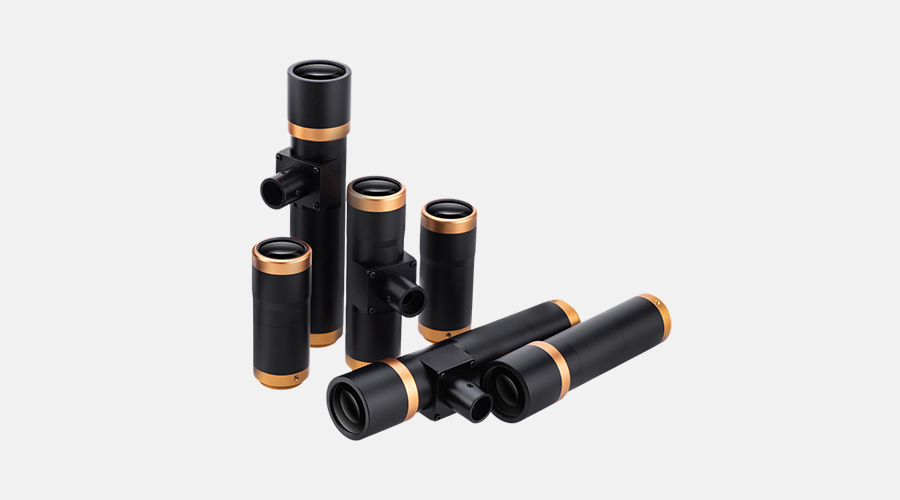 Maximum support 1.2" chips
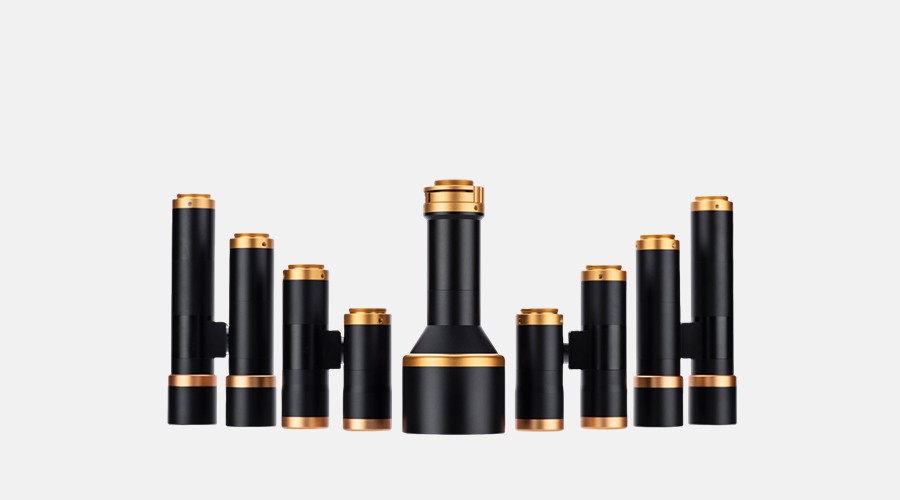 Maximum support 2/3" chips
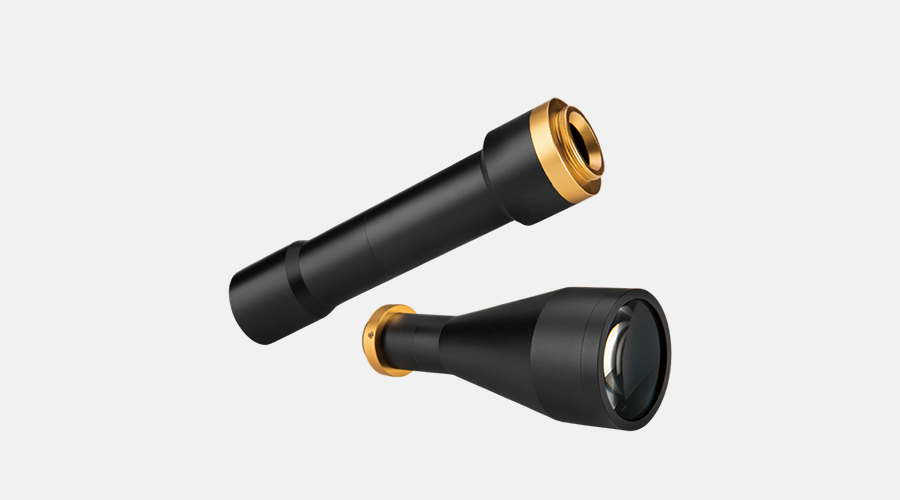 Long Working Distance
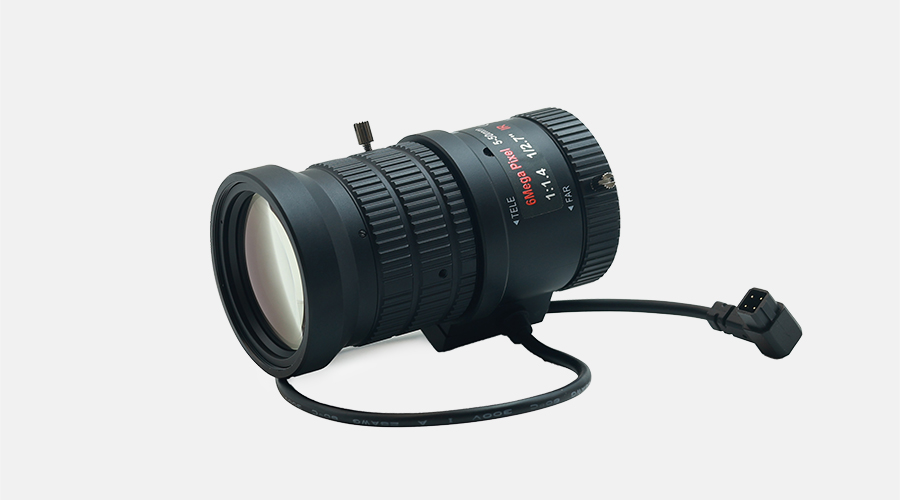 CS mount Varifocal lens
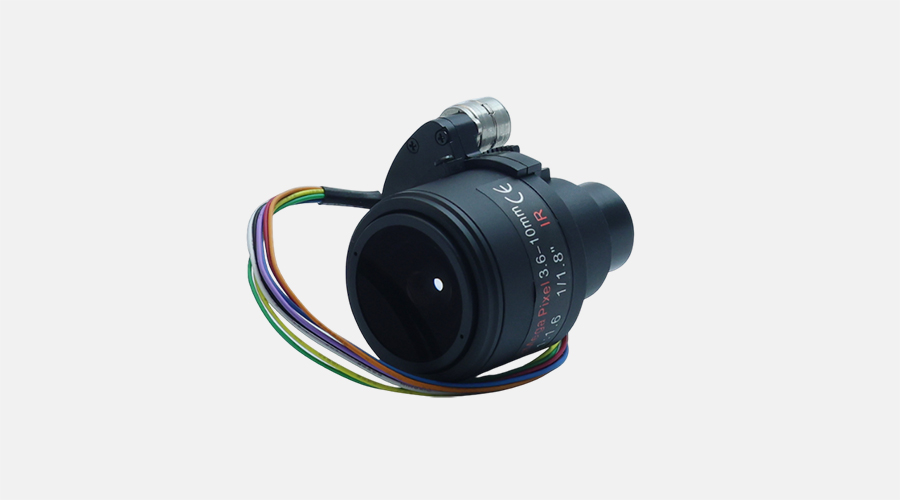 Varifocal board lens
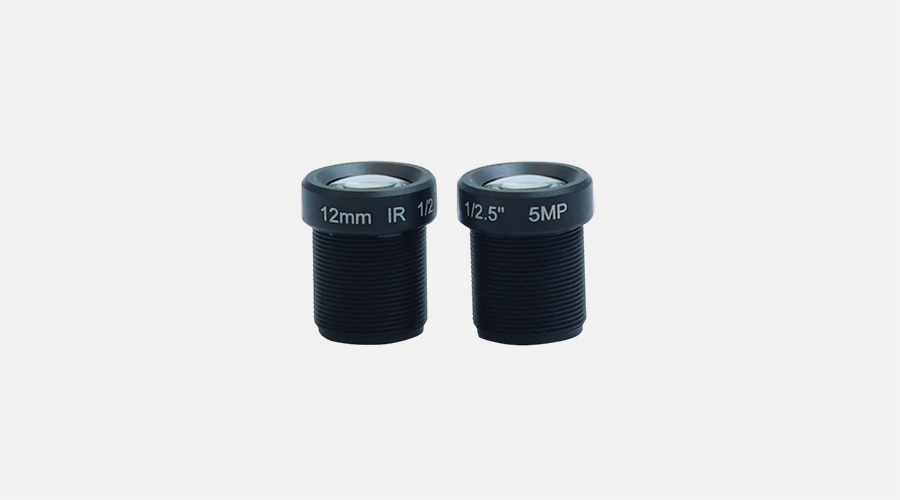 S mount lens
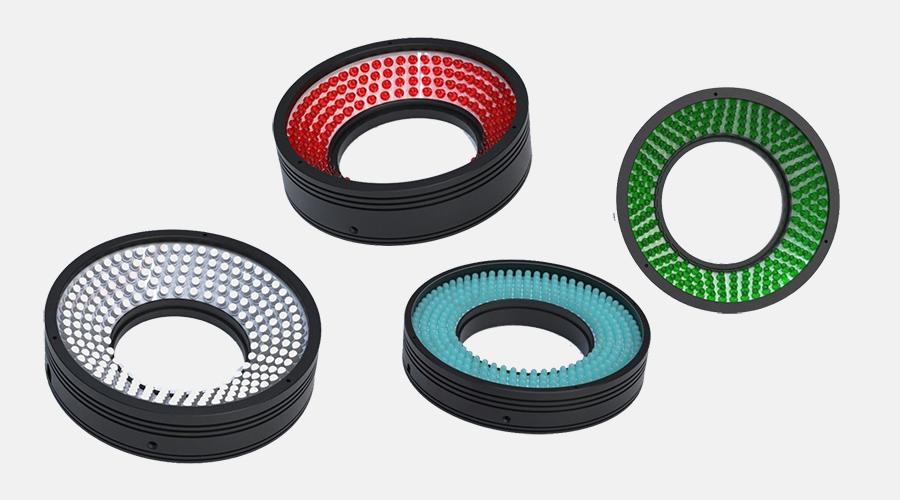 Ring light
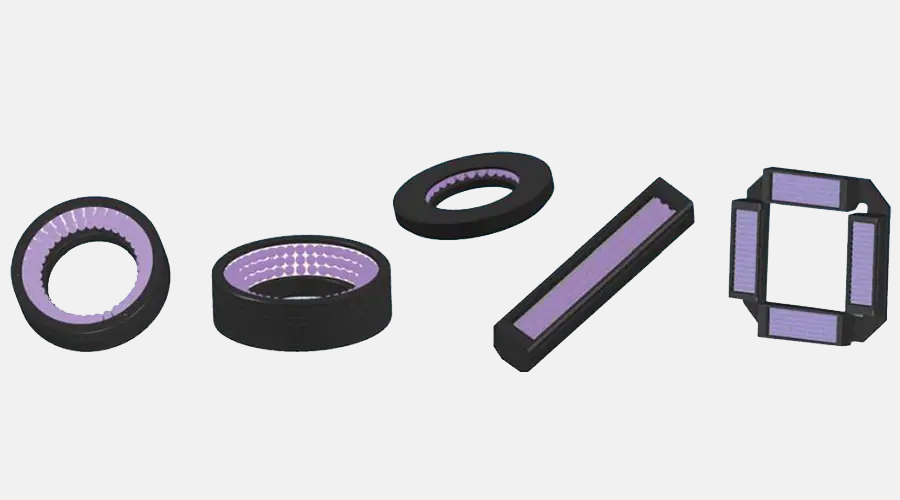 UV/IR Light
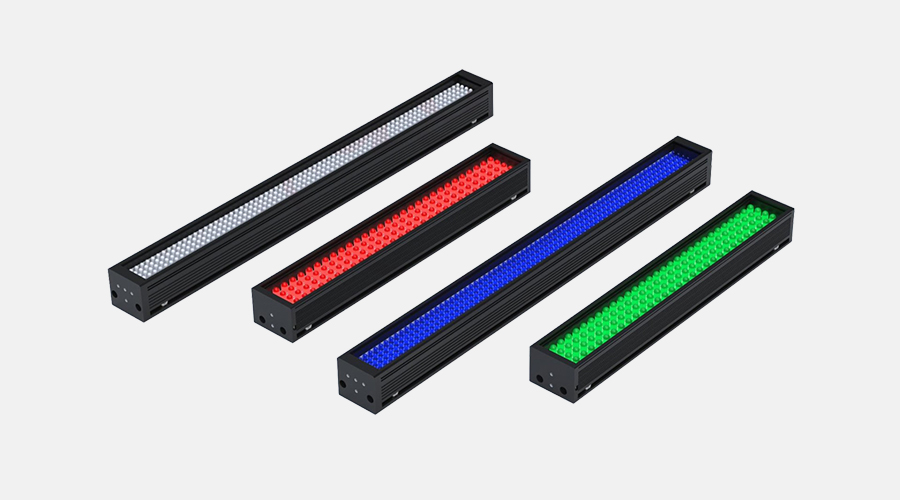 Bar light
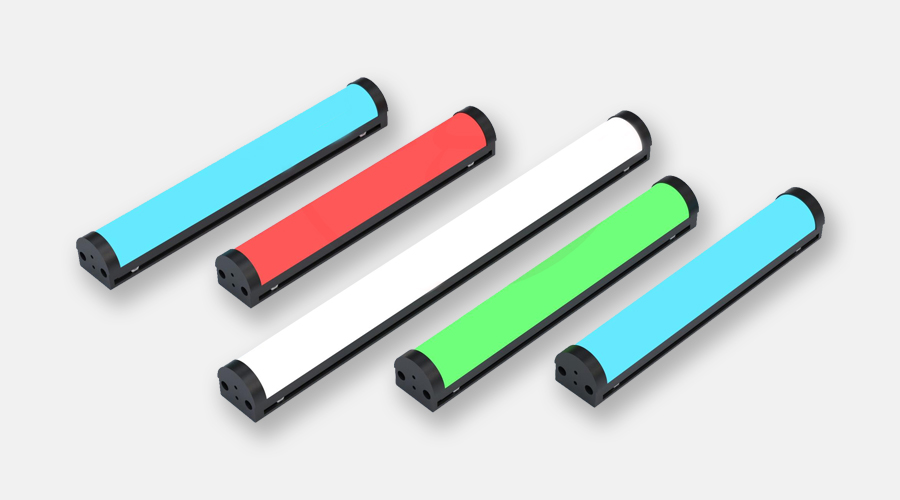 Arcuate high uniformity light
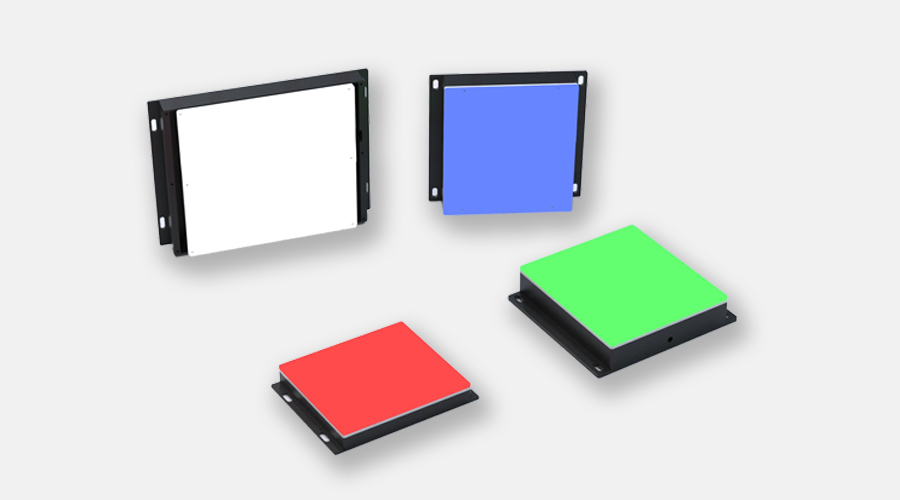 Back light
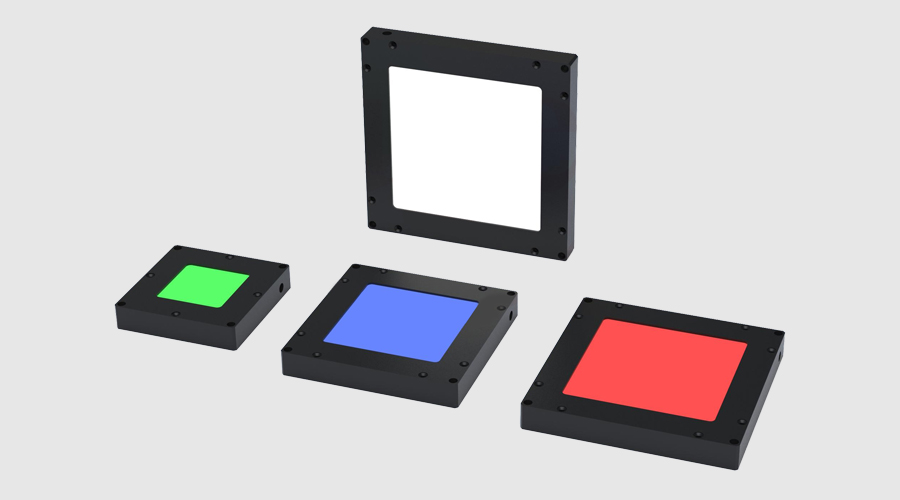 Flat light
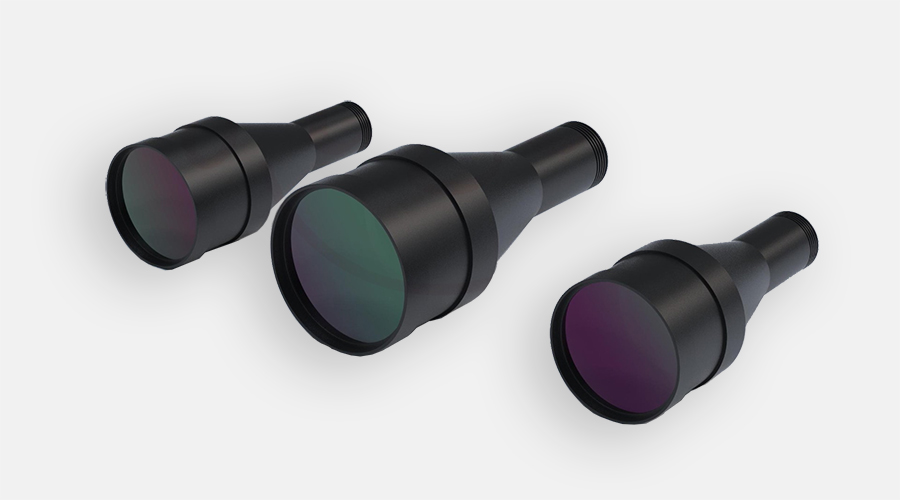 Collimated light
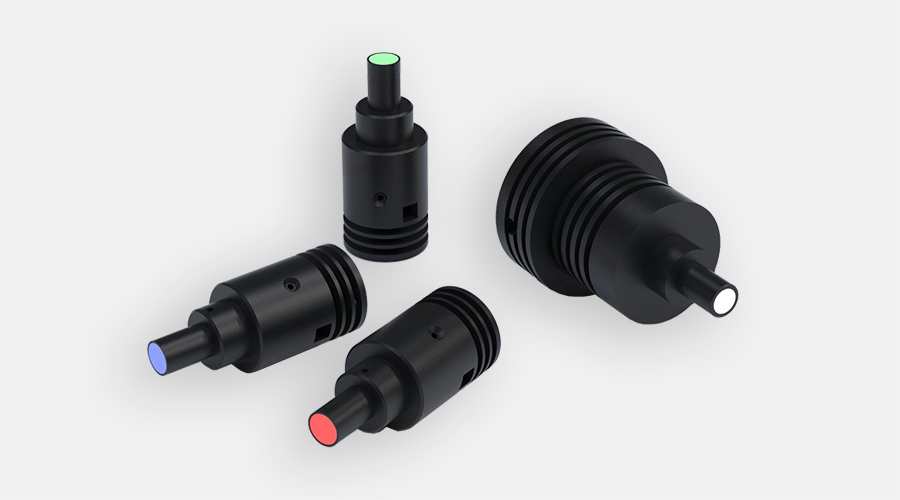 Spot light
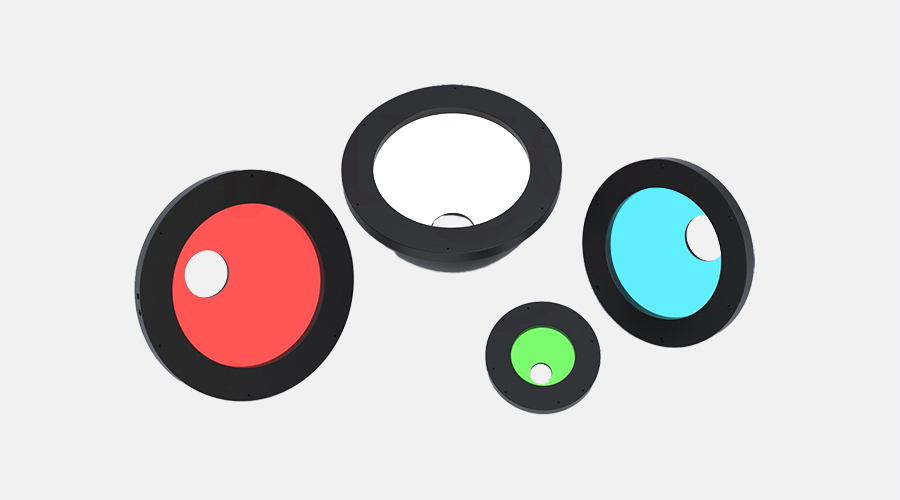 Dome light
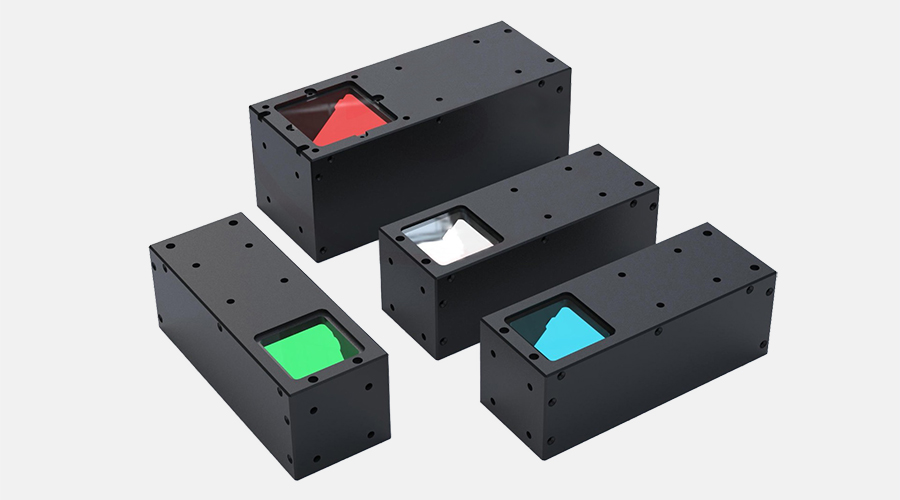 Collimated Coaxial light
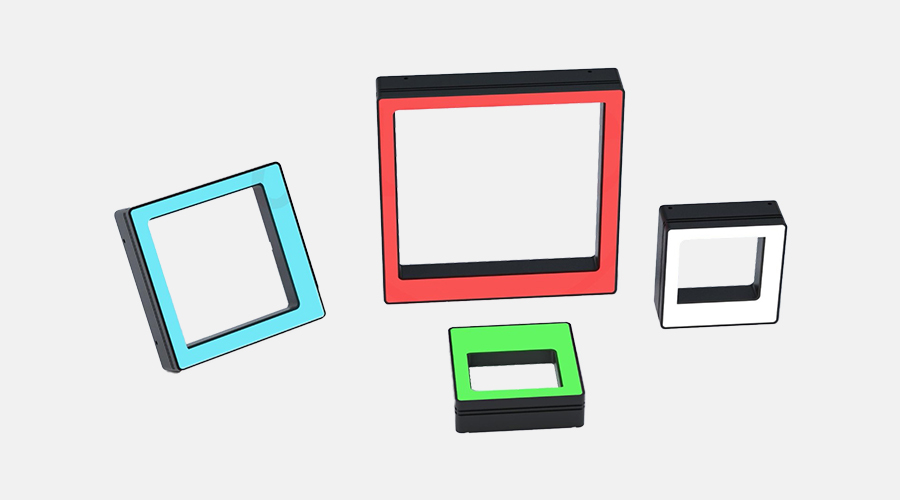 Shadowless square light
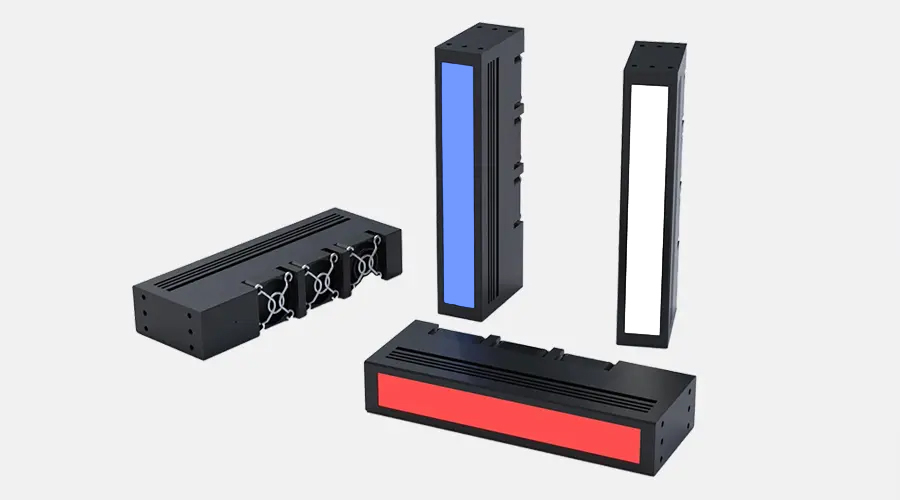 Scan light
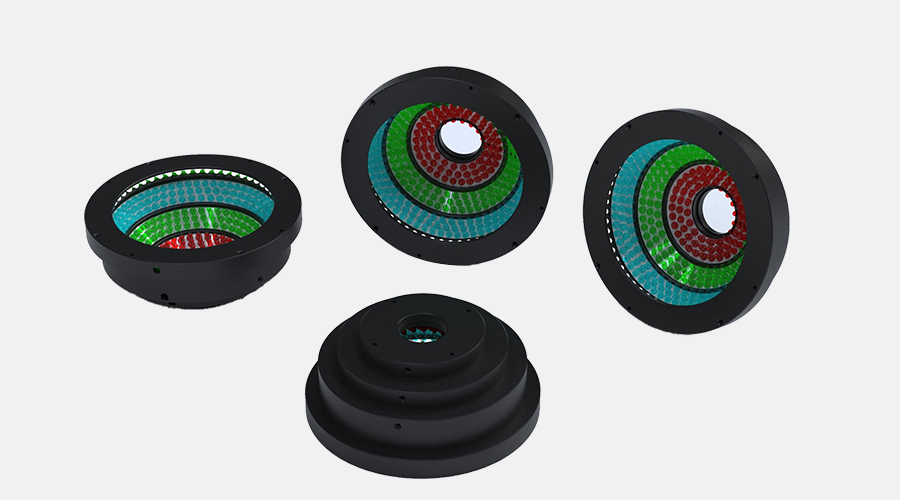 AOI light
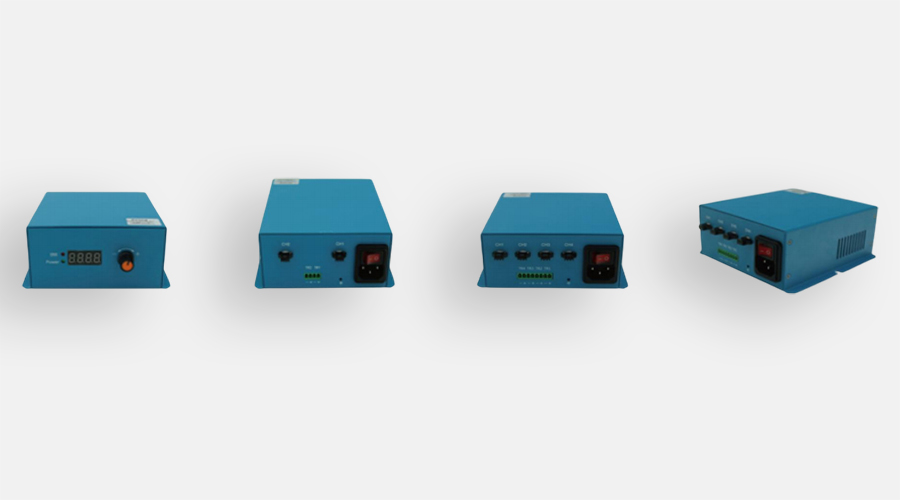 Analog controller
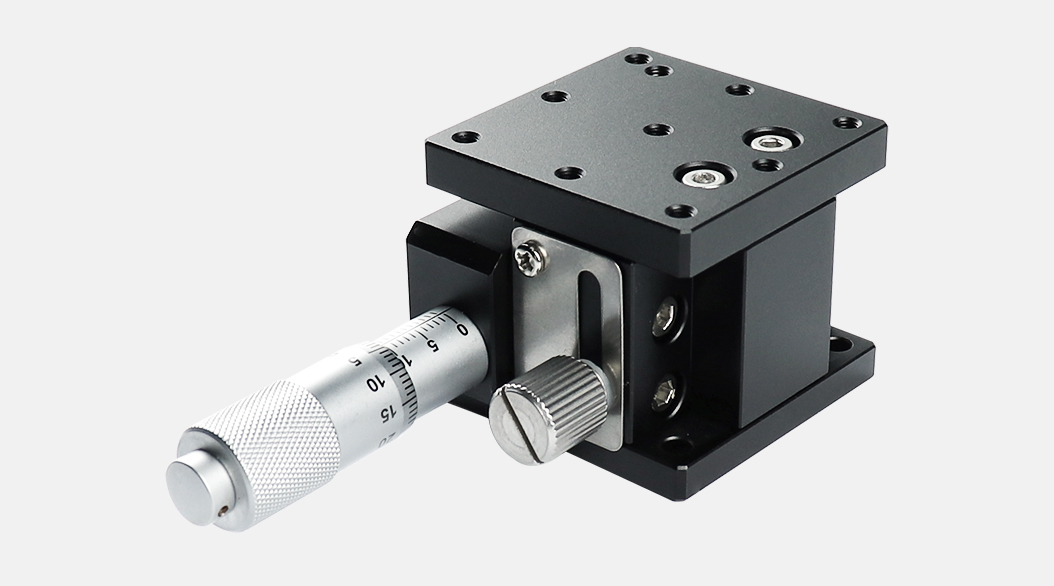 Crossed-Roller Linear guide type
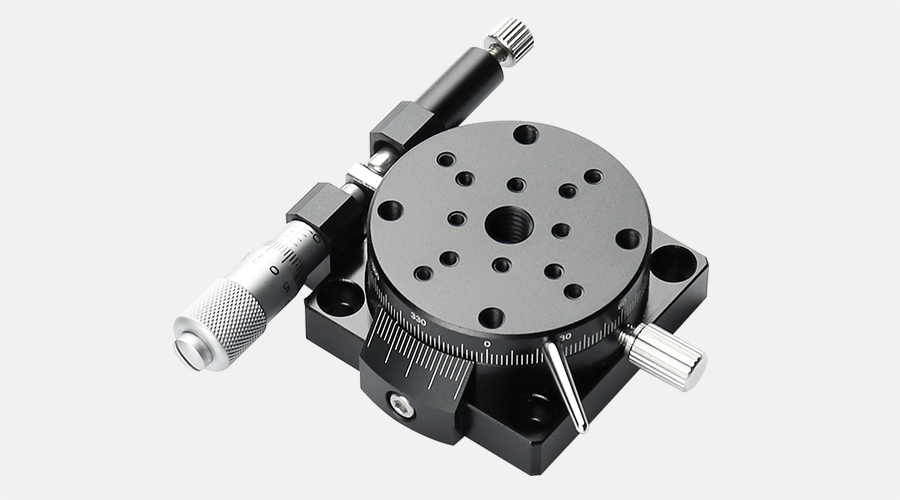 Rotary Stages XRS series
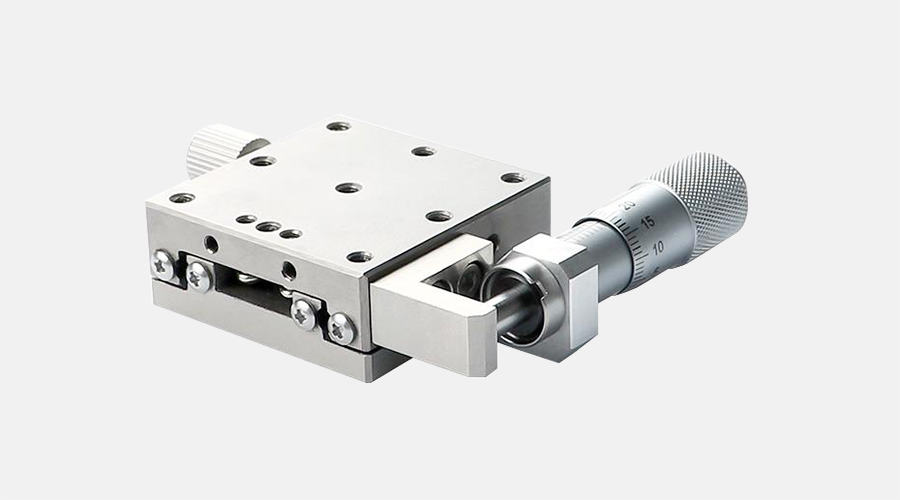 Stainless Steel Ball Bearing Linear Translation Stages
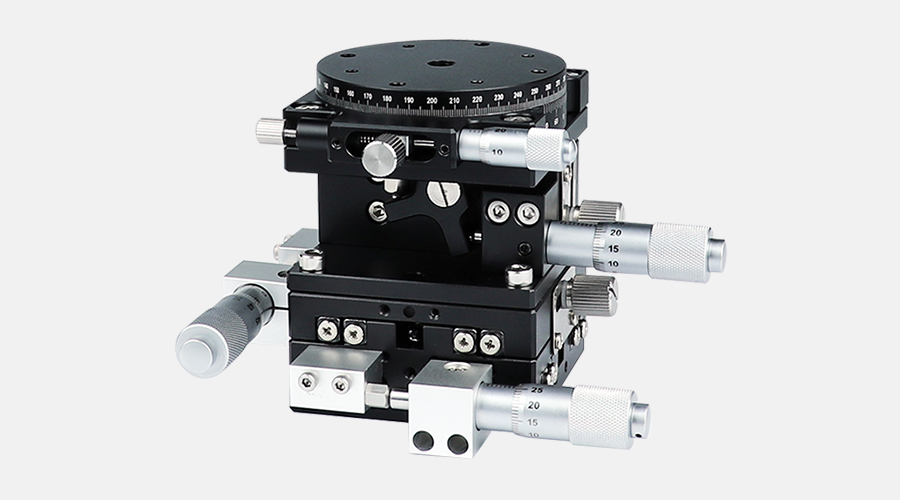 Multi-axis Translation stages
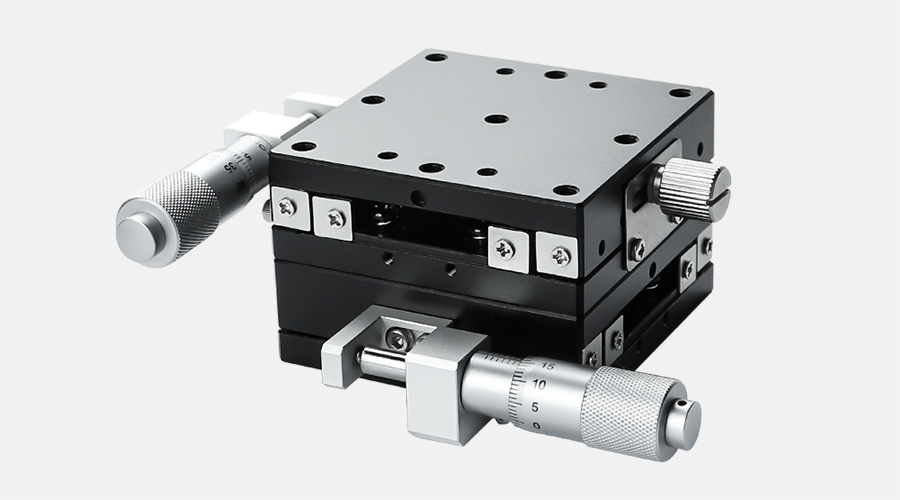 steel bar ball bearing stages
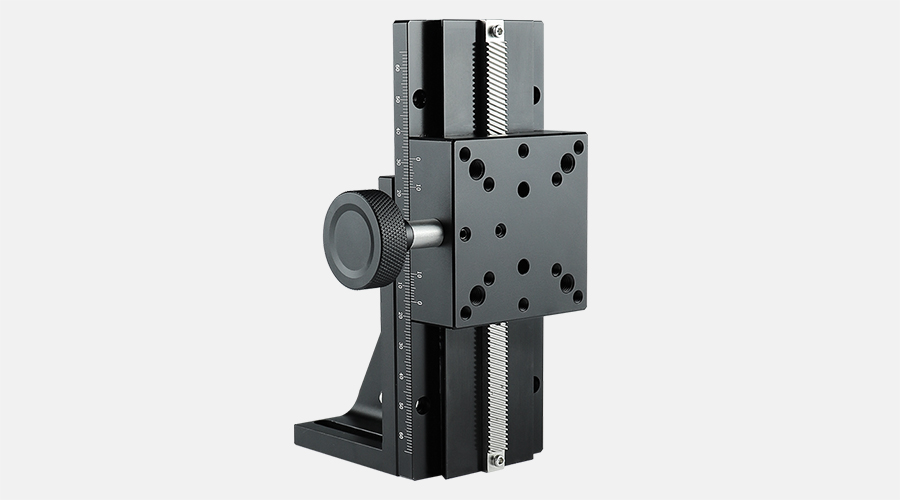 Dovetail Type Rack&Pinion Positioning Stage
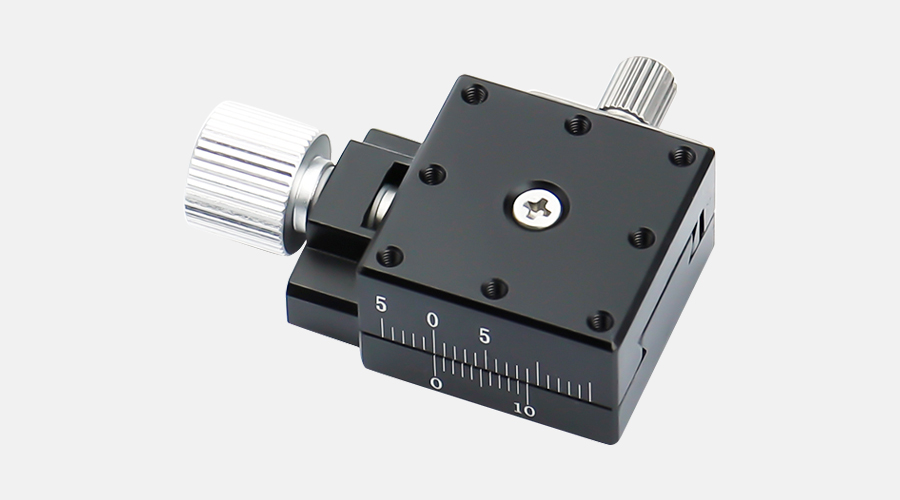 Dovetail groove high-precision screw slide

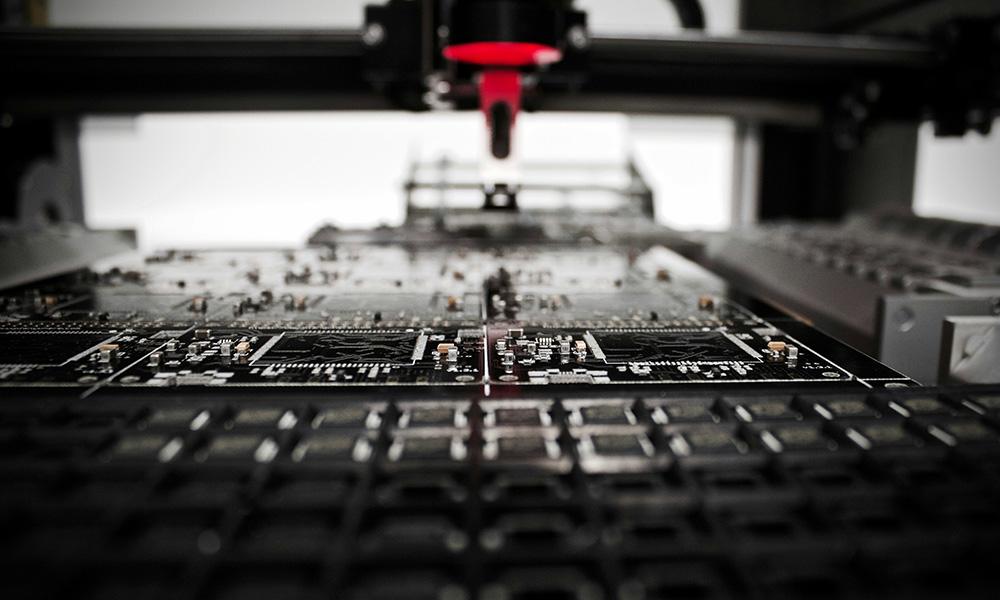
How Do Coaxial Light and Industrial Camera Lenses Improve Surface Inspection?
How Do Coaxial Light and Industrial Camera Lenses Improve Surface Inspection?
Surface inspection in automated production depends on both imaging optics and illumination. Reflective metal, glass, semiconductor components, and electronic parts can produce glare, uneven brightness, or weak contrast, making small defects difficult to distinguish. Coaxial Light and Industrial Camera Lenses address different parts of this process.
The light determines how the surface is illuminated, while the lens determines how the inspection area is projected onto the camera sensor. Matching them according to the workpiece and inspection feature can produce a more useful image for automated analysis.
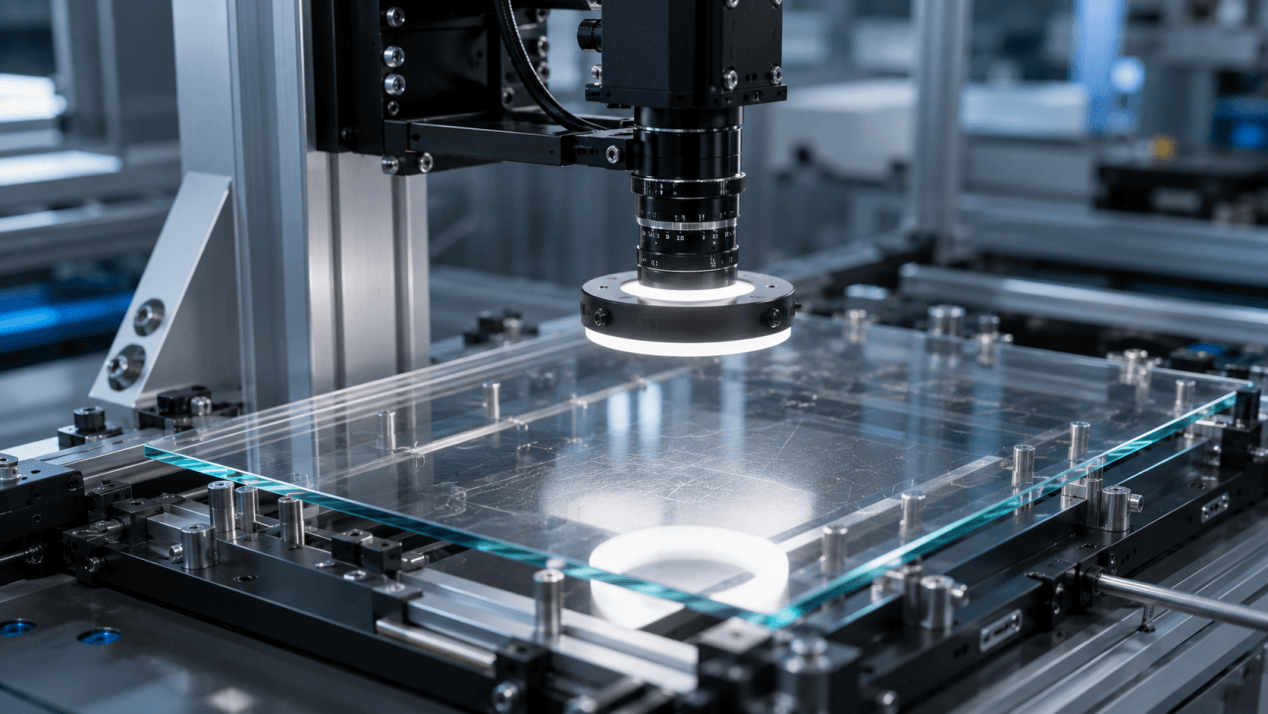
Why Combine Coaxial Light With Industrial Camera Lenses?
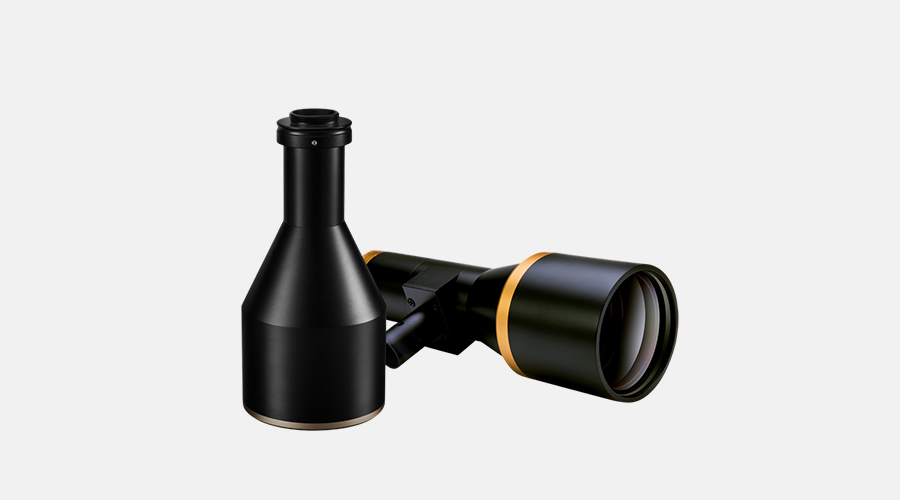
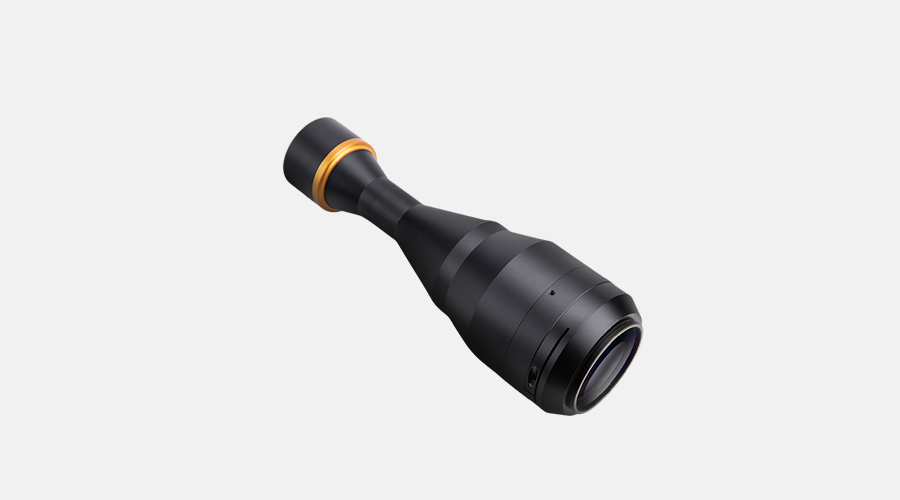
An Industrial Camera Lens determines field of view, focal length, working distance, and optical resolution. These parameters affect how much of the workpiece can be captured and how much detail can be resolved.
Lighting has a different role. A polished metal component with a shallow scratch may produce strong reflections under directional lighting, while the scratch remains difficult to distinguish. Increasing light intensity may also increase unwanted reflections.
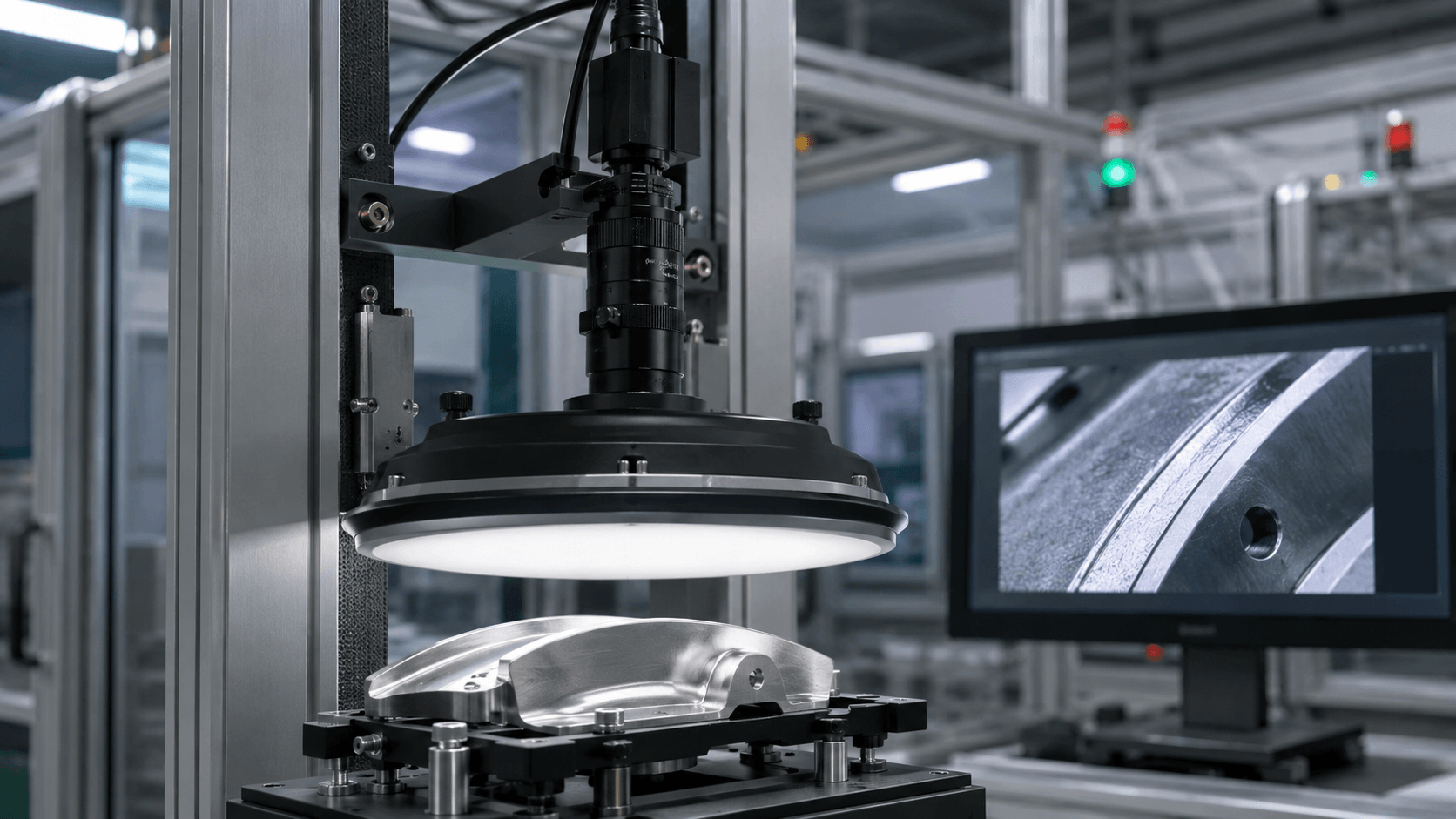
A Coaxial Light directs illumination along the imaging axis and can provide controlled lighting for suitable flat or reflective surfaces. The lens captures the resulting feature according to its optical characteristics.
The two components therefore contribute differently:
Coaxial Light → illumination and surface contrast
Industrial Camera Lens → image formation and optical detail
This combination is useful for fine markings, scratches, reflective surfaces, and other low-contrast features.
How Does Coaxial Light Affect Surface Contrast?
The purpose of machine vision illumination is not simply to make an object brighter. The lighting arrangement needs to create a useful difference between the inspection feature and its surrounding area.
Coaxial illumination can suit relatively flat surfaces where uncontrolled reflections may interfere with image processing. Applications include polished metal, glass, semiconductor surfaces, PCB inspection, electronic components, markings, engravings, and fine scratches.
The result depends on material, surface geometry, reflectivity, exposure, and defect orientation. A polished metal surface, for example, responds differently from matte plastic.
For this reason, Coaxial Light should be selected according to the inspection feature and required image contrast.
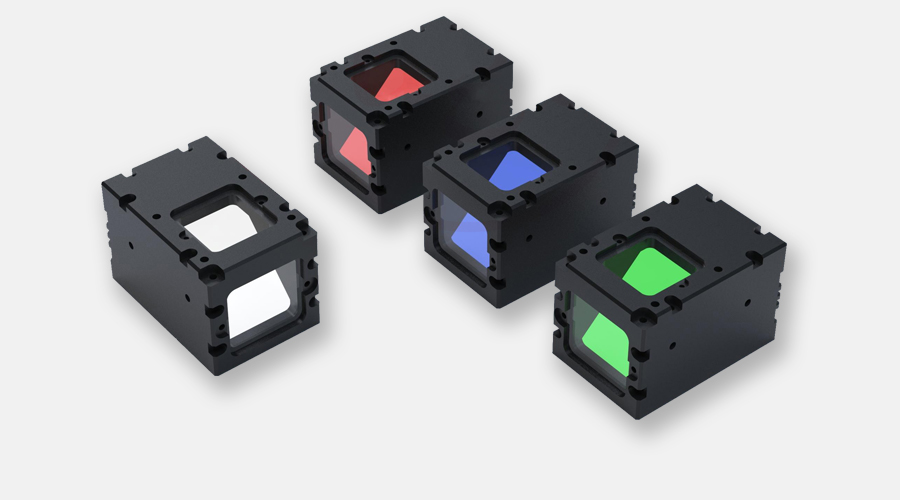
How Does an Industrial Camera Lens Affect Image Quality?
Once illumination has been selected, the Industrial Camera Lens determines how the visual information reaches the sensor.
Sensor size affects the usable image area and should correspond to the lens image circle.
Focal length affects field of view and camera positioning.
Working distance determines how far the camera can be installed from the workpiece.
Optical resolution needs to match the smallest feature being inspected.
Field of view should cover the required area while retaining sufficient detail.
A C Mount Industrial Lens can be used where a C-mount interface is required between the industrial camera and lens. However, C-mount only describes the mechanical interface. Sensor format, optical resolution, working distance, and lens performance still need to be checked.
How Should Lens and Light Parameters Be Matched?
Lens and lighting selection should follow the same inspection requirement.
For a fine scratch on reflective metal, a large field of view may make the defect occupy too few pixels, while insufficient lens resolution may limit detection even with suitable illumination.
Lighting coverage also matters. The Coaxial Light needs to illuminate the relevant inspection area with an appropriate brightness distribution.
A practical selection sequence is:
Inspection Feature → Field of View → Lens Parameters → Illumination Geometry → Camera Sensor → Image Processing
Working distance must also fit the physical arrangement of the camera, lens, light, and workpiece.
This relationship becomes important in automated vision inspection, where the same feature may be evaluated repeatedly.
Which Surfaces Can Coaxial Illumination Support?
The suitability of coaxial illumination depends on surface characteristics and inspection objectives.
It can be useful for relatively flat surfaces where reflection control matters, including polished metal, glass, semiconductor components, and some electronic parts.
Surface markings and shallow engravings may require careful illumination geometry to separate the feature from its background. Fine scratches can also respond differently depending on their direction and position.
Curved or textured surfaces may require other machine vision lighting configurations, such as bar or backlighting.
The inspection feature should therefore guide the lighting selection.
When Should a Telecentric Lens Be Considered?
A Telecentric Lens addresses a different optical requirement and may be appropriate when dimensional measurement becomes the main objective.
For example:
Surface inspection → Industrial Camera Lens + Coaxial Light
Dimensional measurement → Telecentric Lens + appropriate illumination
A telecentric optical system can provide more stable magnification and reduce perspective-related variation within its intended operating conditions. This can support measurements of component edges, hole diameters, widths, and other geometric features.
The lens type should therefore follow whether the system needs surface-feature detection or dimensional measurement.
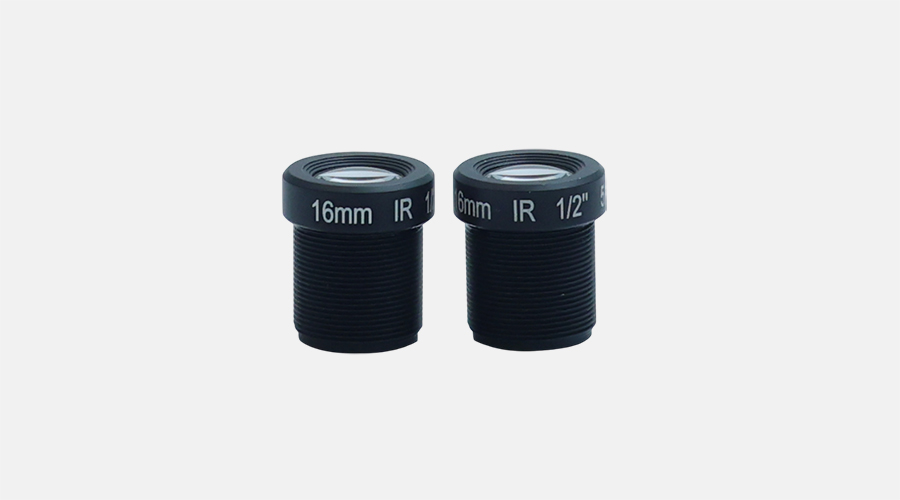
How Can the Combination Support Automated Inspection?
In industrial vision inspection, image consistency affects image processing. Illumination changes can influence contrast, threshold values, edge detection, and defect segmentation.
A properly selected Coaxial Light can provide controlled illumination for suitable surfaces, while the Industrial Camera Lens determines the field of view and optical detail available to the camera.
The imaging process can be viewed as:
Industrial Camera → Industrial Camera Lens → Coaxial Light → Workpiece → Image Processing
The two products should therefore be evaluated as parts of one imaging system. A high-resolution lens still needs suitable illumination, while controlled lighting cannot compensate for insufficient optical resolution.
This relationship is especially relevant to machine vision quality inspection, where repeatable image conditions support consistent image analysis.
What Should Be Checked Before Selecting the Products?
Before combining an Industrial Camera Lens with a Coaxial Light, check several factors:
1. Inspection Feature
Identify whether the target is a scratch, marking, surface defect, edge, or dimensional feature.
2. Surface Reflectivity
Consider how the material reflects or scatters illumination.
3. Sensor Size
Confirm that the lens image circle matches the industrial camera sensor.
4. Field of View
Make sure the required inspection area can be captured with sufficient detail.
5. Working Distance
Check whether the camera and lighting assembly can fit the required installation distance.
6. Optical Resolution
Ensure sufficient resolution for the smallest feature being inspected.
7. Illumination Geometry
Compare coaxial, backlight, ring, bar, or other configurations according to the inspection feature.
Why Should Selection Start With the Inspection Feature?
The starting point for an automated inspection system should be the feature that needs to be detected or measured.
A flat reflective surface may suit Coaxial Light when controlled illumination is needed. A larger inspection area may require an Industrial Camera Lens with a suitable field of view. A precision dimensional task may instead require a Telecentric Lens.
The selection process can be summarized as:
Workpiece → Inspection Feature → Illumination → Lens → Camera Sensor → Image Processing
Evaluating Coaxial Light and Industrial Camera Lenses together helps align illumination, field of view, resolution, and working distance with the actual inspection requirement.
FAQ
What is Coaxial Light used for?
It provides controlled illumination for suitable flat or reflective machine vision surfaces.
Which lenses work with Coaxial Light?
Industrial camera lenses can be selected according to field of view and optical resolution.
Can Coaxial Light be used for reflective metal?
It can suit some flat reflective surfaces where controlled illumination is required.
When is a Telecentric Lens appropriate?
It may suit applications where stable magnification and dimensional measurement are important.
Does C-mount determine optical performance?
No. C-mount defines the interface, while optical performance depends on the lens and camera configuration.