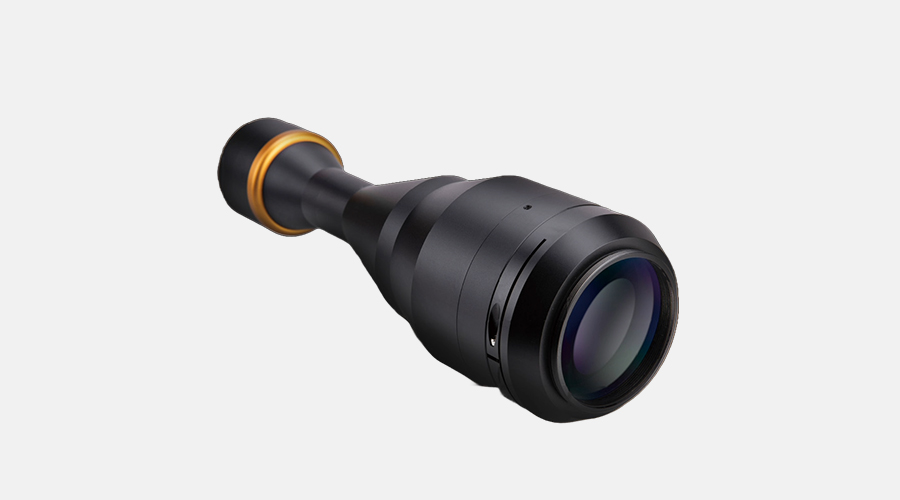
 Compatible with 7.2mm-82mm chips
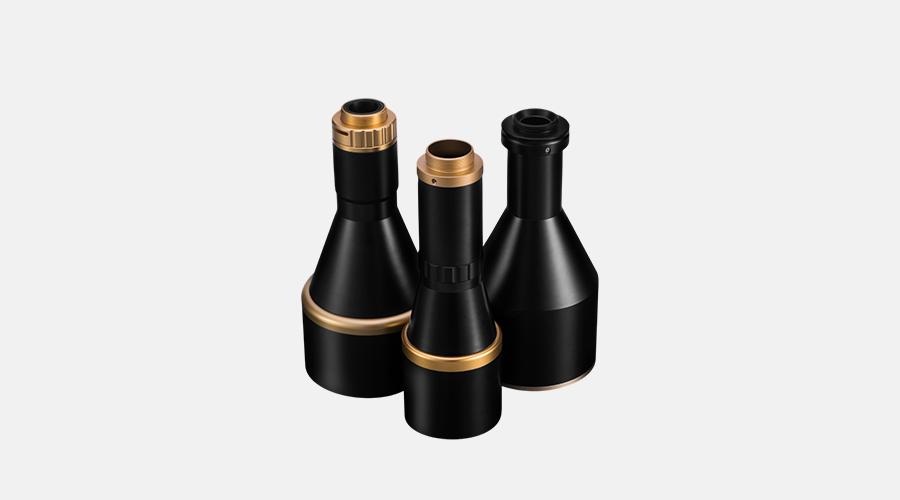 High/Low Working Distance
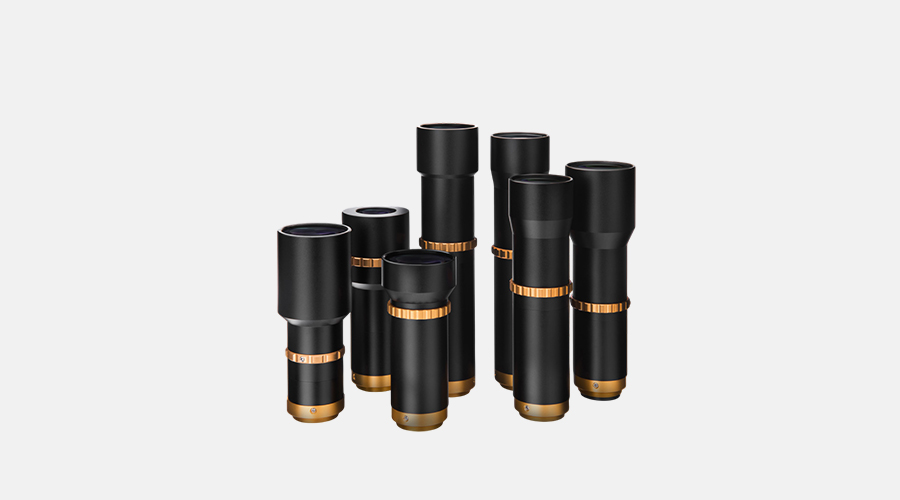 Aperture telecentric lens
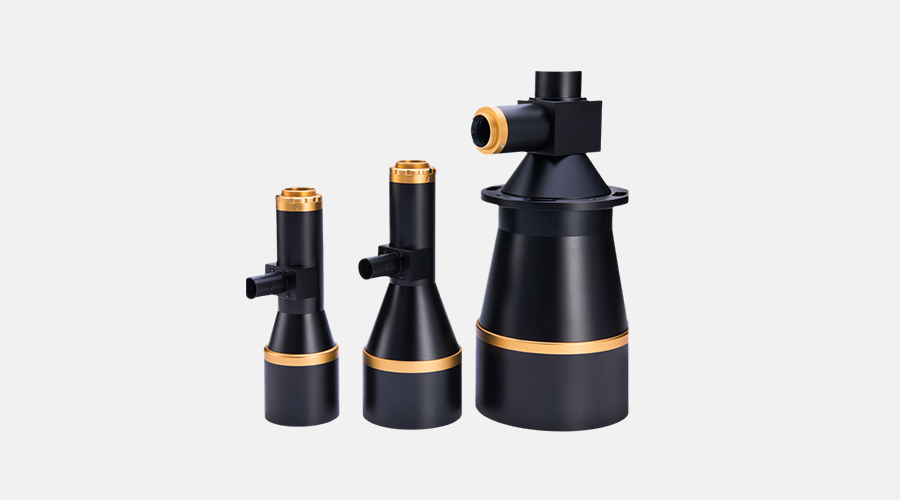 Measuring lens
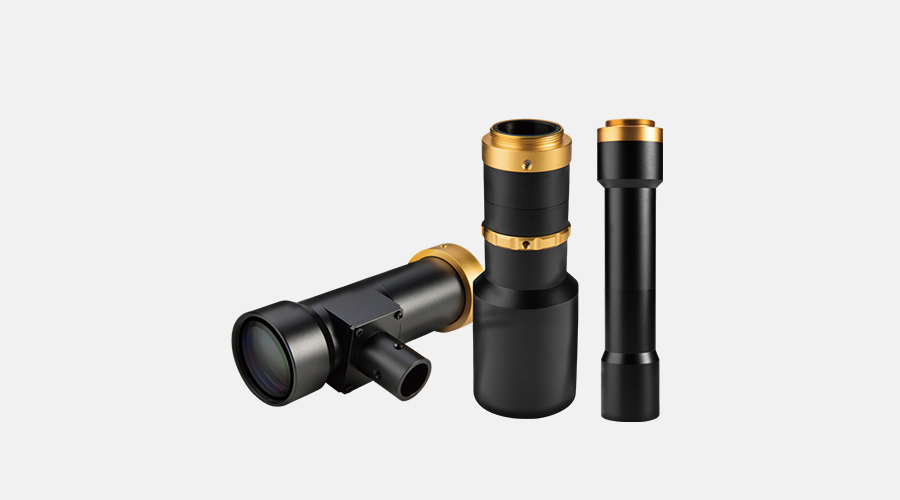 Maximum support 1.1" chips
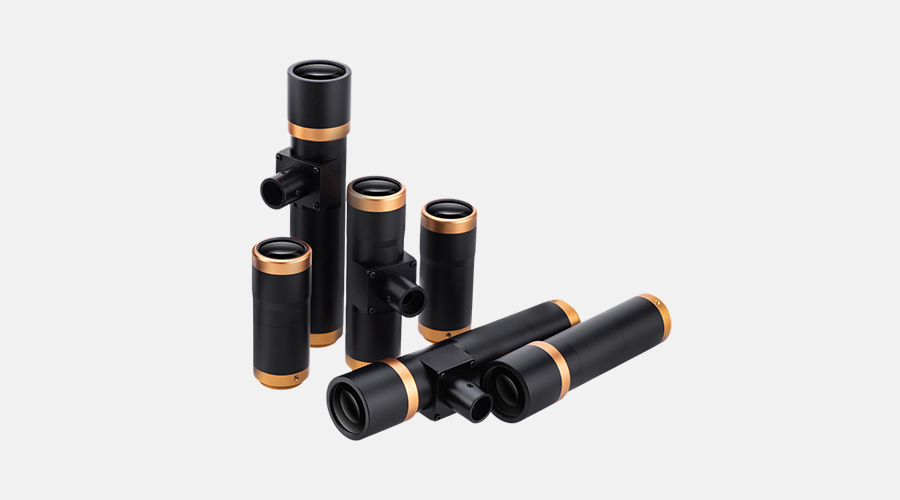 Maximum support 1.2" chips
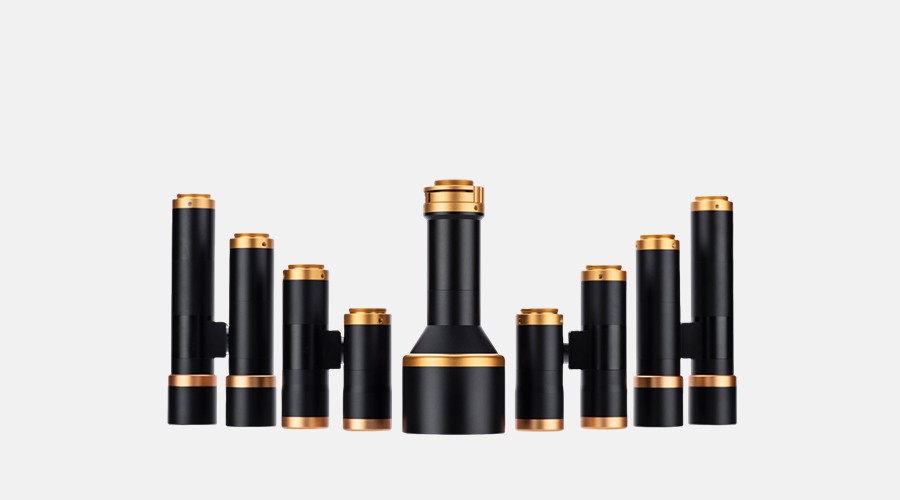 Maximum support 2/3" chips
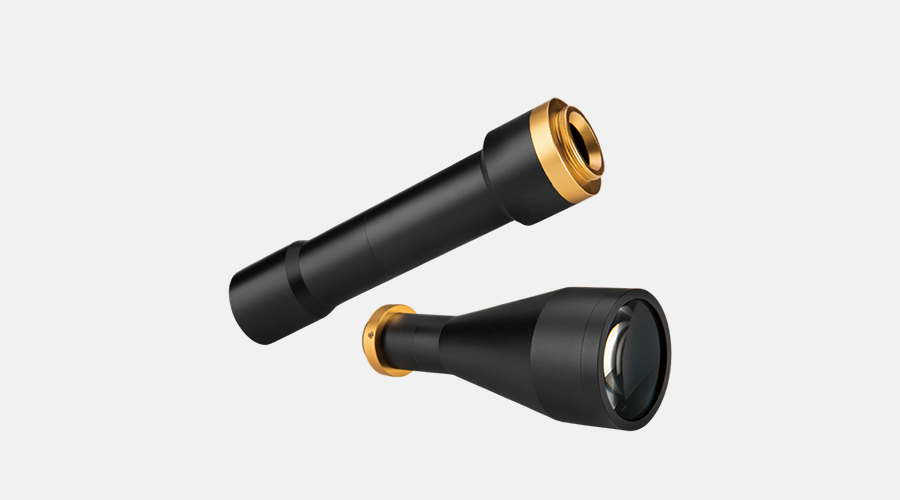 Long Working Distance
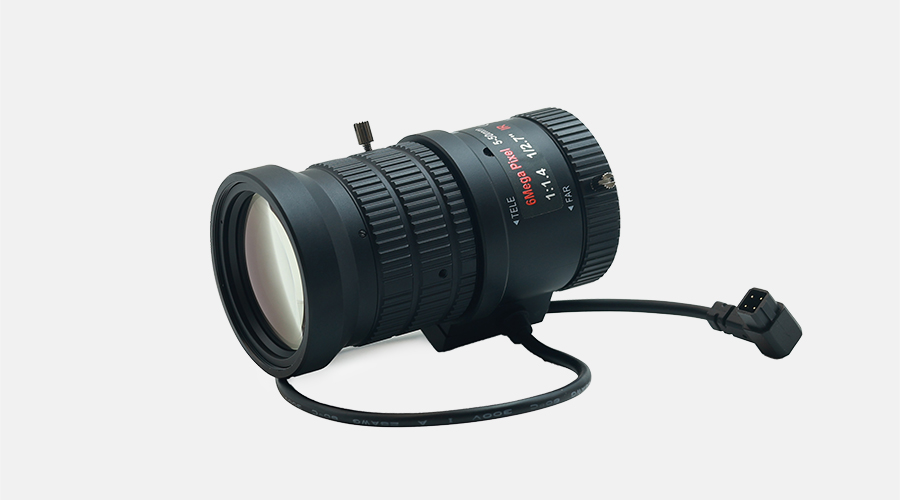 CS mount Varifocal lens
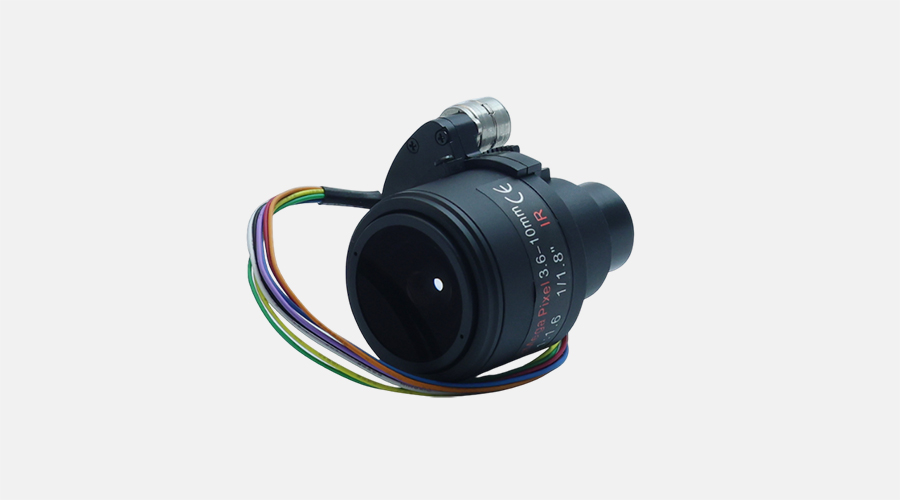 Varifocal board lens
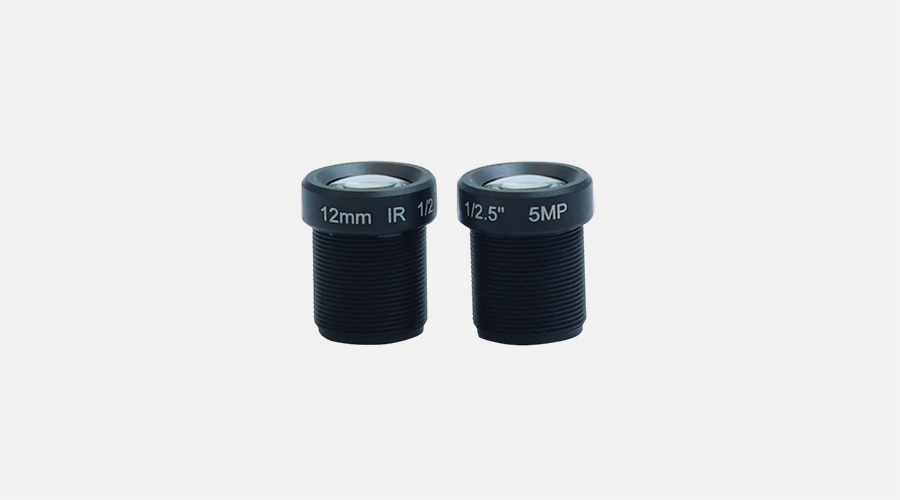 S mount lens
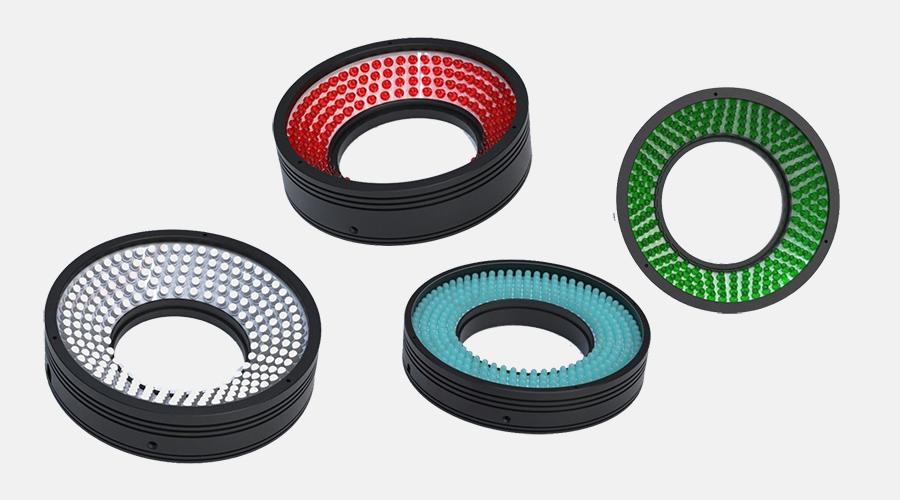 Ring light
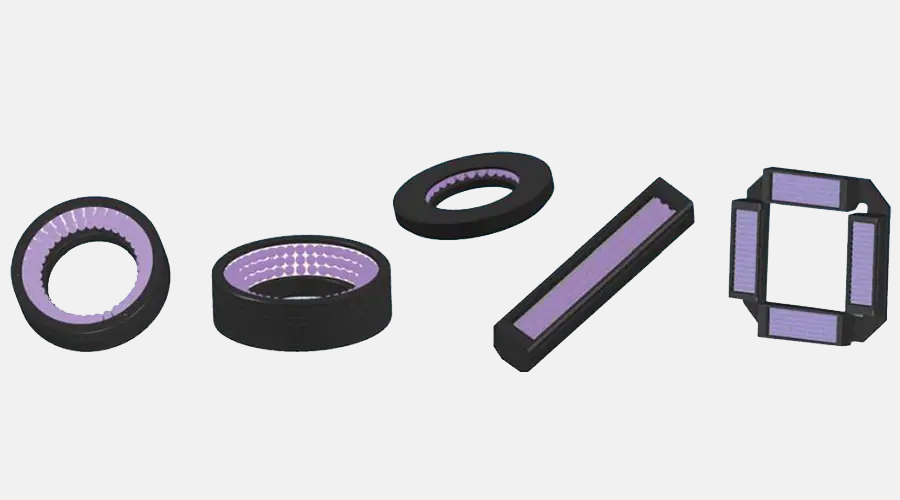 UV/IR Light
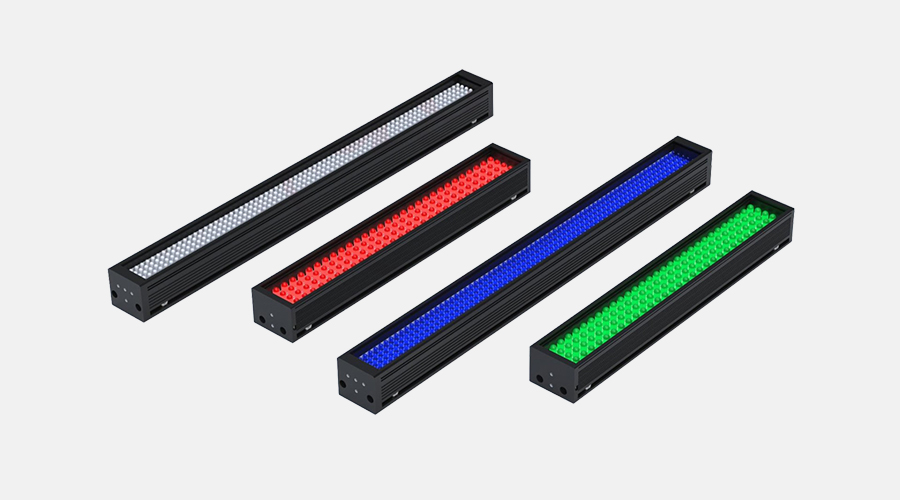 Bar light
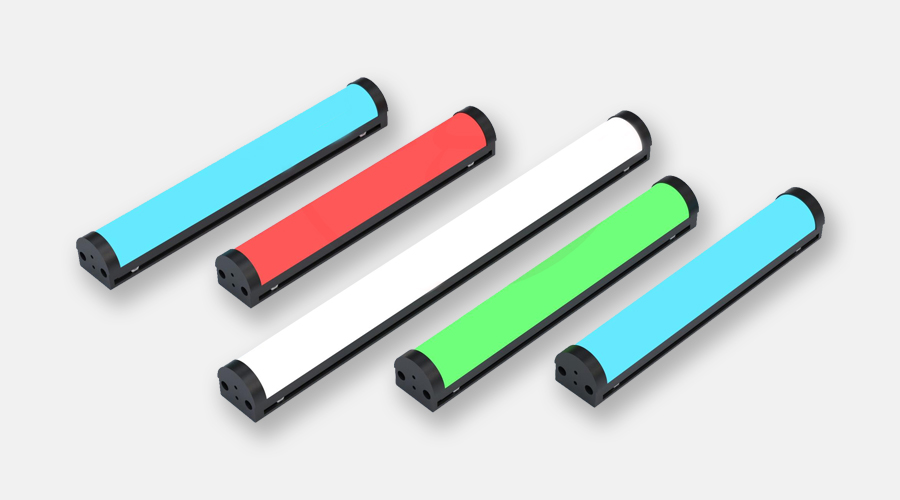 Arcuate high uniformity light
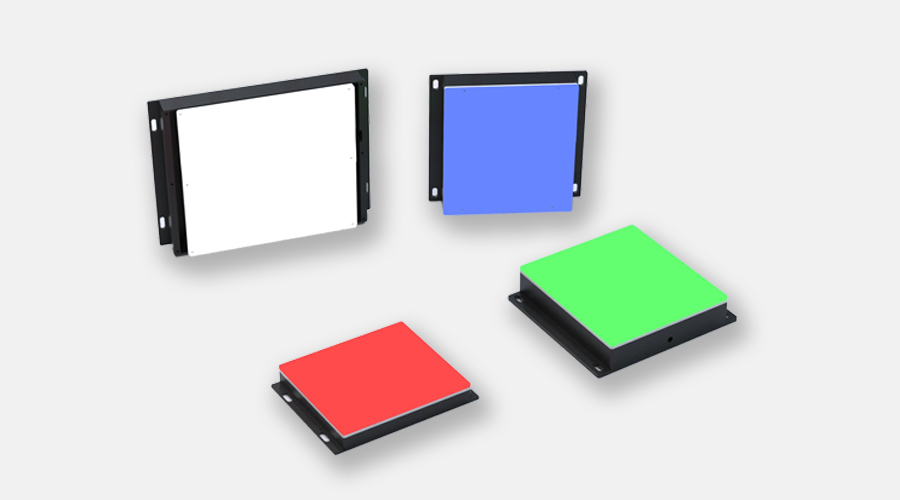 Back light
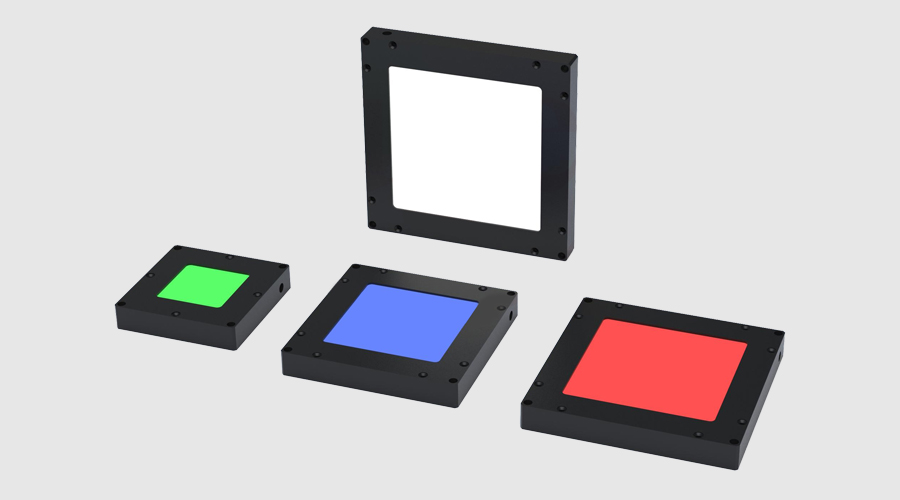 Flat light
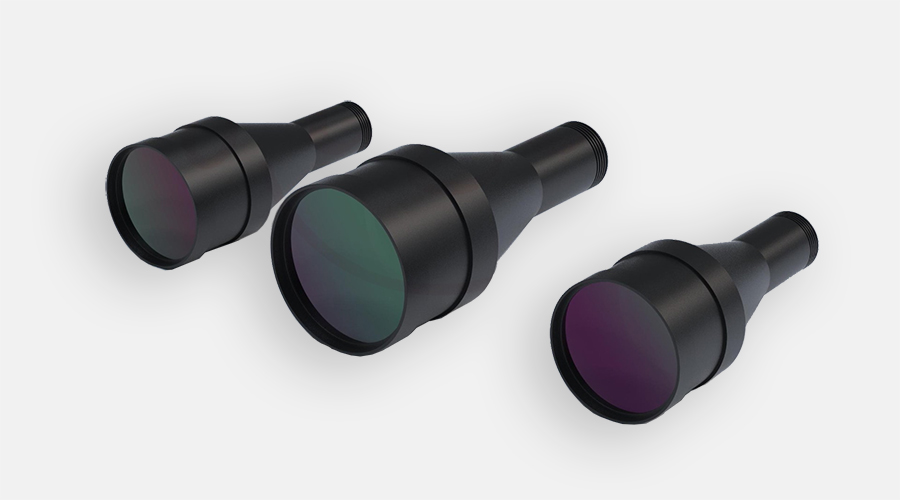 Collimated light
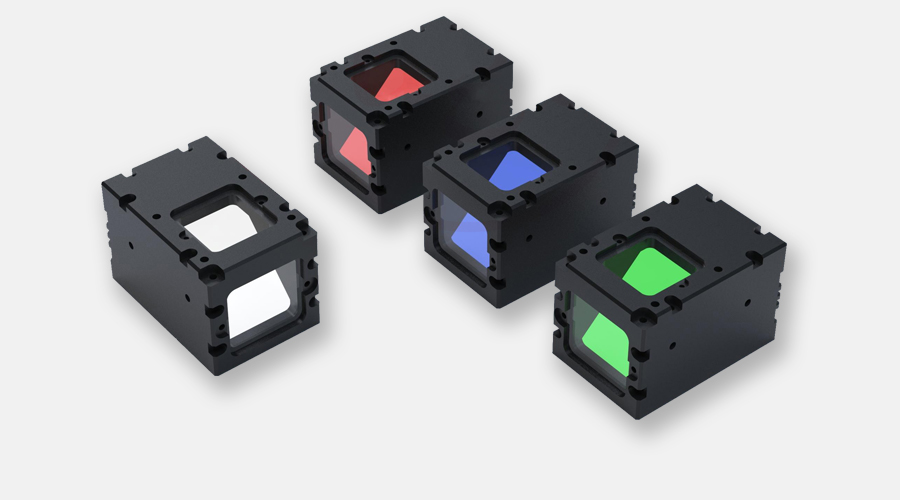 Coaxial light
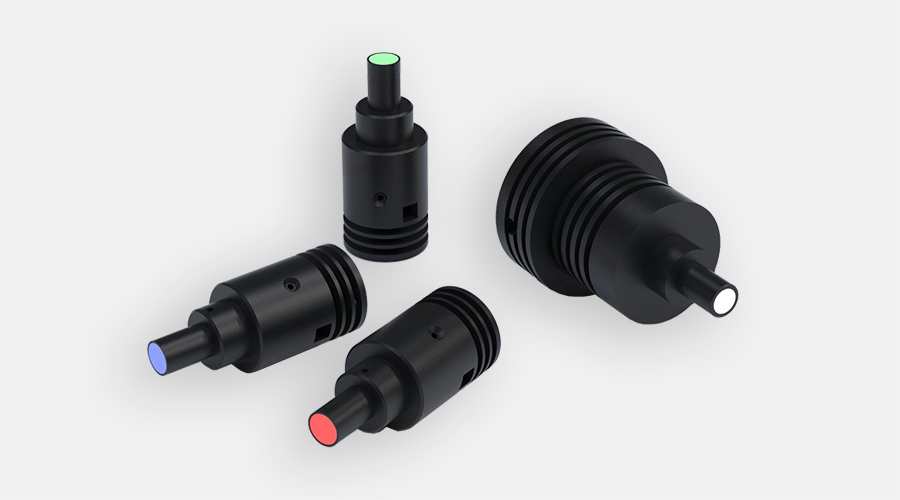 Spot light
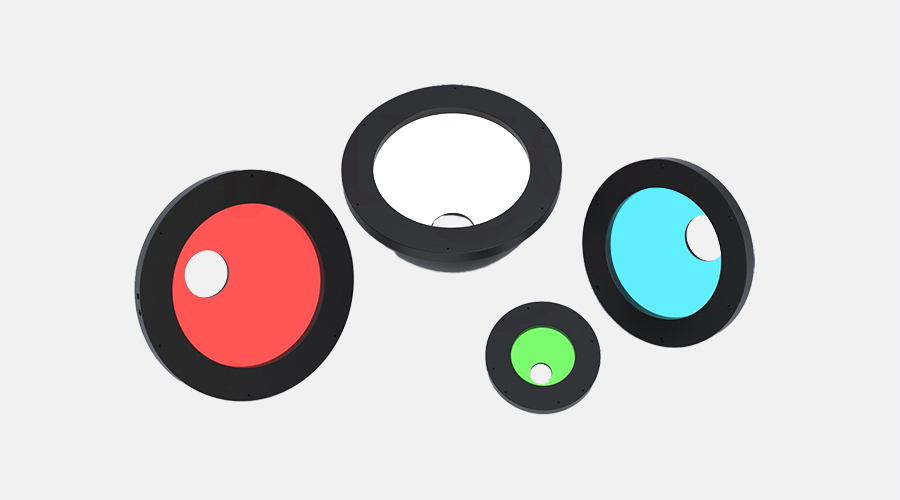 Dome light
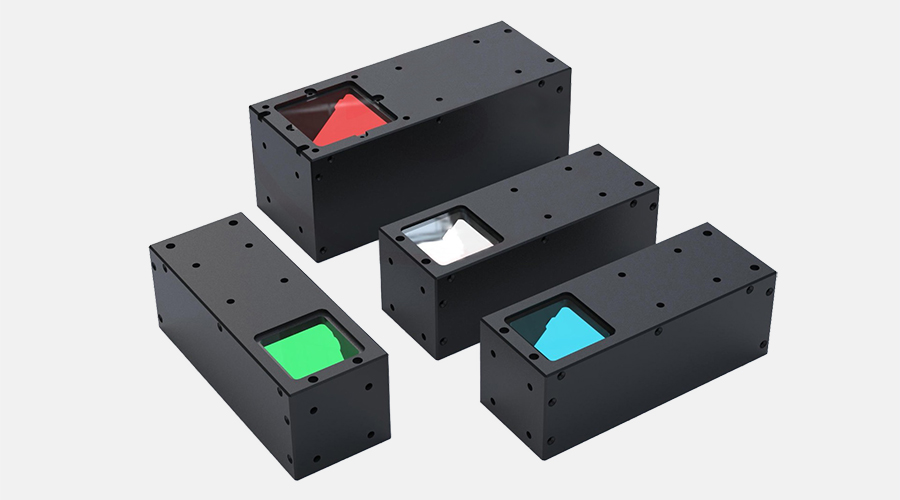 Collimated Coaxial light
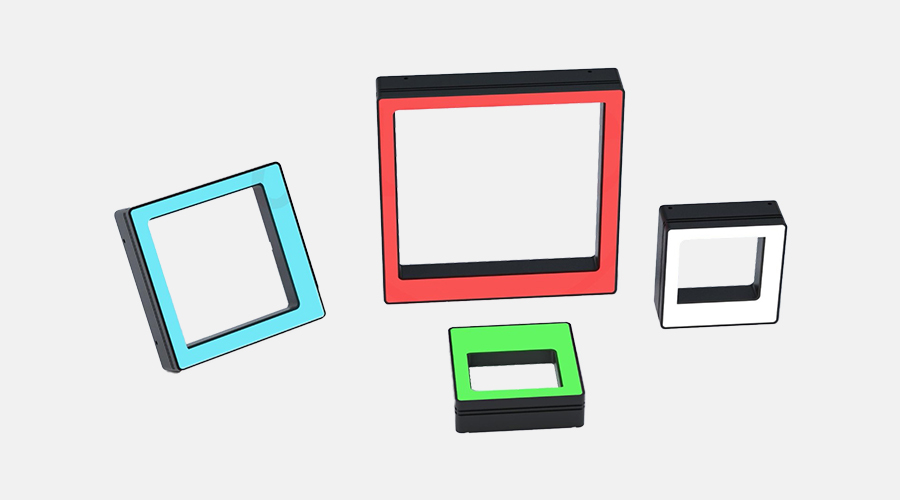 Shadowless square light
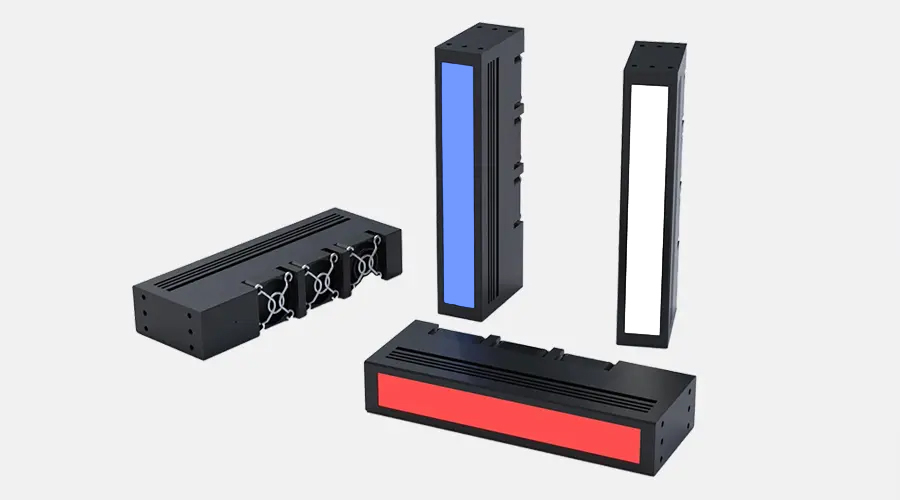 Scan light
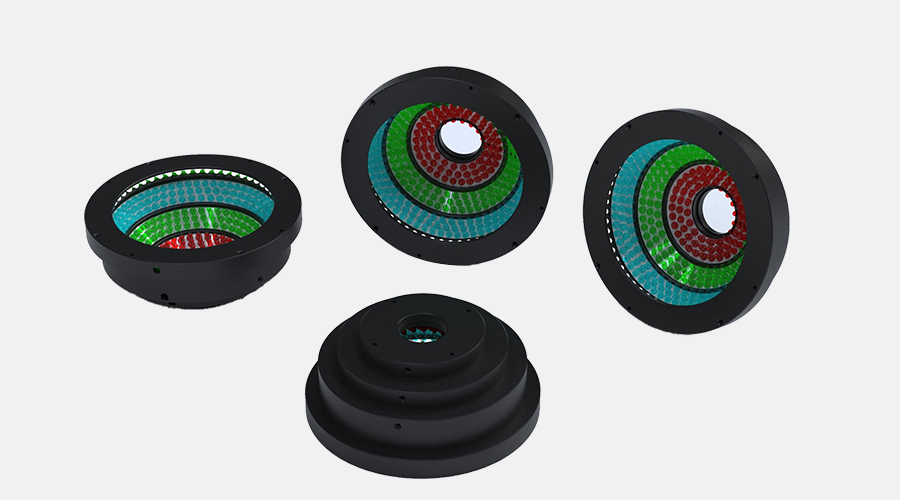 AOI light
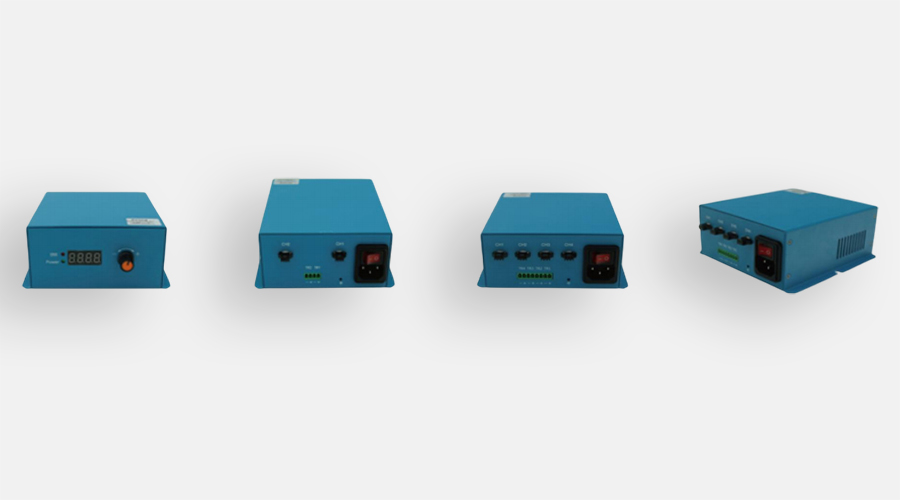 Analog controller
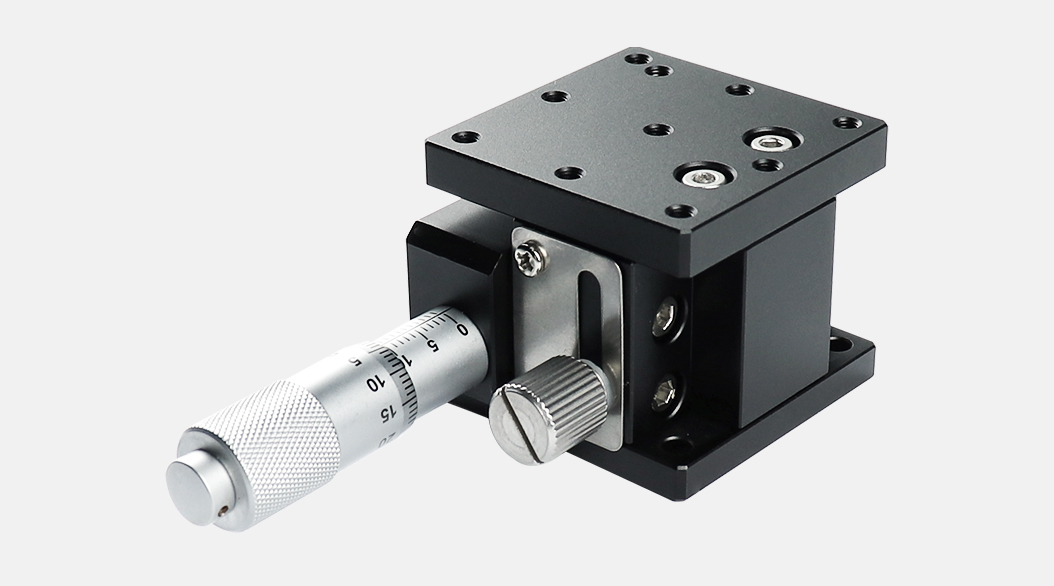 Crossed-Roller Linear guide type
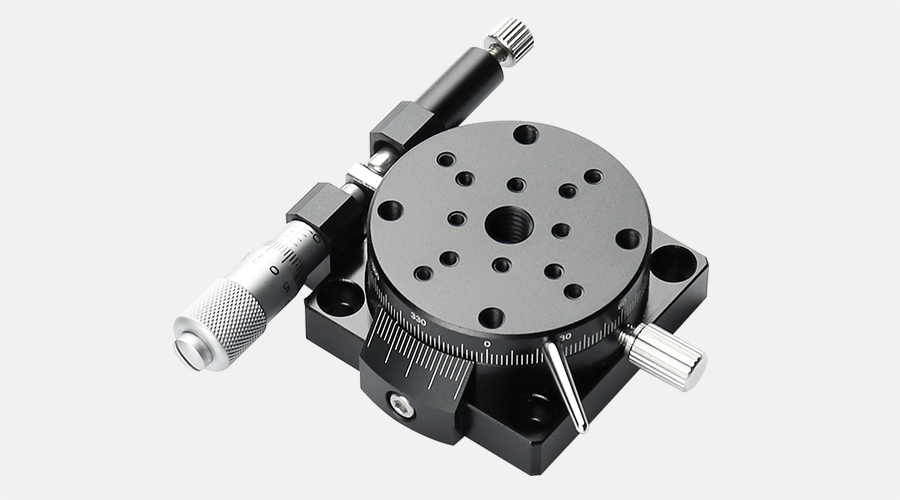 Rotary Stages XRS series
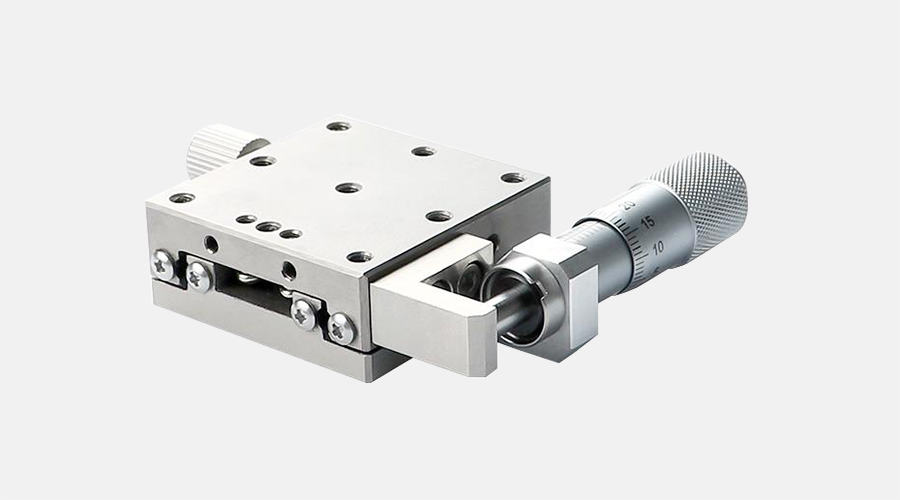 Stainless Steel Ball Bearing Linear Translation Stages
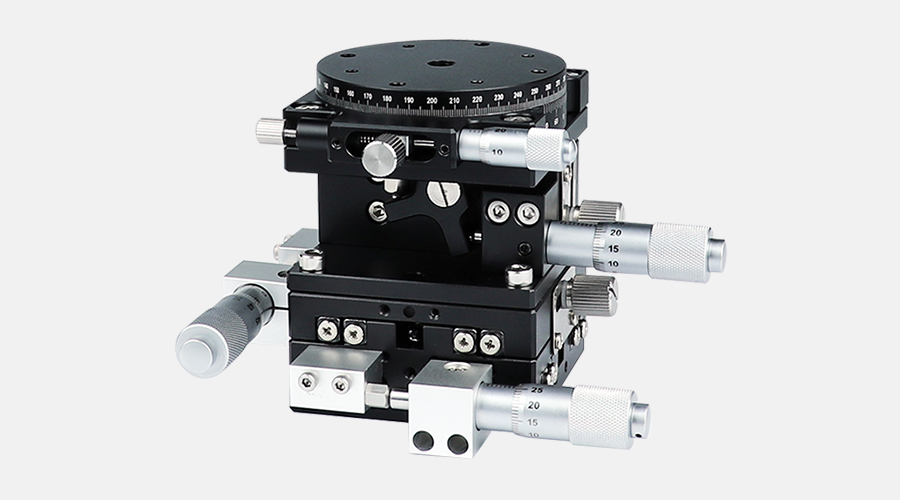 Multi-axis Translation stages
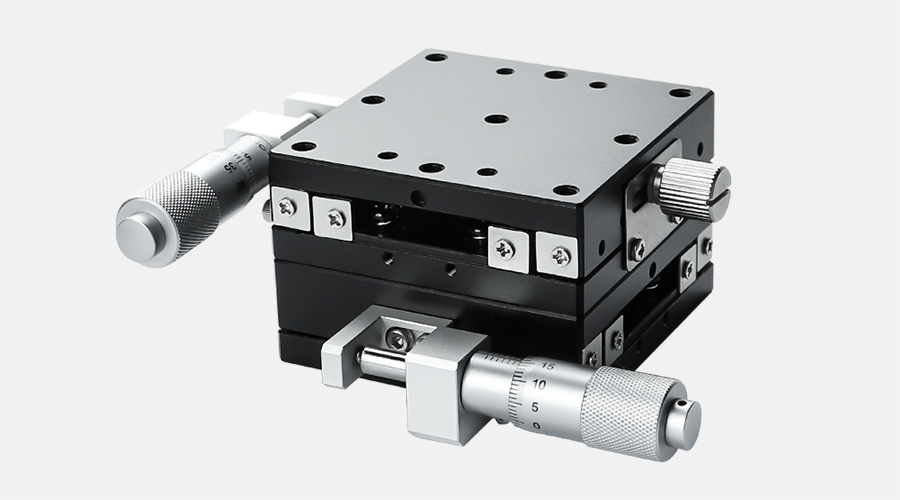 steel bar ball bearing stages
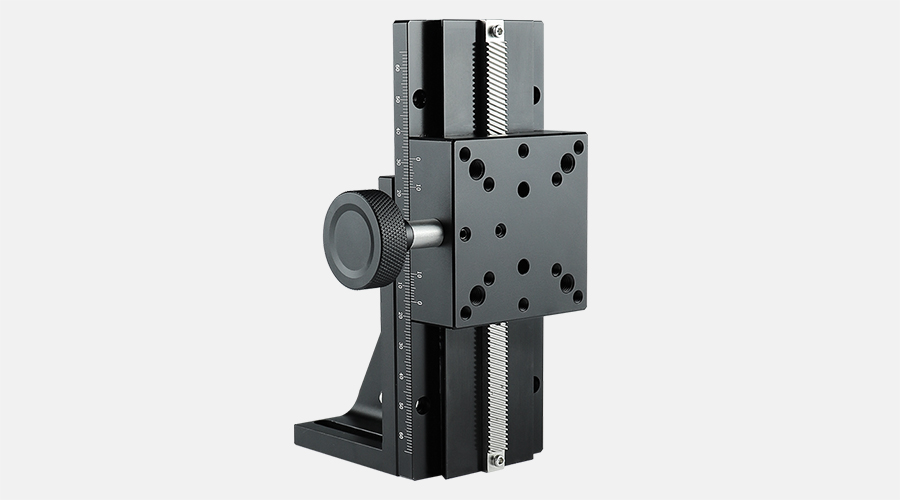 Dovetail Type Rack&Pinion Positioning Stage
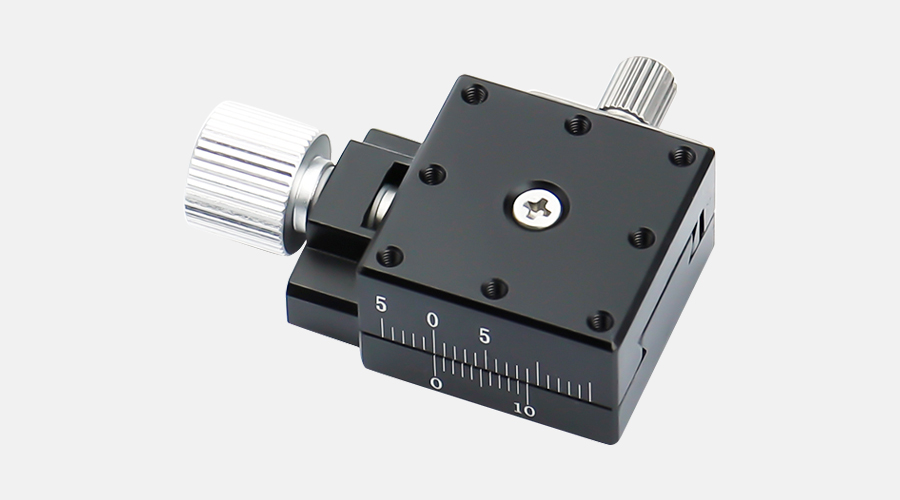 Dovetail groove high-precision screw slide
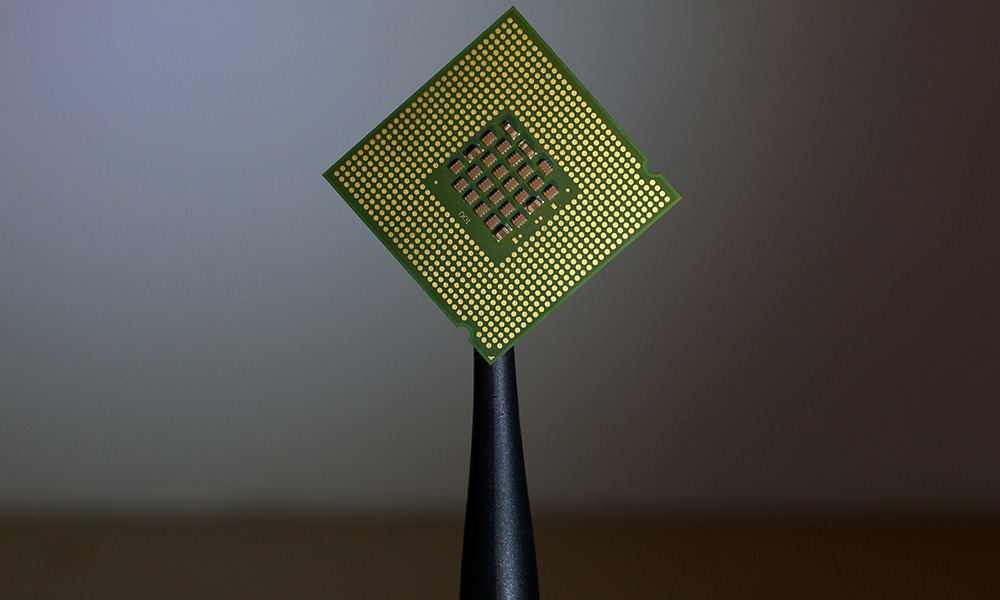
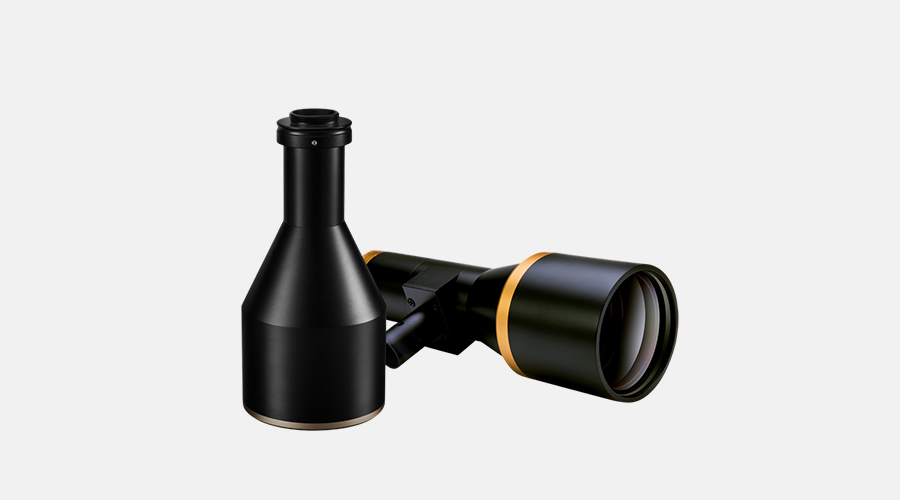
Why Combine Double Telecentric Lens with Backlight for High Accuracy Measurement?
Reliable dimensional measurement depends on more than software algorithms. In a Machine Vision Inspection system, image quality is influenced by the camera, lens, lighting, and the way these components work together. Before measurement software analyzes an image, the optical system has already determined how clearly object features are captured.
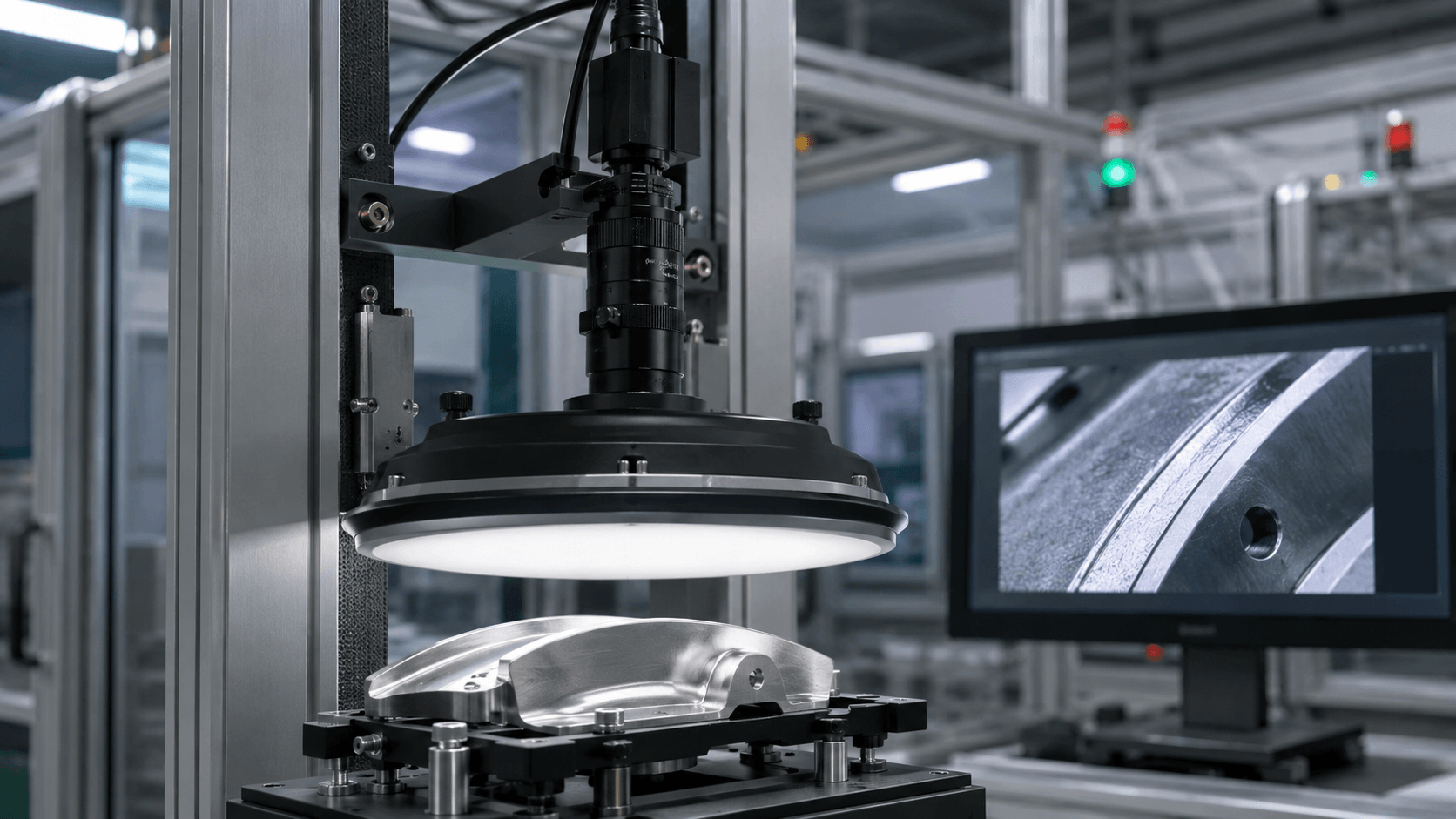
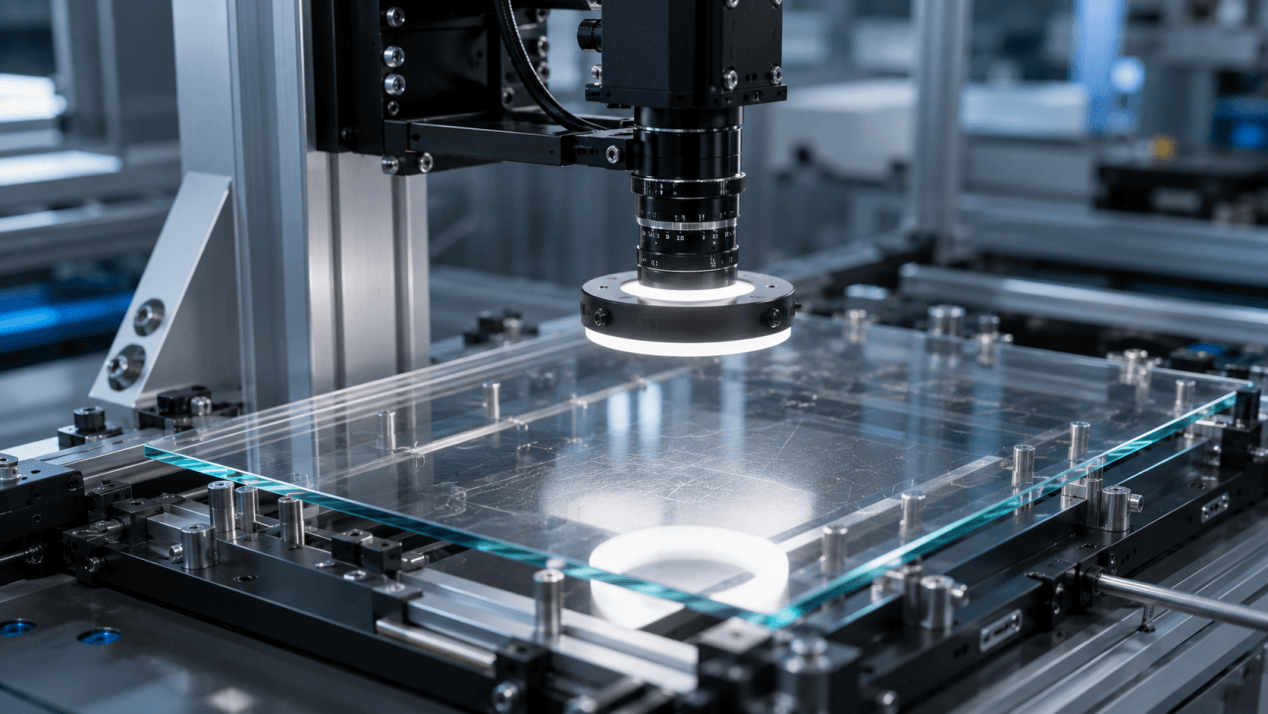
For many precision inspection applications, a Double Telecentric Lens is paired with a Backlight as part of the same optical design. The telecentric lens is intended to maintain consistent imaging geometry, while the backlight creates high-contrast object silhouettes that simplify edge extraction. Evaluating these components together allows the optical system to better match the inspection task, camera specifications, and production environment.
Why Is a Double Telecentric Lens Used for Precision Measurement?
In dimensional inspection, image consistency is often more important than producing a visually attractive image. Conventional lenses may introduce perspective variation when the distance between the object and the lens changes. Although this effect is acceptable for many imaging applications, it can influence measurement results when dimensional accuracy is required.
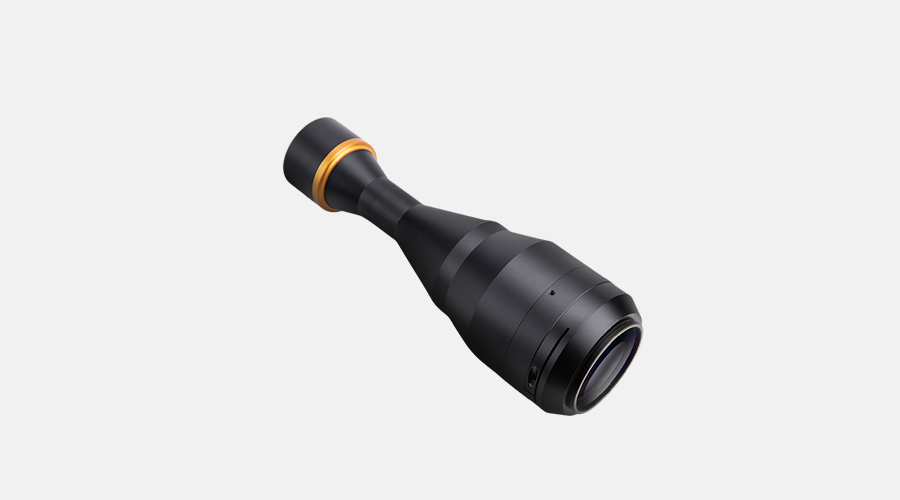
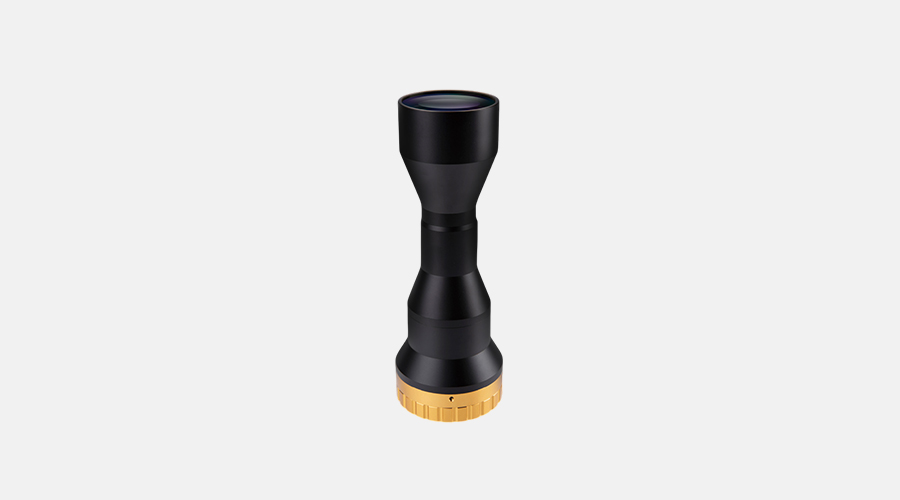
A Double Telecentric Lens, also referred to as a Bi-Telecentric Lens, uses a telecentric optical design that is intended to maintain stable magnification within its specified working range. Compared with a Non Telecentric Lens, this design is frequently considered for profile inspection, precision measurement, and edge positioning where consistent image geometry is beneficial.
Different inspection projects may require different Telecentric Lens configurations. Depending on camera compatibility and inspection requirements, manufacturers often evaluate Optical Telecentric Lens, Machine Vision Telecentric Lens, Telecentric Lens C Mount, or C Mount Telecentric Lens solutions.
Lens selection also involves balancing field of view, working distance, distortion characteristics, sensor compatibility, and installation conditions. Looking at these factors together generally leads to a more suitable optical configuration than selecting a lens based on a single specification.
Why Does Backlight Complement a Double Telecentric Lens?
Lighting directly influences how object boundaries appear on the camera sensor. Even with an appropriate telecentric lens, unsuitable illumination can reduce edge contrast and make dimensional analysis more challenging.
Among different Industrial Light Source options, Backlight is widely adopted for profile measurement because it emphasizes the outline of the inspected object instead of its surface texture. This lighting geometry creates strong contrast between the object and the background, allowing edge detection software to identify boundaries with greater consistency.
Many inspection systems use LED Back Lights or Edge Lit LED Backlight products for applications involving connectors, machined components, transparent materials, stamped parts, and rubber products. Uniform illumination across the inspection area contributes to more consistent image quality during continuous production.
When integrated into the same optical system, a Double Telecentric Lens and Backlight provide complementary functions. One contributes to stable imaging geometry, while the other improves contour visibility before image processing begins.
How Does the Optical System Support Edge Detection?
Edge detection forms the basis of many Machine Vision Quality Inspection tasks. Measurement software identifies dimensional features by locating grayscale transitions between object edges and the surrounding background. The stability of these transitions directly affects measurement repeatability.
The optical combination supports this process in several ways:
- The telecentric optical design maintains more consistent image geometry.
- Backlighting creates well-defined object silhouettes.
- A Minimal Distortion Lens reduces geometric image variation across the field of view.
- Uniform illumination minimizes unnecessary brightness fluctuation around object edges.
Instead of relying entirely on software correction, the optical system provides image data with greater consistency before processing begins. This approach supports dimensional analysis under different production conditions.
Backlight Compared with Other Industrial Lighting Methods
Different lighting geometries are designed for different inspection objectives. Coaxial Light is often selected for reflective flat surfaces, Industrial Grade Dome Light can improve illumination on curved or glossy components, Bar Light is suitable for elongated inspection areas, and Dark Field Illumination is frequently applied when detecting scratches or surface defects.
Dimensional measurement, however, focuses primarily on object profiles rather than surface appearance. For this reason, many vision systems use Backlight because it produces a clear silhouette that simplifies contour extraction and edge positioning.
This does not mean backlighting replaces every other lighting method. Instead, it reflects the different roles that lighting plays in machine vision. When profile measurement is the primary objective, combining a Double Telecentric Lens with a Backlight often provides an optical configuration that aligns well with dimensional inspection tasks.
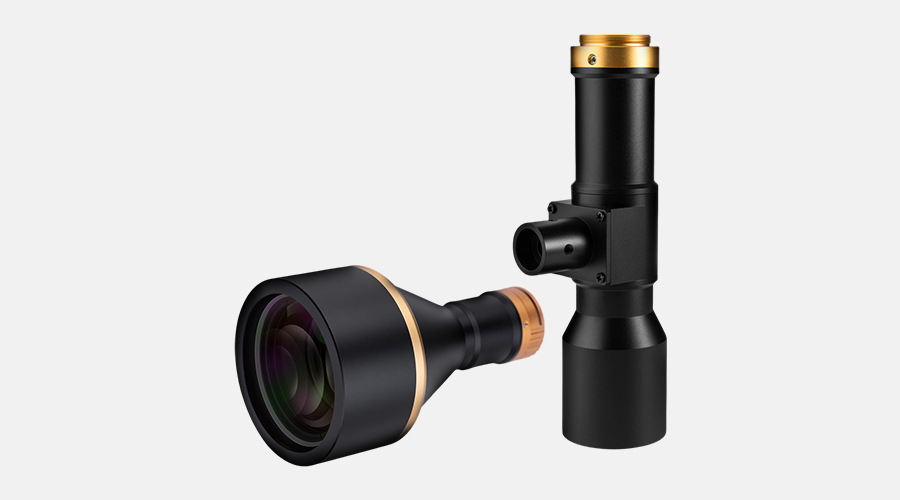
Selecting a Telecentric Measurement System
Selecting a measurement solution involves evaluating the complete optical system rather than choosing individual components independently.
Important considerations include:
- Camera sensor size and image format
- Required field of view
- Working distance
- Object dimensions
- Measurement tolerance
- Lighting arrangement
- Installation environment
The relationship between the camera and the lens is equally important. Industrial Camera Lenses and C Mount Industrial Lenses should provide sufficient image coverage for the selected sensor. Where small features require higher image detail, an Ultra High Resolution Telecentric Lens may also be considered if it matches the camera resolution and application requirements.
Reviewing the complete optical configuration helps establish a balanced machine vision solution for long-term inspection performance.
Typical Applications of Double Telecentric Lens and Backlight
The combination of Double Telecentric Lens and Backlight is widely applied in automated dimensional inspection across multiple manufacturing industries.
Common applications include:
- Electronic connector inspection
- Semiconductor component measurement
- Medical device inspection
- Precision machined components
- Rubber seal profile inspection
- Glass edge measurement
- Precision stamped parts
These inspection processes are frequently integrated into larger Automated Inspection, Machine Vision Quality Control, Industrial Vision Inspection, Robotic Vision Inspection, and 3D Vision Inspection systems.
Although inspection targets vary, the optical principle remains similar. The Double Telecentric Lens maintains consistent imaging geometry, while the Backlight produces clear object contours. Together, they provide consistent image data before software analysis, supporting dimensional measurement and machine vision inspection across a wide range of industrial applications.
FAQ
Why is a Double Telecentric Lens suitable for dimensional measurement?
Its optical design is intended to maintain consistent magnification within the specified working range, making it suitable for precision measurement applications.
Why is Backlight commonly used with a Double Telecentric Lens?
Backlighting creates high-contrast silhouettes that simplify contour extraction and edge detection.
Can other industrial lighting replace Backlight?
Different lighting methods are designed for different inspection objectives. The appropriate choice depends on the inspection target and imaging requirements.
What should be considered when selecting a telecentric measurement system?
Camera compatibility, sensor size, field of view, working distance, lighting configuration, and inspection objectives should be evaluated together.
Which industries commonly use Double Telecentric Lens and Backlight?
This optical combination is widely used in electronics, semiconductor manufacturing, automotive components, medical devices, and precision machining.