
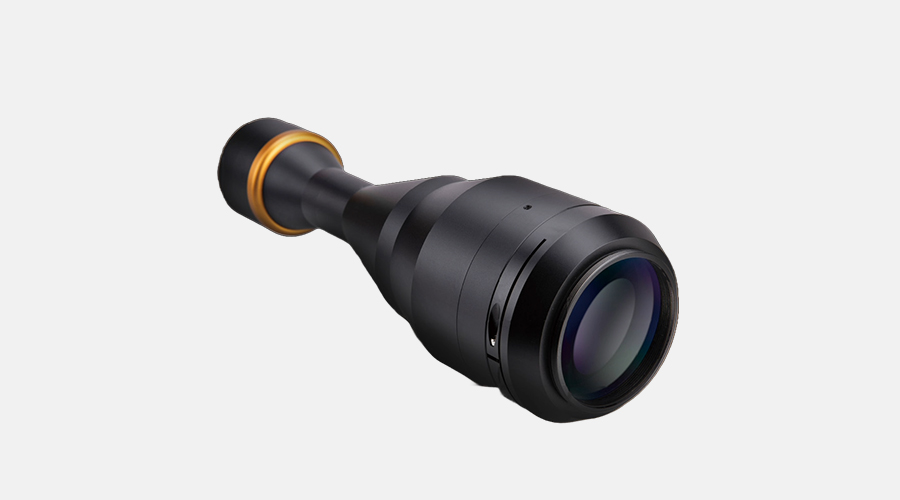
 Compatible with 7.2mm-82mm chips
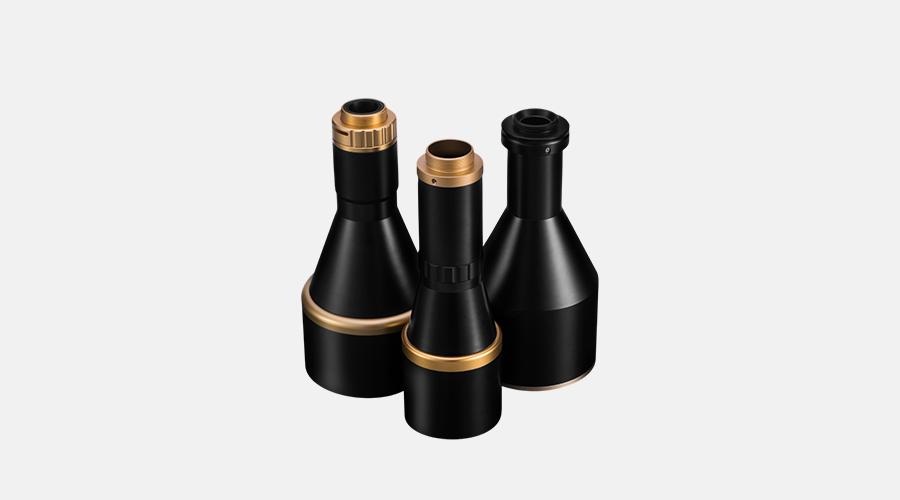 High/Low Working Distance
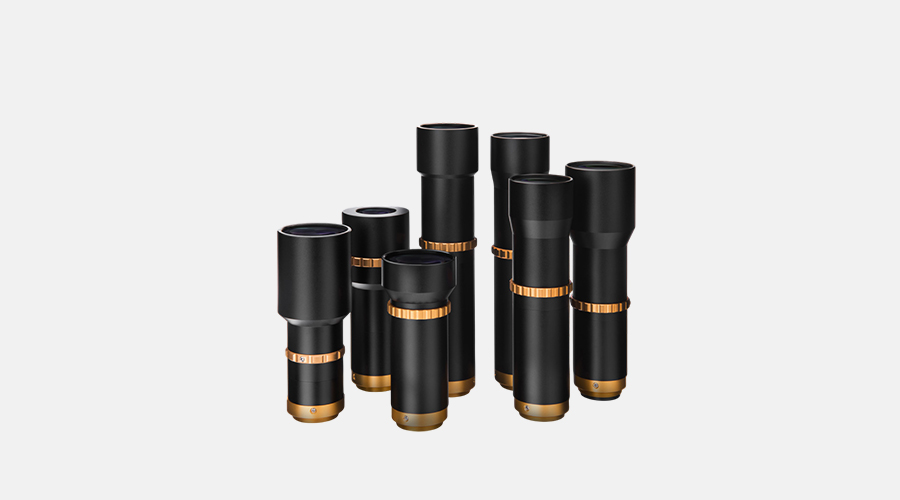 Aperture telecentric lens
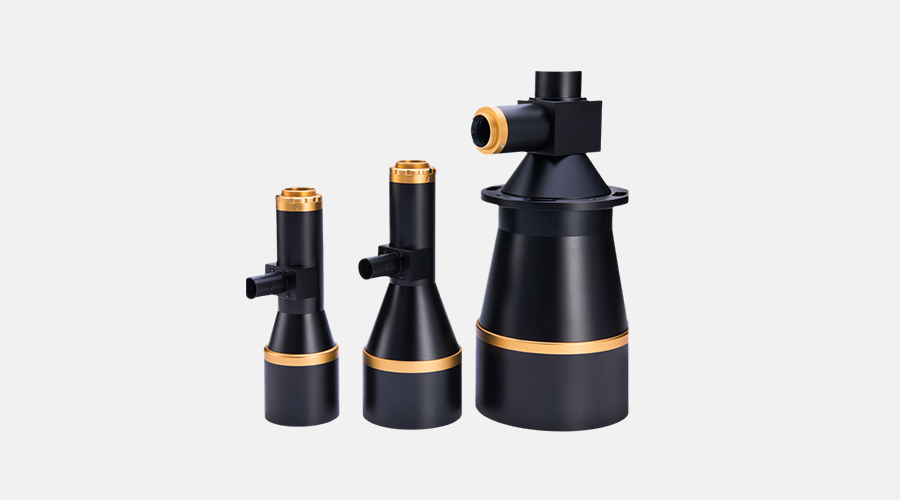 Measuring lens
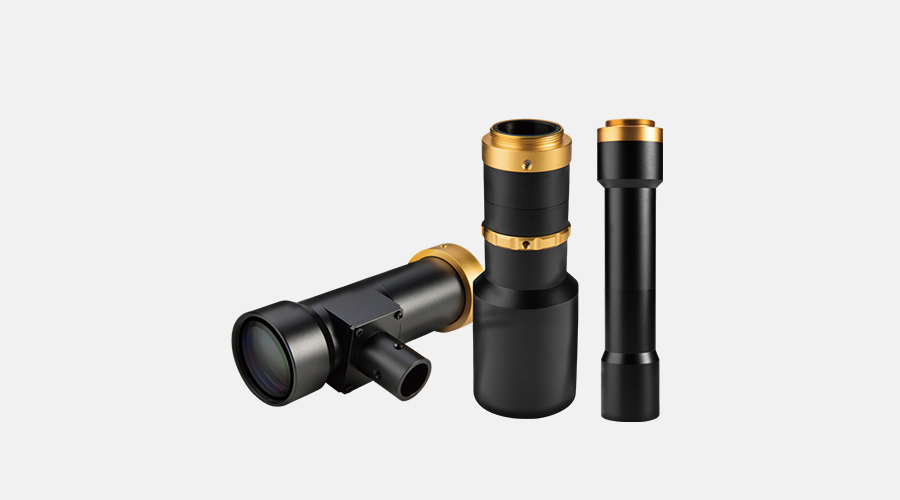 Maximum support 1.1" chips
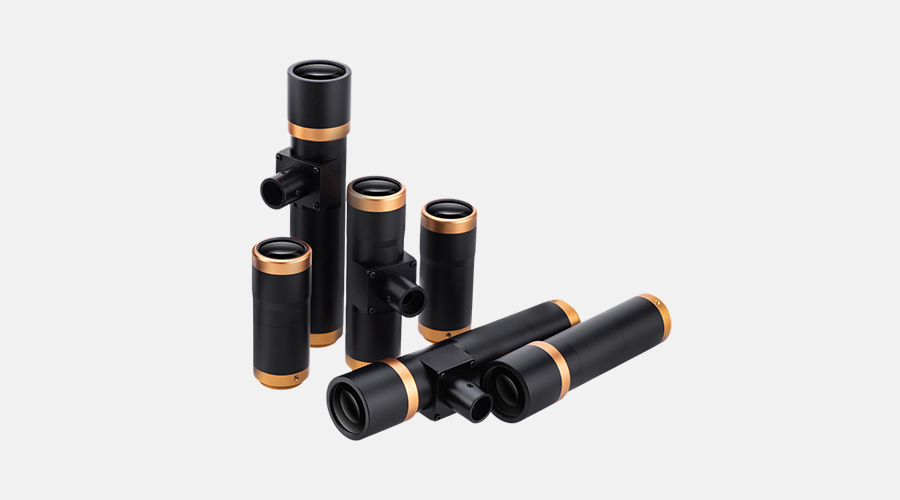 Maximum support 1.2" chips
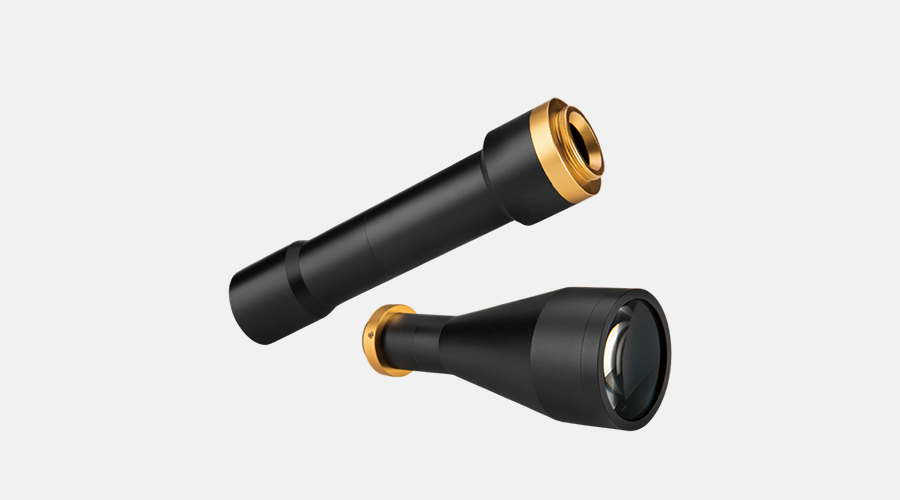 Long Working Distance
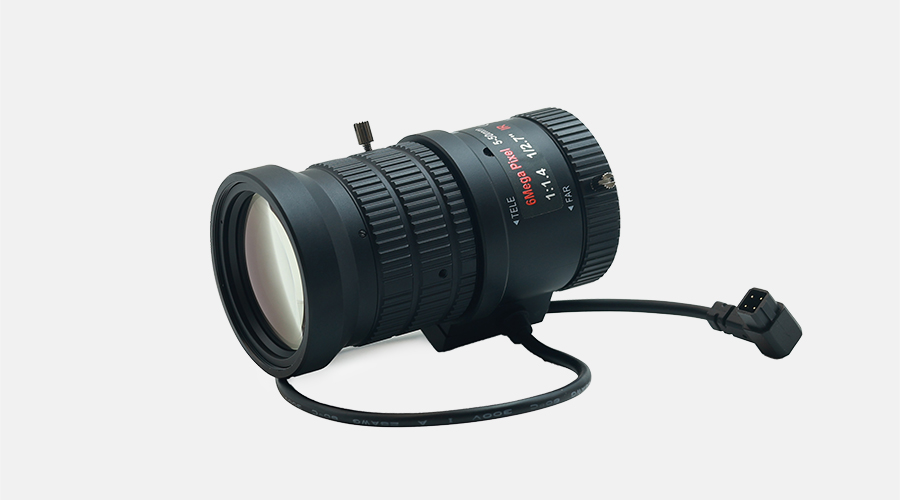 CS mount Varifocal lens
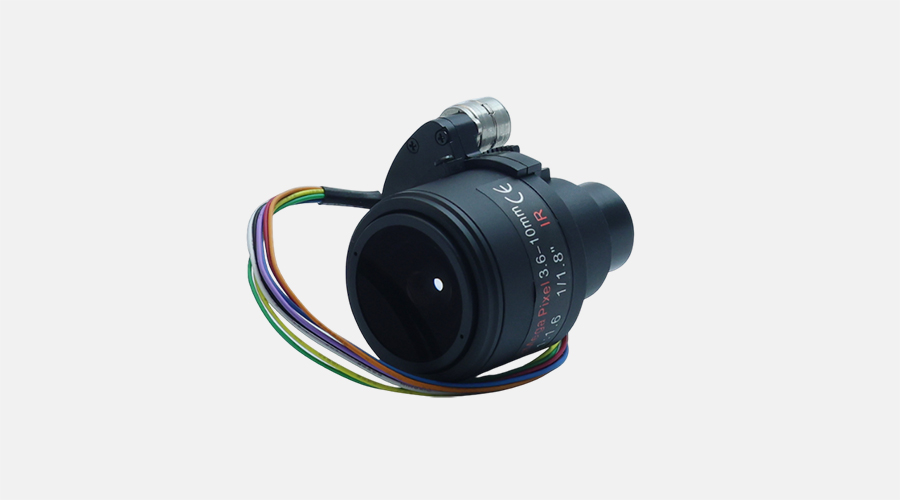 Varifocal board lens
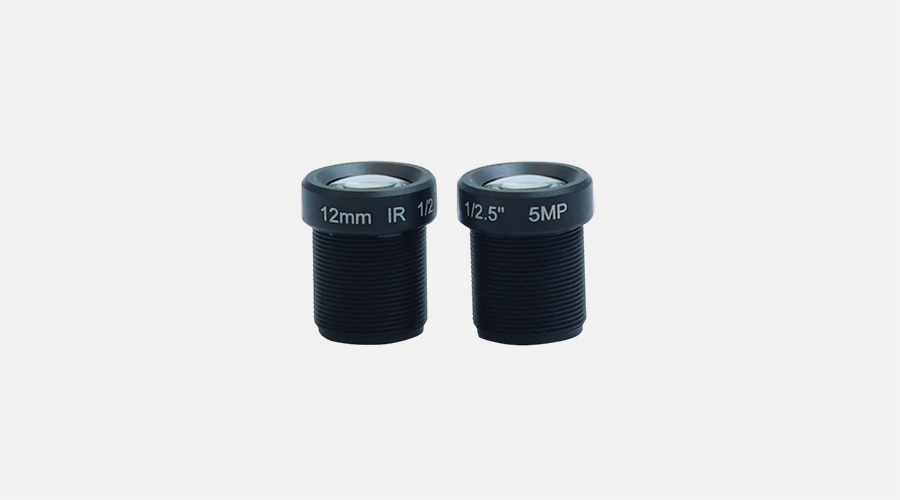 S mount lens
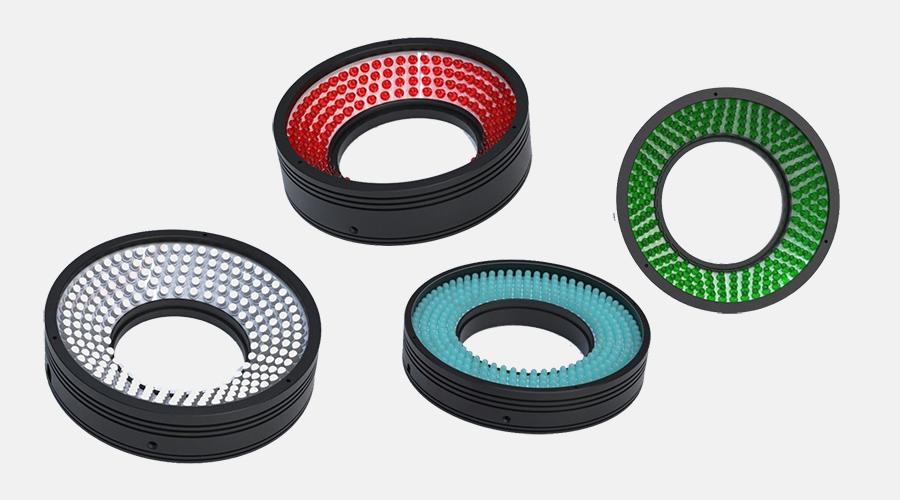 Ring light
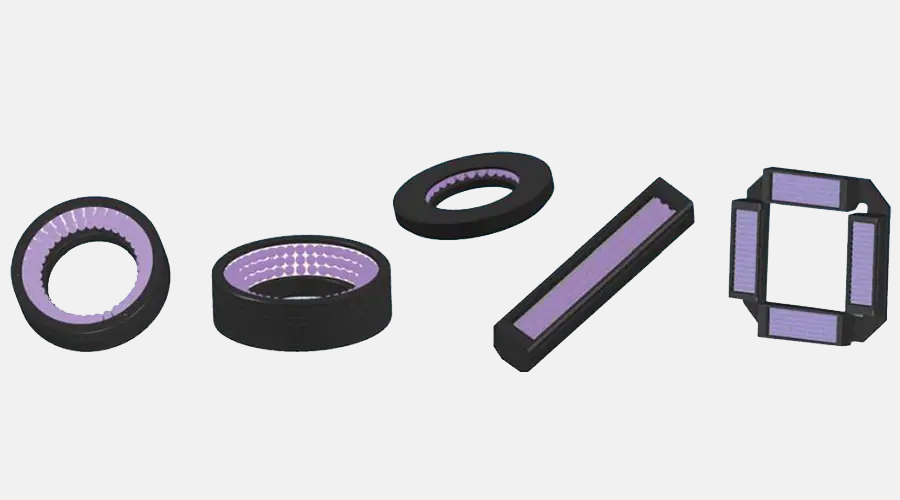 UV/IR Light
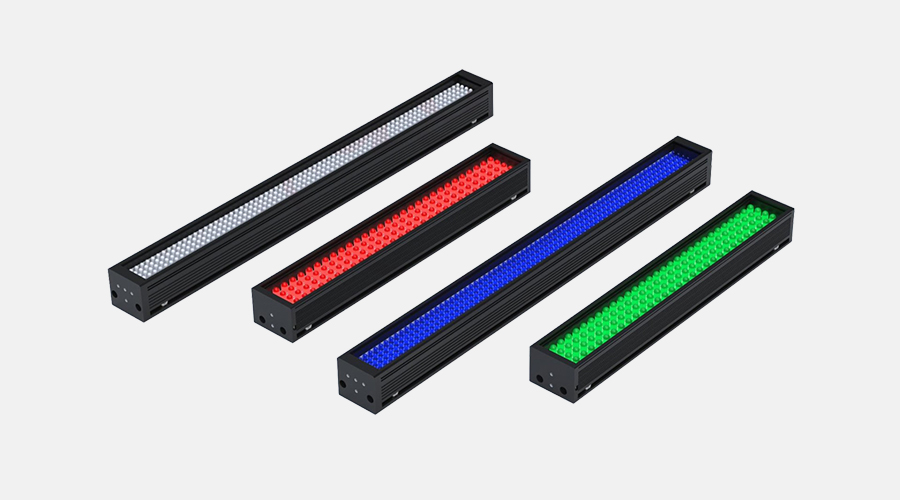 Bar light
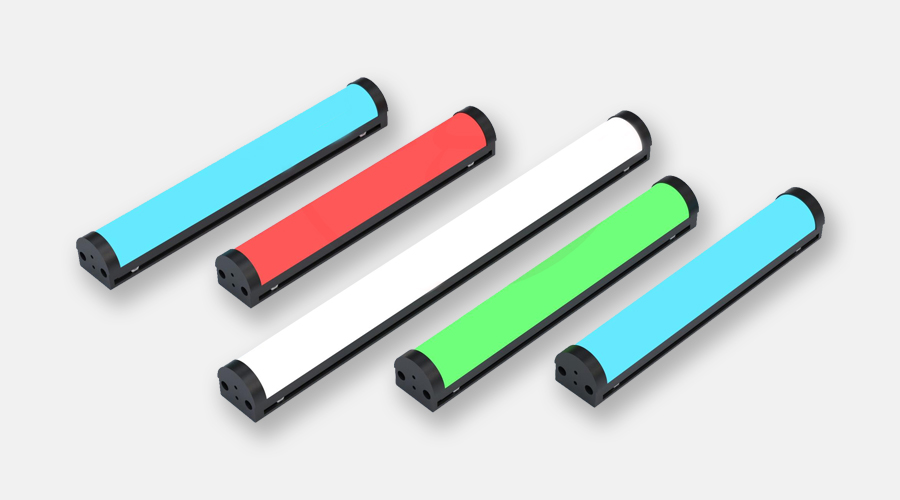 Arcuate high uniformity light
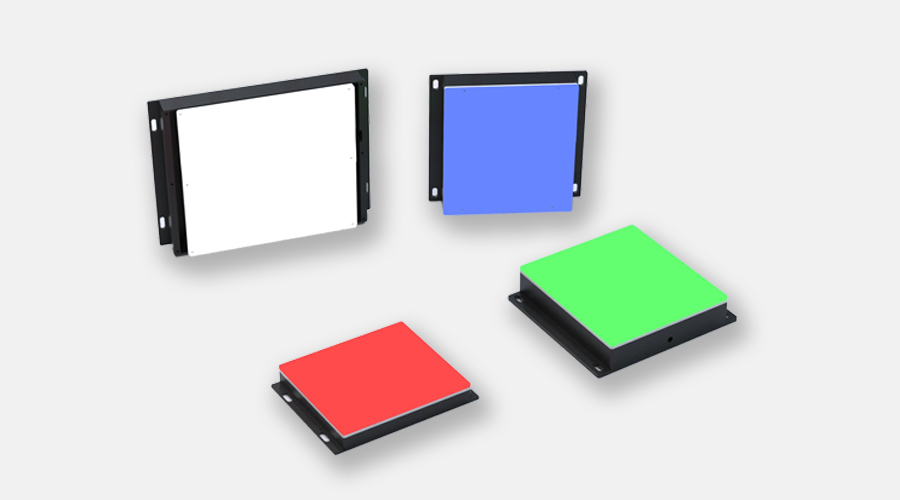 Back light
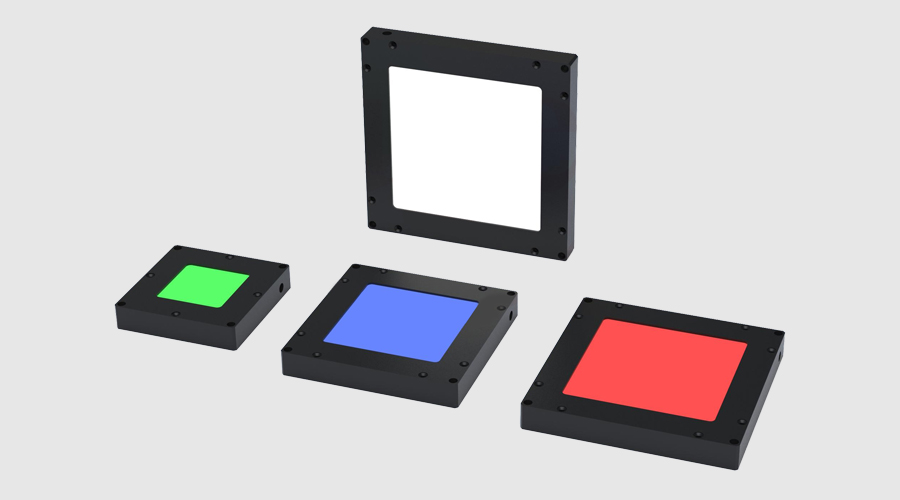 Flat light
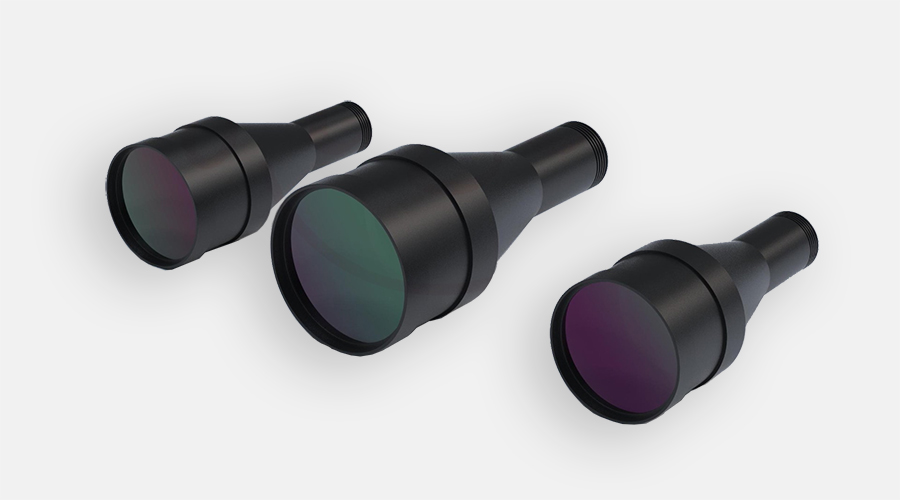 Collimated light
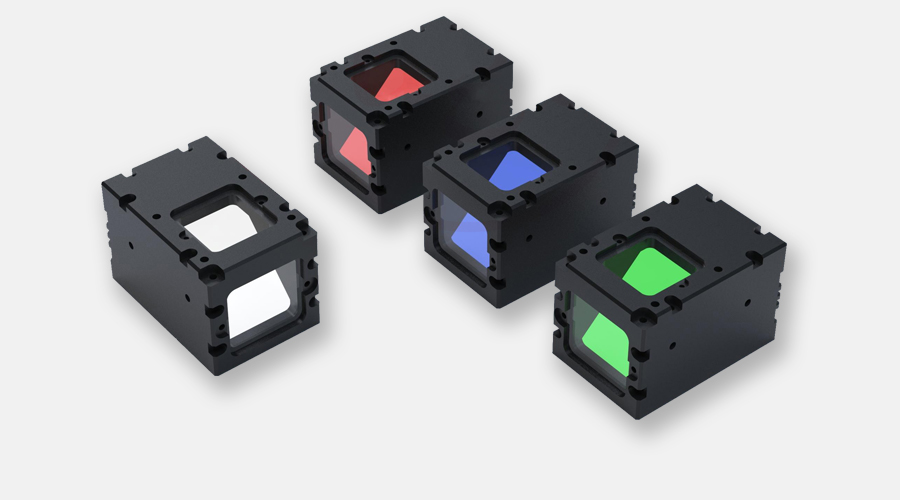 Coaxial light
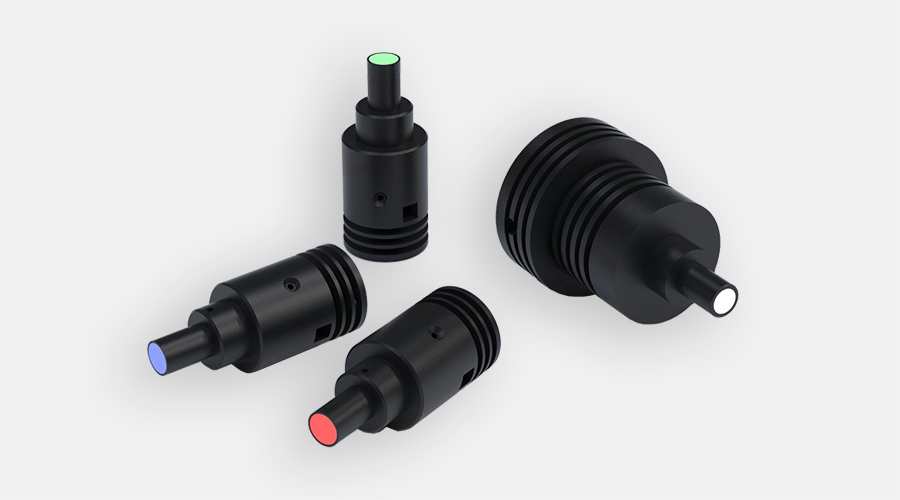 Spot light
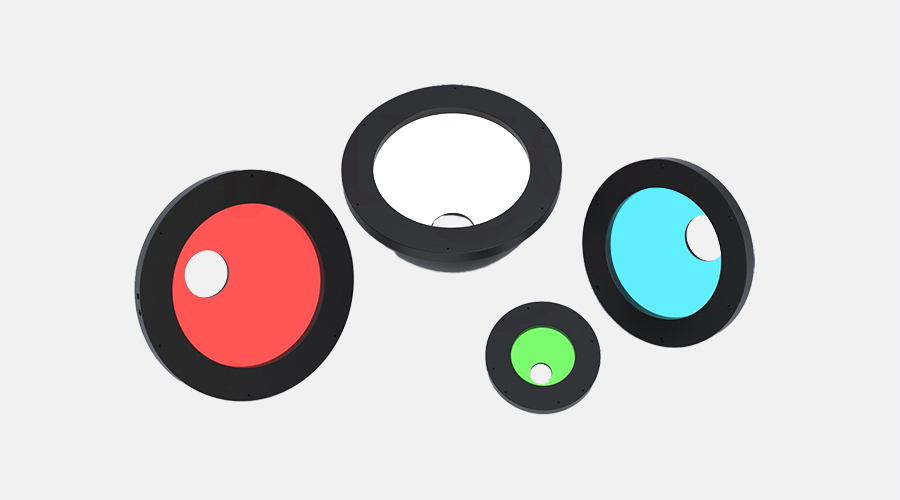 Dome light
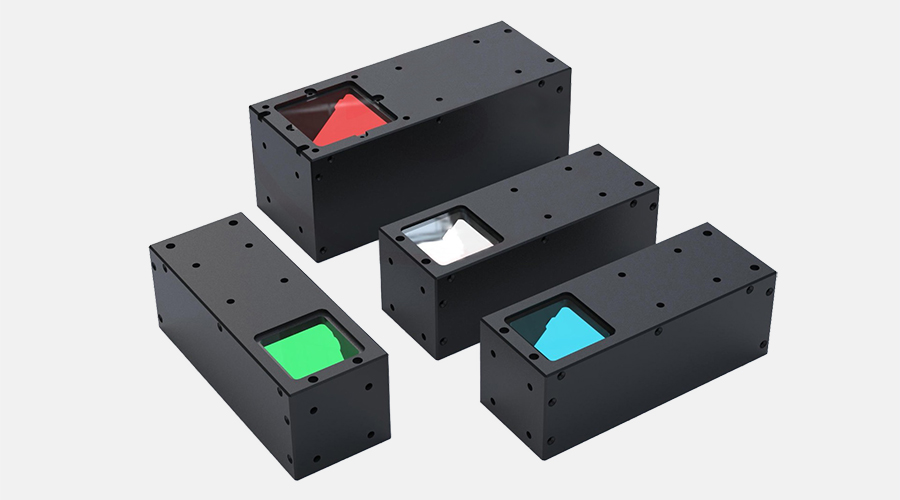 Collimated Coaxial light
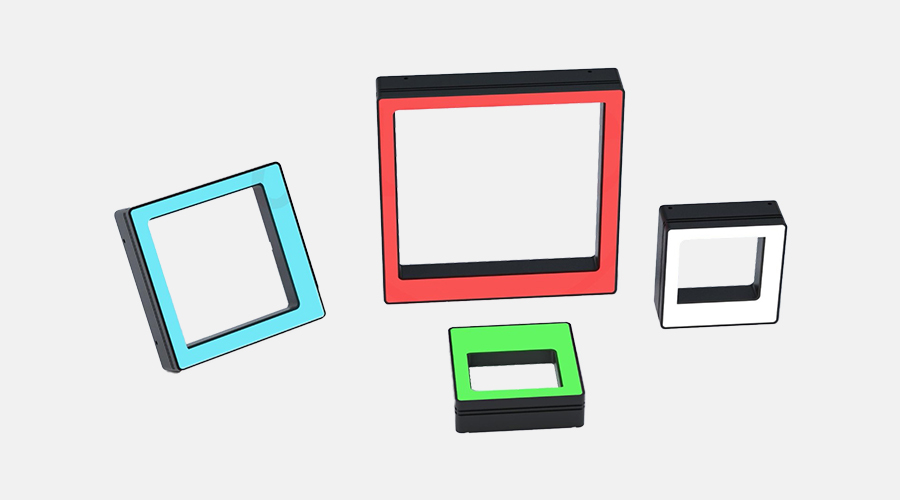 Shadowless square light
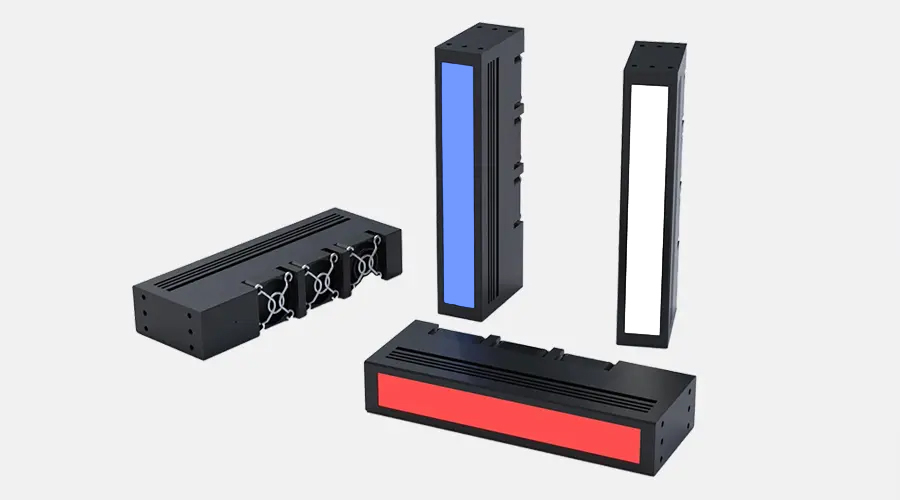 Scan light
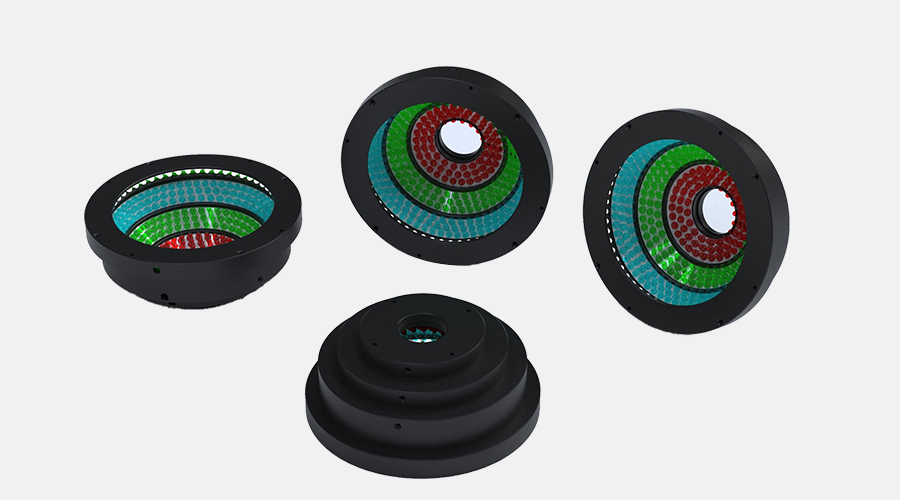 AOI light
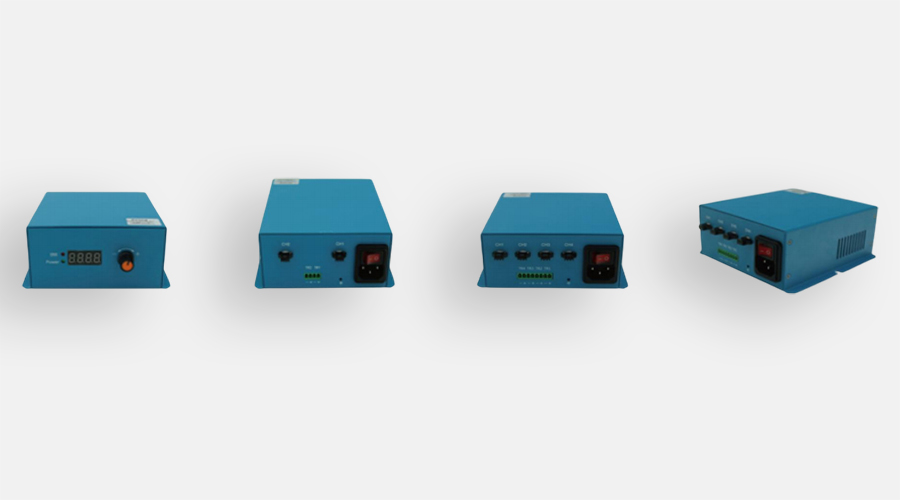 Analog controller
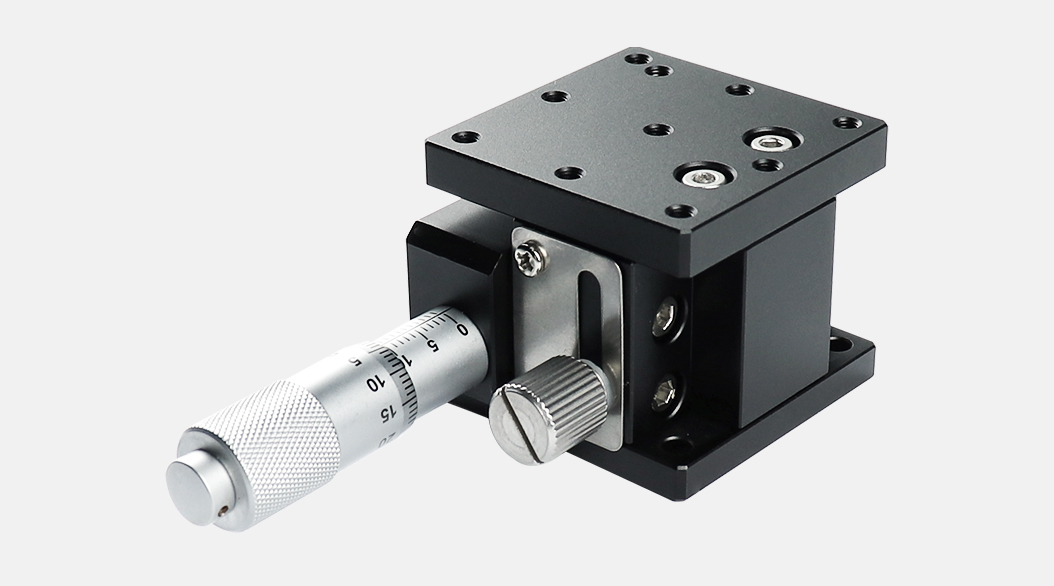 Crossed-Roller Linear guide type
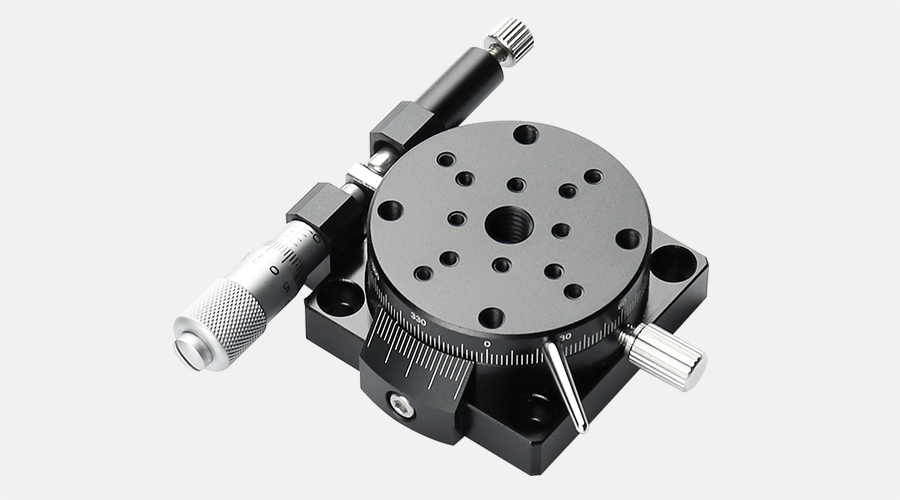 Rotary Stages XRS series
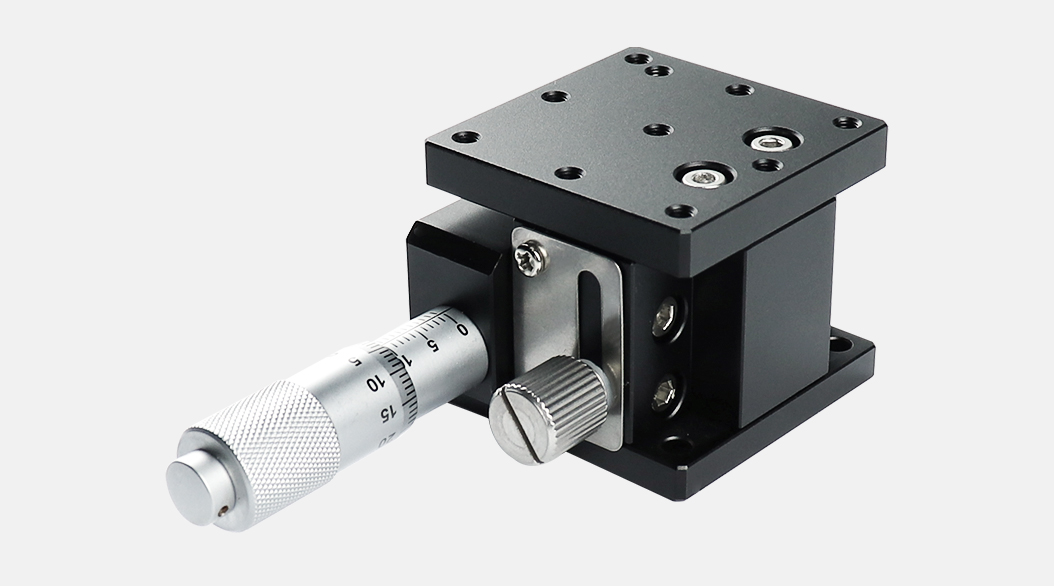
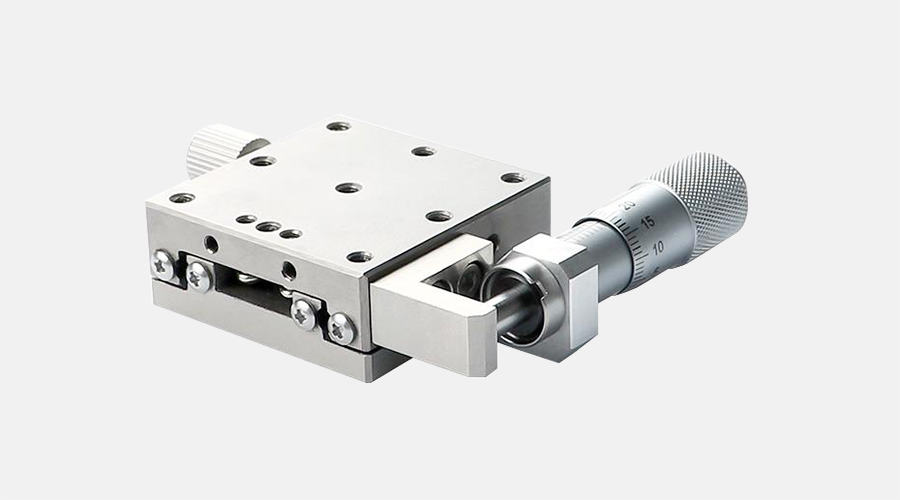 Stainless Steel Ball Bearing Linear Translation Stages
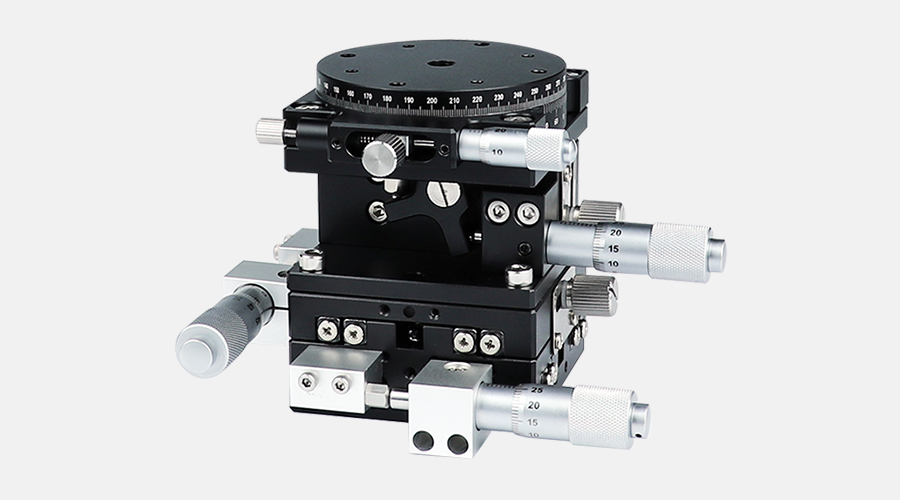 Multi-axis Translation stages
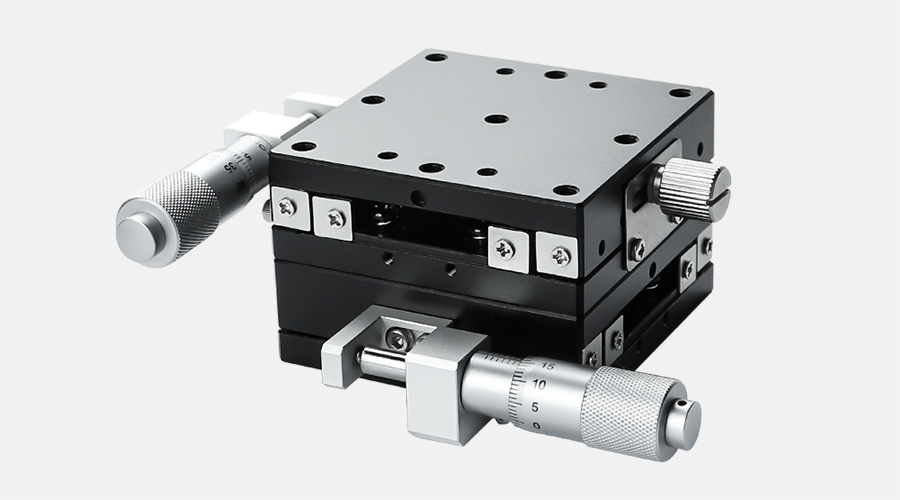 steel bar ball bearing stages
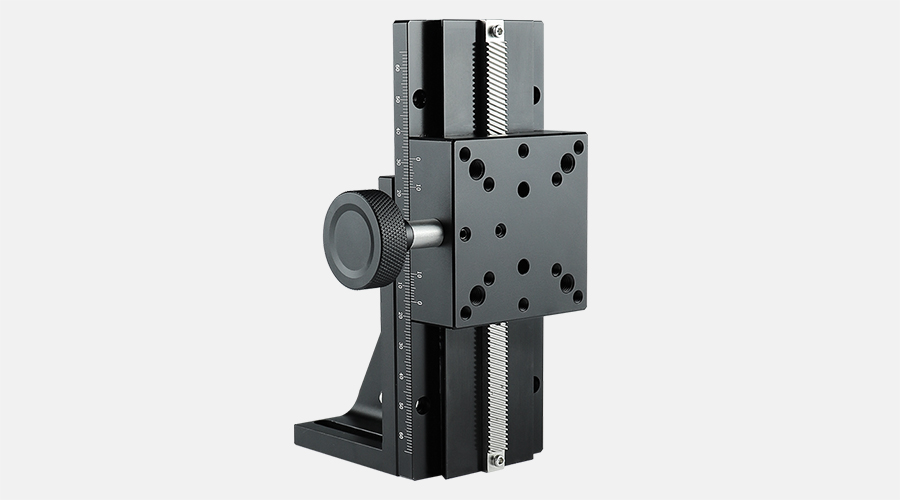 Dovetail Type Rack&Pinion Positioning Stage
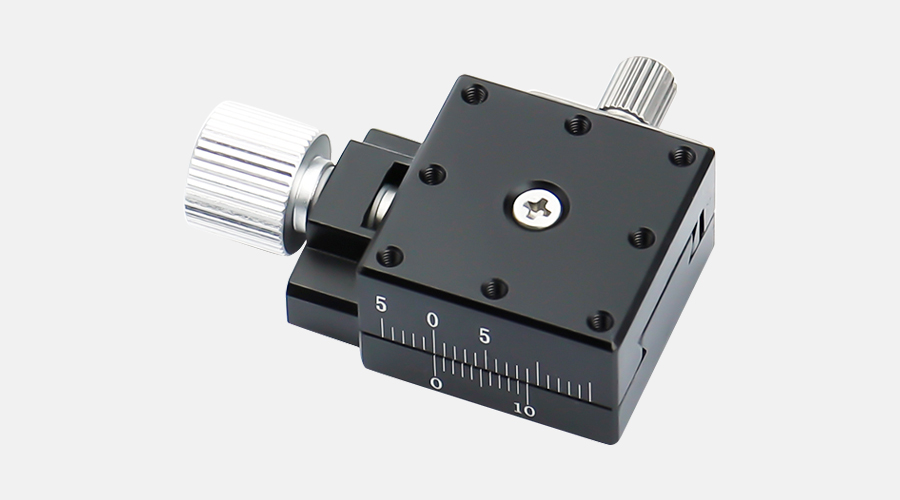 Dovetail groove high-precision screw slide

Bi-Telecentric Lenses: An Effective Solution for High-Precision Dimensional Measurement
When vision engineers design optical inspection systems for precision manufacturing, one of the most important yet often underestimated optical parameters is the type of lens used in the vision system. Among the various types of lenses used in industrial imaging, double-telecentric lenses are a practical solution for industrial applications where dimensional accuracy is a key requirement. To understand why double-telecentric optics offer superior measurement performance, it is essential to have a clear understanding of how they work, their advantages, and how they differ from conventional and single-telecentric lenses.
The significance of double-eccentric systems in visual systems
To understand the value of double-telecentricity, one must first understand what telecentricity means in optical engineering. In ordinary lenses, the apparent size of an object changes as its distance from the lens varies: this is a natural consequence of perspective.
This behaviour is acceptable in photography applications, as we want the images to look natural. However, in visual measurement applications, this change in perspective translates directly into measurement errors. An object positioned just 1 millimetre away from its correct position will yield a significantly different measured dimension, even if its actual size is identical to that of an object in the correct position.
Telecentric lenses solve this problem on one side of the optical system. In an object-side telecentric lens, the principal ray—the ray passing through the centre of the aperture—runs parallel to the optical axis on the object side of the lens. This means that the magnification remains constant regardless of the object’s position within the available depth of field. Whether the object is close to or far from the lens, the size of its image on the sensor always remains exactly the same.
A double-telecentric lens extends this principle to both sides of the optical system. In a double-telecentric design, the principal rays are parallel to the optical axis not only on the object side but also on the image side. The result is that the magnification remains constant across the entire field of view and depth of field, even if the target plane is tilted or varies in height relative to the optical axis.
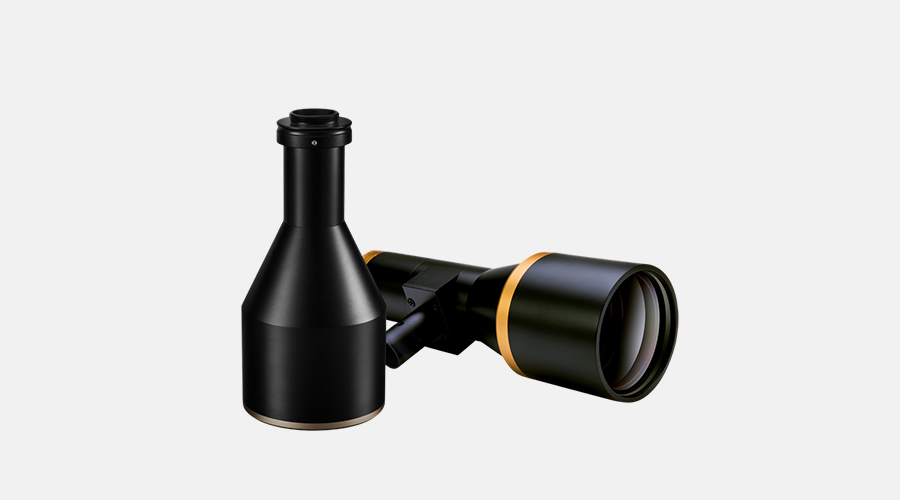
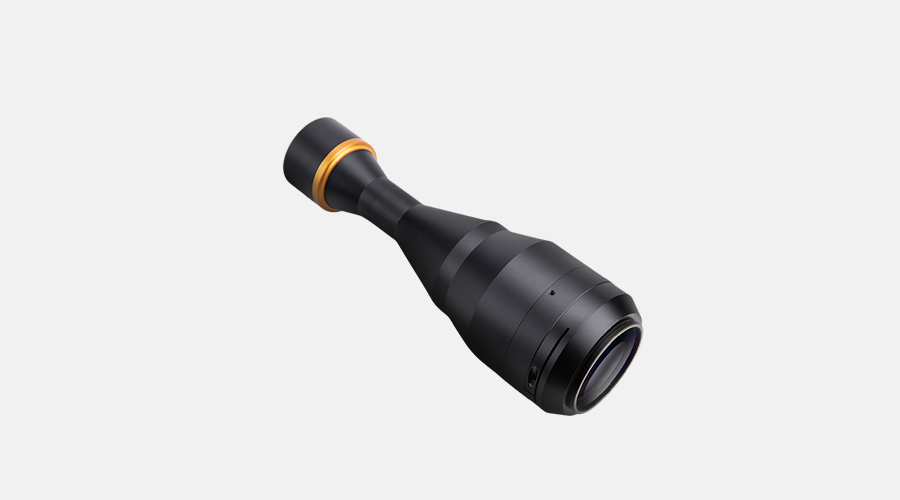
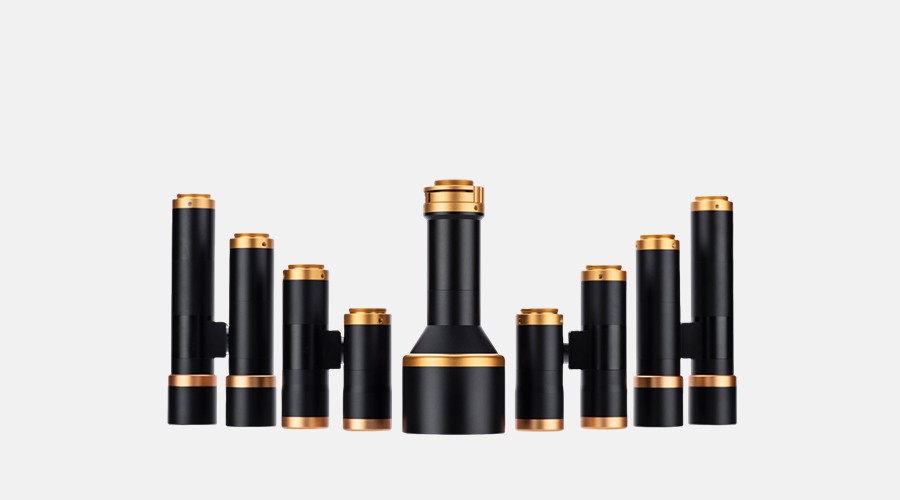
New Vision’s double-telecentric product range comprises the HR series and the DZ series, both of which feature telecentricity and optical distortion of less than 0.1%. These are verified specifications; they are not rough estimates, but parameters confirmed through optical testing.
The advantages of dual-eccentricity for dimensional measurement
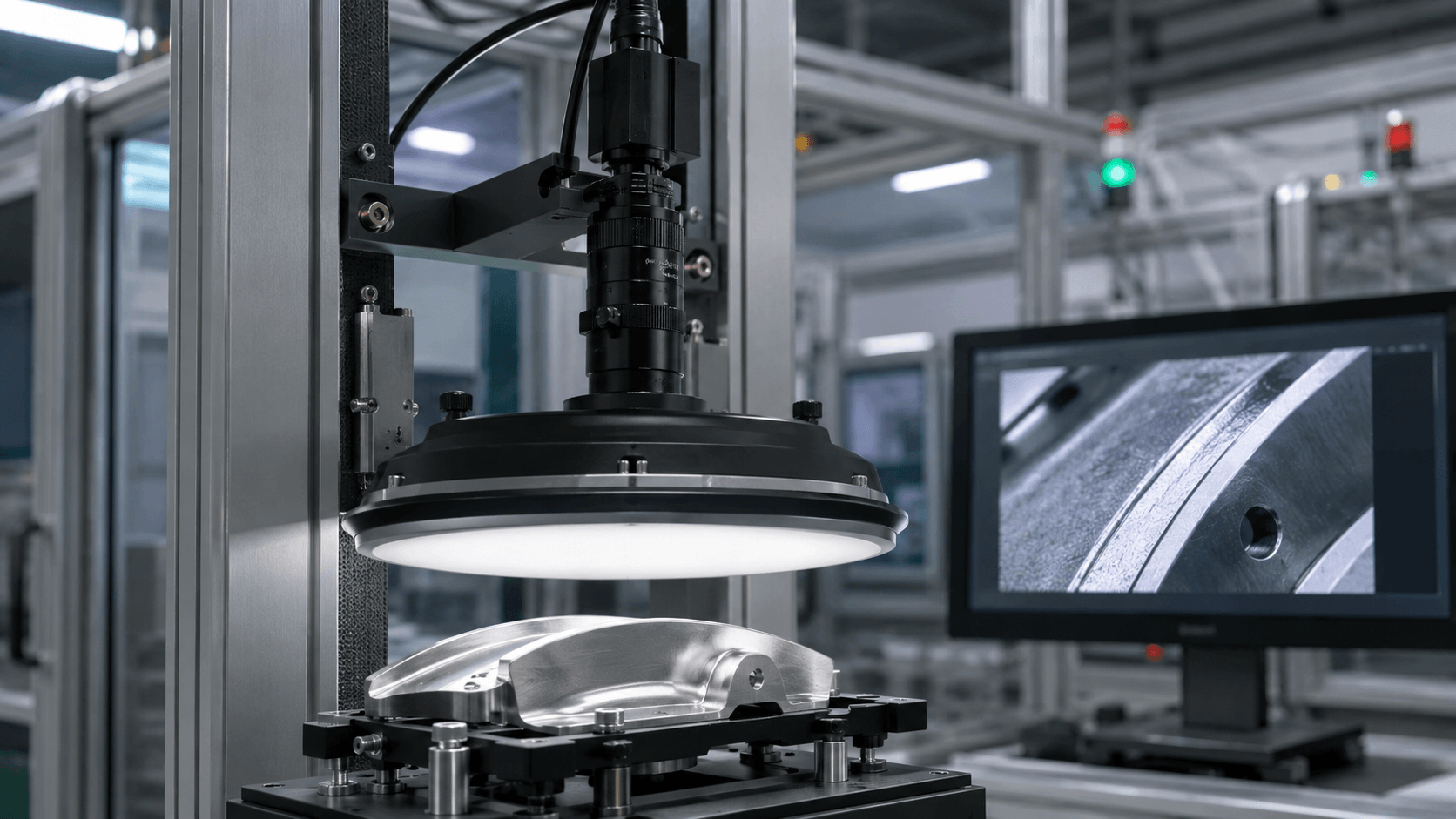
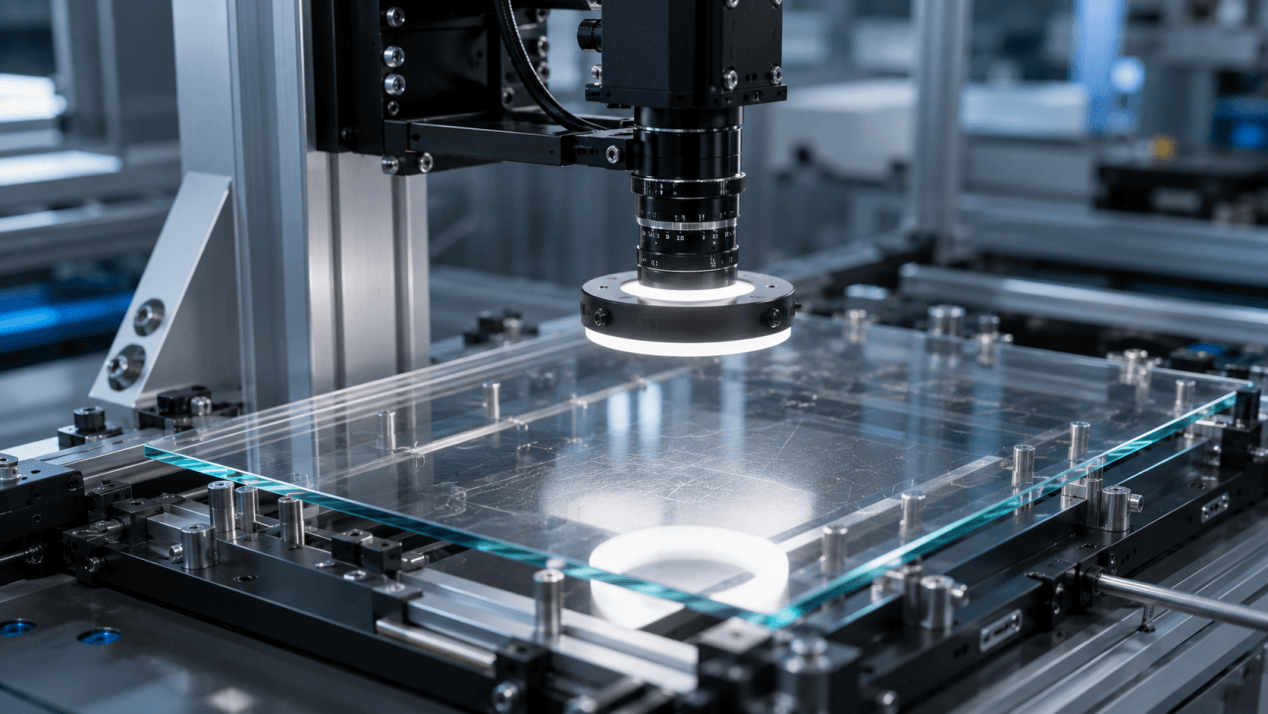
The key advantages of dual-telecentric optics are most evident in coordinate measuring machines, semiconductor wafer inspection systems, and applications requiring sub-pixel measurement repeatability.
Choosing between the two New Vision rangesThe HR series is the main line of double-telecentric products, offering four fixed working distance options: 65 mm, 110 mm, 150 mm and 220 mm. The DZ series, meanwhile, is designed for high-precision measurement applications, offering a maximum magnification of 10× and a resolution of 0.03 micrometres.
When is a double-telecentric lens not required?
Double-telecentric lenses are not always the best choice; they are intended for applications where the field of view takes precedence over measurement accuracy, such as:
1. Presence/absence detection, basic pattern matching or colour verification, where standard industrial lenses typically offer sufficient performance at a lower cost
2. Dual-telecentric designs are specifically optimised for dimensional measurement, involving trade-offs in terms of weight, size and cost
In short, understanding whether the application genuinely requires dual-telecentric performance is just as important as selecting the correct lens model.