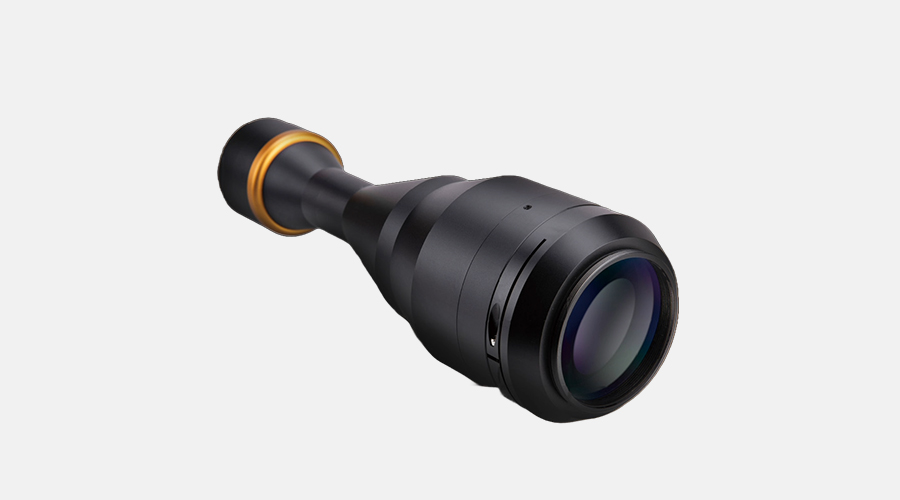
 Compatible with 7.2mm-82mm chips
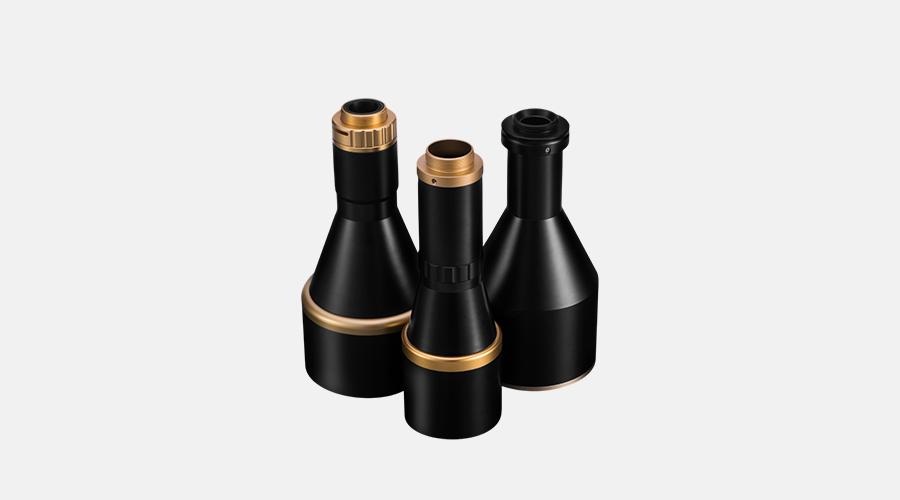 High/Low Working Distance
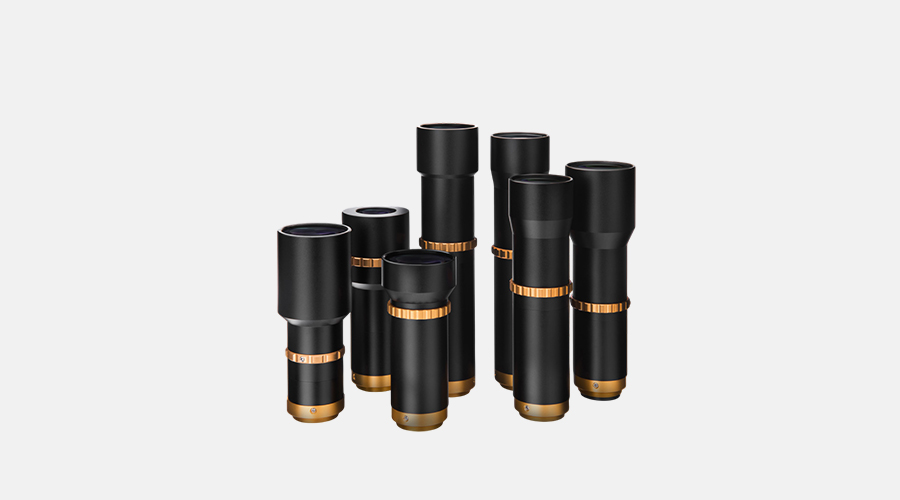 Aperture telecentric lens
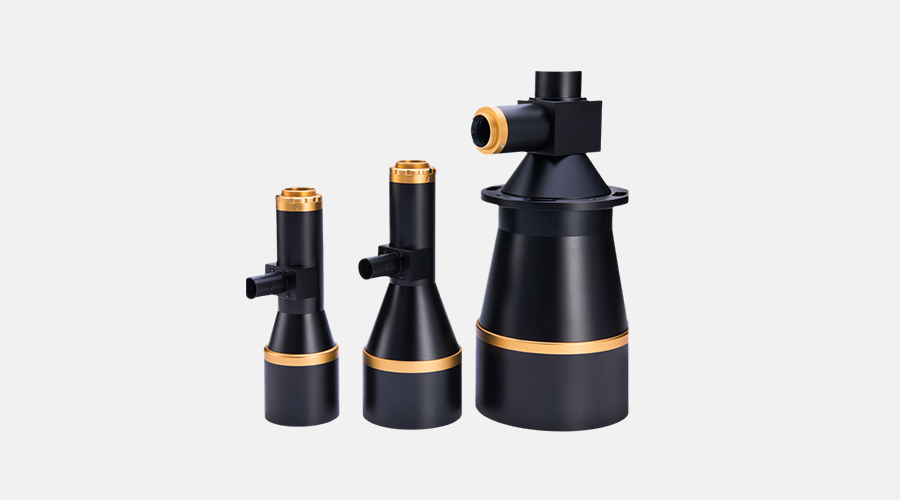 Measuring lens
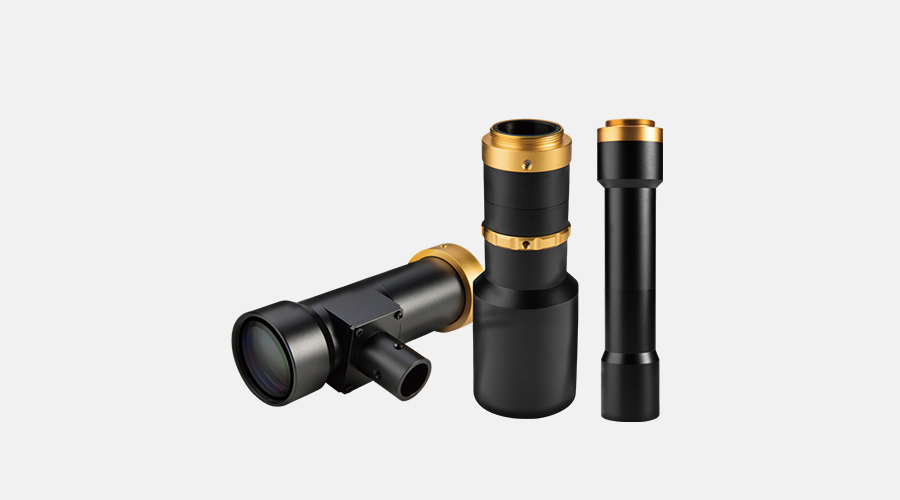 Maximum support 1.1" chips
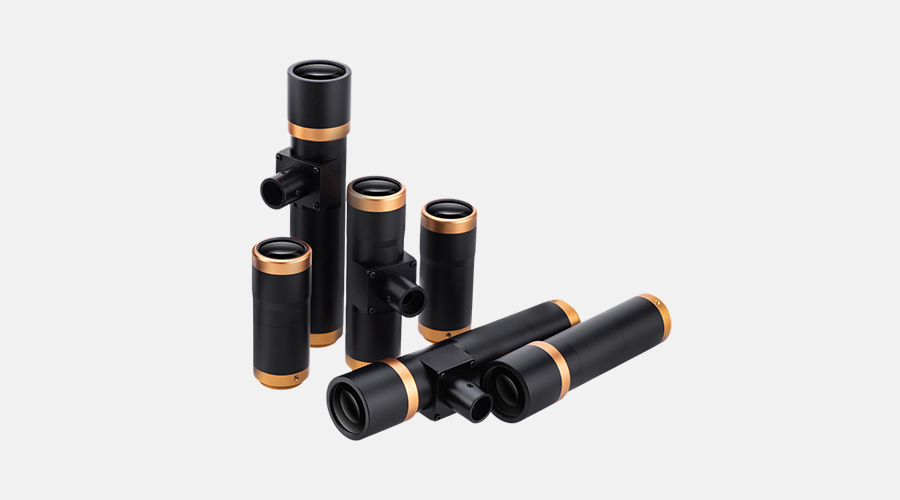 Maximum support 1.2" chips
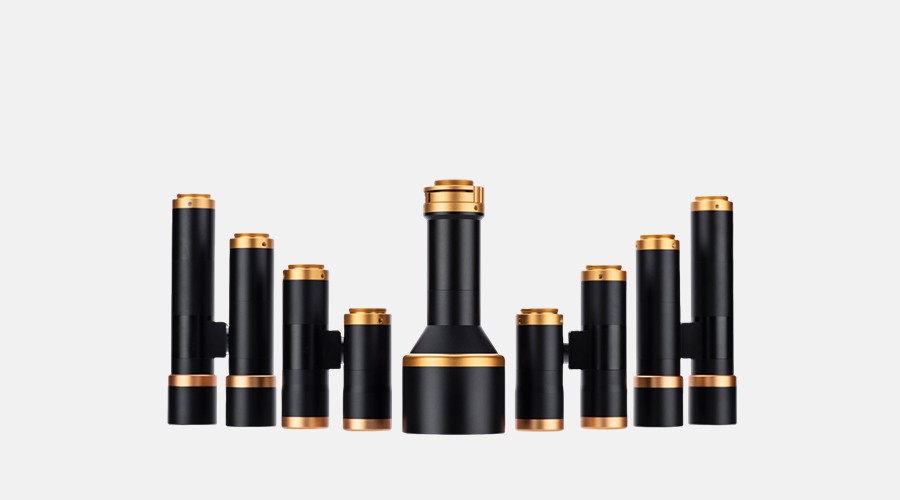 Maximum support 2/3" chips
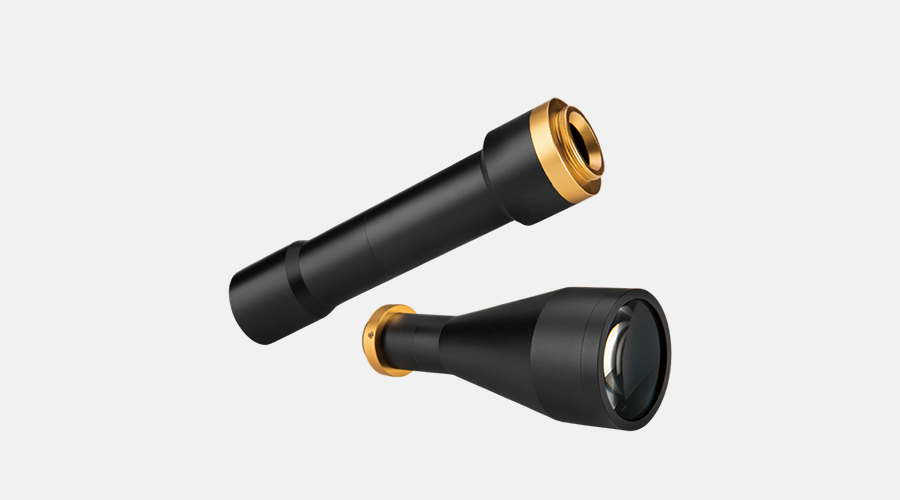 Long Working Distance
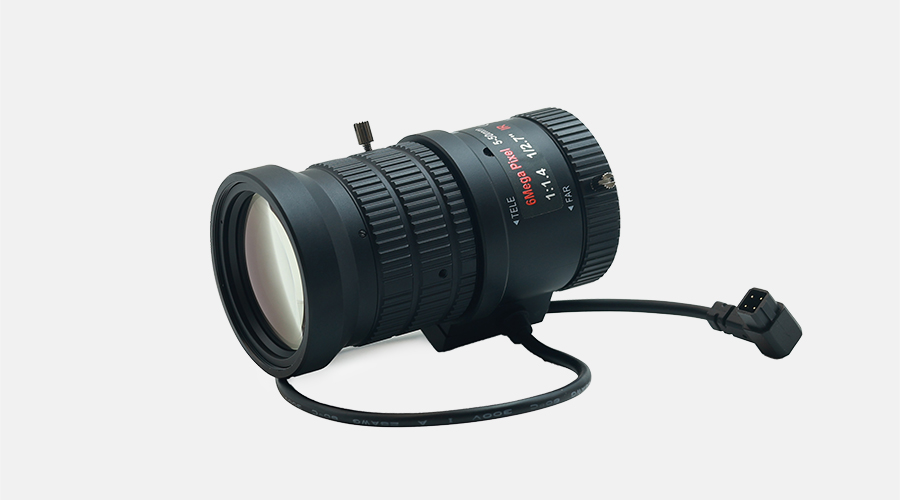 CS mount Varifocal lens
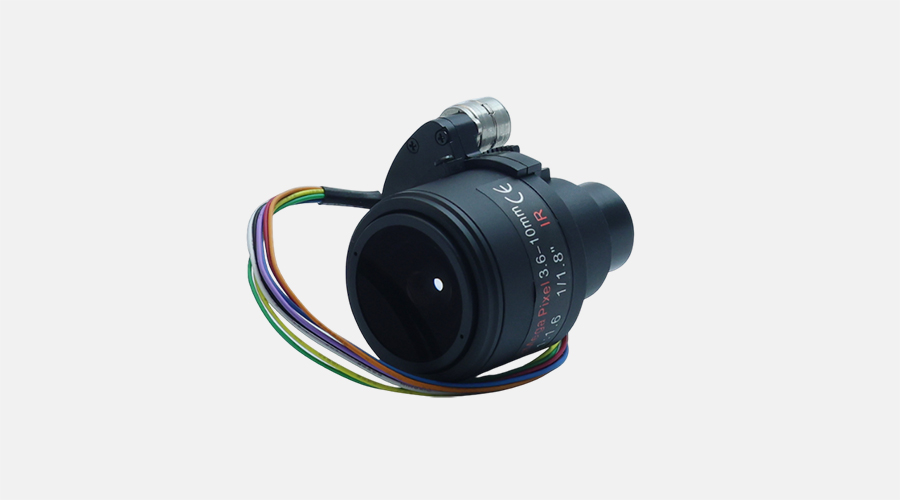 Varifocal board lens
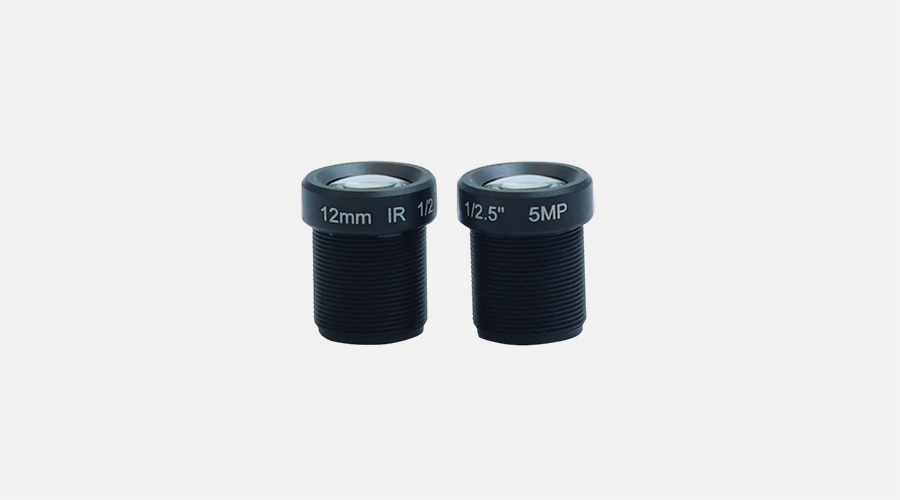 S mount lens
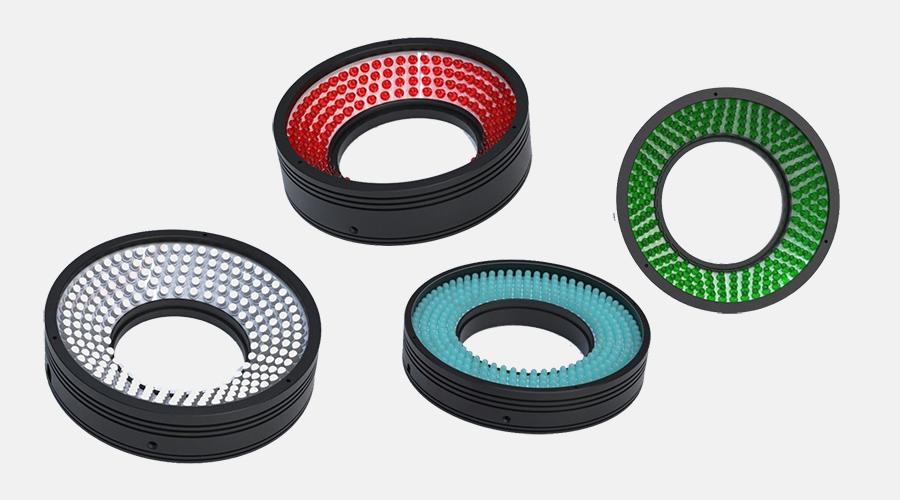 Ring light
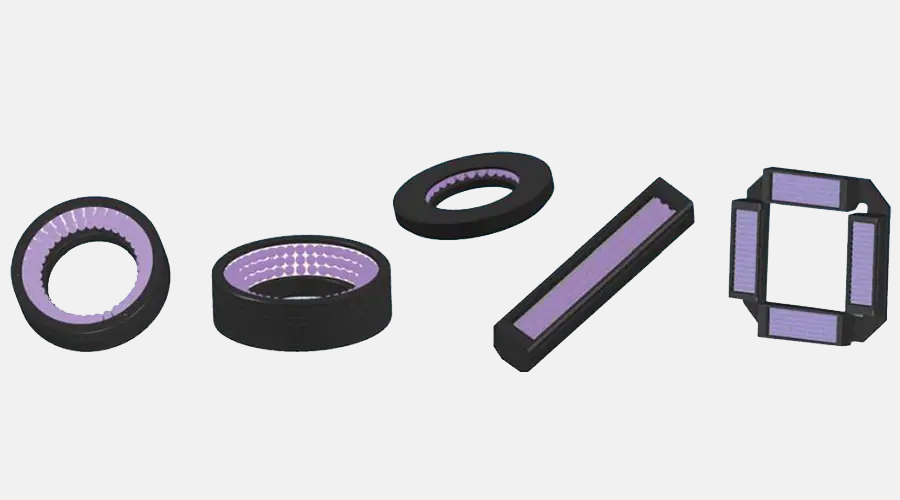 UV/IR Light
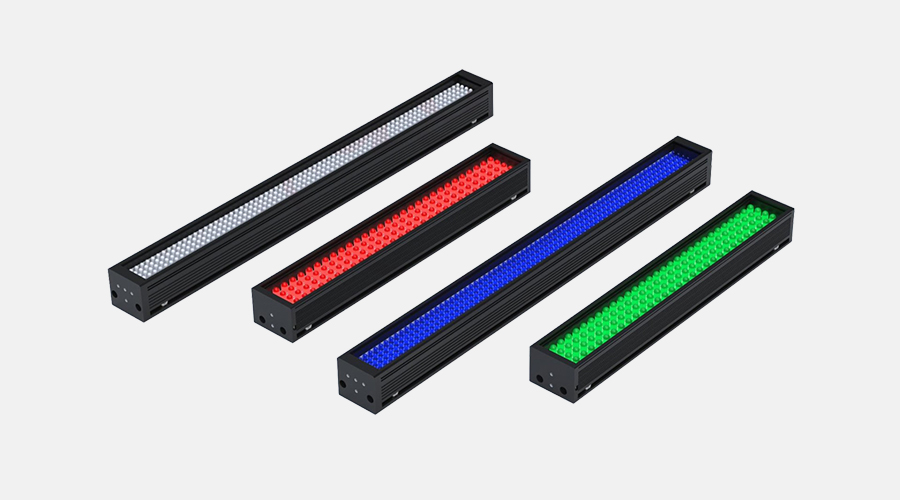 Bar light
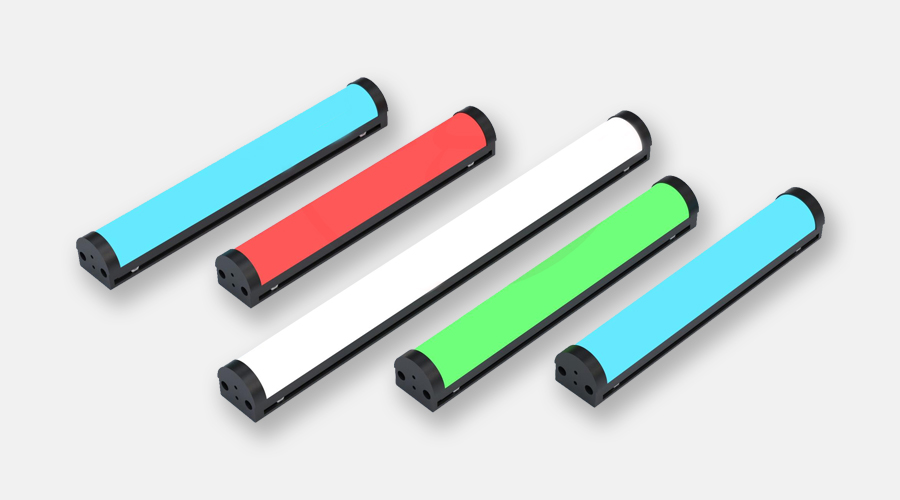 Arcuate high uniformity light
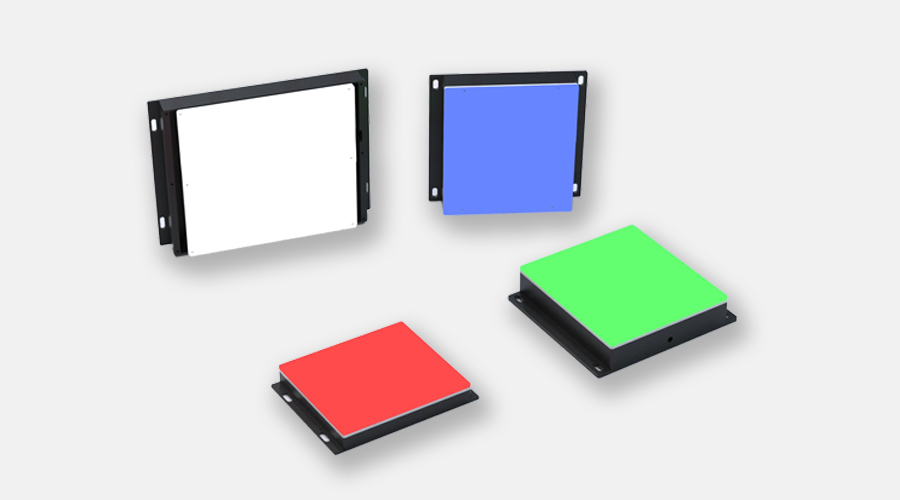 Back light
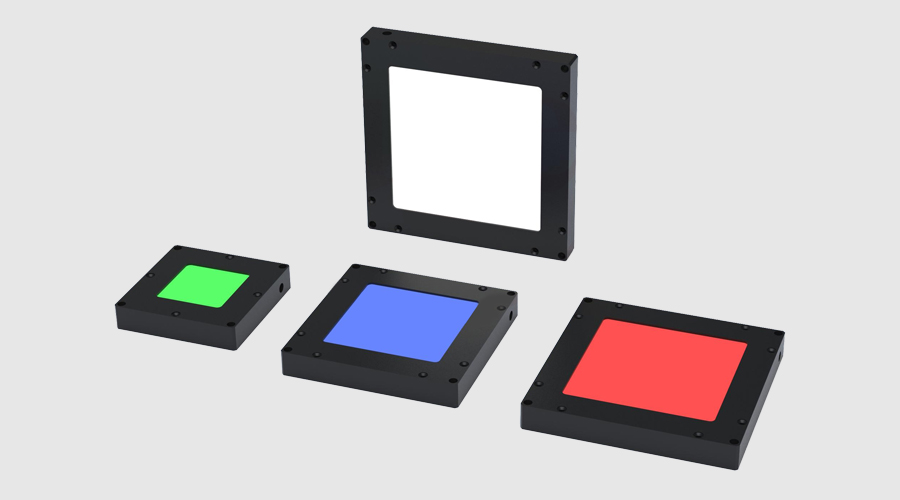 Flat light
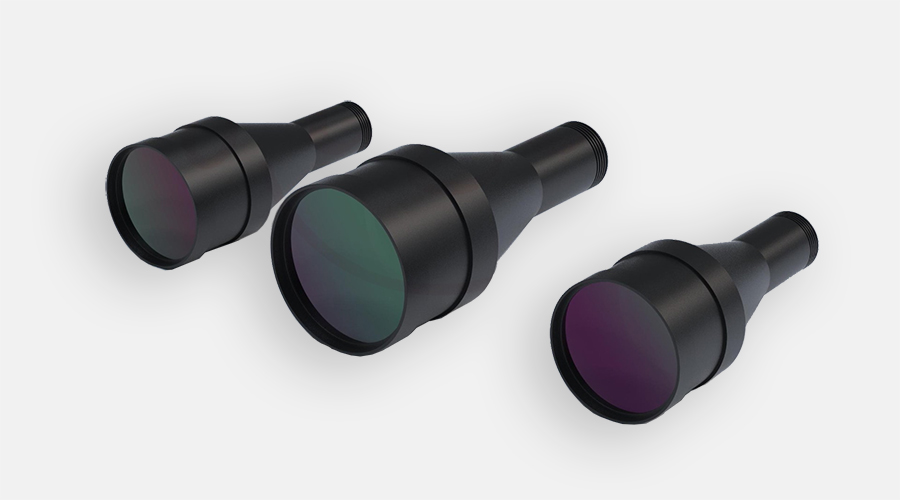 Collimated light
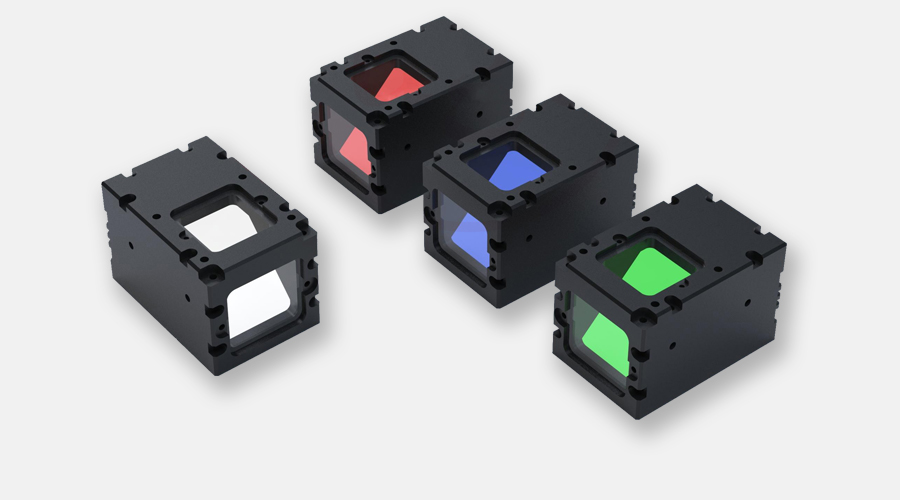 Coaxial light
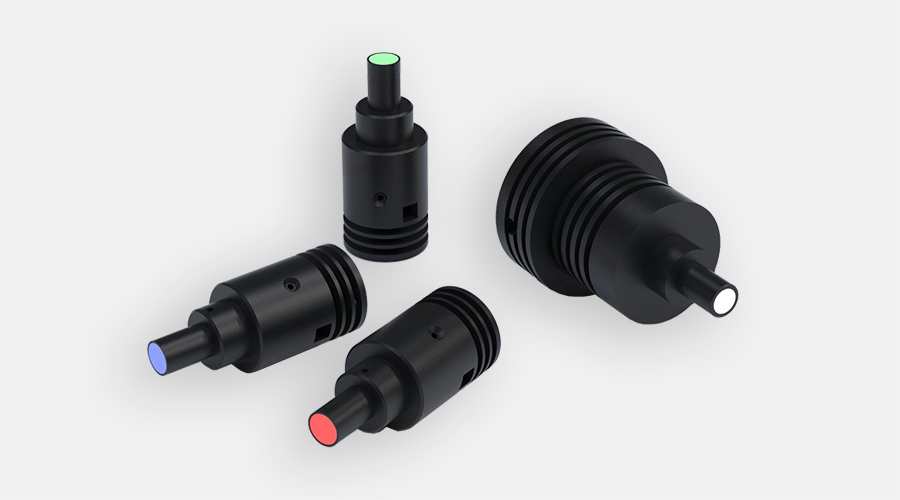 Spot light
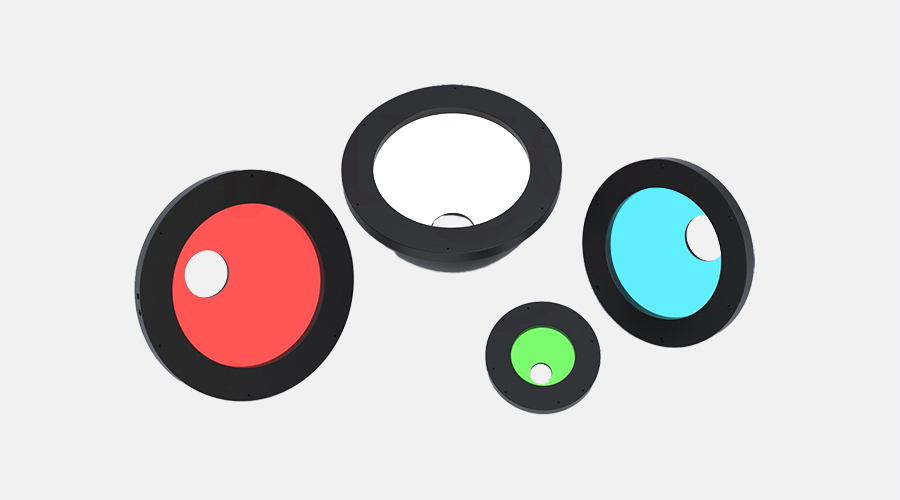 Dome light
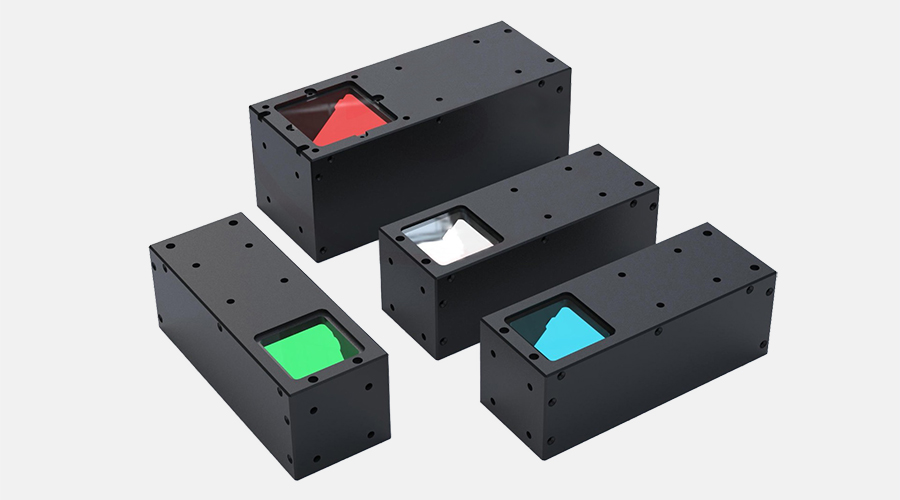 Collimated Coaxial light
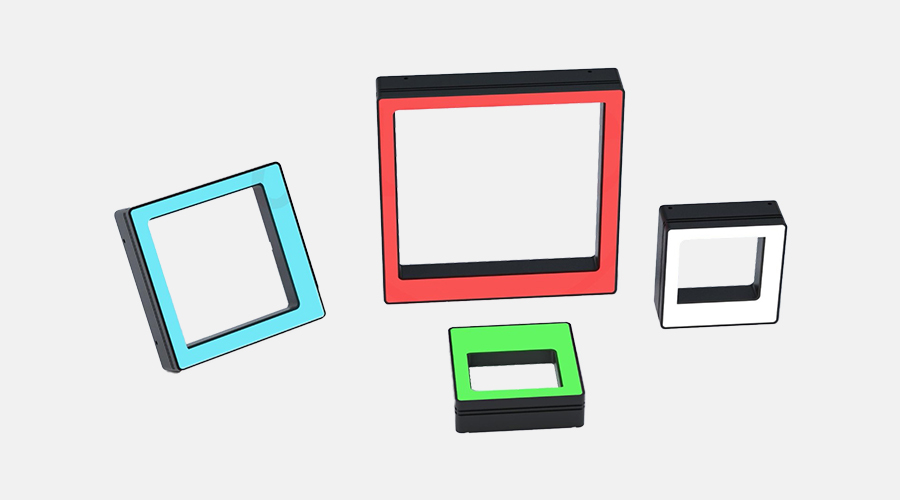 Shadowless square light
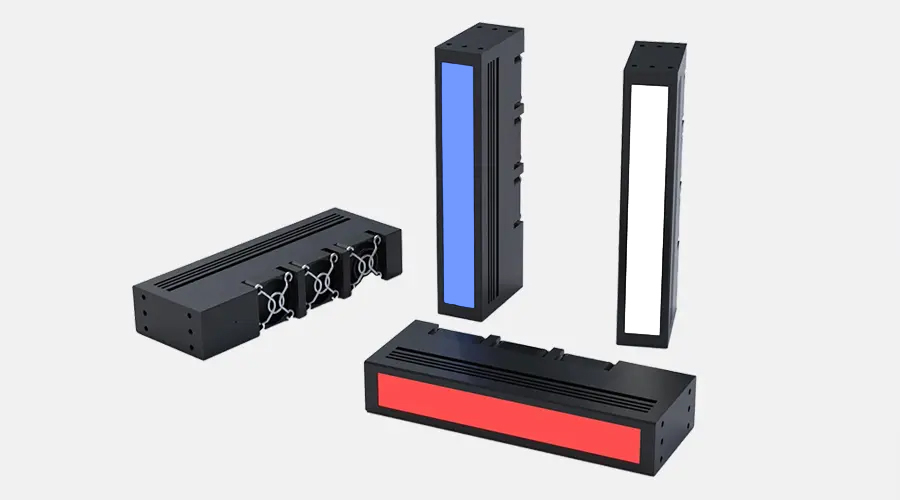 Scan light
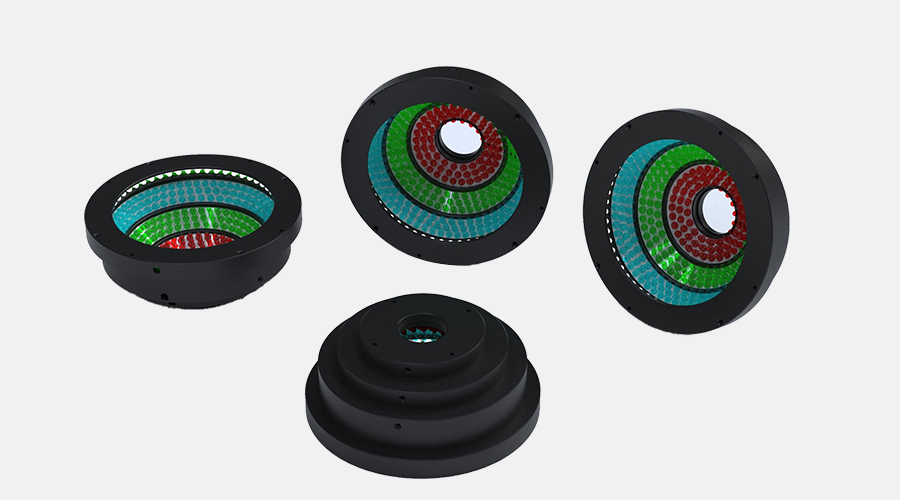 AOI light
 Analog controller
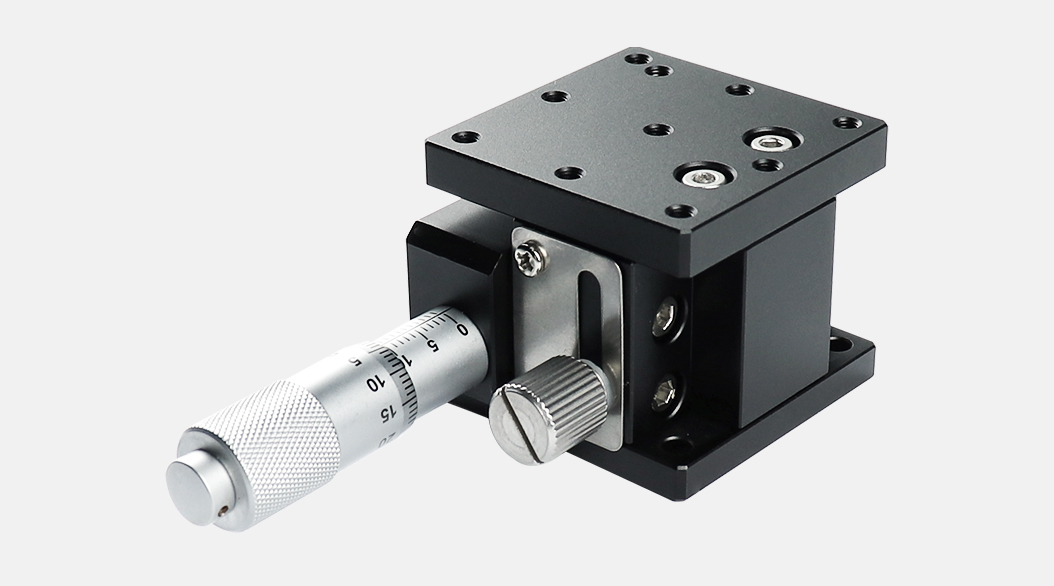 Crossed-Roller Linear guide type
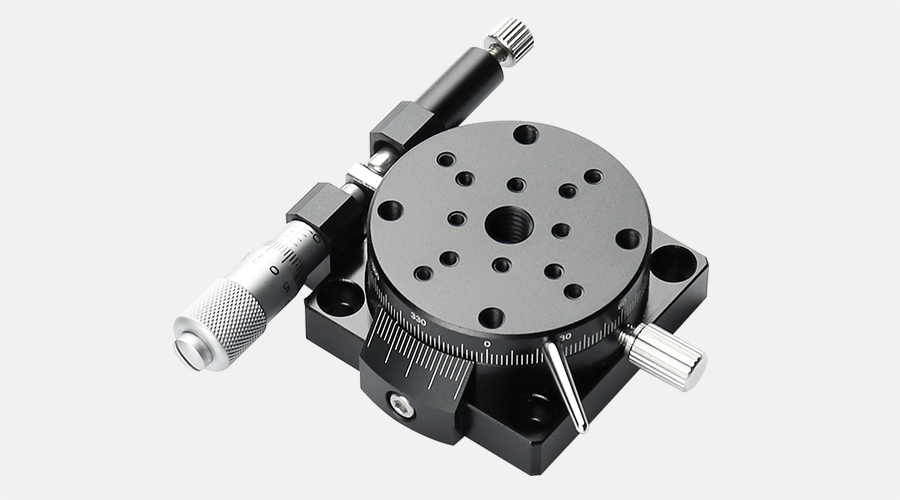 Rotary Stages XRS series
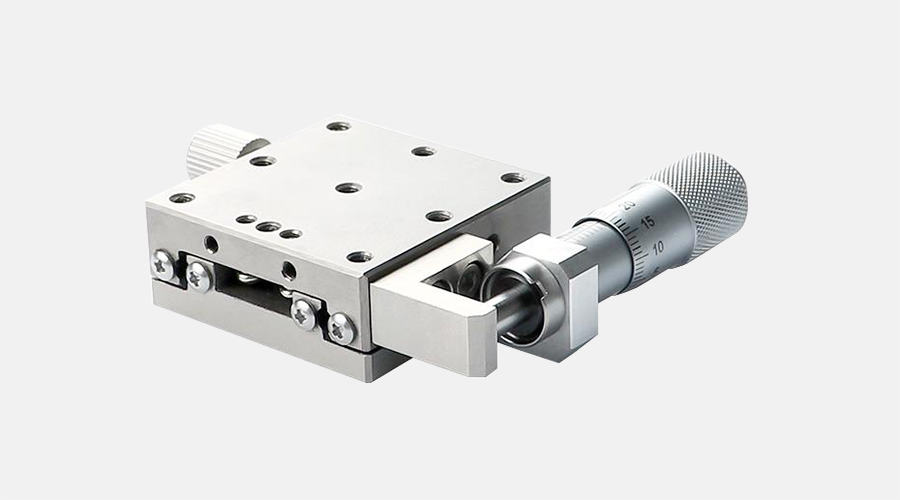 Stainless Steel Ball Bearing Linear Translation Stages
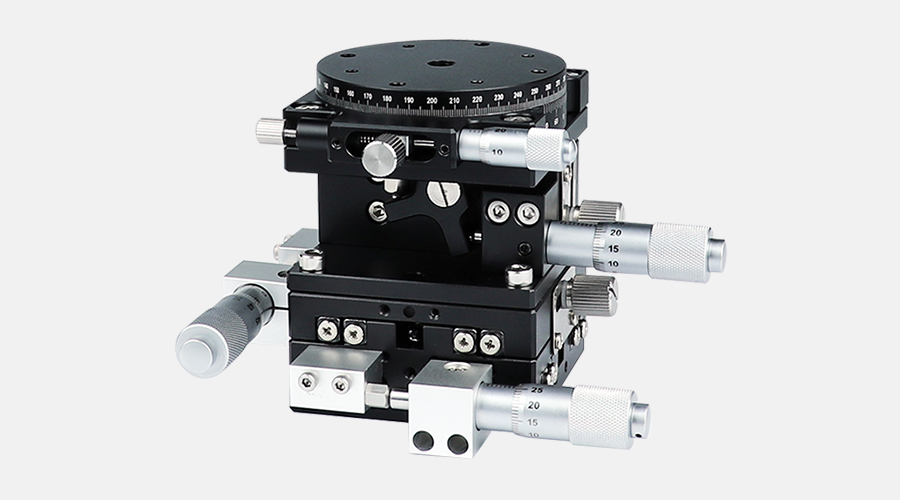 Multi-axis Translation stages
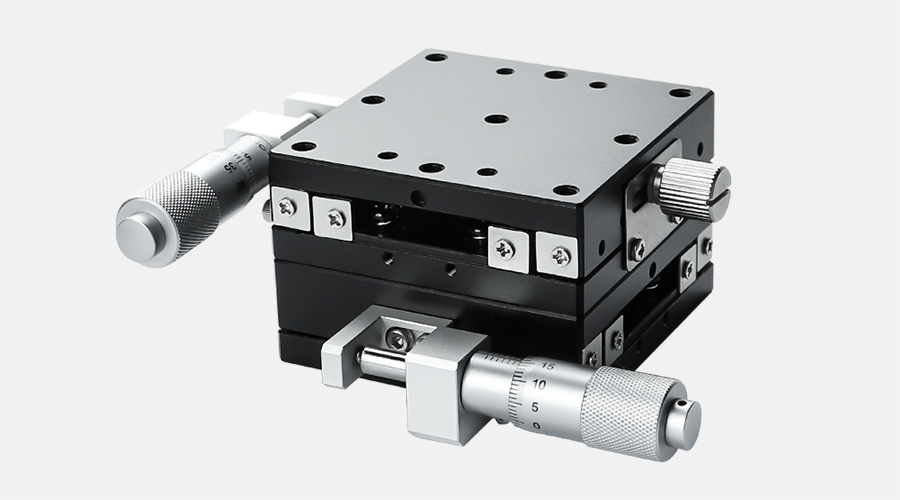 steel bar ball bearing stages
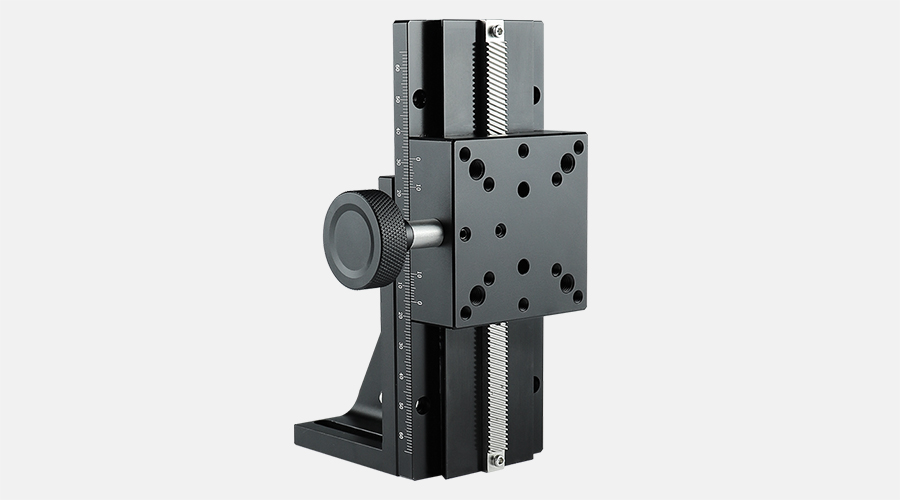 Dovetail Type Rack&Pinion Positioning Stage
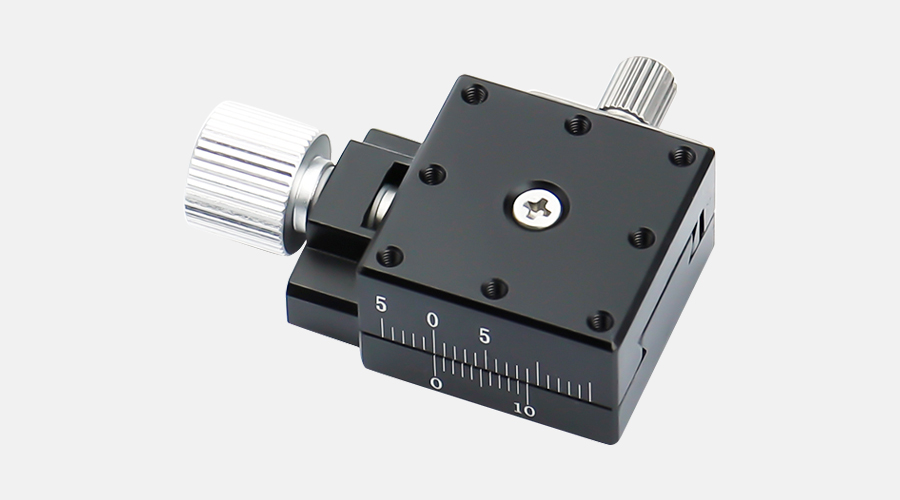 Dovetail groove high-precision screw slide
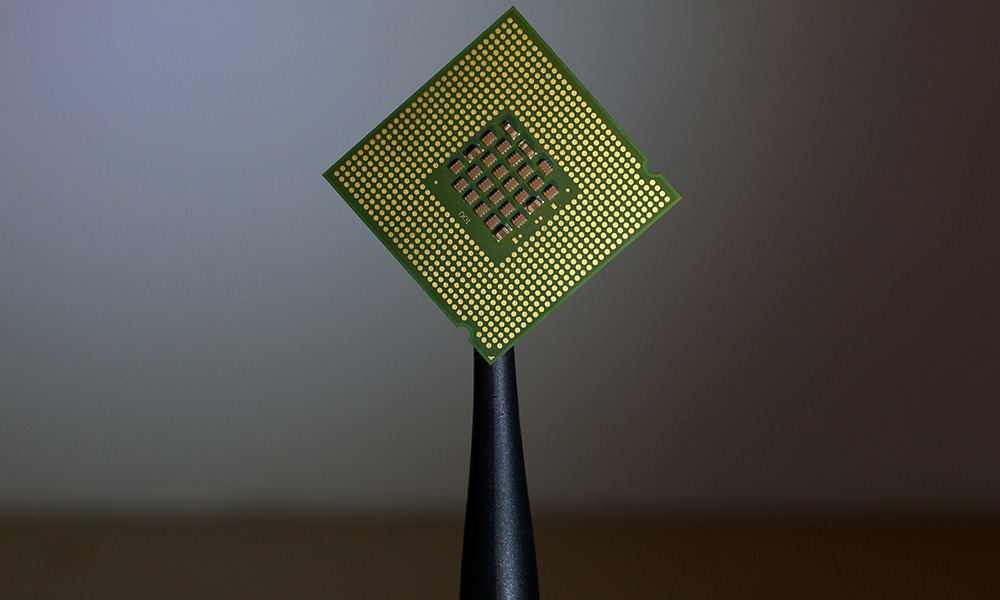
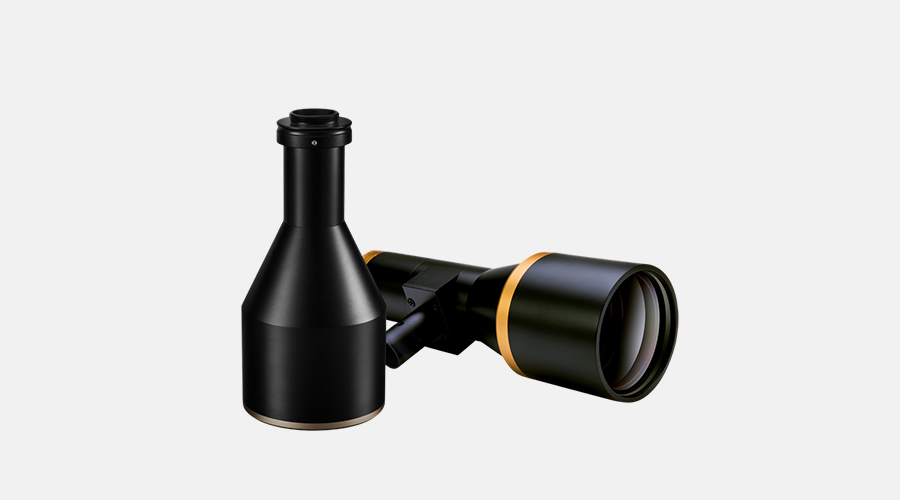
Commercial Building Security: Choosing the Right Lens for Indoor Surveillance
Indoor commercial surveillance presents different challenges from outdoor traffic or industrial monitoring. While environmental robustness remains important, the primary concerns shift to coverage efficiency, aesthetics, and the specific monitoring requirements of commercial spaces.
Commercial buildings include diverse environments: spacious lobbies with high ceilings, narrow corridors, elevators, stairwells, and individual offices. Each space type demands different lens characteristics to maximize surveillance effectiveness.
Understanding Focal Length for Indoor Coverage
Focal length directly determines the field of view (FOV) and imaging distance. For indoor surveillance, common scenarios include:
Large lobbies: Require wide-angle coverage from mounting heights of 3-5 meters. A 2.8-3.6mm lens provides approximately 80-100 degree horizontal FOV, capturing the full lobby area from a single position.
Corridors: Long, narrow spaces where a standard lens would waste coverage on side walls. A longer focal length (6-12mm) oriented along the corridor provides coverage matching the space's proportions - capturing the full corridor length rather than a wide slice of it.
Exit/entrance checkpoints: Requires capturing faces at distances of 2-5 meters - typically a 3-6mm lens at the wider end provides sufficient detail for identification at these distances.
Fixed vs Varifocal Lenses for Indoor Applications
Fixed focal length lenses remain popular for indoor commercial surveillance for several reasons: cost efficiency (fixed lenses cost less than varifocal alternatives), simplicity (no moving parts means higher reliability), and aesthetic integration (smaller, discrete cameras with fixed lenses blend more easily into commercial interior designs).
However, fixed lenses require careful specification: choosing a focal length that matches the installation location's coverage needs. If the coverage requirement changes, the lens must be physically replaced.
For projects where coverage flexibility matters, compact varifocal lenses (such as M12 interface varifocal models) offer adjustment capability without major equipment changes.
The M12 Interface: Compact Solutions for Indoor Cameras
Board-level cameras with M12 (S-mount) lens interfaces enable compact camera designs suitable for indoor commercial applications where camera size affects aesthetics or installation options.
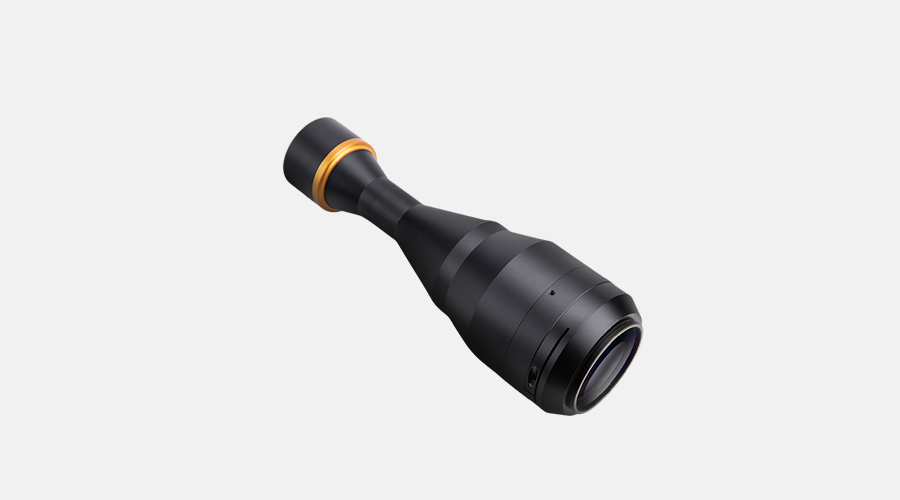
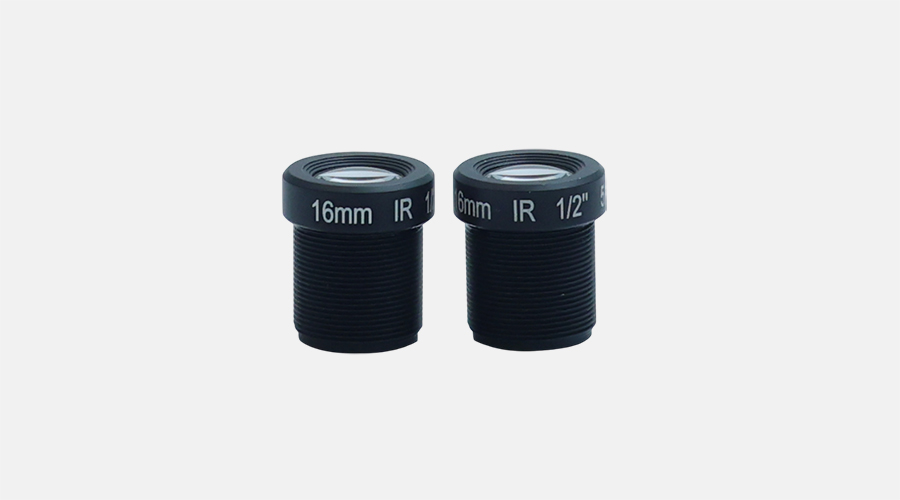
M12 lenses offer various focal lengths in a small form factor. A 16mm M12 lens provides narrow to moderate horizontal FOV (approximately 15-20 degree depending on sensor size), excellent for focused coverage of specific areas: service counters, reception desks, checkout stations, and very compact construction suitable for discreet installations.
The trade-off is limited wide-angle coverage. M12 fixed lenses do not offer the ultra-wide options available with larger C/CS mount lenses. For large open areas requiring wide coverage, consider C/CS mount cameras instead.
Sensor Size and Image Quality
The combination of lens focal length and sensor size determines the actual field of view. A 16mm lens on a 1/2 inch sensor produces a narrower FOV than the same 16mm lens on a 1/3 inch sensor, because the larger sensor utilizes more of the lens's image circle.
For commercial indoor surveillance, 1/2 inch sensors paired with appropriate lenses provide good balance between light sensitivity and coverage area. Higher resolution (5MP) sensors ensure detail capture for facial identification and evidence documentation.
Low Light Performance for Indoor Environments
Indoor environments often feature challenging lighting: inconsistent artificial lighting, areas with natural daylight from windows, and low-light conditions during non-business hours.
Lens aperture (f-number) affects low-light performance. Lower f-numbers (f/1.4 to f/2.0) transmit more light, enabling better imaging in low-light conditions. However, lower aperture also reduces depth of field - objects at varying distances may not all remain in focus.
For commercial indoor surveillance, a fixed f/2.0 aperture M12 lens provides sufficient light gathering for typical indoor lighting conditions while maintaining adequate depth of field for general surveillance coverage.
Application Example: Office Building Lobby
A corporate lobby monitoring application requires: wide coverage of the main entrance and reception area from a ceiling position at 4 meters; facial identification capability at the reception desk 3 meters from camera position; operation under combination of daylight (from glass facades) and artificial lighting; and compact camera appearance that integrates with modern office design.
A 5MP camera with M12 interface 16mm lens addresses these requirements. The 16mm focal length provides sufficient detail for facial identification at the reception distance while the compact M12 form factor maintains a discrete appearance. The camera operates well under the lobby's mixed lighting conditions, and the 5MP resolution provides evidence-quality imagery for any incidents.
Conclusion
Indoor commercial surveillance requires matching lens characteristics to specific space requirements. Fixed focal length lenses, particularly compact M12 interface models, provide cost-effective, reliable solutions for many indoor applications.
For focused surveillance of specific areas - reception desks, service counters, corridors - a 16mm M12 lens delivers the necessary detail in a compact form factor. Combined with a 5MP camera, this provides high-quality imagery suitable for identification and evidence documentation in commercial building environments.