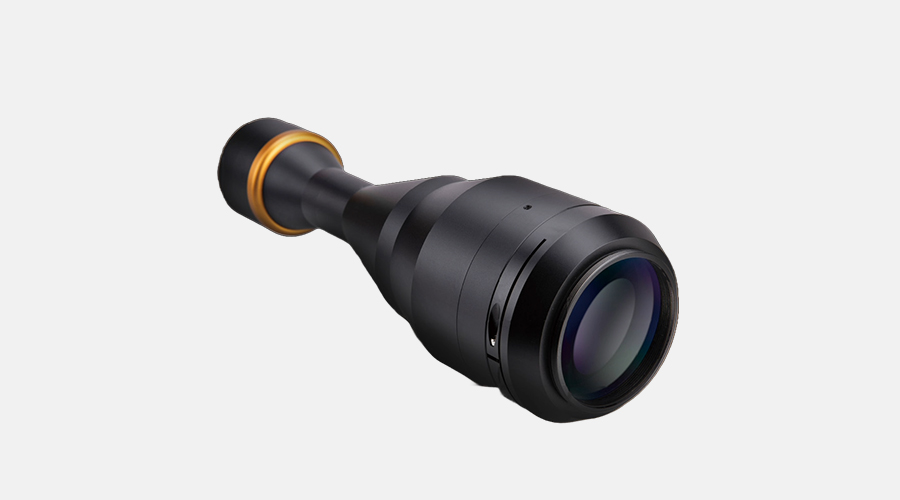
 Compatible with 7.2mm-82mm chips
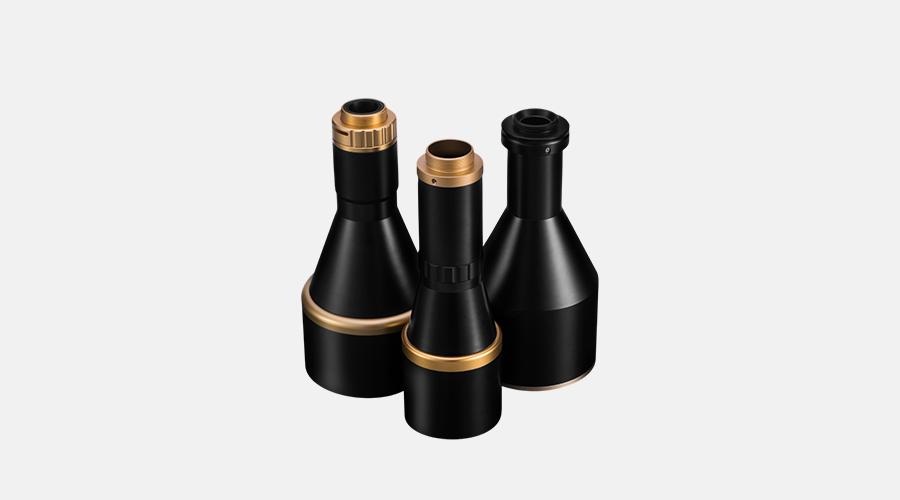 High/Low Working Distance
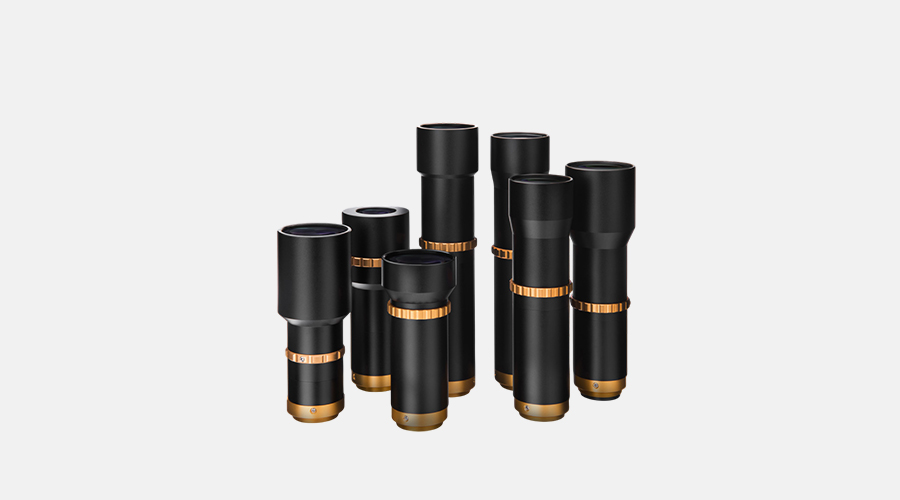 Aperture telecentric lens
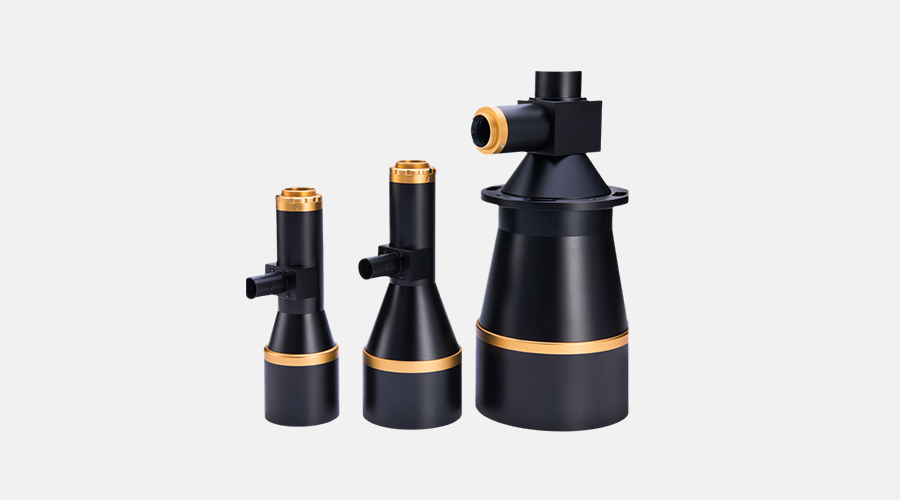 Measuring lens
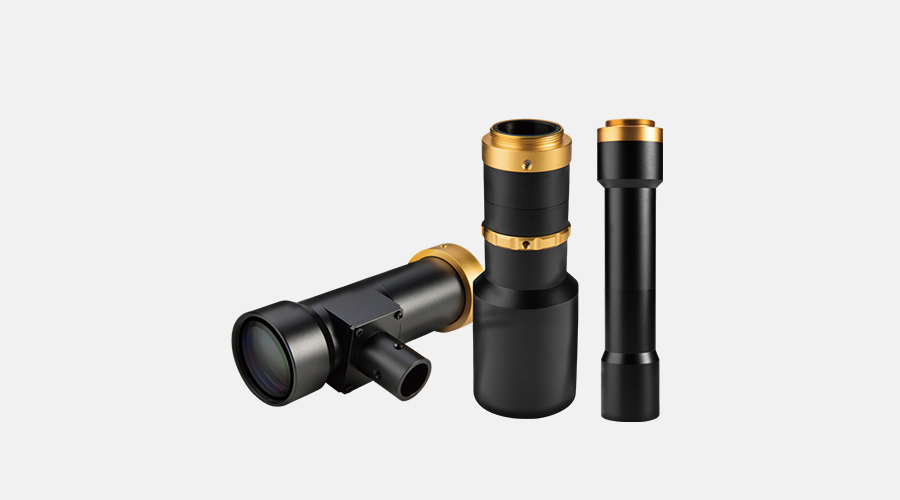 Maximum support 1.1" chips
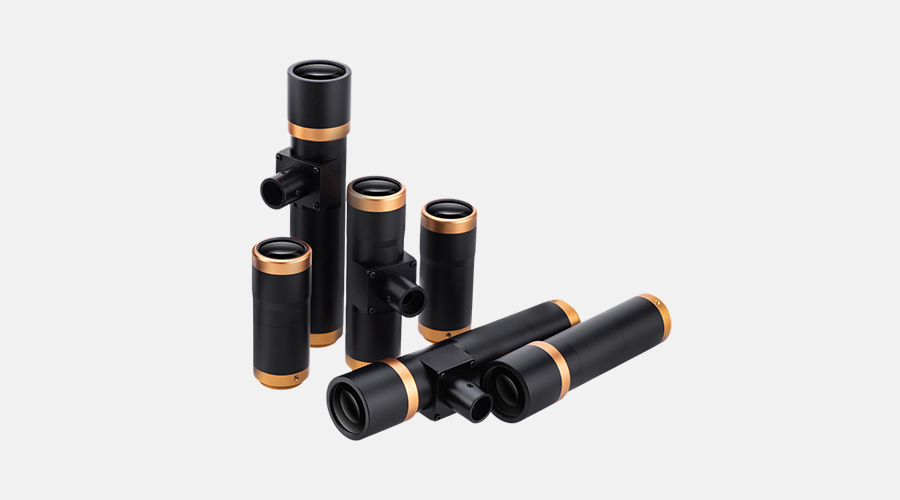 Maximum support 1.2" chips
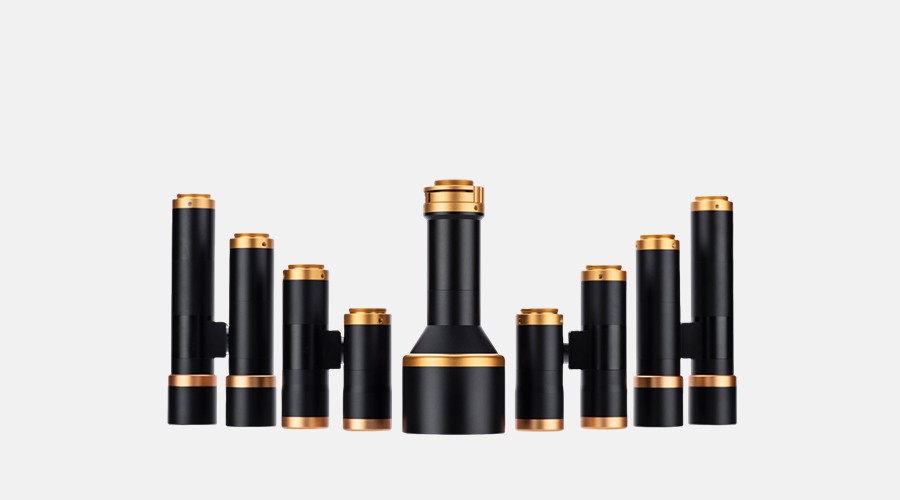 Maximum support 2/3" chips
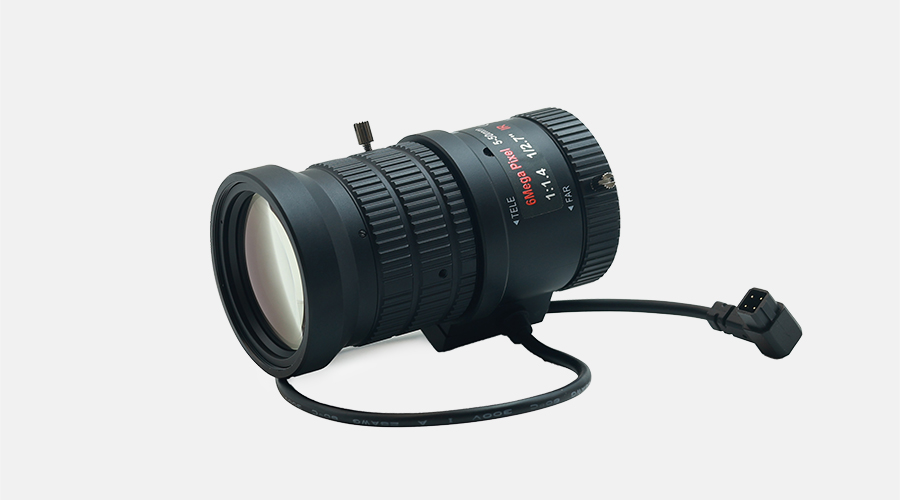 CS mount Varifocal lens
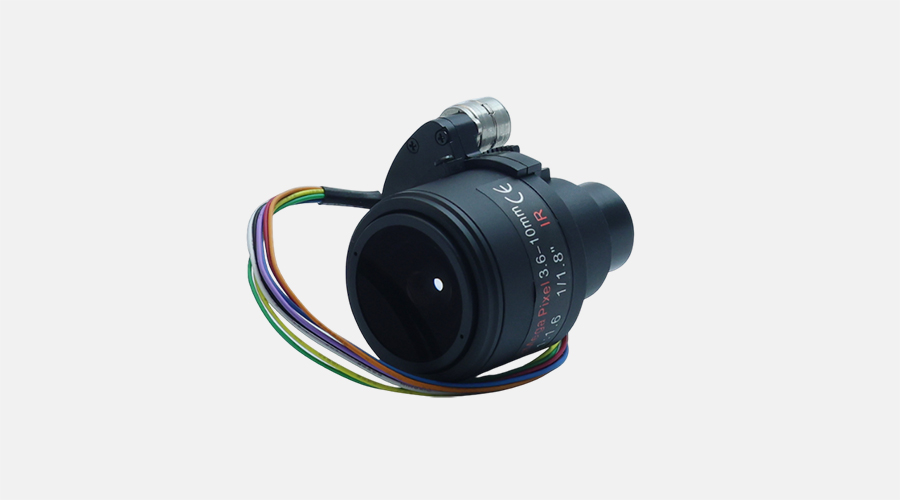 Varifocal board lens
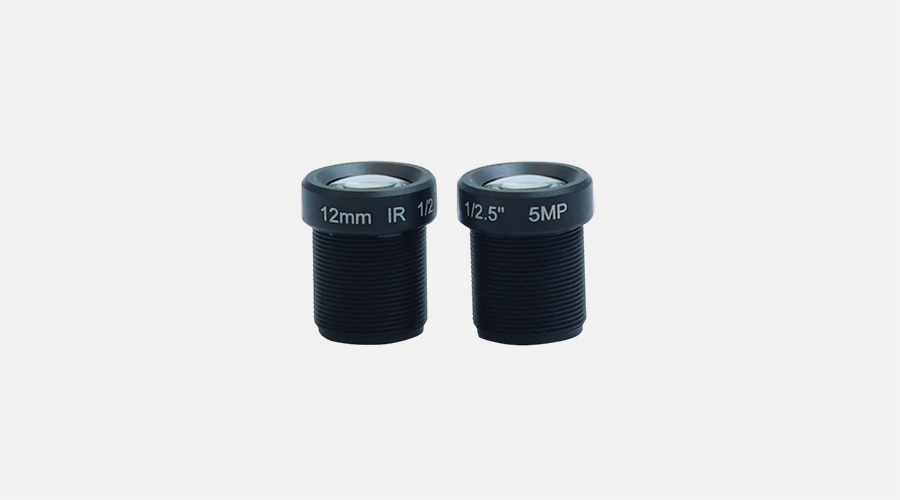 S mount lens
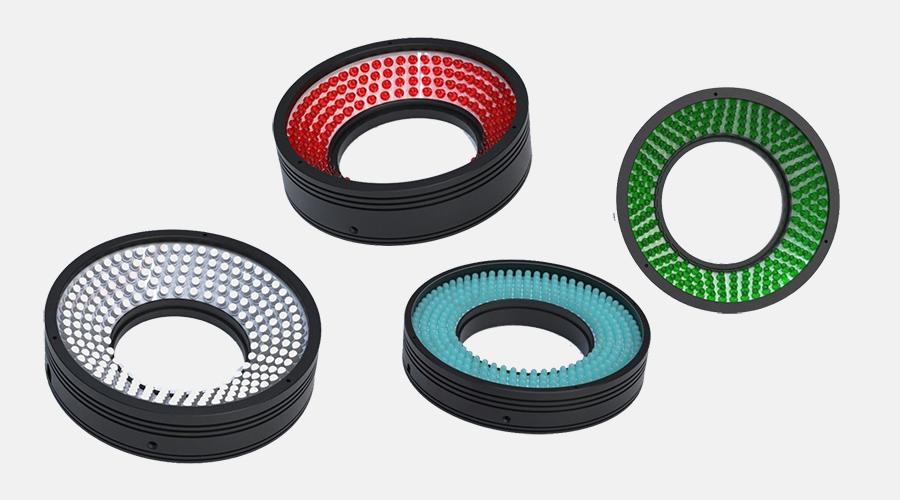 Ring light
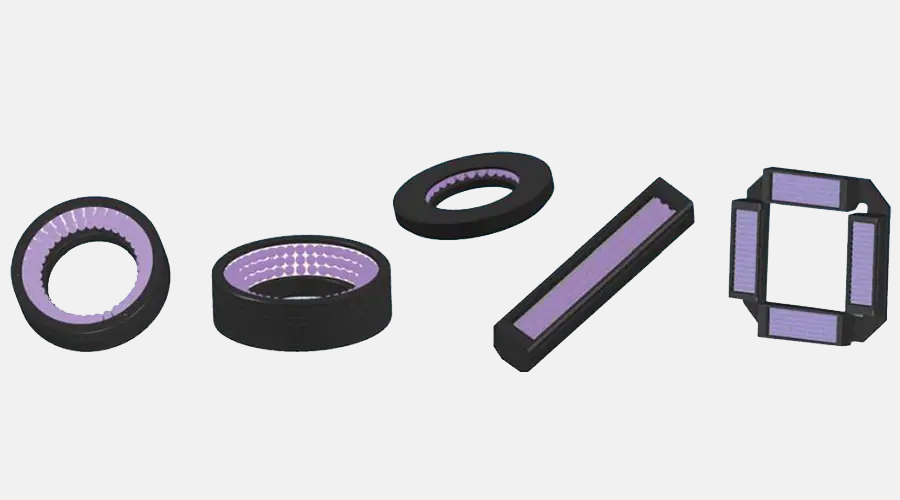 UV/IR Light
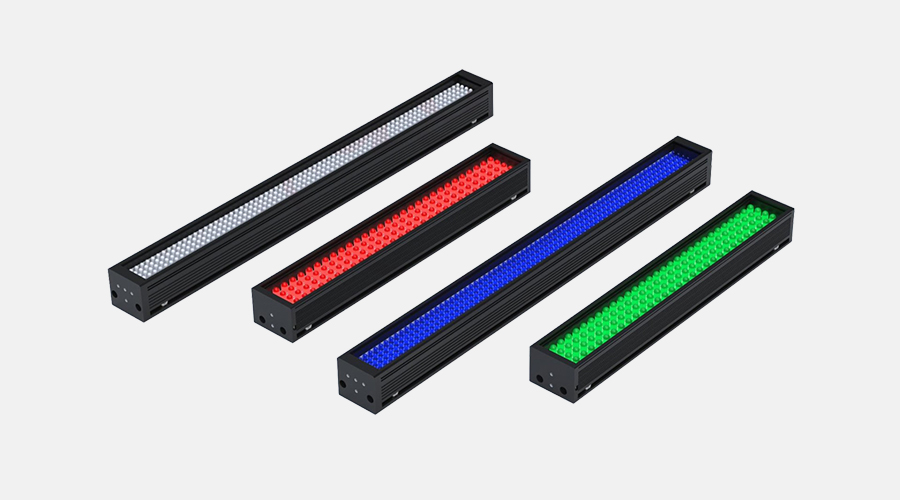 Bar light
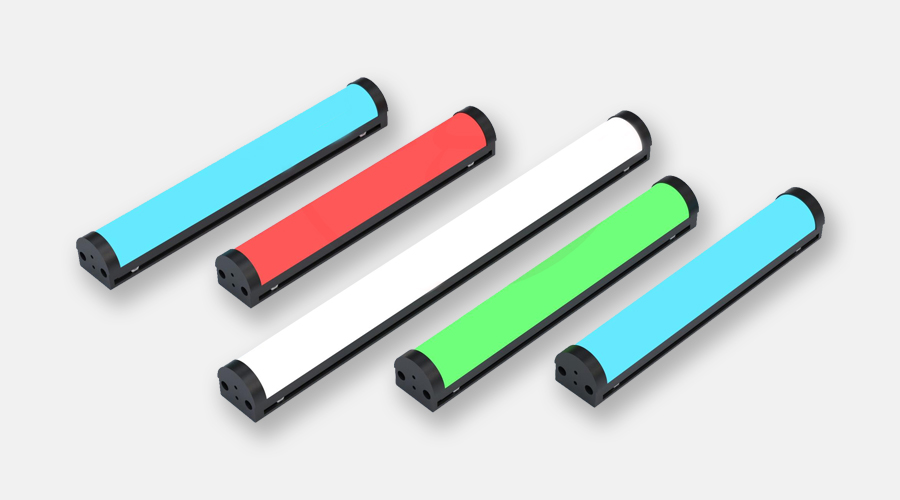 Arcuate high uniformity light
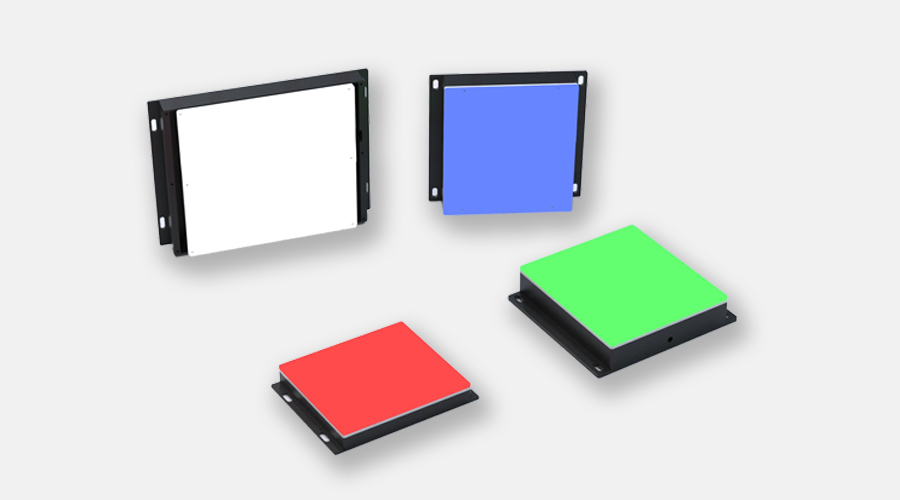 Back light
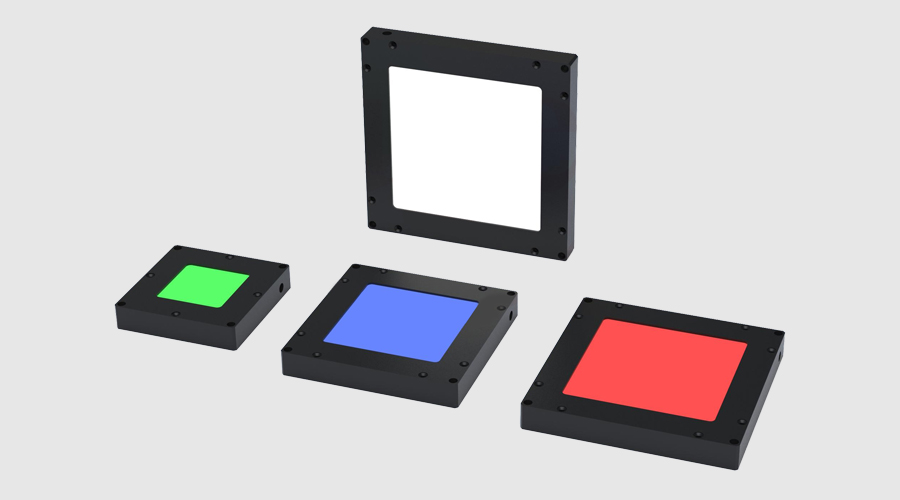 Flat light
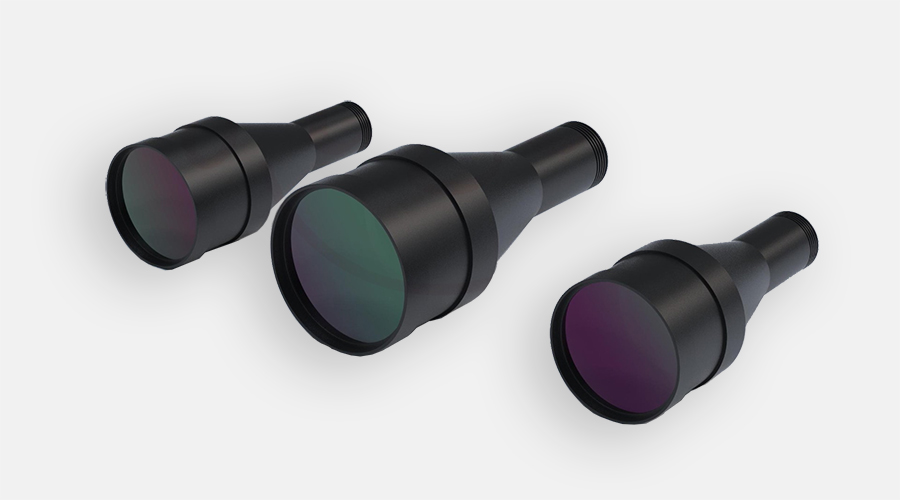 Collimated light
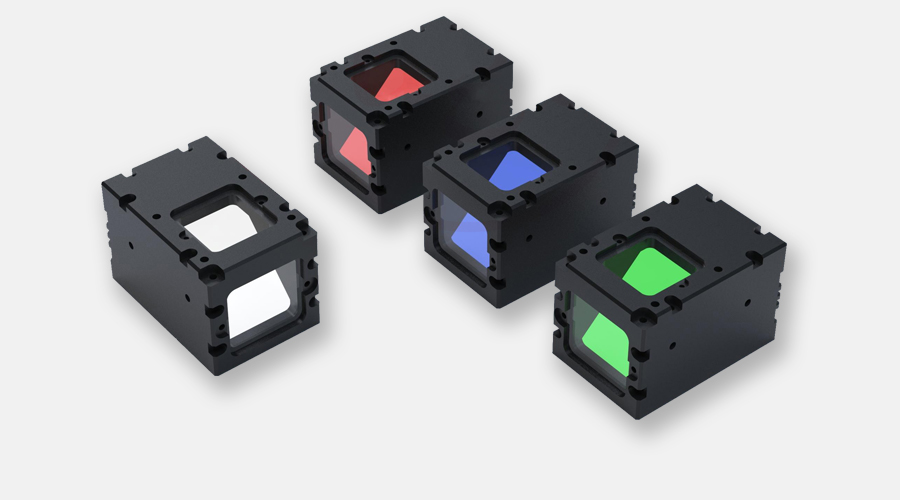 Coaxial light
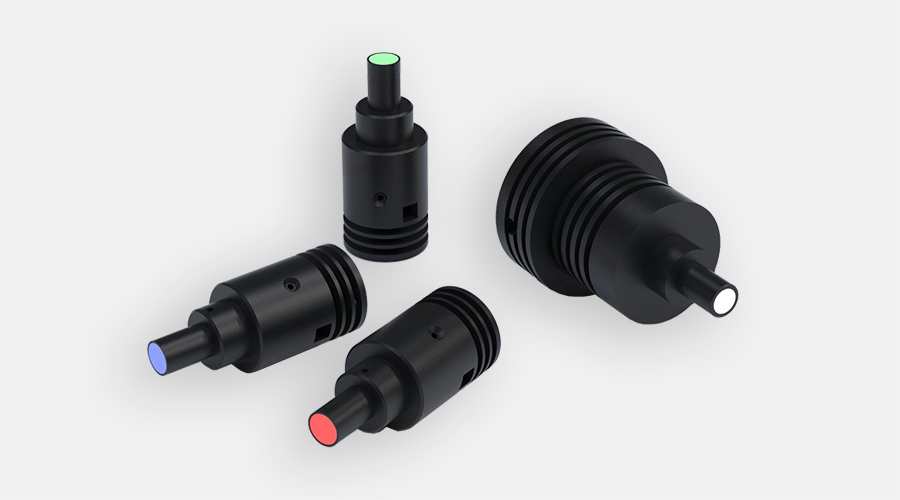 Spot light
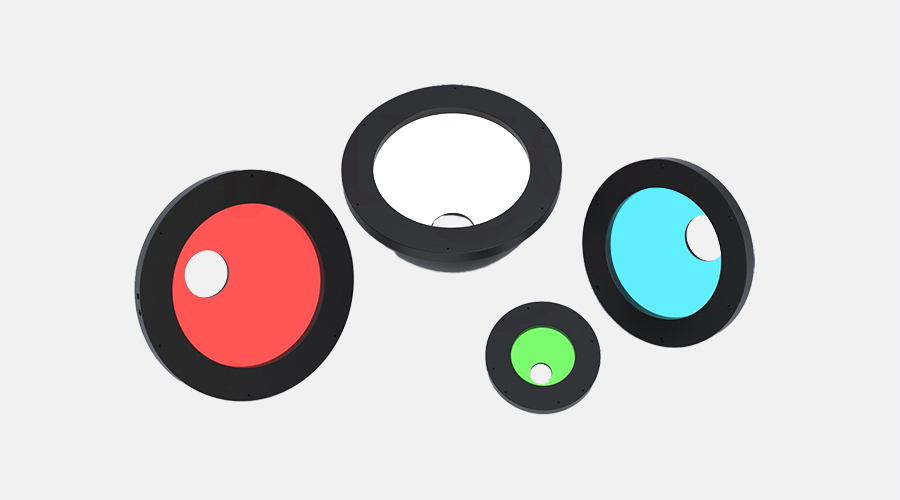 Dome light
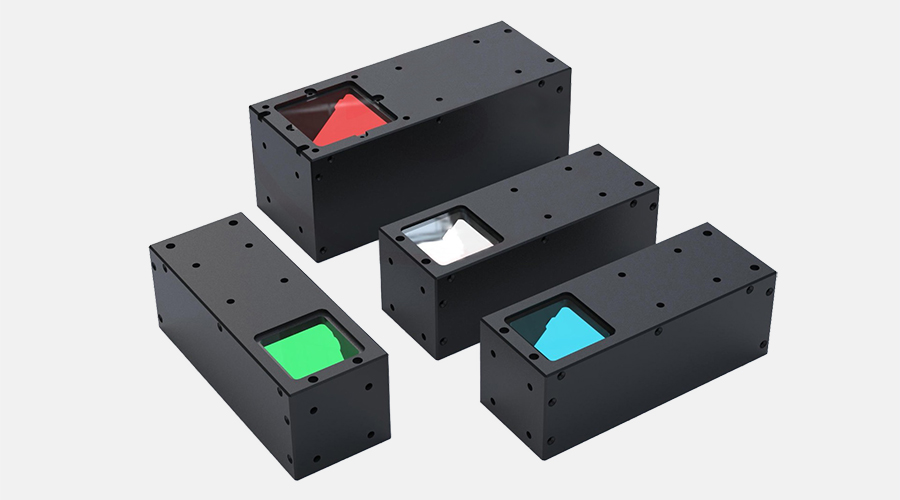 Collimated Coaxial light
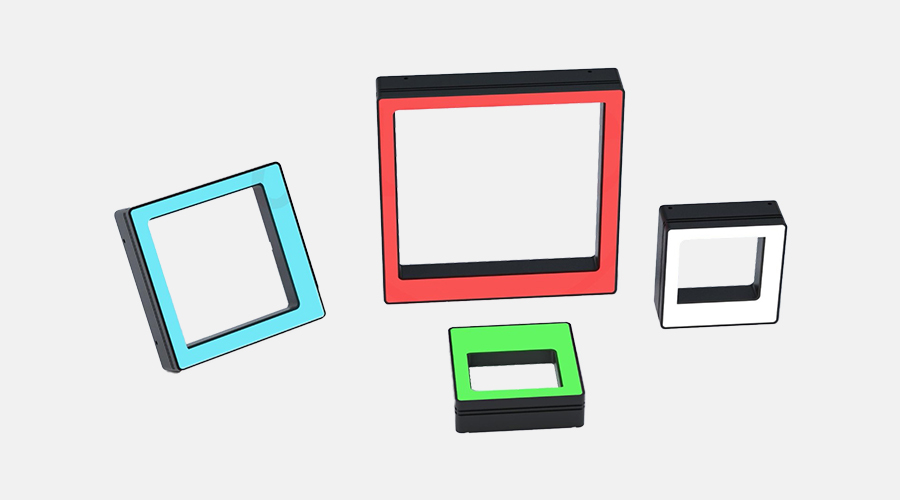 Shadowless square light
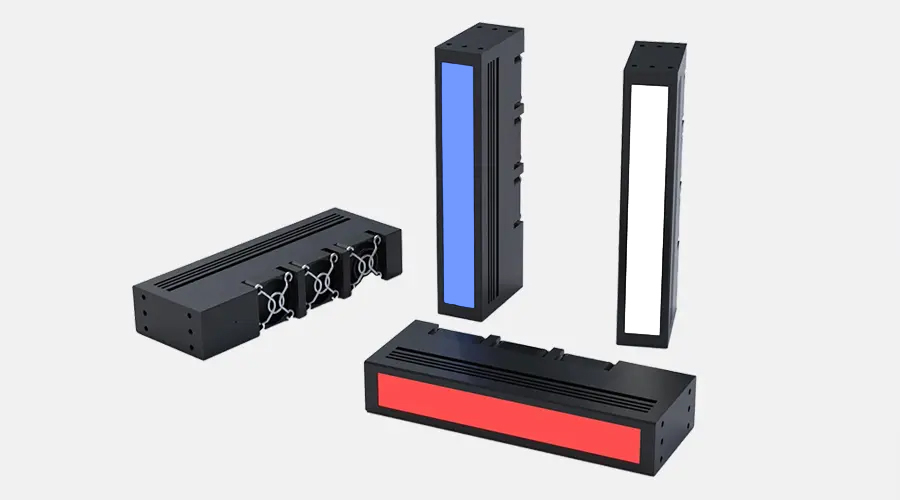 Scan light
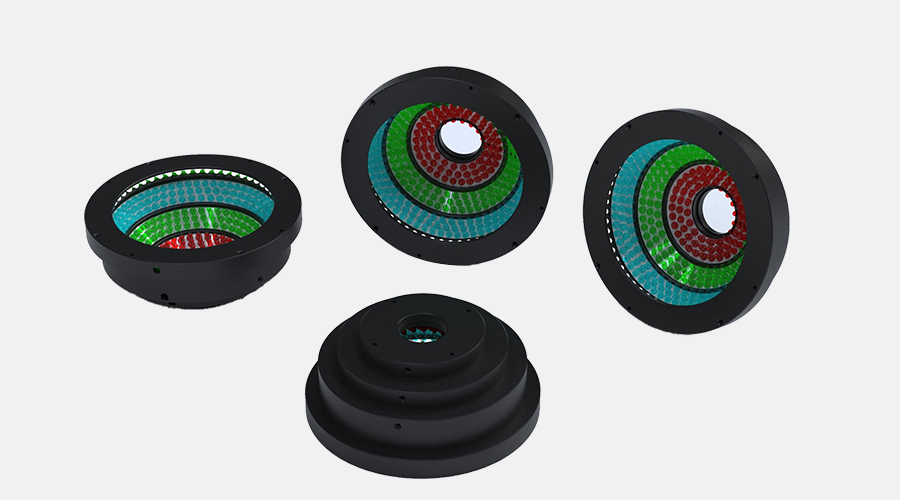 AOI light
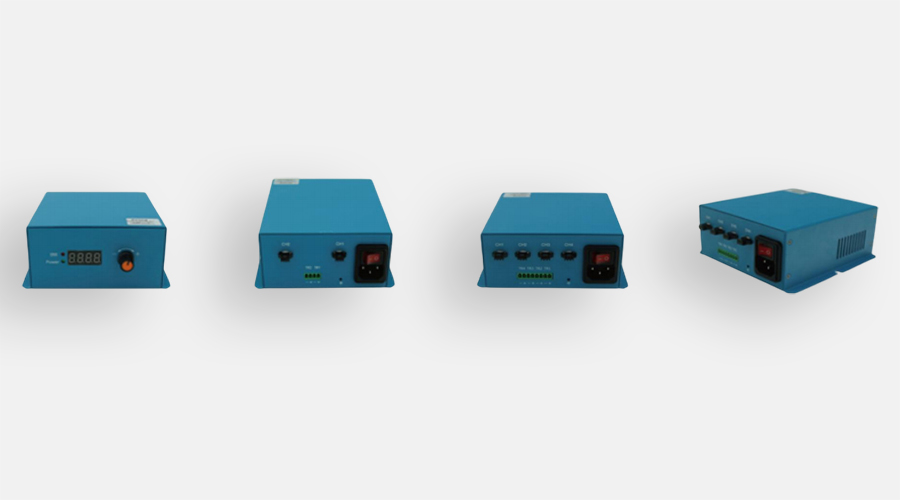 Analog controller
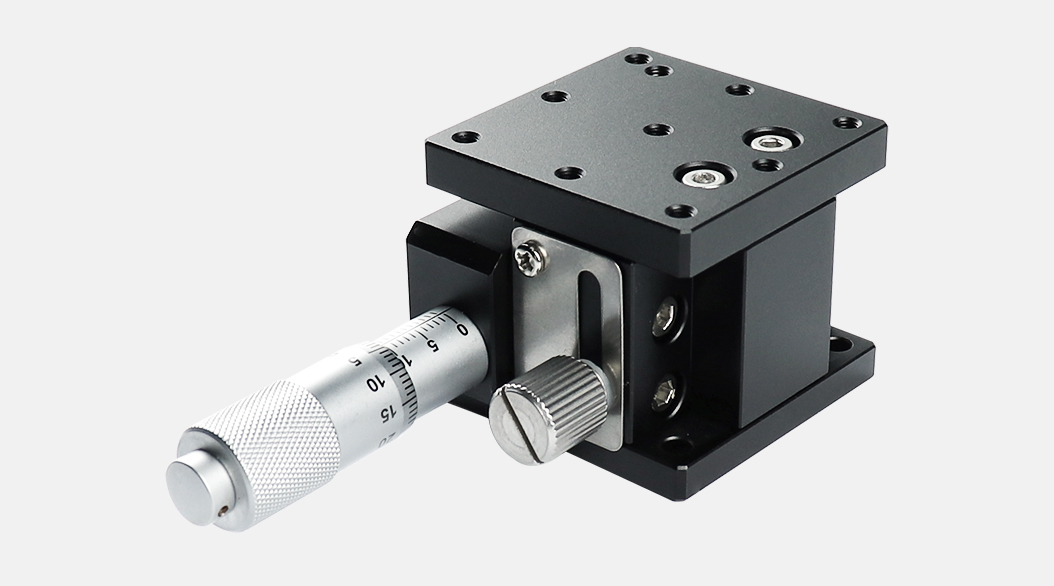 Crossed-Roller Linear guide type
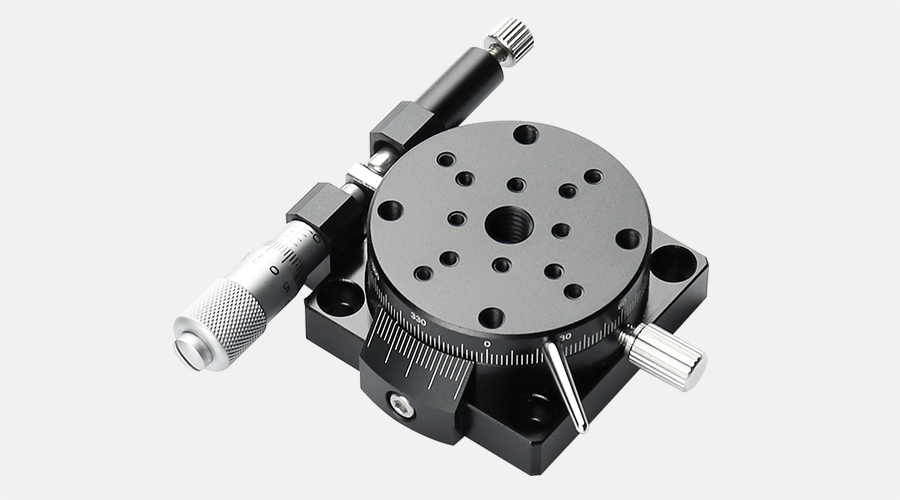 Rotary Stages XRS series
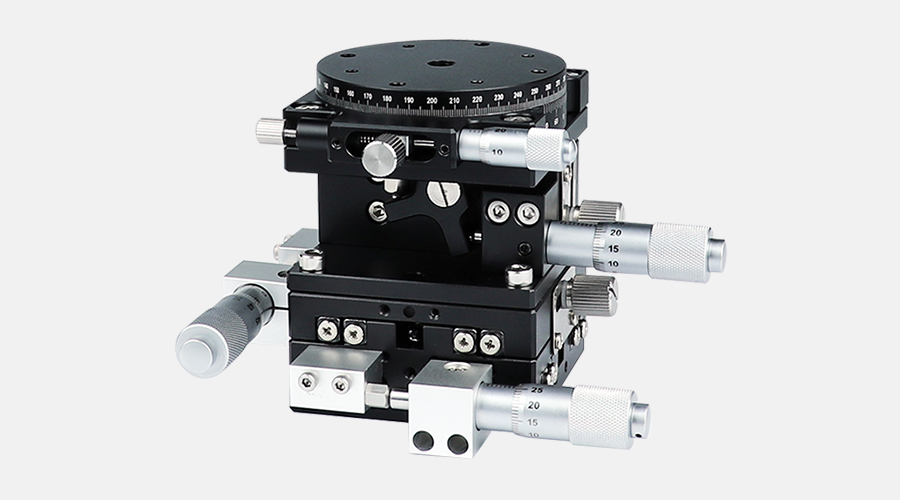 Multi-axis Translation stages
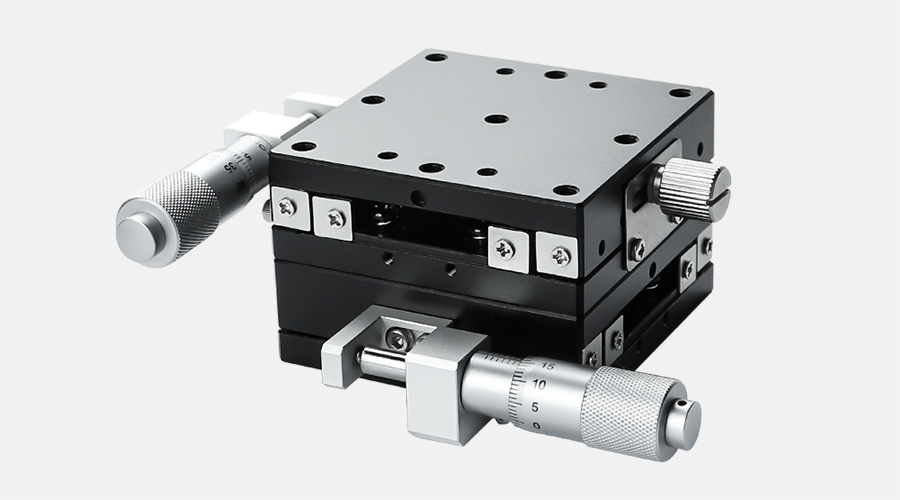 steel bar ball bearing stages
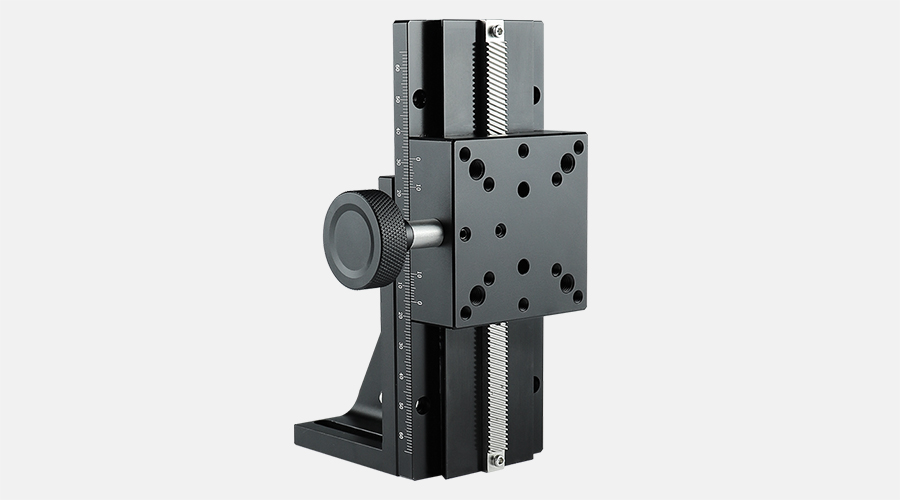 Dovetail Type Rack&Pinion Positioning Stage
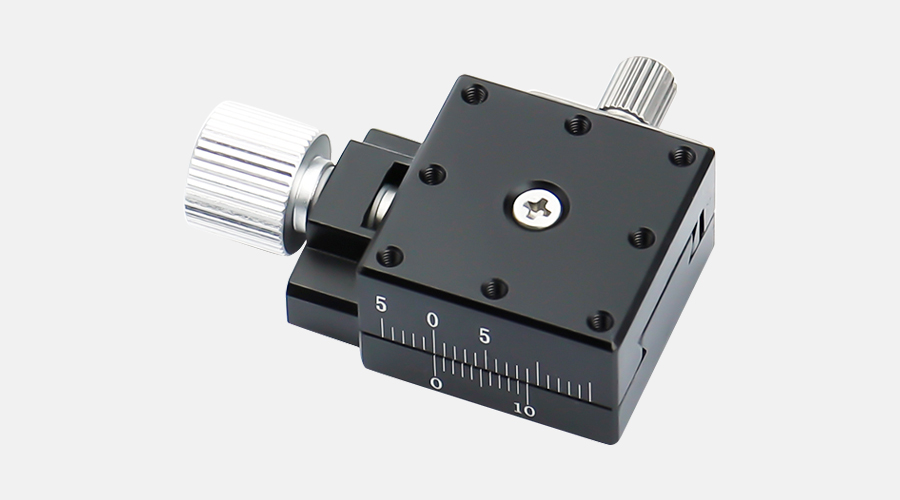 Dovetail groove high-precision screw slide
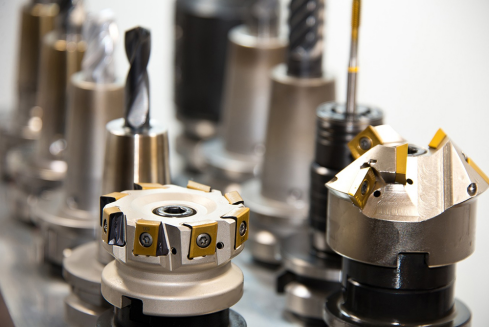
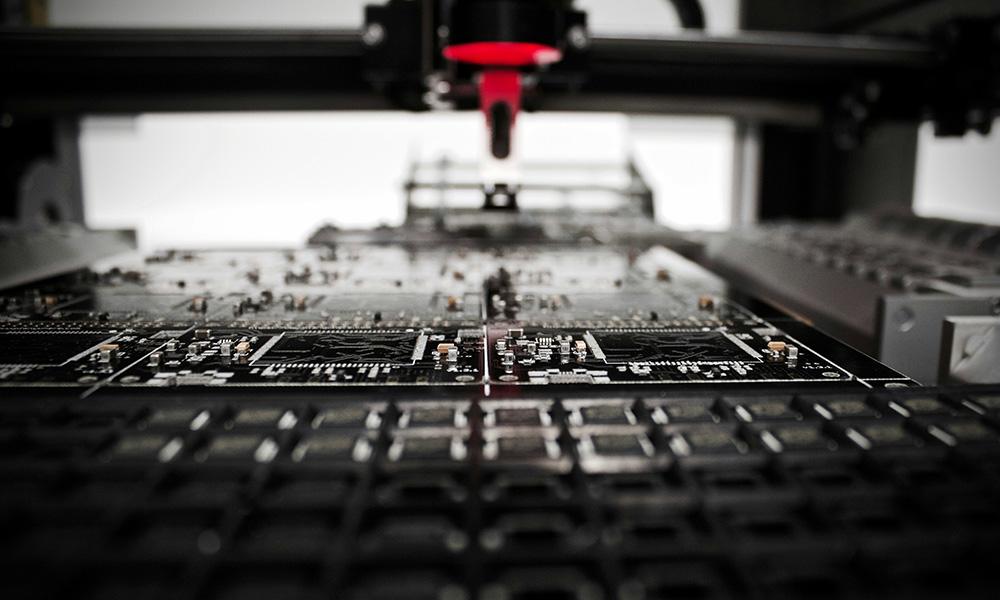
How Do Telecentric Lenses Improve Machine Vision?
How Do Telecentric Lenses Improve Machine Vision?
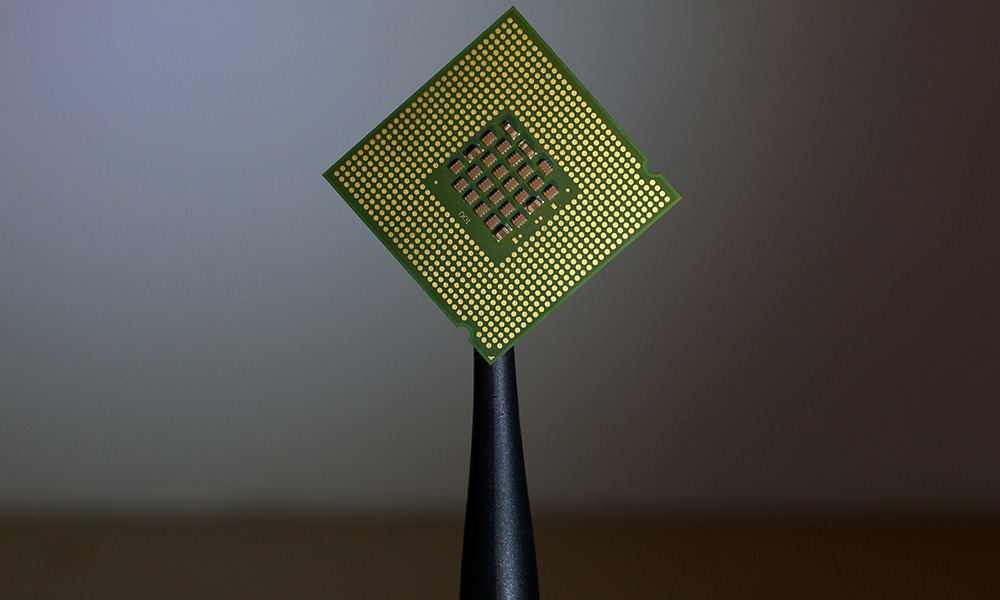
Machine Vision Inspection is widely used in electronics manufacturing, semiconductor production, medical devices, precision machining, and consumer electronics. It is commonly applied in dimensional measurement, assembly verification, and surface inspection, where image consistency often affects measurement repeatability and inspection stability.
As Automated Vision Inspection and Machine Vision Quality Inspection continue to expand, more attention is given to optical design and motion control in addition to industrial cameras and image processing software. In many systems, Telecentric Lens and Precision Stage are used together to improve imaging stability and positioning repeatability.
Why Is a Telecentric Lens Important in Machine Vision Inspection?
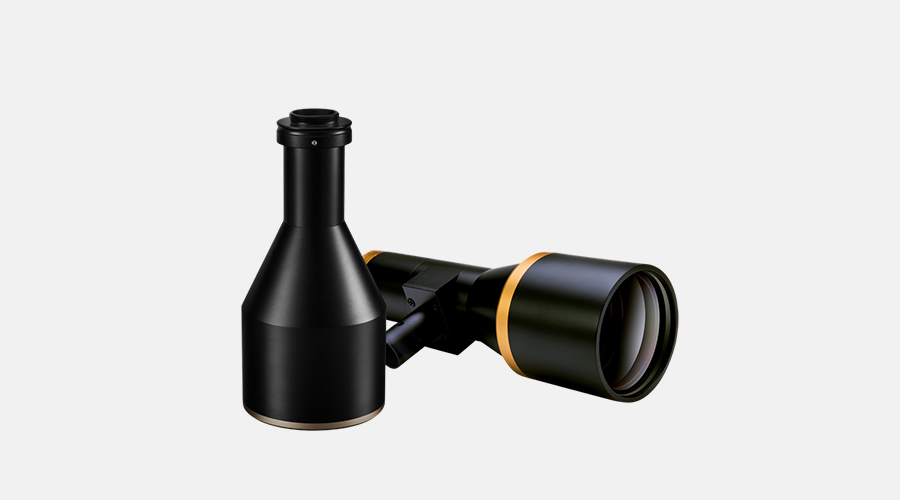
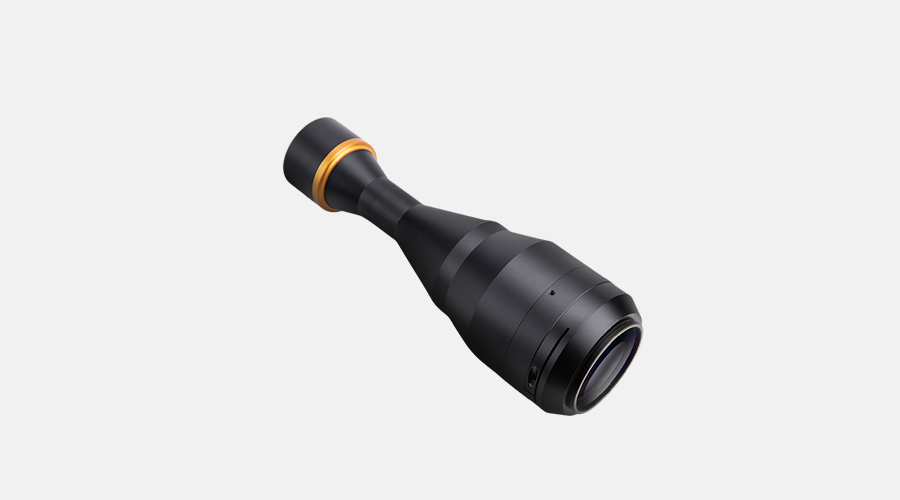
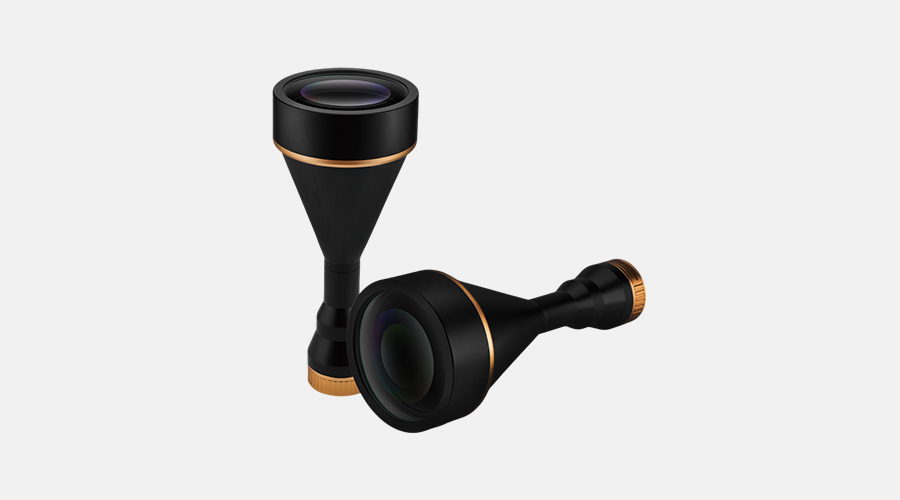
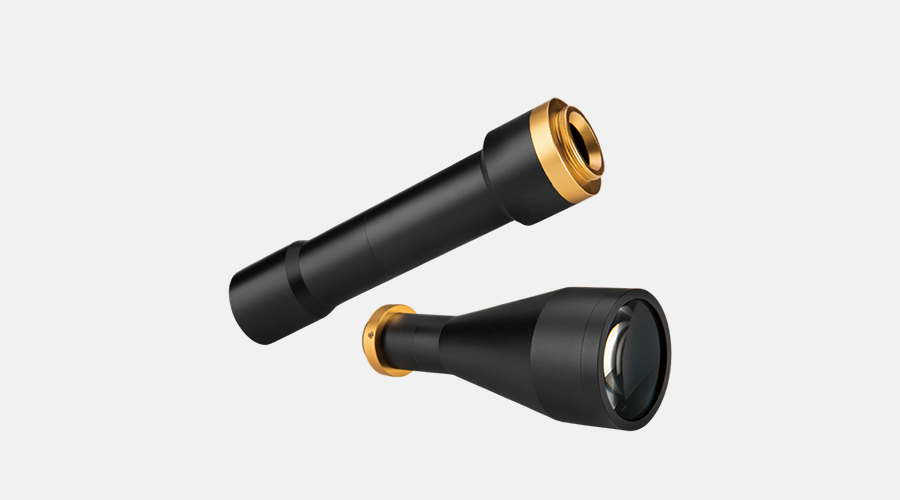
Compared with standard Industrial Camera Lenses, a Telecentric Lens helps reduce perspective errors and maintains a relatively stable magnification within a defined working range. This makes it suitable for dimensional measurement, edge detection, and contour inspection applications.
Different types of telecentric lenses are used depending on application requirements, including:
- Bi-Telecentric Lenses
- Optical Telecentric Lens
- Ultra High Resolution Telecentric Lens
In practical applications, Object Space Telecentric Lens helps reduce measurement variation caused by height differences of the inspected object, while Telecentric Imaging Lens is often used in repeated inspection or continuous measurement tasks.
Compared with Non Telecentric Lens, telecentric optical systems are more suitable for applications that require stable image scaling and consistent dimensional analysis.
Why Does a Precision Stage Improve Inspection Repeatability?
Even with a high-quality optical system, measurement results can vary if the workpiece position shifts between image captures. In many machine vision setups, positioning control is therefore an essential part of system design.
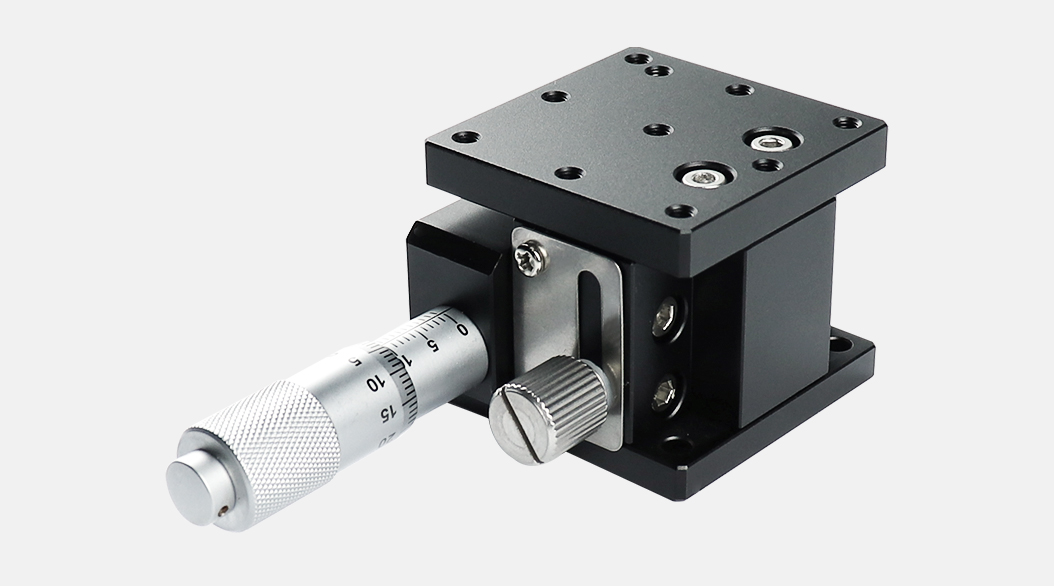
A Precision Stage is used to move the workpiece along a defined path and ensure repeatable positioning during inspection. This reduces positional variation and helps maintain consistent imaging conditions across multiple inspection points.
Common types of stages include:
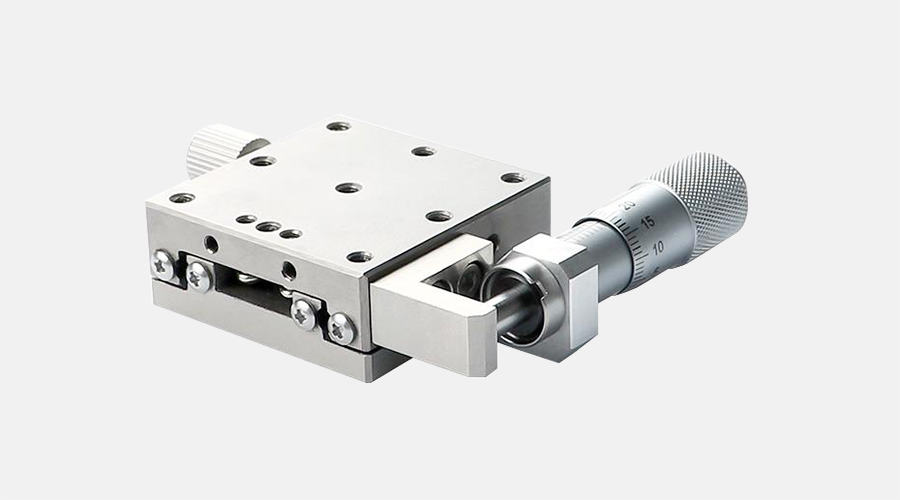
- Linear Stage
- Precision Linear Stage
- Translation Stage
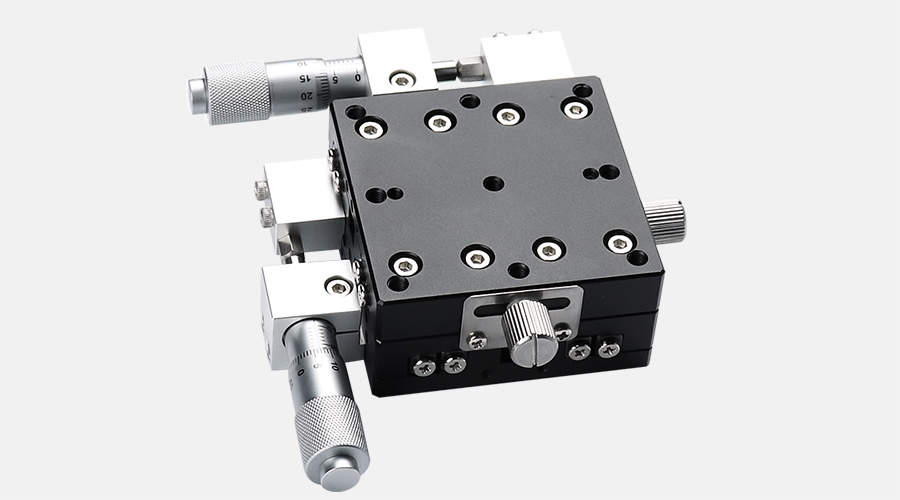
- XY Translation Stage
- Z Axis Stage
During system setup and alignment, Micrometer Manual Slide Stages are often used for fine positioning adjustments.
How Do Telecentric Lenses and Precision Stages Work Together?
In a machine vision system, a telecentric lens provides stable magnification and controlled imaging geometry, while a precision stage ensures that the workpiece is positioned consistently at each inspection point.
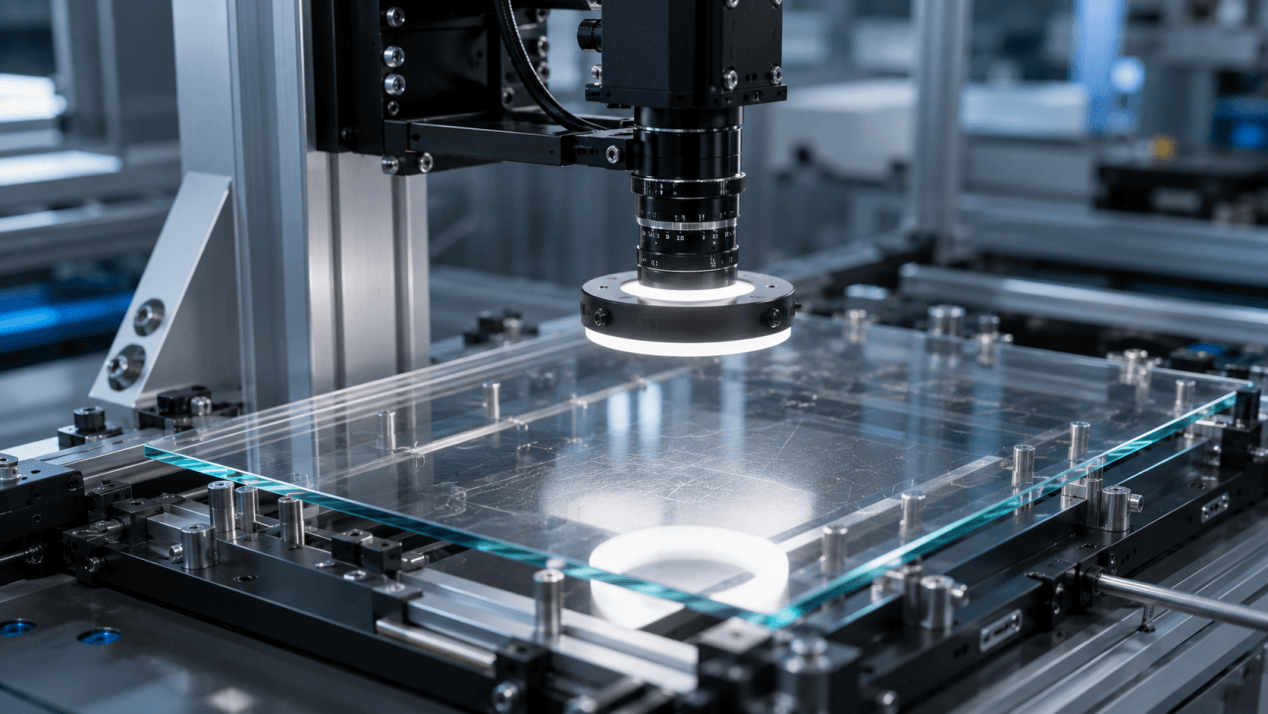
When the workpiece moves along a defined trajectory, the imaging system captures images under relatively stable geometric conditions. This combination helps reduce variations caused by positioning errors and supports more consistent measurement results in multi-point or batch inspection tasks.
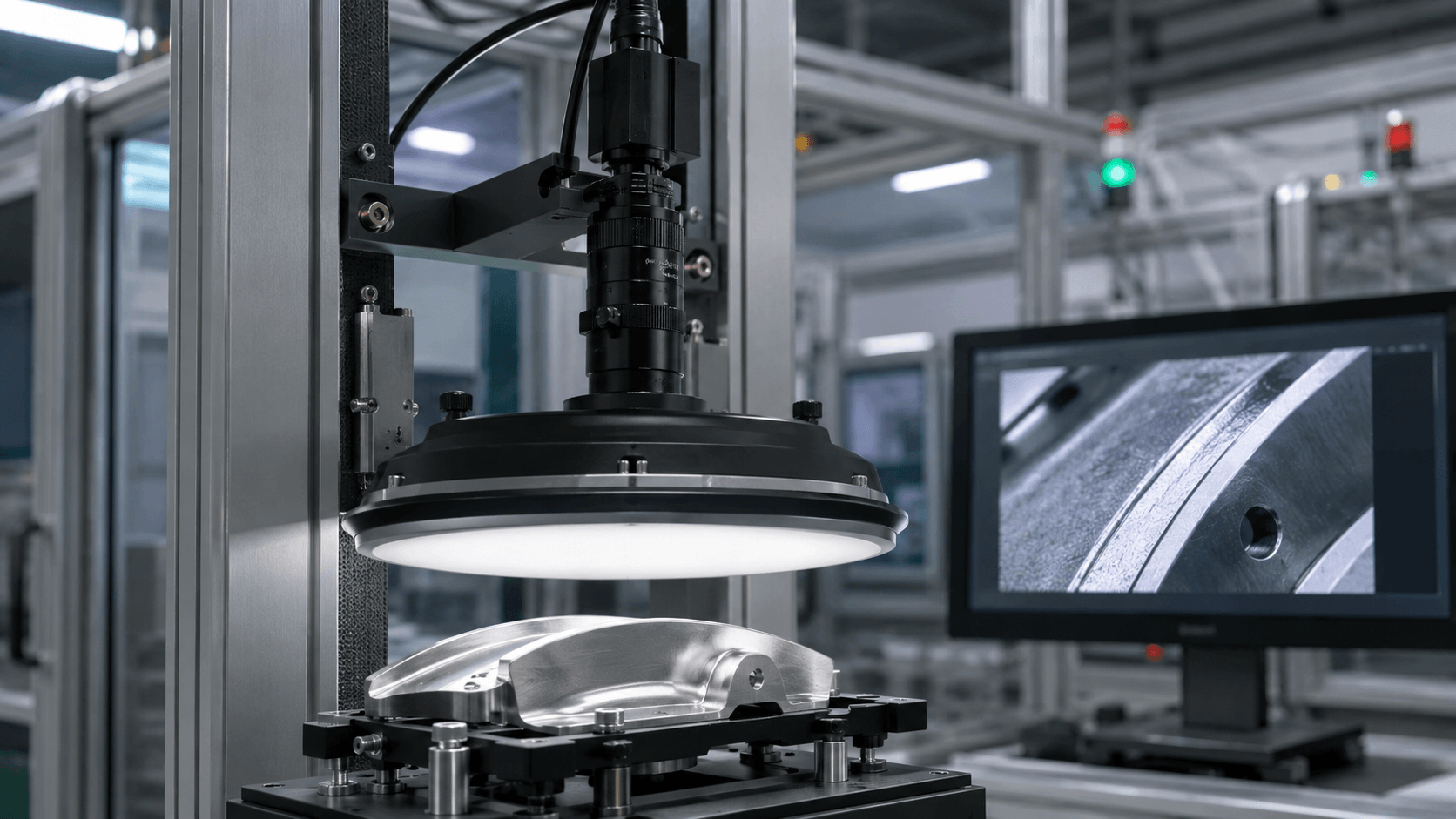
A typical machine vision inspection system includes:
- Industrial camera
- Machine Vision Telecentric Lens
- LED lighting
- Precision Stage
- Linear Guide Rail
- Motion control system
Linear guide rails are used to support smooth and stable motion, allowing the stage to operate consistently across different inspection positions.
Why Is System-Level Design More Important Than a Single Component?
In machine vision systems, image consistency depends not only on the lens or camera but also on the relative positioning between optical, mechanical, and lighting components.
If any part of the system shifts, it may affect image alignment and measurement stability. Therefore, system integration typically considers the interaction between optics, motion control, and mechanical structure.
Common setup components may also include:
- Optical Breadboard
- Manual Stage
- Linear Motion Guide Rail
These components are mainly used during system assembly, alignment, and calibration to ensure stable imaging conditions.
What Applications Use Telecentric Lenses and Precision Stages?
The combination of Telecentric Lens and Precision Stage is commonly used in a variety of industrial inspection applications, including:
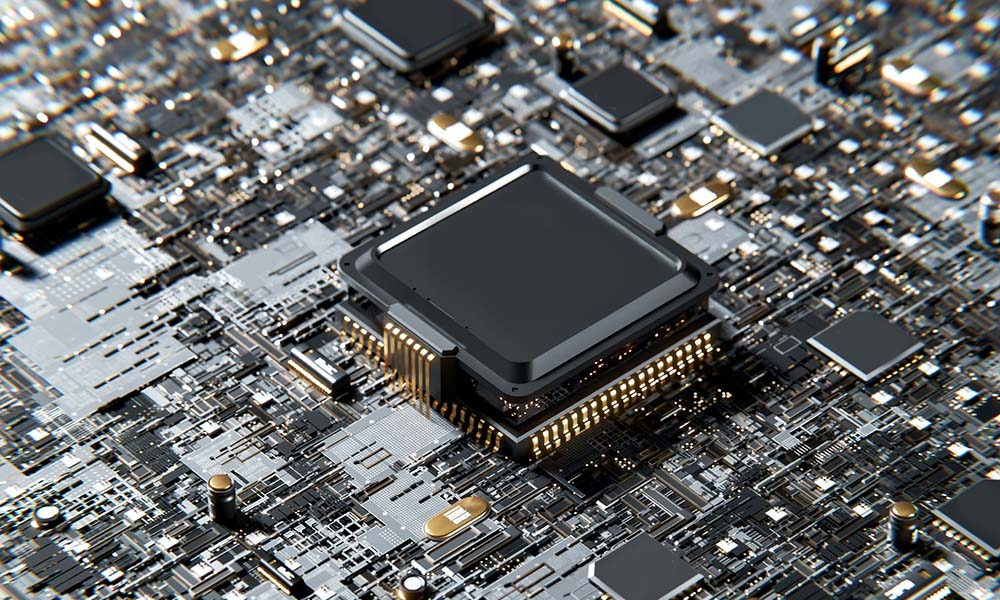
- PCB and electronic component inspection
- Semiconductor package measurement
- Connector and precision part inspection
- Glass and transparent material inspection
For automated systems, additional motion axes such as XYZ Translation Stage or Motorized Translation Stage may be used to support multi-axis inspection and scanning tasks.
How to Build a Machine Vision Inspection System?
A typical Machine Vision Inspection system consists of multiple integrated components, including:
- Industrial camera
- Telecentric lens
- LED lighting
- Precision stage system
- Linear guide rails
- Motion control and vision software
System design is usually based on application requirements such as field of view, working distance, measurement accuracy, positioning repeatability, and production speed. Instead of optimizing a single component, overall system balance is more important for stable inspection performance.
Frequently Asked Questions
Q: Why is a telecentric lens used in machine vision inspection?
A: It reduces perspective error and helps maintain stable magnification for dimensional measurement.
Q: What does a precision stage do in a machine vision system?
A: It ensures repeatable positioning of the workpiece during image acquisition.
Q: Can a telecentric lens improve measurement accuracy?
A: It supports consistent image geometry, improving measurement repeatability.
Q: Which industries use telecentric lenses and precision stages?
A: They are commonly used in electronics, semiconductor, medical devices, PCB inspection, and precision manufacturing.
Q: What is included in a typical machine vision inspection system?
A: It includes an industrial camera, telecentric lens, lighting system, precision stage, guide rails, and motion control system.