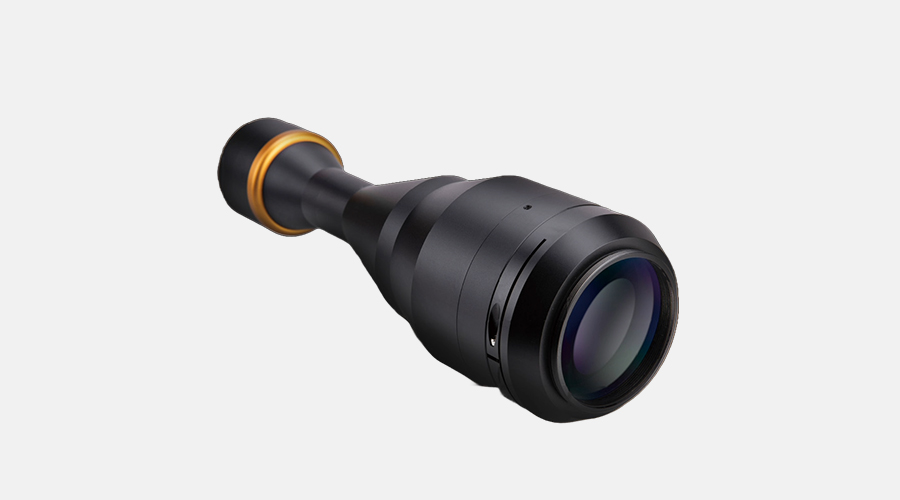
 Compatible with 7.2mm-82mm chips
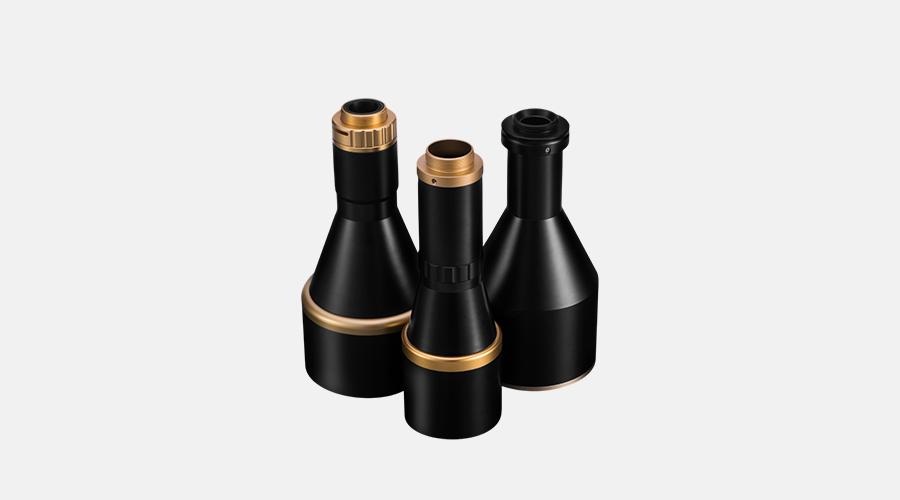 High/Low Working Distance
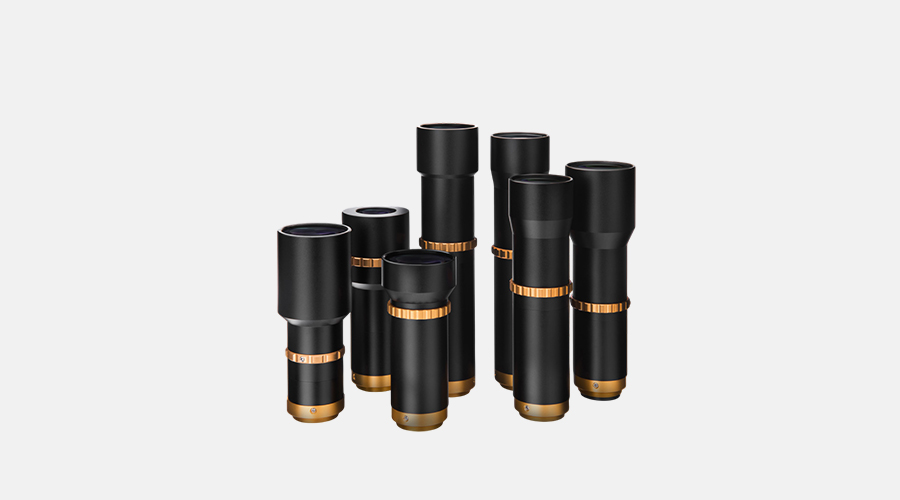 Aperture telecentric lens
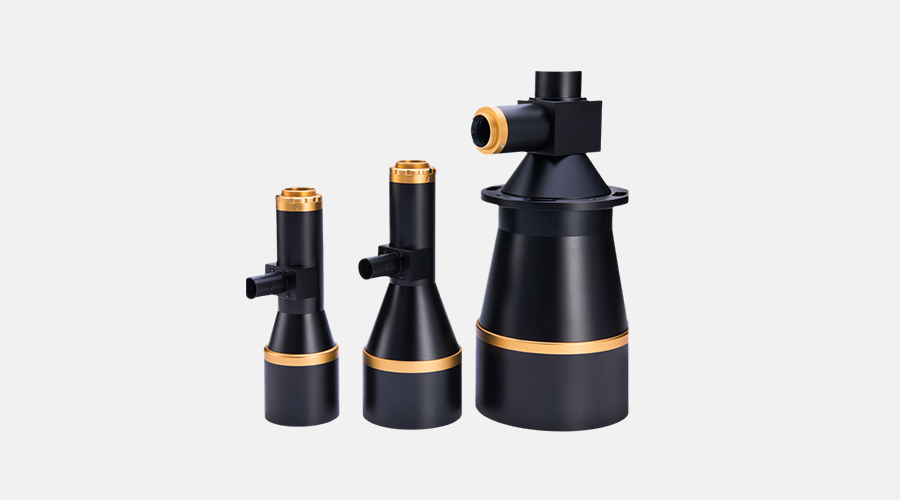 Measuring lens
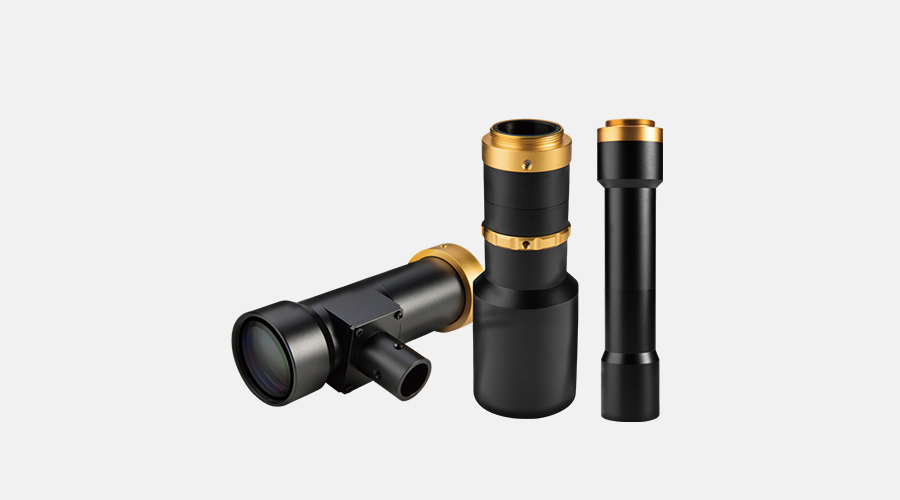 Maximum support 1.1" chips
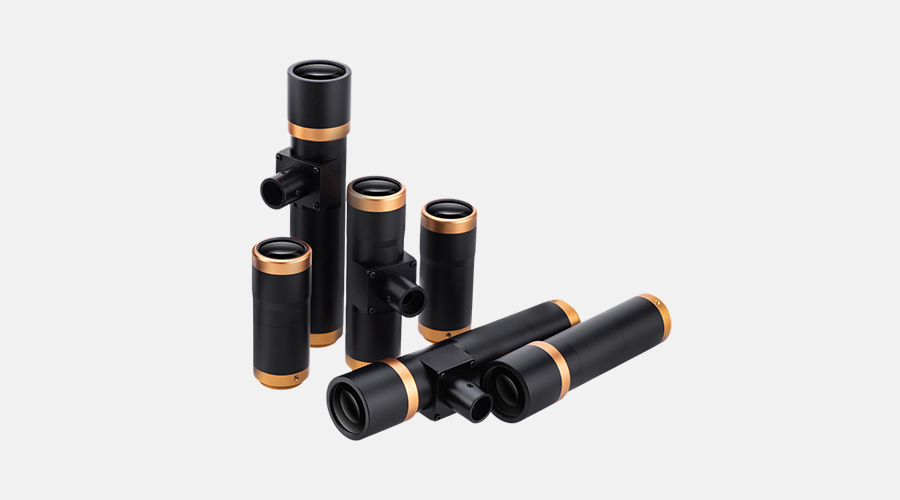 Maximum support 1.2" chips
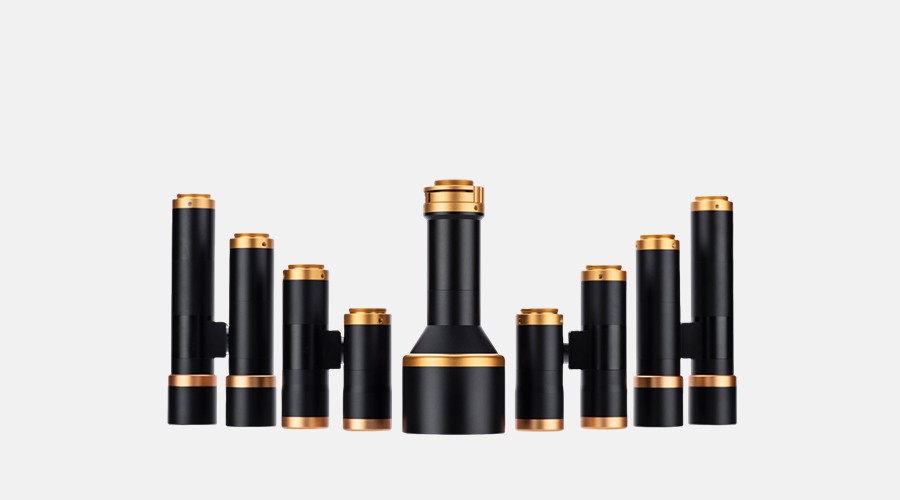 Maximum support 2/3" chips
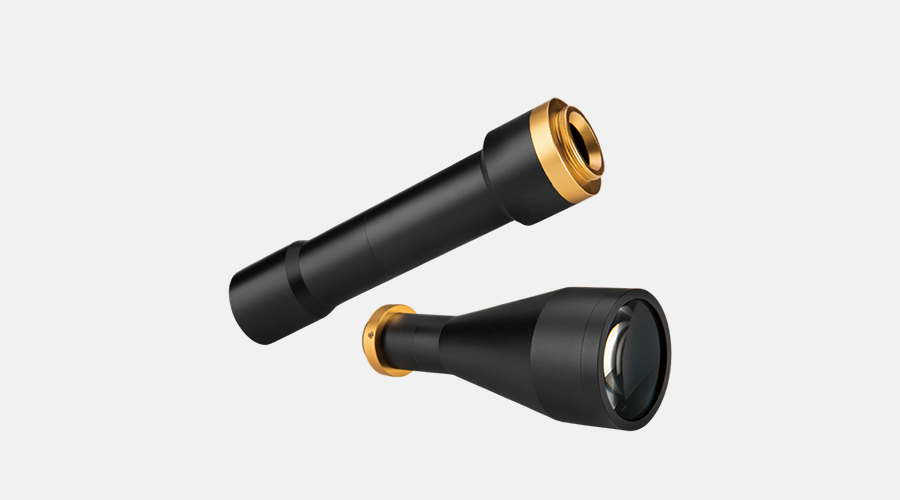 Long Working Distance
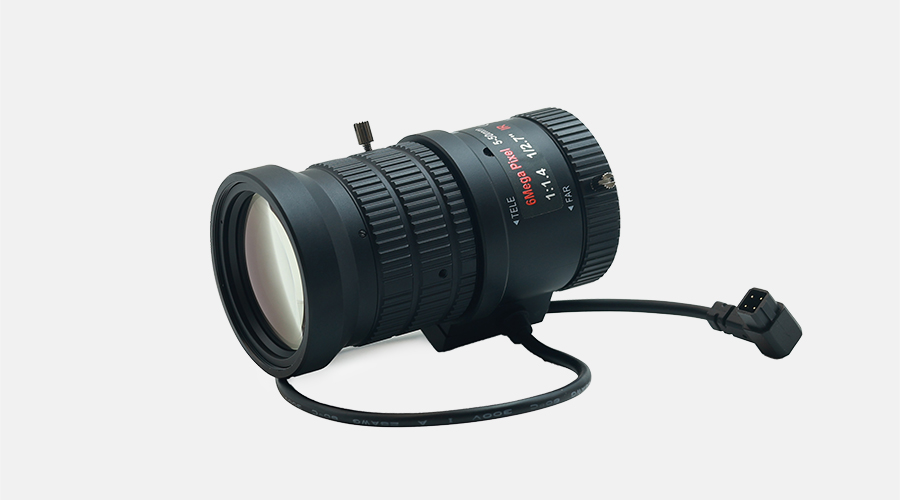 CS mount Varifocal lens
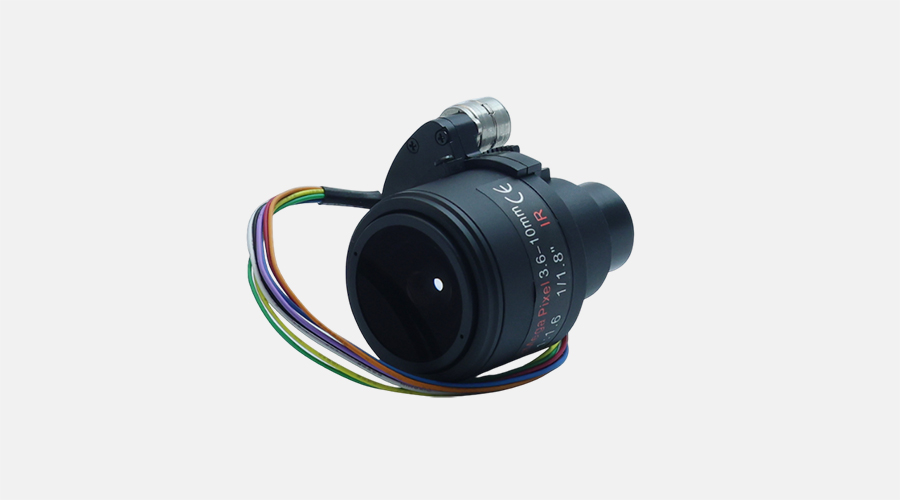 Varifocal board lens
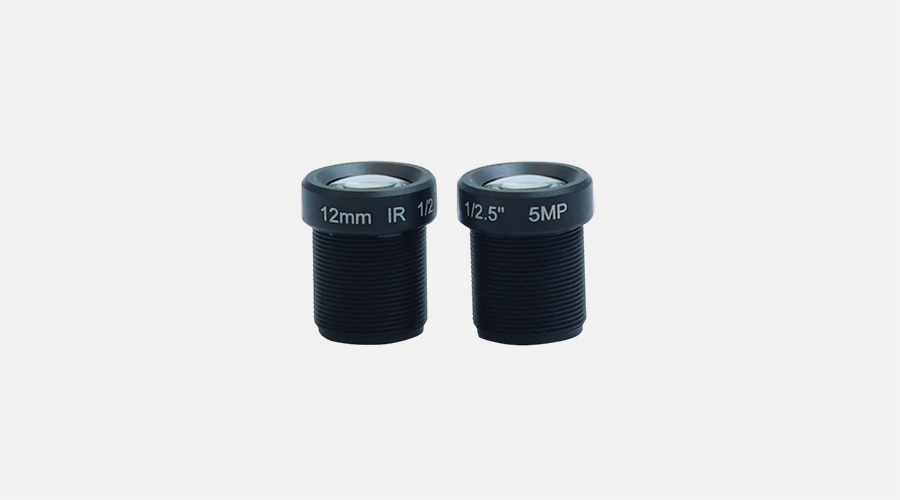 S mount lens
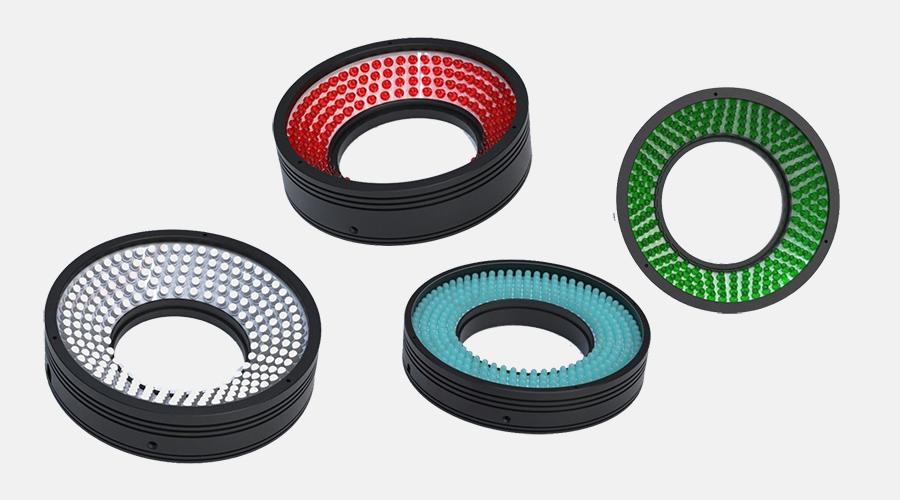 Ring light
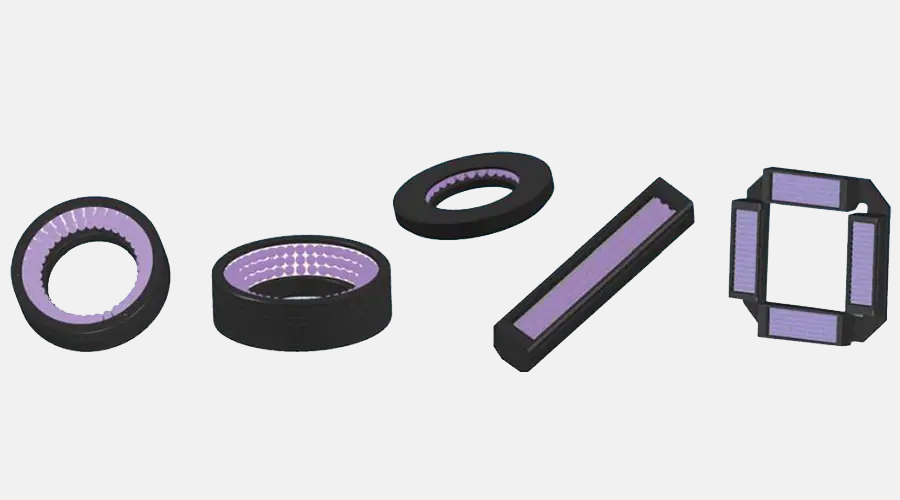 UV/IR Light
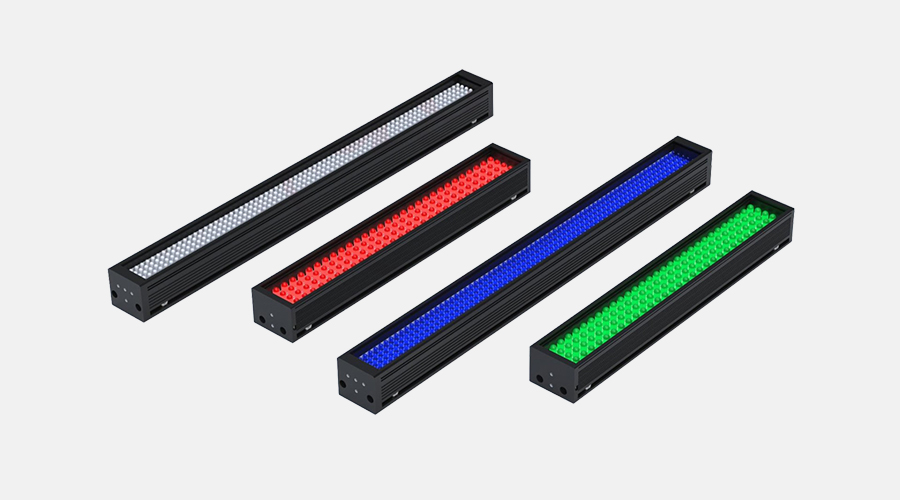 Bar light
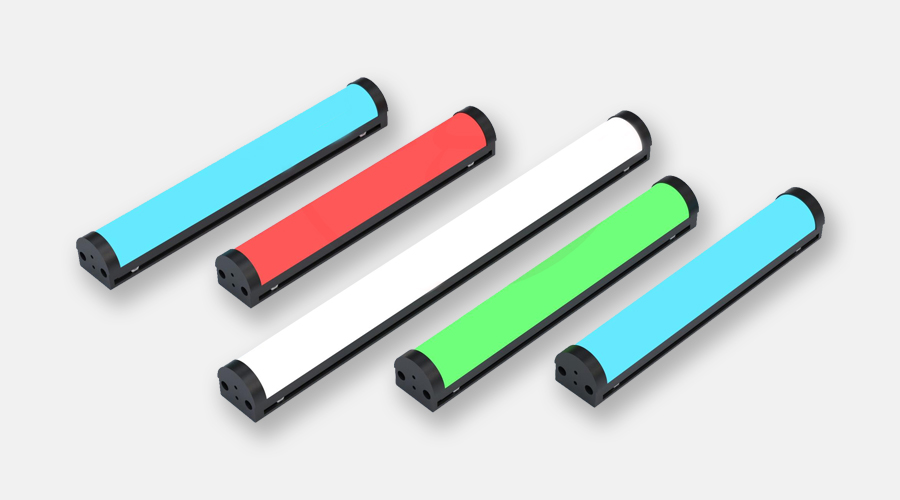 Arcuate high uniformity light
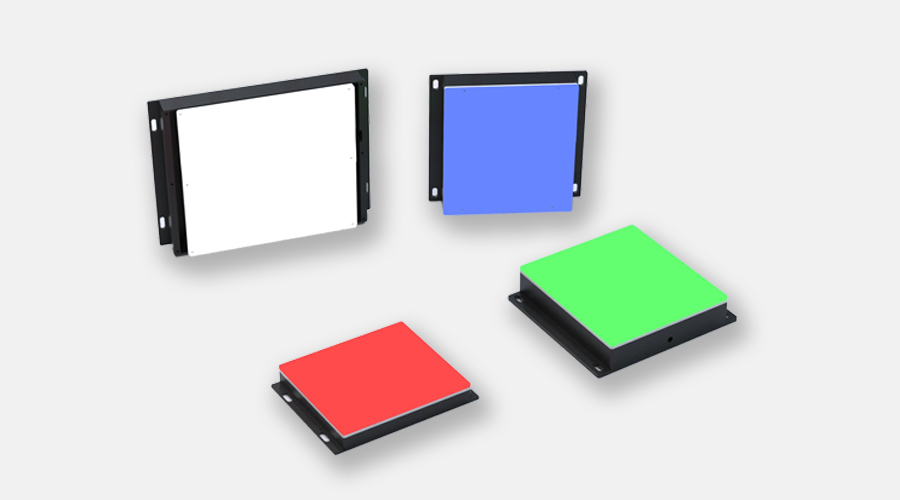 Back light
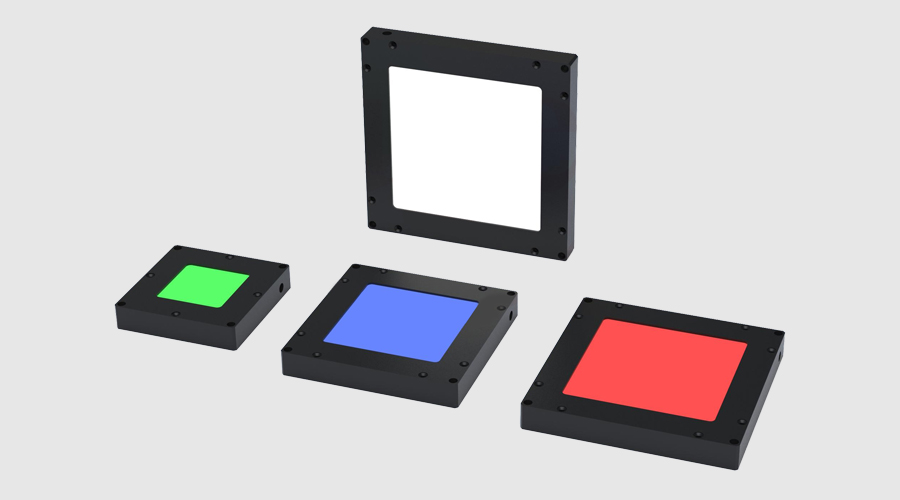 Flat light
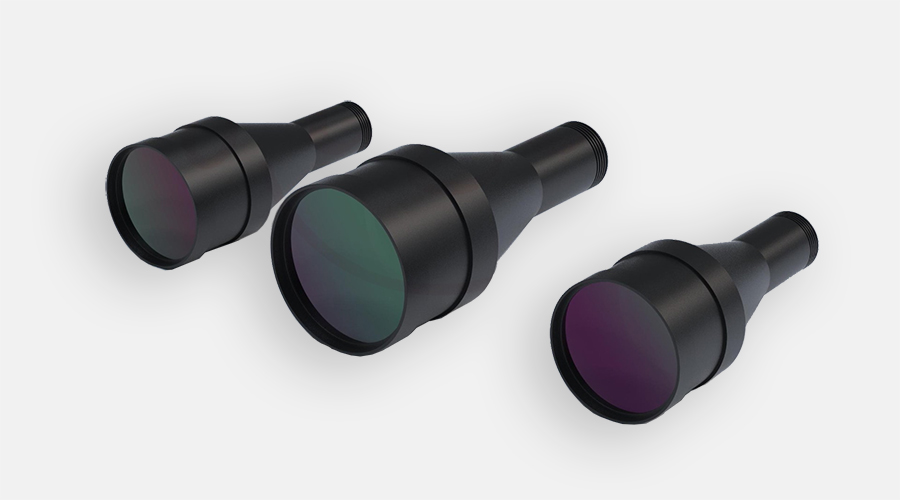 Collimated light
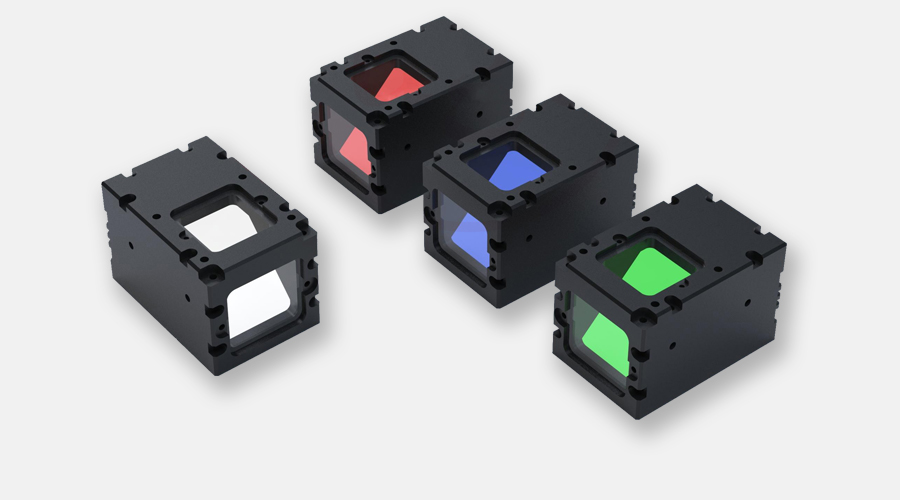 Coaxial light
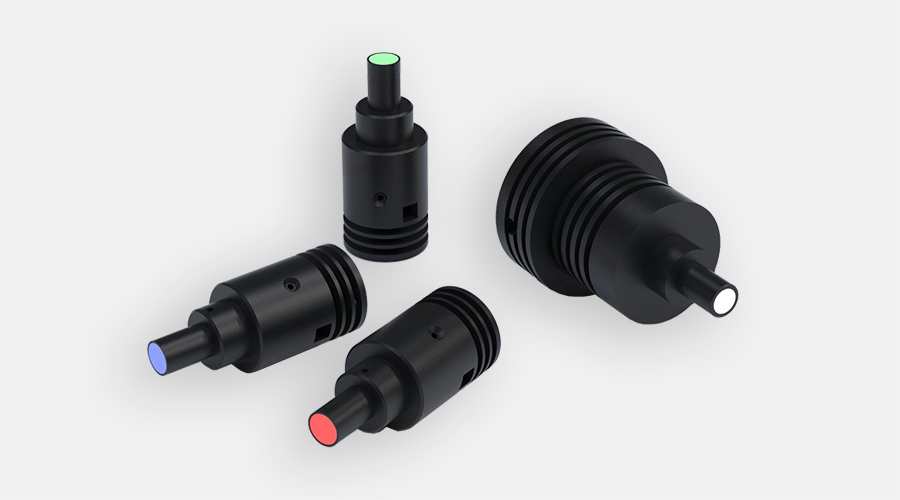 Spot light
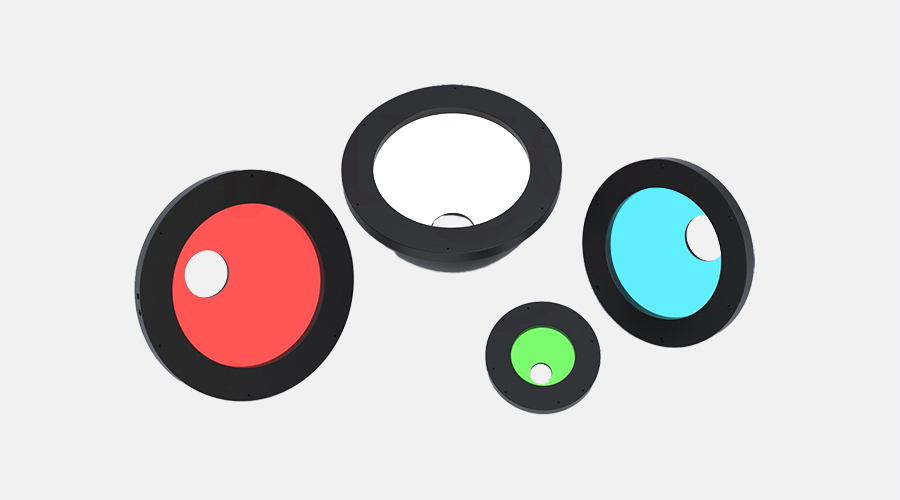 Dome light
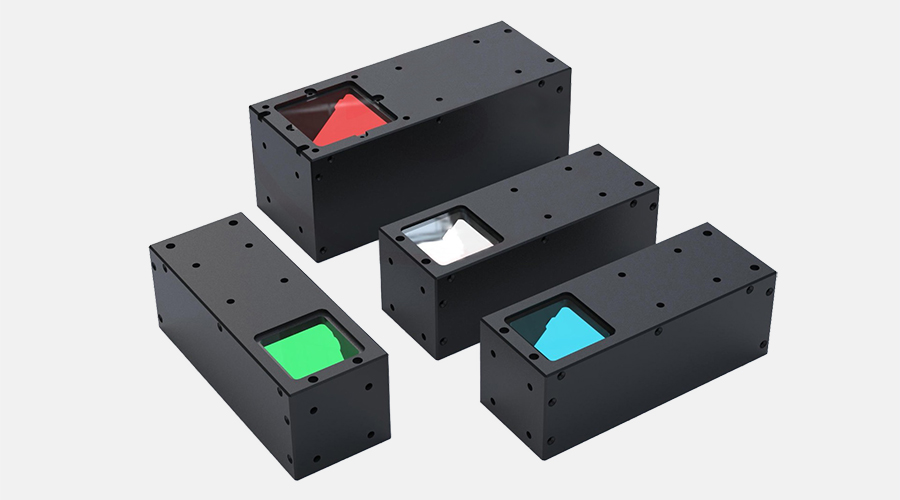 Collimated Coaxial light
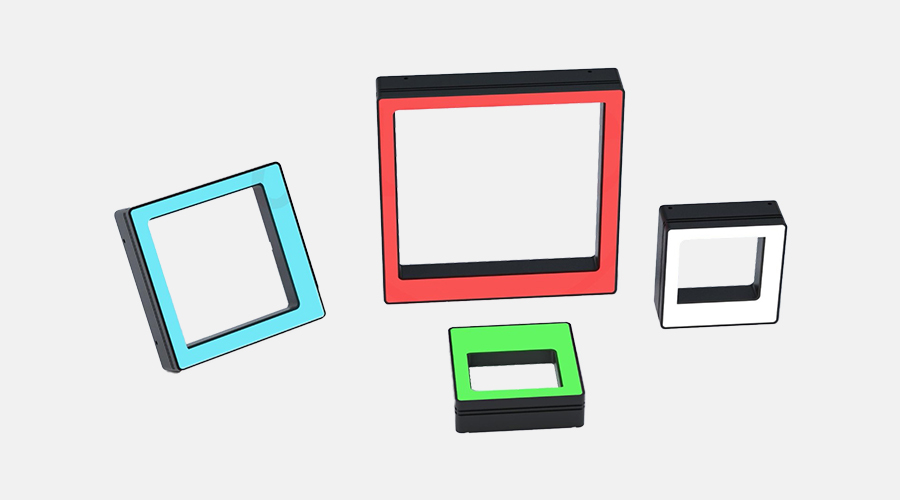 Shadowless square light
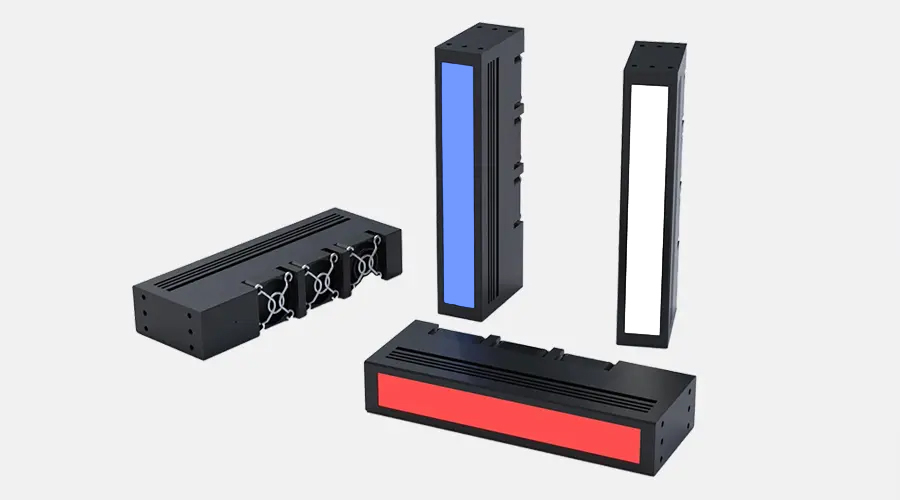 Scan light
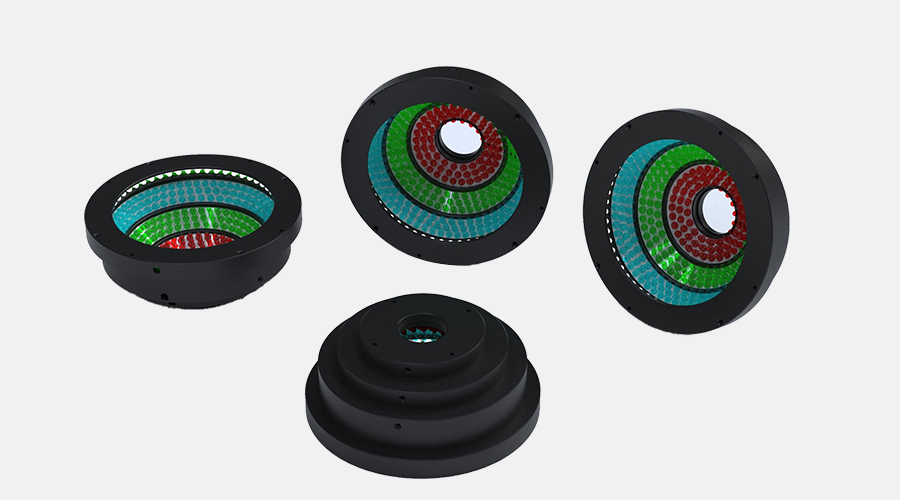 AOI light
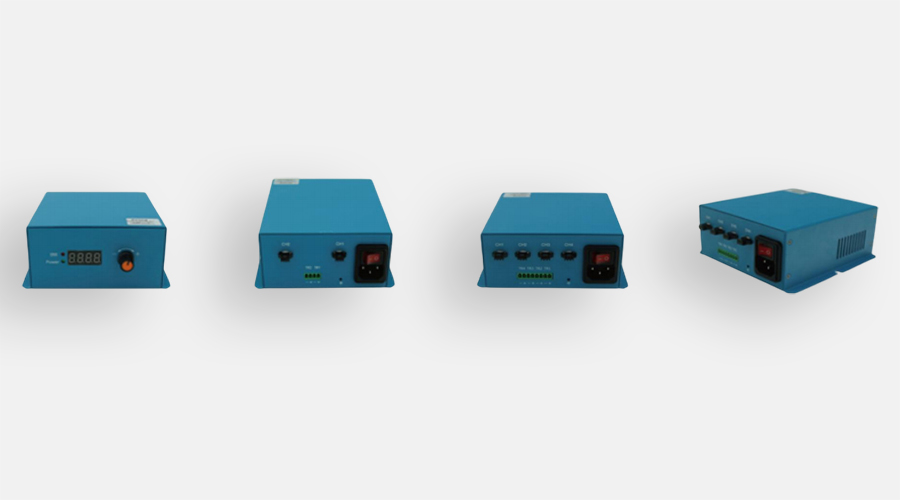 Analog controller
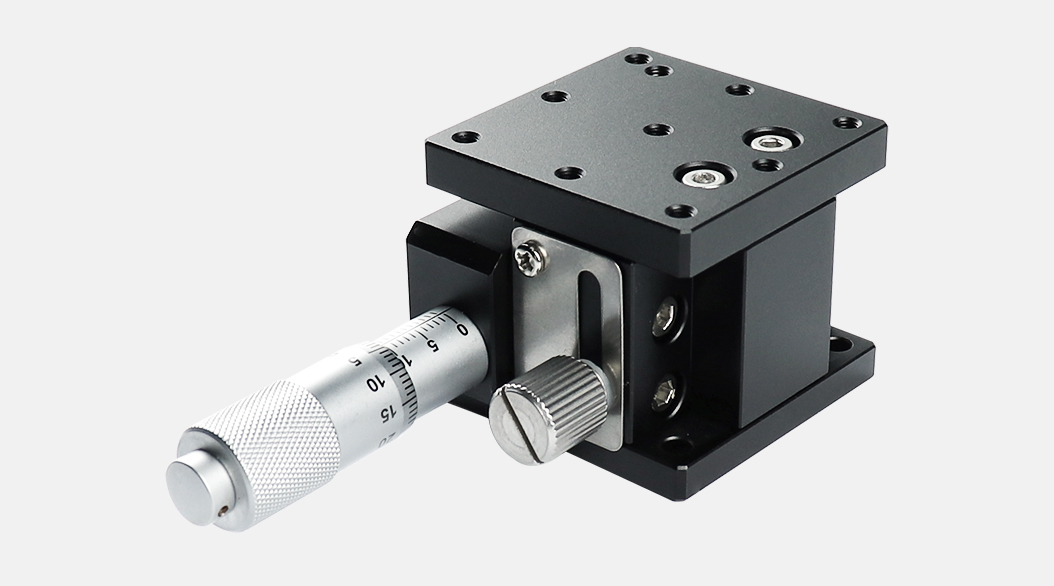 Crossed-Roller Linear guide type
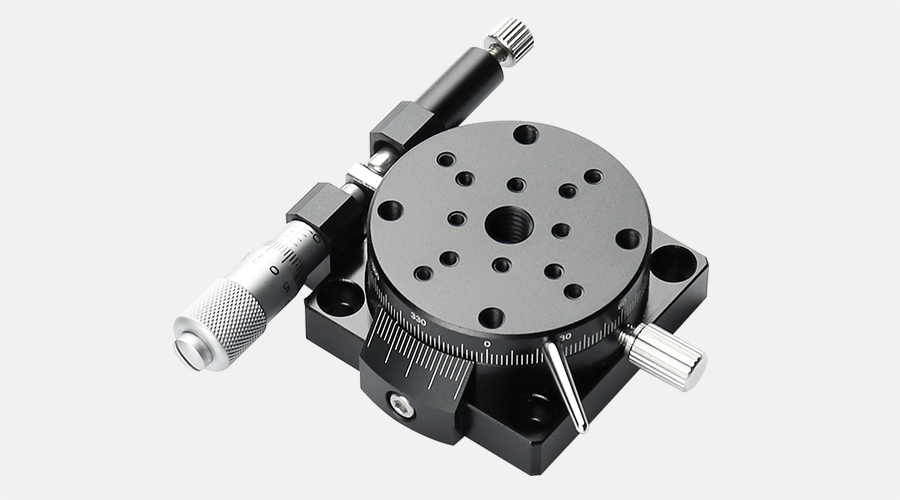 Rotary Stages XRS series
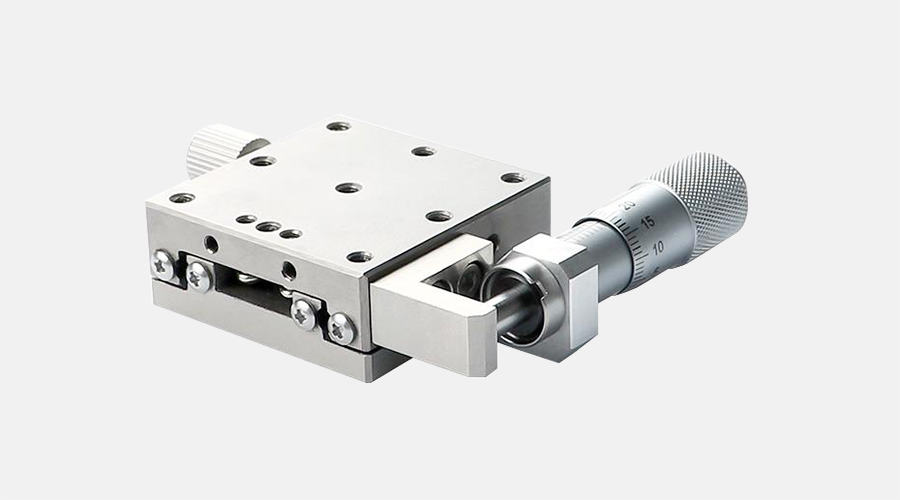 Stainless Steel Ball Bearing Linear Translation Stages
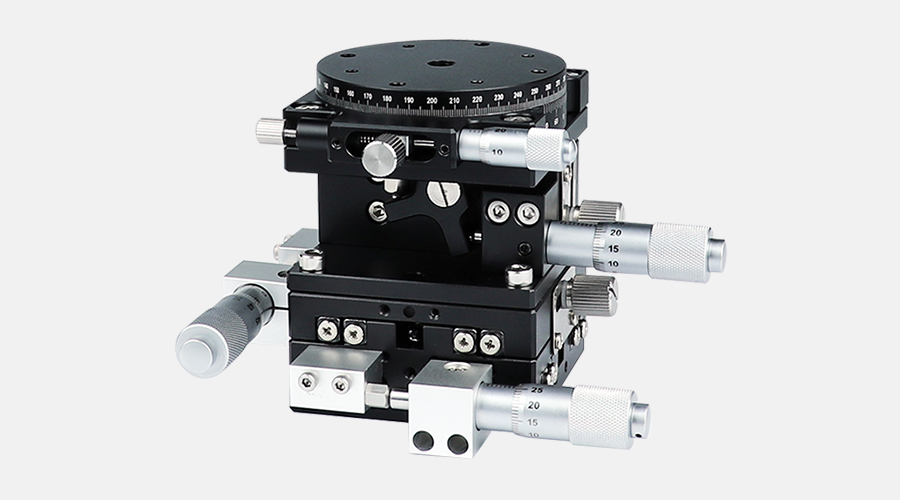 Multi-axis Translation stages
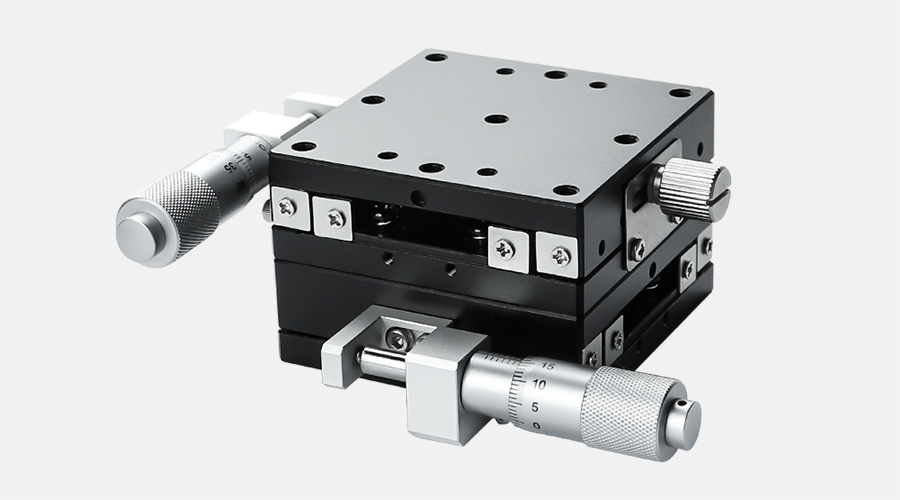 steel bar ball bearing stages
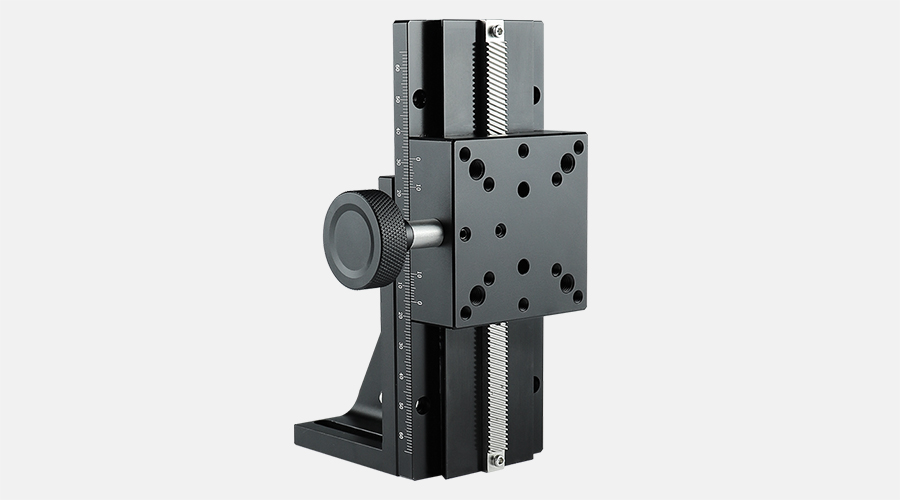 Dovetail Type Rack&Pinion Positioning Stage
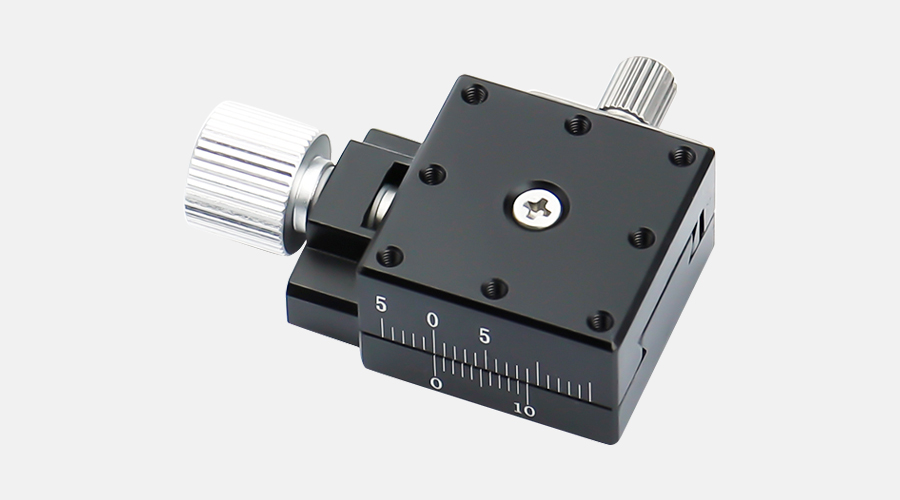 Dovetail groove high-precision screw slide
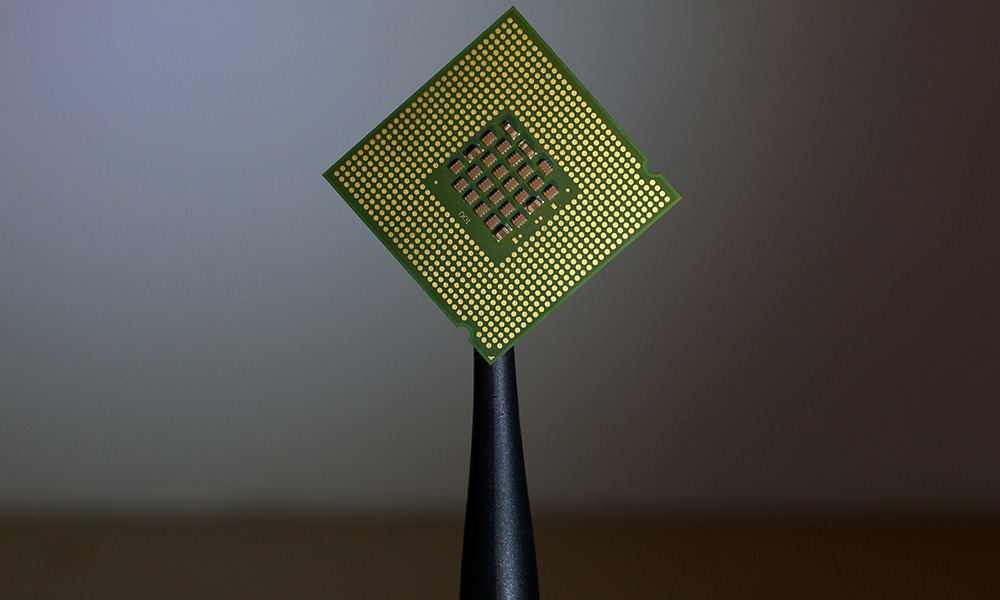
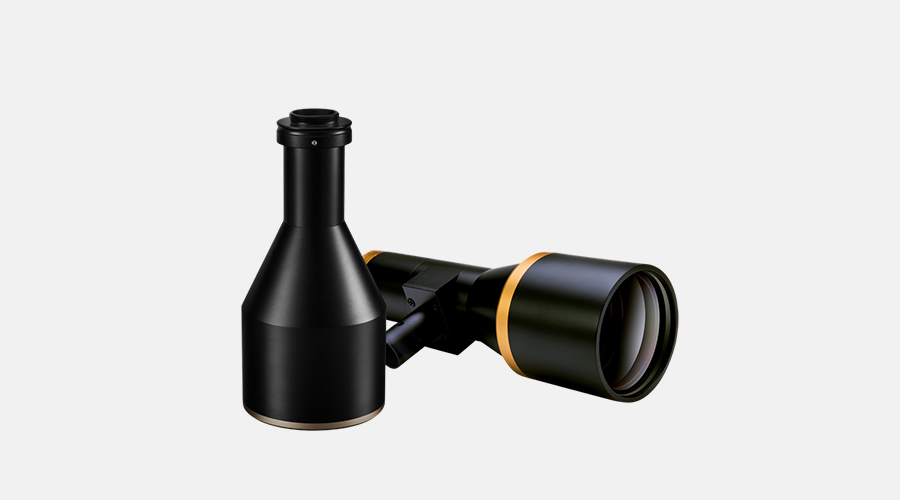
How do telecentric lenses work in combination with industrial light sources?
The principle and application skills of the combination of telecontrol lenses and industrial light sources, revealing how to achieve high-precision dimensional measurement and defect detection through the coordination of light and shadow, and improving the performance of machine vision systems.
When building a high-precision machine vision system, choosing high-quality telecentric lenses and industrial light sources is only half the battle. The key to the other half lies in how to make them work perfectly together. The coordination between the two is not merely a simple lighting and imaging, but a precise "dance of light and shadow", and the degree of coordination directly determines the success or failure of the detection task. This article will provide you with a detailed analysis of the application methods of telecentric lenses in combination with industrial light sources.
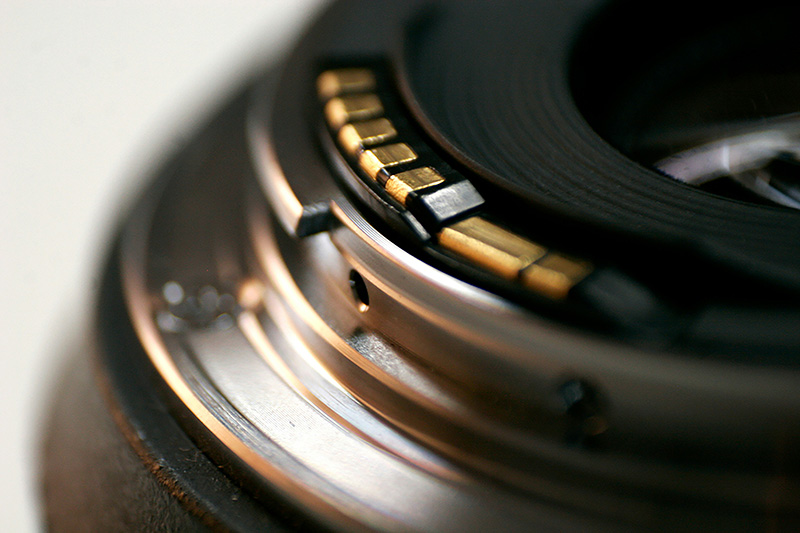
What are the special requirements for telecentric lenses?
The core advantage of telecentric lenses lies in their unique parallel optical path design, which can eliminate perspective errors and provide distortion-free images with constant magnification. However, this feature also imposes strict requirements on its lighting method: the light source must be capable of generating highly parallel, uniform and stable light to match the incident light path of the lens. Using an unmatched ordinary light source will undermine its optical advantages, resulting in a significant reduction in the imaging effect.
Classic cooperation modes and application scenarios
1.High-angle parallel backlight illumination (for contour and dimension measurement)
This is the most commonly used and ideal lighting method for telecentric lenses. Place a parallel backlight (or telecentric backlight) behind the object being measured and directly in front of the lens. The light source emits highly parallel light rays, which are perfectly injected into the incident pupil of the telecentric lens.
Advantage: It can produce extremely sharp and highly contrasting object contour edges.
Application: Specializing in precise dimensional measurement, positioning, and shape inspection of transparent objects. Any tiny dimensional defect will be fully exposed within the clear black and white boundary. It is the gold standard for measuring the dimensions of semiconductors and electronic components.
2. Low-angle coaxial illumination (for surface feature detection)
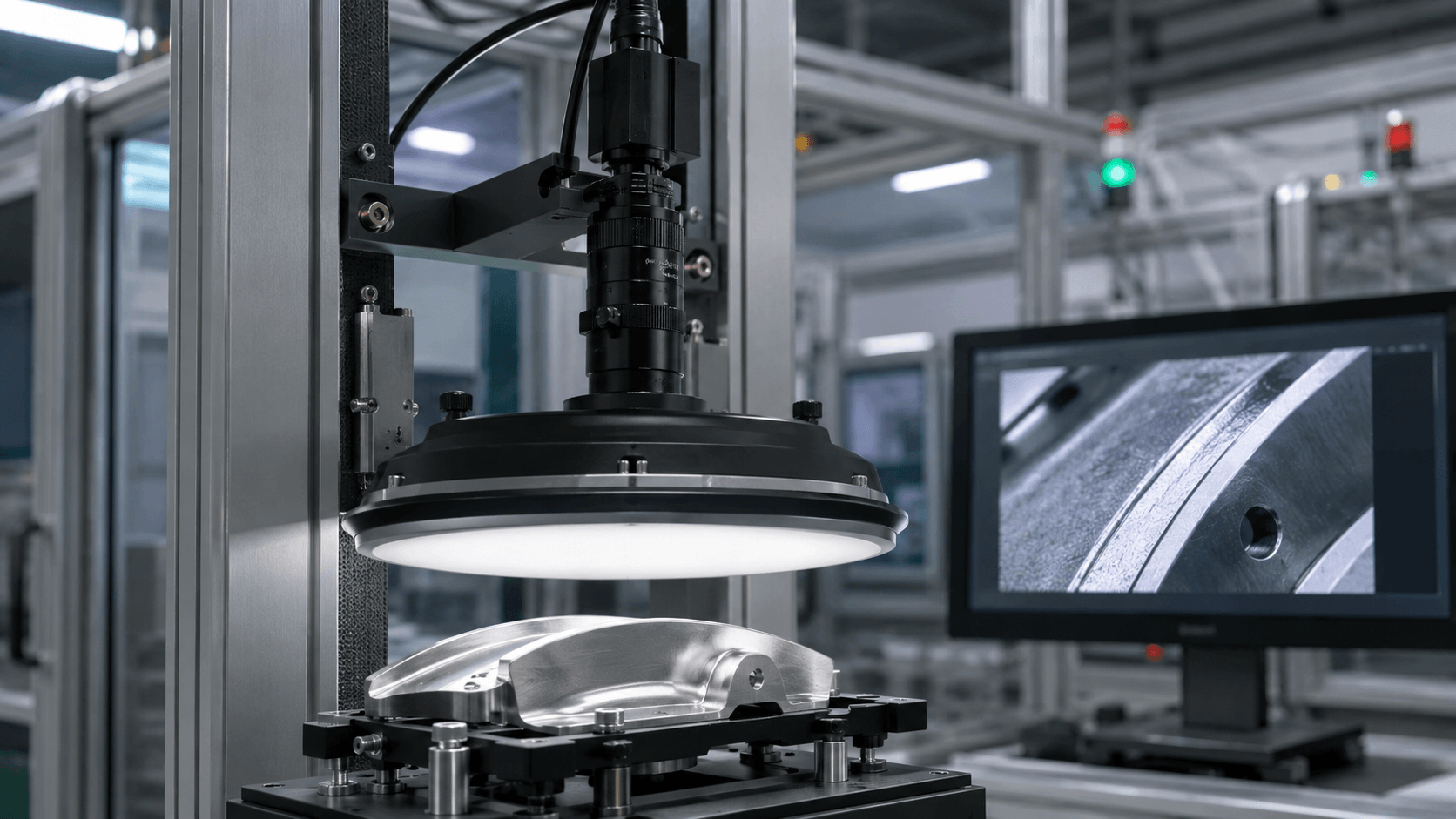
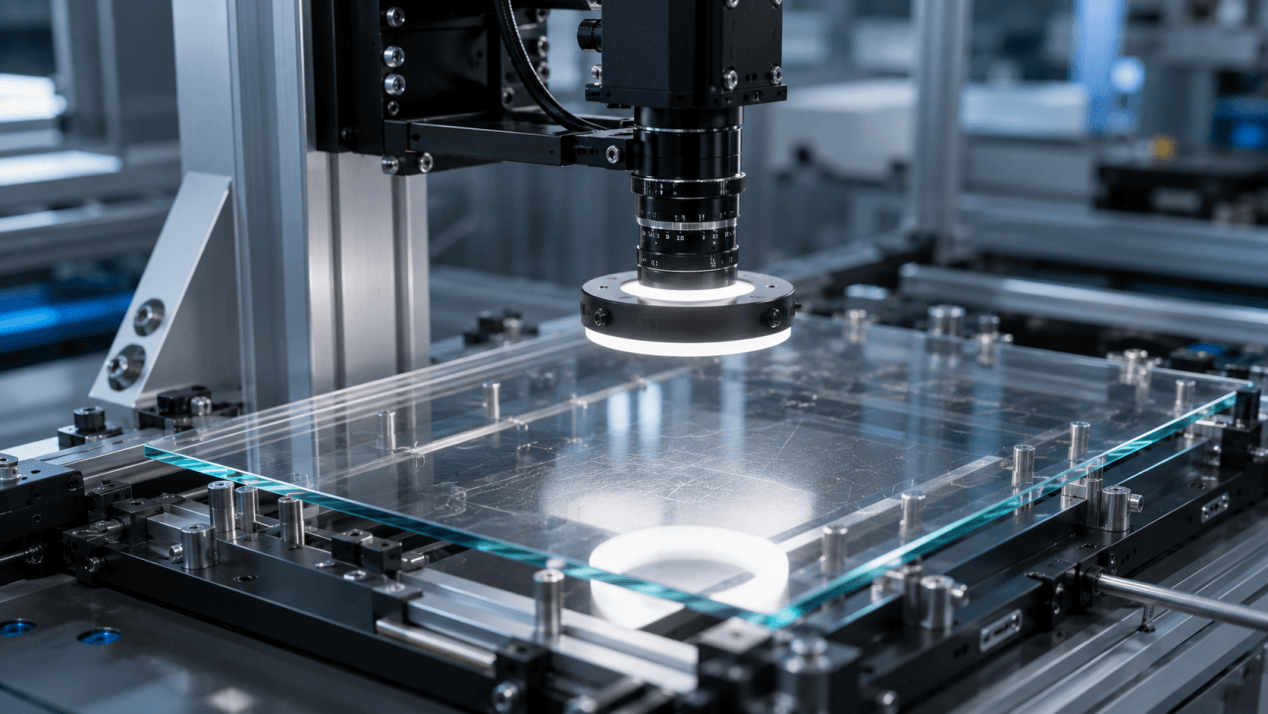
When it is necessary to detect the surface features of an object rather than its contour, a coaxial light source should be adopted. This light source converts its light into a direction parallel to the optical axis of the lens through a beam splitter, shining perpendicularly on the surface of the object.
Advantages: It can illuminate the entire field of view extremely evenly, perfectly highlighting surface details and avoiding the interference of random shadows.
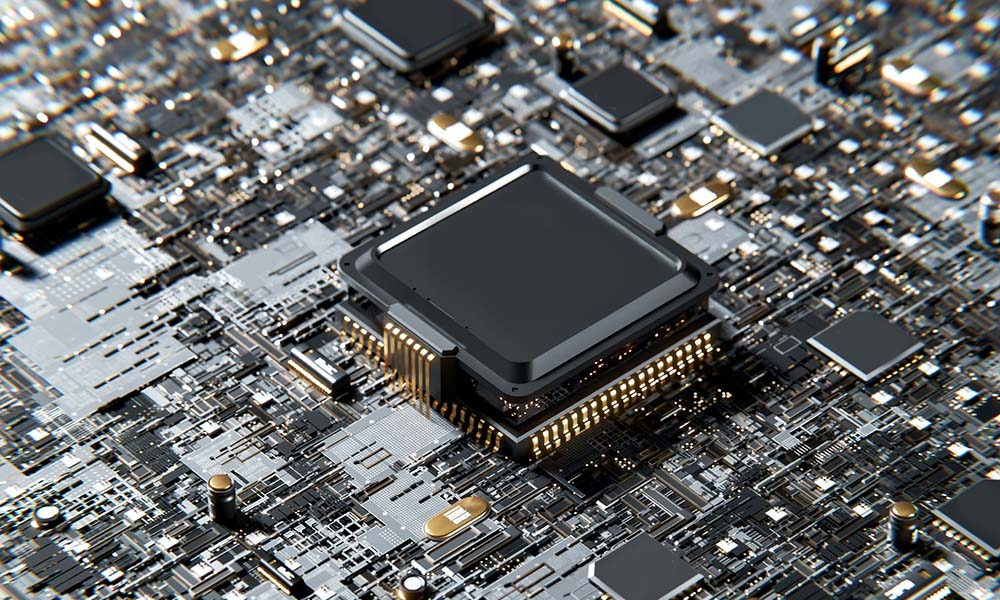
Application: It is often used to detect scratches on the surface of semiconductor chips, engravings on metal surfaces, and defects on glass or silicon wafers, etc
The correct selection of light sources is not only for "illuminating" objects, but also for shaping the light, making its characteristics match the optical design of the telecentric lens, pushing the contrast, clarity and stability of the image to the extreme, providing an irreplaceable and reliable guarantee for high-precision measurement and defect detection tasks.