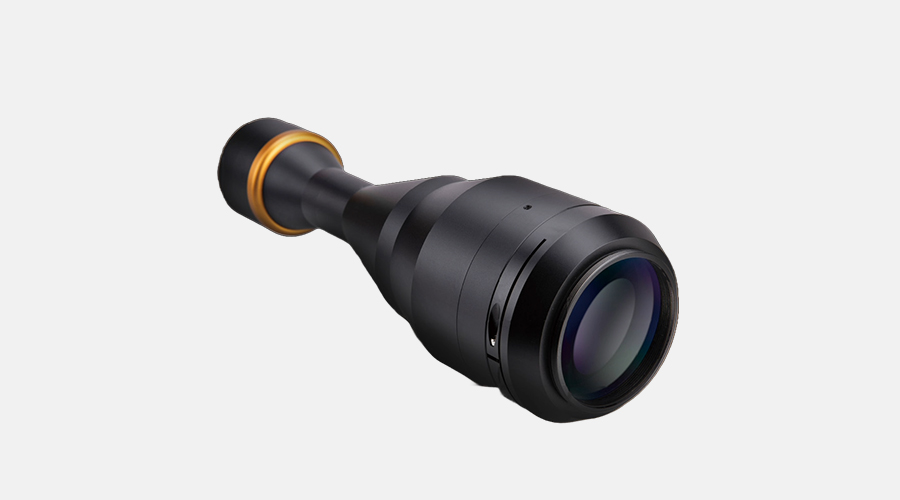
 Compatible with 7.2mm-82mm chips
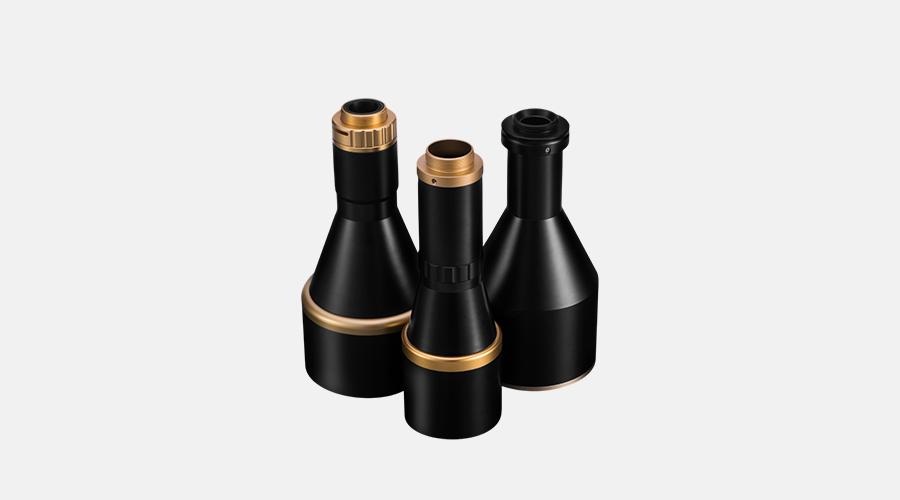 High/Low Working Distance
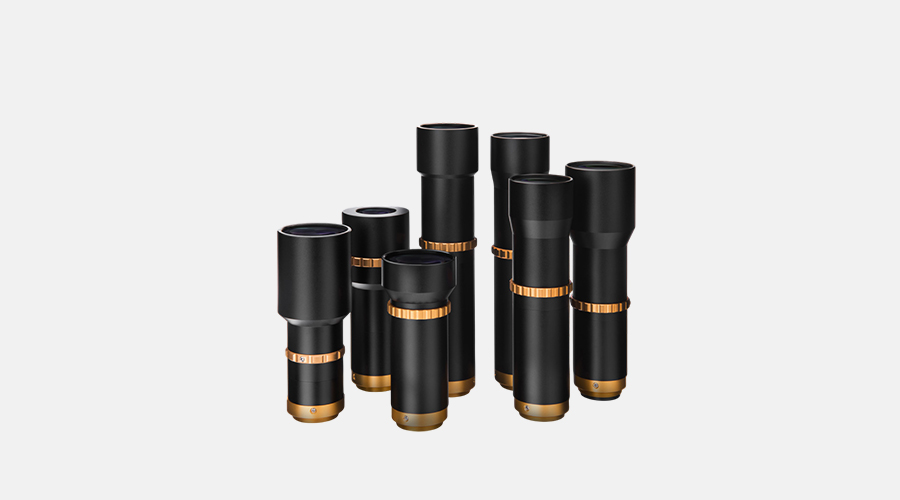 Aperture telecentric lens
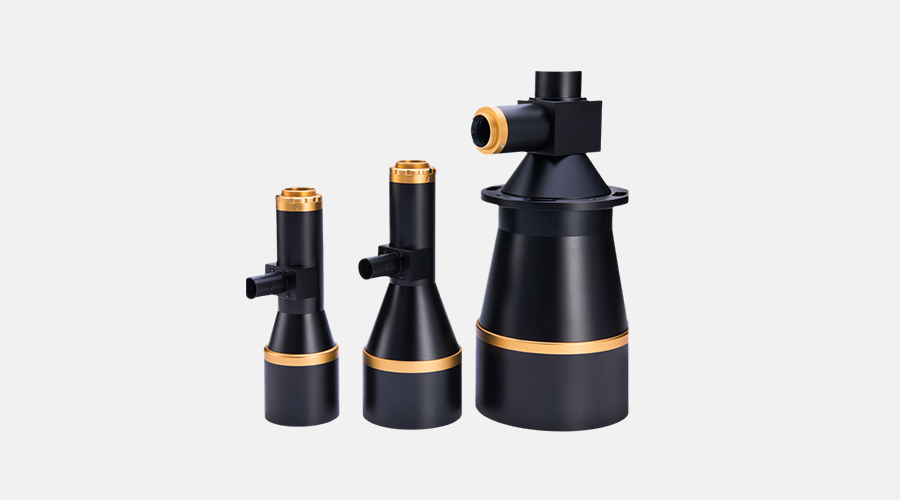 Measuring lens
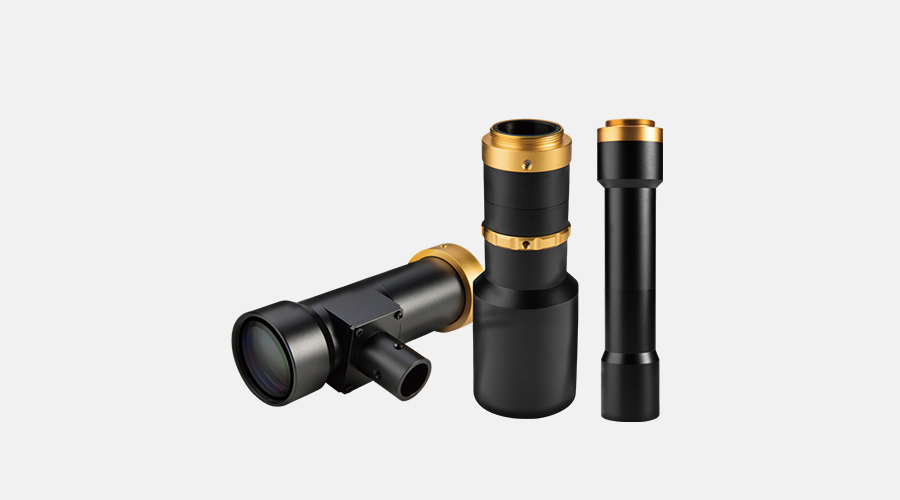 Maximum support 1.1" chips
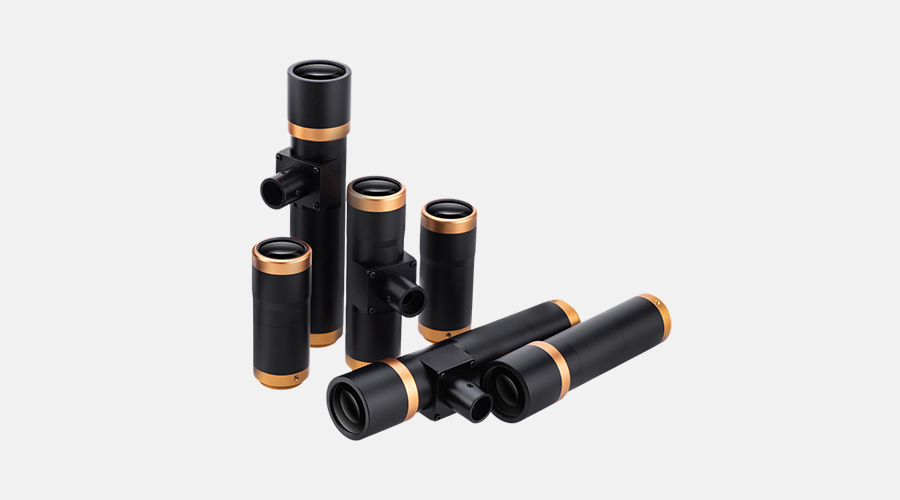 Maximum support 1.2" chips
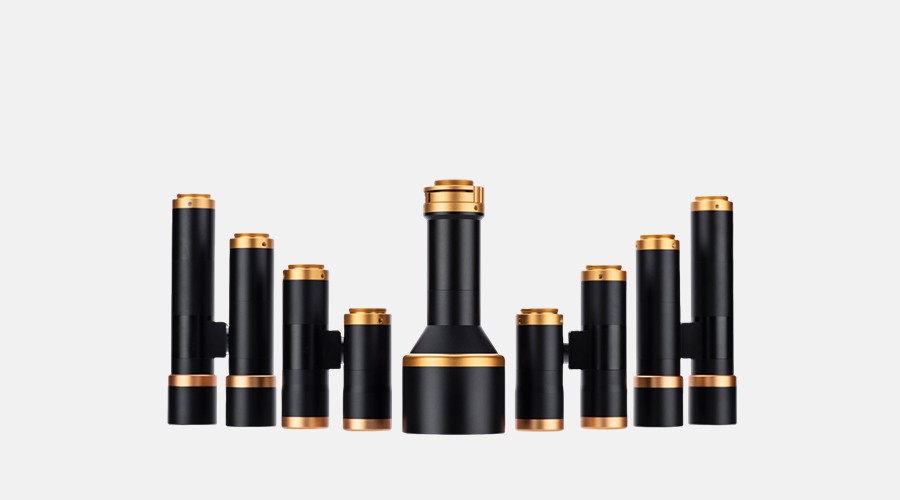 Maximum support 2/3" chips
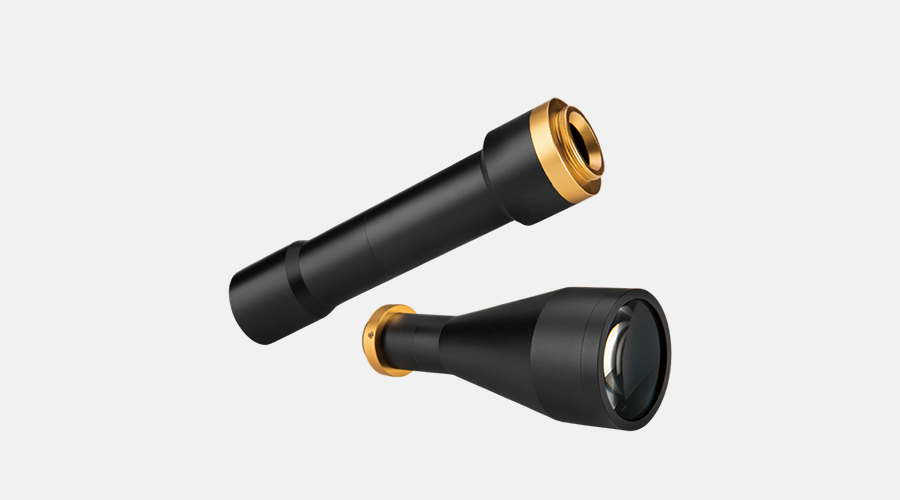 Long Working Distance
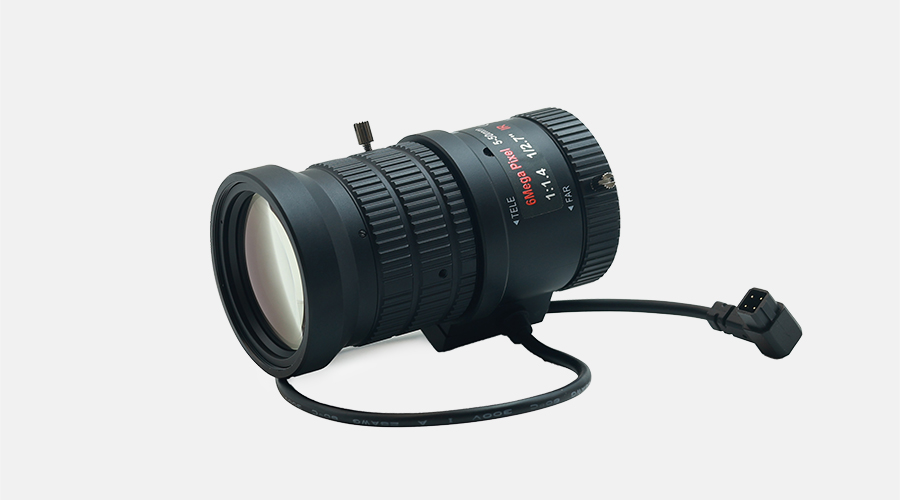 CS mount Varifocal lens
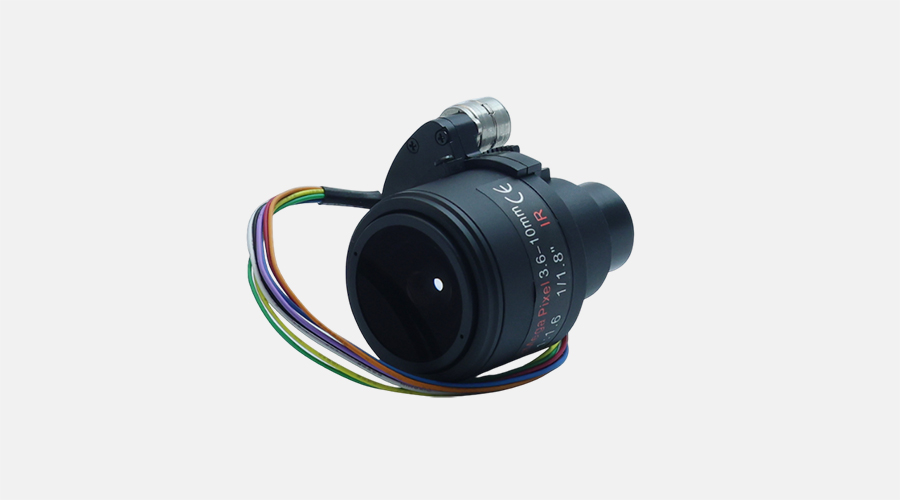 Varifocal board lens
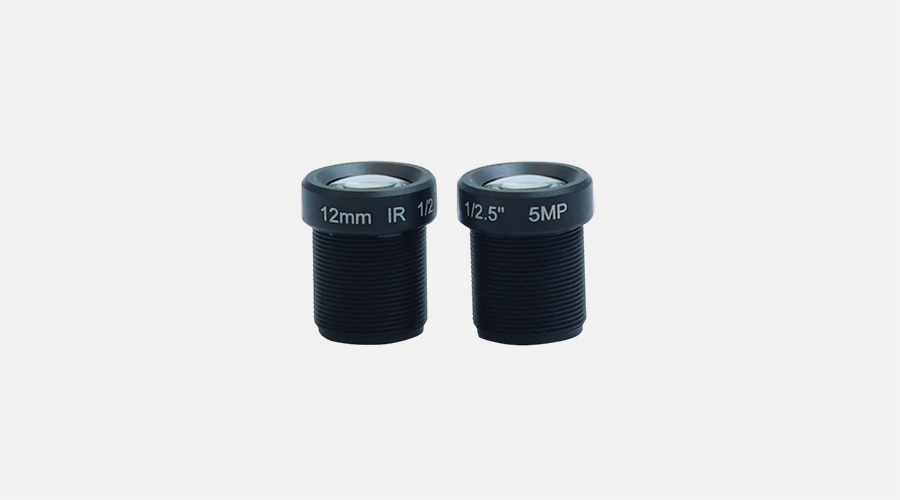 S mount lens
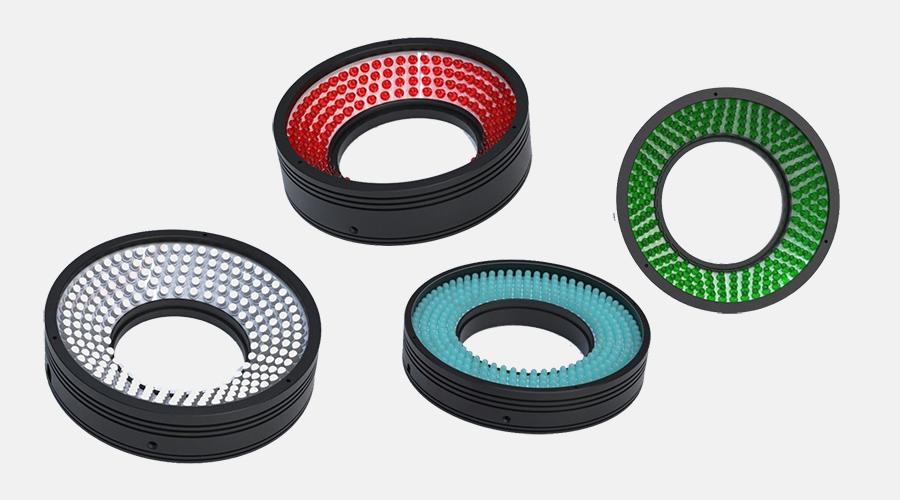 Ring light
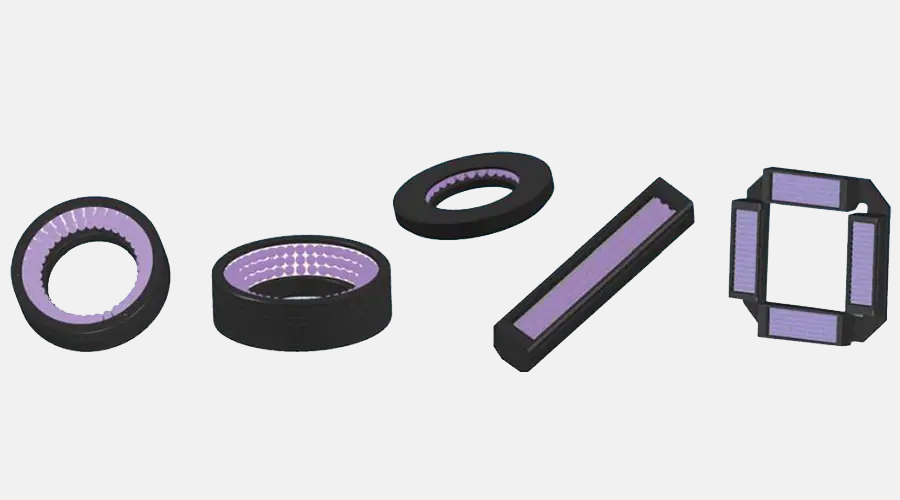 UV/IR Light
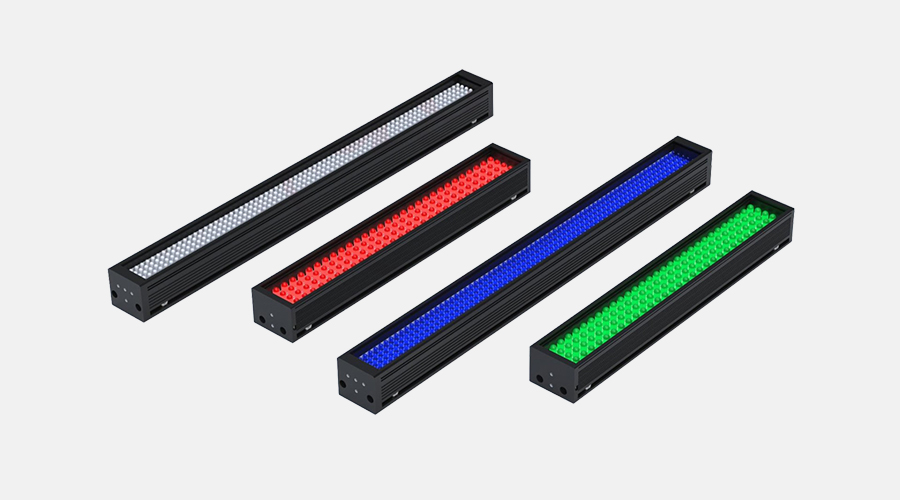 Bar light
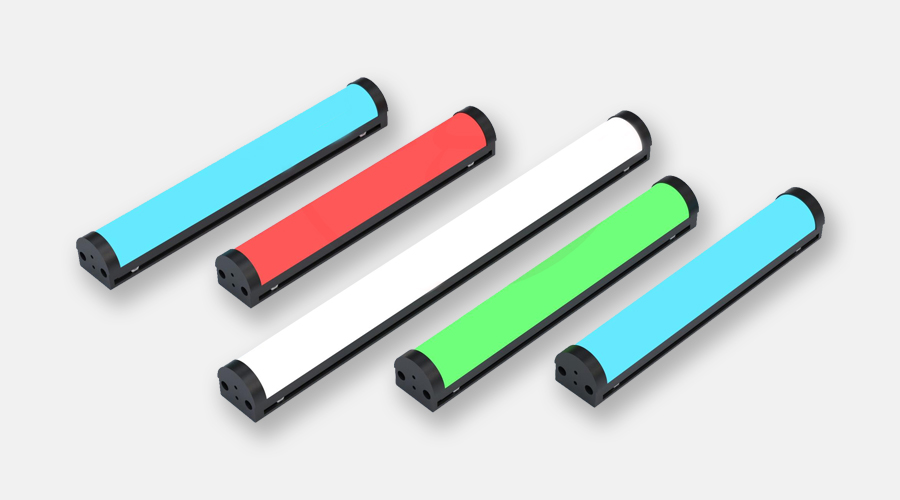 Arcuate high uniformity light
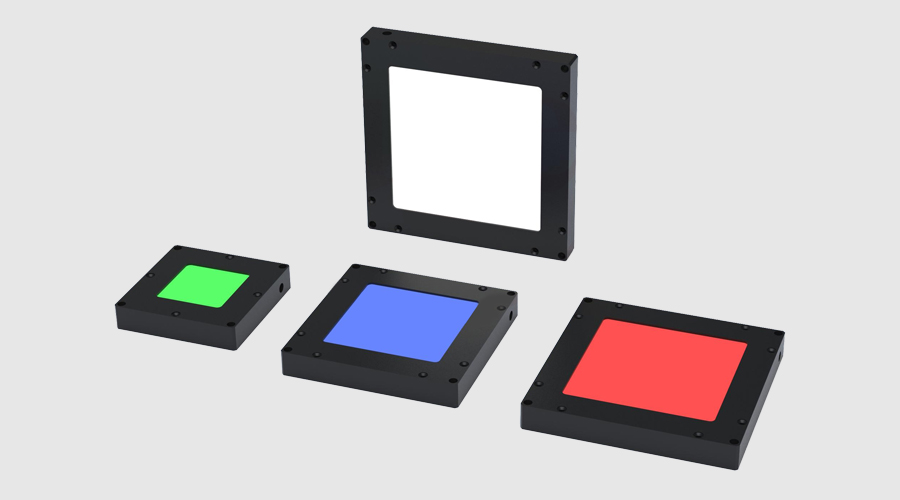 Flat light
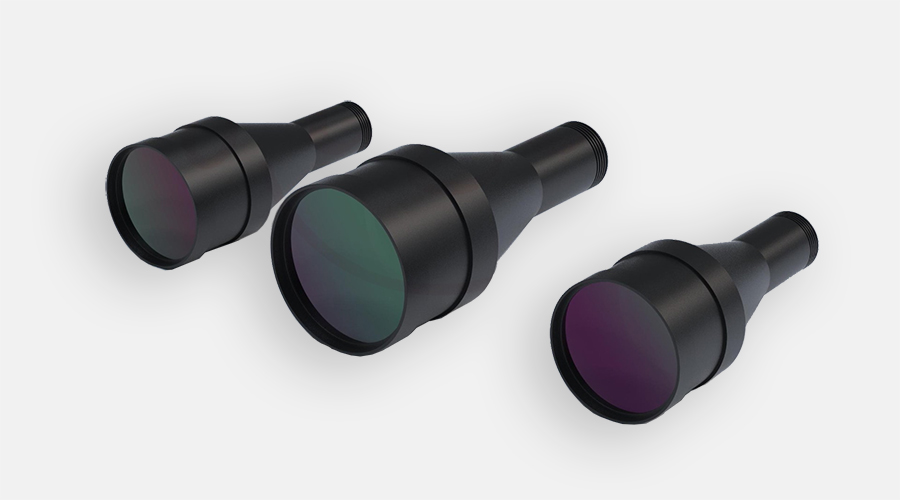 Collimated light
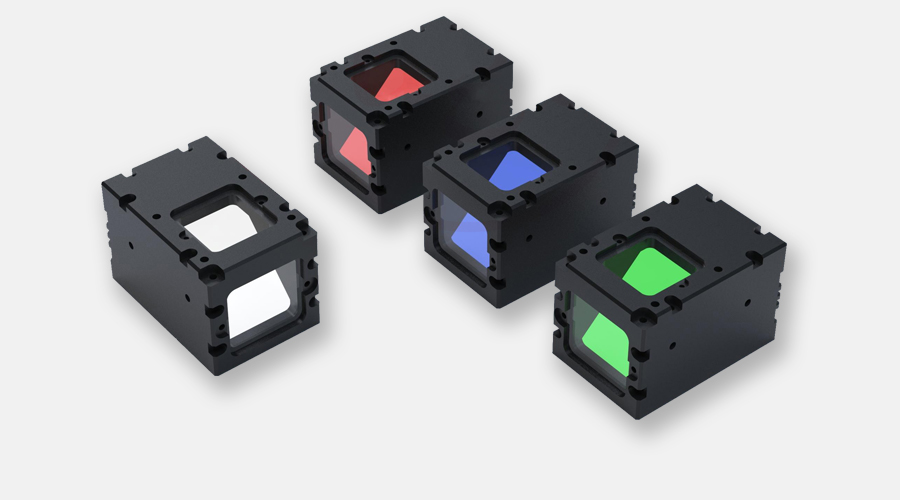 Coaxial light
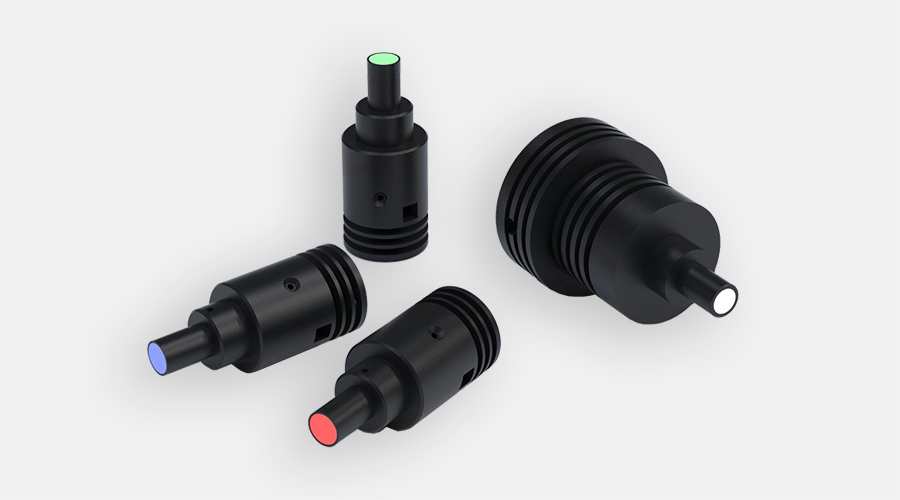 Spot light
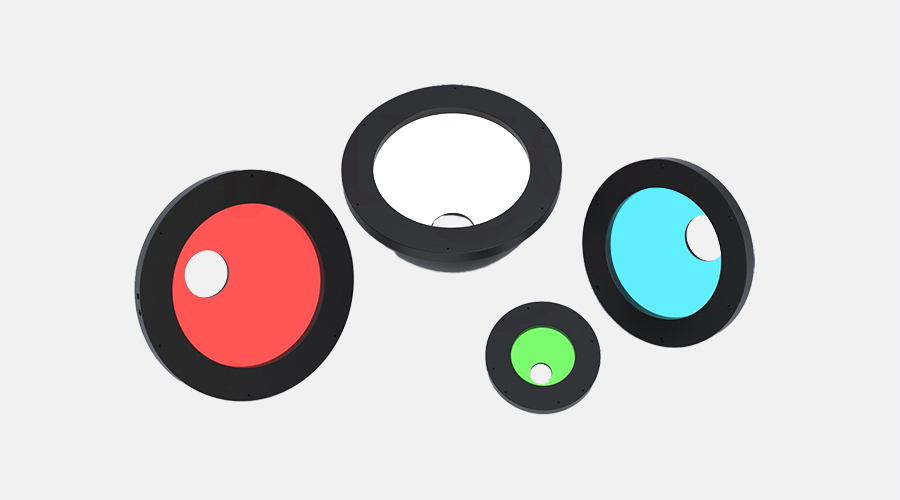 Dome light
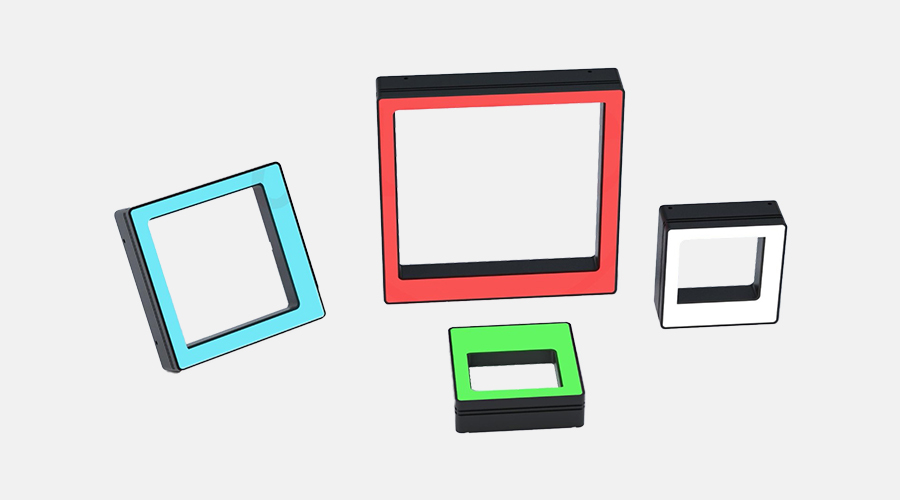 Shadowless square light
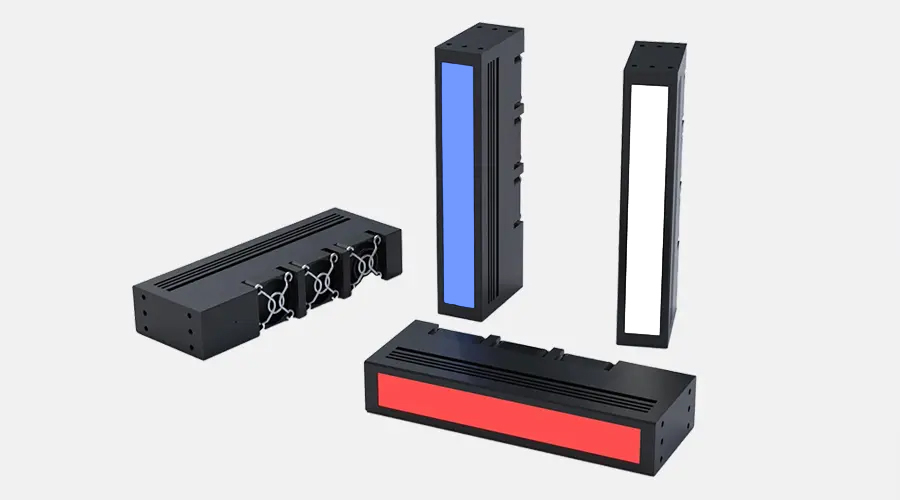 Scan light
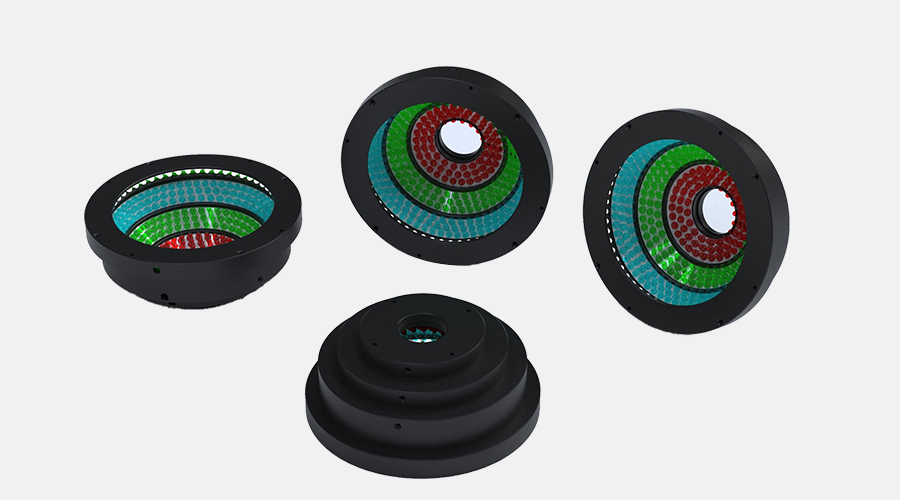 AOI light
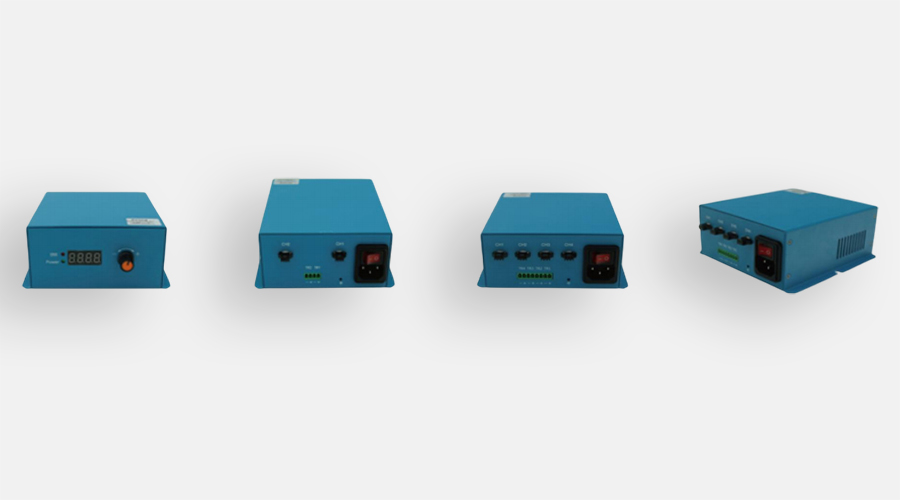 Analog controller
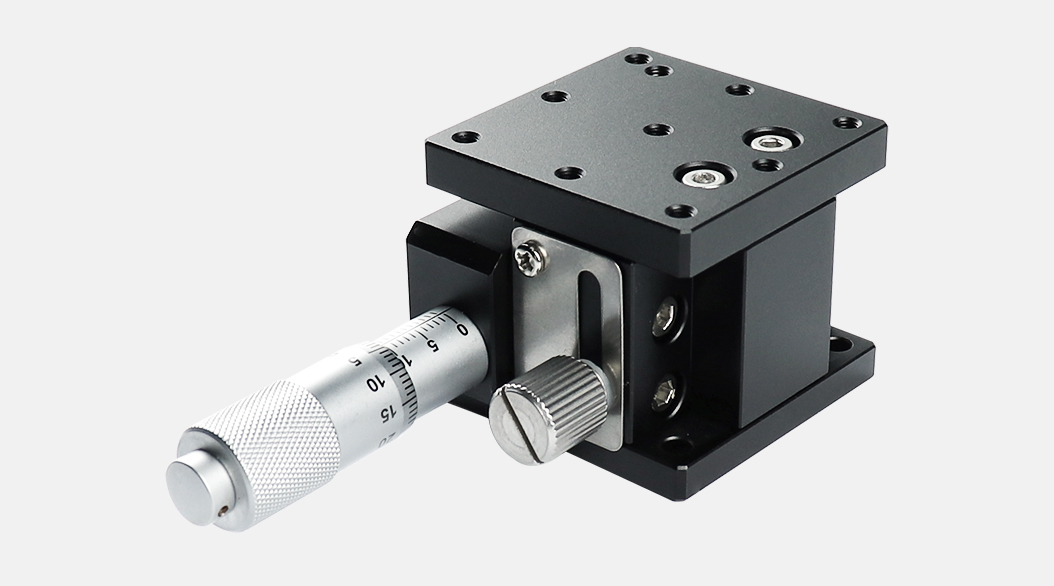 Crossed-Roller Linear guide type
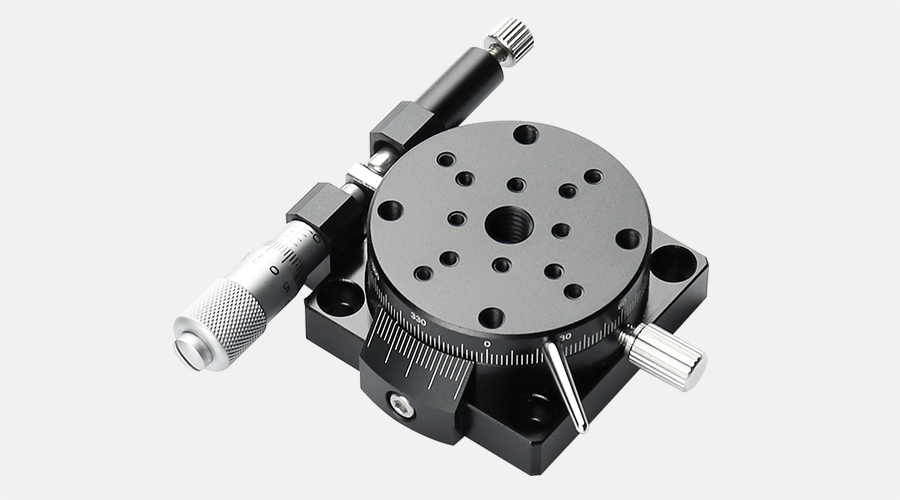 Rotary Stages XRS series
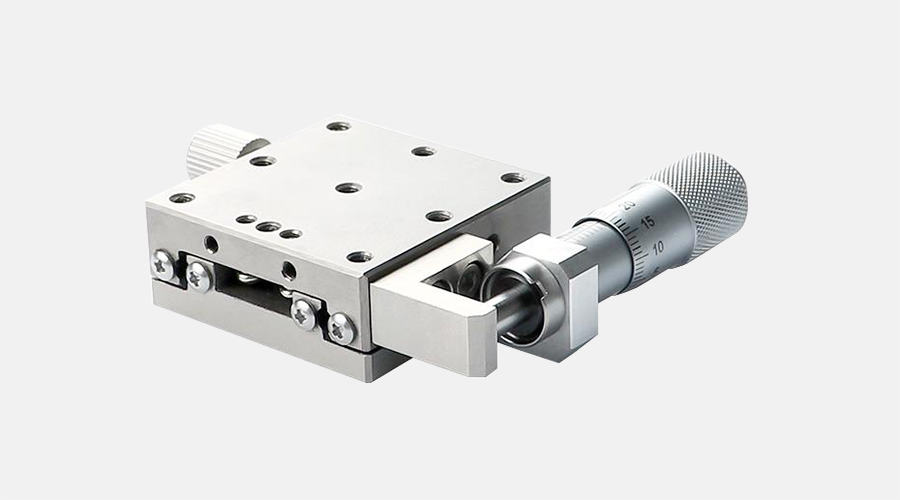 Stainless Steel Ball Bearing Linear Translation Stages
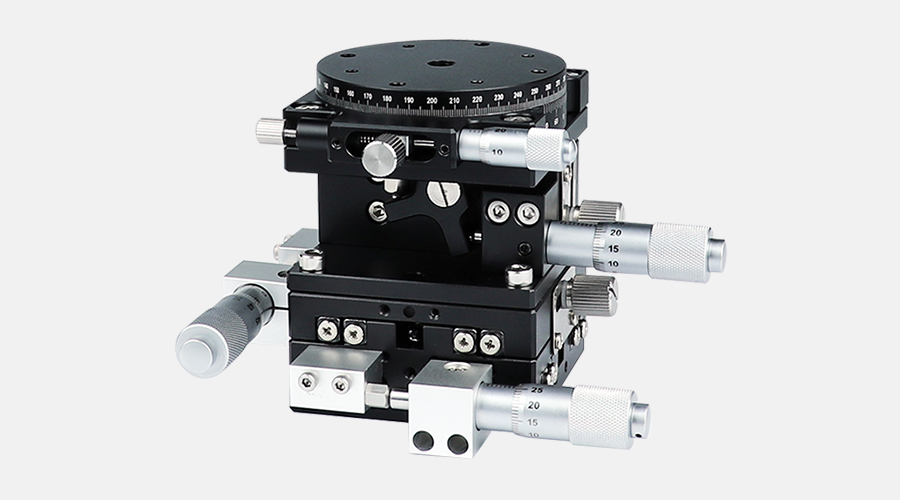 Multi-axis Translation stages
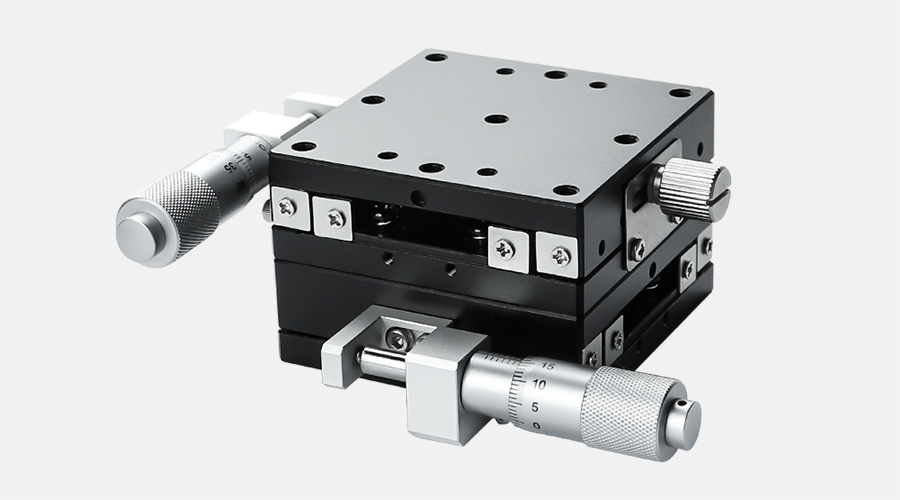 steel bar ball bearing stages
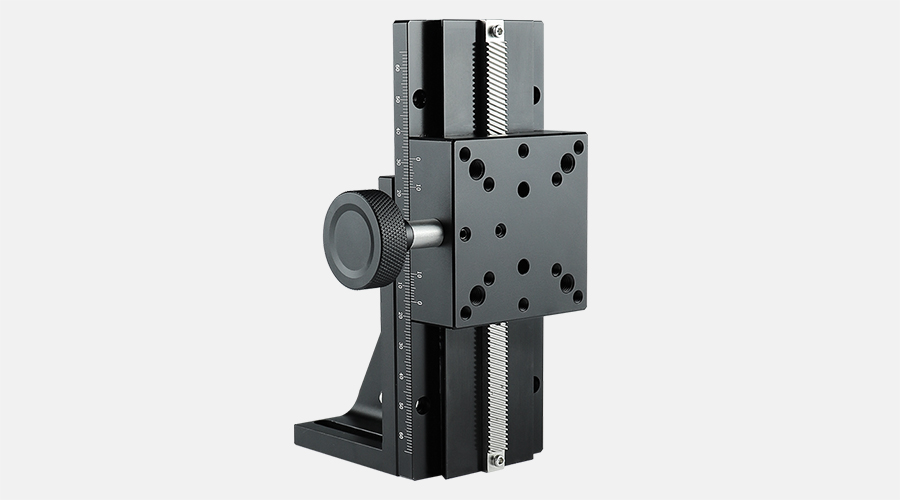 Dovetail Type Rack&Pinion Positioning Stage
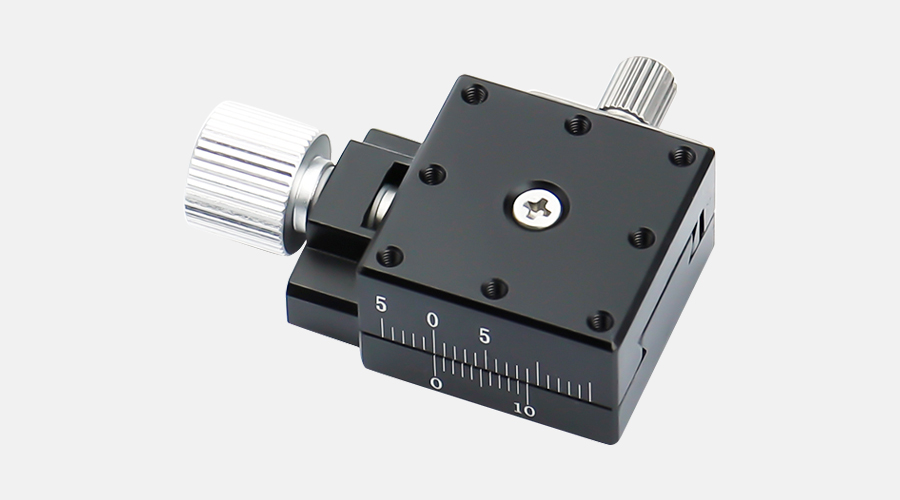 Dovetail groove high-precision screw slide
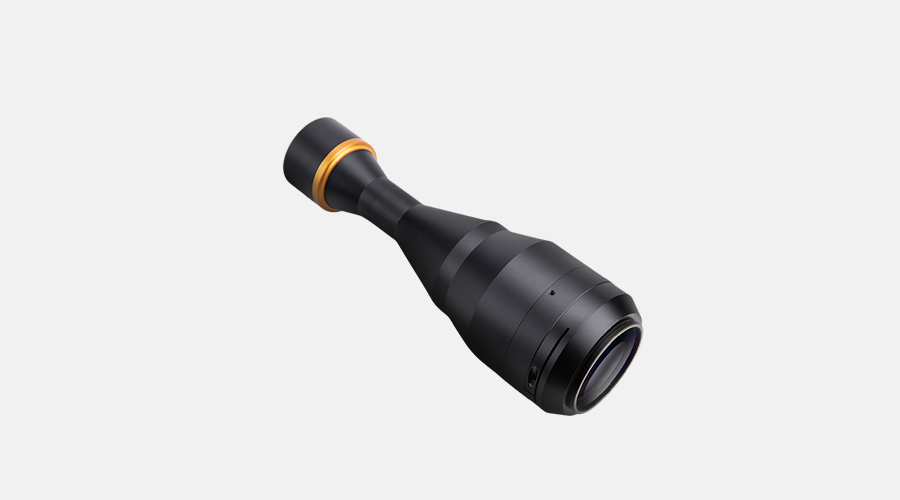
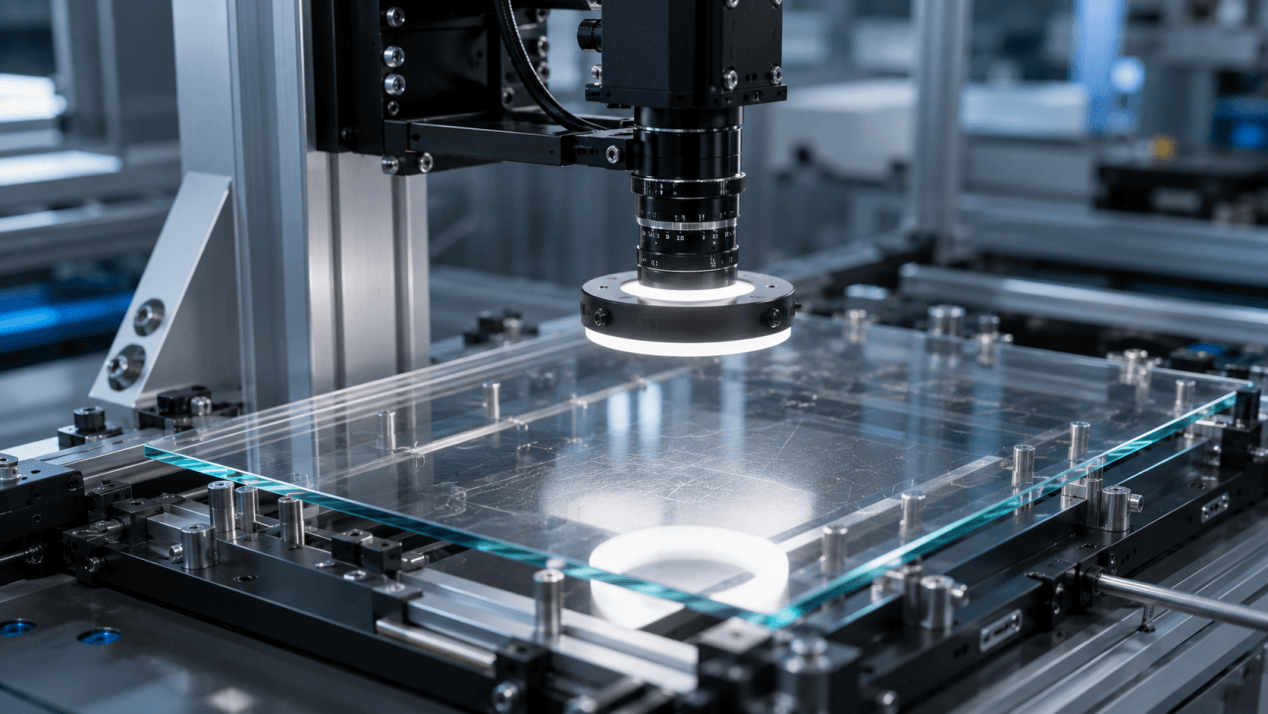
How Does Machine Vision Lighting Improve Telecentric Lens Performance?
In a machine vision system using a Telecentric Lens, lighting design affects image contrast, edge visibility, and measurement consistency.
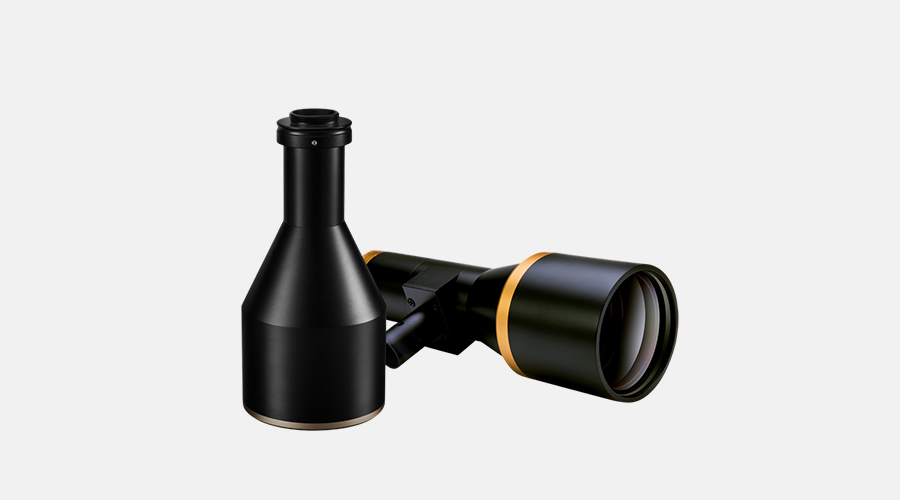
A telecentric lens is widely used for dimensional measurement and automated inspection because it maintains stable magnification and reduces perspective variation. However, lens performance also depends on proper illumination.
Even a high-quality Optical Telecentric Lens may show unclear edges or low contrast when lighting conditions are unsuitable.
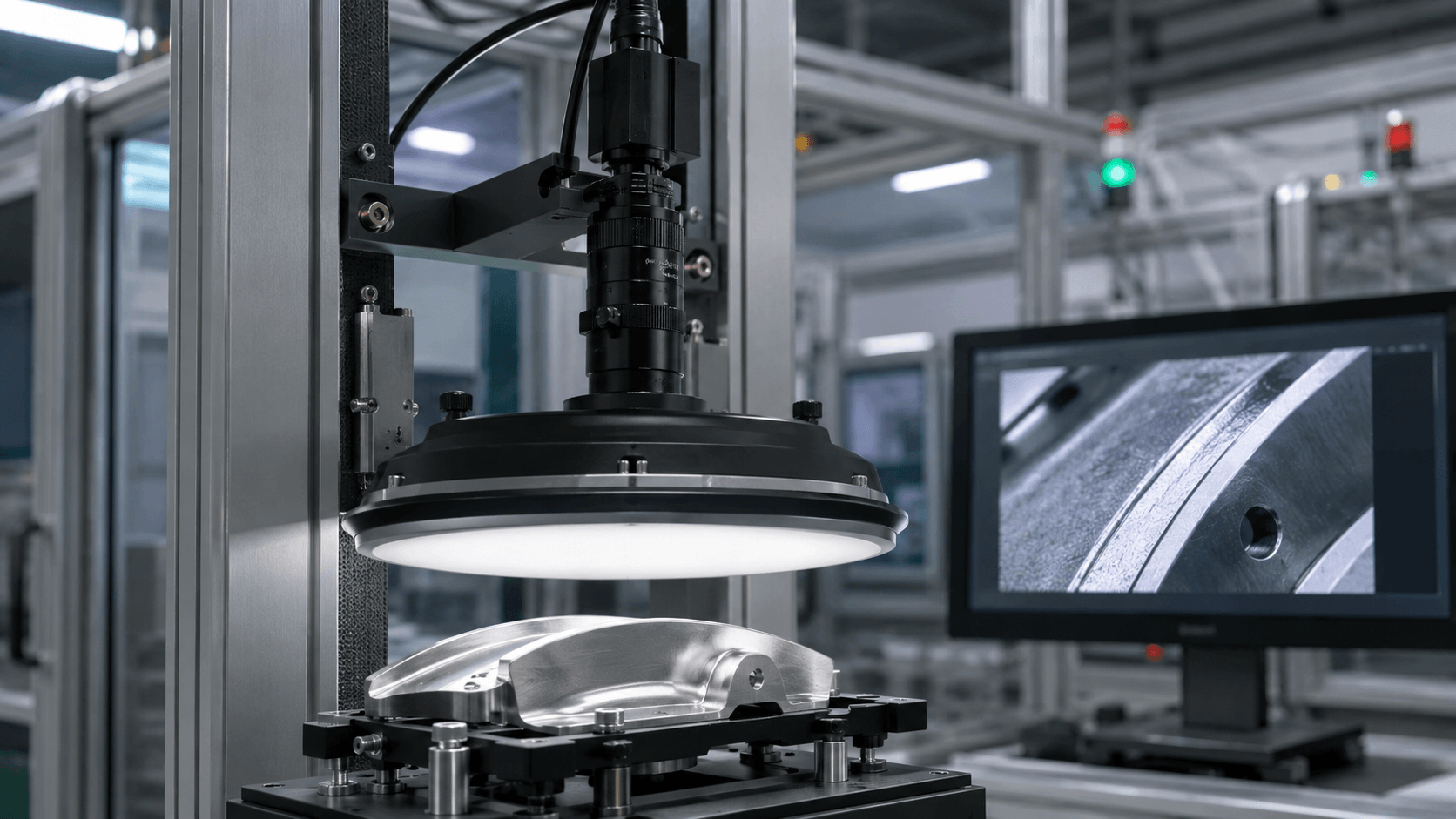
Therefore, engineers combine the Machine Vision Telecentric Lens and Machine Vision Lighting as an integrated optical system for clearer image capture and inspection.
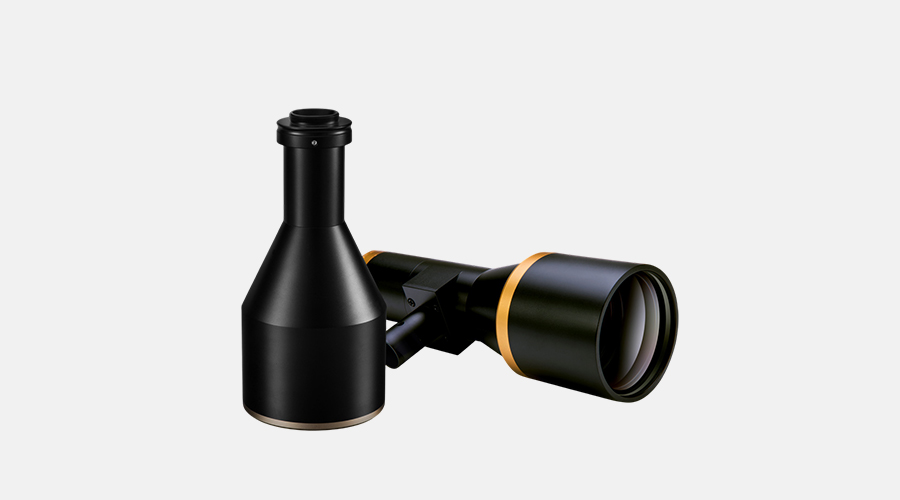
Why Is Machine Vision Lighting Important for a Telecentric Lens?
A Telecentric Lens controls how light from the object is projected onto the camera sensor, while lighting determines how the object appears in the captured image.
In applications such as Optical Measurement and high-precision dimensional inspection, image quality depends on both optical design and illumination conditions.
For example:
- Uneven lighting may create inconsistent image brightness;
- Excessive reflections can reduce surface details;
- Low contrast may make edge detection more difficult.
Therefore, Machine Vision Lighting is not only used to illuminate the object. It is also used to enhance image contrast, improve edge visibility, and make inspection data more consistent.
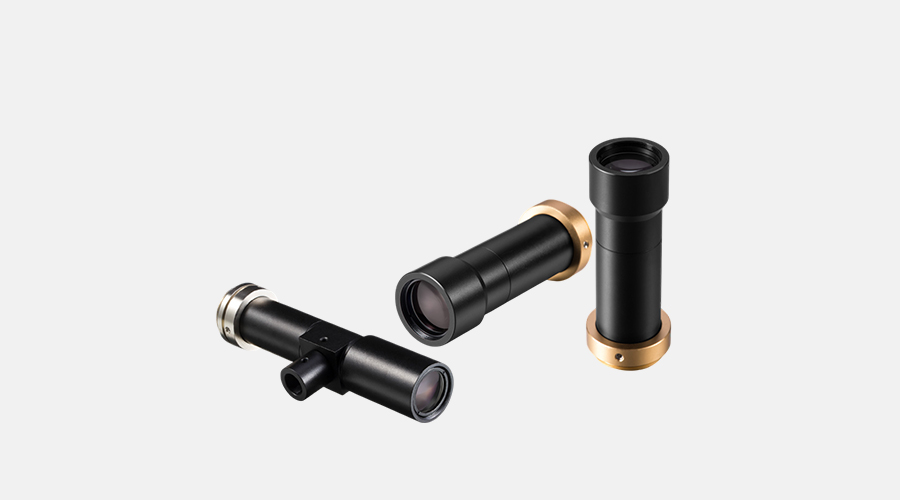
How Does Machine Vision Lighting Enhance Telecentric Lens Imaging?
The purpose of machine vision lighting is to create an imaging environment where the telecentric lens can capture clearer features.
Proper illumination can support:
- Clearer object edges for Dimensional Measurement;
- Better contrast for Edge Detection;
- Reduced glare on reflective materials;
- Improved visibility of surface marks, scratches, and textures;
- More consistent images during continuous production.
Because these improvements happen during image acquisition, they provide a better foundation for vision software and inspection algorithms.
Why Does Dimensional Measurement Often Use Backlighting?
Dimensional inspection usually focuses on object profiles, contours, and edge positions.
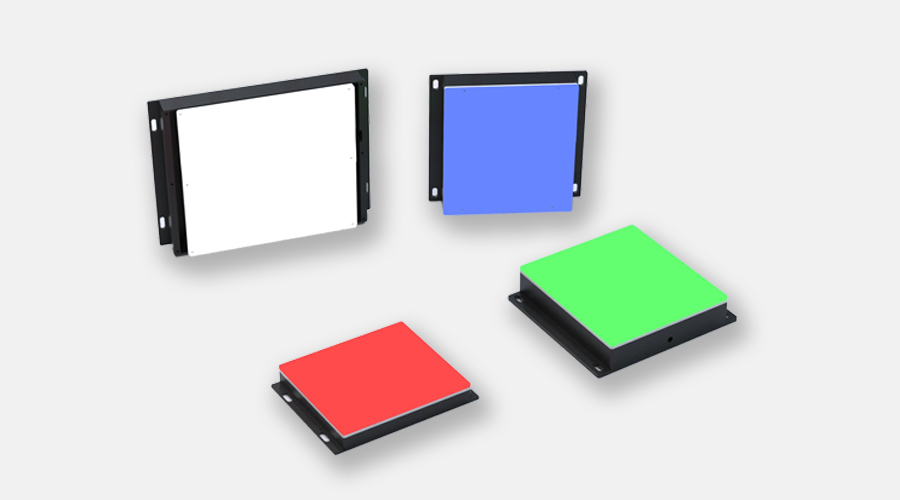
Backlight is commonly selected because it creates a high-contrast silhouette by placing the light source behind the inspection object. This makes the boundary between the object and background easier to identify.
When combined with a Telecentric Lens, backlighting is suitable for applications such as:
- Precision component measurement;
- Metal part inspection;
- Connector inspection;
- Electronic component measurement.
The combination of telecentric optics and backlighting can improve edge consistency and support more stable dimensional analysis.
Why Is Coaxial Lighting Used for Reflective Surface Inspection?
Reflective materials such as metal, glass, and semiconductor components can create unwanted glare during image capture.
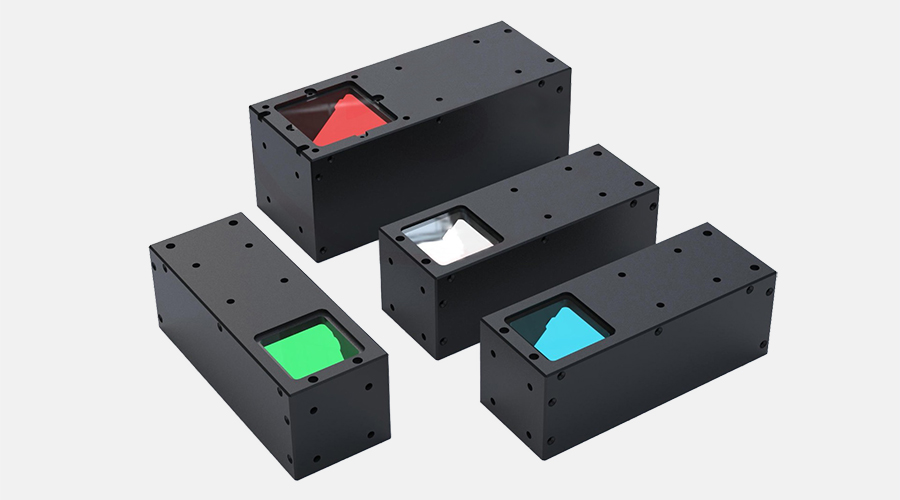
Coaxial Light directs illumination along the optical axis of the lens, which can reduce uneven reflections and make surface features easier to observe.
A combination of Optical Telecentric Lens and coaxial lighting is often considered for applications involving:
- Surface defect inspection;
- Engraved character recognition;
- Flat reflective components;
- Precision electronic parts.
This lighting method allows the vision system to capture surface information with improved contrast.
Why Is Ring Lighting Common in General Automated Inspection?
For general inspection tasks involving plastic parts, connectors, and assembly verification, LED Ring Light is a commonly used illumination method.
Ring lighting surrounds the lens and provides light from multiple directions, helping reduce shadows and create more uniform illumination.
A Diffuse Ring Light can be useful for glossy or curved surfaces because it softens direct reflections and creates a smoother image appearance.
Typical applications include:
- Assembly inspection;
- Component positioning;
- Appearance checking;
- General Automated Inspection tasks.
Why Is Dome Lighting Suitable for Glossy and Curved Products?
Glossy and curved surfaces can be difficult to inspect because direct lighting may create strong reflections.
Industrial Grade Dome Light provides diffused illumination from multiple directions, reducing harsh highlights on curved or reflective objects.
It is often considered for applications involving:
- Curved plastic components;
- Polished surfaces;
- Products with uneven reflection characteristics.
When combined with a suitable Telecentric Lens, dome lighting can create a more balanced imaging environment for inspection.
How Should You Select a Telecentric Lens and Machine Vision Lighting Combination?
There is no single lighting configuration suitable for every inspection task. The optical combination should be selected according to the object characteristics, measurement requirements, and equipment structure.
|
Inspection Task |
Recommended Combination |
|
Dimensional Measurement |
Telecentric Lens + Backlight |
|
Reflective Surface Inspection |
Optical Telecentric Lens + Coaxial Light |
|
General Vision Inspection |
Telecentric Lens + LED Ring Light |
|
Glossy or Curved Products |
Telecentric Lens + Industrial Grade Dome Light |
During system design, engineers usually evaluate:
- Material type;
- Surface finish;
- Required measurement accuracy;
- Working distance;
- Installation space.
Selecting suitable optics and lighting at the hardware stage can reduce dependence on software correction during image processing.
Why Are Telecentric Lens and Lighting Designed Together in Machine Vision Systems?
Modern Machine Vision Inspection and Industrial Vision Inspection systems often treat optics and illumination as connected parts of the same imaging solution.
A Telecentric Lens influences magnification stability and distortion control, while Machine Vision Lighting affects contrast, edge visibility, and surface feature presentation.
When these components are properly selected together, industrial cameras can capture more consistent images for measurement, positioning, and defect inspection.
As manufacturing processes require higher precision and automation, telecentric lenses and lighting solutions are increasingly designed together to adapt to different materials, products, and inspection environments.
FAQ
Q: Why does a telecentric lens benefit from machine vision lighting?
A: Machine vision lighting can improve image contrast, edge visibility, and inspection consistency.
Q: Which lighting is commonly used for dimensional measurement?
A: Backlighting is commonly used for profile and edge measurement applications.
Q: When should coaxial lighting be selected?
A: It is suitable for reflective flat surfaces and precision component inspection.
Q: What applications use ring lighting?
A: Ring lighting is commonly used for assembly inspection, positioning, and general vision tasks.
Q: Why should optics and lighting be designed together?
A: Combining optics and lighting helps create more consistent images for machine vision inspection.