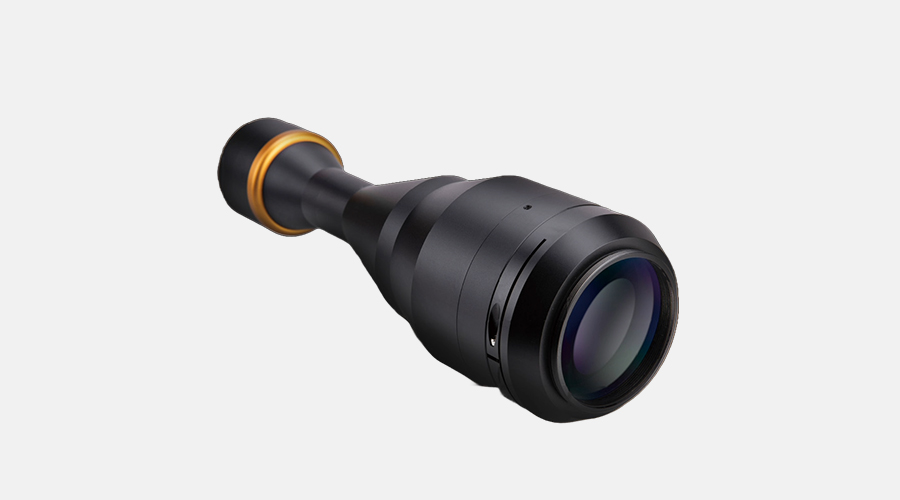
 Compatible with 7.2mm-82mm chips
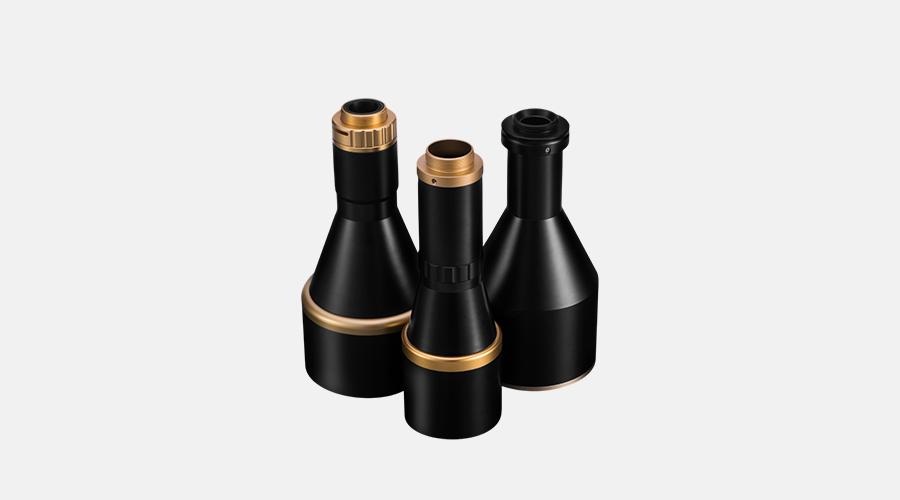 High/Low Working Distance
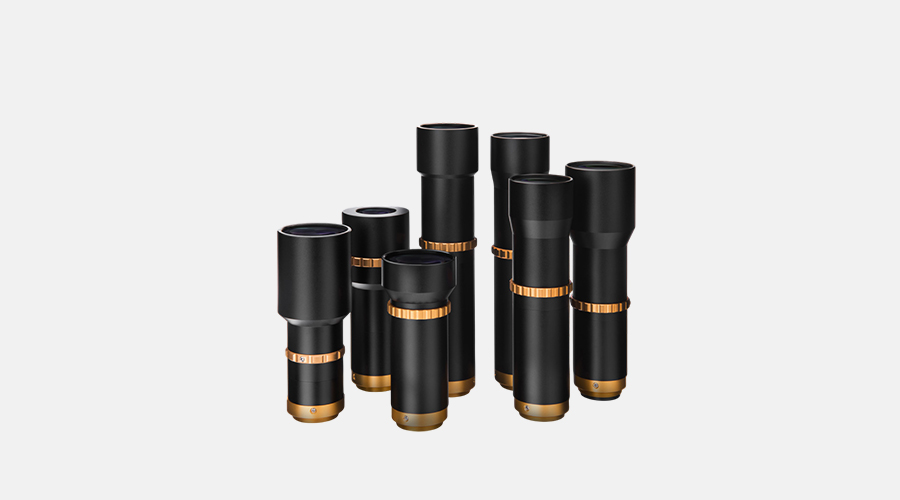 Aperture telecentric lens
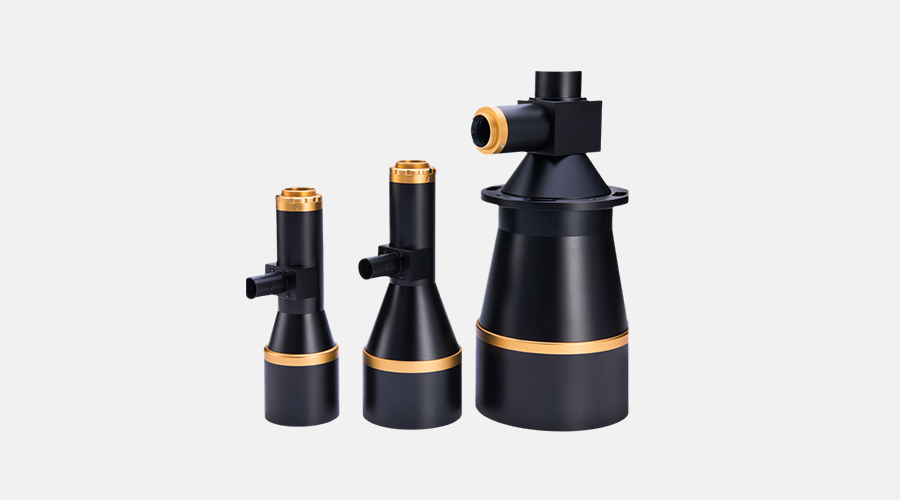 Measuring lens
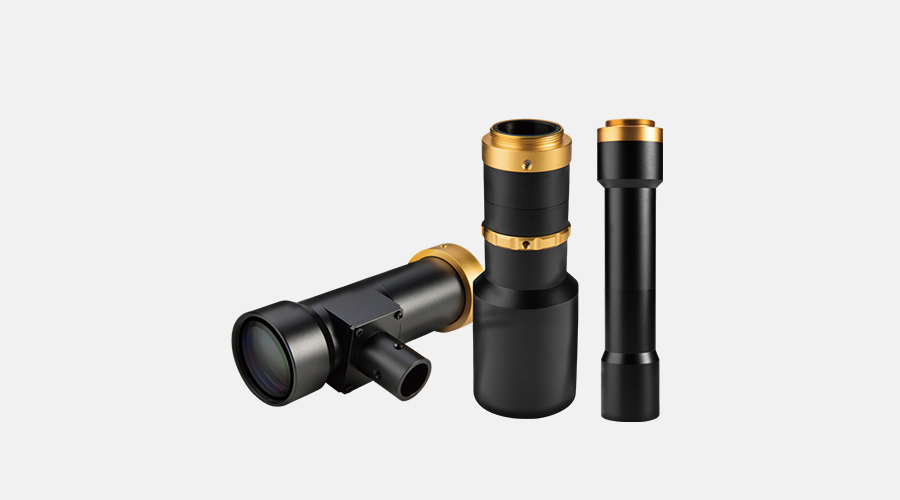 Maximum support 1.1" chips
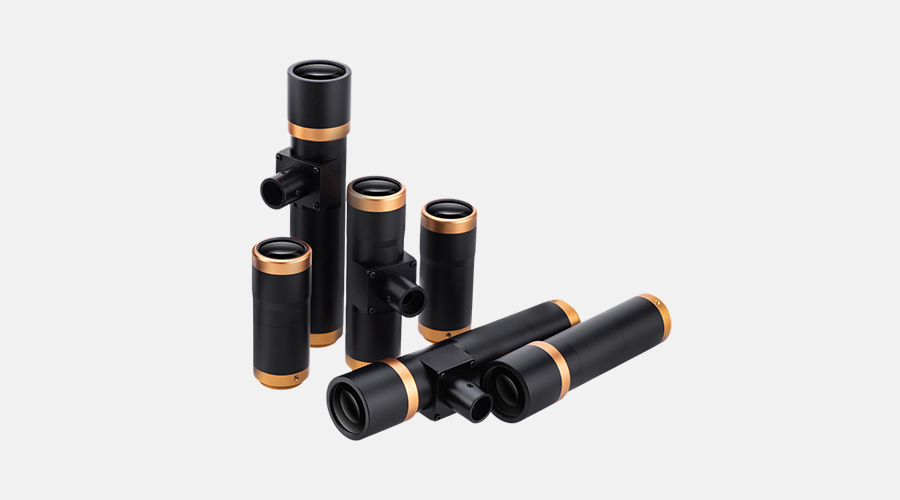 Maximum support 1.2" chips
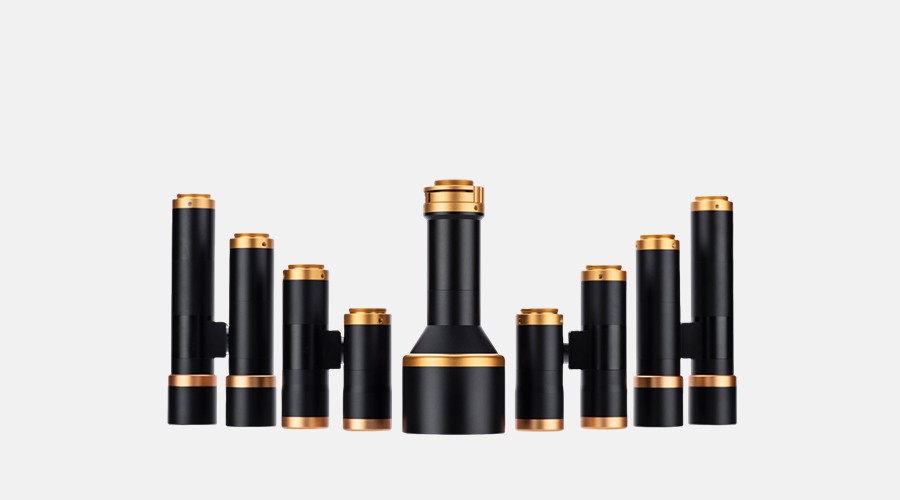 Maximum support 2/3" chips
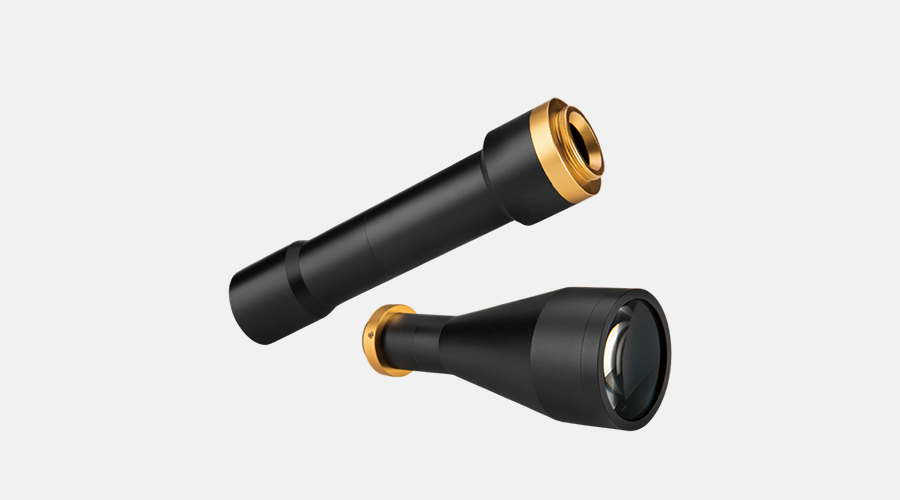 Long Working Distance
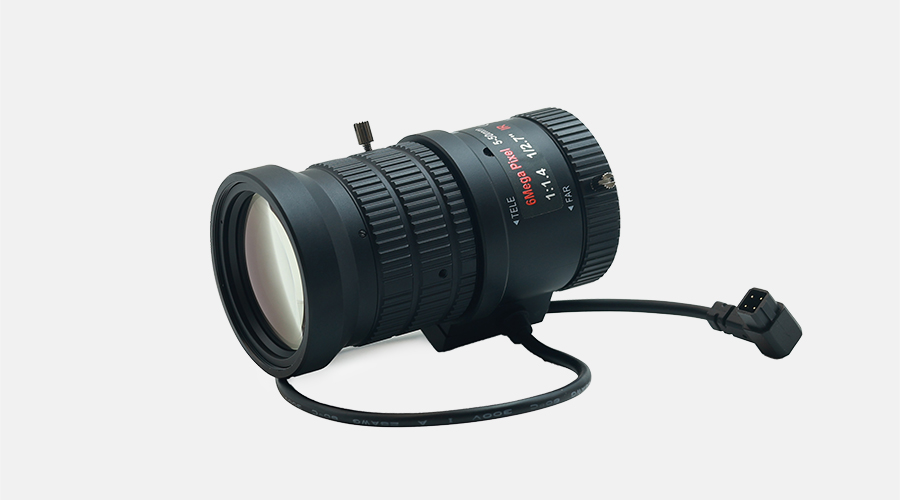 CS mount Varifocal lens
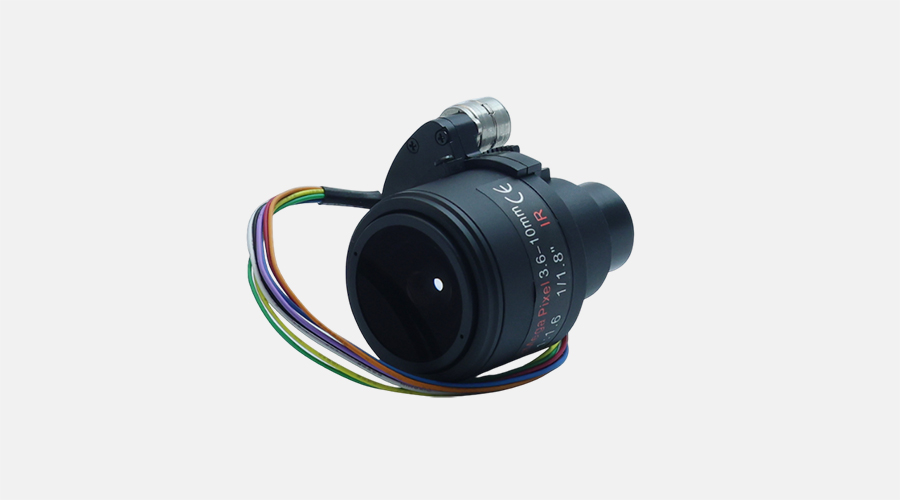 Varifocal board lens
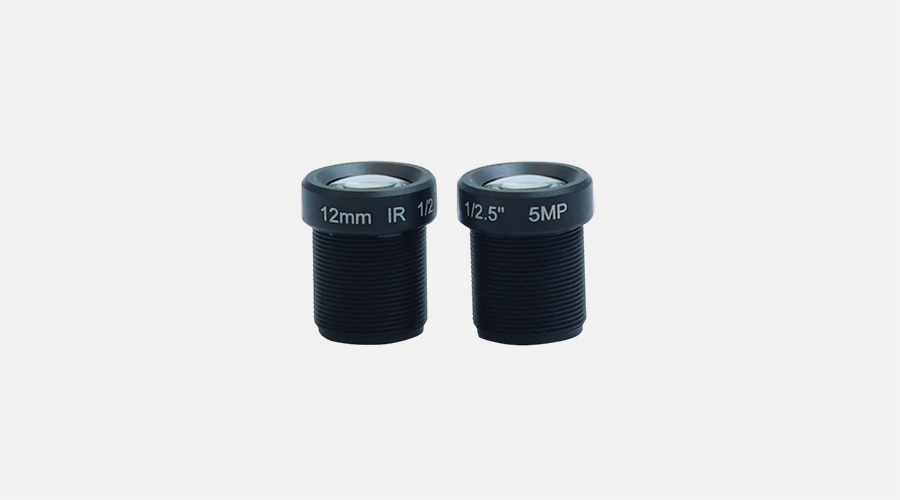 S mount lens
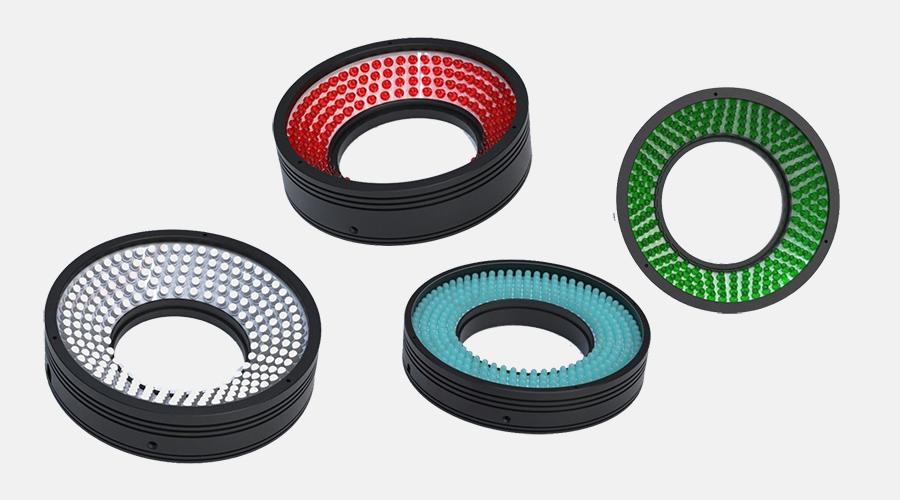 Ring light
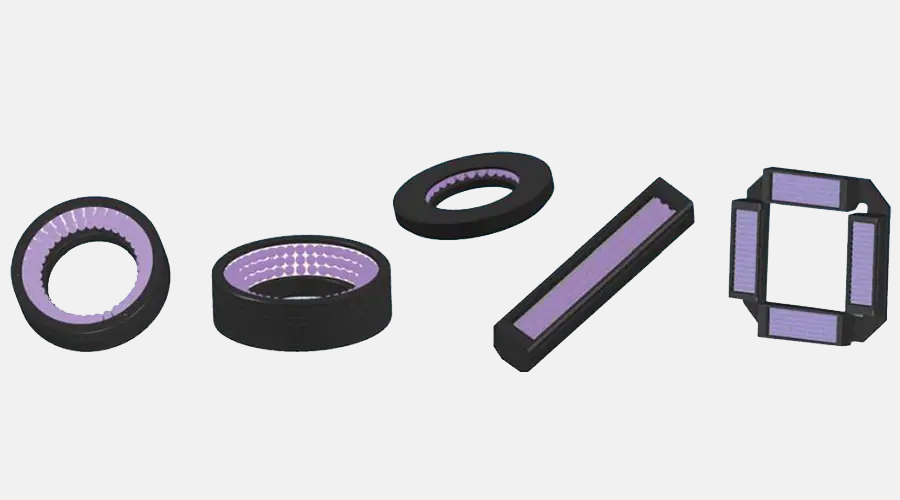 UV/IR Light
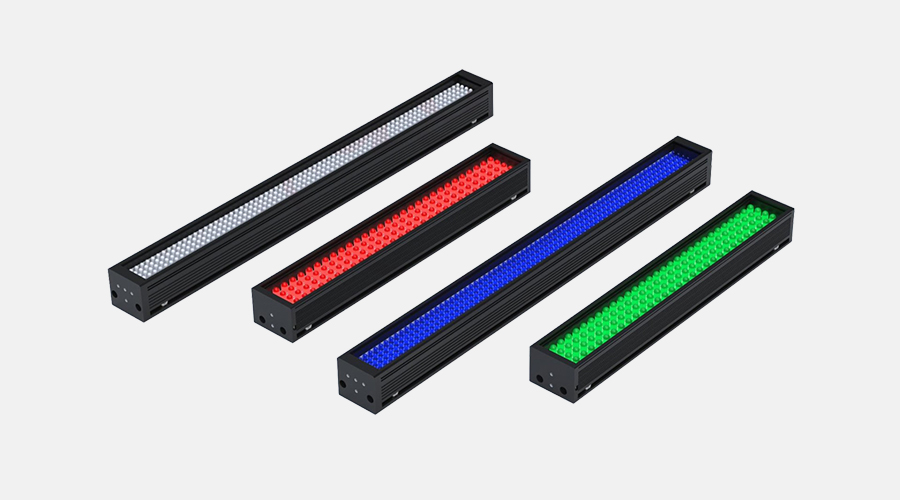 Bar light
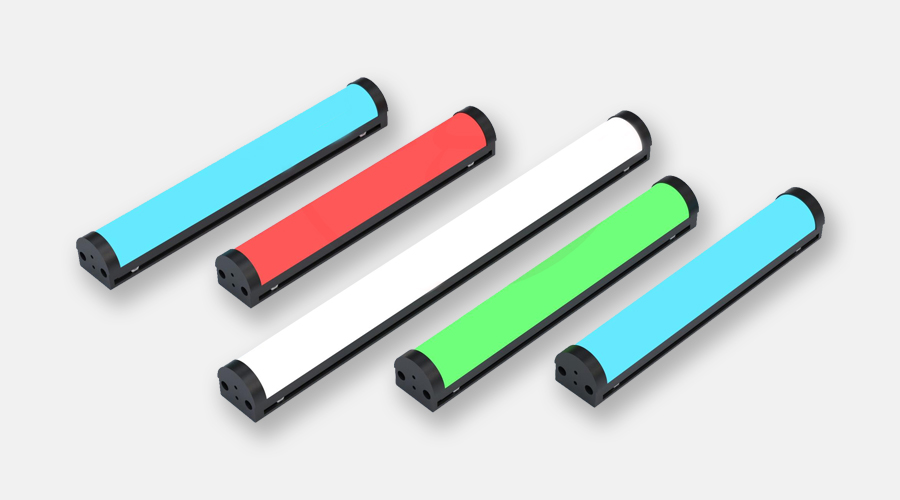 Arcuate high uniformity light
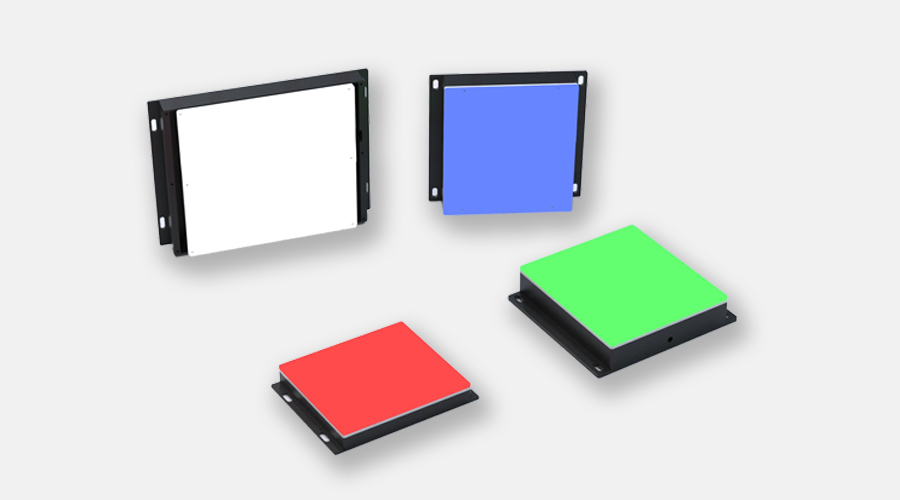 Back light
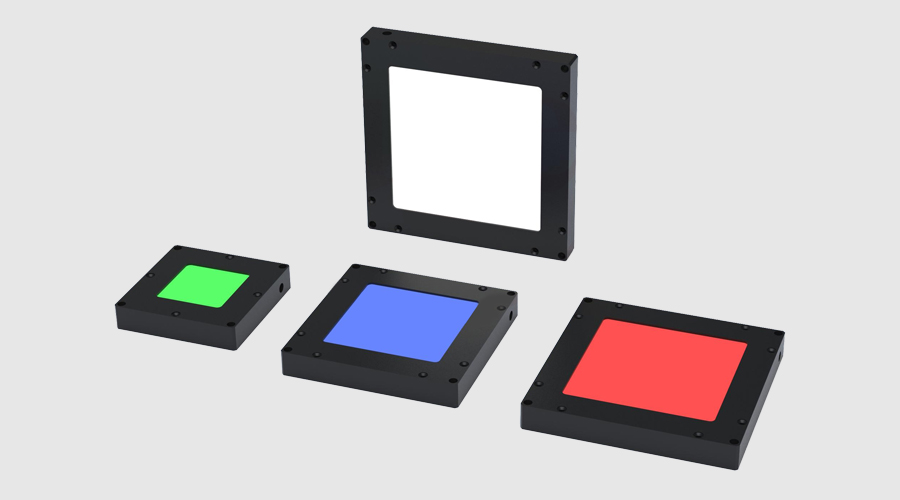 Flat light
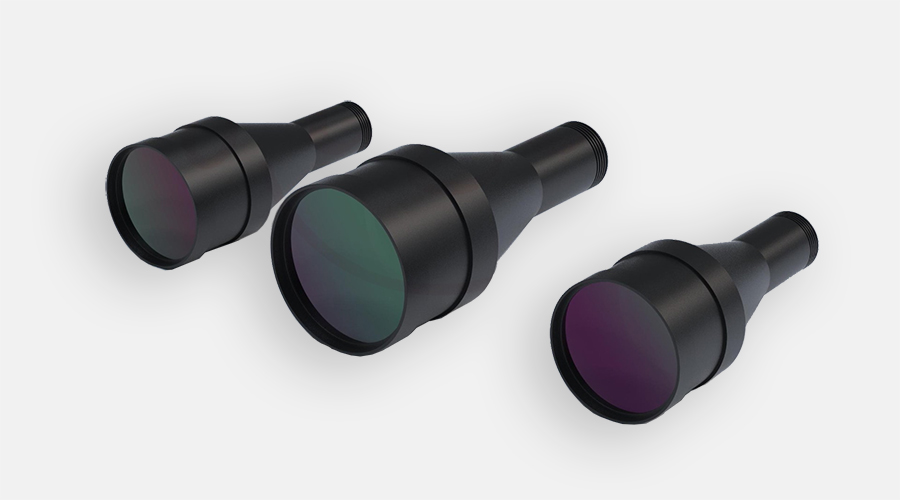 Collimated light
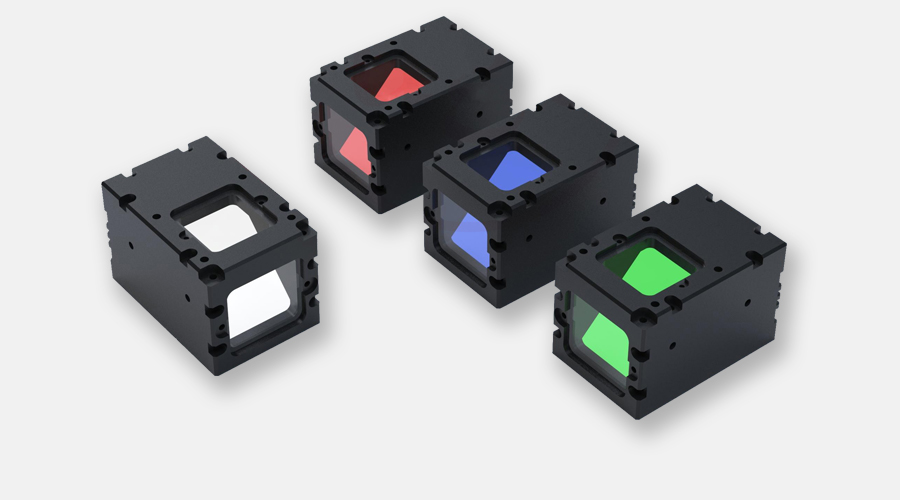 Coaxial light
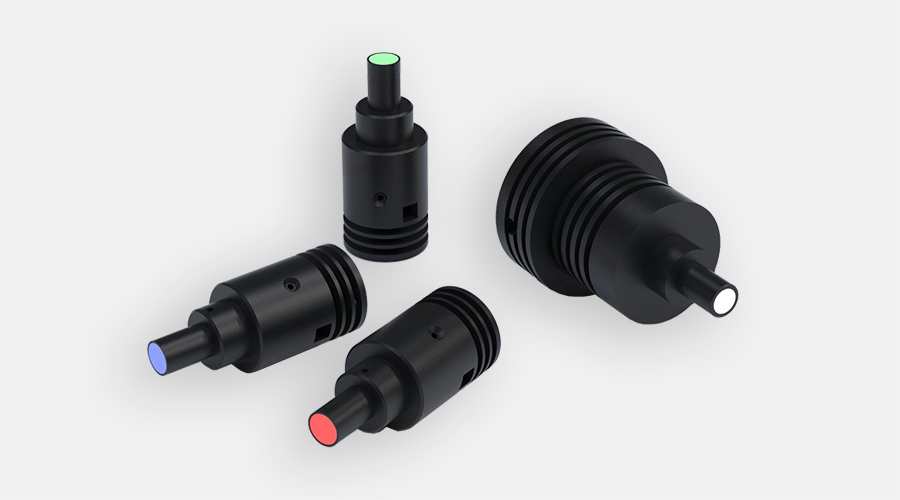 Spot light
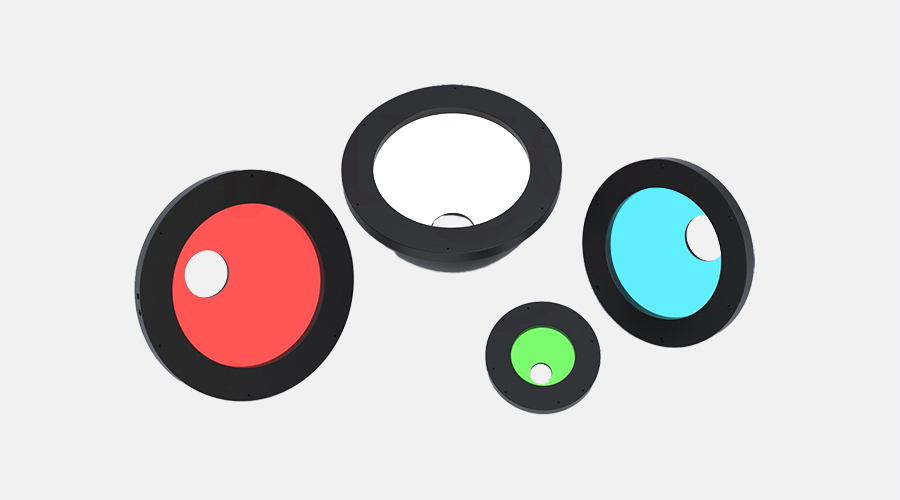 Dome light
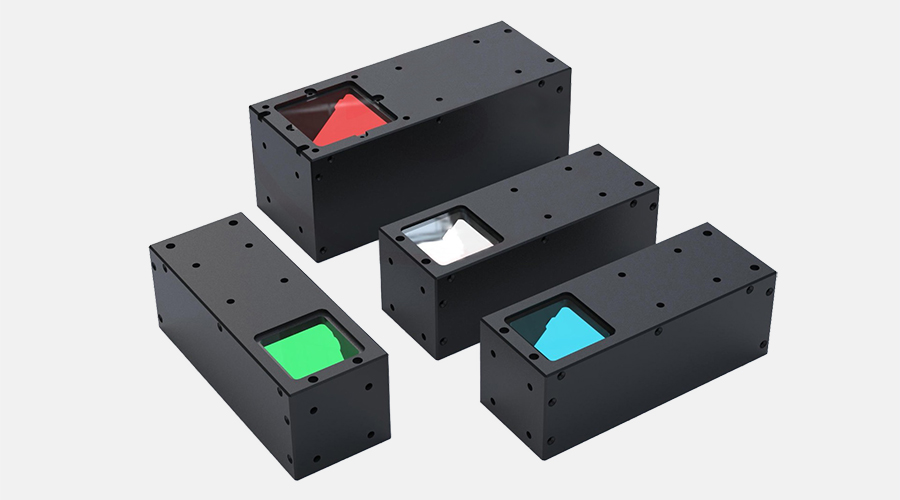 Collimated Coaxial light
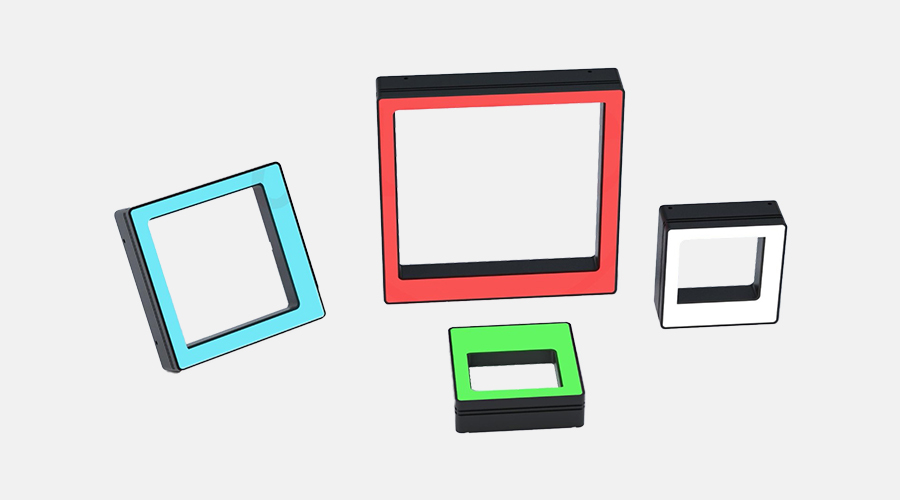 Shadowless square light
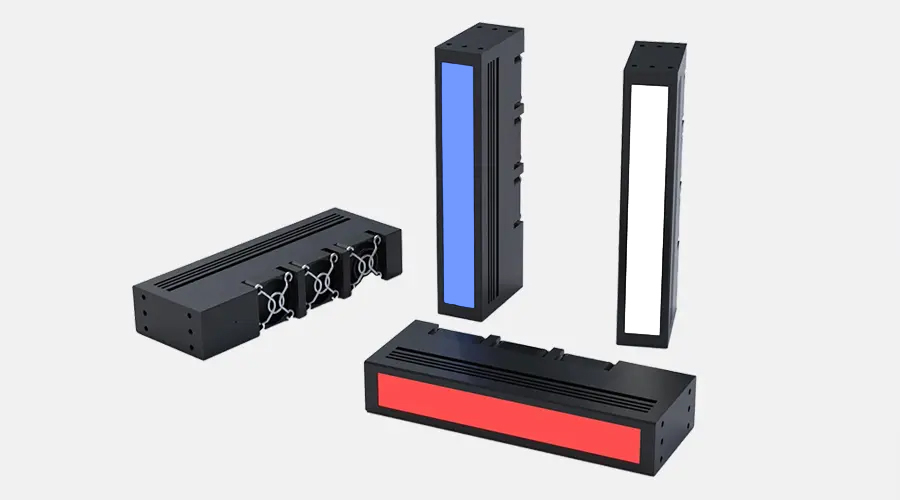 Scan light
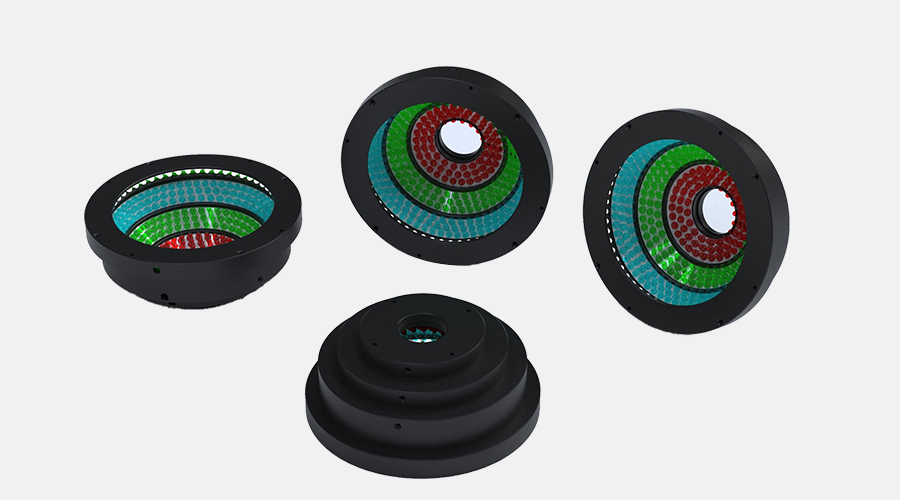 AOI light
 Analog controller
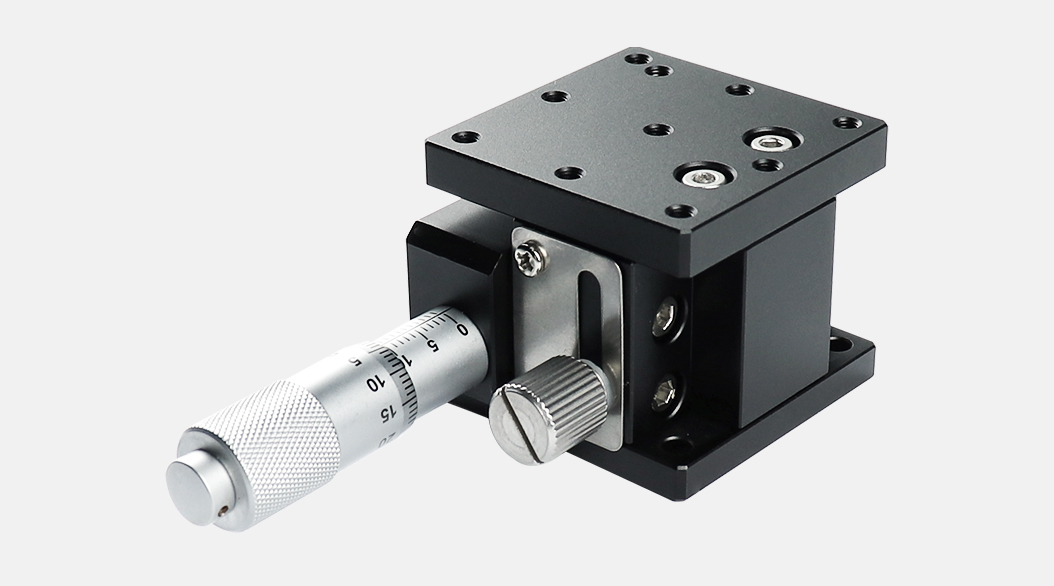 Crossed-Roller Linear guide type
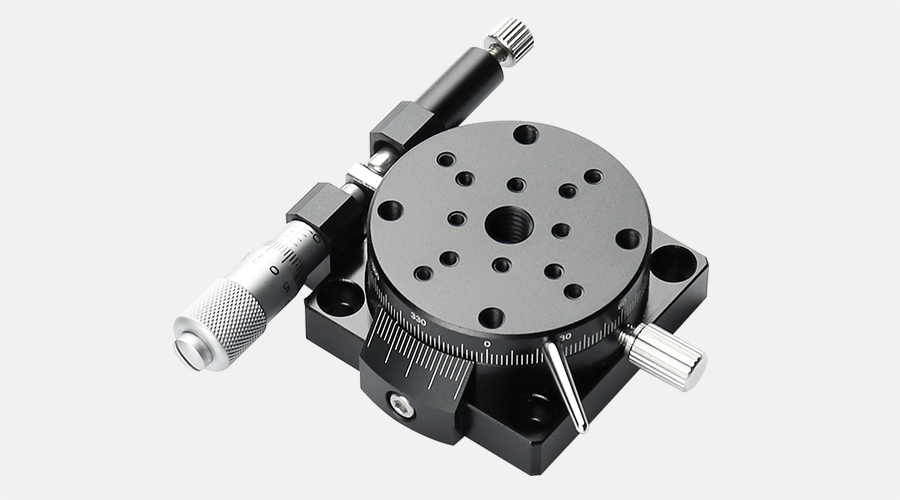 Rotary Stages XRS series
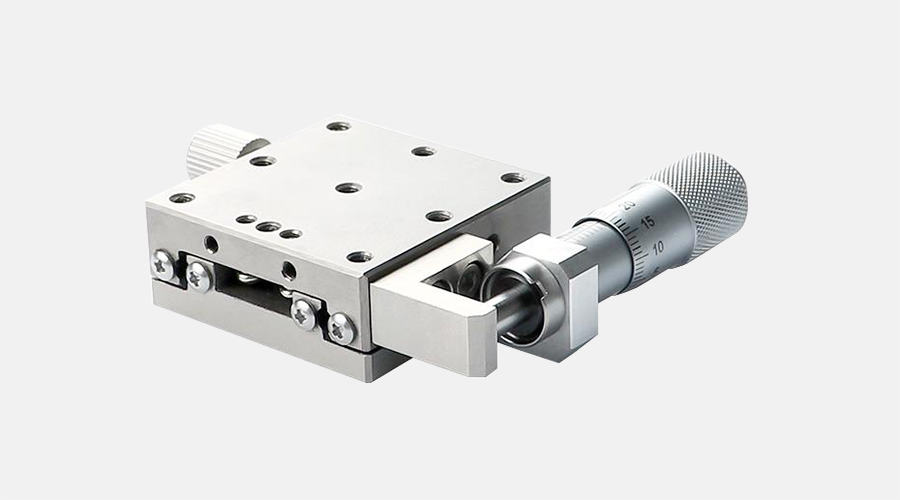 Stainless Steel Ball Bearing Linear Translation Stages
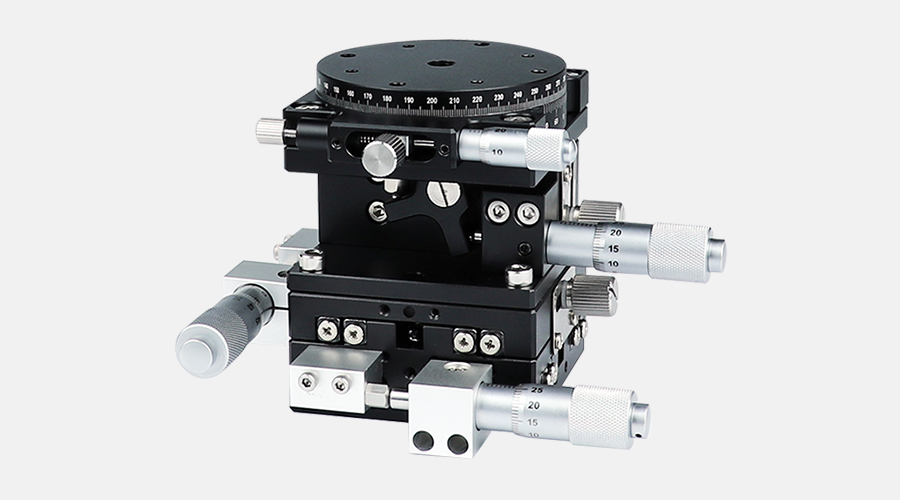 Multi-axis Translation stages
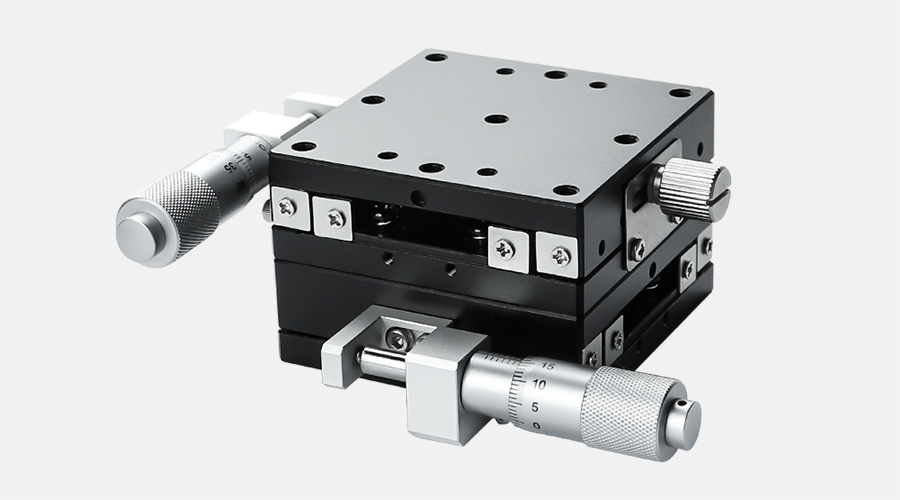 steel bar ball bearing stages
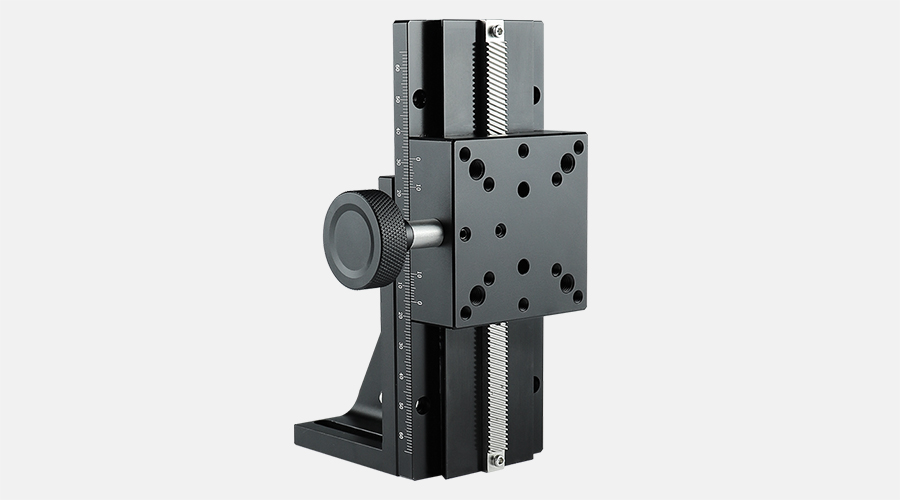 Dovetail Type Rack&Pinion Positioning Stage
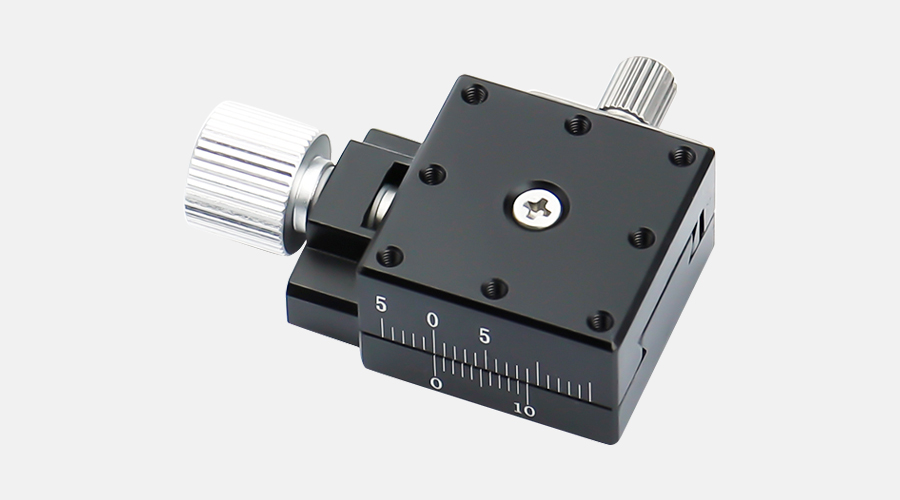 Dovetail groove high-precision screw slide
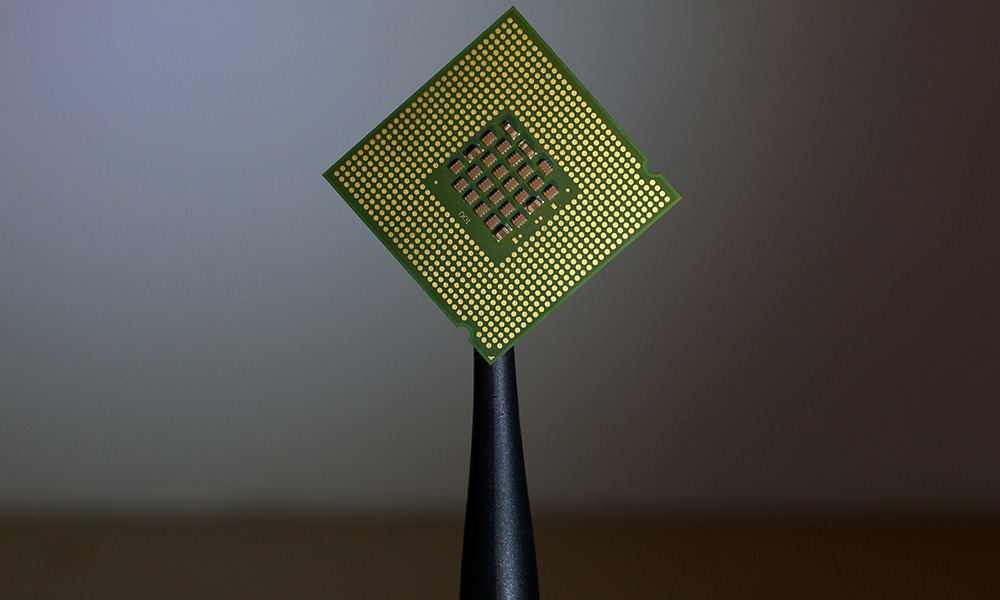
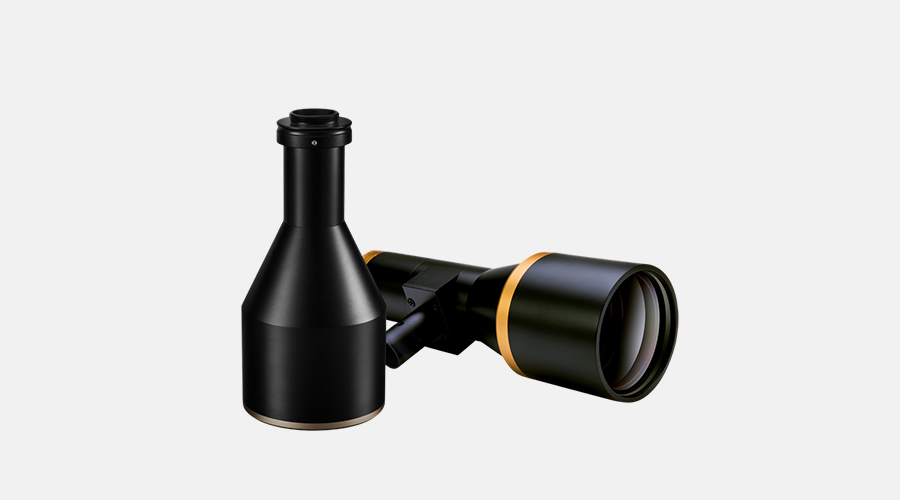
How to Match a Telecentric Lens with an Industrial Camera?
How to Match a Telecentric Lens with an Industrial Camera?
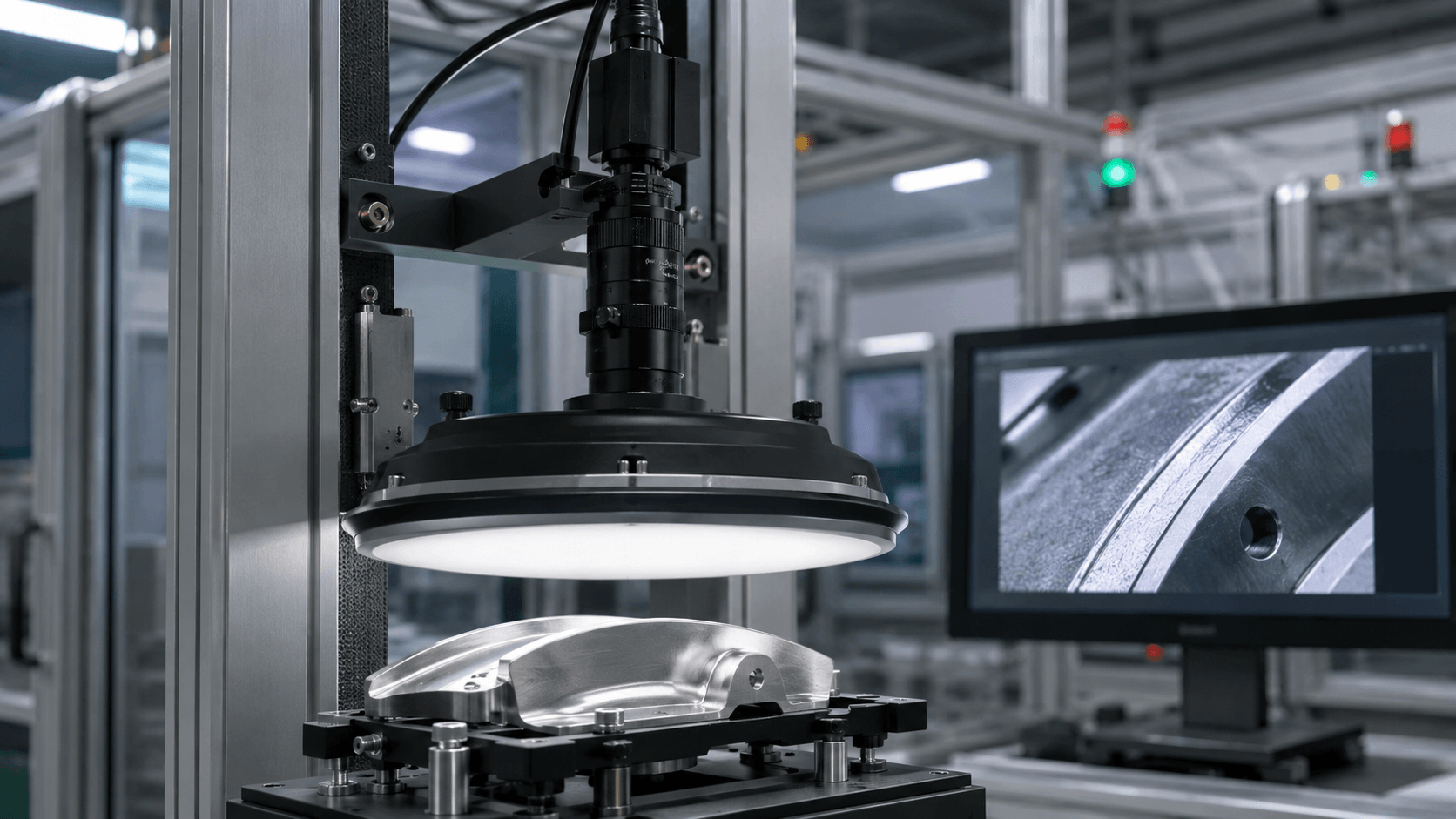
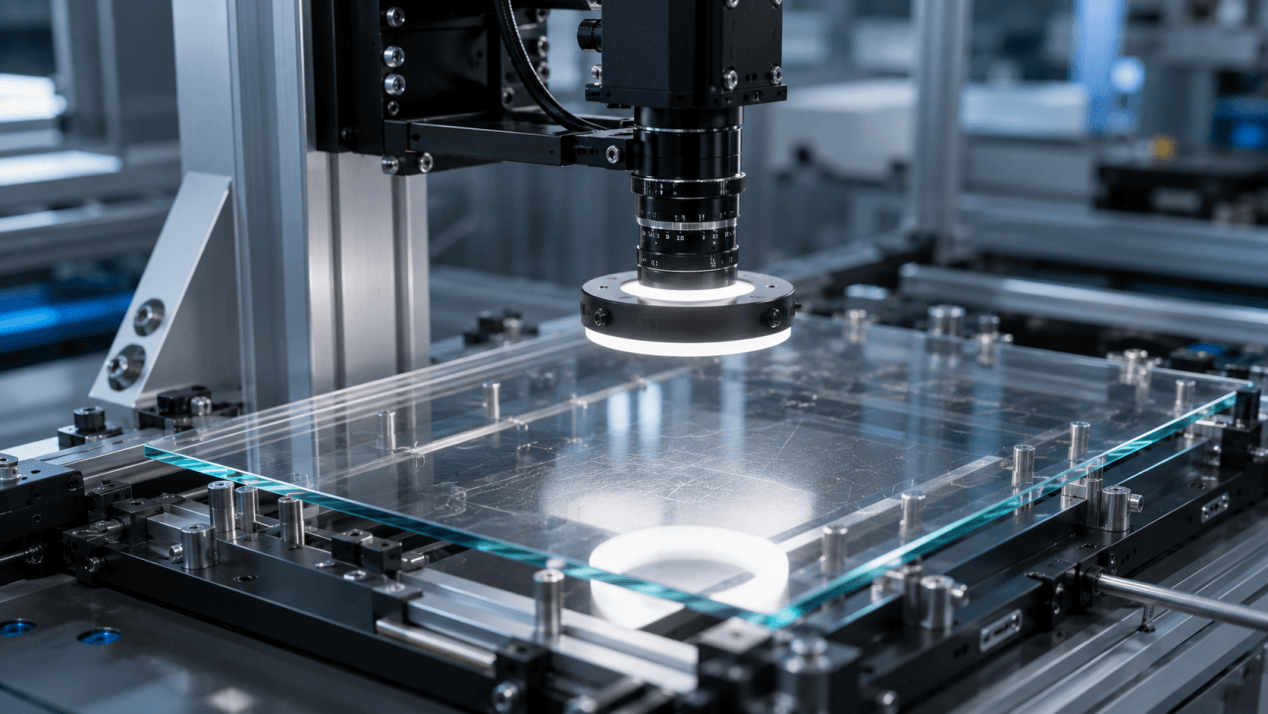
In a machine vision system, choosing the right combination of a Telecentric Lens and an Industrial Camera is important for achieving consistent imaging performance in inspection applications.
For dimensional measurement, precision inspection, and automated vision inspection, lens selection cannot be separated from camera configuration. Parameters such as sensor size, image circle, mounting interface, resolution, working distance, and field of view all influence the final imaging results.
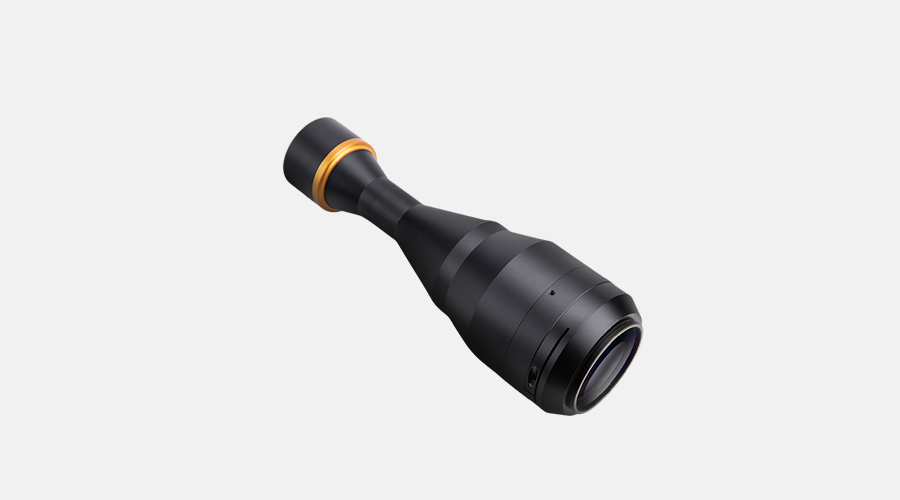
A suitable Machine Vision Telecentric Lens combined with an industrial camera can help create a more stable imaging system for different inspection requirements.
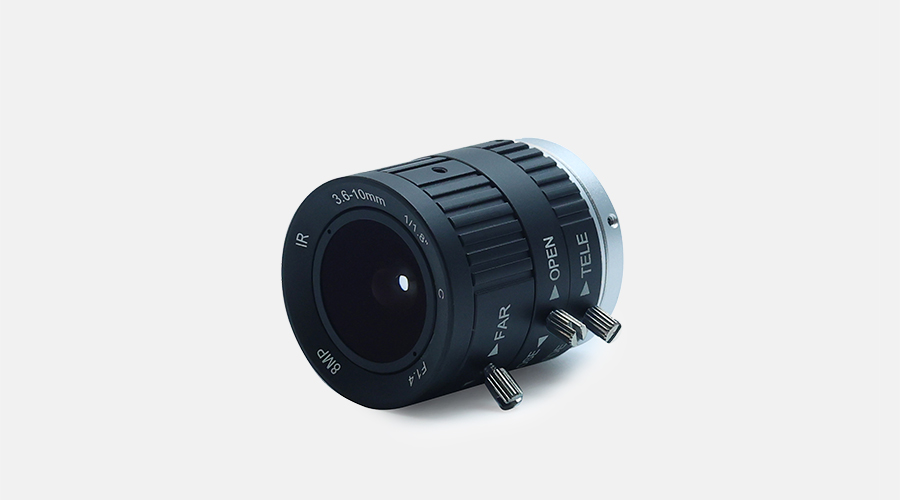
Why Does a Telecentric Lens Need to Match an Industrial Camera?
Compared with conventional industrial lenses, a Telecentric Lens uses a special optical design that helps maintain stable magnification and reduce perspective variation within a specific working range. Because of these characteristics, telecentric optics are commonly used for dimensional measurement, precision positioning, and Machine Vision Inspection.
However, the performance of a telecentric lens depends not only on the lens itself but also on the camera configuration.
For example, an unsuitable sensor size may affect image coverage, while a mismatch between camera resolution and lens optical capability may limit image detail. The mounting interface also needs to be compatible to ensure smooth system integration.
Therefore, selecting a telecentric lens and industrial camera should involve both optical and mechanical considerations.
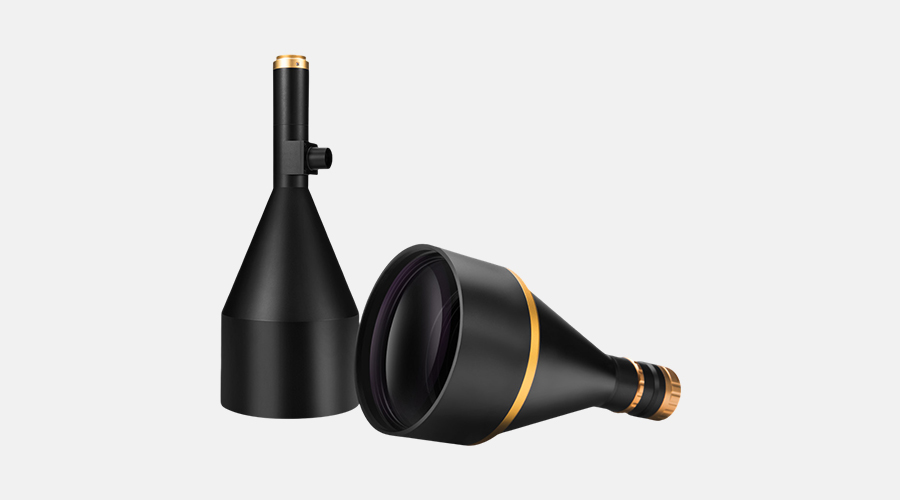
How Does Sensor Size Affect Telecentric Lens Selection?
Sensor size is one of the first factors to check when matching an industrial camera with a telecentric lens.
Different Machine Vision Telecentric Lens models are designed for different sensor formats, including 1/2", 2/3", and 1" sensors. When the camera sensor matches the lens image circle, the system can better utilize the available imaging area and reduce issues such as image cropping or vignetting.
For a C Mount Telecentric Lens, engineers usually consider:
- Camera sensor size;
- Lens image circle;
- Field of view;
- Working distance.
These parameters influence the inspection area and the suitability of the optical system for a specific application.
Why Is C Mount Important for Industrial Vision Systems?
The mounting interface affects how easily a lens can be integrated with an industrial camera.
Many machine vision systems use the C Mount standard, making C Mount Telecentric Lens and C Mount Industrial Lenses common choices for industrial inspection equipment.
Before selecting a lens and camera combination, it is important to check:
- Lens mount specification;
- Camera compatibility;
- Installation space;
- Required working distance.
Confirming these details helps reduce mechanical adjustment during system setup.
How Should Camera Resolution Match a Telecentric Lens?
A high-resolution industrial camera does not always improve inspection results if the lens cannot provide sufficient optical detail.
In Machine Vision Quality Inspection applications, the resolution of the camera and the optical capability of the lens should be considered together. For precision components, electronic parts, and dimensional measurement tasks, High Resolution Lenses combined with suitable industrial cameras can provide clearer image details.
Besides megapixel numbers, engineers also need to consider inspection size, target features, and image processing requirements.
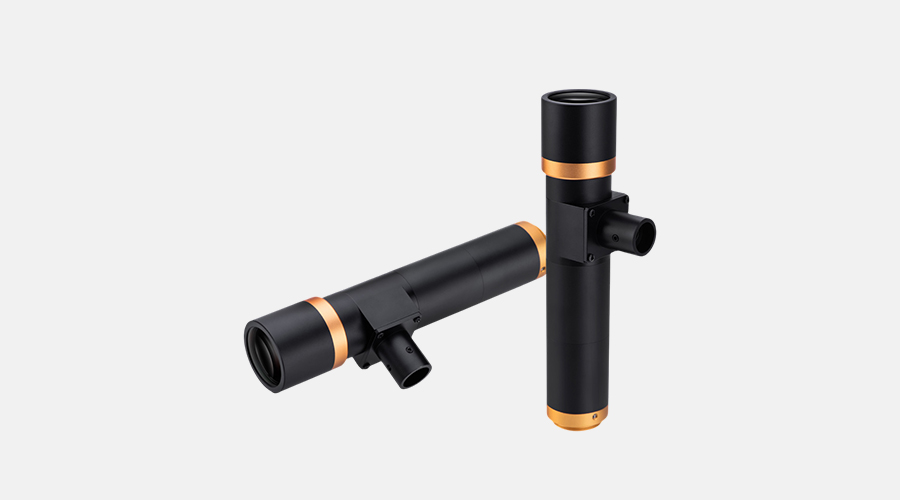
How Do Working Distance and Field of View Influence Lens Selection?
Working distance and field of view are important parameters when selecting a Telecentric Imaging Lens.
Working distance refers to the distance between the lens and the inspection object, while field of view determines the area captured by the camera.
For example:
- Larger objects may require a wider field of view;
- Precision measurement may require suitable magnification;
- Automated equipment may require consideration of installation space.
Selecting the correct working distance and field of view helps the imaging system better fit the actual inspection environment.
How to Choose Between Different Telecentric Lens Types?
Different inspection requirements may require different telecentric lens designs.
A Bi Telecentric Lens or Double Telecentric Lens can reduce perspective variation from both the object side and image side, making it suitable for applications where measurement consistency is important.
A standard Optical Telecentric Lens can be used for positioning, dimensional inspection, and other machine vision tasks.
The selection usually depends on:
- Inspection object size;
- Measurement requirements;
- Working distance;
- Industrial camera specifications.
Why Is Low Distortion Important in Machine Vision Inspection?
Image distortion may affect edge recognition and measurement accuracy in vision systems.
A Minimal Distortion Lens or Low Distortion Lens can reduce image deformation and provide more consistent data for Automated Vision Inspection.
For applications involving repeated measurements, controlling distortion can support more stable image processing and calibration.
What Applications Use Telecentric Lens and Industrial Camera Systems?
The combination of a telecentric lens and industrial camera is widely used in machine vision applications, including:
- Automated Inspection for production line checking;
- Industrial Vision Inspection for continuous quality monitoring;
- Machine Vision Quality Control for product measurement;
- Robotic Vision Inspection for automated positioning.
Different inspection environments require different combinations of lens specifications and camera configurations.
FAQ
Q:Why should an industrial camera be matched with a telecentric lens?
A:A matched combination can provide more consistent imaging for measurement and machine vision applications.
Q:Can any industrial camera work with a C Mount Telecentric Lens?
A:No. Sensor size, mount type, and lens image circle should be checked before selection.
Q:When is a Bi Telecentric Lens suitable?
A:It is commonly used for precision measurement and applications requiring consistent imaging.
Q:Why is low distortion important for machine vision inspection?
Low distortion helps reduce image errors and supports more stable measurement results.
Q:What should be considered when selecting a Telecentric Lens and Industrial Camera?
A:Important factors include sensor size, resolution, mount type, working distance, field of view, and inspection requirements.