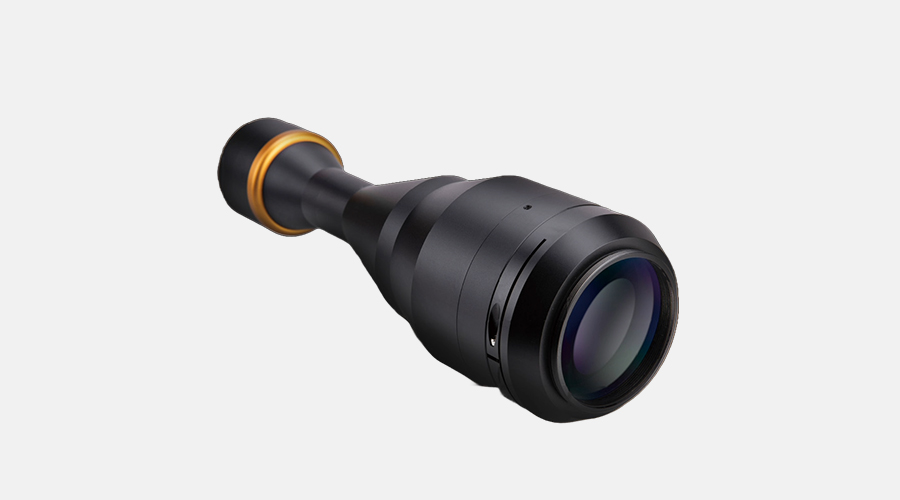
 Compatible with 7.2mm-82mm chips
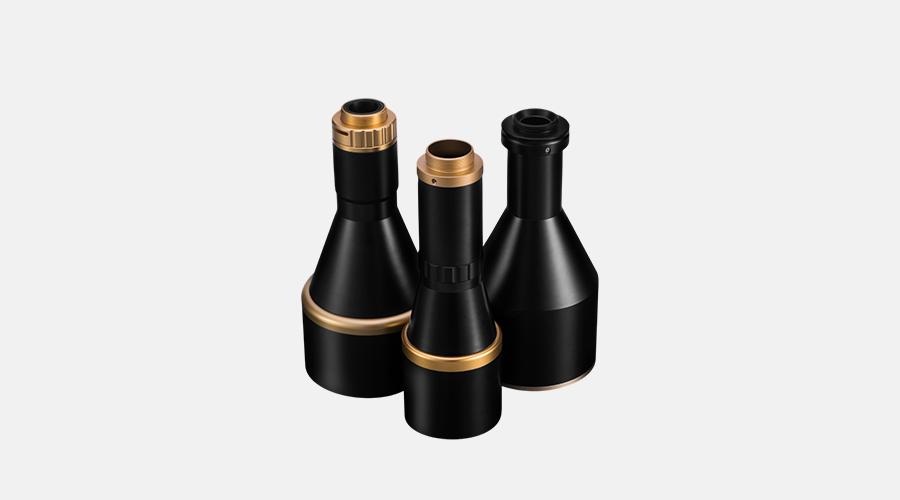 High/Low Working Distance
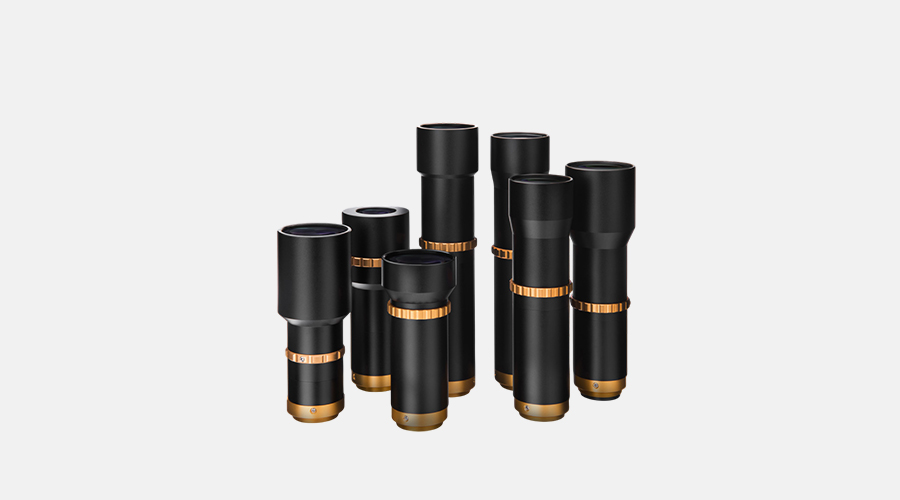 Aperture telecentric lens
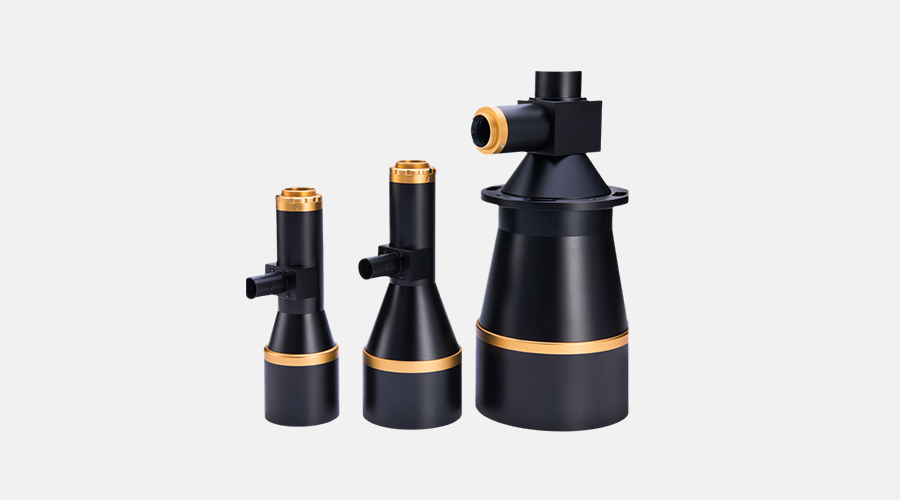 Measuring lens
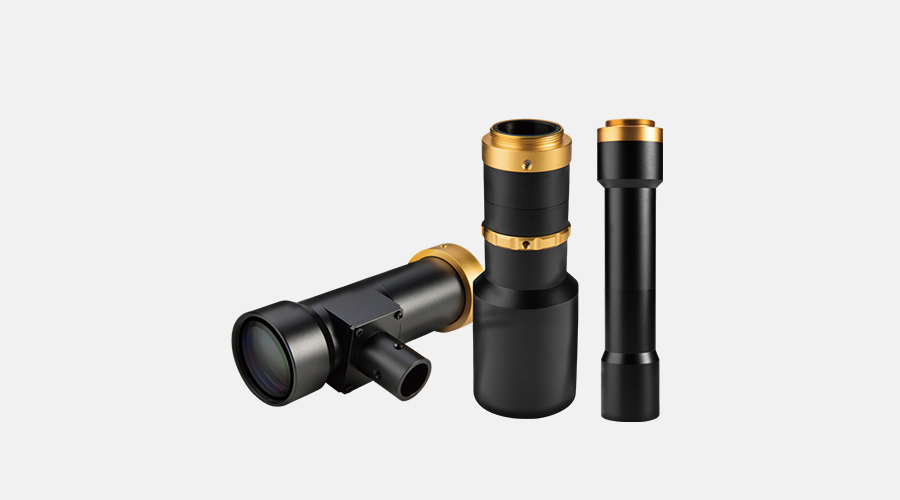 Maximum support 1.1" chips
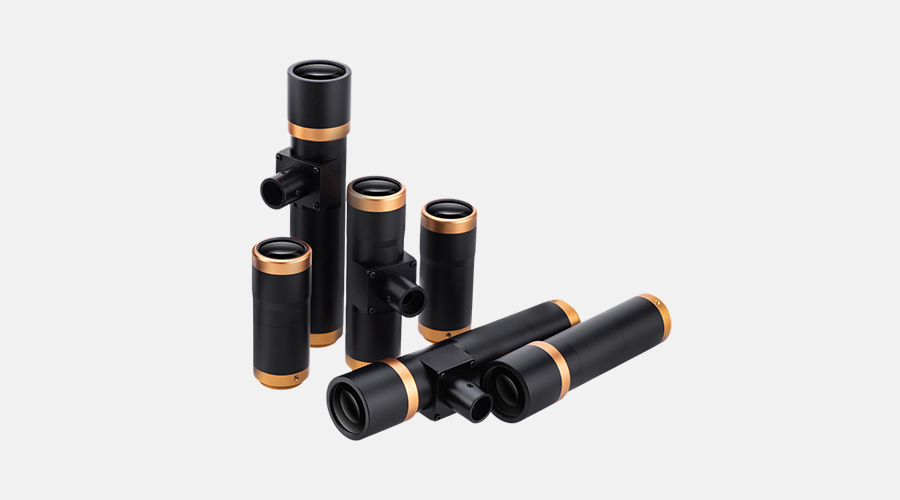 Maximum support 1.2" chips
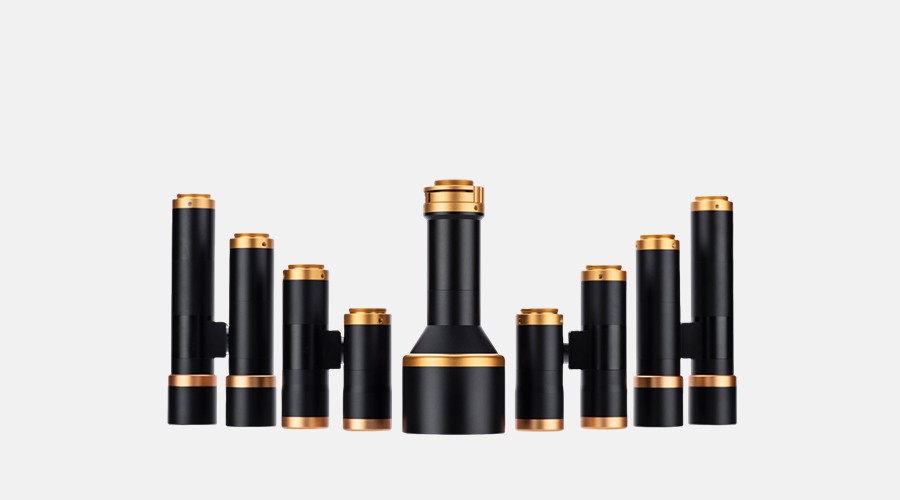 Maximum support 2/3" chips
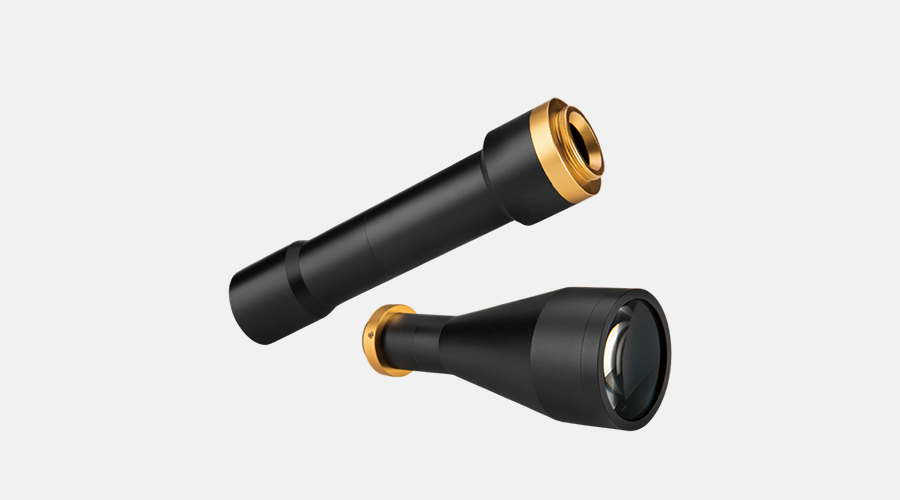 Long Working Distance
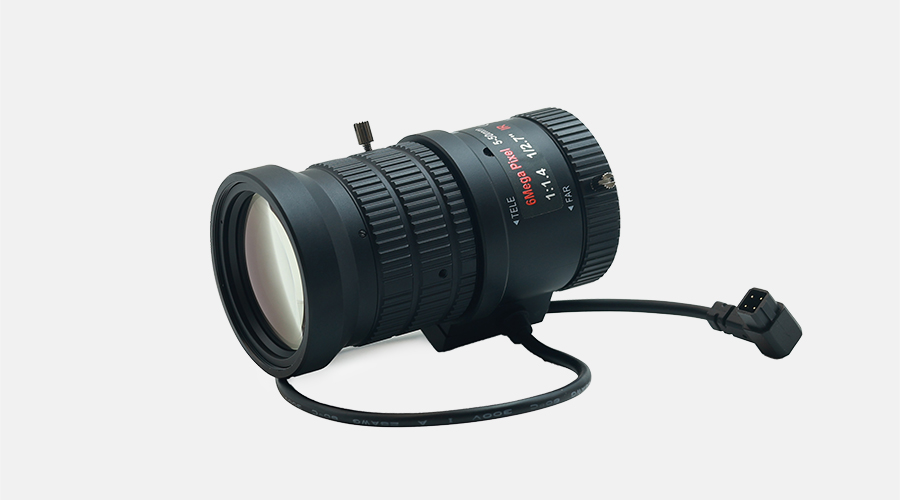 CS mount Varifocal lens
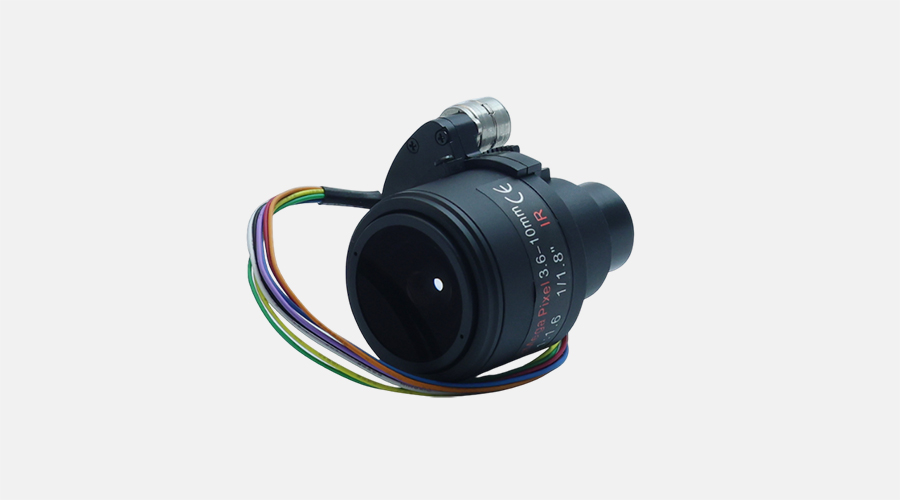 Varifocal board lens
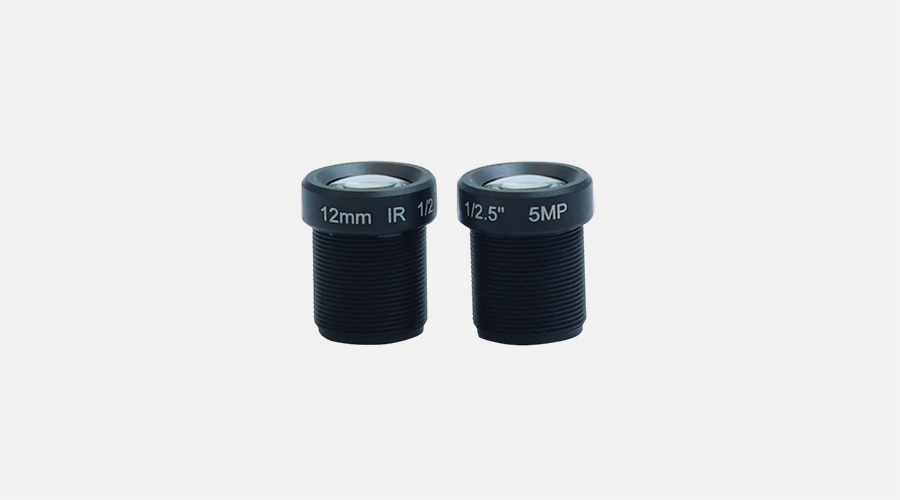 S mount lens
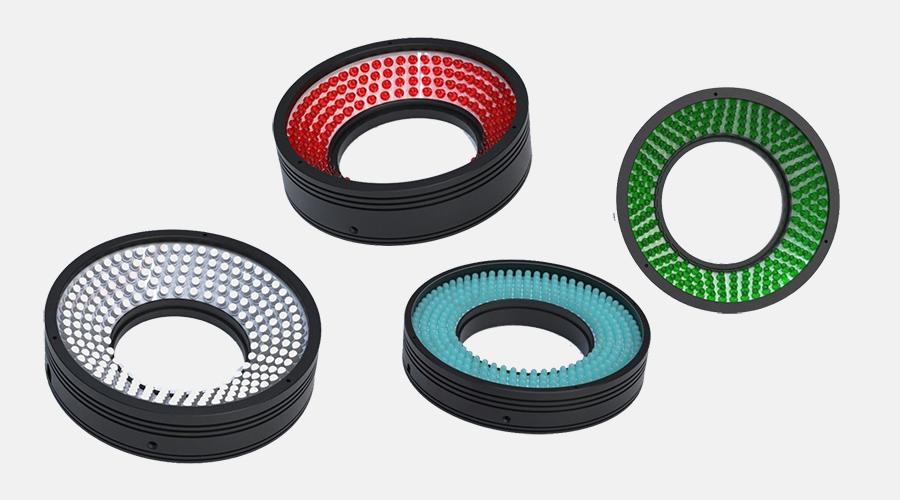 Ring light
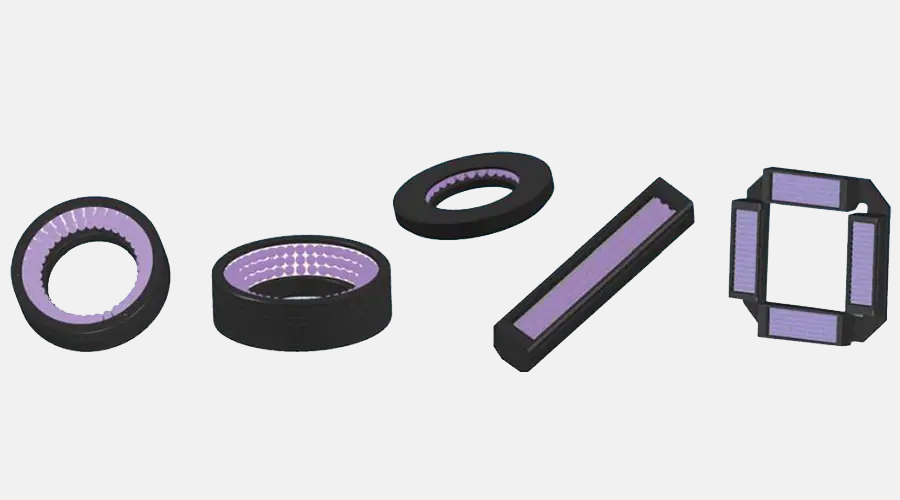 UV/IR Light
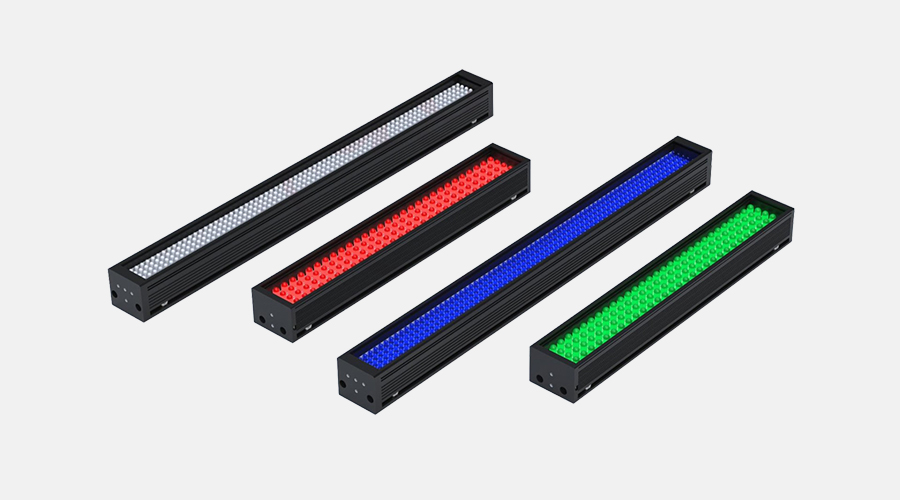 Bar light
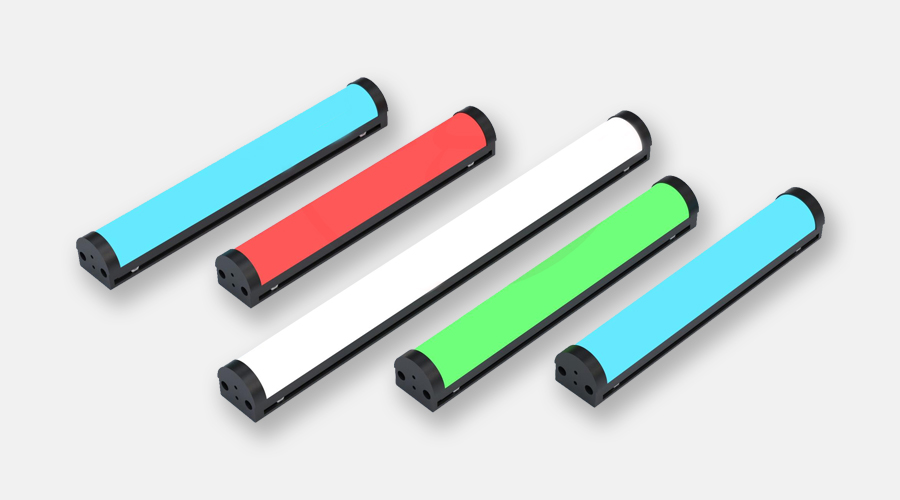 Arcuate high uniformity light
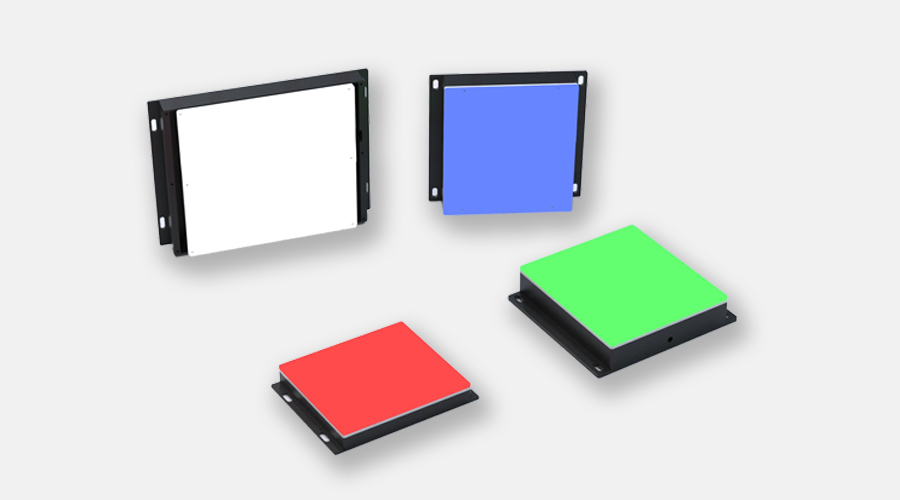 Back light
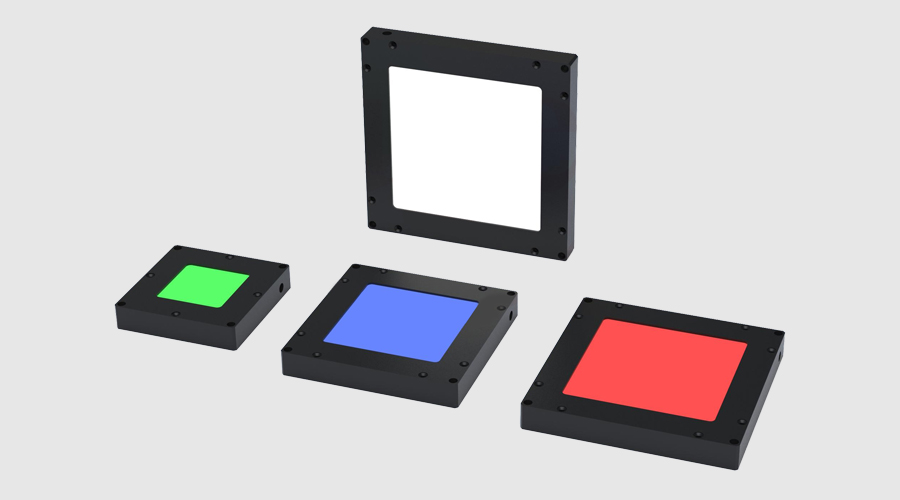 Flat light
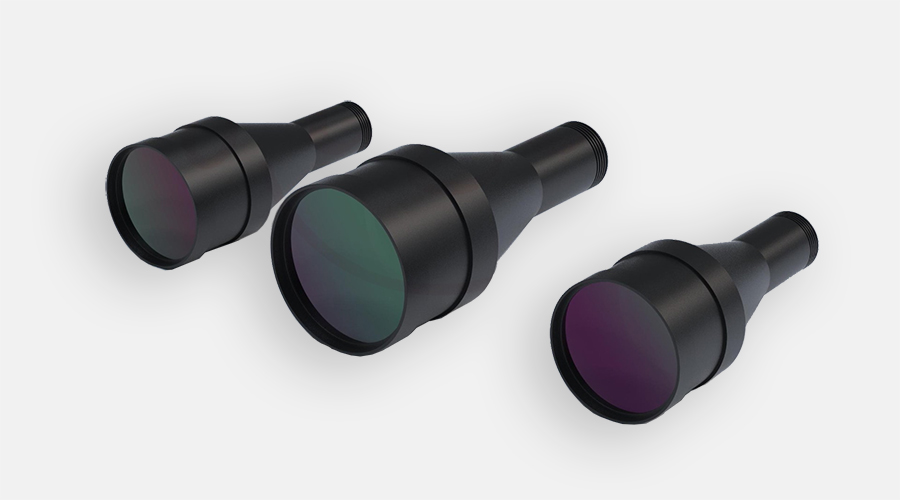 Collimated light
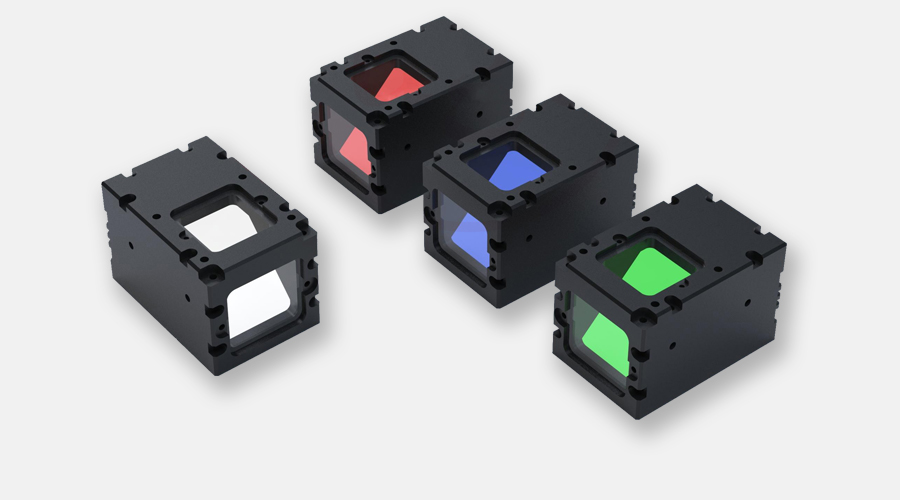 Coaxial light
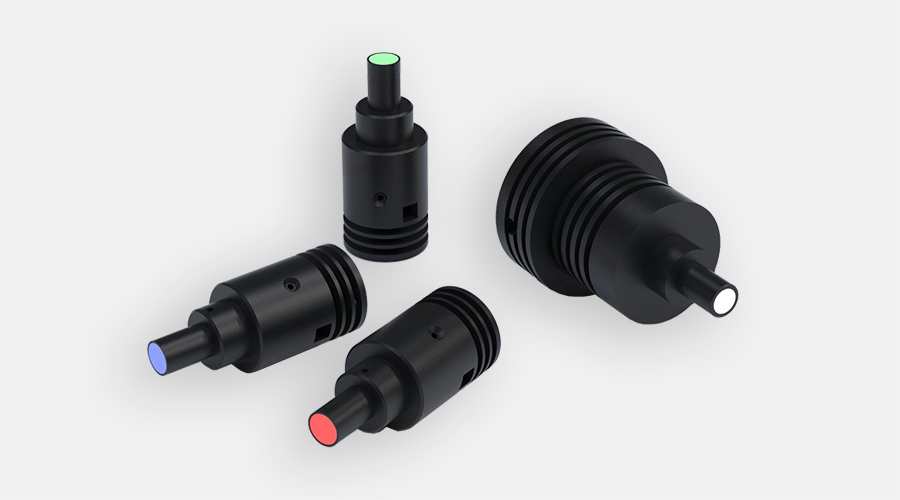 Spot light
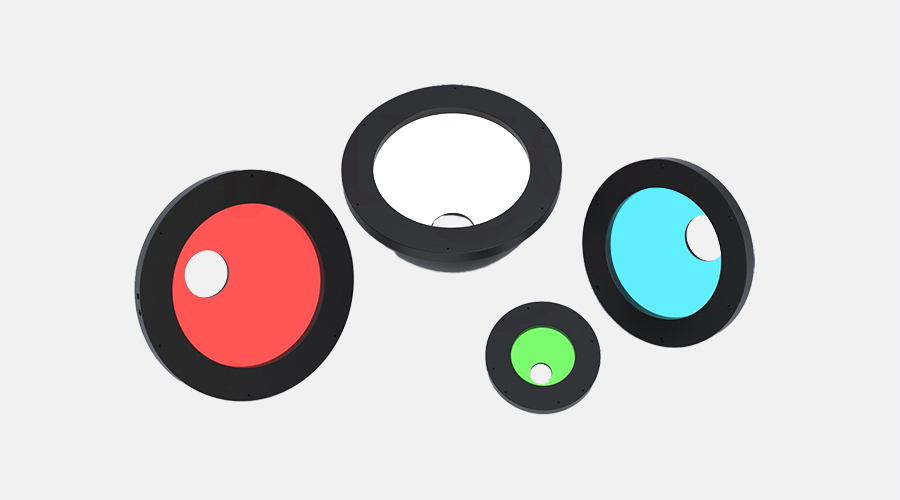 Dome light
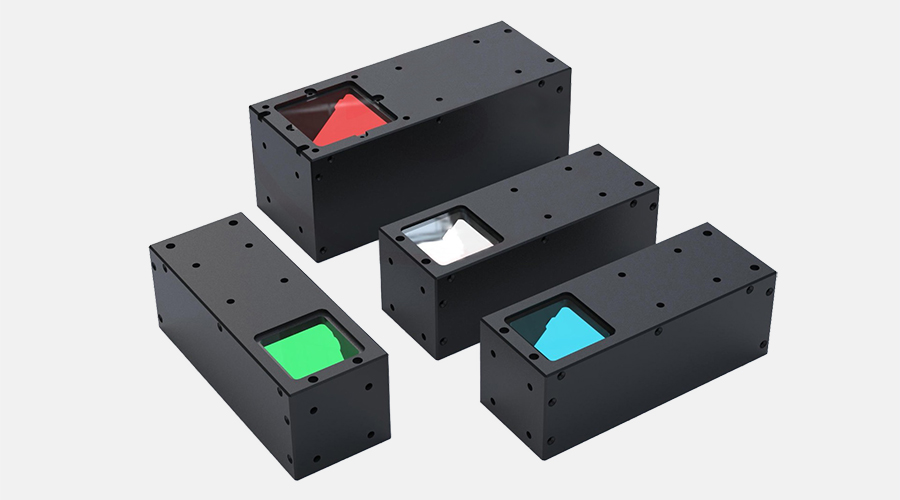 Collimated Coaxial light
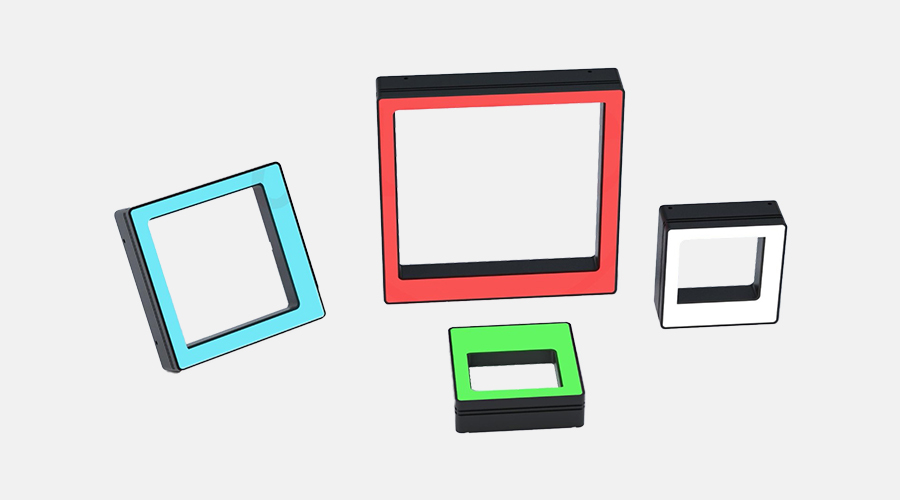 Shadowless square light
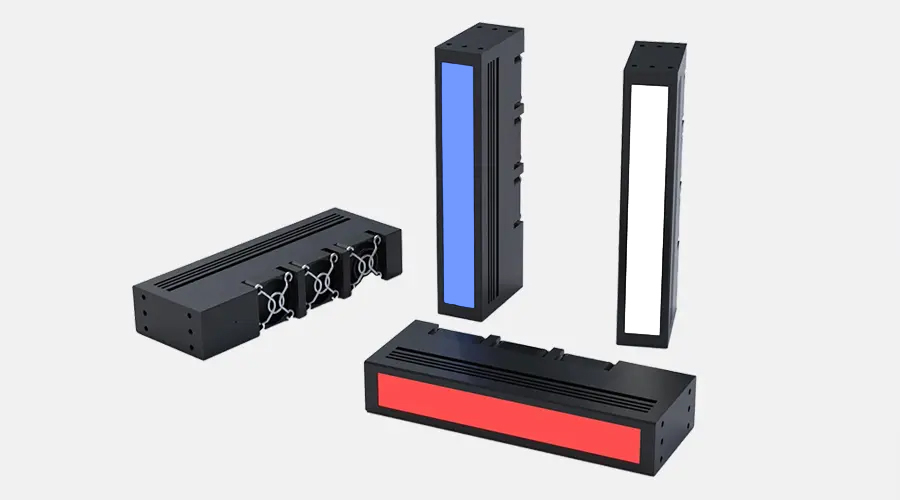 Scan light
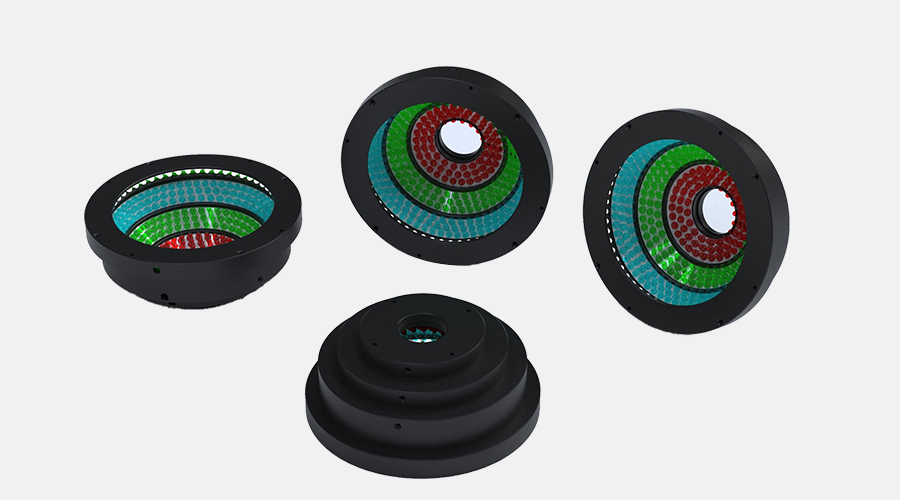 AOI light
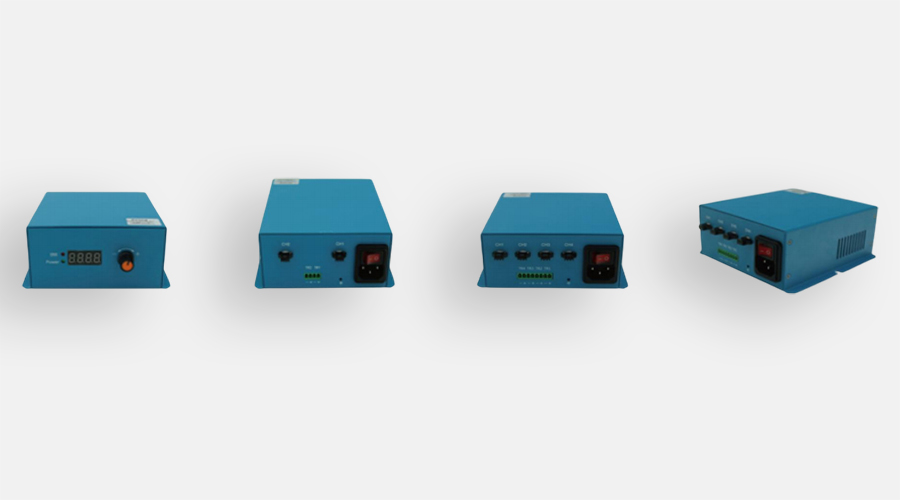 Analog controller
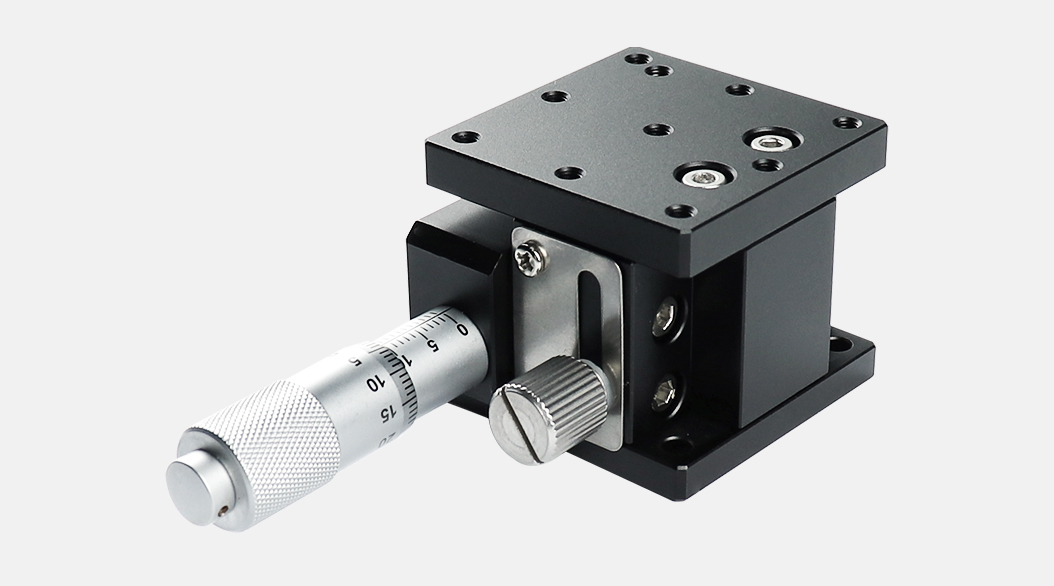 Crossed-Roller Linear guide type
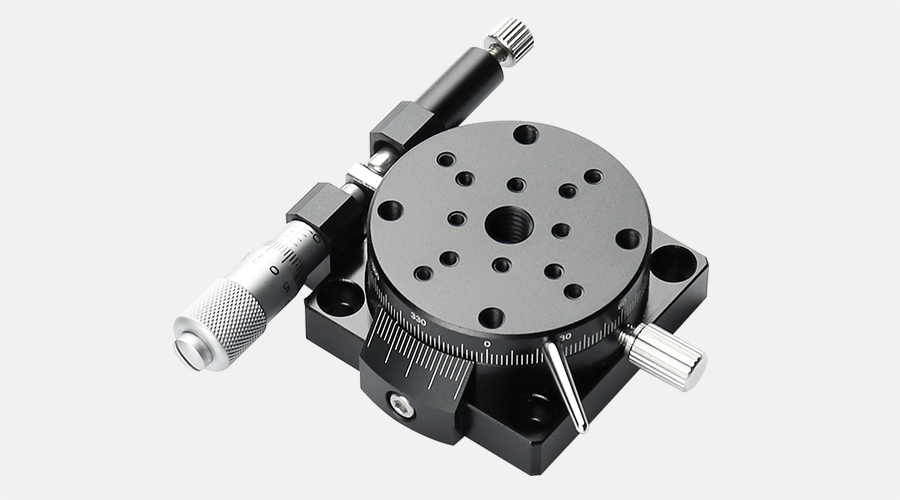 Rotary Stages XRS series
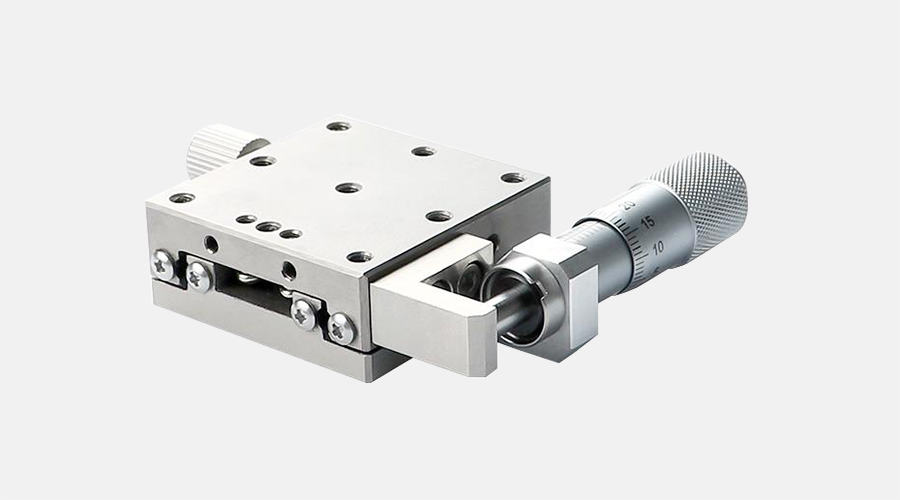 Stainless Steel Ball Bearing Linear Translation Stages
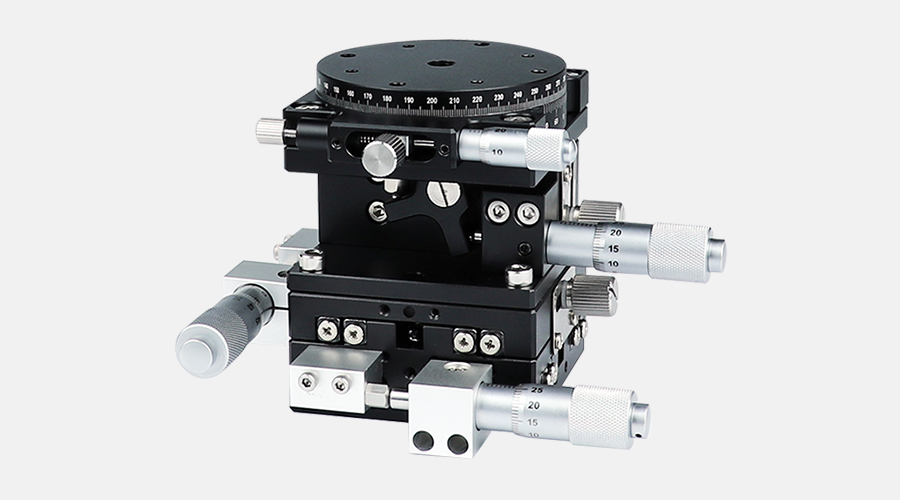 Multi-axis Translation stages
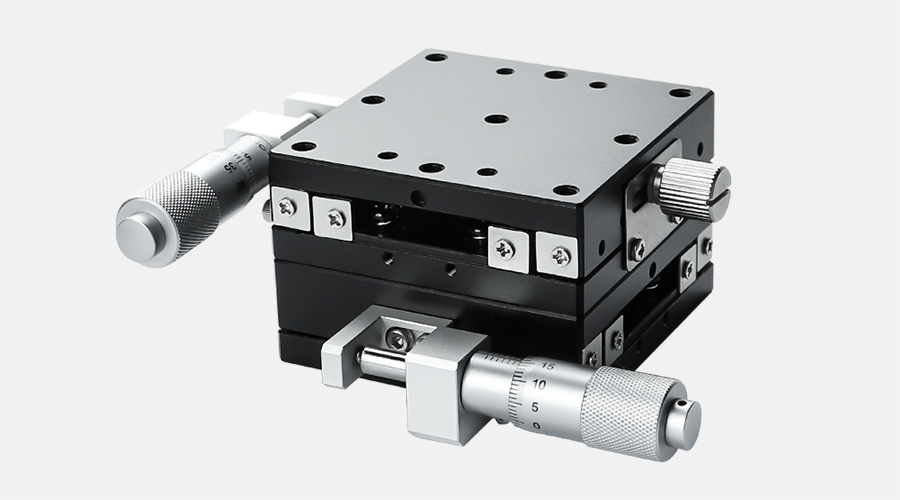 steel bar ball bearing stages
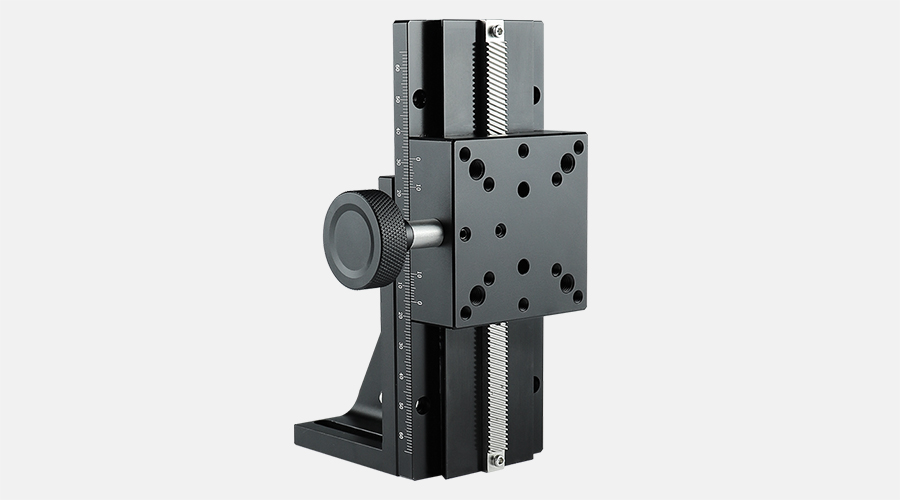 Dovetail Type Rack&Pinion Positioning Stage
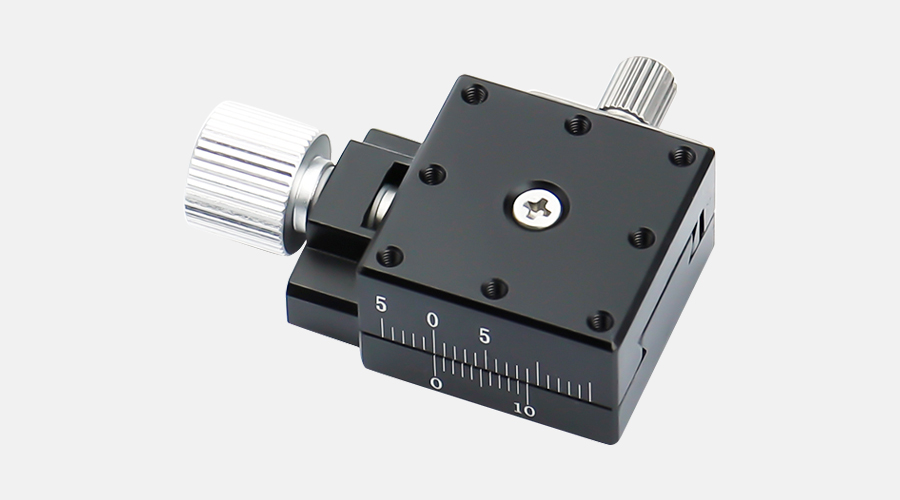 Dovetail groove high-precision screw slide

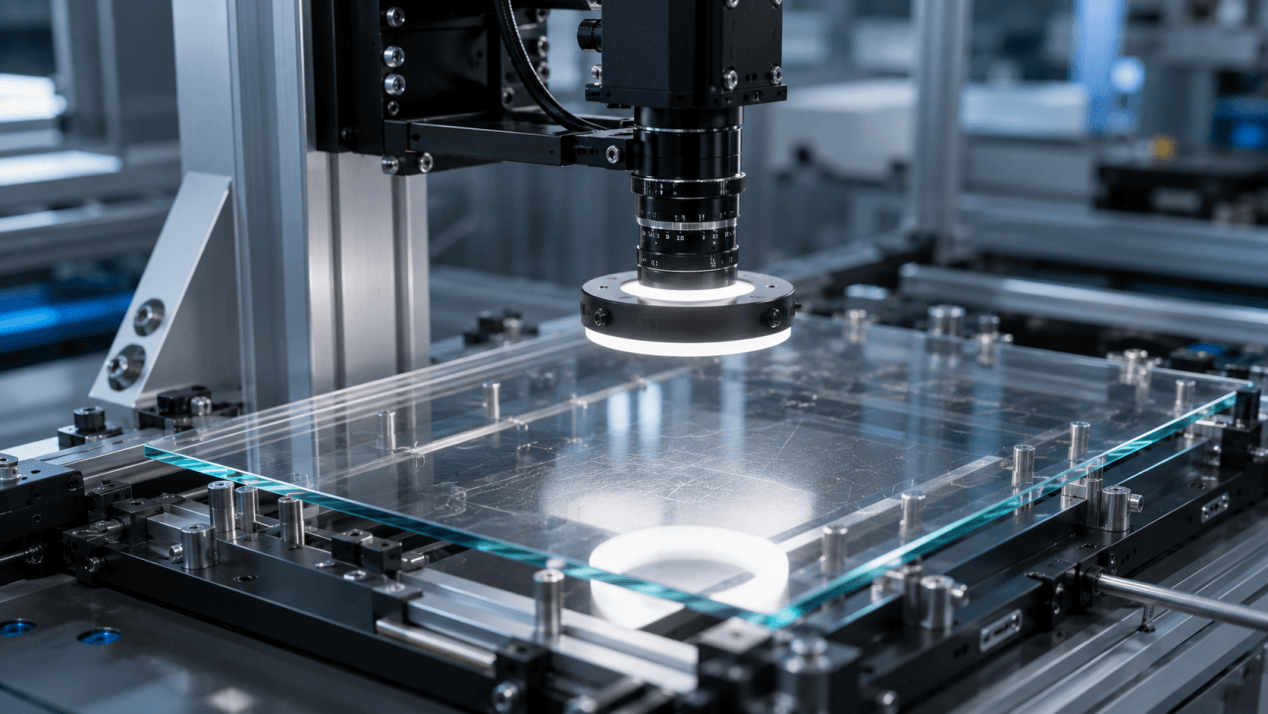
How to Select a C Mount Lens for Machine Vision Applications?
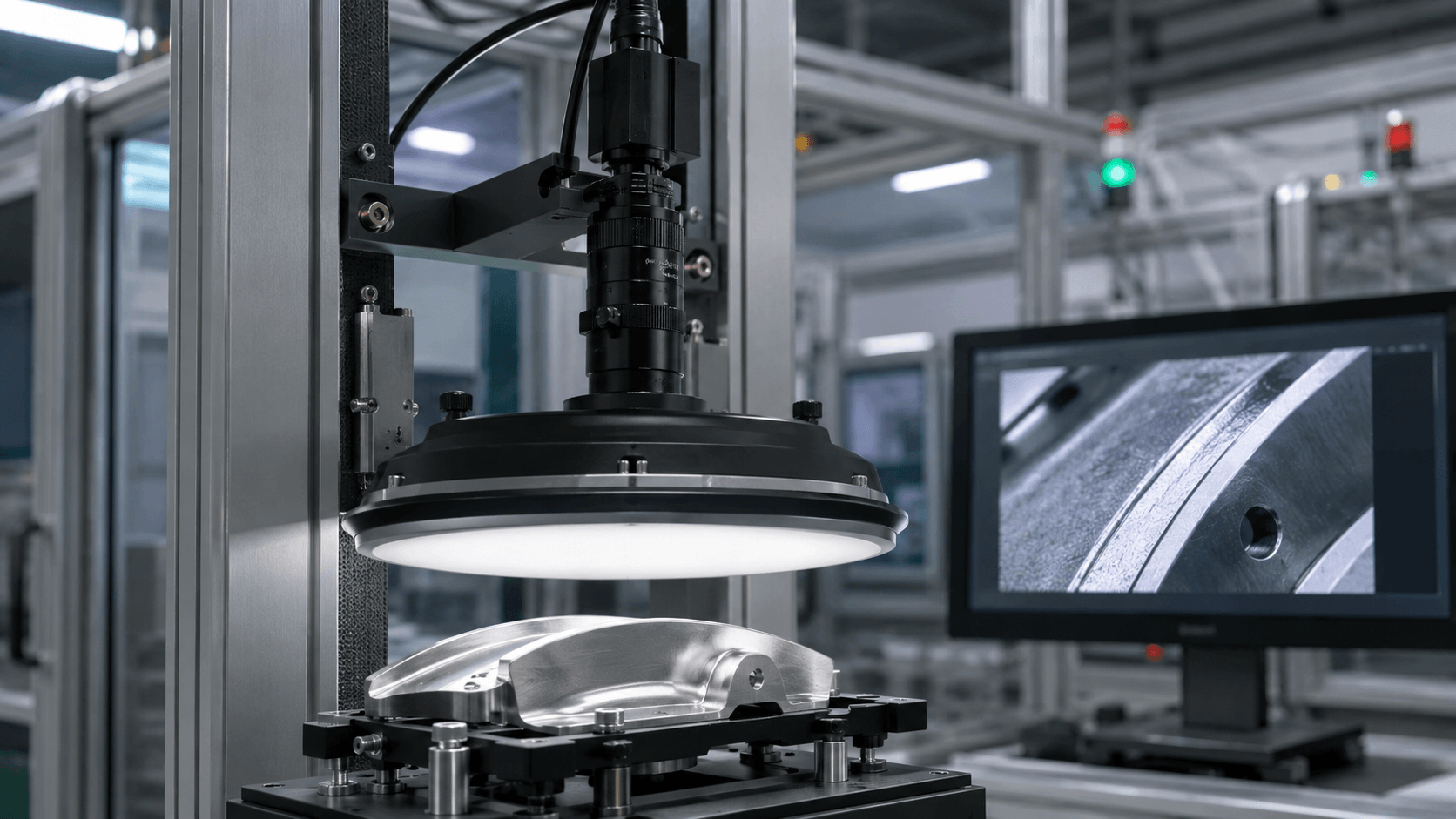
Machine Vision Systems are widely used in industrial automation for inspection, measurement, and quality control. A complete vision system combines cameras, lenses, lighting, and image processing software.
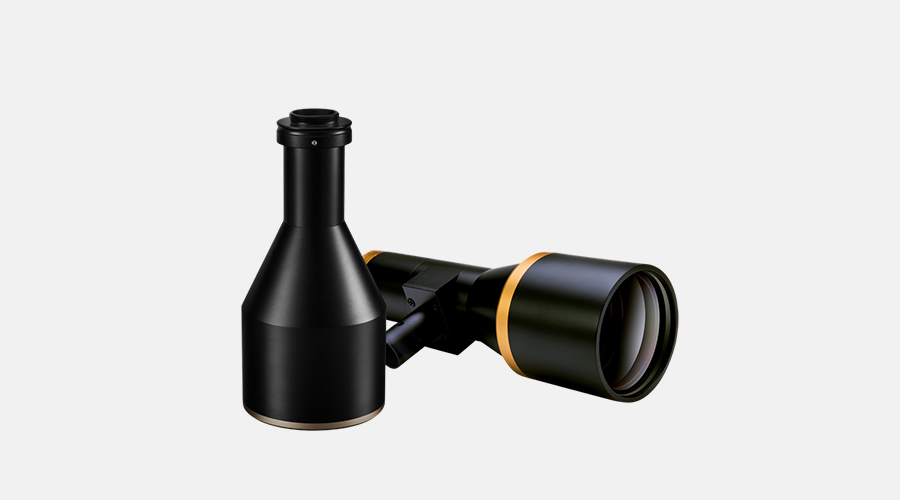
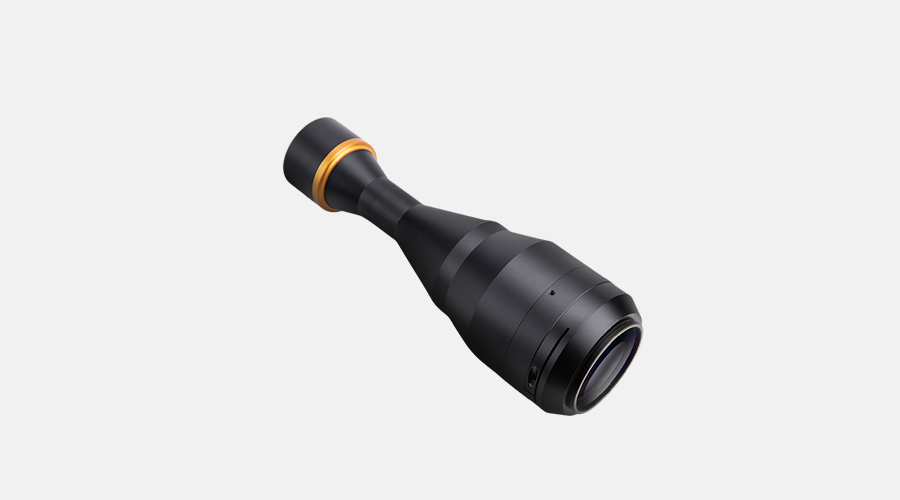
C Mount Lens is commonly selected for machine vision applications because many industrial cameras support this interface. Lens selection depends on factors such as sensor size, field of view, working distance, resolution, and inspection requirements. A suitable C-Mount Camera Lens helps capture clear images for different industrial applications.
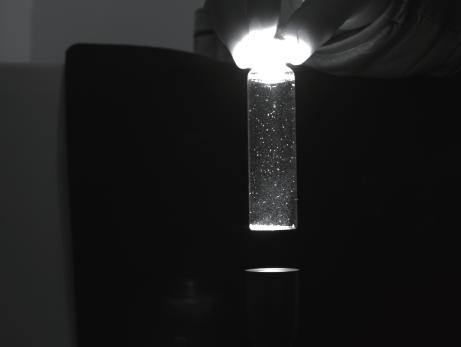
Why Is C Mount Lens Used in Machine Vision Systems?
The lens provides the optical connection between the inspected object and the camera sensor during image acquisition. Its characteristics influence how object details, edges, and surface features are presented in the captured image.
A C Mount Lens refers to a lens with a C mount interface that can be installed on compatible industrial cameras. This interface is commonly used in factory automation and industrial imaging systems.
When evaluating a C mount lens, engineers usually consider:
- Camera compatibility
- Sensor format
- Field of view
- Working distance
- Object size
- Inspection purpose
For instance, a vision system used for product positioning may require different optical characteristics from a system designed for dimensional inspection.
The lens selection process should begin with understanding the inspection task and the camera configuration.
How Does Sensor Format Affect C Mount Lens Selection?
Matching the lens with the camera sensor is an important step when building a machine vision system.
Industrial cameras use different sensor formats, including:
- 2/3" Image Sensor
- 1" Image Sensor
- 1.1" Image Sensor
The lens should provide suitable image coverage for the selected sensor format.
For larger sensors, solutions such as 1.1 Inch Format Lens and 1.1inch Large Format may be evaluated when the application requires a larger image circle.
If the lens image circle does not properly cover the camera sensor, the captured image area may not meet the inspection needs.
Therefore, engineers usually evaluate:
- Sensor size
- Image circle
- Resolution
- Field of view
before selecting a C Mount Camera Lens.
What Should Be Considered When Choosing an Industrial Camera Lens?
An Industrial Camera Lens needs to work together with the camera and the inspection environment.
Several optical factors may influence the final lens selection.
Working Distance
Working distance affects the relationship between the lens, camera position, and inspected object.
Different machine designs may require different installation distances depending on equipment structure and inspection conditions.
Field of View
Field of view determines how much of the object can be captured within one image.
For applications requiring a wider inspection area, an Industrial Inspection Wide Angle Lens may be considered.
Resolution Requirements
Lens resolution needs to match the camera performance and inspection details.
For systems requiring higher image detail, solutions such as a 10 Megapixel Lens may be evaluated.
Distortion Control
For measurement and inspection applications, controlling image distortion is an important consideration.
Products such as:
- Low Distortion Lenses
- Minimal Distortion Lens
- High Precision Industrial Lens
may be evaluated when maintaining consistent image geometry is required.
How Do FA Lens and C Mount Lens Apply to Factory Automation?
In factory automation, FA Lens is commonly used as part of machine vision solutions.
FA lenses are designed for industrial imaging applications where cameras capture product information during automated production processes.
Typical applications include:
- Product inspection
- Position detection
- Manufacturing monitoring
- Quality control
A FA Lens and a C Mount Lens may be used in similar machine vision environments because many industrial cameras support C mount interfaces.
The appropriate lens choice depends on factors such as:
- Camera model
- Sensor format
- Inspection target
- Installation conditions
When Should a C Mount Telecentric Lens Be Considered?
Standard C mount lenses can meet many general machine vision requirements. However, some inspection tasks require more controlled optical characteristics, especially when measurement consistency and distortion control are important.
In these situations, a C Mount Telecentric Lens may be considered.
A Telecentric Lens uses a specific optical design approach that is often evaluated for precision measurement applications.
Related optical solutions include:
- Optical Telecentric Lens
- Double Telecentric Lens
- Bi-Telecentric Lenses
For applications such as precision component inspection and dimensional measurement, telecentric optics may help reduce perspective-related changes within the designed working range.
The choice between a standard C mount lens and a telecentric lens depends on the inspection target, camera configuration, and required imaging characteristics.
How Are C Mount Lenses Used in Machine Vision Inspection?
With the development of industrial automation, Machine Vision Inspection systems are applied in more manufacturing processes.
C mount lenses can be integrated into applications including:
- Automated Inspection
- Automated Vision Inspection
- Machine Vision Quality Inspection
- Machine Vision Quality Control
- Industrial Vision Inspection
- Robotic Vision Inspection
- 3D Vision Inspection
In these applications, the lens works together with industrial cameras and image processing systems to capture information for analysis.
The selected Machine Vision Lens configuration should be evaluated based on the object characteristics, production environment, and inspection objectives.
How Can Companies Select the Right C Mount Lens?
Selecting a C mount lens requires evaluating the relationship between the lens, camera, and inspection application.
Before choosing a lens, engineers may review:
Camera Compatibility
Check the camera interface, sensor size, and required image coverage.
Inspection Requirements
Identify whether the system is used for measurement, positioning, defect detection, or quality inspection.
Optical Performance
Consider:
- Resolution
- Distortion
- Field of view
- Working distance
Application Conditions
Evaluate installation space, object characteristics, and production environment.
By considering these factors together, manufacturers can select a C mount lens configuration that fits their machine vision system requirements.
FAQ
1. What is a C Mount Lens used for?
A C Mount Lens is commonly used with industrial cameras in vision systems.
2. How do I choose a C mount lens for machine vision?
Selection depends on sensor format, object features, and inspection needs.
3. What sensor formats are available for C mount lenses?
Common formats include 2/3", 1", and 1.1" sensors.
4. When should I consider a Telecentric Lens?
It may be considered for precision measurement applications.
5. What affects Industrial Camera Lens selection?
Camera compatibility, working distance, field of view, and inspection goals.