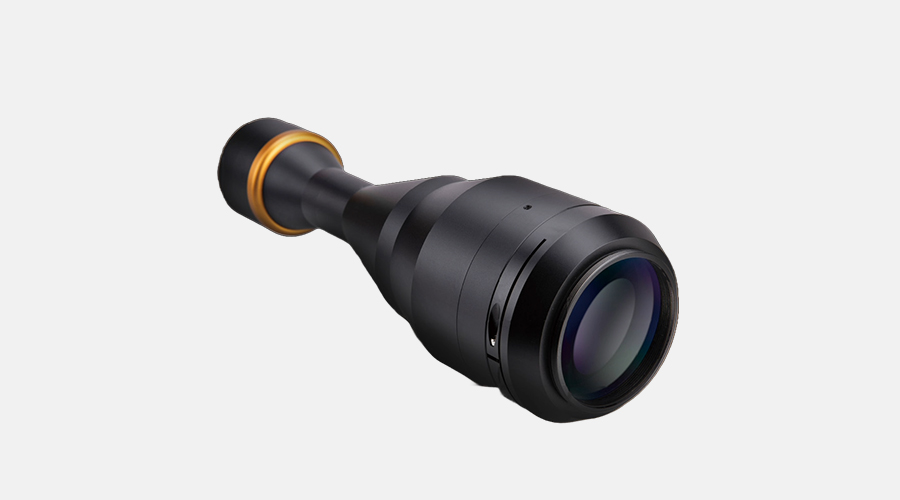
 Compatible with 7.2mm-82mm chips
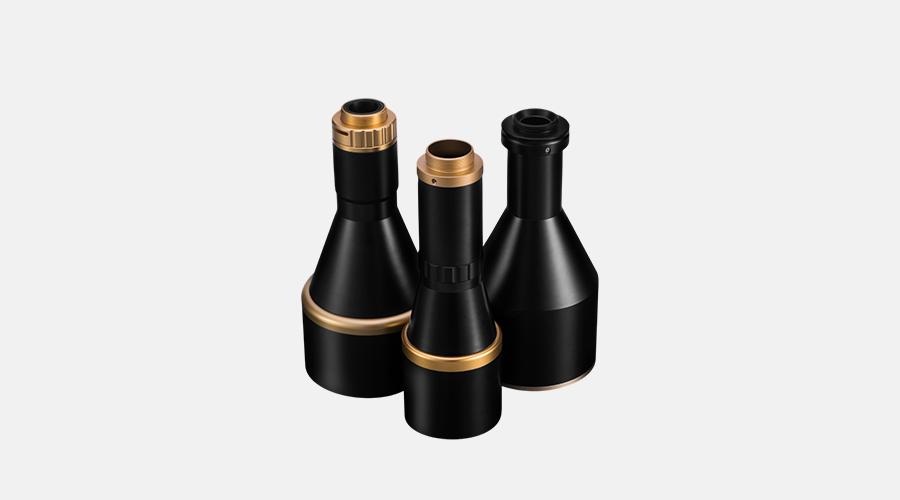 High/Low Working Distance
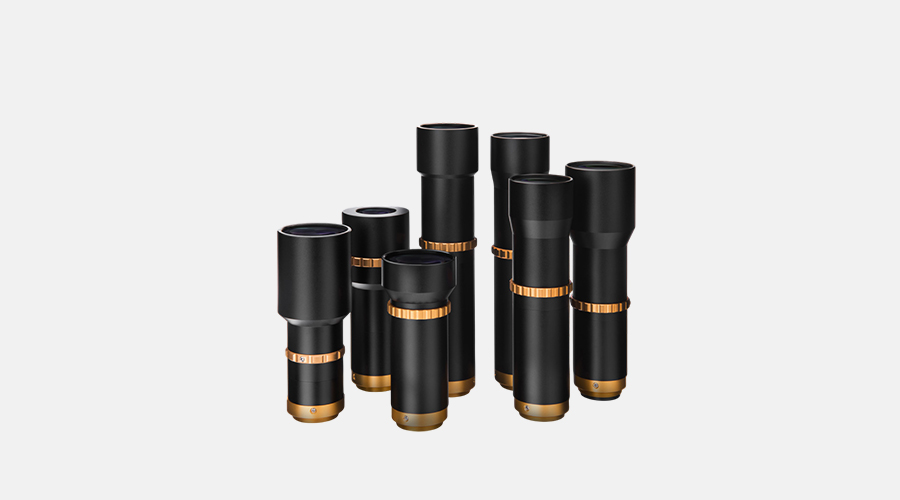 Aperture telecentric lens
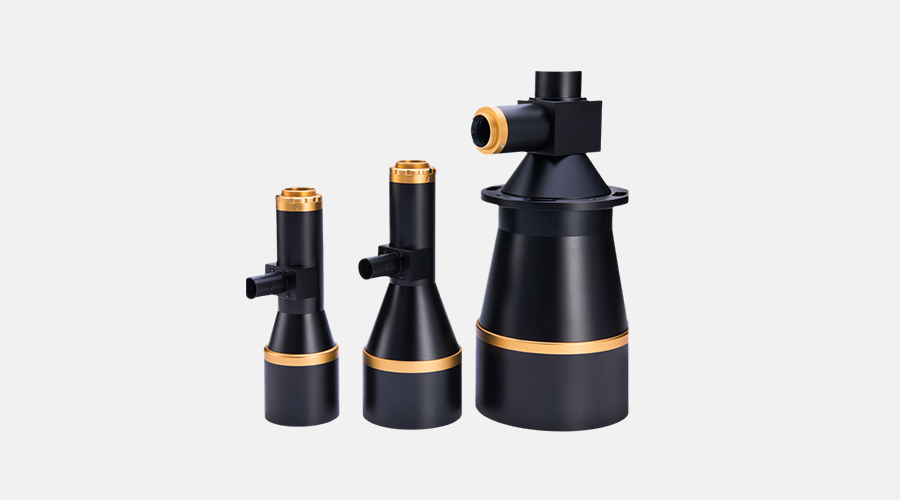 Measuring lens
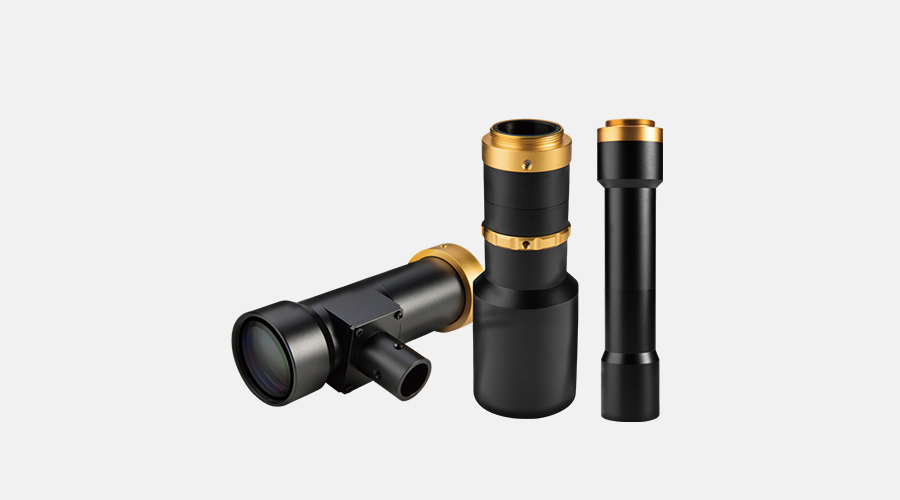 Maximum support 1.1" chips
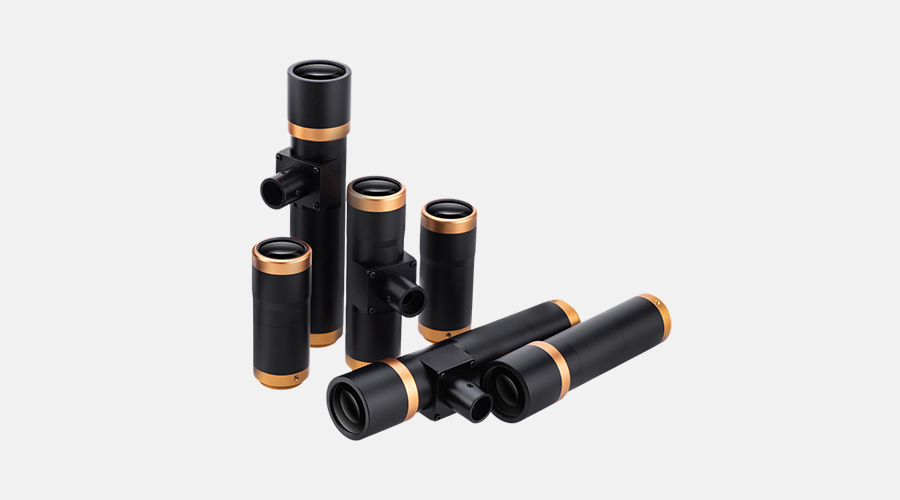 Maximum support 1.2" chips
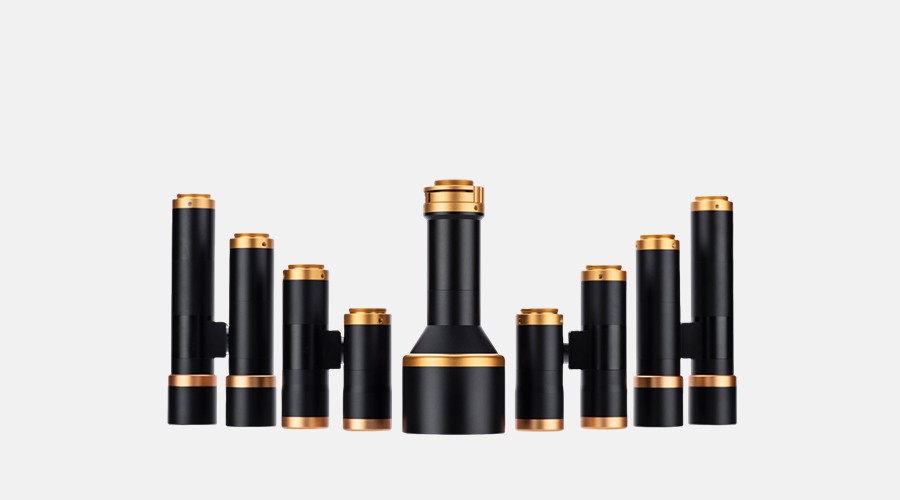 Maximum support 2/3" chips
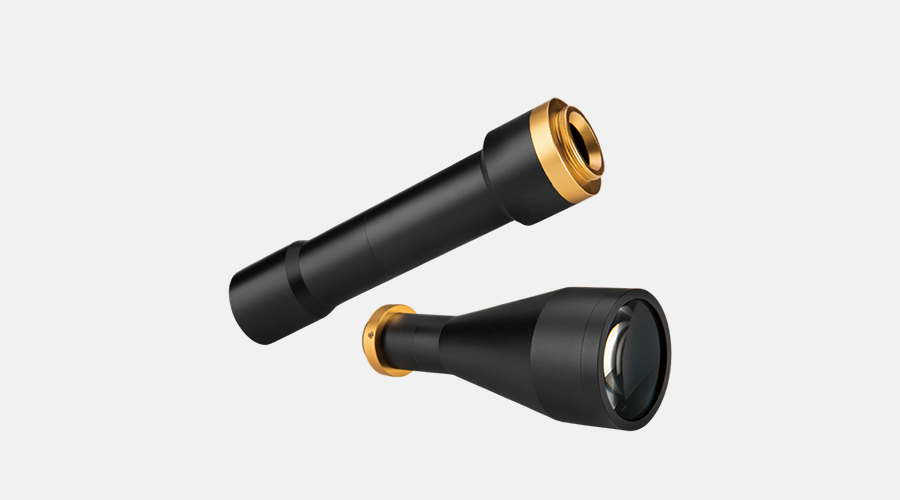 Long Working Distance
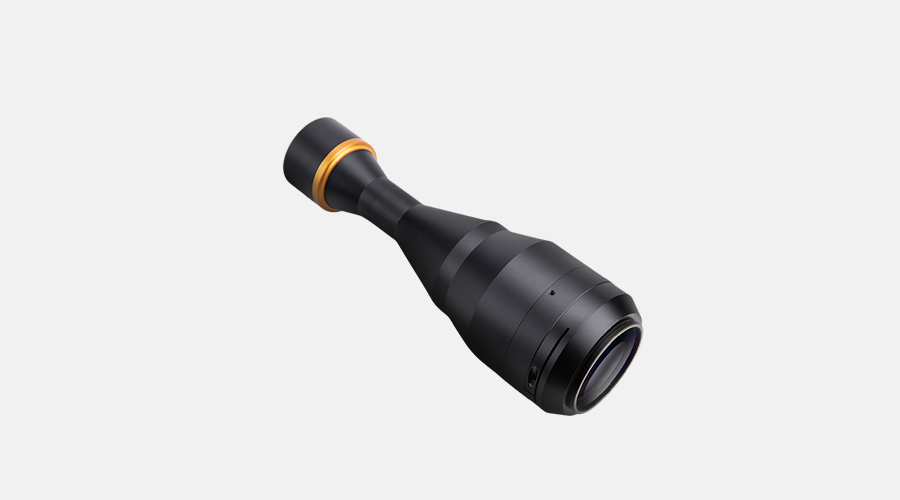
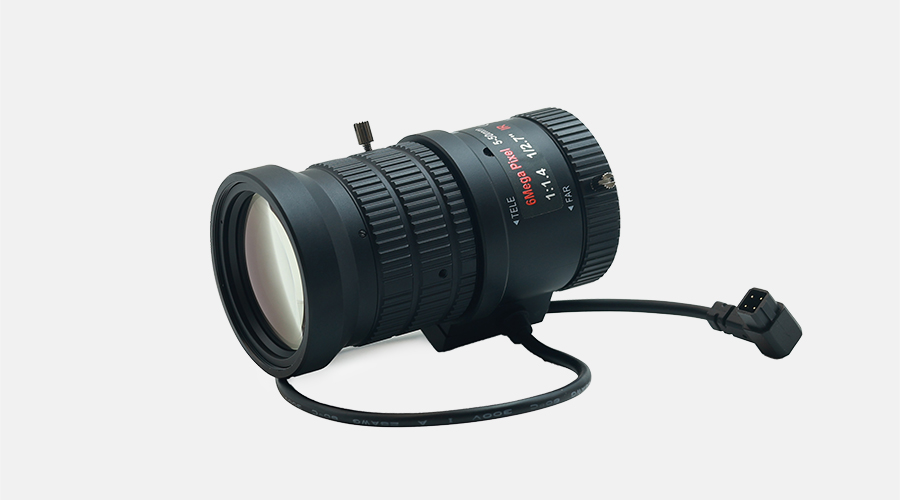 CS mount Varifocal lens
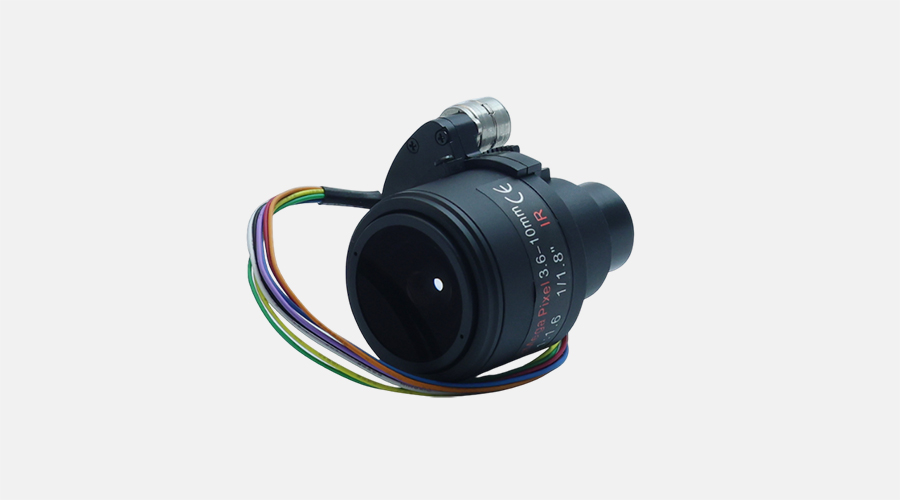 Varifocal board lens
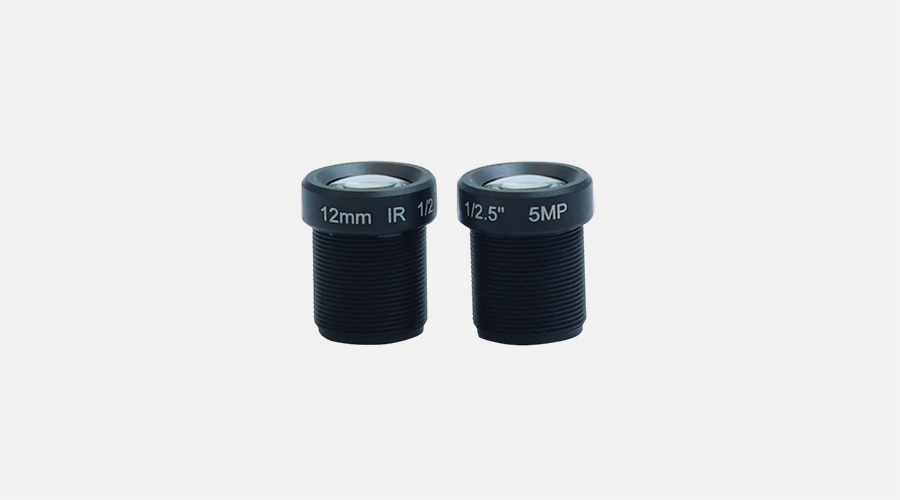 S mount lens
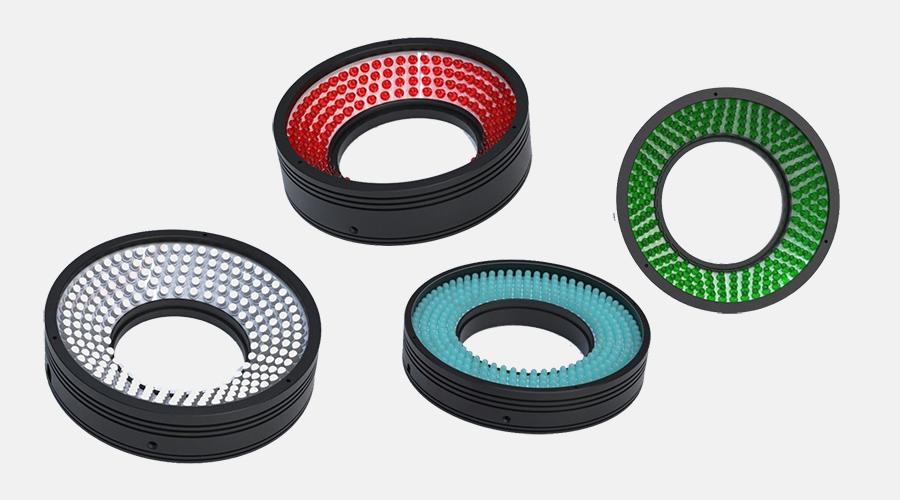 Ring light
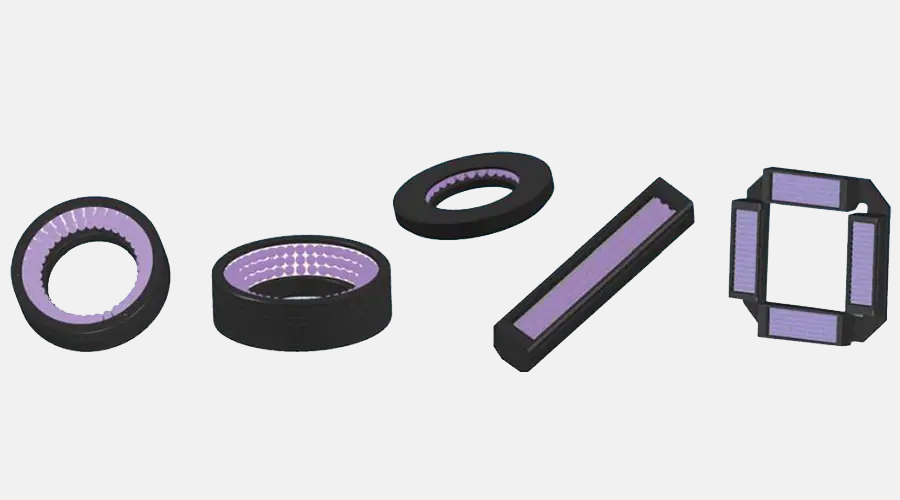 UV/IR Light
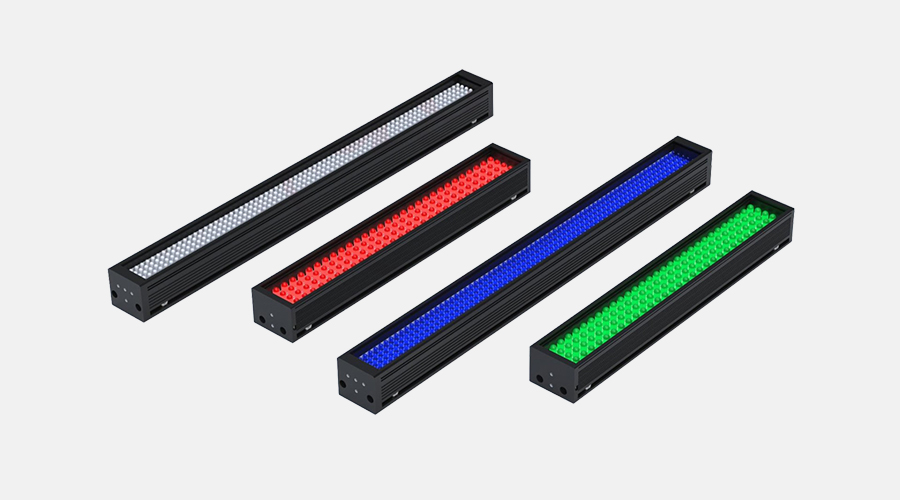 Bar light
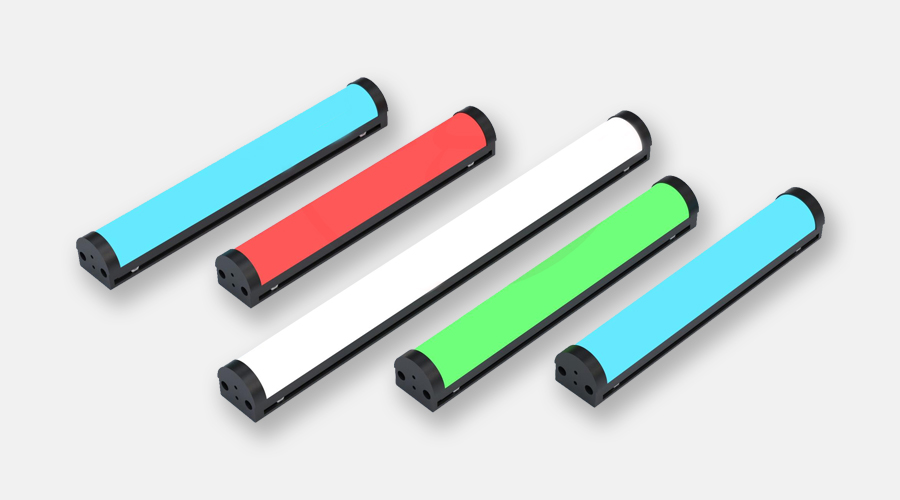 Arcuate high uniformity light
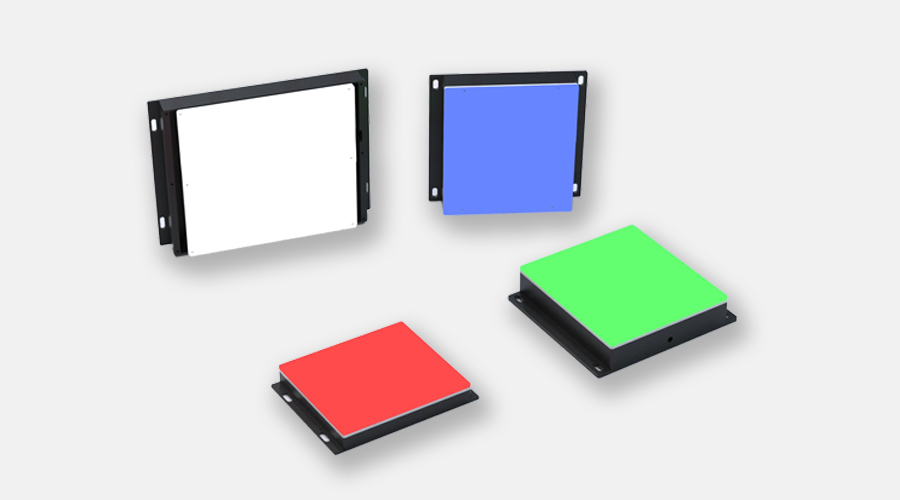 Back light
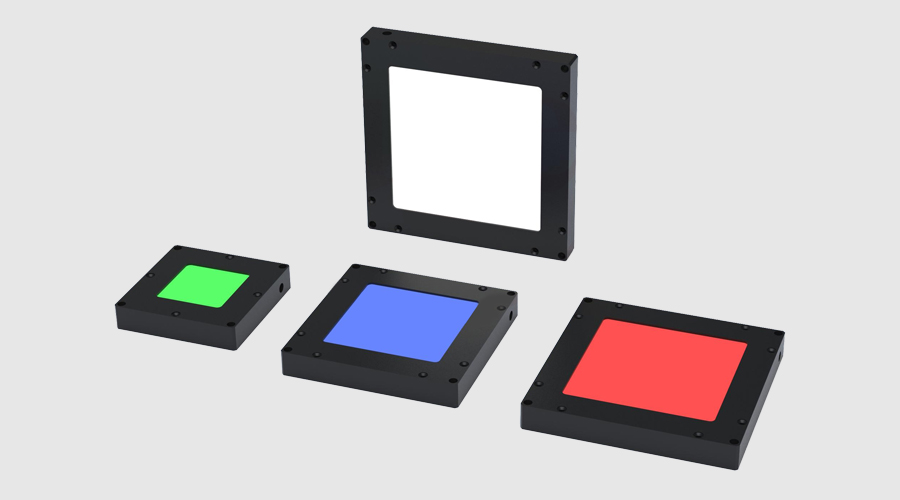 Flat light
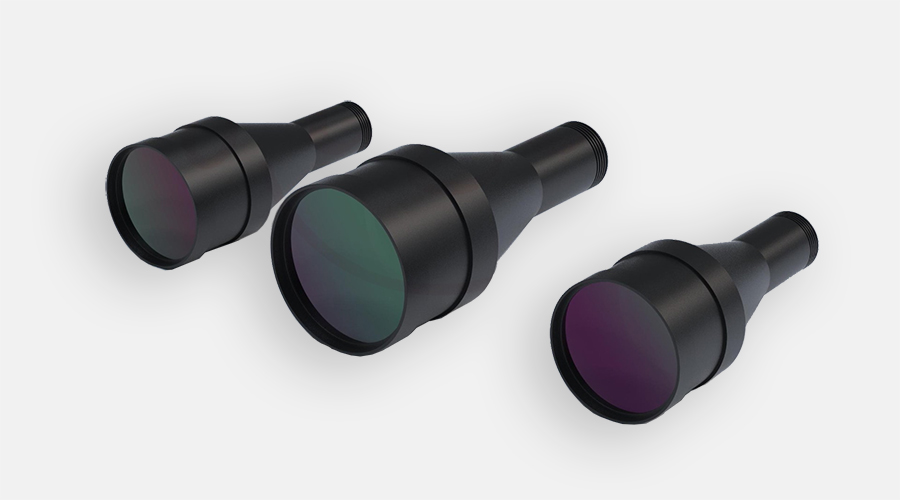 Collimated light
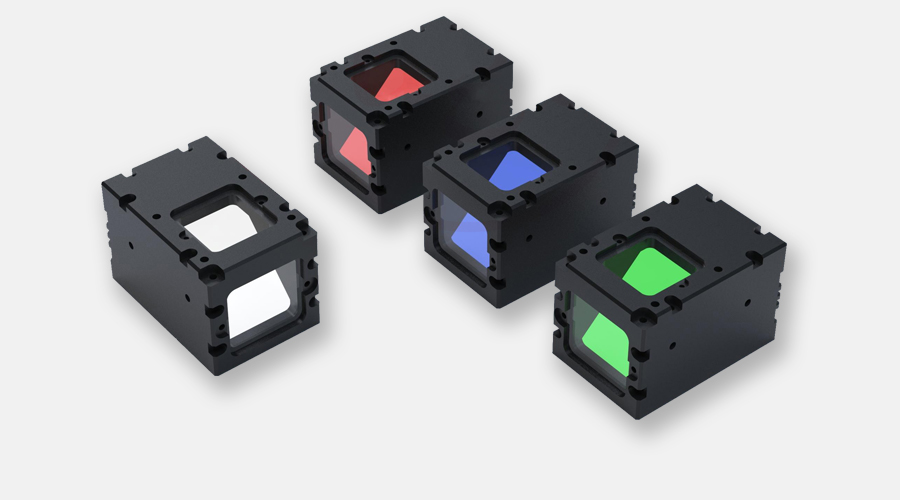 Coaxial light
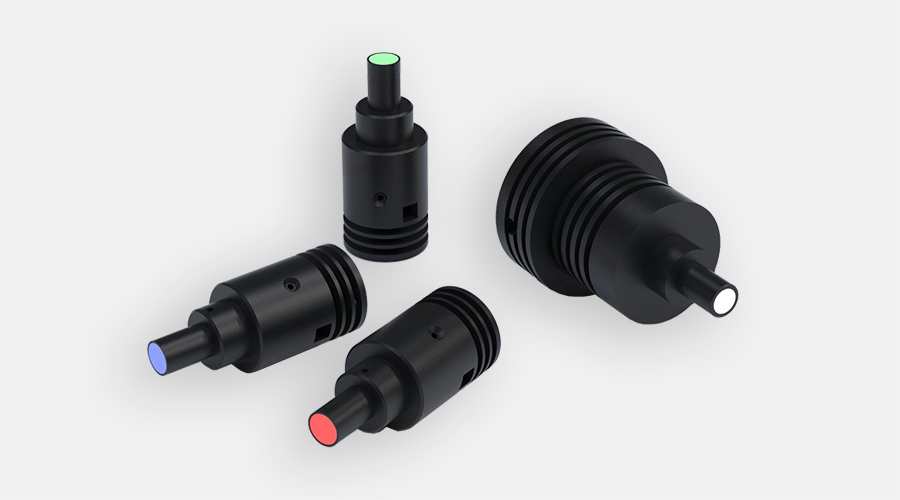 Spot light
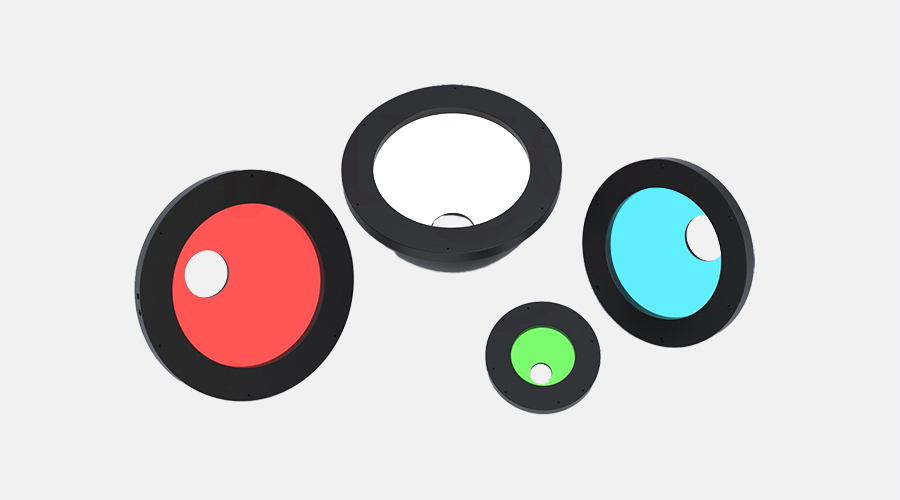 Dome light
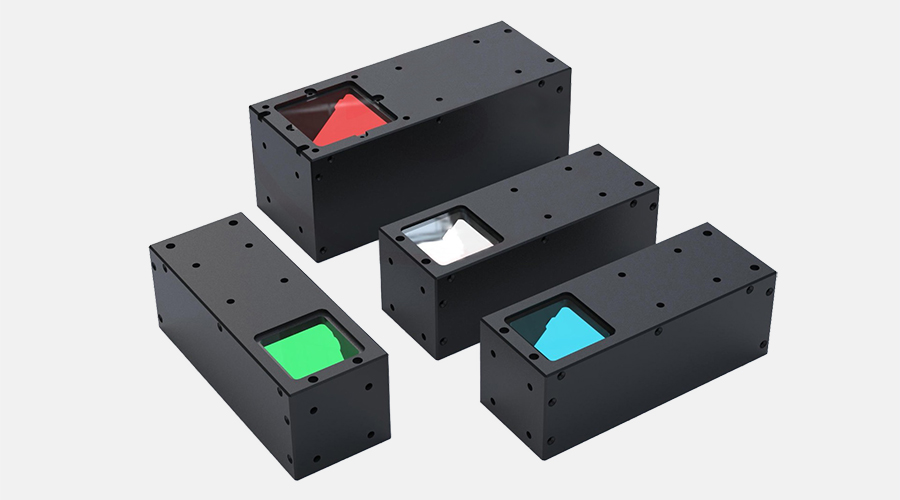 Collimated Coaxial light
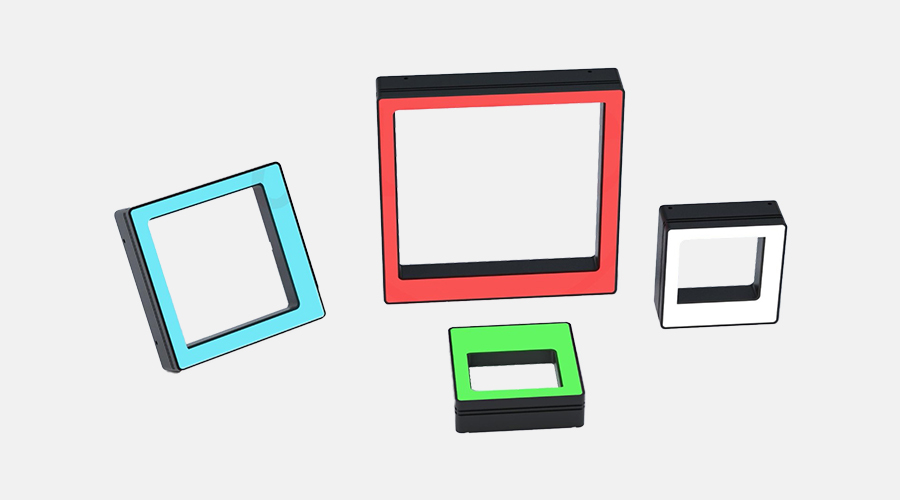 Shadowless square light
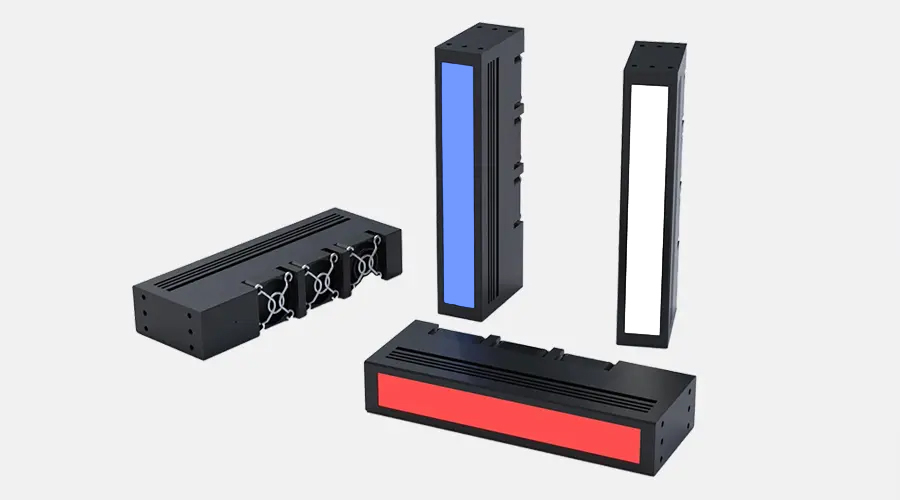 Scan light
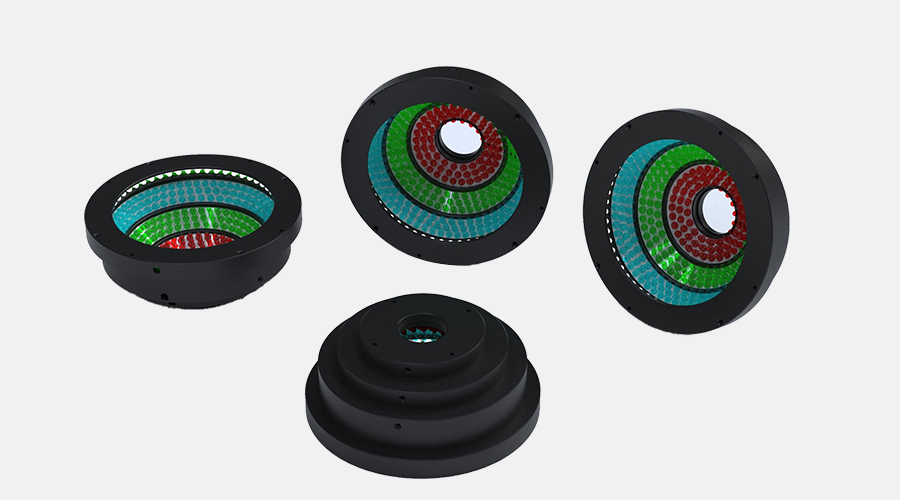 AOI light
 Analog controller
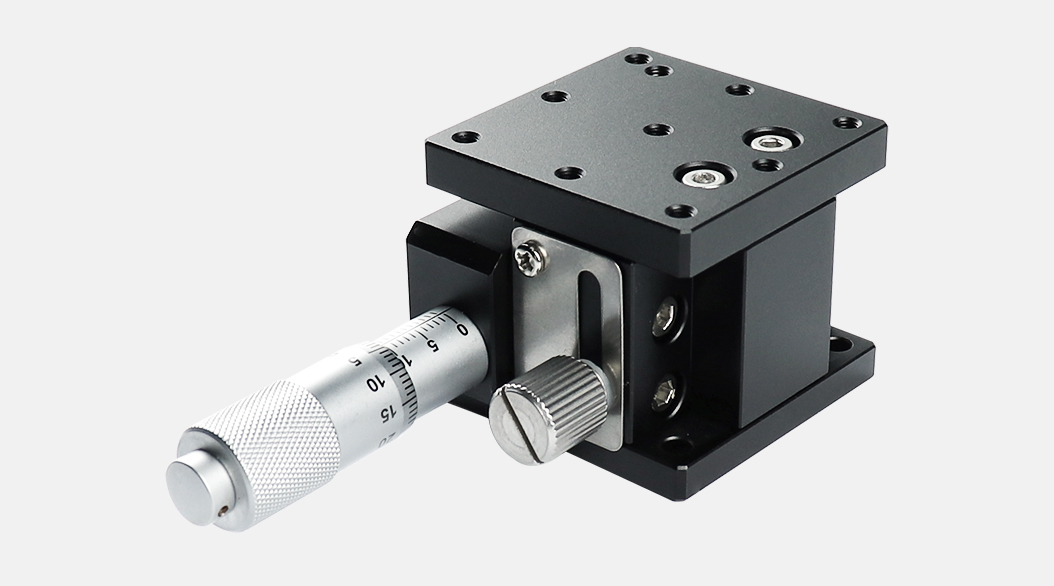 Crossed-Roller Linear guide type
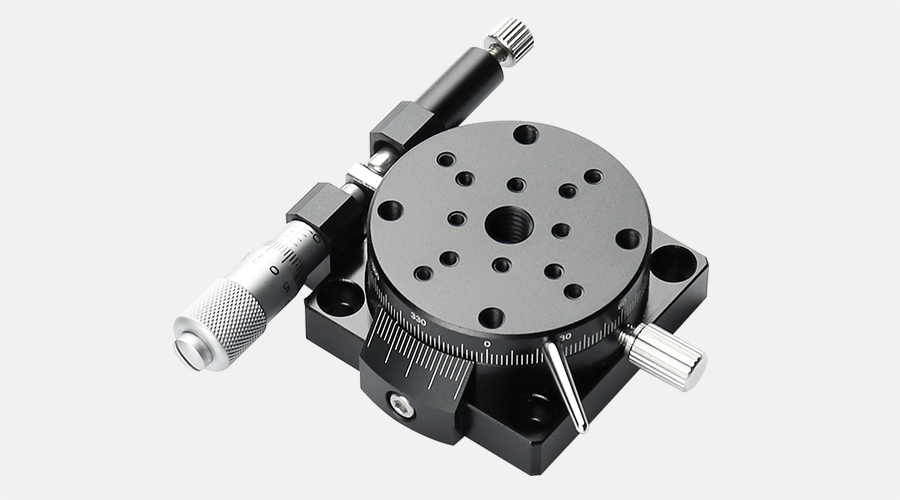 Rotary Stages XRS series
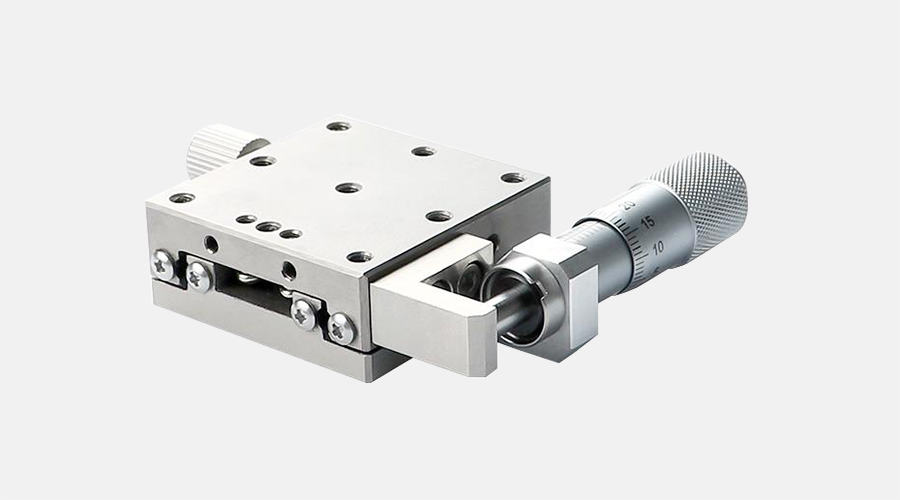 Stainless Steel Ball Bearing Linear Translation Stages
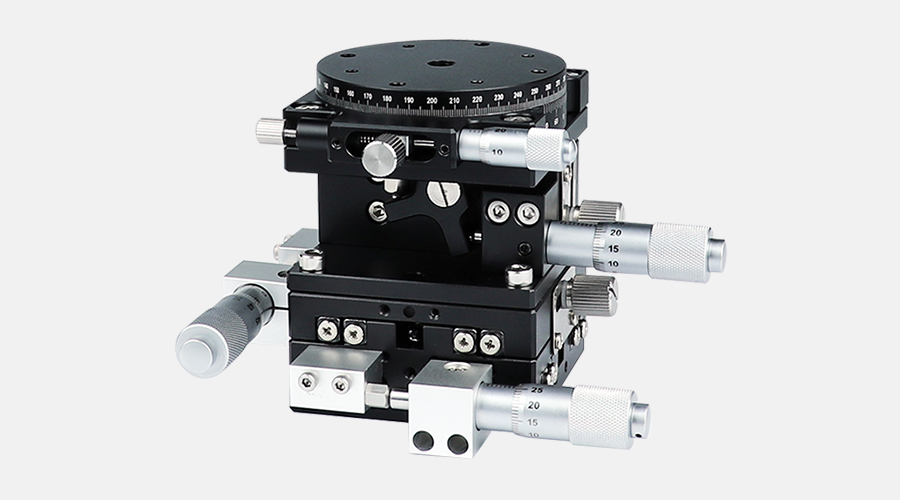 Multi-axis Translation stages
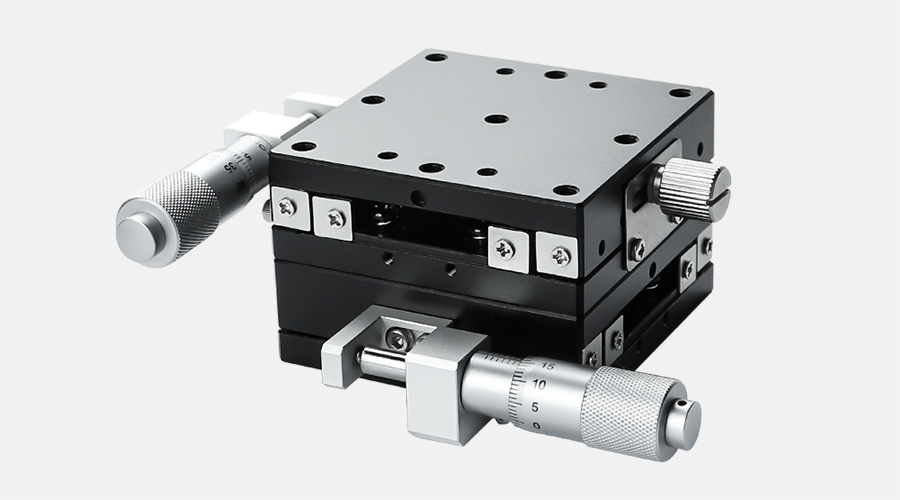 steel bar ball bearing stages
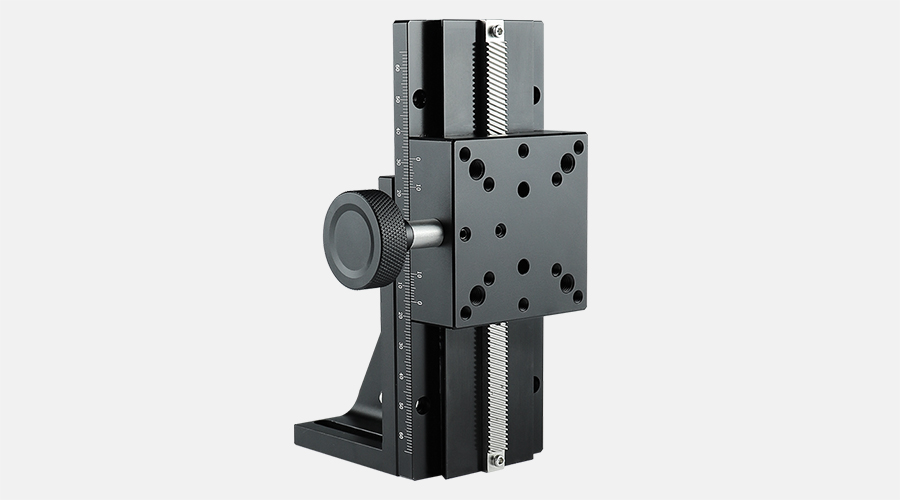 Dovetail Type Rack&Pinion Positioning Stage
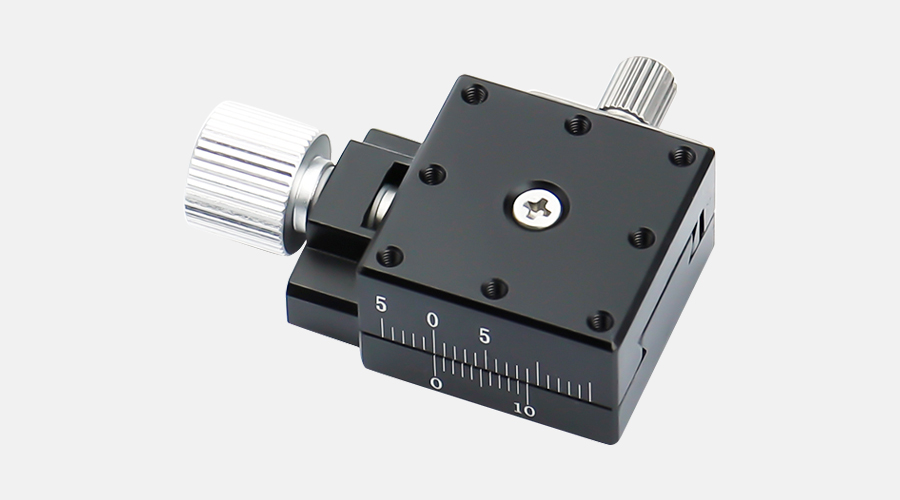 Dovetail groove high-precision screw slide
Industrial Security Lens Selection for Factory Automation and Warehouse Monitoring
Factory floors and warehouses present demanding surveillance challenges that differ significantly from commercial buildings. These environments expose cameras to vibrations from machinery, dust and debris from manufacturing processes, temperature fluctuations, and potentially corrosive substances.
Beyond these physical challenges, industrial surveillance requirements are often more demanding: monitoring production lines, tracking inventory movement, ensuring worker safety, and documenting quality control processes. The lens selected must perform reliably under these conditions while capturing the detail necessary for these varied tasks.
Resolution Considerations for Industrial Monitoring
Industrial environments typically require higher resolution than commercial surveillance due to the need for detailed inspection and evidence documentation. A minimum of 4MP is acceptable for general coverage, but 8MP provides the detail necessary for quality control inspection of products and packaging, worker safety documentation, equipment monitoring for maintenance prediction, and incident investigation with identifiable faces and actions.
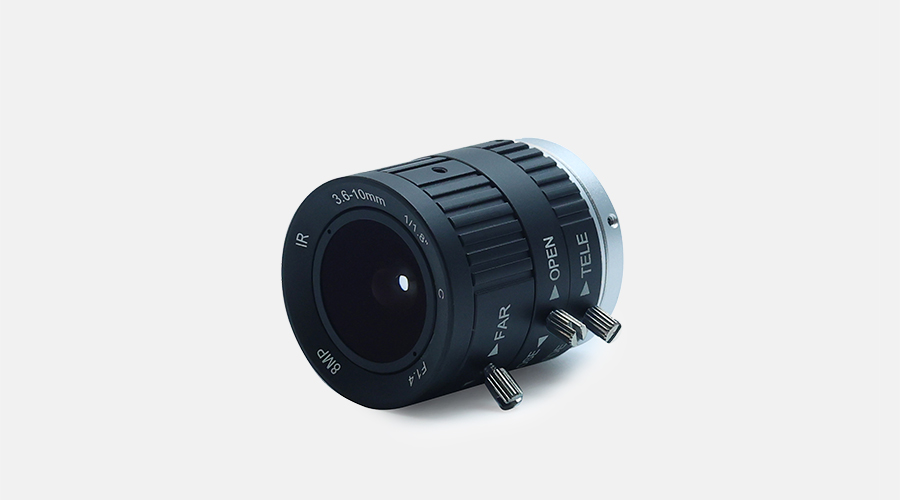
An 8MP security camera paired with a 3.6-10mm lens provides a balance of wide-area coverage and detailed capture. The 3.6mm wide end covers approximately 80-90 degree horizontal FOV - suitable for monitoring large factory floor areas from ceiling-mounted positions. The 10mm telephoto end delivers the detail needed for specific stations or equipment monitoring at medium distances.
The Importance of Varifocal Flexibility
Industrial facilities often serve multiple surveillance purposes from the same camera position. A loading dock, for instance, may need wide coverage for vehicle movement during receiving hours and detailed capture of package labels during inventory processes.
Varifocal lenses solve this by allowing focal length adjustment without equipment changes. Operators can set the lens for wide coverage during normal operations and adjust to telephoto when detailed documentation is required. This flexibility reduces the total camera count needed while maintaining comprehensive coverage.
Vibrations and Mechanical Stability
Manufacturing equipment generates constant vibrations that can affect camera stability. Standard security cameras may experience alignment drift over time, causing image degradation or loss of focus.
Industrial-grade security cameras and lenses must be rated for vibration resistance. The mounting method and lens construction affect this rating. When selecting lenses for factory environments, verify the vibration tolerance specification matches the installation location's conditions.
Dust, Moisture, and Temperature
Factory environments inevitably contain airborne particles that can settle on optics, degrading image quality over time. Warehouse conditions may include temperature-controlled sections adjacent to unheated storage areas, creating internal temperature variations.
The camera enclosure rating (typically IP65 or higher for industrial applications) must work in conjunction with the lens selection. For outdoor warehouse perimeters or areas with temperature extremes, lenses with wider operating temperature ranges ensure consistent performance.
Integration with Automation Systems
Modern industrial surveillance often integrates with broader automation and security systems. Motorized zoom lenses can be remotely controlled, enabling security operators to investigate alerts without physical access to the camera.
Application Example: Production Line Monitoring
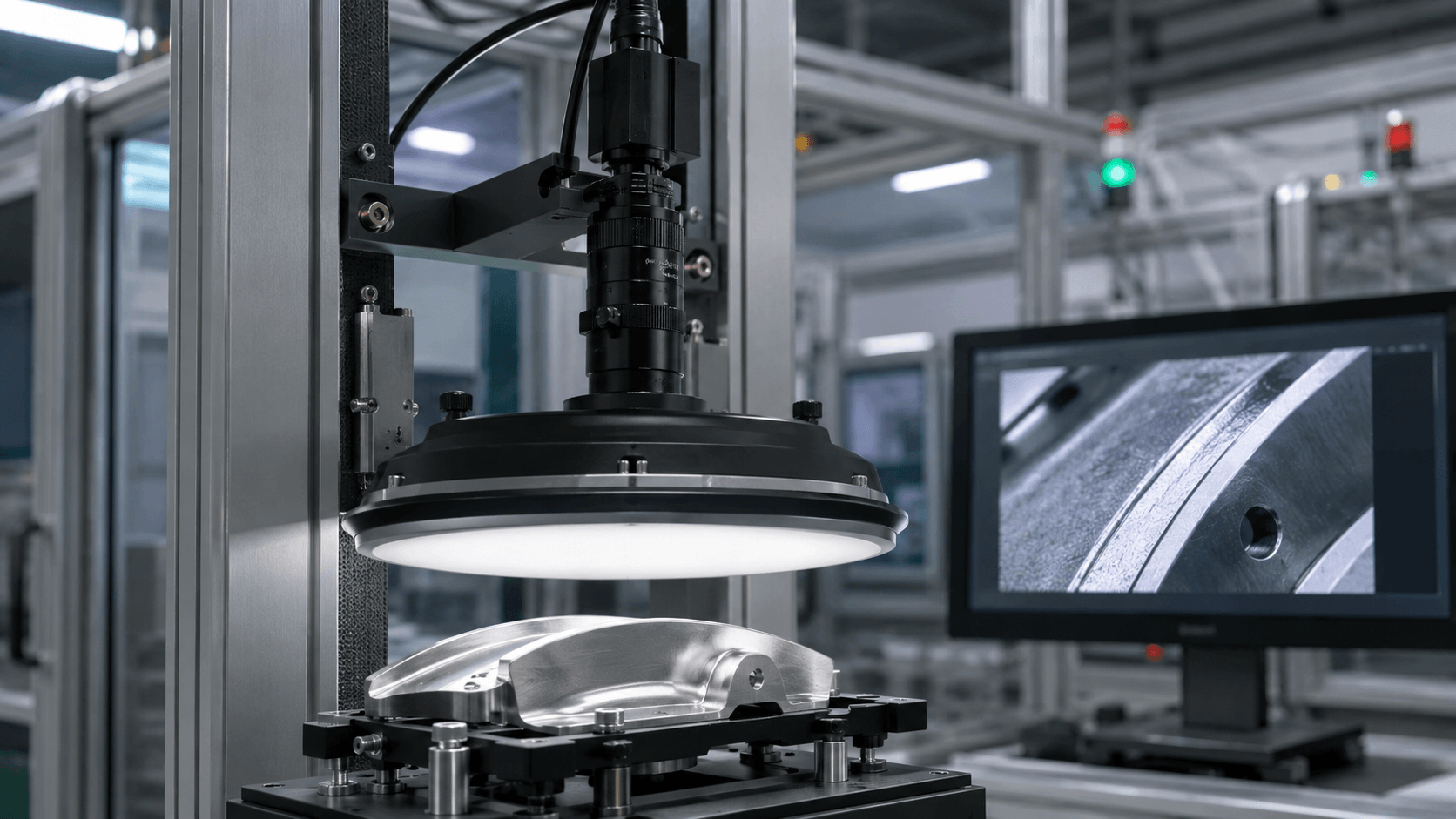
A production line monitoring application requires: wide coverage of the entire production floor from a ceiling position; detail capture of specific workstations for quality documentation; operation in ambient temperature of 15-30 degree C with occasional dust from manufacturing processes; and night capability for after-hours monitoring.
An 8MP camera with 3.6-10mm varifocal lens addresses these requirements. The wide setting covers the production floor during normal operations, while the telephoto setting provides detail of specific stations when quality issues arise. IR-corrected optics ensure clear imaging under production area lighting and for after-hours monitoring with IR illumination.
CS mount lenses are the standard for compact industrial security cameras. The 12.5mm flange back distance provides compatibility with a wide range of industrial camera models while maintaining a compact form factor suitable for factory installations.
Conclusion
Industrial surveillance demands careful lens selection to address vibration, dust, temperature, and resolution requirements. High-resolution cameras (8MP+) with varifocal lenses provide the flexibility and detail necessary for diverse industrial monitoring needs, from production line oversight to warehouse perimeter security.
The 3.6-10mm focal range addresses both wide-area coverage and medium-distance detail, making it suitable for the varied monitoring requirements found in factory and warehouse environments.