
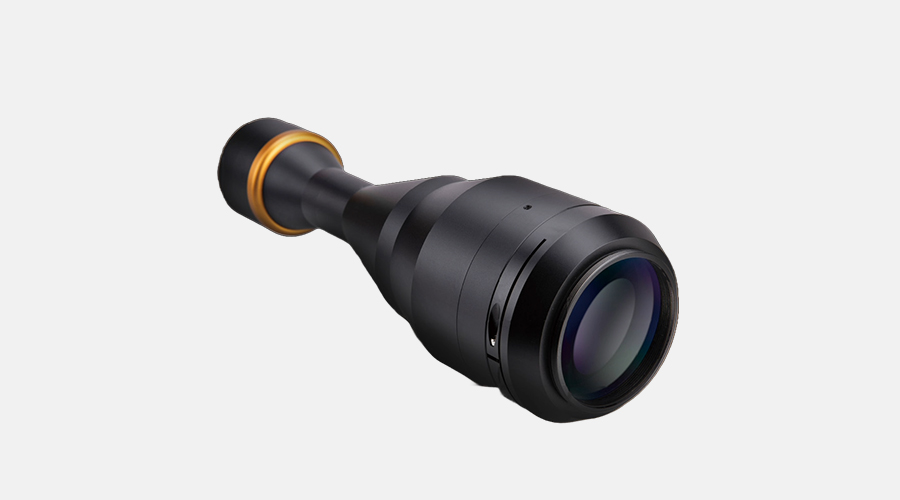
 Compatible with 7.2mm-82mm chips
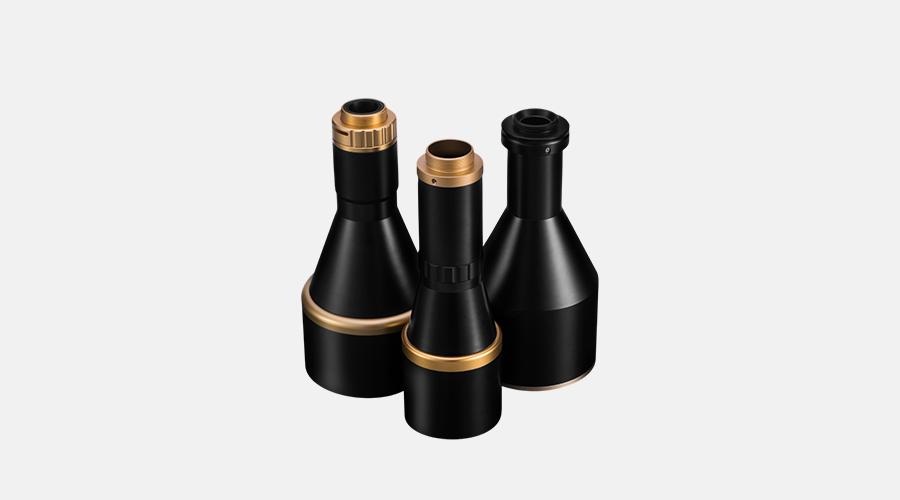 High/Low Working Distance
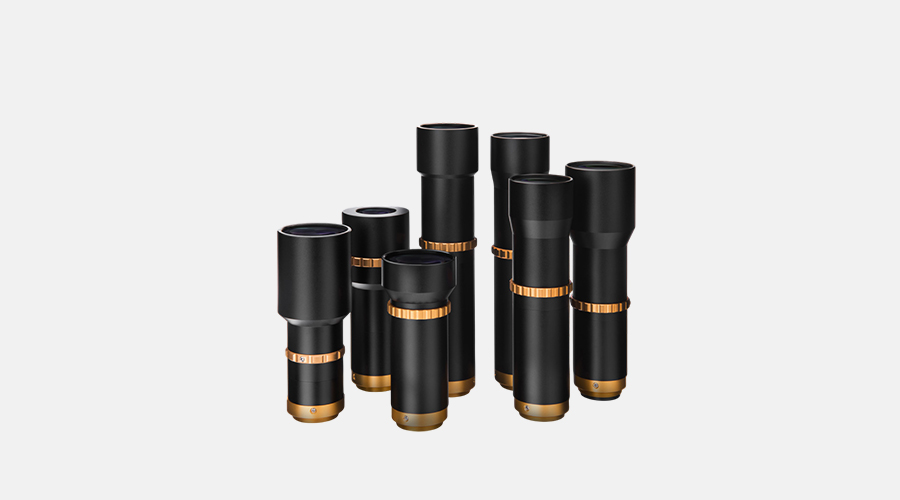 Aperture telecentric lens
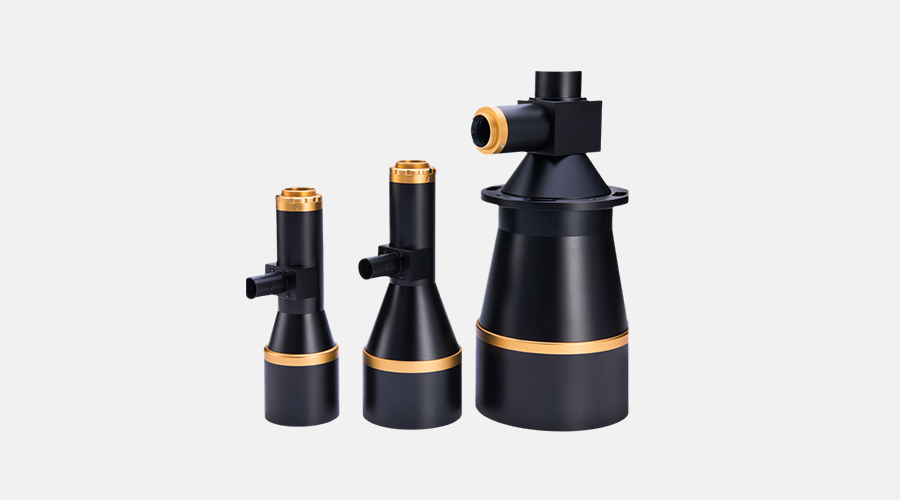 Measuring lens
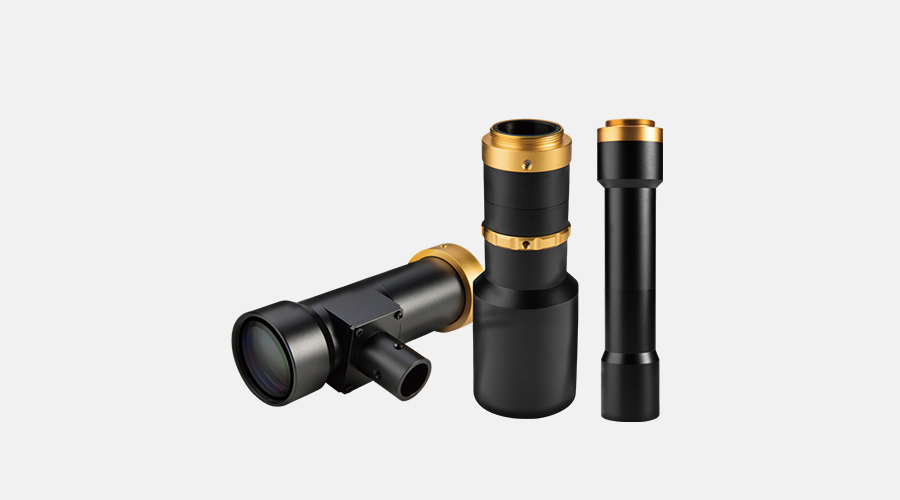 Maximum support 1.1" chips
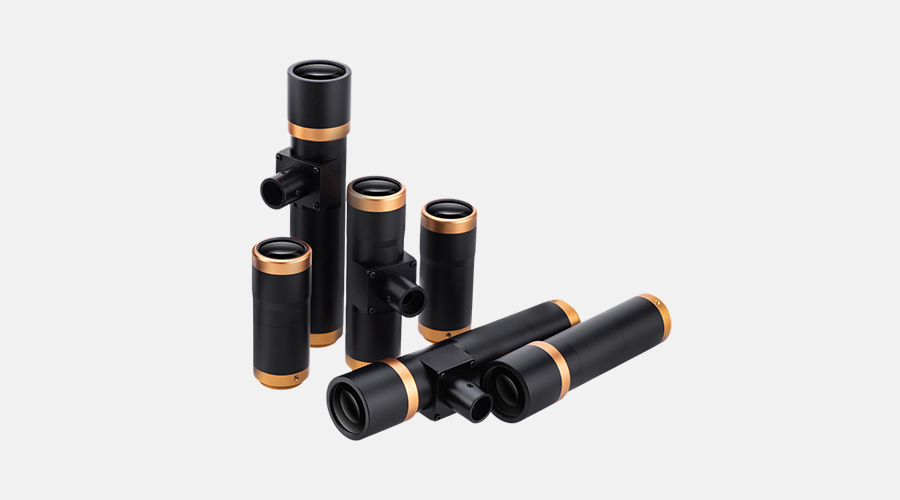 Maximum support 1.2" chips
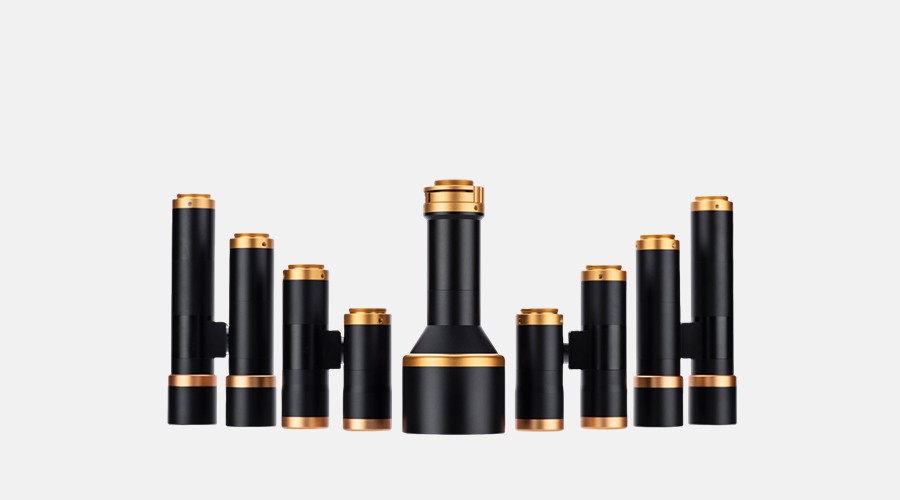 Maximum support 2/3" chips
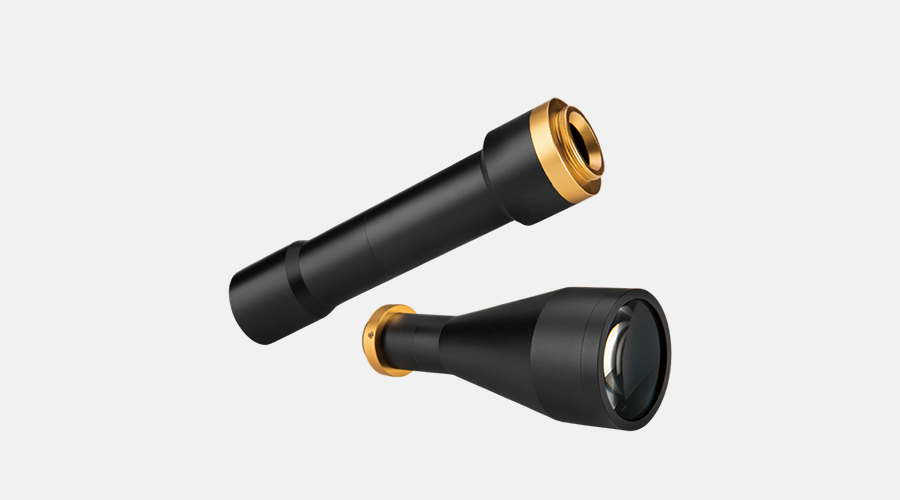 Long Working Distance
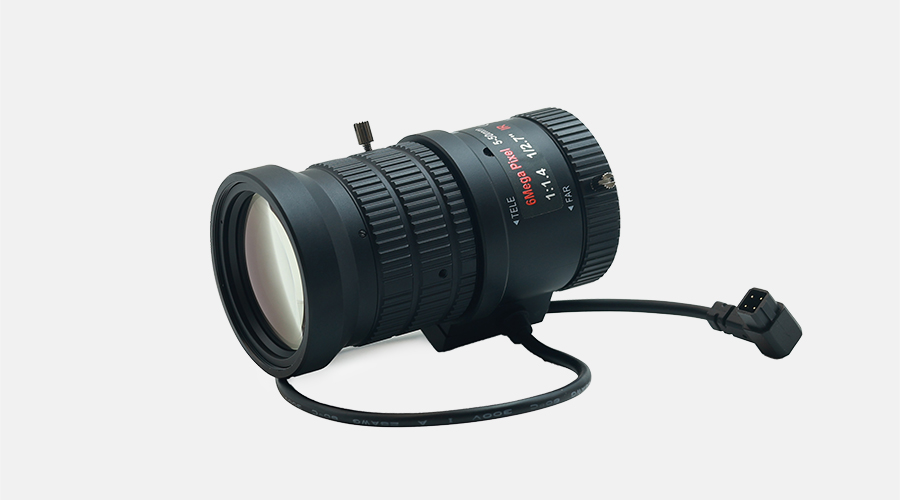 CS mount Varifocal lens
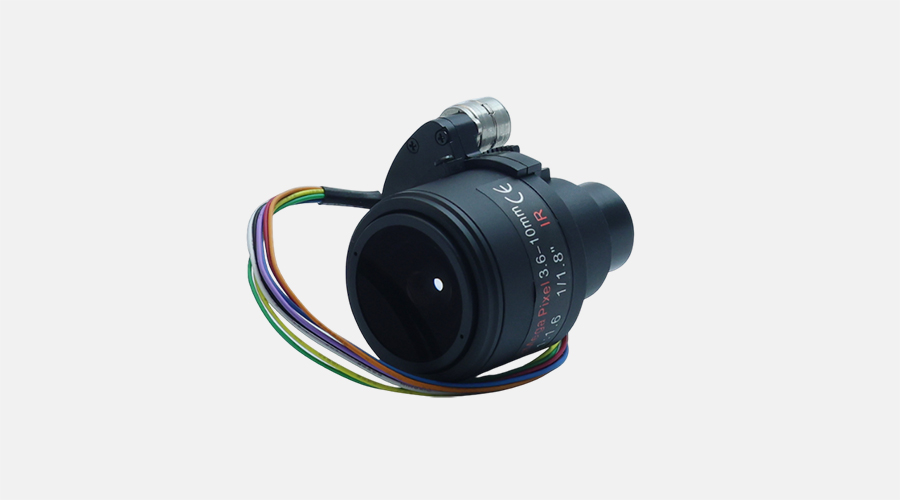 Varifocal board lens
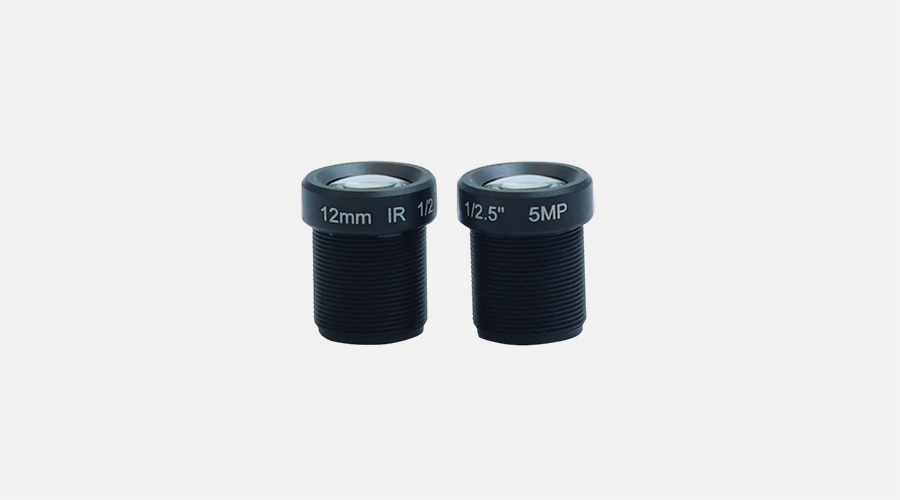 S mount lens
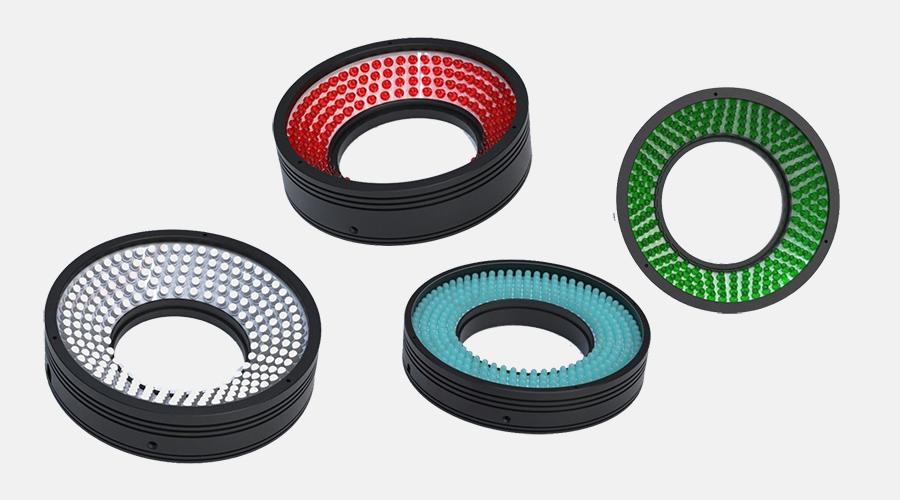 Ring light
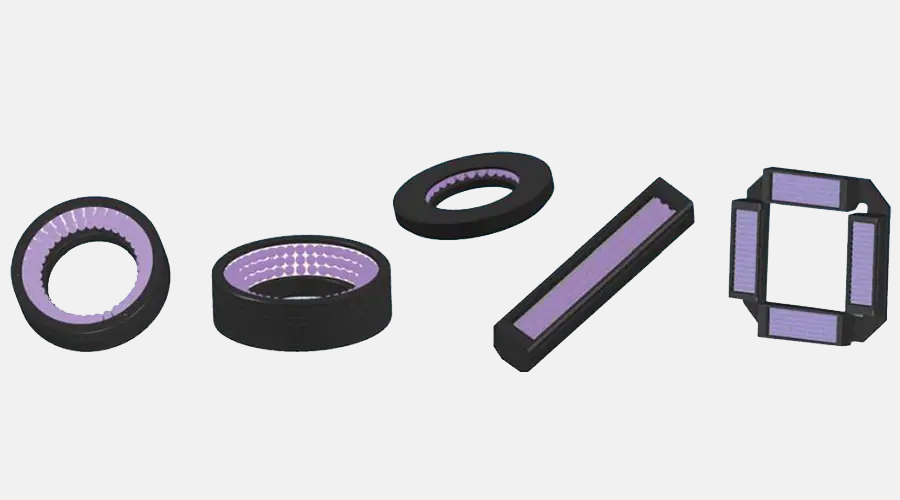 UV/IR Light
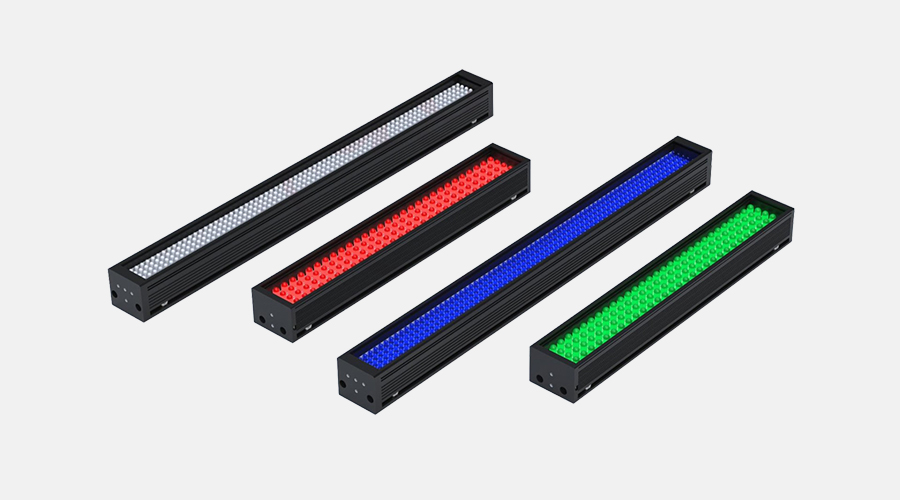 Bar light
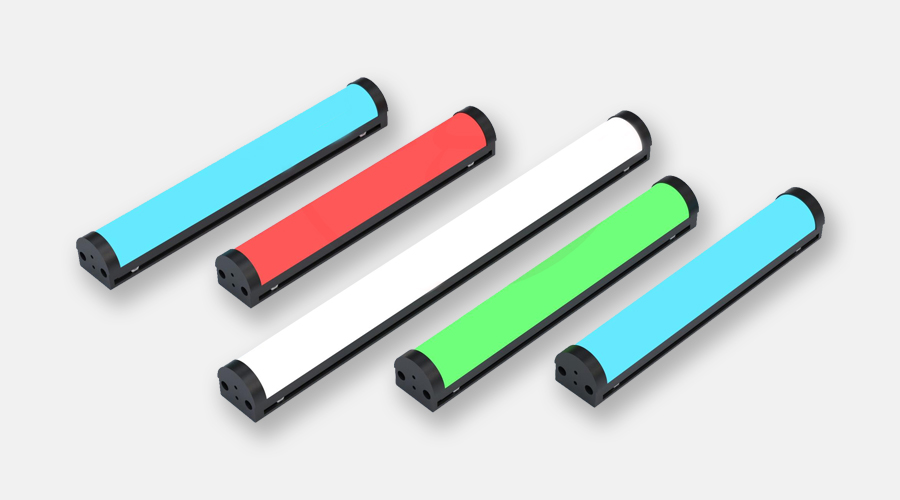 Arcuate high uniformity light
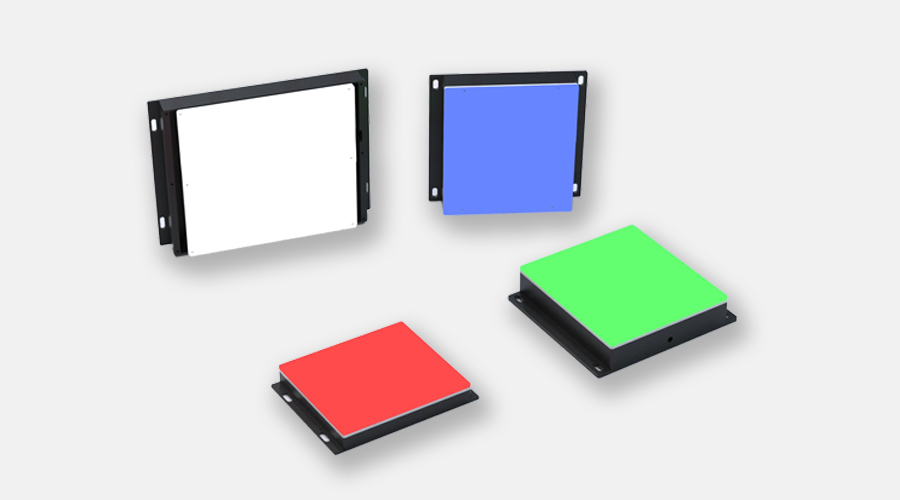 Back light
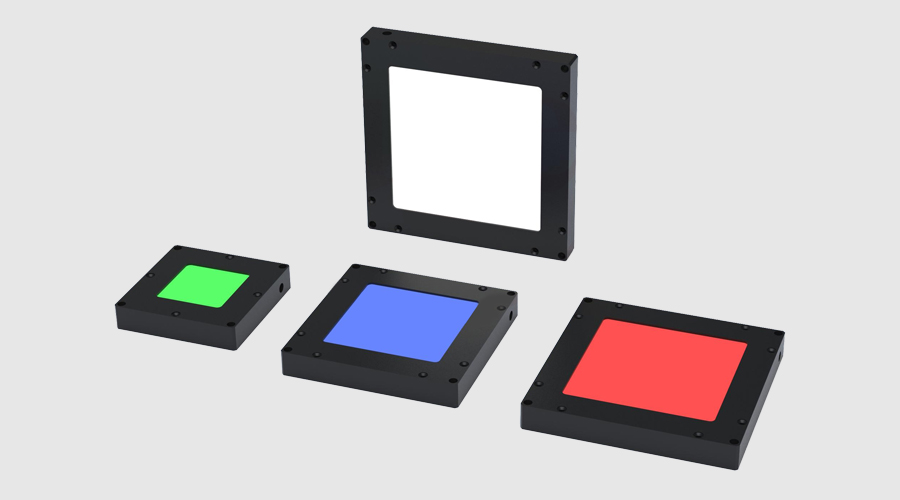 Flat light
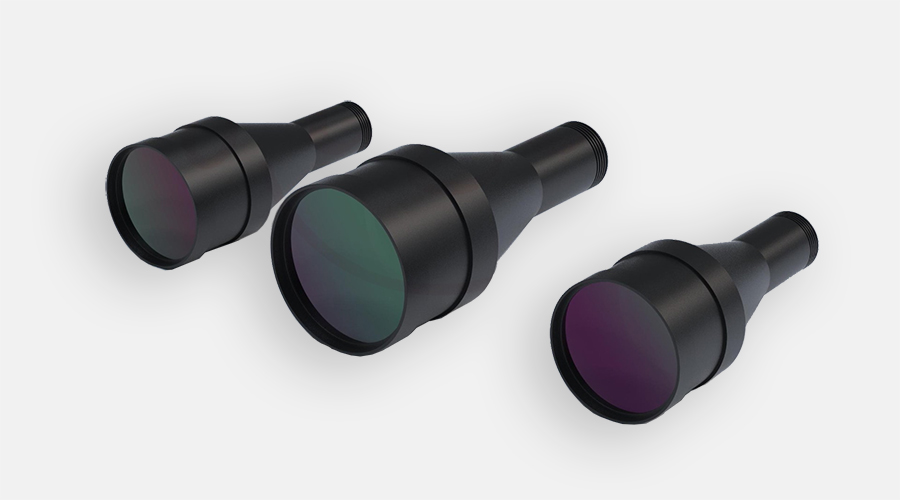 Collimated light
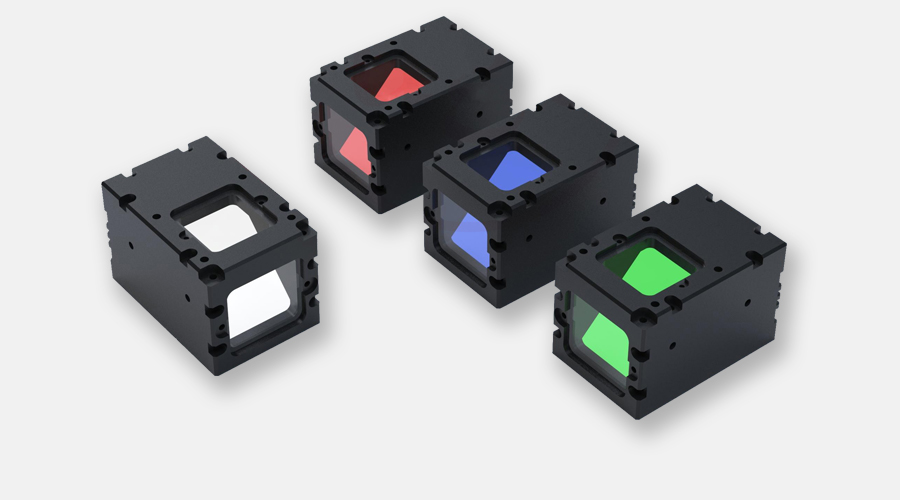 Coaxial light
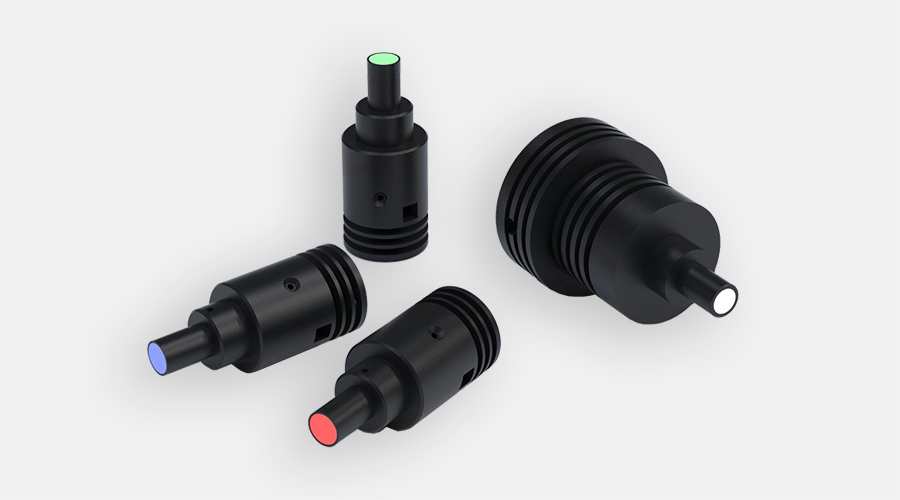 Spot light
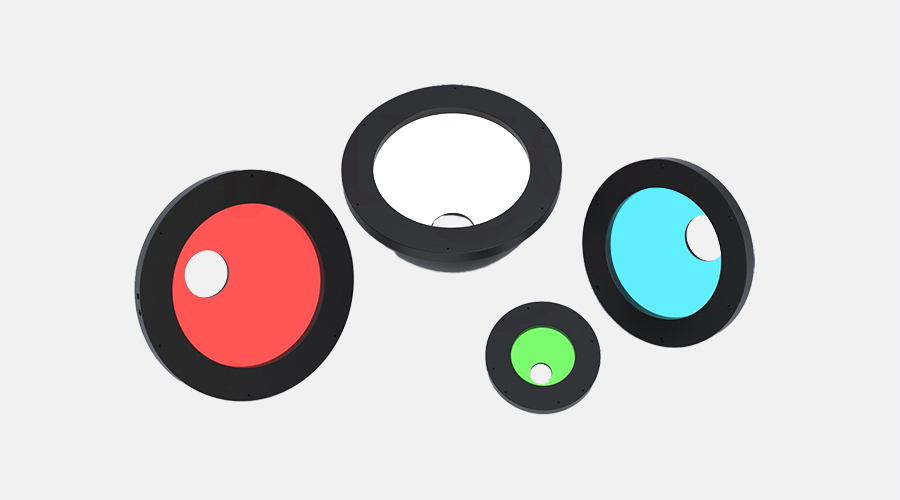 Dome light
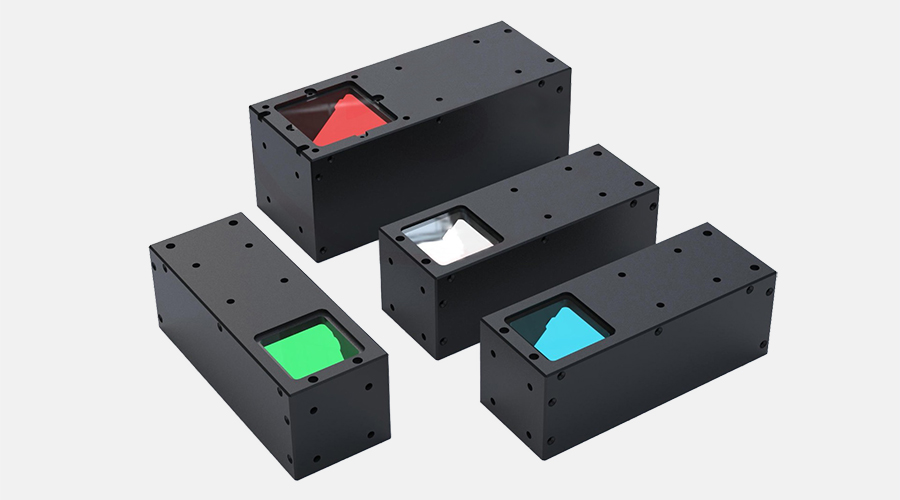 Collimated Coaxial light
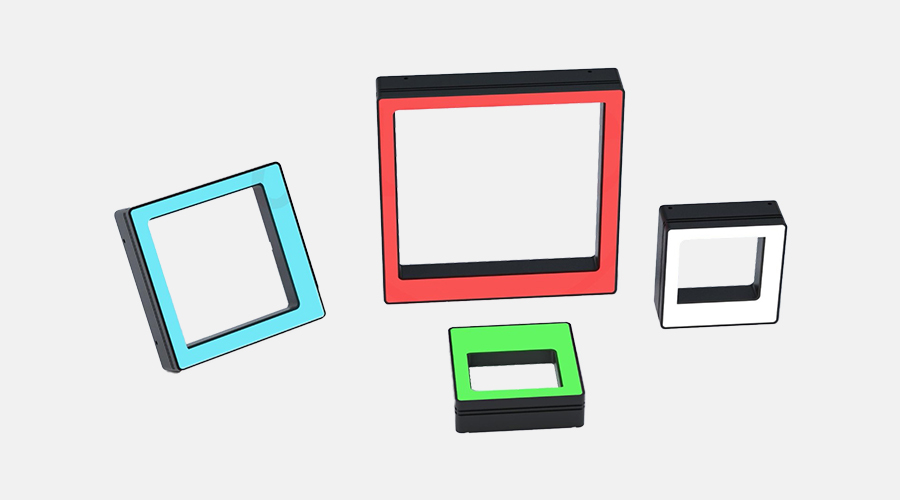 Shadowless square light
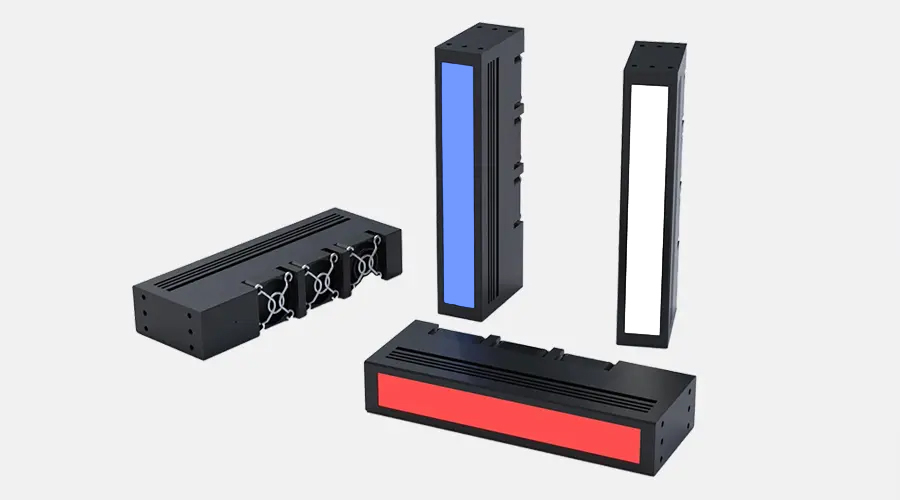 Scan light
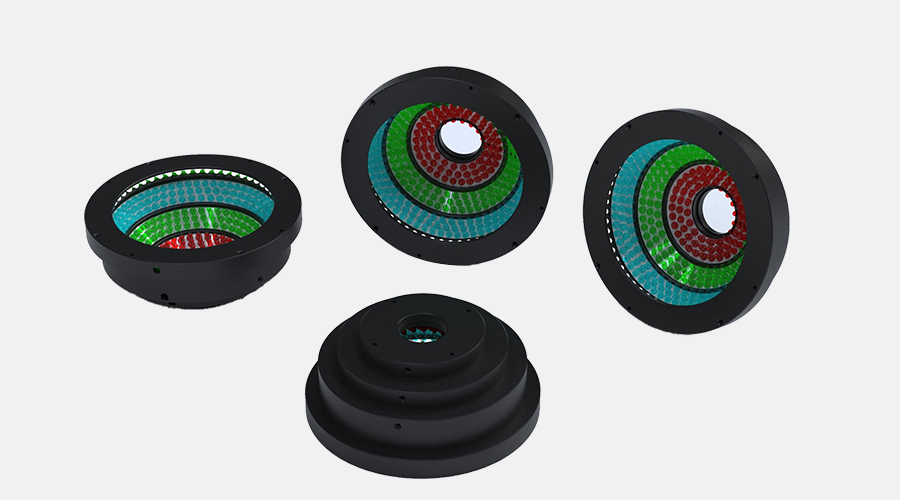 AOI light
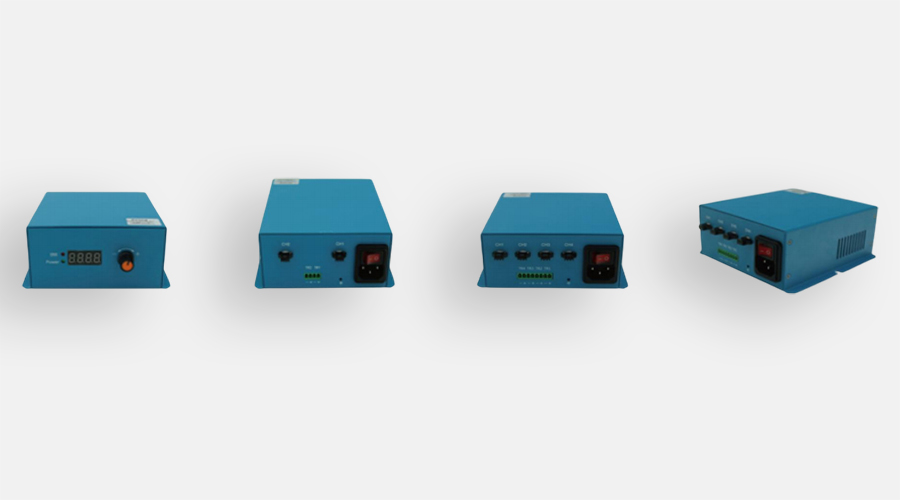 Analog controller
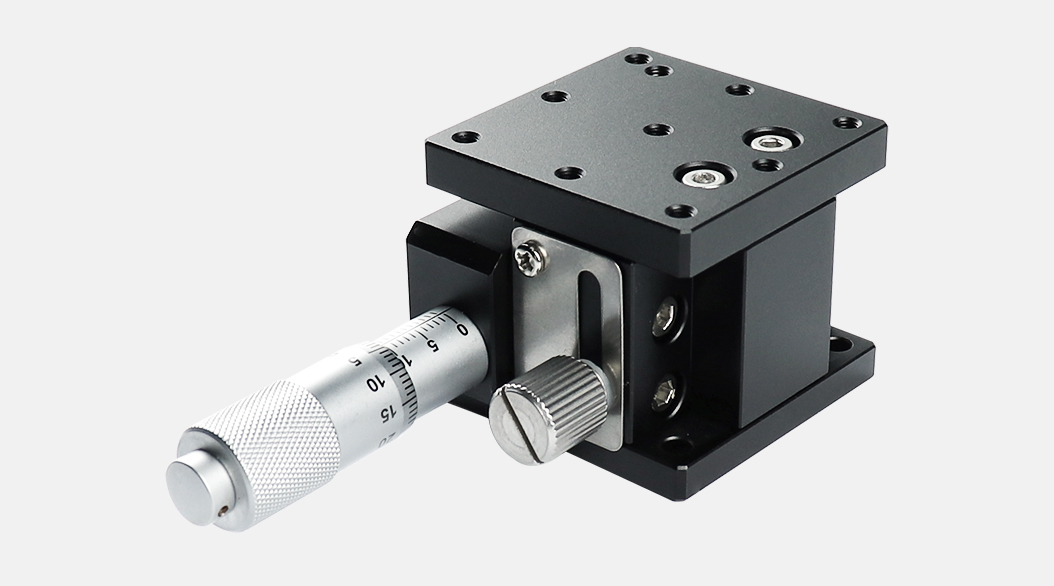 Crossed-Roller Linear guide type
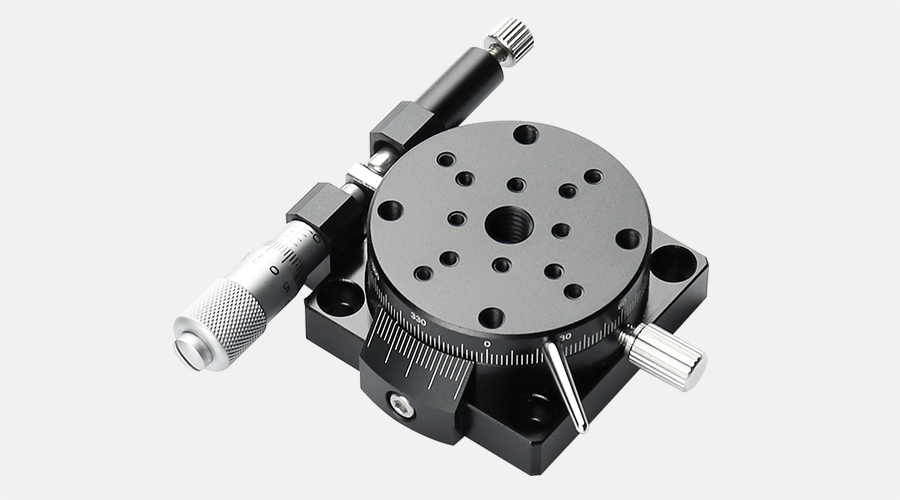 Rotary Stages XRS series
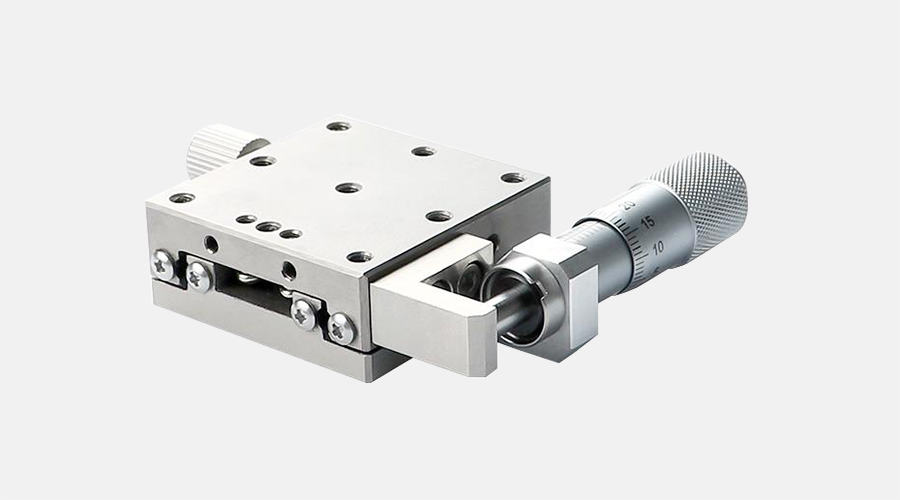 Stainless Steel Ball Bearing Linear Translation Stages
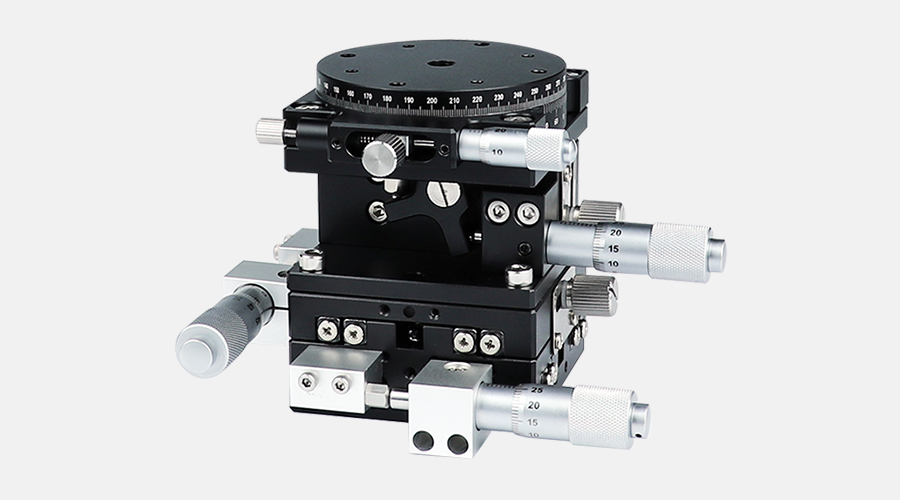 Multi-axis Translation stages
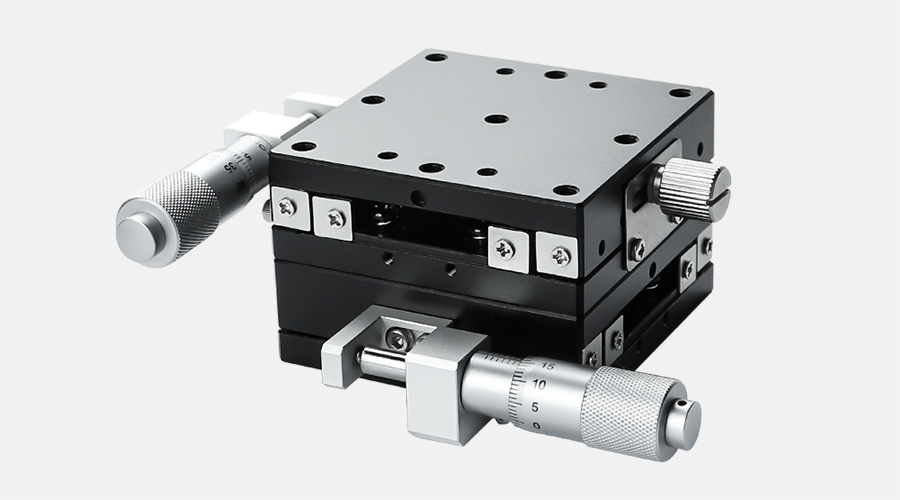 steel bar ball bearing stages
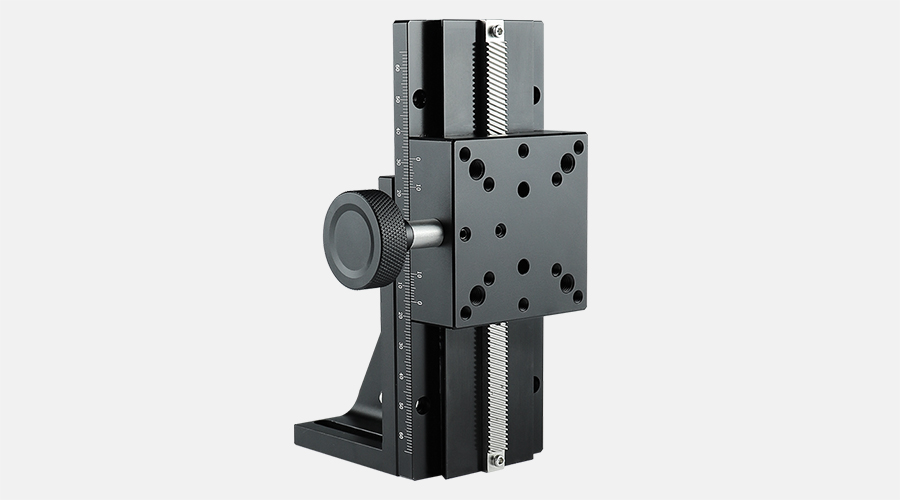 Dovetail Type Rack&Pinion Positioning Stage
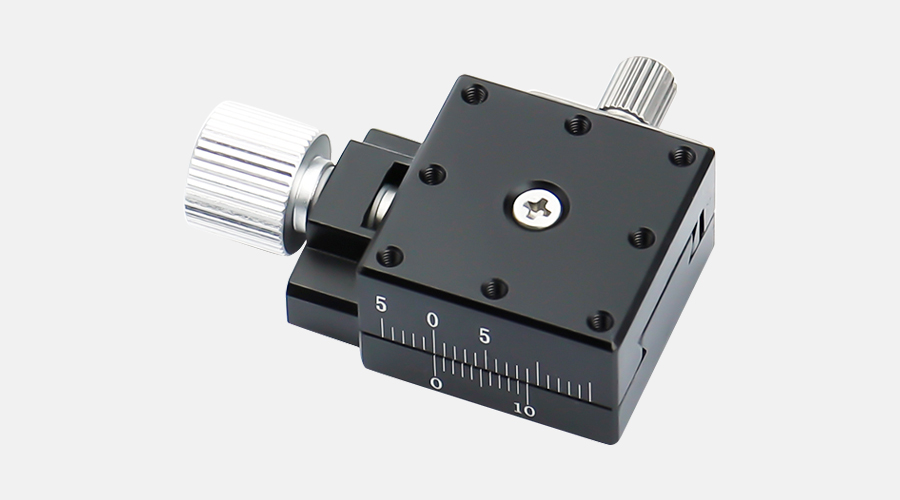 Dovetail groove high-precision screw slide

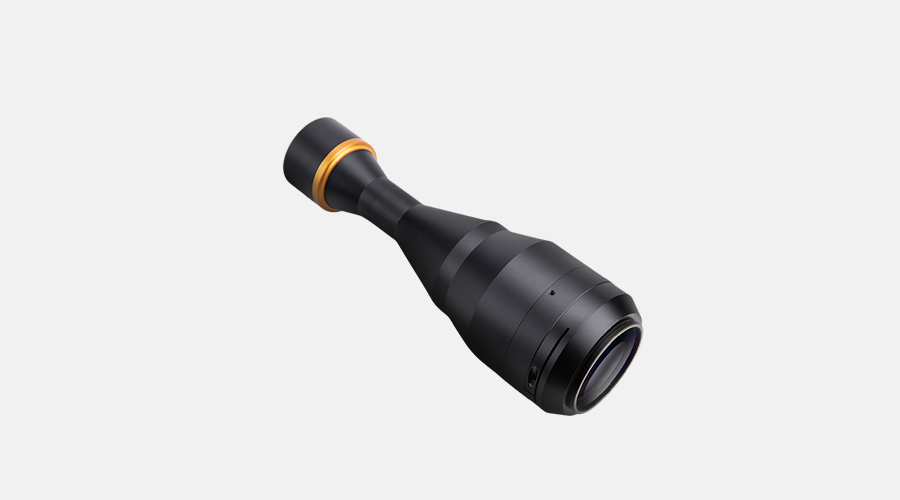
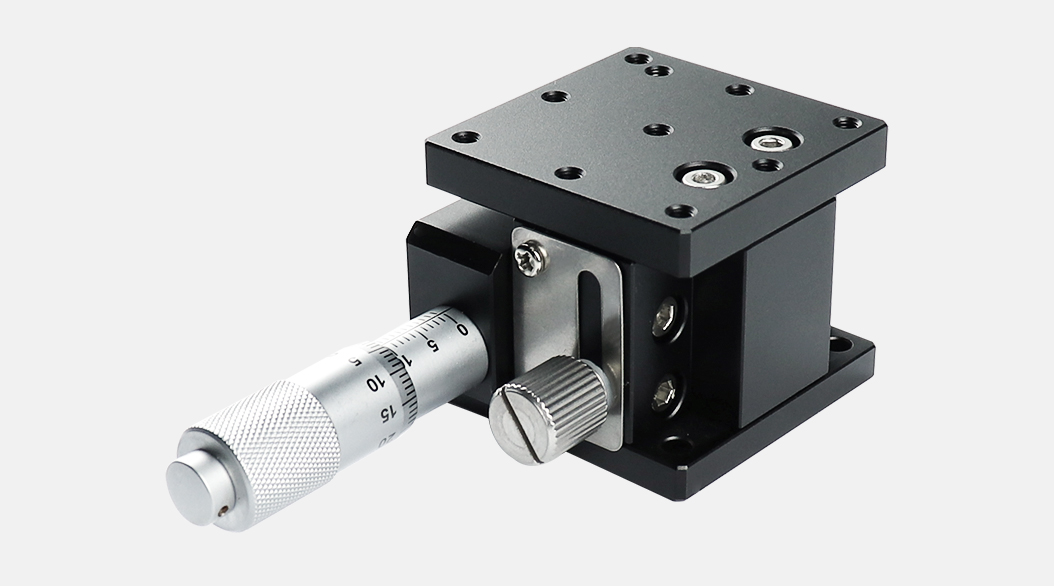
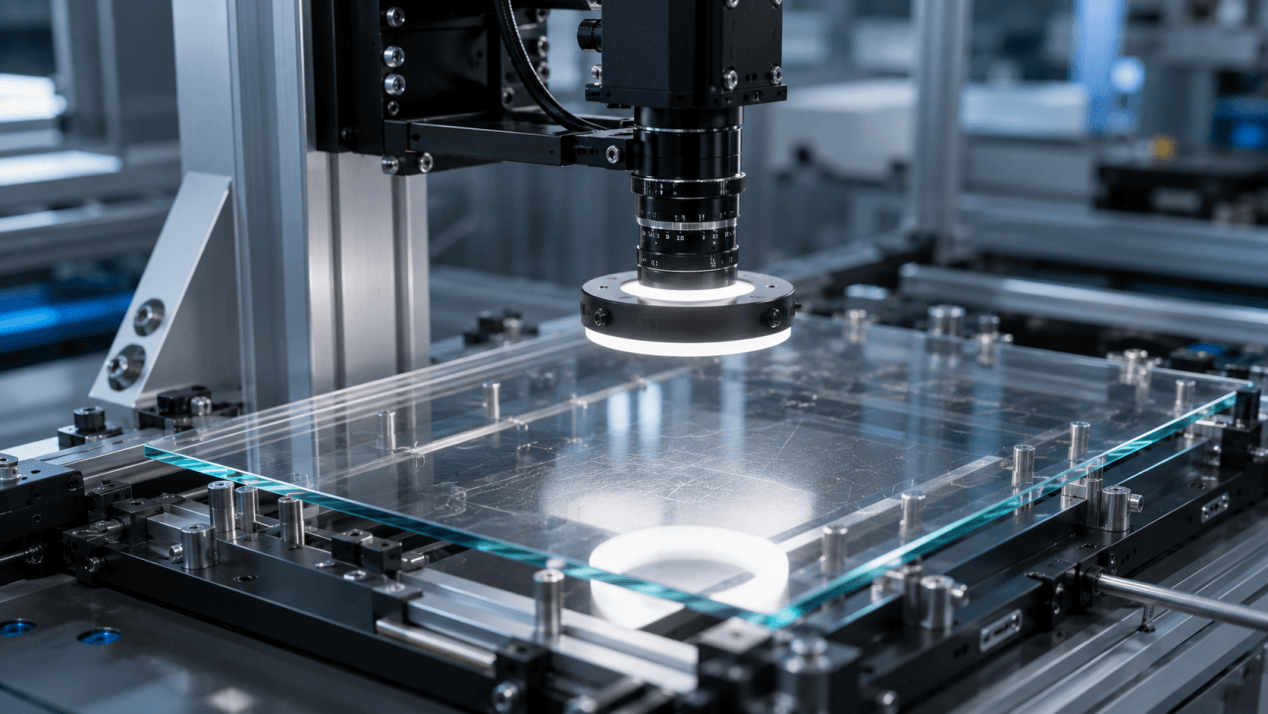
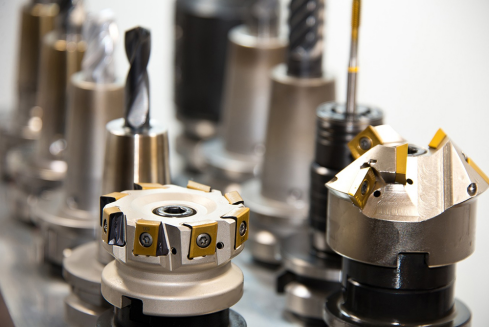

M12 Board Lens and Camera Placement: Maximizing Wide-Angle Coverage in Compact Security Cameras
Why M12 Board Lenses Support Compact Security Camera Design
As security cameras become smaller and more integrated into intelligent systems, lens selection can influence overall surveillance performance. M12 board lenses are commonly adopted in compact camera designs because they combine a compact structure with broad field-of-view options.
Their small form factor may support applications where installation space is limited, including smart home devices, video doorbells, access control systems, and embedded vision platforms.
One characteristic of M12 board lenses is the ability to support wider scene coverage without significantly increasing camera dimensions. This can allow a single camera to monitor more surrounding areas and may contribute to reducing coverage gaps while supporting flexible installation layouts.
However, lens selection is only one factor. Camera placement also influences monitoring performance.
How Camera Placement Influences Surveillance Coverage
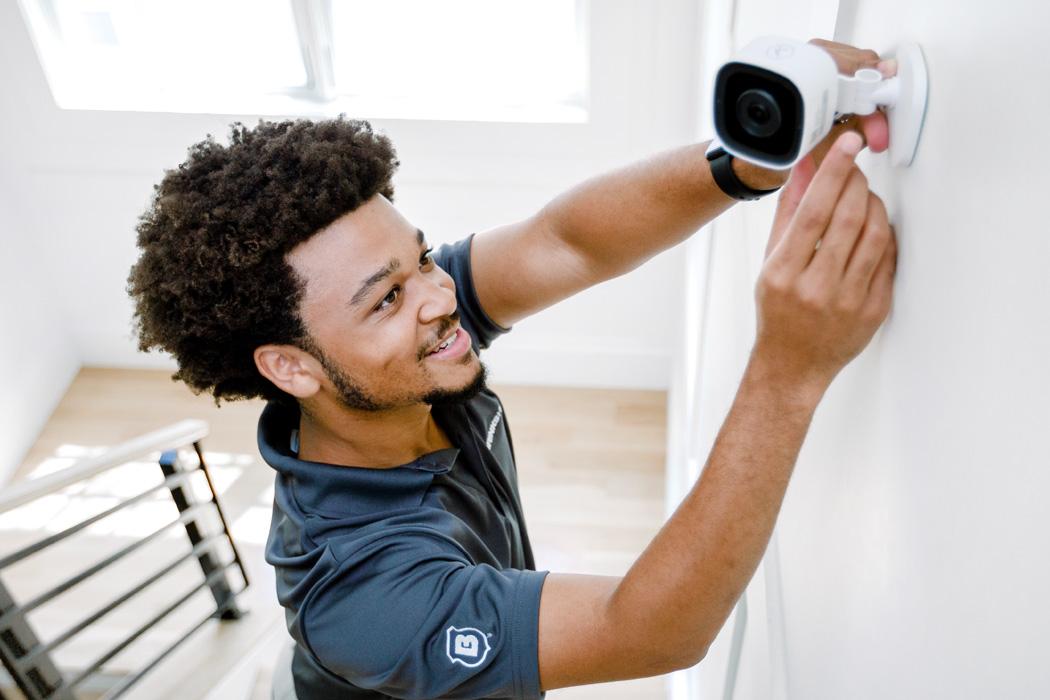
Surveillance performance is influenced not only by image quality but also by camera positioning.
Compact cameras are often installed at entrances, hallways, retail environments, and apartment access points. If installed too high or at an unsuitable angle, important activity may fall outside the intended monitoring area.
Appropriate placement can help make better use of the lens field of view while supporting visibility in target zones.
Factors that may influence coverage include:
- Installation height
- Camera angle
- Monitoring distance
- Environmental layout
Considering these variables together may help improve monitoring effectiveness.
Why Field of View Matters in Compact Surveillance Systems
Field of view determines how much of the surrounding environment appears within the image.
A wider field of view can support larger area coverage and may help reduce uncovered regions within the monitoring space.
Typical scenarios include:
- Front entrance observation
- Apartment access areas
- Indoor room monitoring
- Retail counters
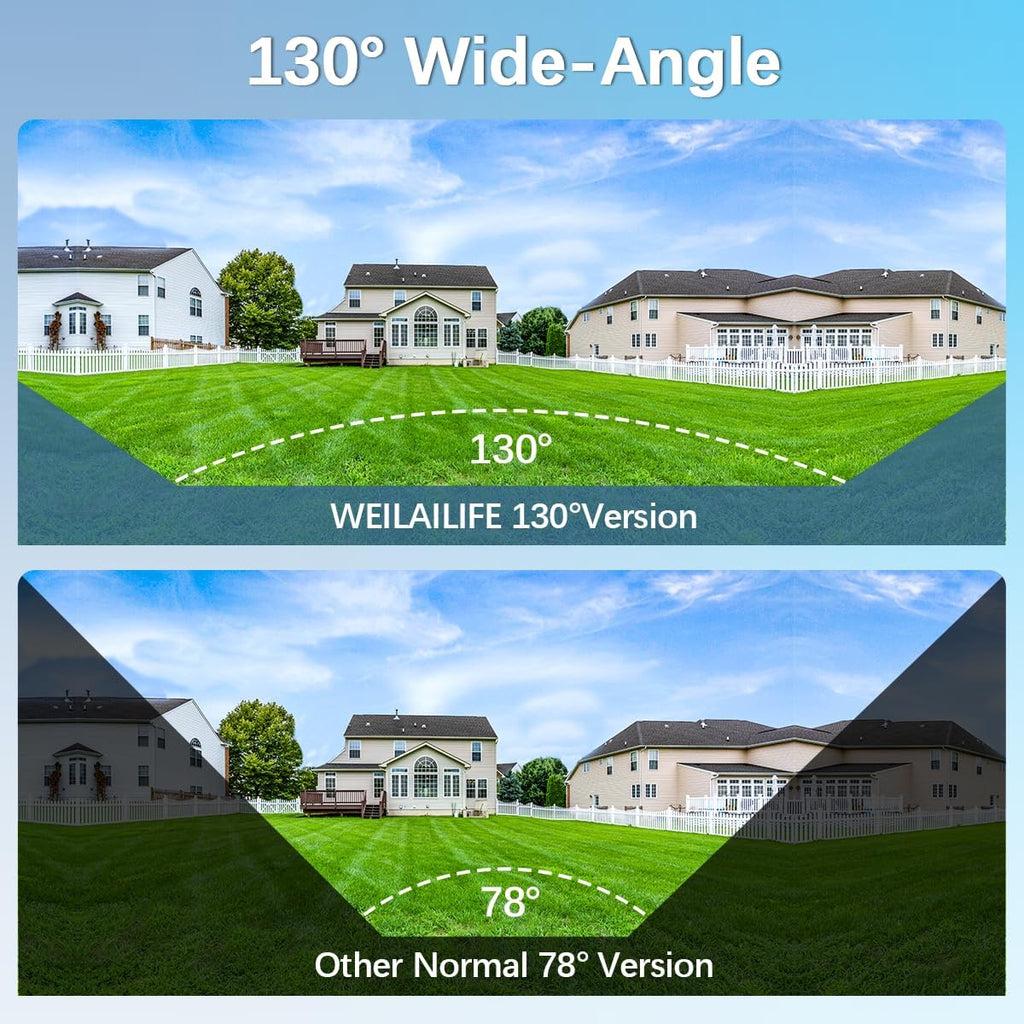
A narrower viewing angle may provide increased target detail but can reduce visible coverage.
The appropriate balance between image detail and monitored area often depends on installation requirements and surveillance objectives.
How M12 Board Lenses Can Support Coverage Efficiency
M12 board lenses are often selected for applications where compact size and flexible coverage are important.
Depending on focal length and installation conditions, a wide-angle configuration may support:
- Monitoring broader areas
- Improving entrance visibility
- Reducing the need for additional camera positions
- Supporting compact system layouts
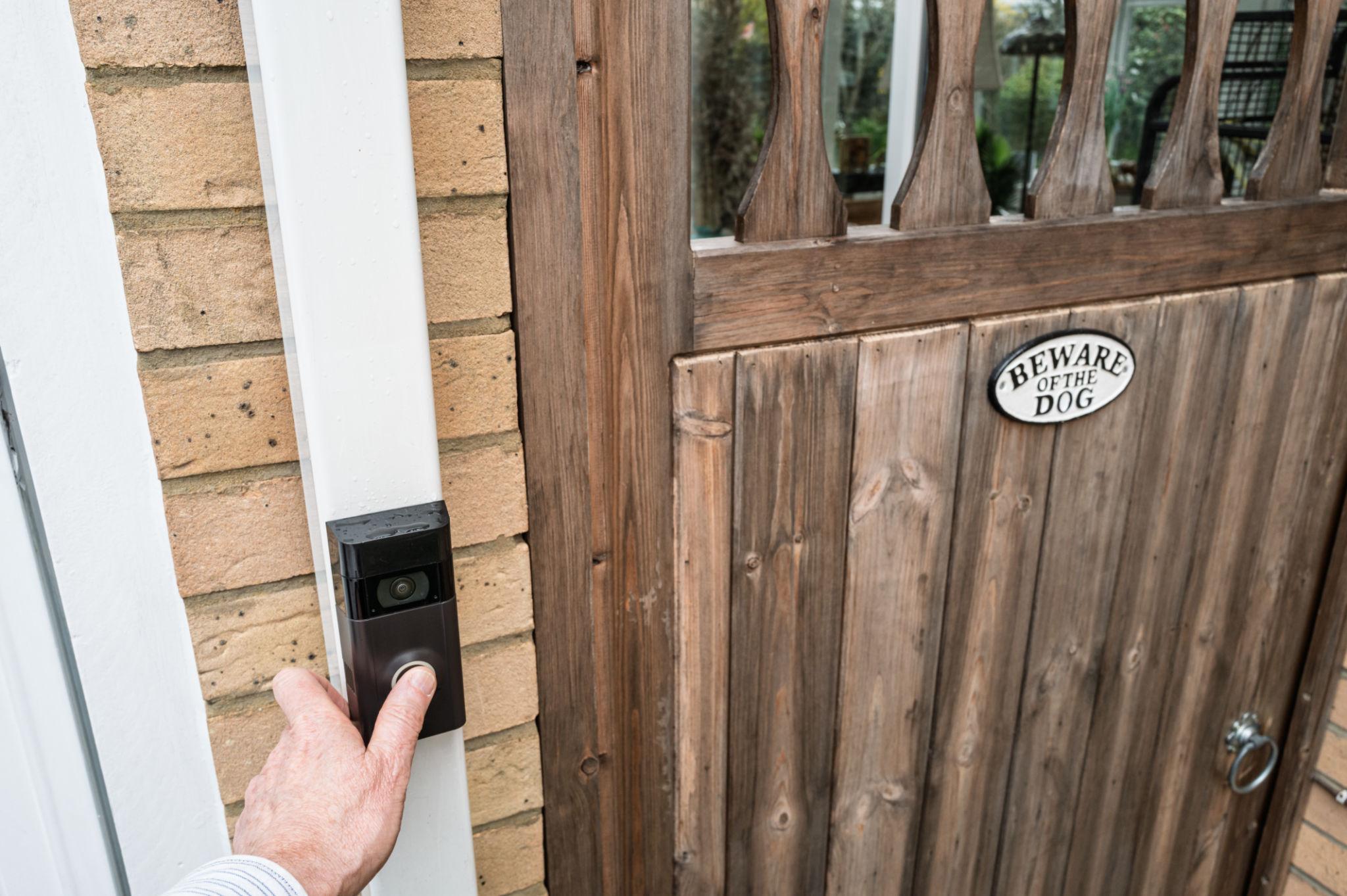
These characteristics can be useful in residential and commercial monitoring environments where installation flexibility is important.
Combining lens selection with suitable camera positioning may contribute to more balanced coverage and monitoring performance.
Common Applications for M12 Board Lenses
M12 board lenses may be applied across various compact imaging systems, including:
- Smart doorbell cameras
- Indoor security cameras
- Access control devices
- AI-enabled monitoring systems
- Embedded vision platforms
Their compact dimensions and configurable viewing characteristics can support imaging requirements where installation space is limited.
Q&A
What is an M12 board lens?
A compact lens format designed for small camera modules.
Why are M12 lenses used in security cameras?
They can support compact designs and flexible coverage.
Does camera placement affect image coverage?
Yes, placement may influence visible monitoring areas.
Can M12 lenses help reduce blind spots?
Field of view configuration may support broader coverage.
Where are M12 board lenses commonly applied?
Doorbell cameras, security systems, and embedded vision devices.