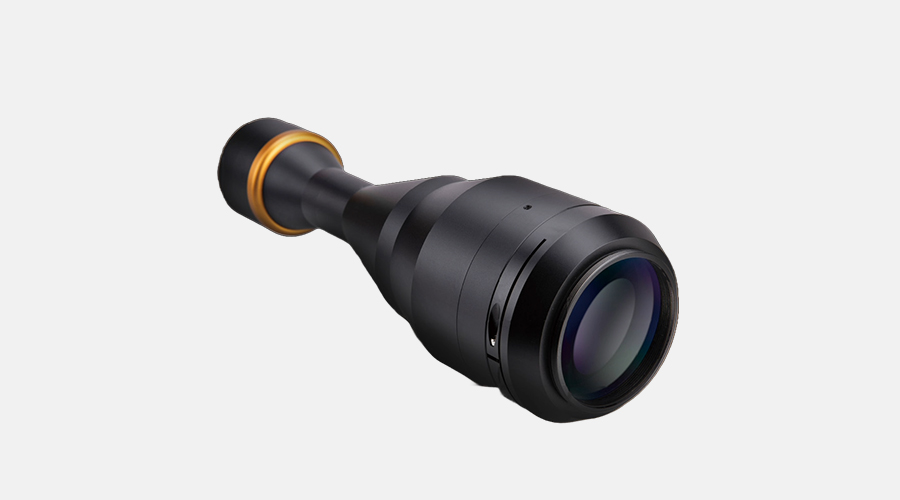
 Compatible with 7.2mm-82mm chips
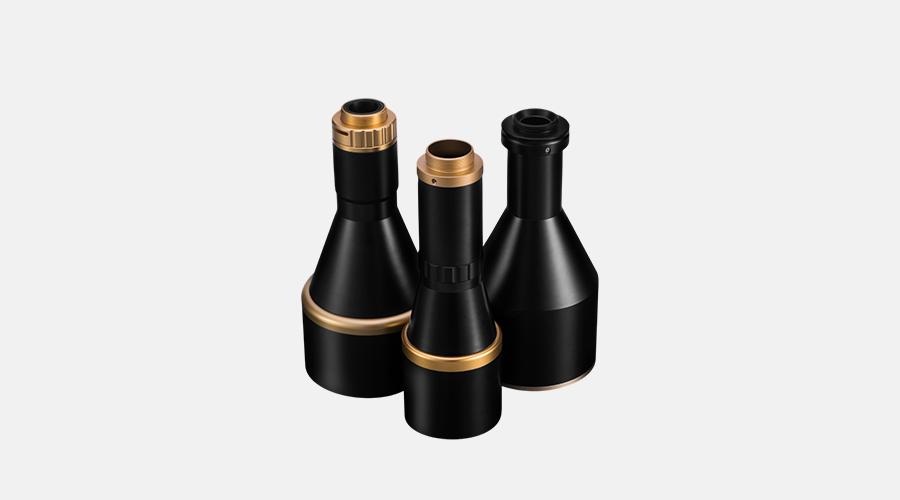 High/Low Working Distance
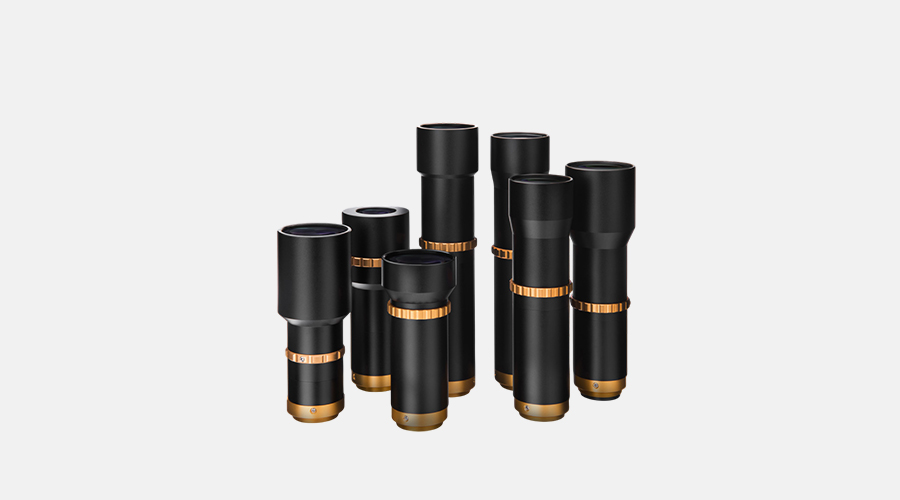 Aperture telecentric lens
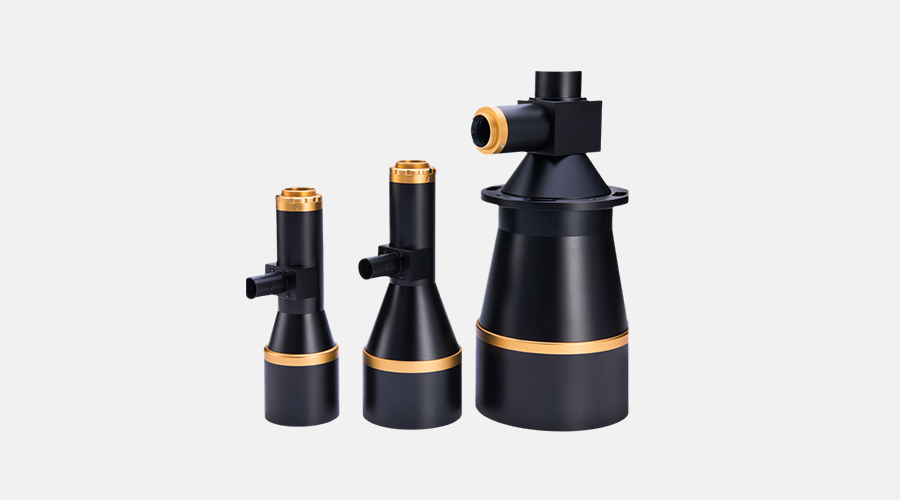 Measuring lens
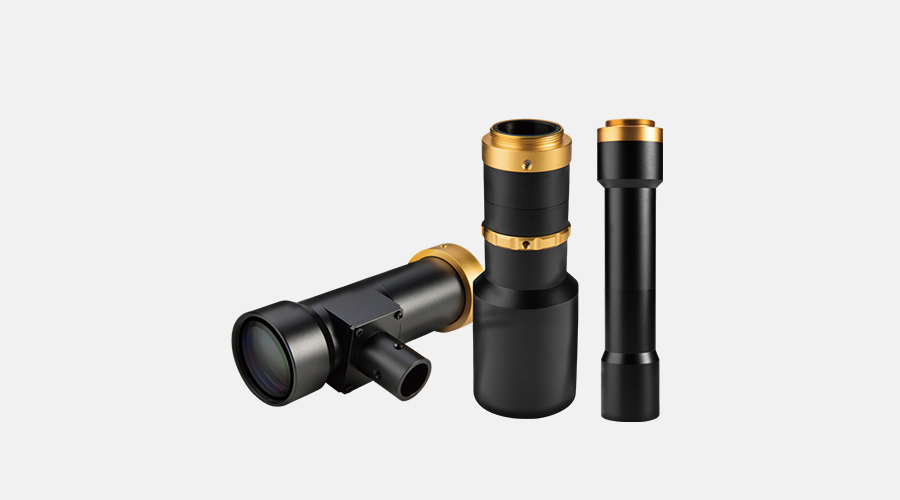 Maximum support 1.1" chips
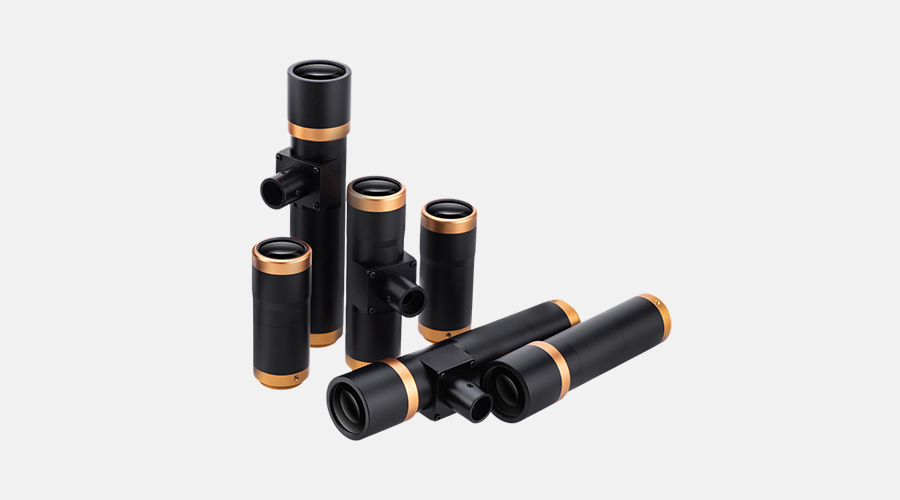 Maximum support 1.2" chips
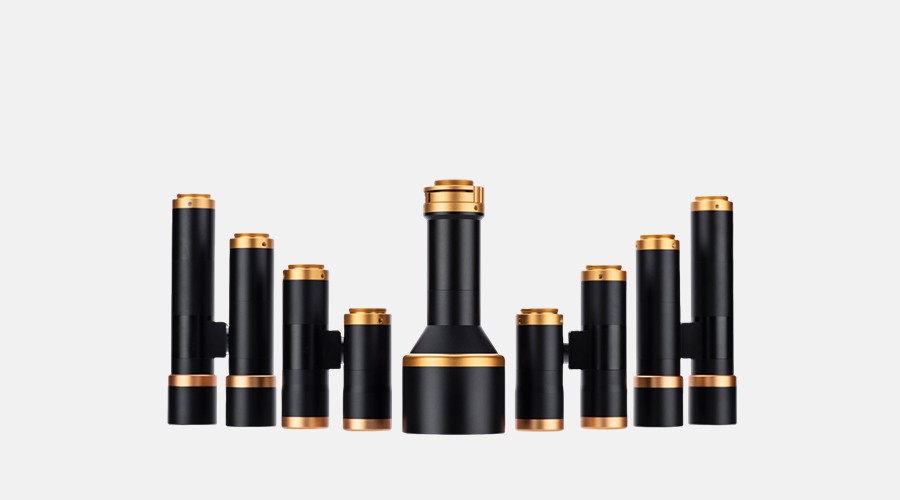 Maximum support 2/3" chips
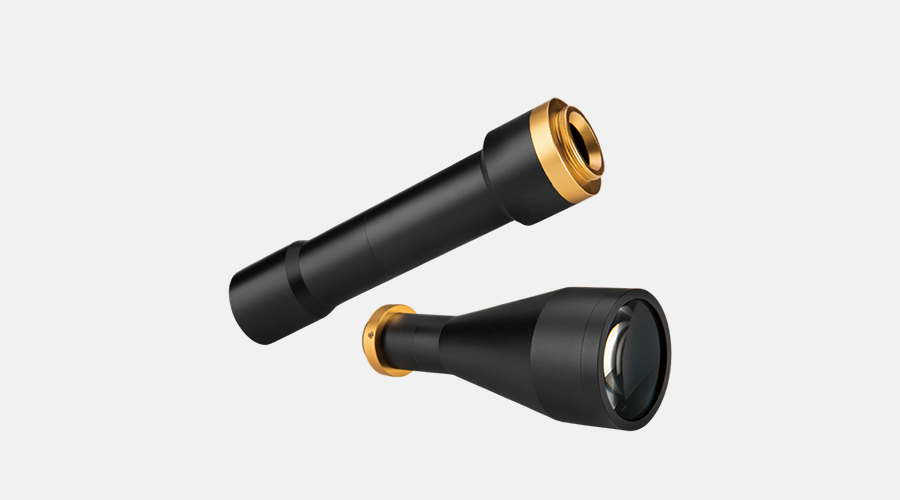 Long Working Distance
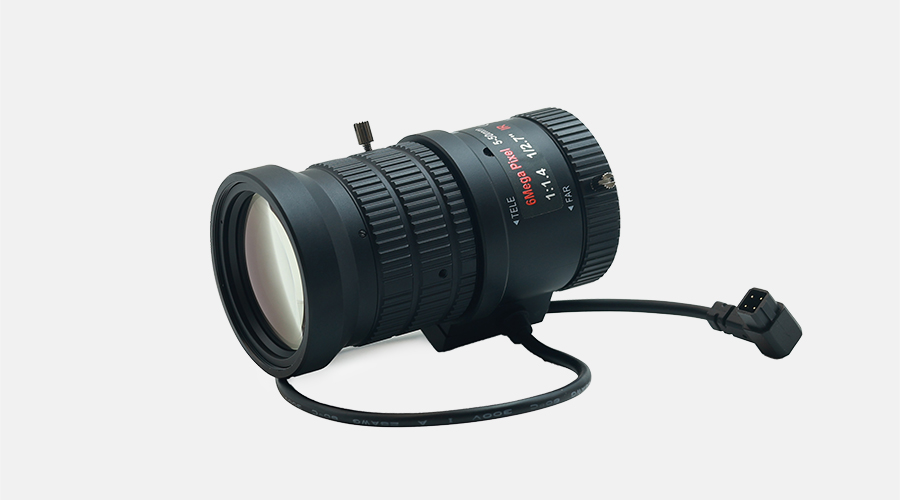 CS mount Varifocal lens
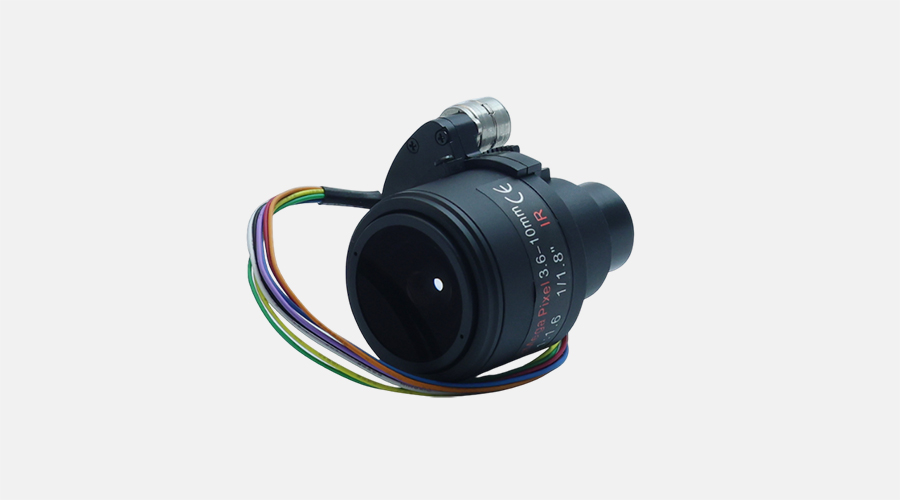 Varifocal board lens
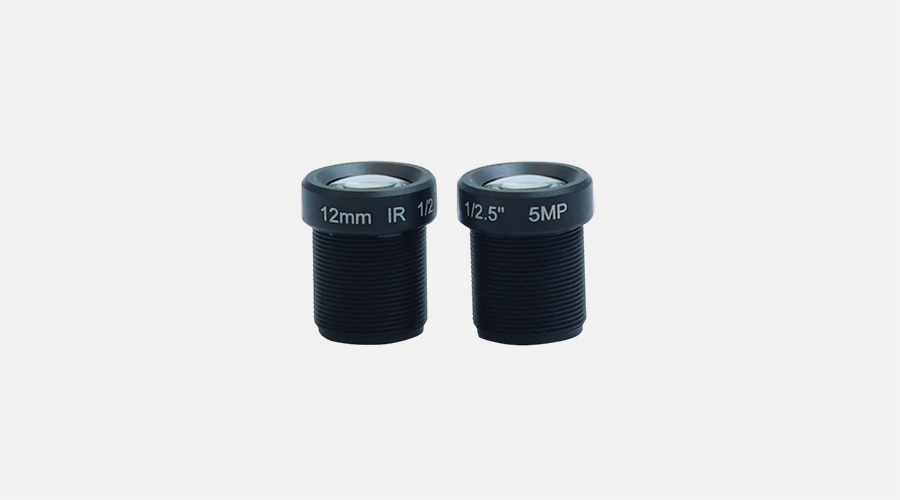 S mount lens
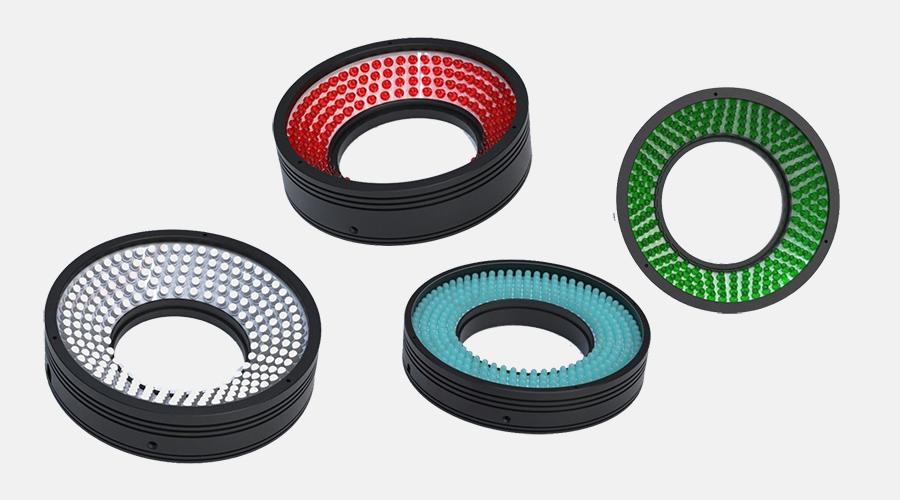 Ring light
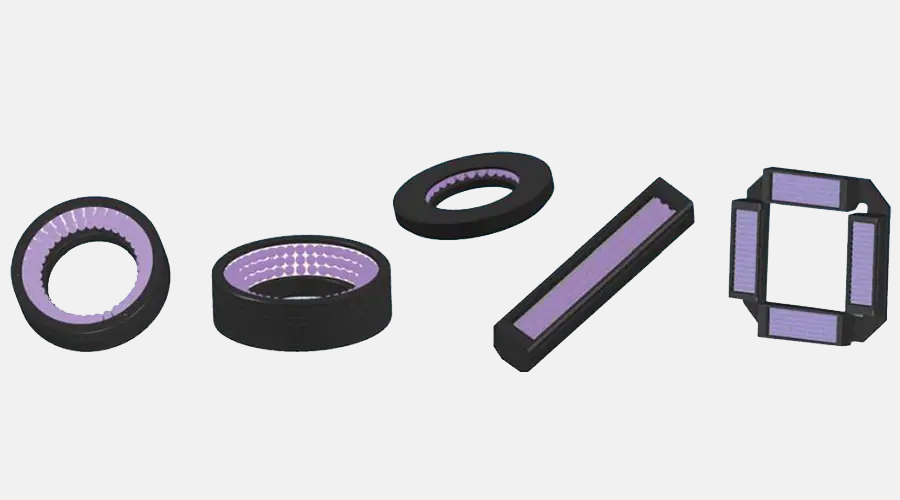 UV/IR Light
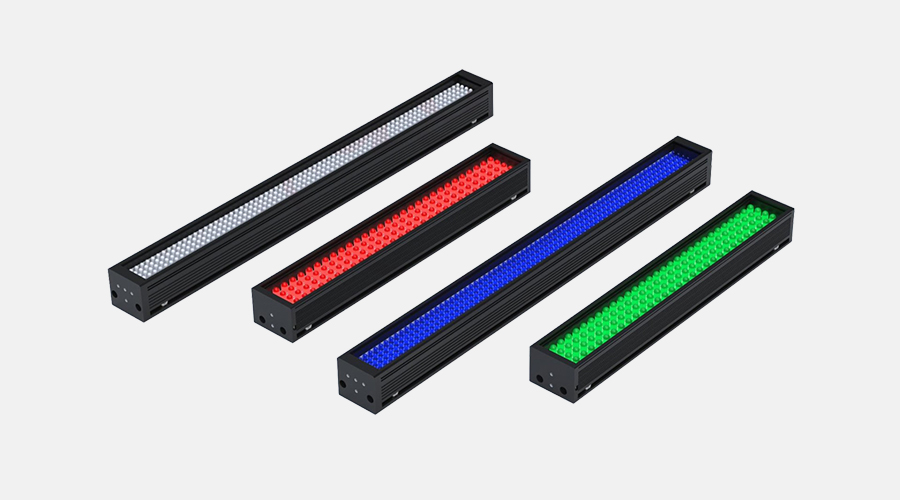 Bar light
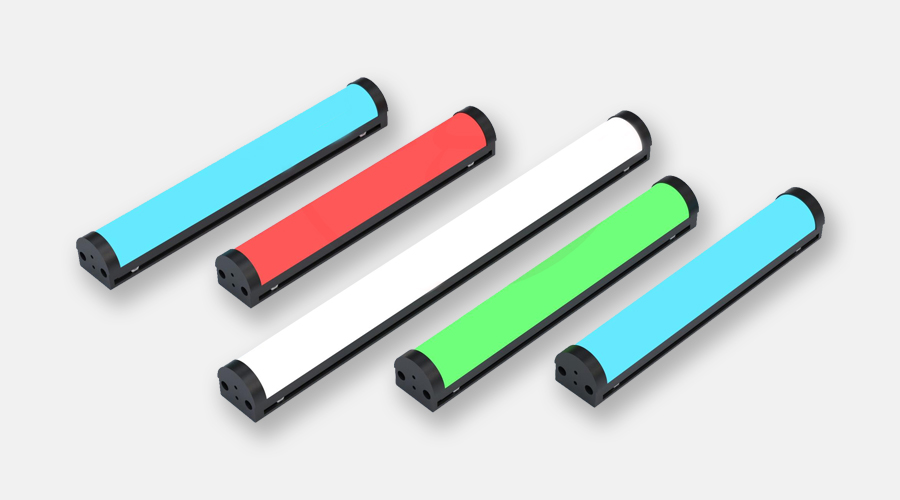 Arcuate high uniformity light
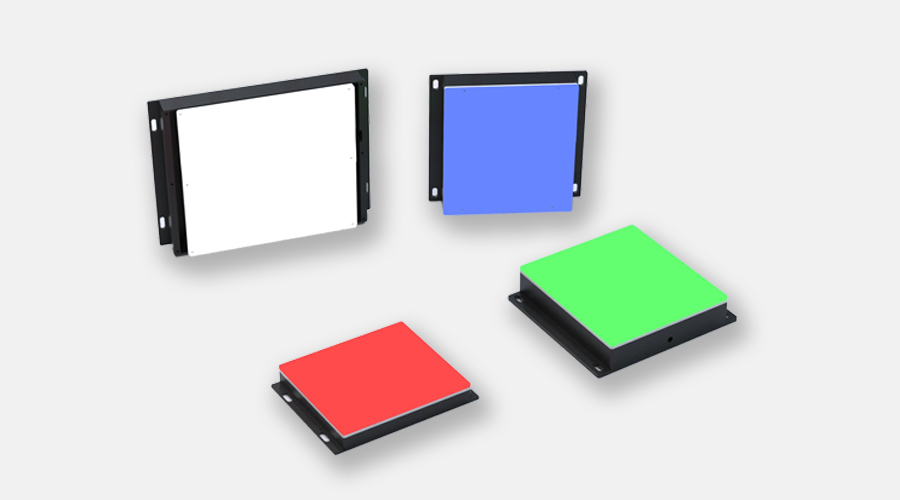 Back light
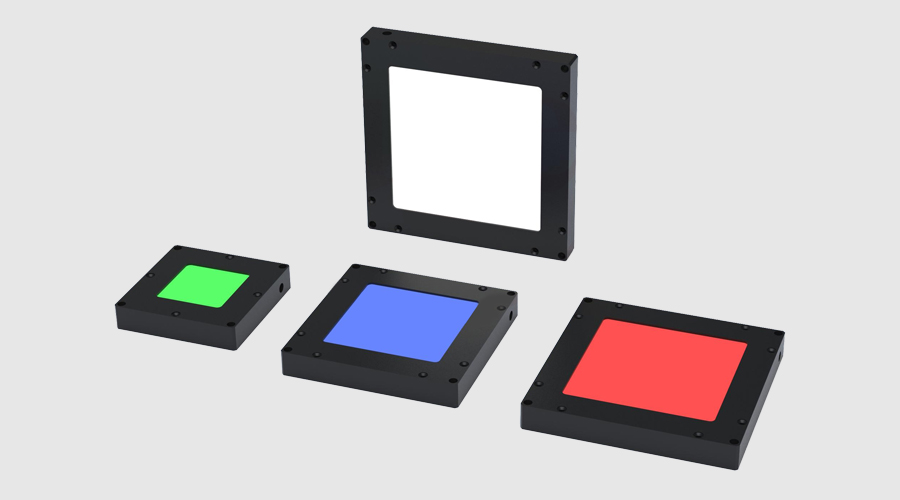 Flat light
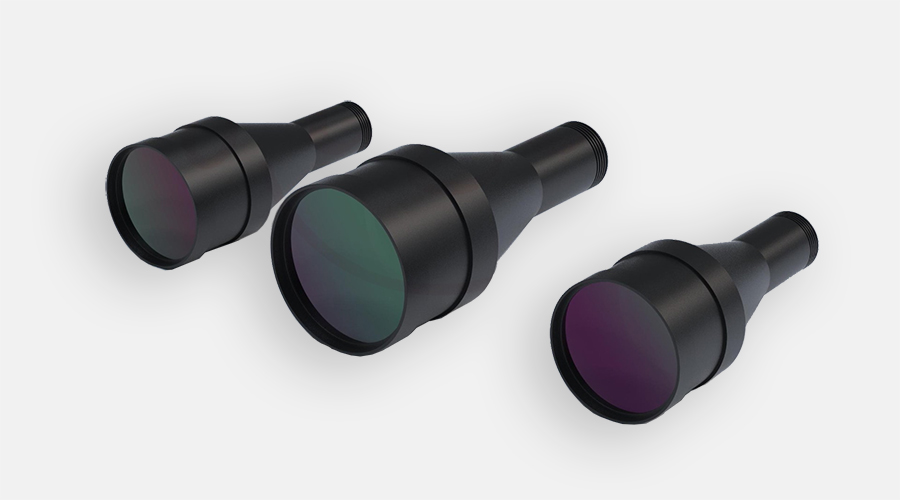 Collimated light
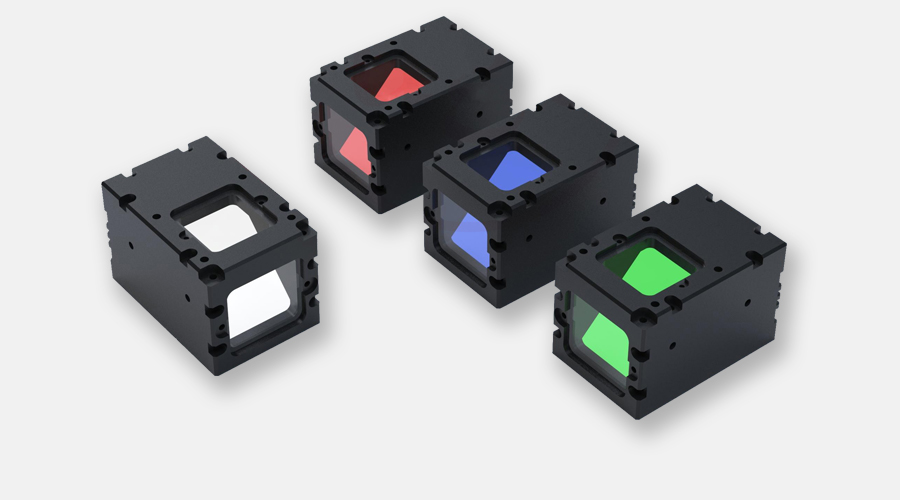 Coaxial light
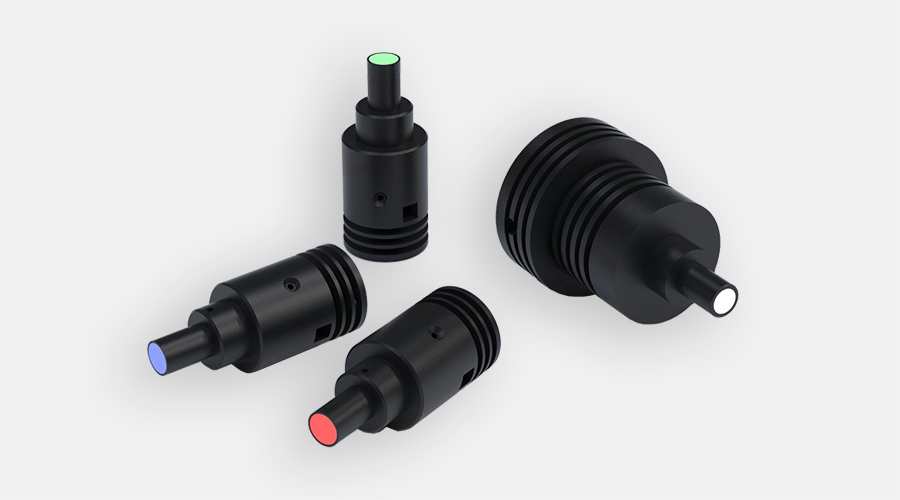 Spot light
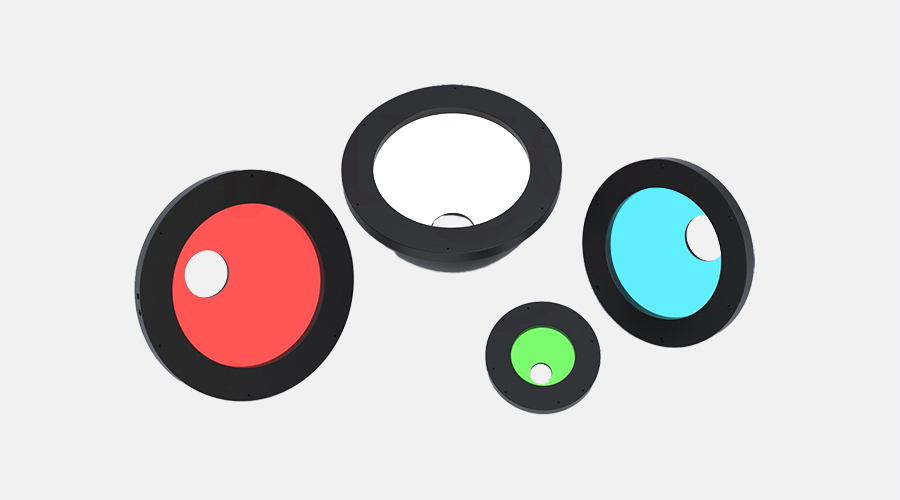 Dome light
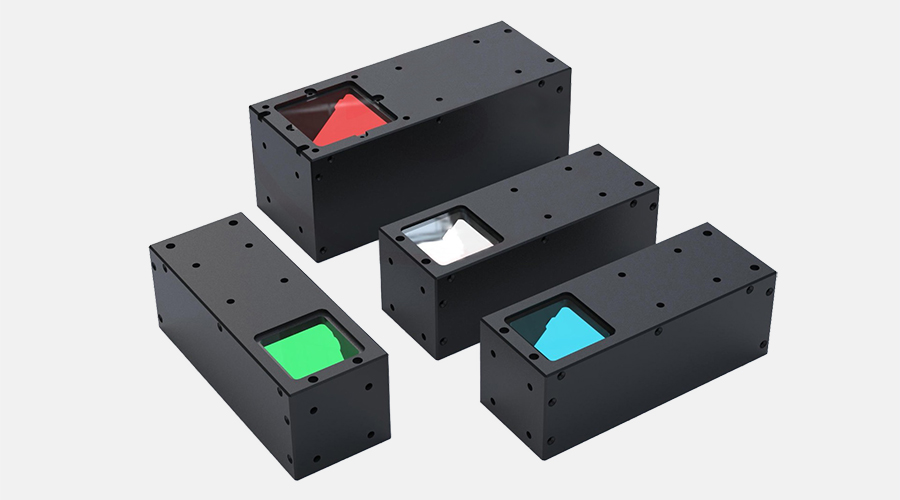 Collimated Coaxial light
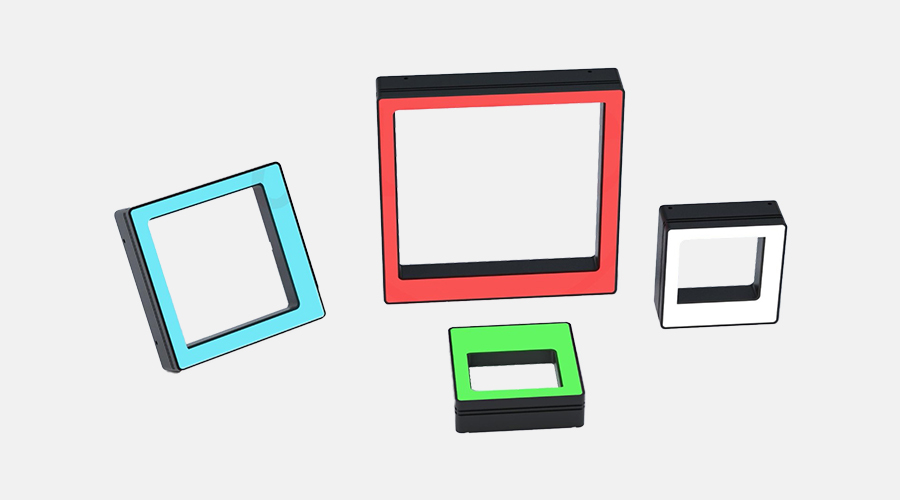 Shadowless square light
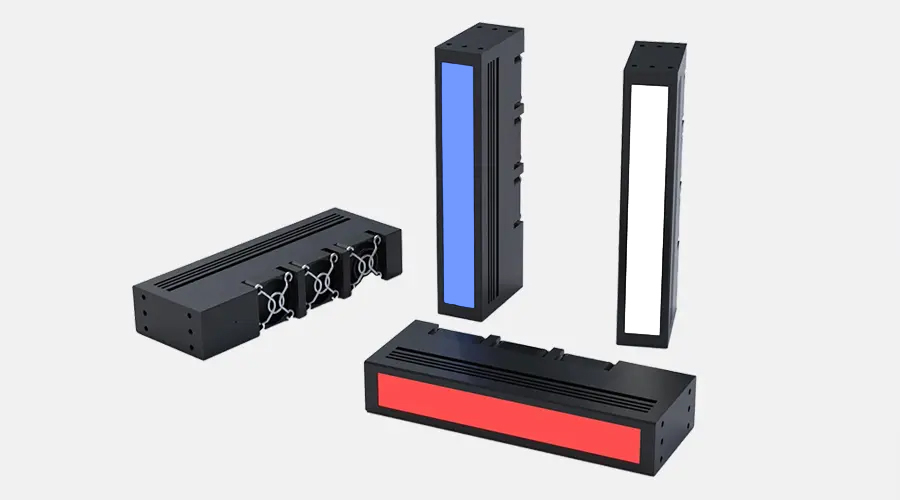 Scan light
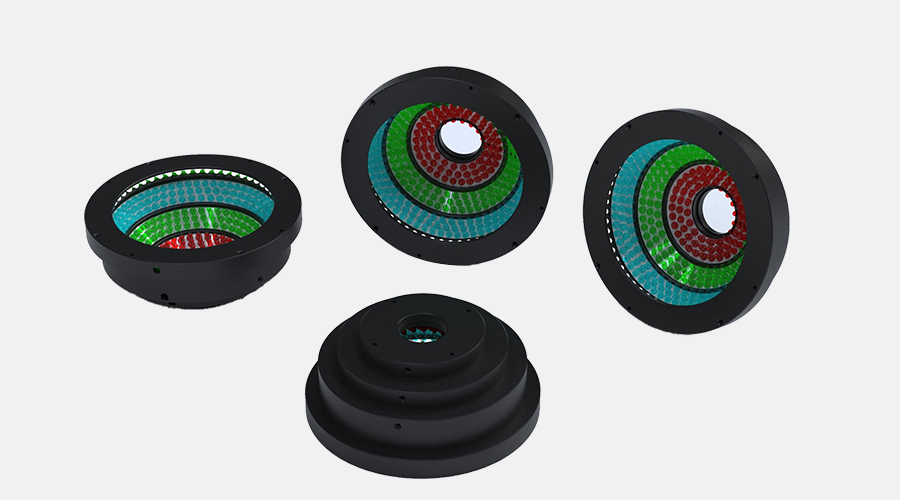 AOI light
 Analog controller
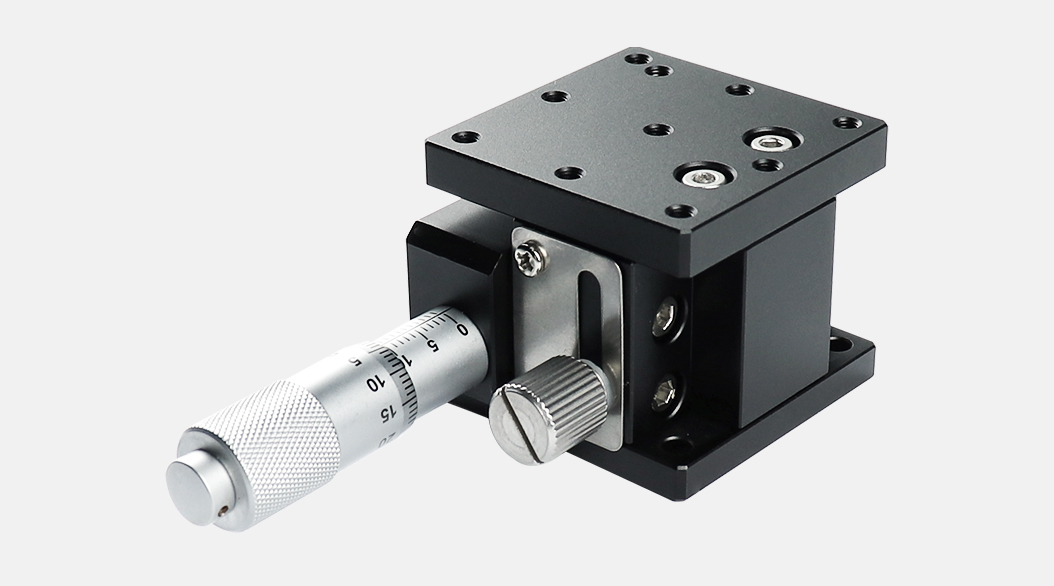 Crossed-Roller Linear guide type
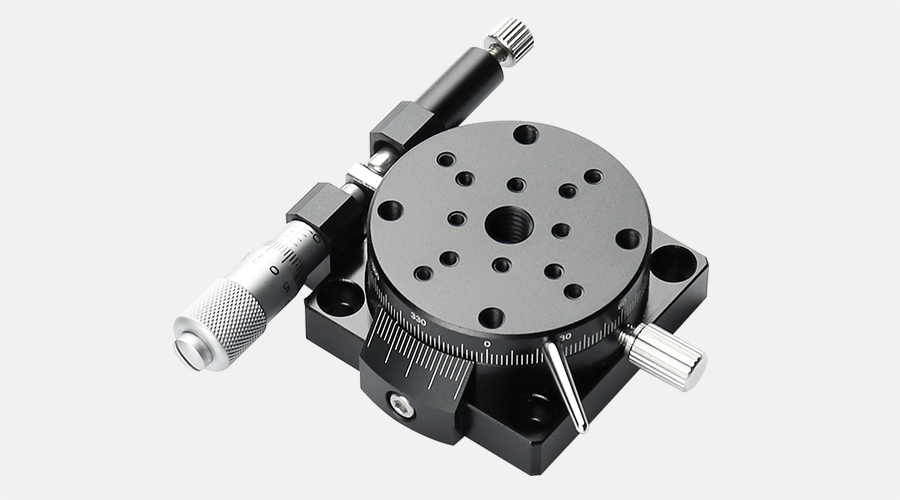 Rotary Stages XRS series
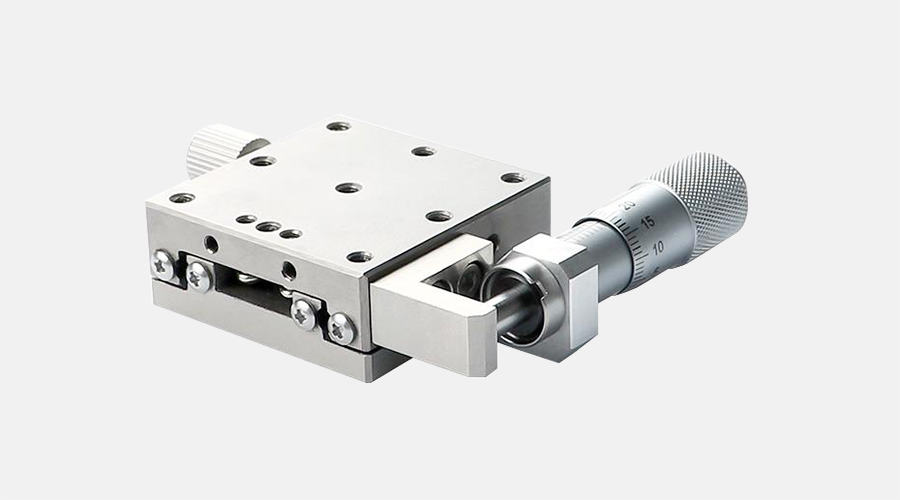 Stainless Steel Ball Bearing Linear Translation Stages
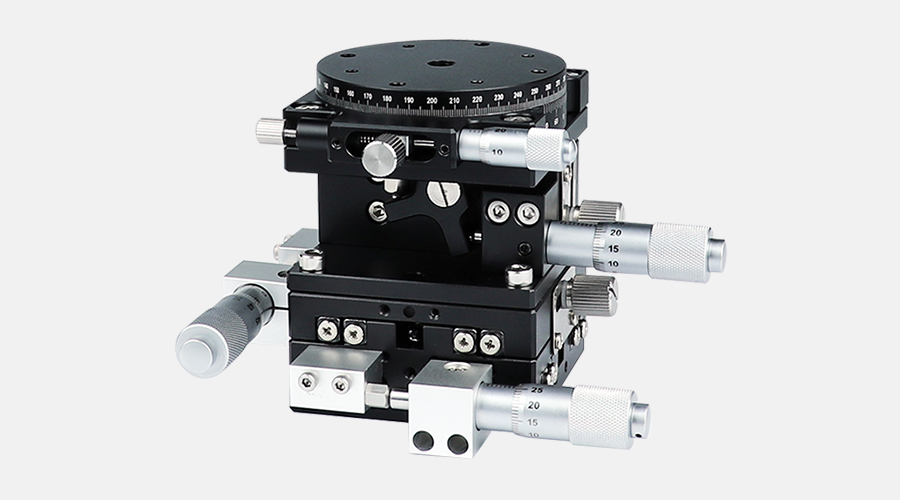 Multi-axis Translation stages
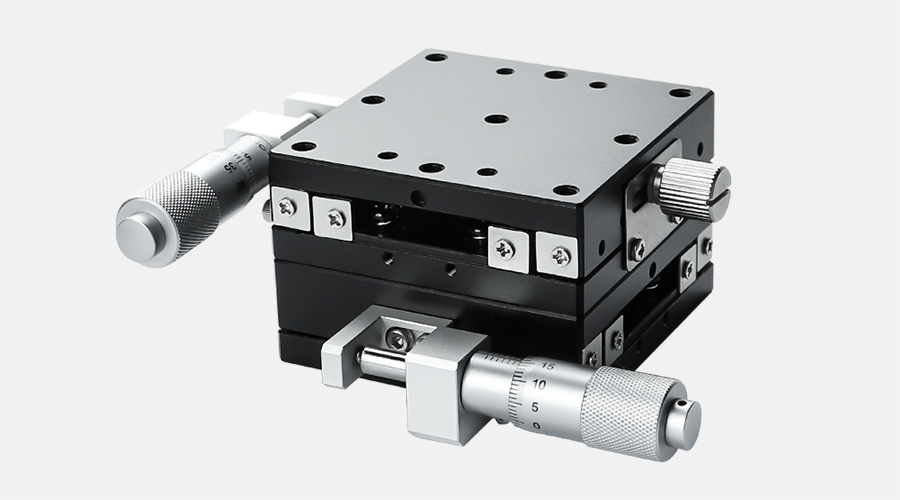 steel bar ball bearing stages
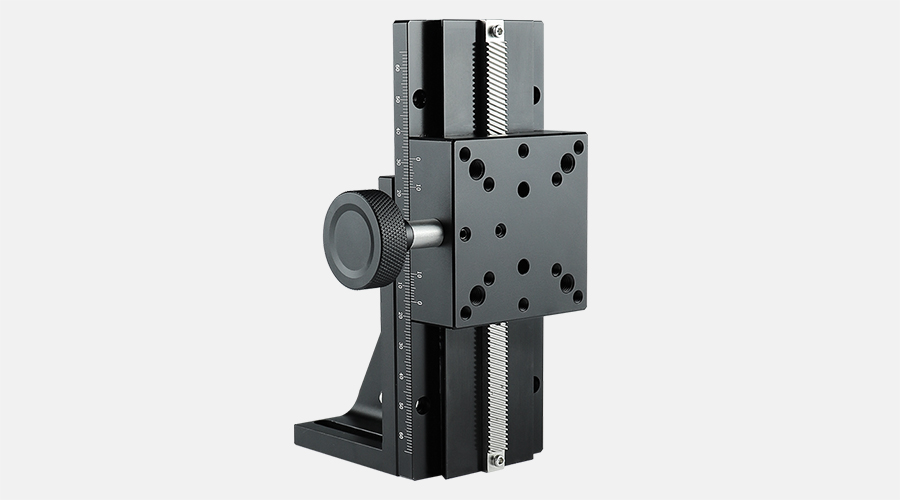 Dovetail Type Rack&Pinion Positioning Stage
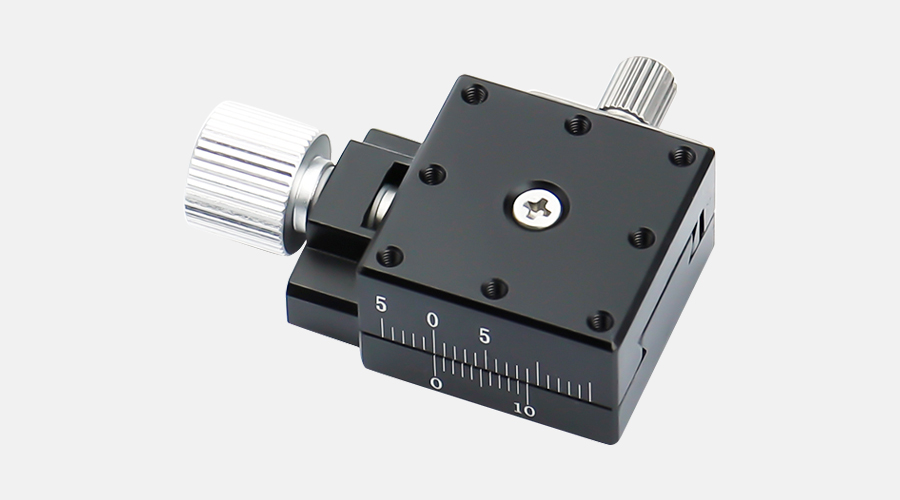 Dovetail groove high-precision screw slide
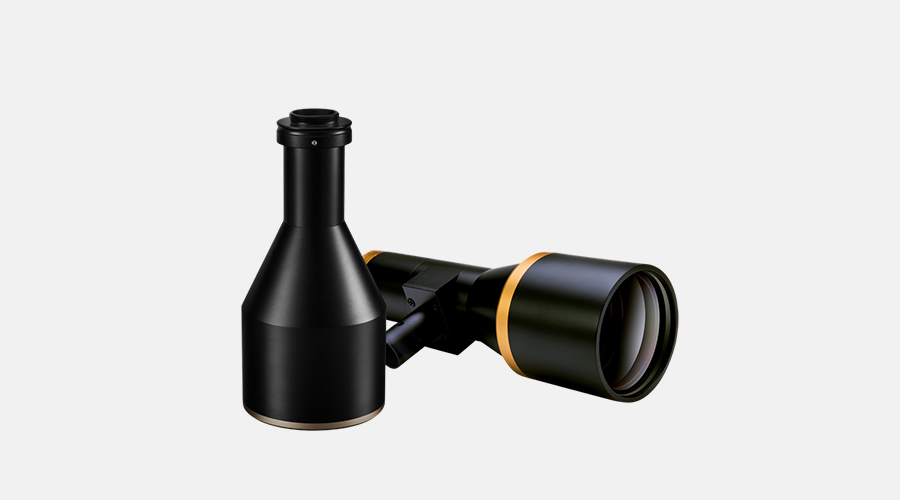




Security Camera Lens: Differences Between CS Mount, Board, and S Mount
In a video surveillance system, the Security Camera Lens is a key component that determines image acquisition quality and monitoring range. Different lens structures correspond to different installation methods, adjustment logics, and application scenarios. The three most common types of lenses on the market today are: CS Mount Varifocal Lens, Varifocal Board Lens, and S Mount Lens.
This article takes the CS Mount Varifocal Lens as the main product, and objectively compares the typical differences among these three types of Security Camera Lens from four dimensions: structure, installation, adjustment method, and application scenarios, helping readers make appropriate choices based on project requirements.
- CS Mount Varifocal Lens: Independent Interface and Flexible Zoom.
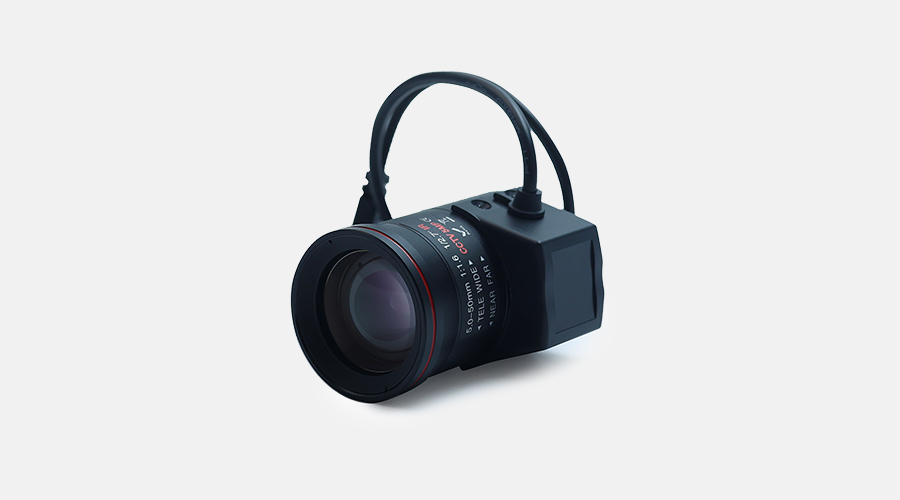
The CS Mount Varifocal Lens adopts the standard CS interface with a flange focal distance of 12.5mm and is connected to the camera body via a 1-inch thread. This structure is widely used in bullet cameras and dome cameras, where the lens and camera body are separable, making it easy to change different focal lengths according to on-site requirements.
- Typical Features
Independent Structure: The lens acts as an independent component, fixed to the body via thread, providing a secure connection.
Zoom Method: The lens body is equipped with a zoom ring and a focus ring. After installation, adjustment can be done directly by hand without the need for additional tools.
Zoom Range: Common specifications include 2.8–12mm, 5–50mm, etc., allowing flexible field of view adjustment based on monitoring distance.
(II) Application Scenario Examples
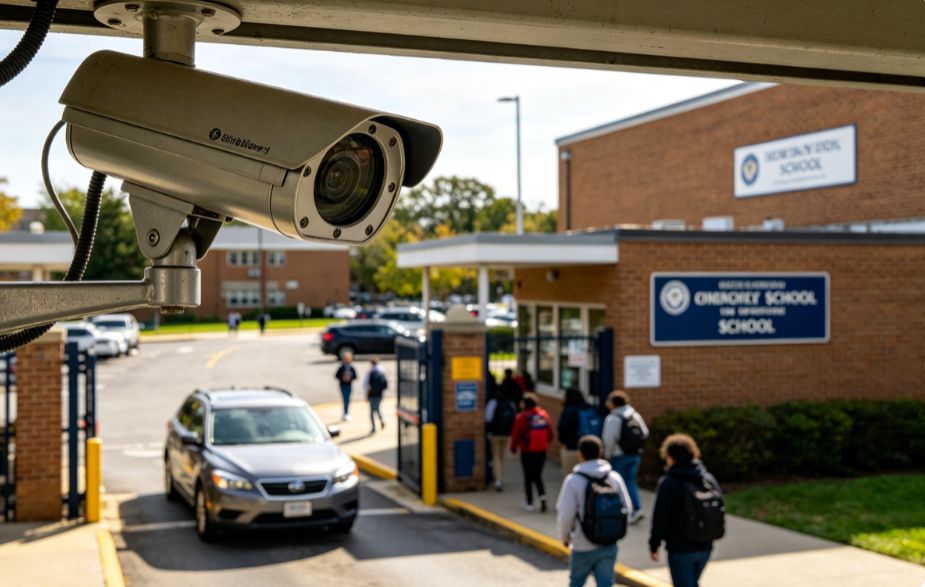
1.Campus perimeters, parking lots, school entrances and exits
2.Locations requiring identification of people or vehicle details at medium to long distances
3.Surveillance projects primarily using bullet or dome cameras
In this type of Security Camera Lens, the CS Mount Varifocal structure shows significant differences from the previous two lens types in terms of lens-body separability and zoom travel length.
- Varifocal Board Lens: Board-Mounted Structure with Compact Zoom
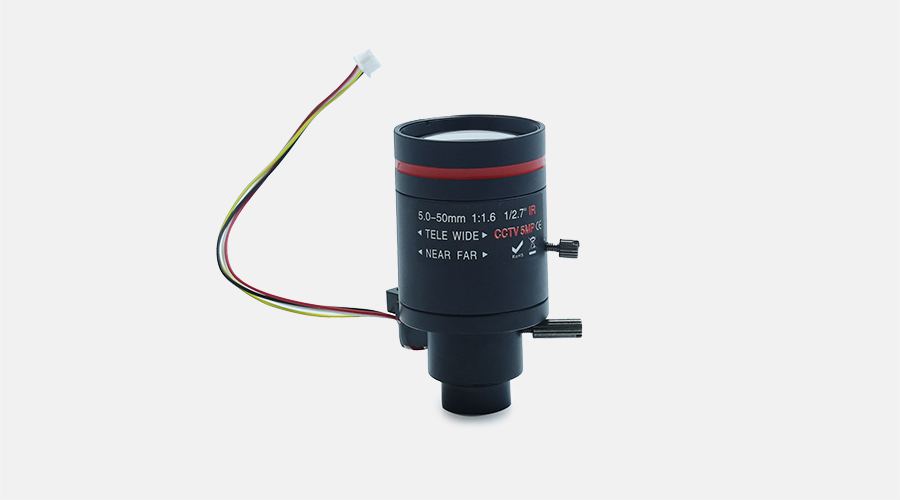
The Varifocal Board Lens is a lens module installed directly onto the camera's main PCB (printed circuit board). It is commonly found in dome cameras, turret cameras, and some mini bullet cameras. Its overall size is significantly smaller than that of CS mount lenses, making it suitable for scenarios with certain requirements for camera appearance and size.
(I) Key Differences from CS Mount
Different Installation Method
CS Mount is fixed via the camera's external interface, whereas the Varifocal Board Lens directly adheres to the image sensor and does not use an external threaded interface.
Different Adjustment Method
Zoom and focus are adjusted using micro screws on the side or rear of the lens, typically requiring a small Phillips screwdriver or special tool for fine adjustment, unlike the CS Mount which uses hand-turned adjustment rings.
Relatively Concentrated Zoom Range
The common zoom range is 2.8–12mm, covering small to medium-sized indoor and outdoor scenarios such as retail stores, offices, and hotel corridors.
- Application Scenario Examples

Retail stores, cash registers, elevator lobbies
Situations requiring zoom capability but with limited camera housing space
Projects with certain requirements for camera discretion or neat appearance
Compared to the CS Mount Varifocal Lens, the Varifocal Board Lens is more compact in terms of size and structural integration, while retaining zoom capability, meeting the needs of another type of installation environment.
- S Mount Lens (M12): Compact Fixed Focal Length Solution
The S Mount Lens, also known as the M12 lens, is characterized by a 12mm thread diameter and is the smallest of the three types of Security Camera Lens. It is widely used in home smart cameras, video doorbells, car cameras, and various embedded monitoring devices.
(I) Core Differences from the Previous Two Lens Types
Different Zoom Capability
Most S Mount Lenses feature a fixed focal length design, with common specifications including 2.1mm, 2.8mm, 3.6mm, 6mm, etc. The focal length is determined before installation, and zooming is not possible afterward. This forms a clear difference from the zoom capability of the CS Mount Varifocal and Varifocal Board Lenses.
Installation and Replacement Method
The lens is screwed into the lens base fixed on the PCB via M12 threads. Replacement is relatively convenient. However, since most are fixed focal length, changing the field of view usually requires physically replacing the lens or readjusting the camera position.
Size Advantage
Among the three lens types, the S Mount structure occupies the smallest space, making it ideal for extremely compact hardware designs.
- Application Scenario Examples
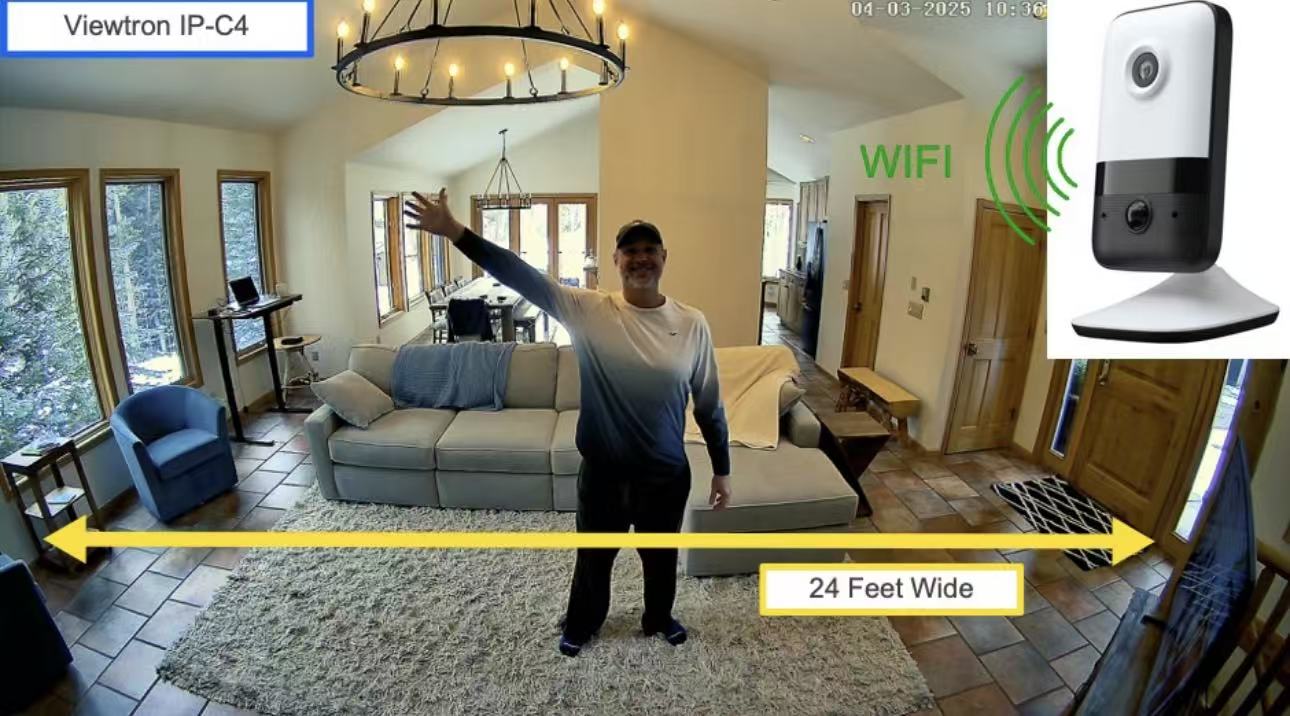
Home indoor cameras, video doorbells
Dashcams, rearview camera systems
Wearable or portable recording devices
The S Mount Lens offers a design choice different from the previous two lens types in terms of fixed focal length, ultra-compact size, and low cost, meeting the needs of consumer-grade and embedded monitoring scenarios.
IV. Quick Overview of Core Differences Among the Three Security Camera Lenses
To illustrate the differences among the three lens types more clearly, a side-by-side comparison is provided below across five dimensions:
|
Comparison Dimension |
CS Mount Varifocal Lens |
Varifocal Board Lens |
S Mount Lens (M12) |
|---|---|---|---|
|
Interface & Structure |
Independent CS interface, thread fixed |
Board-mounted module, attached to PCB |
M12 thread, screws into base |
|
Zoom Capability |
Yes, zoom ring + focus ring |
Yes, micro screw adjustment |
Mostly fixed focal length |
|
Adjustment Method |
Manual adjustment rings, no tools needed |
Micro screws, tools required |
Usually no on-site adjustment needed |
|
Common Size |
Larger |
Medium |
Smallest |
|
Typical Application |
Bullet camera, dome camera, outdoor projects |
Dome camera, turret camera, mini bullet camera |
Home camera, doorbell, car camera |
This comparison shows that the three types of Security Camera Lens are designed for different installation spaces, adjustment habits, and monitoring distance requirements. They are not replacements for one another, but rather parallel technical solutions.
V. How to Choose Based on Project Requirements
When evaluating Security Camera Lens options, three key questions can be considered:
1. Is zoom capability needed?
If the field of view needs to be changed by adjusting the focal length, and flexible adjustment after installation is desired, the CS Mount Varifocal Lens and the Varifocal Board Lens are the two options with zoom capability. The main differences lie in the adjustment method and lens size.
If no focal length change is needed after installation, all three lens types can meet the requirement, with the S Mount offering the most compact solution for fixed focal length scenarios.
2. Installation space and camera type
Bullet or dome camera structures typically pair with the CS Mount Varifocal Lens.
Dome or turret cameras mostly use the Varifocal Board Lens.
Home or ultra-portable devices more commonly use the S Mount Lens.
3. Adjustment convenience and usage environment
For on-site adjustment by hand after installation, the CS Mount Varifocal is representative.
For fine adjustment using tools, the Varifocal Board Lens is a common choice.
For fixed installation where repeated adjustment is not needed, all three types can work, depending on the device space.
VI. Summary
The diversity of Security Camera Lens is essentially a natural technical branch formed to adapt to different monitoring scenarios.
The CS Mount Varifocal Lens, with its independent interface, manual zoom ring, and large zoom range, is a common solution in bullet and dome camera systems.
The Varifocal Board Lens retains zoom capability within a compact structure and is widely used in dome and turret cameras.
The S Mount Lens serves consumer-grade and embedded monitoring devices with its fixed focal length and ultra-compact size.
Understanding the differences among these three types of Security Camera Lens is not about determining which is better or worse, but about accurately matching the requirements of installation space, adjustment method, and monitoring distance in specific projects. Each type of lens plays its role in its corresponding application environment, jointly forming a complete monitoring lens product system.