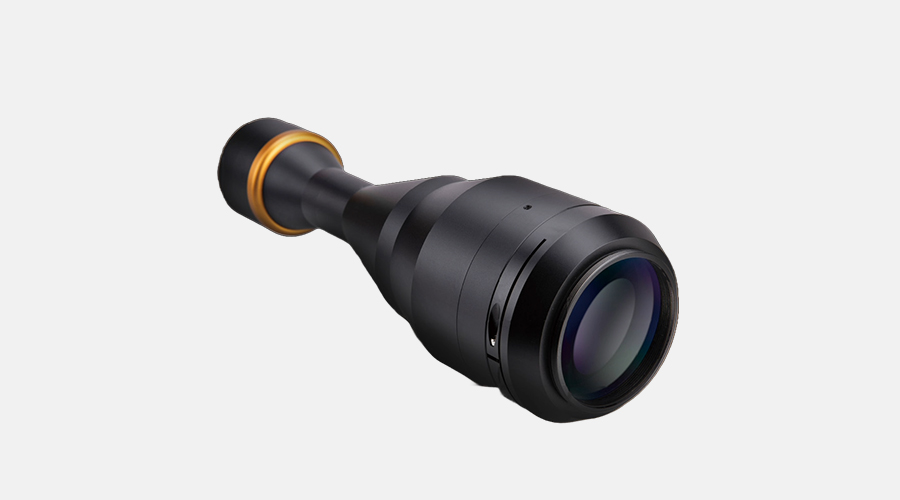
 Compatible with 7.2mm-82mm chips
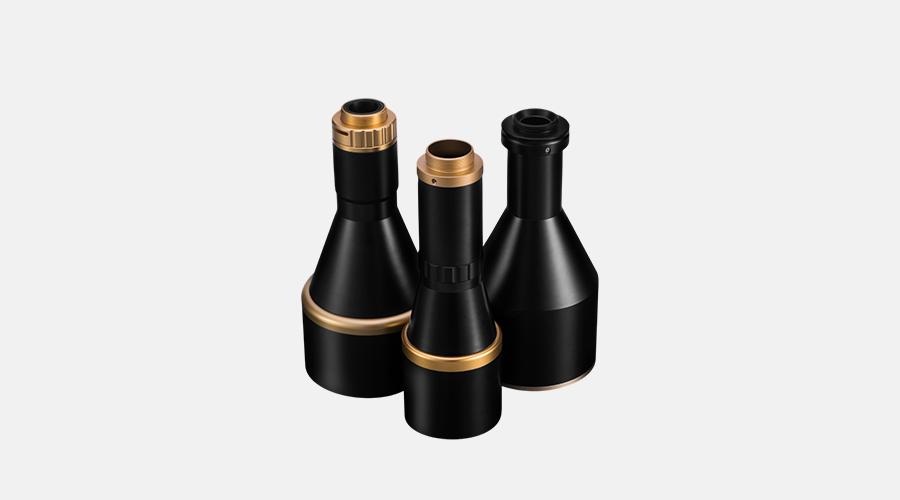 High/Low Working Distance
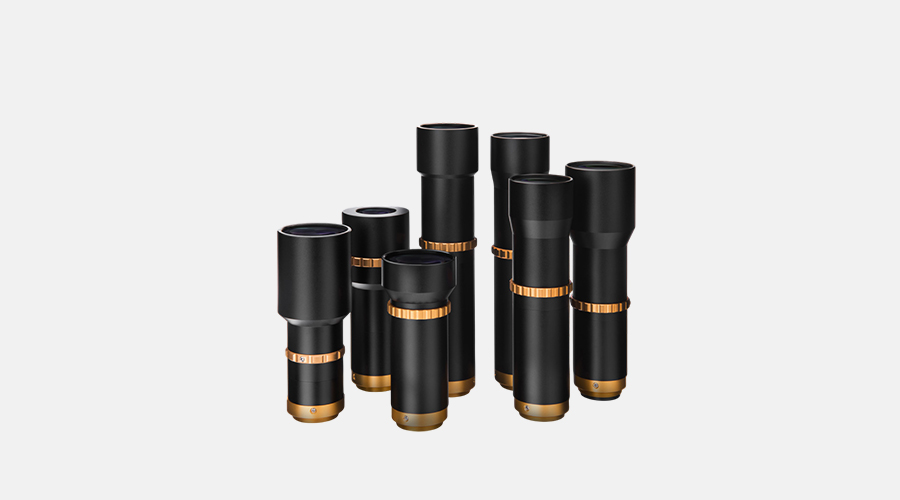 Aperture telecentric lens
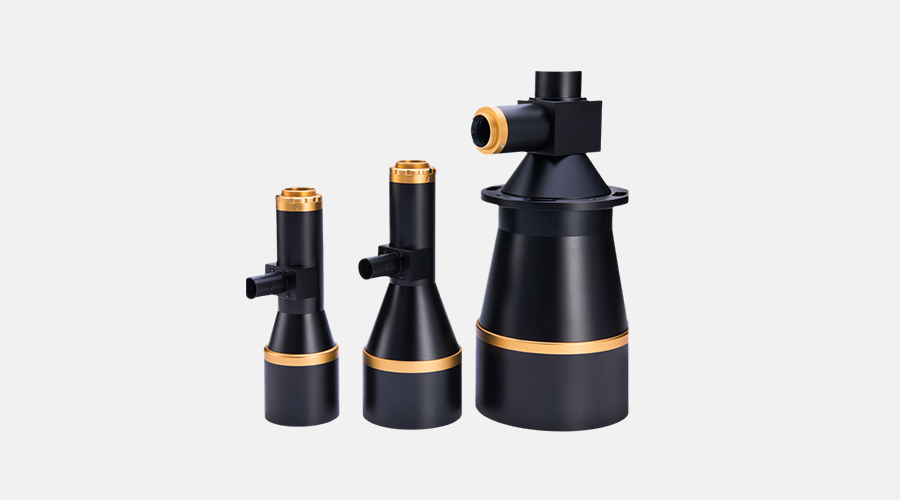 Measuring lens
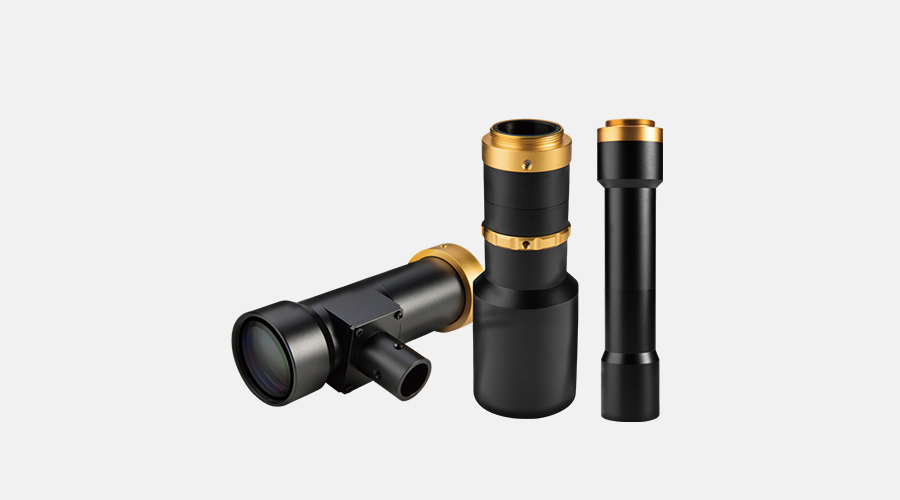 Maximum support 1.1" chips
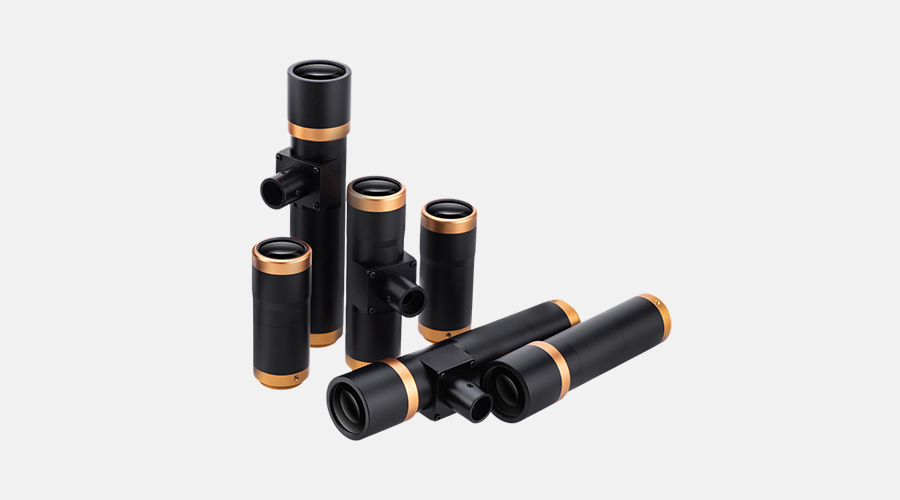 Maximum support 1.2" chips
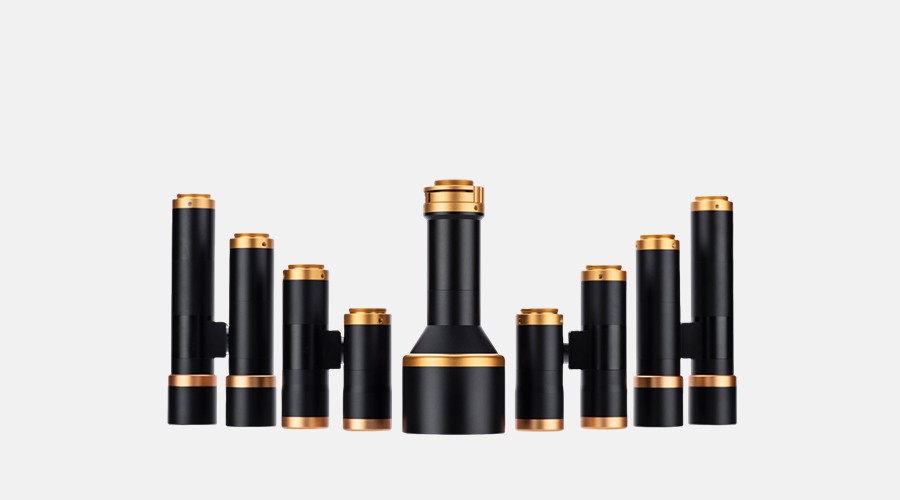 Maximum support 2/3" chips
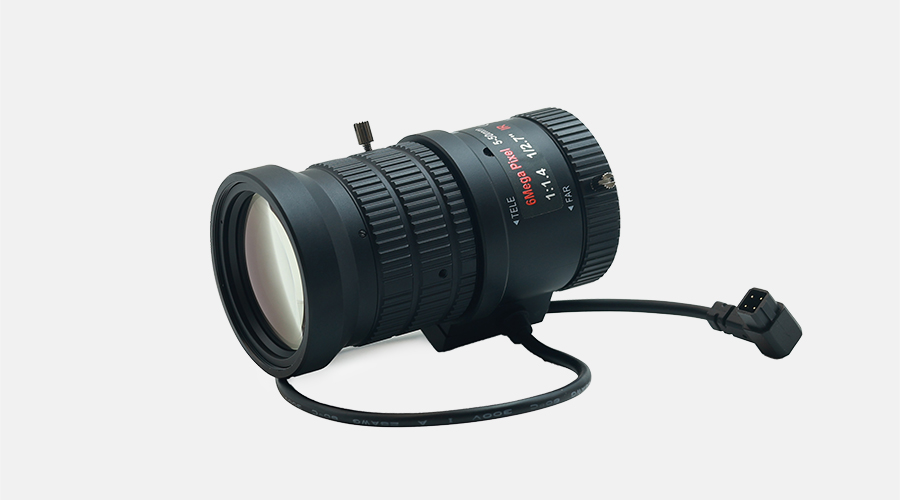 CS mount Varifocal lens
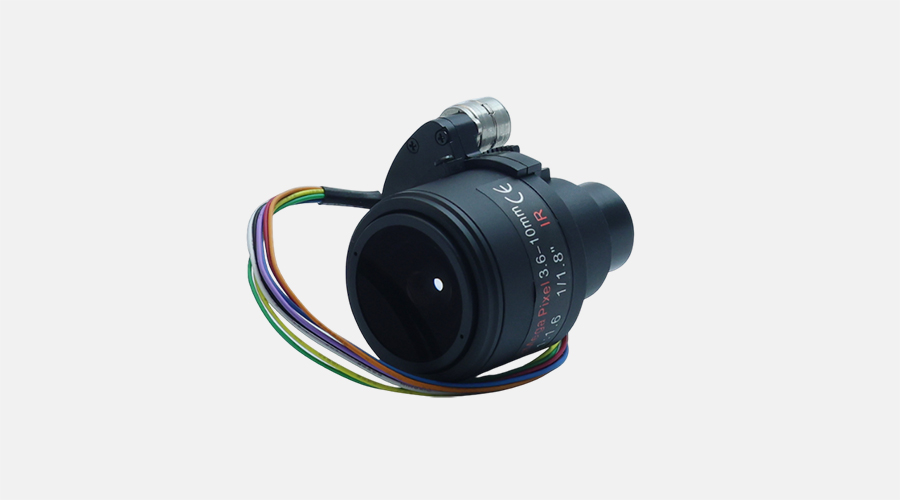 Varifocal board lens
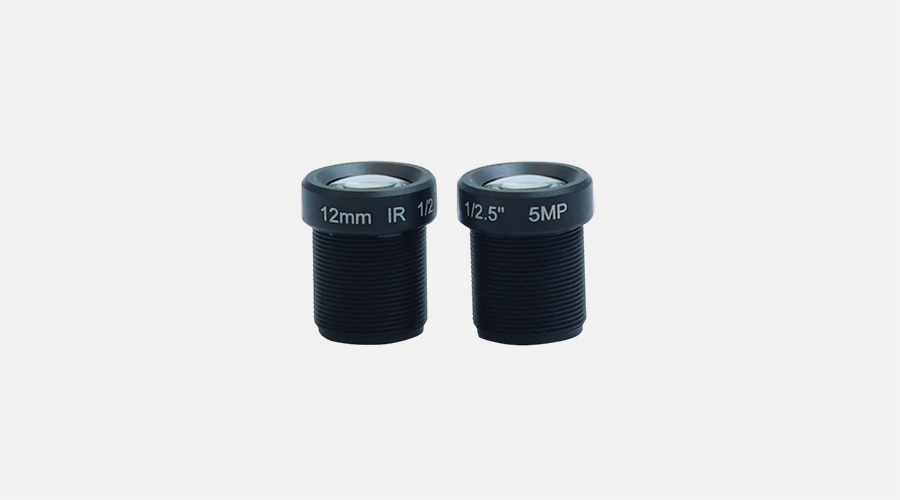 S mount lens
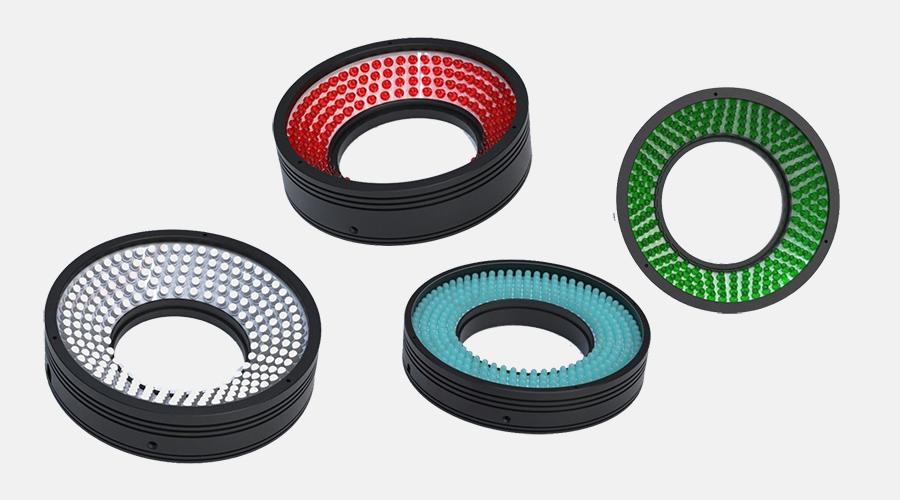 Ring light
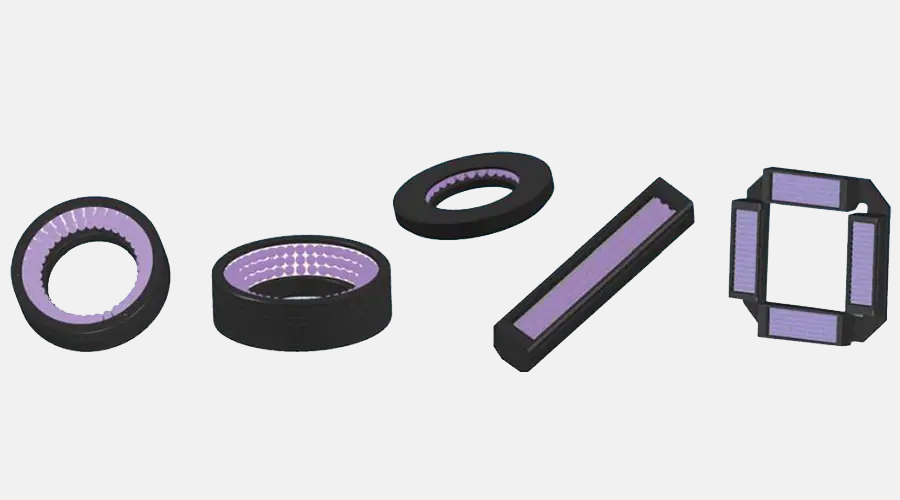 UV/IR Light
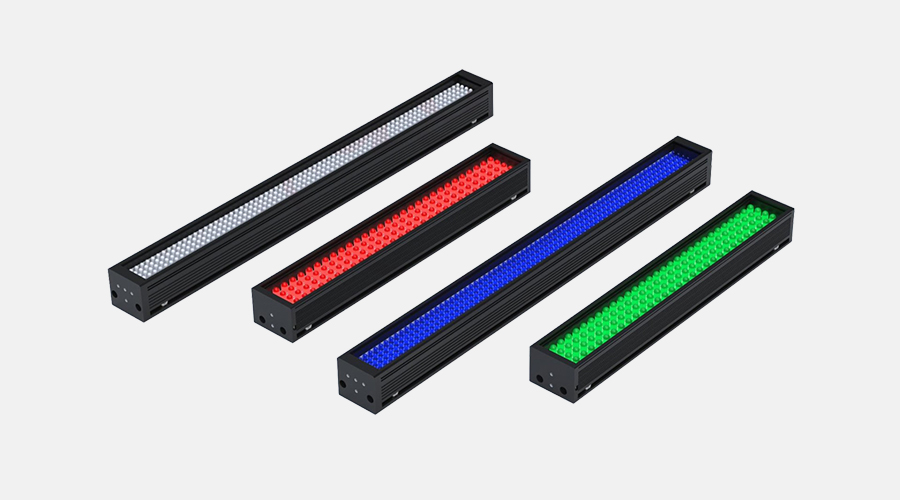 Bar light
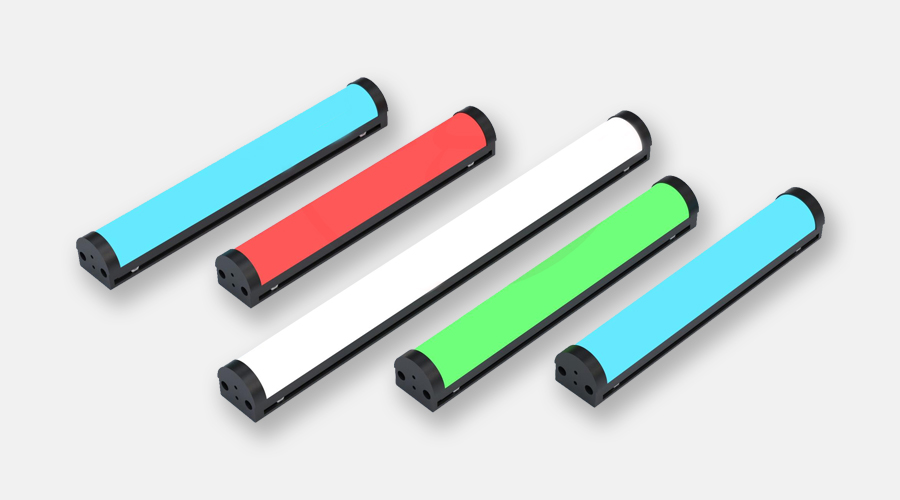 Arcuate high uniformity light
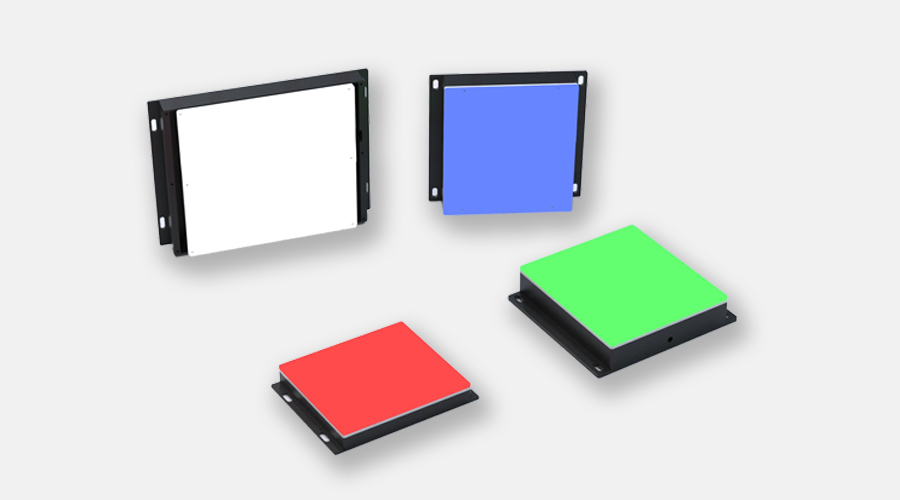 Back light
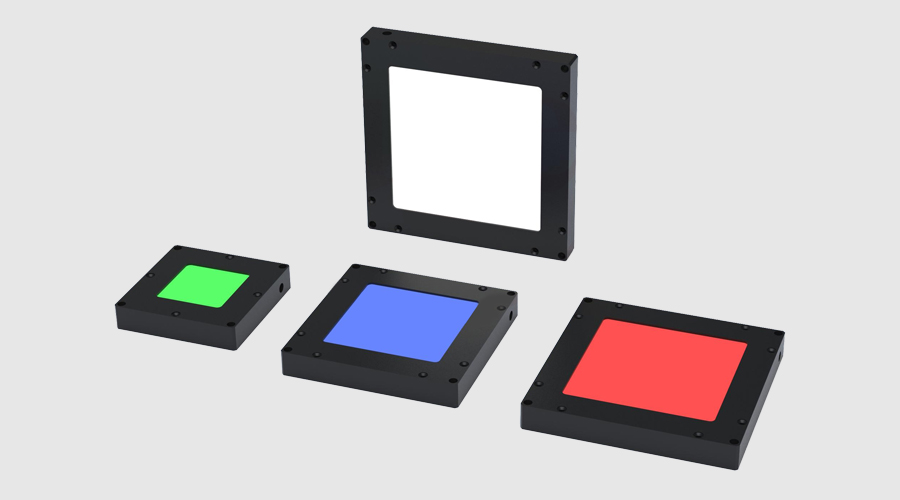 Flat light
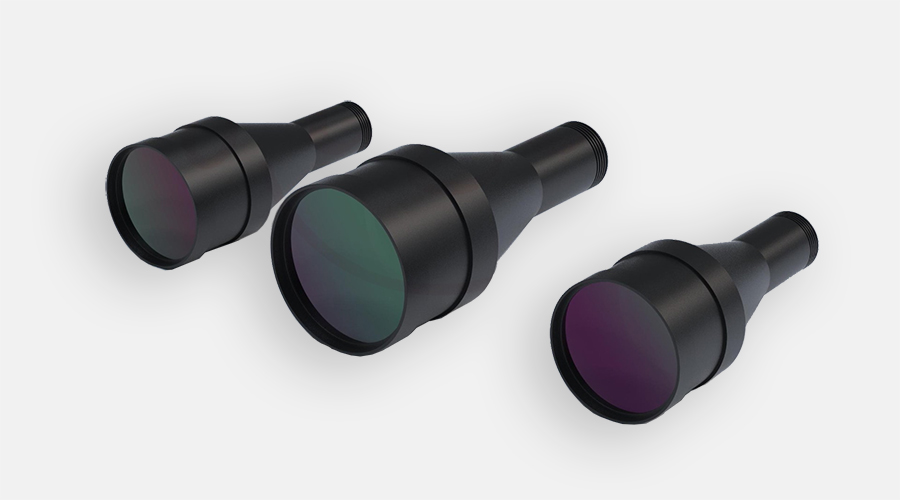 Collimated light
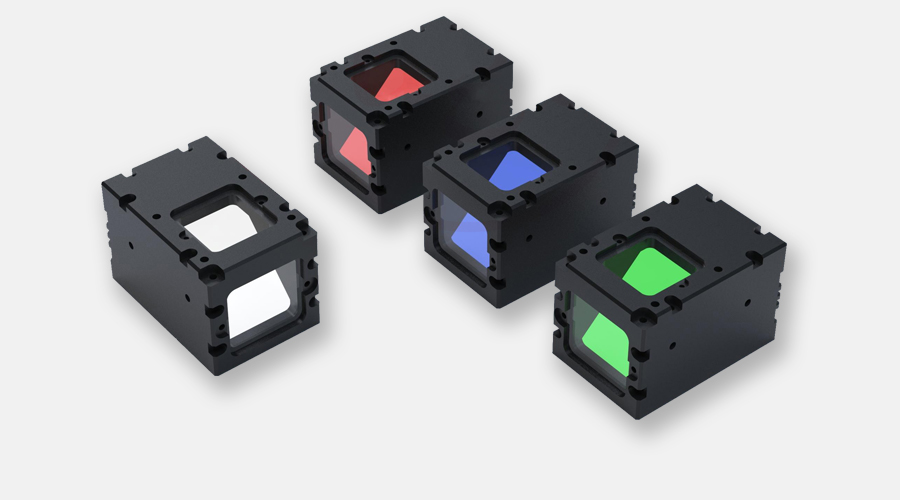 Coaxial light
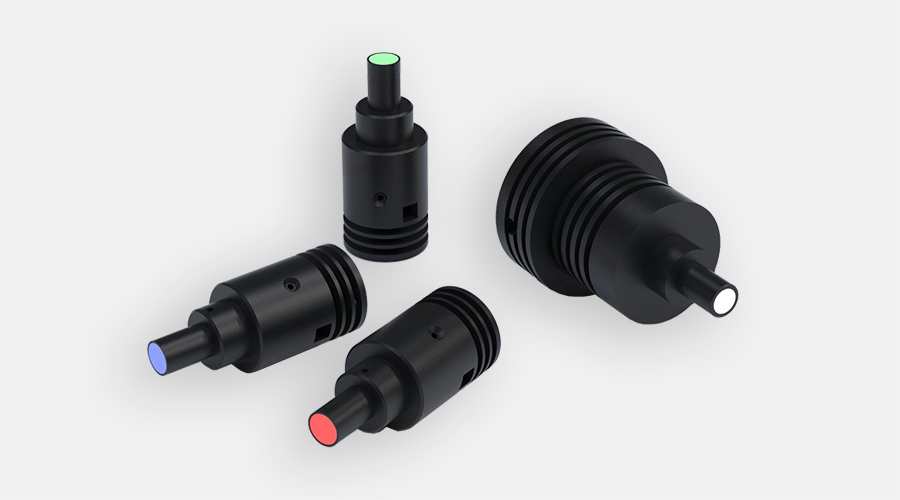 Spot light
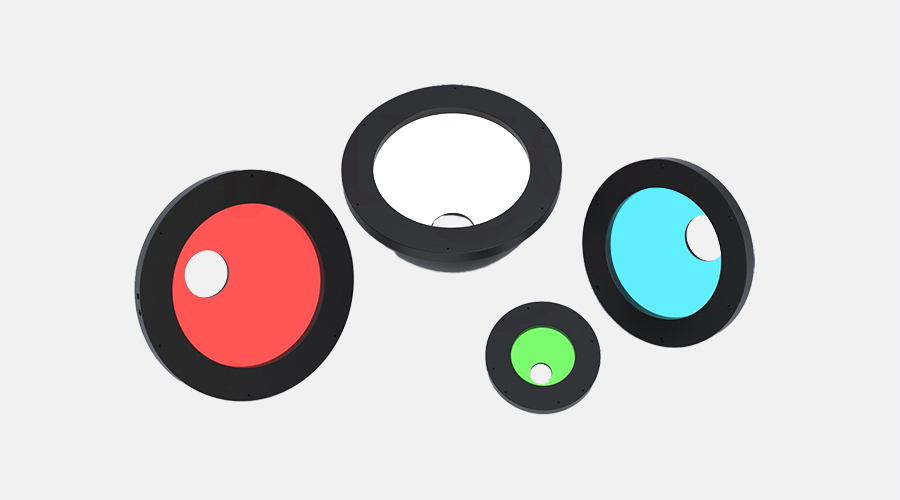 Dome light
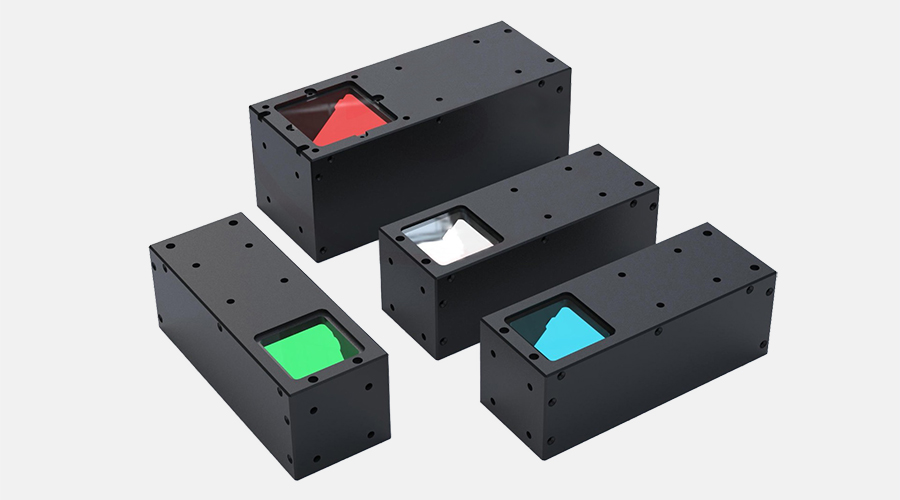 Collimated Coaxial light
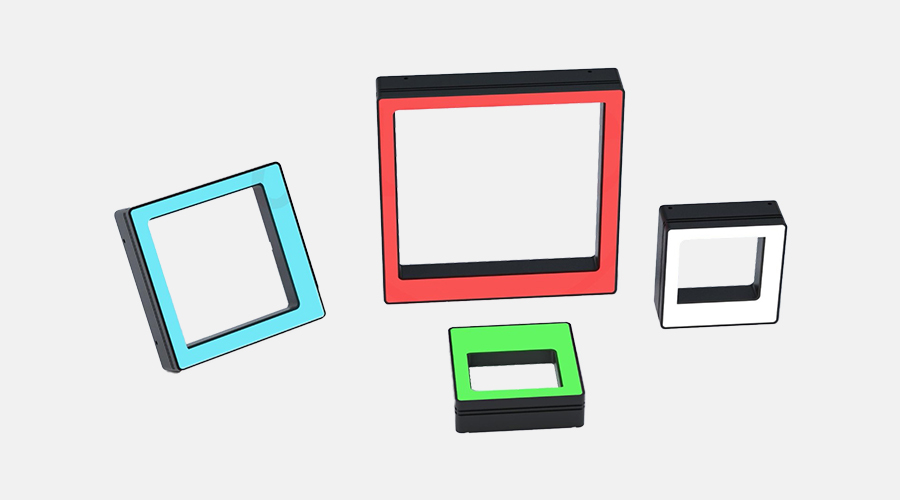 Shadowless square light
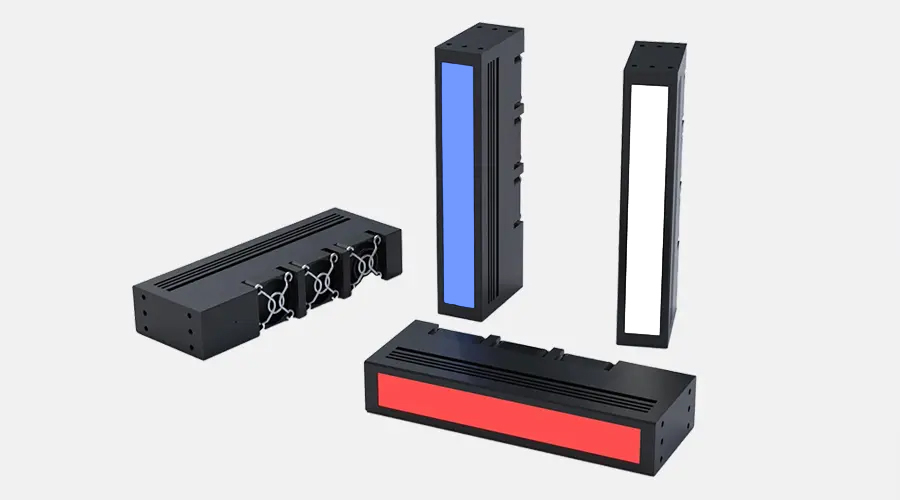 Scan light
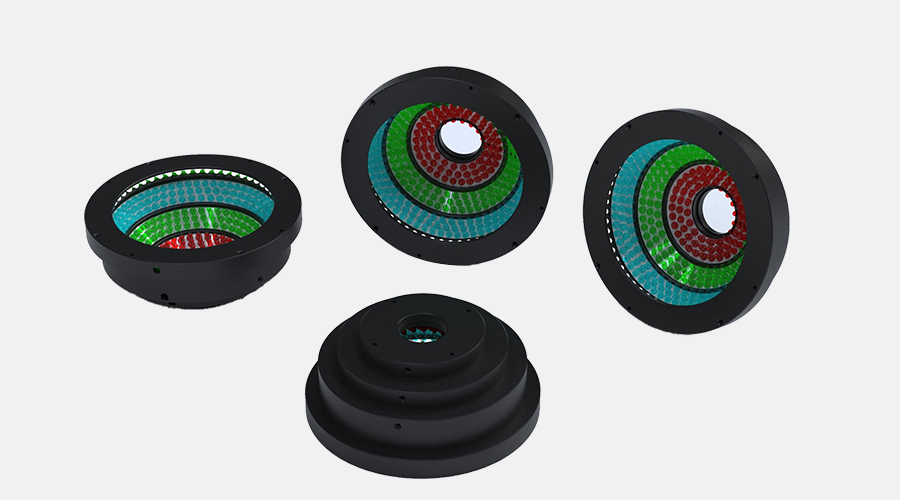 AOI light
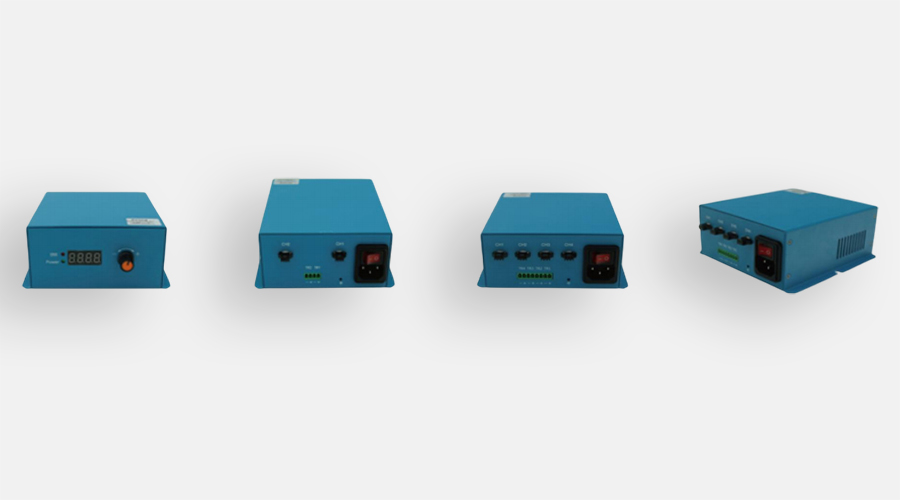 Analog controller
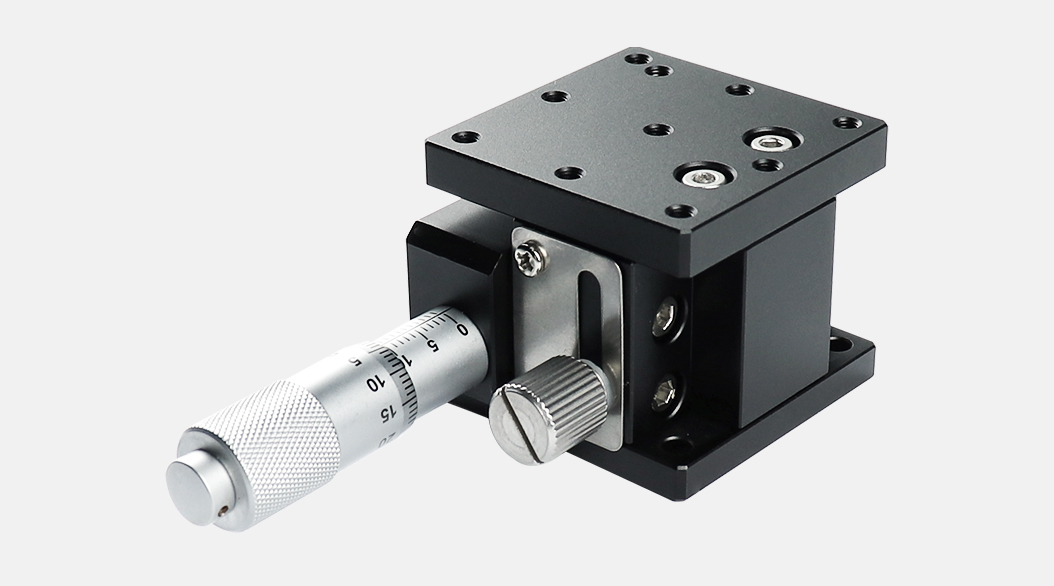 Crossed-Roller Linear guide type
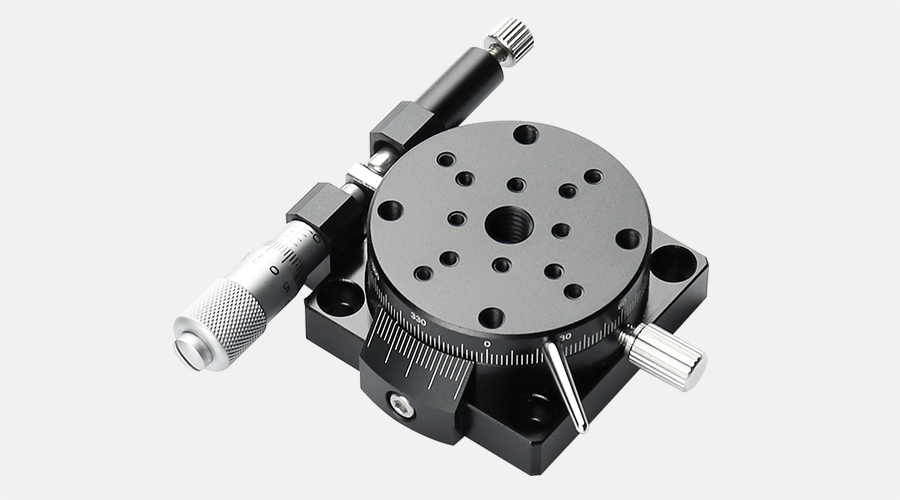 Rotary Stages XRS series
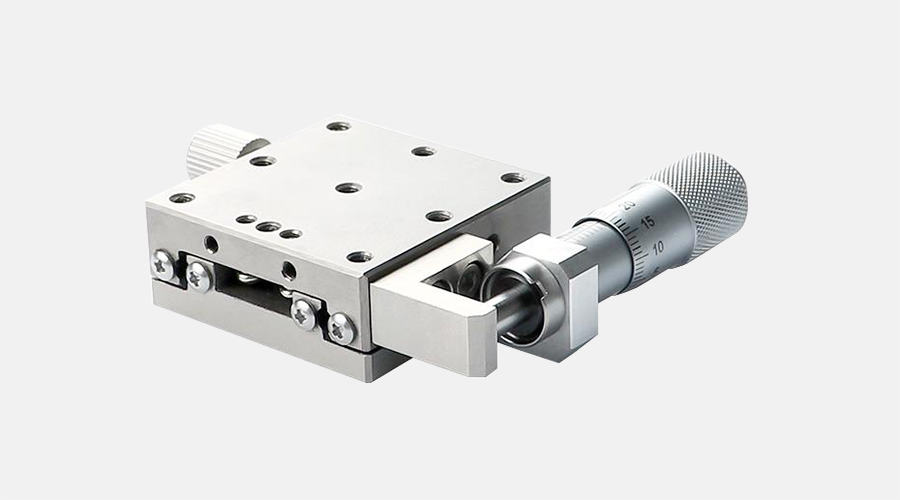 Stainless Steel Ball Bearing Linear Translation Stages
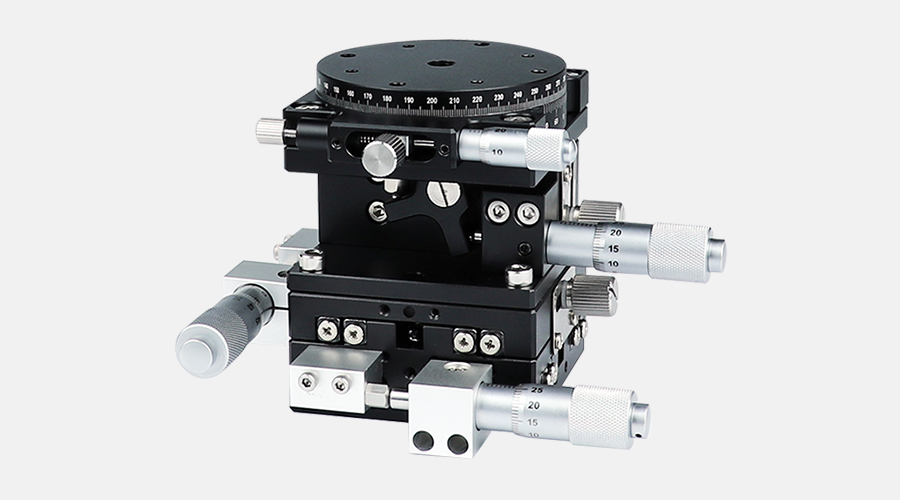 Multi-axis Translation stages
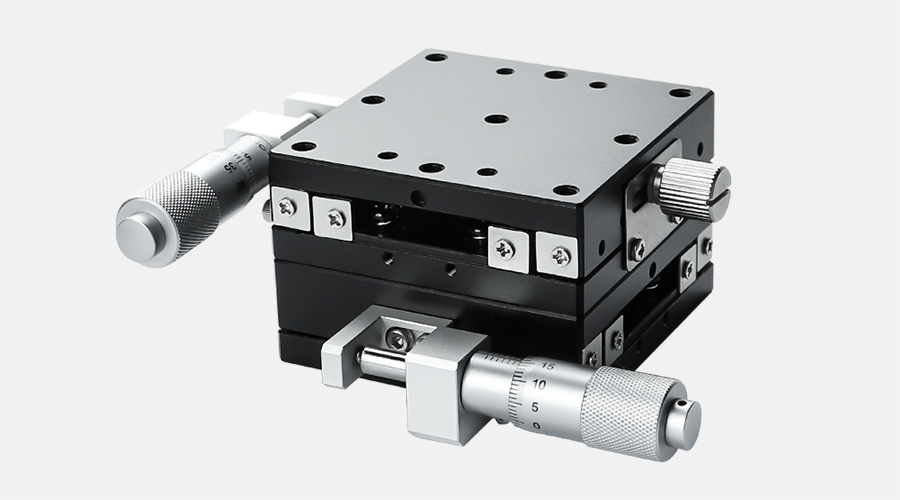 steel bar ball bearing stages
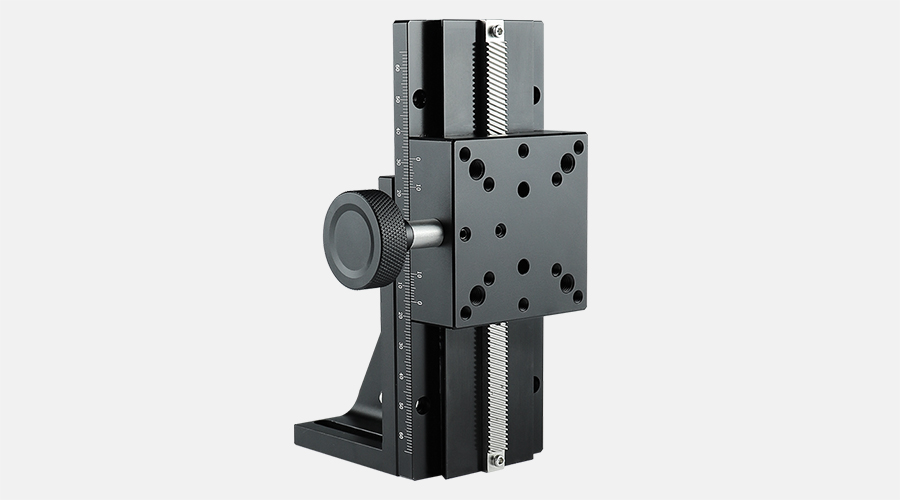 Dovetail Type Rack&Pinion Positioning Stage
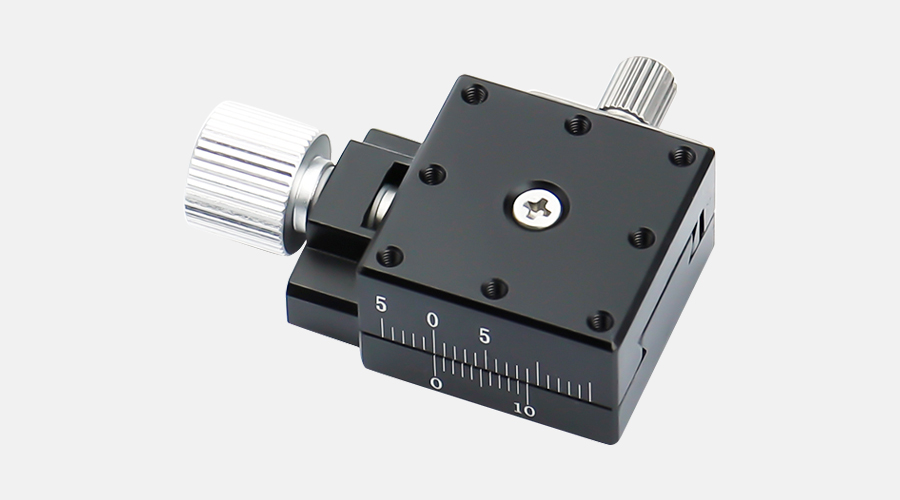 Dovetail groove high-precision screw slide
When Should You Use Large Field Telecentric Lens with Bar Light?
In industrial automation, machine vision systems often inspect larger components, extended products, and complex surfaces. Applications such as battery inspection, glass measurement, electronic assembly inspection, and precision manufacturing may require wider imaging coverage with stable image quality.
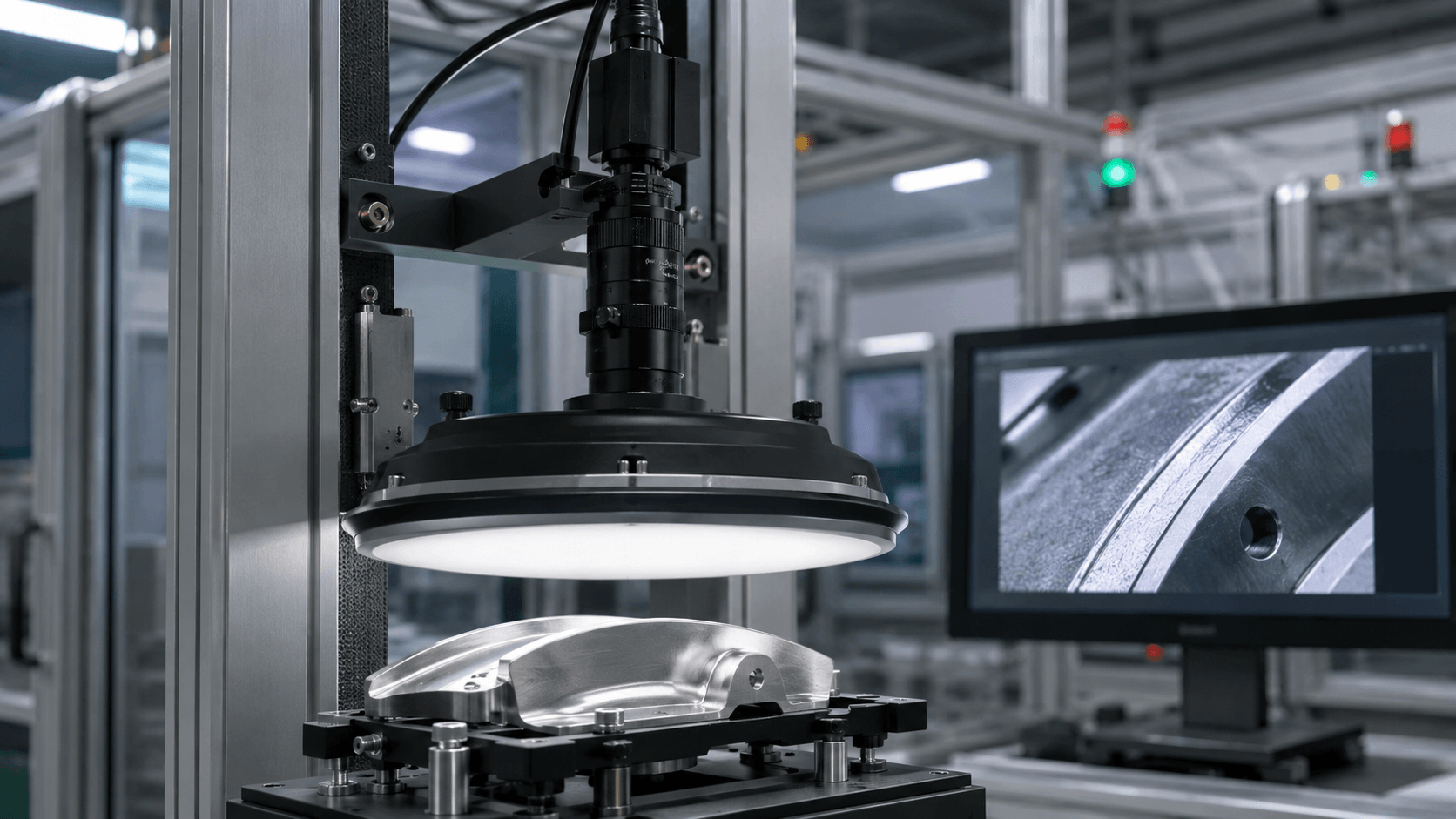
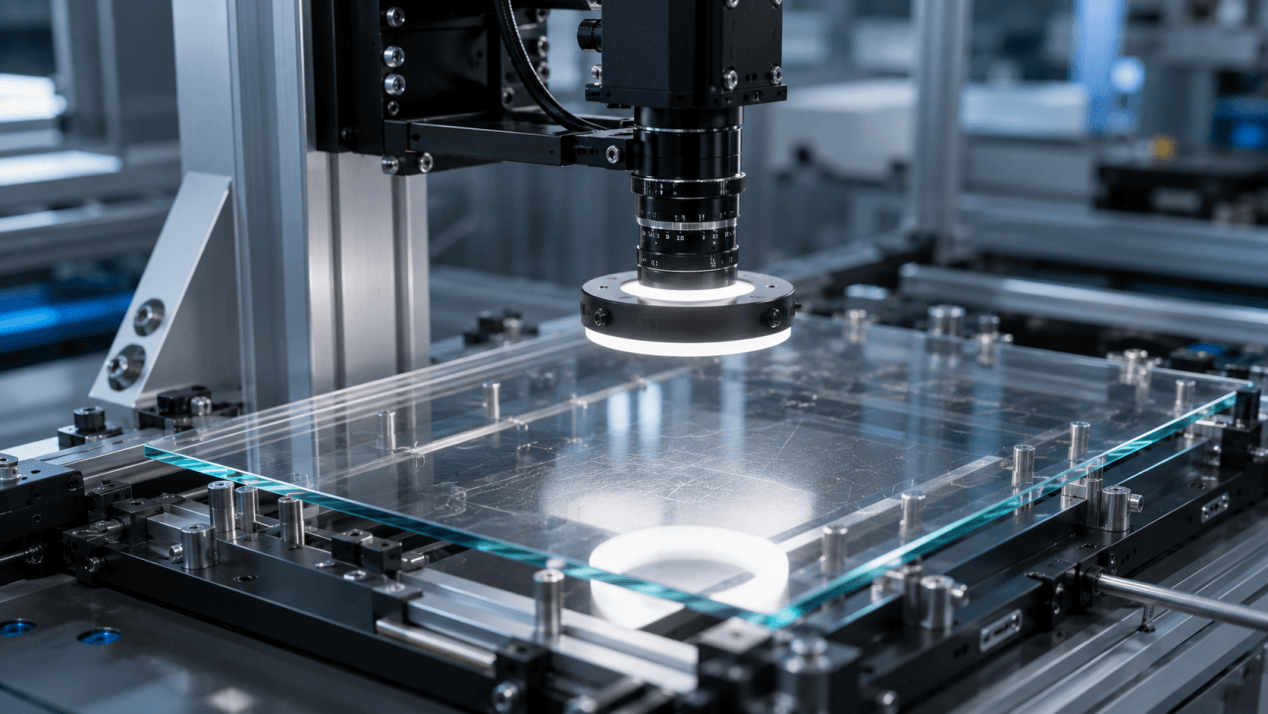
A Large Field Telecentric Lens combined with a Bar Light can be considered for wide-area Machine Vision Inspection. The telecentric lens focuses on consistent imaging, while the bar light provides directional illumination across larger inspection areas.
Engineers usually evaluate the complete optical configuration based on field of view, camera sensor size, working distance, object characteristics, and inspection requirements.
A suitable combination of Telecentric Lens and Industrial Light Source supports applications such as measurement, edge detection, and automated quality inspection.
Why Does Large Field Inspection Need a Telecentric Lens?
When inspecting large objects, increasing the camera resolution alone may not solve all imaging challenges. The optical system also needs to maintain consistent image information across the inspection area.
Traditional lenses may produce perspective changes when the object position or height varies. In general imaging applications, this effect may be acceptable, but it can influence measurement results in applications that focus on dimensional accuracy and edge positioning.
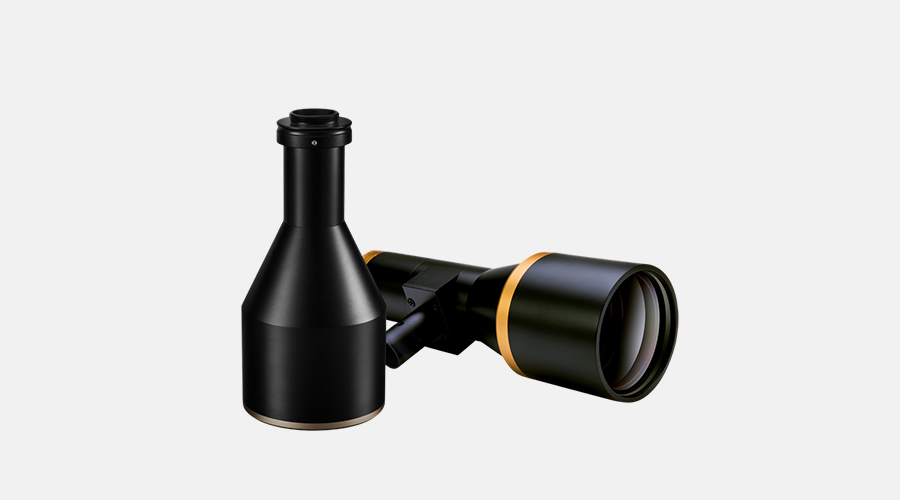
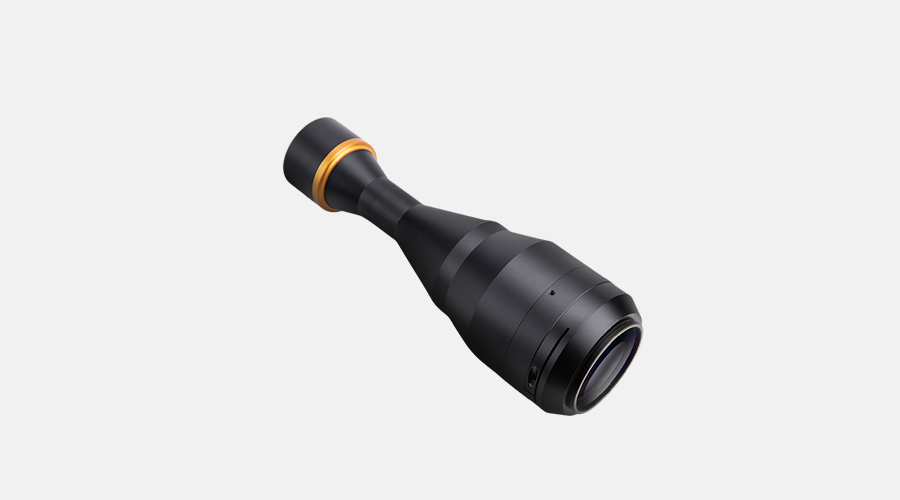
A Large Field Telecentric Lens is designed for machine vision applications where a wider field of view and stable optical performance are required. As a type of Telecentric Lens, it is often used in inspection tasks where consistent magnification and reduced perspective influence are important.
Compared with a Non Telecentric Lens, a telecentric design can reduce the impact of perspective variation within its working range, making it suitable for applications such as:
- Dimensional measurement
- Profile inspection
- Precision positioning
- Machine Vision Inspection
Depending on the application requirements, manufacturers may evaluate different optical solutions, including:
- Optical Telecentric Lens
- Double Telecentric Lens
- Bi-Telecentric Lenses
- Machine Vision Telecentric Lens
During lens selection, several factors should be considered:
- Field of view
- Camera sensor size
- Working distance
- Image resolution
- Inspection requirements
For industrial camera systems, lens compatibility is also important. Products such as Industrial Camera Lenses, C Mount Industrial Lenses, and C Mount Lens options are commonly selected according to camera specifications and application needs.
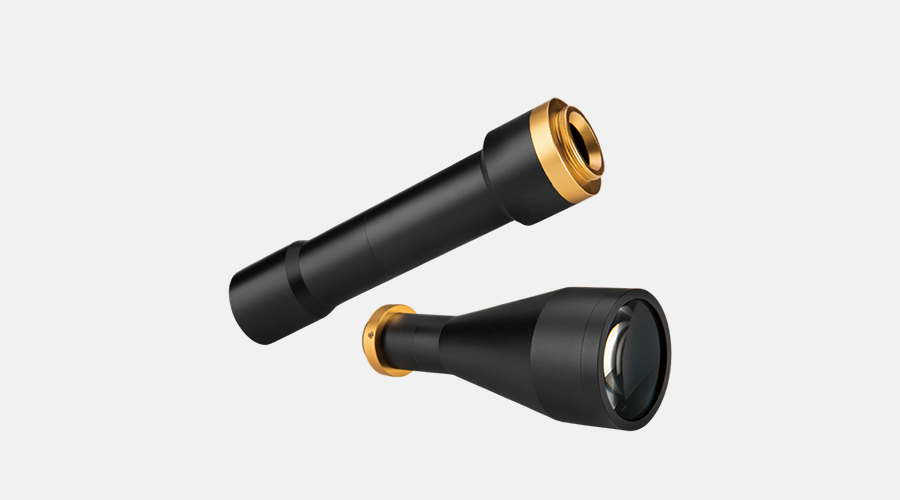
What Role Does Bar Light Play in Large Field Inspection?
Lighting is an important part of machine vision imaging. Even with a suitable telecentric lens, uneven illumination may affect edge detection and image analysis results.
A Bar Light is commonly considered for applications involving long products or large inspection areas because its linear structure allows illumination to be arranged according to the shape of the inspected object.
For example, products such as:
- Battery modules
- Glass panels
- Metal profiles
- Long electronic components
often require lighting coverage across an extended inspection area.
An Industrial Light Source such as an Industrial Light Bar or Vision Light Bar can provide directional illumination that supports feature recognition during image acquisition.
Compared with other lighting solutions, such as Ring Light or Coaxial Light, Bar Light is often evaluated when the inspection target requires wider coverage or illumination along a specific direction.
The suitable lighting method depends on the object surface, inspection purpose, and image requirements.
When Is Large Field Telecentric Lens with Bar Light a Suitable Choice?
The combination of Large Field Telecentric Lens and Bar Light is usually considered for machine vision applications with specific inspection requirements.
Large Components Require Wider Imaging Coverage
Large products may contain multiple features that need to be inspected within one image.
For example, battery modules often include multiple cells arranged across a larger area. A wide-field telecentric lens can help capture the overall structure, while the bar light provides illumination across the product surface.
This configuration may be useful when the inspection system needs to balance coverage and image consistency.
Long Products Need Consistent Illumination
Some industrial products have extended shapes, including:
- Glass edges
- Extrusion profiles
- Metal components
These products often require illumination along their length.
The linear structure of Bar Light allows it to be positioned according to the inspection area, while the telecentric lens provides optical characteristics suitable for measurement-oriented applications.
Measurement Applications Need Stable Image Conditions
Many industrial inspection tasks focus on:
- Size measurement
- Edge detection
- Shape analysis
In these applications, optical design affects how clearly product features are captured.
A Low Distortion Lens or Ultra High Resolution Telecentric Lens may be considered when the application requires higher image detail and lower optical distortion.
Automated Inspection Requires Repeatable Imaging
In production environments, systems such as:
- Automated Inspection
- Automated Vision Inspection
- Machine Vision Quality Control
often inspect repeated products under similar conditions.
A suitable combination of lens, camera, and lighting can help maintain more consistent image acquisition during automated processes.
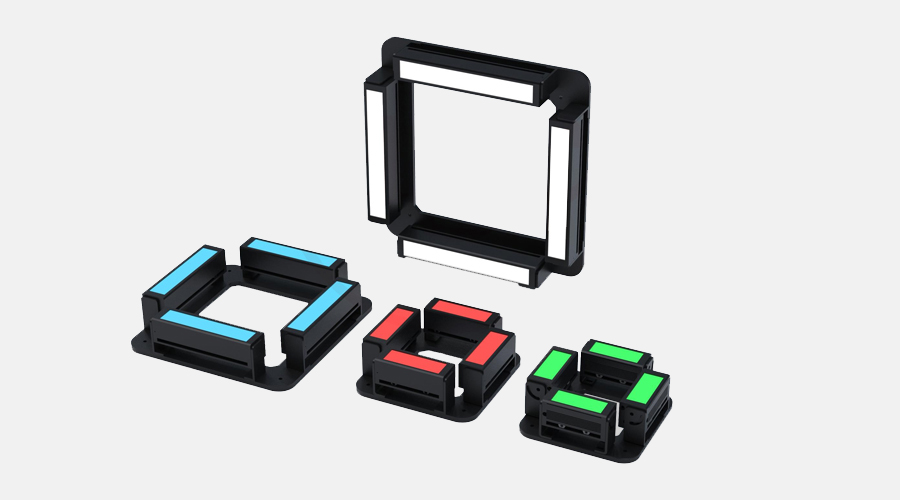
How Do Telecentric Lens and Bar Light Work Together?
In a machine vision system, the telecentric lens and bar light perform different functions.
The Telecentric Lens mainly affects image formation by controlling optical characteristics such as magnification consistency and perspective influence.
The Bar Light focuses on illumination by improving the visibility of important product features and creating suitable contrast for image processing.
For example, in glass edge inspection, the telecentric lens captures the edge profile with consistent imaging characteristics, while the bar light provides illumination along the glass surface to make boundary features easier to identify.
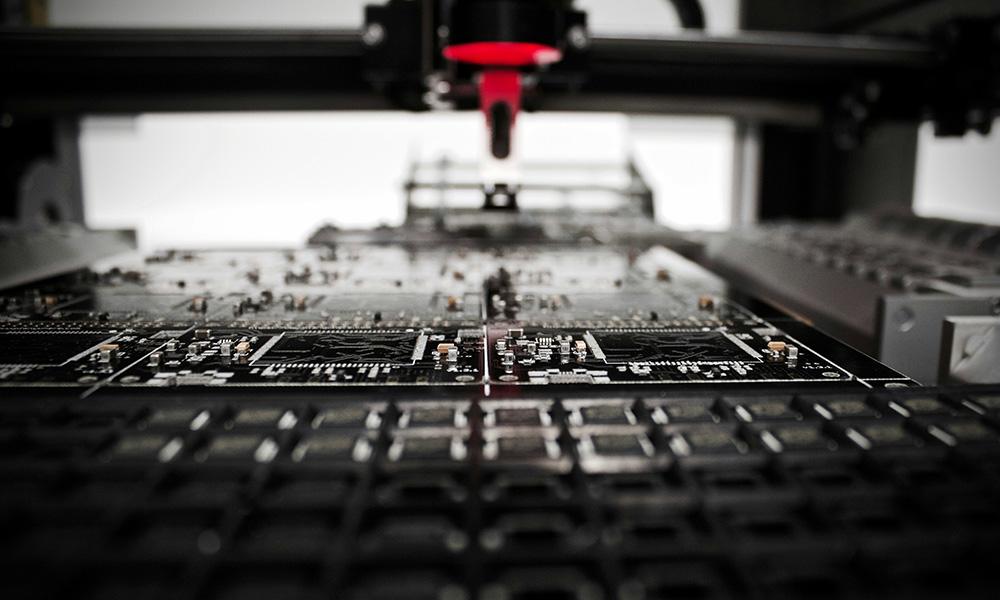
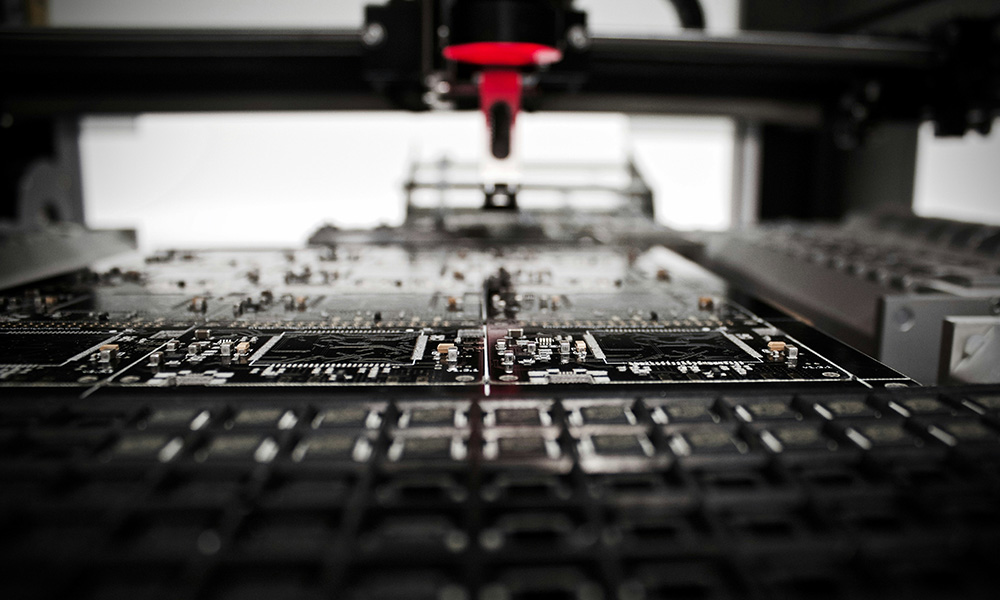
In electronic component inspection, the combination can support wider-area imaging where multiple parts need to be analyzed within the same field of view.
By considering the lens and lighting configuration together, engineers can create optical conditions that better match the inspection task.
How Should You Select the Right Optical Configuration?
Selecting an optical system requires evaluating the complete machine vision setup.
Important factors include:
Camera Compatibility
The lens should match the camera sensor format, such as:
- 1.1 Inch Format Lens
- 1.1" Image Sensor
- 2/3" Image Sensor
Field of View Requirements
The required inspection area influences the selection of lens type and optical design.
Object Characteristics
Material, surface reflection, shape, and size can affect both lens and lighting selection.
Resolution Requirements
Applications requiring detailed imaging may consider:
- High Precision Industrial Lens
- Low Distortion Lens
- Ultra High Resolution Telecentric Lens
A suitable optical configuration can support applications including:
- Machine Vision System
- Industrial Vision Inspection
- Robotic Vision Inspection
- 3D Vision Inspection
Applications of Large Field Telecentric Lens with Bar Light
The combination of Large Field Telecentric Lens and Bar Light may be evaluated in industries that require wide-area imaging and controlled illumination.
Typical applications include:
Battery Inspection
Large battery assemblies require broader imaging coverage for structural and dimensional inspection.
Glass Inspection
Glass products often require edge and profile inspection across extended areas.
Electronic Assembly Inspection
Multiple components may need to be captured and analyzed within one image.
Metal Profile Inspection
Long products require illumination and imaging along the product length.
Precision Manufacturing Inspection
Stable optical conditions support measurement and quality analysis processes.
These applications are commonly integrated into Machine Vision Systems Applications and Industrial Automation Systems.
The selection of a Large Field Telecentric Lens with Bar Light depends on the specific inspection target, camera configuration, and production environment. By matching optical components with application requirements, machine vision systems can obtain image data that is more suitable for measurement and quality analysis.
FAQ
When should a Large Field Telecentric Lens be used?
It can be considered for applications requiring a wider field of view and stable imaging conditions.
Why combine Bar Light with a Telecentric Lens?
The lens controls imaging characteristics while the bar light provides suitable illumination for larger inspection areas.
Is Bar Light suitable for every machine vision application?
Not always. Lighting selection depends on product shape, surface characteristics, and inspection goals.
What factors affect Telecentric Lens selection?
Field of view, sensor size, working distance, resolution, and inspection requirements should be evaluated together.
Which industries may use this optical solution?
Battery, electronics, glass, semiconductor, and precision manufacturing industries may evaluate this configuration.