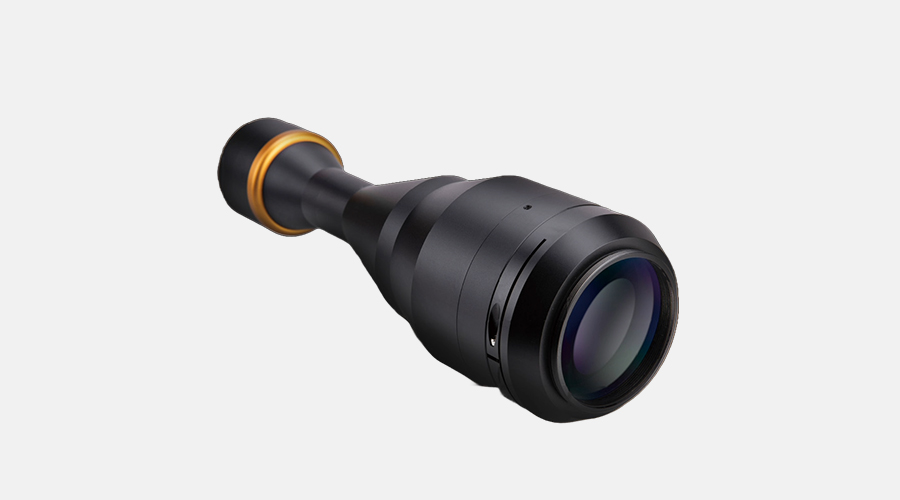
 Compatible with 7.2mm-82mm chips
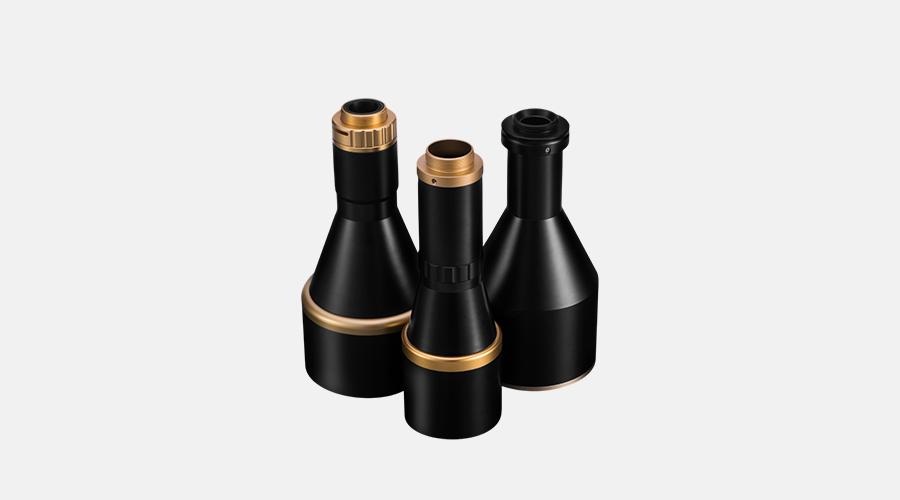 High/Low Working Distance
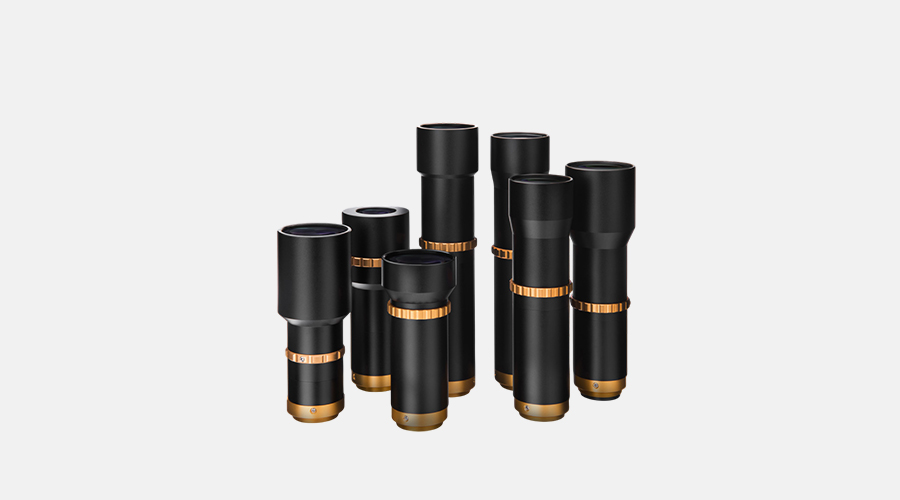 Aperture telecentric lens
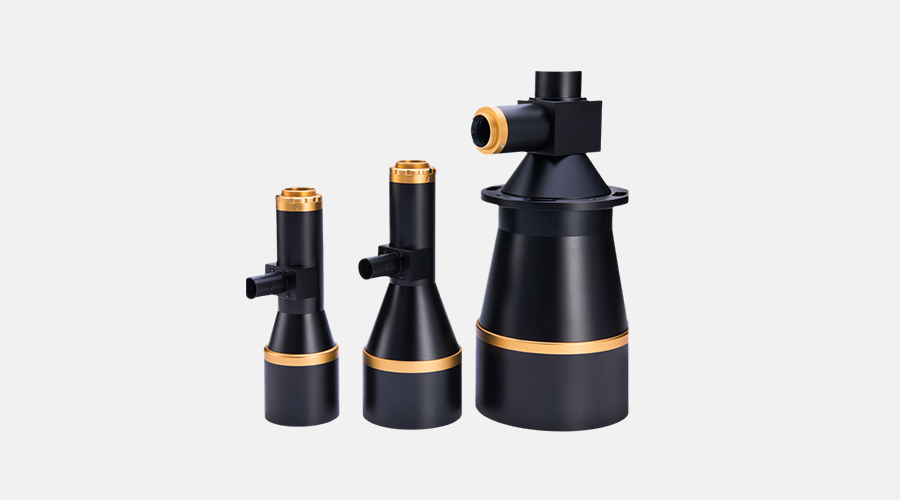 Measuring lens
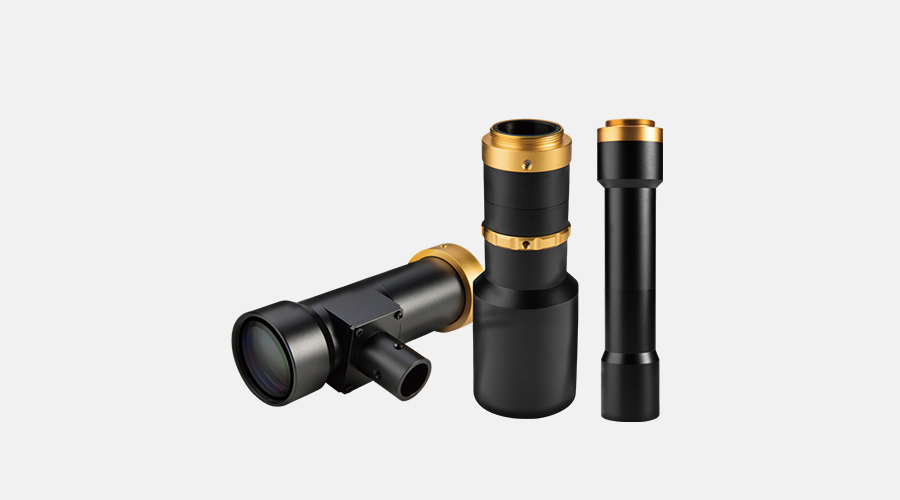 Maximum support 1.1" chips
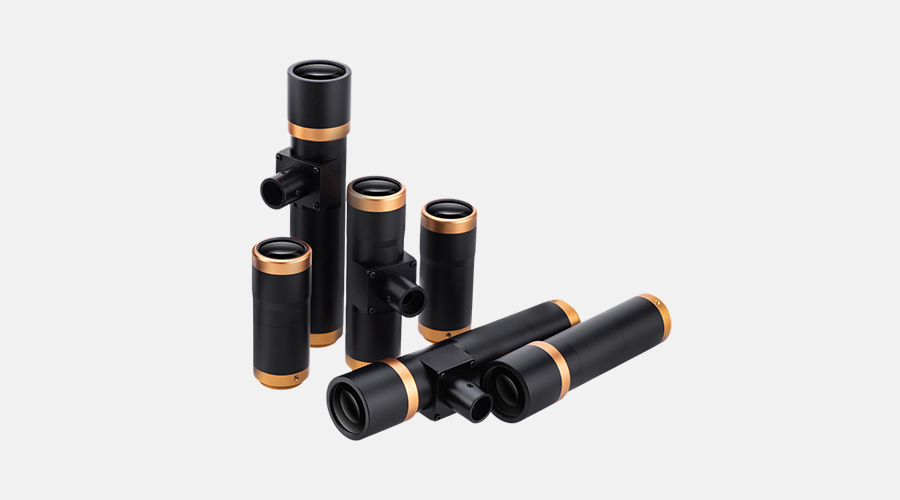 Maximum support 1.2" chips
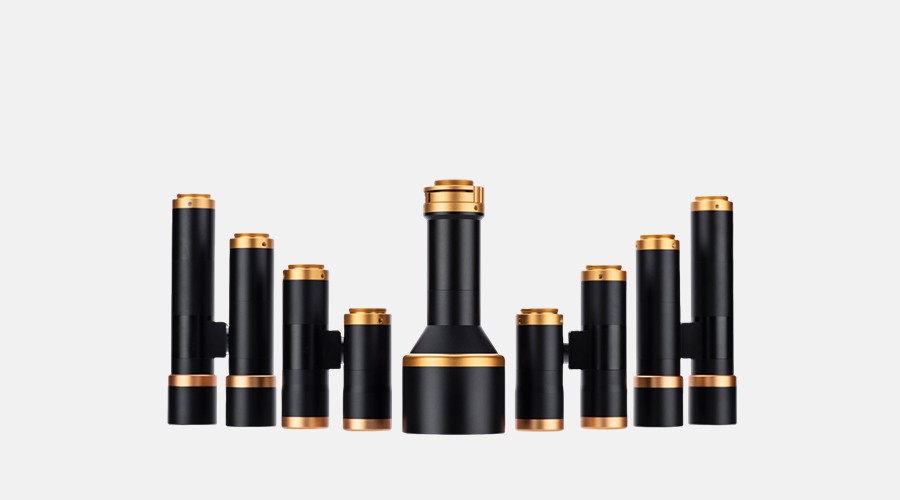 Maximum support 2/3" chips
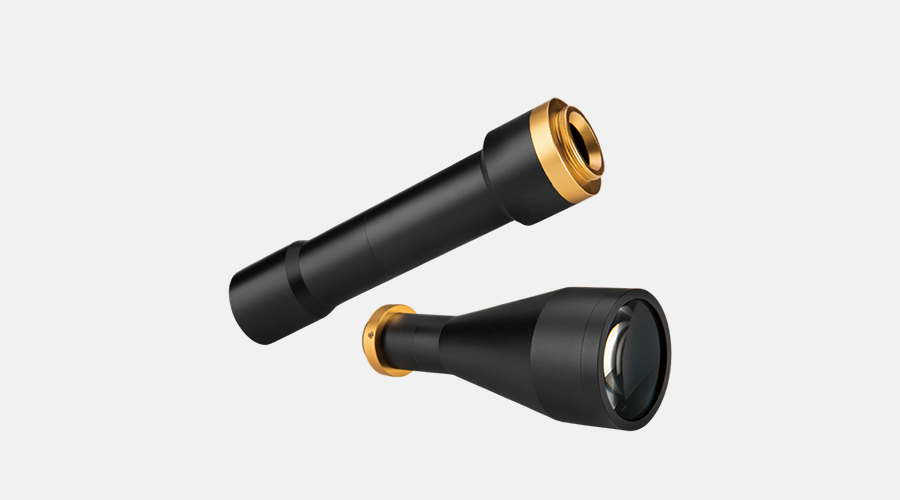 Long Working Distance
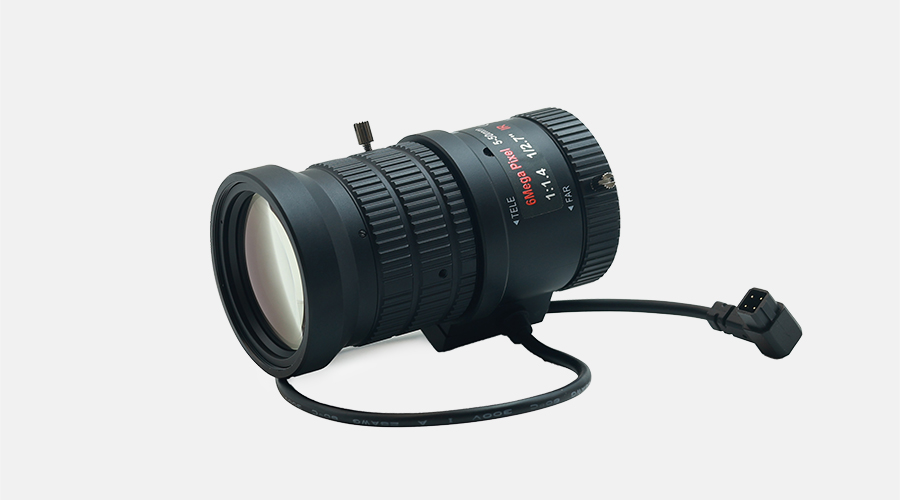 CS mount Varifocal lens
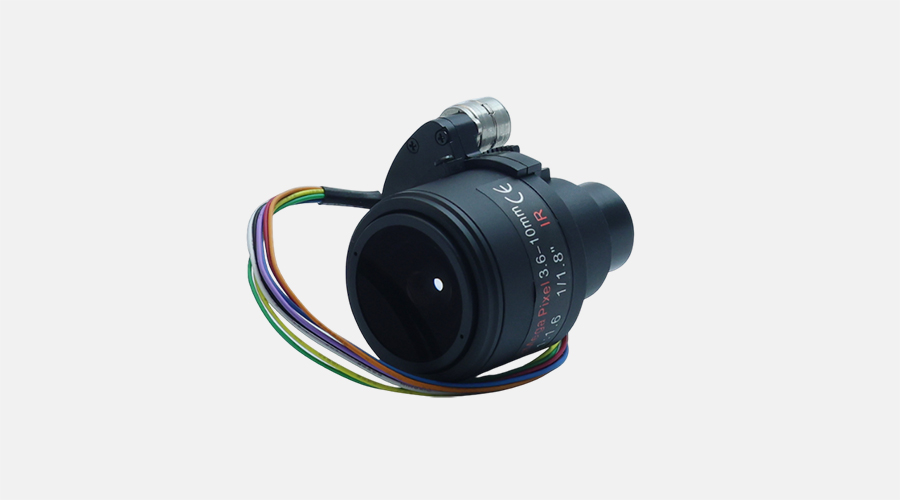 Varifocal board lens
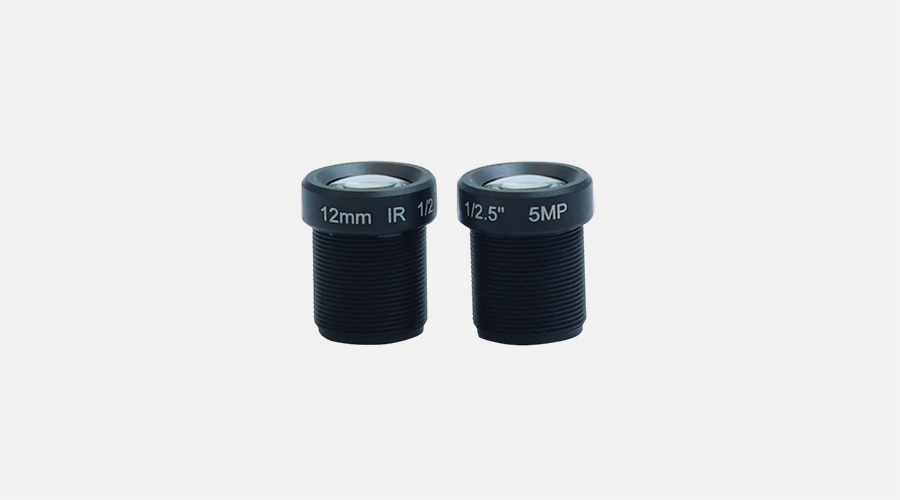 S mount lens
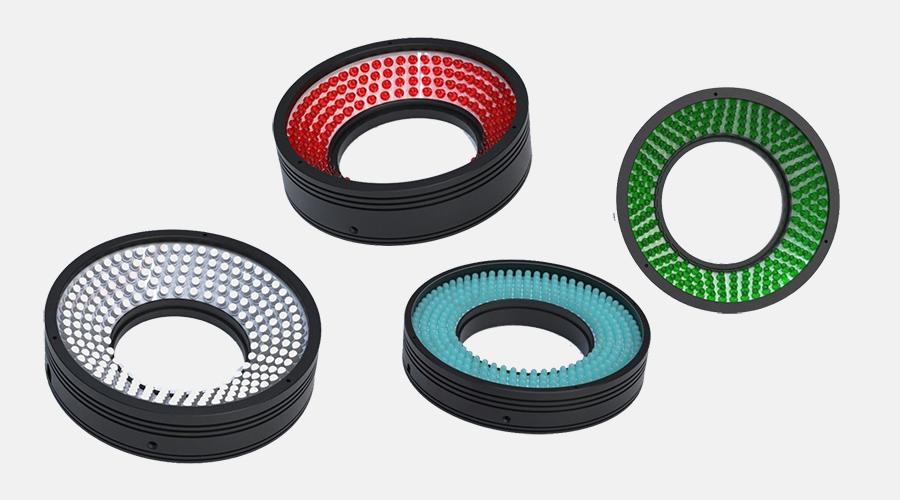 Ring light
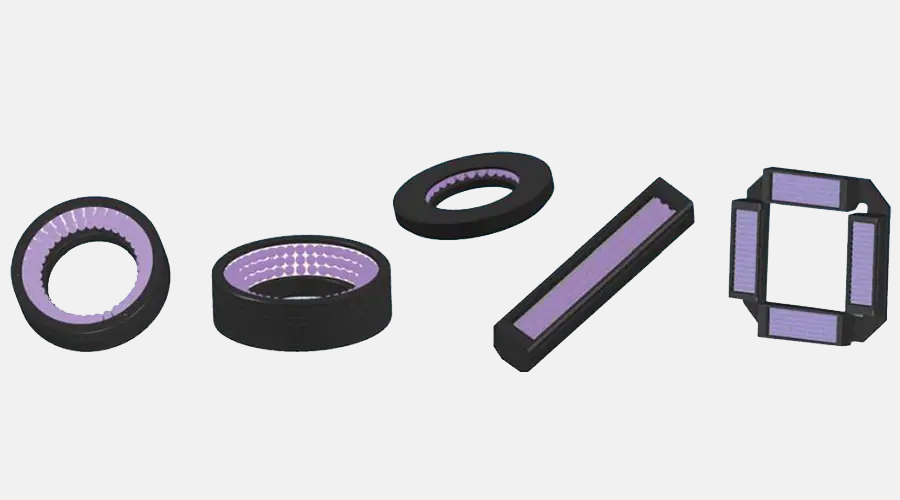 UV/IR Light
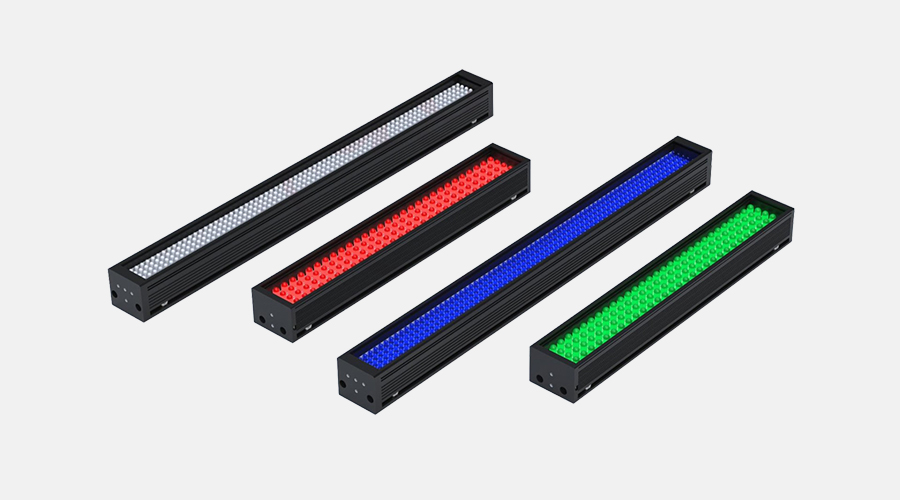 Bar light
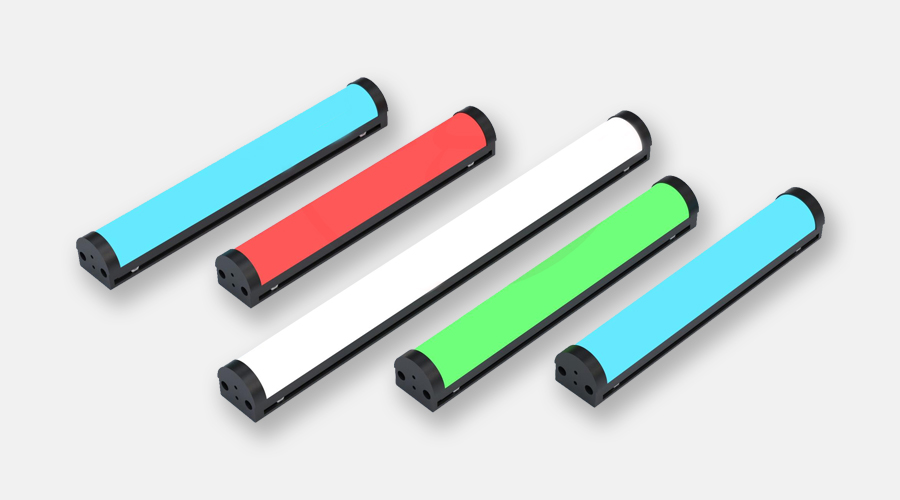 Arcuate high uniformity light
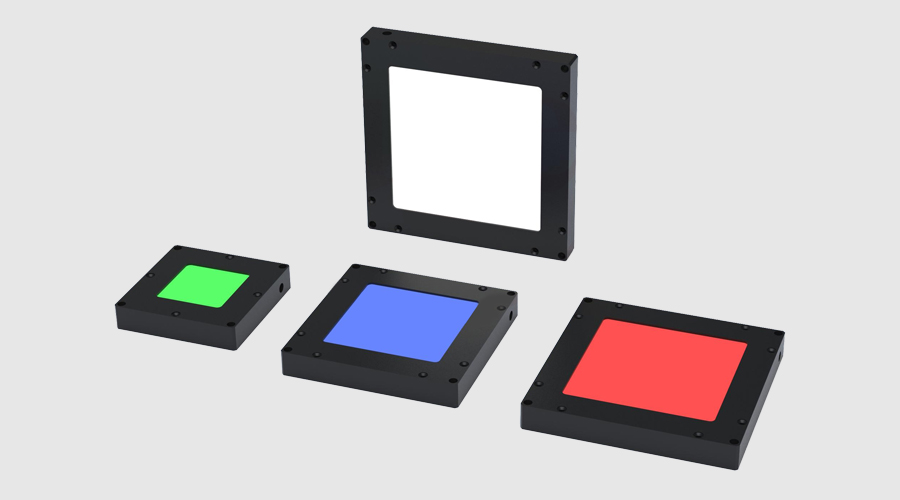 Flat light
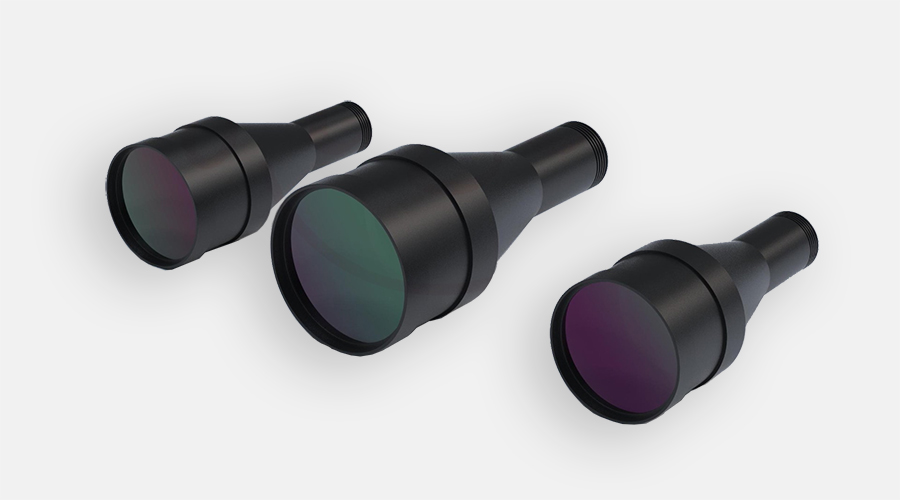 Collimated light
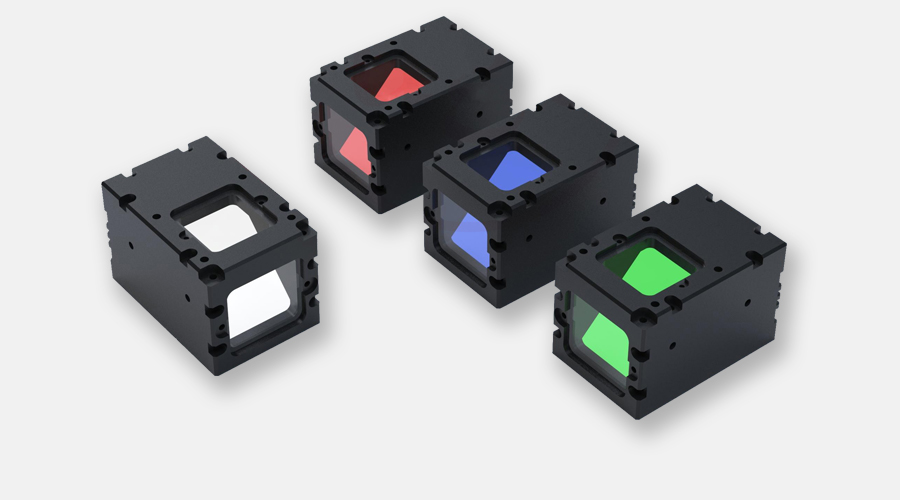 Coaxial light
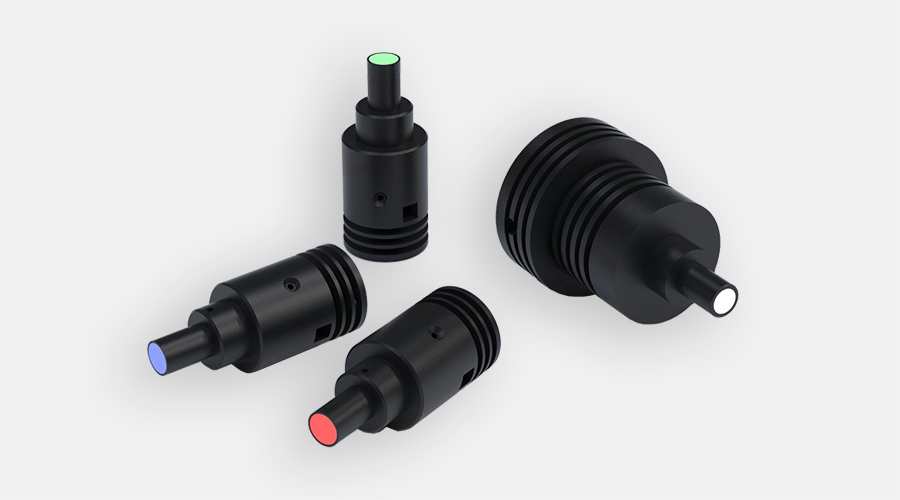 Spot light
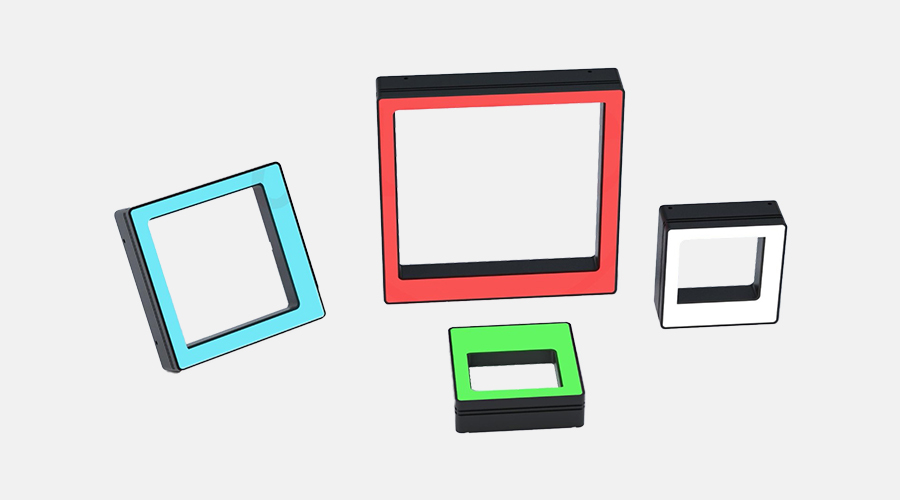 Shadowless square light
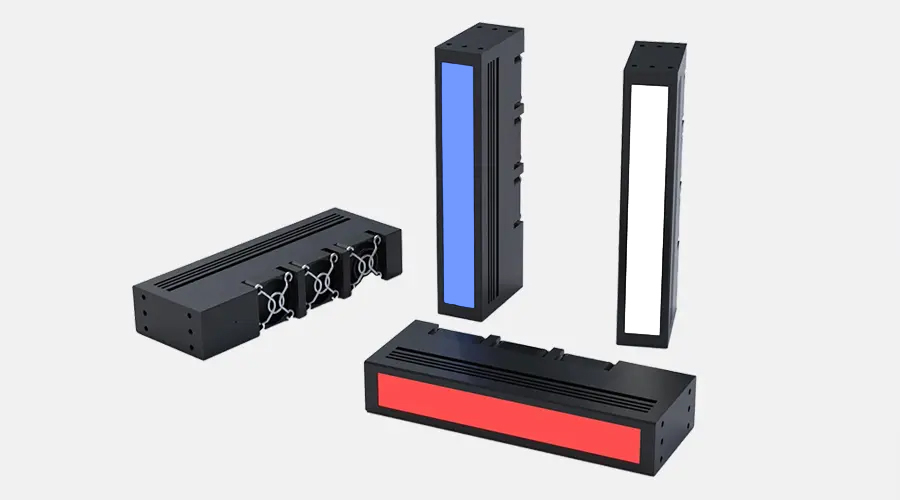 Scan light
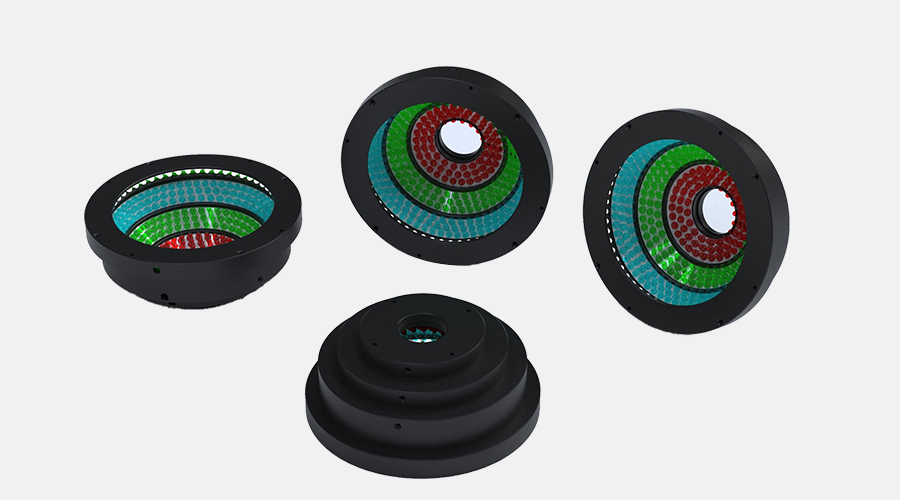 AOI light
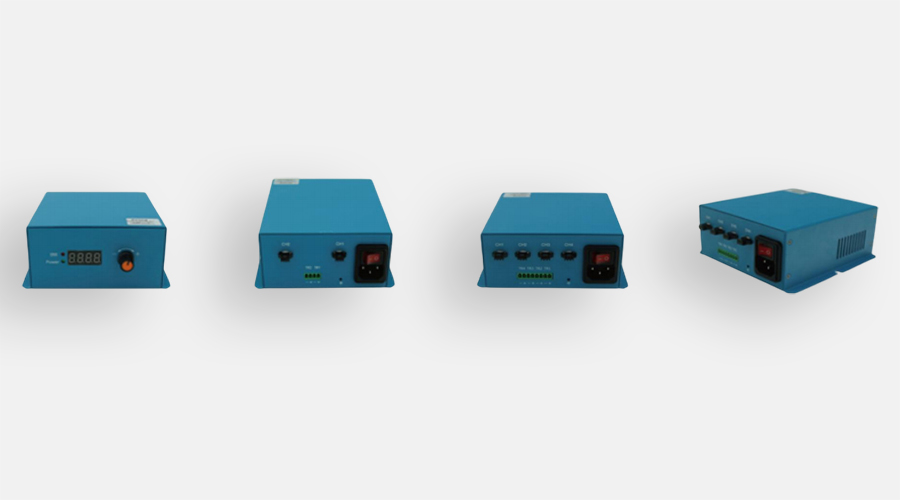 Analog controller
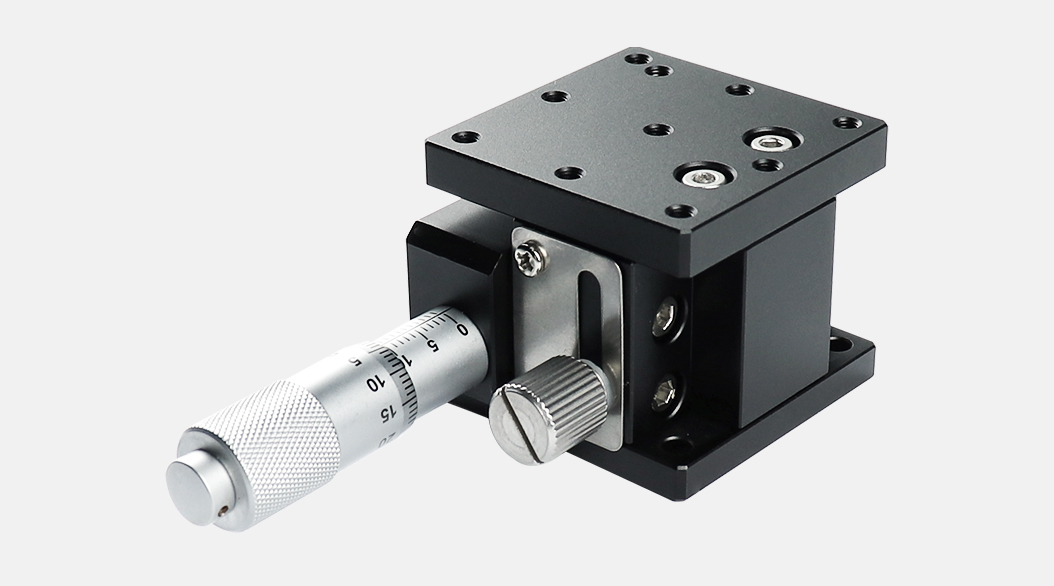 Crossed-Roller Linear guide type
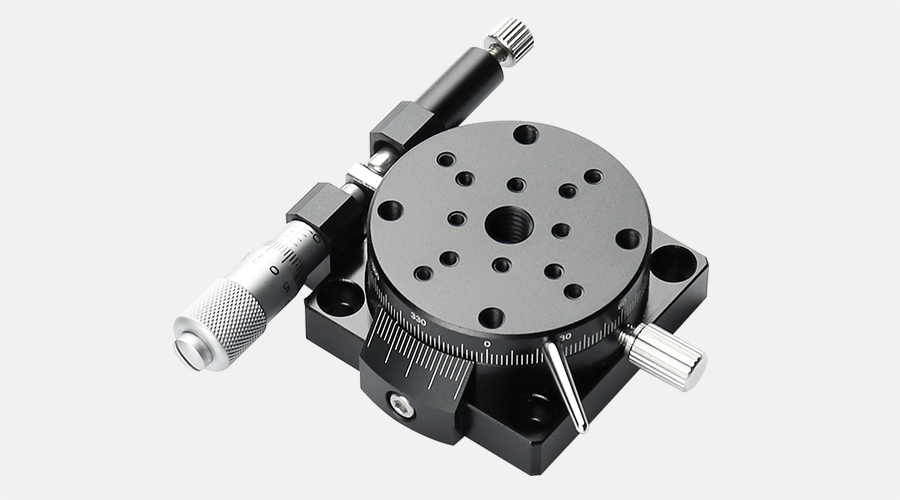 Rotary Stages XRS series
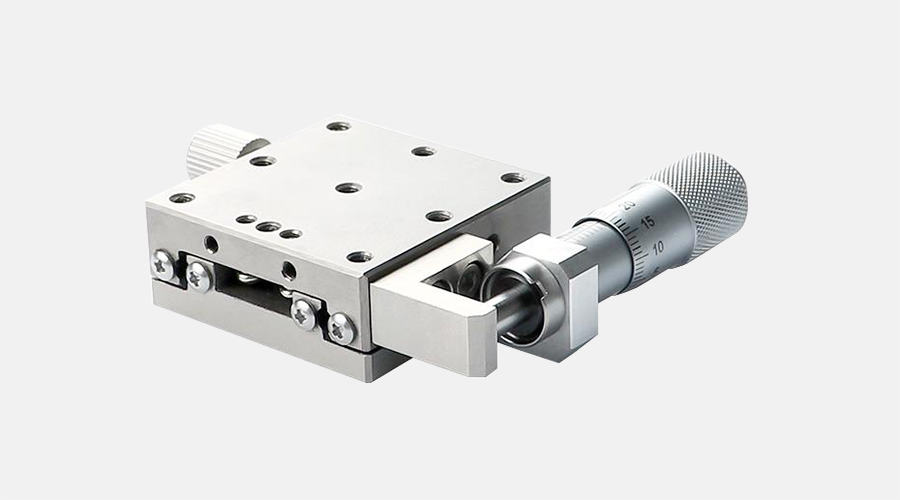 Stainless Steel Ball Bearing Linear Translation Stages
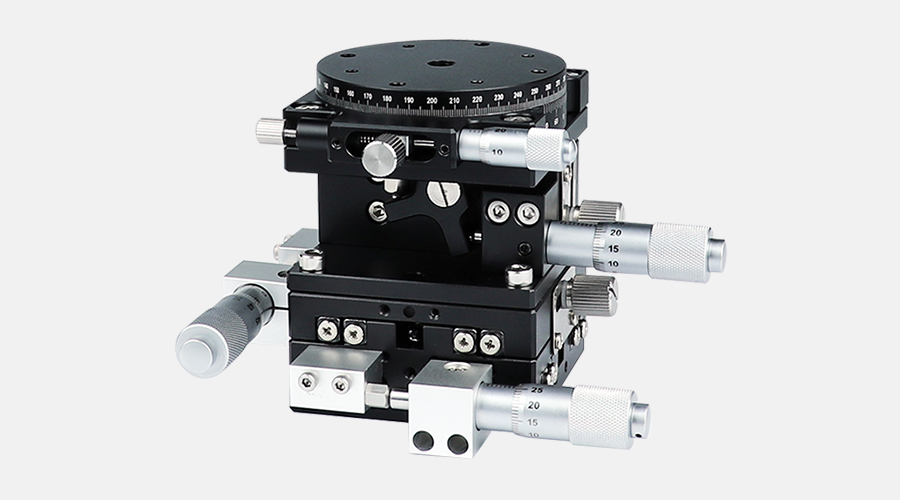 Multi-axis Translation stages
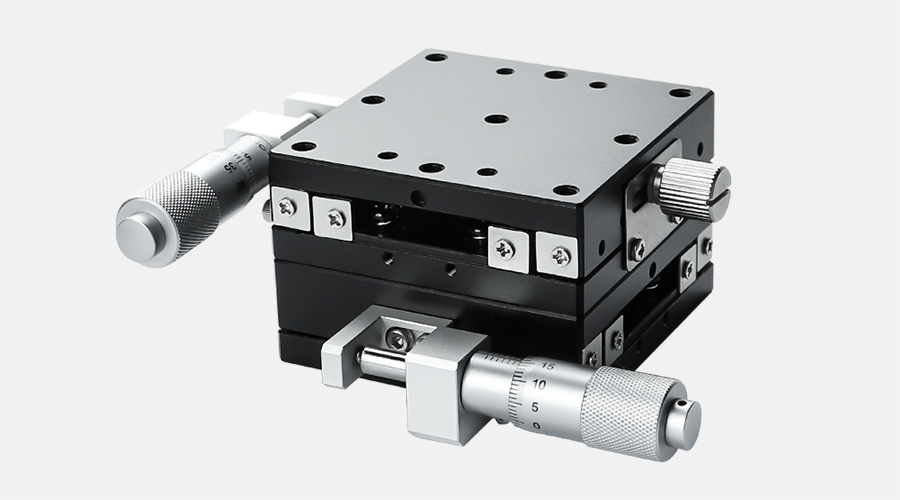 steel bar ball bearing stages
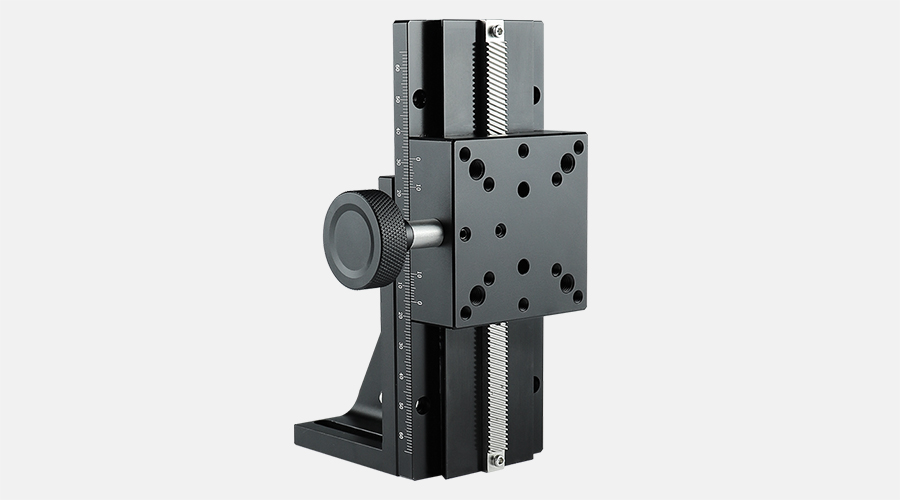 Dovetail Type Rack&Pinion Positioning Stage
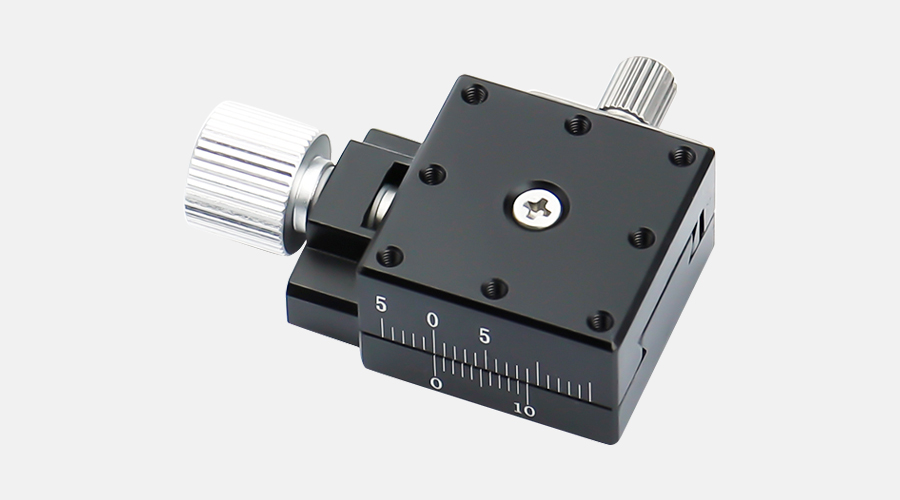 Dovetail groove high-precision screw slide
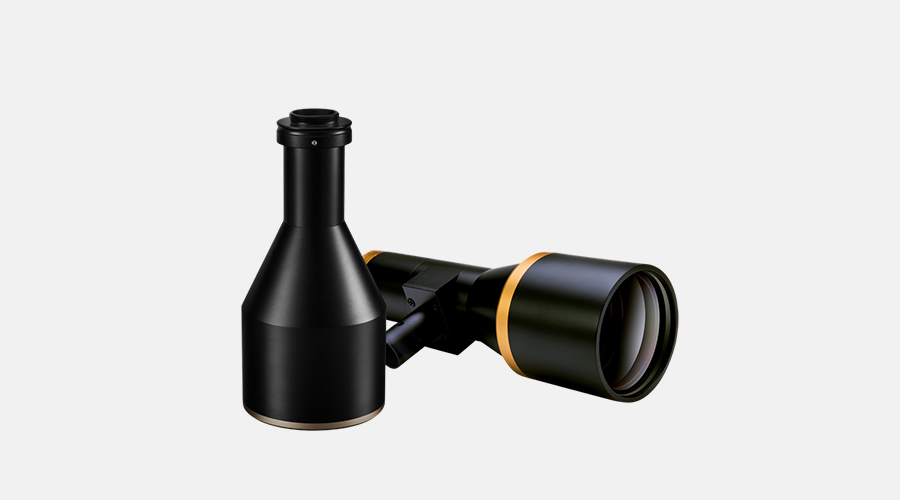
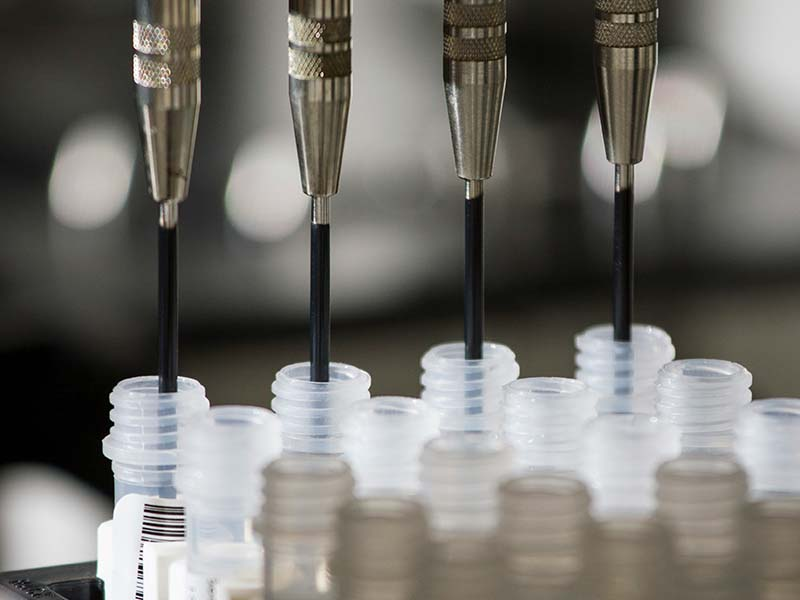
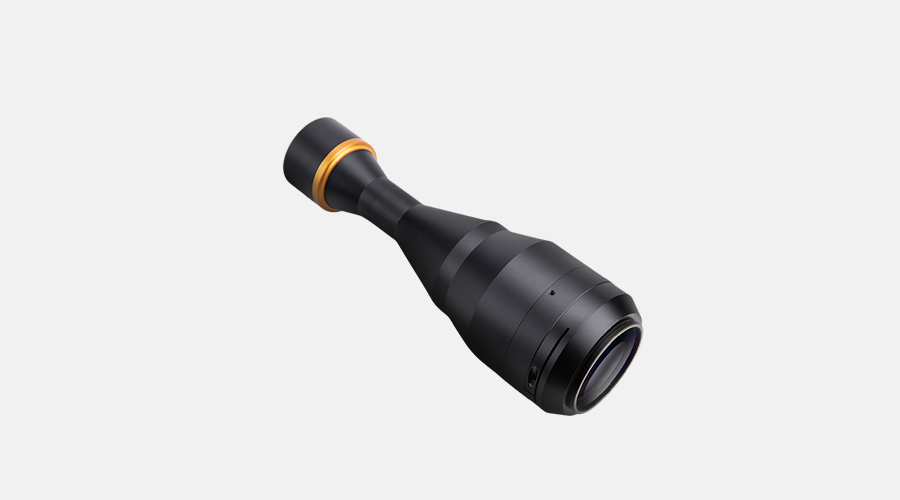
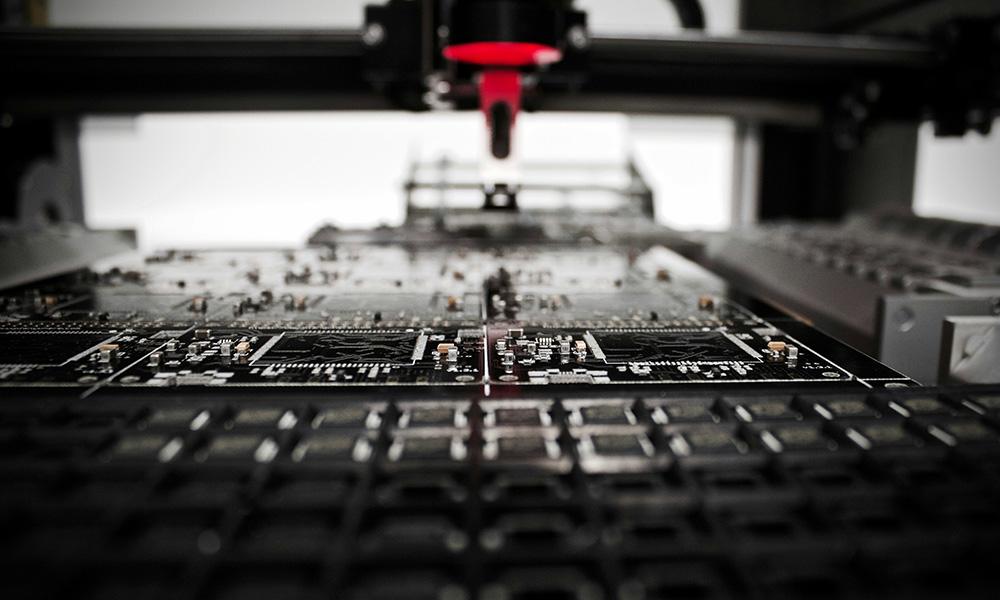
Why Does a Telecentric Lens Need Proper Lighting?
A telecentric lens is widely used in machine vision inspection systems for applications that require stable imaging and precise measurement. However, reliable results depend not only on the lens, but also on proper illumination.
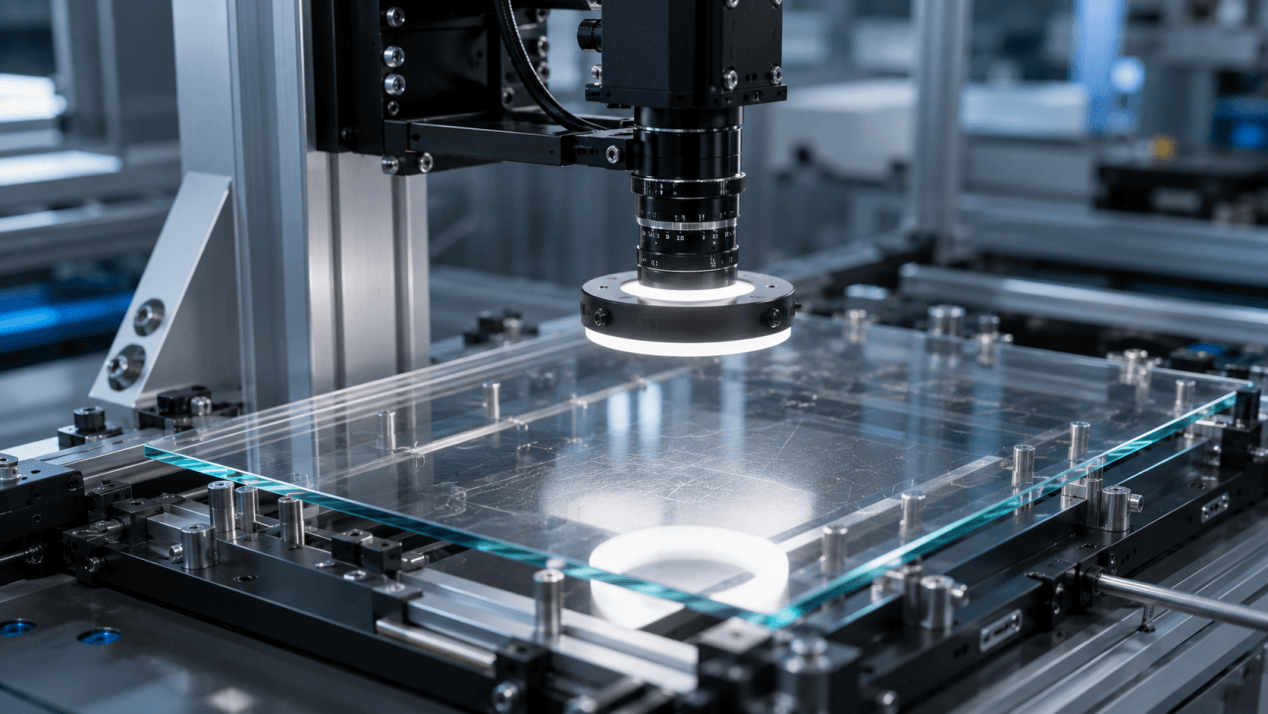
In applications such as semiconductor, PCB, glass, connector, and precision component inspection, an appropriate industrial light source helps create stable lighting and clearer images. A machine vision telecentric lens and machine vision lighting should work together as part of a complete vision system lighting solution. Choosing the right lighting improves image quality and helps the lens perform more consistently, making lighting design just as important as lens selection in machine vision systems.
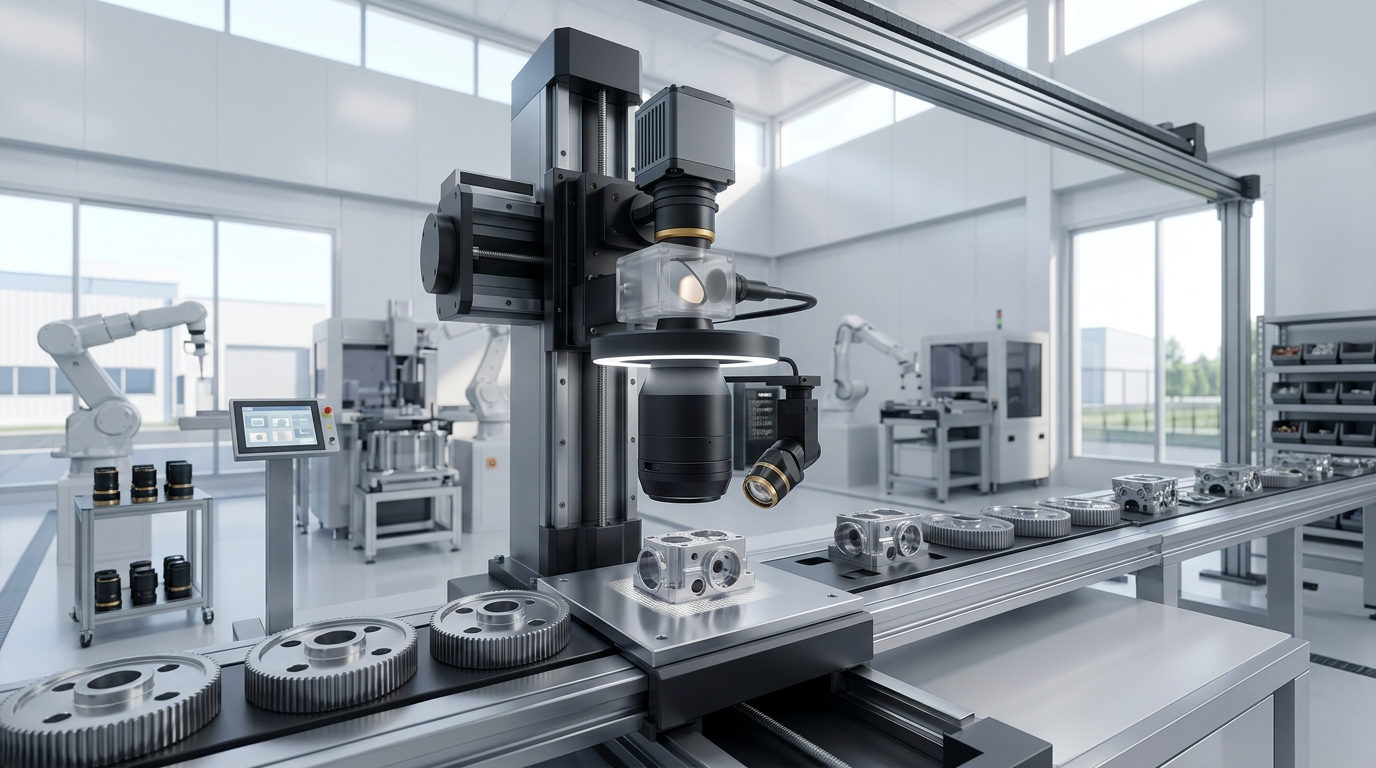
Why Is Proper Lighting Important for Machine Vision Inspection?
A Telecentric Lens captures the image, while lighting determines how object features appear to the camera. Surface texture, edges, contours, colors, and reflections can all change depending on the lighting method.
If the lighting is insufficient or unsuitable for the inspection task, even a high-quality Telecentric Lens may produce images with uneven brightness, low edge contrast, or unwanted reflections. These factors can affect image quality, especially in dimensional measurement, reflective surface inspection, and automated vision inspection.
A suitable Industrial Light Source provides stable and consistent illumination throughout the inspection process, helping Machine Vision Inspection systems maintain reliable imaging performance during continuous operation.
Because different products vary in material, surface finish, color, and inspection objectives, lighting should always be selected according to the specific application rather than relying on a single lighting solution for every inspection task.
Why Should a Telecentric Lens Work Together with Industrial Lighting?
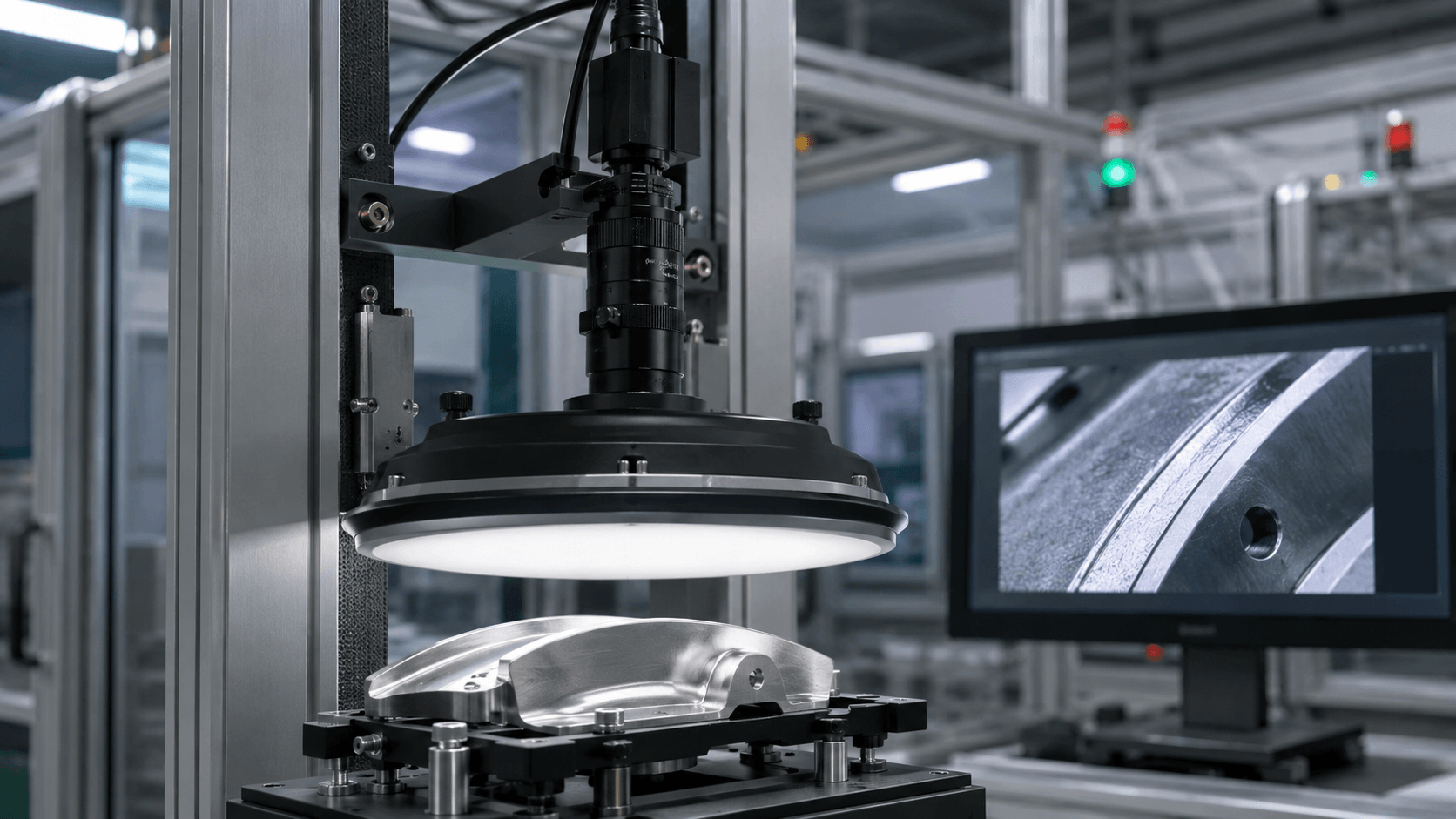
A complete Machine Vision Inspection system typically consists of an industrial camera, a Telecentric Lens, an Industrial Light Source, and image processing software. Each component plays a different role in the imaging process.
The telecentric lens captures images with consistent magnification, while the industrial light source determines how object features are illuminated before reaching the camera sensor. The camera records the image, and the software analyzes the inspection results.
Although the lens provides a stable optical foundation, unsuitable lighting may prevent edges, textures, or reflective surfaces from being clearly captured. Therefore, a Telecentric Lens and Industrial Lighting should work together to create stable imaging conditions that support reliable Automated Vision Inspection.
Which Industrial Light Source Works Best with a Telecentric Lens?
Different inspection targets require different lighting methods. Selecting the appropriate Machine Vision Lighting allows a telecentric lens to perform more effectively under specific inspection conditions.
Ring Light
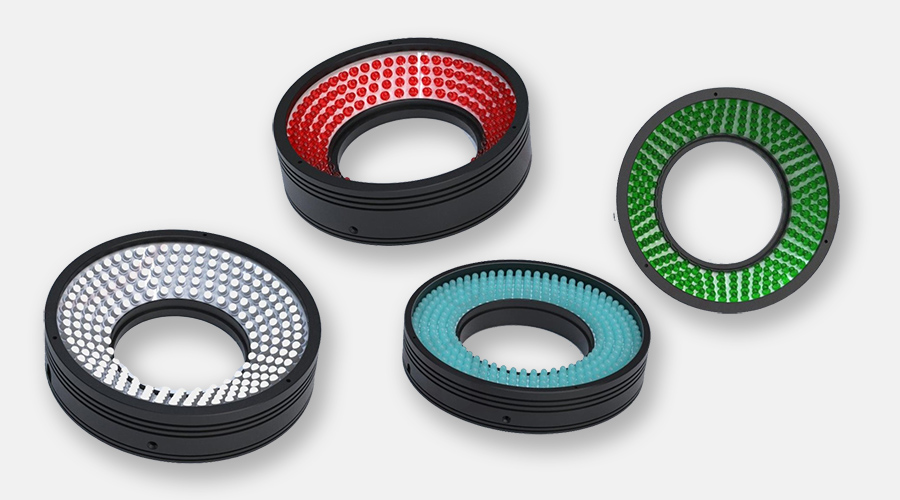
For electronic components, printed products, and general industrial inspection, a Ring Light is one of the most commonly used lighting solutions. Positioned around the optical axis, it provides balanced illumination while reducing harsh shadows, making surface details easier to observe.
When combined with a Telecentric Lens, a Ring Light offers stable and uniform illumination for many general machine vision applications.
Back Light
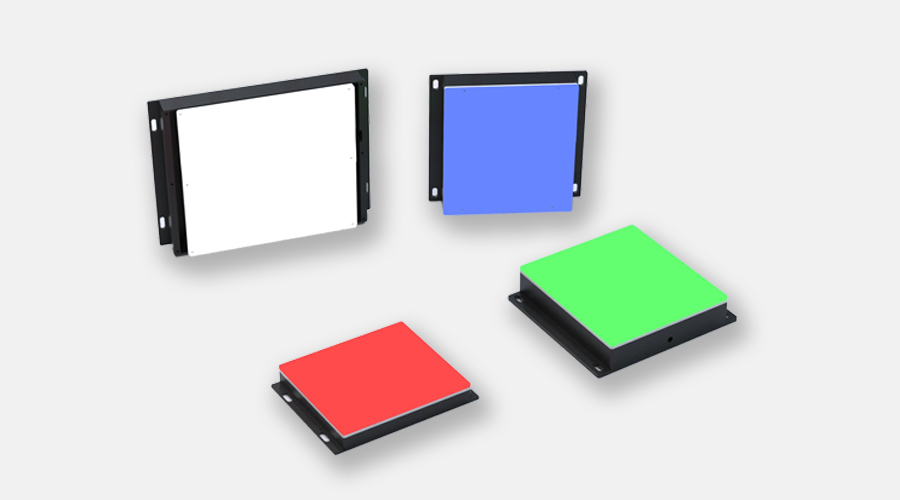
When dimensional measurement, edge detection, or profile inspection is the primary objective, a Back Light is often the preferred choice. Positioned behind the object, it creates a high-contrast silhouette that clearly defines the object's outline.
Working together with a Telecentric Lens, back lighting helps produce accurate edge images for precision measurement applications.
Coaxial Light
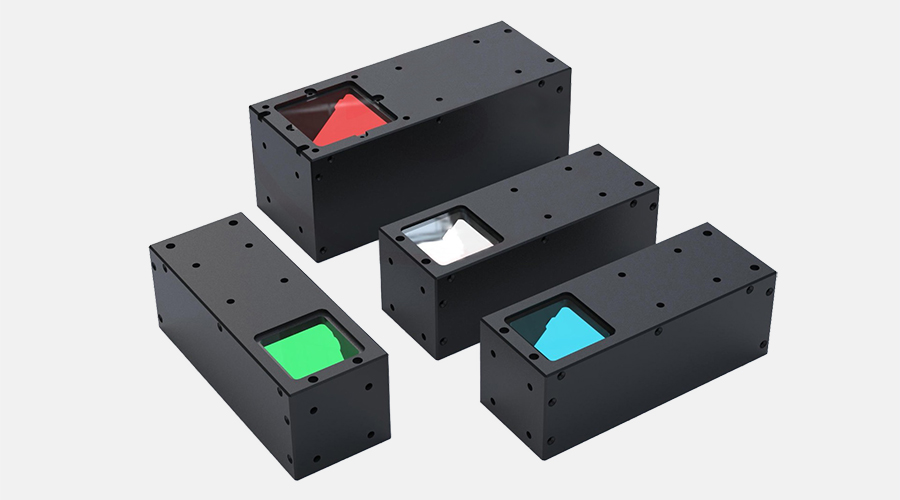
Highly reflective materials such as metal, glass, wafers, and electronic components often require more controlled illumination.
A Coaxial Light directs light along the same optical axis as the lens, helping reduce surface reflections while improving the visibility of fine details. This combination is commonly used when inspecting reflective objects in machine vision systems.
Dome Light
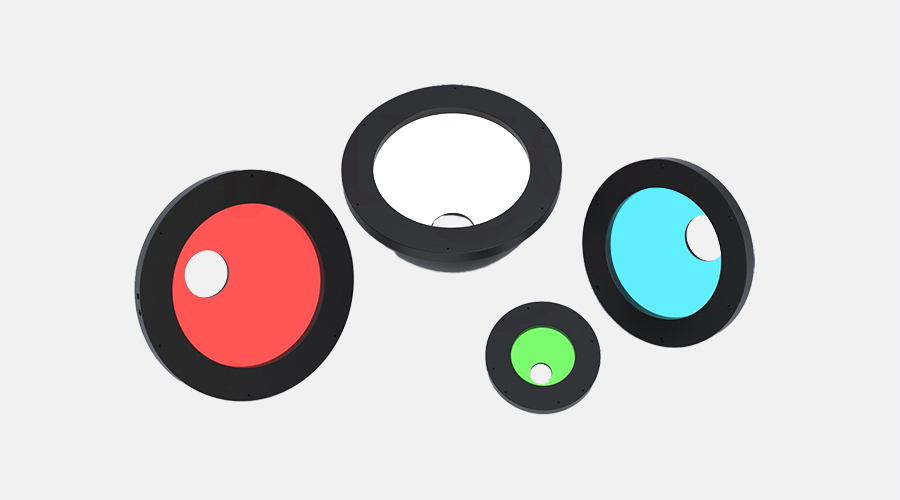
Objects with curved surfaces or complex geometries may produce shadows and uneven reflections under directional lighting.
A Dome Light delivers diffuse illumination from multiple directions, creating more uniform lighting while minimizing glare and shadows. Combined with a Telecentric Lens, it is well suited for inspecting components with irregular shapes.
Bar Light
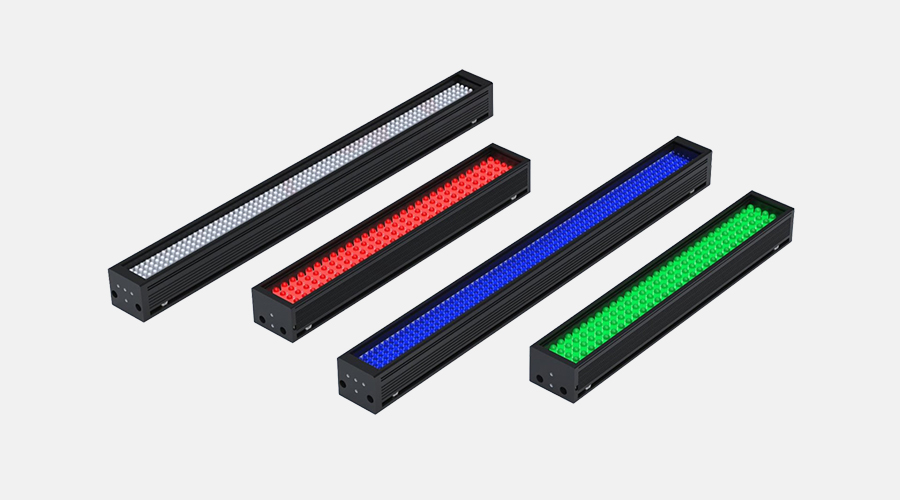
For conveyor systems, large inspection areas, or long workpieces, a Bar Light provides directional illumination that can be installed in flexible positions.
Multiple bar lights may also be combined to create lighting arrangements that match different inspection angles while working together with a Telecentric Lens.
How to Choose the Right Industrial Light Source for a Telecentric Lens
Although a telecentric lens is responsible for image formation, stable inspection results depend largely on whether the lighting matches the inspection target. Different materials, surface finishes, and inspection objectives require different lighting approaches.
When selecting an industrial light source, consider the following factors:
- Reflective materials: For metal, glass, and other reflective surfaces, a Coaxial Light can help reduce glare and improve image clarity.
- Dimensional measurement: A Back Light is often suitable for capturing clear object profiles for edge detection and measurement.
- Curved or complex surfaces: A Dome Light provides diffuse illumination that helps reduce shadows and improve lighting uniformity.
- General surface inspection: A Ring Light offers balanced illumination for a wide range of routine machine vision applications.
- Large inspection areas: A Bar Light can be arranged flexibly to meet different lighting requirements across larger inspection zones.
Rather than simply combining products, selecting a Telecentric Lens and an Industrial Light Source should be based on the inspection task itself. Matching the lighting, lens, camera, and inspection objective helps build a more reliable Machine Vision Inspection system while maintaining consistent image quality.
FAQ
Q1. Why does a telecentric lens need proper lighting?
Proper lighting improves image contrast and edge visibility, helping a Telecentric Lens capture stable and consistent images for reliable Machine Vision Inspection.
Q2. Which industrial light source is suitable for dimensional measurement?
A Back Light is commonly used because it creates clear object silhouettes that support edge detection and precision measurement.
Q3. When should a Coaxial Light be used?
A Coaxial Light is suitable for inspecting reflective materials such as metal, glass, wafers, and electronic components by helping reduce unwanted reflections.
Q4. Can one industrial light source be used for every machine vision application?
No. Different inspection tasks require different Machine Vision Lighting solutions, including Ring Lights, Back Lights, Coaxial Lights, Dome Lights, and Bar Lights, depending on the inspection objective.
Q5. How do you choose the right industrial light source for a telecentric lens?
The lighting solution should be selected according to the material, surface characteristics, inspection objective, and imaging requirements so that the Industrial Light Source and Telecentric Lens work together to deliver stable machine vision inspection results.