
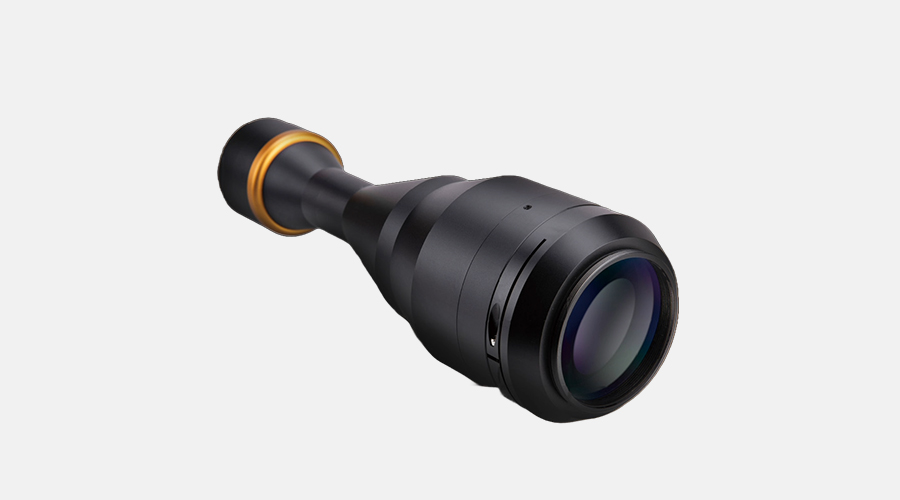
 Compatible with 7.2mm-82mm chips
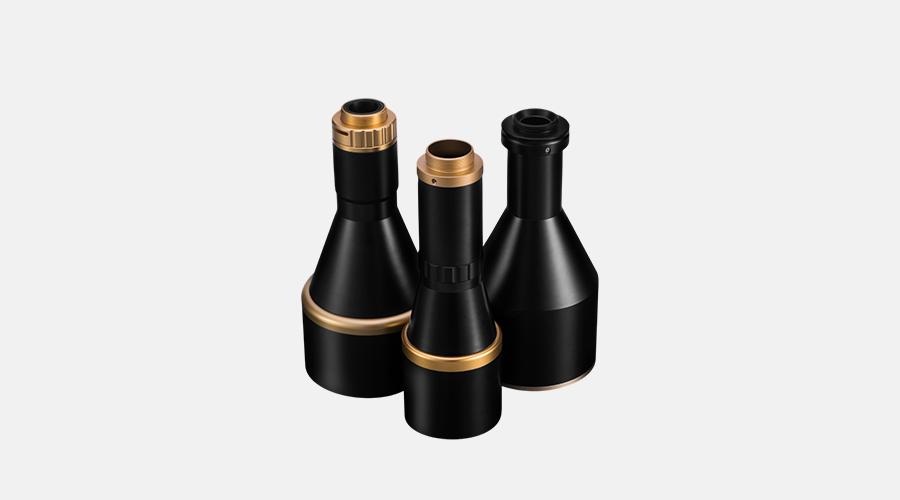 High/Low Working Distance
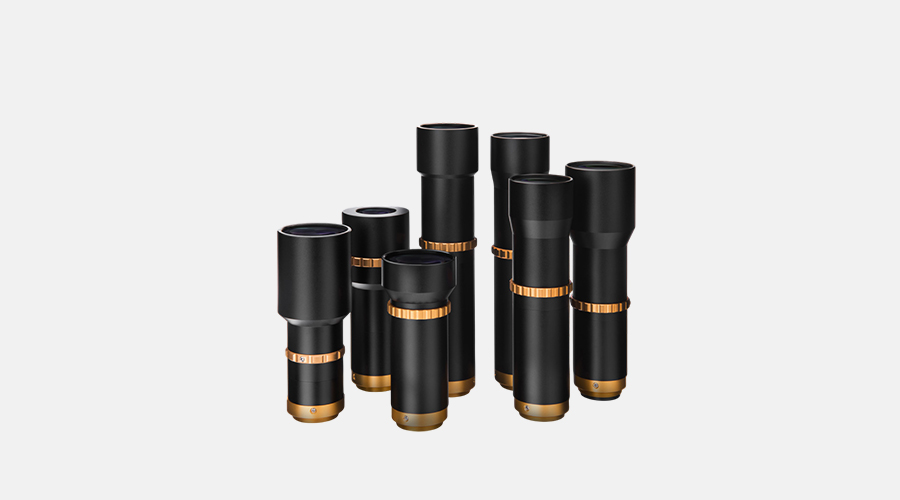 Aperture telecentric lens
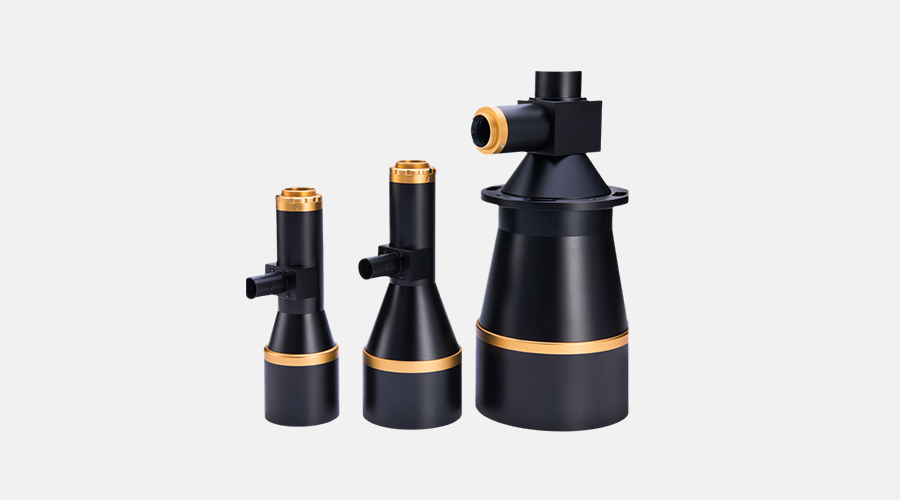 Measuring lens
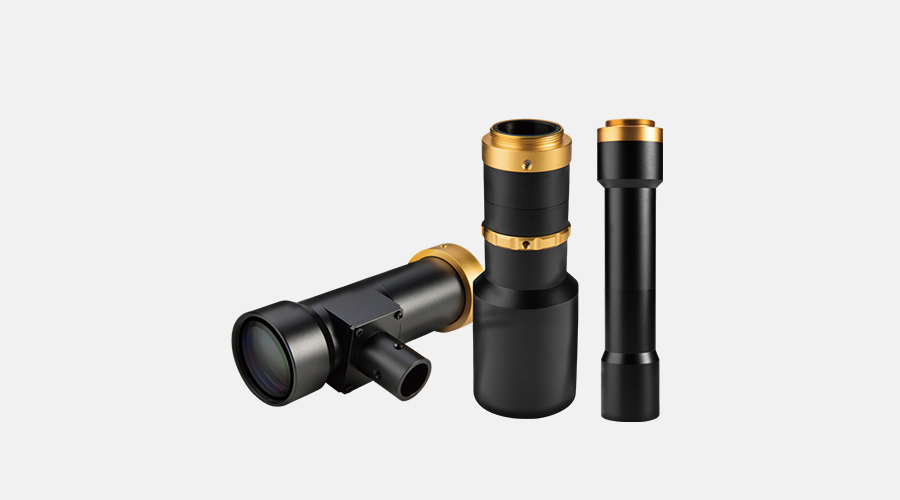 Maximum support 1.1" chips
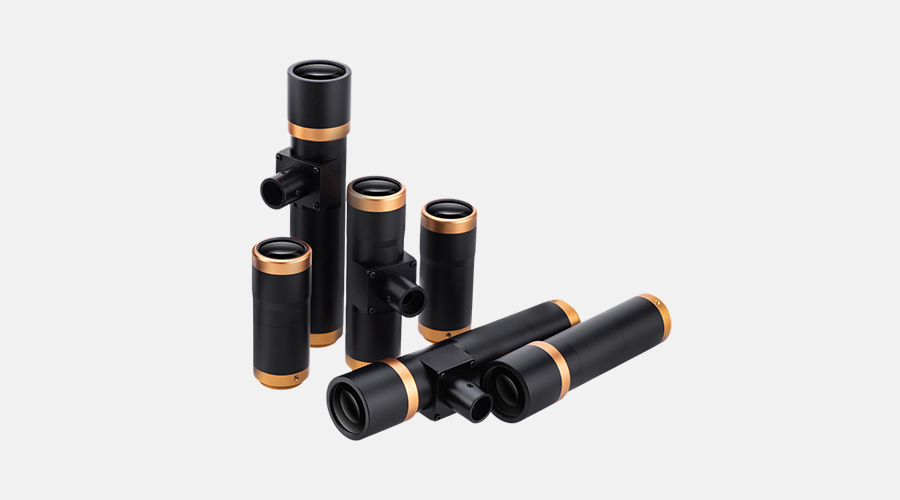 Maximum support 1.2" chips
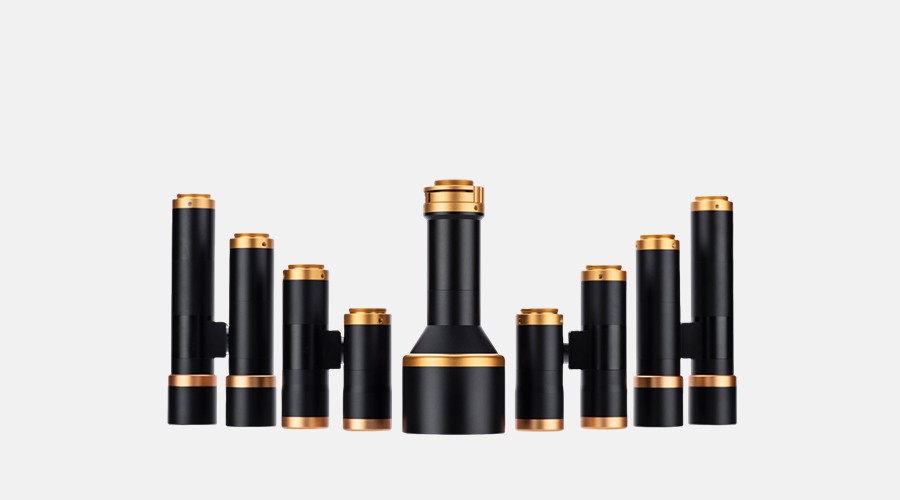 Maximum support 2/3" chips
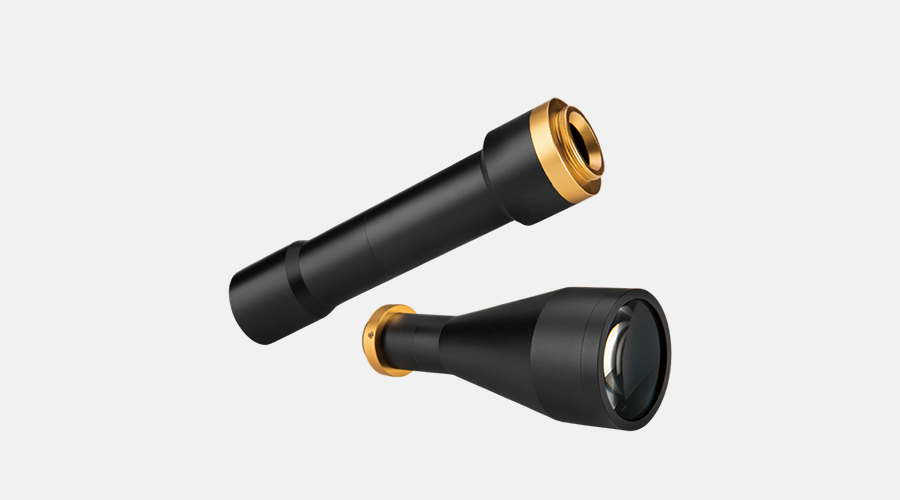 Long Working Distance
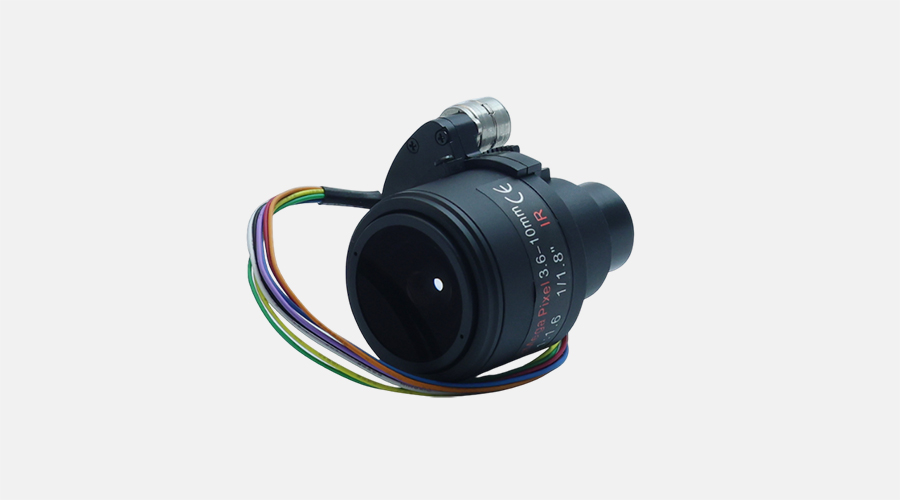 Varifocal board lens
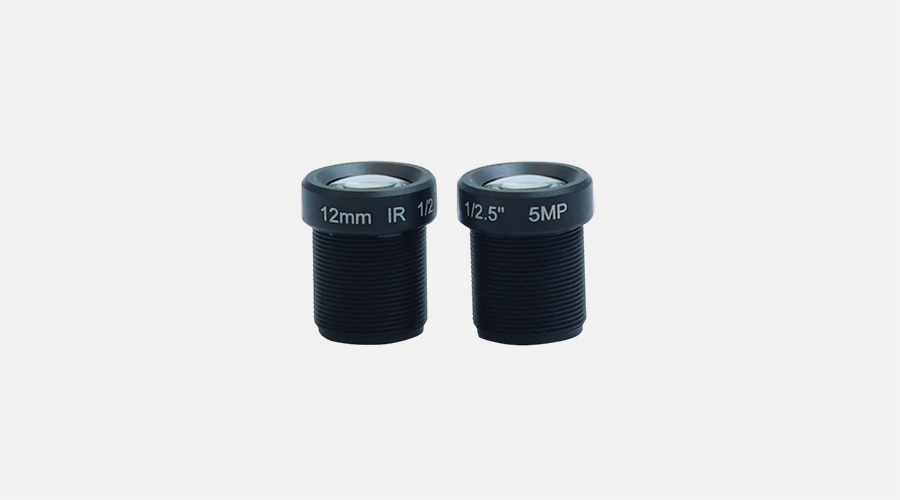 S mount lens
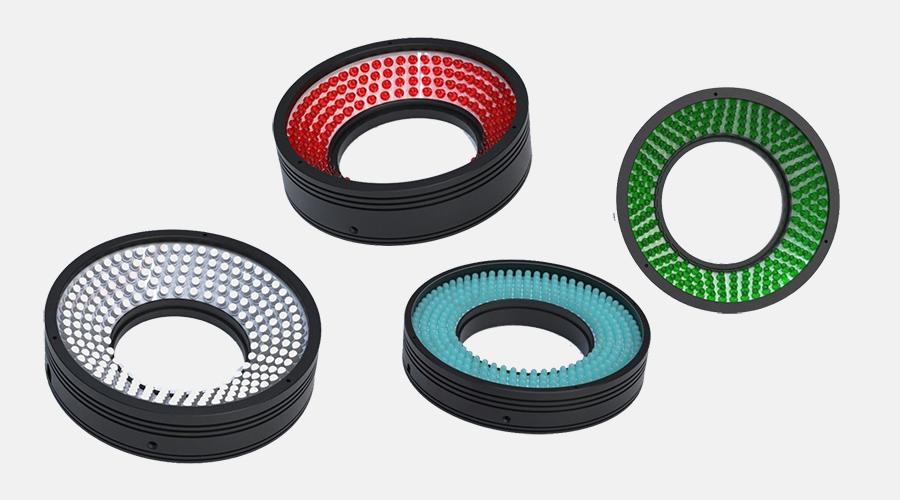 Ring light
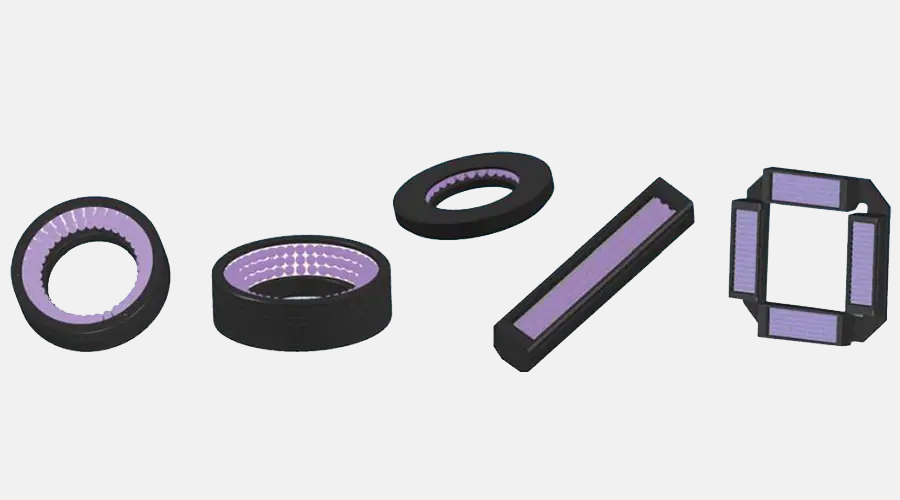 UV/IR Light
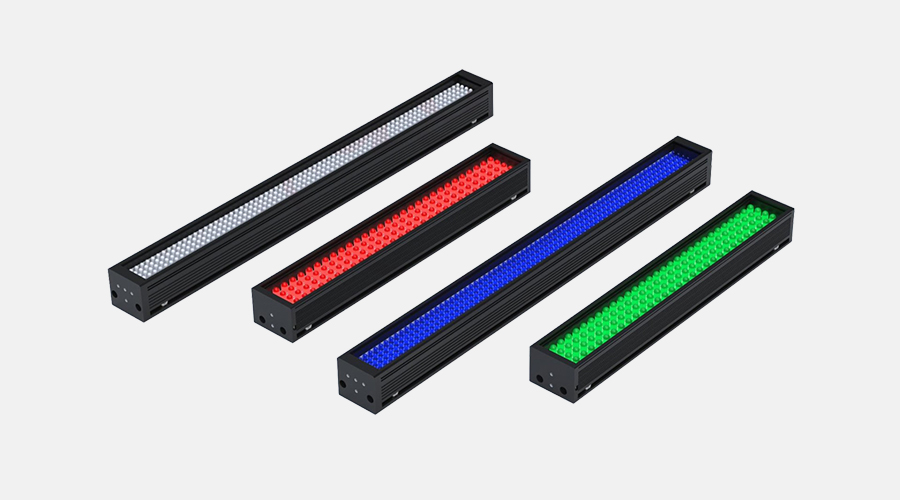 Bar light
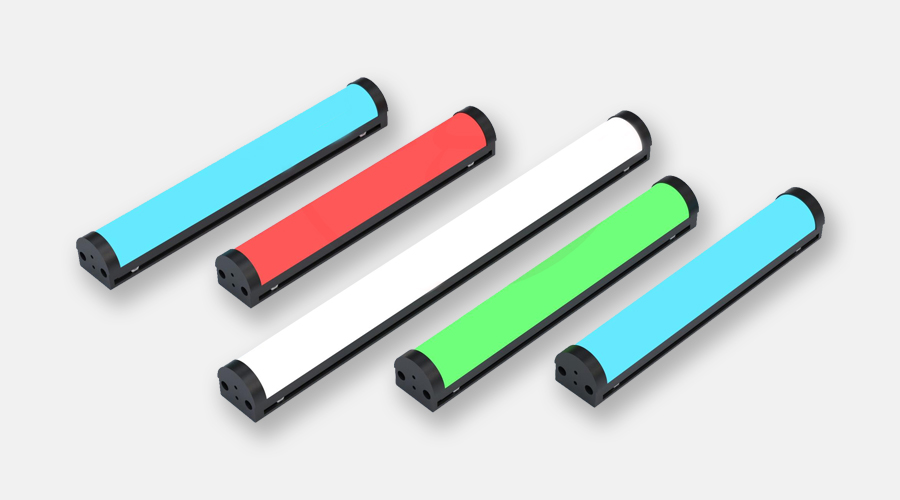 Arcuate high uniformity light
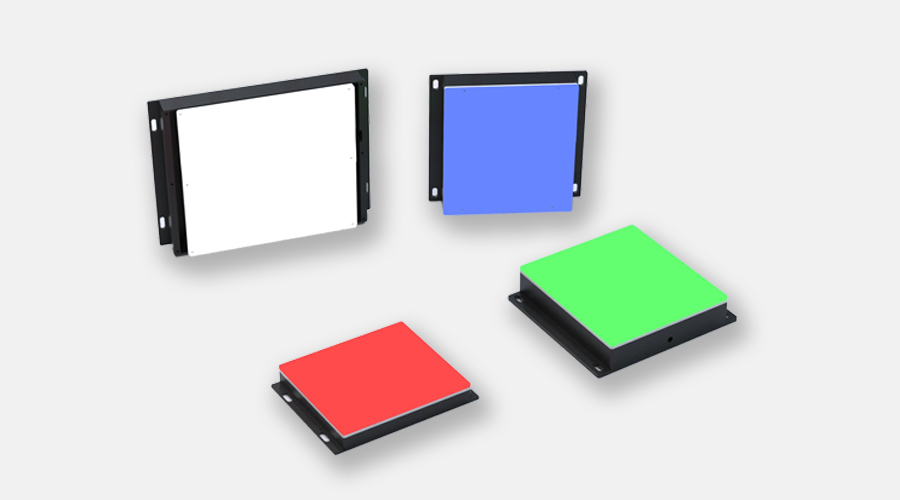 Back light
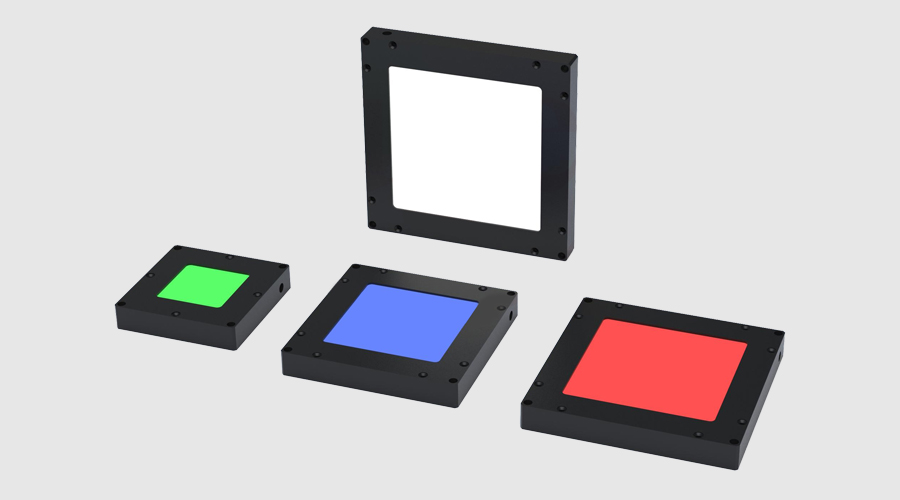 Flat light
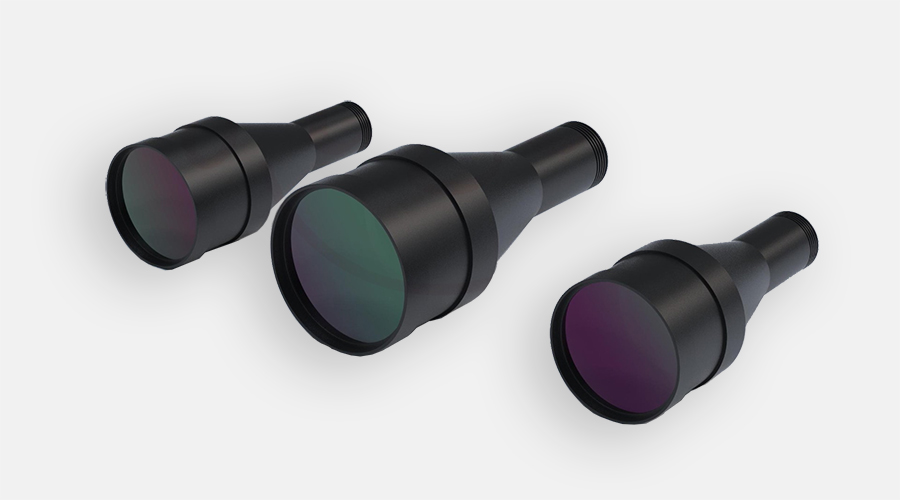 Collimated light
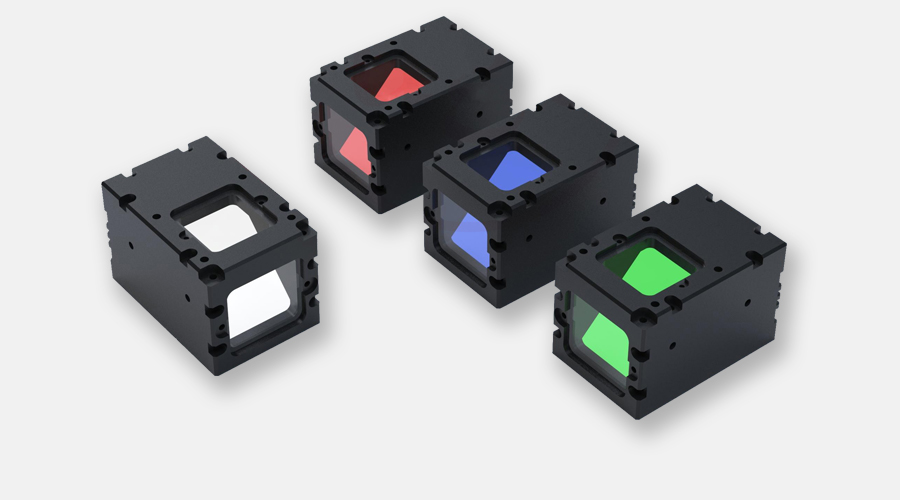 Coaxial light
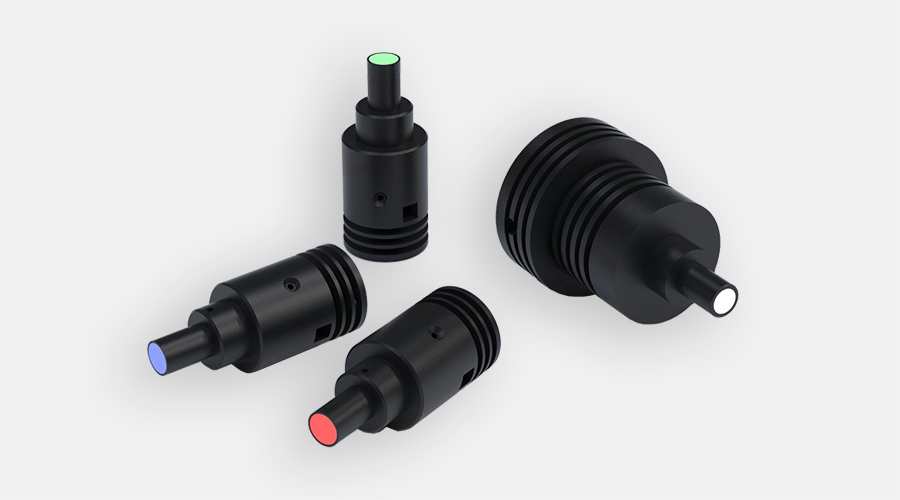 Spot light
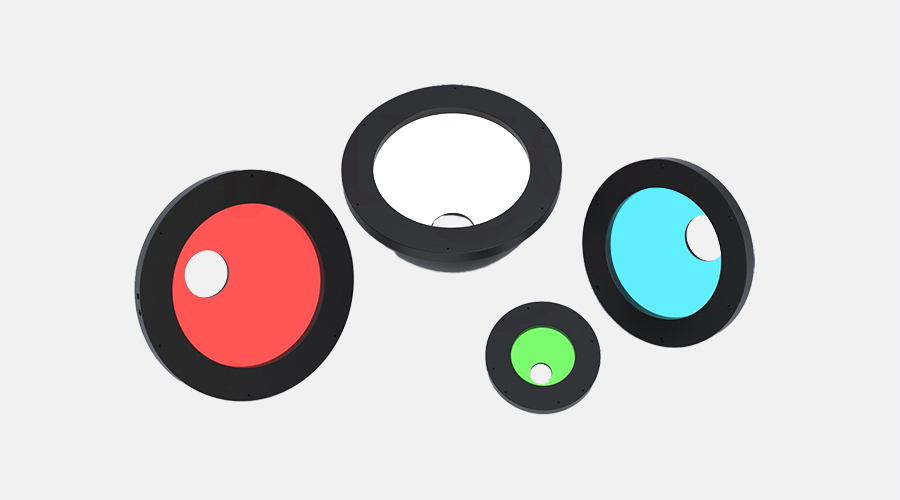 Dome light
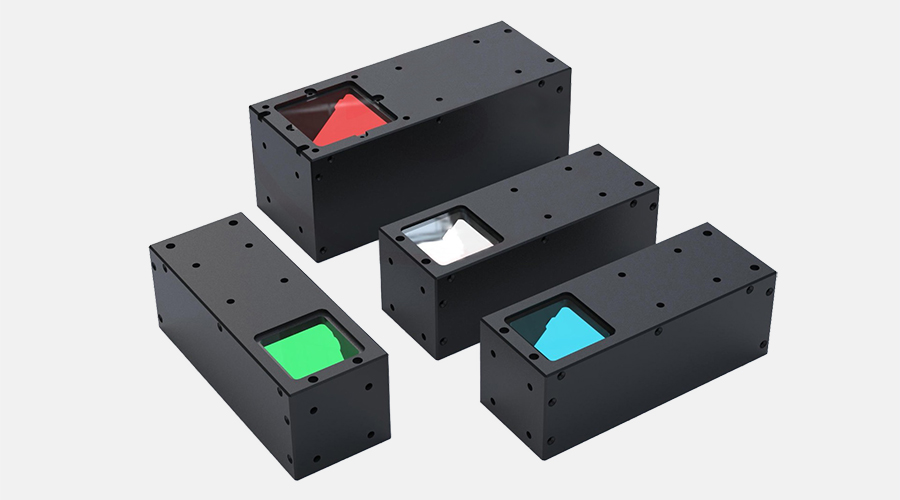 Collimated Coaxial light
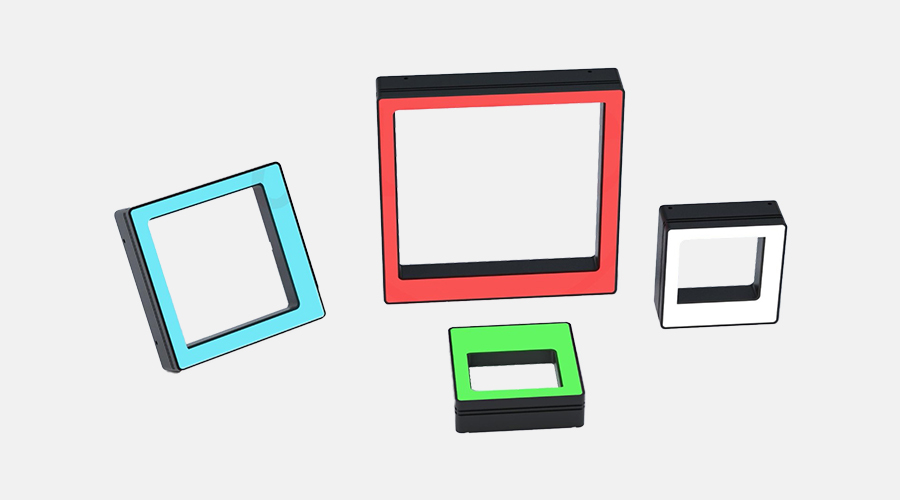 Shadowless square light
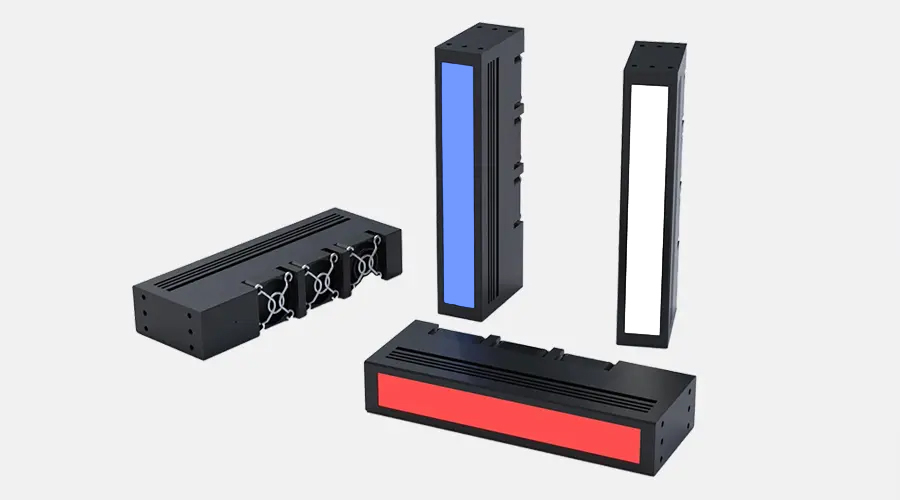 Scan light
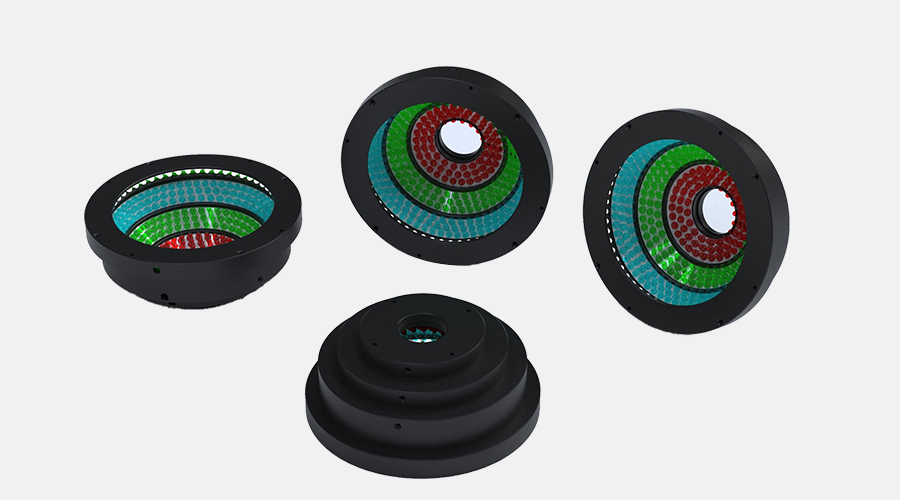 AOI light
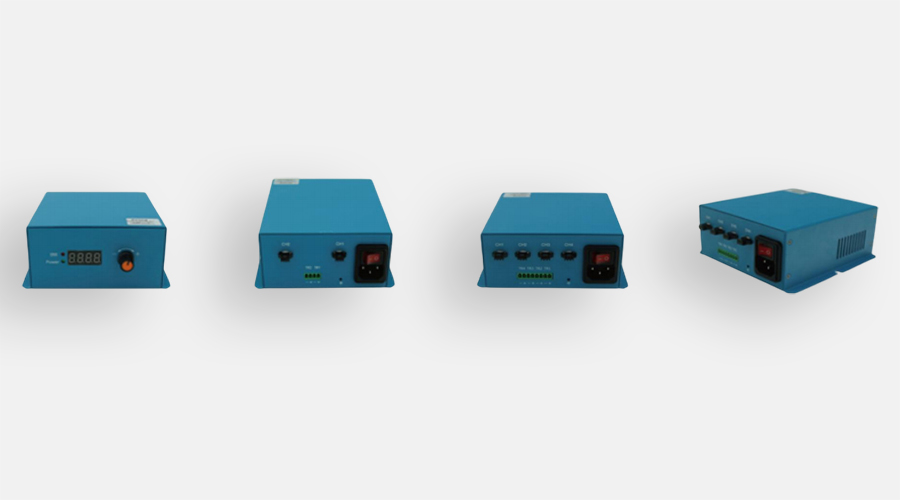 Analog controller
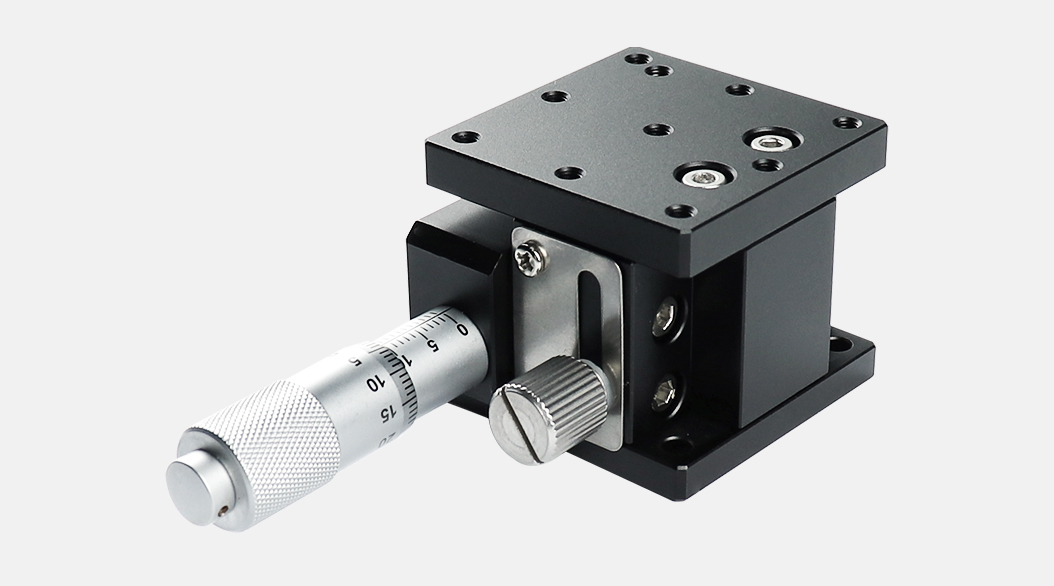 Crossed-Roller Linear guide type
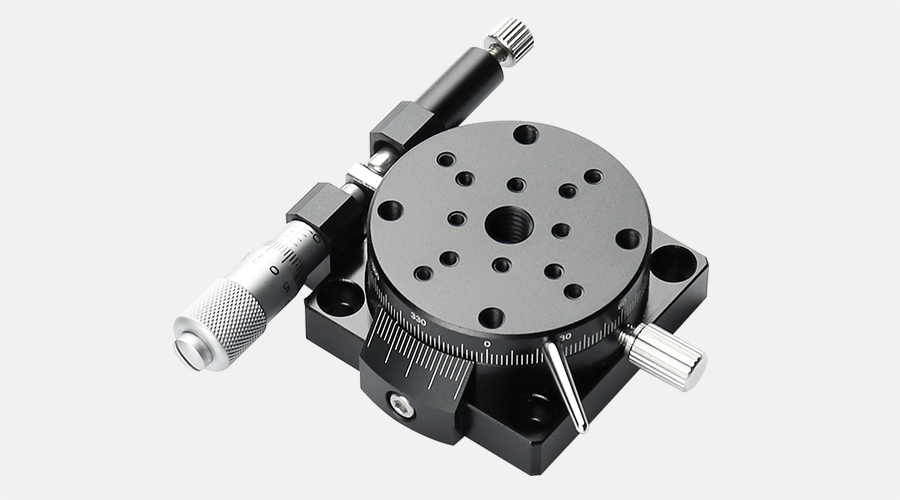 Rotary Stages XRS series
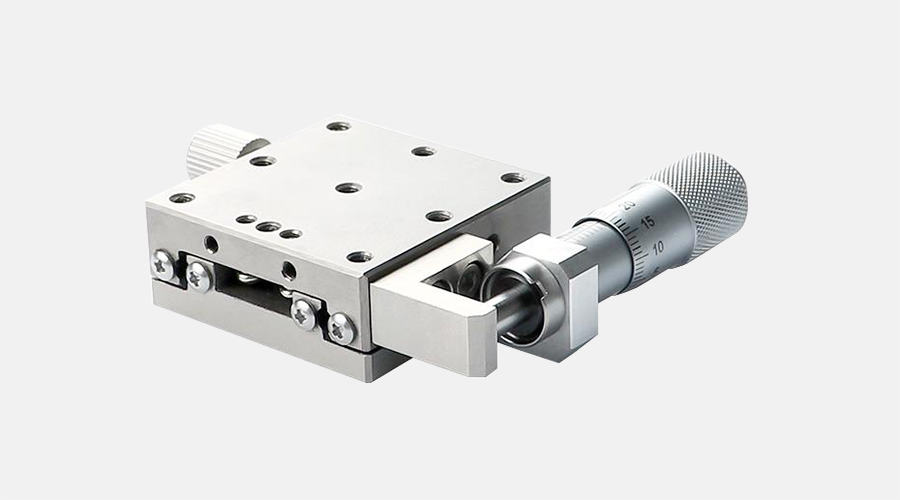 Stainless Steel Ball Bearing Linear Translation Stages
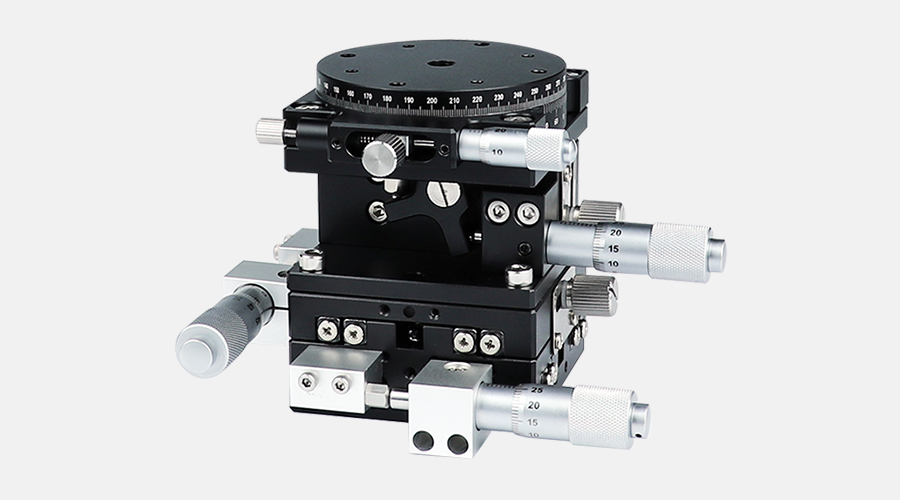 Multi-axis Translation stages
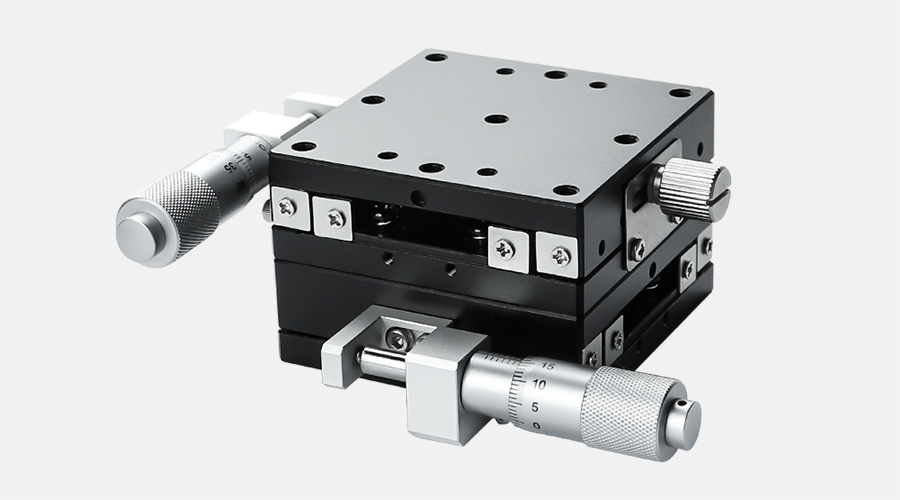 steel bar ball bearing stages
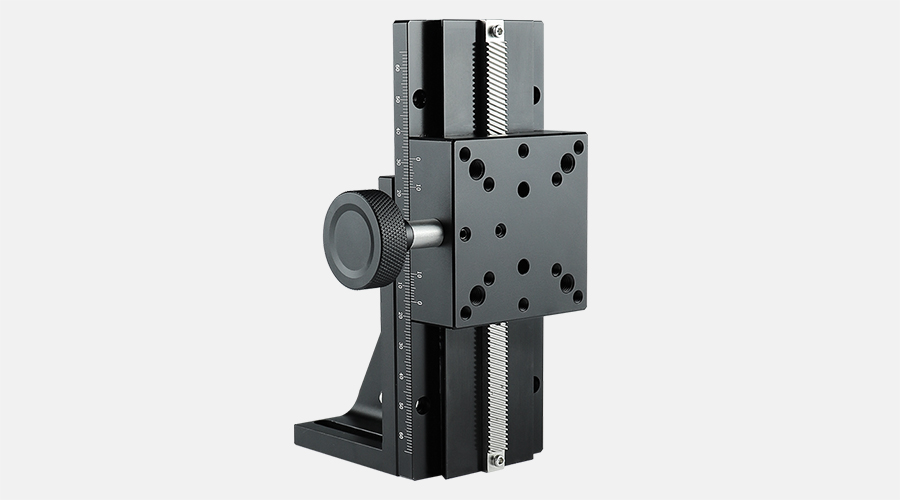 Dovetail Type Rack&Pinion Positioning Stage
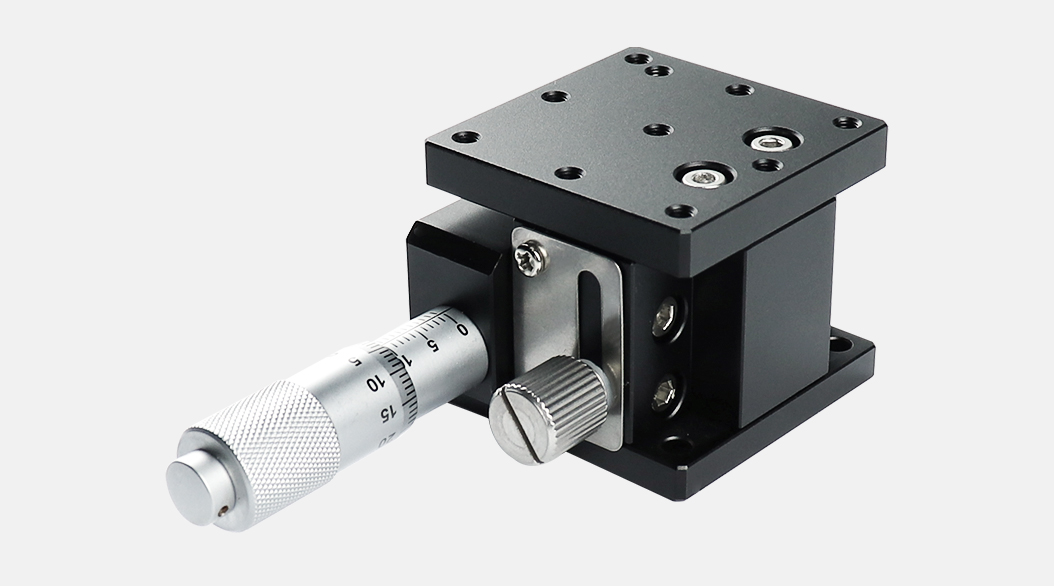
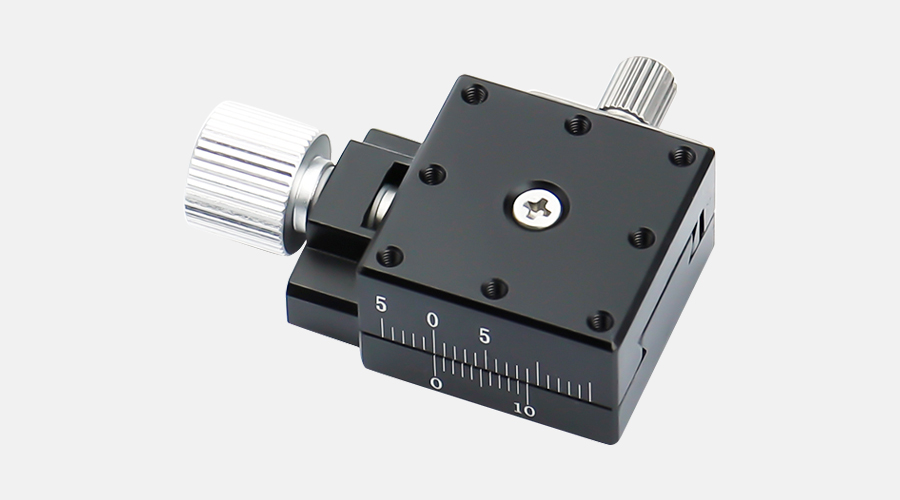 Dovetail groove high-precision screw slide



How to Choose the Right Security Lens for Traffic and Road Monitoring
When deploying surveillance cameras for traffic and road monitoring, selecting the right lens is as critical as choosing the camera itself. A wrong lens can render even a high-resolution camera useless for capturing vehicle details, license plates, or incident footage.
Understanding the Core Requirements for Traffic Surveillance
Traffic monitoring presents unique challenges that differ from standard security applications. Cameras must operate in constantly changing lighting conditions - from bright sunlight to complete darkness under streetlights. They must capture fast-moving objects with clarity and withstand harsh environmental conditions including rain, dust, and temperature extremes.
The primary goal in traffic surveillance is capturing usable evidence: vehicle details, license plate numbers, driver faces, and incident documentation. This requires careful attention to focal length selection, resolution, and low-light performance.
Focal Length Selection for Traffic Monitoring
Focal length determines the field of view (FOV) and the distance at which details can be recognized. For traffic monitoring, common scenarios include:
Intersection monitoring: Requires wide-angle coverage to capture all approaches. A 2.8-12mm varifocal lens set at the wider end provides approximately 90-100 degree horizontal FOV, suitable for capturing four-way intersections from a single camera position.
Road section monitoring: Requires medium telephoto coverage to capture vehicles at greater distances. Setting the same varifocal lens at 12mm provides approximately 20-30 degree FOV, enabling detailed capture of vehicles 30-50 meters away.
License plate recognition (LPR): Requires telephoto settings with high resolution. For ANPR systems, the camera must resolve characters at least 45mm in height. At 10 meters distance, a 12mm focal length on a 4MP camera can achieve this, while 8MP+ cameras extend reliable LPR distance to 15-20 meters.
The advantage of varifocal lenses with 5-50mm focal range is flexibility - operators can adjust between wide surveillance and detailed inspection without changing equipment.
Resolution Requirements
Modern traffic monitoring demands minimum 4MP resolution, with 5-6MP becoming the standard for new installations. Higher resolution provides enlarged images for evidence without significant quality loss, better digital zoom capability for distant details, and wider coverage area per camera reducing total camera count.
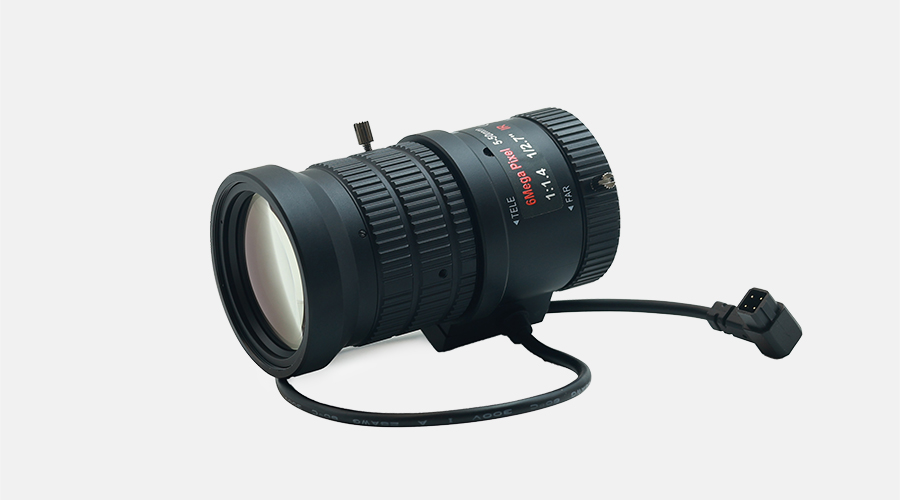
A 6MP security camera with 5-50mm varifocal lens offers a balance of coverage and detail, suitable for monitoring both intersection approaches and mid-range road sections.
Auto Iris Technology for Changing Light Conditions
Traffic cameras experience dramatic light level changes throughout the day. Direct sunlight can cause overexposure, while night-time street lighting creates low-light conditions.
Auto iris (DC iris) lenses automatically adjust aperture based on ambient light, preventing washed-out images during bright conditions and maintaining sensitivity at night. This is essential for traffic monitoring where exposure errors can render footage unusable for evidence purposes.
Environmental Protection
Outdoor traffic cameras require enclosures rated at least IP66 for dust and water protection. The lens must be compatible with these environmental ratings. In extremely cold climates, heated enclosures prevent ice formation on the optics.
Day/night capability is mandatory - cameras must produce usable footage both in daylight and in near-darkness using streetlight illumination. IR-corrected lenses ensure sharp imaging under IR LED illumination without the soft-focus effect that standard lenses exhibit.
Working Distance and Depth of Field
Traffic monitoring cameras often need to capture vehicles at varying distances. Depth of field (DOF) determines the range within which objects remain in acceptable focus.
For traffic monitoring, a lens with substantial DOF helps keep vehicles in focus as they pass through the camera's field, from near (5-10 meters) to far (50+ meters). Varifocal lenses with longer focal lengths at the telephoto end naturally compress perspective but reduce DOF - balancing this requires careful focal length selection based on typical vehicle positions.
Application Example: Urban Intersection Monitoring
An intersection camera positioned at 8 meters height monitoring a four-way intersection requires: wide horizontal coverage of 90-100 degree to capture all approaches; detail capture at 20 meters for vehicle identification; auto iris for day/night operation; and at least 5MP resolution for evidence quality.
A 5-50mm varifocal lens at approximately 5mm setting provides the necessary wide coverage while allowing telephoto adjustment when detail capture of specific lanes is needed. A 6MP camera provides sufficient resolution for both overview and license plate details within the camera's coverage area.
Conclusion
Selecting the right security lens for traffic monitoring requires balancing coverage requirements, detail capture needs, lighting conditions, and environmental factors. Varifocal lenses with wide focal range provide the flexibility needed to address multiple monitoring scenarios from a single camera position.
High resolution (5MP+), auto iris capability, and IR correction are essential features for traffic monitoring lenses. The 5-50mm focal range addresses both wide-area intersection coverage and medium-distance detail capture, making it a versatile choice for urban traffic surveillance systems.