
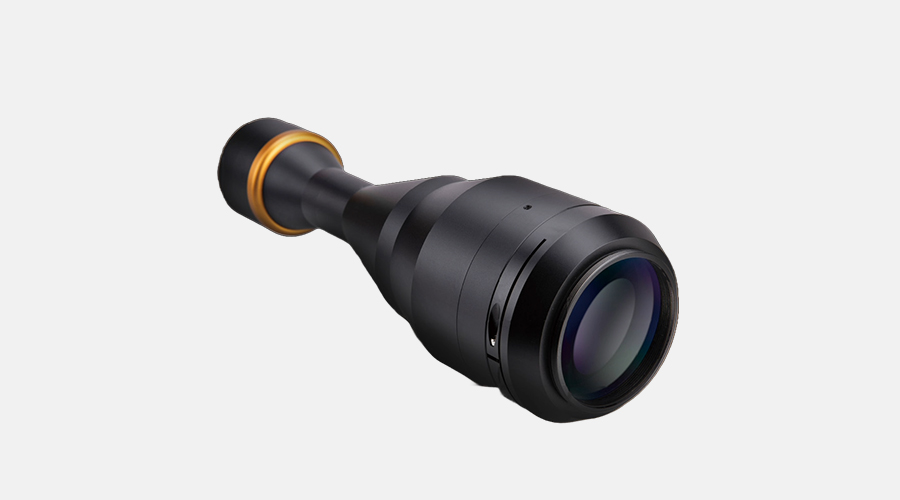
 Compatible with 7.2mm-82mm chips
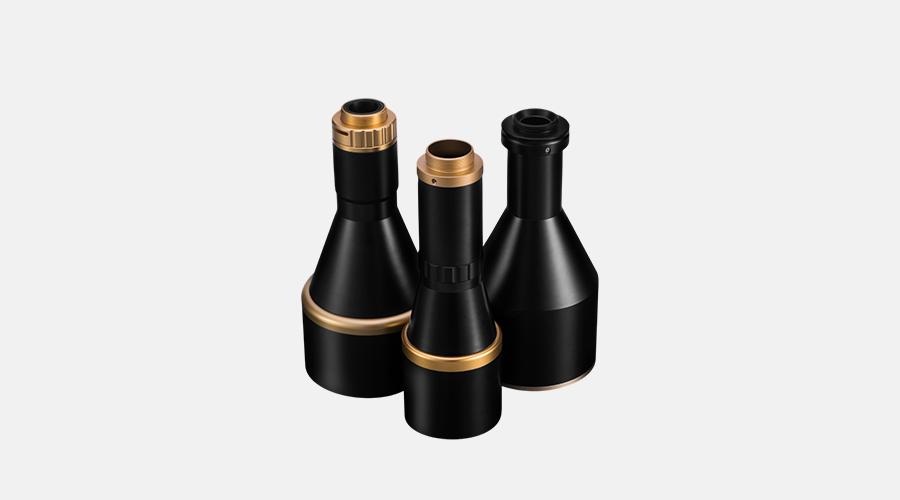 High/Low Working Distance
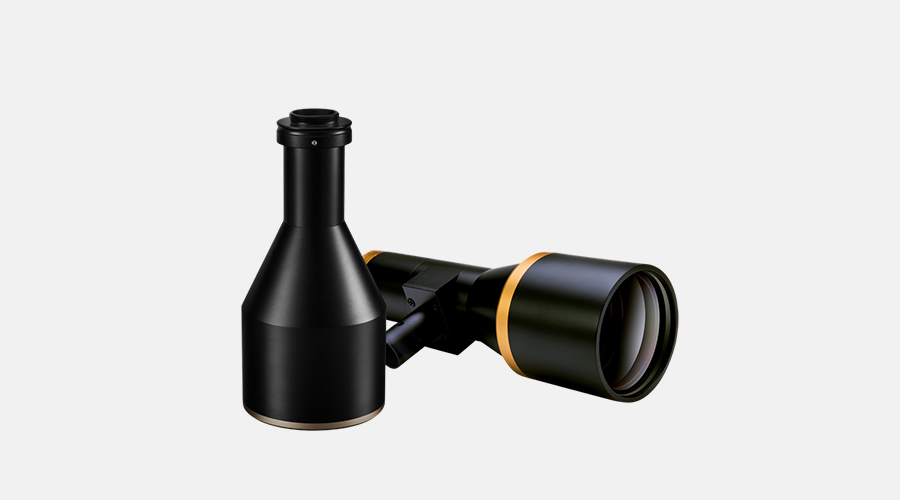
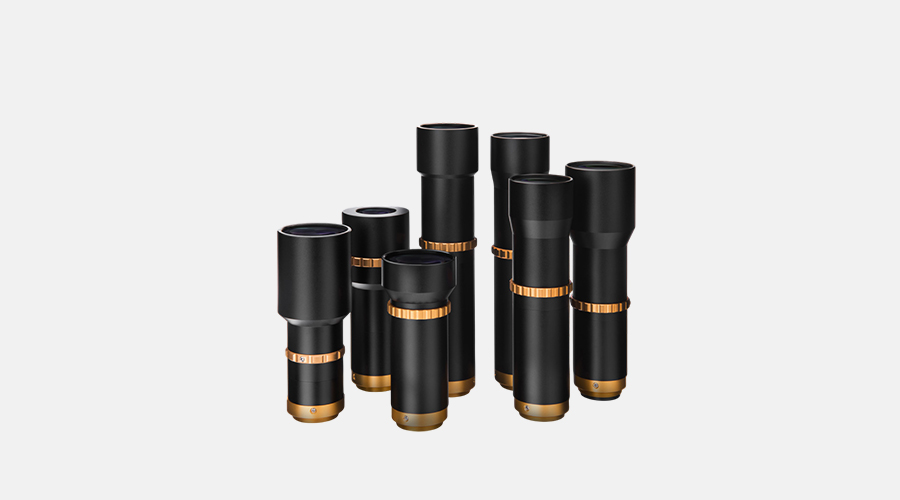 Aperture telecentric lens
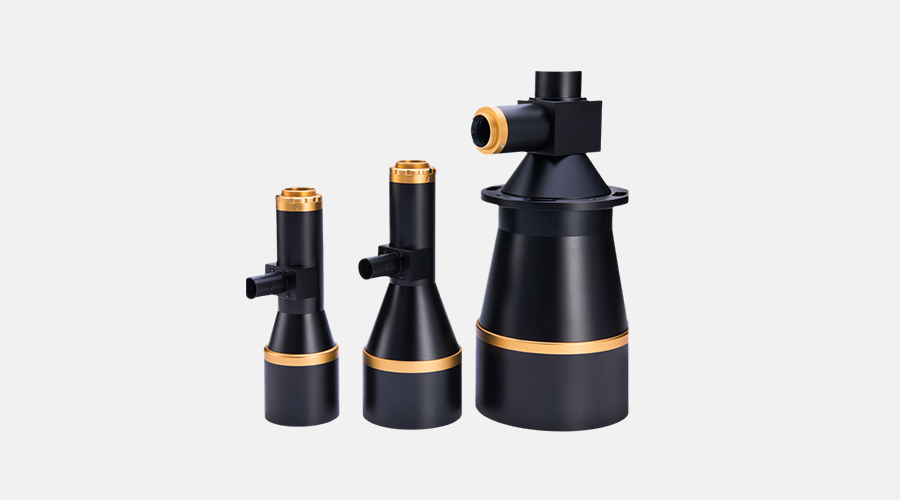 Measuring lens
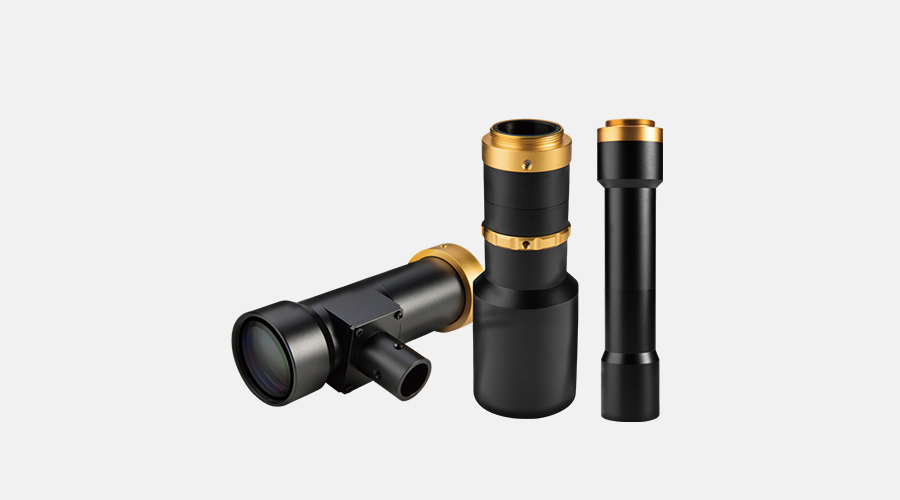 Maximum support 1.1" chips
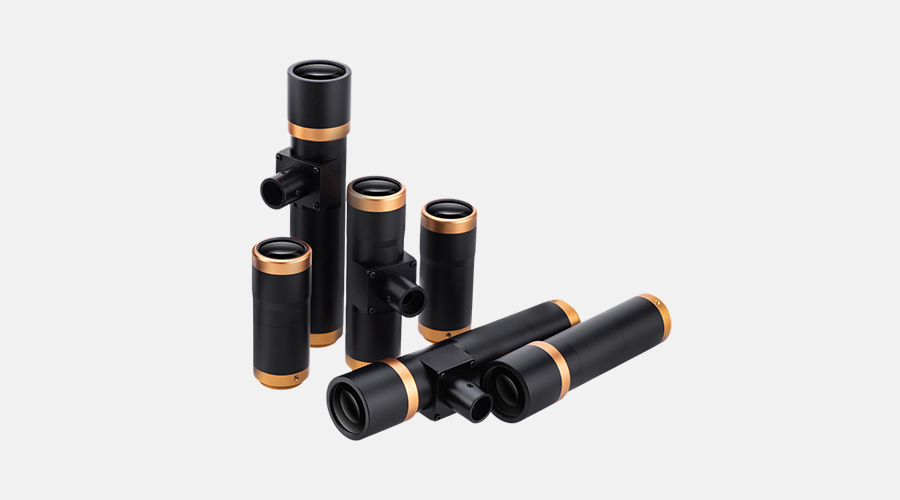 Maximum support 1.2" chips
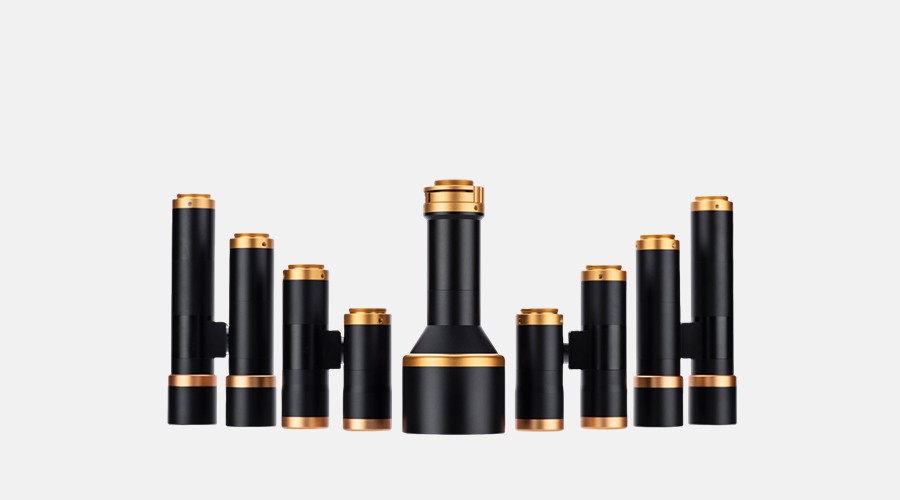 Maximum support 2/3" chips
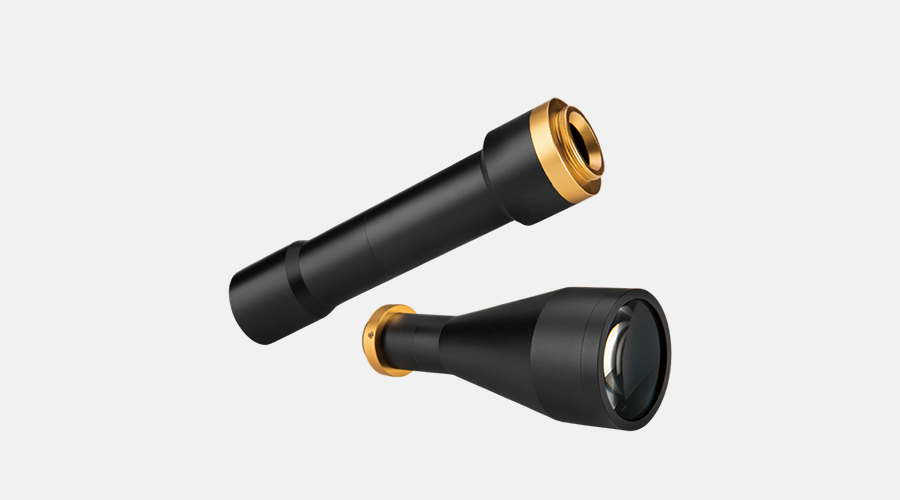 Long Working Distance
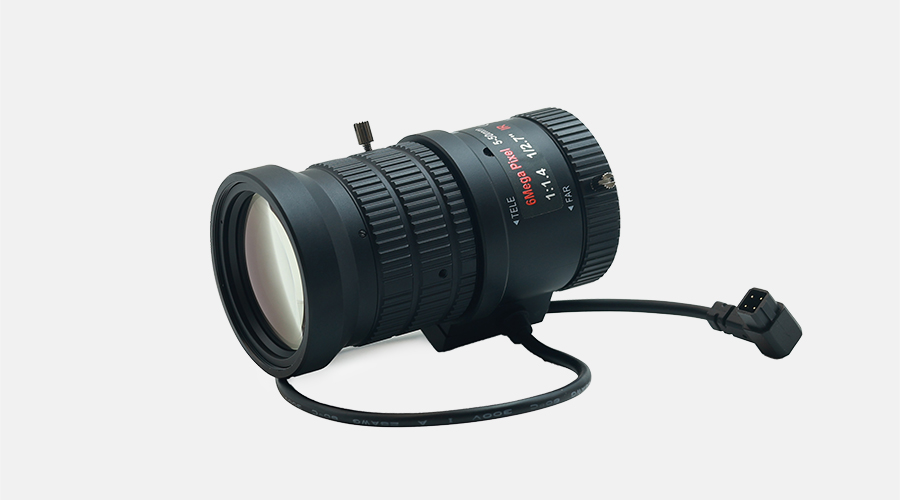 CS mount Varifocal lens
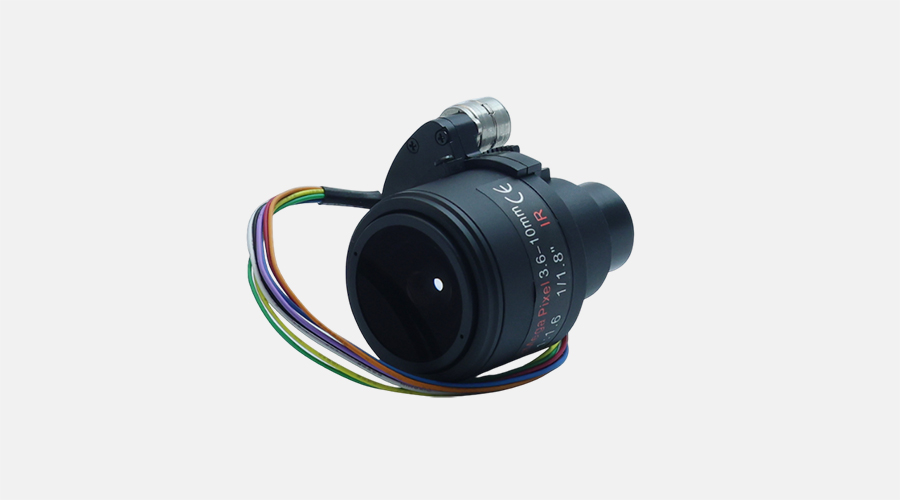 Varifocal board lens
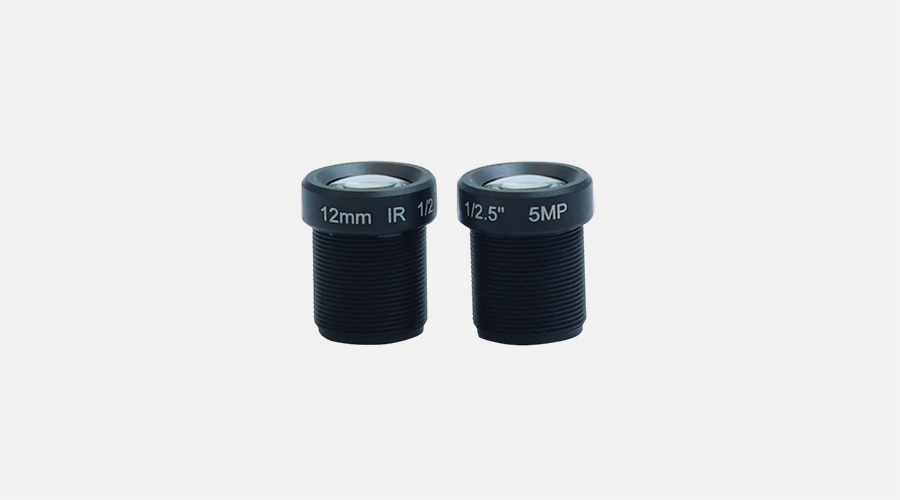 S mount lens
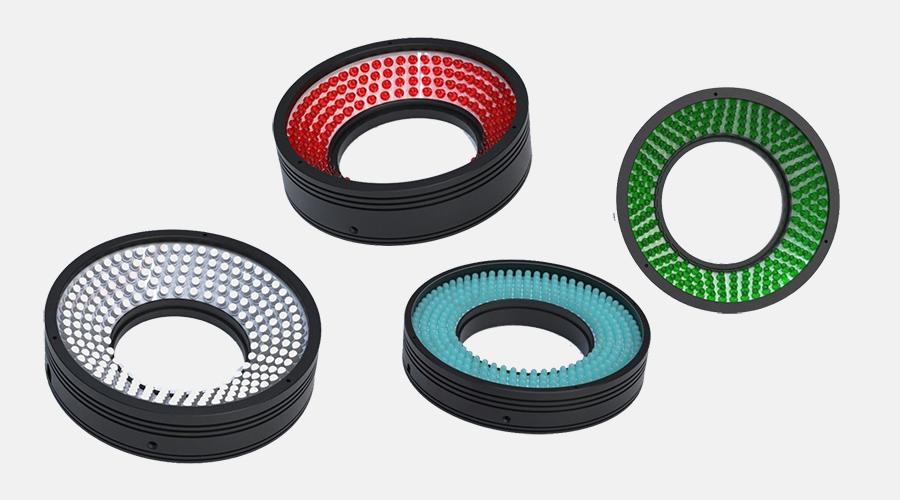 Ring light
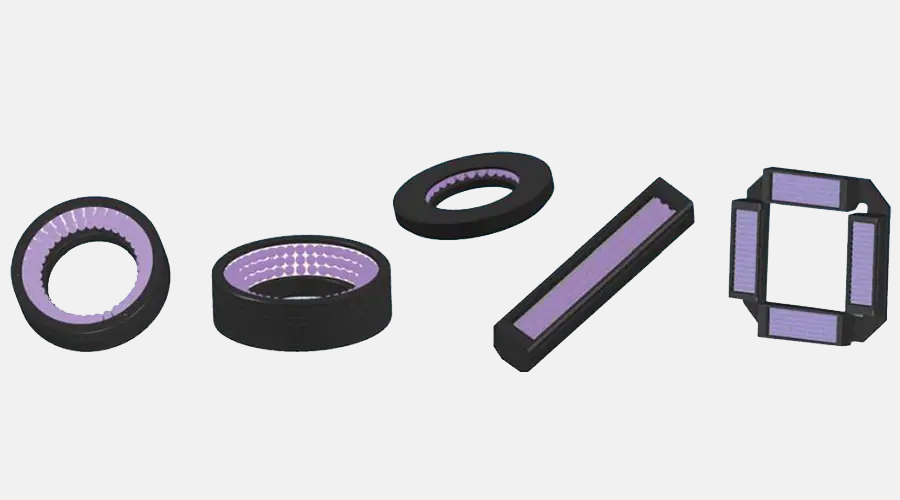 UV/IR Light
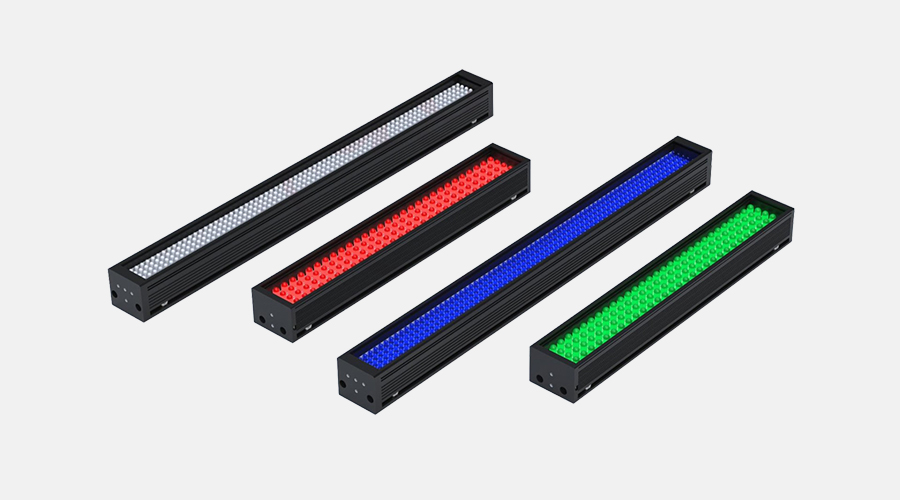 Bar light
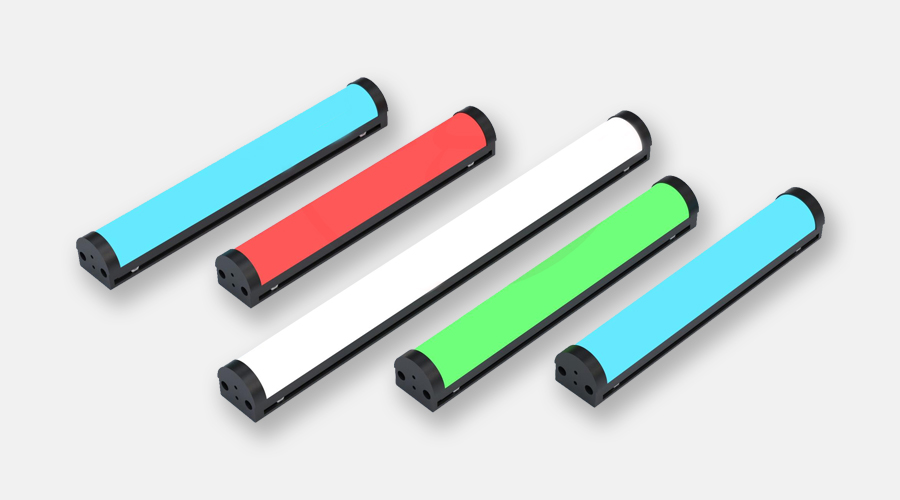 Arcuate high uniformity light
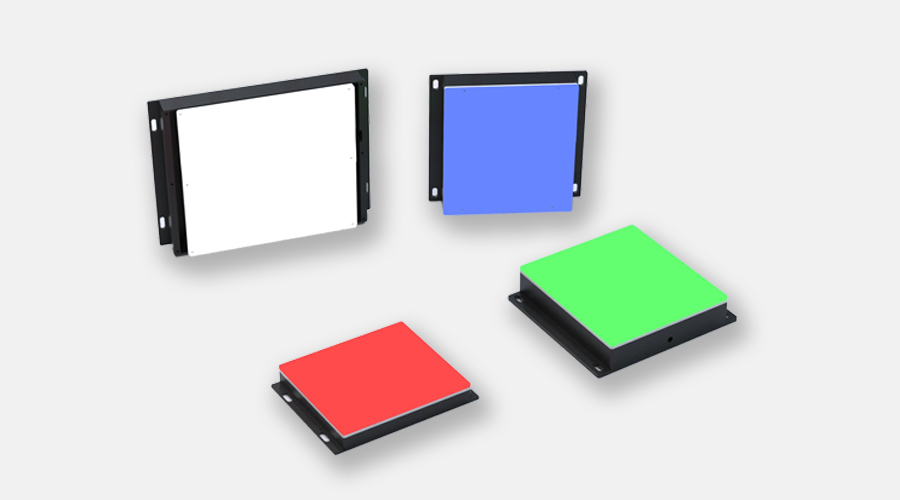 Back light
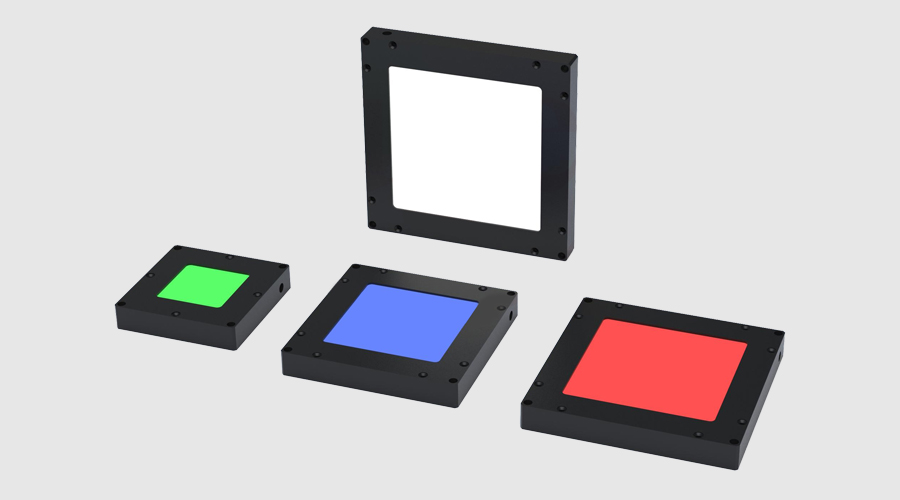 Flat light
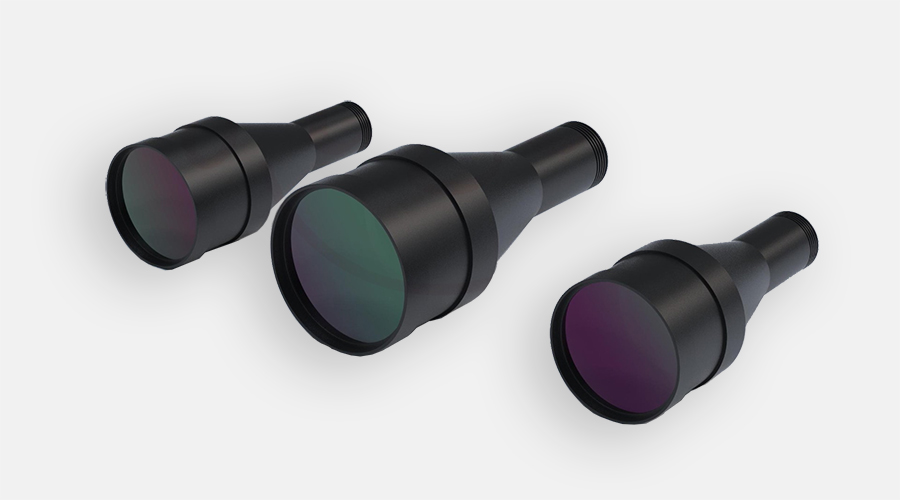 Collimated light
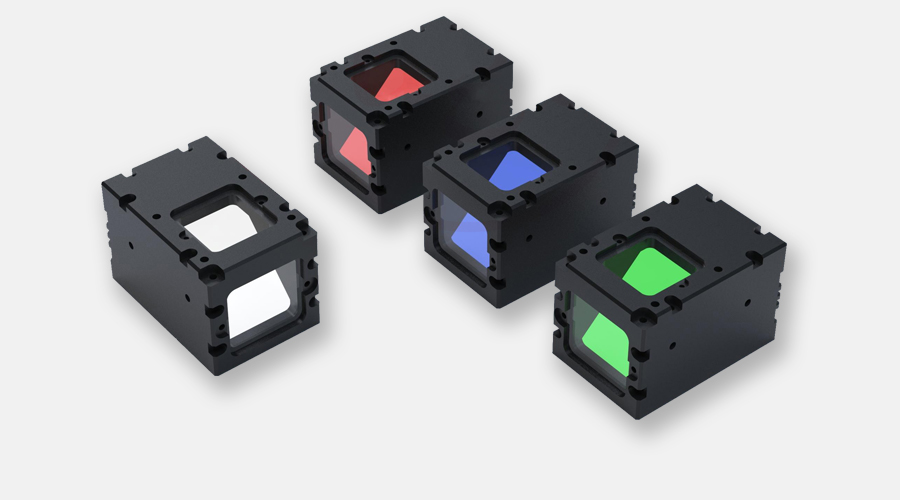 Coaxial light
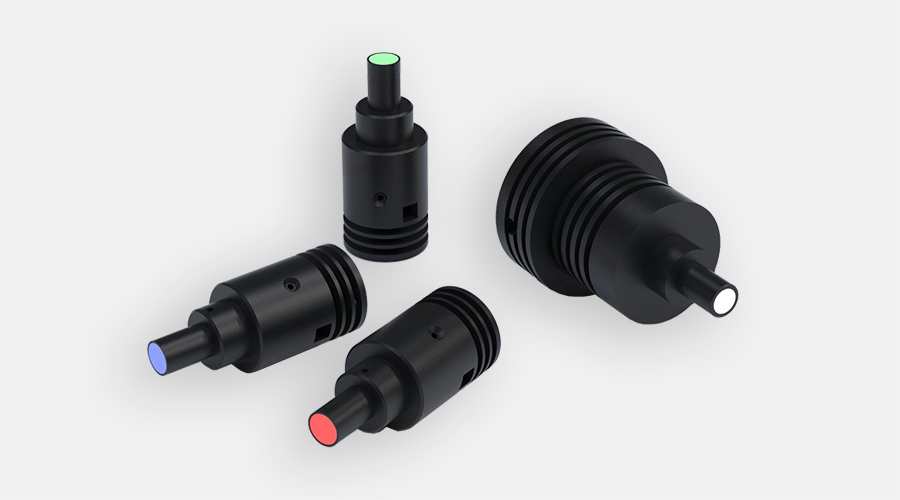 Spot light
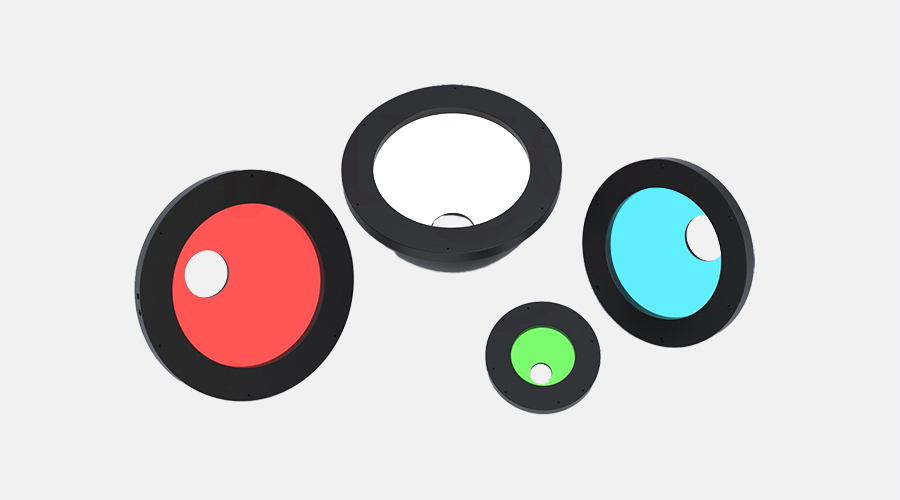 Dome light
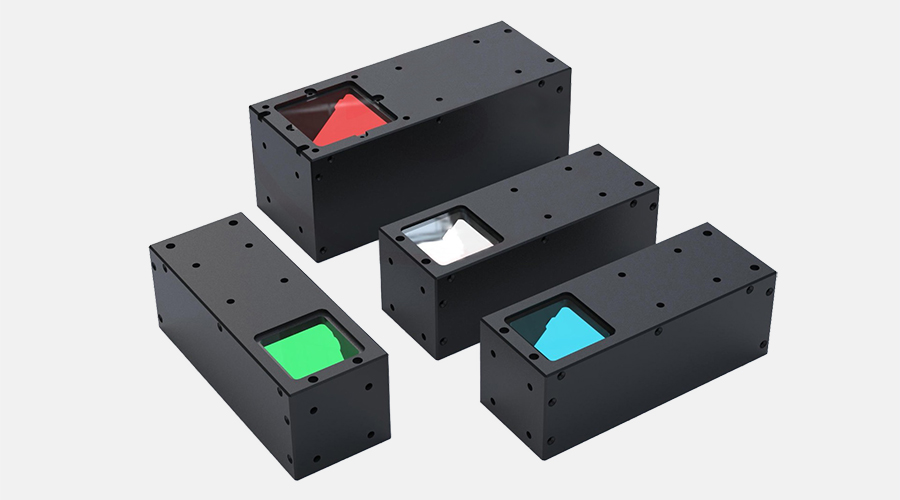 Collimated Coaxial light
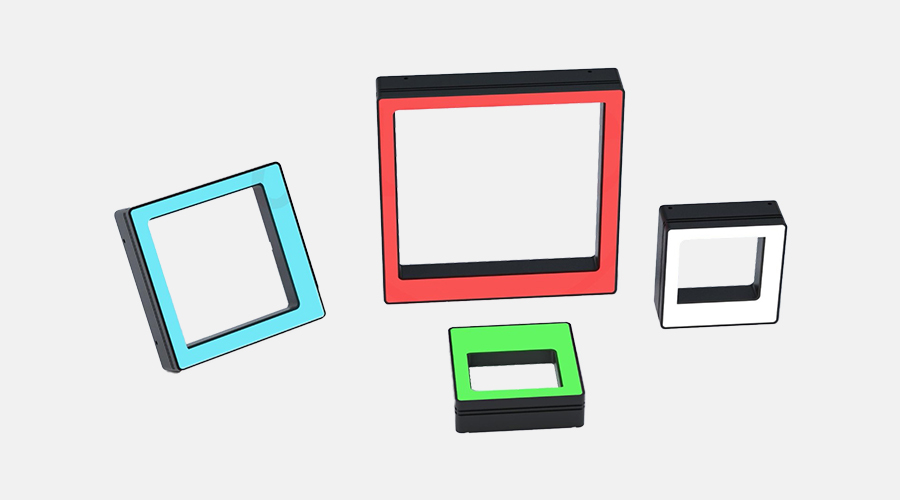 Shadowless square light
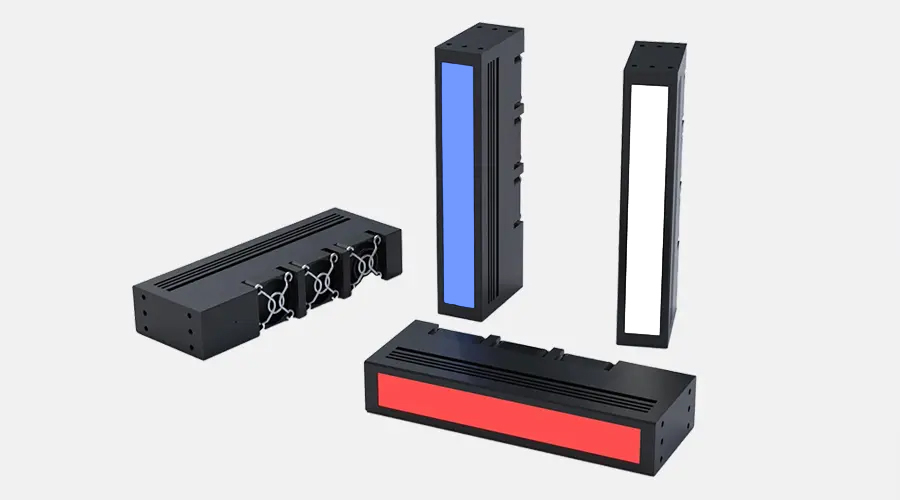 Scan light
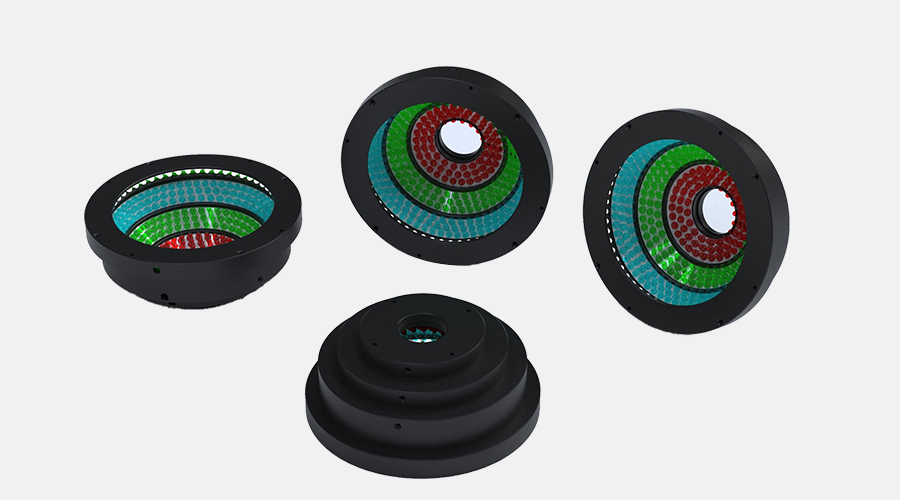 AOI light
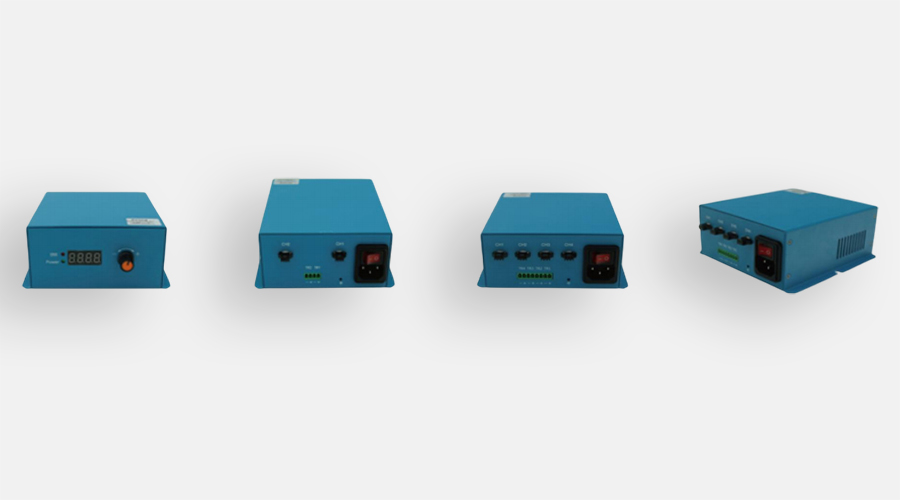 Analog controller
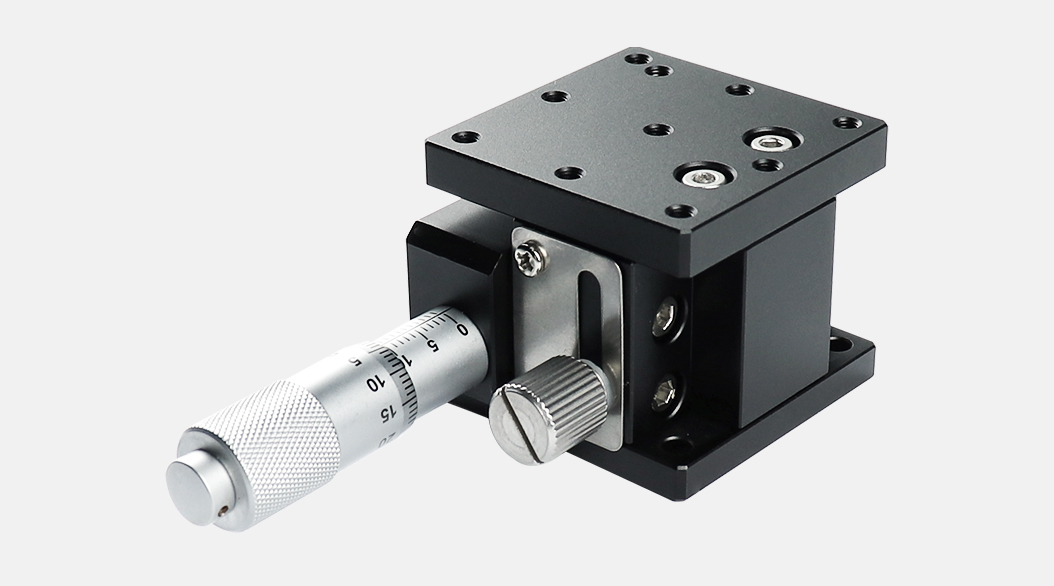 Crossed-Roller Linear guide type
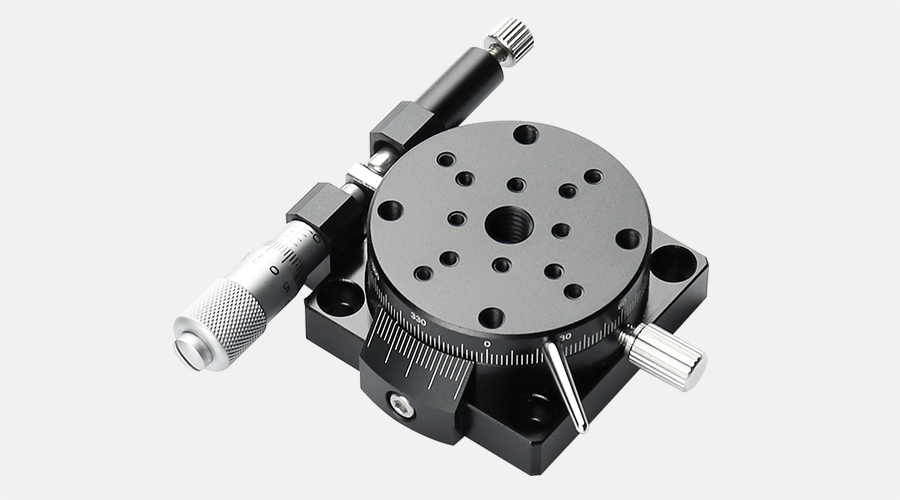 Rotary Stages XRS series
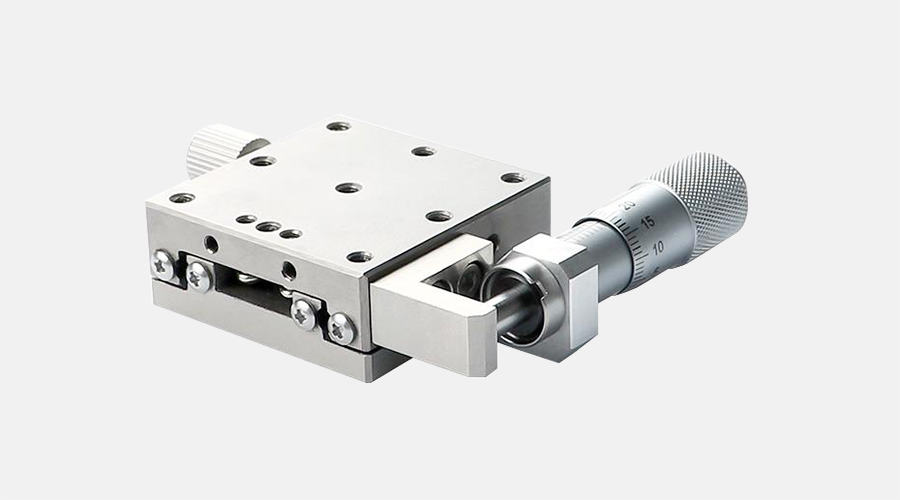 Stainless Steel Ball Bearing Linear Translation Stages
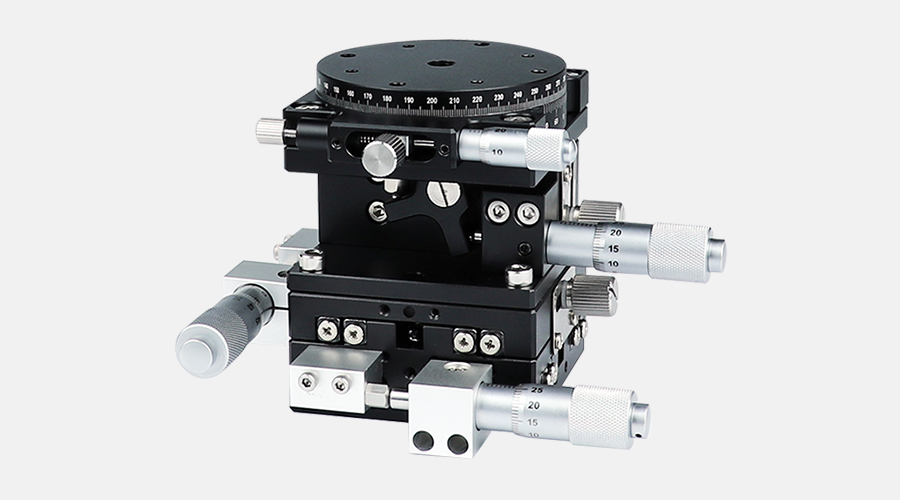 Multi-axis Translation stages
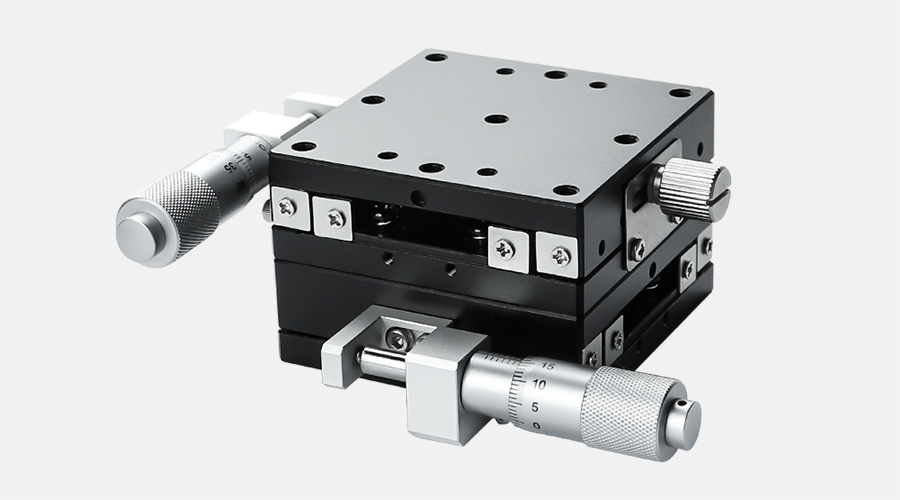 steel bar ball bearing stages
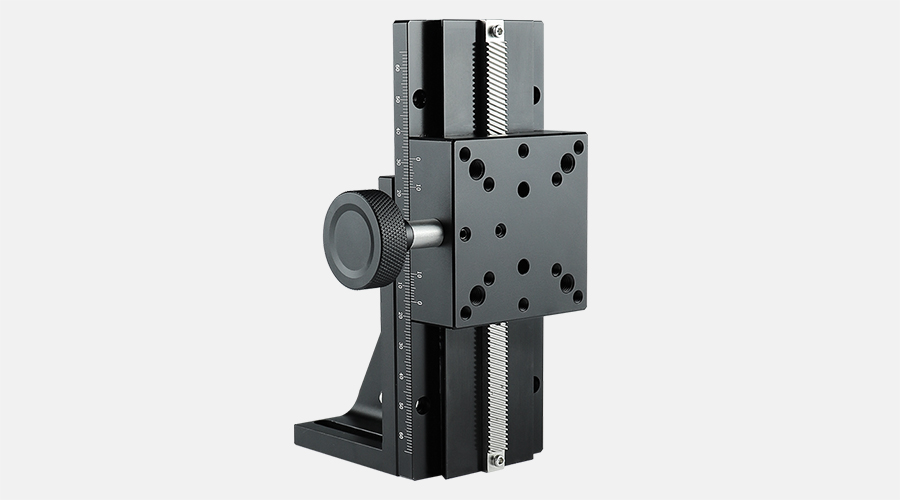 Dovetail Type Rack&Pinion Positioning Stage
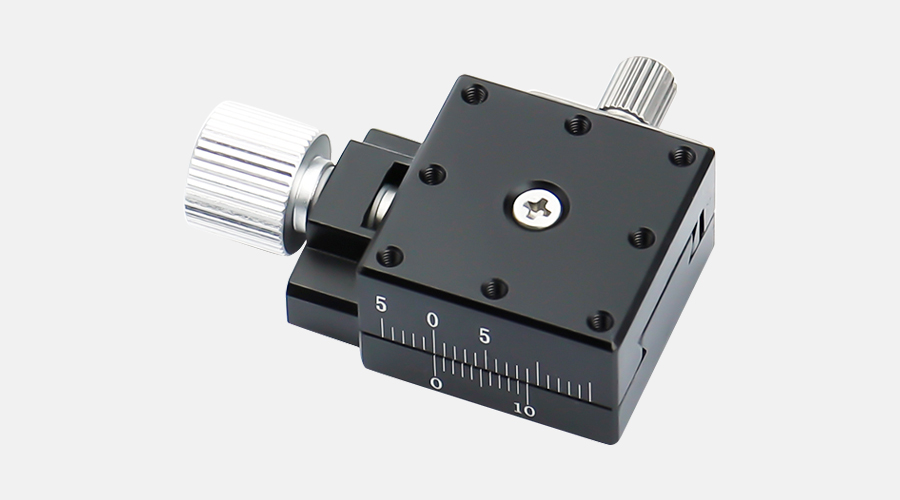 Dovetail groove high-precision screw slide
Machine Vision Light Source
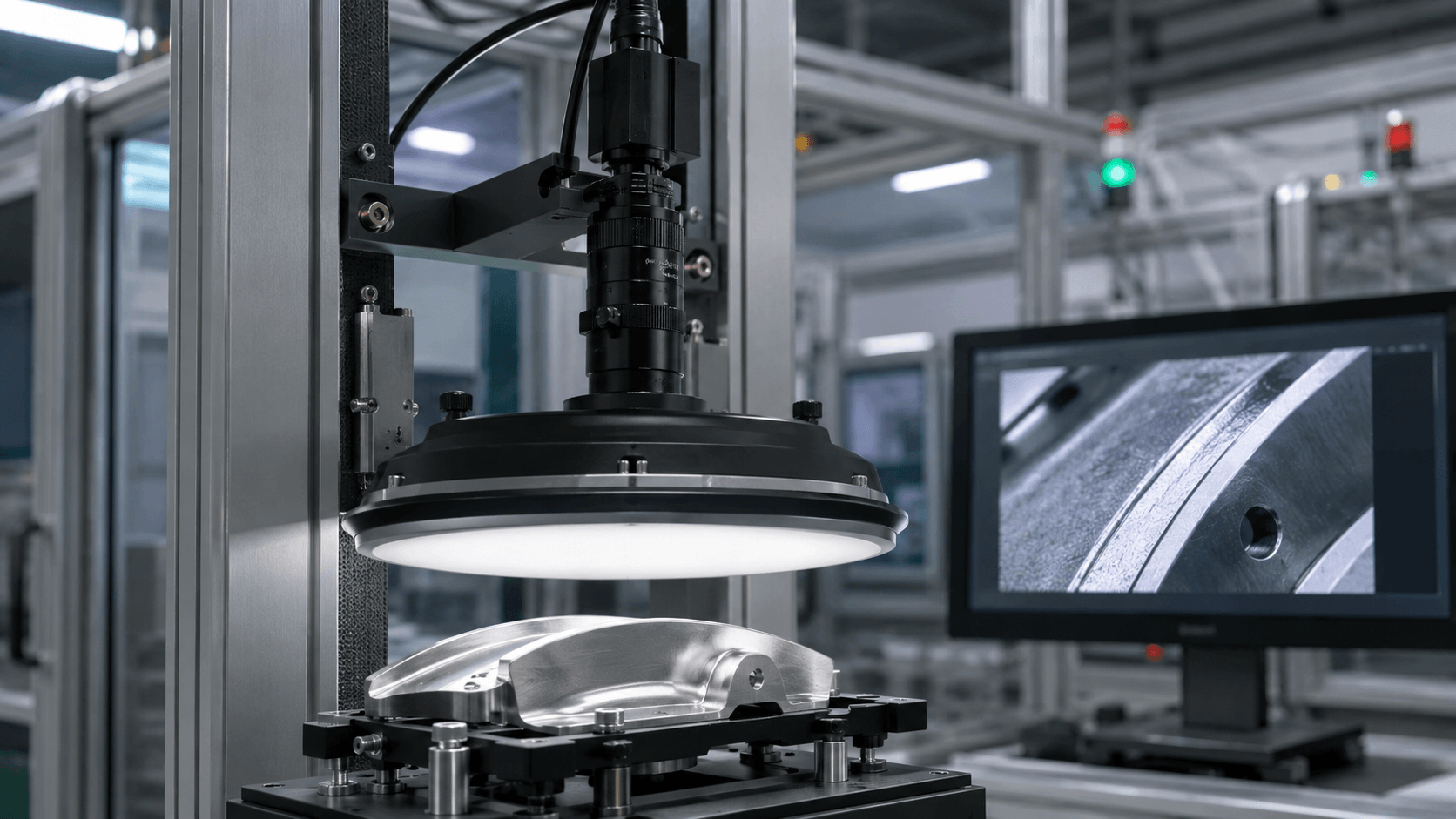
Different workpiece surfaces and inspection tasks require different illumination geometries. Machine vision light sources are used to create image contrast that helps reveal edges, contours, surface features, reflective structures, and other visual information.



FAQ
-
When should a dimensional measurement system use collimated backlighting instead of standard backlighting?
Collimated light uses a parallel optical path to reduce edge halo caused by scattered backlight, making it more suitable for demanding profile and edge imaging applications. -
Should flat reflective parts and curved reflective parts use the same type of light source?
-
Can an AOI RGBW light source be treated as a complete solder-defect inspection solution?
No. The AOI lighting concept uses multi-angle, multi-color LED arrays to create different imaging responses from surfaces with different slopes and structures. Its role is to provide illumination and reveal image features; it is not a complete defect-detection system by itself. -
What additional conditions should be verified when a line-scan light is used for high-speed inspection?
A line-scan application cannot determine the supported speed from “high-brightness line-scan lighting” alone. The illuminated length, working distance, brightness, camera exposure time, line rate, and thermal condition during continuous operation should all be verified together. -
When is a spot light more suitable than a ring light or bar light?
A spot light can be evaluated when the inspection field of view is small, installation space is limited, or a concentrated light beam needs to be coupled into a coaxial optical path.