
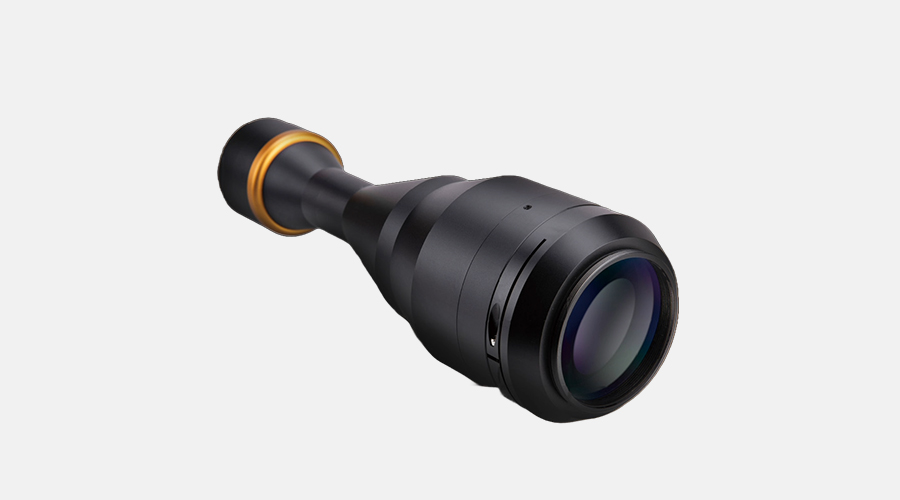
 Compatible with 7.2mm-82mm chips
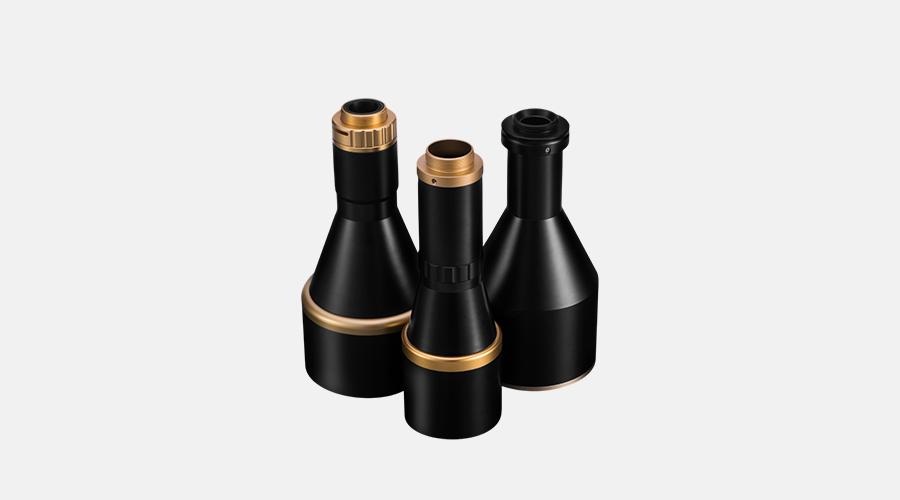 High/Low Working Distance
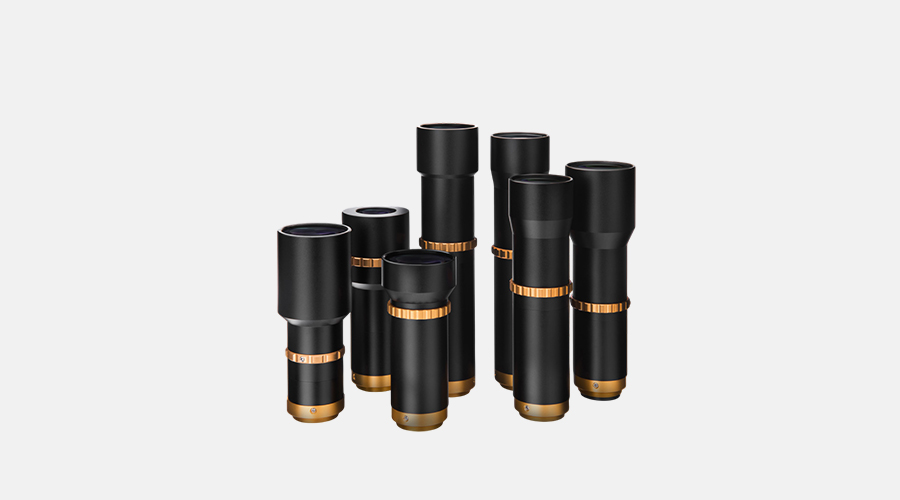 Aperture telecentric lens
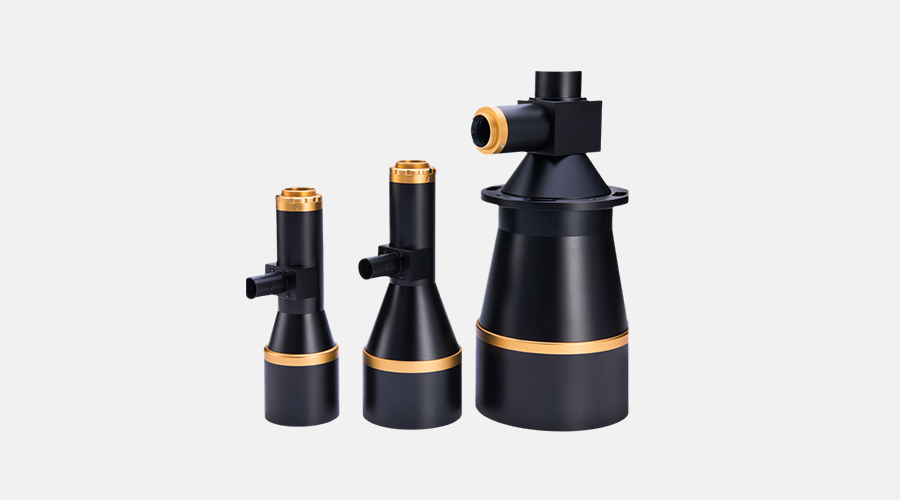 Measuring lens
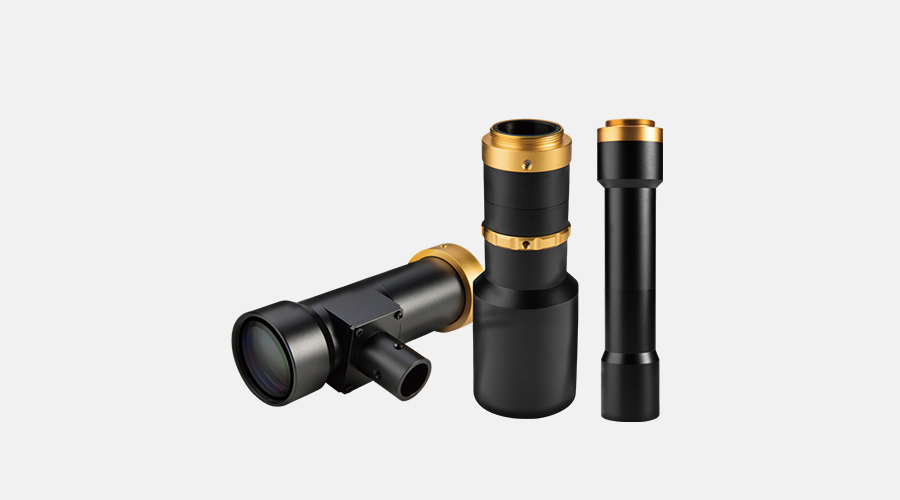 Maximum support 1.1" chips
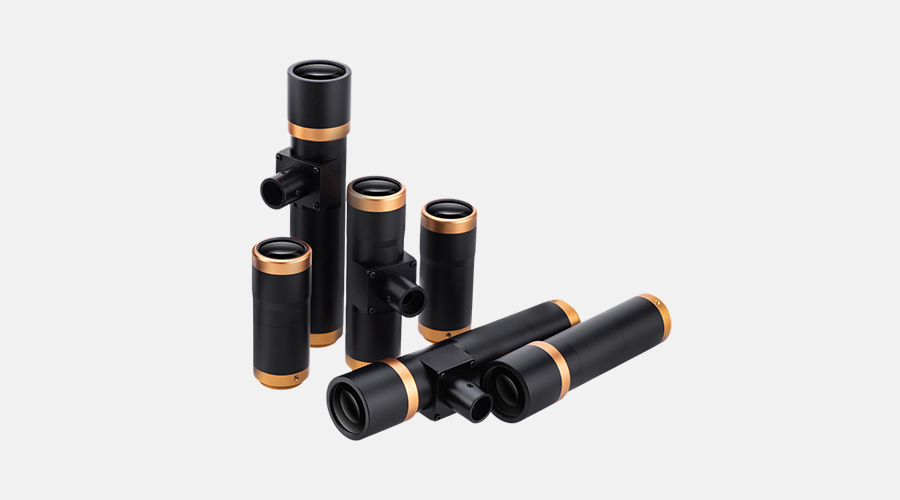 Maximum support 1.2" chips
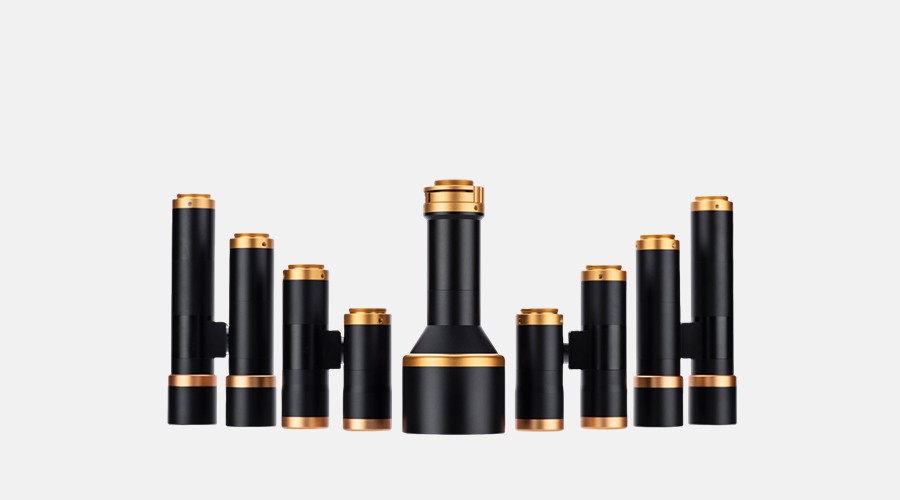 Maximum support 2/3" chips
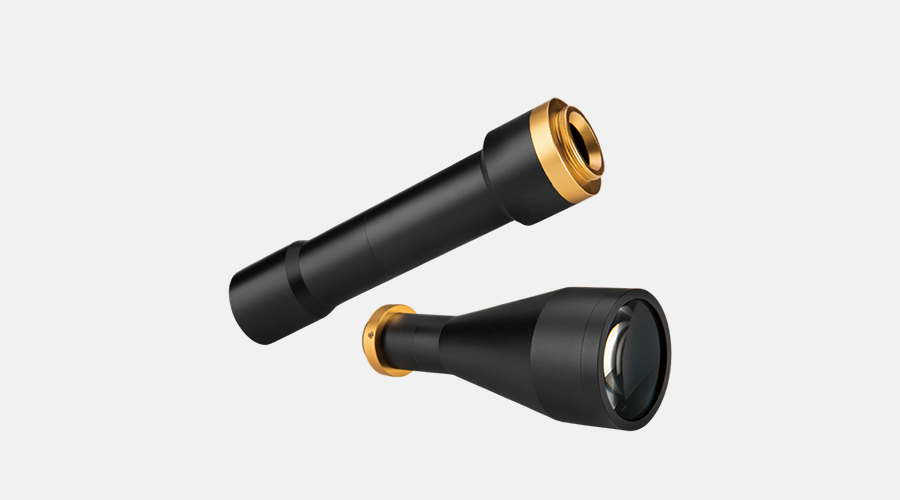 Long Working Distance
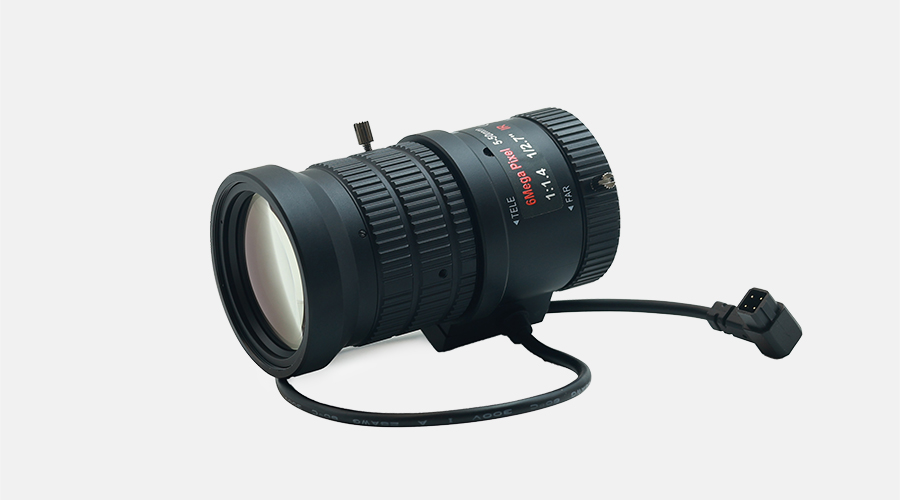 CS mount Varifocal lens
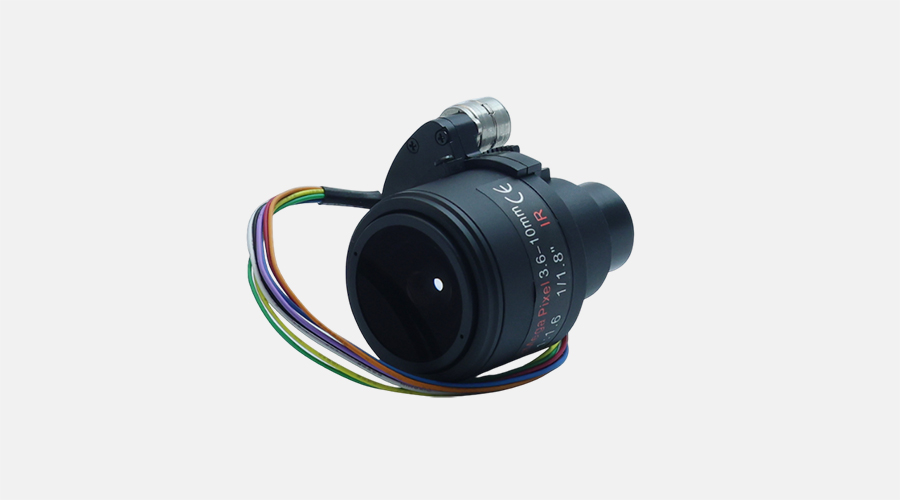 Varifocal board lens
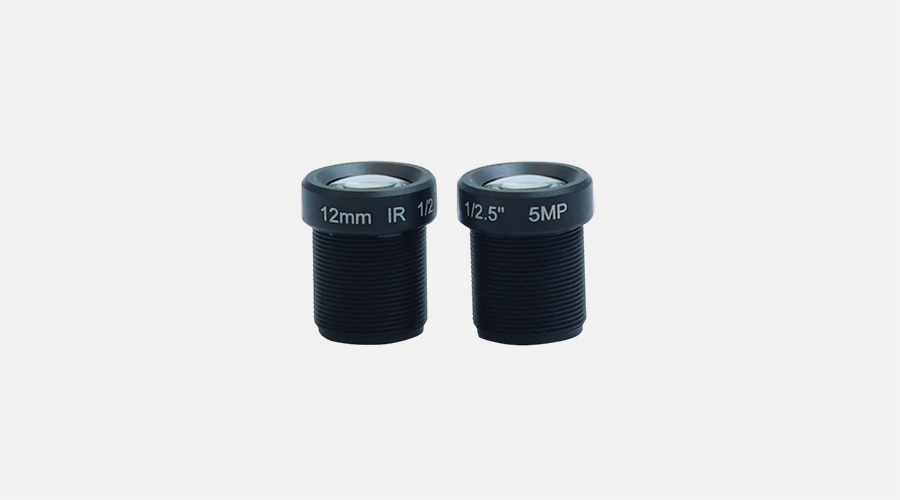 S mount lens
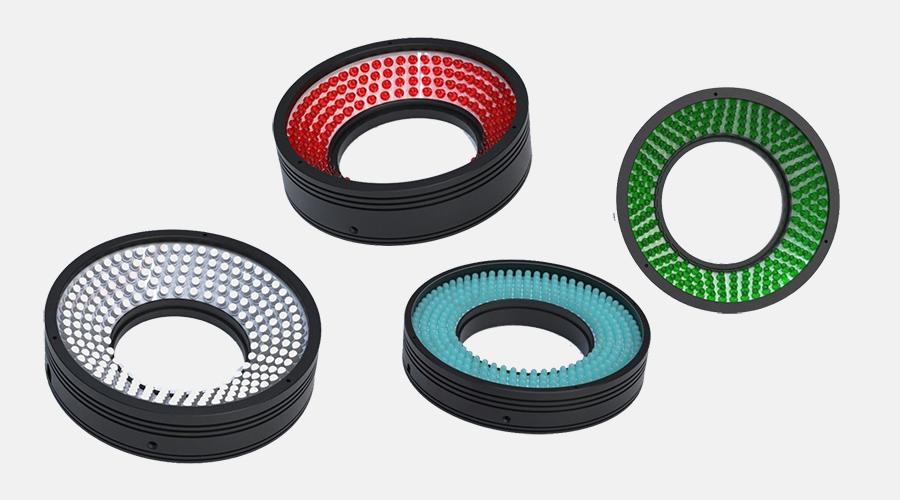 Ring light
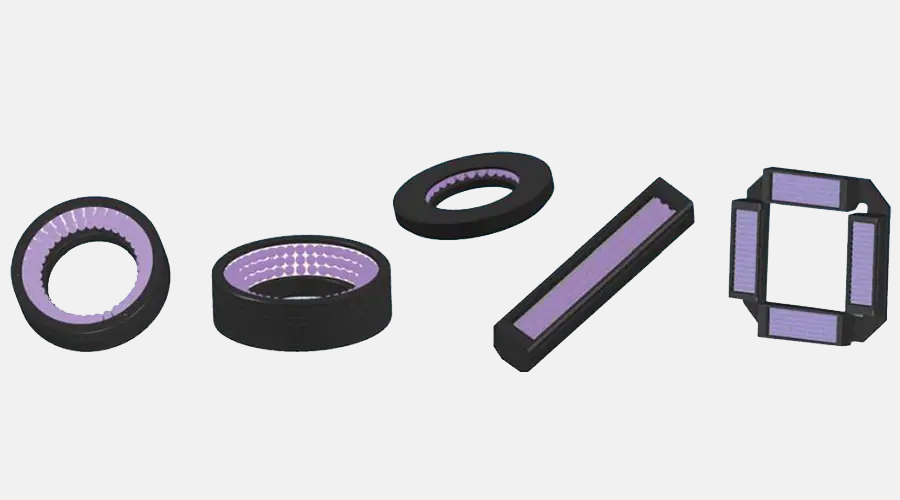 UV/IR Light
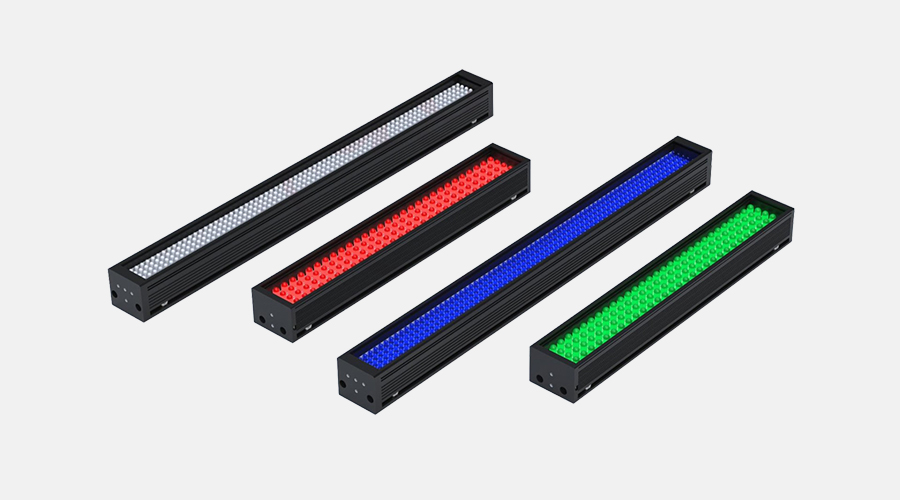 Bar light
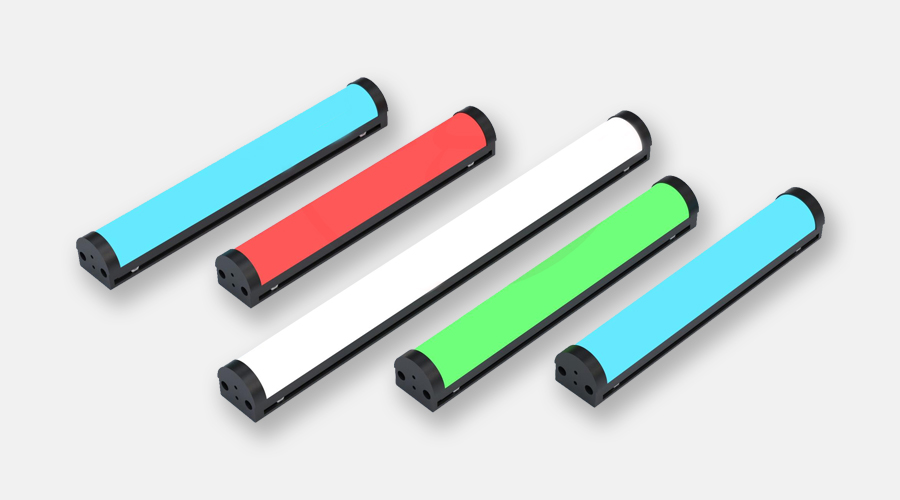 Arcuate high uniformity light
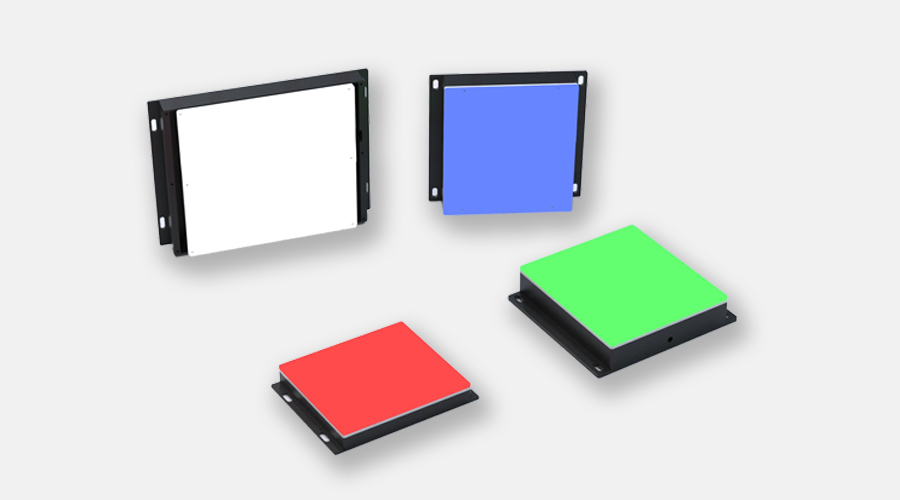 Back light
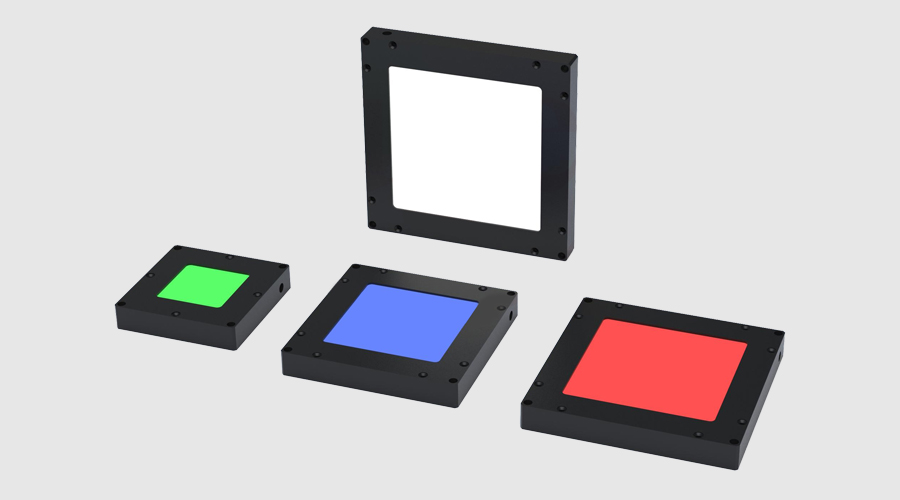 Flat light
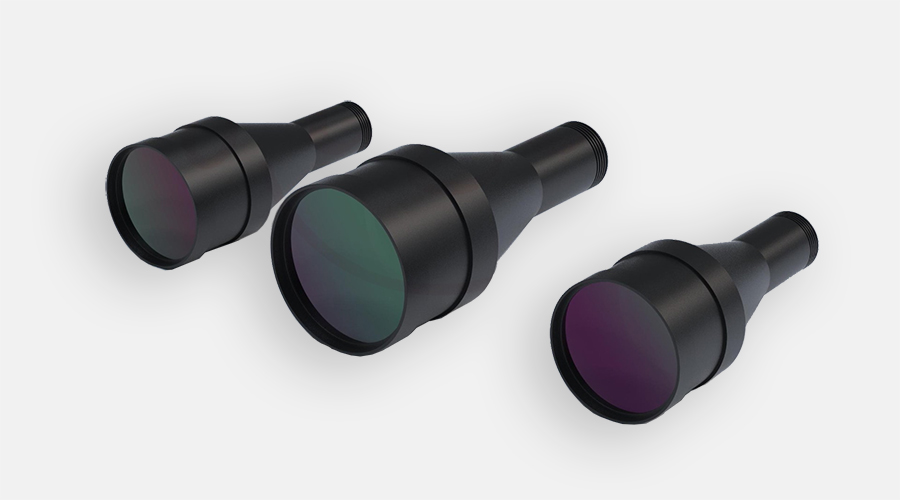 Collimated light
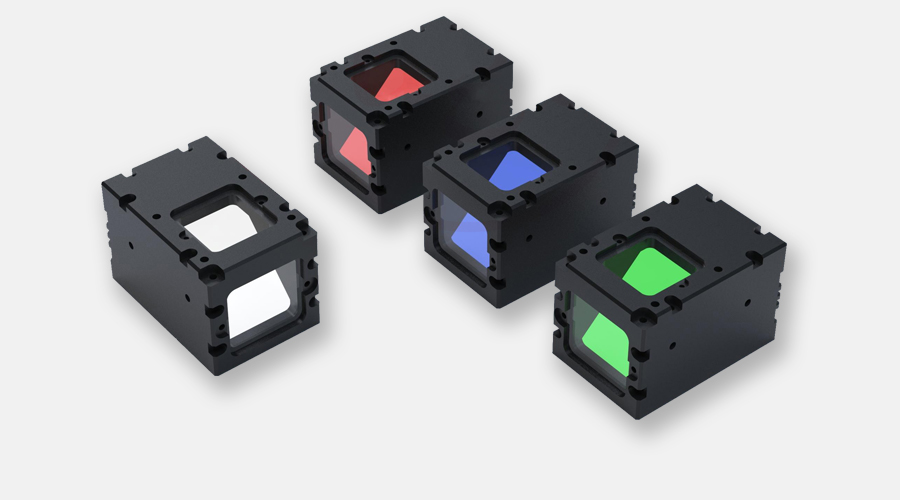 Coaxial light
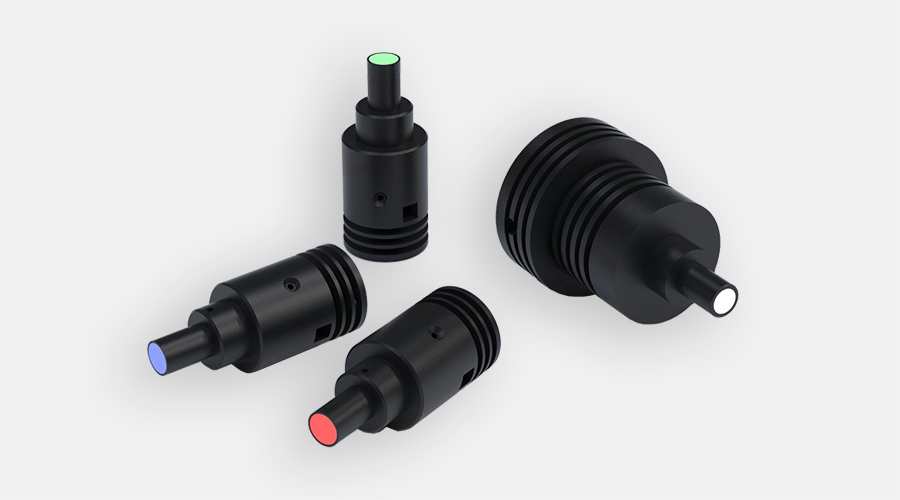 Spot light
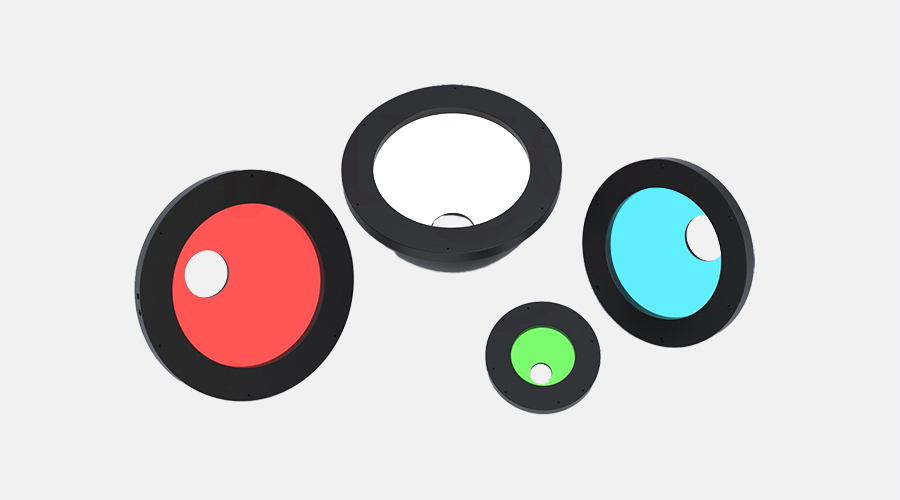 Dome light
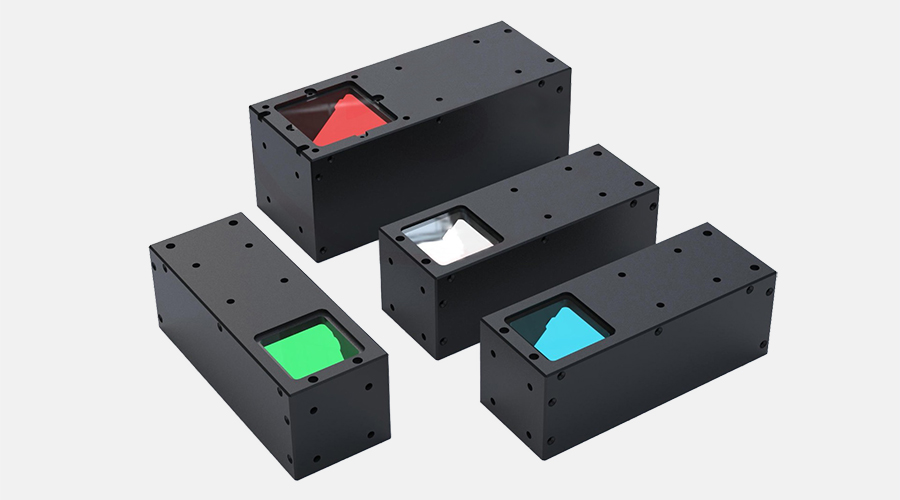 Collimated Coaxial light
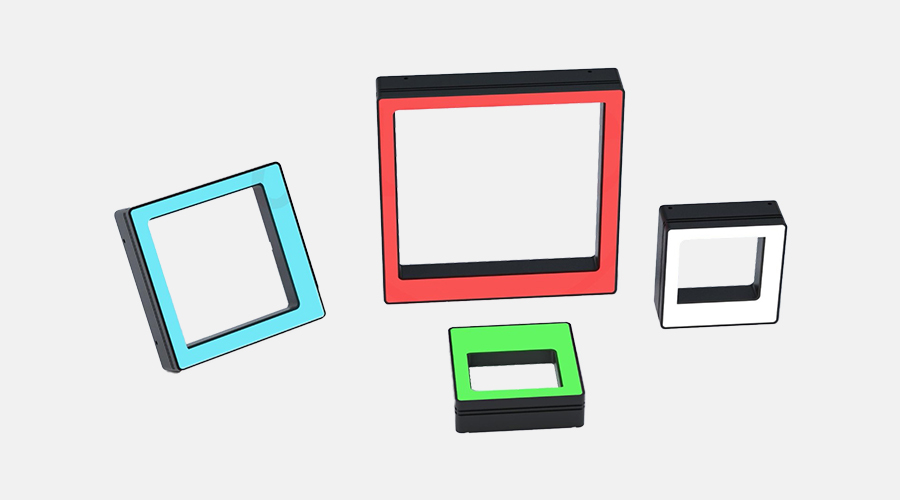 Shadowless square light
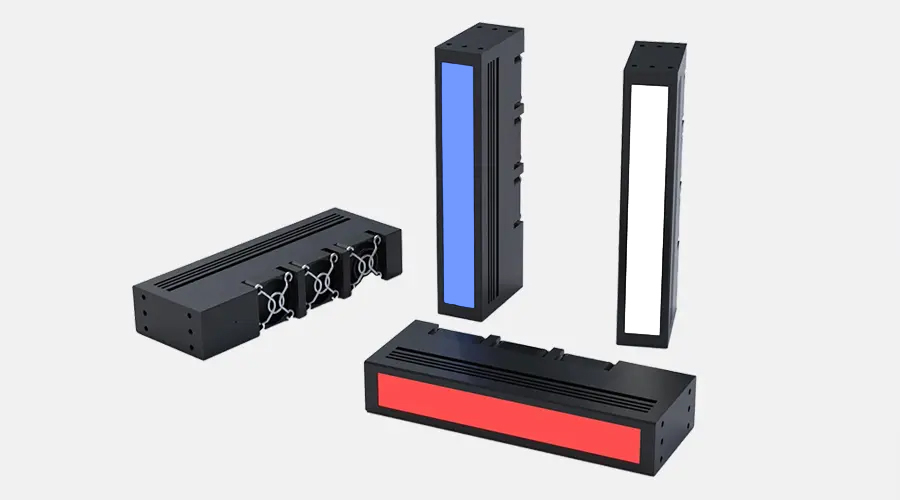 Scan light
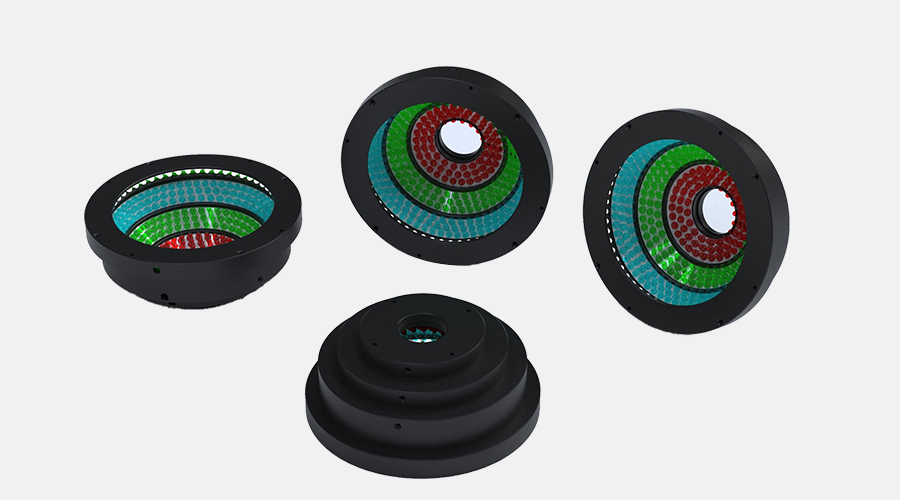 AOI light
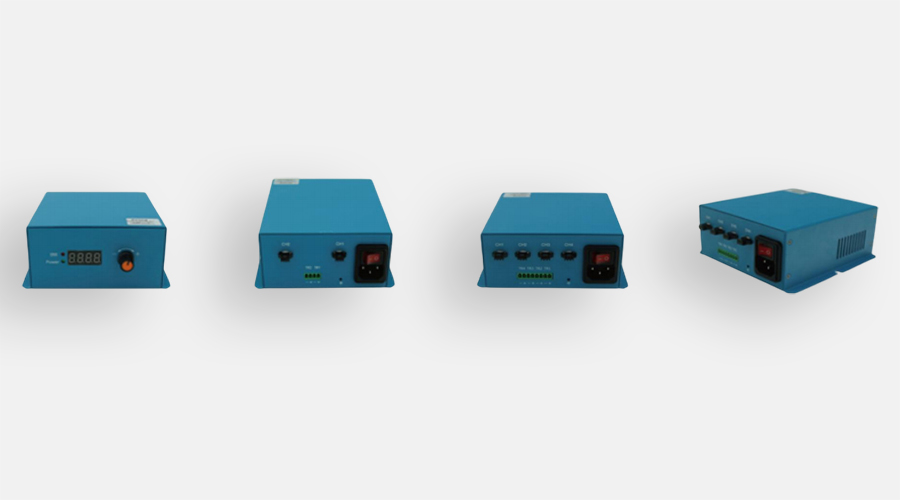 Analog controller
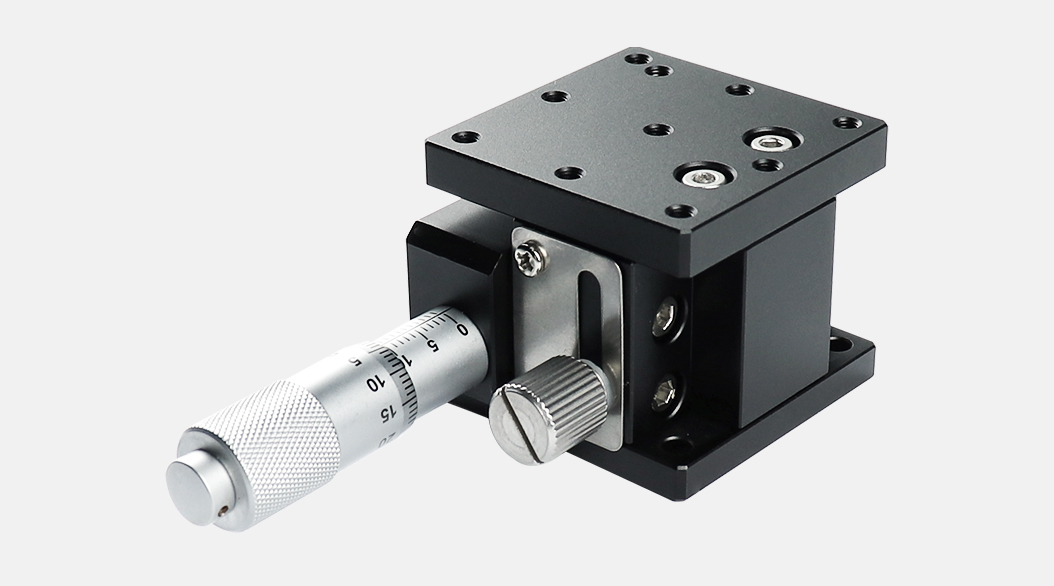 Crossed-Roller Linear guide type
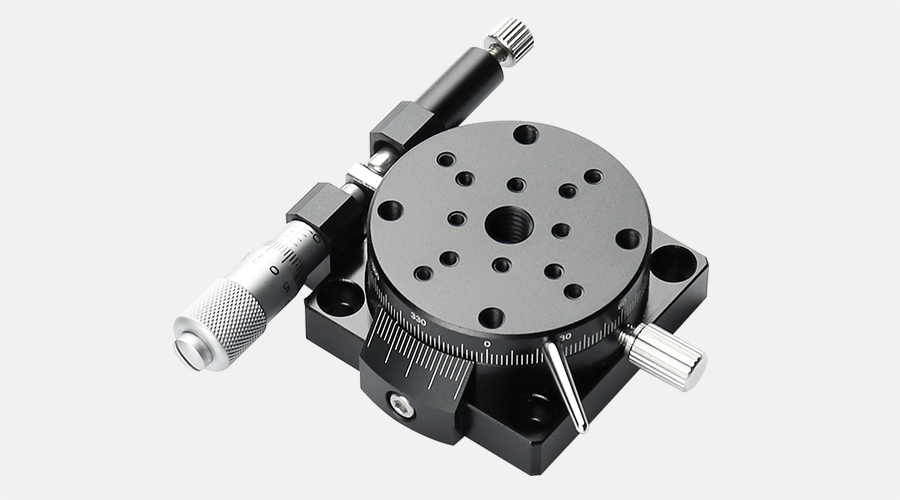 Rotary Stages XRS series
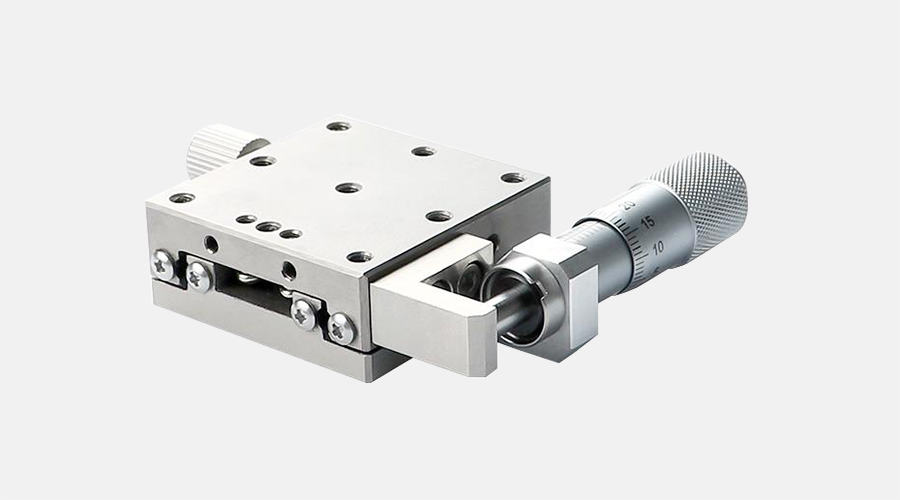 Stainless Steel Ball Bearing Linear Translation Stages
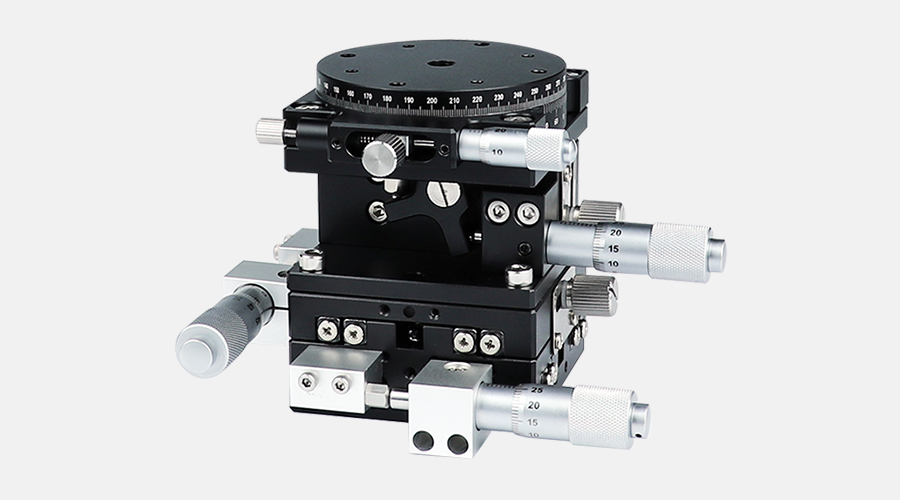 Multi-axis Translation stages
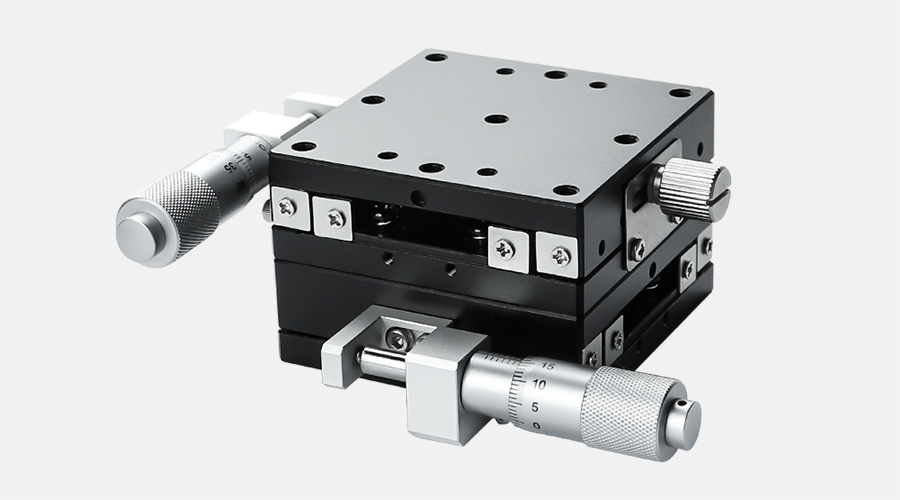 steel bar ball bearing stages
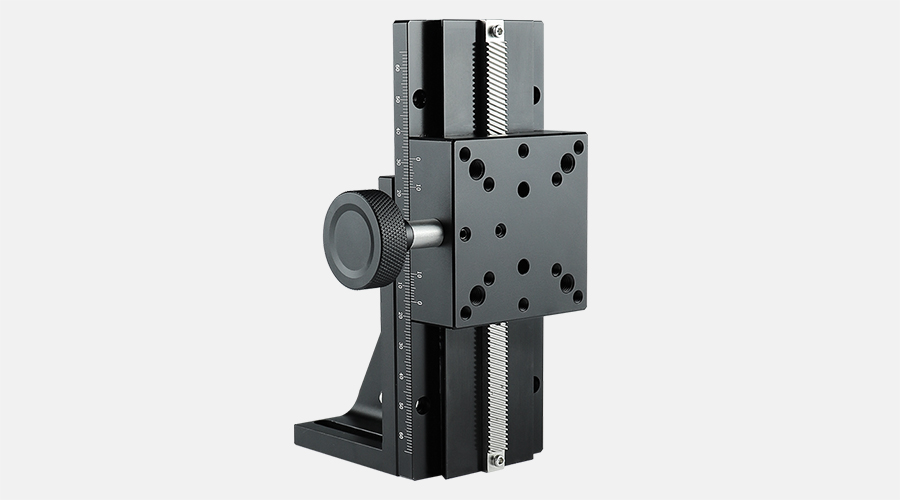 Dovetail Type Rack&Pinion Positioning Stage
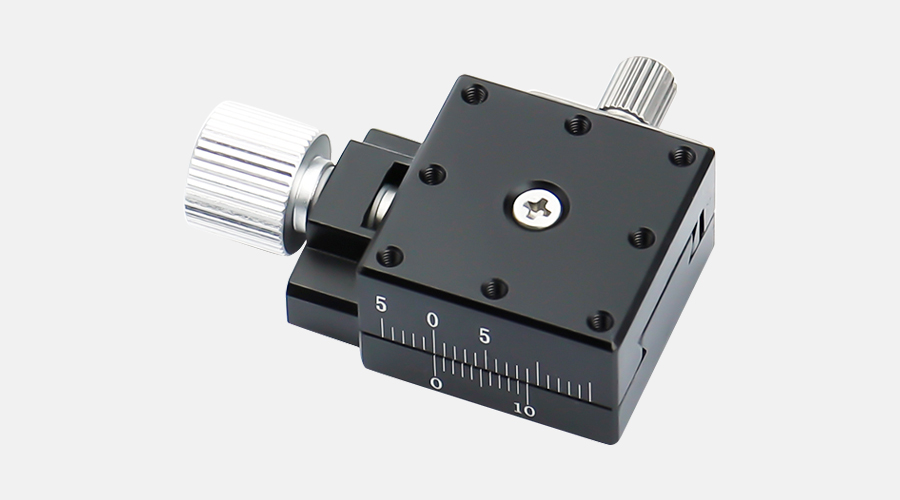 Dovetail groove high-precision screw slide
Security Surveillance Lens
Security camera lenses should be selected according to camera sensor size, focal length, field of view, installation distance, aperture, mount, and day/night imaging requirements.

FAQ
-
Should a surveillance project use a 3.6–10 mm lens or a 5–50 mm lens?
The shorter focal-length range provides a wider field of view, while the longer focal-length range narrows the field and places more pixels on a smaller area. The choice should therefore be evaluated together with installation distance and sensor size. -
Does using a 5–50 mm telephoto zoom lens guarantee long-distance identification?
No. Focal length determines the field of view, but actual long-distance identification also depends on sensor resolution, pixels on target, distance, exposure, supplemental illumination, target motion, and algorithms. Current 5–50 mm products cover 4 MP, 5 MP, and 6 MP configurations with different mounts and control methods, but these lens specifications alone cannot be converted into a fixed identification distance. -
Does IR Correction mean that the lens has a fixed night-vision distance?
No. IR Correction is mainly intended to reduce focus shift between visible-light and infrared imaging conditions. Actual night-time performance also depends on the camera sensor, IR illumination wavelength and power, illumination distance, exposure, filter configuration, and scene reflectivity. -
When is a motorized zoom security lens more suitable than a manually adjusted zoom lens?
-
Does wide-angle lens distortion affect surveillance applications?
-
Why might the actual aperture value change when a zoom lens is adjusted from the wide-angle end to the telephoto end?
-
Why does reducing the aperture, whilst increasing the depth of field, potentially reduce the actual clarity of high-resolution surveillance systems?
-
Why should the MTF of a surveillance lens be evaluated separately at different focal lengths and aperture settings?
-
Why is the lens’s own distortion data required when correcting barrel distortion in wide-angle surveillance lenses?
-
Why is vignetting worth assessing separately in systems with large sensors or wide-angle surveillance cameras?
-
Why is it necessary to take into account focus shift caused by temperature changes in outdoor surveillance systems?
-
How should a day-night surveillance system verify the stability of the focus after the dual-filter switch has been activated?
-
Why should the monitoring distance not be determined solely by the focal length, but rather defined by the number of pixels on the target?
-
When integrating motorised surveillance lenses, why is it essential to take motor control and lens status data into account?