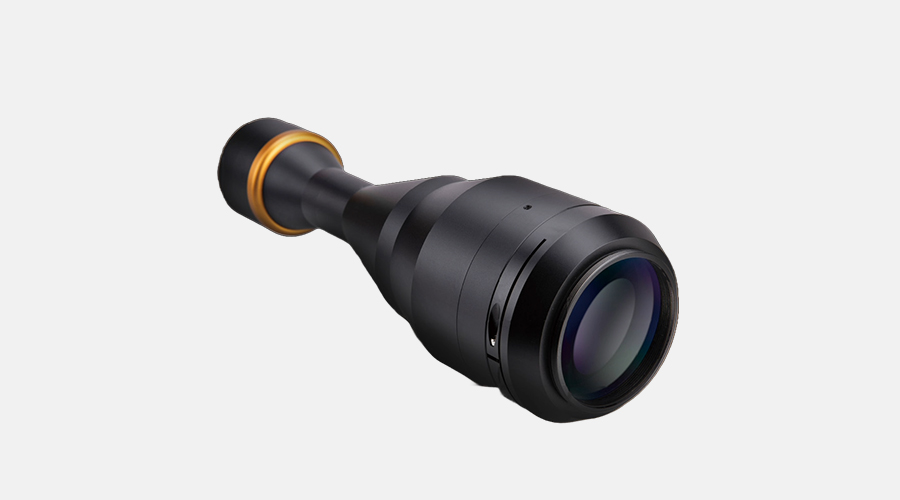
 Compatible with 7.2mm-82mm chips
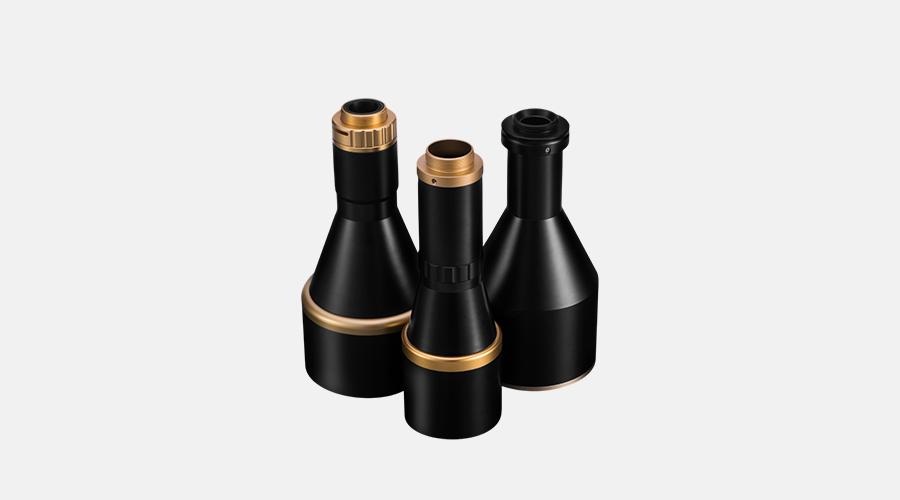 High/Low Working Distance
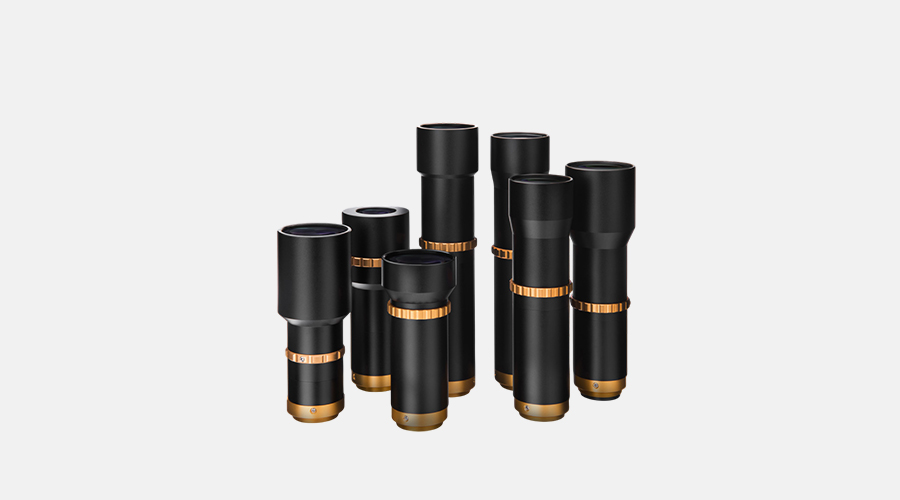 Aperture telecentric lens
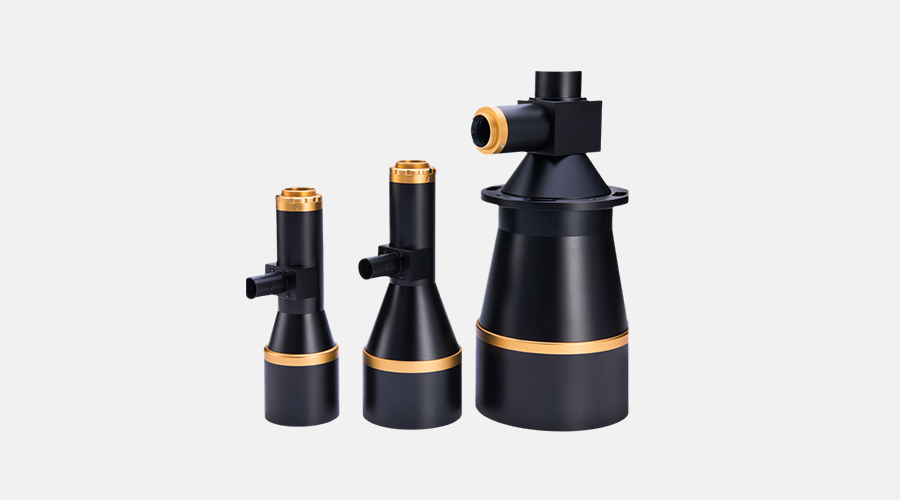 Measuring lens
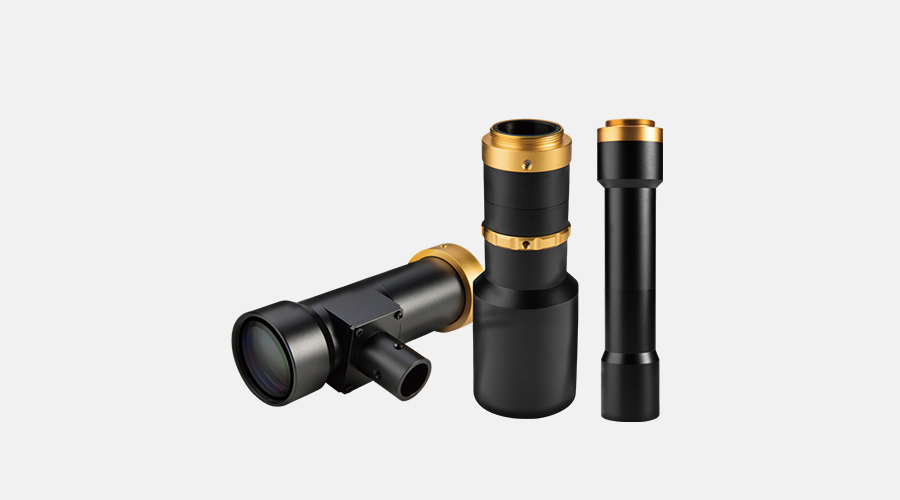 Maximum support 1.1" chips
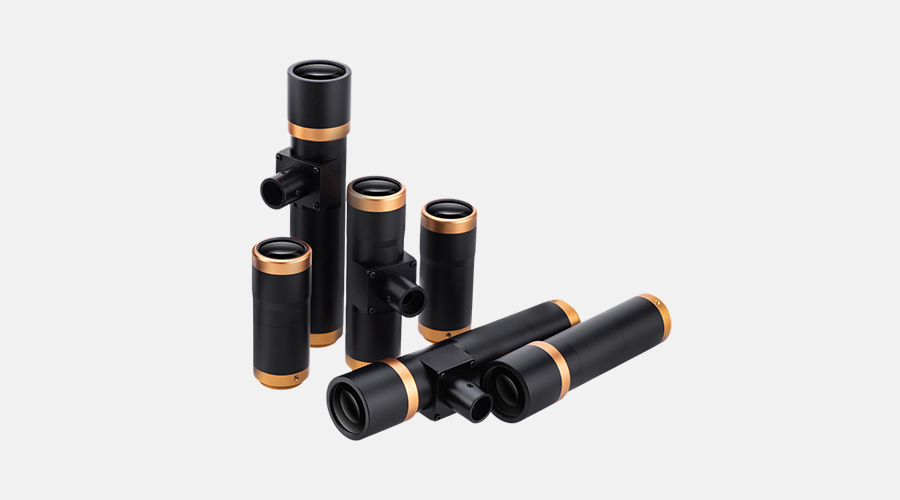 Maximum support 1.2" chips
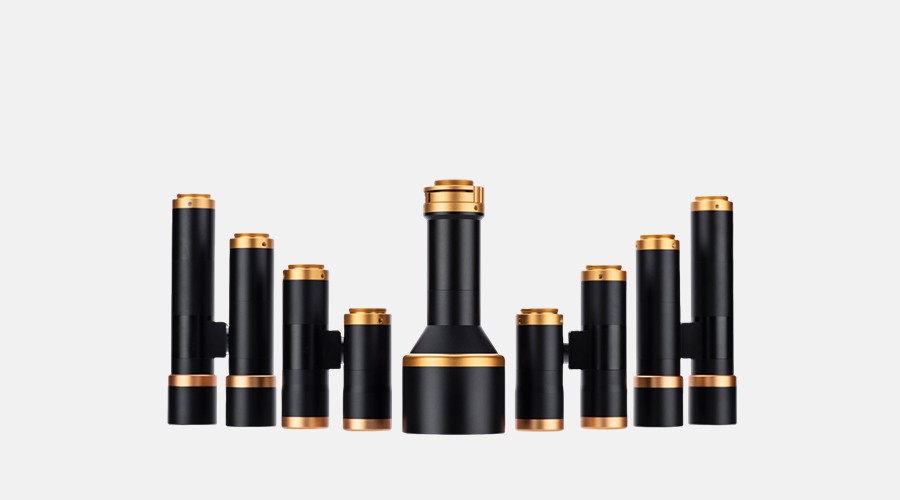 Maximum support 2/3" chips
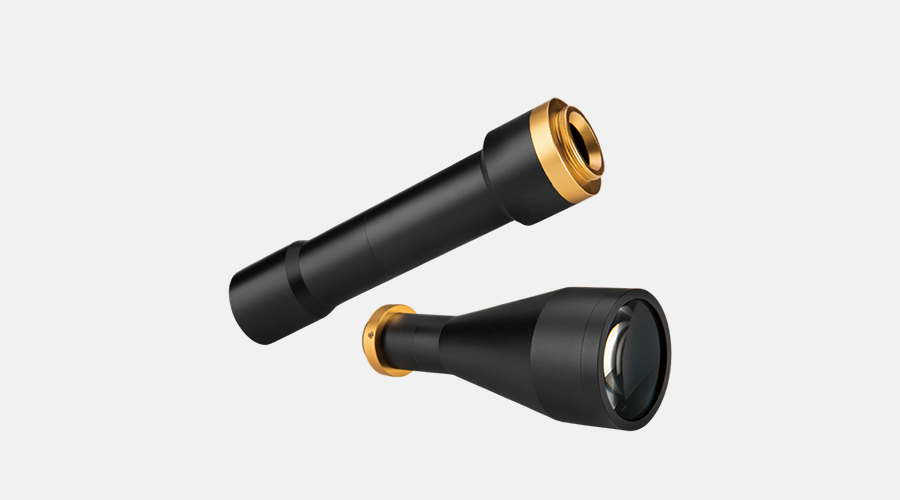 Long Working Distance
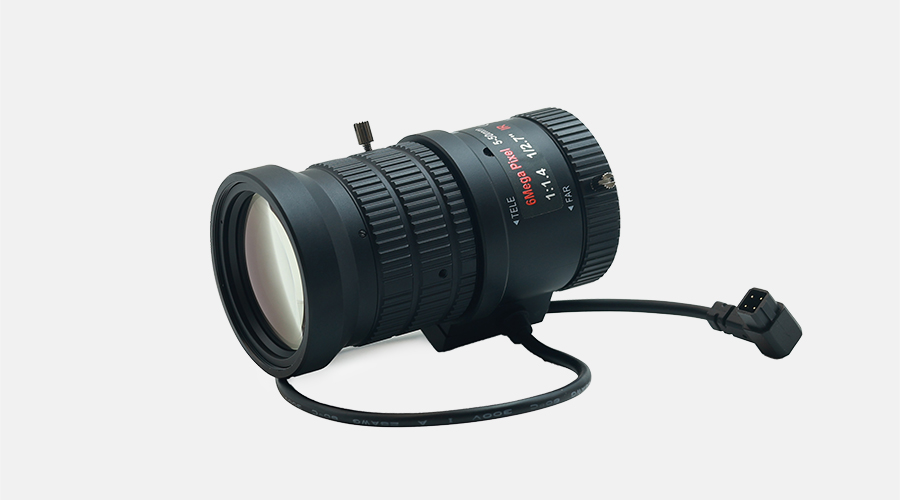 CS mount Varifocal lens
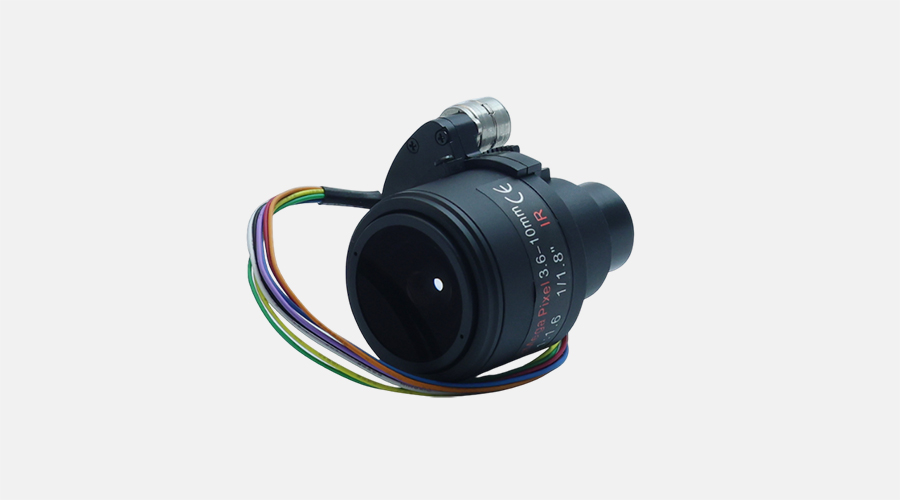 Varifocal board lens
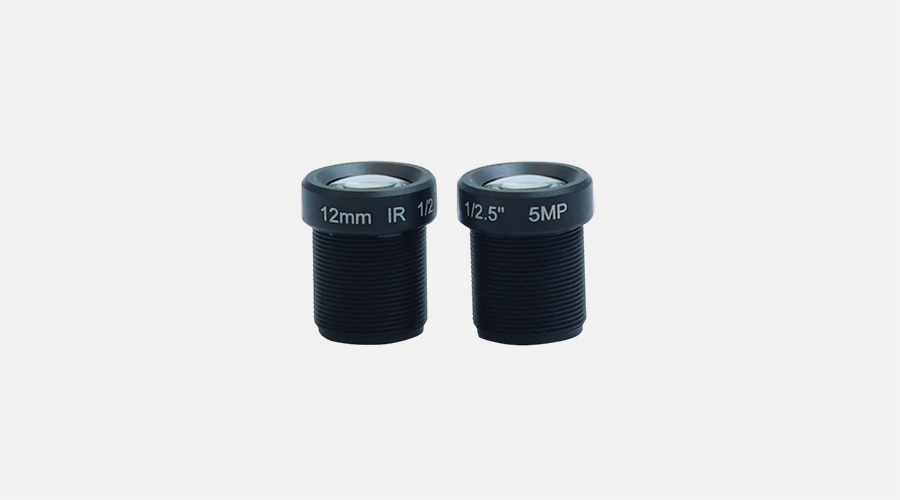 S mount lens
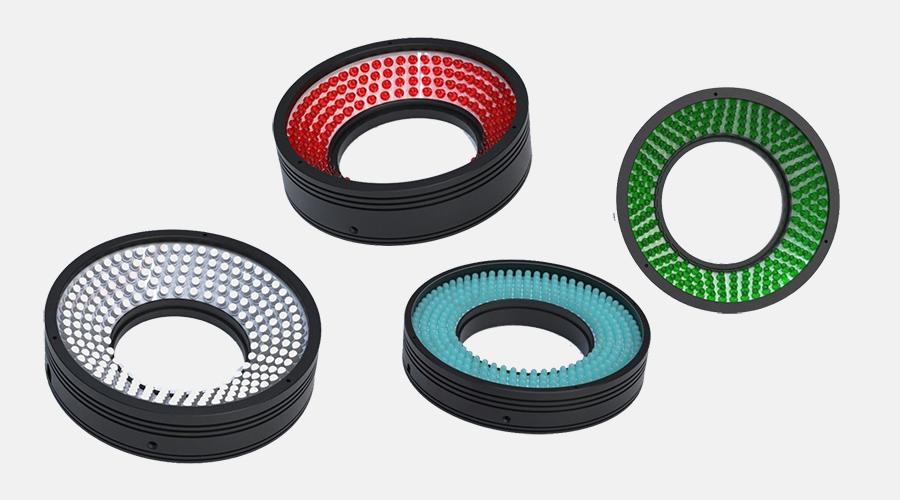 Ring light
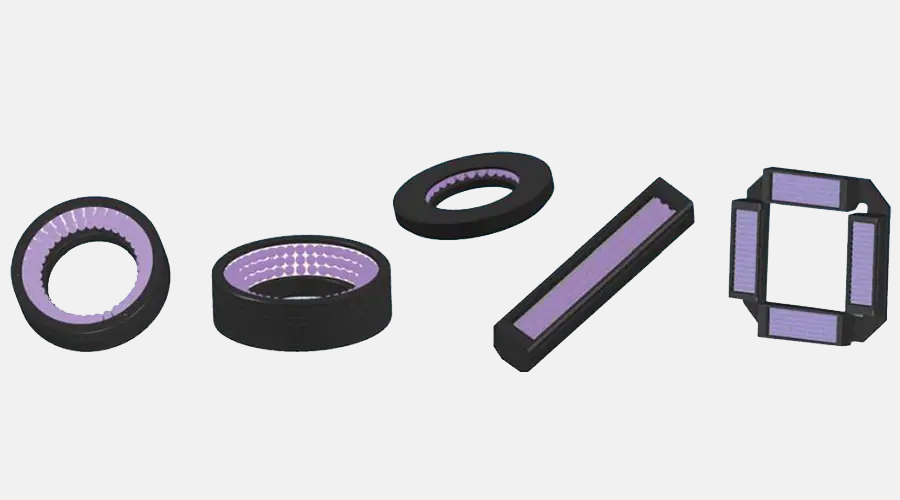 UV/IR Light
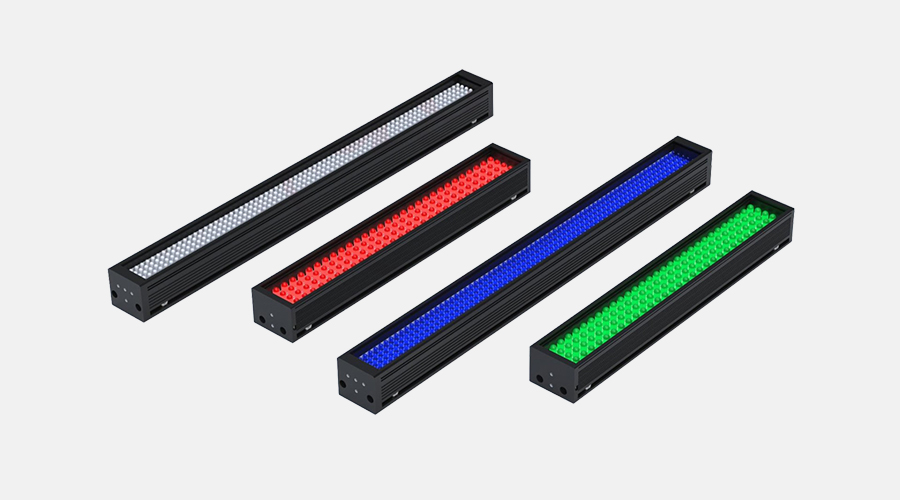 Bar light
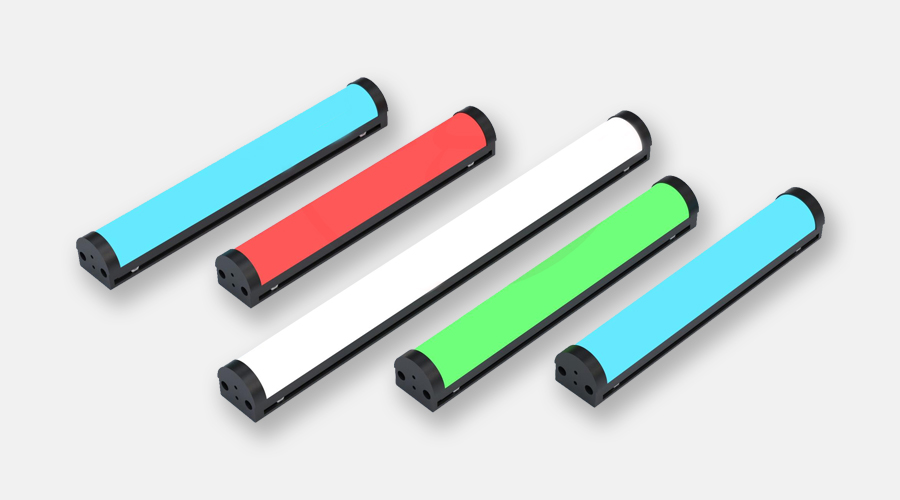 Arcuate high uniformity light
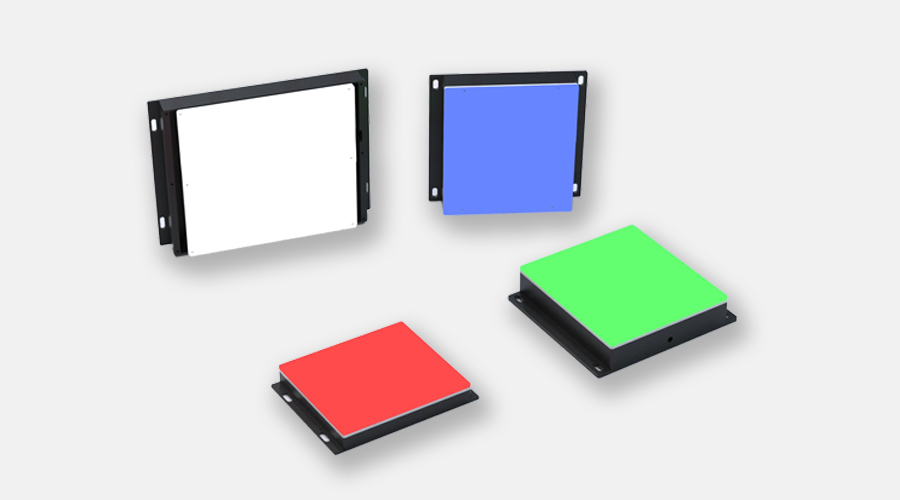 Back light
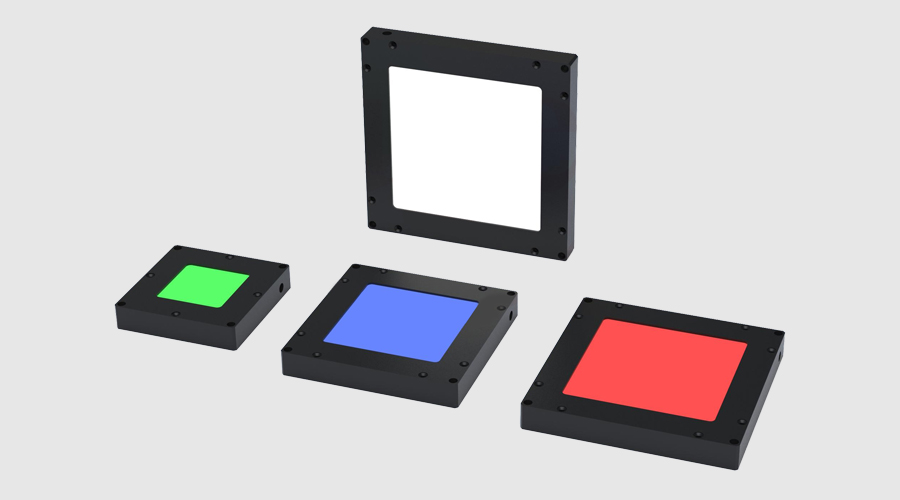 Flat light
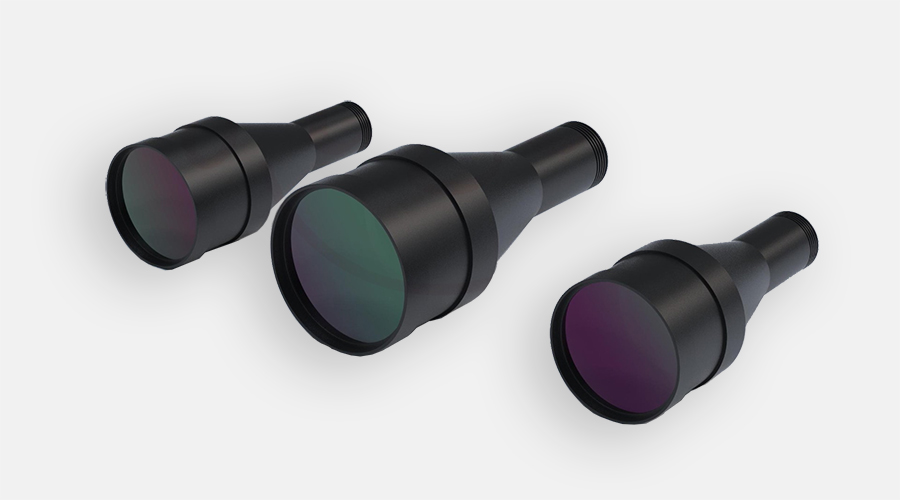 Collimated light
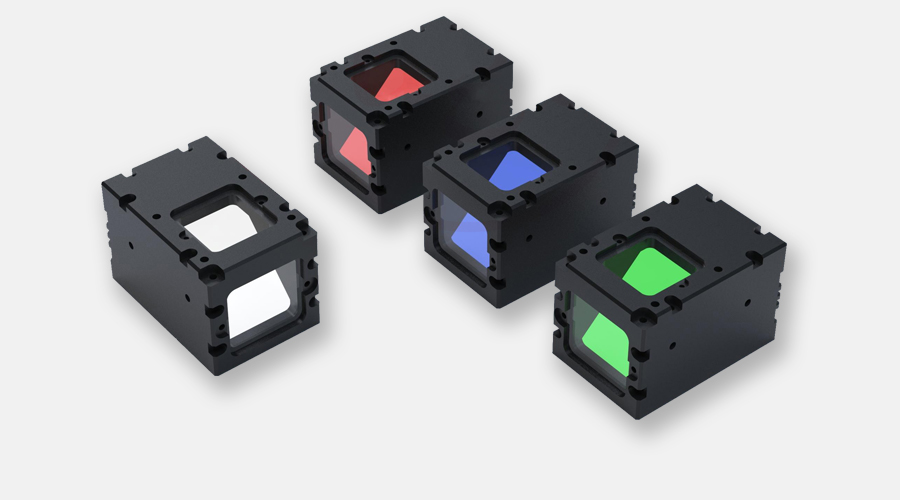 Coaxial light
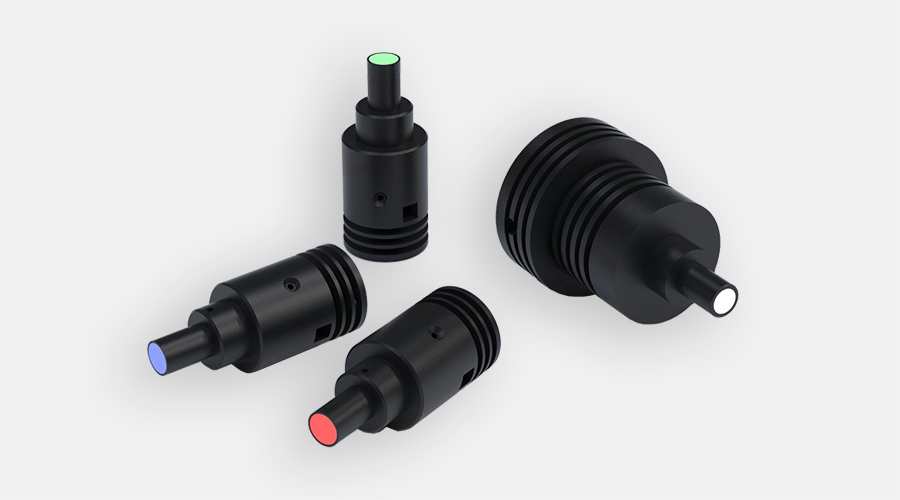 Spot light
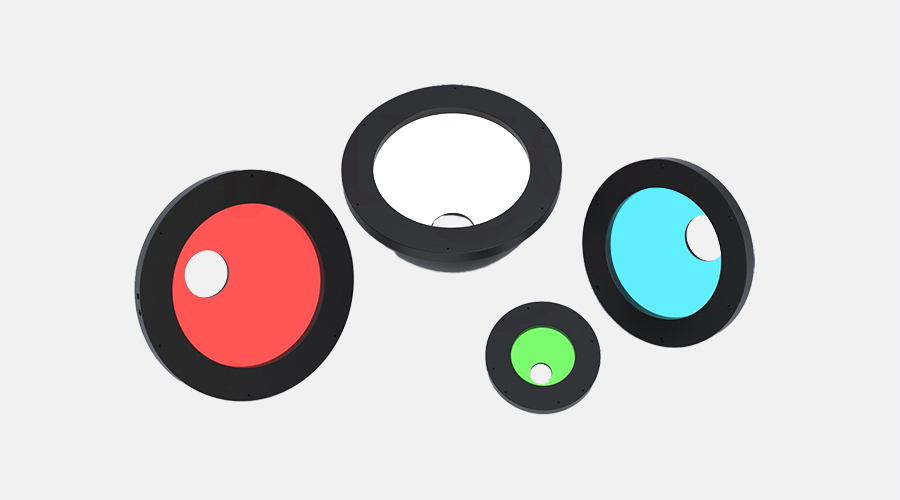 Dome light
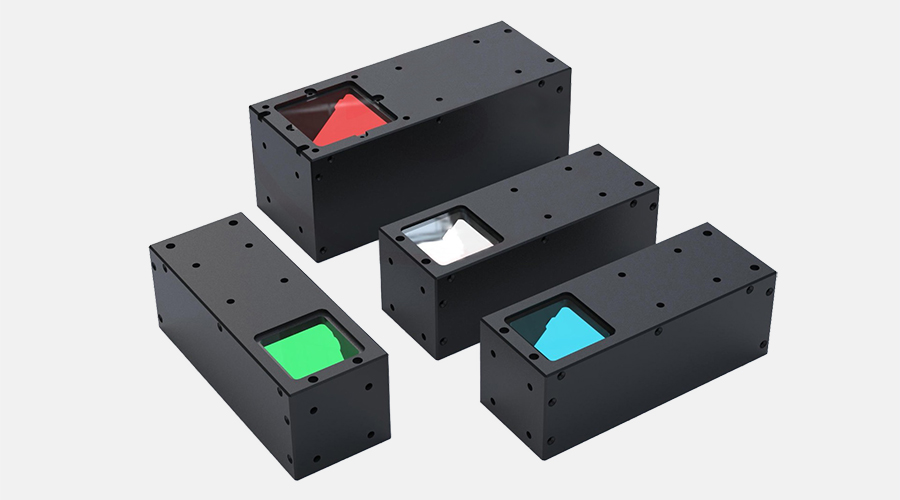 Collimated Coaxial light
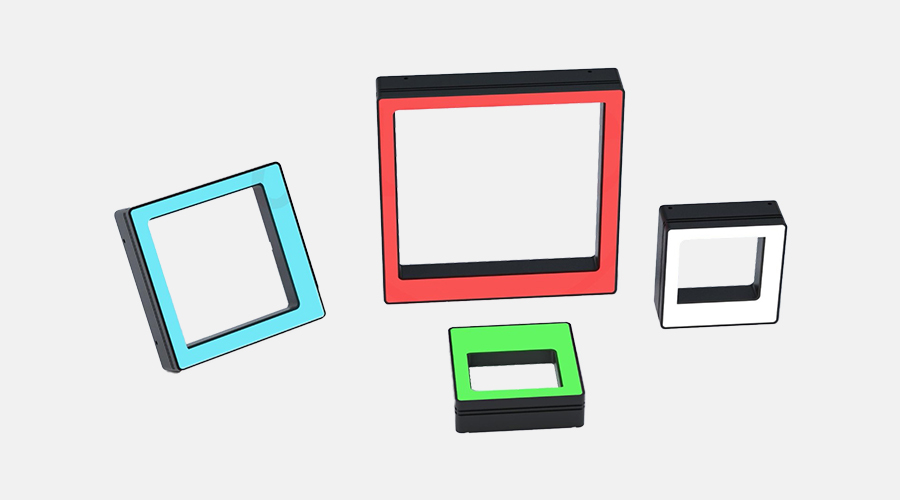 Shadowless square light
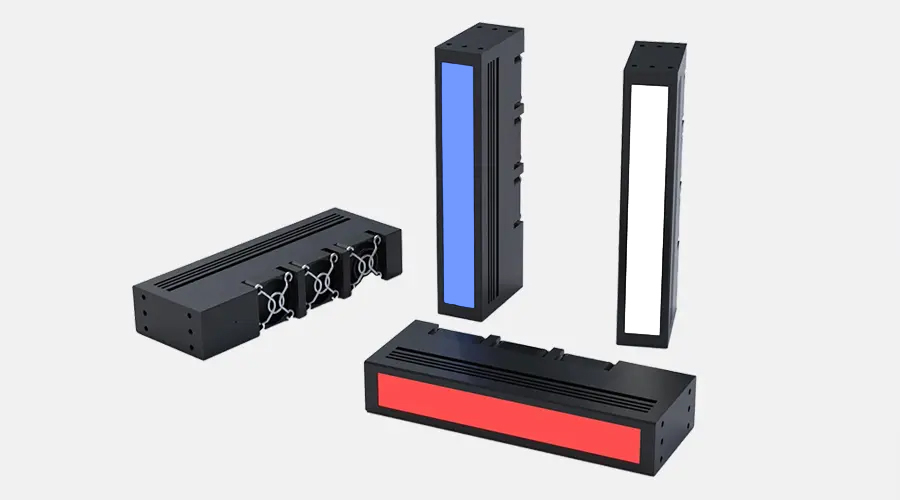 Scan light
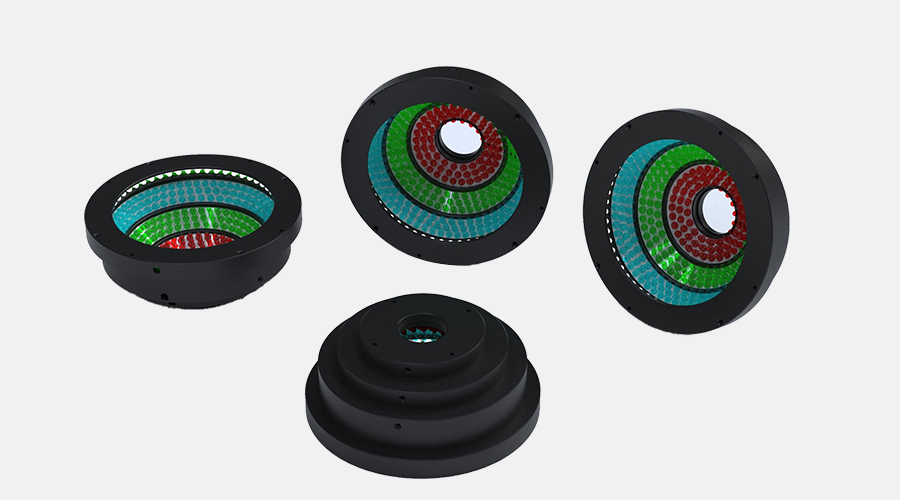 AOI light
 Analog controller
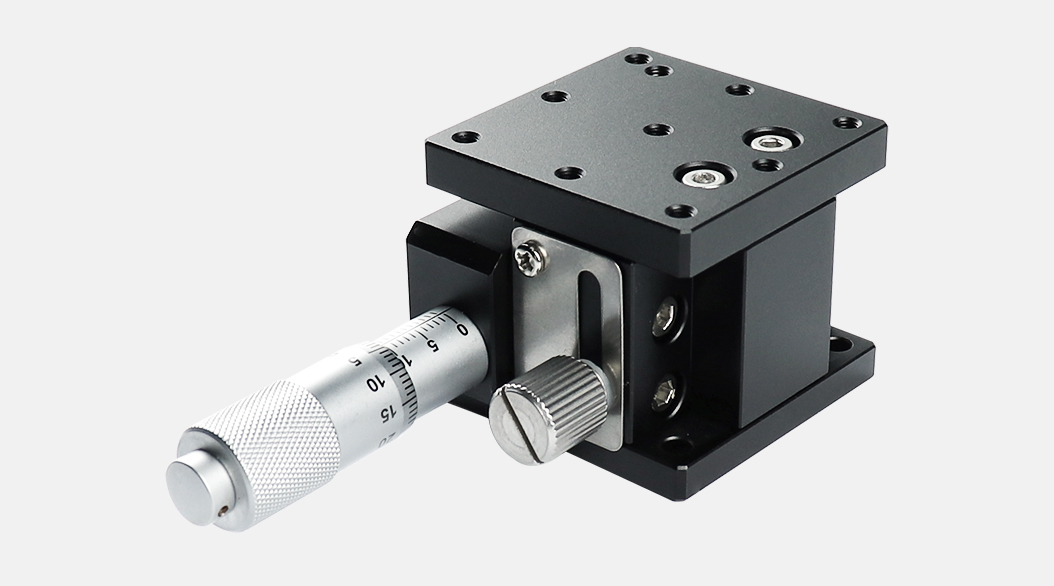 Crossed-Roller Linear guide type
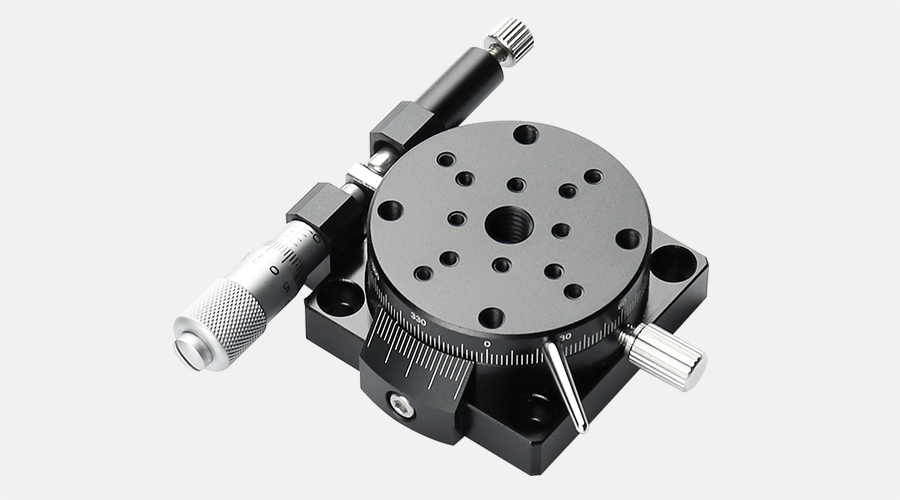 Rotary Stages XRS series
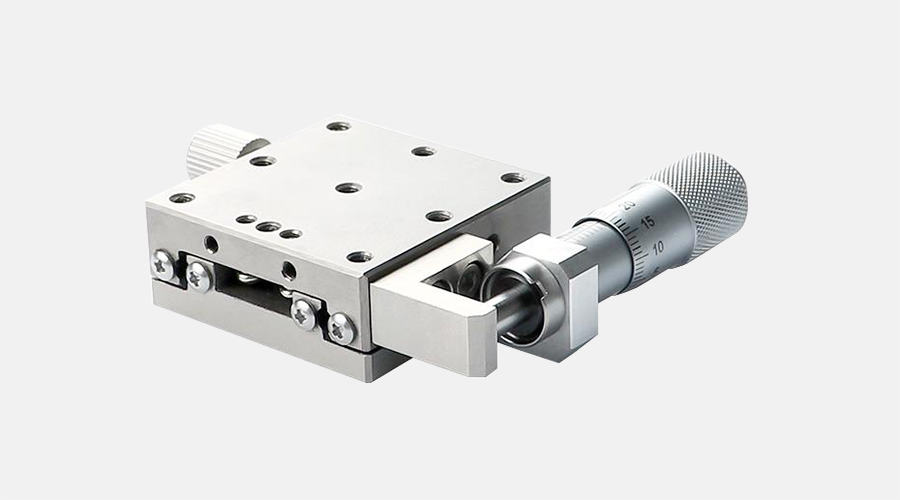 Stainless Steel Ball Bearing Linear Translation Stages
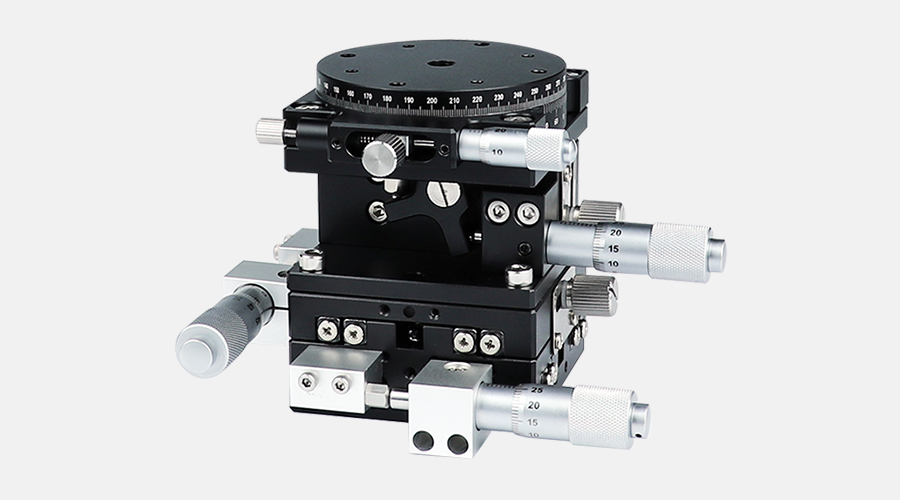 Multi-axis Translation stages
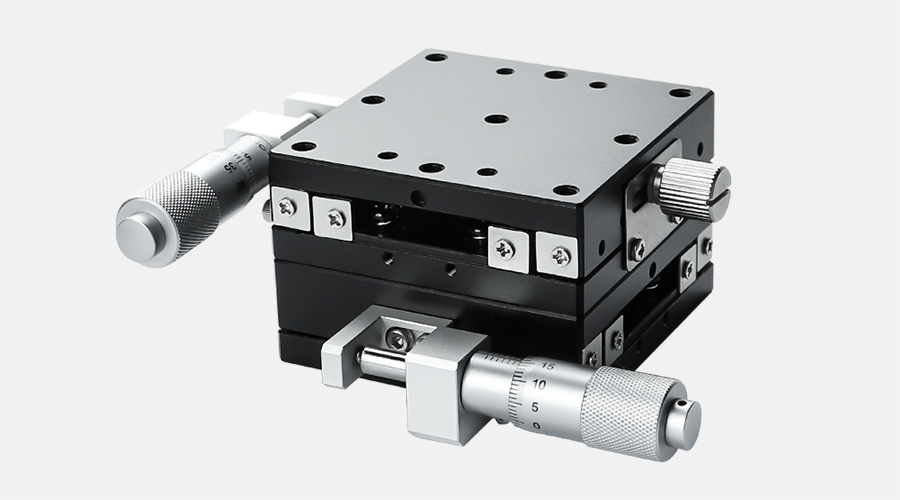 steel bar ball bearing stages
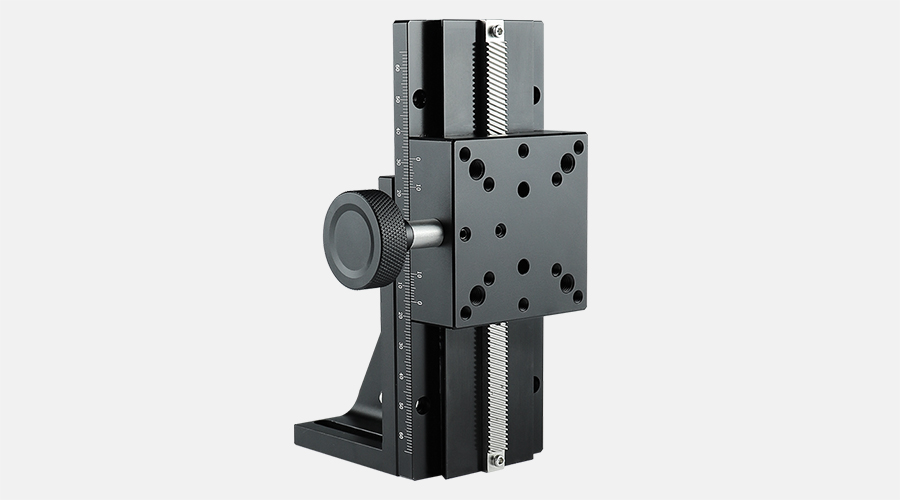 Dovetail Type Rack&Pinion Positioning Stage
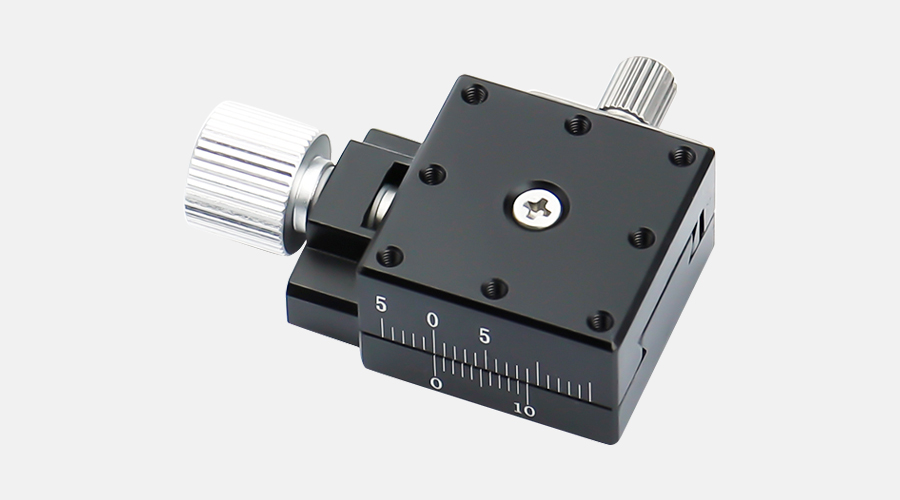 Dovetail groove high-precision screw slide
Telecentric Lens Applications in Machine Vision Inspection & Measurement
Key Application Advantages of Machine Vision Lenses
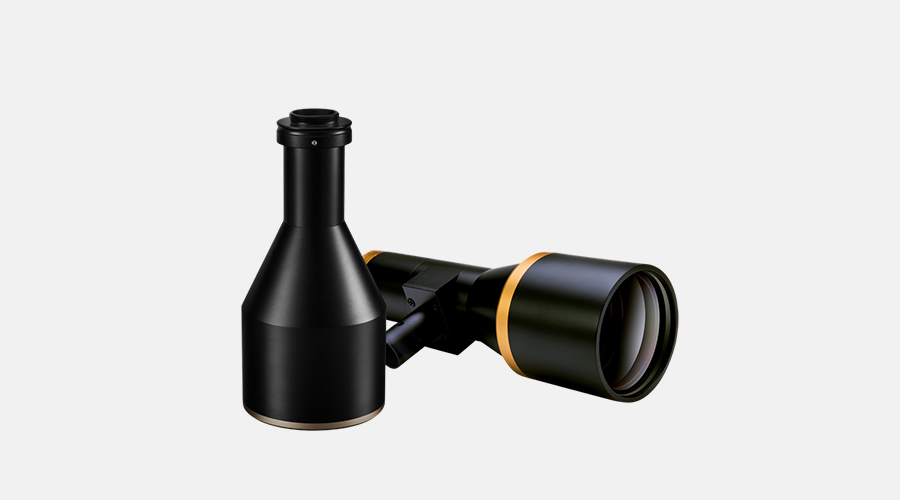
Select the lens according to sensor size, field of view, magnification, working distance, and the actual inspection task. These telecentric lens solutions are mainly suited for dimensional measurement, large-format imaging, line-scan vision, PCB and electronic component inspection, long-working-distance systems, and reflective-surface imaging. Their controlled perspective and low-distortion imaging characteristics can improve geometric imaging consistency in many machine vision systems.
FAQ
-
When should a large-format telecentric lens be used instead of a standard C-Mount telecentric lens?
A large-format telecentric lens should be evaluated when the actual sensor size or required image circle of the industrial camera exceeds the coverage of a standard compact C-Mount lens, or when a larger object-side field of view is required. -
How should a telecentric lens be matched to an 8K, 12K, or 16K line-scan camera?
First confirm the physical sensor length, pixel size, and required object-side scan width. Lens magnification determines the object-side scan width, while lens MTF and camera pixel size together affect the level of image detail the system can effectively use. -
Does a higher lens MTF automatically mean the system can detect smaller defects?
No. MTF is an optical performance parameter of the lens and cannot be directly treated as the minimum defect-detection capability of the complete system. The smallest visible feature also depends on camera pixel size, magnification, image contrast, illumination, focus, signal-to-noise ratio, and image-processing algorithms. -
Can the same telecentric lens configuration be used for both dimensional measurement and reflective-surface inspection?
-
When should a long-working-distance telecentric lens be used?
-
How can I determine whether a large workpiece can be captured completely in a single telecentric image?
-
Why can't we just look at "Distortion < 0.1%" and should we also examine the complete distortion curve?
-
When calibrating the distortion of the long-distance measurement system, what precision and position requirements should the calibration plate meet?
-
Why should the distortion calibration for telephoto lenses be carried out near the actual working distance?
-
What are the differences between Working F/#, Nominal F/# and Numerical Aperture? Why is Working F/# particularly important for small pixel cameras?
-
Will the wavelength of the illumination affect the telecentricity and the final size measurement results?
-
When is it necessary to focus on off-axis aberrations rather than just on-axis aberrations?
-
Why is it necessary to match the light source divergence angle, lens aperture and FOV when using a telephoto lens with collimated backlighting?
-
When installing large-sized telecentric lenses, will the interface backlash and mechanical assembly affect the repeated measurement?
-
Does far-focus imaging mean that information about the hole wall, side wall or thickness direction must be completely lost?