
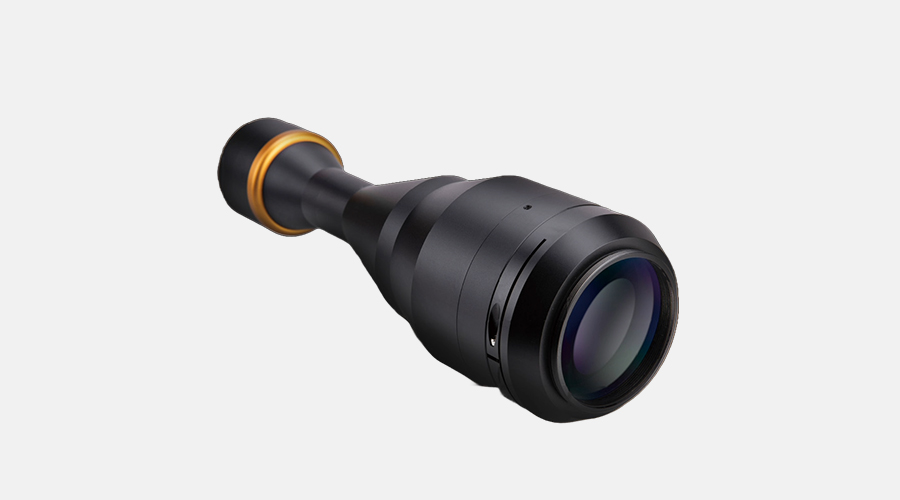
 Compatible with 7.2mm-82mm chips
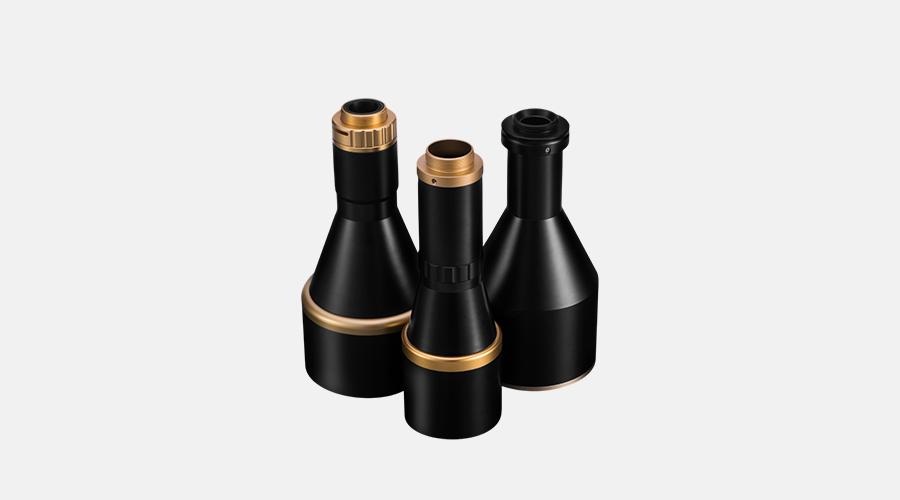 High/Low Working Distance
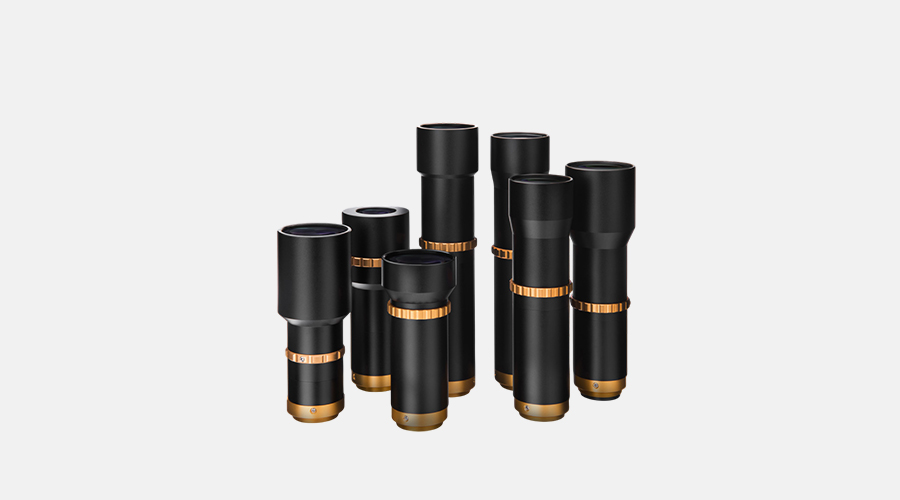 Aperture telecentric lens
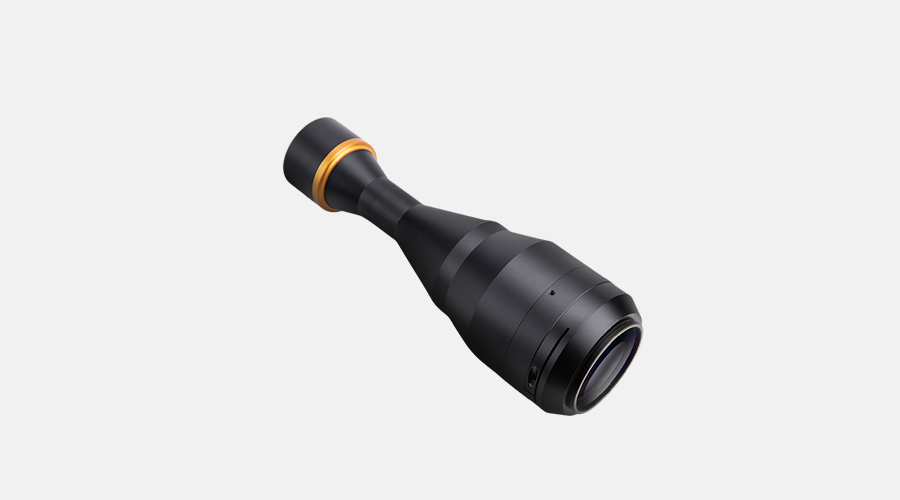
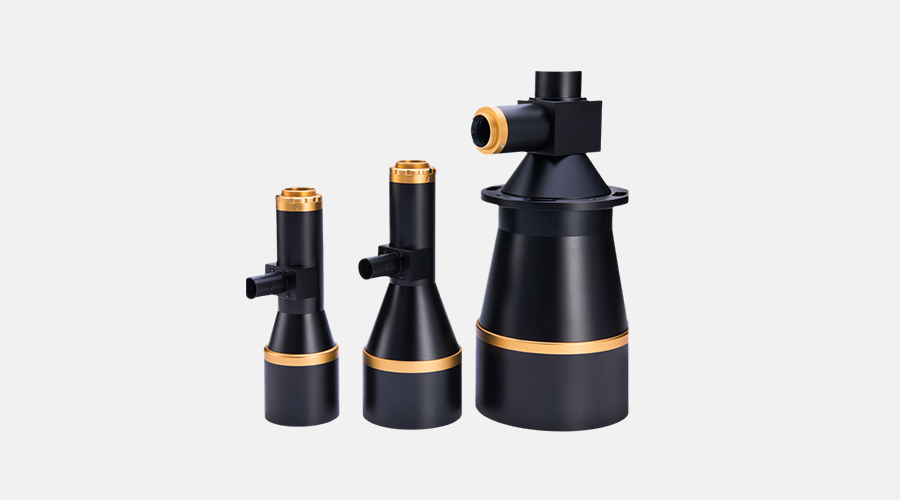 Measuring lens
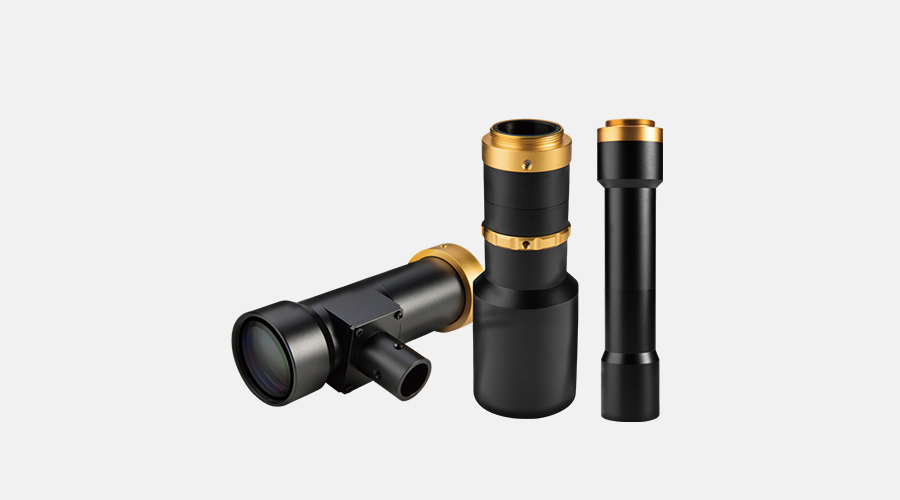 Maximum support 1.1" chips
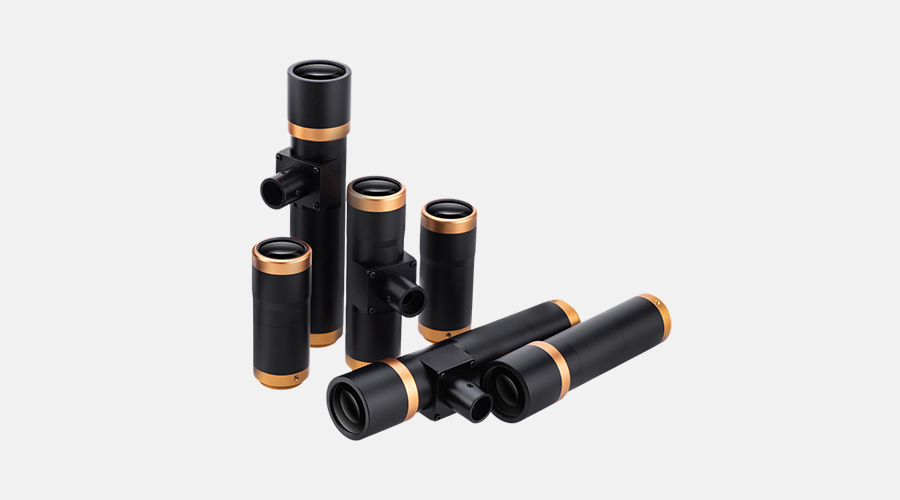 Maximum support 1.2" chips
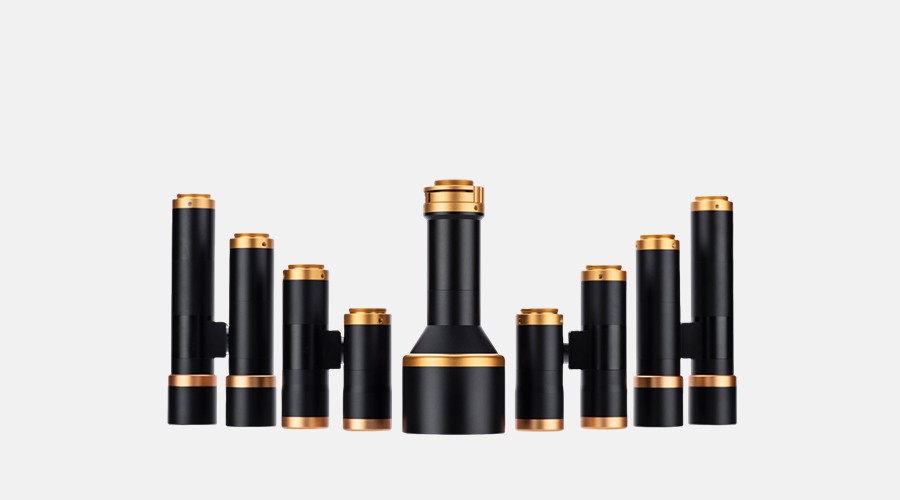 Maximum support 2/3" chips
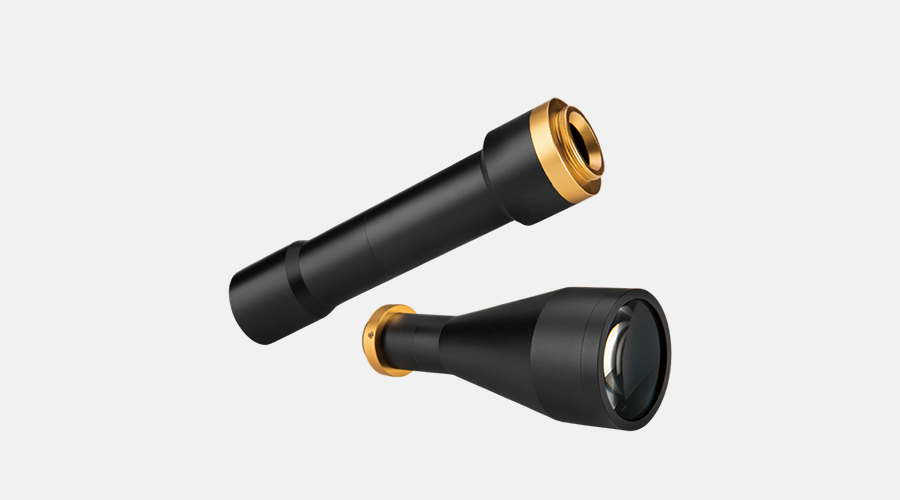 Long Working Distance
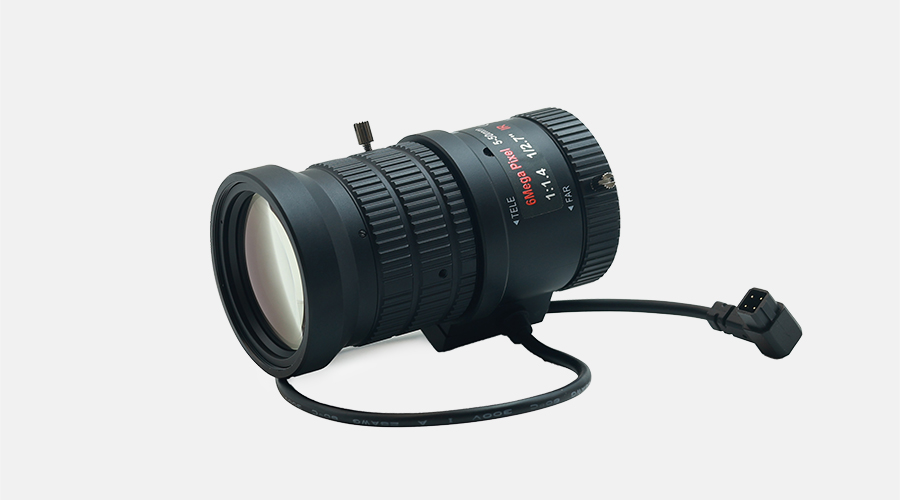 CS mount Varifocal lens
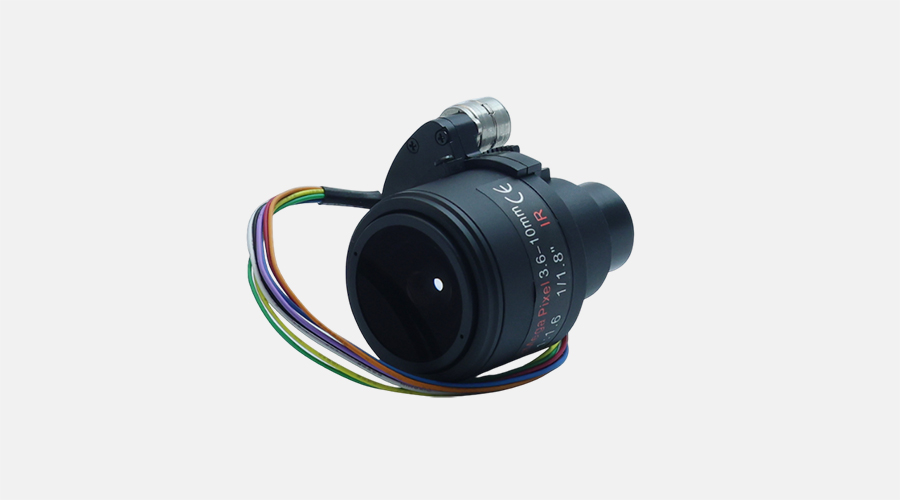 Varifocal board lens
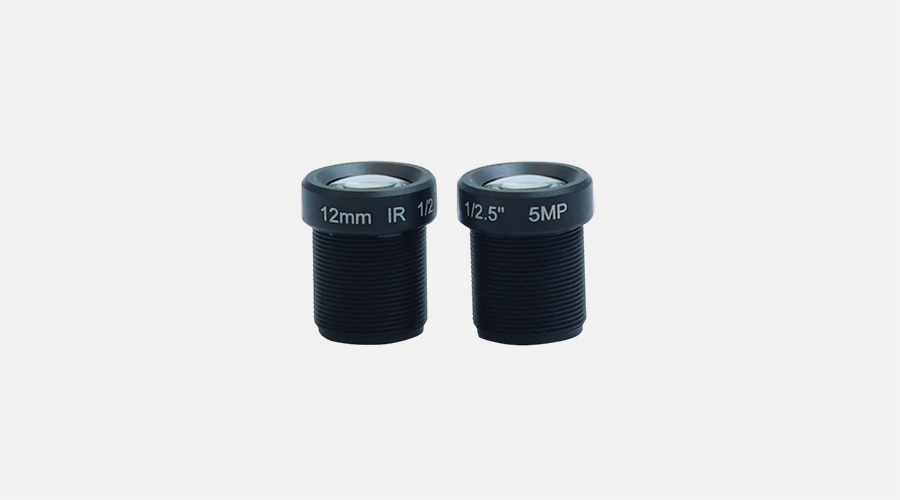 S mount lens
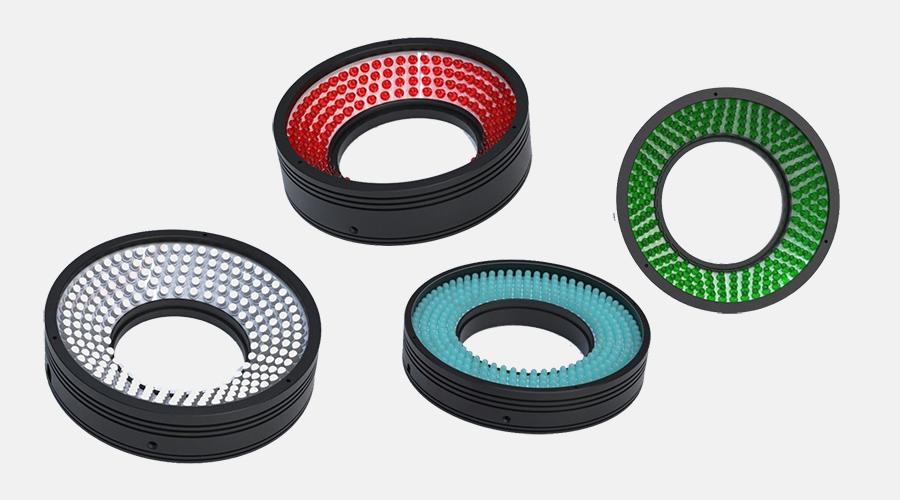 Ring light
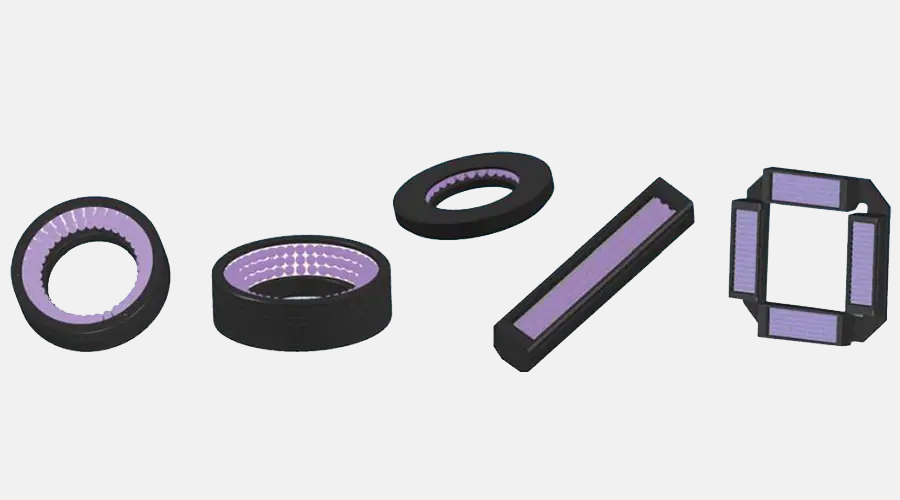 UV/IR Light
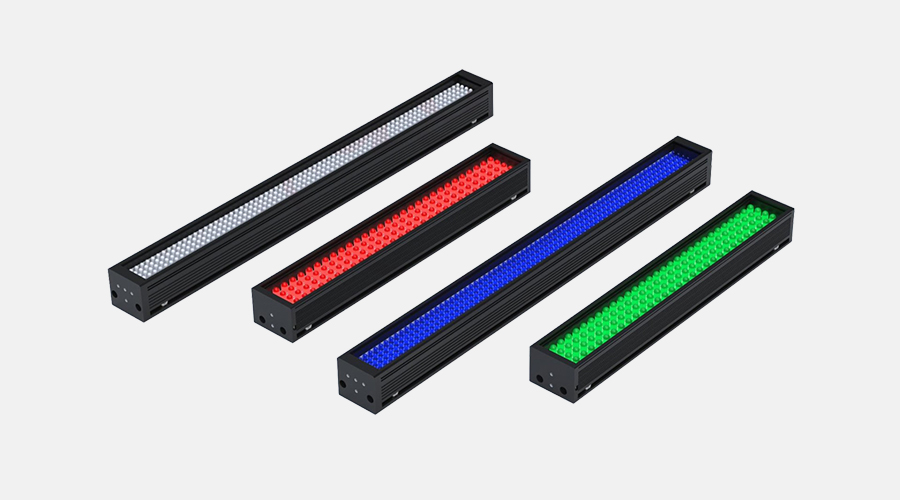 Bar light
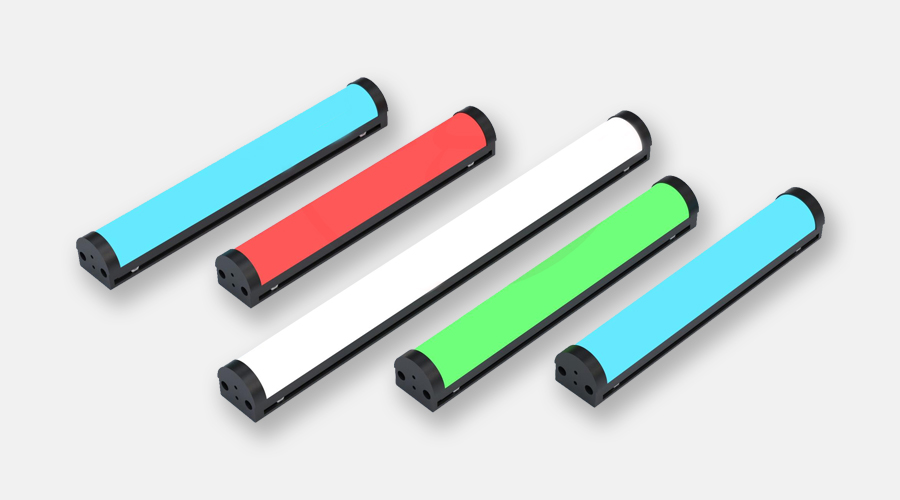 Arcuate high uniformity light
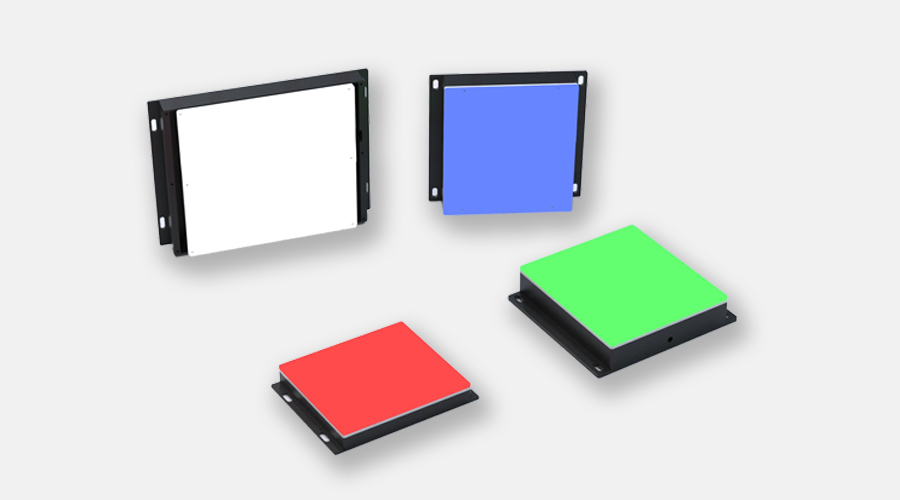 Back light
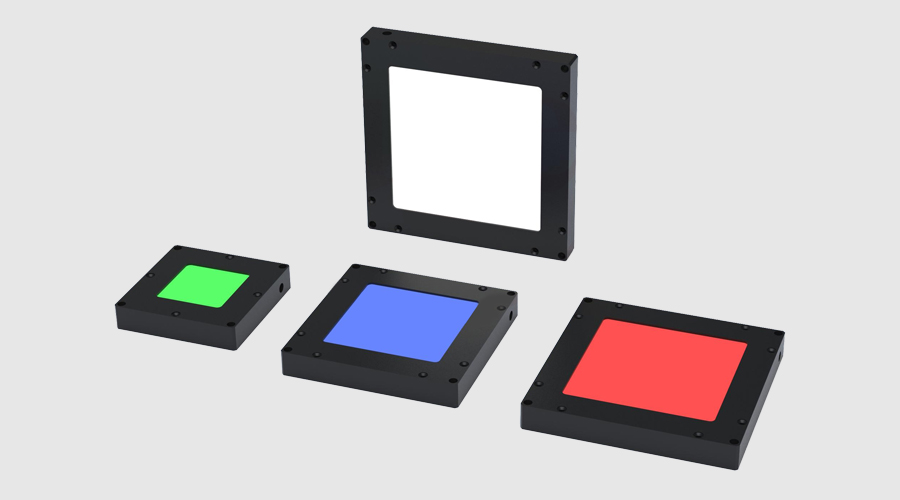 Flat light
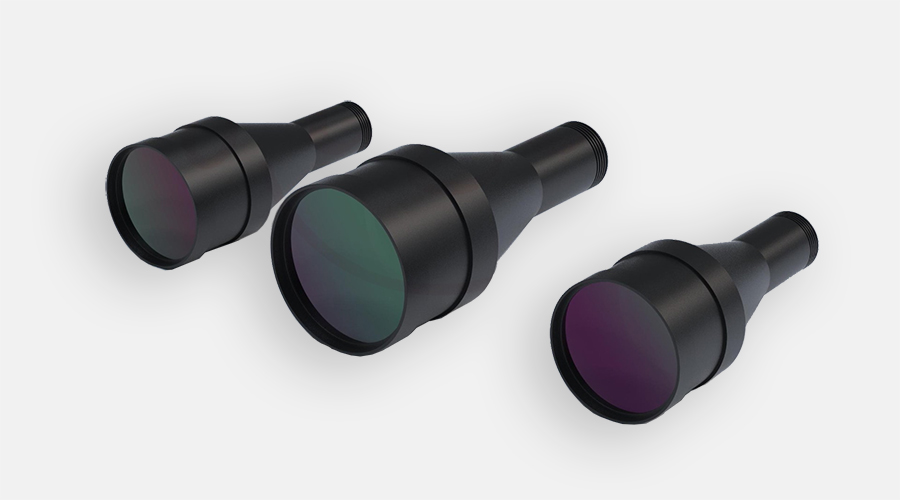 Collimated light
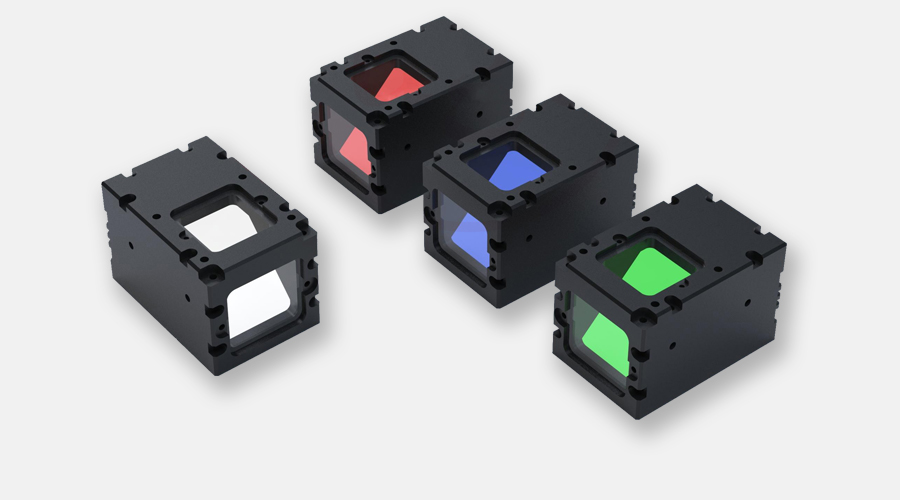 Coaxial light
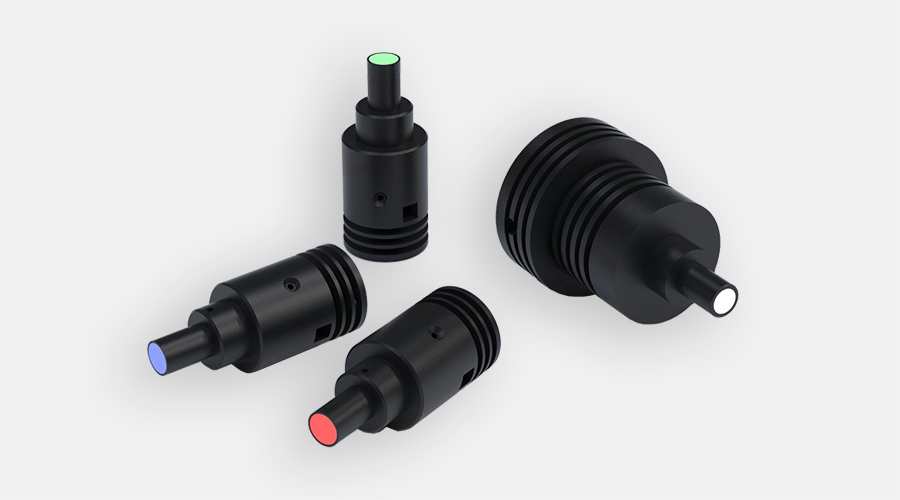 Spot light
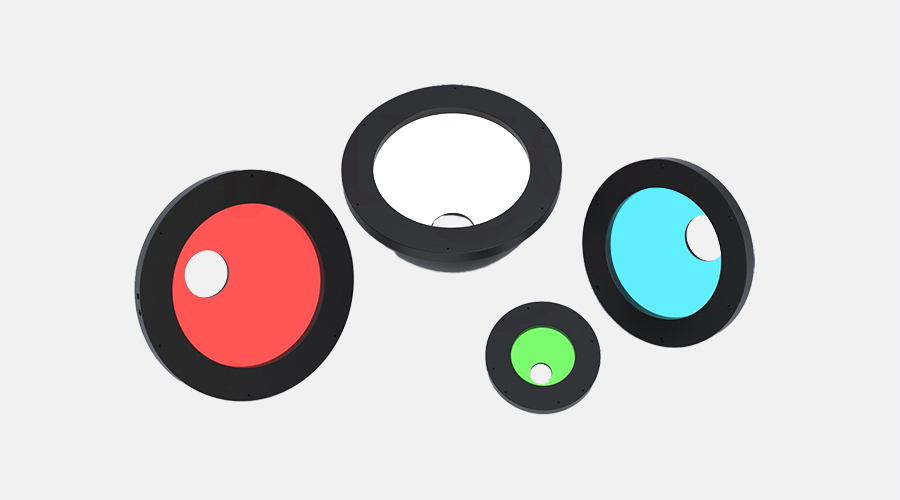 Dome light
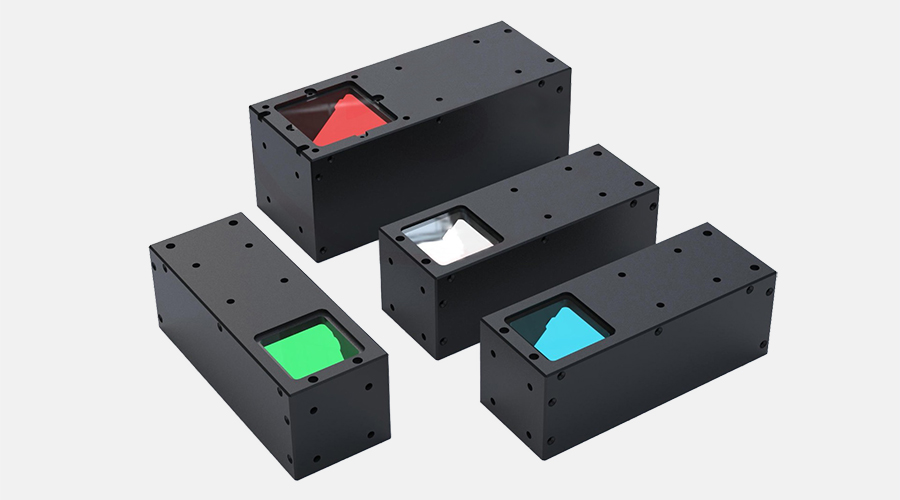 Collimated Coaxial light
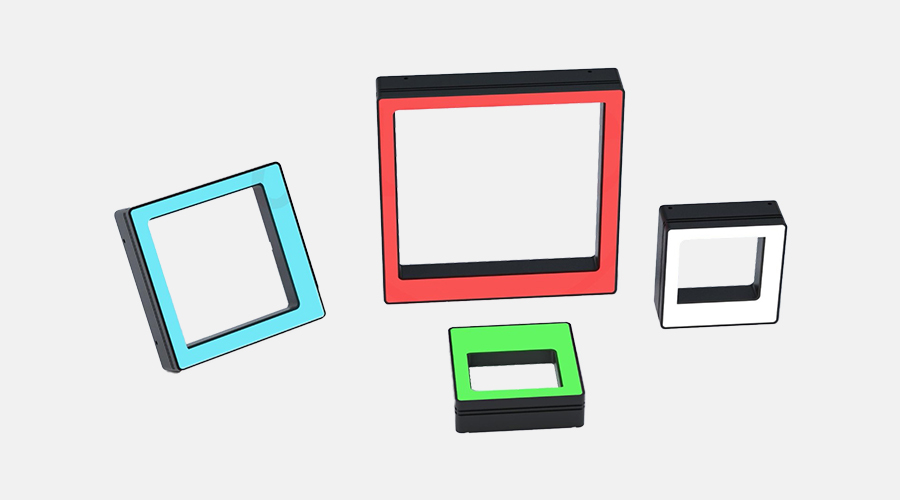 Shadowless square light
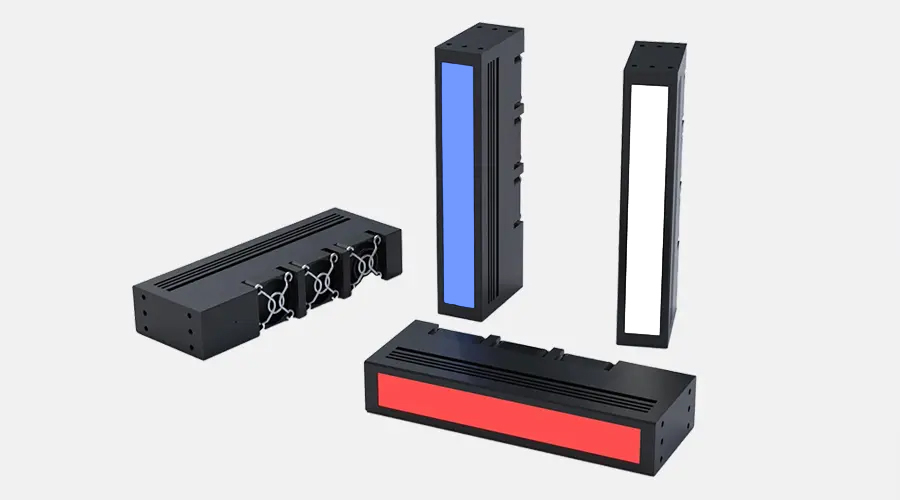 Scan light
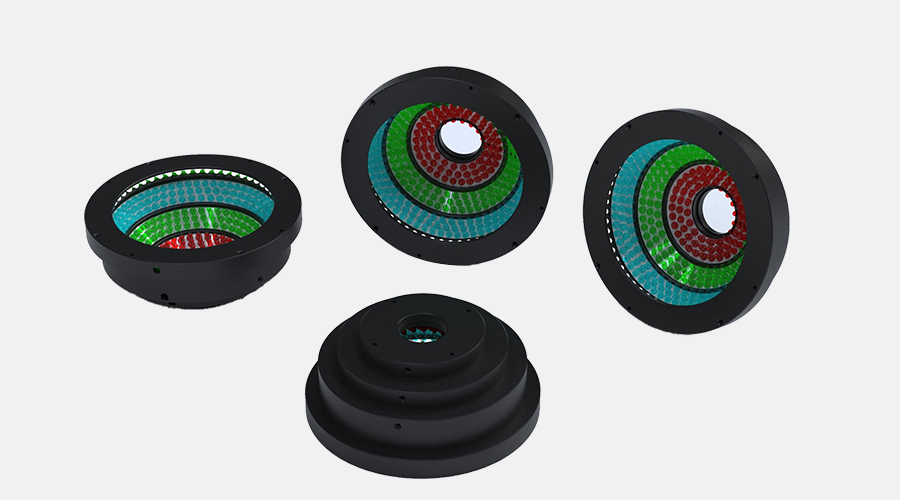 AOI light
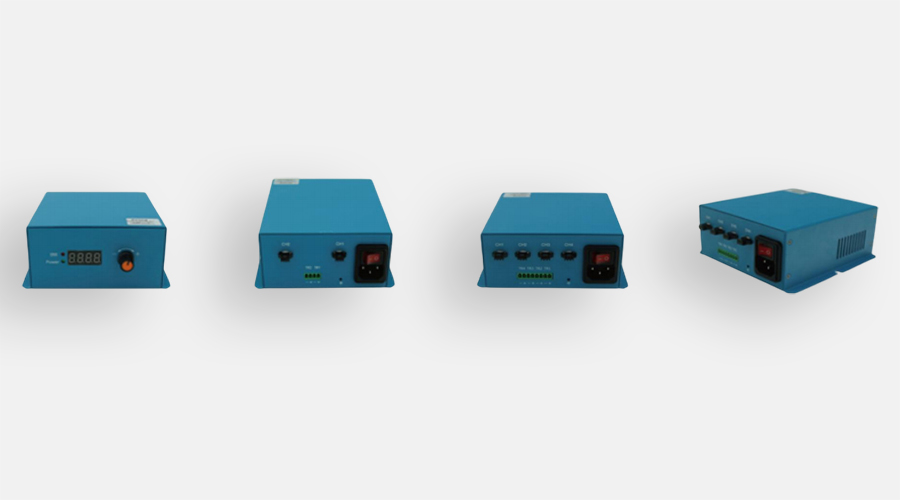 Analog controller
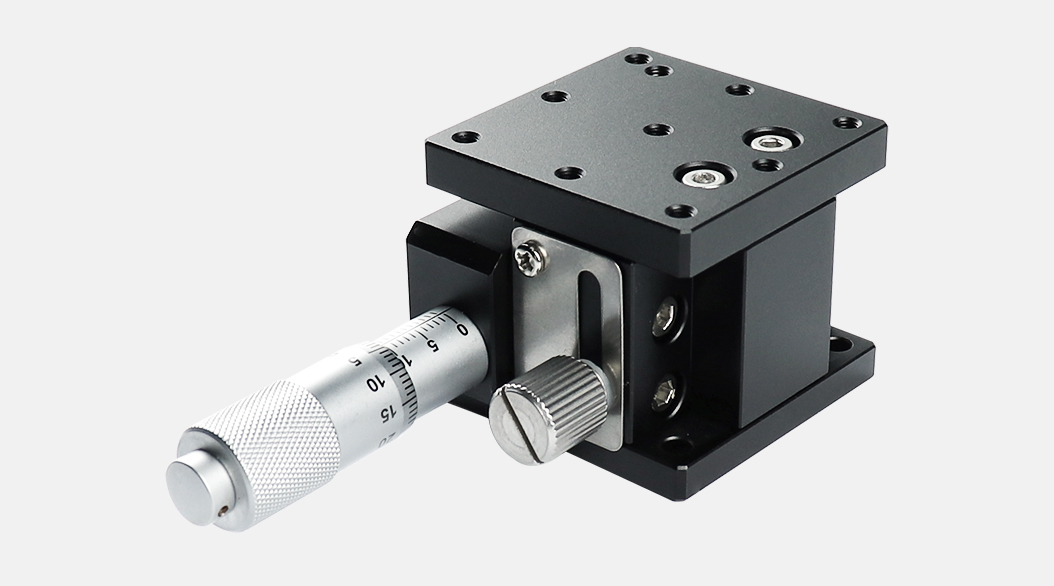 Crossed-Roller Linear guide type
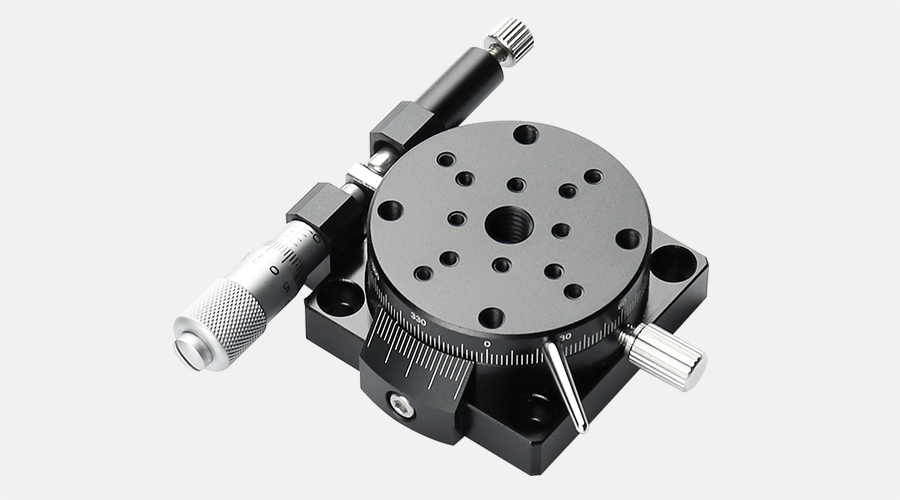 Rotary Stages XRS series
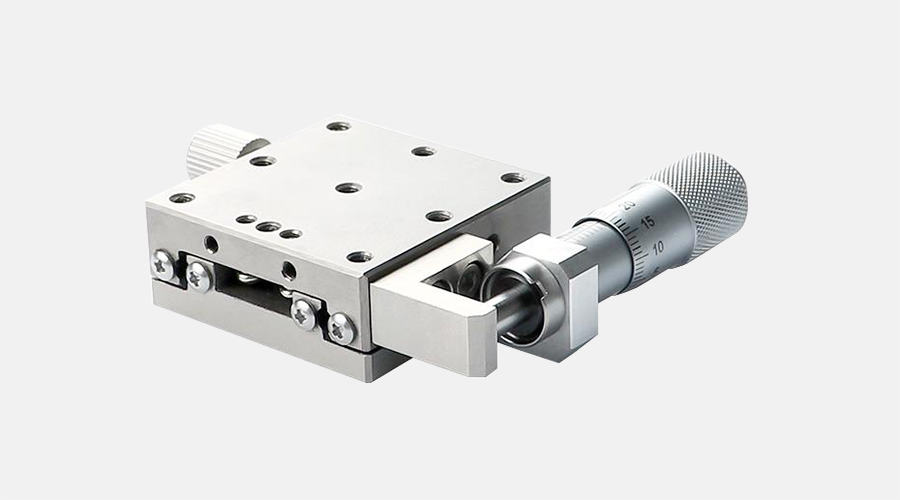 Stainless Steel Ball Bearing Linear Translation Stages
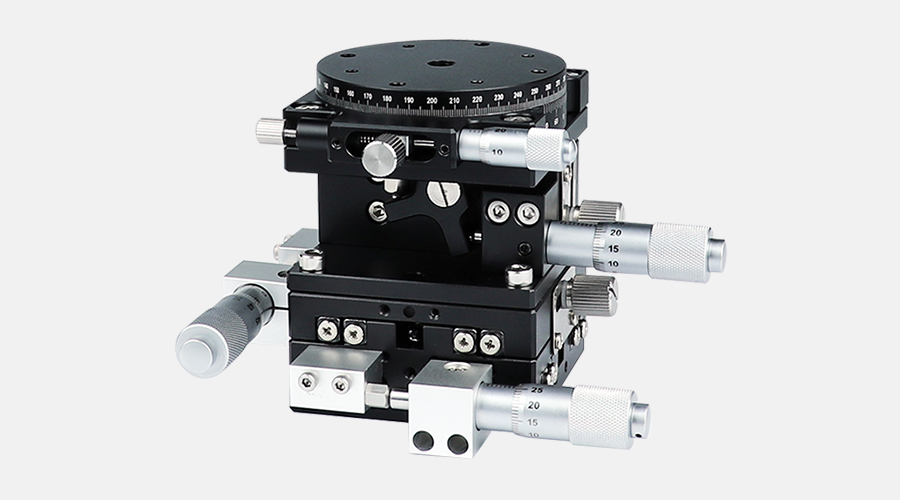 Multi-axis Translation stages
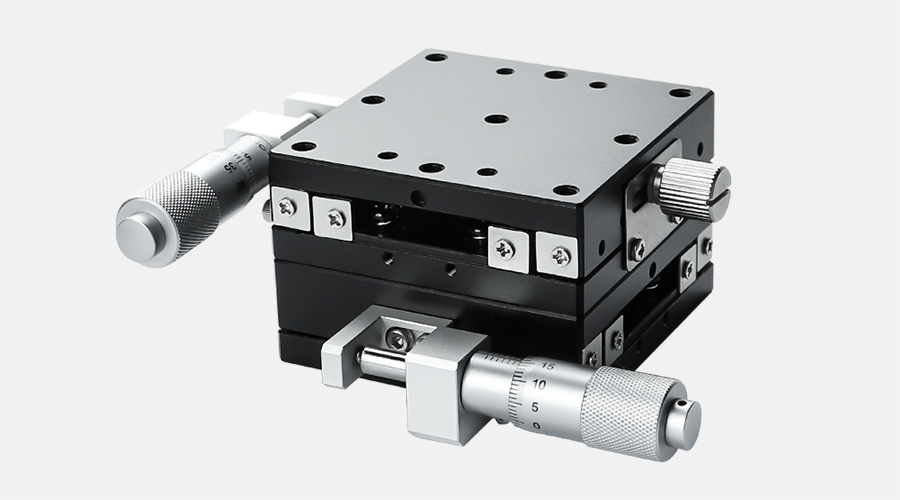 steel bar ball bearing stages
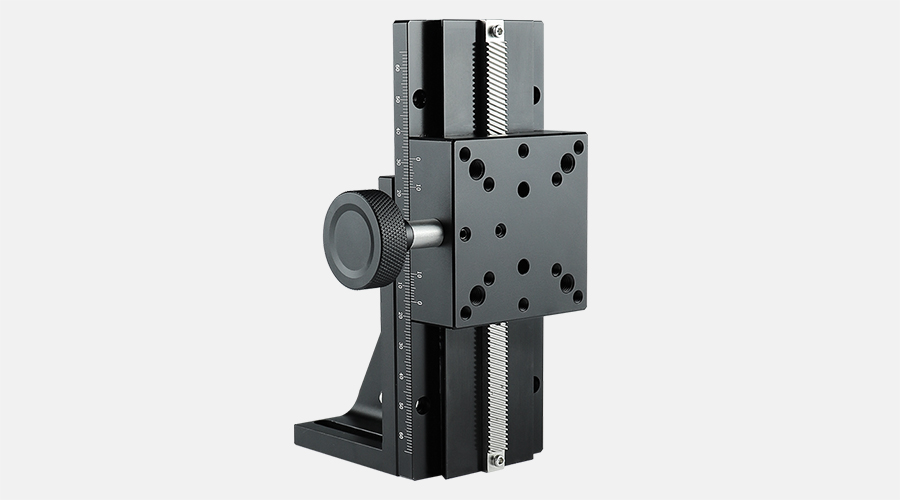 Dovetail Type Rack&Pinion Positioning Stage
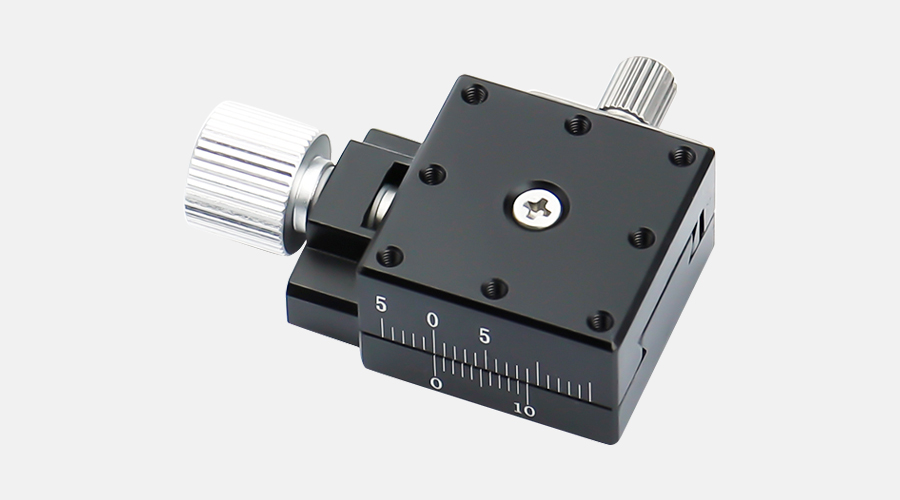 Dovetail groove high-precision screw slide
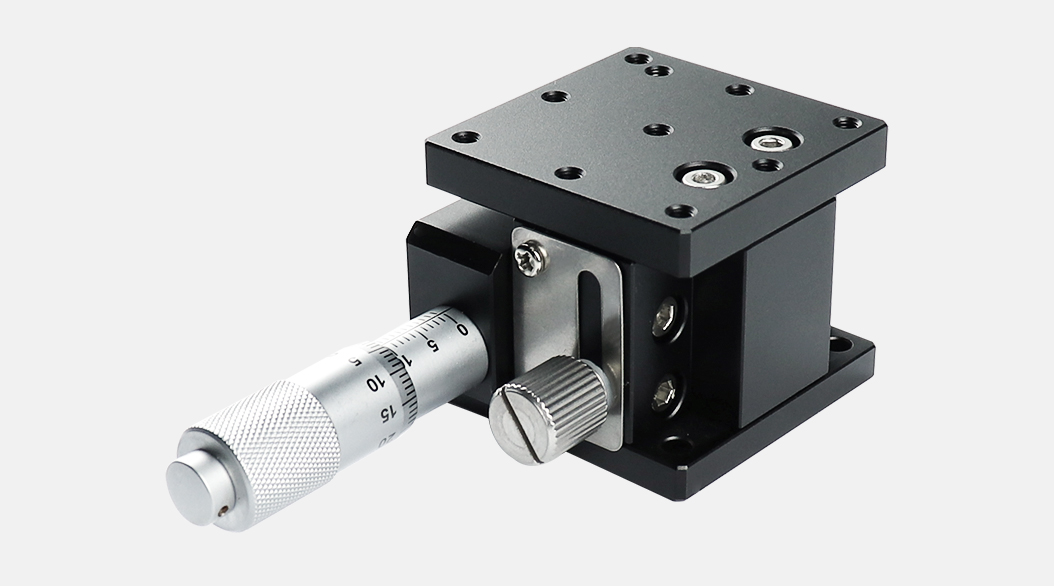
Manual Slide Stage
Used for optical system setup, machine vision system integration, sample positioning, and equipment adjustment.



FAQ
-
How should an optical system choose between XZ, XYZ, XYθ, and XYZθ stages?
Select the stage according to the actual degrees of freedom that need to be adjusted rather than simply choosing more axes. XZ is suitable for horizontal position plus height adjustment; XYZ provides three-axis positioning; XYθ adds in-plane rotation to XY motion; and XYZθ combines three-axis translation with rotation. -
Does a 0.01 mm minimum scale mean the stage has 0.01 mm positioning accuracy?
-
How can a Z-axis stage be used in a telecentric lens system without changing the lens working distance?
-
When is a crossed-roller stage more suitable than a rack-and-pinion stage?
-
When should a rotary stage be used instead of an αβ tip-tilt stage?
-
If only the load capacity is considered without taking into account the center of gravity and bending moment loads, why is it insufficient?
-
Why can the load capacity be different when the same slide platform is installed horizontally and vertically?
-
How do straightness, flatness, pitch angle, yaw angle and roll angle affect the optical positioning system?
-
Why can't the system performance simply be equal to the specifications of each individual single-axis when multiple single-axis sliding tables are stacked in the XYZ configuration?
-
Why can't the stiffness of the slide table and the maximum load capacity be regarded as the same parameter?
The maximum load capacity mainly indicates how much load the slide table can withstand under the specified installation and force conditions, while stiffness represents the ability of the slide table to resist deformation after being subjected to force. They are related, but they are not the same indicator. -
Why is extra attention required for cross roller guides in environments with poor cleanliness?
The cross roller guide relies on high-quality rolling contact and is more sensitive to particles entering the contact surface of the guide. Therefore, in environments with a lot of dust or debris, additional protection and maintenance are necessary. -
During the cross-winding stage, what is cage migration? Why is it important?
In the partial cross-roller system, the cage may undergo positional migration due to repeated motion, thereby affecting the motion quality.